Studio Equipment
Are you looking to set up your own professional studio? Look no further than our extensive collection of studio equipment. Whether you're a seasoned photographer, aspiring musician, or budding content creator, we have everything you need to bring your creative vision to life. From high-quality cameras and lighting setups to state-of-the-art audio gear and versatile backdrops, our wide range of studio equipment is designed to meet the demands of any creative project. Explore our selection today and advance your artistic endeavors with Best Buy Canada.
Sort






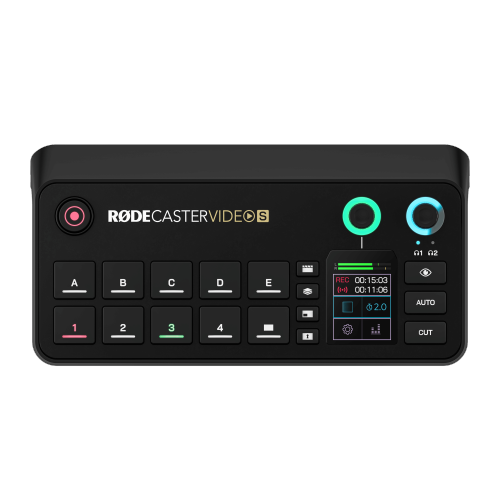
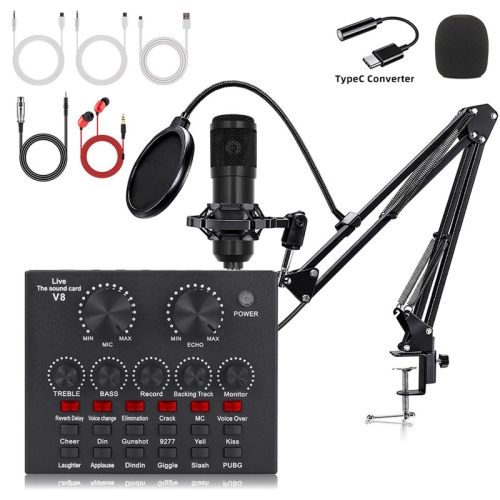
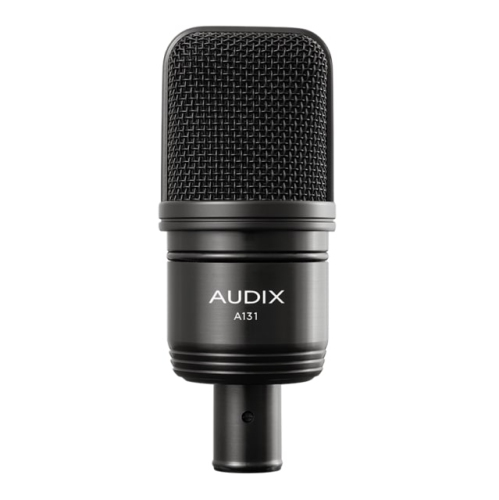
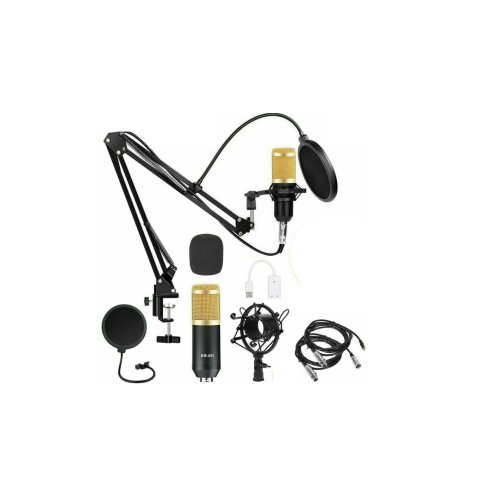







How your recording setup shapes the sound you capture
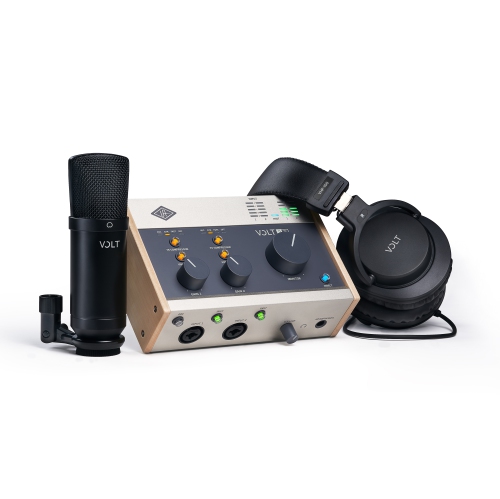
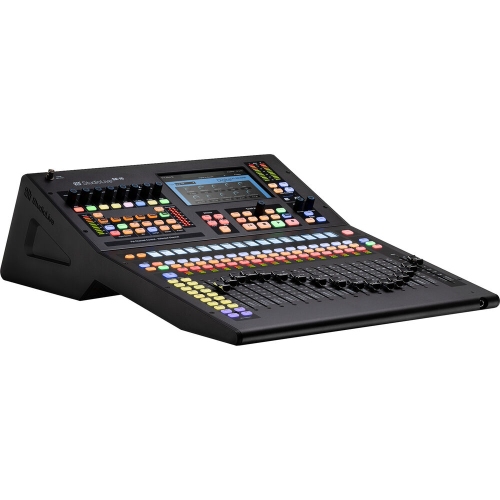
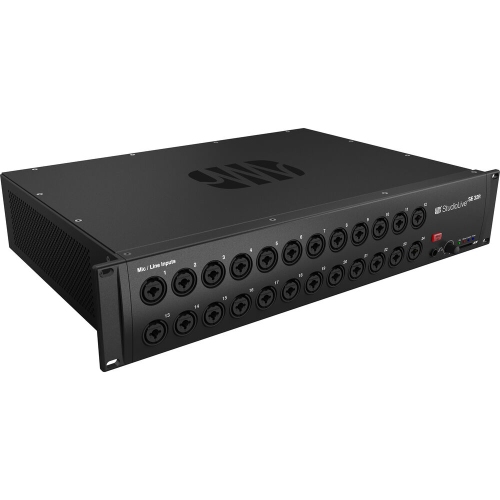
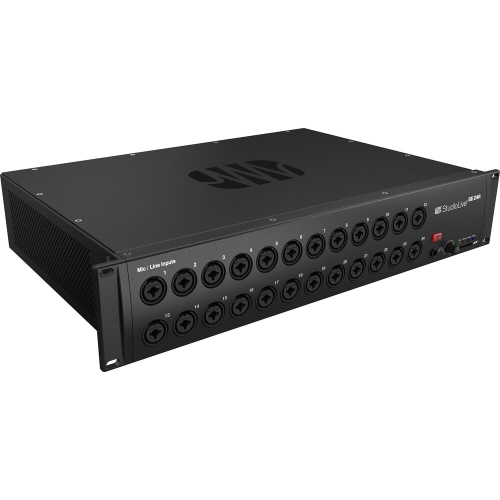
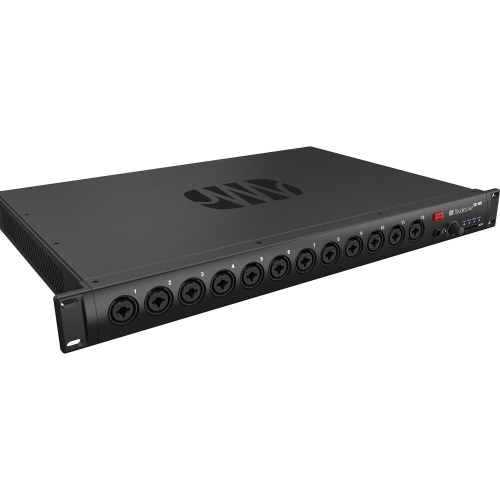
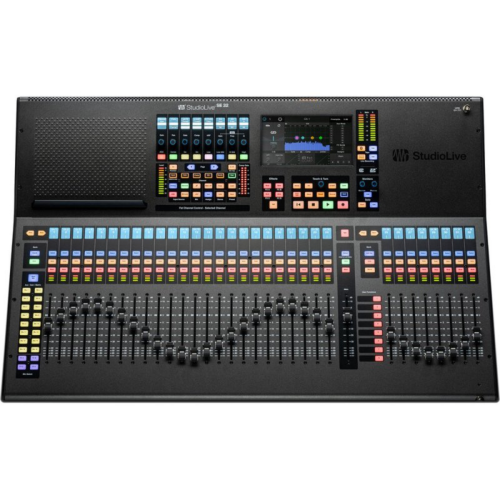
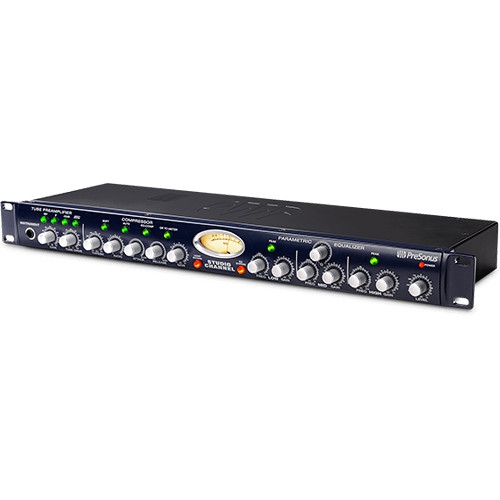
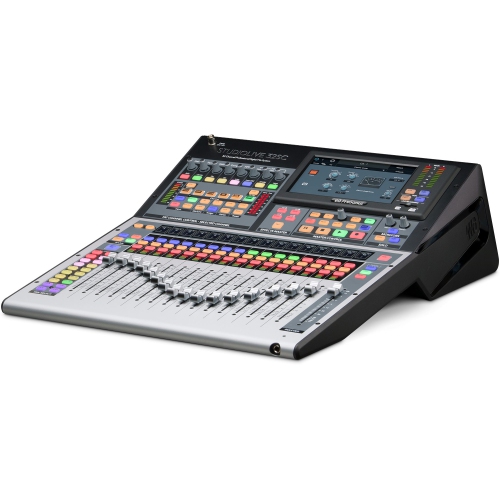
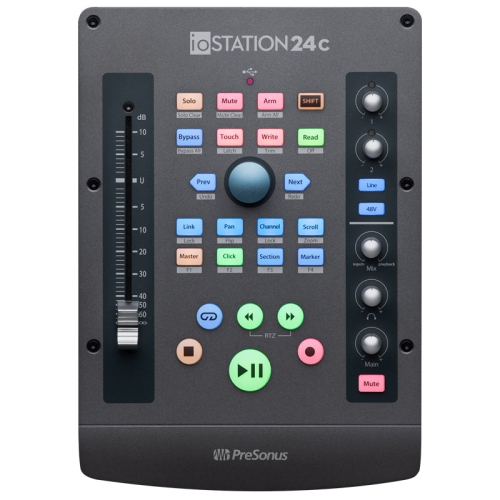
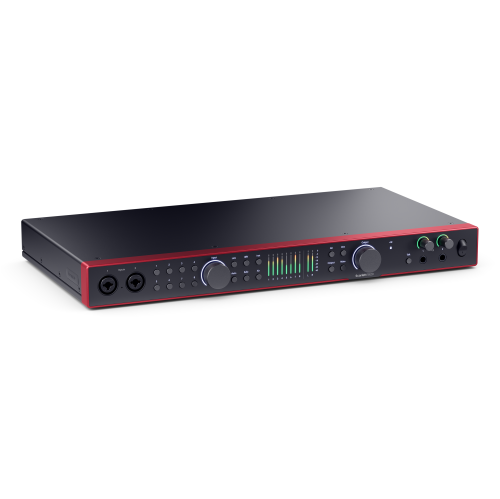
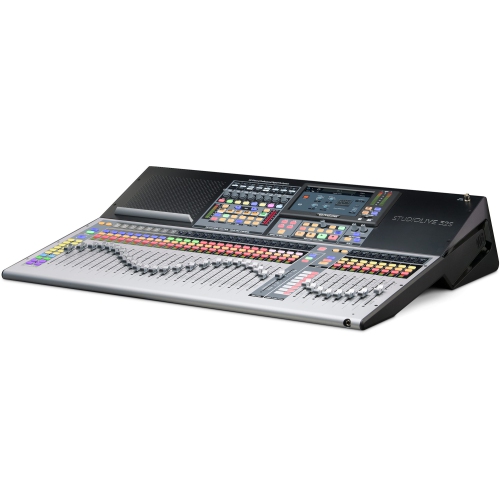
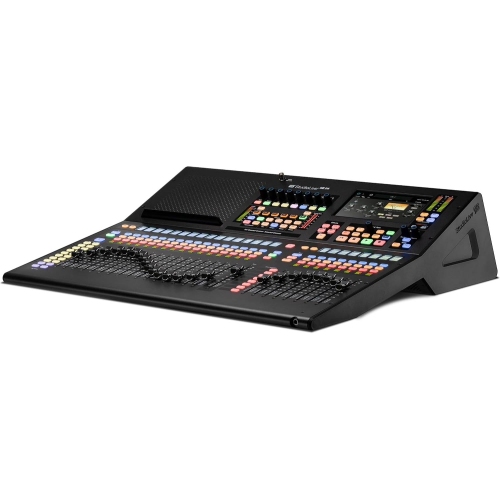
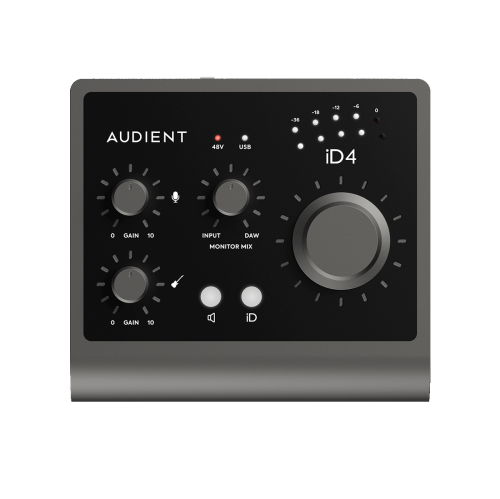
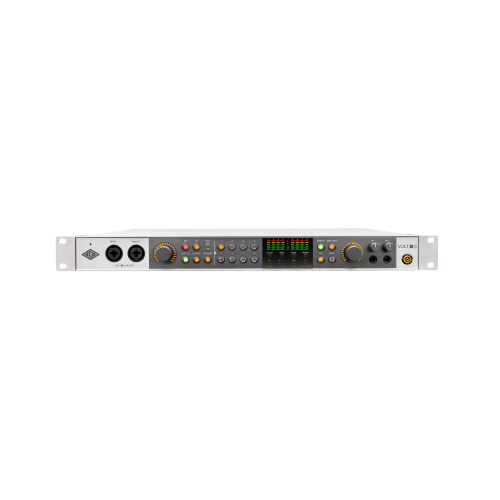
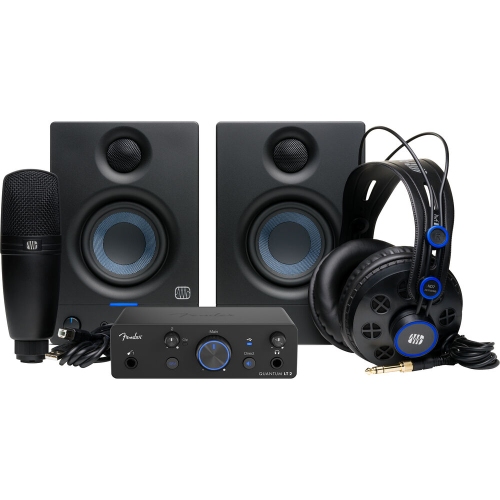
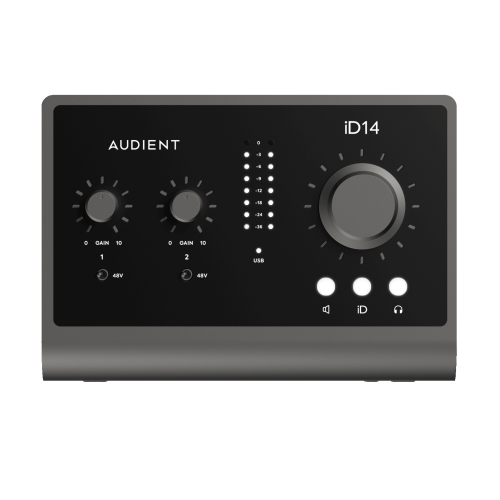
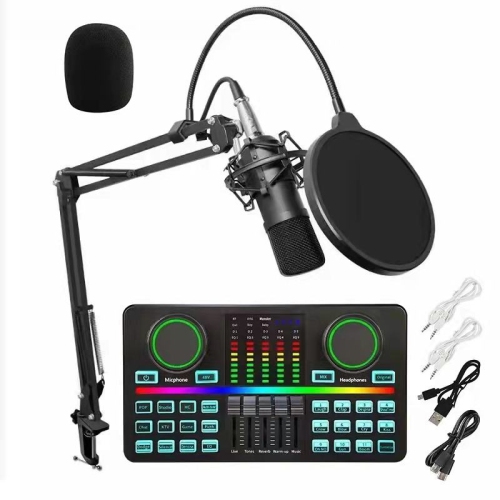
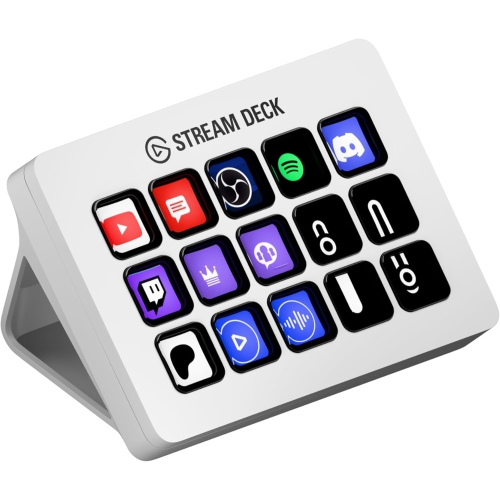
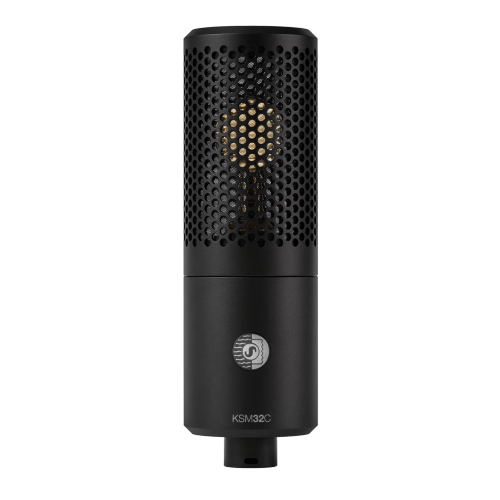
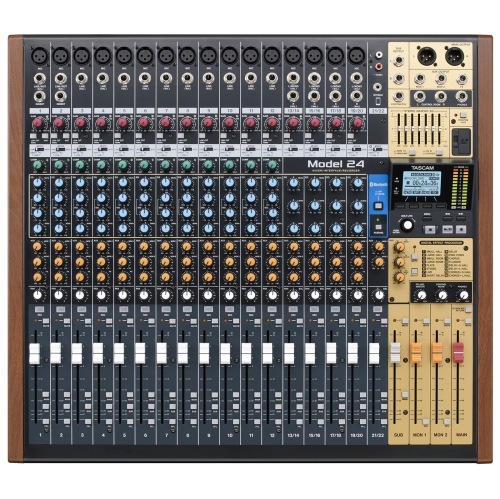
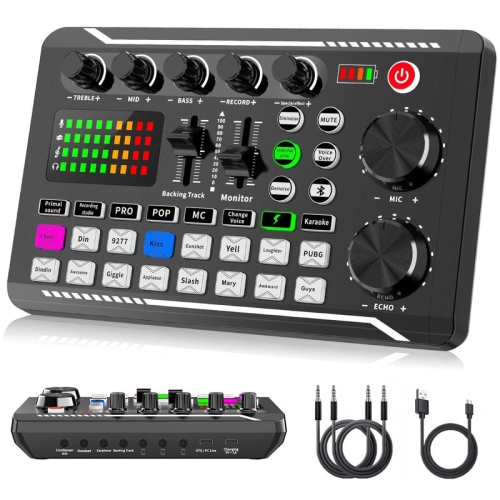
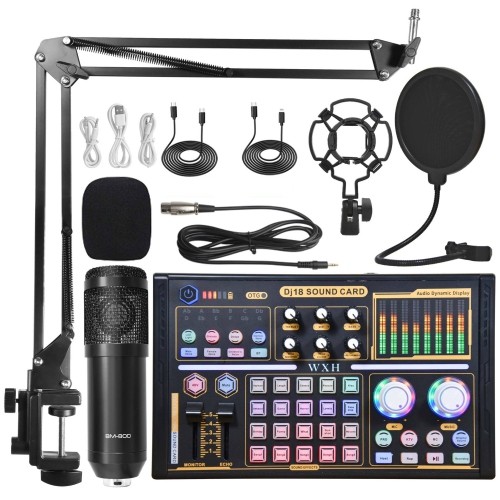
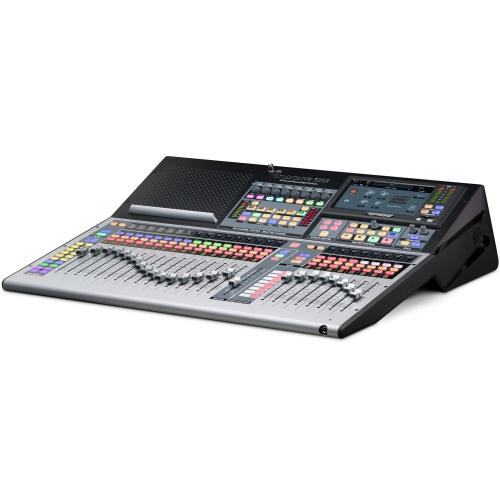
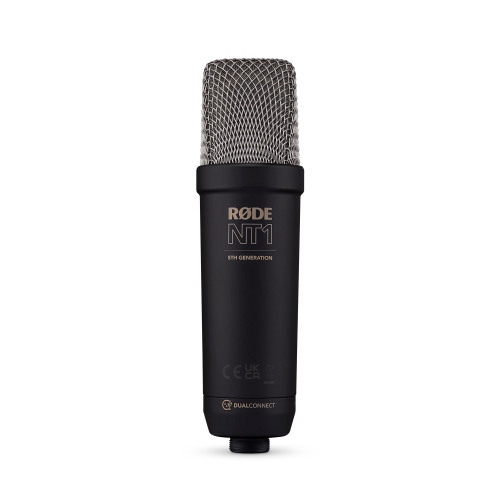
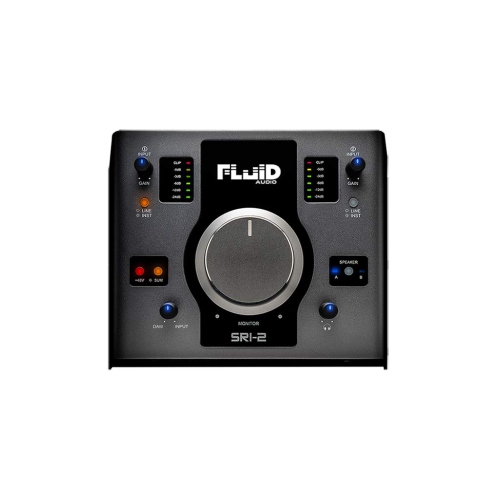
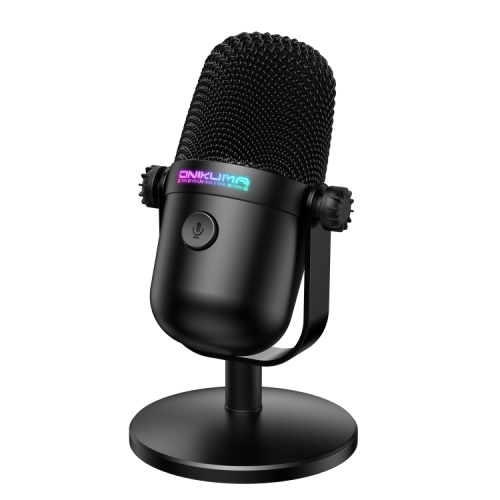
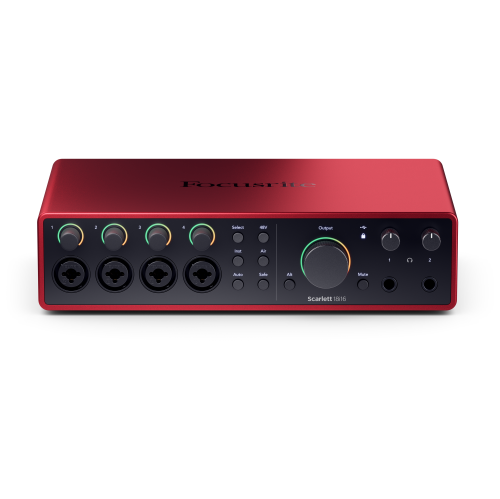
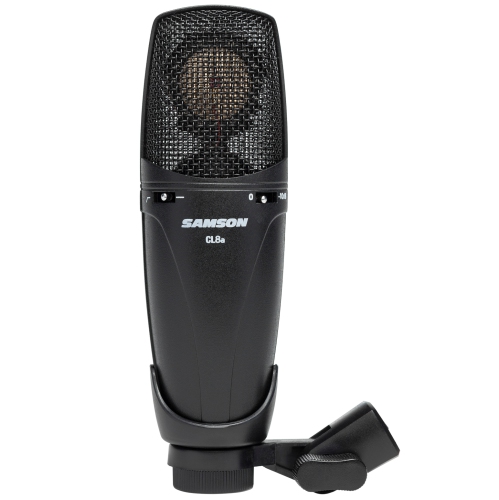
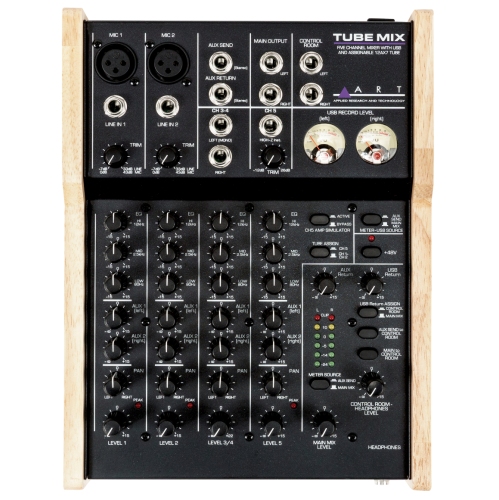
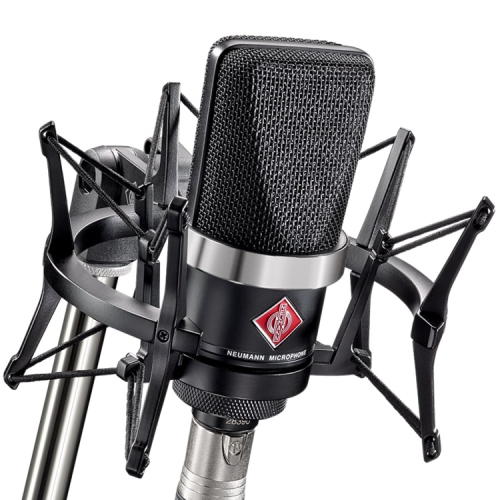
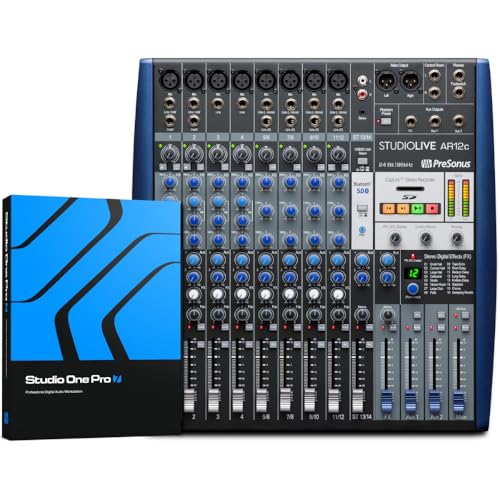
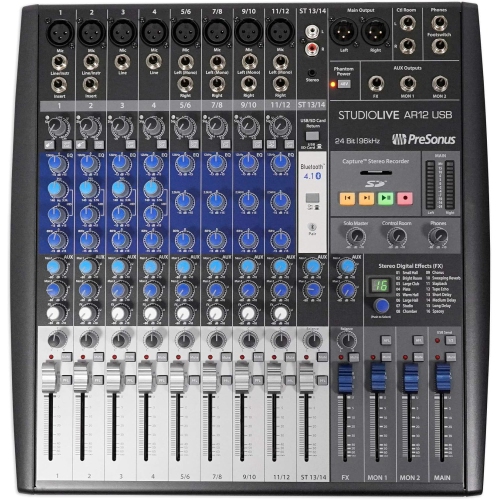
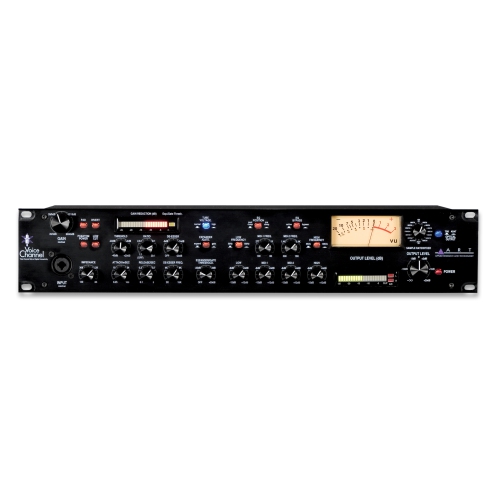
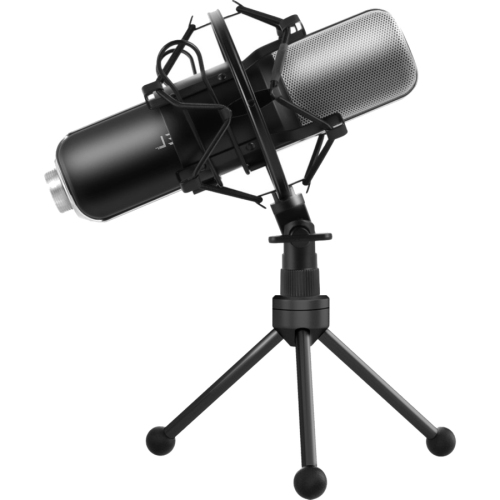
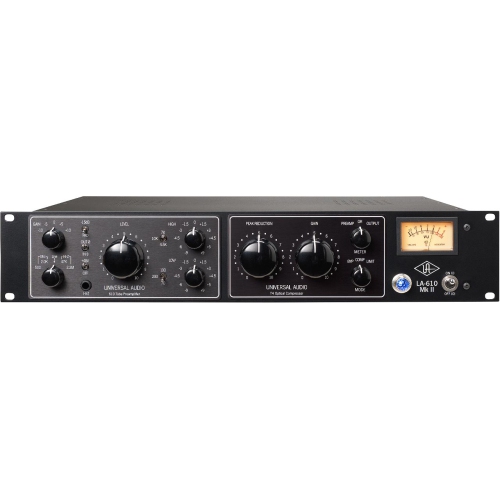
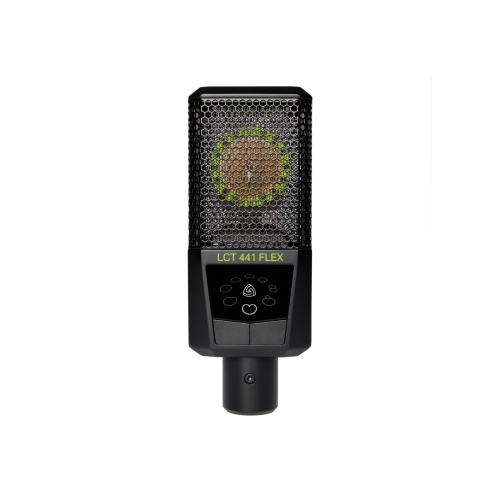
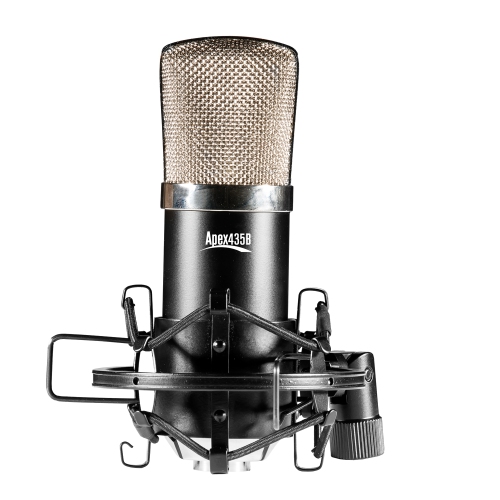
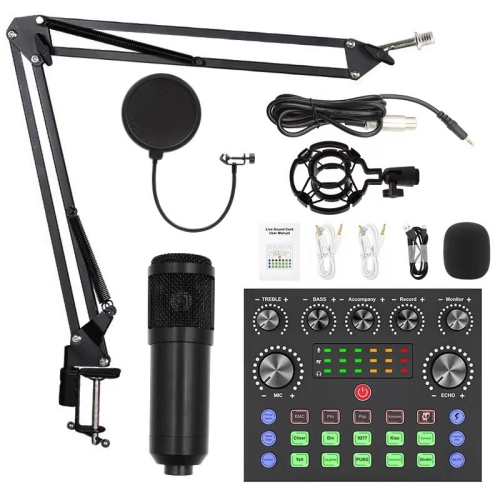
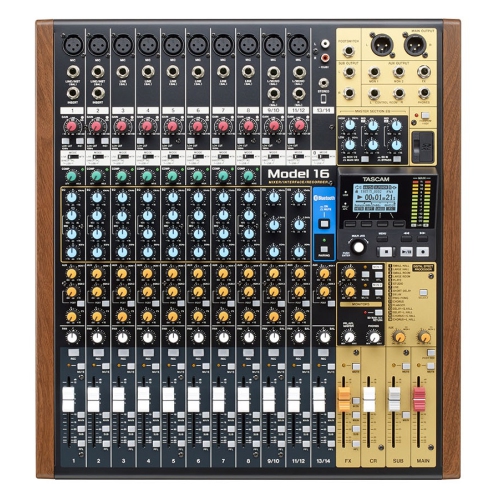
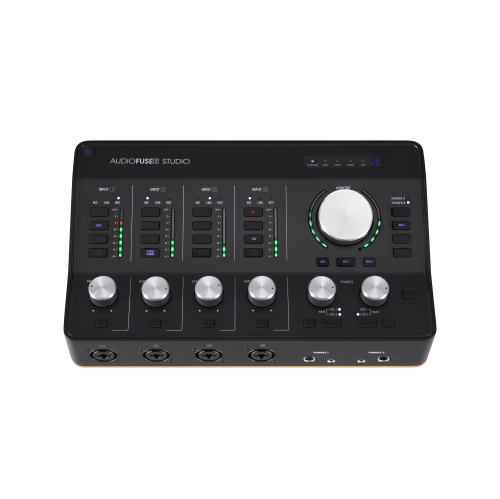
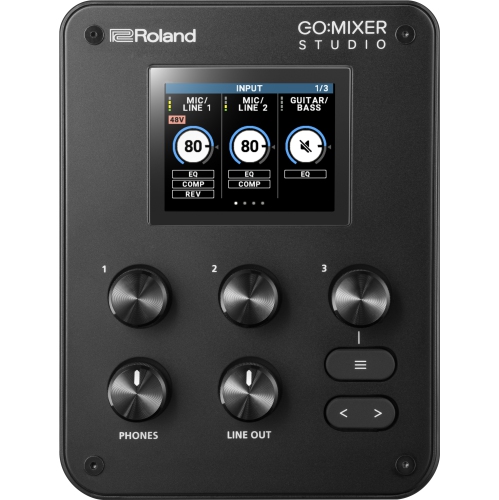
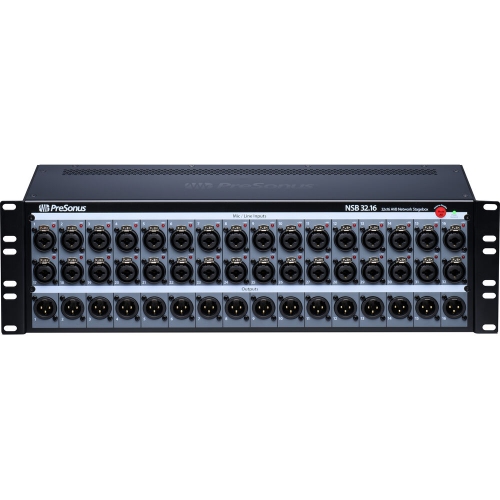
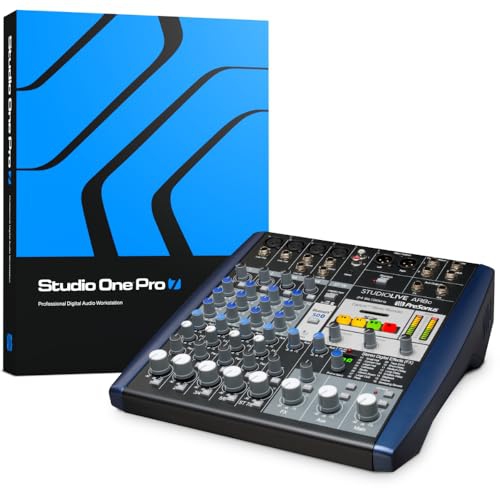
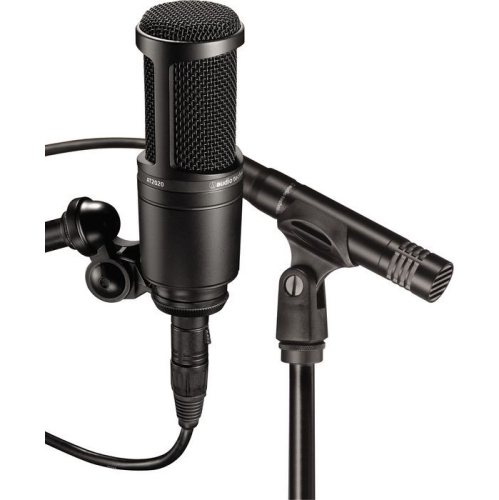
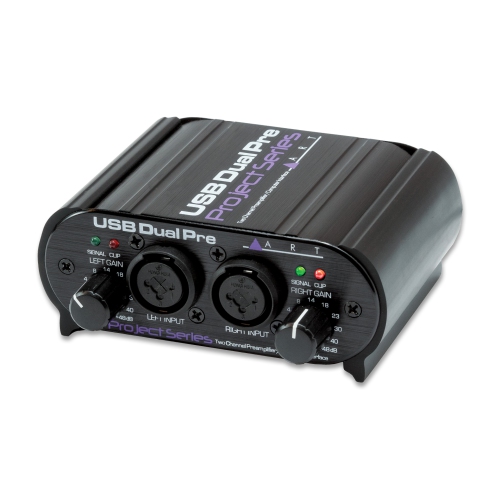
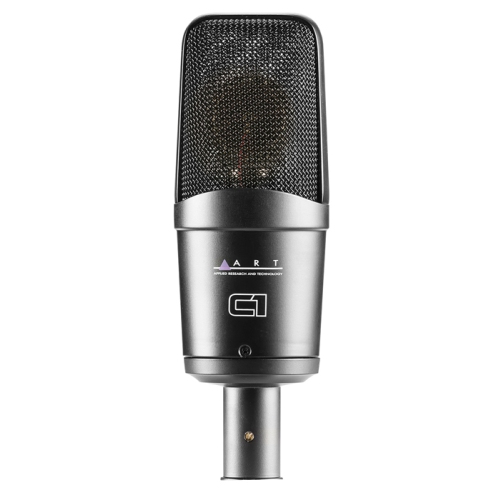
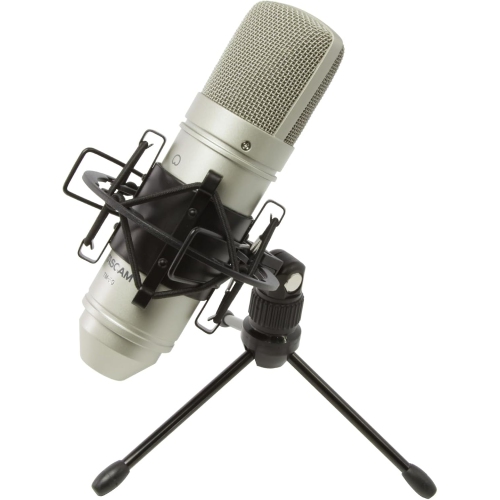
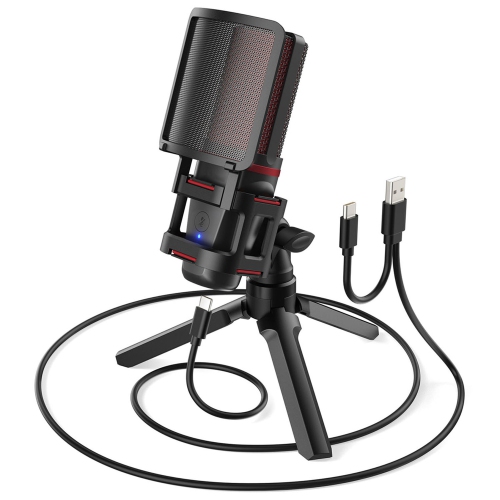
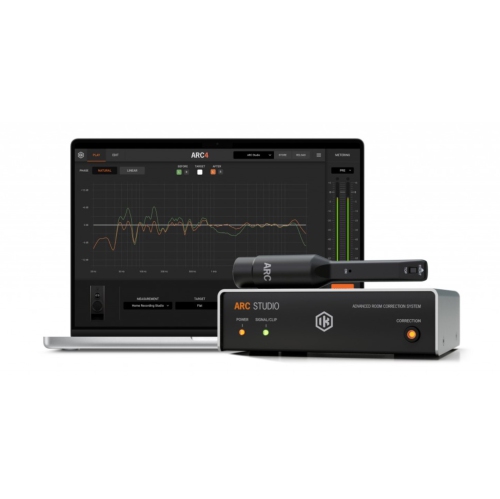
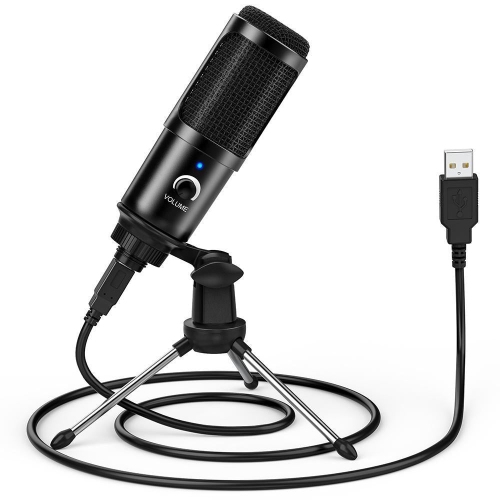
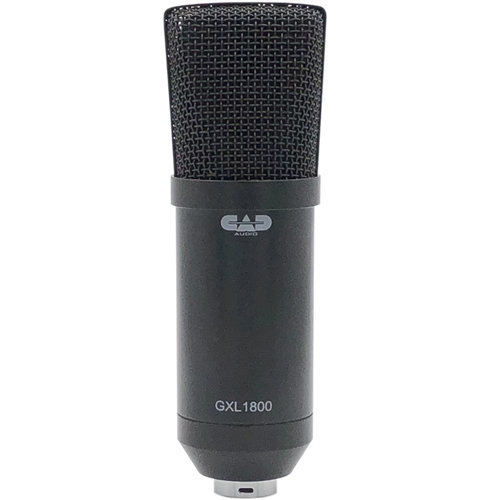
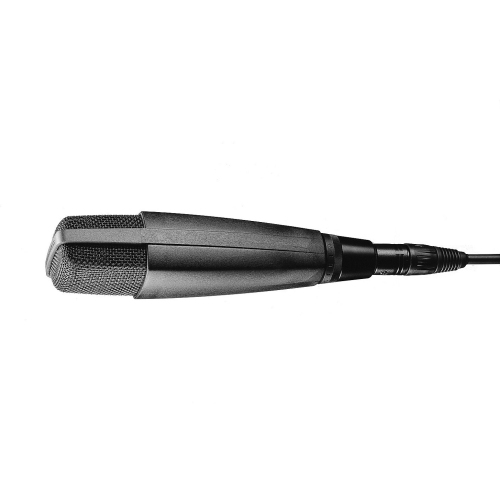
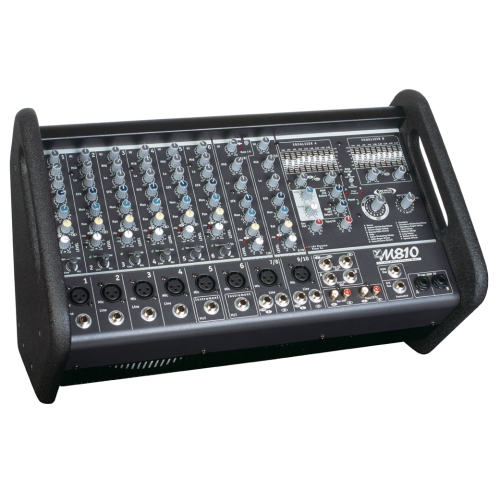
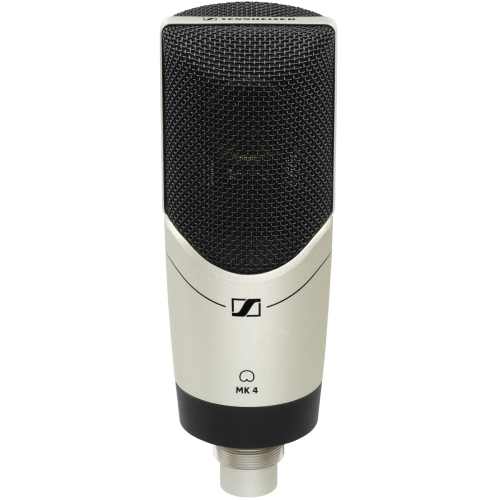
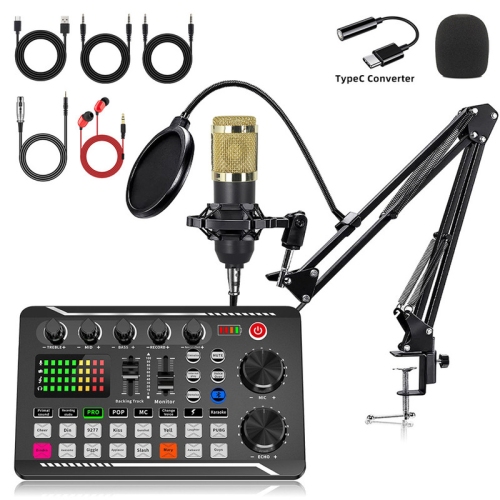
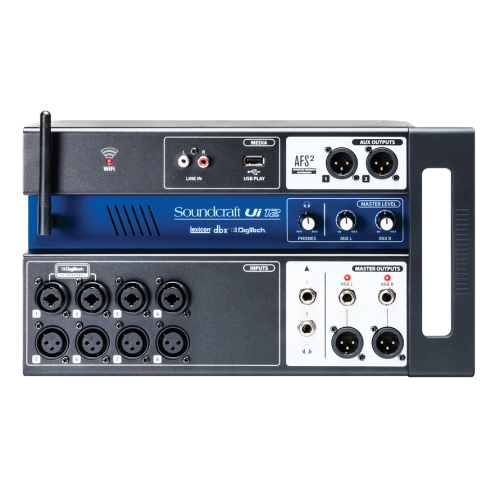
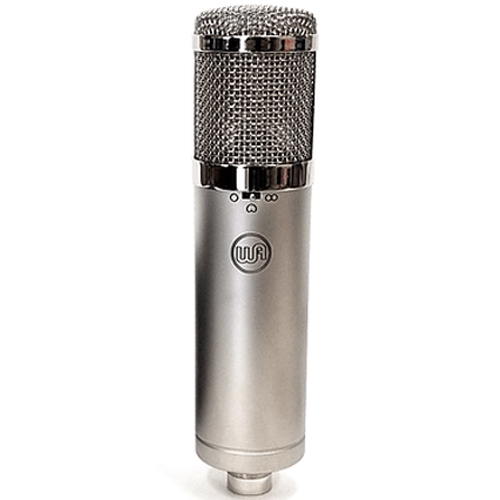
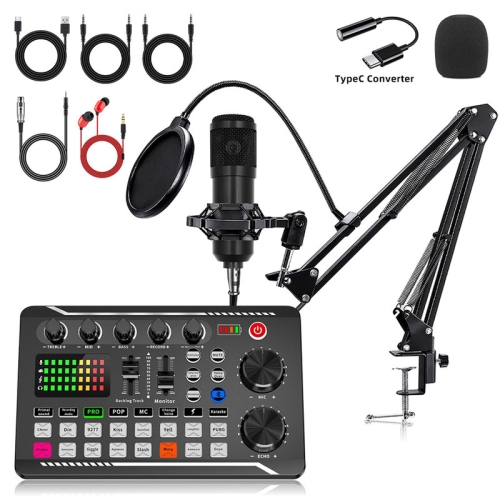
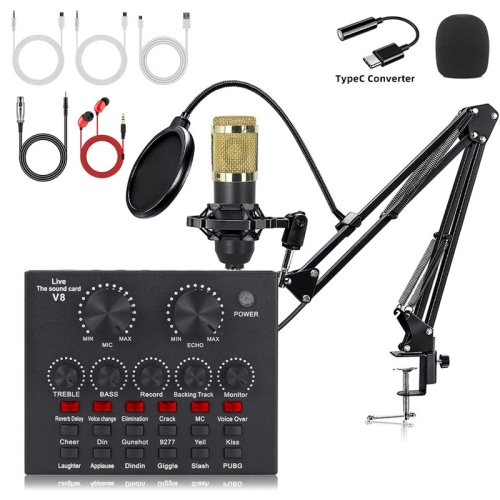
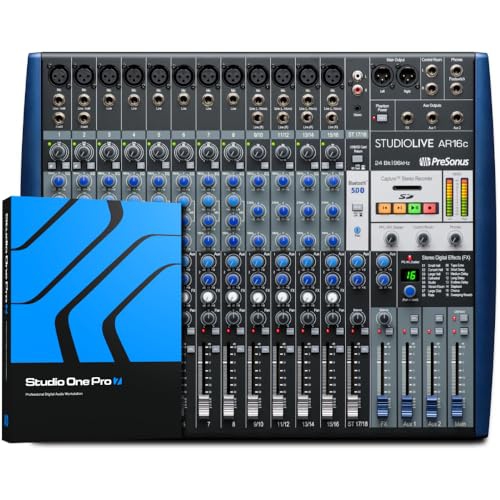
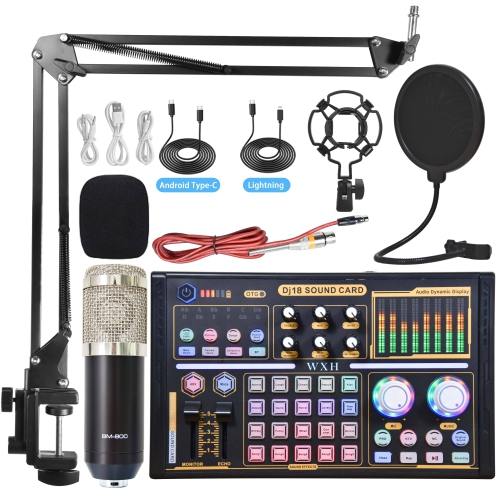
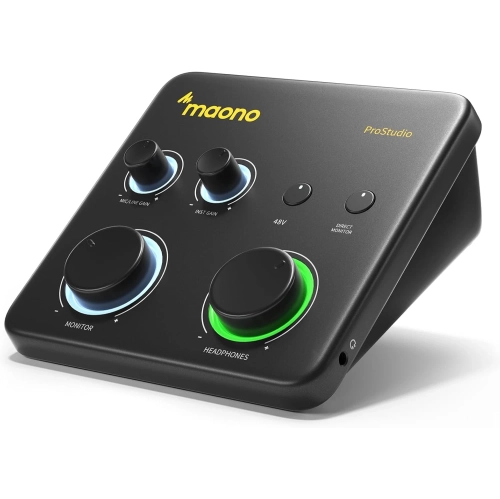
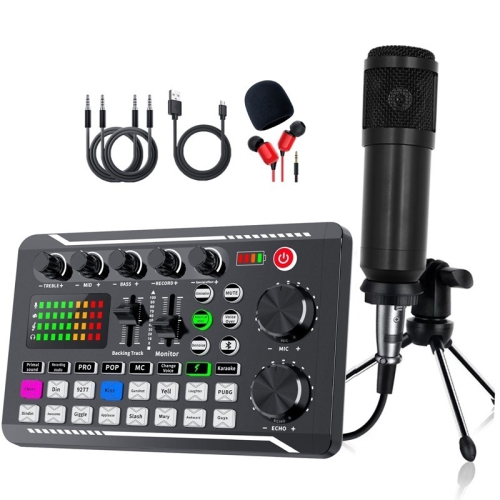
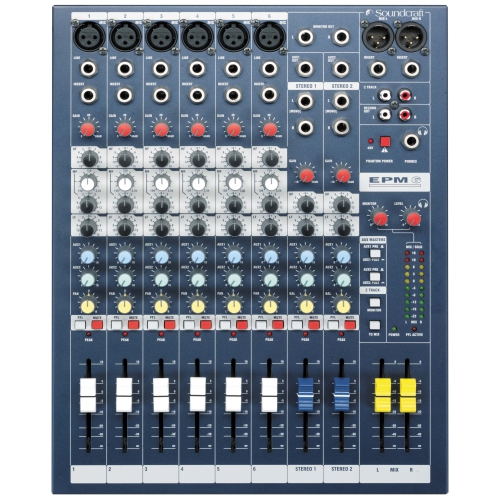
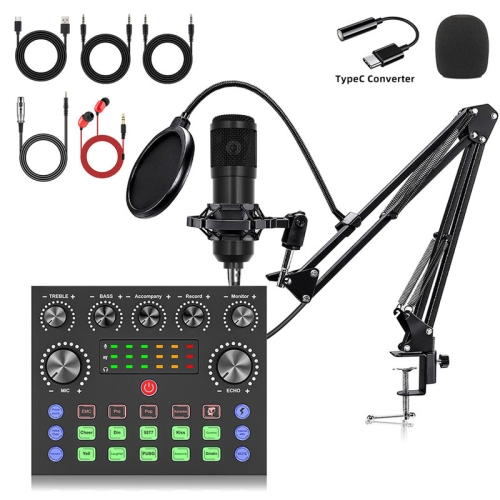
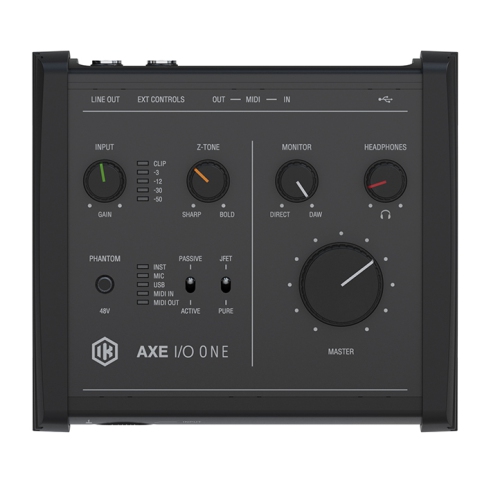
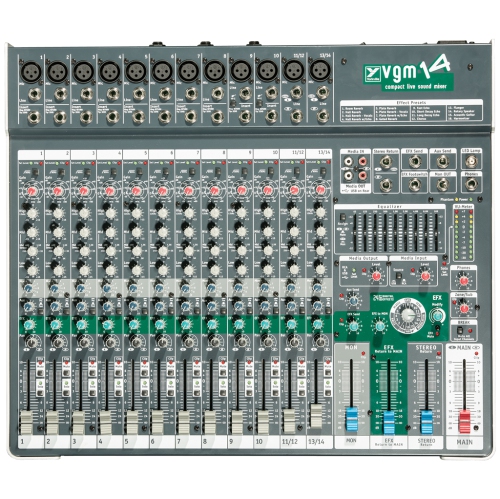
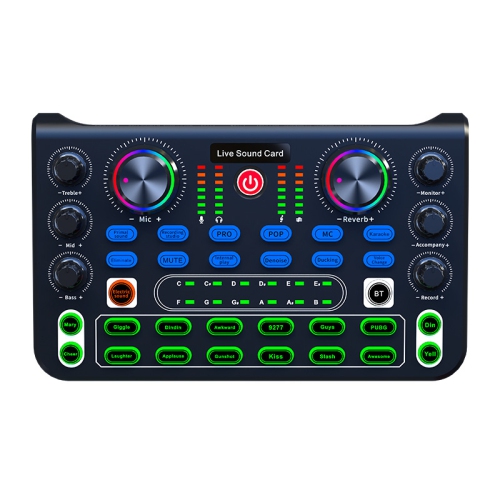
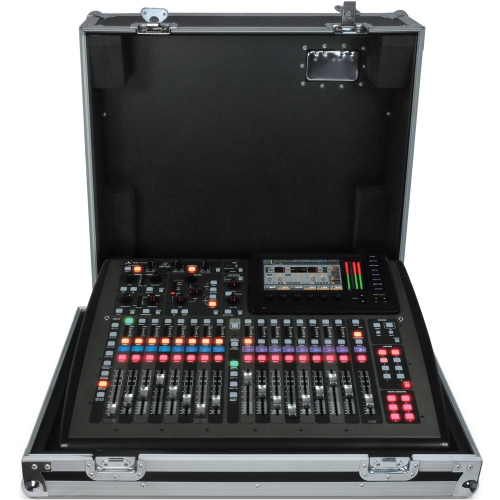
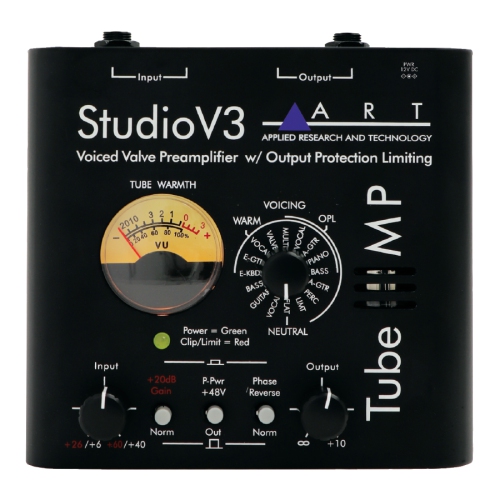
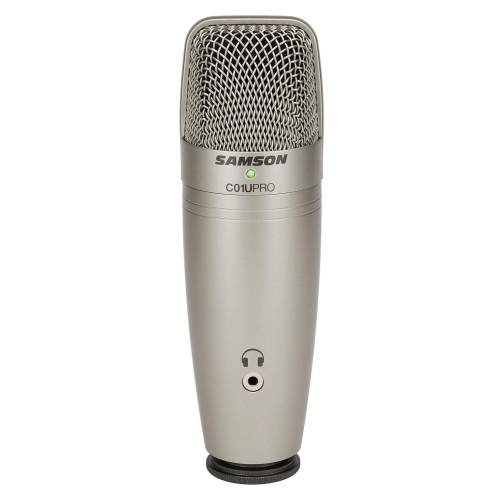
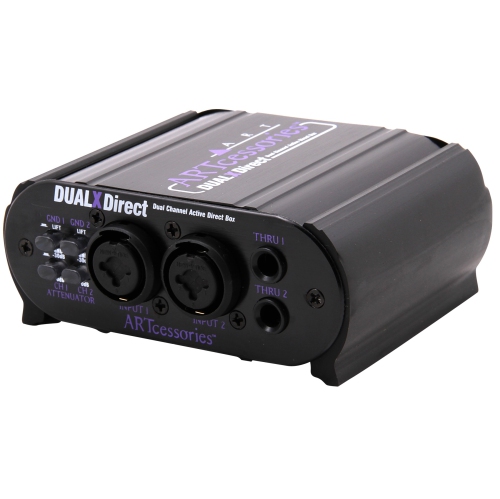
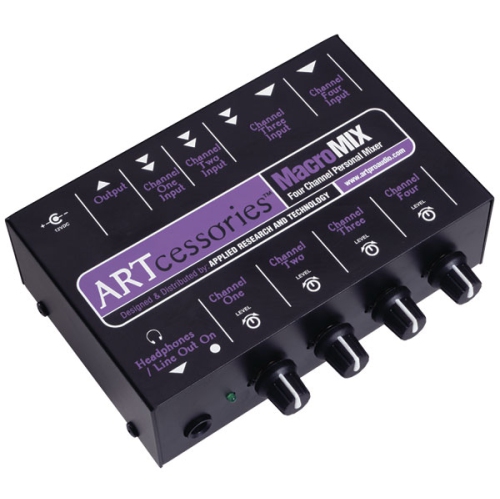
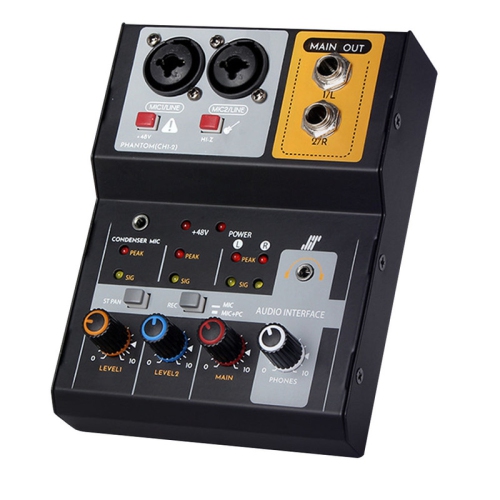
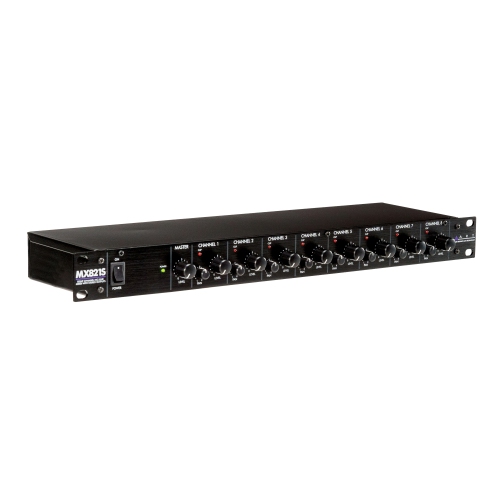
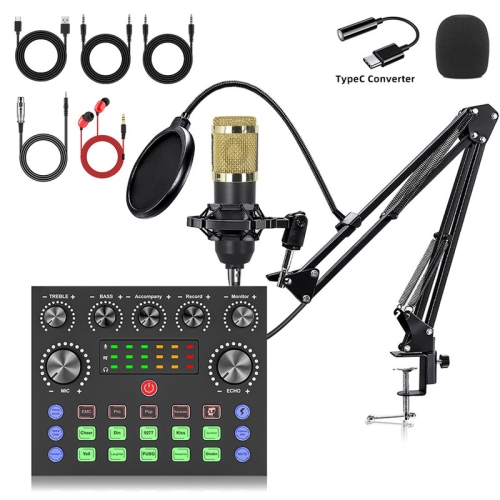
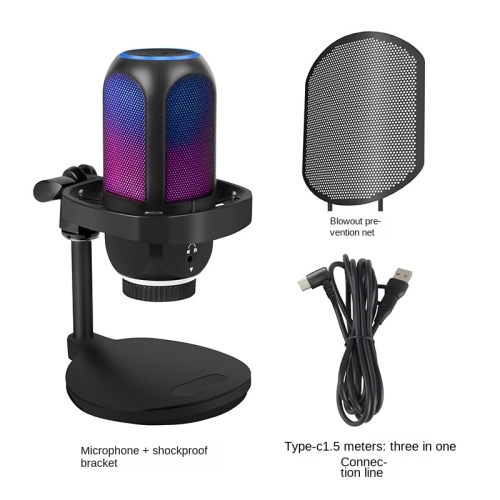
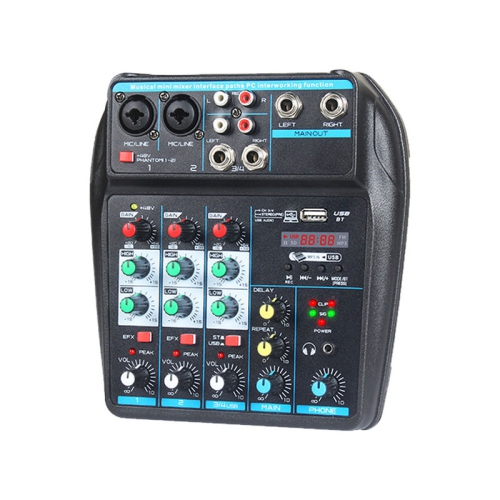
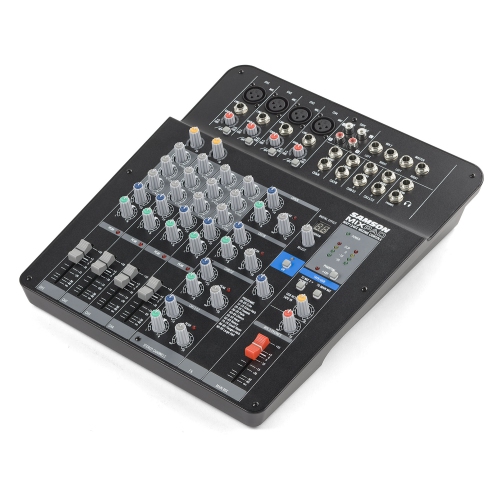
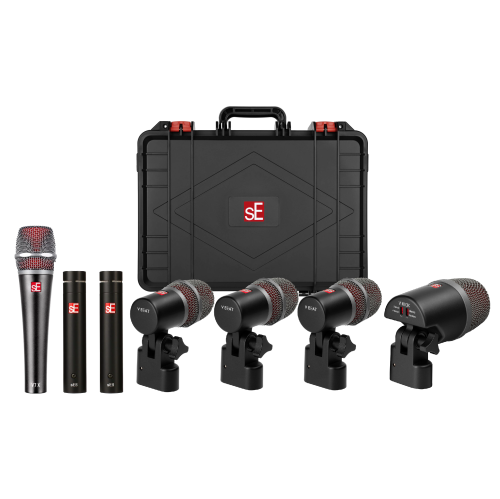
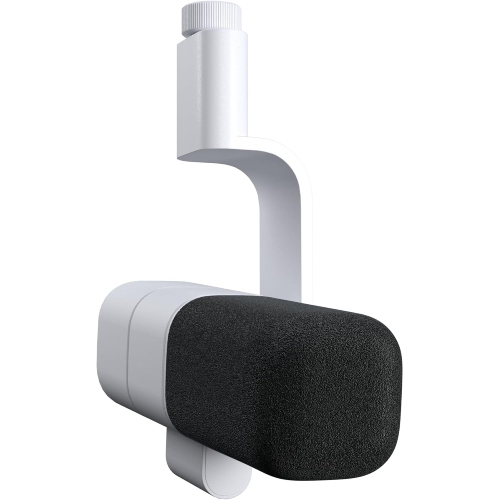
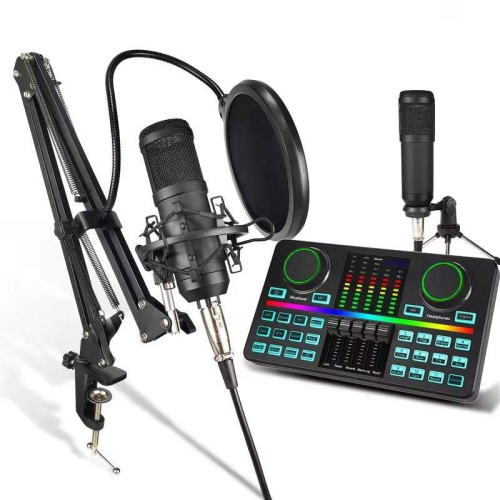
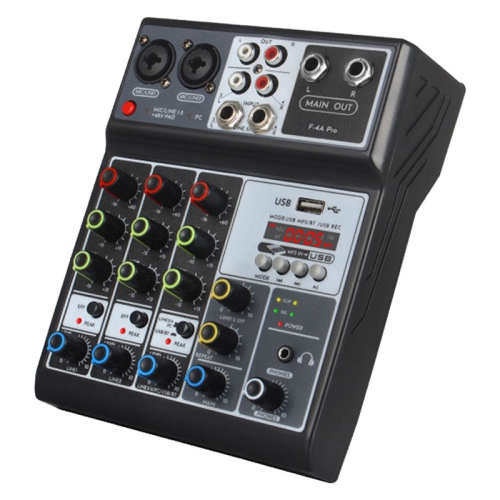
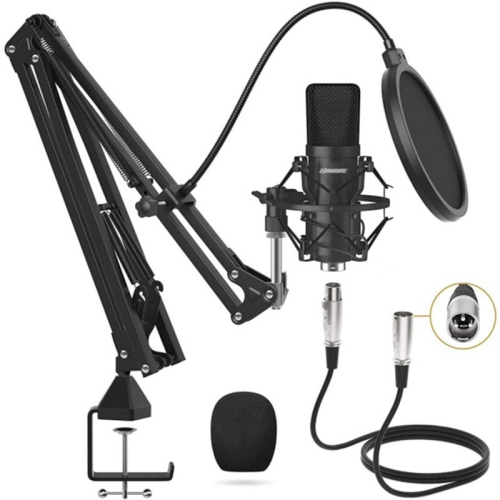
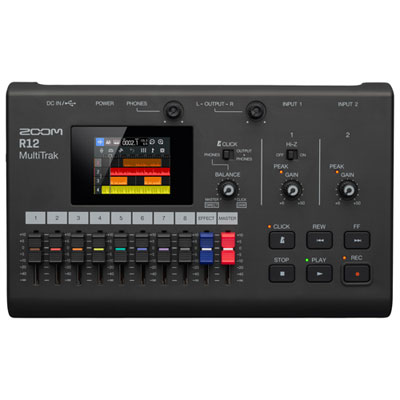
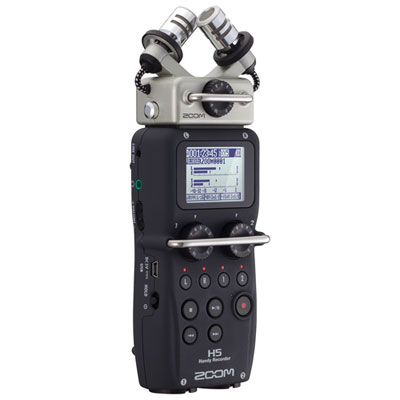
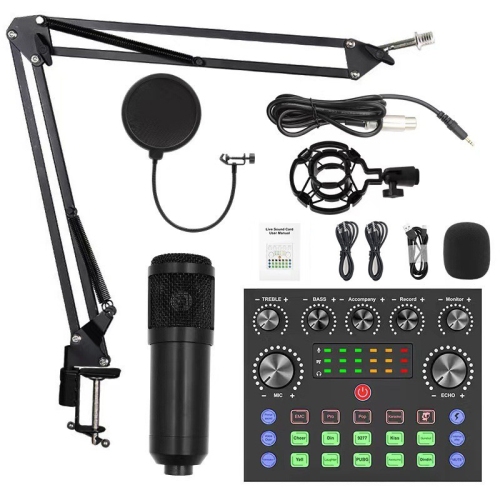
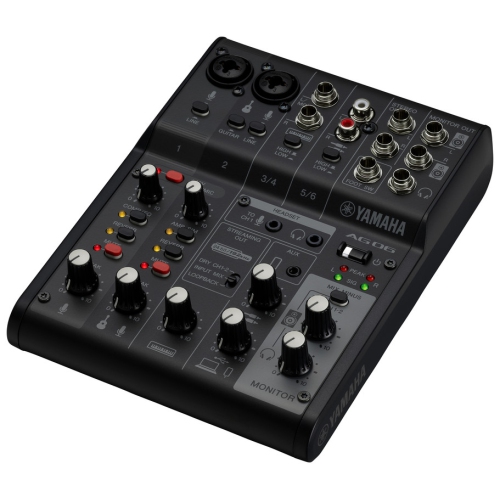
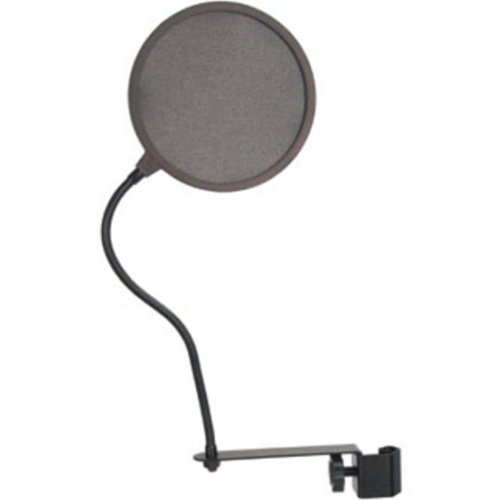
Studio equipment brings together the tools used to capture, edit, mix, and monitor sound for music, podcasts, voiceovers, livestreams, and video production. A typical recording setup includes a computer, digital audio workstation software, an audio interface, microphones, studio monitors, and headphones, with cables and supports connecting everything into a practical workspace. Each part has a different role: the software organizes recordings and processing, while the audio interface converts microphone and instrument signals into digital audio and sends playback to speakers or headphones. The right combination depends on what is being recorded and how many sources need to be captured at once. A solo narrator may need one microphone input, while a singer playing acoustic guitar may use separate inputs for voice and instrument. Recording a drum kit or several musicians together requires more simultaneous inputs and enough headphone connections for the people involved. Computer compatibility, connection types, available ports, and software requirements all matter, particularly when adding equipment to an existing setup. Processing power and fast storage become more important as sessions grow to include many tracks, virtual instruments, and effects. Microphone choice also shapes the result. Dynamic microphones often suit close vocals, amplified instruments, and spoken-word work, while condenser microphones can capture fine detail in vocals and acoustic instruments. Many condenser microphones require phantom power from a compatible interface or preamp. Pickup patterns influence how much sound arrives from the sides and rear, although no microphone can completely remove unwanted room noise. A voice recorded close to a directional microphone can sound more focused than one captured from across a bare room. Pop filters help soften bursts of air on words beginning with letters such as “p” and “b,” and a suitable shock mount can reduce vibration transferred through a stand or desk. For quiet speech or softer instruments, sufficient clean preamp gain helps capture a useful signal without excessive background hiss.
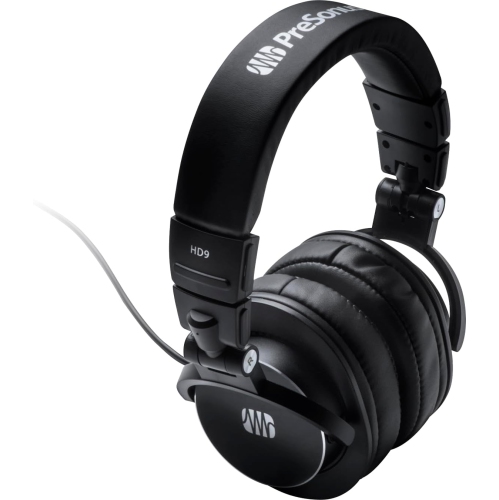
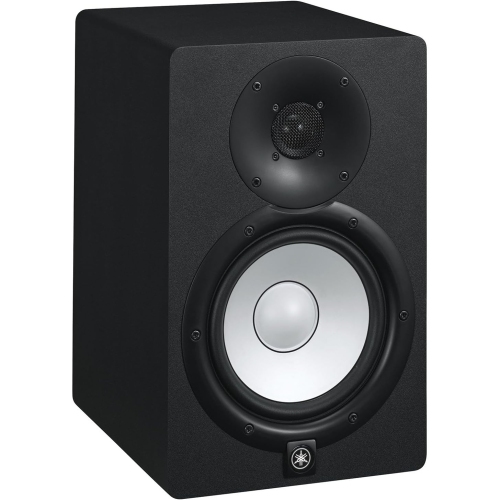
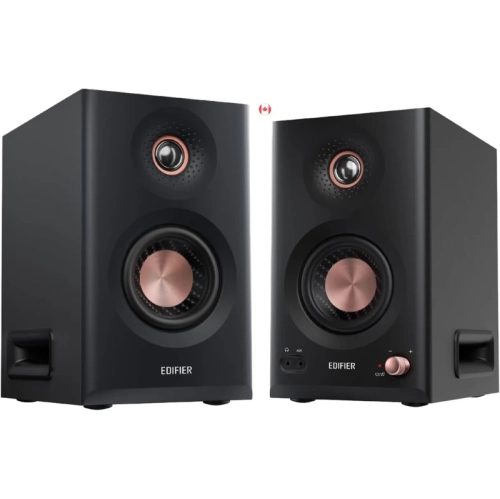
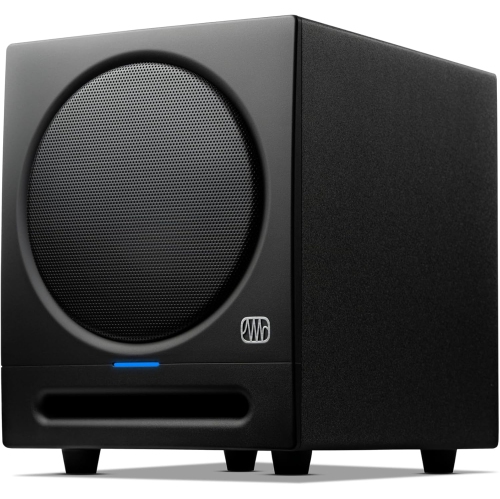
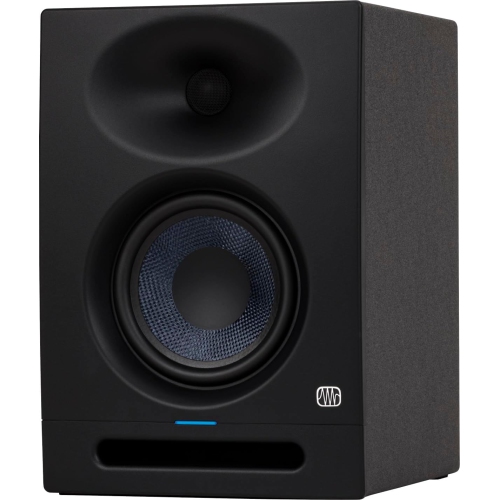
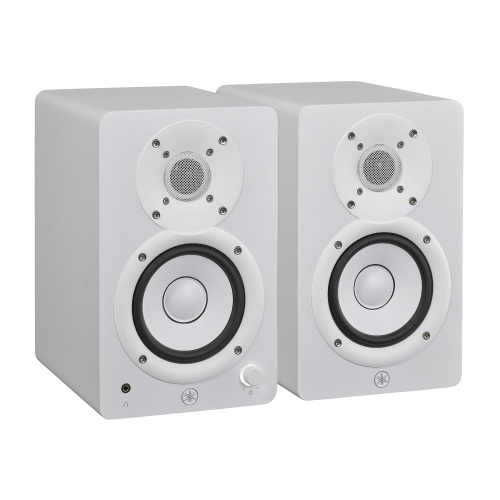
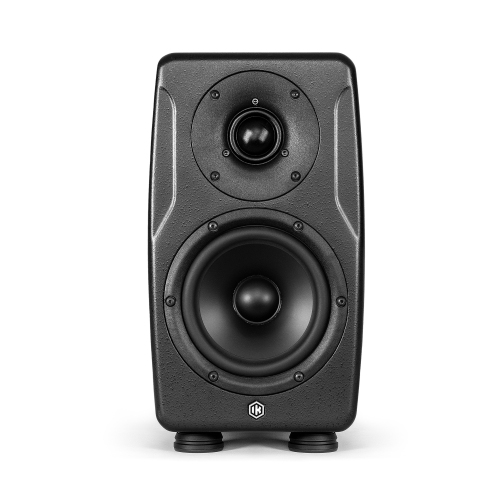
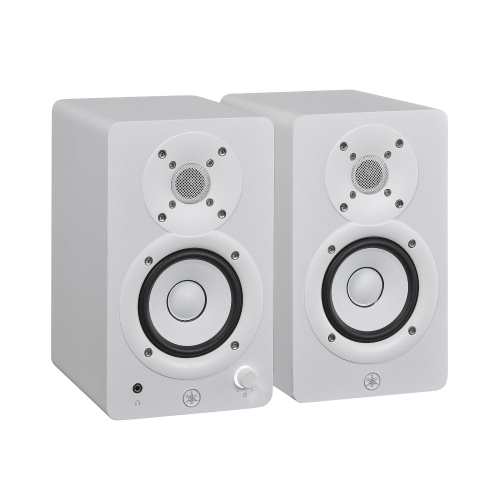
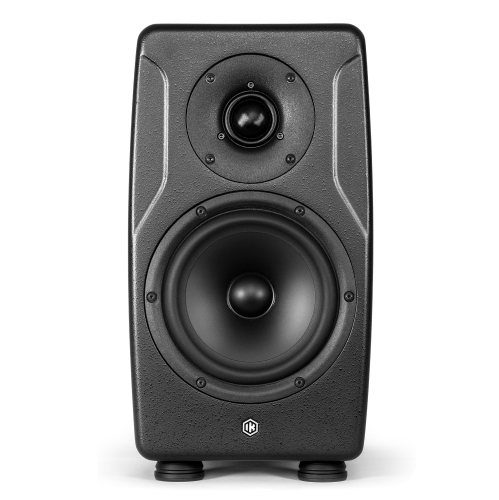
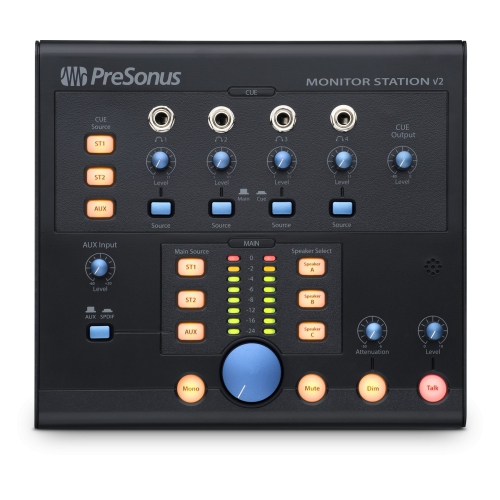
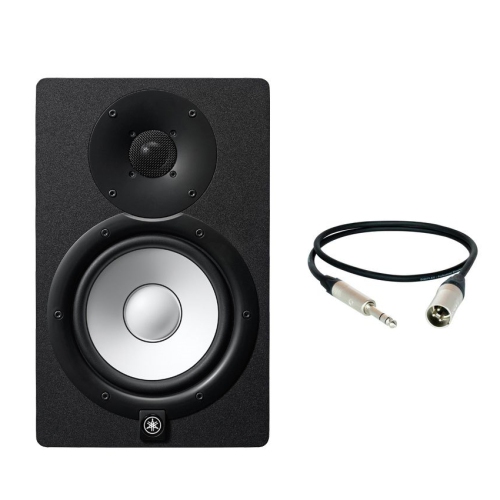
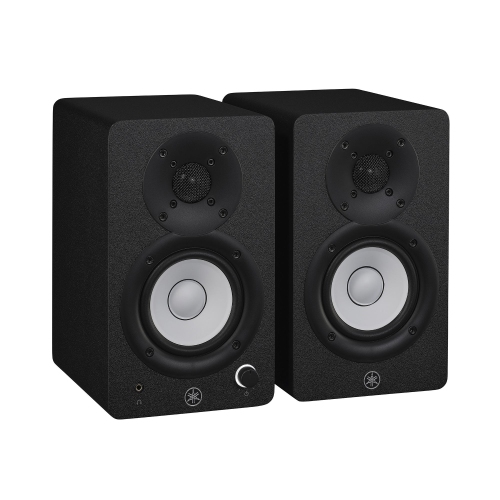
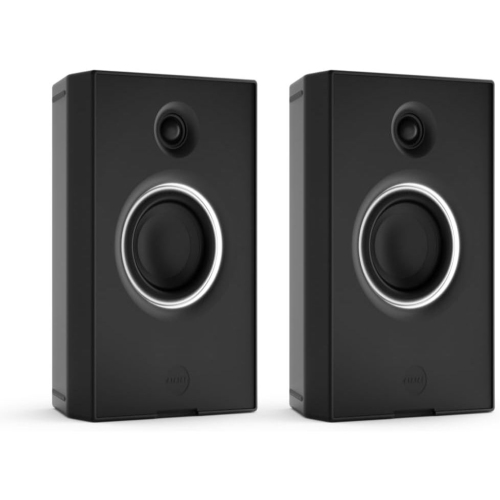
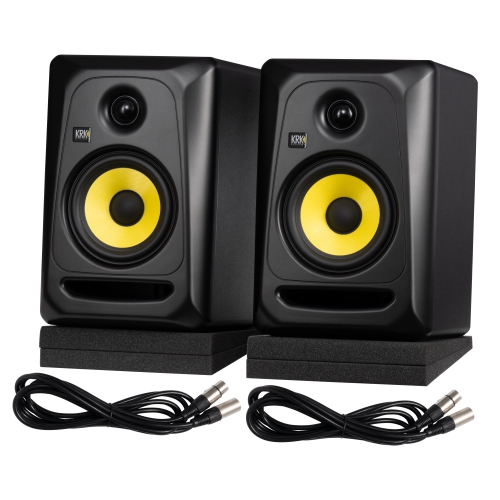
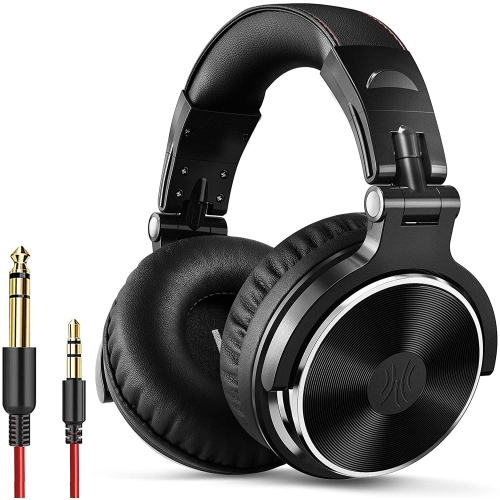
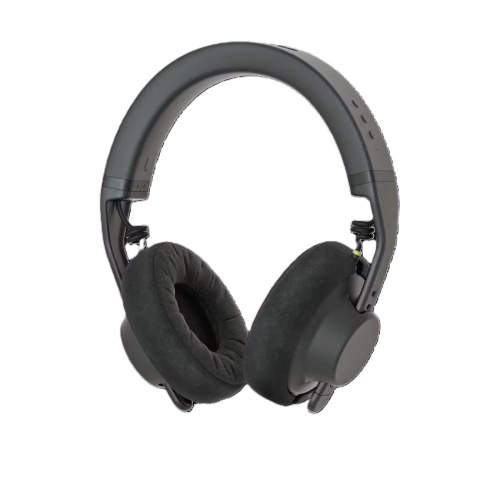
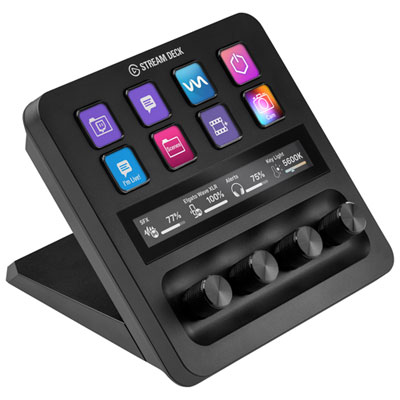
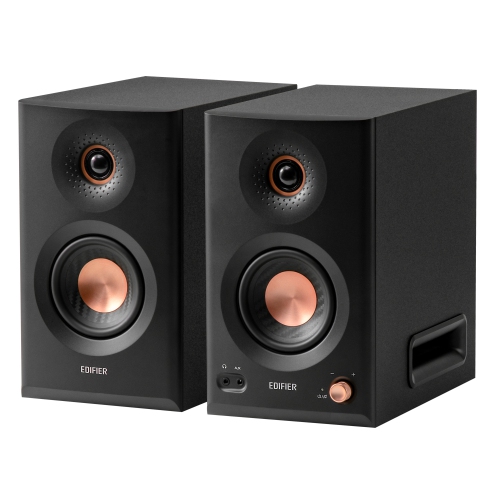
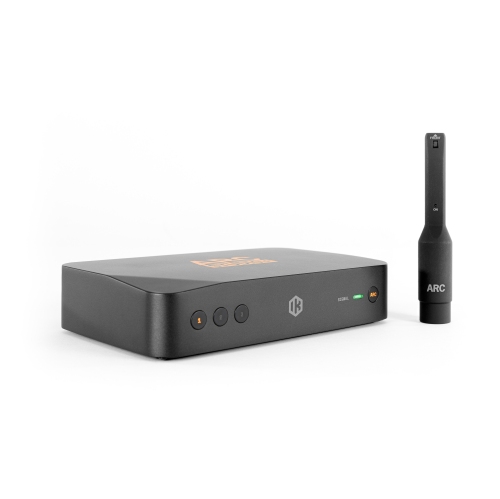
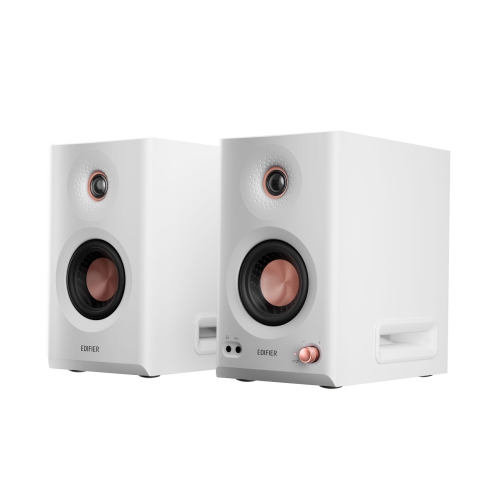
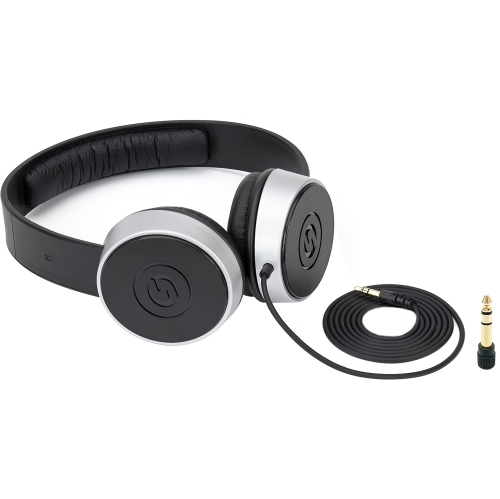
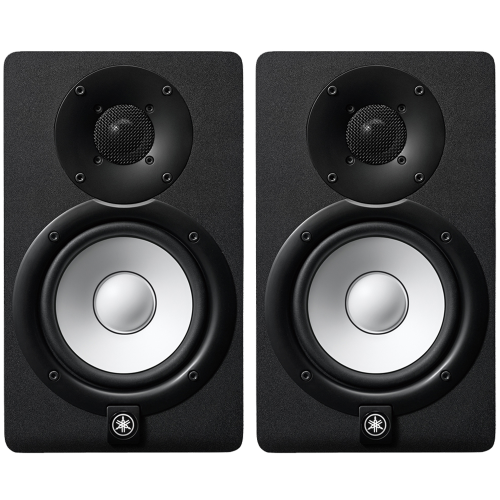
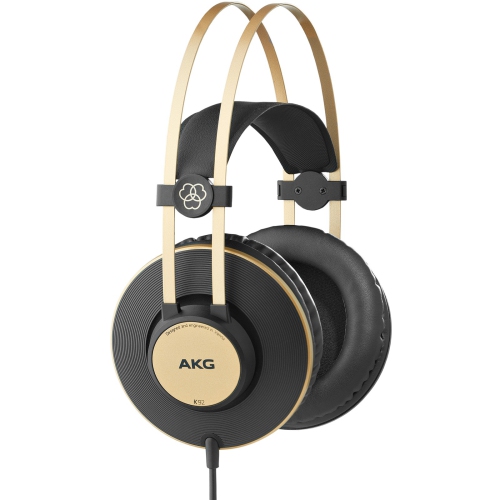
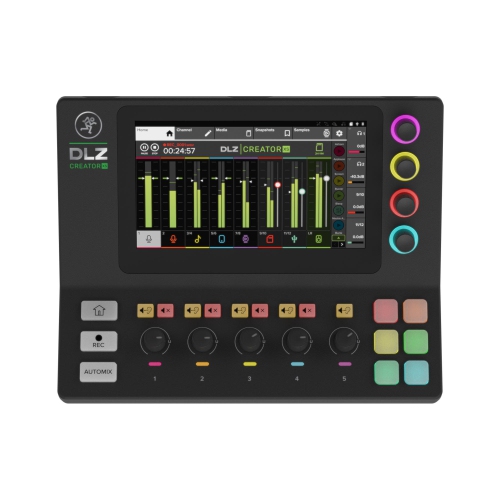
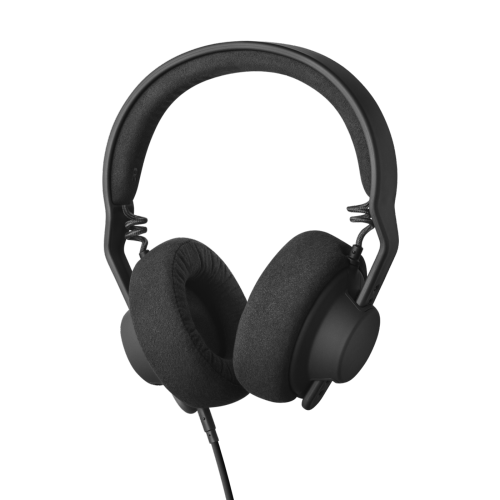
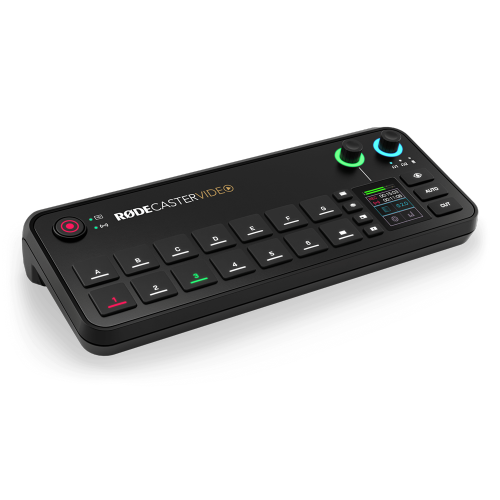
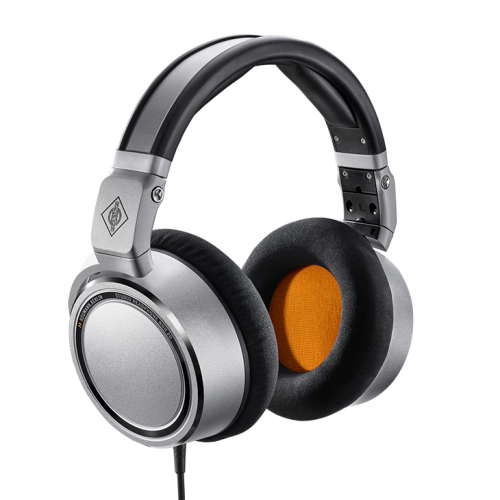
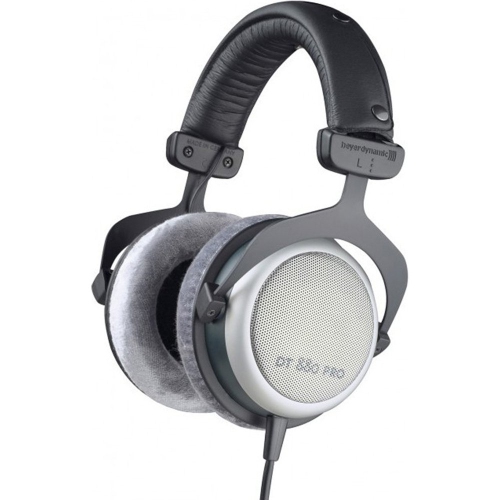
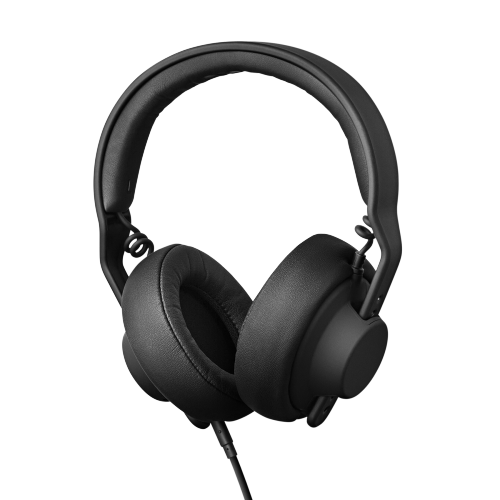
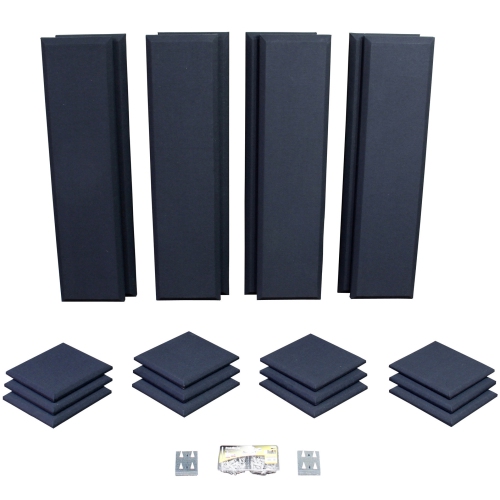
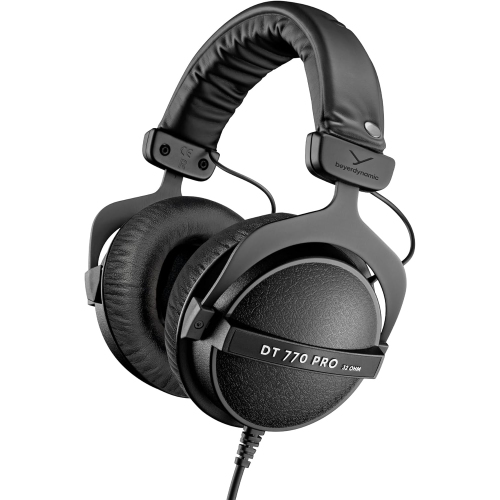
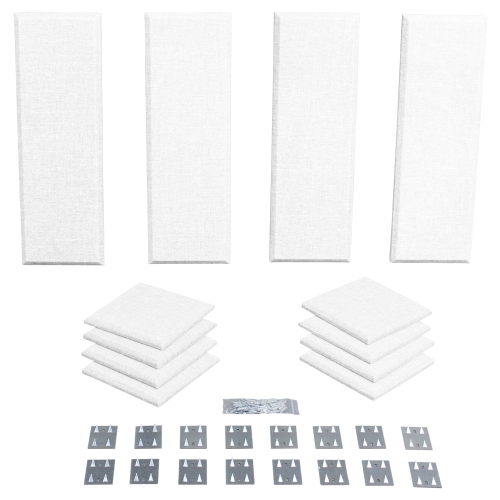
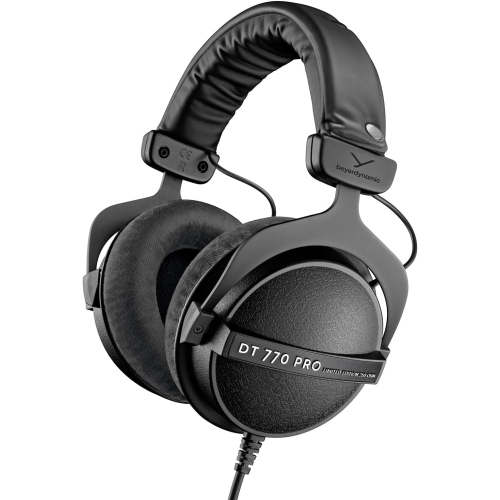
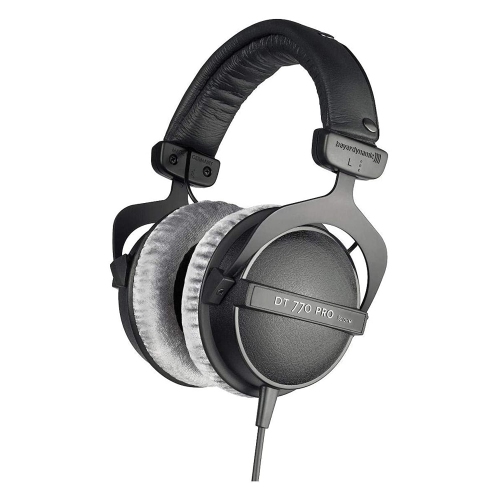
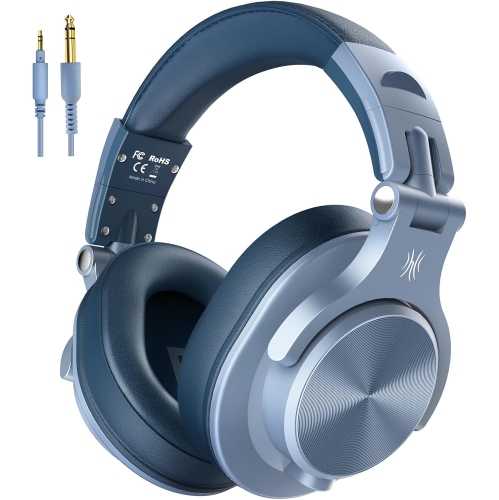
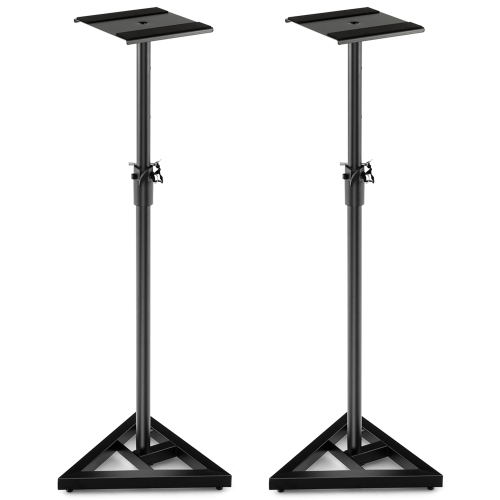
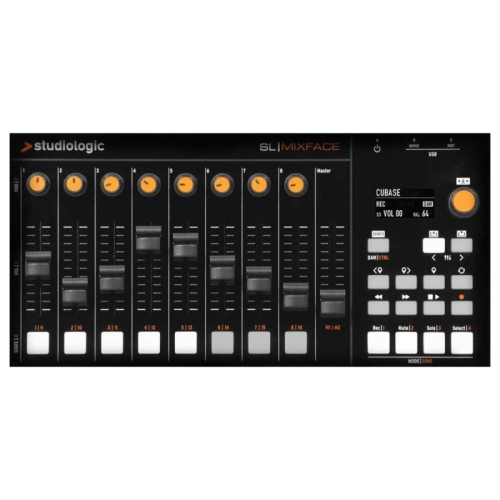
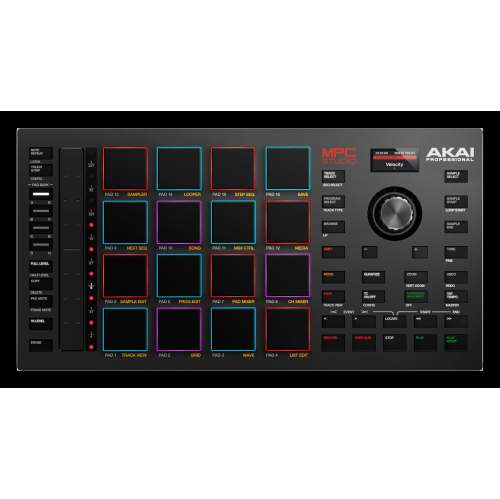
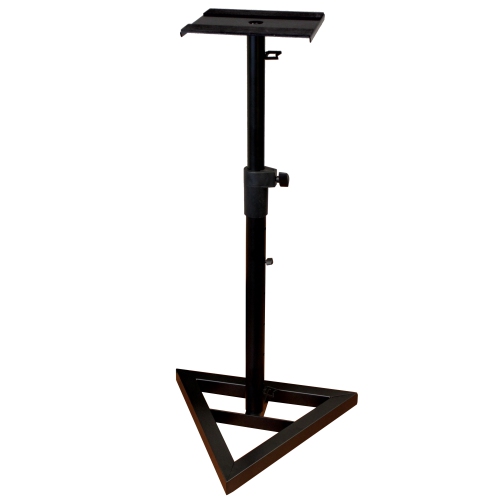
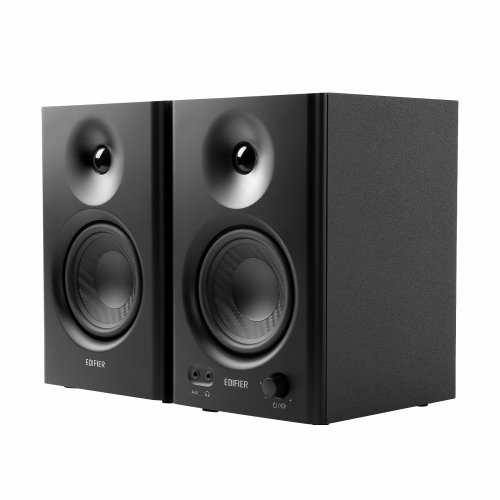
Accurate listening is just as important as clear capture. Studio monitors are designed to provide a comparatively neutral presentation, helping reveal whether a vocal is buried, bass notes are uneven, or a mix sounds overly bright. Their performance still depends on the room, their placement, and the listening position. A compact pair can suit a desk-based workspace, while larger speakers need enough space and suitable positioning to deliver useful results. Even a capable monitor can sound unbalanced when pushed into a corner or placed against a reflective surface. Stable stands or isolation supports help keep speakers properly positioned and can reduce vibration reaching a desk. Headphones offer another perspective and support recording when speaker playback would spill into a microphone. Closed-back designs generally provide better isolation for vocal sessions and shared spaces; open-back designs allow more sound to pass in and out and are often used for attentive listening in quiet rooms. Fit deserves attention during longer sessions. Adjustable headbands, comfortable clamping pressure, and earcups that sit properly around the ears can make editing dialogue or practising an instrument less tiring. Replaceable ear pads and detachable cables can also make ongoing care simpler. Acoustic treatment addresses reflections within a room rather than making the room soundproof. Absorptive panels and bass traps can help control lingering sound, but they do not replace structural measures needed to limit sound travelling between rooms. In a spare bedroom, a microphone near a bare wall may capture a distracting hollow quality; thoughtful positioning and appropriate treatment can produce a more controlled recording. MIDI controllers serve a different purpose, sending performance information to compatible software or hardware rather than capturing sound themselves. Keyboards, pads, knobs, and faders can make writing a melody, programming drums, or adjusting a mix more hands-on. For performers, podcasters, and producers alike, accessible controls and dependable headphone monitoring help keep attention on the performance instead of the equipment.
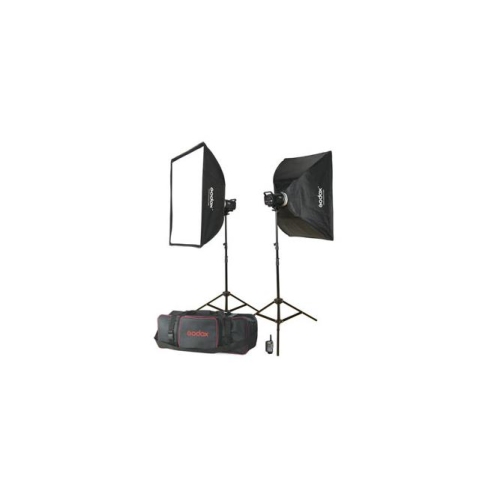
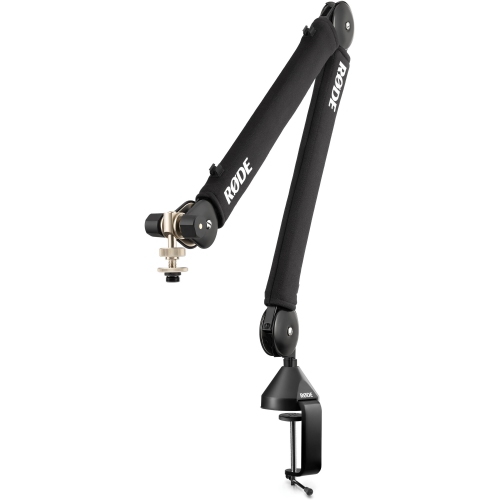
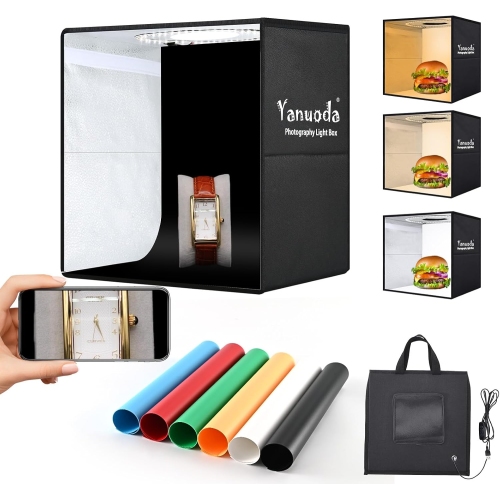
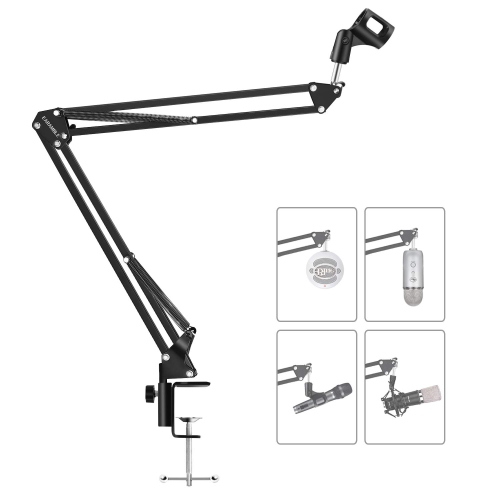
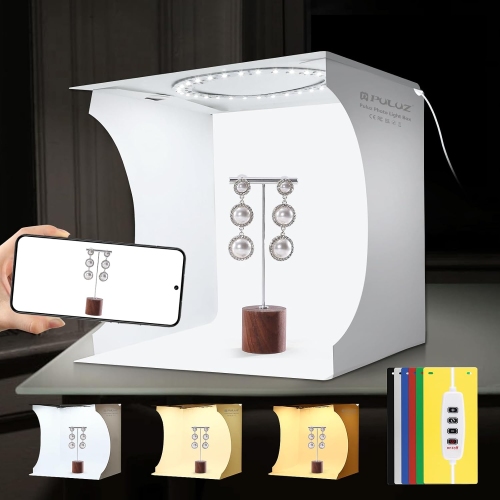
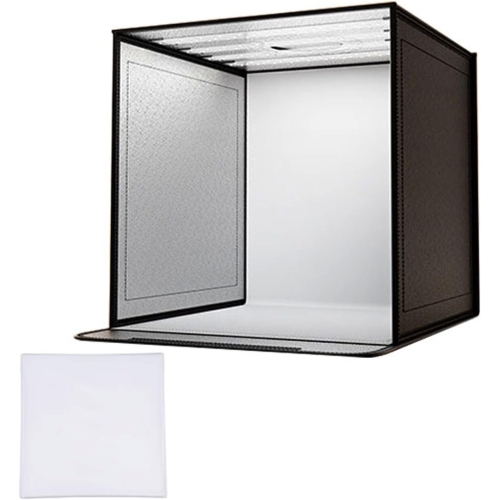
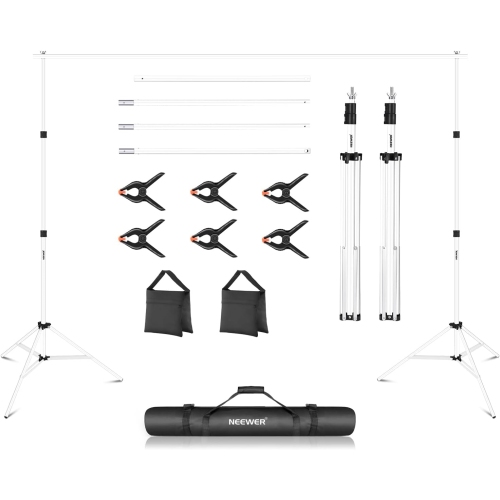
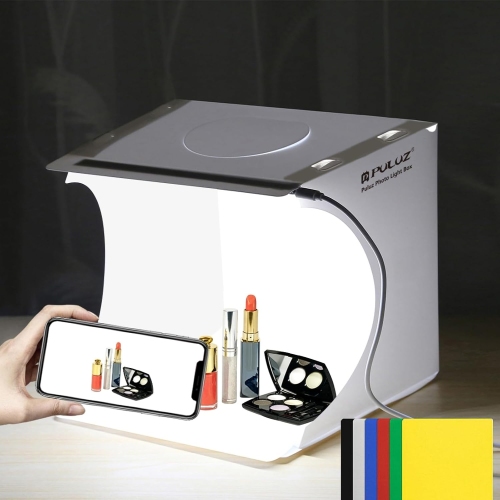
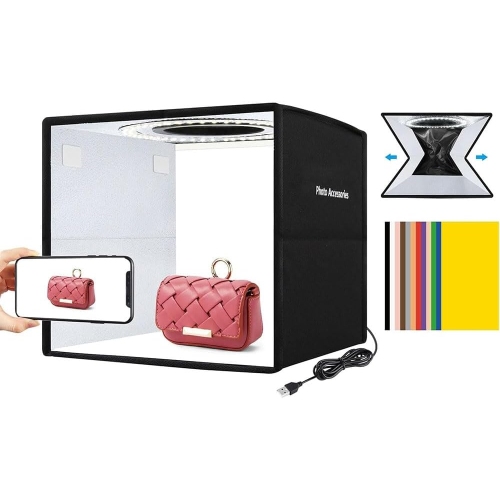
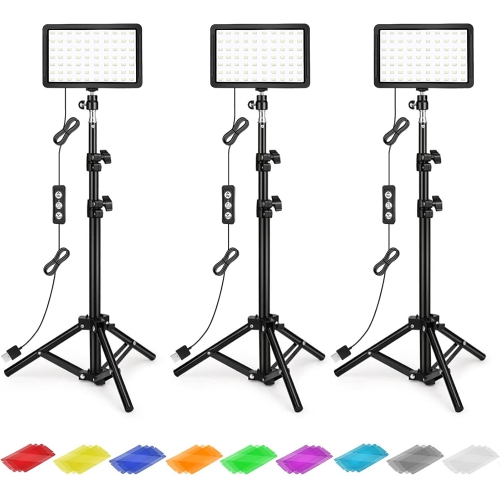
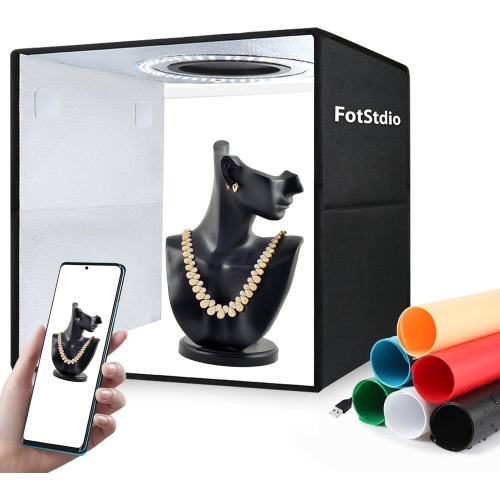
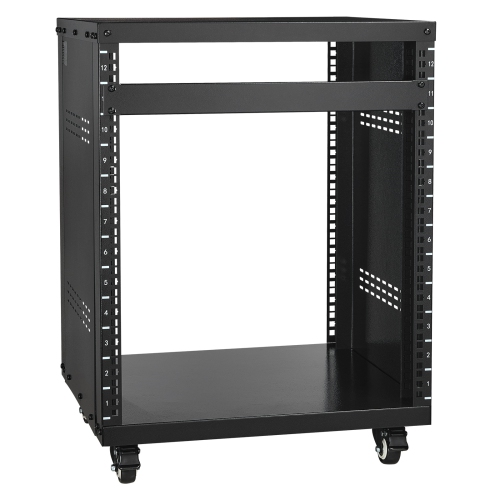
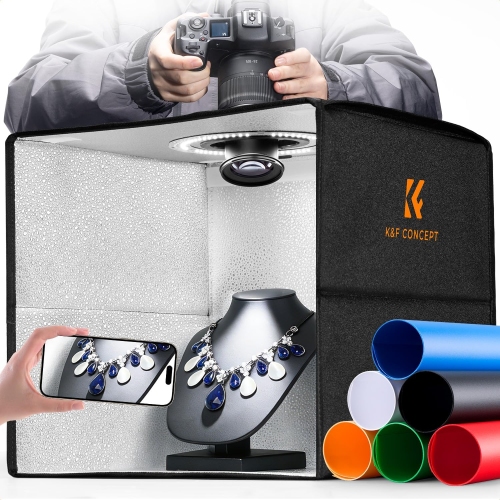
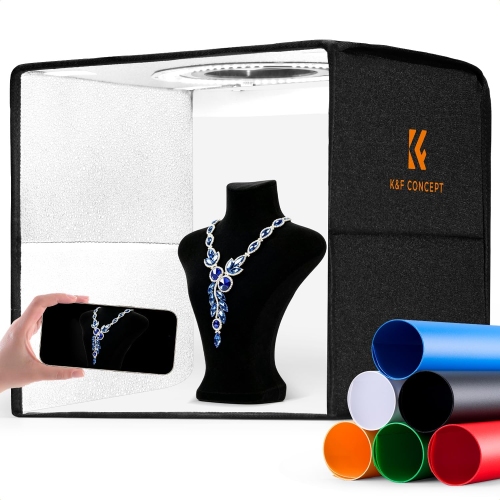
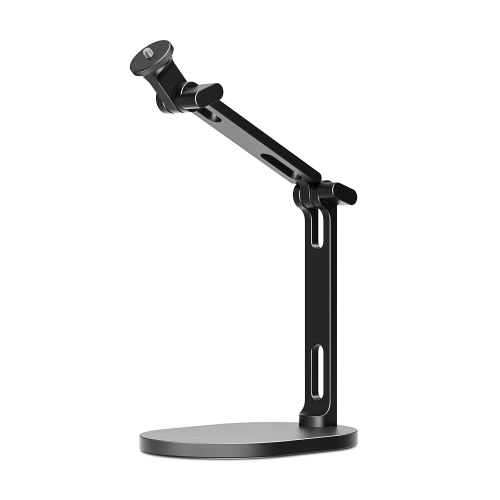
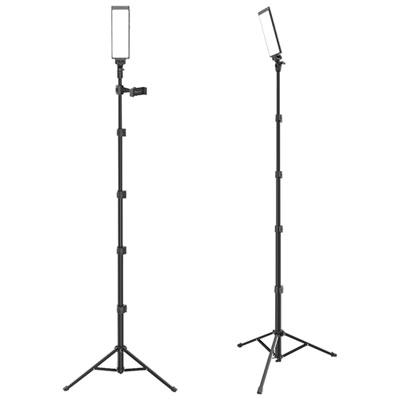
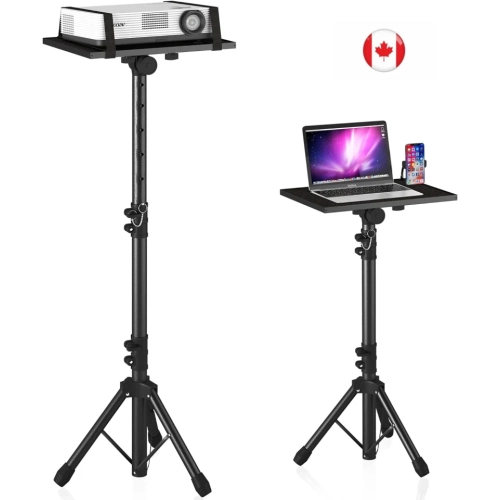
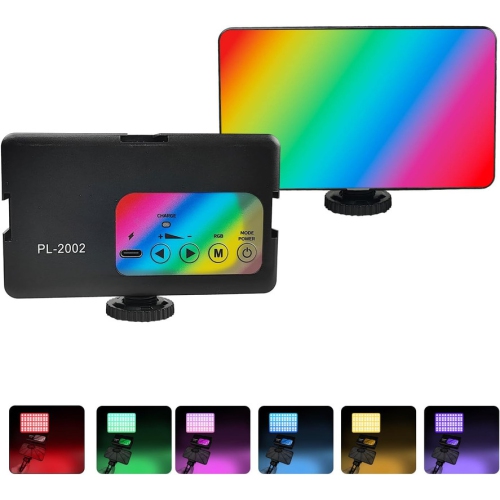
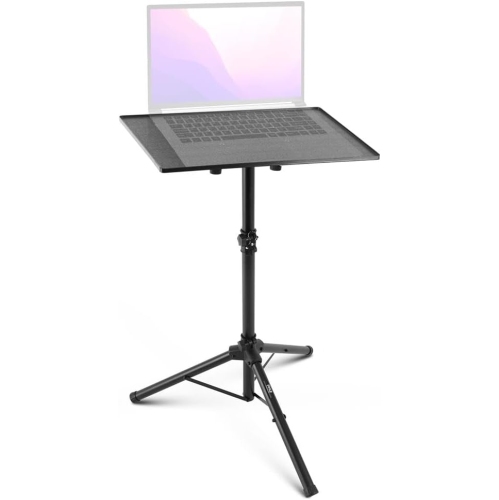
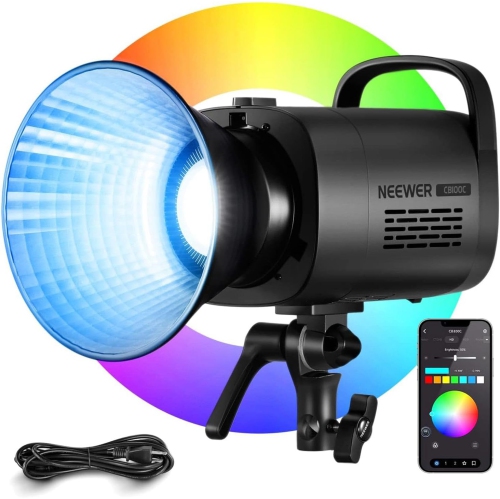
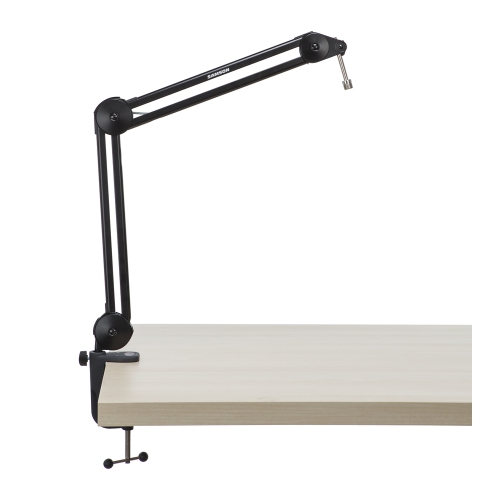
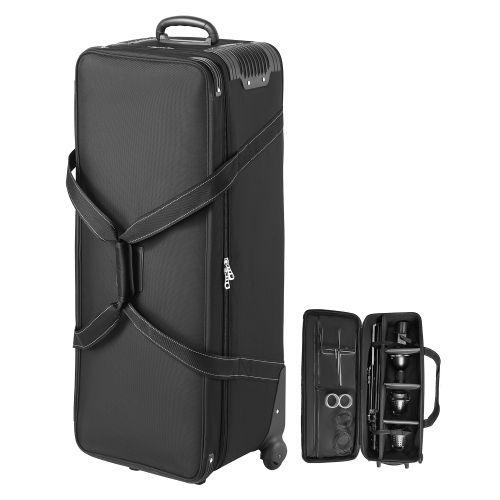
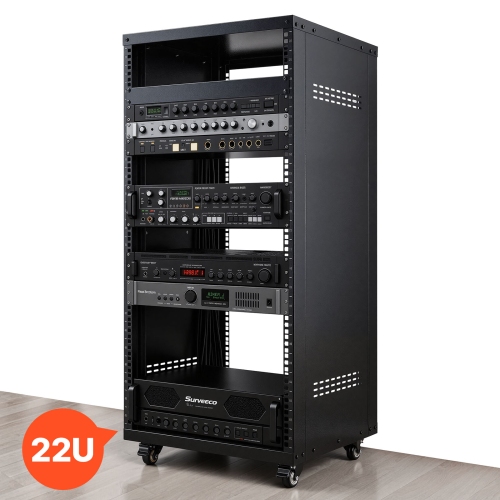
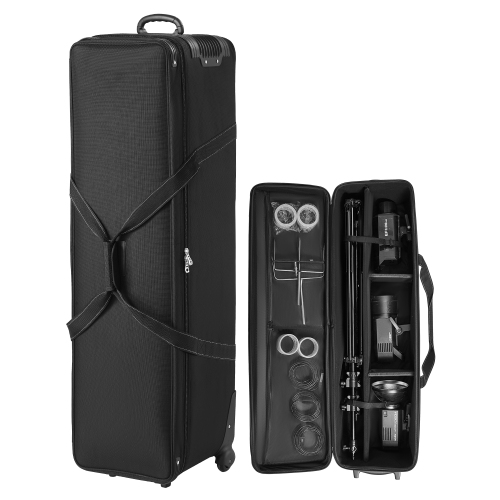
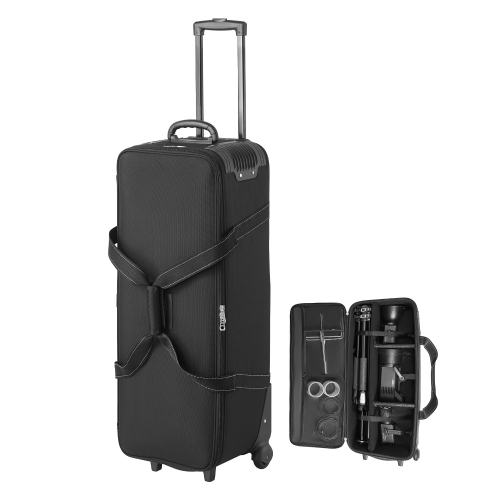
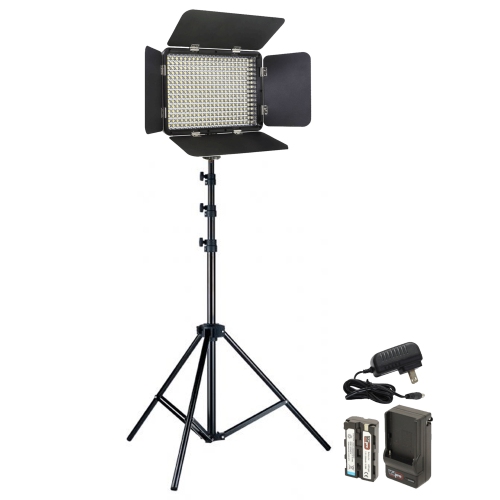
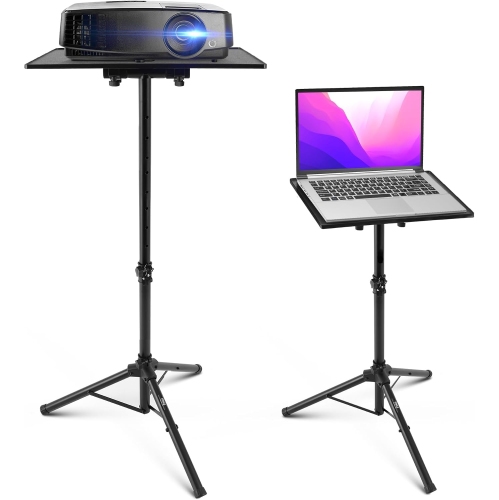
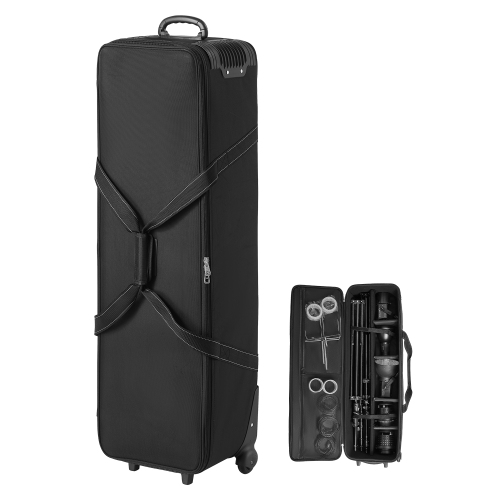
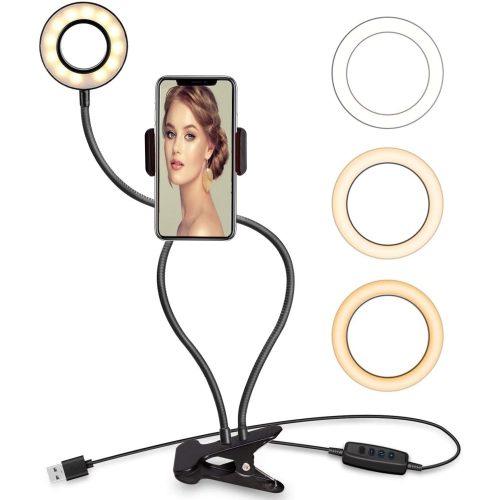
The physical details of studio equipment matter in everyday use, especially when a workspace doubles as a living area or travels between locations. Metal stand components, secure adjustment mechanisms, and a stable base help support microphones without sagging or tipping, provided the stand is rated for the attached weight. A heavy microphone on a fully extended boom places different demands on its support than a lightweight microphone mounted close to the upright. Desk-mounted arms also need clamps suited to the desktop’s thickness and construction. Cable length should allow comfortable movement without leaving loops across a walking route, and the correct connectors matter more than appearance. Balanced connections can help reduce interference between compatible devices, while clear labelling makes a busy setup easier to manage. Durable connector housings and effective strain relief are useful where cables are connected and disconnected frequently. Care is generally straightforward: equipment benefits from dry storage, ventilation around powered components, and protection from spills and dust. Microphone grilles, headphone cushions, and control surfaces should be cleaned according to their manufacturers’ directions, with liquids kept away from openings and electronics. Protective cases and padded compartments are useful for equipment carried to rehearsals, interview locations, or shared recording spaces. For filmed interviews, tutorials, and performance videos, Studio Lights complement an audio setup by helping keep faces and work surfaces clearly visible. Adjustable brightness, suitable mounting options, and consistent colour are relevant considerations, along with fan noise that a nearby microphone might capture. Studio equipment can also make a thoughtful gift for a musician, aspiring producer, student, or experienced creator, although compatibility and personal working habits deserve attention. A comfortable pair of monitoring headphones or a well-matched support accessory may fit an established workspace more easily than equipment that requires different software or connections. Whether the space is used for spoken-word recordings, layered musical arrangements, or regular video sessions, a coordinated setup supports clear sound, comfortable working positions, and repeatable results.
Top selling and popular products
-
 Your price for this item is $989
-
 Your price for this item is $699
-
 Your price for this item is $329.99
-
 Your price for this item is $799.99
-
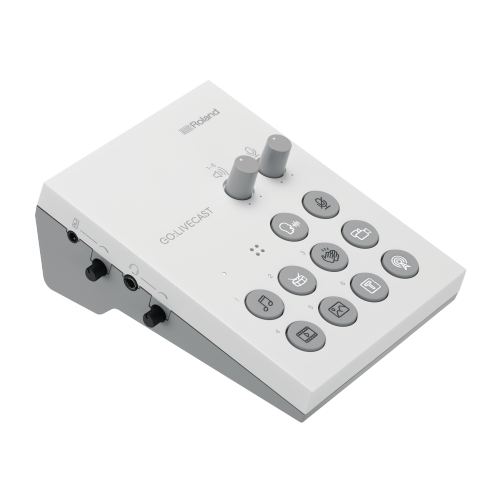 Your price for this item is $69
-
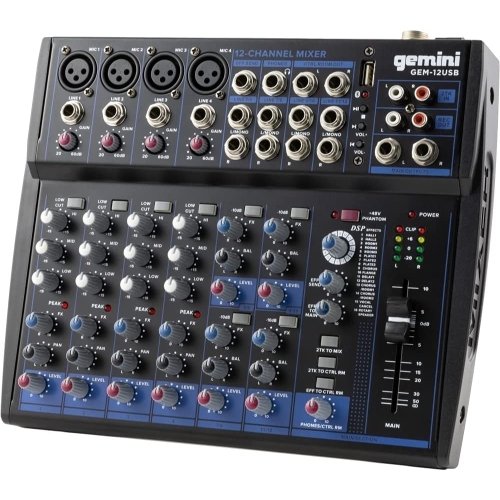 Your price for this item is $205.95
-
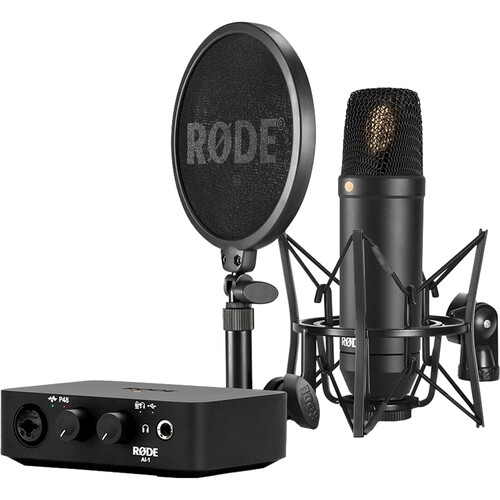 Your price for this item is $199
-
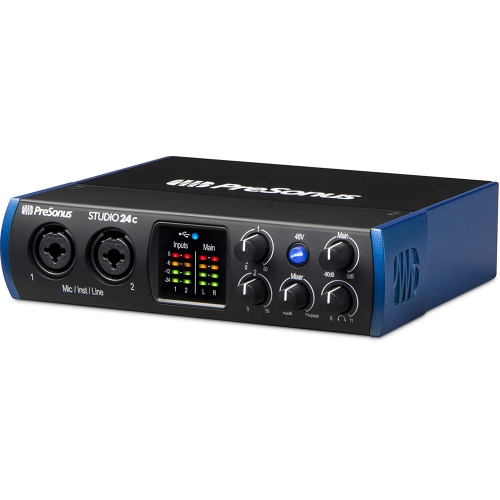 Your price for this item is $241.49
Discover more categories related to Studio Equipment
Top Collections:
Best Black Friday Deals This Year, Best Black Friday Deals On Electronics, Kindle Devices, Pokemon Centers, Best Black Friday Deals On Apple Products, Best Cameras for Sports Photography, Dyson Airwrap, Pokémon 30th Celebration Cards, Apple iPhone 17 Pro, Canon G7X Cameras
Some products may be subject to Environmental Handling Fees
(EHF) depending on your province.
Learn more about EHFs.