Stylish Bookcases
Looking to add a touch of elegance and organization to your space? Look no further than our collection of stylish bookcases. Whether you're a bookworm in need of a new home for your literary treasures or simply looking to display your favorite decor pieces, our selection of bookcases offers both functionality and style. From sleek and modern designs to timeless classics, you'll find the perfect bookcase to complement your home decor. Explore our range of options and transform your space into a haven of sophistication and organization with ease.
Sort
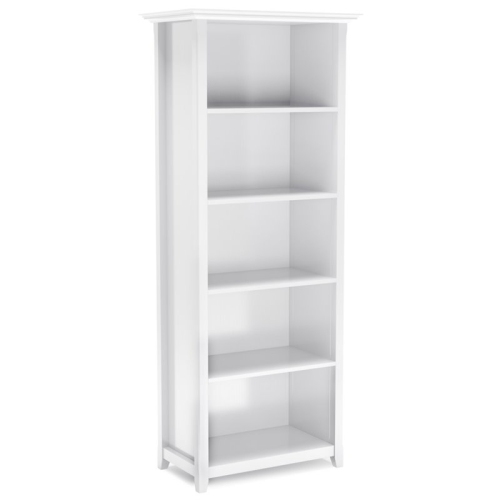
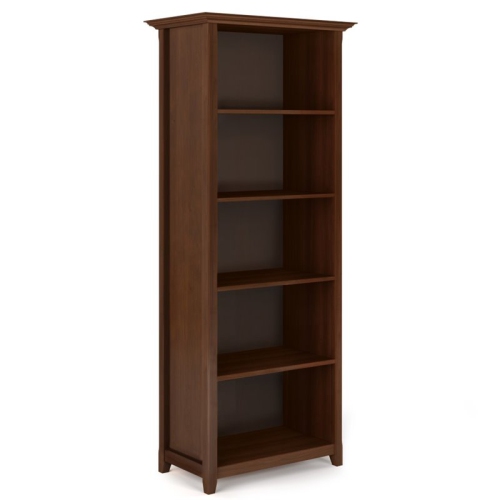
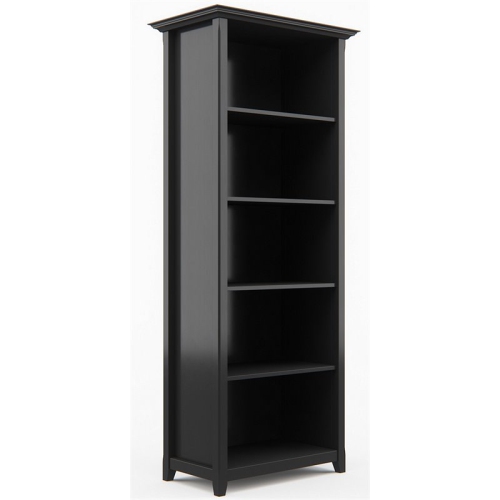
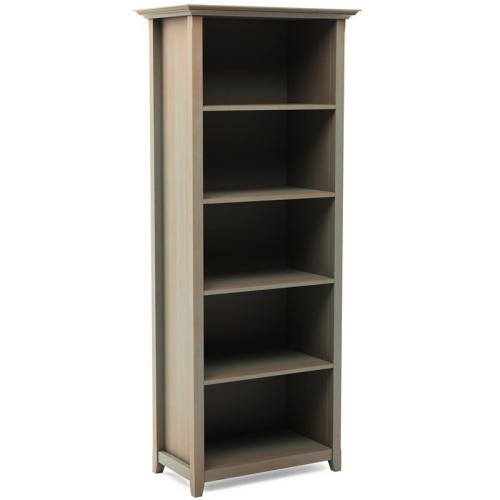
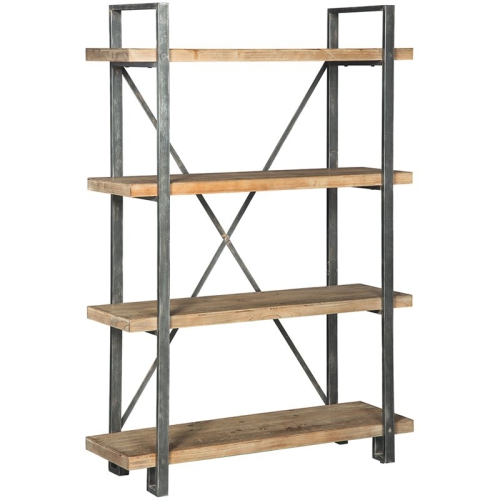

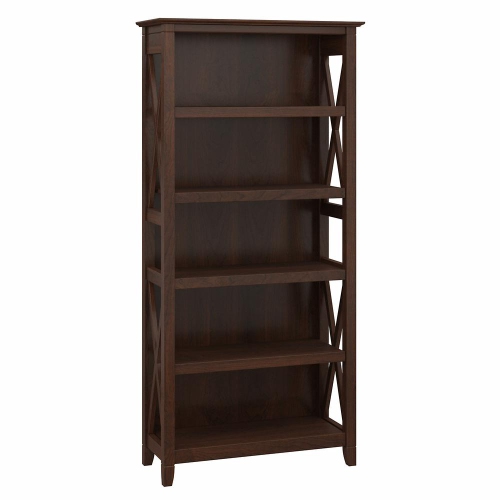
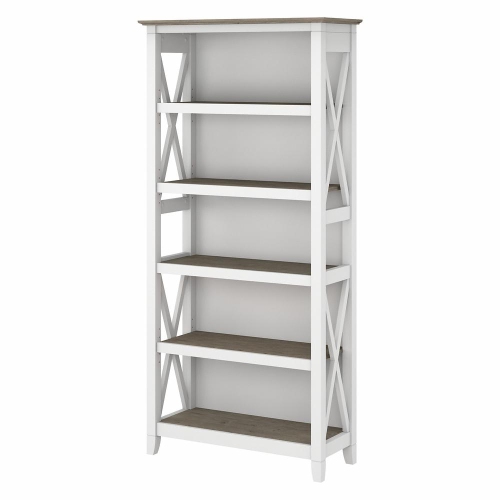
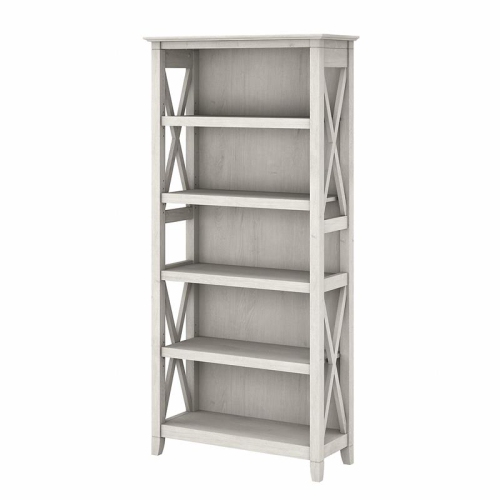

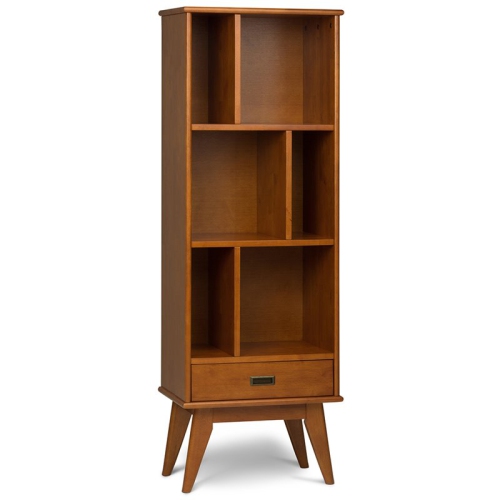
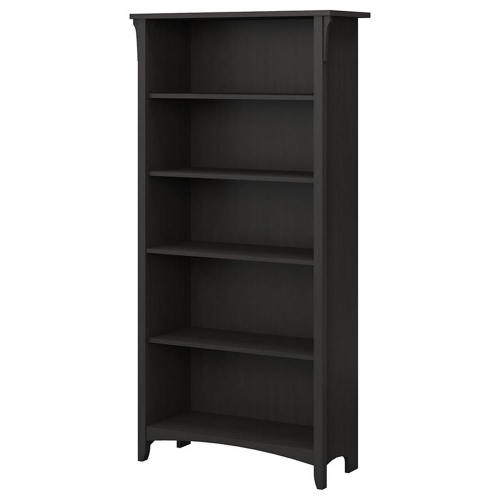
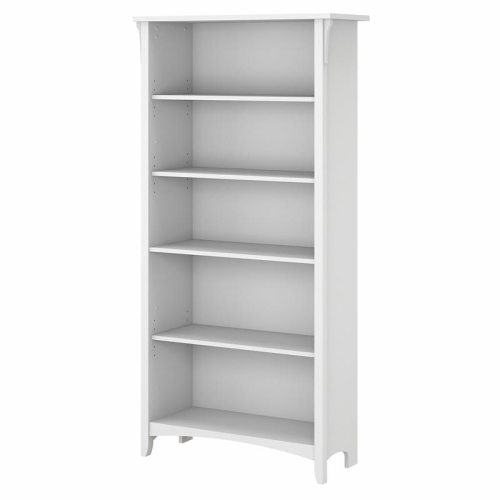
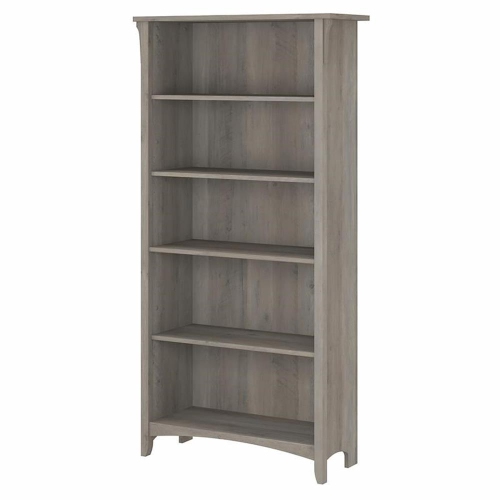
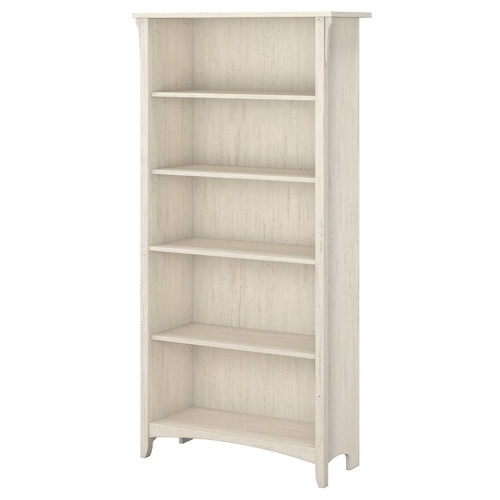
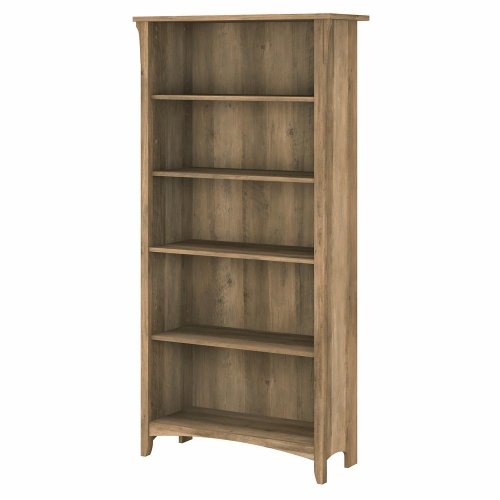
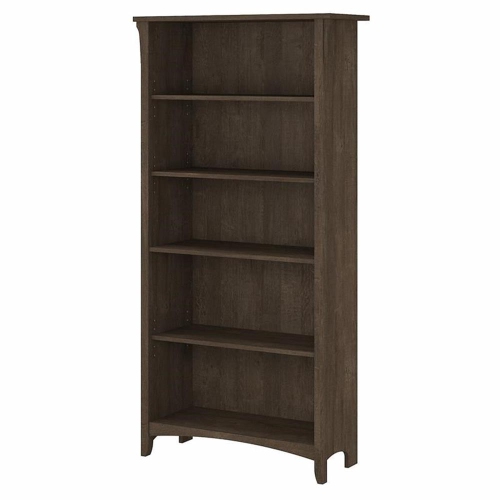
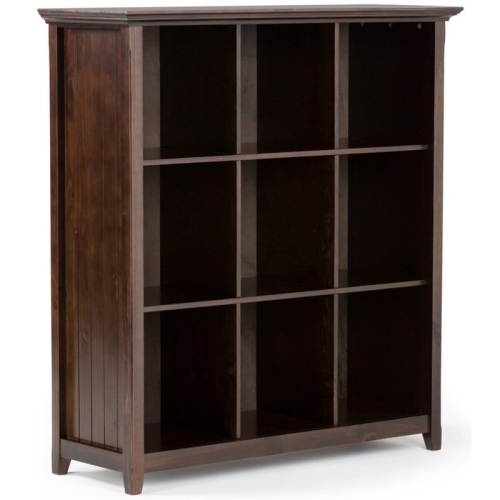
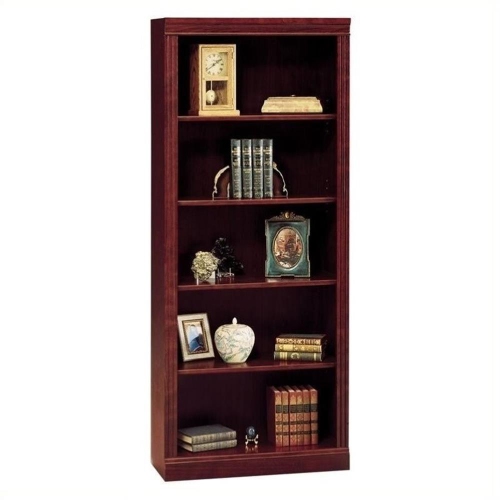
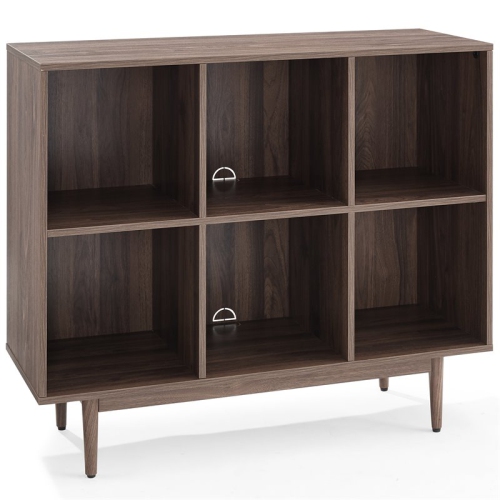
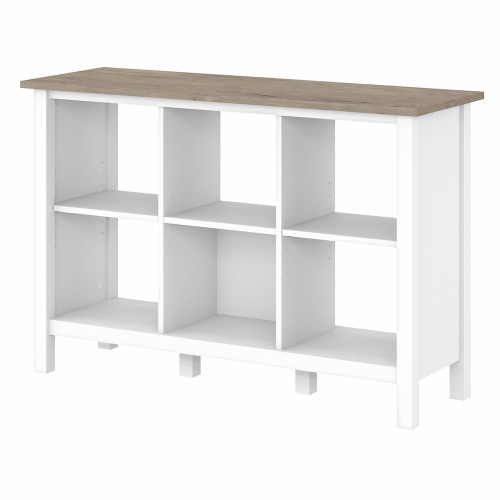
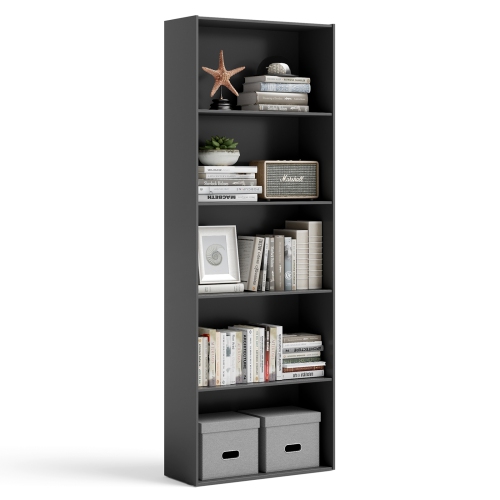
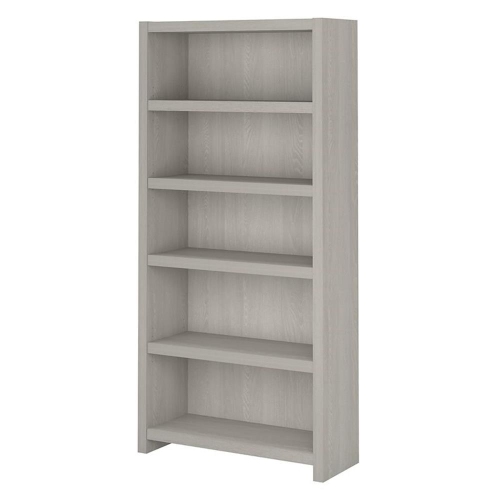
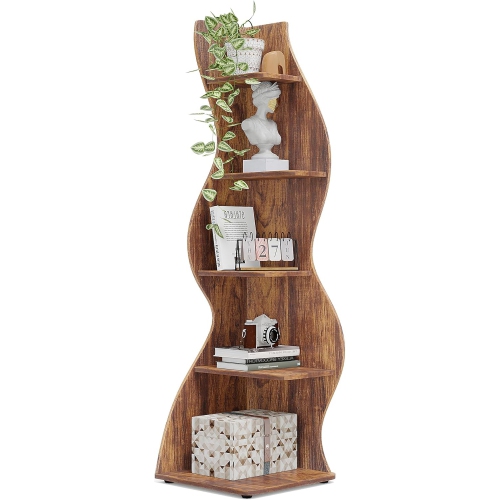
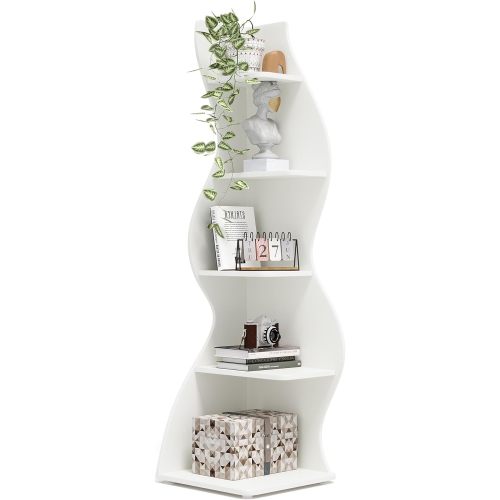
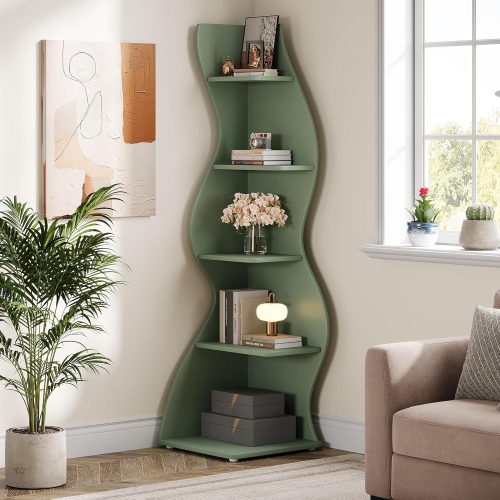
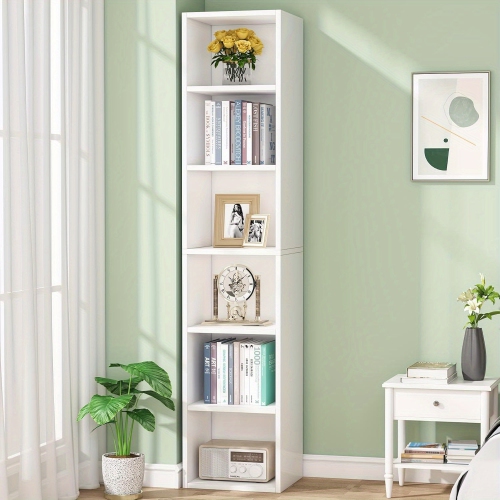
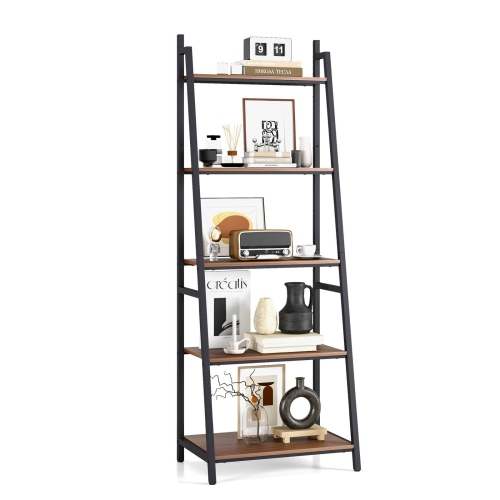
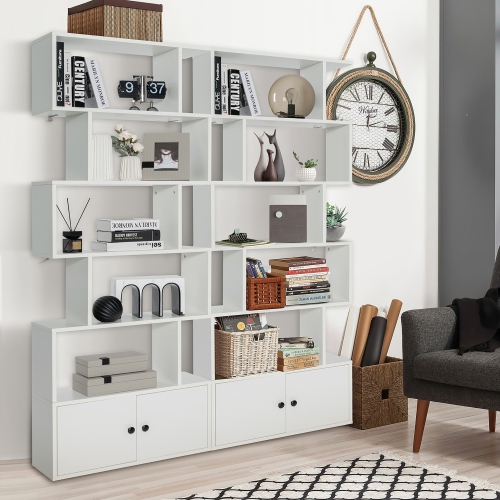
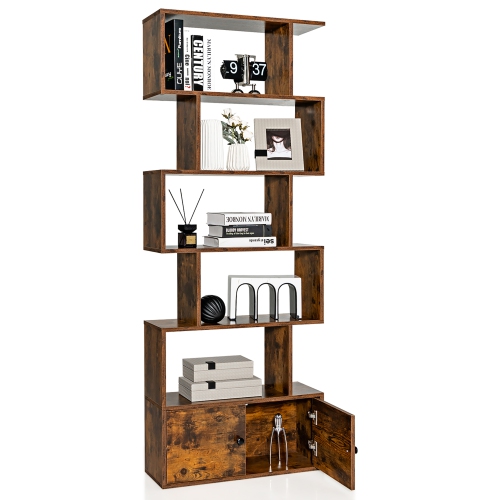
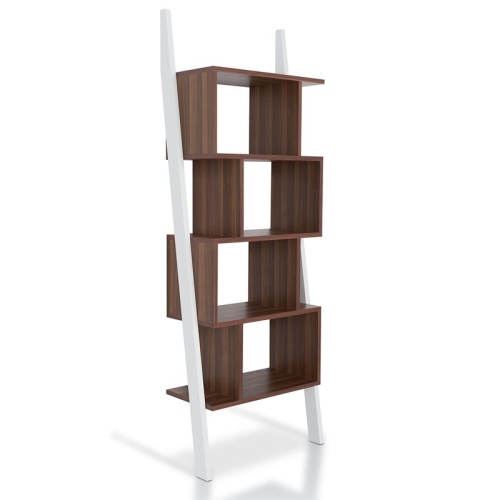
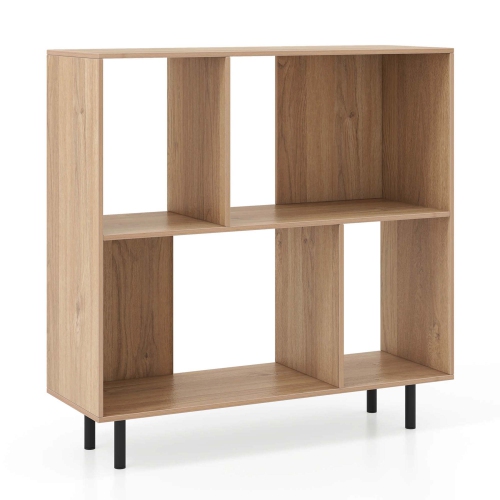
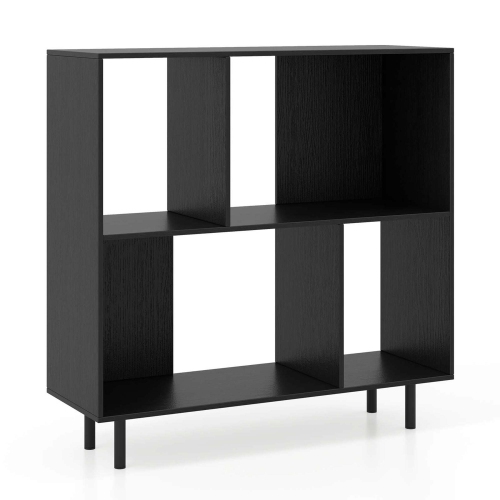
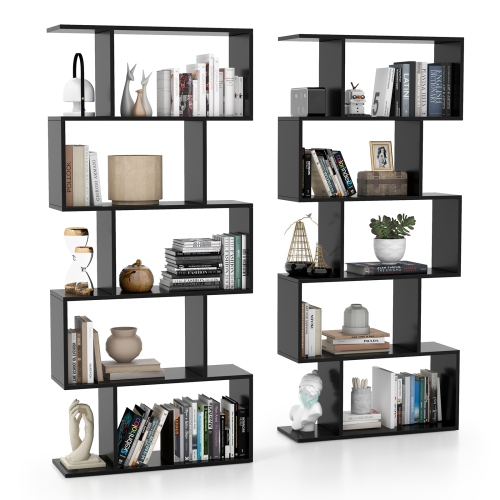
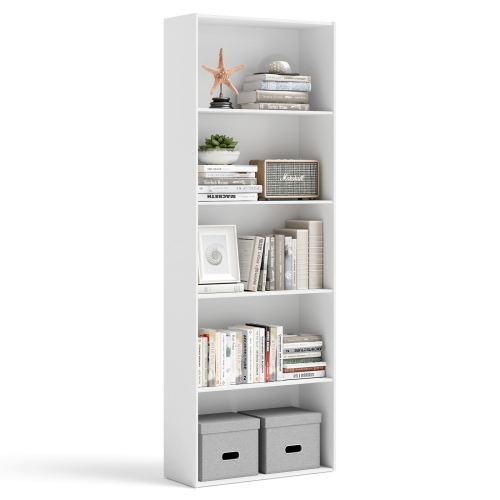
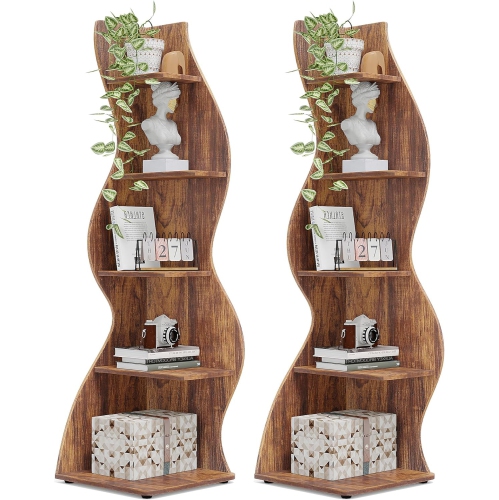
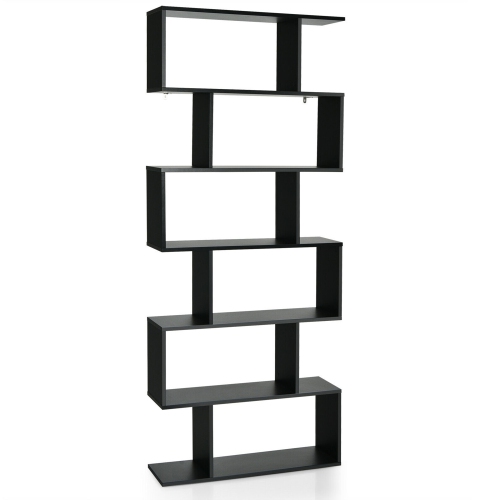
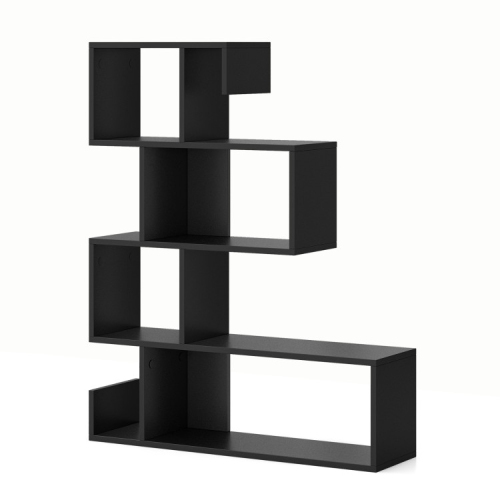
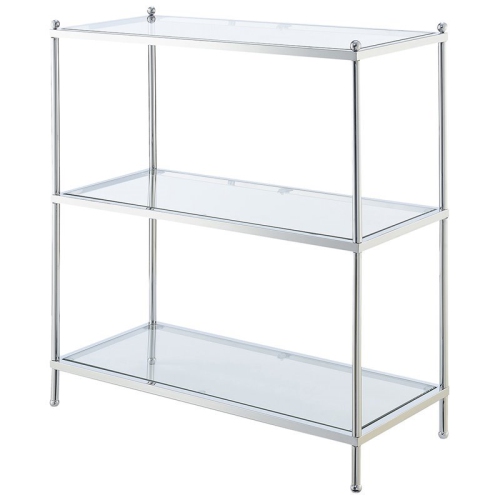
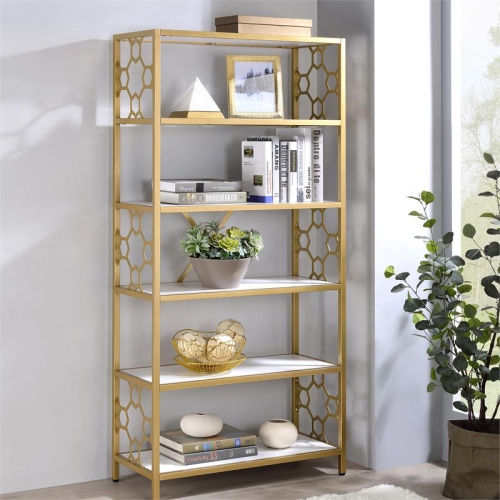

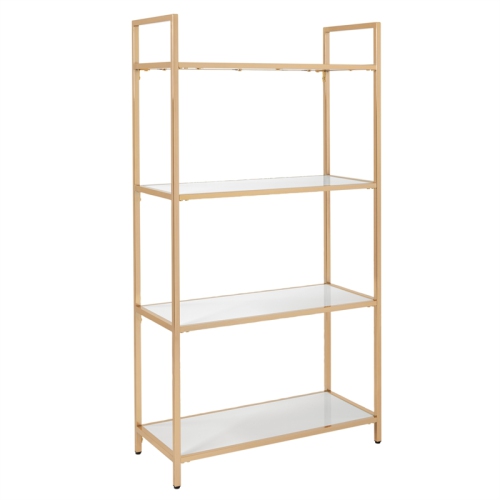
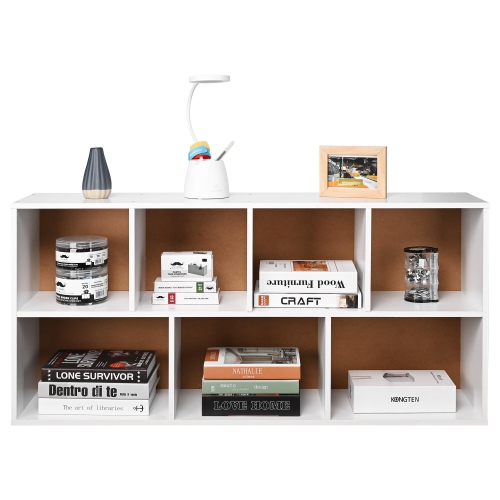
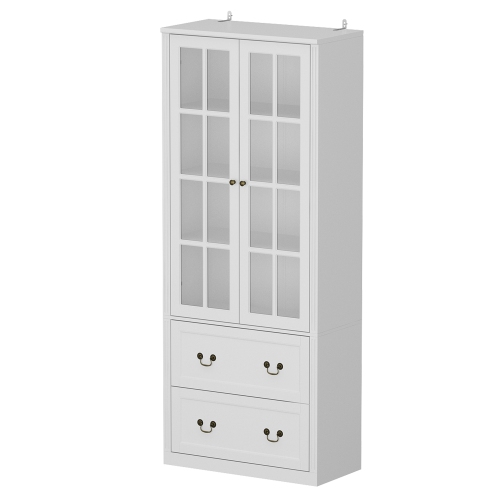
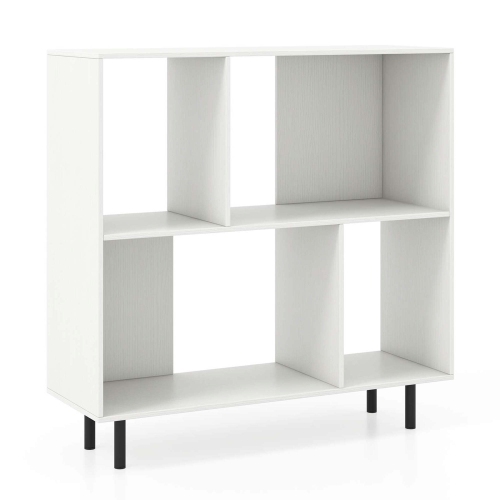
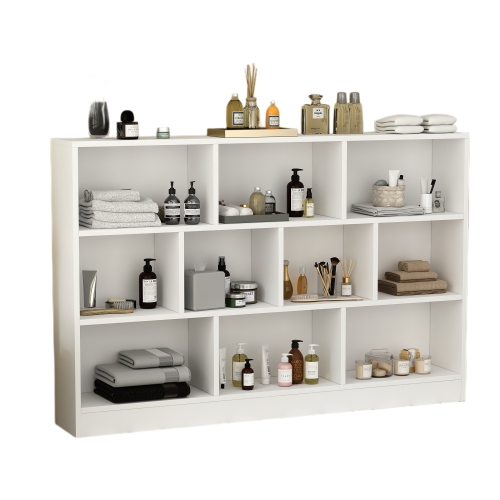
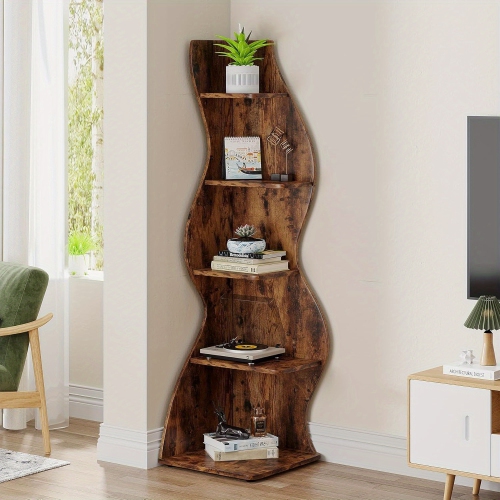
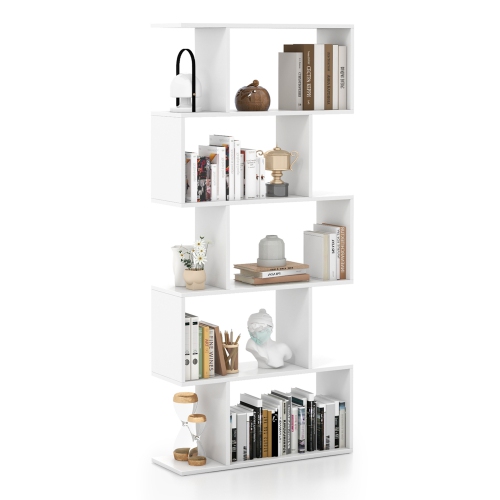
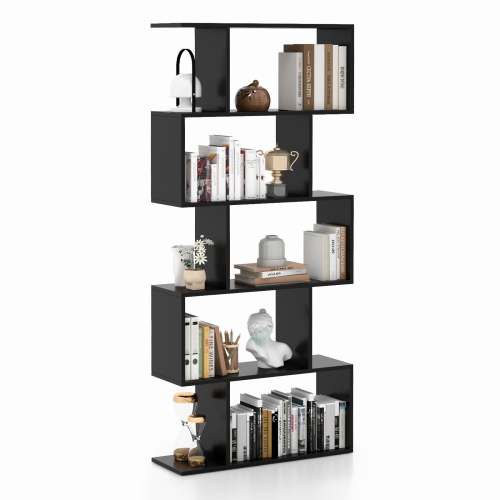
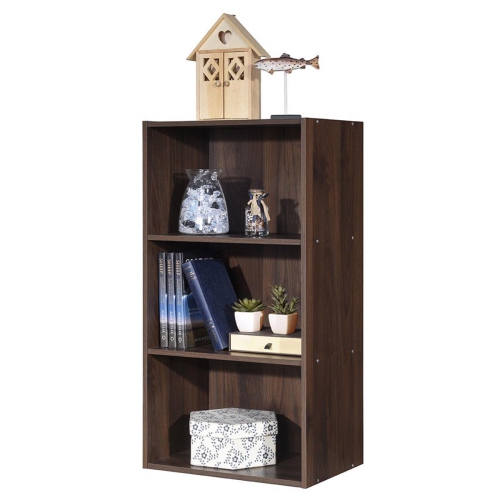


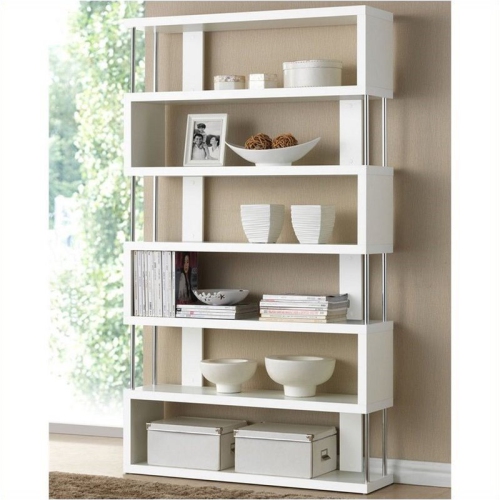
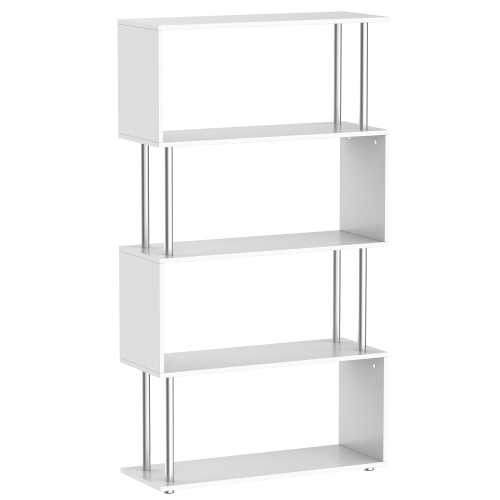
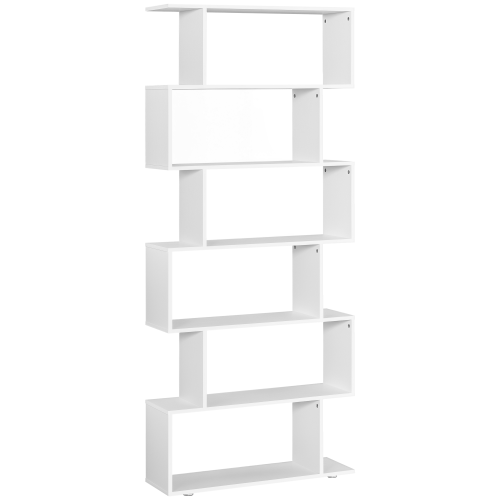
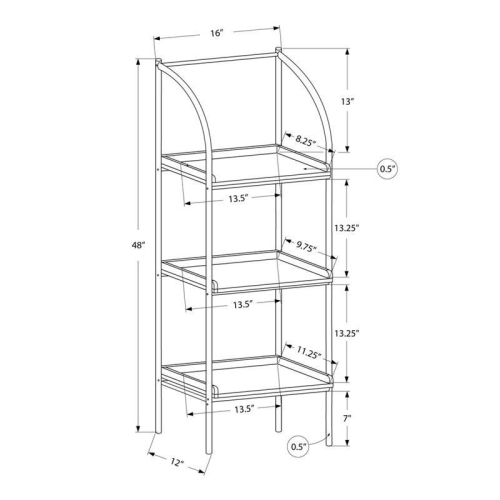
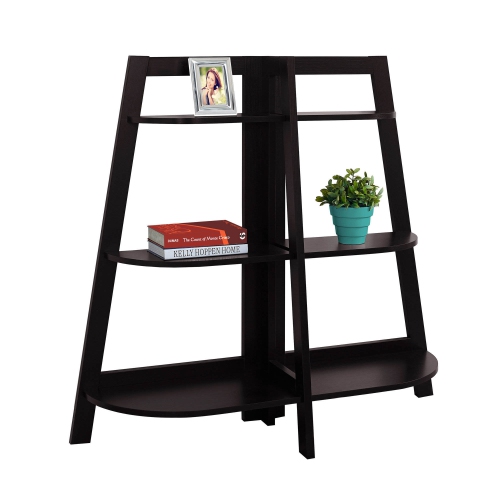
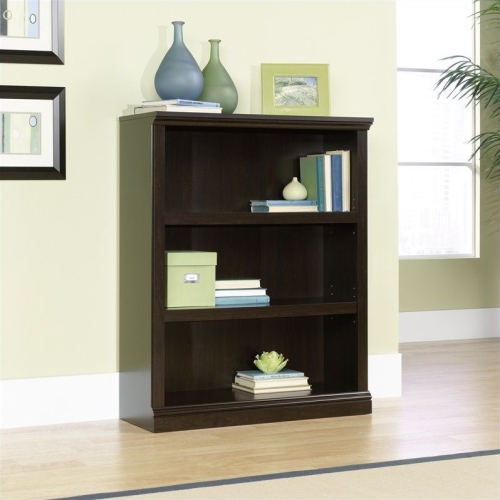
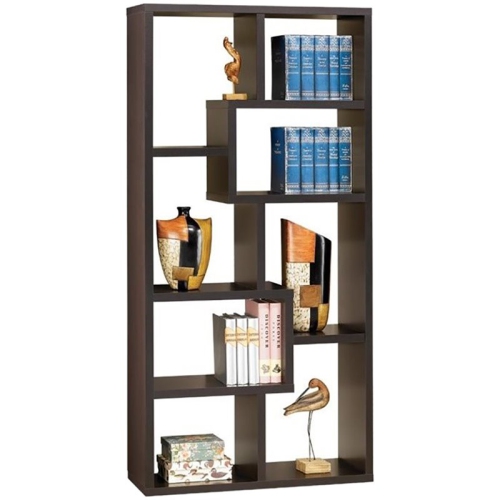
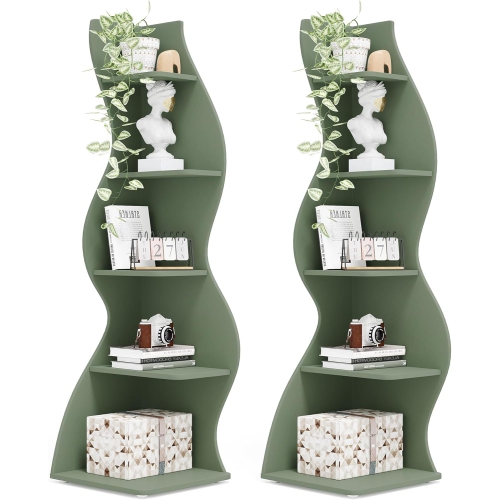
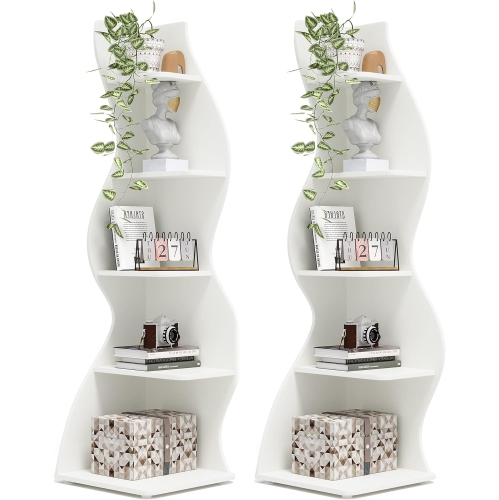
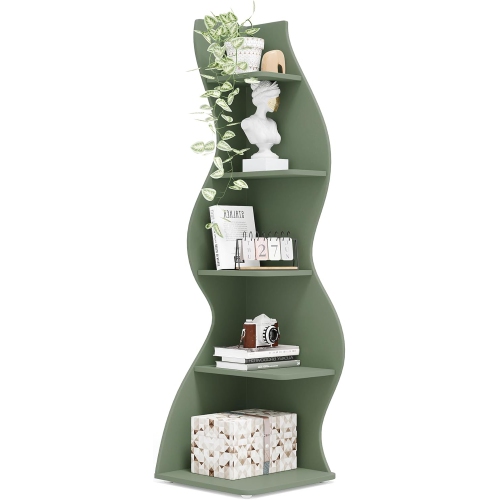
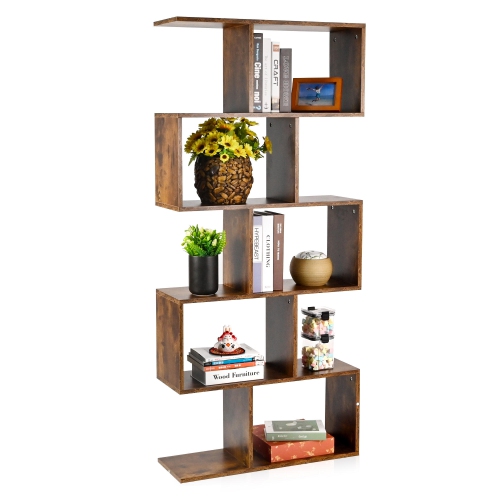
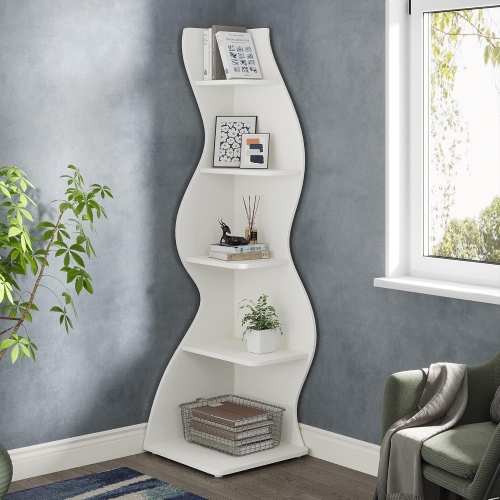
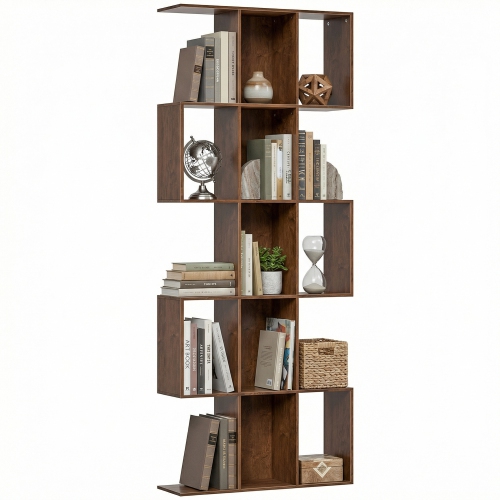
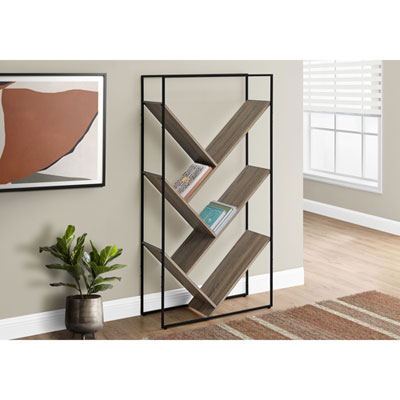
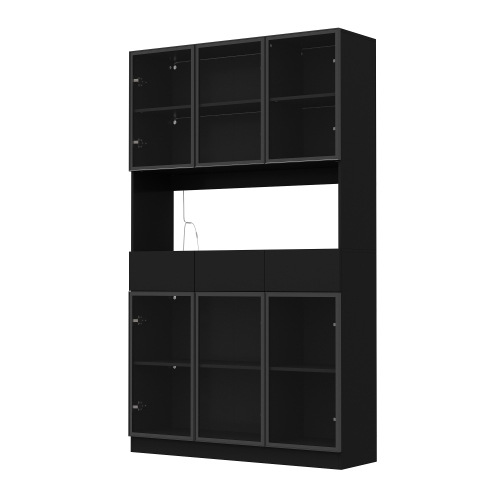
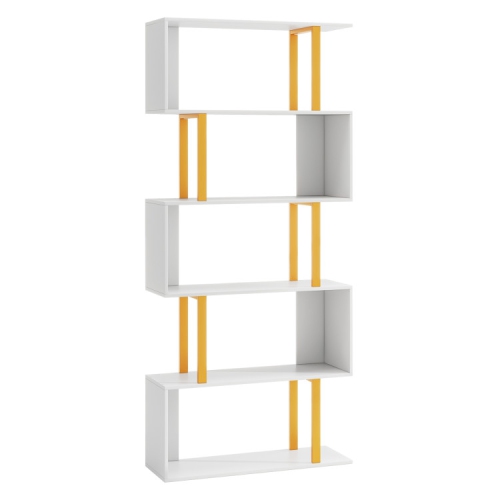
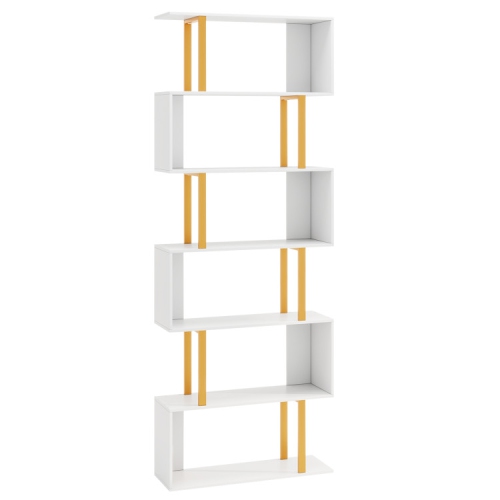
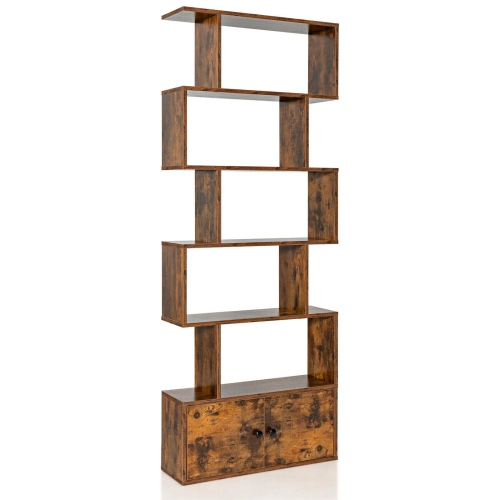
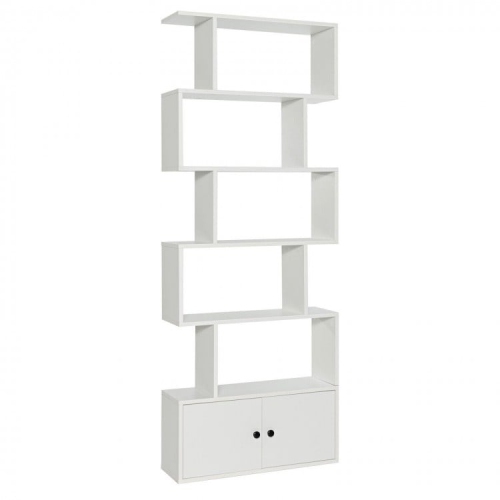
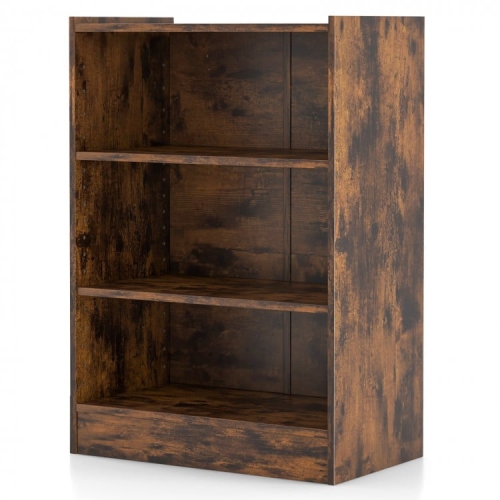
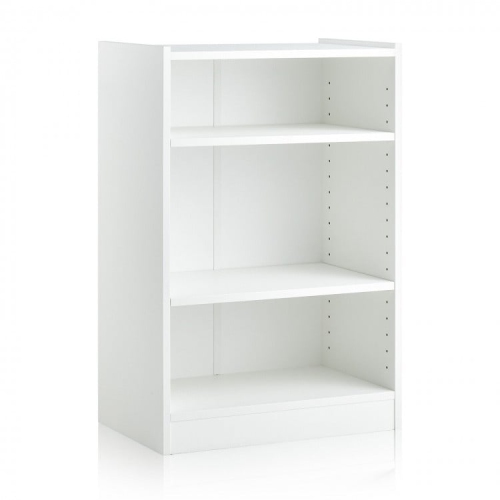
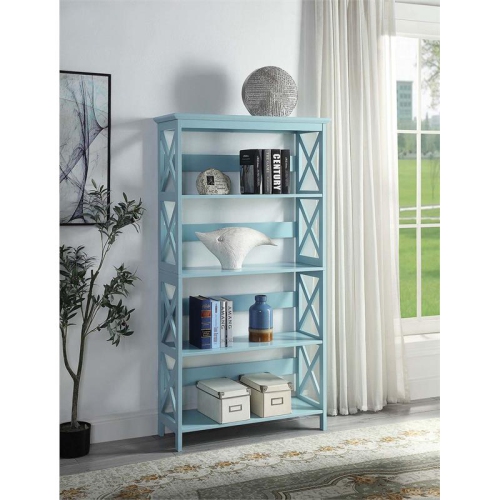
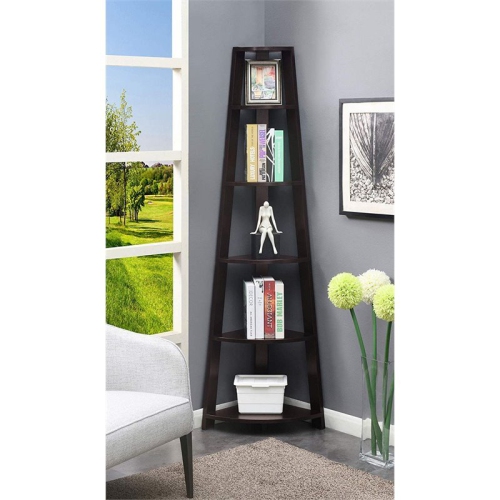
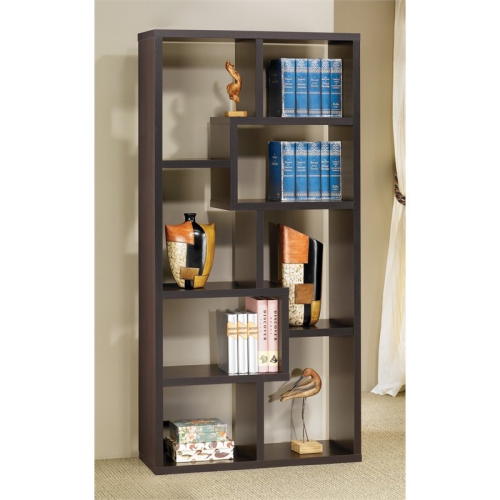
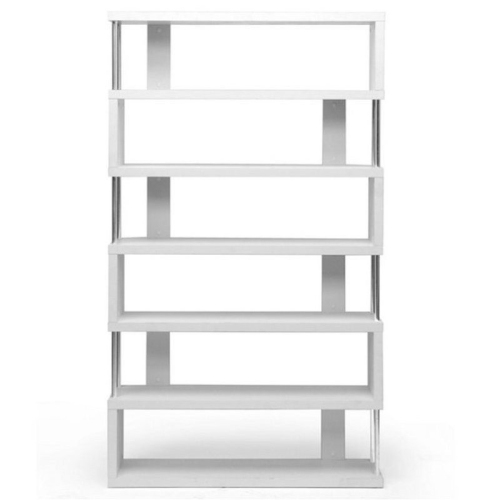
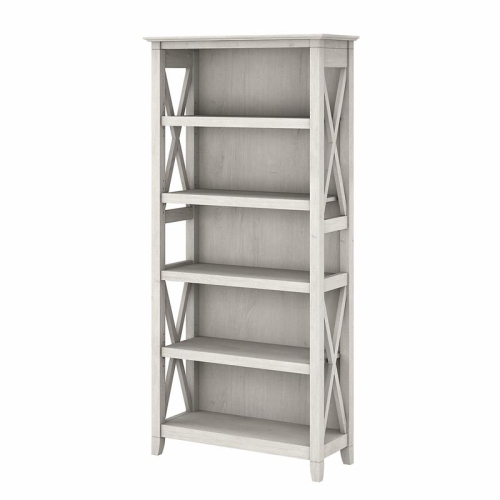
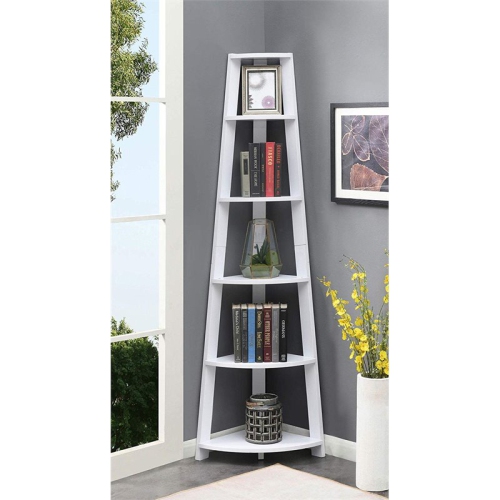
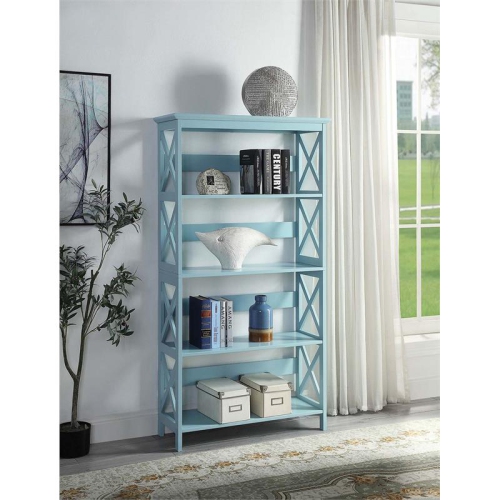
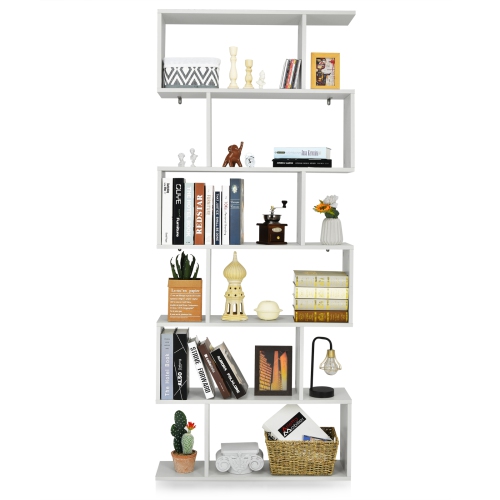
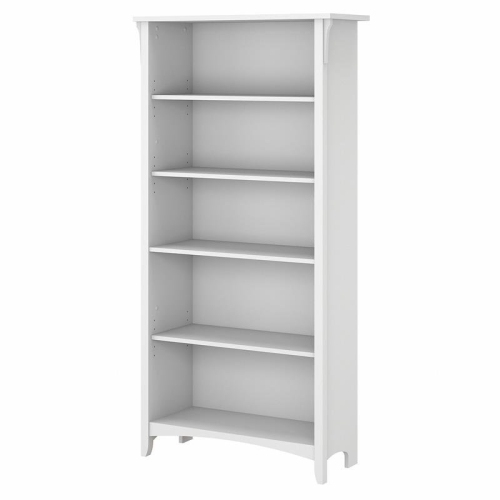

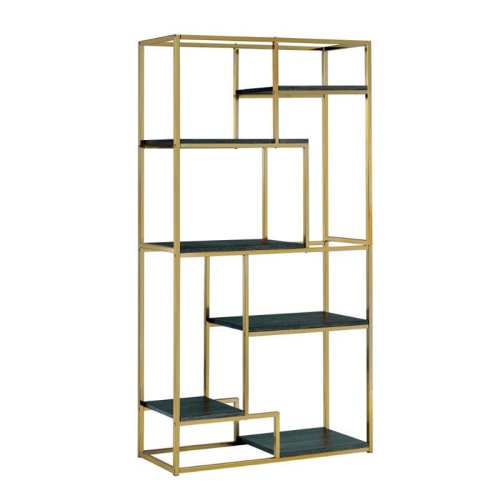
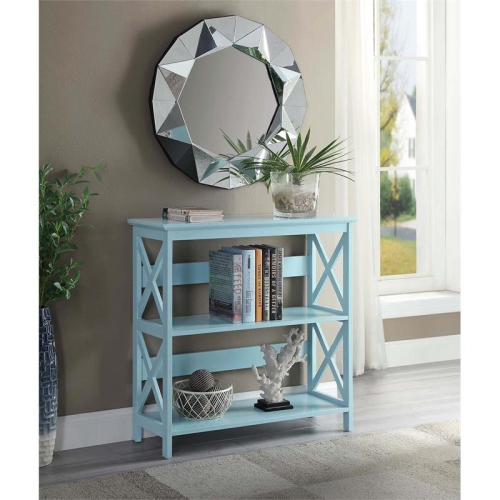
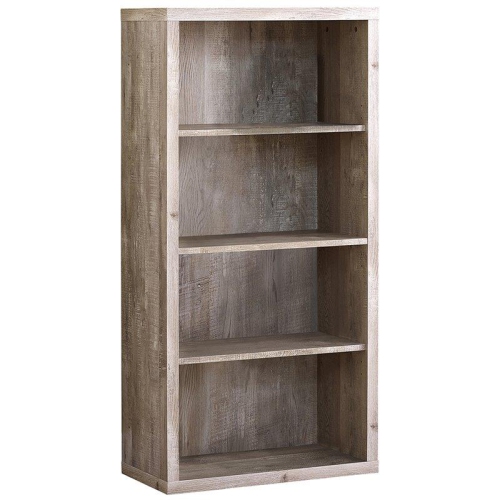
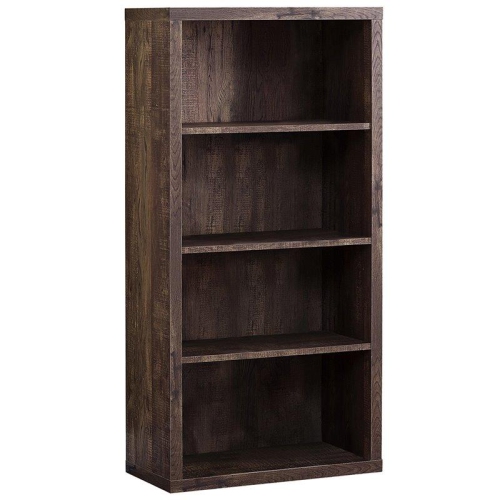

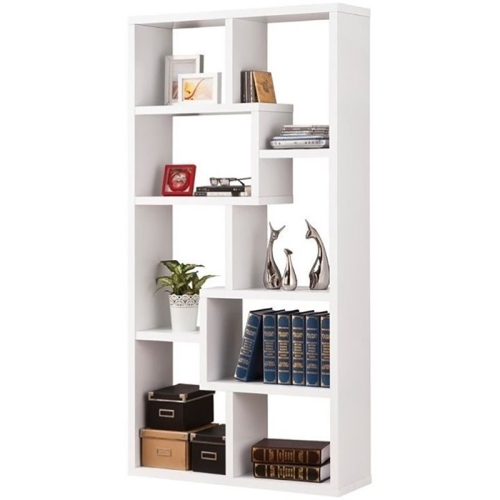
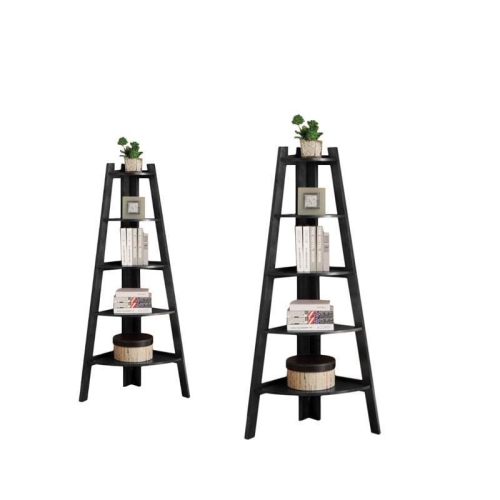
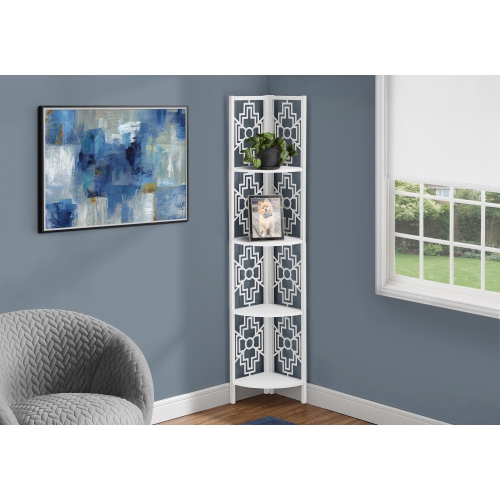
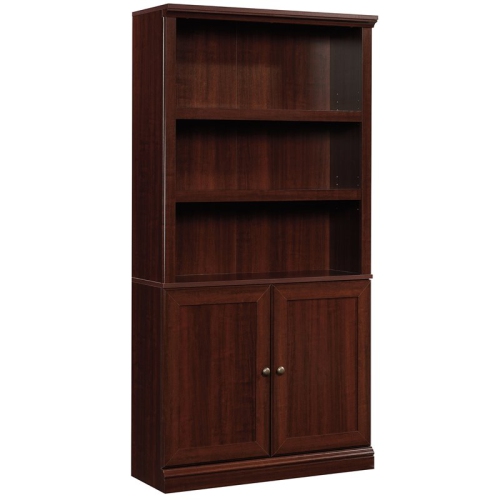
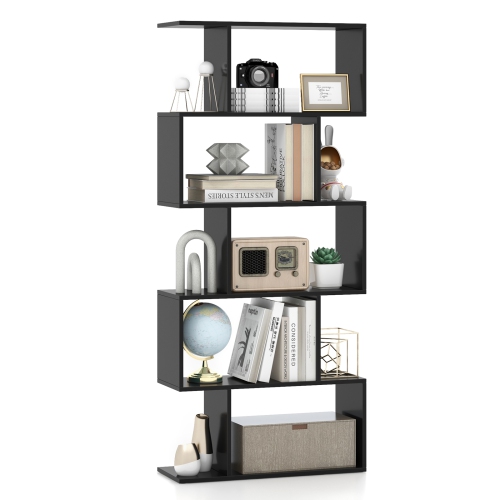
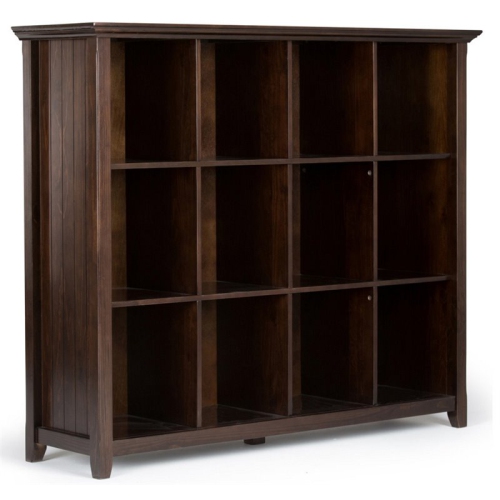
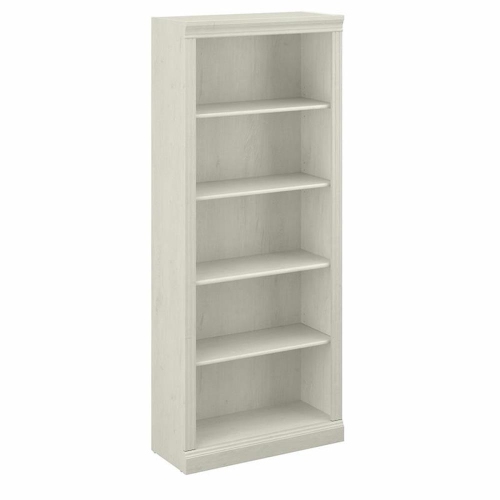
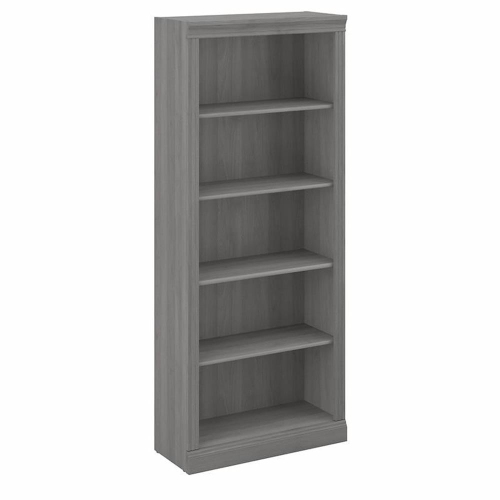
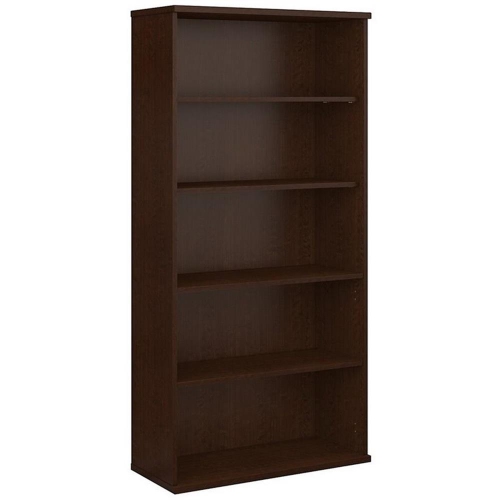
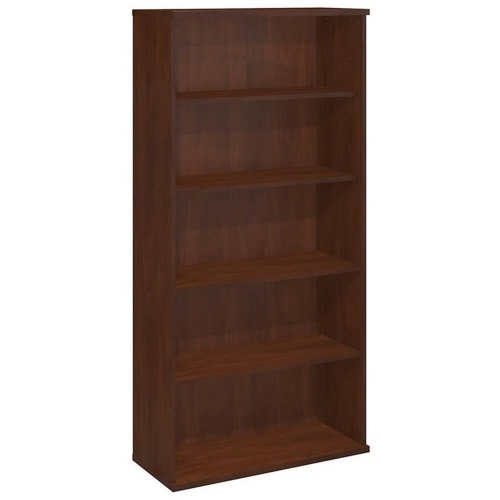
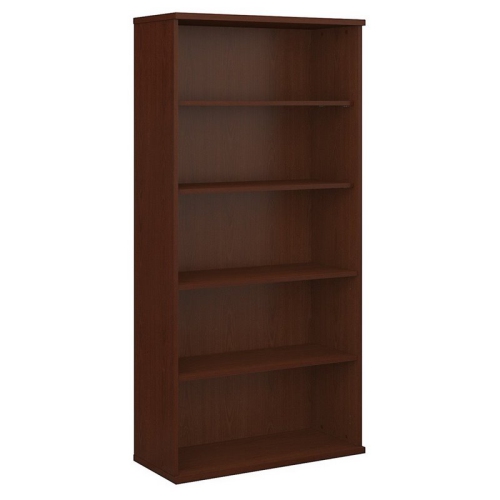
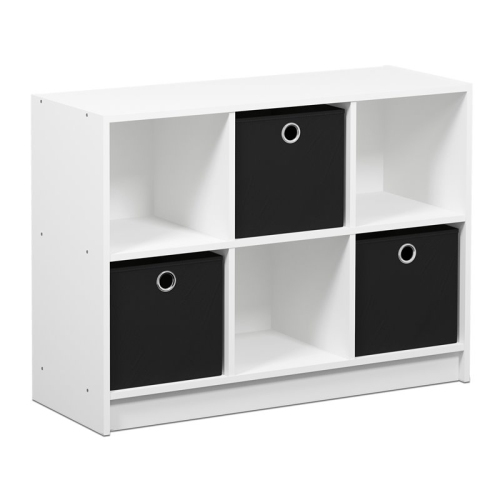

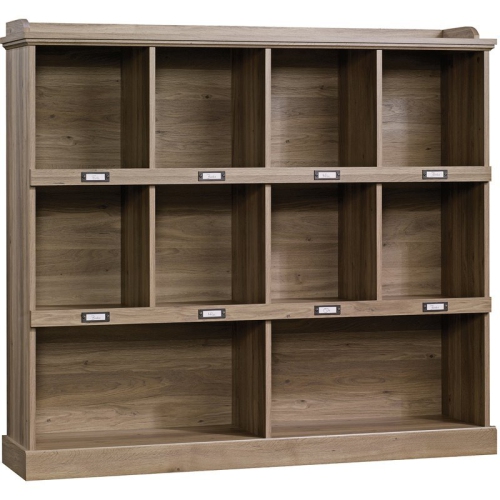
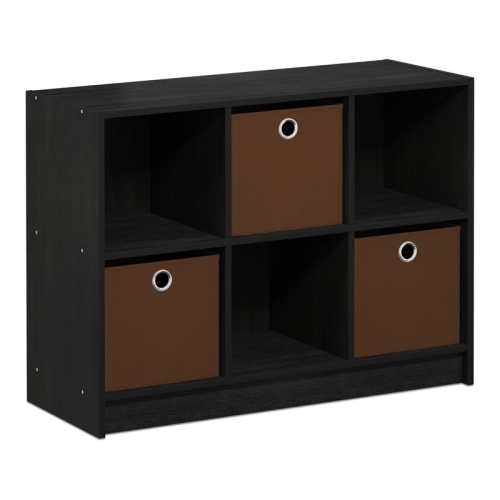
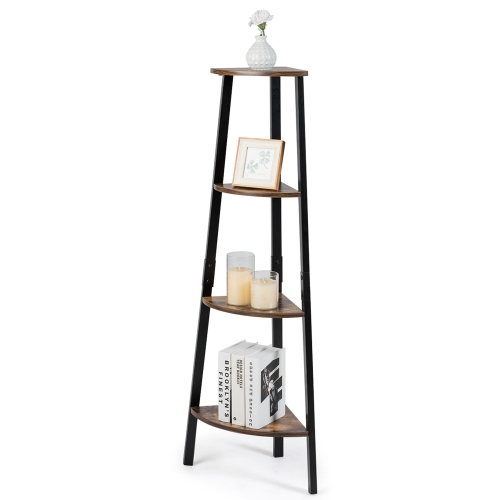

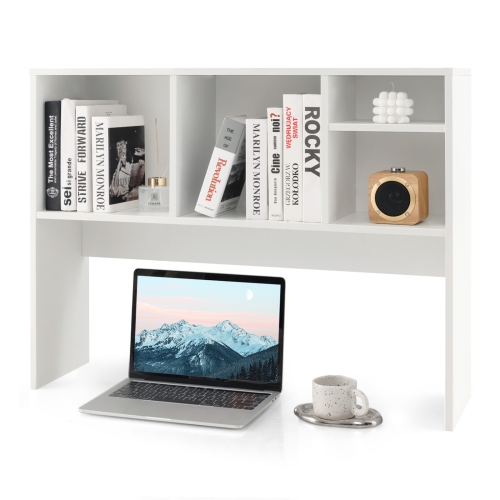
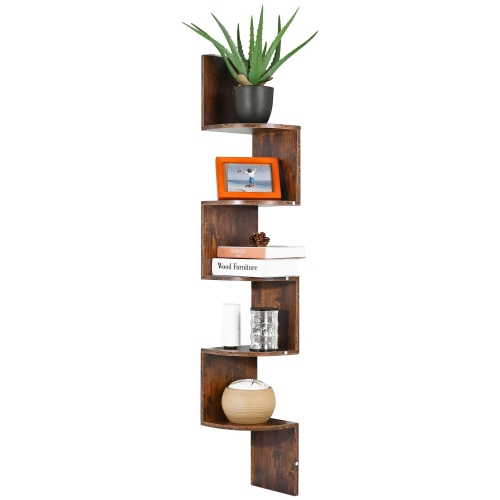
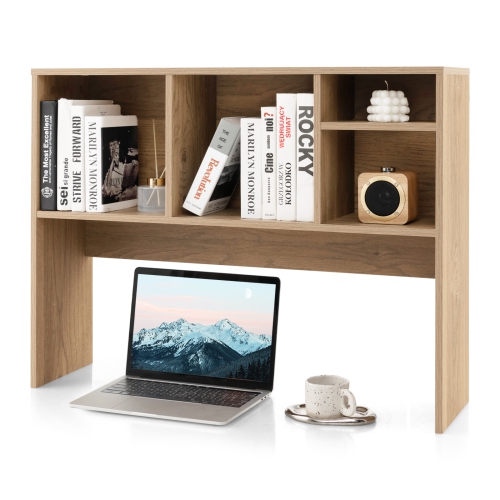
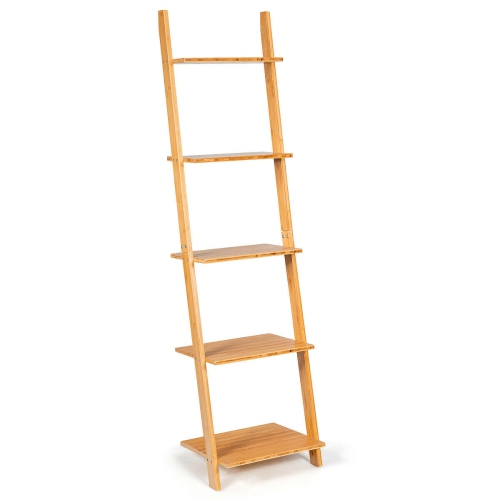

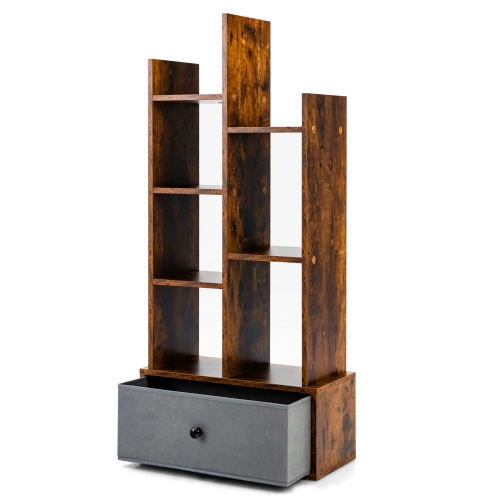
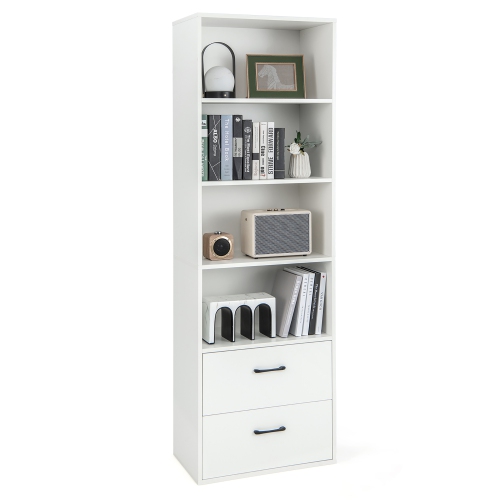
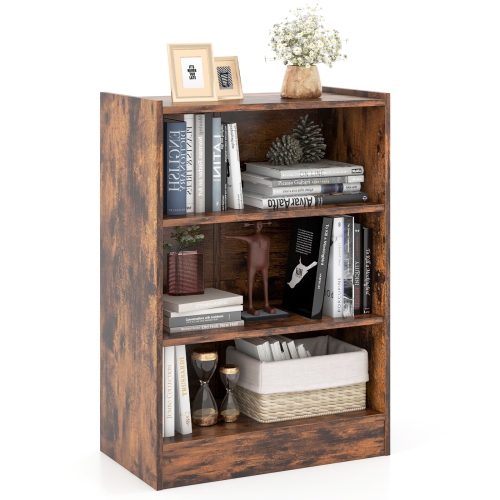
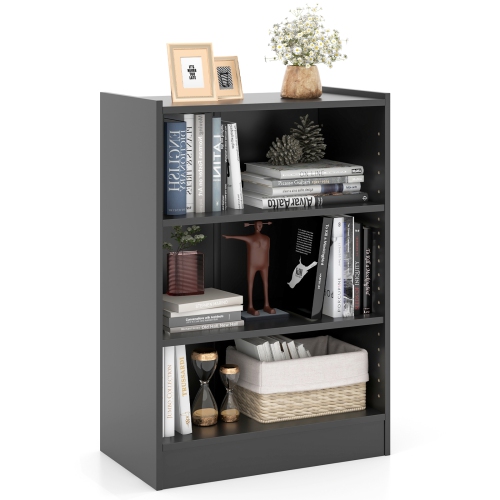
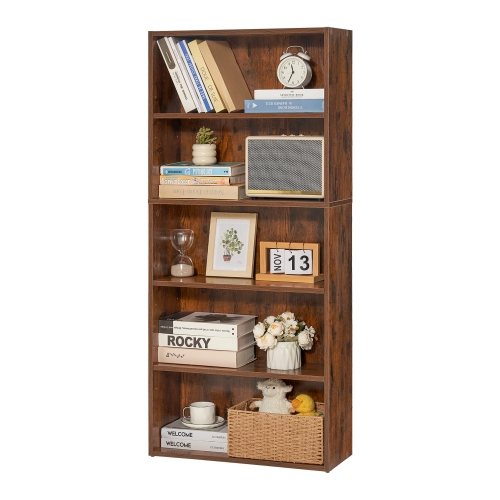
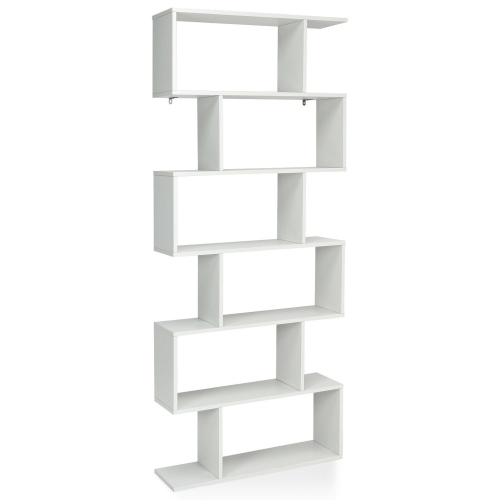
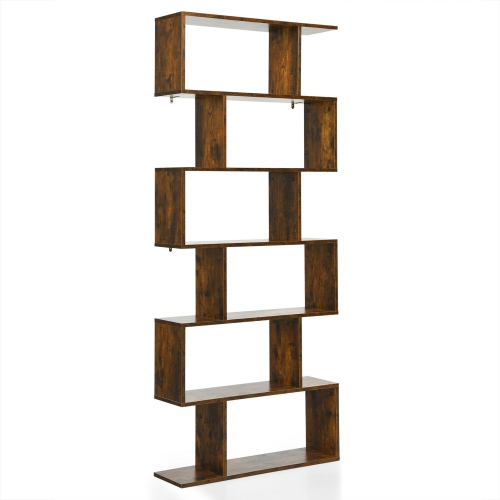
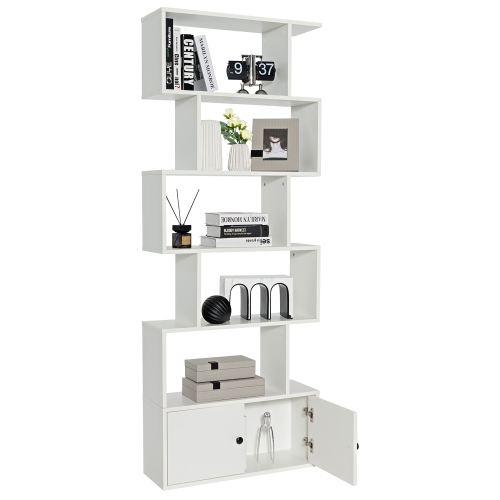
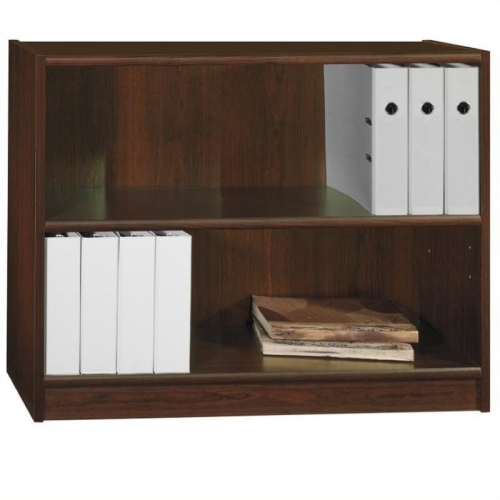

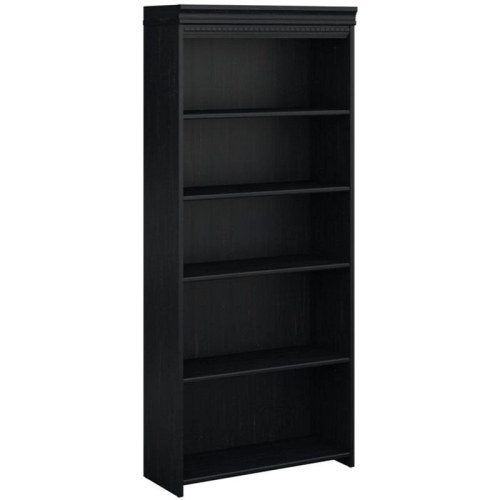
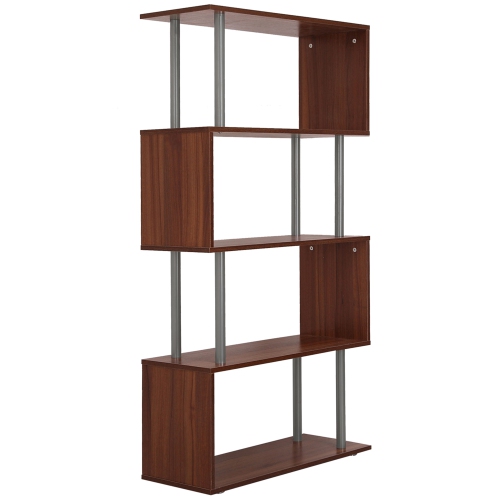
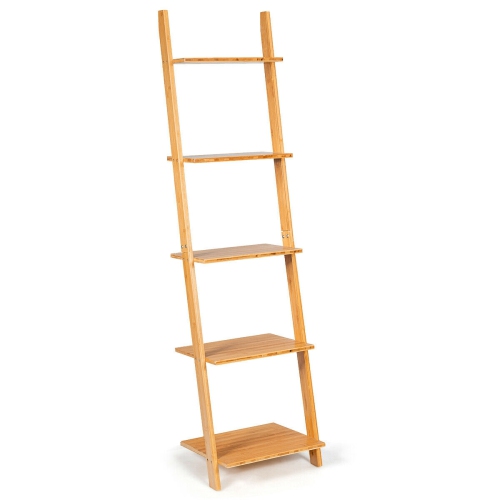
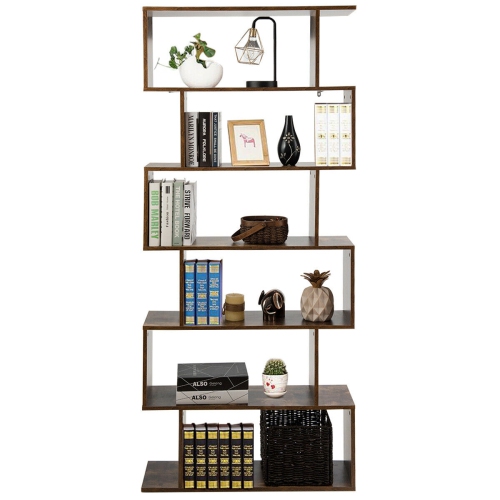
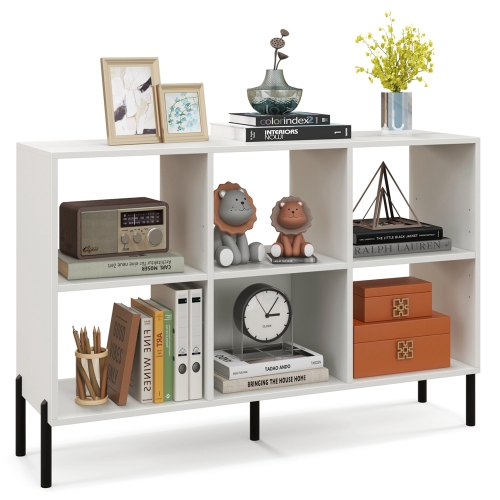
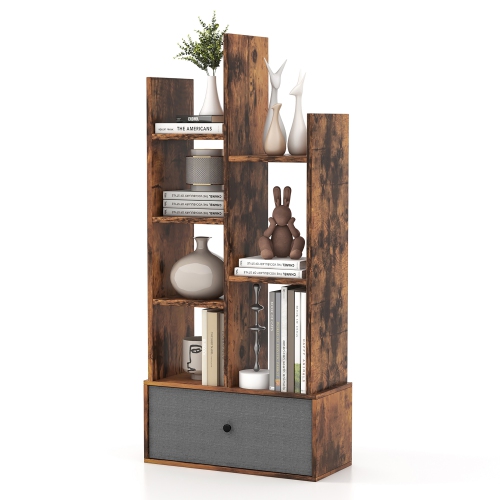

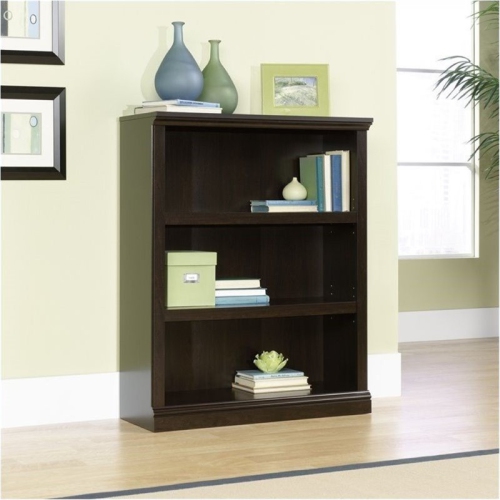
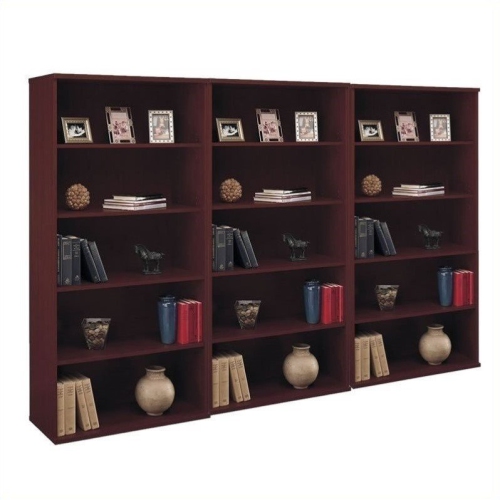
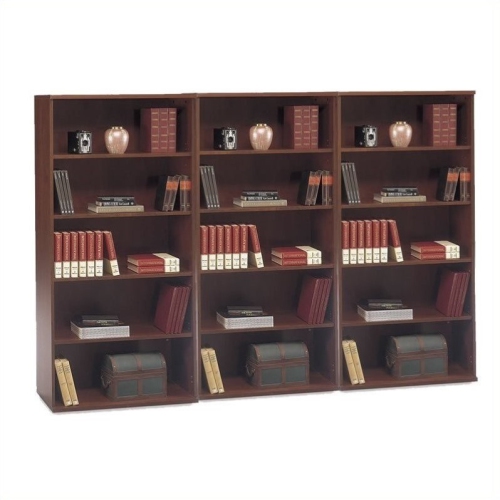
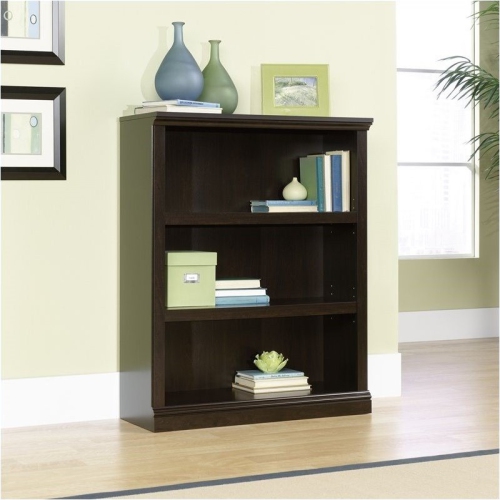
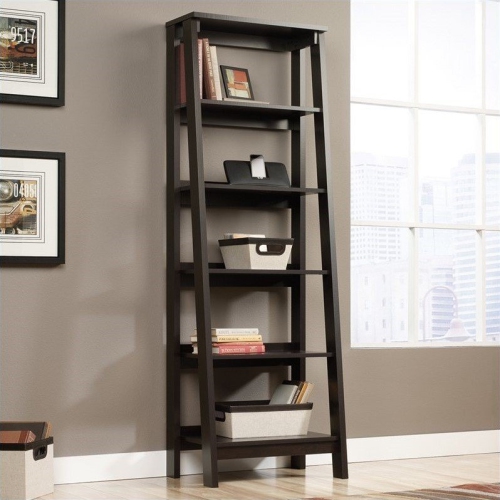
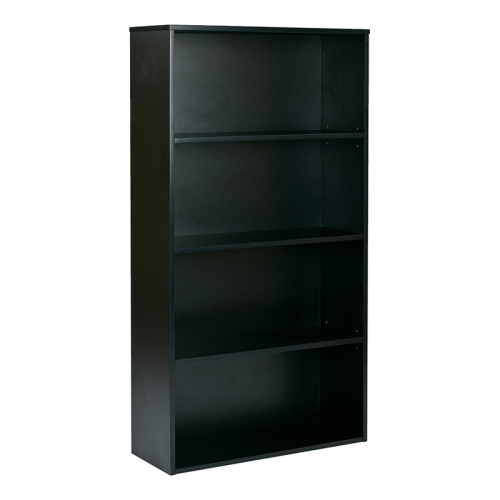

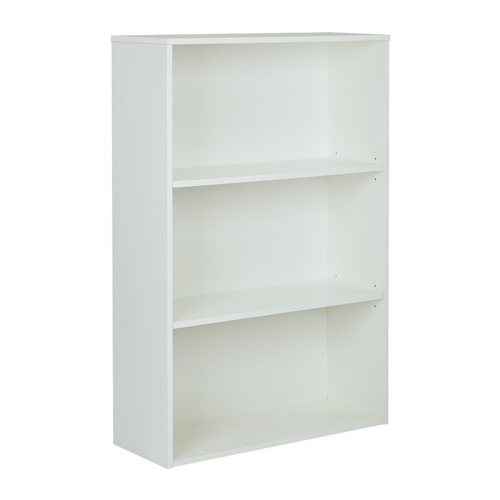

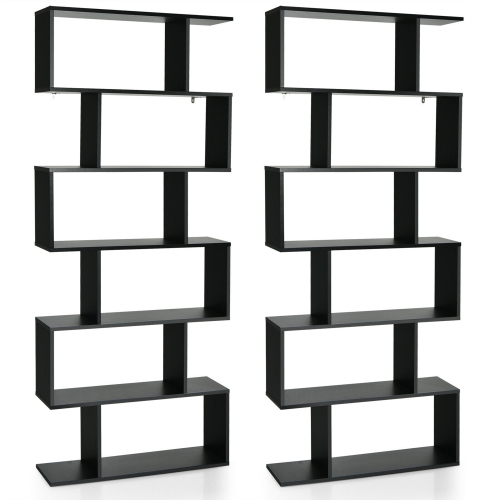
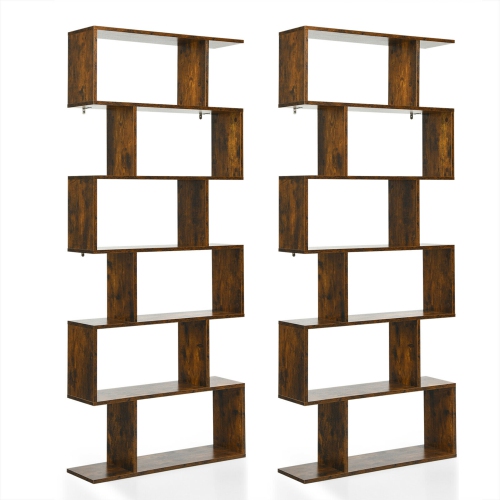

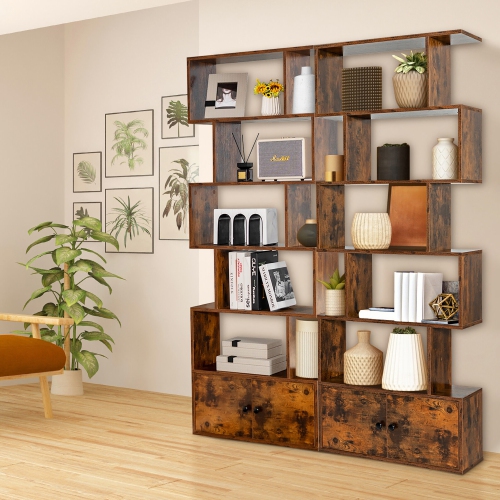
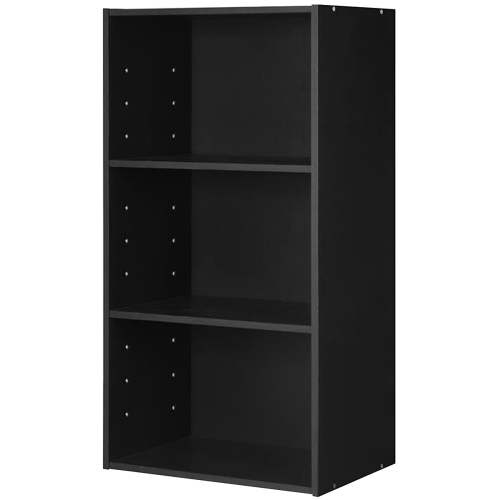
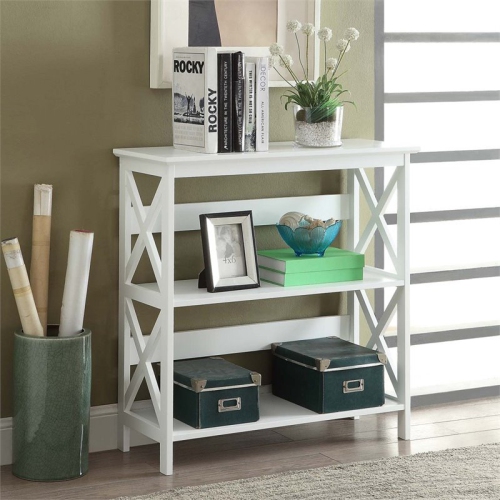
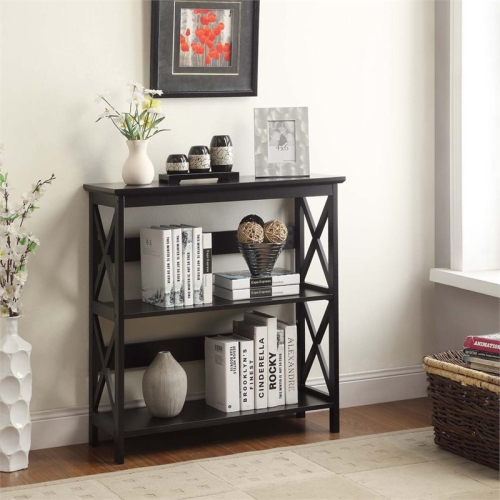
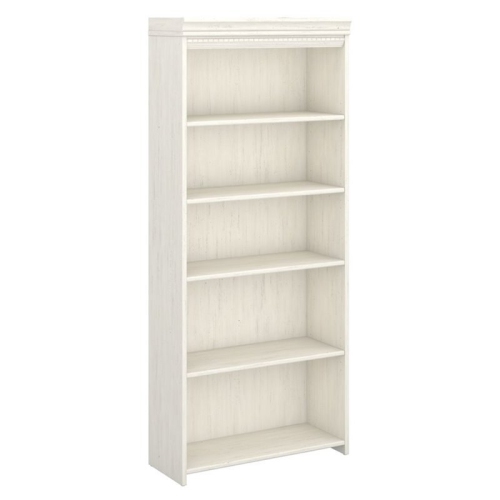
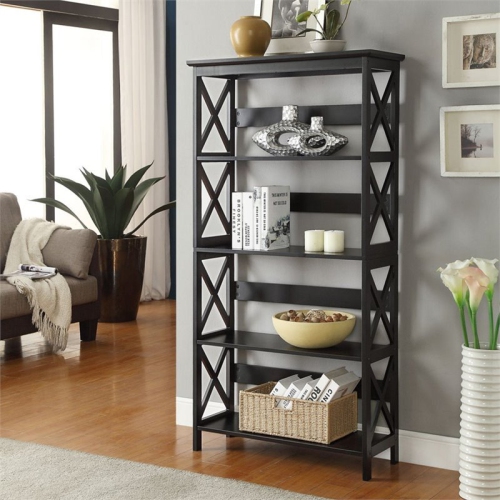
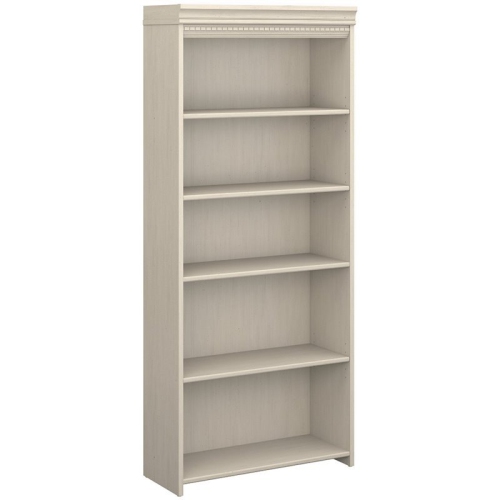
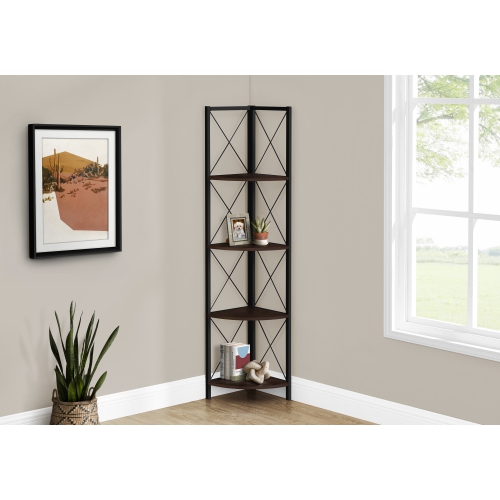
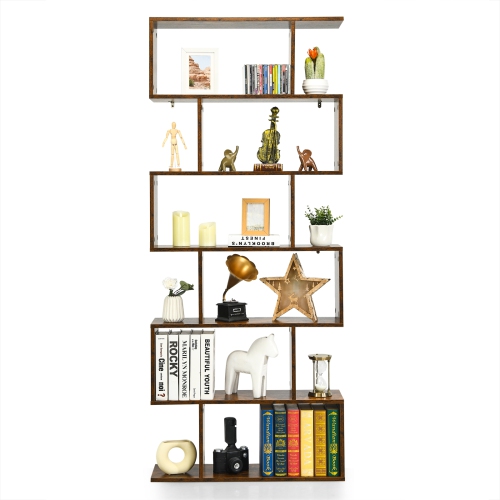
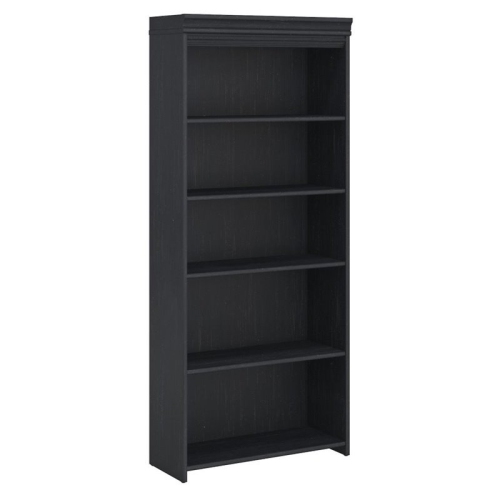
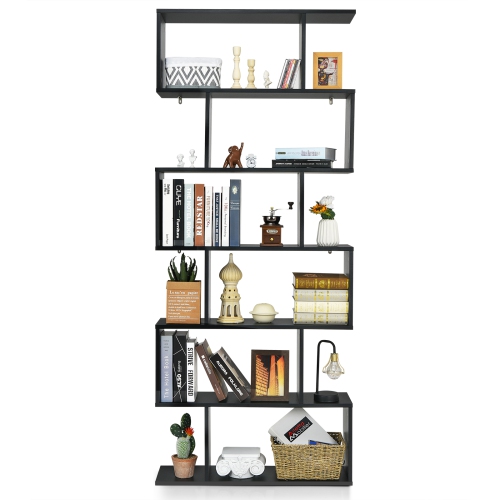
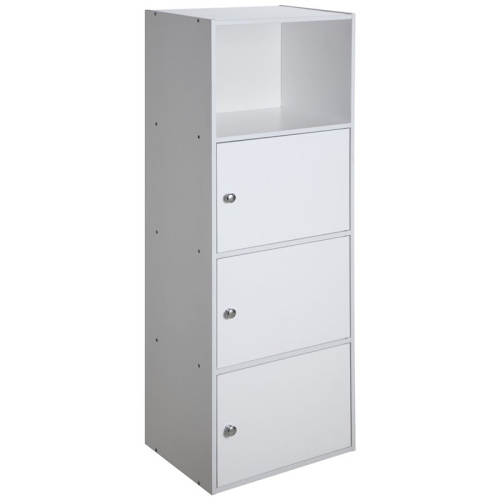

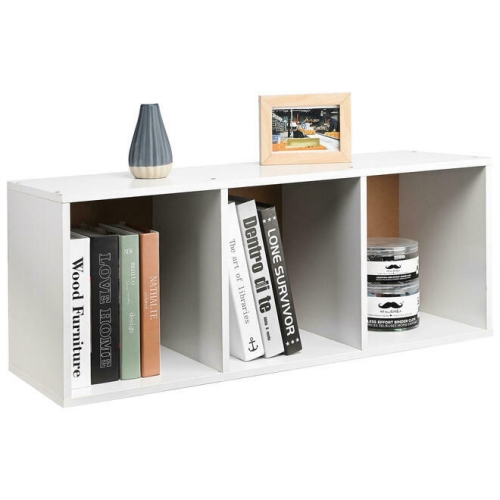
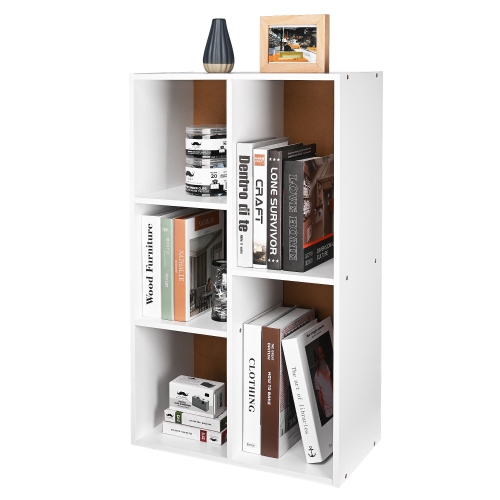
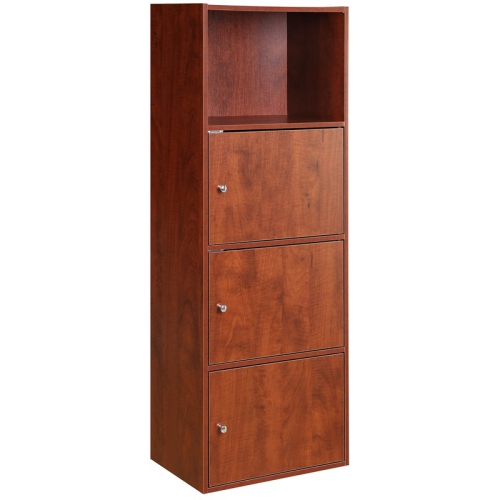
How bookcase shapes and finishes change a room
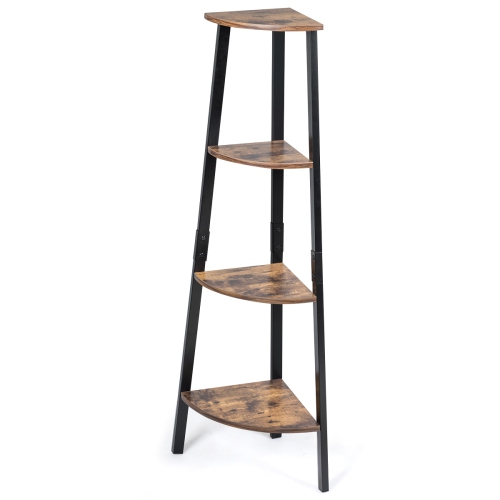
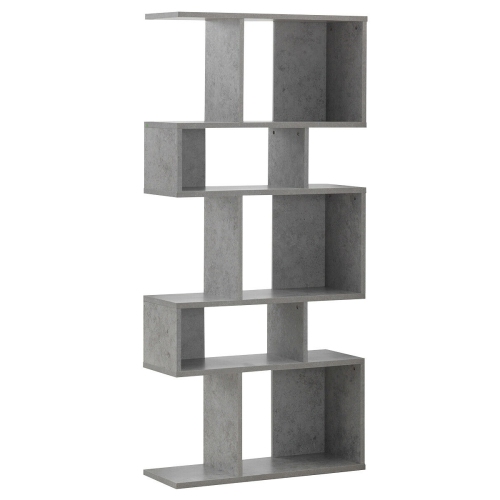
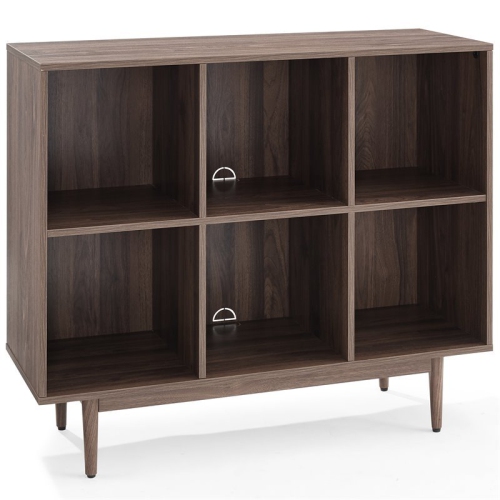
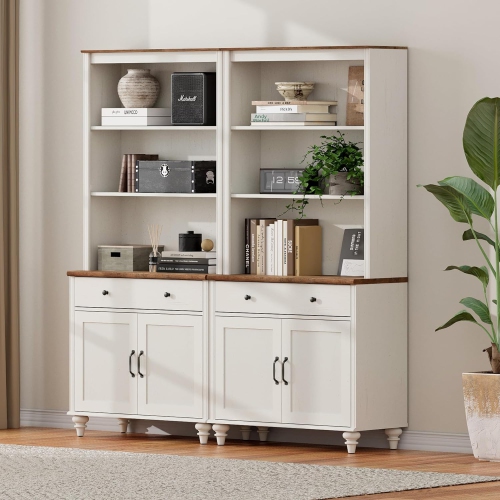
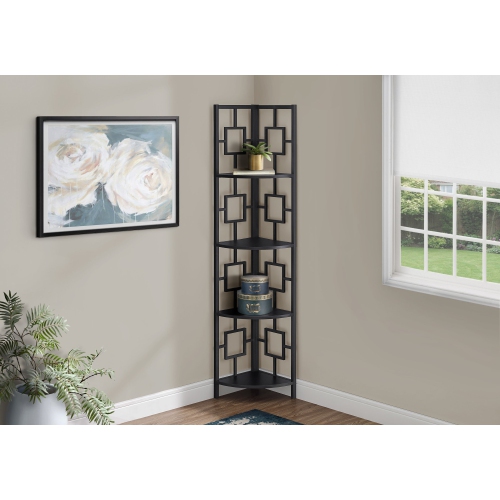
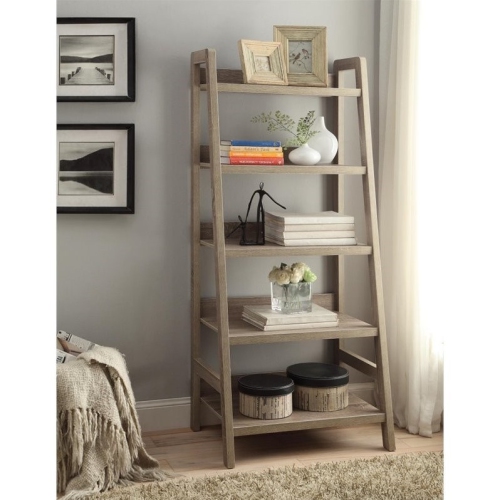
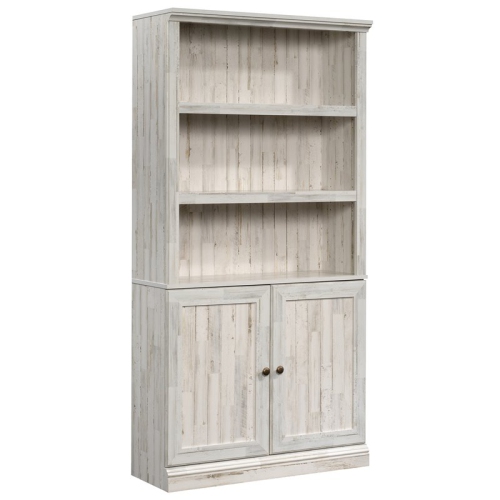
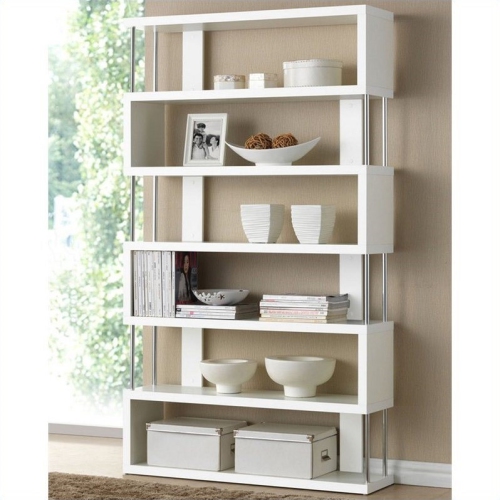
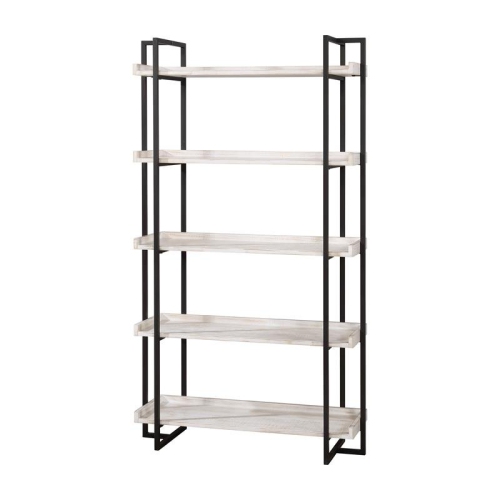
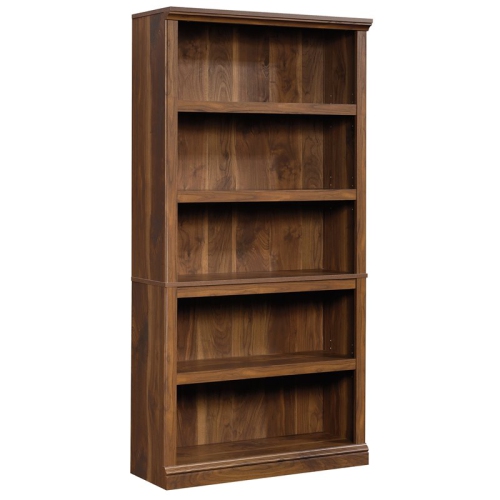
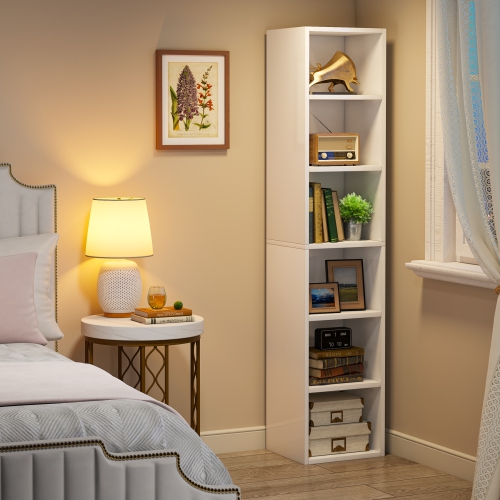
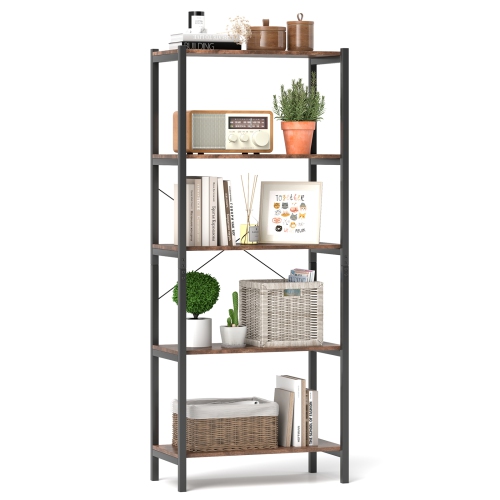
Stylish bookcases bring together practical storage and furniture design, giving books, artwork, and everyday belongings a place that feels intentional. Their character comes from a combination of shape, proportion, materials, and finish: an arched top softens a room filled with straight lines, a slim metal frame keeps shelving visually light, and a broad wood bookcase adds warmth and substance along an empty wall. The best fit depends as much on what surrounds the bookcase as on what sits inside it. In a living room with a low sofa and simple side tables, a tall shelving unit can add height without requiring another large footprint. Beside a desk, a compact bookcase keeps reference books and folders within reach while giving work materials a home beyond the desktop. Mid-century-inspired designs often feature raised legs, warm wood tones, and restrained detailing, while industrial styles pair metal supports with shelves that have a more pronounced grain. Transitional bookcases combine familiar cabinet shapes with simpler edges, making them easy to place alongside furniture collected over time. For rooms centred on clean lines and understated finishes, Modern Bookcases offer a closely related direction, with an emphasis on uncluttered shapes and versatile storage. Colour changes the effect, too. White or pale wood finishes can blend into a light wall, while black, deep brown, or a contrasting painted finish makes the outline more prominent. Open-backed shelving allows wall colour to show through; a solid back creates a defined backdrop for book spines and objects. Neither approach needs elaborate styling to look considered. A row of well-used novels, a framed photograph, and a ceramic bowl can give a shelf personality without taking away its usefulness. Whether furnishing a first apartment, making room for a growing reading collection, or completing a shared family space, a bookcase works best when its visual style supports the way the room is actually used.
Materials and construction influence both the look of a bookcase and how well it handles daily use. Solid wood brings natural grain variation and may develop small marks with age, while wood veneer provides a real wood surface over a supporting core. Engineered wood with a laminate or other applied finish can offer a consistent appearance and a surface that is straightforward to wipe down, though exposed edges and prolonged moisture need particular care. Metal frames lend definition to open designs, and glass shelves or doors introduce transparency while making fingerprints more noticeable. Durability depends on the complete construction, not simply the material name: shelf thickness, unsupported span, joints, backing, and hardware all play a part. Books are heavy when grouped together, so the stated load limit for each shelf matters, especially for large art volumes, textbooks, or densely packed hardcovers. Adjustable shelves accommodate changing collections, from paperbacks to taller albums, while fixed shelves establish consistent spacing and may contribute to the structure. Dimensions deserve the same attention as appearance. A narrow unit can suit a small recess, but its internal shelf width determines whether it will hold the intended collection. Shelf depth affects whether larger books sit fully supported, and overall depth determines how far the furniture projects into a walkway. Allowing for baseboards, nearby outlets, door swings, and any cabinet doors helps avoid an awkward fit. Tall bookcases should be secured according to the manufacturer’s instructions, using suitable anchoring hardware for the wall, particularly in homes with children or pets. Heavier contents belong on lower shelves, and shelves should never serve as steps. Routine care is usually uncomplicated: remove dust with a soft cloth, address spills promptly, and use cleaning methods approved for the finish. Keeping liquid away from seams and avoiding abrasive pads helps preserve surfaces. Coasters or protective trays beneath plant pots add another layer of protection, while following assembly and hardware-tightening instructions helps keep the furniture stable over time.
The storage layout shapes how a stylish bookcase functions from day to day. Open shelving suits readers who want to scan titles quickly and households that enjoy seeing favourite belongings on display. Lower cupboards or drawers provide a less visible place for paperwork, games, and loose accessories, while glass-fronted sections keep a collection visible and help limit dust settling directly on it. Cube layouts create distinct compartments that can separate reading material by person, subject, or use; appropriately sized baskets can gather smaller belongings without leaving them scattered across a shelf. A low bookcase may work beneath a window when its height leaves the window and surrounding fixtures accessible, or alongside a dining area where cookbooks and serving pieces share space. A tall, narrow design makes use of vertical wall space, whereas a wider unit gives a substantial collection room to spread out. In an open-plan room, shelving finished on both sides can help define separate areas, provided the design is intended for that placement and can be secured as directed. The display itself can stay relaxed and practical. Grouping books upright keeps titles easy to find, while a few short horizontal stacks introduce variation and provide a resting place for a small object. Bringing spines towards a consistent line creates a tidier appearance without requiring every book to match in height or colour; each volume should still remain fully supported by the shelf. Leaving some open space around a vase or photograph lets its shape stand out, rather than turning every compartment into a tightly packed storage bay. For avid readers, most of the space may rightly belong to books, with just a few personal touches between sections. Families might reserve accessible lower shelves for frequently used reading material, while a home office benefits from keeping working references close to desk height. A bookcase can also make a thoughtful housewarming or graduation gift when the recipient’s room dimensions and furniture preferences are known. Its lasting appeal lies in that balance: enough capacity to be genuinely useful, a form that belongs in the room, and space for the collection to change.
Materials and construction influence both the look of a bookcase and how well it handles daily use. Solid wood brings natural grain variation and may develop small marks with age, while wood veneer provides a real wood surface over a supporting core. Engineered wood with a laminate or other applied finish can offer a consistent appearance and a surface that is straightforward to wipe down, though exposed edges and prolonged moisture need particular care. Metal frames lend definition to open designs, and glass shelves or doors introduce transparency while making fingerprints more noticeable. Durability depends on the complete construction, not simply the material name: shelf thickness, unsupported span, joints, backing, and hardware all play a part. Books are heavy when grouped together, so the stated load limit for each shelf matters, especially for large art volumes, textbooks, or densely packed hardcovers. Adjustable shelves accommodate changing collections, from paperbacks to taller albums, while fixed shelves establish consistent spacing and may contribute to the structure. Dimensions deserve the same attention as appearance. A narrow unit can suit a small recess, but its internal shelf width determines whether it will hold the intended collection. Shelf depth affects whether larger books sit fully supported, and overall depth determines how far the furniture projects into a walkway. Allowing for baseboards, nearby outlets, door swings, and any cabinet doors helps avoid an awkward fit. Tall bookcases should be secured according to the manufacturer’s instructions, using suitable anchoring hardware for the wall, particularly in homes with children or pets. Heavier contents belong on lower shelves, and shelves should never serve as steps. Routine care is usually uncomplicated: remove dust with a soft cloth, address spills promptly, and use cleaning methods approved for the finish. Keeping liquid away from seams and avoiding abrasive pads helps preserve surfaces. Coasters or protective trays beneath plant pots add another layer of protection, while following assembly and hardware-tightening instructions helps keep the furniture stable over time.
The storage layout shapes how a stylish bookcase functions from day to day. Open shelving suits readers who want to scan titles quickly and households that enjoy seeing favourite belongings on display. Lower cupboards or drawers provide a less visible place for paperwork, games, and loose accessories, while glass-fronted sections keep a collection visible and help limit dust settling directly on it. Cube layouts create distinct compartments that can separate reading material by person, subject, or use; appropriately sized baskets can gather smaller belongings without leaving them scattered across a shelf. A low bookcase may work beneath a window when its height leaves the window and surrounding fixtures accessible, or alongside a dining area where cookbooks and serving pieces share space. A tall, narrow design makes use of vertical wall space, whereas a wider unit gives a substantial collection room to spread out. In an open-plan room, shelving finished on both sides can help define separate areas, provided the design is intended for that placement and can be secured as directed. The display itself can stay relaxed and practical. Grouping books upright keeps titles easy to find, while a few short horizontal stacks introduce variation and provide a resting place for a small object. Bringing spines towards a consistent line creates a tidier appearance without requiring every book to match in height or colour; each volume should still remain fully supported by the shelf. Leaving some open space around a vase or photograph lets its shape stand out, rather than turning every compartment into a tightly packed storage bay. For avid readers, most of the space may rightly belong to books, with just a few personal touches between sections. Families might reserve accessible lower shelves for frequently used reading material, while a home office benefits from keeping working references close to desk height. A bookcase can also make a thoughtful housewarming or graduation gift when the recipient’s room dimensions and furniture preferences are known. Its lasting appeal lies in that balance: enough capacity to be genuinely useful, a form that belongs in the room, and space for the collection to change.
Top selling and popular products
-
 Your price for this item is $772.99
 -
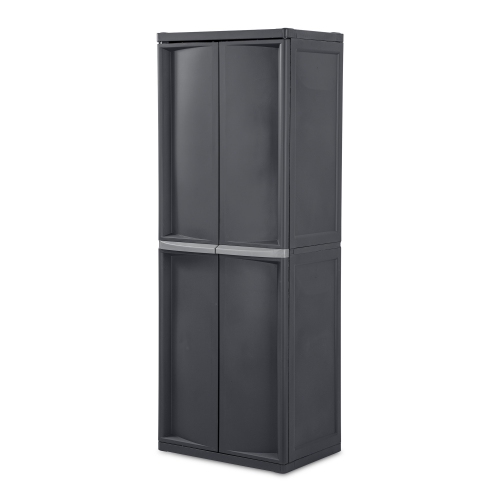 Your price for this item is $1522.99
 -
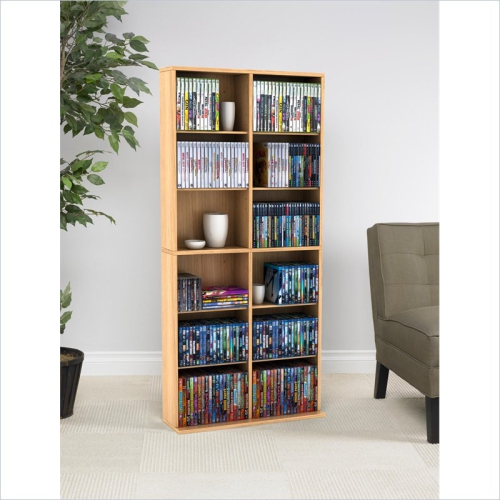 Your price for this item is $234.68
 -
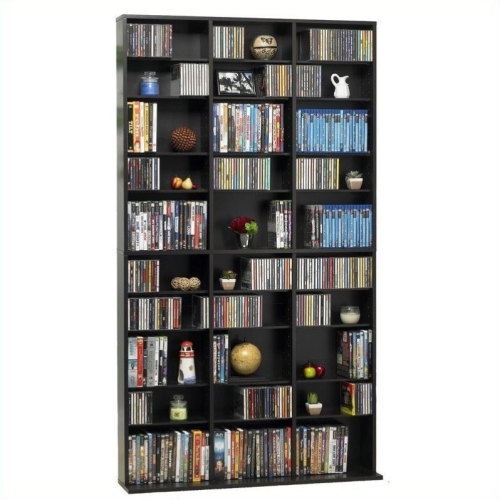 Your price for this item is $365.38
 -
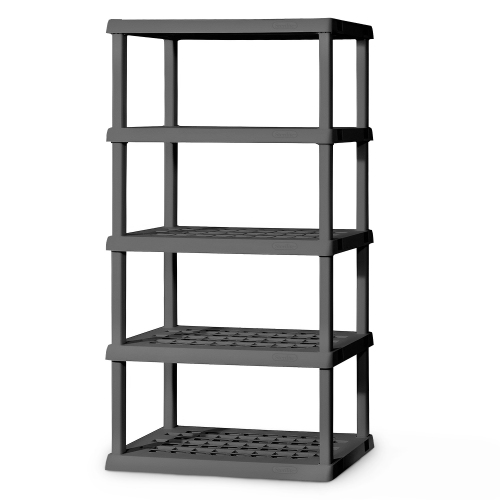 Your price for this item is $468.99
 -
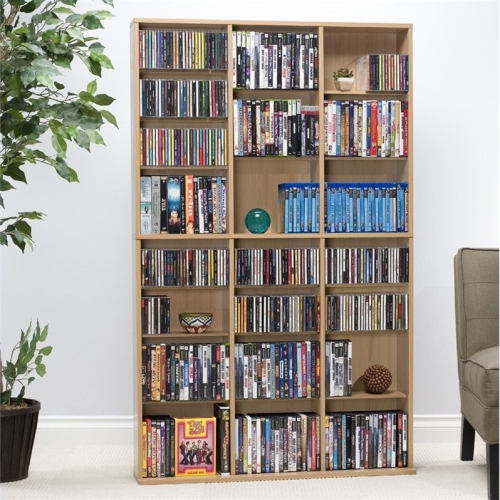 Your price for this item is $295.84
 -
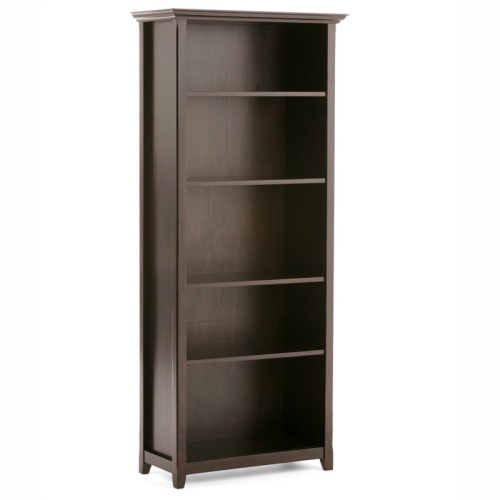 Your price for this item is $999.77
 -
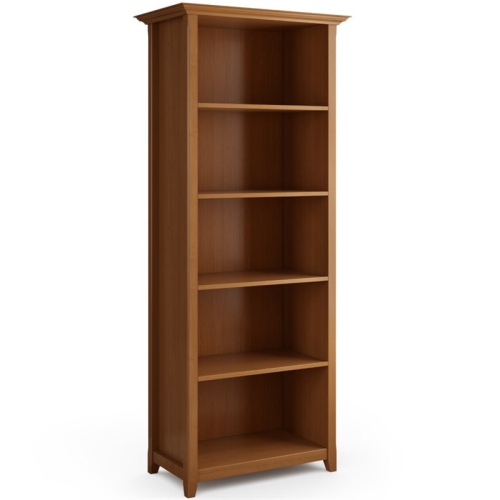 Your price for this item is $998.43
Discover more categories related to Stylish Bookcases
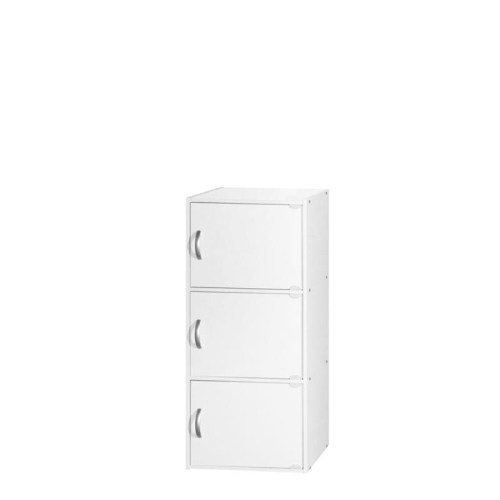
Top Collections:
Pokemon Centers, Kindle Devices, Best Budget Office Chairs, Apple iPhones 16, Best Laptops for Writers, iPhone 15 Apple, Canon G7X Cameras, Refurbished Apple Laptops, Alarm Clock, Motorola Razr Phones
Some products may be subject to Environmental Handling Fees
(EHF) depending on your province.
Learn more about EHFs.