Stylish Glass Coffee Tables
Elevate your living space with the modern elegance of Stylish Glass Coffee Tables. These sleek and versatile pieces are designed to complement a variety of home décors, making them a popular choice for those seeking both functionality and visual appeal. Whether you’re looking to create a focal point in your living room or add a touch of sophistication to your office, Stylish Glass Coffee Tables offer a perfect blend of contemporary design and timeless charm. Explore options that suit your taste and discover how these tables can transform any room into a stylish retreat.
Sort


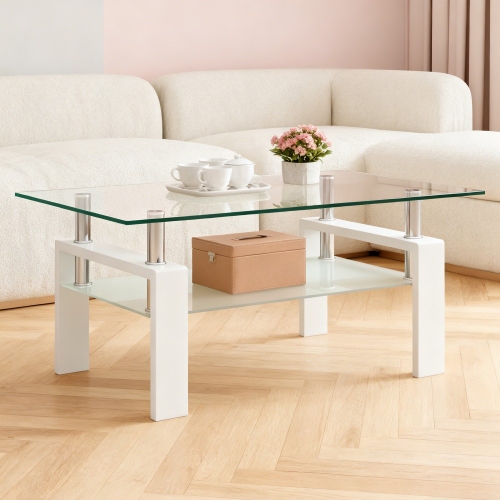


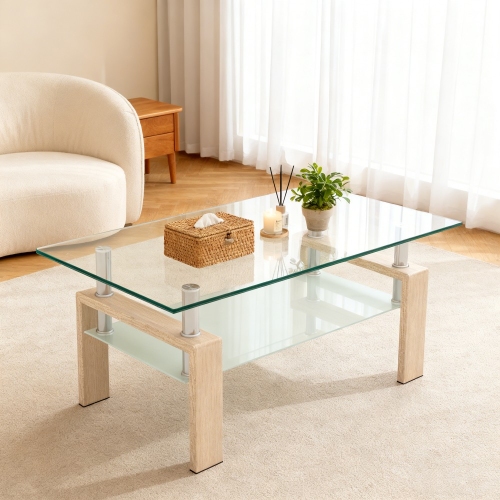
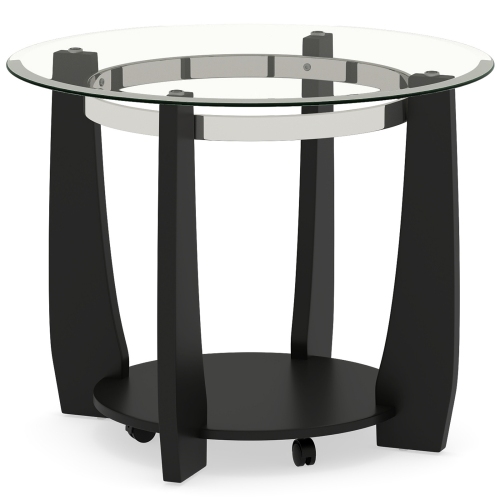
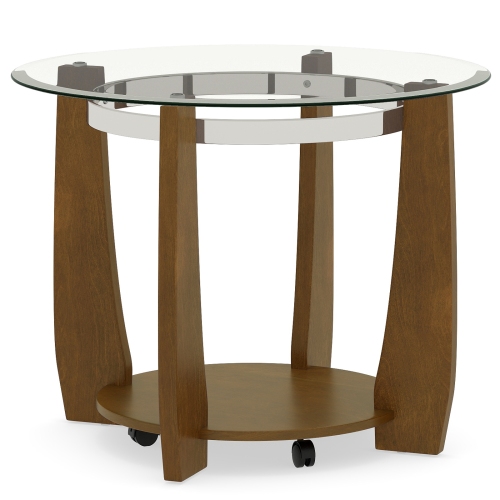
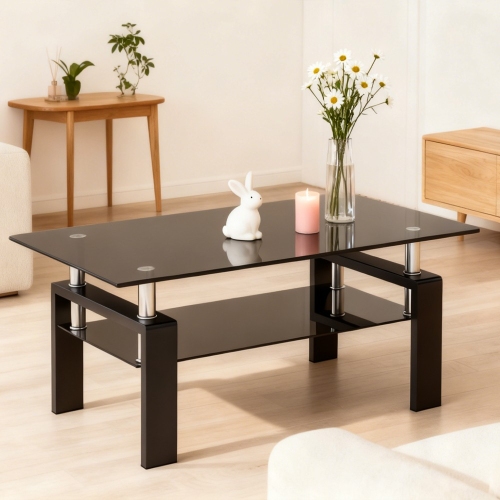
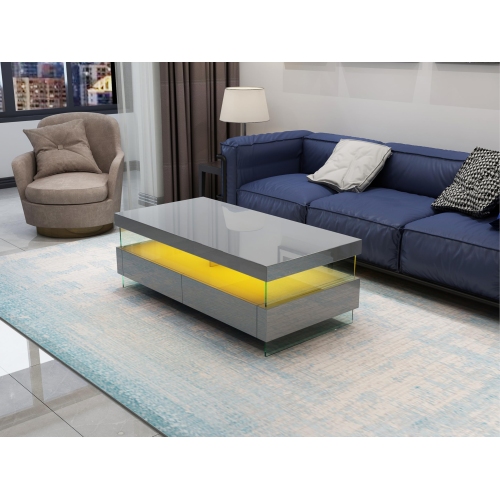
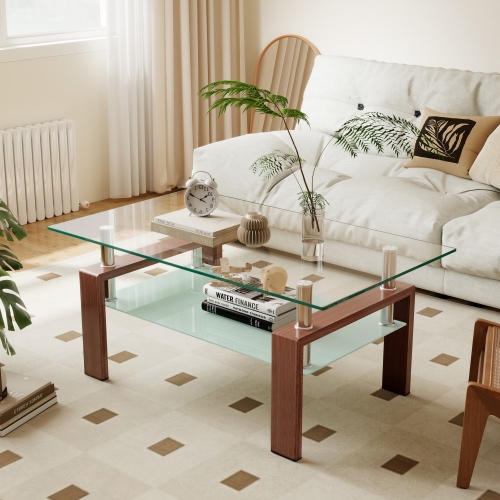
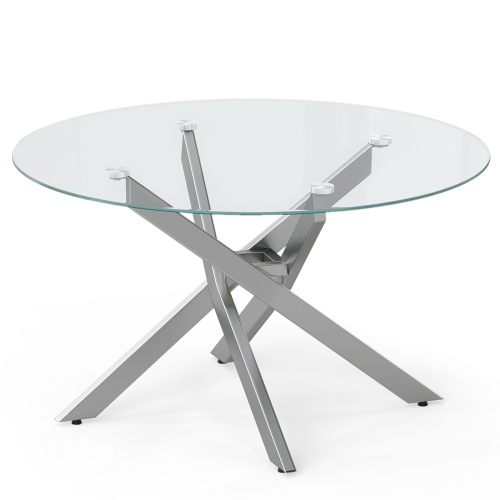
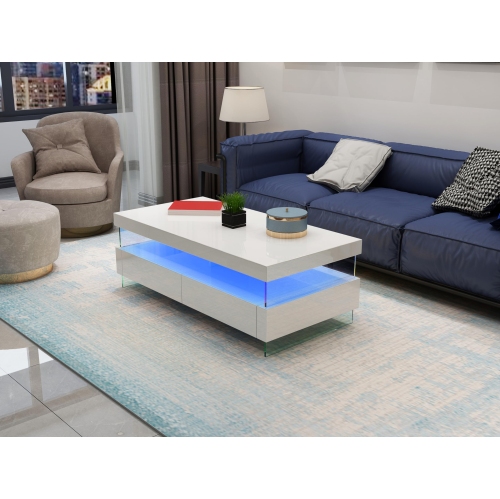

Glass tops let your room’s textures shine through
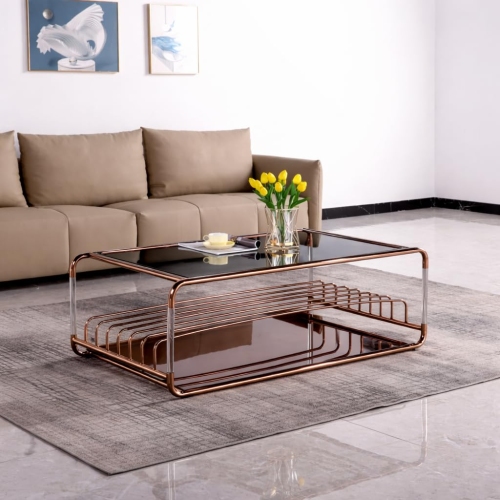
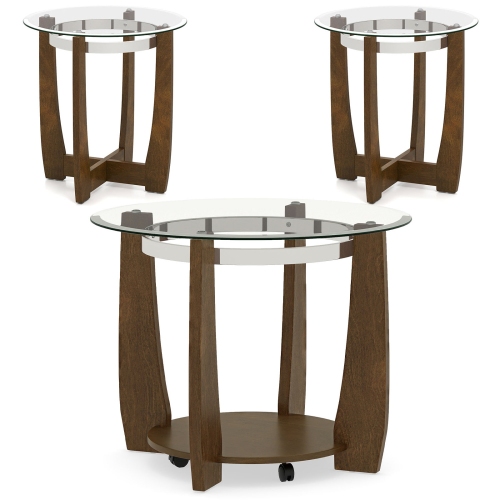
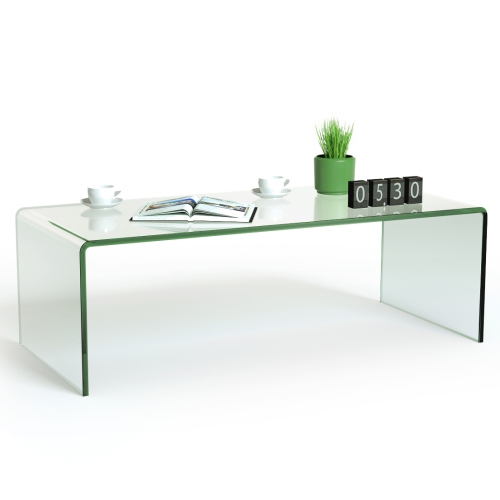
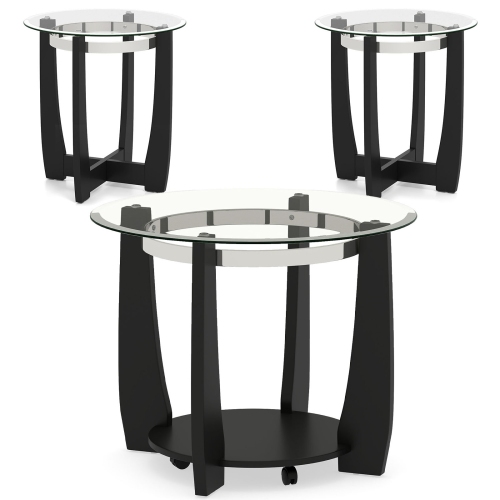
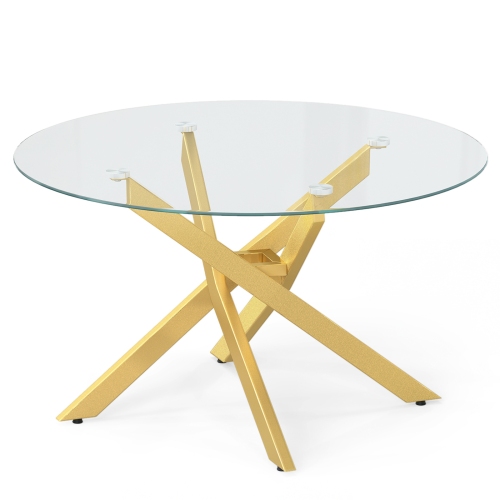
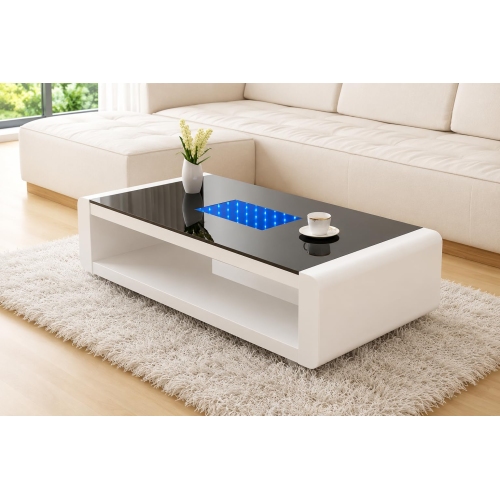
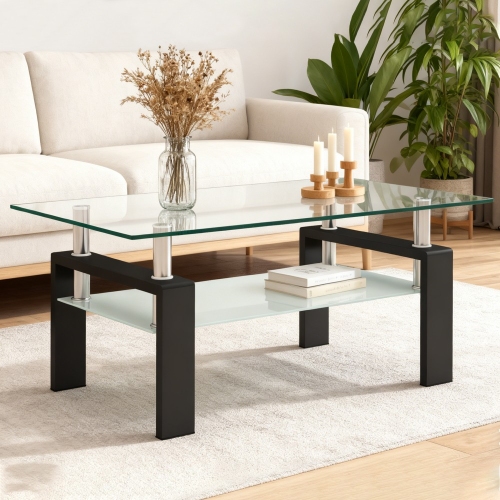
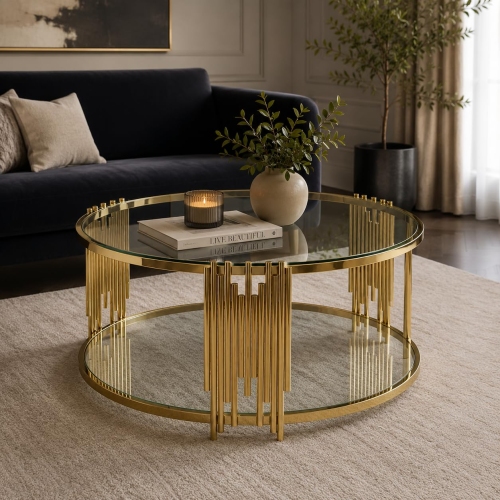
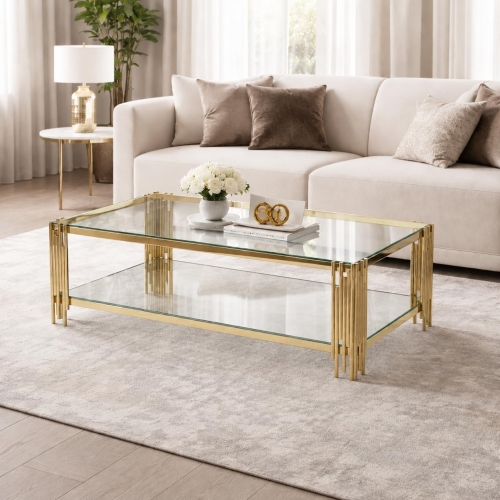
Stylish glass coffee tables bring a sense of openness to a living room while providing a practical surface at the centre of everyday life. A transparent top lets the colour and texture of a rug remain visible, so a seating area can feel complete without a heavy block of furniture interrupting the view. That light visual presence works particularly well alongside a deep upholstered sofa, a patterned armchair, or a richly textured carpet. The base gives each table much of its character: slender metal legs create a crisp outline, warm wood adds depth and grain, and a sculptural pedestal turns the space beneath the glass into part of the design. Clear glass offers the most unobstructed view, while smoked or tinted glass can introduce a softer, moodier effect. Some designs combine a glass top with a solid lower shelf, balancing an airy surface with a more substantial foundation. Finishes also influence how a table relates to the rest of the room. A dark frame can pick up the lines of nearby shelving, while a brushed metallic finish can sit comfortably beside lamps and cabinet hardware without needing an exact match. For rooms with several statement pieces, a simple rectangular or round table can provide a quiet focal point. In a more restrained setting, an architectural base or an unusual silhouette can carry more of the visual interest. The appeal is not limited to one decorating style: glass can complement clean contemporary spaces, relaxed rooms with natural wood, and interiors that mix older furniture with newer accents. The Designer Glass Coffee Tables page offers a related direction for those drawn to distinctive proportions and expressive shapes. Whether the intended effect is understated or eye-catching, the strongest connection usually comes from repeating a few details already present in the room rather than matching every finish. Even a small detail, such as the curve of a leg echoing an armchair, can help the arrangement feel considered.
Shape and scale determine how comfortably a glass coffee table fits into daily routines. A long rectangular top can follow the proportions of a three-seat sofa, keeping drinks and reading material within reach across a wider seating area. A square table can suit a generous sectional arrangement, while round and oval shapes soften the lines between seats and leave fewer projecting corners along walking routes. In a compact condo living room, the transparent surface may make the arrangement look less crowded, but the table still needs enough physical clearance for someone to pass with a laundry basket or settle into a chair. Roughly 14 to 18 inches between the table and the sofa is a useful starting point for reach and legroom, with more space needed wherever people regularly walk through. A tabletop close to the height of the sofa seat generally feels comfortable for setting down a mug, although deep, low lounge seating may call for a different proportion than an upright sofa. Reclining furniture needs additional clearance for extended footrests, and drawers or lift mechanisms on nearby furniture need room to open. Beyond measurements, the intended use matters. A broad top can accommodate a serving tray during a casual visit, while a smaller surface may be enough for a remote control and a book. Lower shelves can keep magazines and game controllers off the main surface, though anything stored beneath clear glass remains part of the room’s appearance. Nesting designs can provide separate surfaces beside different seats, provided their dimensions and stability suit the layout. For a household with young children or energetic pets, rounded edges, a sturdy base, and secure attachment between the glass and frame deserve particular attention. Glass tables are not intended for sitting, standing, or climbing, and their apparent lightness should never be mistaken for flexibility under weight. For someone furnishing a first apartment or refreshing a shared living space, these practical details make the difference between a table that simply looks right and one that fits the way the room is used.
Materials and construction influence both the feel of a glass coffee table and the attention it needs over time. Tempered glass is stronger than ordinary annealed glass and is designed to break into smaller pieces rather than long, sharp shards, but it is not unbreakable or immune to scratches. Glass type, thickness, edge finishing, and the way the top is supported all matter, so a table’s stated weight limit and care directions remain important even when the surface feels substantial. A polished edge can give the tabletop a smooth, finished appearance, while bevelled edges add another line that catches the light. The frame has its own care needs: wood may have a protective finish that requires gentle cleaning, and painted or plated metal can be damaged by abrasive pads or unsuitable cleaners. Day to day, glass makes crumbs, fingerprints, and drink rings easy to spot. A soft microfibre cloth and a cleaner approved for the surface can help maintain clarity without leaving lint behind. Applying cleaner to the cloth rather than spraying heavily around joints helps limit moisture on the base and attachment points. Coasters and trivets provide a useful buffer against condensation and heat, while felt pads beneath decorative objects can reduce scraping when arrangements change. Grit trapped under a tray or ceramic bowl can mark the surface, making an occasional wipe underneath just as worthwhile as cleaning the open areas. Chipped edges, cracks, loose fittings, or an unstable base should be addressed before further use. When moving the table, lifting it according to its assembly instructions is safer than dragging it or pulling on the glass top alone. Styling can stay simple: a low arrangement leaves sightlines open, and a tray keeps smaller essentials together without covering the entire surface. With proportions suited to the seating and materials suited to the household, a glass coffee table can be both a distinctive design element and a useful part of everyday living.
Top selling and popular products
-
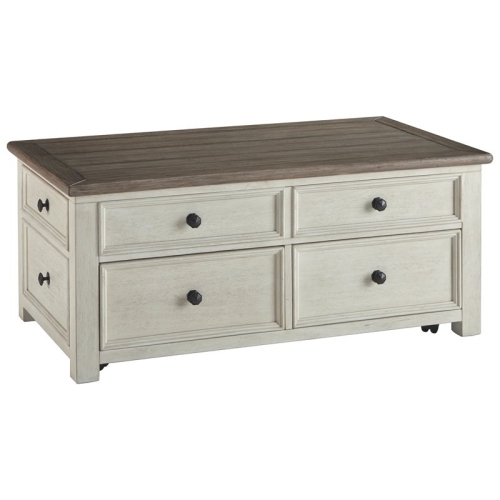 Your price for this item is $949
-
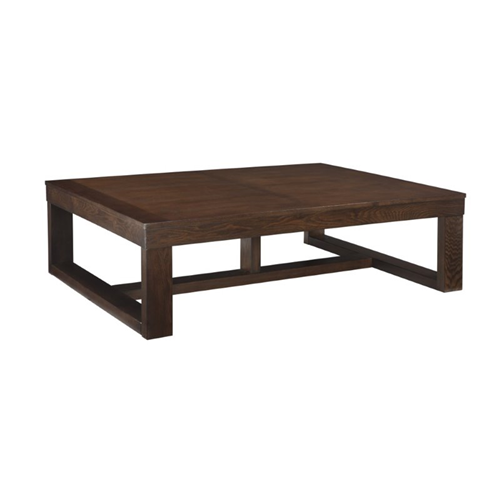 Your price for this item is $449
-
 Your price for this item is $649
-
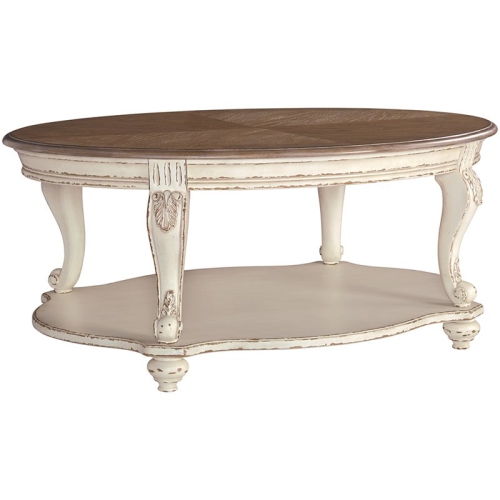 Your price for this item is $599
-
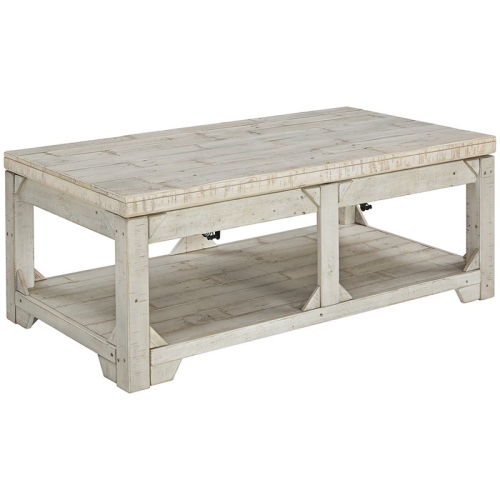 Your price for this item is $549
-
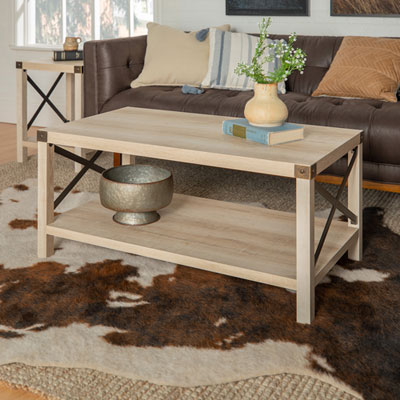 Your price for this item is $311.99
-
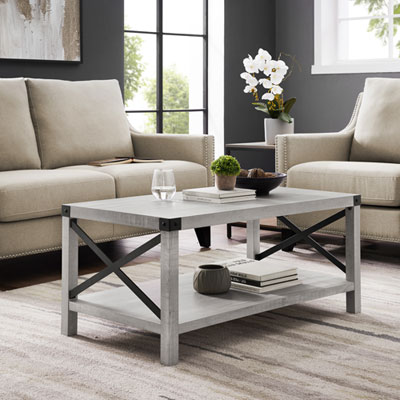 Your price for this item is $249.99
-
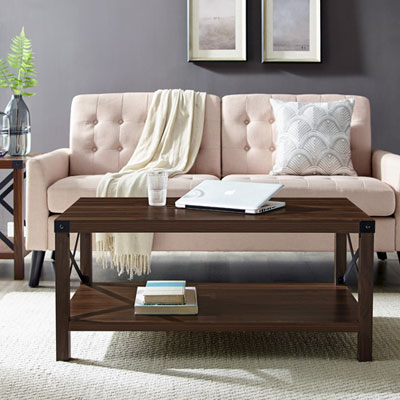 Your price for this item is $311.99
Discover more categories related to Stylish Glass Coffee Tables

Top Collections:
Pokemon Centers, Best Cameras for Sports Photography, Kindle Devices, Samsung Galaxy Phones, Canon G7X Cameras, Pokémon 30th Celebration Cards, Refurbished Apple Laptops, iPhone 15 Apple, Laptops for Students, Budget Smartphones
Some products may be subject to Environmental Handling Fees
(EHF) depending on your province.
Learn more about EHFs.