Swimming Pool Ladders
Looking to make a splash in your backyard oasis? Look no further than our selection of swimming pool ladders. Whether you're diving headfirst into the deep end or simply dipping your toes, these essential pool accessories provide a safe and convenient way to enter and exit the water. With a variety of styles and features available, you can find the perfect ladder to suit your pool's size, shape, and design aesthetic. So, get ready to take the plunge and elevate your swimming experience with our top-notch collection of swimming pool ladders.
Sort
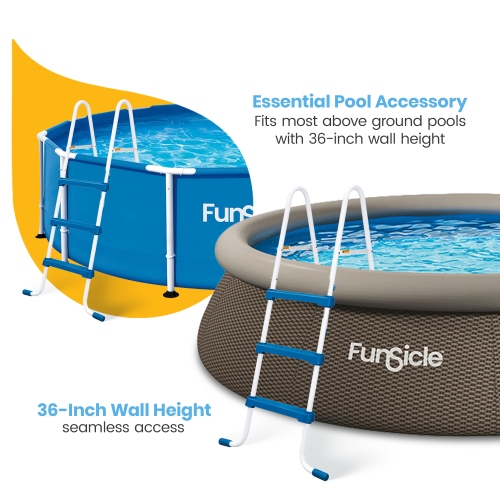
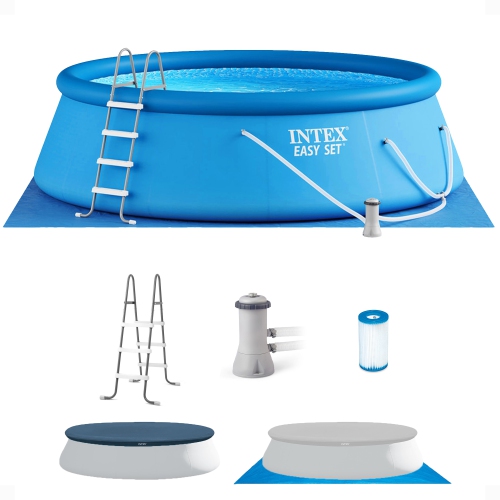
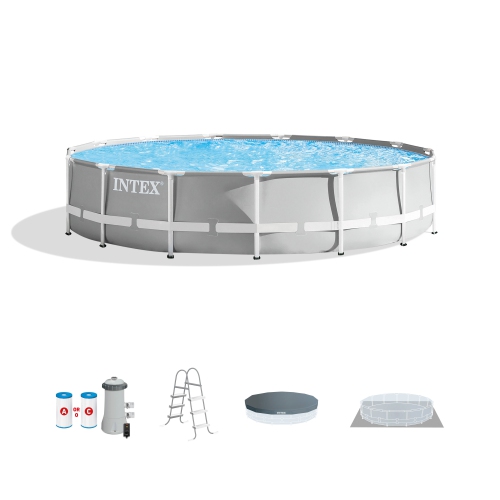
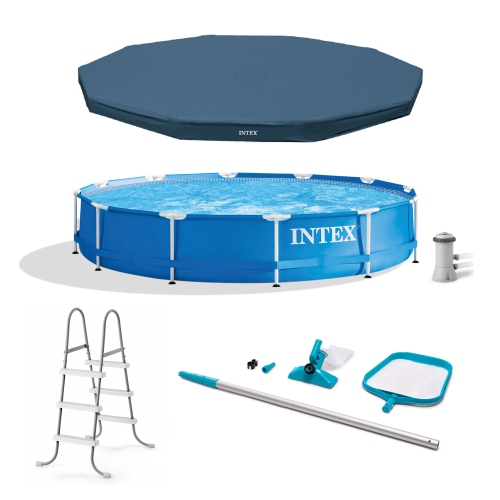
Why ladder fit matters after every swim
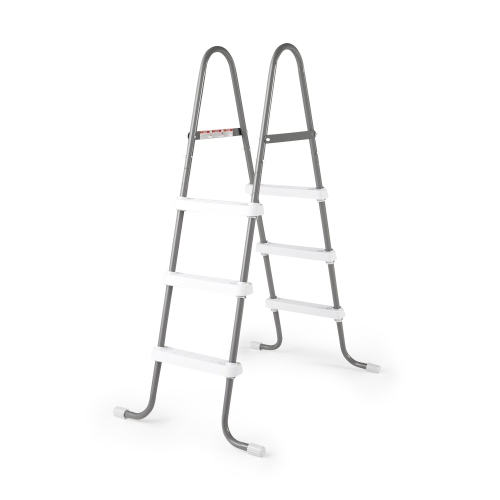
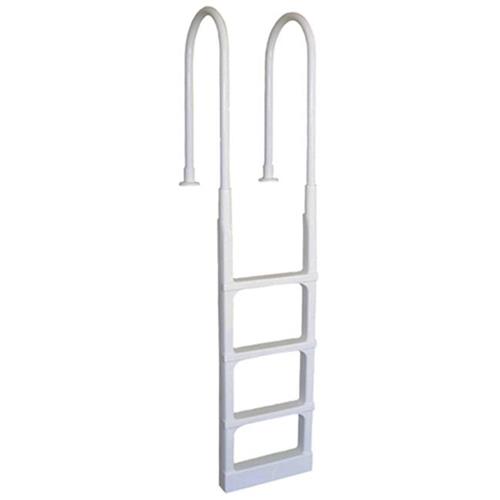
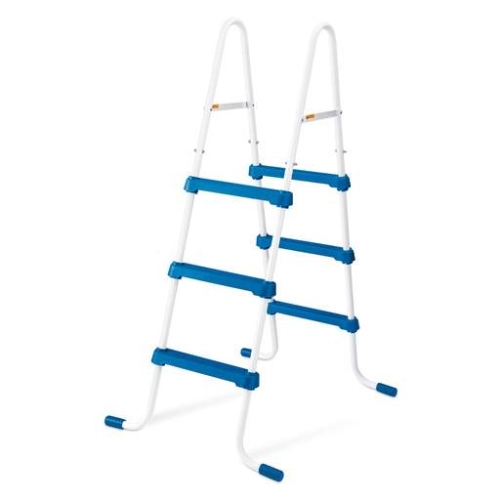
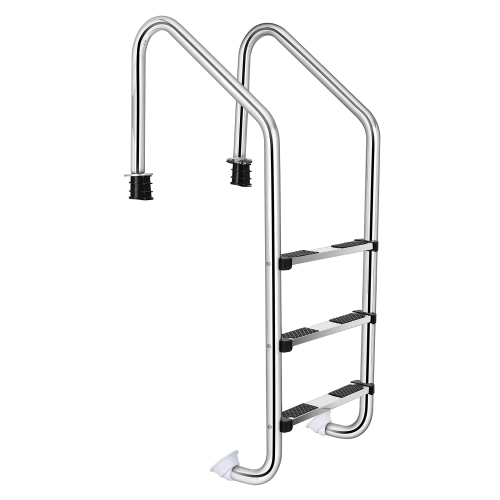
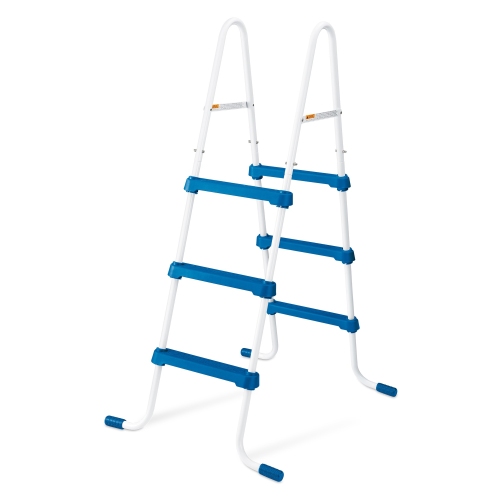
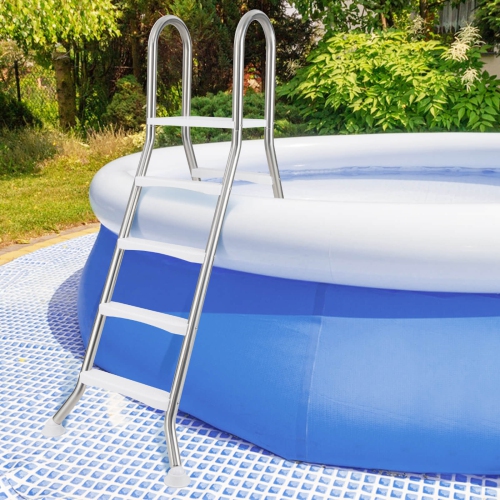
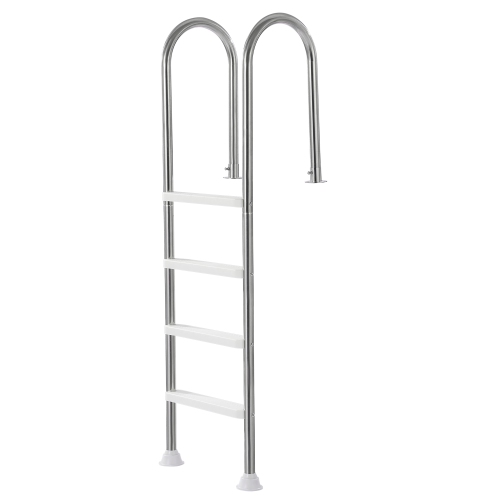
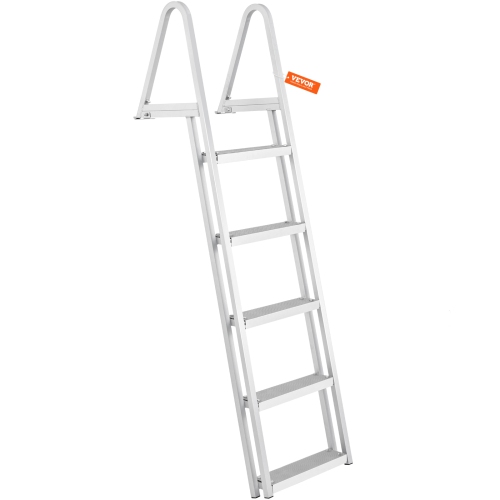
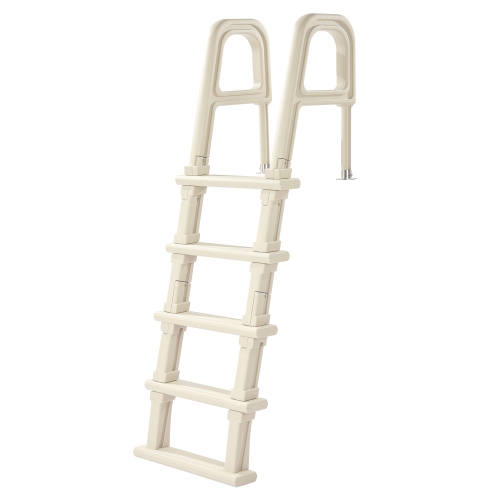
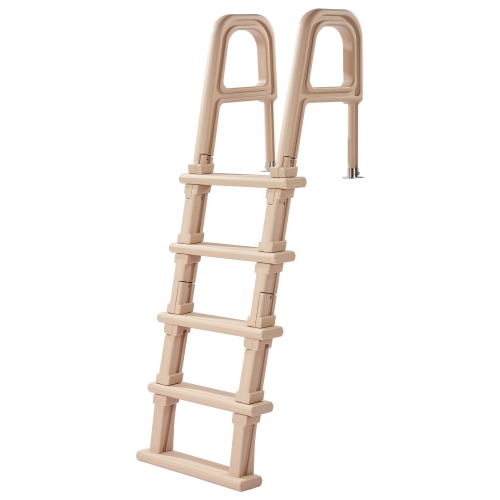
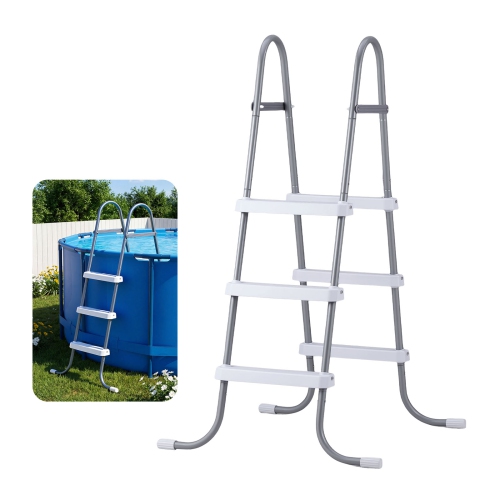
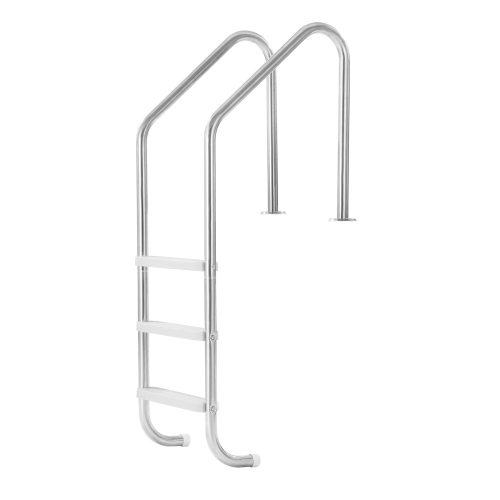
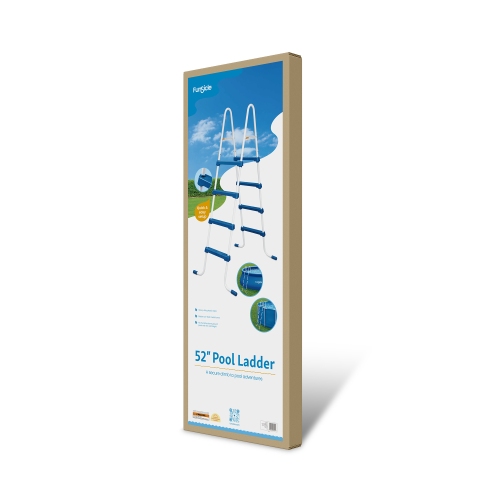
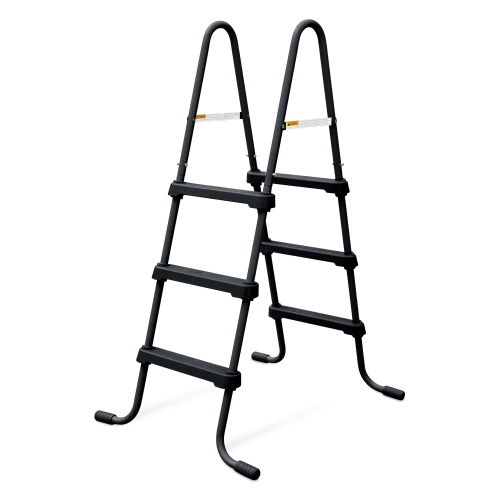
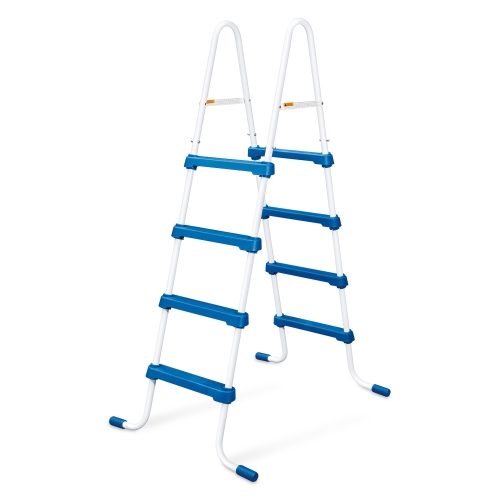
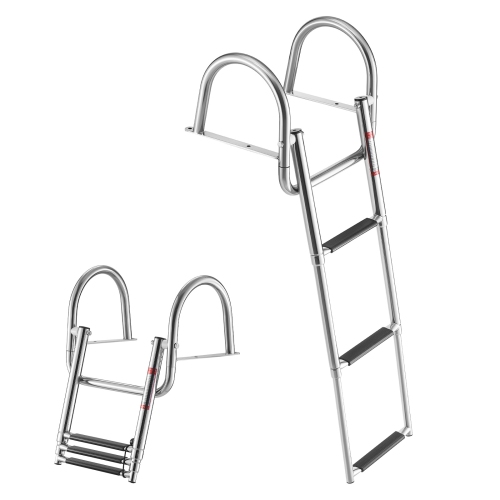
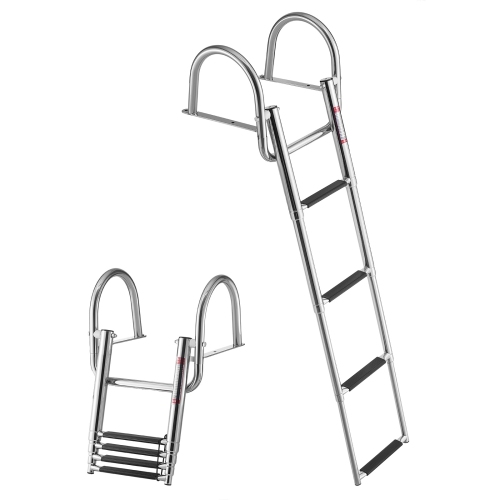
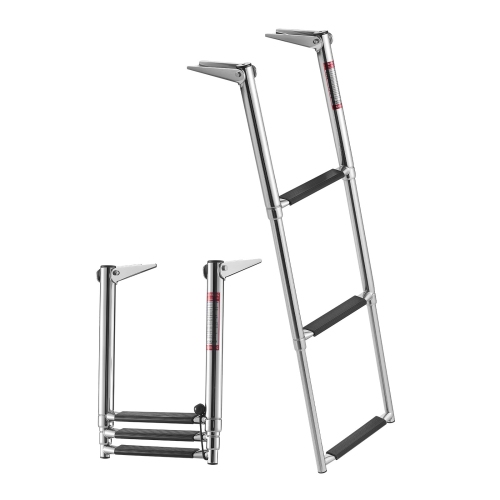
Swimming pool ladders provide a dedicated way to enter and leave the water, with designs suited to above-ground pools, inground pools, and pools surrounded by a raised deck. The right fit depends on more than appearance: pool wall height, mounting arrangements, step spacing, and the manufacturer’s stated weight capacity all influence how a ladder works in everyday use. Above-ground A-frame ladders typically straddle the pool wall, with steps on the outside and inside, while deck-mounted ladders provide access from a platform beside the pool. Inground pool ladders usually attach to the surrounding deck and extend into the water, giving swimmers a series of footholds and handrails for climbing out. Drop-in pool steps offer a different approach, with broader treads that may feel more comfortable for people who find narrow ladder rungs awkward. Picture the end of a leisurely swim: wet hands reach for the rails, feet search for a secure tread, and a steady route out matters much more than a decorative finish. For households with children, frequent visitors, or adults who prefer a more gradual entry, the shape and spacing of those steps deserve close attention. A ladder is not automatically suitable for someone with limited mobility; some swimmers may need purpose-designed access equipment instead. Common above-ground pool wall heights include 42, 48, 52, and 54 inches, but those measurements are only a starting point. Measure your own installation and check the ladder’s specified fit range rather than assuming that two pools of similar size require the same equipment. Where a deck is involved, its height and the position of the mounting surface also matter. A well-matched swimming pool ladder should accommodate the intended users, fit the pool structure without improvised modifications, and leave enough room around the entry point for swimmers to approach and exit without crowding.
Materials and construction make a noticeable difference to the ownership experience. Stainless steel pool ladders are often chosen for their rigid rails and straightforward appearance, while resin designs can offer broad steps and surfaces without exposed metal in some areas. Coated steel is another option, particularly for above-ground pool ladders, although any protective finish needs attention if it becomes scratched or damaged. No material is maintenance-free, and suitability for saltwater or chemically treated water should be confirmed in the product specifications. Even stainless steel can develop corrosion under unsuitable conditions, so compatibility and regular care matter more than the material name alone. Compare the tread surface as carefully as the frame: textured, slip-resistant steps can improve footing, but wet surfaces still require deliberate movement. Rail height, grip shape, and the distance between steps affect comfort, especially when climbing out after a tiring swim. Check the published weight limit for each ladder rather than judging strength by its size or appearance, and follow any restrictions on the number of users. Broad treads may provide more foot room, but they do not necessarily indicate a higher load rating. Installation details can also change the overall value of a purchase. Some ladders require deck anchors or mounting hardware, while certain step systems need ballast added exactly as directed to keep them in position. Confirm what is included and what must be purchased separately before comparing costs. For liner pools, check whether the manufacturer specifies a compatible protective pad beneath the ladder or steps; an unsuitable base or an unapproved accessory can create problems rather than solve them. Dimensions deserve the same scrutiny. A wide stair unit takes up more swimming space than a compact ladder, and its footprint may affect where people can comfortably move through the water. For a smaller backyard pool, a carefully sized entry system can preserve usable space without making getting in and out feel cramped. If replacing an existing ladder, verify anchor spacing and mounting requirements rather than assuming the old fittings will accept a new frame.
Safety features, upkeep, and storage are worth considering alongside fit, particularly for a pool used by several generations of the same family. Some above-ground ladders have removable exterior steps, lift-up sections, or locking features intended to restrict access when the pool is not in use. These features do not make a pool childproof and do not replace required barriers, appropriate supervision, or compliance with local pool safety bylaws. Follow the manufacturer’s installation instructions closely, including requirements intended to reduce entrapment hazards around or behind submerged steps. Keep the entry area free of toys, floating equipment, and loose objects so swimmers have a clear path to the rails. Before use, check for wobbling, loose fasteners, cracked treads, sharp edges, or changes in how the ladder sits against its supports. A small movement that seemed harmless during assembly can become much more noticeable when someone puts their full weight on a wet step. Cleaning is equally practical: residue and algae can make treads slippery, so use cleaning methods approved for the ladder’s materials and maintain the pool water as directed by the pool manufacturer. During the cooler months, outdoor pool owners should follow the specified winterizing procedure, which may include removing, draining, cleaning, and storing the ladder away from freezing water and accumulated snow. An indoor pool may remain in use throughout the season, making regular inspections and cleaning just as relevant even when outdoor swimming has paused. Think about storage before buying a large A-frame ladder or a broad step system; its assembled dimensions, weight, and removable components will affect how easily it can be handled and put away. When planning the wider pool area, coordinating your ladder with suitable Swimming Pool Accessories can help keep maintenance supplies and everyday essentials organised without obstructing access. Whether the pool is used for gentle exercise, family recreation, or a quiet swim at home, a ladder chosen around the actual installation and the people using it is a practical part of making that routine more comfortable.
Materials and construction make a noticeable difference to the ownership experience. Stainless steel pool ladders are often chosen for their rigid rails and straightforward appearance, while resin designs can offer broad steps and surfaces without exposed metal in some areas. Coated steel is another option, particularly for above-ground pool ladders, although any protective finish needs attention if it becomes scratched or damaged. No material is maintenance-free, and suitability for saltwater or chemically treated water should be confirmed in the product specifications. Even stainless steel can develop corrosion under unsuitable conditions, so compatibility and regular care matter more than the material name alone. Compare the tread surface as carefully as the frame: textured, slip-resistant steps can improve footing, but wet surfaces still require deliberate movement. Rail height, grip shape, and the distance between steps affect comfort, especially when climbing out after a tiring swim. Check the published weight limit for each ladder rather than judging strength by its size or appearance, and follow any restrictions on the number of users. Broad treads may provide more foot room, but they do not necessarily indicate a higher load rating. Installation details can also change the overall value of a purchase. Some ladders require deck anchors or mounting hardware, while certain step systems need ballast added exactly as directed to keep them in position. Confirm what is included and what must be purchased separately before comparing costs. For liner pools, check whether the manufacturer specifies a compatible protective pad beneath the ladder or steps; an unsuitable base or an unapproved accessory can create problems rather than solve them. Dimensions deserve the same scrutiny. A wide stair unit takes up more swimming space than a compact ladder, and its footprint may affect where people can comfortably move through the water. For a smaller backyard pool, a carefully sized entry system can preserve usable space without making getting in and out feel cramped. If replacing an existing ladder, verify anchor spacing and mounting requirements rather than assuming the old fittings will accept a new frame.
Safety features, upkeep, and storage are worth considering alongside fit, particularly for a pool used by several generations of the same family. Some above-ground ladders have removable exterior steps, lift-up sections, or locking features intended to restrict access when the pool is not in use. These features do not make a pool childproof and do not replace required barriers, appropriate supervision, or compliance with local pool safety bylaws. Follow the manufacturer’s installation instructions closely, including requirements intended to reduce entrapment hazards around or behind submerged steps. Keep the entry area free of toys, floating equipment, and loose objects so swimmers have a clear path to the rails. Before use, check for wobbling, loose fasteners, cracked treads, sharp edges, or changes in how the ladder sits against its supports. A small movement that seemed harmless during assembly can become much more noticeable when someone puts their full weight on a wet step. Cleaning is equally practical: residue and algae can make treads slippery, so use cleaning methods approved for the ladder’s materials and maintain the pool water as directed by the pool manufacturer. During the cooler months, outdoor pool owners should follow the specified winterizing procedure, which may include removing, draining, cleaning, and storing the ladder away from freezing water and accumulated snow. An indoor pool may remain in use throughout the season, making regular inspections and cleaning just as relevant even when outdoor swimming has paused. Think about storage before buying a large A-frame ladder or a broad step system; its assembled dimensions, weight, and removable components will affect how easily it can be handled and put away. When planning the wider pool area, coordinating your ladder with suitable Swimming Pool Accessories can help keep maintenance supplies and everyday essentials organised without obstructing access. Whether the pool is used for gentle exercise, family recreation, or a quiet swim at home, a ladder chosen around the actual installation and the people using it is a practical part of making that routine more comfortable.
Top selling and popular products
-
 Your price for this item is $1159.99
 -
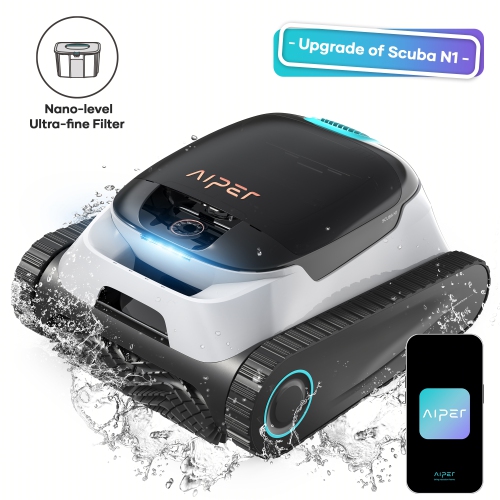 Your price for this item is $749.98
 -
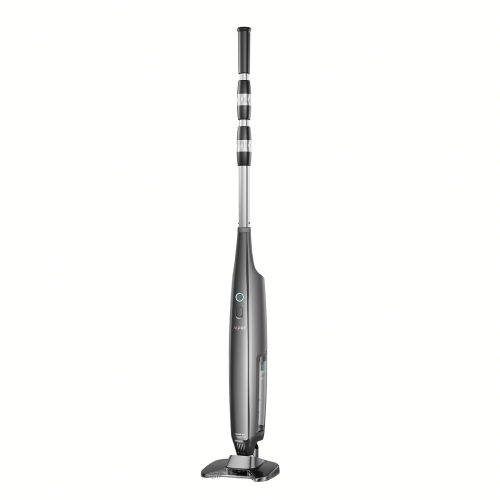 Your price for this item is $299.98
 -
 Your price for this item is $319.99
 -
 Your price for this item is $2299.98
 -
 Your price for this item is $599.98
 -
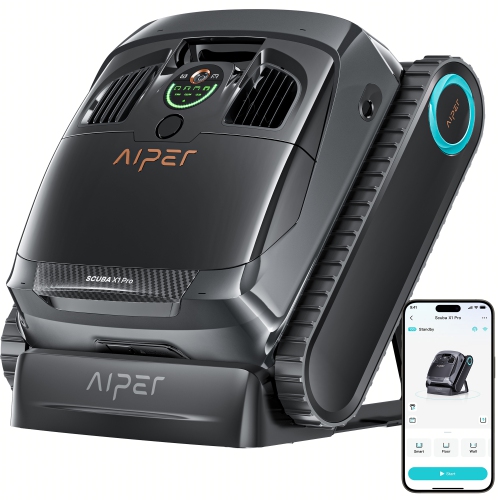 Your price for this item is $1199.98
 -
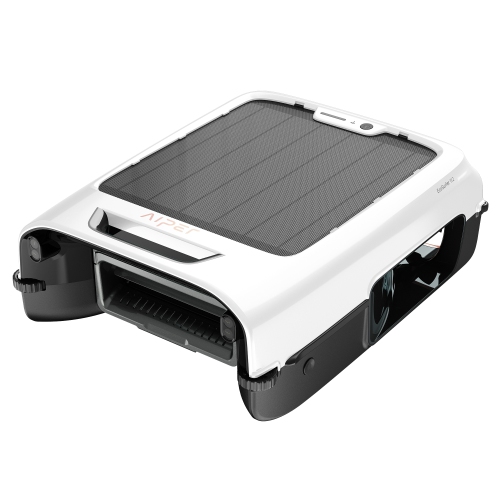 Your price for this item is $479.98
Discover more categories related to Swimming Pool Ladders
Top Collections:
Pokemon Centers, Kindle Devices, Best Budget Office Chairs, Apple iPhones 16, Canon G7X Cameras, iPhone 15 Apple, Alarm Clock, Refurbished Apple Laptops, Flip Phones, Best Laptops for Writers
Some products may be subject to Environmental Handling Fees
(EHF) depending on your province.
Learn more about EHFs.