Tall End Tables
Tall-end tables are a great way to add a touch of style and convenience to almost any room. Tall end tables are usually placed alongside a sofa, chair, or bed and provide an ideal spot to place a lamp, books, magazines, drinks, or other items. These tables are often used as accent pieces in living rooms, bedrooms, and other areas of the home. Here are some great options available.
Sort

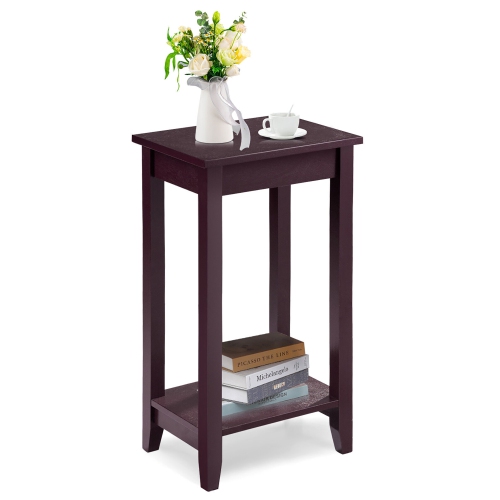


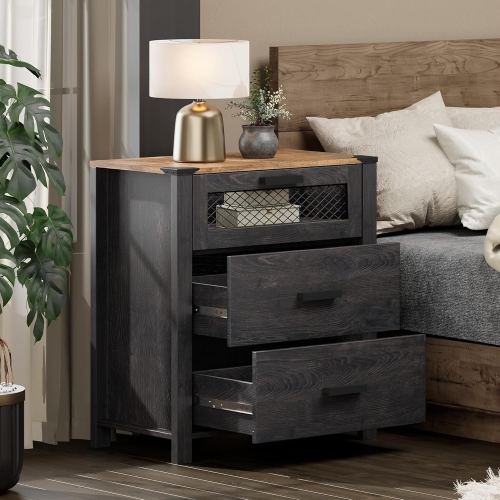
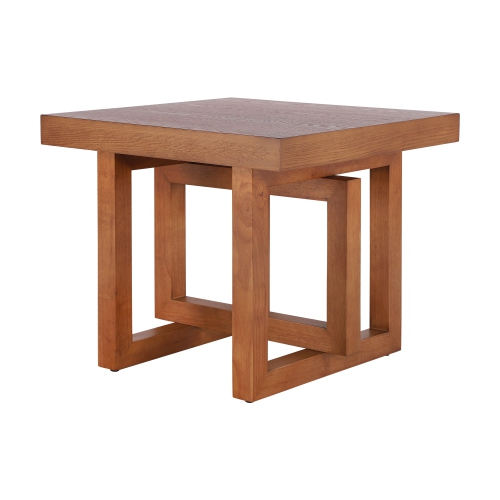
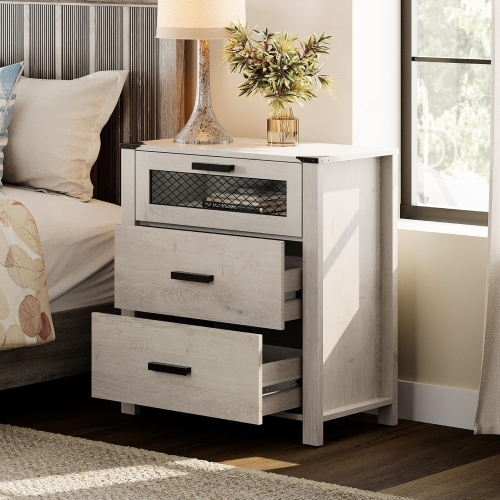


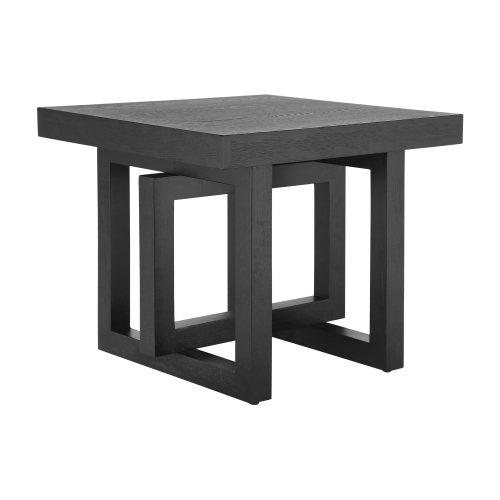


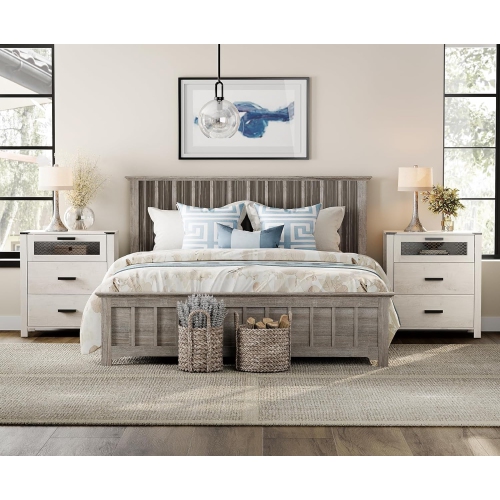
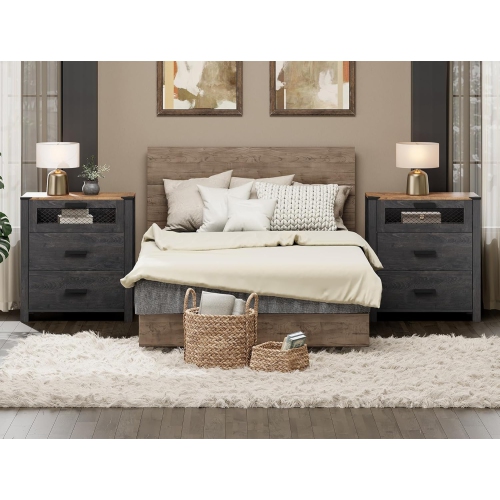
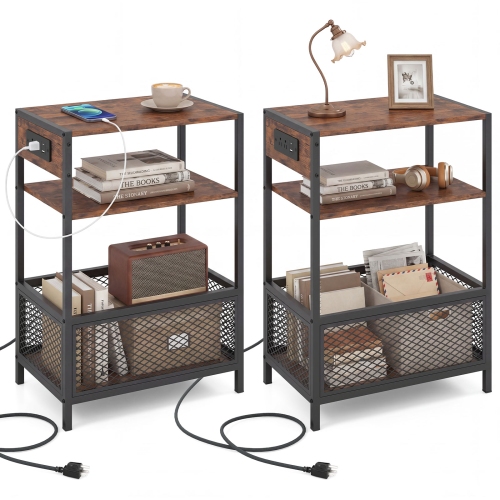
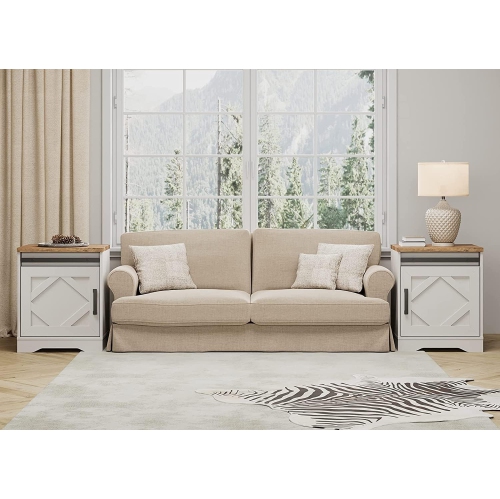

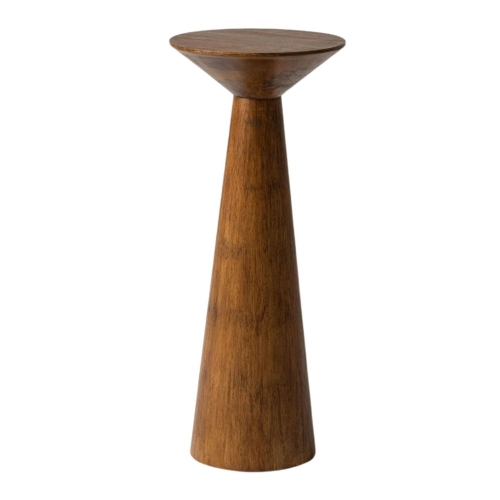
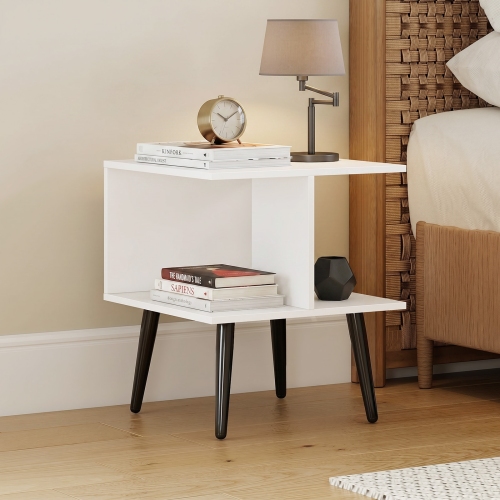
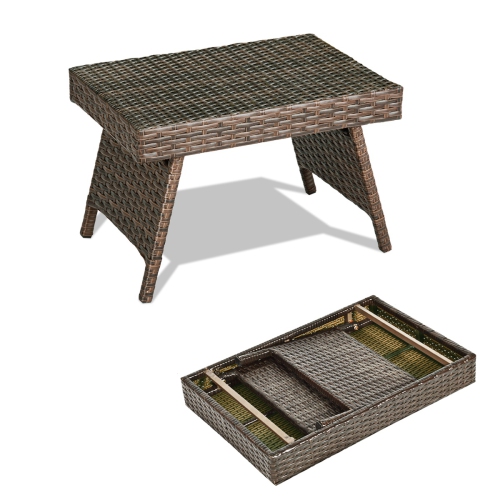
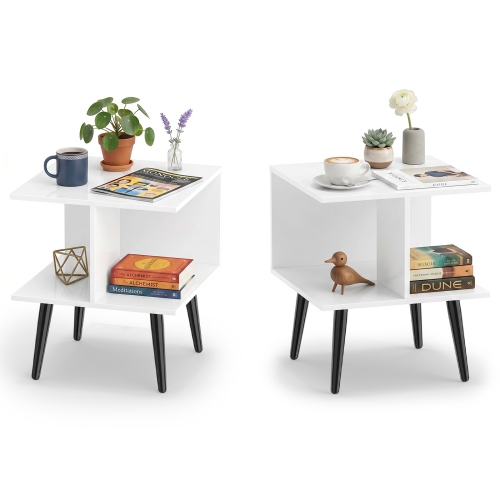


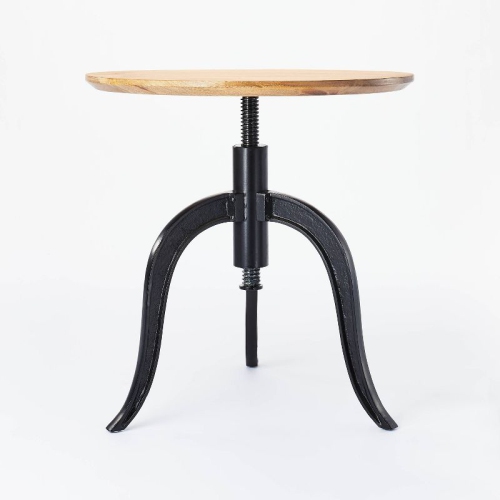


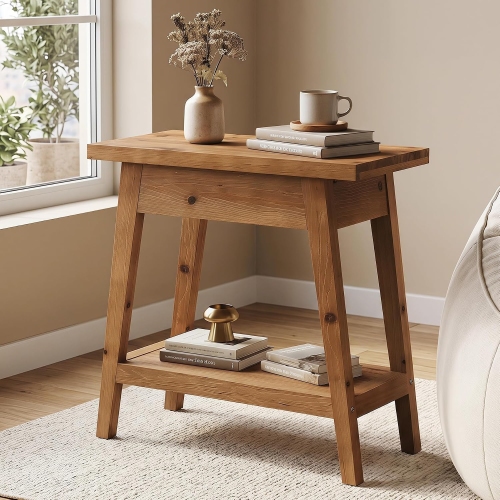


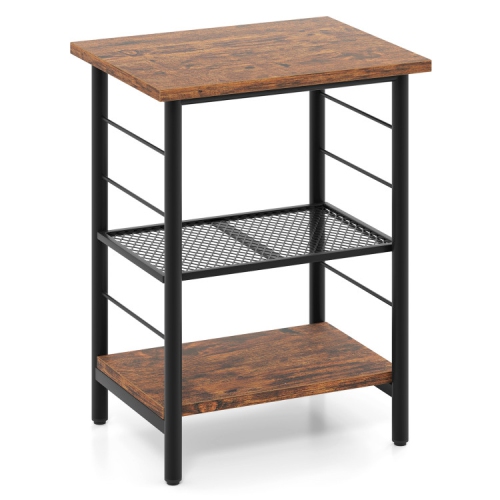
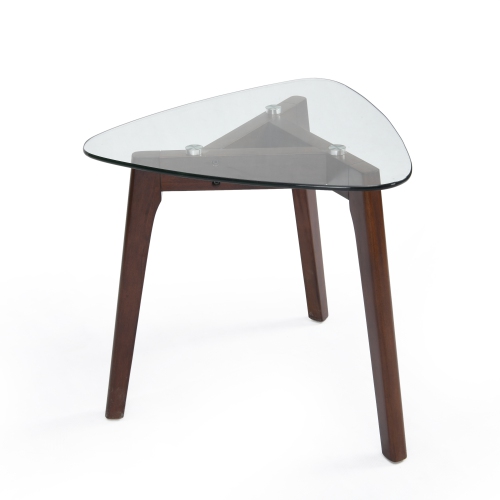
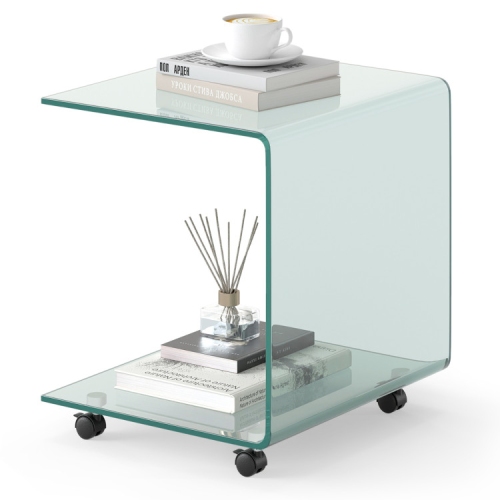
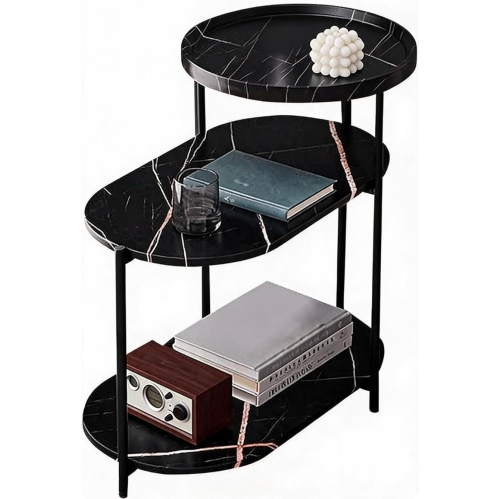
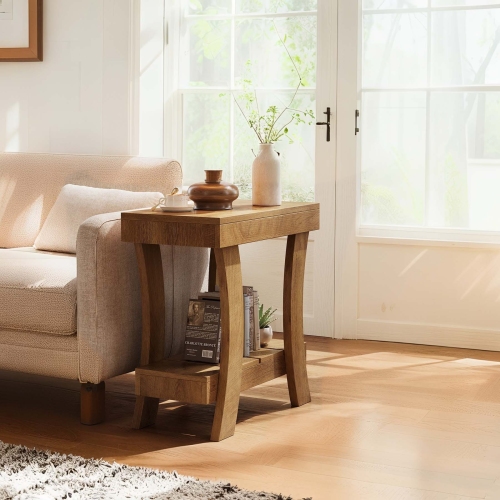
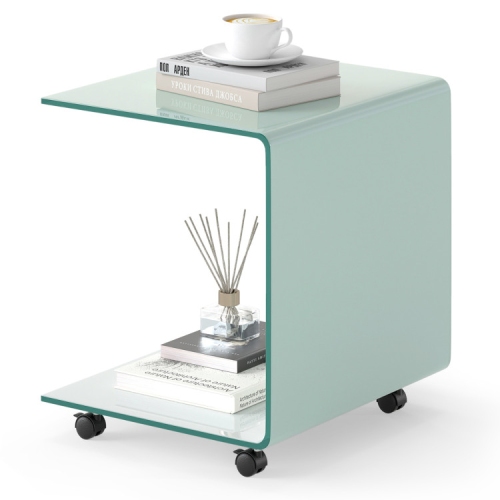


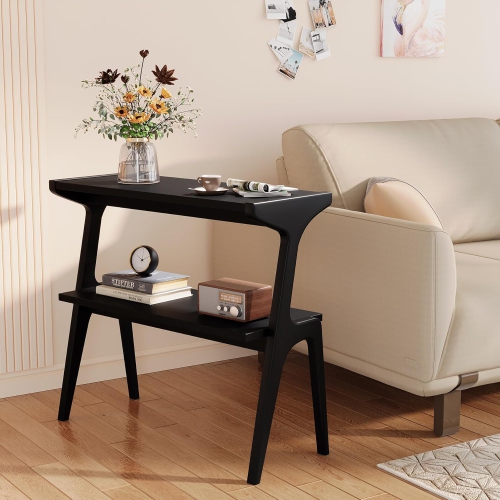

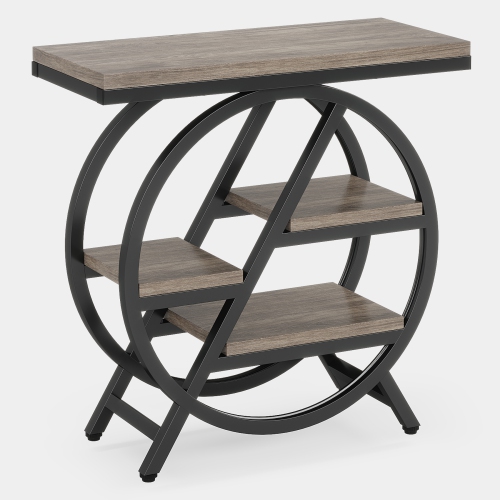





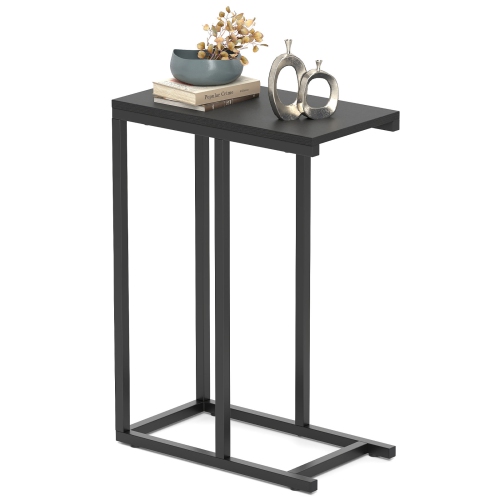

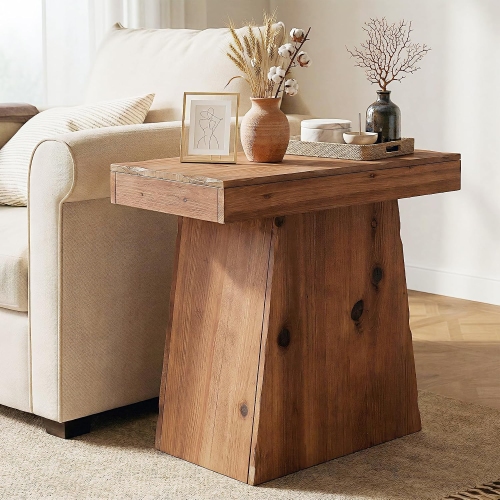
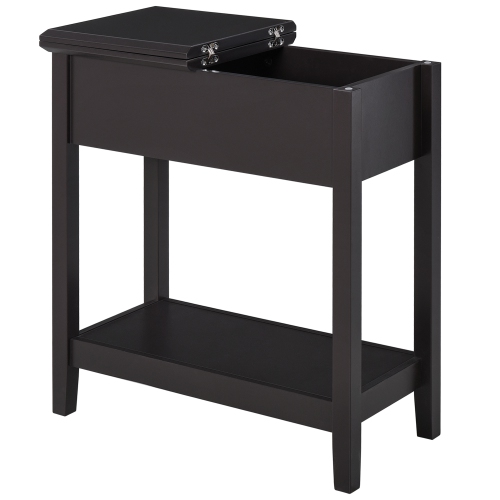
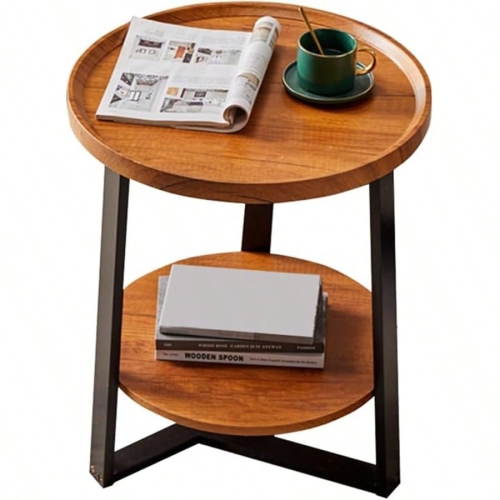
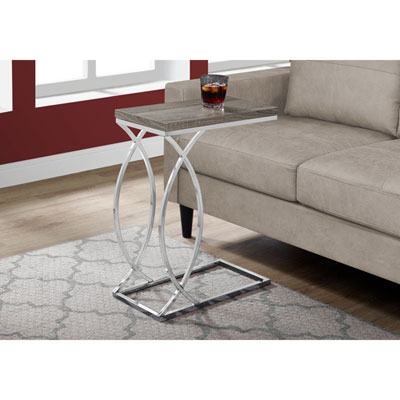


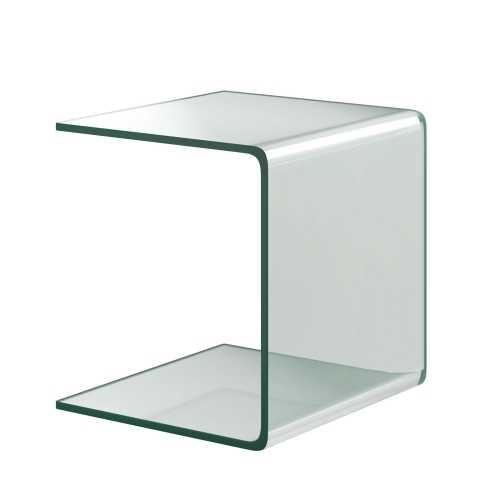
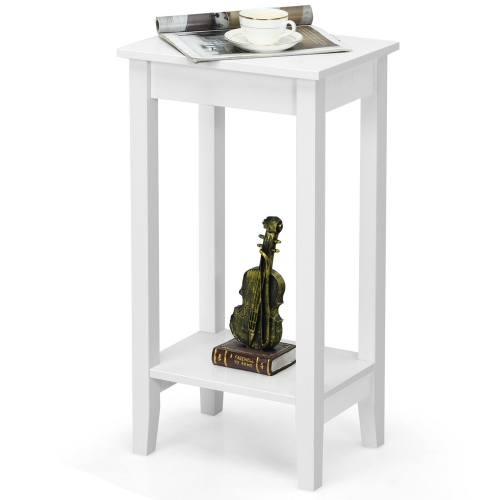

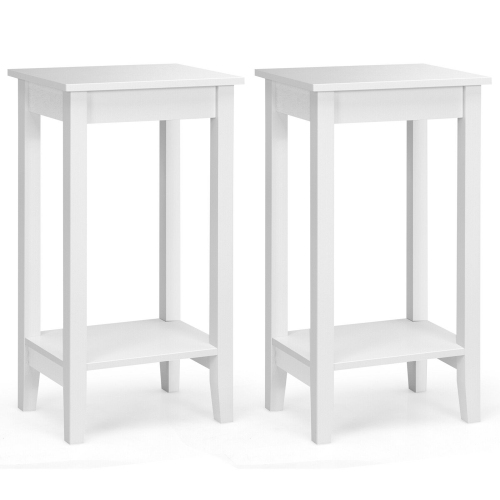

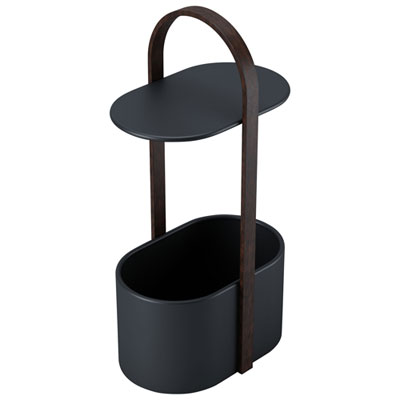

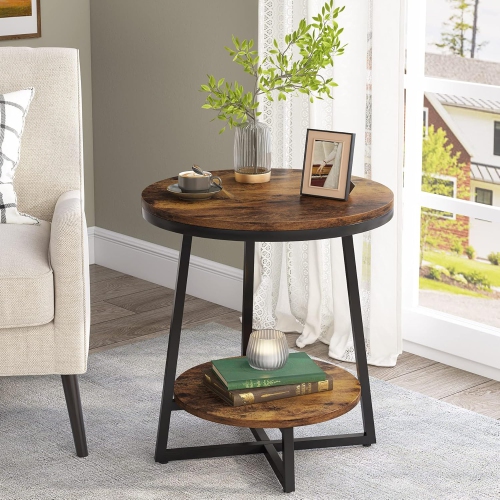


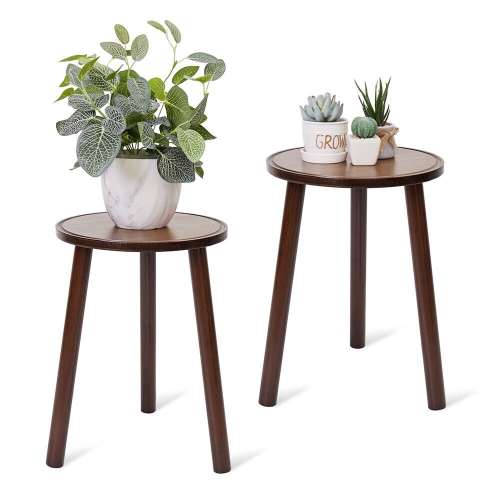


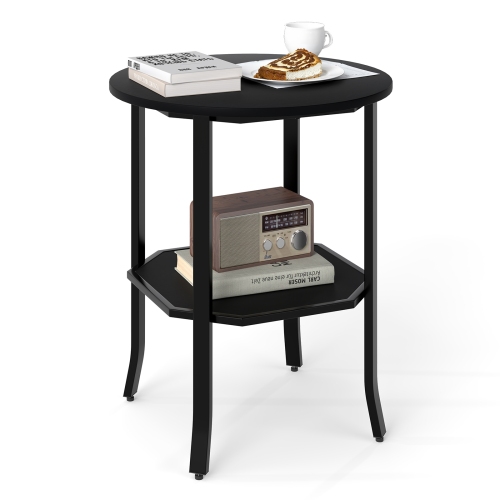
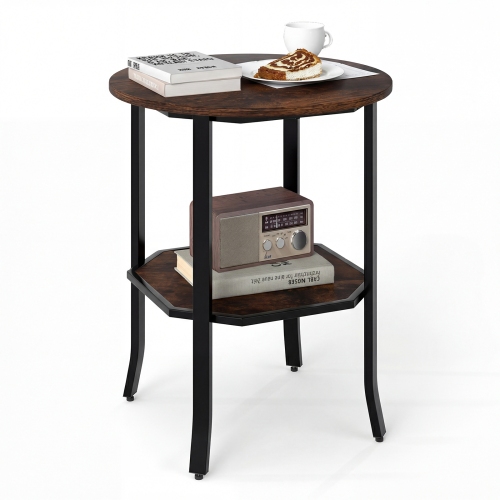


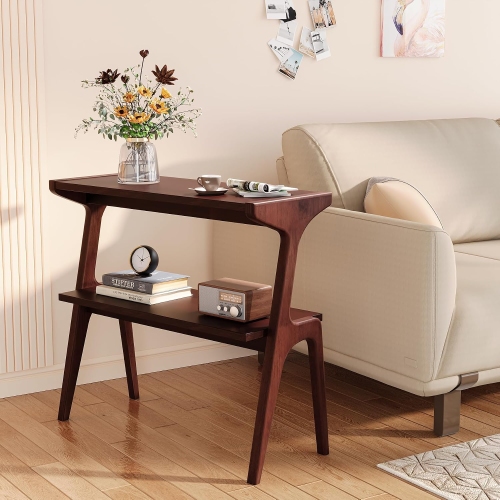
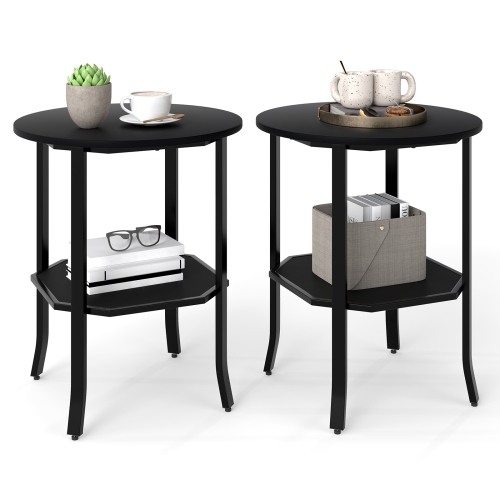
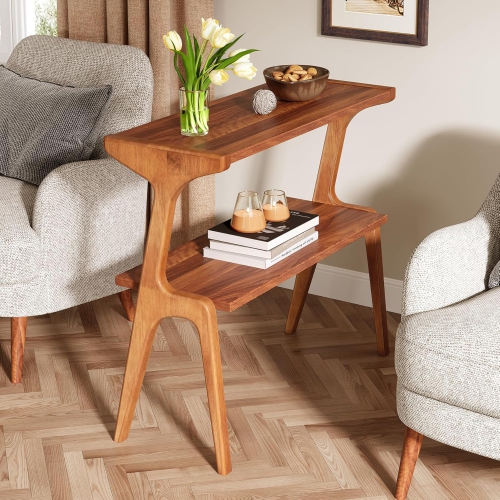


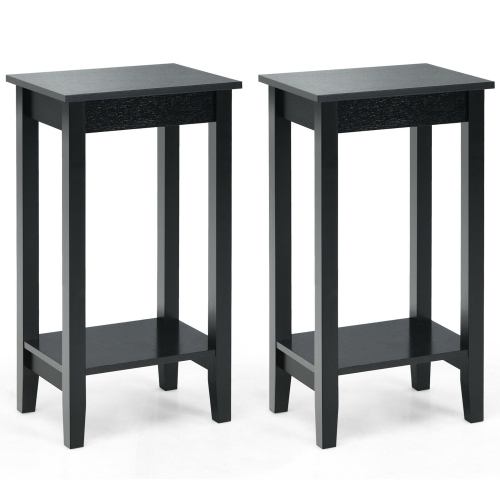
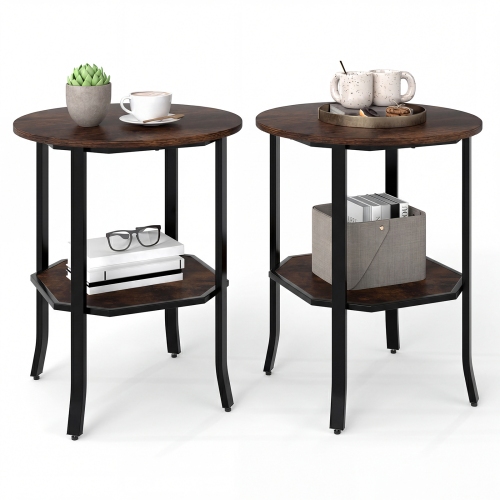

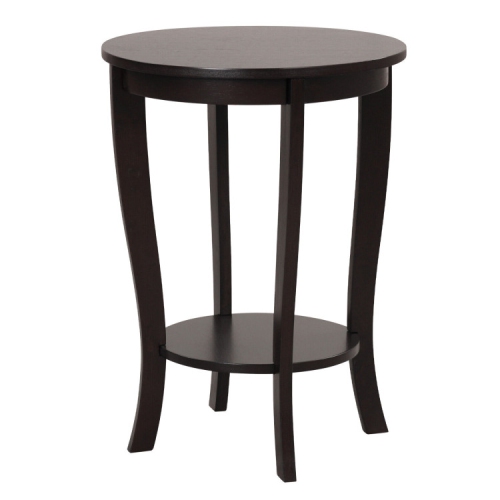


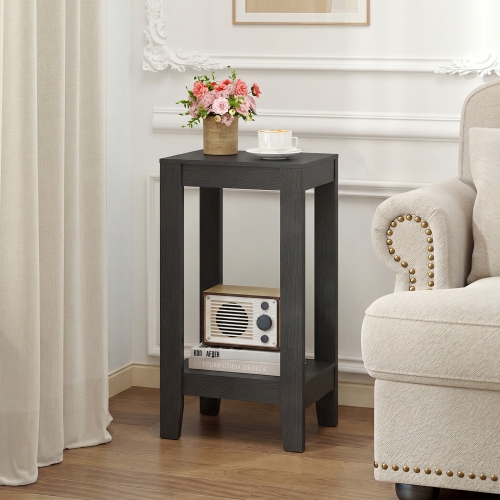
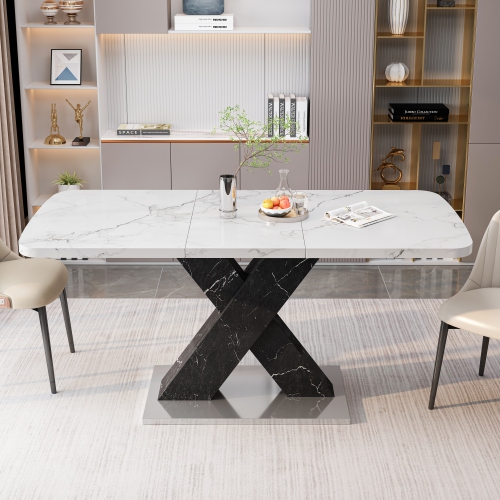
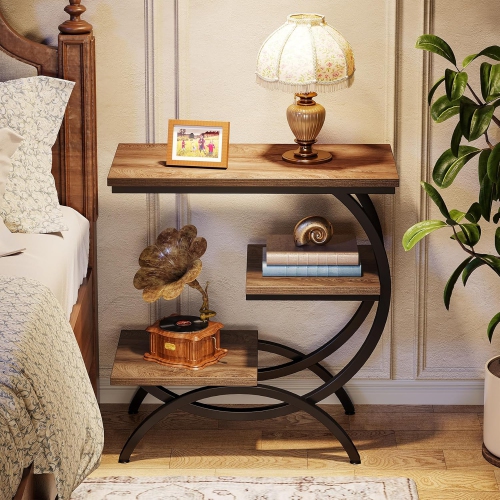
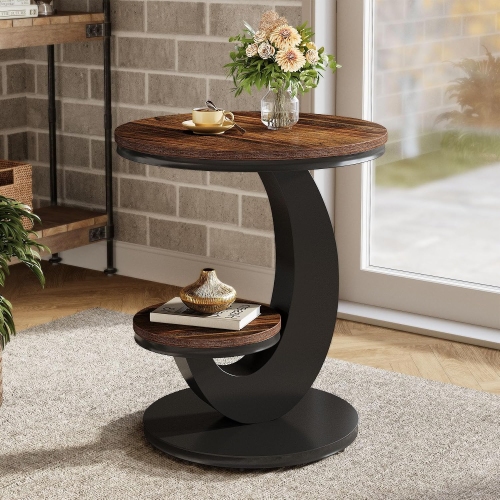

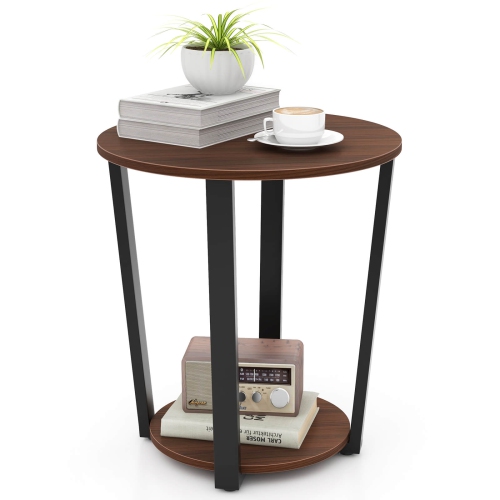
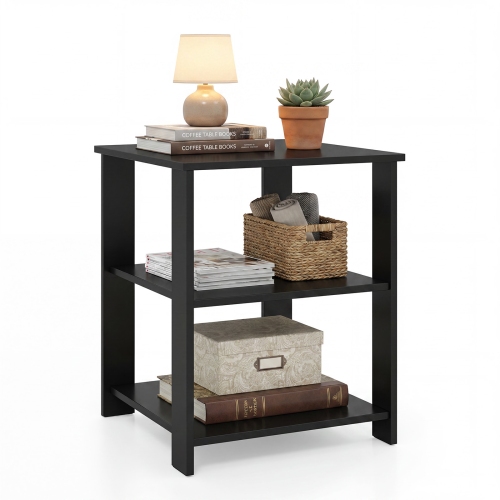
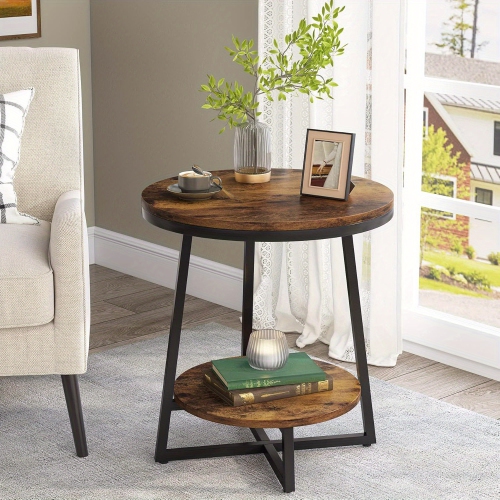
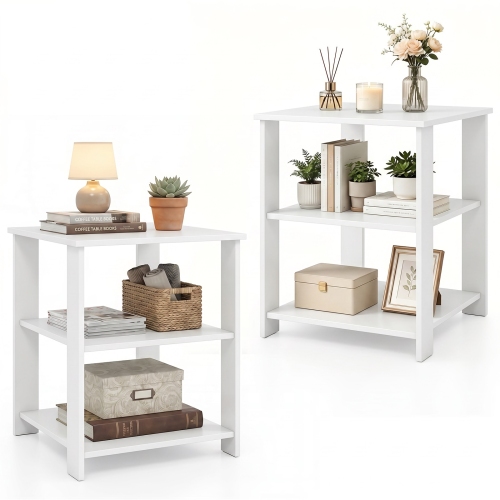

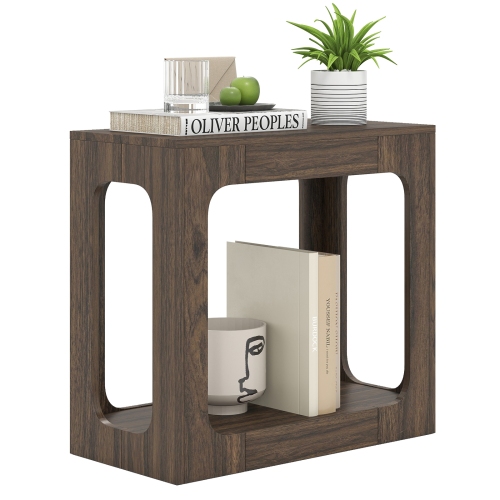
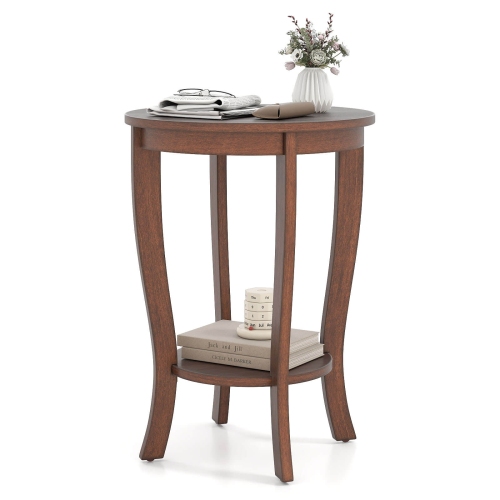
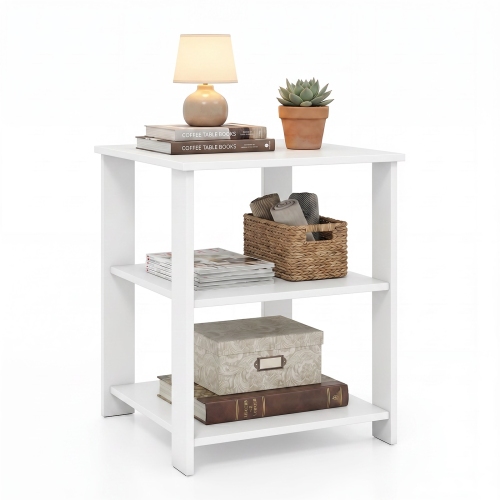

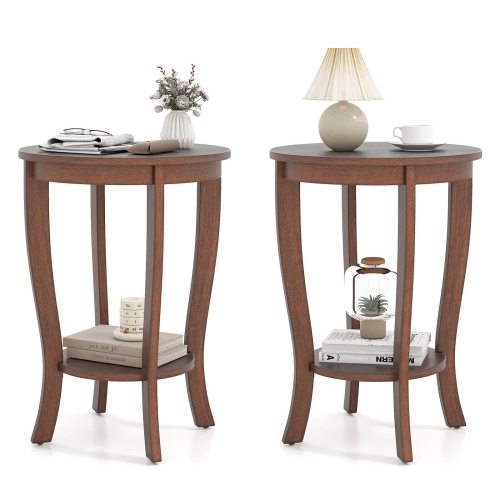


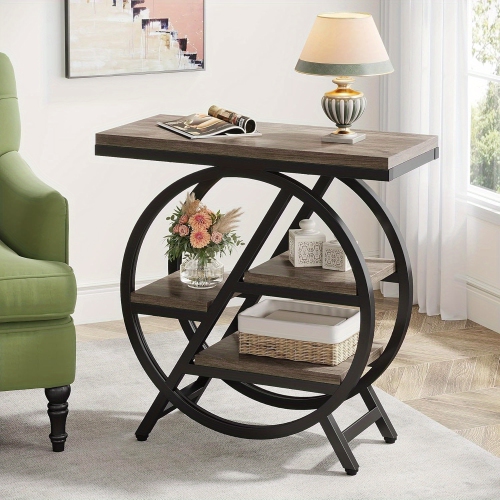
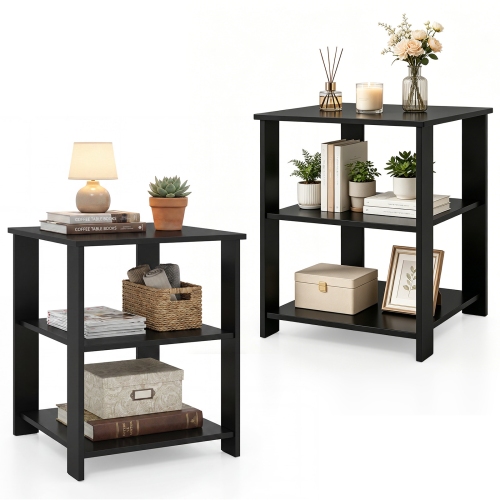
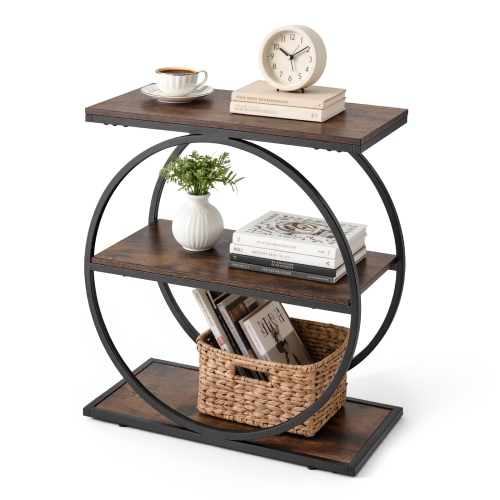
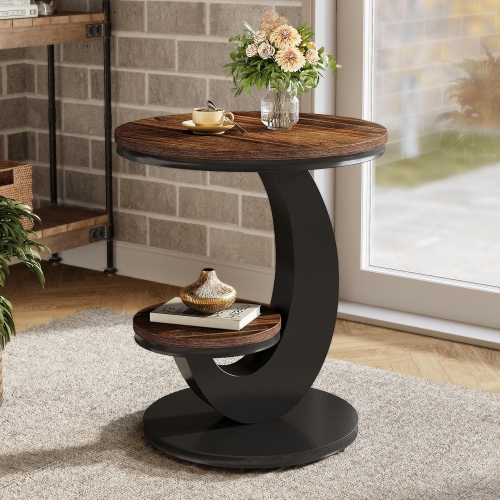
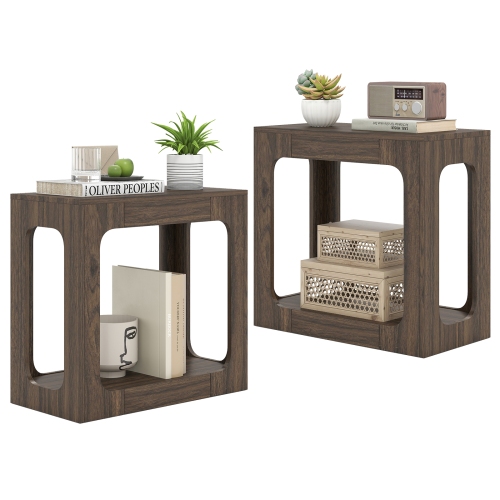

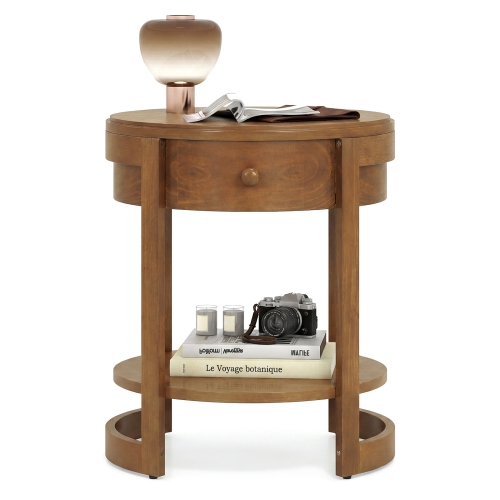
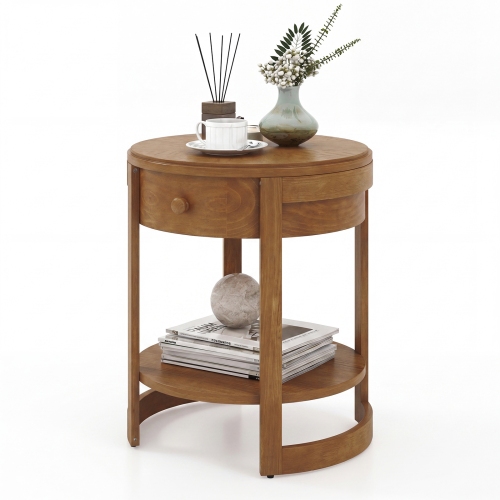
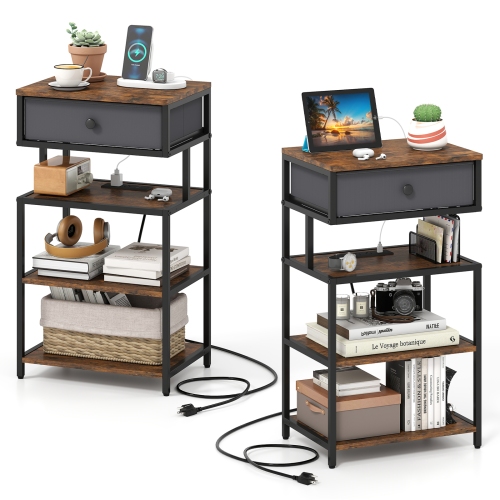
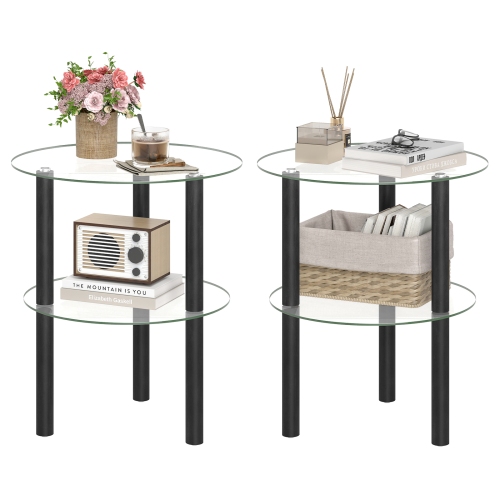
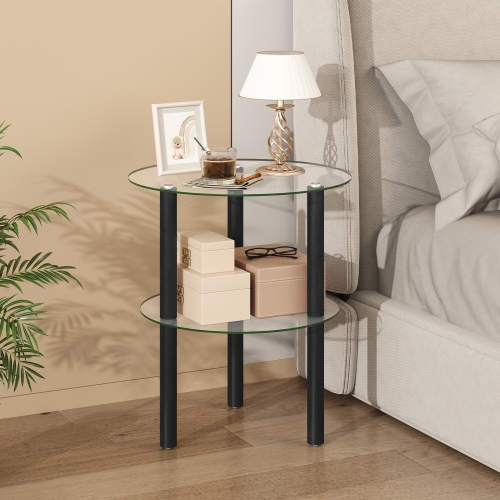
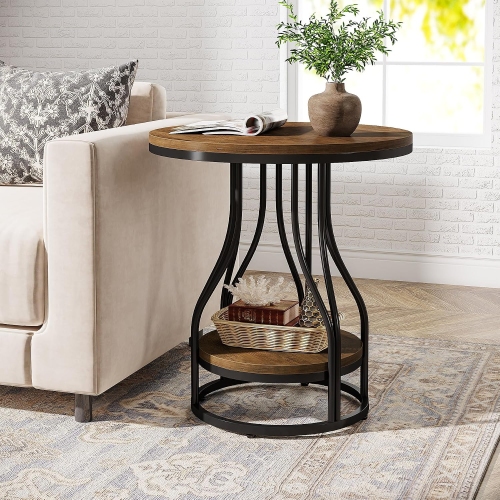
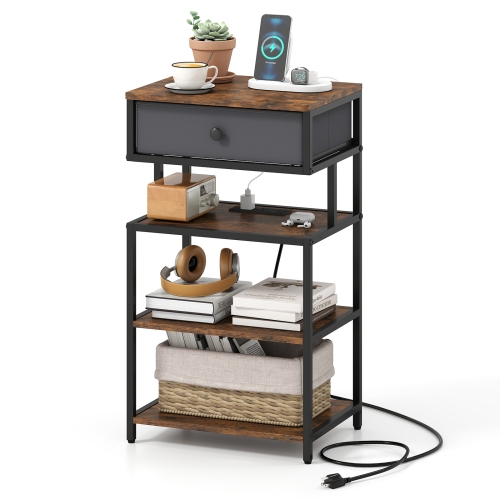
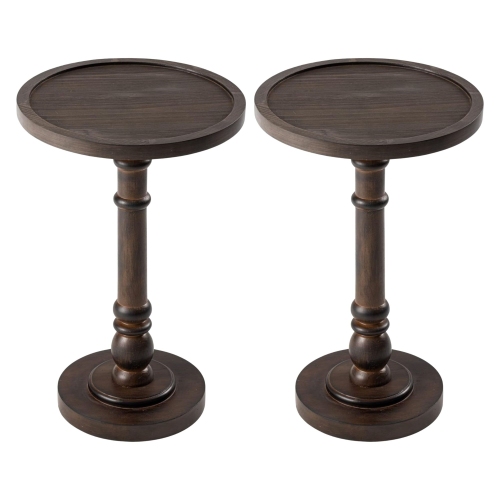
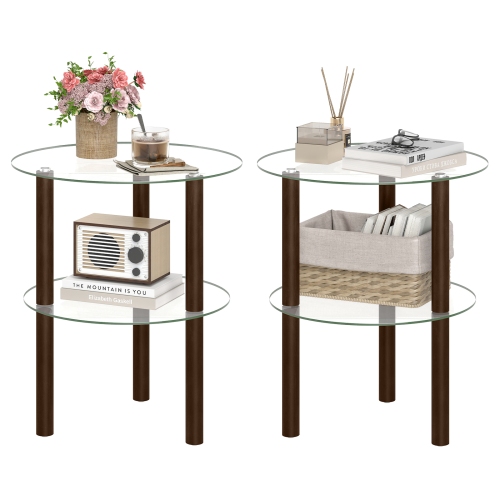
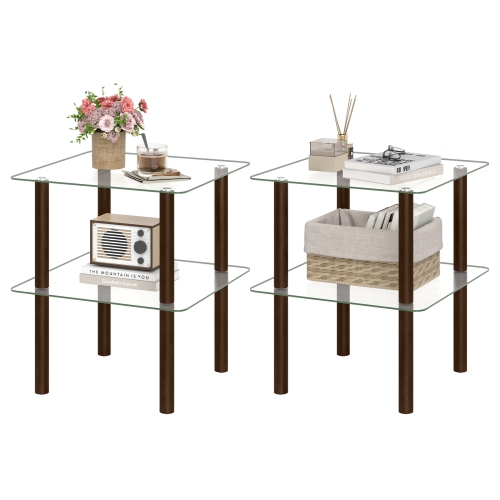
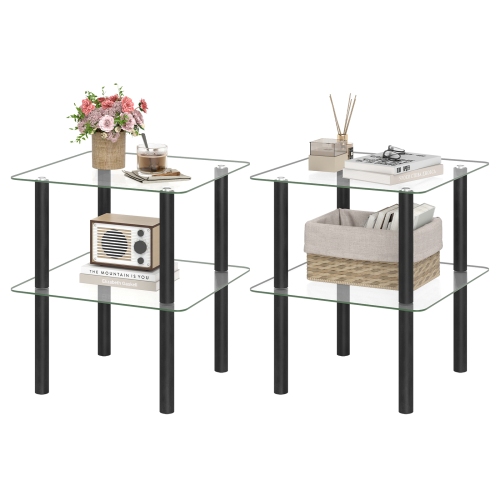
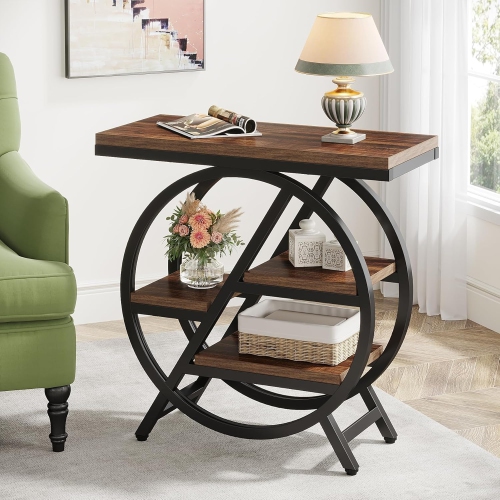
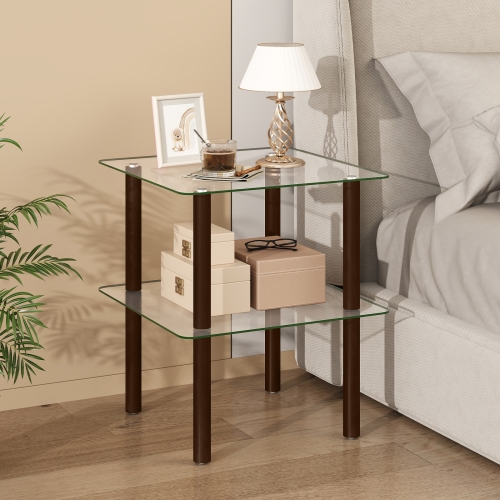
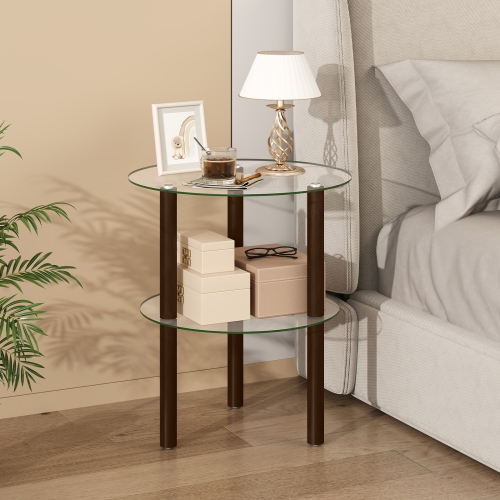


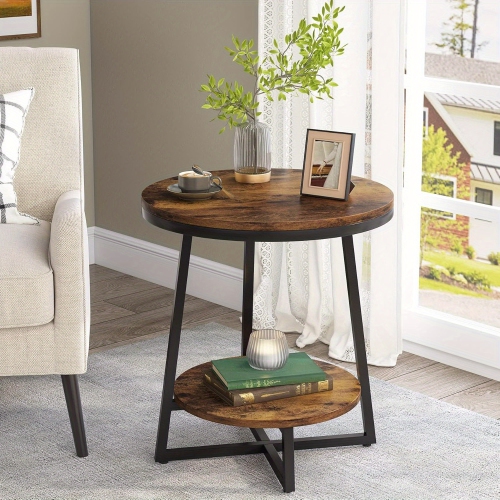


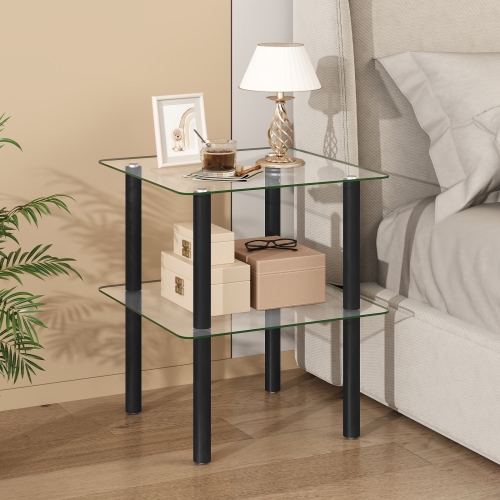


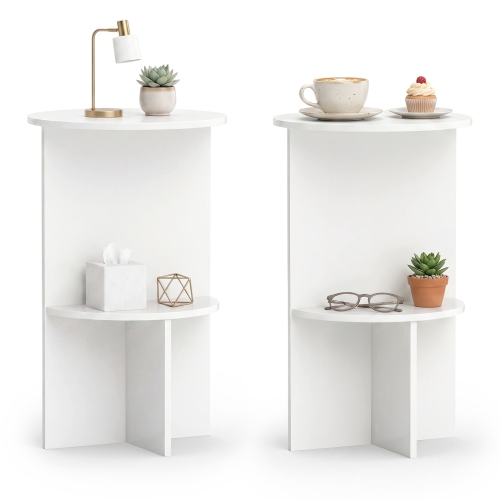
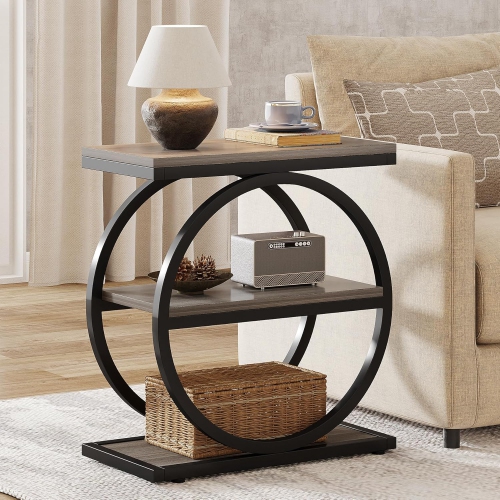
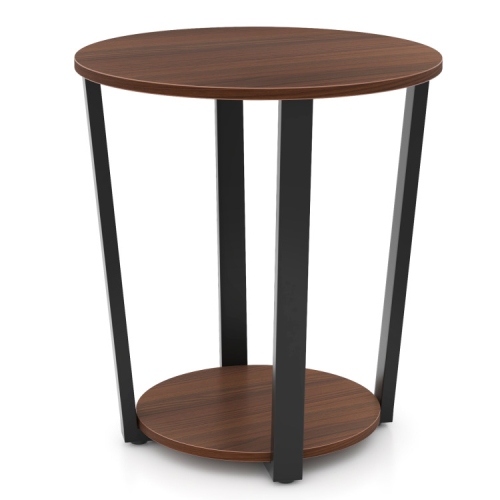
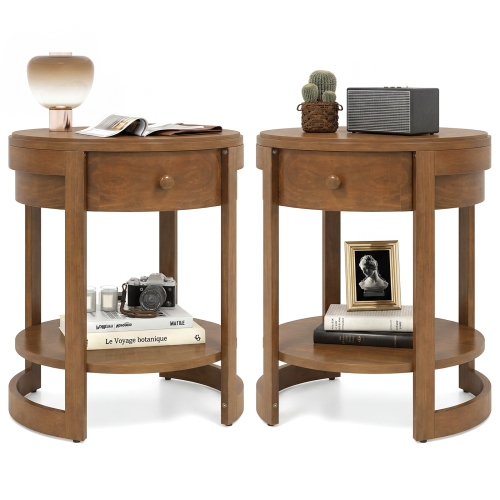

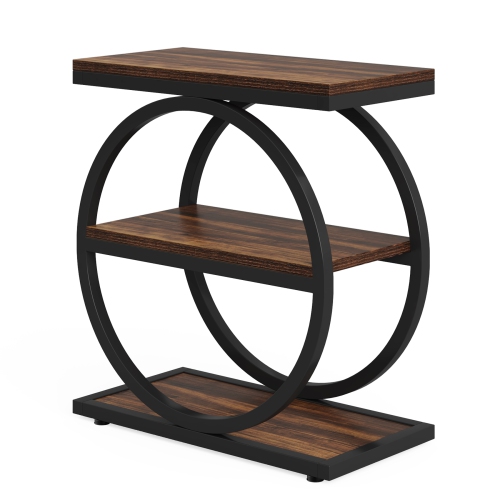
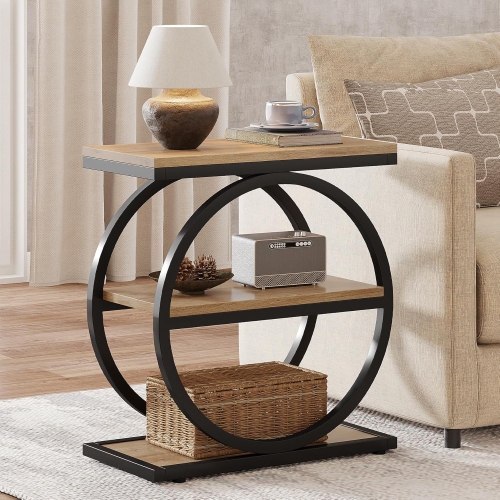

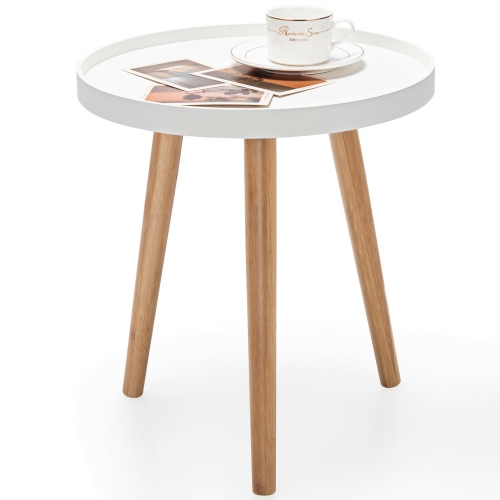

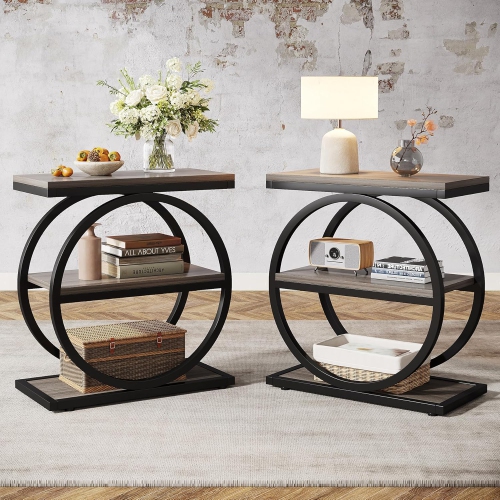
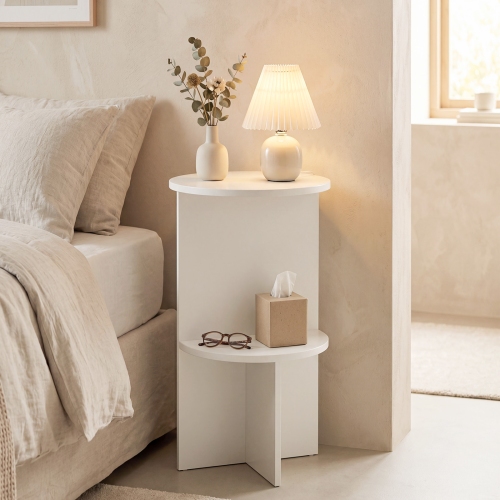
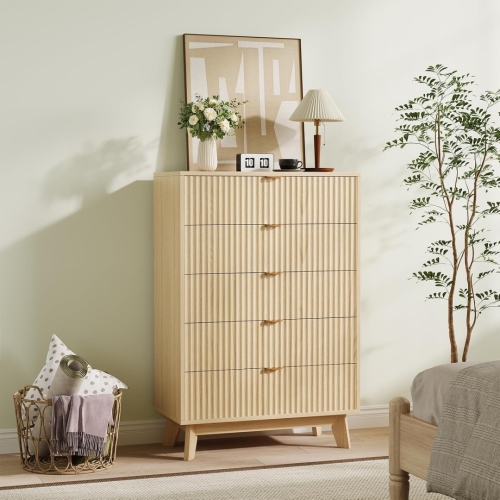

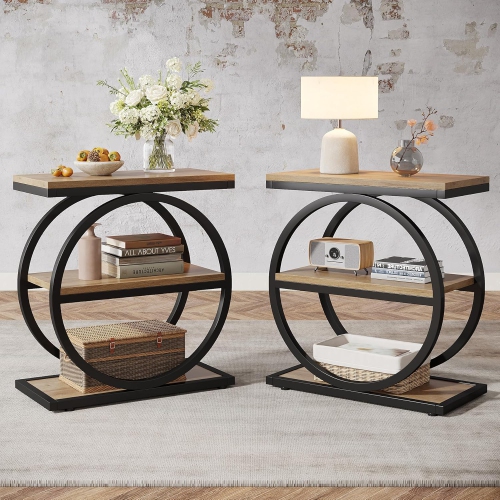
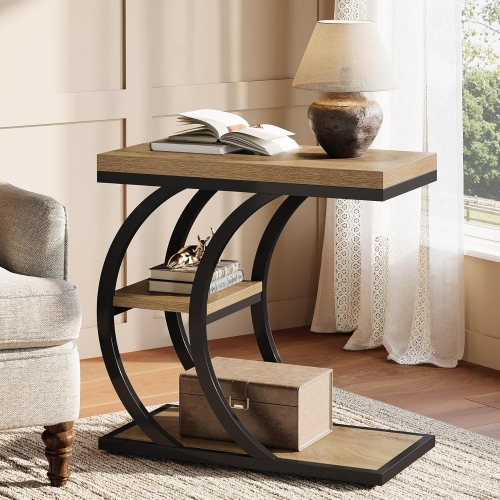
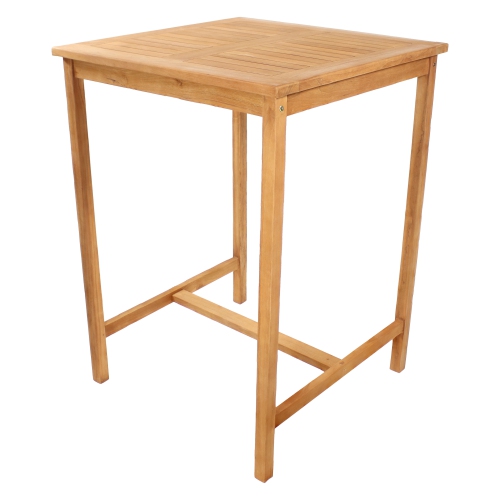
The right height puts everyday essentials within reach
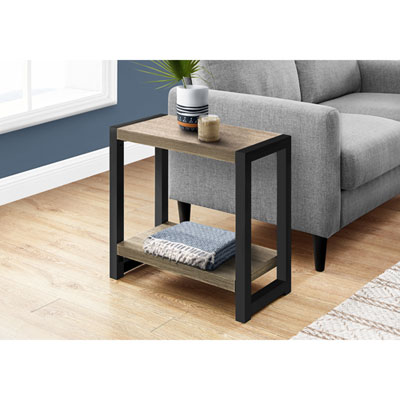
Tall end tables bring a useful surface within reach beside higher sofa arms, substantial armchairs, and beds with thicker mattresses. Many measure more than 28 inches, or approximately 71 centimetres, in height, although the term describes a proportion rather than a fixed furniture size. Their extra height can make everyday routines more comfortable: setting down a mug without leaning far sideways, reaching a reading lamp from a high-backed chair, or keeping glasses beside a raised bed. For seating, a tabletop within about 2 inches of the armrest is a useful starting point, with personal comfort and the shape of the furniture guiding the final fit. A tall table is not automatically the best match for a deep sofa or recliner; the arm height and the distance from the seated position matter more than seat depth alone. Beside a bed, a surface close to the top of the mattress usually makes bedside essentials easier to reach. Width and depth deserve equal attention, particularly when the table sits between a sofa and a wall. A slim footprint can make use of that gap, but there still needs to be enough room to walk past, open a drawer, and reach a nearby outlet. Measuring the intended space and marking the table’s outline on the floor with removable tape can help reveal whether its proportions will feel comfortable. Where floor space is the main constraint, Narrow End Tables offer a related option, though width and height should be checked separately. A narrow table may be low, while a tall table may have a broad, square top. The most useful fit balances all three dimensions with the objects it needs to hold, whether that is a lamp and a paperback or a water glass, phone, and small tray.
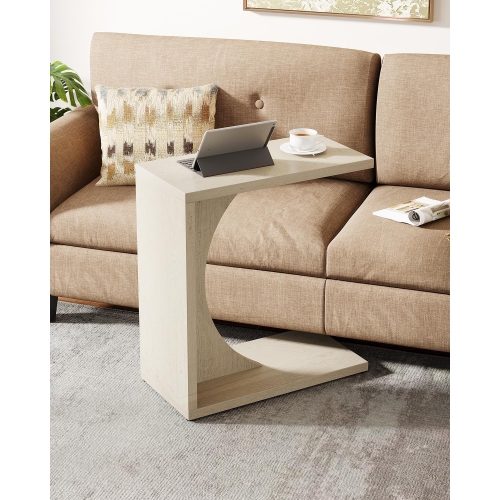
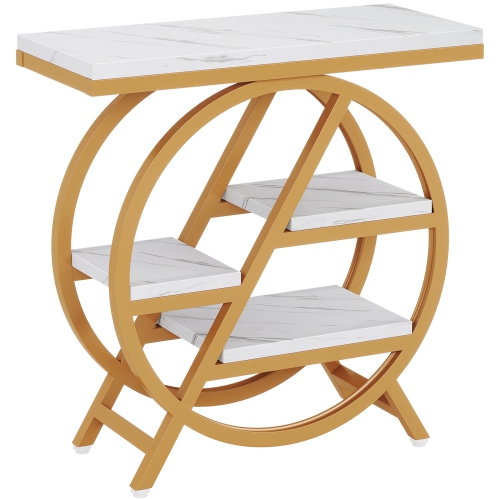
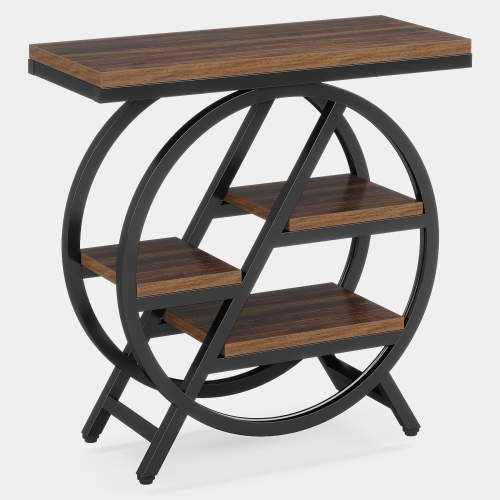
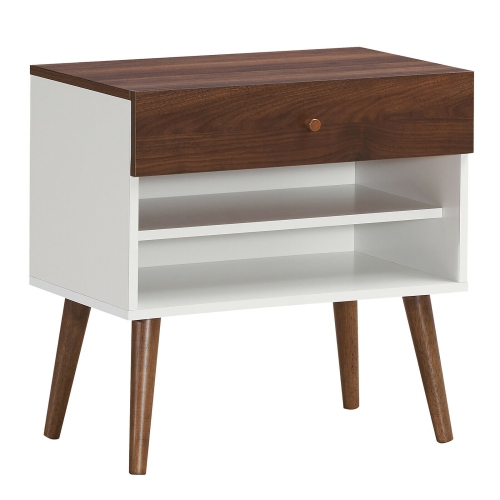
The shape and storage layout of a tall end table influence how it works in a room just as much as its measurements. A round top softens the outline beside a boxy sofa and has no projecting corners, while a square or rectangular top can sit neatly alongside an armrest. Pedestal designs keep the silhouette simple, although the size and weight of the base affect stability and the amount of floor space required. Open shelves add places for books, baskets, or folded throws without using additional floor area. Shelf clearance matters here: a shelf that comfortably holds paperbacks may not accommodate a taller storage basket. Drawers conceal remotes, charging cables, and other small belongings, while cabinet-style storage can give the room a quieter, less cluttered appearance. Enough clearance for a drawer to extend fully is especially important when the table is tucked beside upholstered furniture. C-shaped designs serve a different purpose, with a base that may slide under seating and a top that extends over a cushion. That arrangement depends on the clearance beneath the sofa, the thickness of its base, and the position of any legs or reclining mechanism. A recliner needs room to move through its full range without striking the table or trapping a cord. For tables with built-in charging features, the type and number of connections, cord length, and proximity to a wall outlet determine how useful those features will be. The tabletop itself still needs room for daily use; a large lamp base can leave surprisingly little space on a compact surface. A lower shelf can free up the top, but frequently used objects are often more convenient above. In a reading corner, a taller surface can raise a lamp beside the chair, though the shade position and light direction also affect comfort. For someone furnishing a first apartment or refreshing a guest room, a tall end table can be a thoughtful housewarming gift when the recipient’s furniture measurements and preferred style are known.
Materials, construction, and finishes give tall end tables their character and help determine how well they stand up to regular use. Solid wood brings natural grain variation and can develop signs of wear over time; resistance to dents and scratches depends on the wood species and finish. Wood veneer offers a real wood surface over a supporting core, while laminate provides a manufactured finish that may suit busy spaces where easy wiping is a priority. Neither appearance nor material name alone tells the whole story, so edge finishing, joint quality, and the stated care requirements are worth considering. Metal frames can create a slender outline, with painted, powder-coated, or plated surfaces offering different looks and maintenance needs. Glass tops keep the profile visually open but tend to show fingerprints and require attention to their edges. Stone and stone-look surfaces can anchor a room visually, although natural stone may need specific cleaners or sealing, depending on its finish. A tall, narrow piece also deserves a close look at stability: a level base, secure connections, and a suitable footprint are important when the top holds a lamp or other weight. Heavy objects generally belong on lower shelves where the design allows, and all surfaces should stay within the manufacturer’s load limits. Furniture with drawers or cabinets may include anchoring requirements, particularly relevant in homes with children or pets. Routine care is usually straightforward when it follows the material’s instructions: blot spills promptly, use coasters beneath drinks, and avoid leaving moisture around a plant pot. Felt pads beneath accessories can help reduce scratches, while suitable floor protectors can limit marks when the table is moved. Visually, repeating one detail from nearby furniture, such as a wood tone or metal finish, can make the table feel at home without requiring an exact match. Matching tables create symmetry around a sofa or bed; different shapes can work equally well when their heights and visual weight feel balanced. A well-proportioned tall end table earns its place through these small, practical details, supporting everyday habits without crowding the room.
Top selling and popular products
-
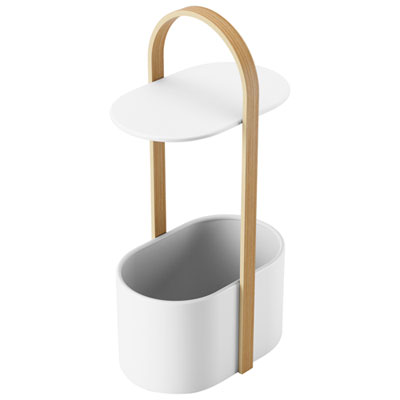 Your price for this item is $69.98
-
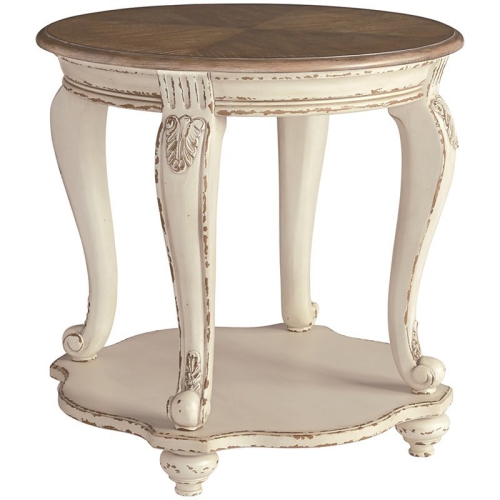 Your price for this item is $369
-
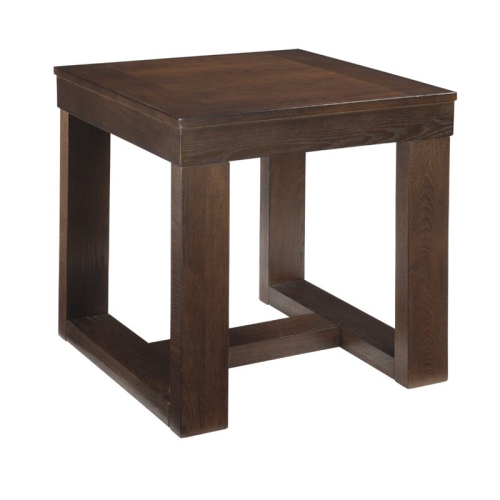 Your price for this item is $199
-
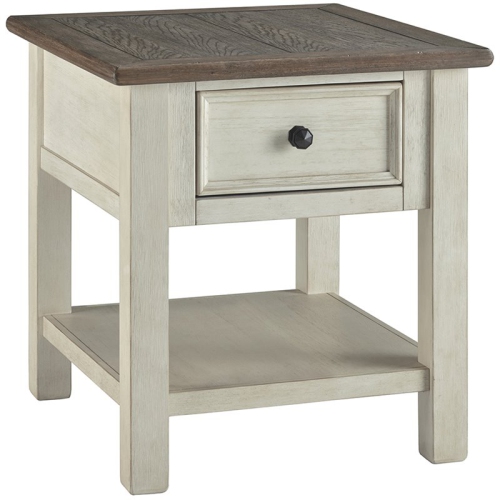 Your price for this item is $399
-
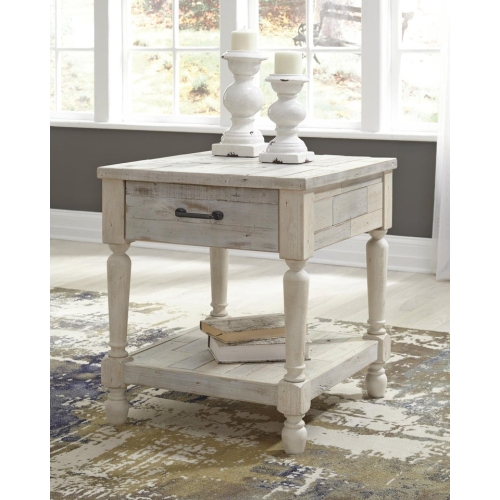 Your price for this item is $249
-
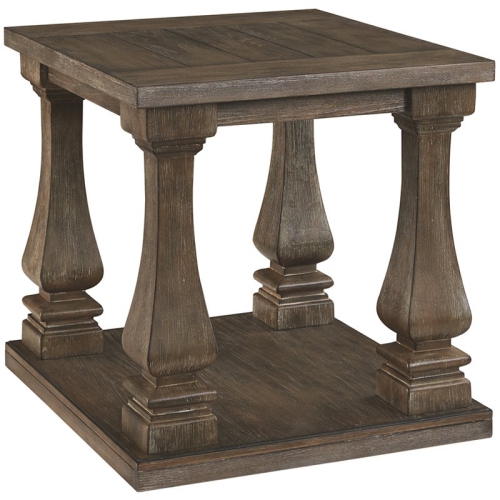 Your price for this item is $375
-
 Your price for this item is $452.99
-
 Your price for this item is $224.99
Discover more categories related to Tall End Tables


Top Collections:
Pokemon Centers, Best Cameras for Sports Photography, Kindle Devices, Samsung Galaxy Phones, Canon G7X Cameras, Pokémon 30th Celebration Cards, Refurbished Apple Laptops, iPhone 15 Apple, Laptops for Students, Budget Smartphones
Some products may be subject to Environmental Handling Fees
(EHF) depending on your province.
Learn more about EHFs.