Tempered Glass Table Tops
Upgrade your dining or living space with a sleek and stylish tempered glass table top. Designed to add a touch of elegance and modernity to almost any room, these table tops are not only visually appealing but also offer durability and functionality. Here are some great options available.
Sort
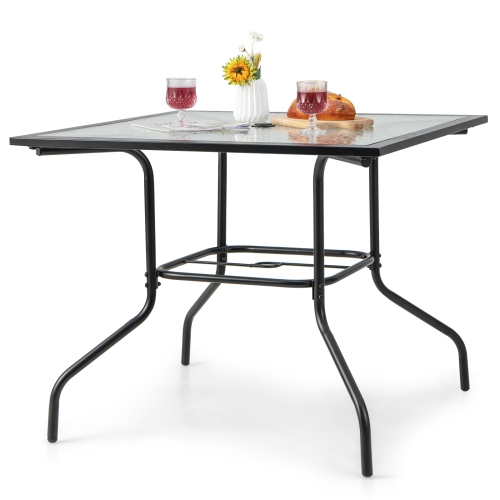
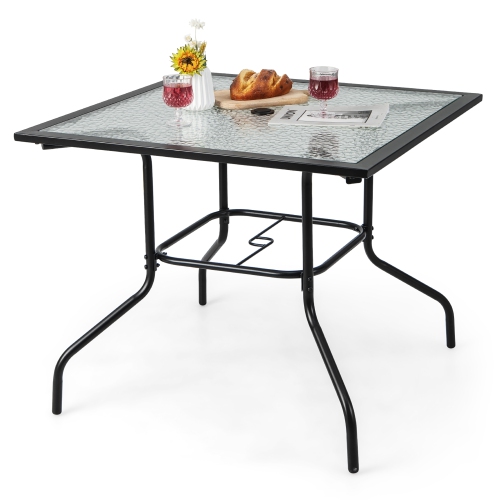
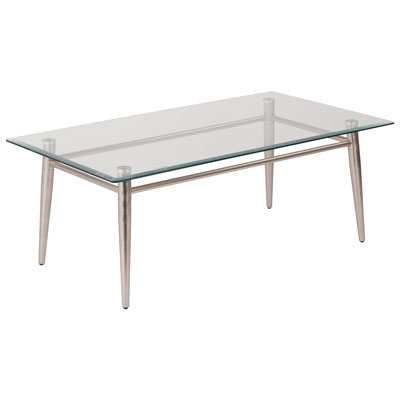
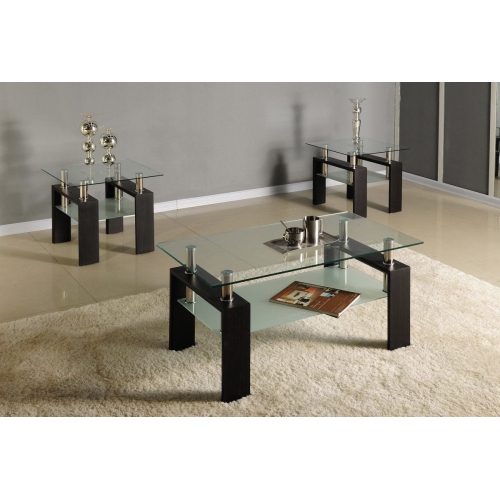
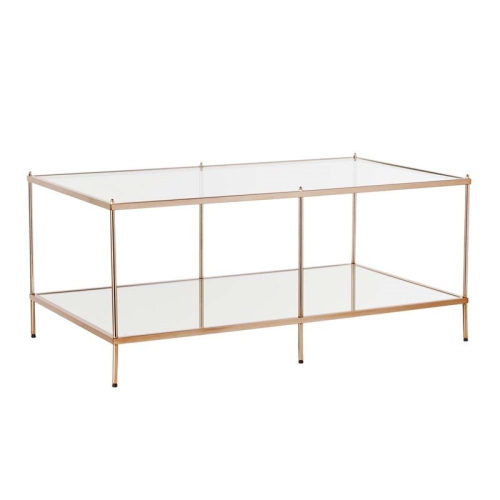
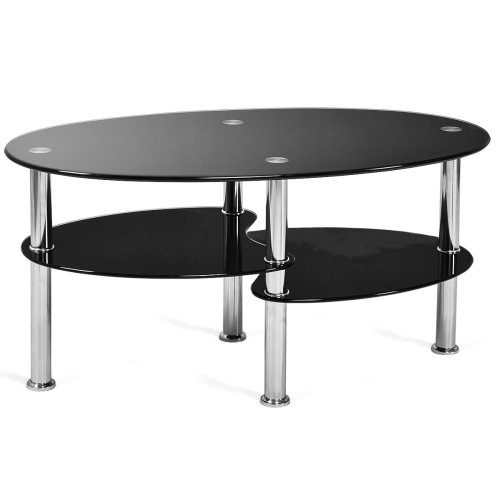
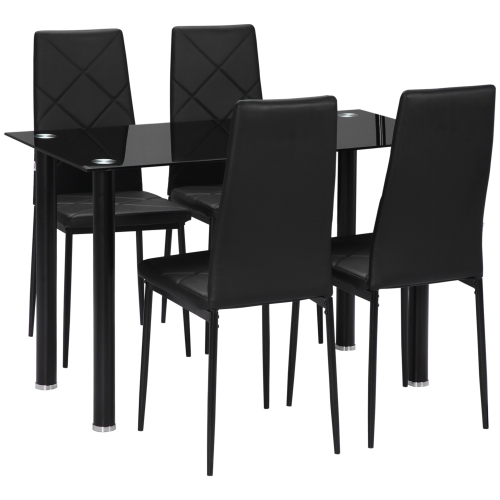
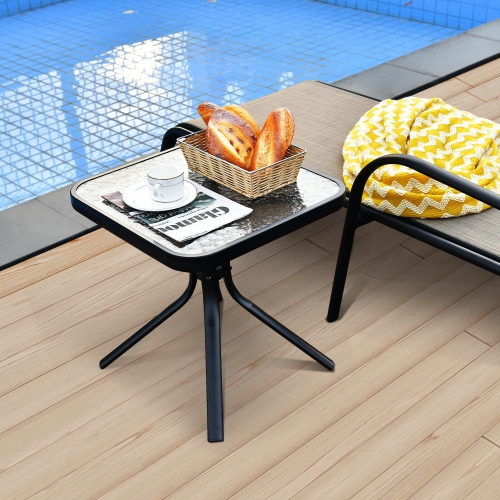
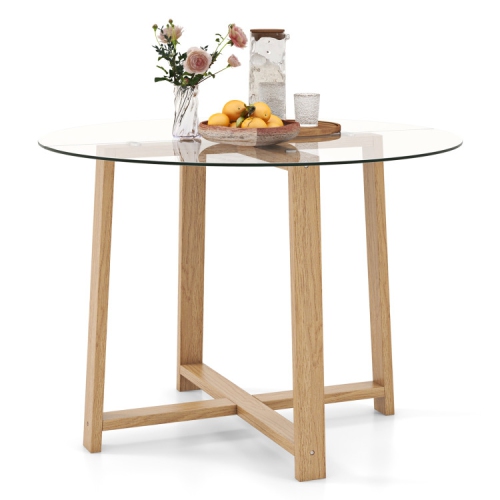
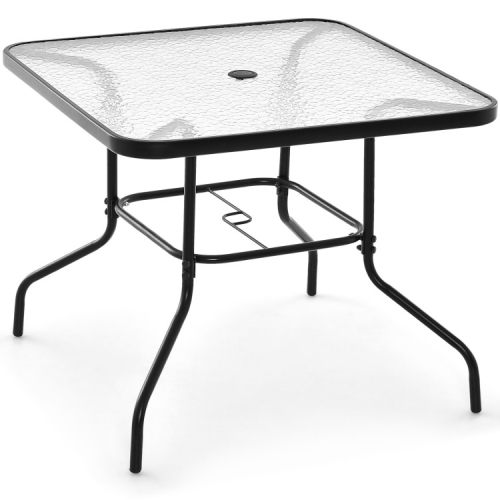
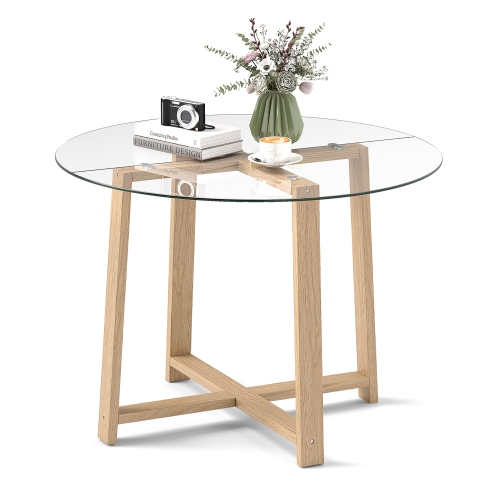
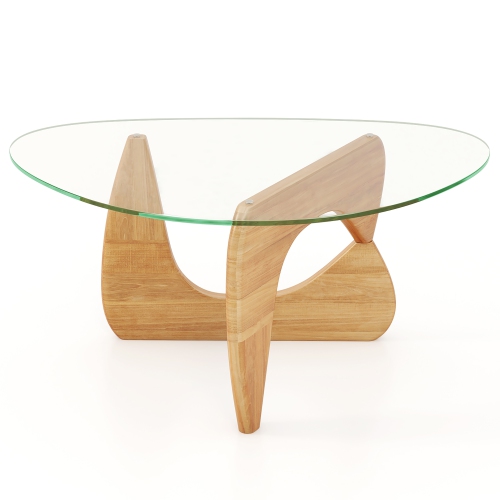
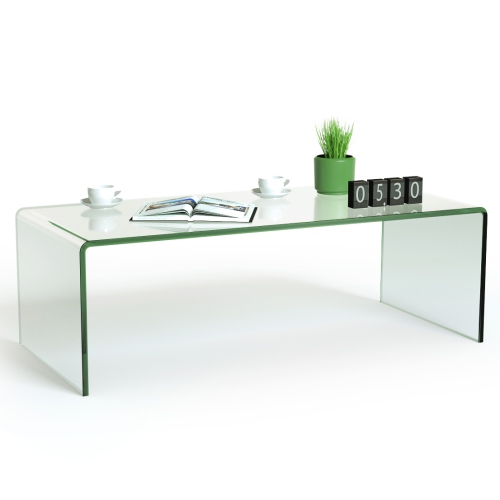
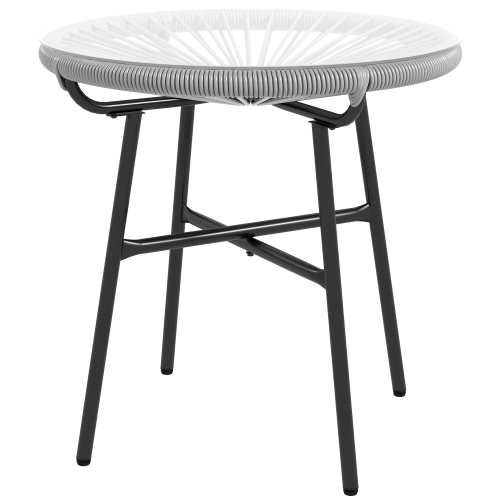
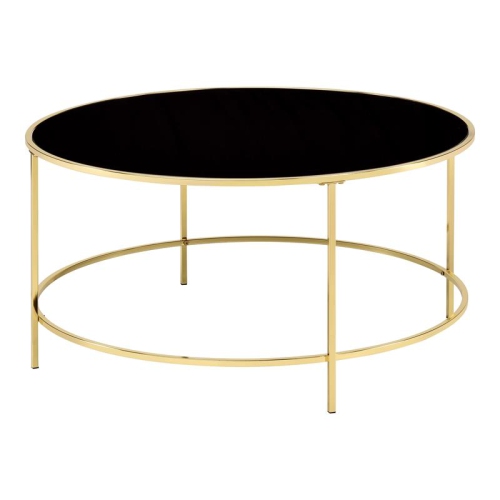
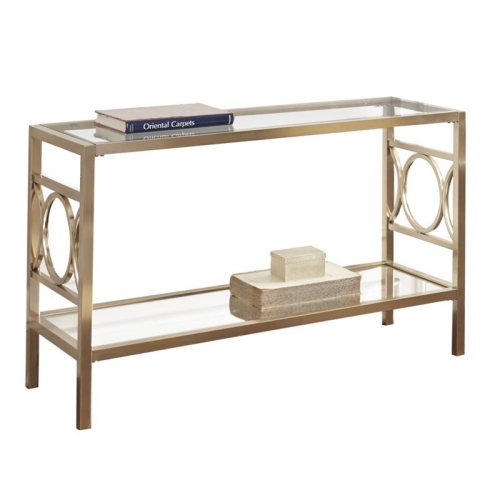
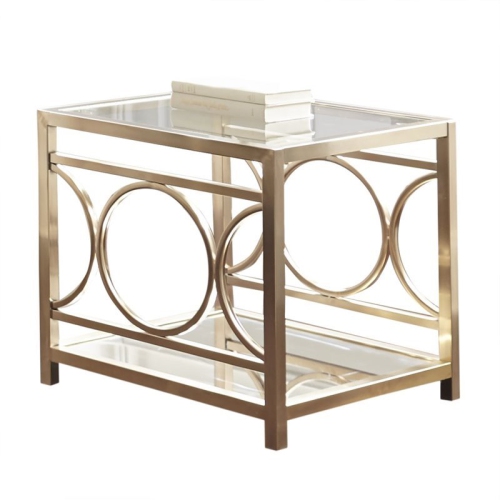
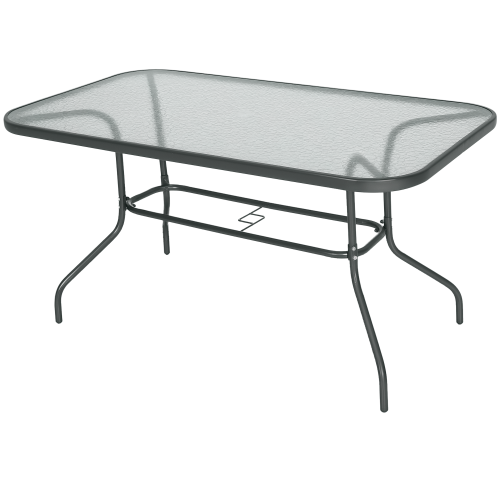
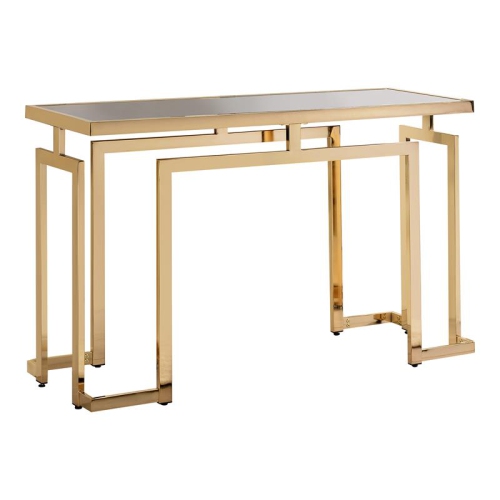
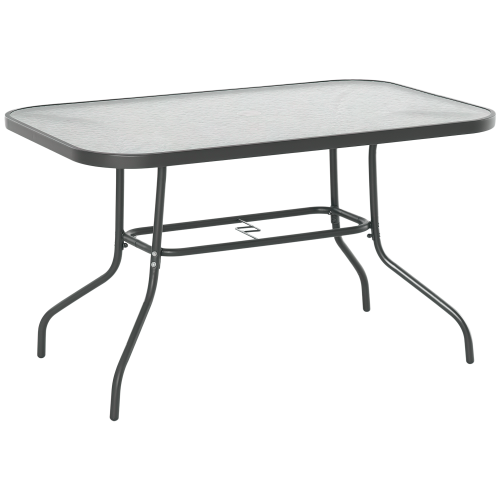
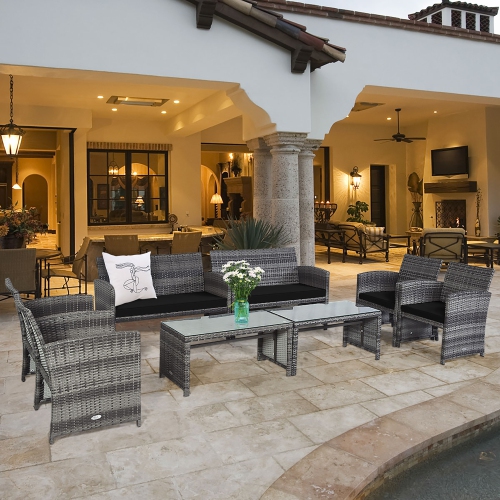
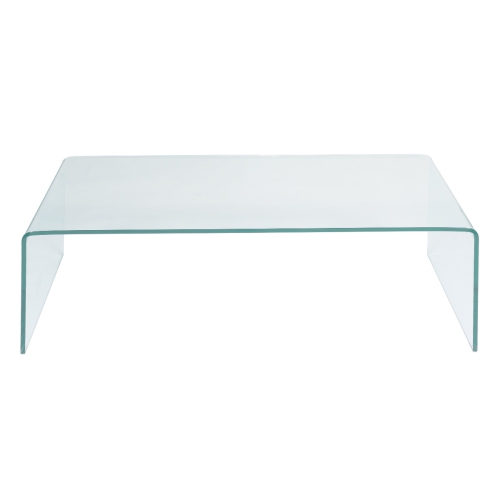
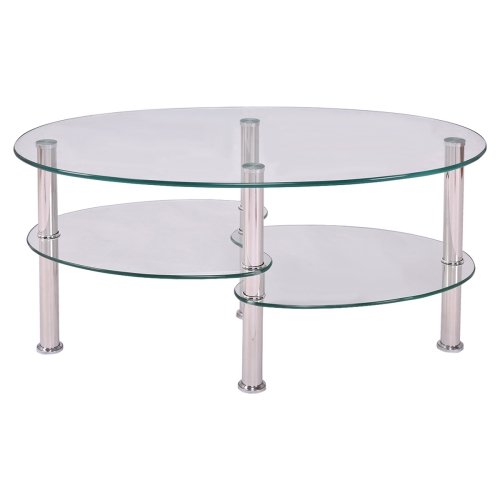
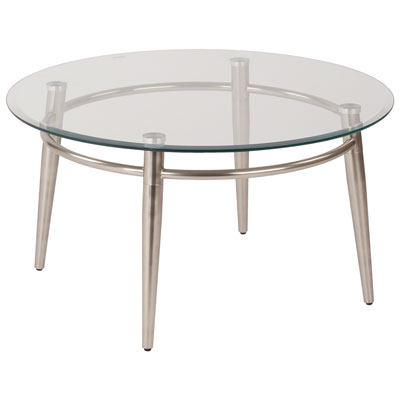
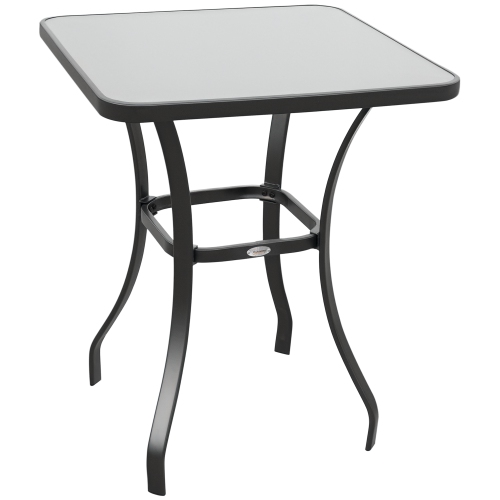
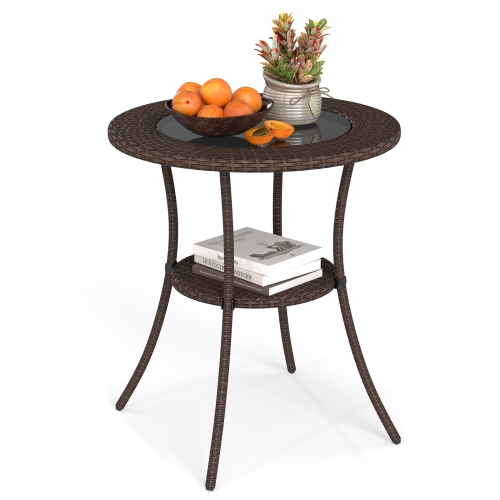
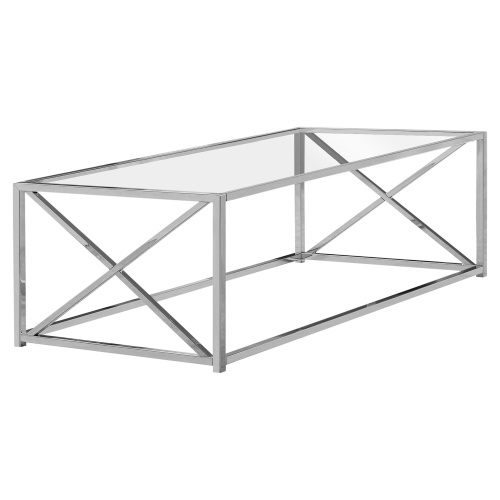
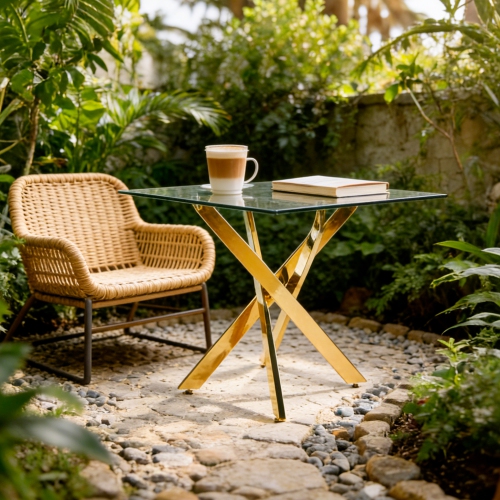
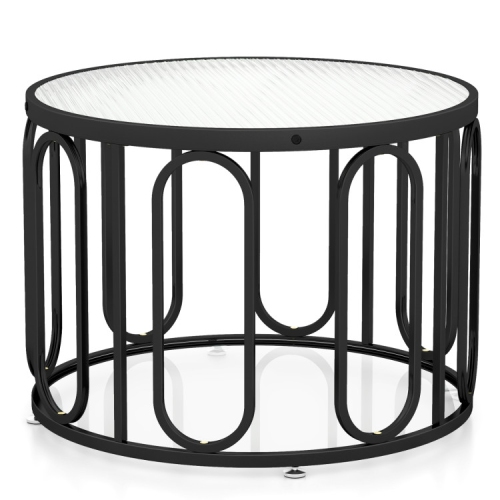
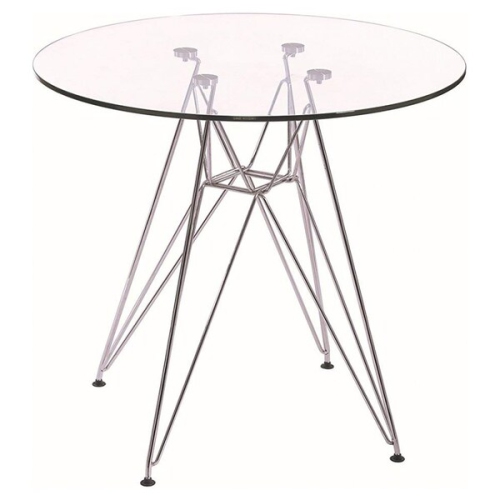
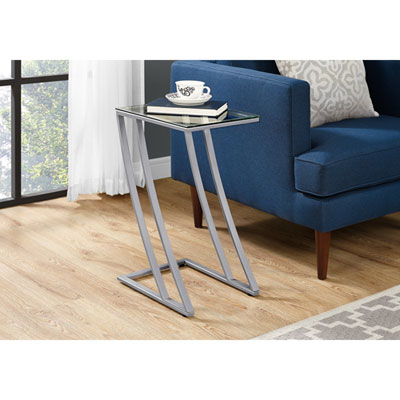
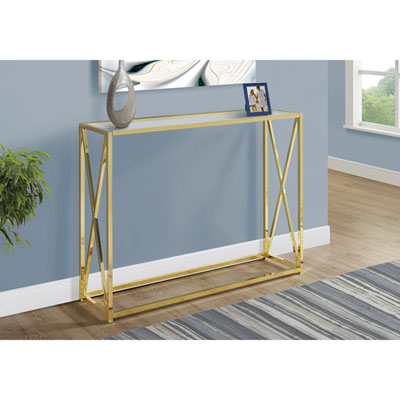
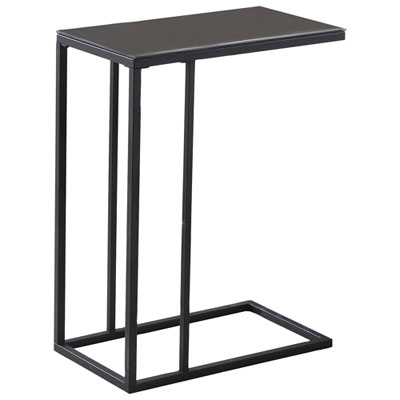
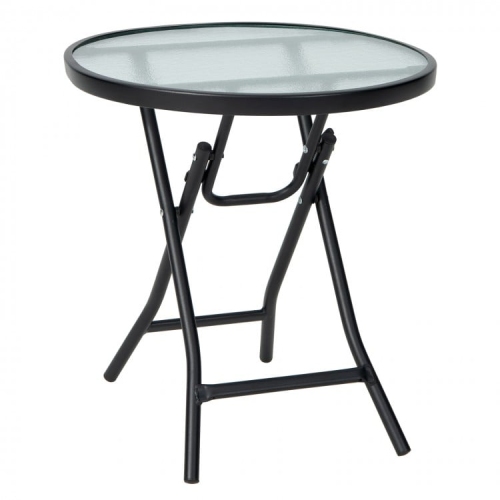
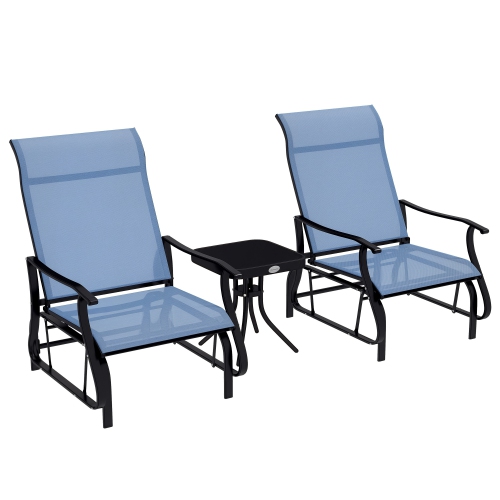
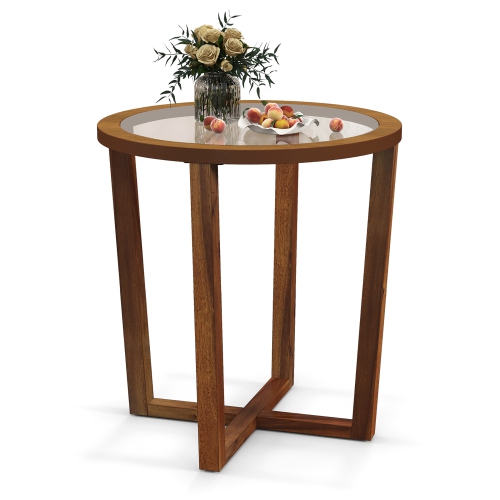
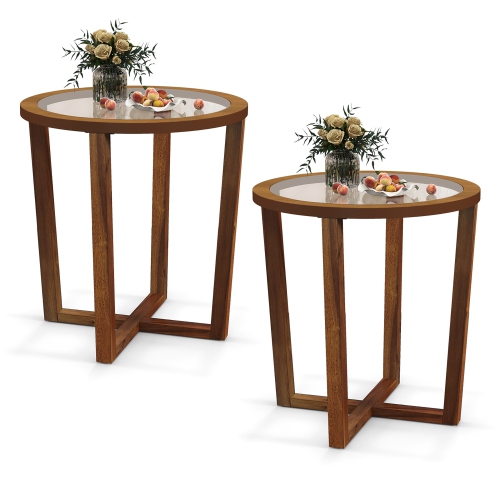
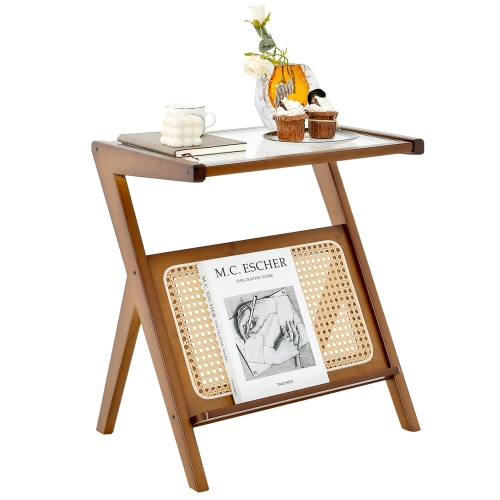
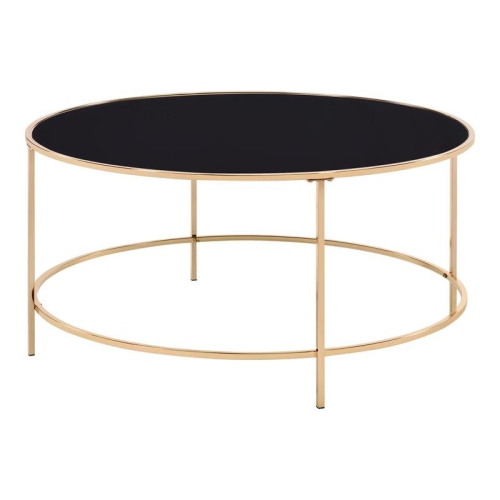
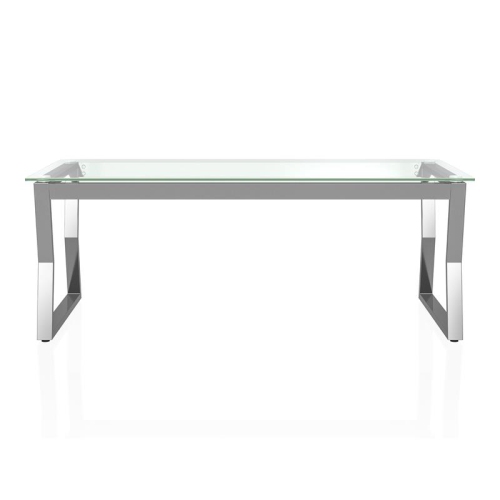
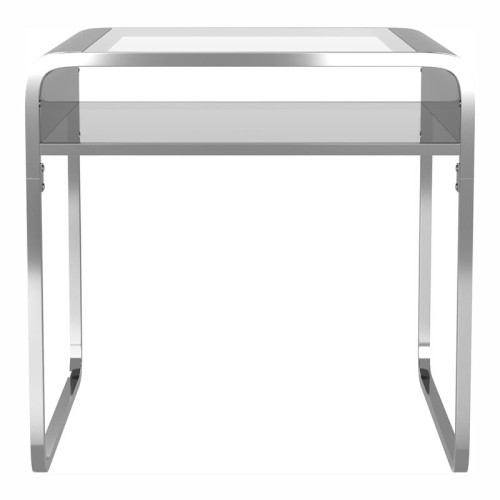

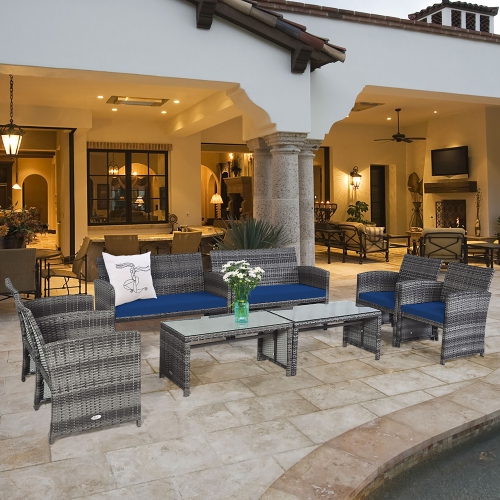
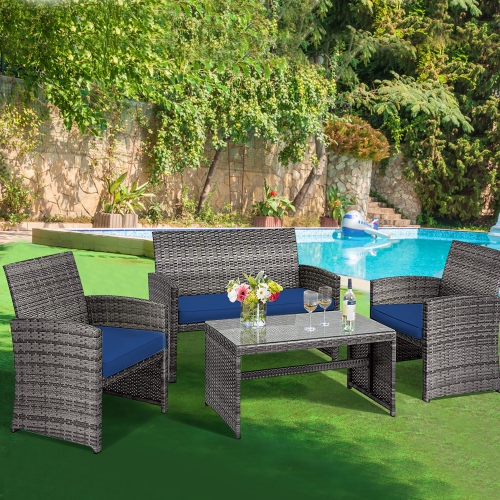
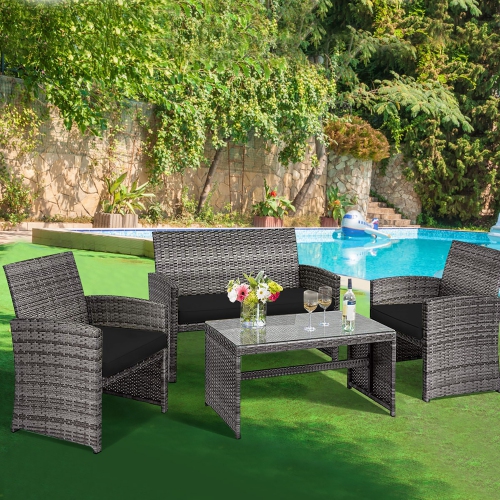
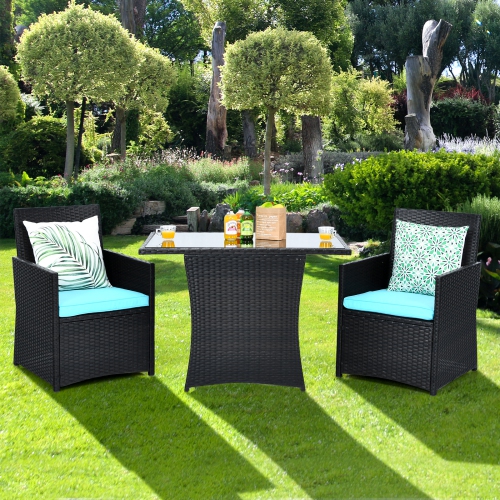
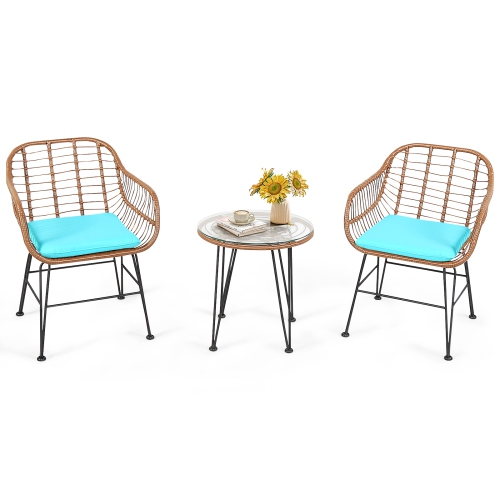
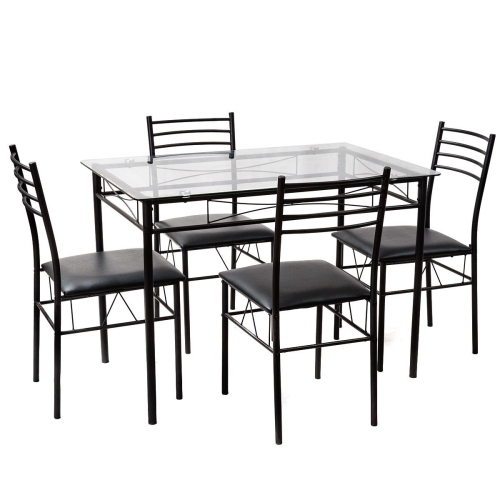
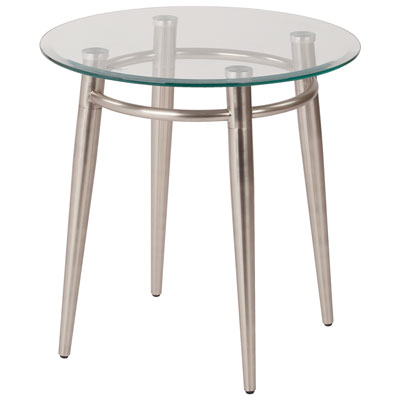
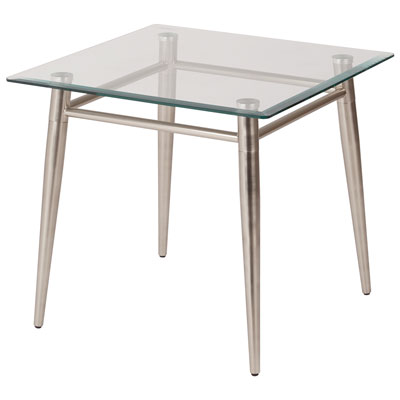
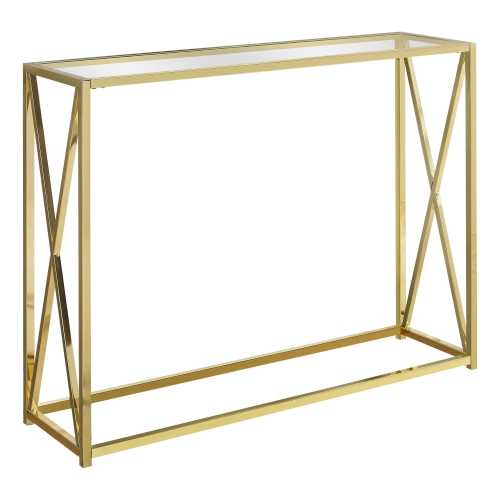
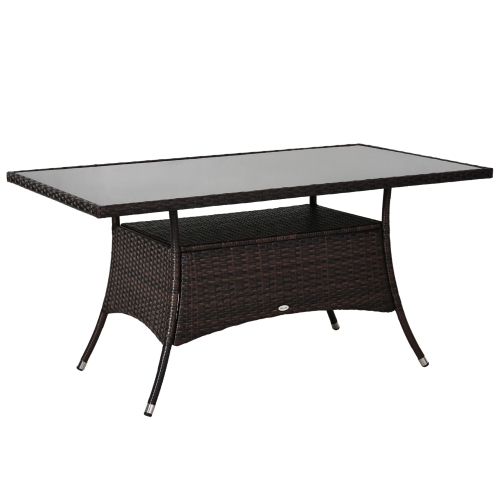
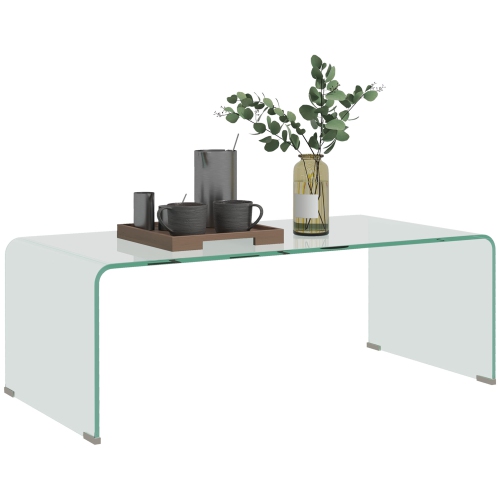
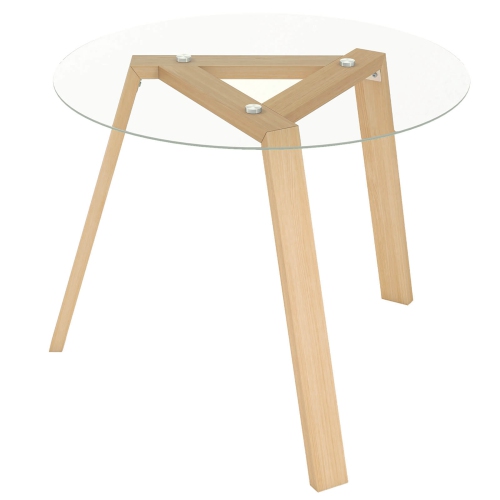
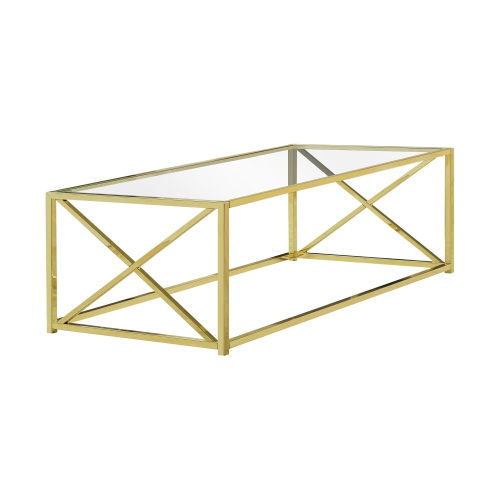
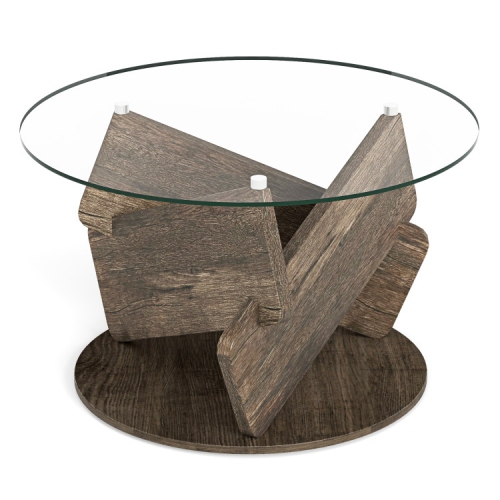
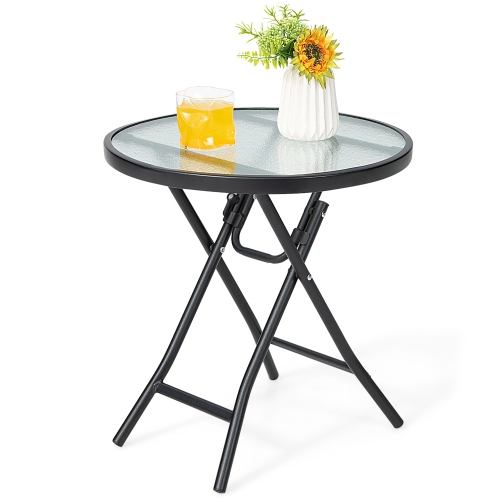

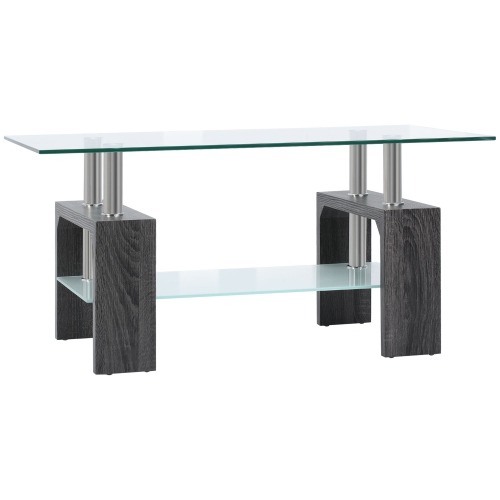
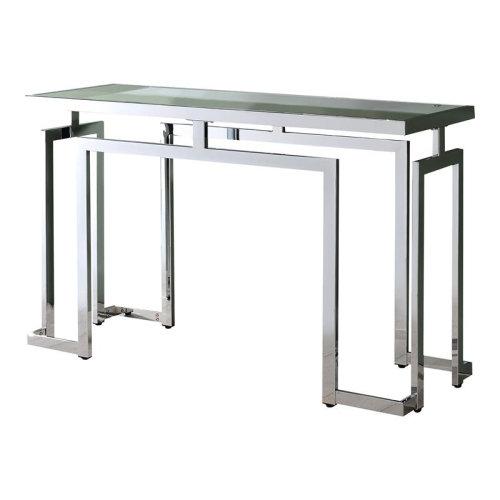
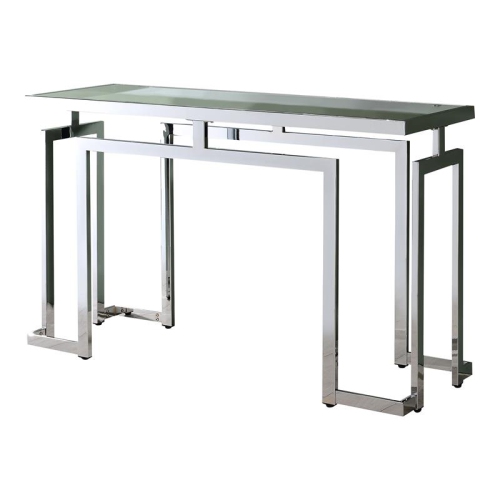
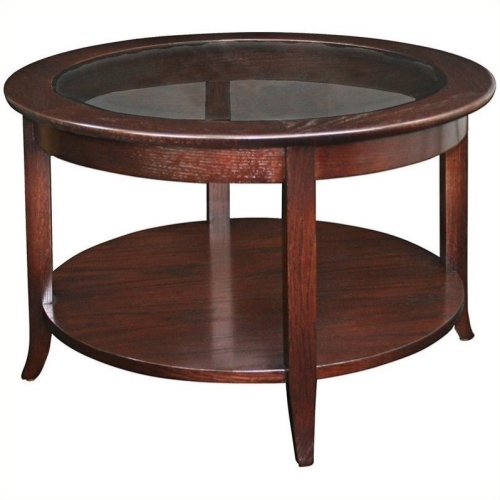
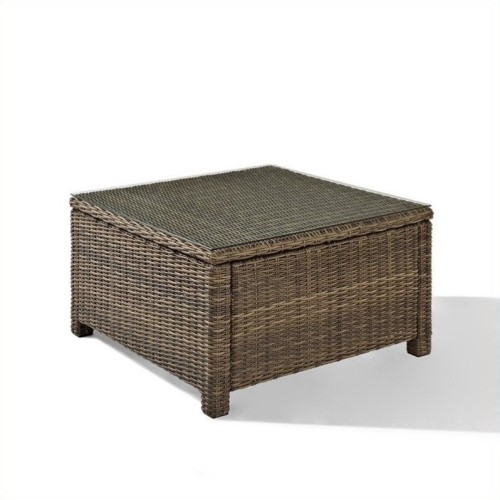
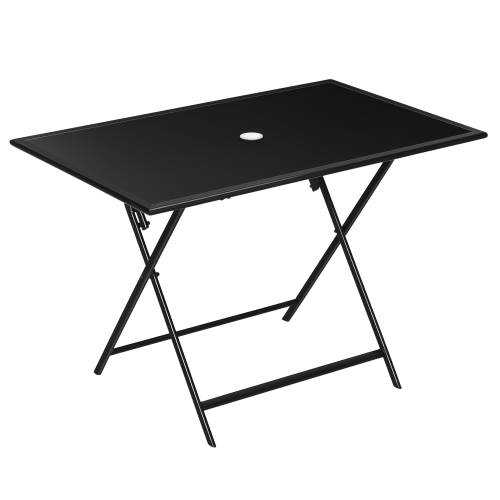
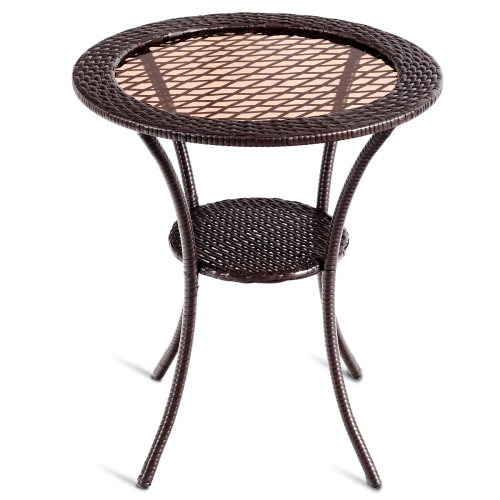
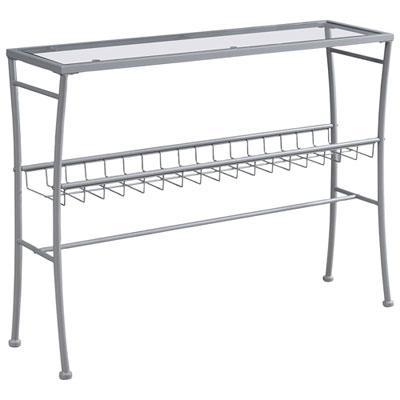
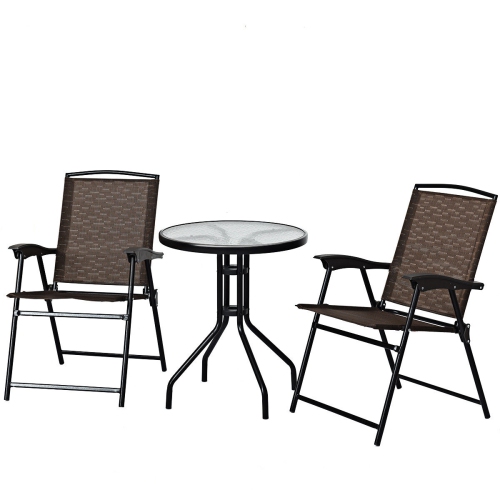
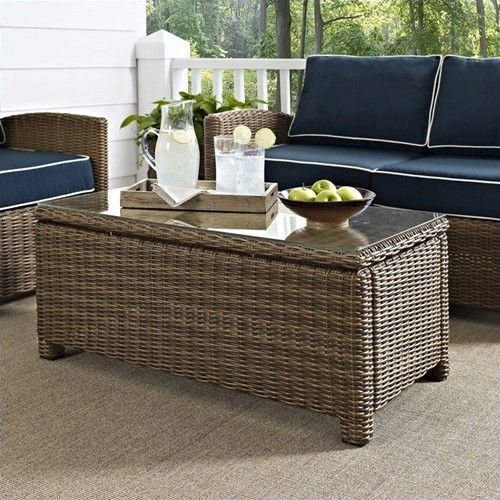
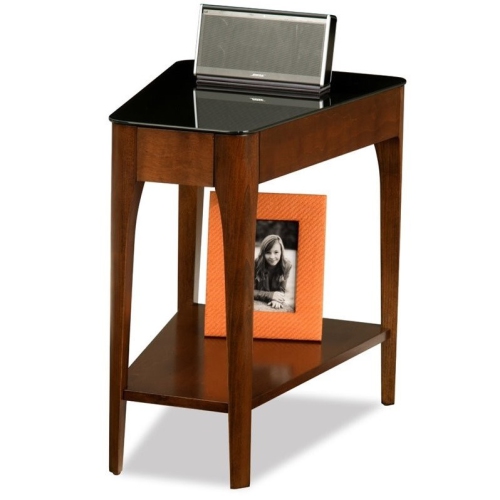
Protection, durability and design flexibility for everyday spaces
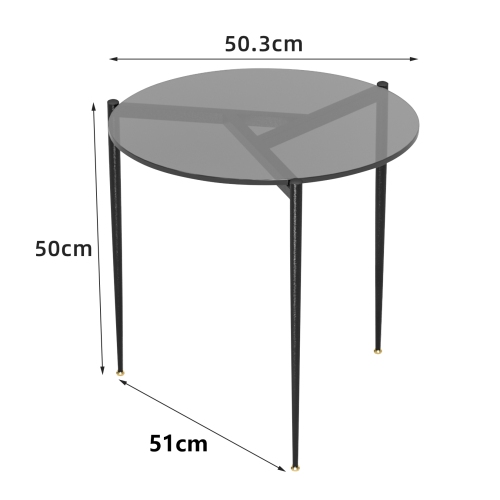
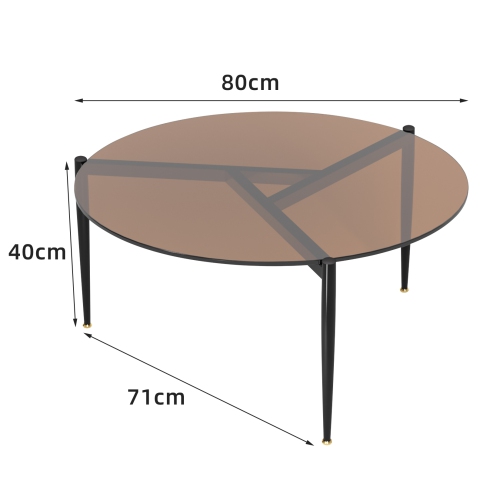
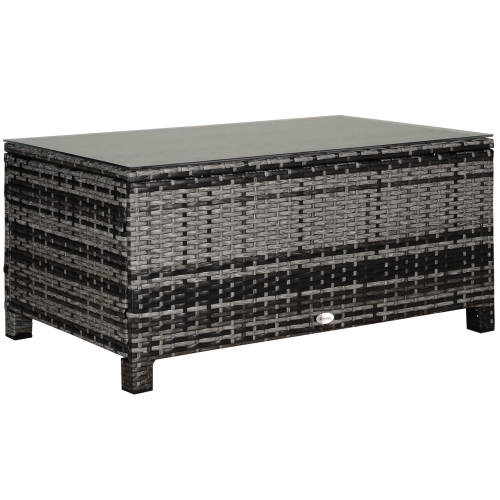
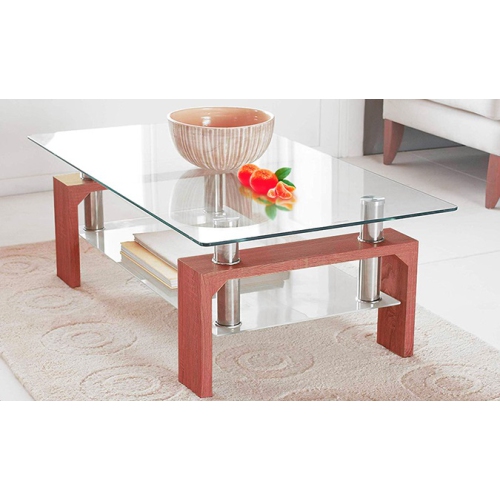
Tempered glass table tops bring a clean, versatile finish to dining tables, coffee tables, desks, consoles, side tables and custom furniture projects. They may be used as a protective cover over an existing wood surface or as a standalone top supported by a pedestal, trestle, metal base or another suitable frame. Compared with ordinary annealed glass, tempered glass is heat-treated to provide greater strength and resistance to everyday impact and temperature changes. It is generally four to five times stronger than regular glass of the same thickness, although no glass top is completely break-proof and the edges still require careful handling. If tempered glass is severely impacted and breaks, it is designed to crumble into small, relatively blunt granules rather than long, sharp shards. This makes it a practical choice for active homes, dining areas, workspaces and entertaining spaces where a table may experience frequent use. A glass top can also help protect an attractive wood, stone or painted surface from spills, scratches, stains and the marks left by dishes, planters, craft materials or office equipment. The smooth surface reflects light around a room and allows the character of a table base, rug or flooring to remain visible, which is especially useful when updating a room without replacing all the furniture. During the warmer months, a glass table top can make an indoor dining area feel bright and open, while during the cooler months it pairs easily with textured runners, table linens and layered décor. For outdoor settings, shoppers may also wish to explore Tempered Glass Patio Tables designed for patio furniture and open-air entertaining.
Choosing the right tempered glass table top starts with its intended role, measurements and support system. A thinner option around 1/4 inch, or approximately 6 millimetres, is commonly suited to a protective overlay placed directly on a well-supported existing table. It can help shield a wooden tabletop while preserving the look of the furniture underneath, but it should sit evenly and securely without rocking or overhanging an unstable base. A thickness around 3/8 inch, or approximately 10 millimetres, is often considered for standalone coffee tables, desks and medium-use dining frames, provided the supports are correctly positioned and rated for the finished load. Thicker glass around 1/2 inch, or approximately 12 millimetres, may be appropriate for larger freestanding designs, broad dining tables or furniture where the glass contributes more noticeably to the structure and visual weight. The exact selection depends on the dimensions, shape, span between supports and the way the glass will be used, so the measurements should be confirmed before ordering. Rectangular and square tops work well with traditional dining tables, desks and console frames, while round tops can soften the look of a compact dining nook or conversation area. Oval and custom-shaped surfaces may suit larger rooms or distinctive bases. Measure the supporting surface at several points, since walls, frames and handmade furniture are not always perfectly square. Consider whether the glass should match the base exactly or extend slightly beyond it, and confirm that doors, drawers and seating can still open and move comfortably. Polished edges create a refined profile, while flat polished or seamed edges can offer a comfortable finish with less exposed sharpness than an unfinished edge. Rounded corners may be helpful in busy households, particularly where children or pets move around furniture, although they do not eliminate the need for attentive placement and safe handling. Small, clear bumpers or suitable supports can help prevent sliding and create a slight separation between an overlay and the surface beneath it, but these should be compatible with the table design and distributed evenly.
Tempered glass table tops are useful for many kinds of households and make a thoughtful choice for someone furnishing a first home, refreshing a dining area or building a custom table from a favourite base. They can be especially appealing to decorators who want a lighter visual effect, hobbyists creating a one-of-a-kind workstation, or hosts who need a durable surface for meals, games and gatherings. A glass top placed over a reclaimed wood base can preserve the visible texture and character of the material while making the surface easier to wipe after a busy dinner. On a desk, it can protect the finish from writing tools, coffee cups and daily paperwork without hiding the shape of the furniture beneath it. In a living room, it can give a coffee table a crisp surface for books, trays and decorative objects while allowing the base to remain the focal point. Care is straightforward: use a soft, lint-free cloth with glass cleaner or mild soapy water, wipe spills promptly, and dry the surface to reduce streaks. Avoid abrasive powders, rough scrubbers and harsh tools that can mark the glass or damage its edge. Lift objects rather than dragging them, use coasters and placemats where appropriate, and avoid placing very hot cookware directly on the surface unless the manufacturer’s instructions specifically allow it. Inspect the edges and support points from time to time, since chips, deep scratches or uneven contact can compromise a glass top. Never sit, stand or climb on a table top, and use two people to carry larger pieces while keeping the glass upright and supported. When selecting from tempered glass table tops, prioritizing accurate dimensions, suitable thickness, a compatible edge finish and stable support will help create a polished surface that fits naturally into everyday life, from relaxed breakfasts and home projects to shared meals during the cooler months.
Choosing the right tempered glass table top starts with its intended role, measurements and support system. A thinner option around 1/4 inch, or approximately 6 millimetres, is commonly suited to a protective overlay placed directly on a well-supported existing table. It can help shield a wooden tabletop while preserving the look of the furniture underneath, but it should sit evenly and securely without rocking or overhanging an unstable base. A thickness around 3/8 inch, or approximately 10 millimetres, is often considered for standalone coffee tables, desks and medium-use dining frames, provided the supports are correctly positioned and rated for the finished load. Thicker glass around 1/2 inch, or approximately 12 millimetres, may be appropriate for larger freestanding designs, broad dining tables or furniture where the glass contributes more noticeably to the structure and visual weight. The exact selection depends on the dimensions, shape, span between supports and the way the glass will be used, so the measurements should be confirmed before ordering. Rectangular and square tops work well with traditional dining tables, desks and console frames, while round tops can soften the look of a compact dining nook or conversation area. Oval and custom-shaped surfaces may suit larger rooms or distinctive bases. Measure the supporting surface at several points, since walls, frames and handmade furniture are not always perfectly square. Consider whether the glass should match the base exactly or extend slightly beyond it, and confirm that doors, drawers and seating can still open and move comfortably. Polished edges create a refined profile, while flat polished or seamed edges can offer a comfortable finish with less exposed sharpness than an unfinished edge. Rounded corners may be helpful in busy households, particularly where children or pets move around furniture, although they do not eliminate the need for attentive placement and safe handling. Small, clear bumpers or suitable supports can help prevent sliding and create a slight separation between an overlay and the surface beneath it, but these should be compatible with the table design and distributed evenly.
Tempered glass table tops are useful for many kinds of households and make a thoughtful choice for someone furnishing a first home, refreshing a dining area or building a custom table from a favourite base. They can be especially appealing to decorators who want a lighter visual effect, hobbyists creating a one-of-a-kind workstation, or hosts who need a durable surface for meals, games and gatherings. A glass top placed over a reclaimed wood base can preserve the visible texture and character of the material while making the surface easier to wipe after a busy dinner. On a desk, it can protect the finish from writing tools, coffee cups and daily paperwork without hiding the shape of the furniture beneath it. In a living room, it can give a coffee table a crisp surface for books, trays and decorative objects while allowing the base to remain the focal point. Care is straightforward: use a soft, lint-free cloth with glass cleaner or mild soapy water, wipe spills promptly, and dry the surface to reduce streaks. Avoid abrasive powders, rough scrubbers and harsh tools that can mark the glass or damage its edge. Lift objects rather than dragging them, use coasters and placemats where appropriate, and avoid placing very hot cookware directly on the surface unless the manufacturer’s instructions specifically allow it. Inspect the edges and support points from time to time, since chips, deep scratches or uneven contact can compromise a glass top. Never sit, stand or climb on a table top, and use two people to carry larger pieces while keeping the glass upright and supported. When selecting from tempered glass table tops, prioritizing accurate dimensions, suitable thickness, a compatible edge finish and stable support will help create a polished surface that fits naturally into everyday life, from relaxed breakfasts and home projects to shared meals during the cooler months.
Top selling and popular products
-
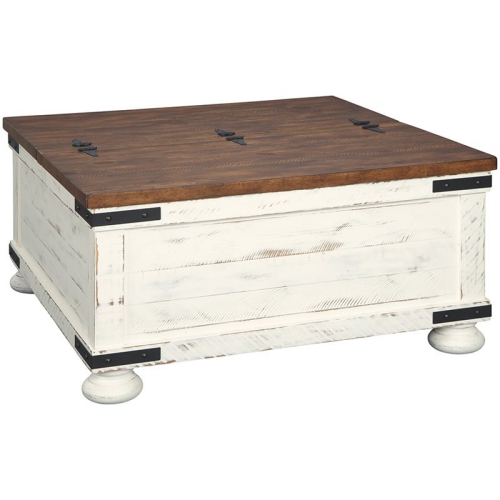 Your price for this item is $895.88
 -
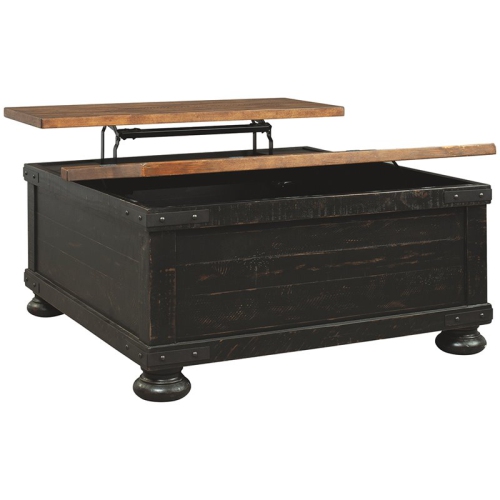 Your price for this item is $927.89
 -
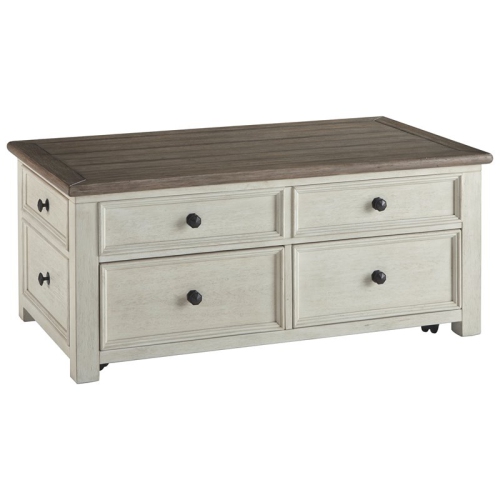 Your price for this item is $949
 -
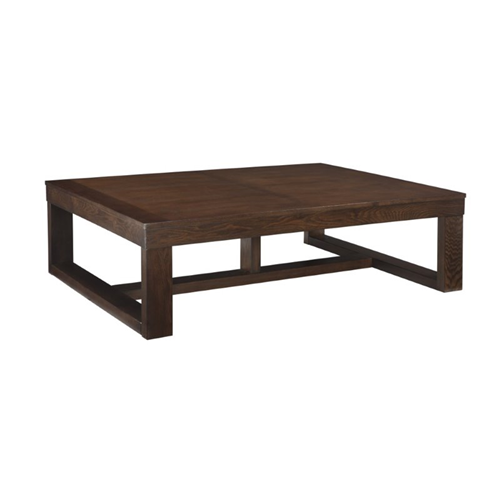 Your price for this item is $449
 -
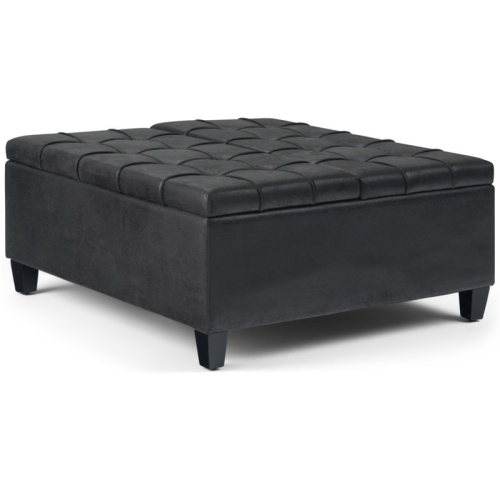 Your price for this item is $854.71
 -
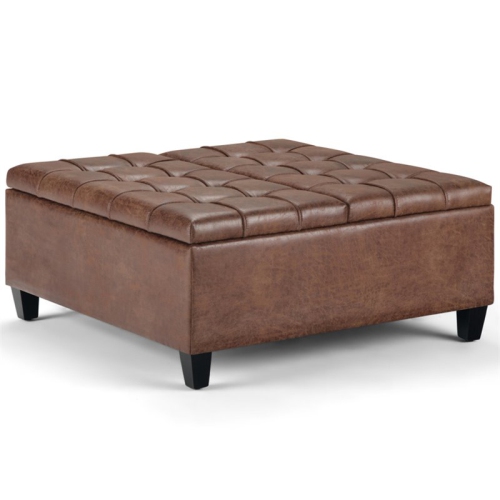 Your price for this item is $952.3
 -
 Your price for this item is $880.61
 -
 Your price for this item is $958.92
Discover more categories related to Tempered Glass Table Tops
Top Collections:
Best Laptops for Video Editing, Pokemon Centers, Samsung Z Fold, Kindle Devices, Best Cell Phones Under $300, Best Laptops for Writers, Best Budget Office Chairs, Best Cell Phones Under $500, Best Laptop Computers for Students, iPhone 15 Apple
Some products may be subject to Environmental Handling Fees
(EHF) depending on your province.
Learn more about EHFs.