Thermal Drapes
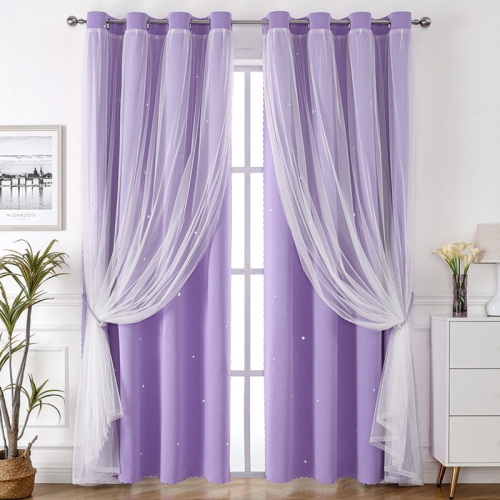
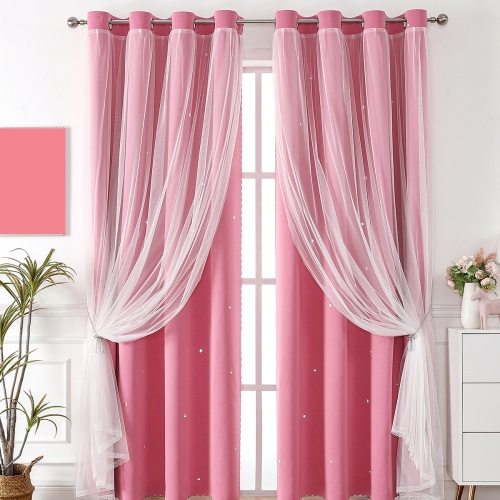
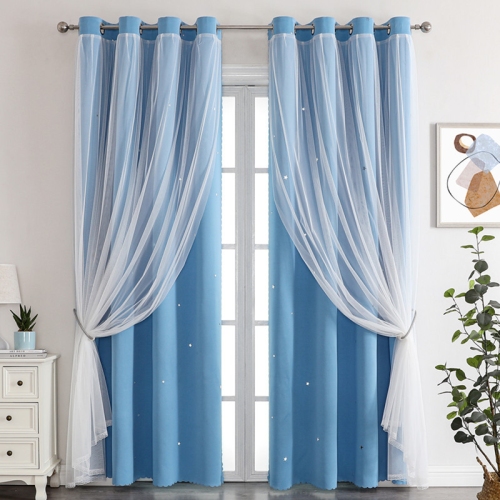
Create a cozy and inviting atmosphere in your home with these thermal drapes. Designed to keep the heat in during the colder months and block out light for a restful night's sleep, these stylish window treatments are a must-have for almost any space. Whether you're looking to enhance the energy efficiency of your living room, bedroom, or office, these thermal drapes offer a variety of colors and patterns to suit your personal style.
Sort






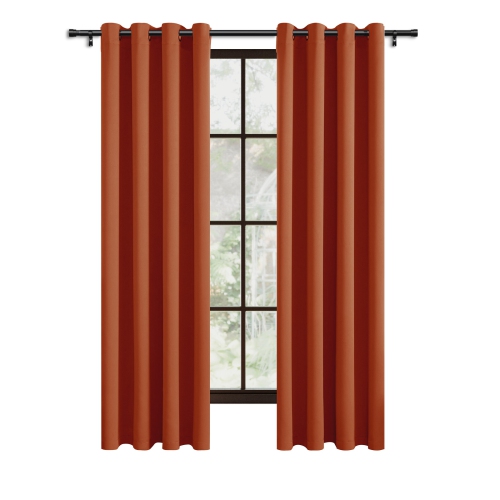


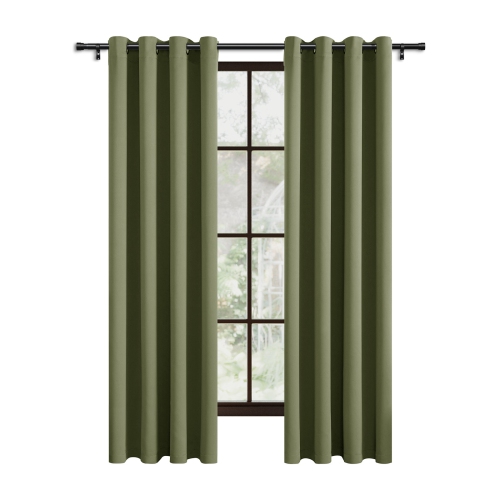


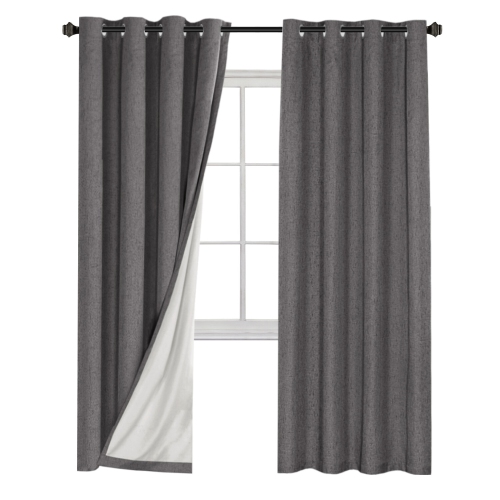

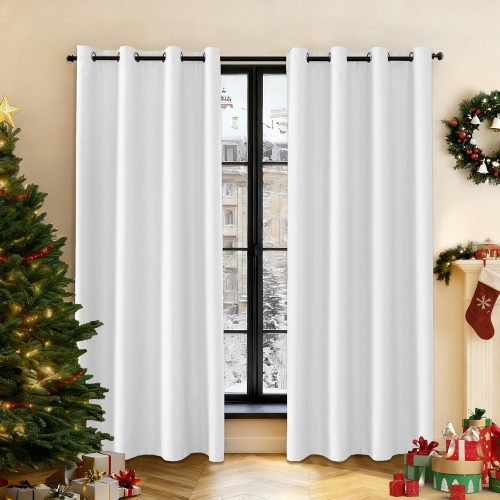










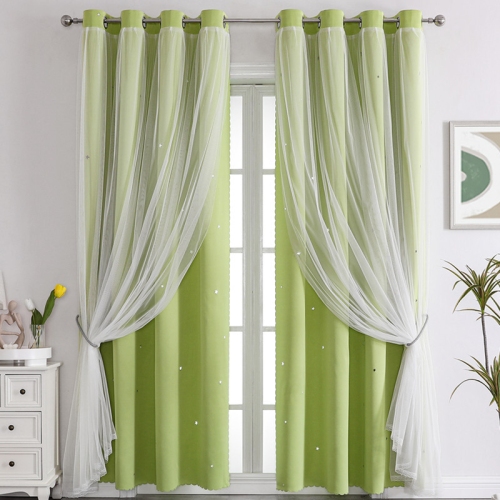
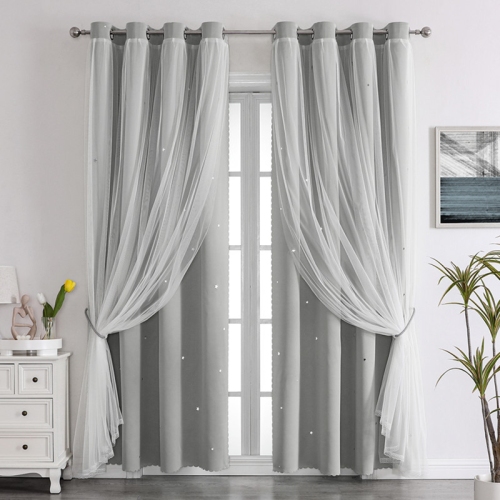
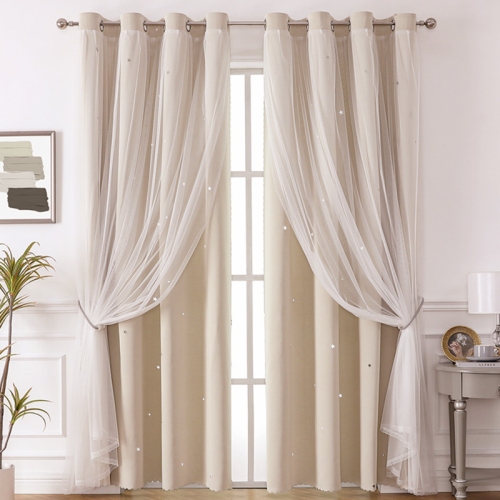

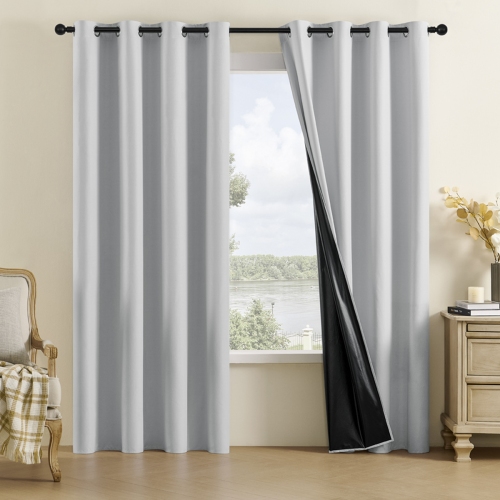



How fabric and fit shape comfort near windows
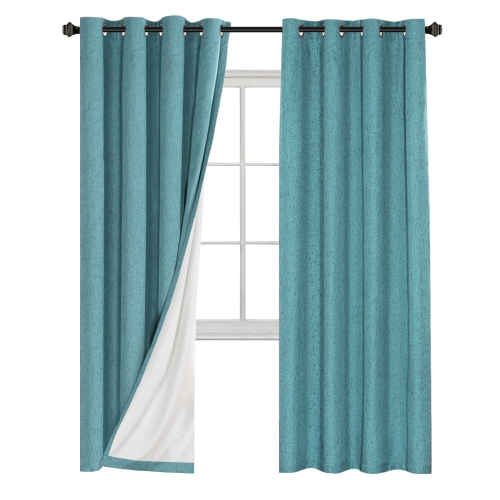
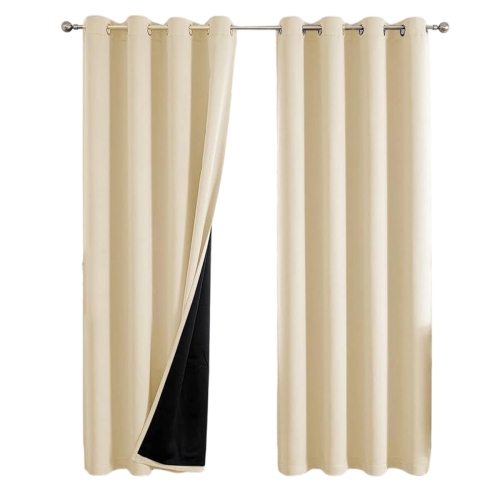
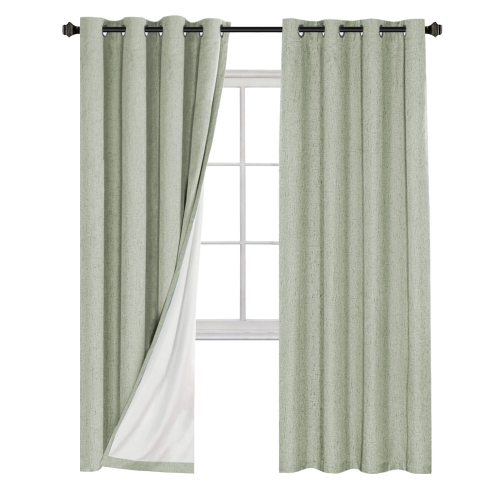
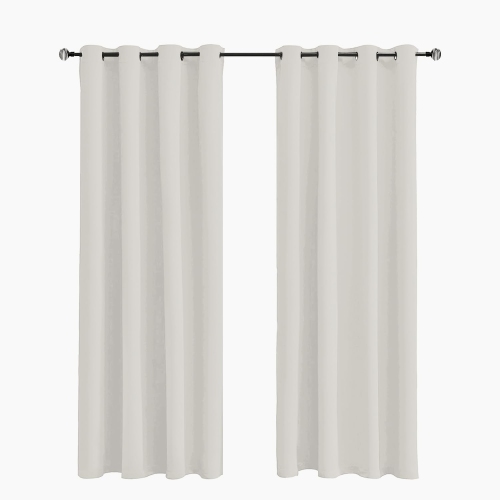
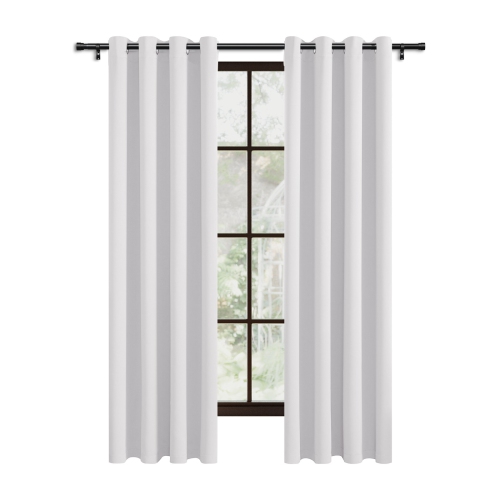
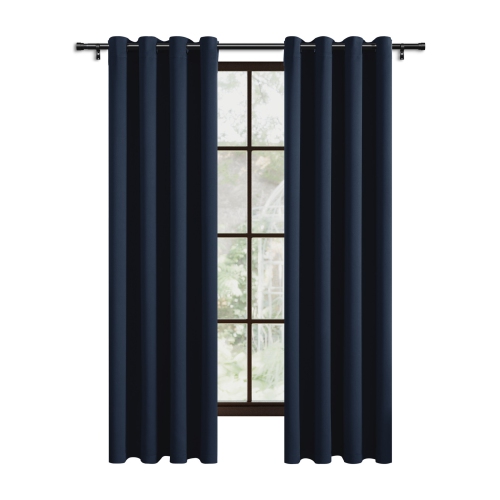
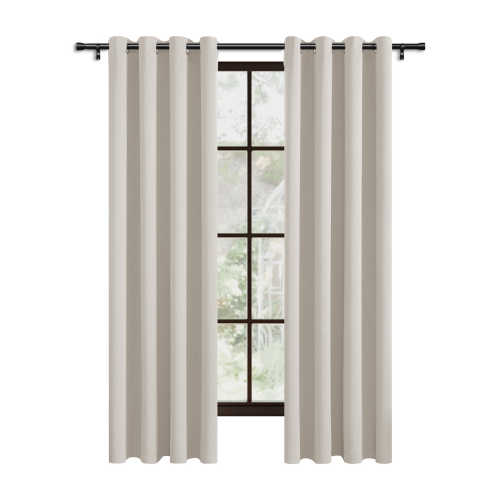
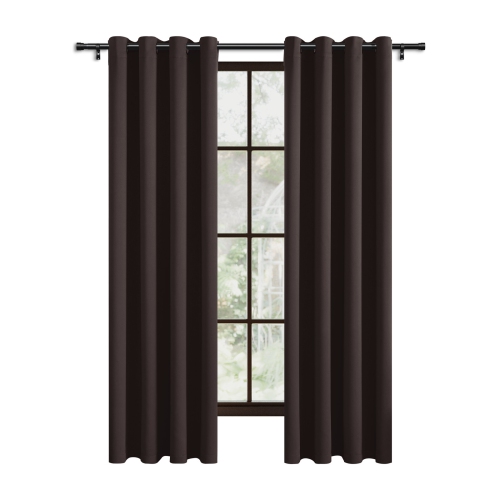
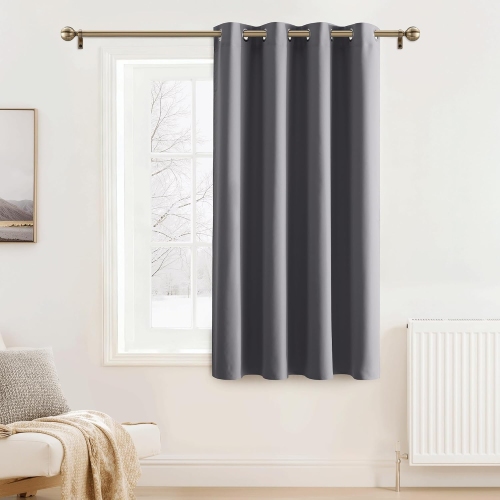
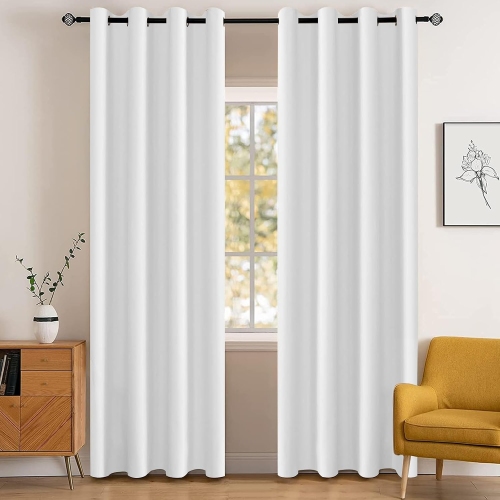
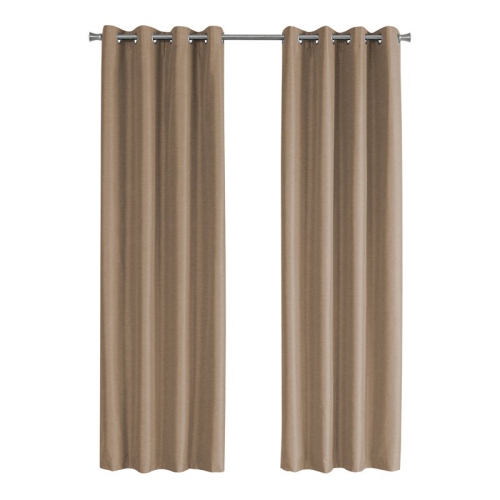
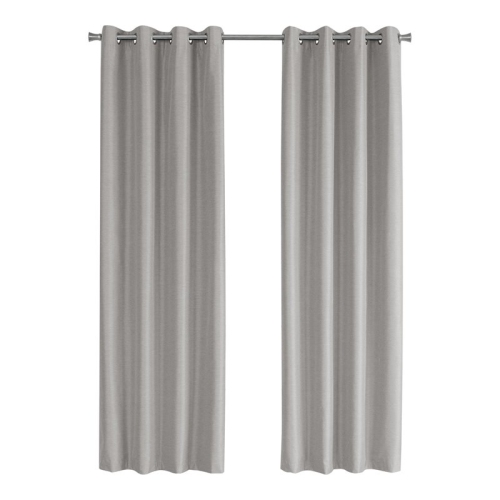
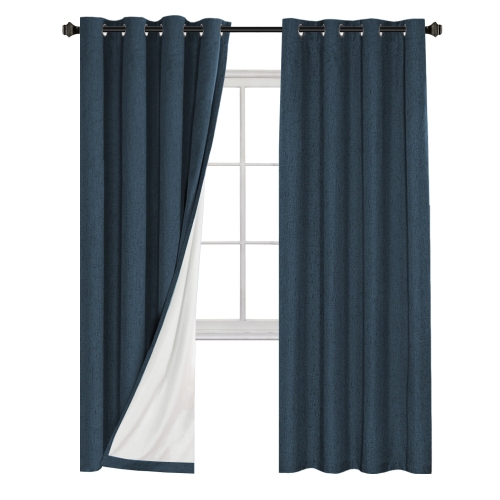
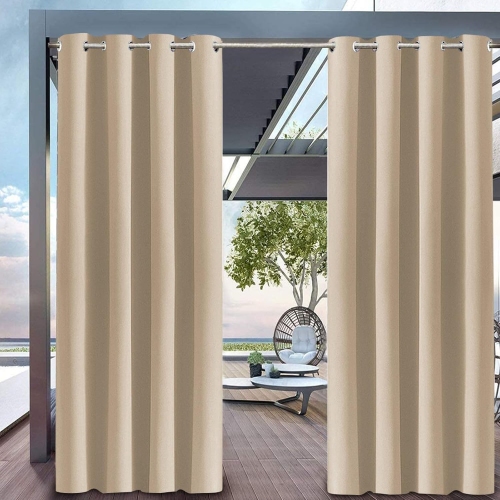
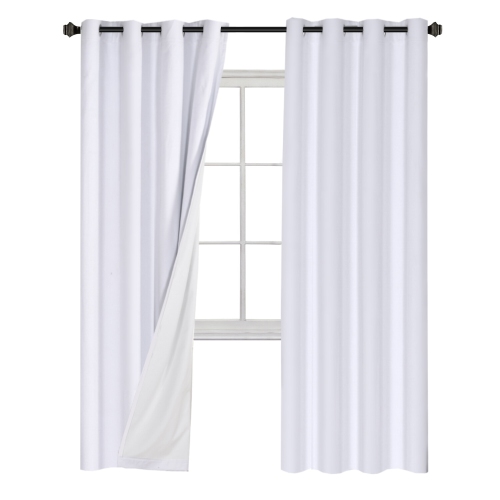
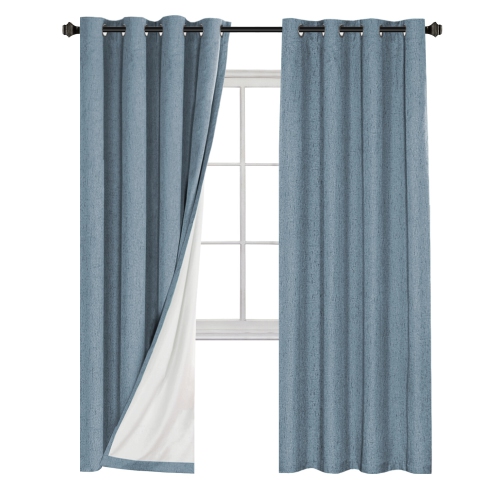
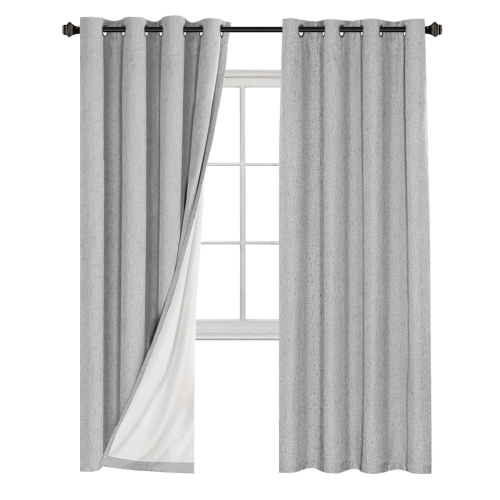
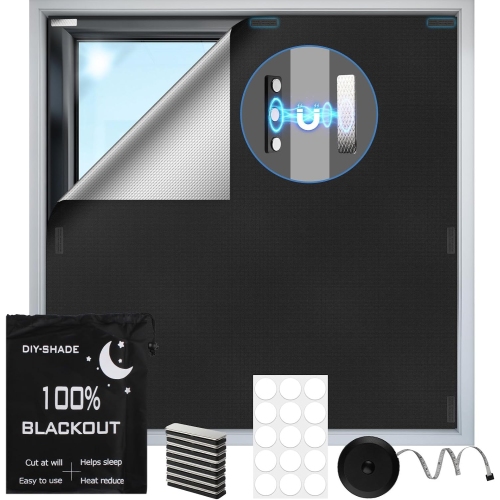
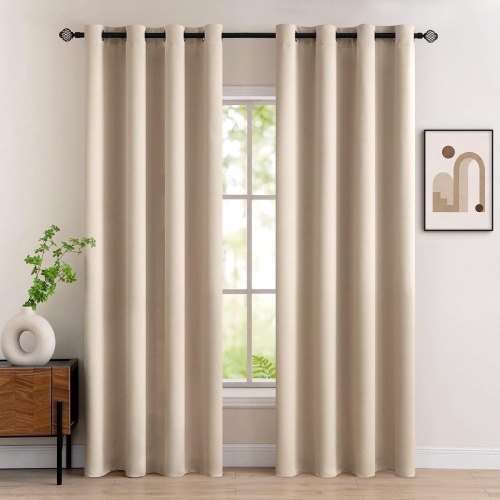
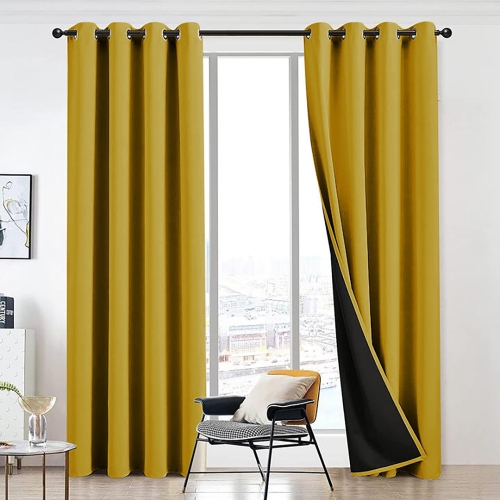
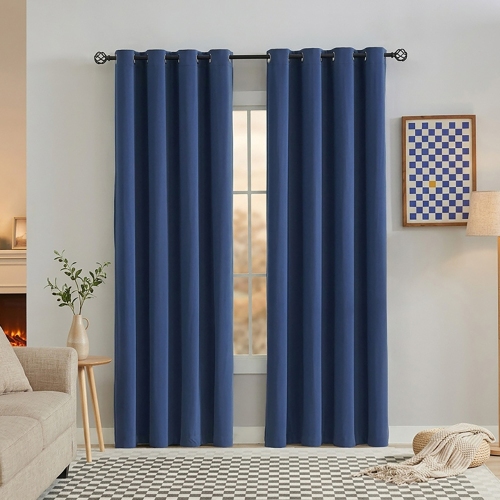
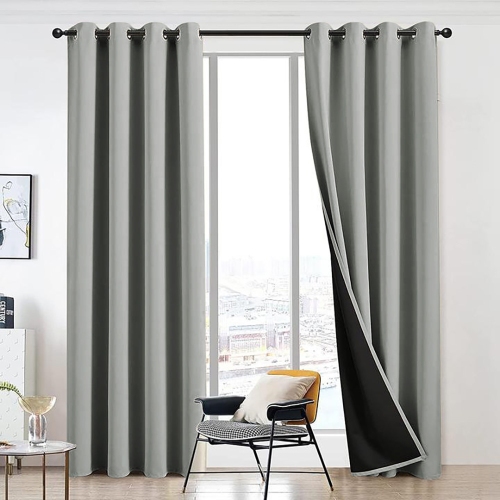
Thermal drapes are insulating window coverings designed to slow heat transfer between a room and the glass behind them. Their construction often combines a decorative face fabric with a dense backing or separate lining, helping create a pocket of relatively still air when the panels are closed. This extra barrier can make seating near a window feel more comfortable, limit heat loss in cold weather, and reduce heat entering through sunlit windows in hot weather. The effect depends on the fabric, lining, window condition, and how closely the drapes fit; thermal panels do not repair a leaky window or replace proper weatherstripping. Materials range from tightly woven polyester and polyester blends to textured fabrics with a linen-like appearance, while velvet adds a plush surface and substantial drape. The visible fabric establishes the look of the room, but the backing and overall construction contribute much of the insulating function. Thermal insulation and blackout performance are separate features, even though they often appear together. Room-darkening fabric reduces incoming light without necessarily making a room fully dark, while blackout fabric is designed to block light through the material itself. Light can still enter around the edges, especially above the rod or between panels. This distinction matters in bedrooms used by shift workers, nurseries where daytime naps are part of the routine, and living rooms where a television faces a bright window. In a home office, thermal drapes can also help manage glare on a monitor without requiring a change to the room’s furniture layout. Dense fabrics may soften reflected sound and slightly muffle outside noise, but they should not be confused with soundproofing. Their main appeal is the combination of insulation, privacy, and adjustable light control in a familiar fabric window treatment. A soft woven face can suit a relaxed living area, while a smoother finish gives a bedroom a more tailored appearance without changing the basic purpose of the panels. The most useful balance depends on whether the room needs darkness for sleep, a more comfortable spot beside the window, or privacy after the lights come on.
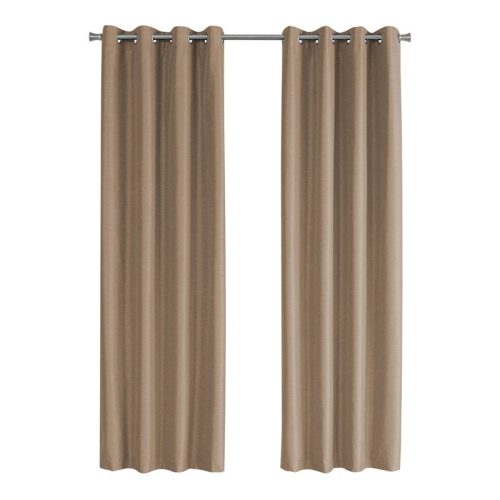
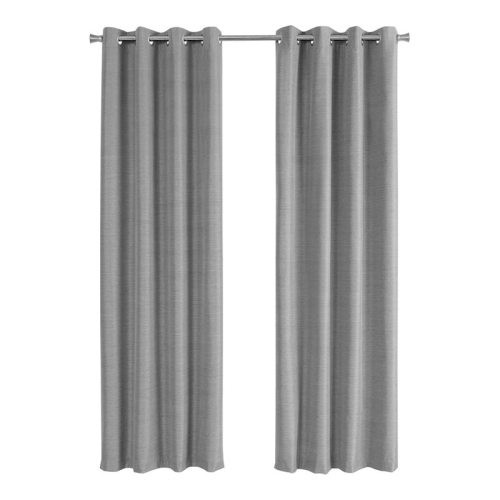
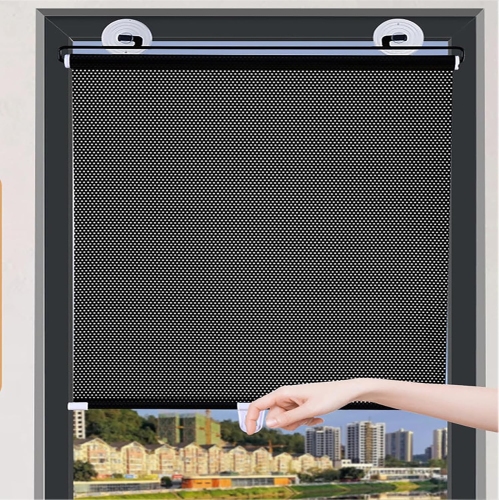
Fit has a significant influence on how thermal curtains perform and how they look once hung. Window width alone does not describe the amount of fabric needed, because panels lose some flat coverage when gathered into folds. Enough combined panel width allows the drapes to meet comfortably at the centre while retaining a full appearance rather than stretching taut across the glass. It also helps to distinguish between the width of one panel and the combined width of a pair when comparing dimensions. Length affects both coverage and everyday practicality. Panels that extend below the window frame provide more coverage than those ending at the sill, while floor-length drapes create a continuous vertical line that suits many bedrooms and living rooms. Fabric resting on the floor can collect dust, interfere with cleaning, or become awkward beside a frequently used patio door. A close fit around the window helps limit air movement behind the panels, although safe clearance from heaters, vents, and other fixtures remains essential. Drapes should never rest against a baseboard heater or obstruct a heat source, and the heater manufacturer’s clearance requirements take priority over a particular finished length. Header style also changes how the fabric hangs. Grommet panels form broad folds and slide along a compatible rod, making them practical where curtains open and close daily. Rod-pocket designs create a gathered top, while pleated styles provide a more structured finish with suitable hooks or rings. Rod strength, bracket support, and compatibility with the header matter because lined panels can be considerably heavier than lightweight sheers. On a wide window, adequate support helps prevent sagging and keeps the centre edges aligned. Room beside the frame gives open panels somewhere to stack without covering more glass than intended. For shared living spaces, layering thermal drapes over sheers or blinds allows different levels of privacy throughout the day. Sheers can filter daylight while the heavier panels remain open; closing the thermal layer creates a more enclosed, restful setting for sleep, television viewing, or an evening beside a large window.
Colour, texture, and care requirements help determine whether thermal drapes will remain a practical part of a room over time. Pale neutrals can blend into light walls and keep a large window treatment visually quiet, while charcoal, navy, or deep green can frame the view and give a room a stronger focal point. A dark face fabric does not automatically provide better insulation or complete darkness; those qualities depend on the full construction rather than colour alone. Subtle woven textures are useful where a plain surface might feel flat, and a solid colour can sit comfortably beside patterned bedding, rugs, or upholstery. Thermal styles bring an insulating function to the broader Drapes Curtains category without giving up the softness and visual finish associated with fabric window coverings. For busy households, care instructions deserve as much attention as appearance. Some fabrics tolerate machine washing, while coated backings, bonded layers, and particular finishes may require gentler cleaning or professional care. The care label determines suitable washing, drying, steaming, and ironing methods, especially where heat could damage a lining or cause layers to separate. Routine dust removal with a soft vacuum attachment, where permitted, can reduce the need for frequent full cleaning. Strong seams, secure header construction, and neatly finished hems contribute to durability, particularly on panels handled several times a day. In homes with children or pets, a length that avoids trailing fabric can be easier to manage, and window treatments should remain well clear of cots and other climbing points. Wide doorways and sliding doors also benefit from panels that move smoothly and stay clear of the walking path. For a guest room, the combination of privacy and light control can help accommodate different sleep schedules; in a living room, an easy-to-use header makes daily adjustment less of a chore. Thoughtful proportions and manageable care needs allow thermal drapes to serve as both a useful window layer and a lasting part of the room’s furnishings.
Top selling and popular products
-
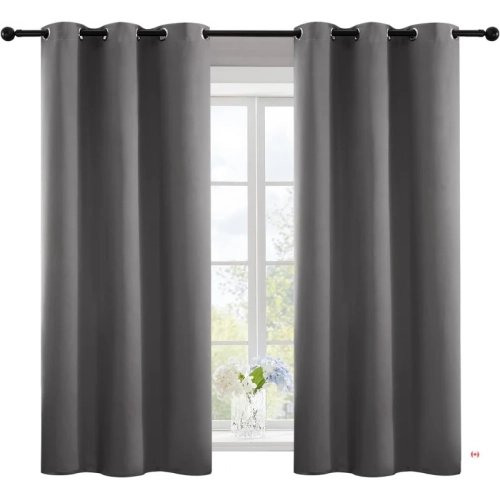 Your price for this item is $39.99
-
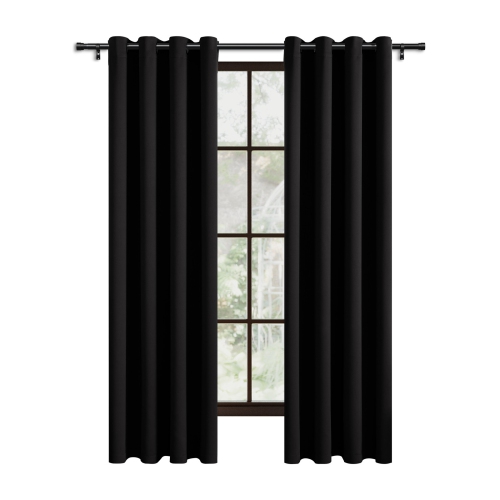 Your price for this item is $49.99
-
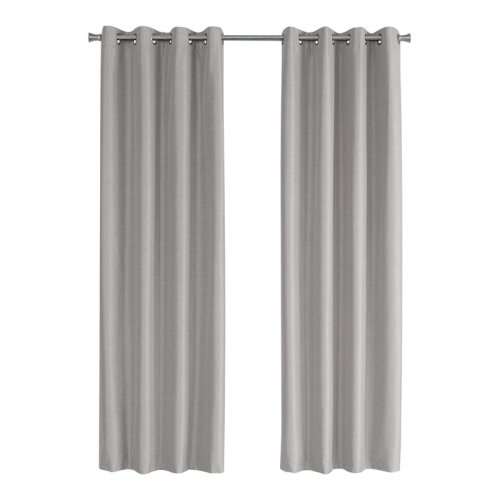 Your price for this item is $42.97
-
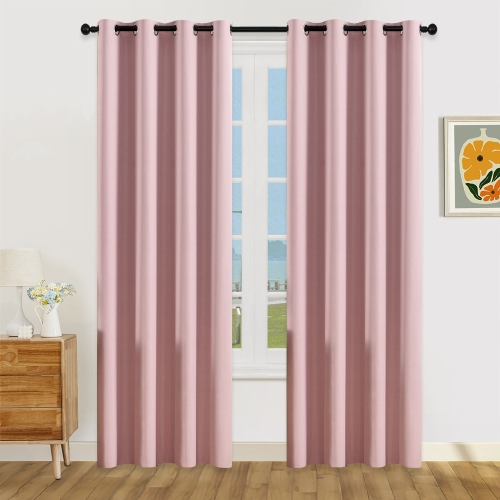 Your price for this item is $65.99
-
 Your price for this item is $82.99
-
 Your price for this item is $69.99
-
 Your price for this item is $65.99
-
 Your price for this item is $108.99
Discover more categories related to Thermal Drapes

Top Collections:
Pokemon Centers, Best Cameras for Sports Photography, Kindle Devices, Samsung Galaxy Phones, Canon G7X Cameras, Pokémon 30th Celebration Cards, Refurbished Apple Laptops, iPhone 15 Apple, Laptops for Students, Budget Smartphones
Some products may be subject to Environmental Handling Fees
(EHF) depending on your province.
Learn more about EHFs.