Thermal Wear
As temperatures drop, staying warm and comfortable becomes a top priority, and thermal wear is your go-to solution for beating the chill. Designed to provide an extra layer of warmth without compromising on style or comfort, thermal wear is perfect for outdoor adventures, winter sports, or simply cozying up indoors. Whether you're looking for options to layer under your everyday attire or seeking specialized gear for those brisk Canadian winters, our selection of thermal wear offers a variety of choices to suit every need. Explore our collection to find high-quality thermal essentials that keep you snug and stylish all season long.
Sort
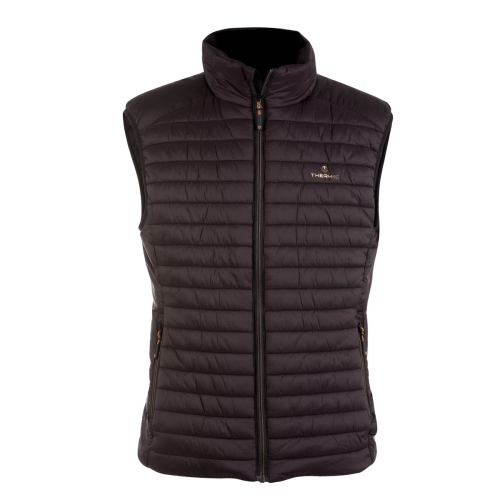
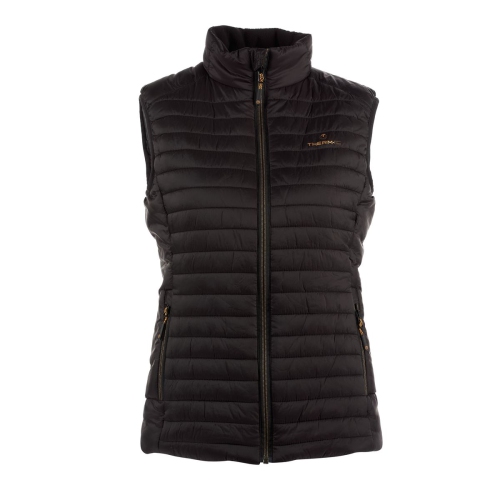
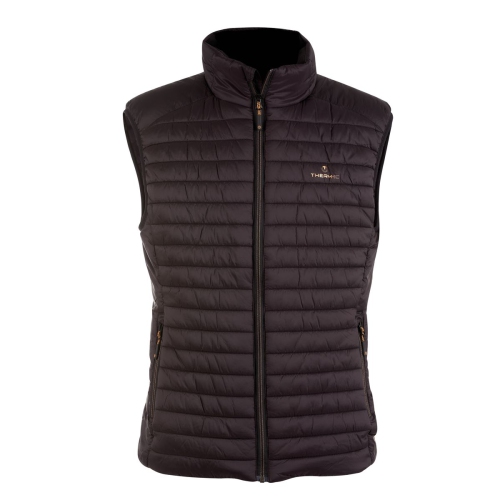
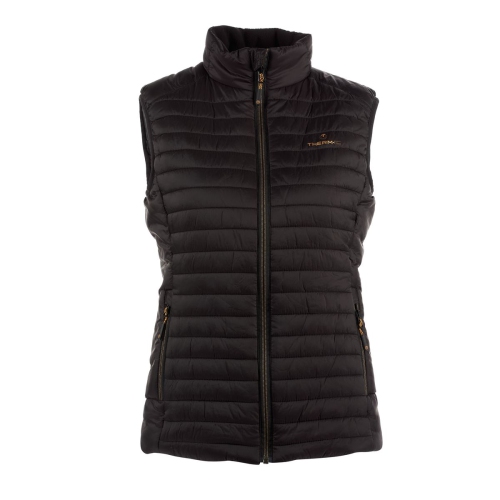
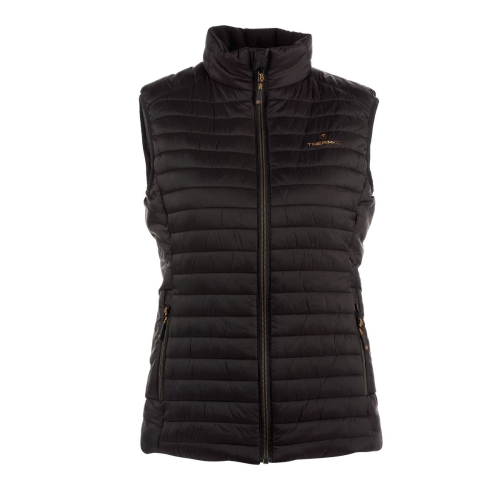
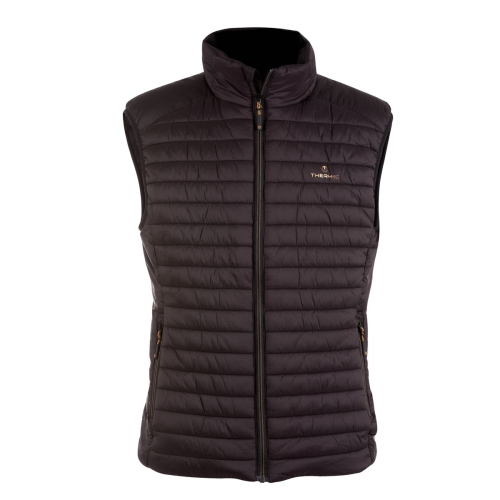
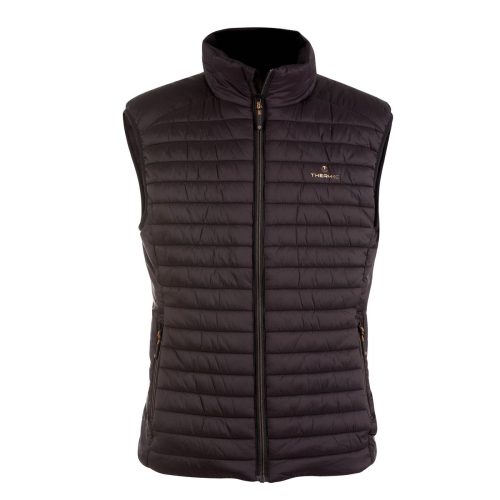
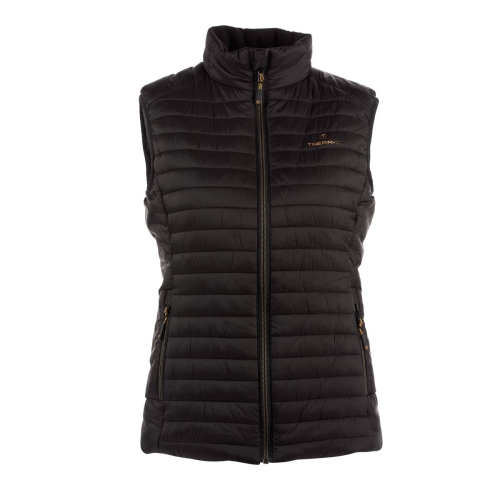
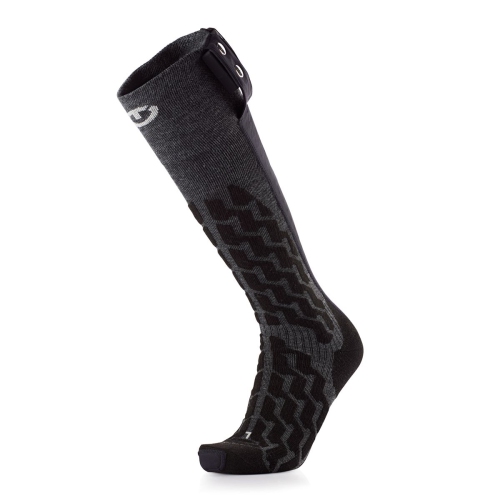



Comfortable base layers for warmth, dryness, and mobility
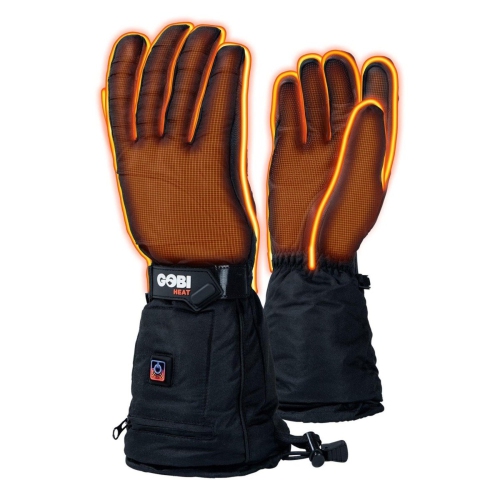
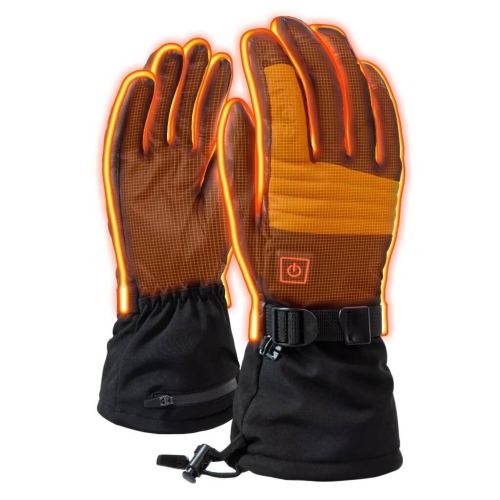
Thermal wear is designed to form a comfortable insulating layer between your skin and the outside air, helping you stay warm and dry during cooler months. Unlike bulky outerwear, thermal clothing is typically thin enough to wear beneath everyday outfits, work clothing, snow gear or activewear. A well-chosen base layer helps trap a small amount of warm air close to the body while moving perspiration away from the skin, which can make a noticeable difference when you are commuting, walking the dog, travelling, working outdoors or spending long hours at a rink, trail or ski hill. Thermal wear commonly includes long-sleeve tops, long underwear, leggings, tights, socks and matching sets, with options ranging from lightweight layers for chilly mornings to warmer, more insulating designs for colder conditions. The best choice depends on how much movement you expect, how long you will be outside and what you plan to wear over it. For active use, look for moisture-wicking synthetic fibres or merino wool, which can help manage perspiration more effectively than pure cotton. Cotton may feel soft at first, but it tends to hold moisture against the skin, leaving you damp and chilled when activity slows or the temperature drops. Stretch fabric can improve comfort and mobility, especially around the shoulders, knees and waist, while flat seams and a smooth finish help reduce rubbing beneath fitted clothing. Fit matters as well: thermal wear should sit close enough to the body to provide insulation without feeling restrictive, bunching under another layer or limiting your stride. A base layer that is too loose may create uncomfortable folds, while one that is too tight can make it harder to add a mid-layer. Consider the warmth rating or intended use when comparing options, keeping in mind that a lightweight layer may be ideal for daily indoor-outdoor routines, whereas an extra-warm layer is better suited to extended time in exposed conditions. Layering gives you flexibility as the weather changes throughout the day. A moisture-managing thermal top can sit beneath a fleece or sweater, with a weather-resistant jacket added when wind, snow or rain is expected. Thermal bottoms can be worn under trousers, snow pants or other outer layers without adding excessive bulk. For people who spend much of the day indoors but face a cold commute, thinner thermal wear may provide just enough warmth without becoming uncomfortable once they reach a heated office, classroom or shop.
Thermal wear can be useful for a wide range of routines and makes a practical gift for anyone who enjoys being outside during the cooler months. It may suit a student walking to school, a commuter waiting for public transit, a traveller packing for a colder destination, or someone who works on a construction site, farm, delivery route or other outdoor setting. It can also be helpful for recreational activities such as hiking, skating, snowshoeing, skiing and winter camping, where staying dry is just as important as staying warm. For a gift, consider the recipient’s usual activities, preferred clothing fit and the amount of time they spend outside rather than choosing solely by appearance. A neutral colour and a simple silhouette are easy to wear beneath everyday clothing, while a coordinated set can be convenient for someone building a complete cold-weather wardrobe. Check the sizing information carefully, particularly when buying for someone else, and look for features that match the intended use, such as a longer back hem for coverage, a comfortable waistband, thumb openings or a high neckline. Easy-care materials may be preferable for frequent use, while a softer fabric can be appreciated by people who are sensitive to scratchy textures. Thermal clothing is often most effective when worn as the first layer, with additional layers selected according to the activity and conditions. Avoid dressing so warmly that you sweat heavily, since moisture can eventually leave you feeling colder; instead, choose breathable layers that allow you to adjust as your pace and surroundings change. After wearing thermal garments, follow the care instructions to help preserve their shape, stretch and moisture-management properties. Keeping base layers clean and fully dry before storing them also helps maintain a fresh, comfortable feel. The wording “thermal” can refer to different kinds of products, so shoppers browsing office and craft supplies may also encounter Thermal Transfers, which are unrelated to clothing and are used for transfer-printing projects. For apparel, focus on fabric composition, warmth level, fit, mobility and moisture control. With the right combination, thermal wear becomes an unobtrusive part of a daily routine: a light layer under work clothes, added insulation beneath outdoor gear or a dependable extra layer for a long walk when the air feels sharp.
Thermal wear can be useful for a wide range of routines and makes a practical gift for anyone who enjoys being outside during the cooler months. It may suit a student walking to school, a commuter waiting for public transit, a traveller packing for a colder destination, or someone who works on a construction site, farm, delivery route or other outdoor setting. It can also be helpful for recreational activities such as hiking, skating, snowshoeing, skiing and winter camping, where staying dry is just as important as staying warm. For a gift, consider the recipient’s usual activities, preferred clothing fit and the amount of time they spend outside rather than choosing solely by appearance. A neutral colour and a simple silhouette are easy to wear beneath everyday clothing, while a coordinated set can be convenient for someone building a complete cold-weather wardrobe. Check the sizing information carefully, particularly when buying for someone else, and look for features that match the intended use, such as a longer back hem for coverage, a comfortable waistband, thumb openings or a high neckline. Easy-care materials may be preferable for frequent use, while a softer fabric can be appreciated by people who are sensitive to scratchy textures. Thermal clothing is often most effective when worn as the first layer, with additional layers selected according to the activity and conditions. Avoid dressing so warmly that you sweat heavily, since moisture can eventually leave you feeling colder; instead, choose breathable layers that allow you to adjust as your pace and surroundings change. After wearing thermal garments, follow the care instructions to help preserve their shape, stretch and moisture-management properties. Keeping base layers clean and fully dry before storing them also helps maintain a fresh, comfortable feel. The wording “thermal” can refer to different kinds of products, so shoppers browsing office and craft supplies may also encounter Thermal Transfers, which are unrelated to clothing and are used for transfer-printing projects. For apparel, focus on fabric composition, warmth level, fit, mobility and moisture control. With the right combination, thermal wear becomes an unobtrusive part of a daily routine: a light layer under work clothes, added insulation beneath outdoor gear or a dependable extra layer for a long walk when the air feels sharp.
Top selling and popular products
-
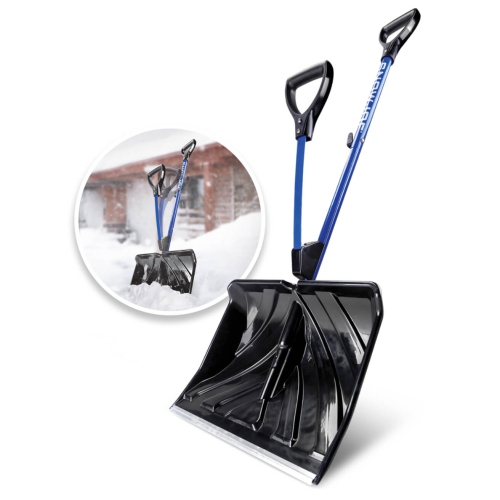 Your price for this item is $49.99
-
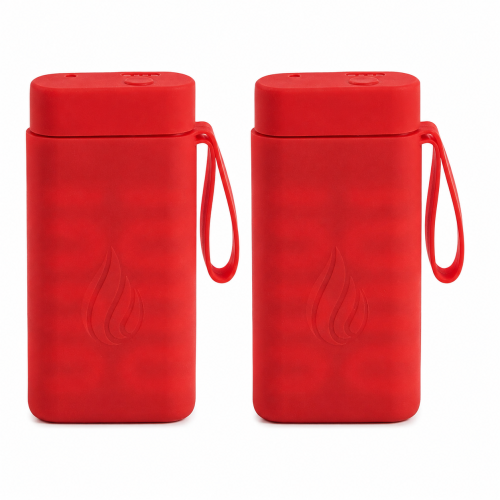 Your price for this item is $49.99
-
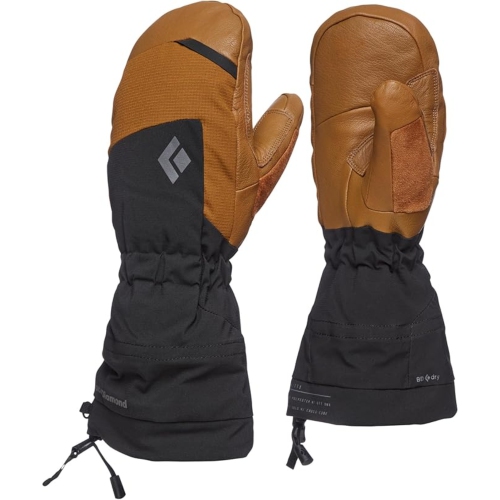 Your price for this item is $189.05
-
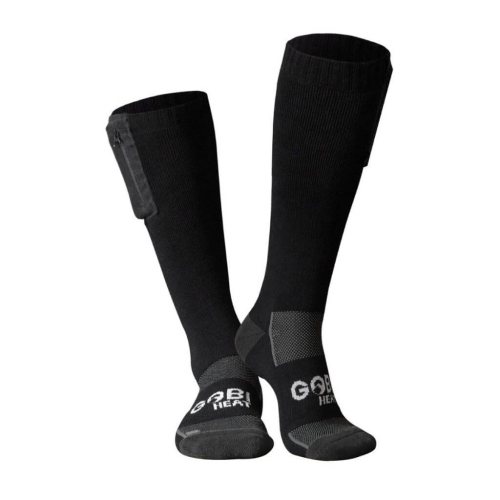 Your price for this item is $165
-
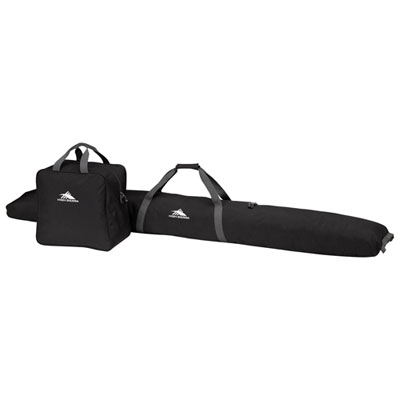 Your price for this item is $59.99
-
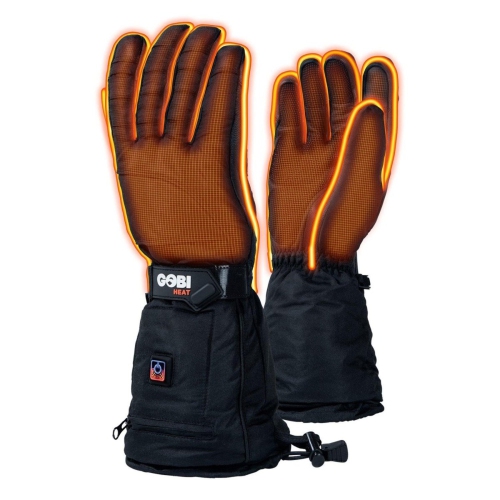 Your price for this item is $280
-
 Your price for this item is $280
-
 Your price for this item is $310
Discover more categories related to Thermal Wear
Top Collections:
Pokemon Centers, Best Cameras for Sports Photography, Kindle Devices, Samsung Galaxy Phones, Canon G7X Cameras, Pokémon 30th Celebration Cards, Refurbished Apple Laptops, iPhone 15 Apple, Laptops for Students, Budget Smartphones
Some products may be subject to Environmental Handling Fees
(EHF) depending on your province.
Learn more about EHFs.