Wood Fiber Cutting Boards
Wood Fiber Cutting Boards offer a versatile and reliable addition to any kitchen setup. Designed for everyday meal prep, these boards provide an ideal surface for slicing, dicing, and chopping a variety of ingredients. Their sleek appearance complements a range of kitchen styles, making them a popular choice for home cooks and culinary enthusiasts alike. Explore the selection of Wood Fiber Cutting Boards to find the perfect match for your culinary needs.
Sort
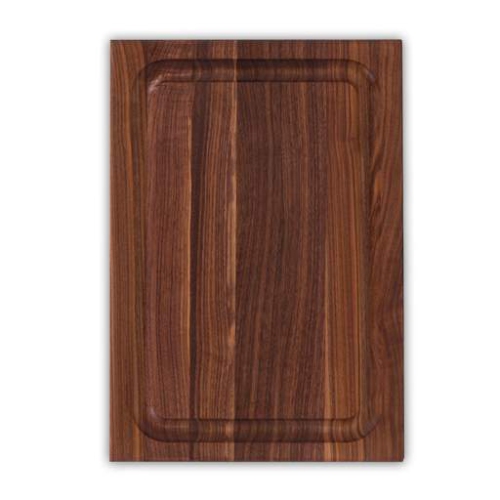
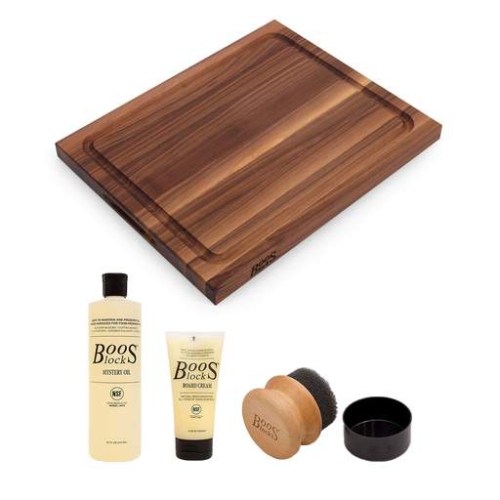
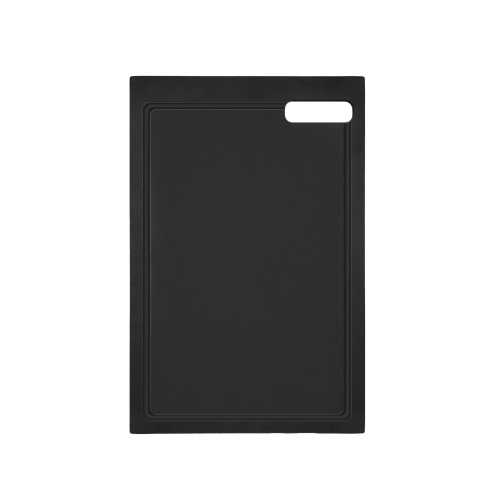
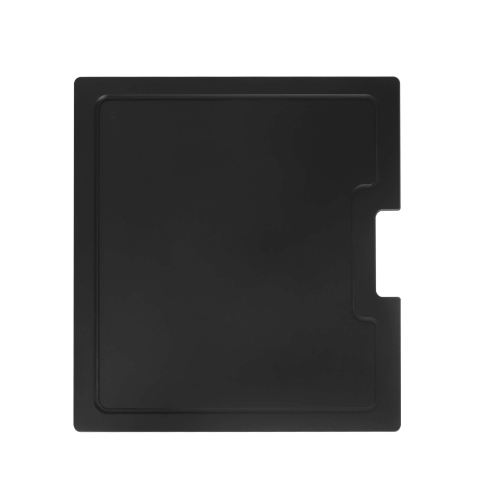
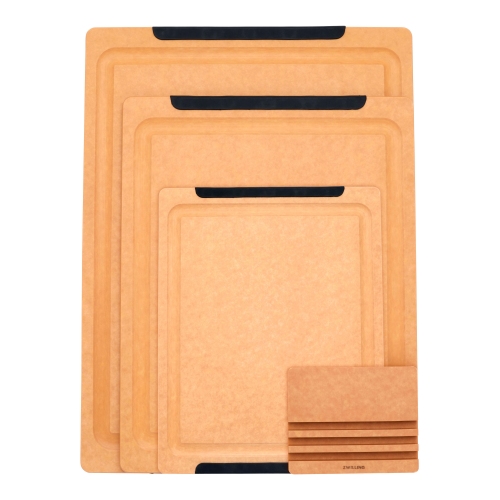
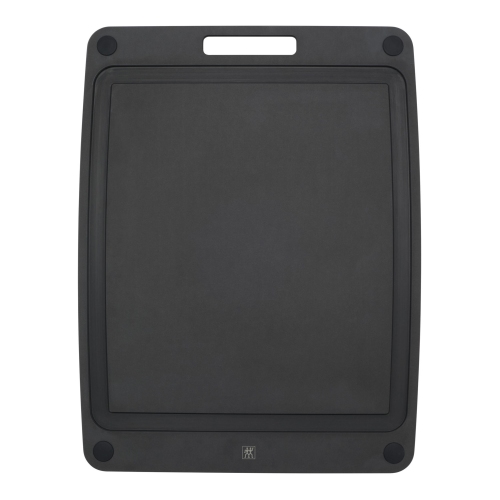
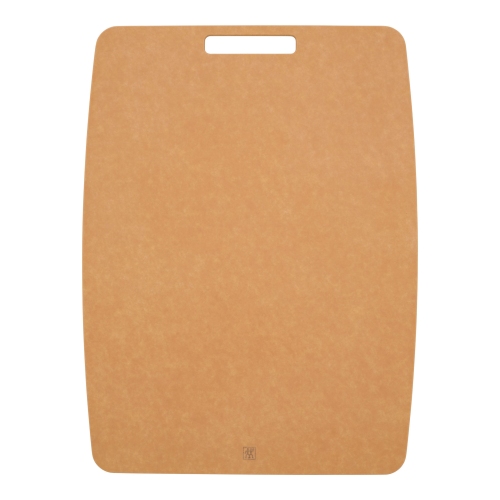
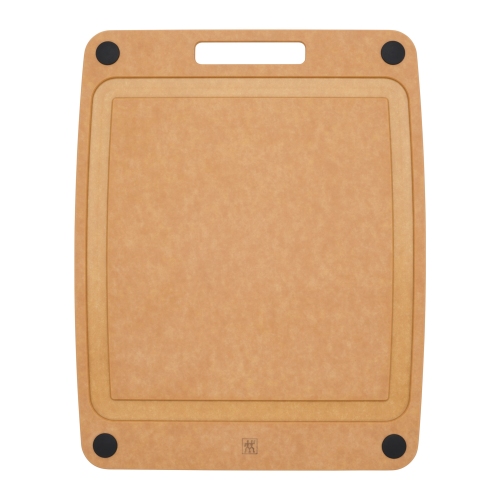
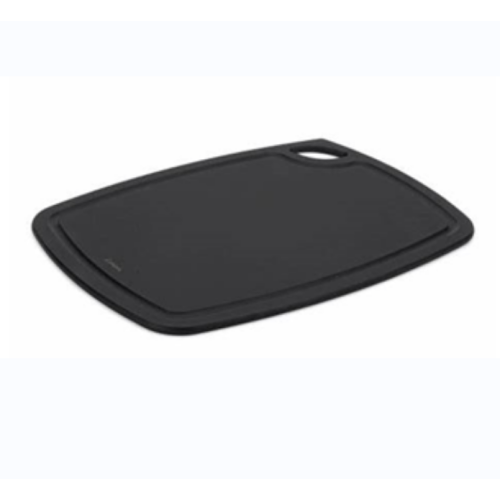
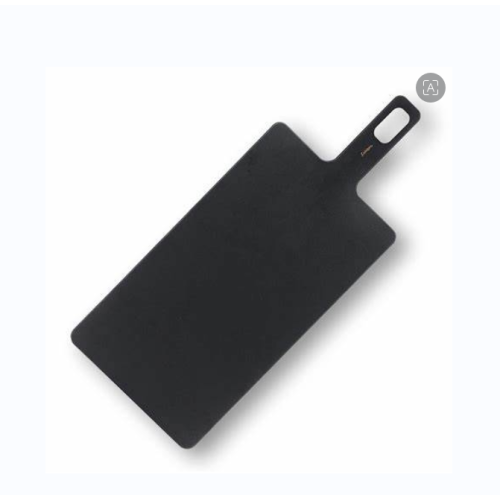
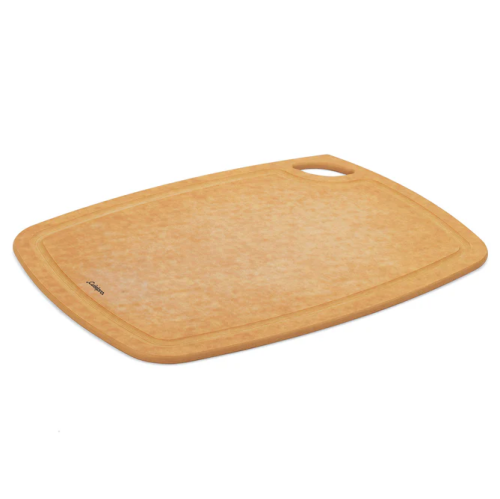
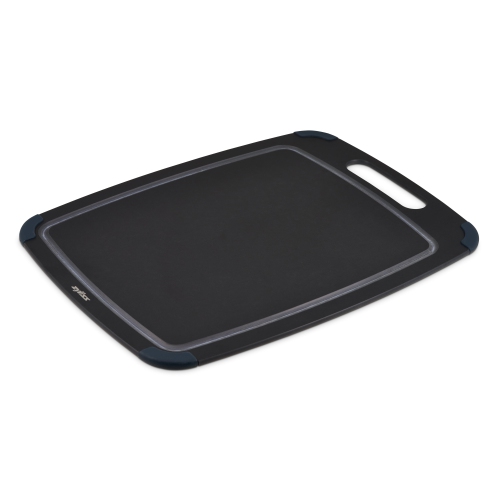
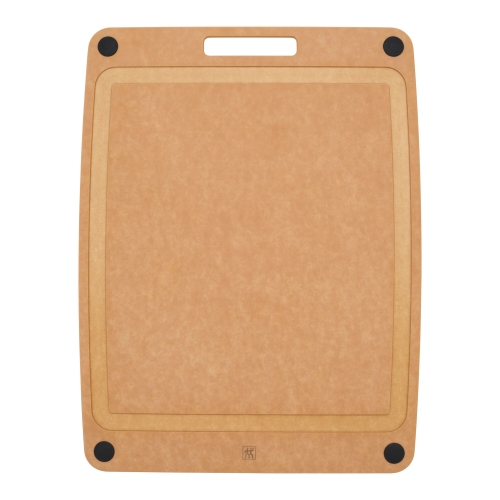
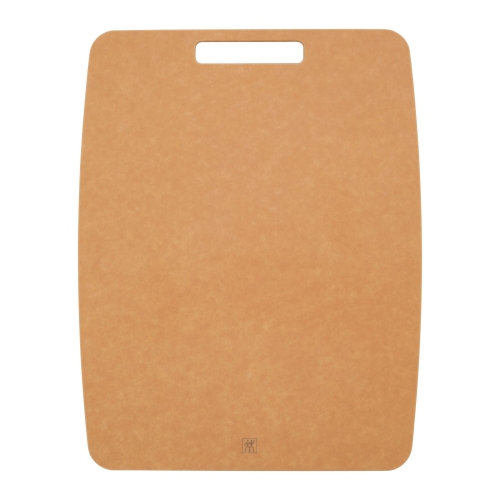
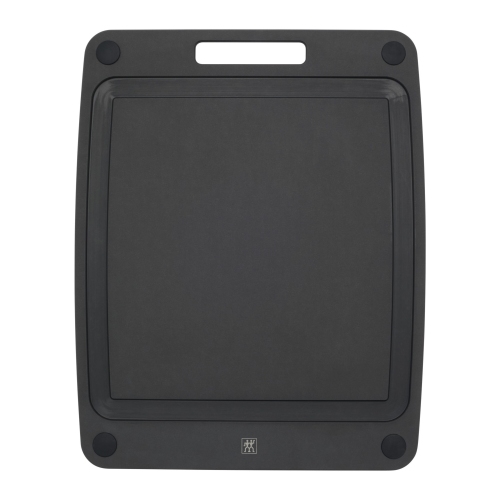
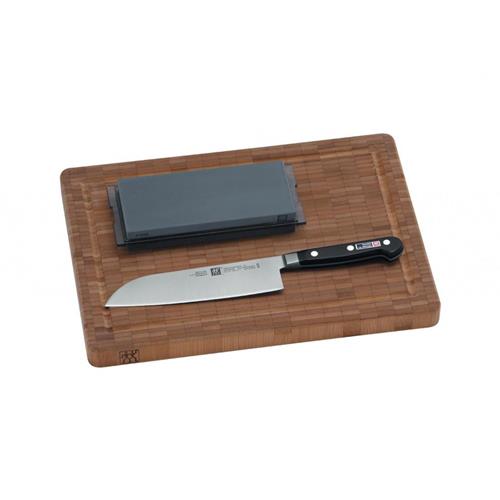
Slim preparation surfaces without solid wood’s routine oiling
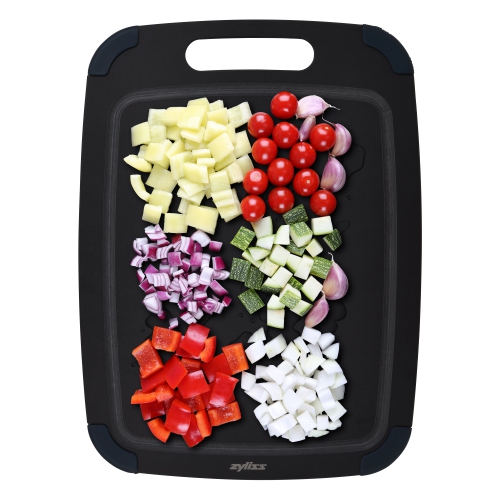
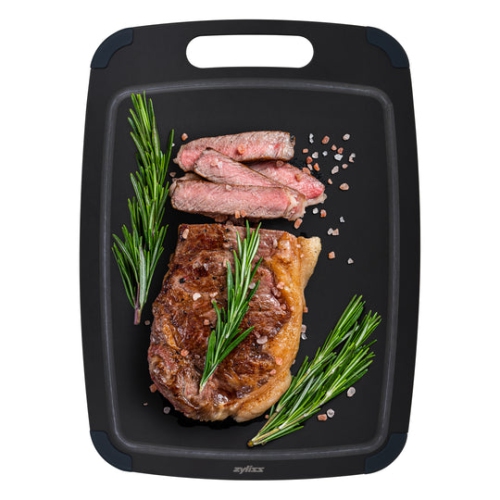
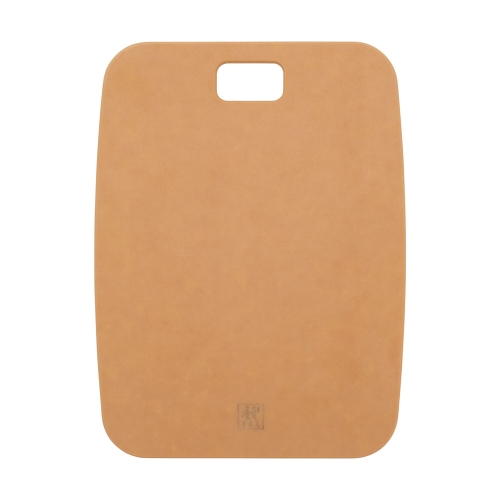
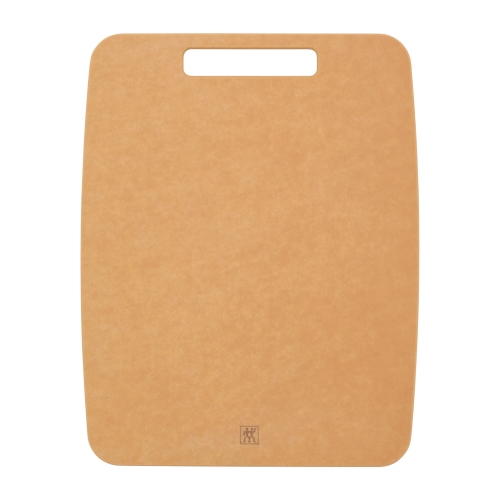
Wood fibre cutting boards are made from compressed wood fibres bonded with resin to create a dense composite surface for food preparation. They offer a different feel from solid timber boards: typically thinner and lighter than thick butcher blocks, with a firm, smooth surface that suits everyday chopping, slicing, and dicing. The resin and manufacturing process affect performance, so food-contact suitability, dishwasher compatibility, and heat resistance should be confirmed in the manufacturer’s specifications rather than assumed from the material name alone. Many wood fibre boards have a non-porous surface that resists moisture absorption, helping limit lingering odours and stains when the board is cleaned promptly. That does not make a board antibacterial or remove the need for proper washing between tasks. For a home cook moving from slicing strawberries to preparing chicken, separate boards remain a practical way to keep ready-to-eat ingredients apart from raw meat, poultry, and seafood. Wood fibre surfaces are generally gentler on knife edges than glass or stone, although their density can still contribute to blade wear over time. A sharp knife, controlled cutting motions, and a stable board make preparation easier, whether the task is finely chopping parsley or working through a firm squash. These boards can develop visible knife marks with use; everyday scoring is different from deep grooves or damage that make a surface difficult to clean. Within the broader category of Kitchen Cutting Boards, wood fibre designs appeal to cooks who want a relatively slim preparation surface without the routine oiling commonly associated with solid wood. Their understated appearance also works well on an open counter or beside a sink, where a frequently used board needs to be easy to reach. Natural-looking brown tones, darker finishes, and simple profiles can complement different kitchen styles, but the most useful choice is the one whose dimensions, surface, and care requirements suit the food being prepared.
Size and shape determine how comfortably a cutting board fits into daily cooking. A compact board can be convenient for cutting a lime, slicing a sandwich, or preparing a small handful of herbs, especially where counter space is limited. A larger surface gives chopped onions, carrot rounds, and other ingredients room to collect without spilling over the edge. For batch cooking, a generous board can reduce the constant transfer of small piles into bowls, while a smaller secondary board keeps quick tasks separate. The board should fit fully on a flat worktop, with enough clearance for hands and knife movements, rather than balancing across a sink or hanging over a counter edge. Storage matters too: a slim board may slide neatly into a cabinet divider, but its length and width still need to suit the cupboard, drawer, or shelf where it will live. Features such as hanging holes or integrated handles can make lifting and storage more convenient. A juice groove helps contain liquid from ripe tomatoes, citrus, or cooked meat, while a flat surface offers more uninterrupted room for chopping and makes it easier to sweep ingredients into a pan. Grooves still need enough capacity for the task; they are not a substitute for checking whether liquid is approaching the edge. Reversible designs can provide two usable faces, sometimes with a groove on one side and a flat surface on the other, though both sides require cleaning when contaminated. Non-slip feet or corners can improve grip, but they may also affect whether the board can be flipped. On a board without grip features, a clean, lightly damp cloth underneath can help reduce movement, provided the board sits level. Thickness influences handling as well as storage: a thin board is easier to lift, while a thicker design may feel more substantial during repetitive prep. Neither thickness nor weight alone guarantees stability, so the board’s contact with the worktop deserves as much attention as its appearance.
Care is one of the main reasons cooks consider wood fibre cutting boards, but low maintenance still means regular cleaning and sensible handling. Many are dishwasher-safe, unlike numerous solid wood boards, yet the care instructions should confirm the permitted cycle, placement, and any restrictions related to attached feet or other components. Hand washing with dish soap and warm water is suitable for many designs; cleaning both faces and the edges helps remove residue that may not be obvious after a quick wipe. Prompt washing is especially useful after cutting strongly scented ingredients such as garlic or foods that can leave colour behind, including beetroot. Thorough drying before storage helps keep moisture from sitting against the board or inside a crowded cupboard. Prolonged soaking, abrasive scouring, and cleaning products not approved by the manufacturer can affect the finish or material, so a smooth composite surface should not be treated as indestructible. Unlike solid wood, many wood fibre boards do not need regular oiling, and applying a wood-care treatment without checking compatibility may be unnecessary. Heat resistance is another useful feature on some designs, but it varies by construction. A board should only double as a trivet when the manufacturer explicitly permits that use, and its stated temperature limit must be respected; a hot pan straight from the burner can exceed a board’s rating. Routine checks for cracks, separation, persistent warping, or deep cuts help establish when a board is no longer suitable for food preparation. For frequent cooks, a durable, easy-to-clean surface can make repetitive tasks feel less cumbersome, from assembling lunches to chopping vegetables for a large pot of soup. For someone setting up a first kitchen, downsizing, or receiving a housewarming gift, manageable dimensions and straightforward care may be more valuable than decorative details. A well-chosen wood fibre cutting board earns its place through comfortable handling, reliable counter fit, and a surface that supports the way meals are actually prepared.
Top selling and popular products
-
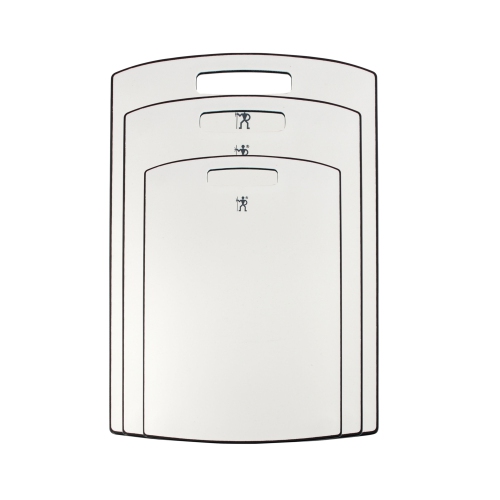 Your price for this item is $39.99
-
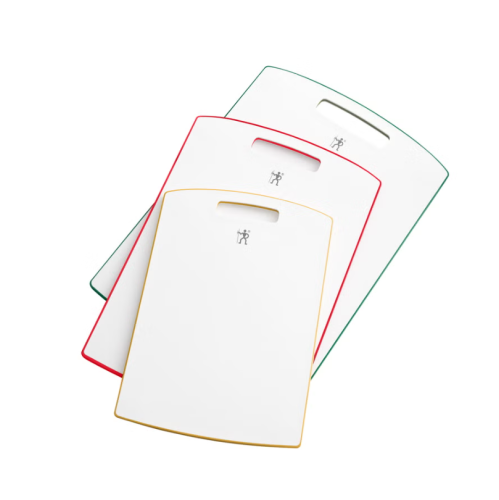 Your price for this item is $54.99
-
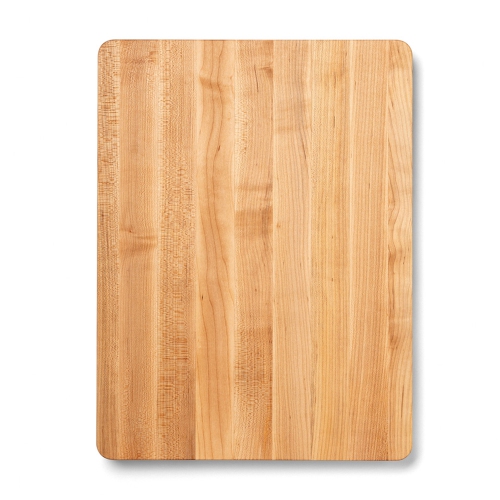 Your price for this item is $175.99
-
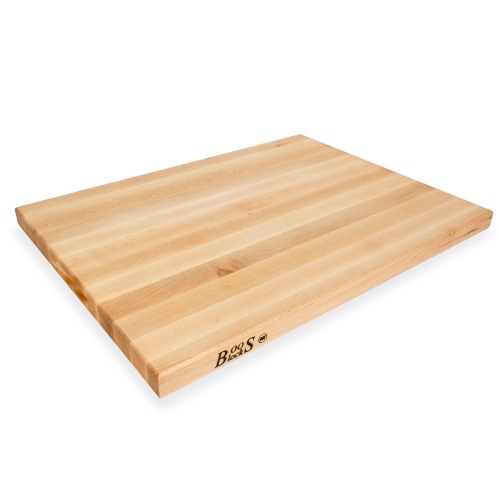 Your price for this item is $275.99
-
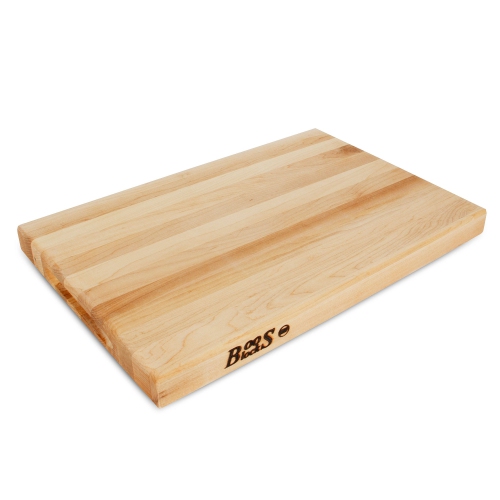 Your price for this item is $183.99
-
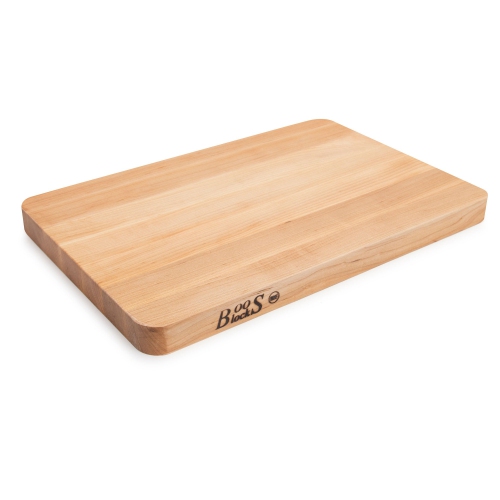 Your price for this item is $121.99
-
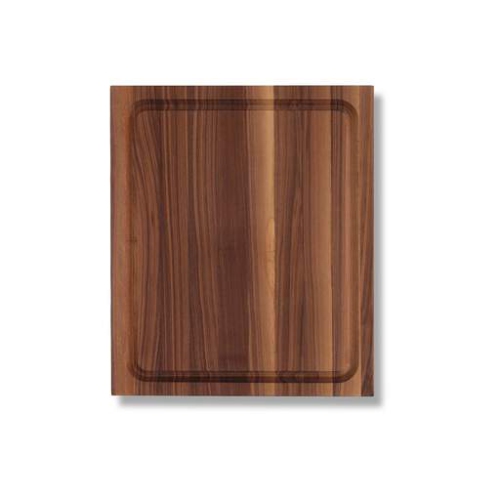 Your price for this item is $295.99
-
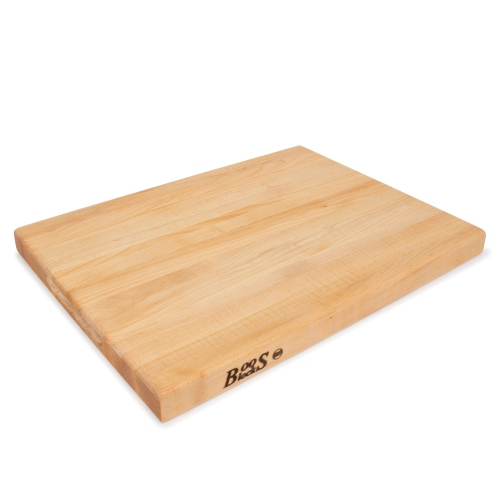 Your price for this item is $224.99
Discover more categories related to Wood Fiber Cutting Boards
Top Collections:
Pokemon Centers, Kindle Devices, Best Budget Office Chairs, Canon G7X Cameras, Apple iPhones 16, Samsung Galaxy Phones, Refurbished Apple Laptops, Laptops for Students, iPhone 15 Apple, Budget Smartphones
Some products may be subject to Environmental Handling Fees
(EHF) depending on your province.
Learn more about EHFs.