Thin Mattresses
Discover the perfect balance of comfort and convenience with a Thin Mattress, designed to fit seamlessly into a variety of living spaces. Ideal for guest rooms, dormitories, or apartments where space is at a premium, these mattresses offer versatile solutions without compromising on support. Explore a wide selection of thin mattresses to find the right option for your needs, whether you're outfitting a compact bedroom or looking for an easy-to-store sleep solution. Find the Thin Mattress that suits your lifestyle and enjoy restful nights in any setting.
Sort
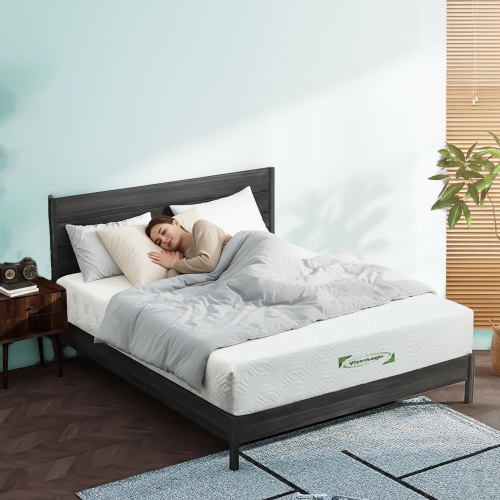
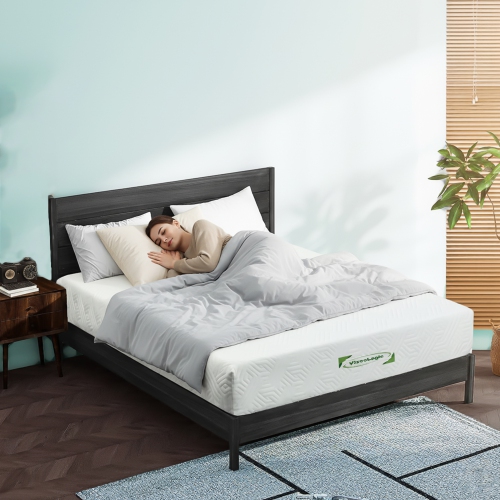
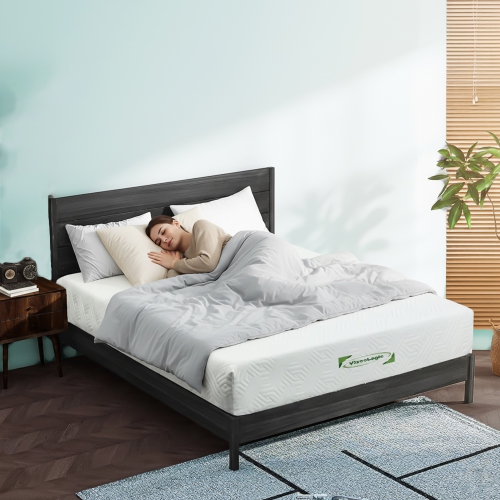
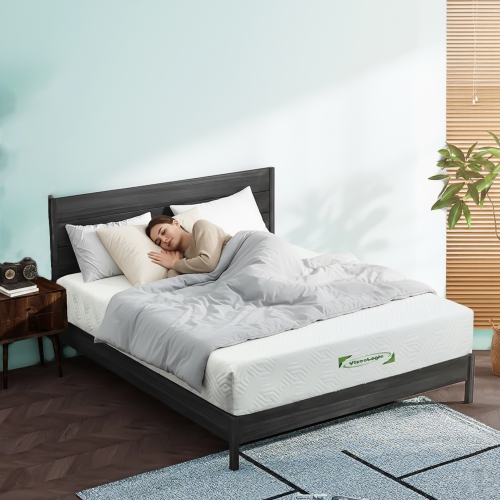
![VISCOLOGIC Econo [] Flippable Reversible Bunk Bed, Guest Foam Mattress](https://multimedia.bbycastatic.ca/multimedia/products/500x500/154/15460/15460682.jpeg)


How a lower profile changes fit and comfort
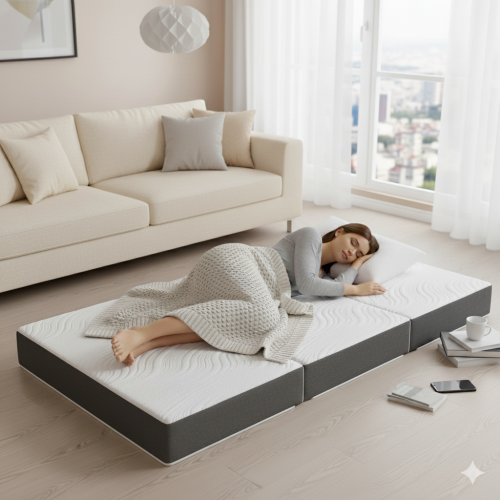
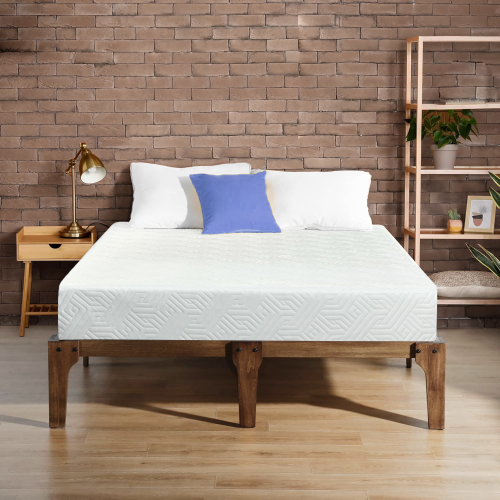
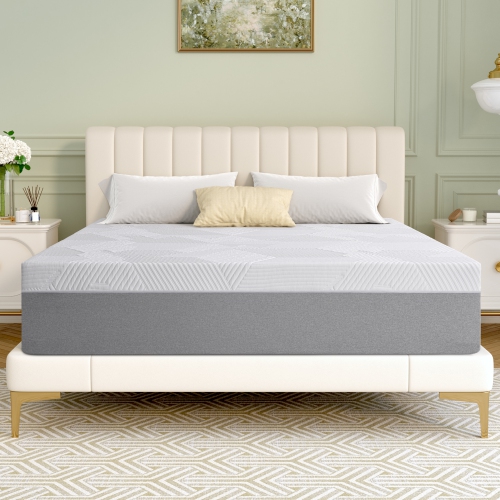
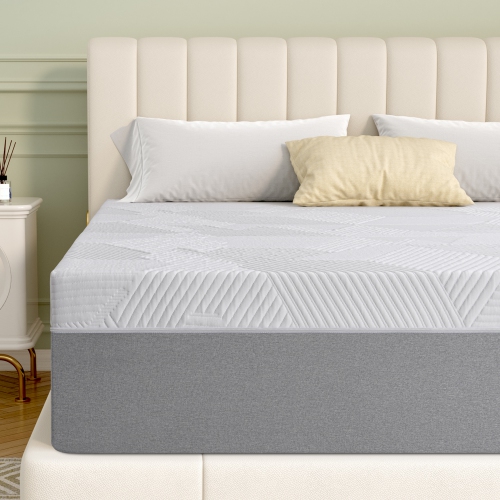
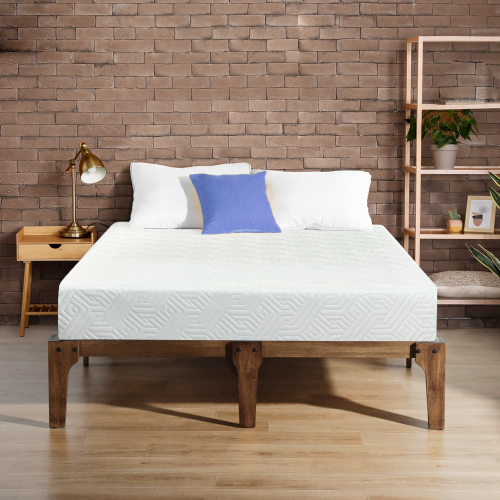
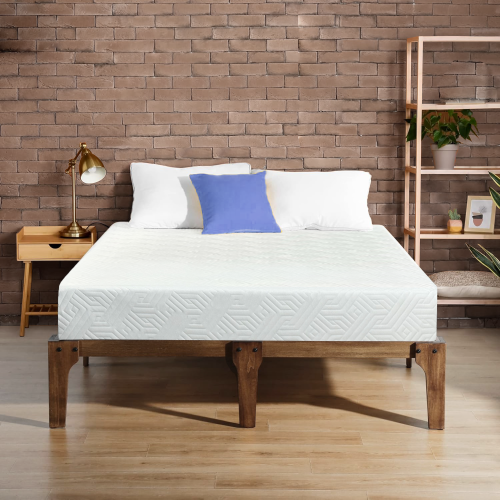
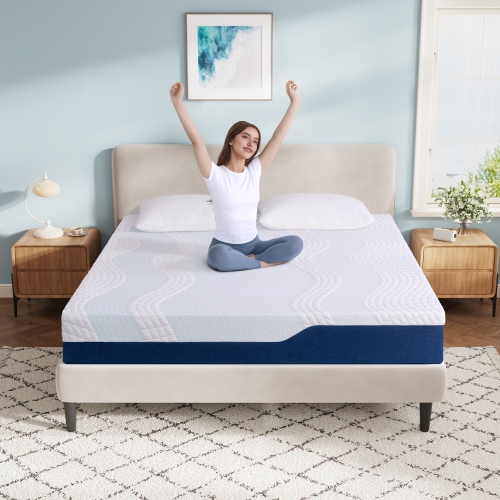
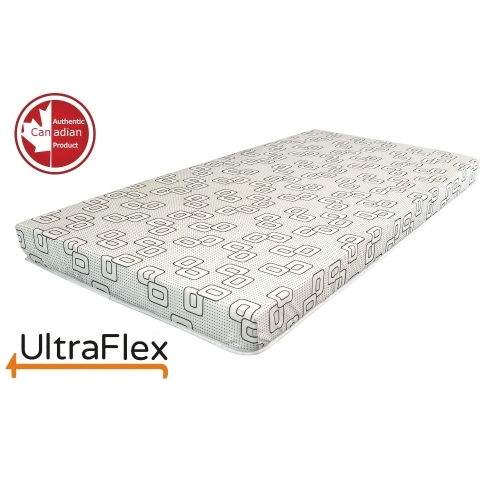
Thin mattresses offer a lower-profile sleep surface for beds where height, clearance, or ease of handling matters. Often measuring about 5 to 8 inches thick, they are commonly used on bunk beds, trundles, daybeds, and some RV beds, though dimensions and intended uses vary by design. Their shallower construction can keep a daybed looking more like seating, allow a trundle to slide beneath another bed, or bring the sleeping surface closer to a low bed frame. In a compact guest room, a thin mattress on a daybed can leave room for cushions without making the seat feel unusually high. On a pull-out trundle, the same low profile serves a more practical purpose: the mattress must fit within the available clearance when the bed is tucked away. Thickness alone does not determine firmness, however. A thin mattress can feel firm, medium, or gently cushioned depending on its materials and construction, and a thicker mattress is not automatically softer or more supportive. The important distinction is between the cushioning at the surface and the support underneath it. A thin mattress generally has less room for deep comfort layers, so its feel can change noticeably with the sleeper’s weight and preferred position. For occasional visitors, a compact mattress may provide a useful balance of comfort and easy handling; for nightly sleep, pressure relief and stable support deserve closer attention. Thin mattresses are also different from mattress toppers. A mattress is designed to function as the main sleeping surface on a suitable base, while a topper usually adds cushioning to an existing mattress and is not a substitute for one. This difference matters when furnishing a spare bed or looking for something that can be put away between visits. A similar thickness does not mean two sleep surfaces are intended to do the same job.
Materials help explain how a thin mattress feels and how well it suits a particular sleeper. Memory foam contours around the body and can soften the feel beneath shoulders and hips, while more responsive polyurethane foam tends to spring back with less of a cradling sensation. Latex can offer a buoyant feel, although the finished mattress depends on the thickness and composition of all its layers. Spring-based designs use coils for support, sometimes paired with foam comfort layers, and may feel more familiar to sleepers who prefer a little bounce. No single material guarantees comfort, and terms such as firm or plush are not standardized across every mattress. For a side sleeper, sufficient cushioning at the shoulder and hip can be especially important on a shallow mattress. Back and stomach sleepers may prefer a steadier surface that limits excessive sinking, but individual comfort still depends on body shape, weight, and the bed base. An adult using a thin mattress every night may need a different construction from a child using a compatible bunk bed or a guest staying briefly. People seeking a less yielding surface can also explore Hard Mattresses, since a low profile and a firm feel are separate characteristics. Fit involves more than choosing a familiar size name. The mattress length and width should match the frame, and RV sleeping platforms may use shorter lengths, narrower widths, or shaped corners rather than standard household dimensions. For bunk beds, the frame manufacturer’s maximum mattress thickness is a safety requirement, not simply a styling preference: adequate guardrail height must remain above the sleeping surface. Trundles need clearance for the mattress and any bedding left in place when stored. On slatted frames, the permitted spacing between slats matters because unsupported gaps can allow the mattress to dip. A compatible foundation helps the mattress perform as intended, whether it rests on a platform, an approved adjustable base, or another specified support system.
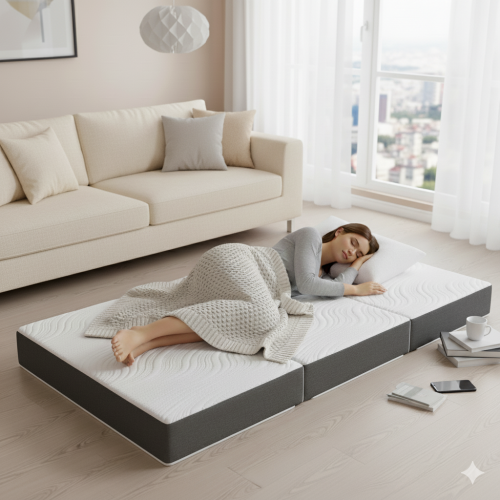
Everyday handling and care also shape the usefulness of a thin mattress. A lower profile can make lifting a corner to fit a sheet less awkward, although weight still varies considerably with size and materials. Shallow-pocket fitted sheets often sit more neatly than deep-pocket versions, which may leave loose fabric gathered around the edges. A properly fitted mattress protector helps manage spills and everyday wear without bunching beneath the sleeper. Cover care varies: a zip does not necessarily mean the cover is removable or washable, so the care label should determine whether it can be taken off, spot-cleaned, or laundered. Any cleaned area should dry fully before the bed is made again. Where rotation is permitted, turning the mattress from head to foot can help distribute wear; flipping is appropriate only for a design made to be slept on both sides. Thinness by itself is not a measure of durability. Foam quality, coil construction, edge support, the sleeper’s weight, and the condition of the base all influence how well a mattress holds its shape. For a daybed used as a sofa, repeated sitting along the same edge places different demands on the mattress than lying across it at night. Folding mattresses serve another purpose, offering a sleep surface that can be packed away when floor space is needed, but a conventional thin mattress should not be folded unless its construction allows it. Temporary floor use also calls for attention to the manufacturer’s directions and airflow beneath the mattress rather than leaving it pressed against the floor indefinitely. For storage, a mattress should be clean, fully dry, and supported in the position specified by its manufacturer, without heavy objects compressing it. These practical details help distinguish a mattress suited to an occasional overnight stay from one intended for regular use. The most useful thin mattress is one whose dimensions, feel, support needs, and care requirements fit both the bed and the person sleeping on it.
Materials help explain how a thin mattress feels and how well it suits a particular sleeper. Memory foam contours around the body and can soften the feel beneath shoulders and hips, while more responsive polyurethane foam tends to spring back with less of a cradling sensation. Latex can offer a buoyant feel, although the finished mattress depends on the thickness and composition of all its layers. Spring-based designs use coils for support, sometimes paired with foam comfort layers, and may feel more familiar to sleepers who prefer a little bounce. No single material guarantees comfort, and terms such as firm or plush are not standardized across every mattress. For a side sleeper, sufficient cushioning at the shoulder and hip can be especially important on a shallow mattress. Back and stomach sleepers may prefer a steadier surface that limits excessive sinking, but individual comfort still depends on body shape, weight, and the bed base. An adult using a thin mattress every night may need a different construction from a child using a compatible bunk bed or a guest staying briefly. People seeking a less yielding surface can also explore Hard Mattresses, since a low profile and a firm feel are separate characteristics. Fit involves more than choosing a familiar size name. The mattress length and width should match the frame, and RV sleeping platforms may use shorter lengths, narrower widths, or shaped corners rather than standard household dimensions. For bunk beds, the frame manufacturer’s maximum mattress thickness is a safety requirement, not simply a styling preference: adequate guardrail height must remain above the sleeping surface. Trundles need clearance for the mattress and any bedding left in place when stored. On slatted frames, the permitted spacing between slats matters because unsupported gaps can allow the mattress to dip. A compatible foundation helps the mattress perform as intended, whether it rests on a platform, an approved adjustable base, or another specified support system.
Everyday handling and care also shape the usefulness of a thin mattress. A lower profile can make lifting a corner to fit a sheet less awkward, although weight still varies considerably with size and materials. Shallow-pocket fitted sheets often sit more neatly than deep-pocket versions, which may leave loose fabric gathered around the edges. A properly fitted mattress protector helps manage spills and everyday wear without bunching beneath the sleeper. Cover care varies: a zip does not necessarily mean the cover is removable or washable, so the care label should determine whether it can be taken off, spot-cleaned, or laundered. Any cleaned area should dry fully before the bed is made again. Where rotation is permitted, turning the mattress from head to foot can help distribute wear; flipping is appropriate only for a design made to be slept on both sides. Thinness by itself is not a measure of durability. Foam quality, coil construction, edge support, the sleeper’s weight, and the condition of the base all influence how well a mattress holds its shape. For a daybed used as a sofa, repeated sitting along the same edge places different demands on the mattress than lying across it at night. Folding mattresses serve another purpose, offering a sleep surface that can be packed away when floor space is needed, but a conventional thin mattress should not be folded unless its construction allows it. Temporary floor use also calls for attention to the manufacturer’s directions and airflow beneath the mattress rather than leaving it pressed against the floor indefinitely. For storage, a mattress should be clean, fully dry, and supported in the position specified by its manufacturer, without heavy objects compressing it. These practical details help distinguish a mattress suited to an occasional overnight stay from one intended for regular use. The most useful thin mattress is one whose dimensions, feel, support needs, and care requirements fit both the bed and the person sleeping on it.
Top selling and popular products
-
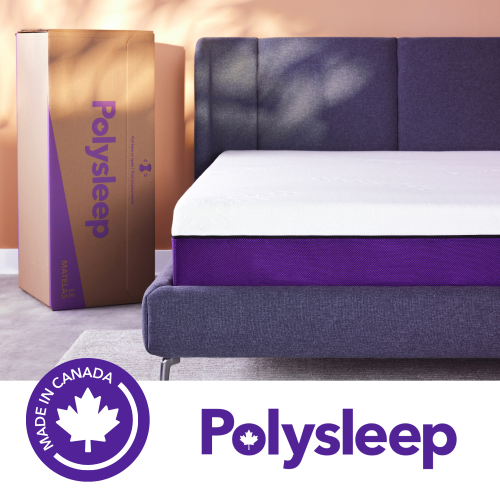 Your price for this item is $1195
 -
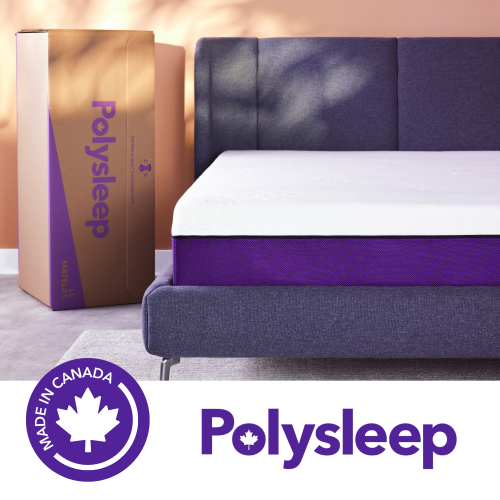 Your price for this item is $1395
 -
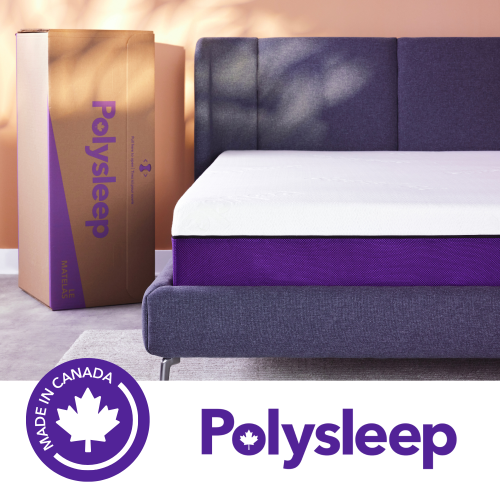 Your price for this item is $1095
 -
 Your price for this item is $945
 -
 Your price for this item is $1199
 -
 Your price for this item is $1395
 -
 Your price for this item is $895
 -
 Your price for this item is $920
Discover more categories related to Thin Mattresses
Top Collections:
Pokemon Centers, Kindle Devices, Best Budget Office Chairs, Apple iPhones 16, Best Laptops for Writers, iPhone 15 Apple, Canon G7X Cameras, Refurbished Apple Laptops, Alarm Clock, Motorola Razr Phones
Some products may be subject to Environmental Handling Fees
(EHF) depending on your province.
Learn more about EHFs.