Thin Mattress Toppers
A topper is a thin mattress pad that is placed over the top of a full or queen-sized bed. It can be used as an alternative to a pillowtop mattress, or as an addition to your current bedding. A topper can be made of a variety of materials, including foam, gel, or a foam and gel combination. Here are some of our favorites.
Sort
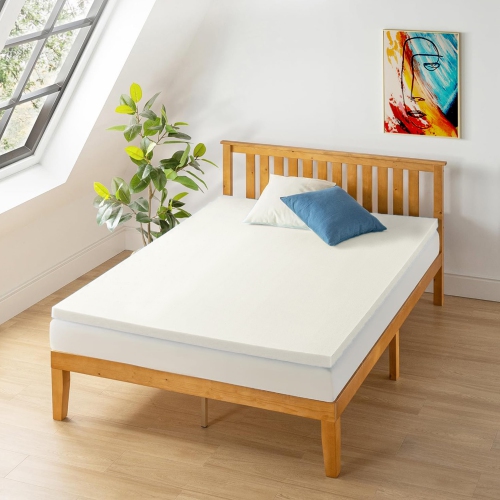
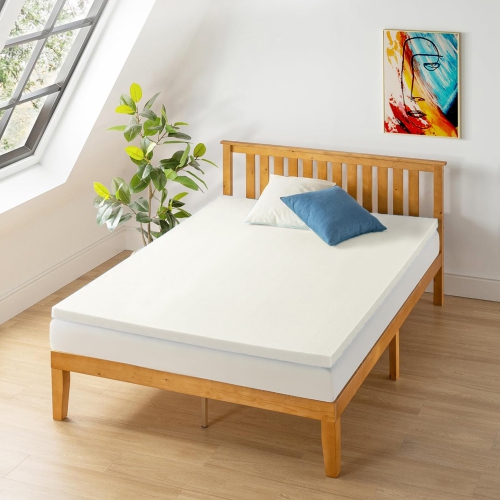
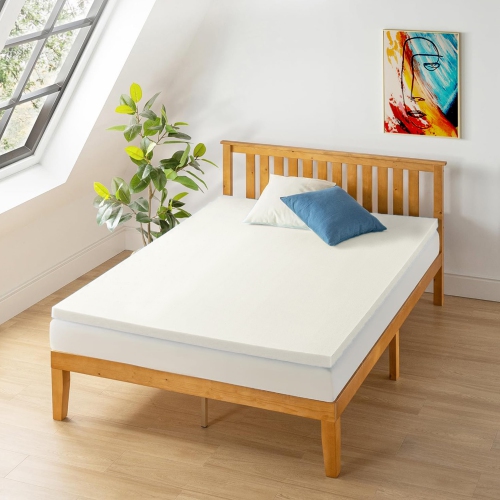
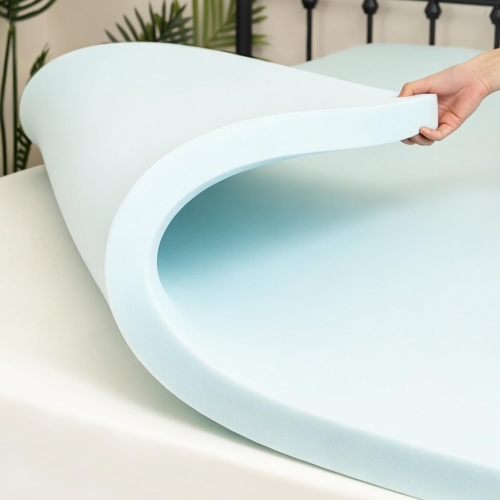
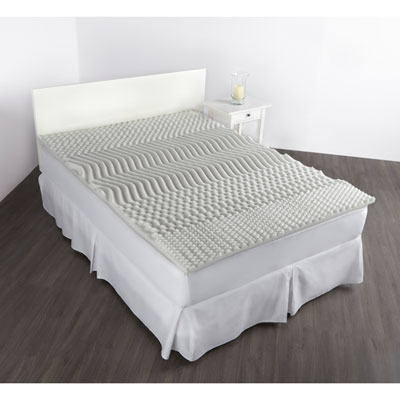
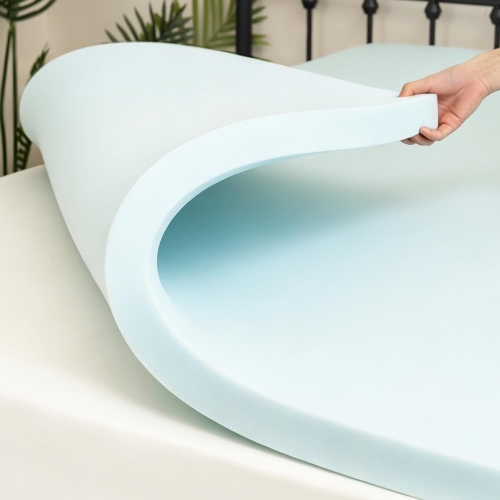
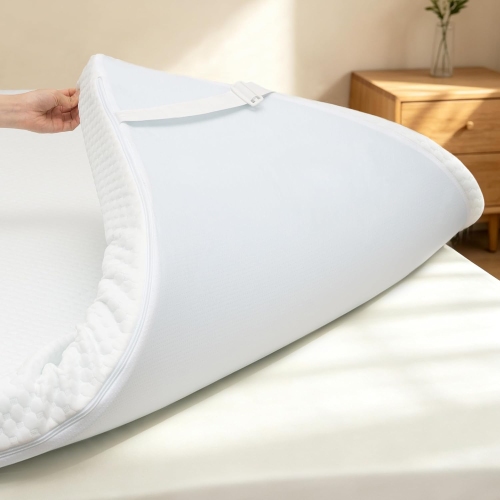

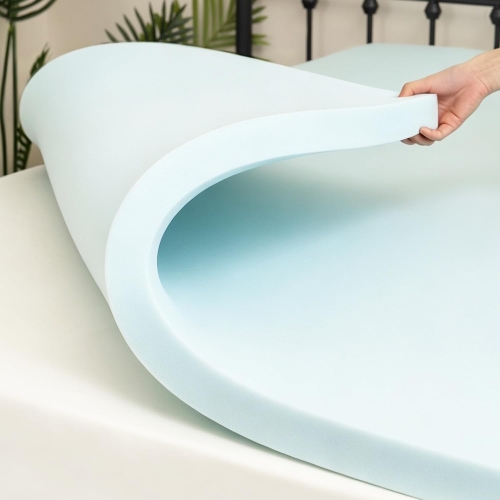
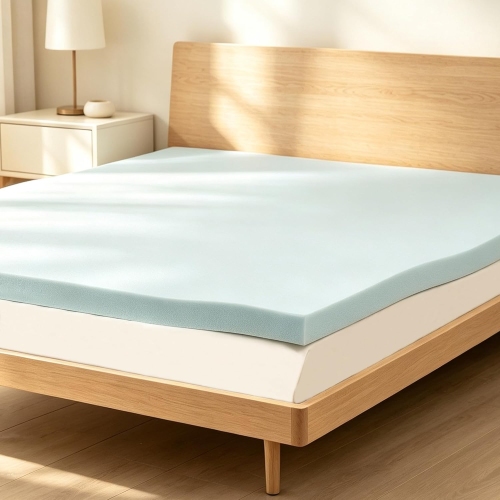
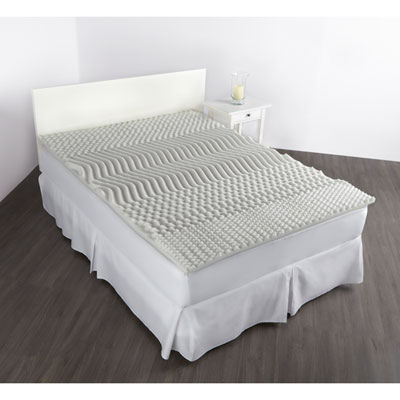
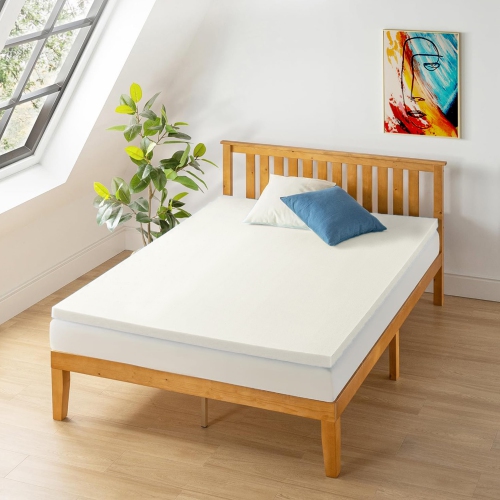
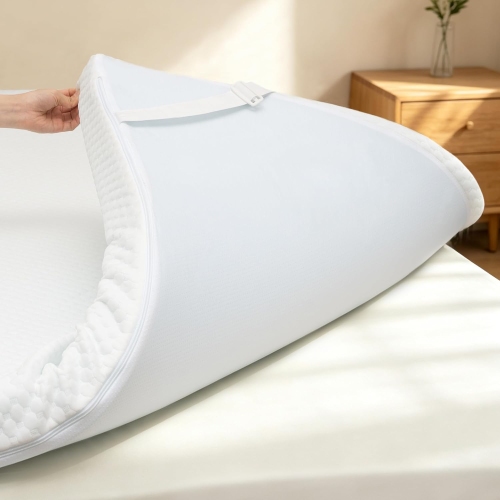
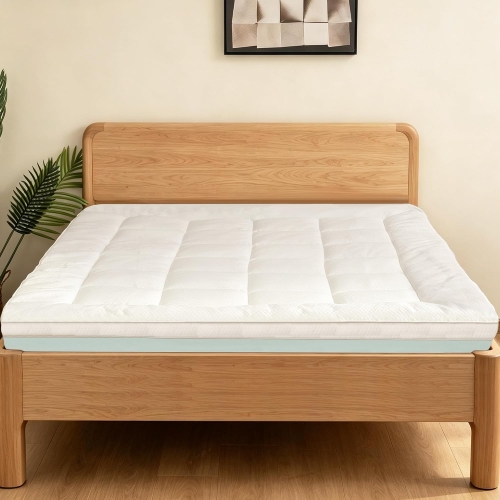

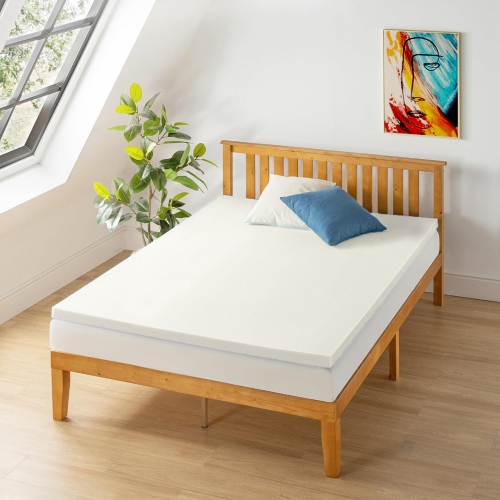

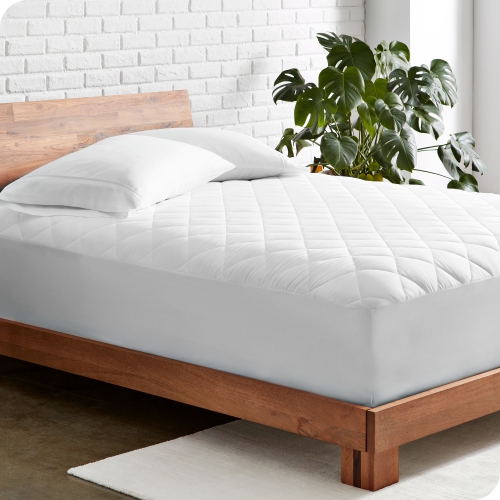





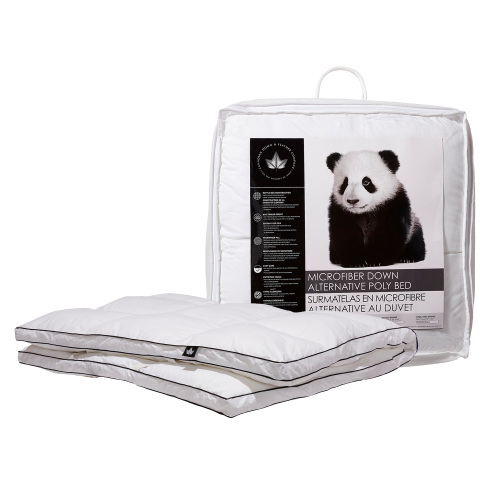

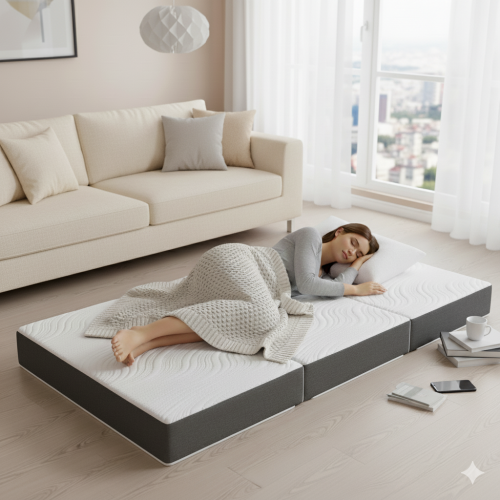
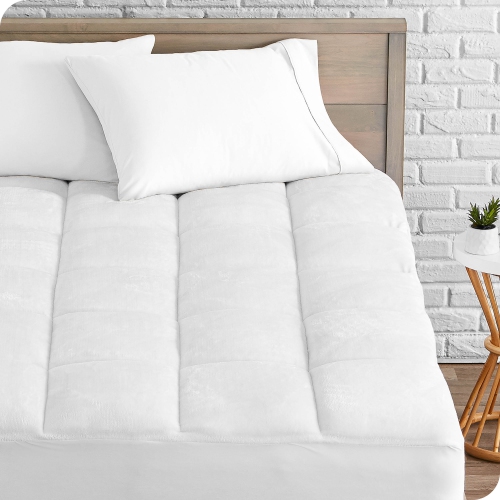


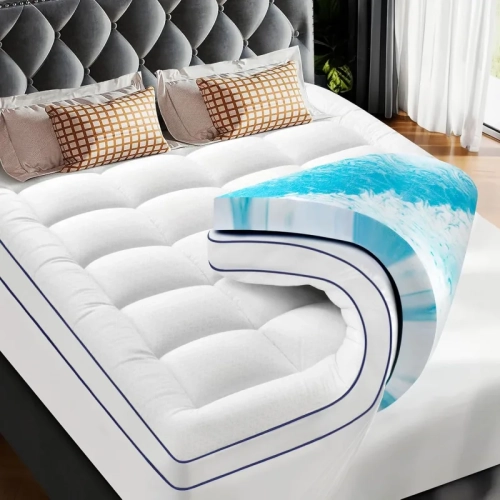

A little more cushioning without much extra height
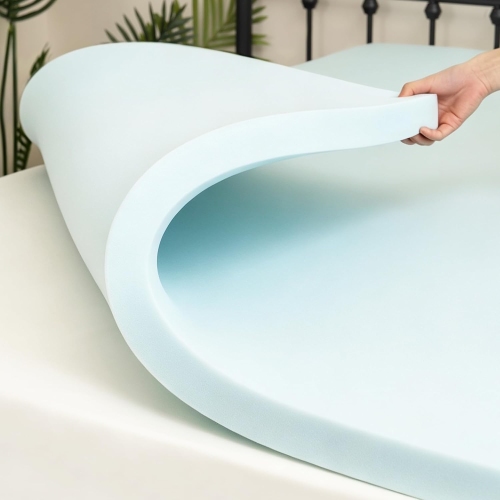
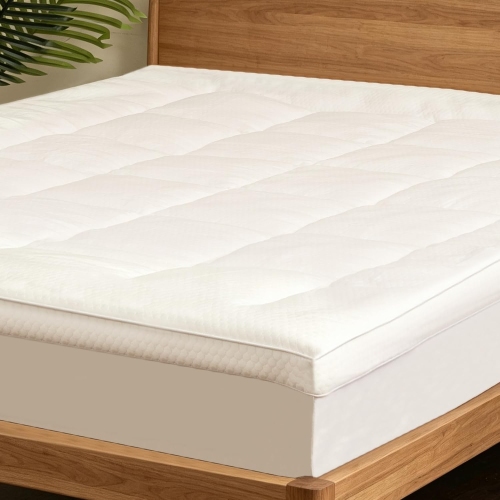
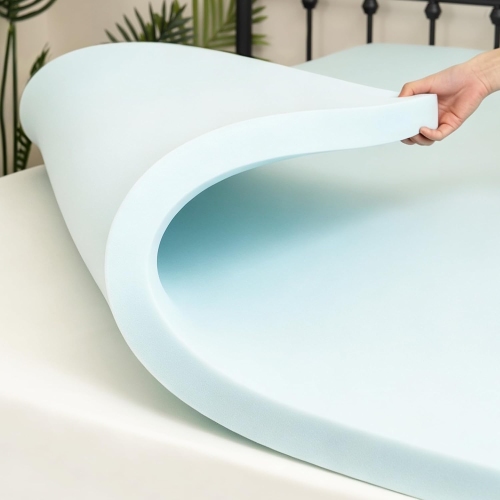
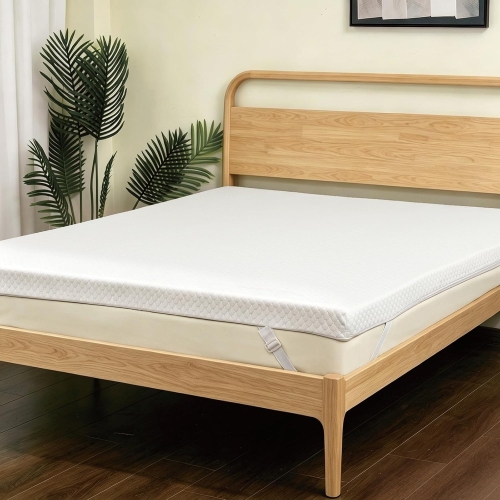
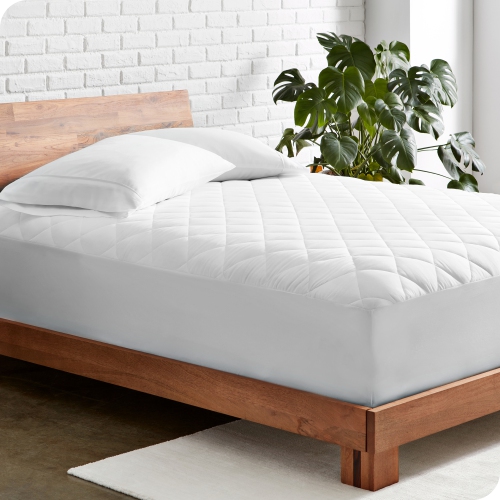
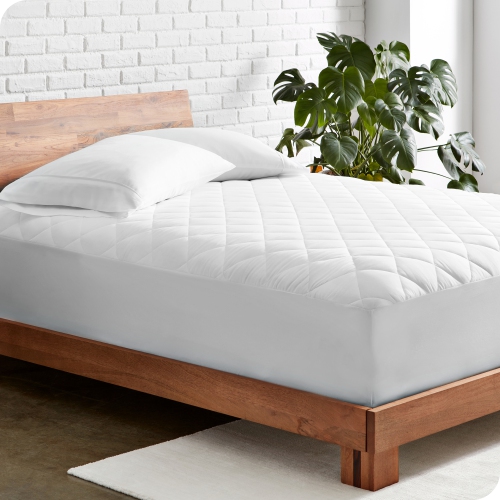
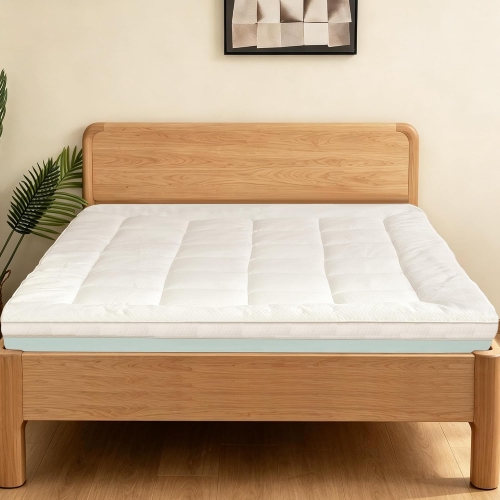
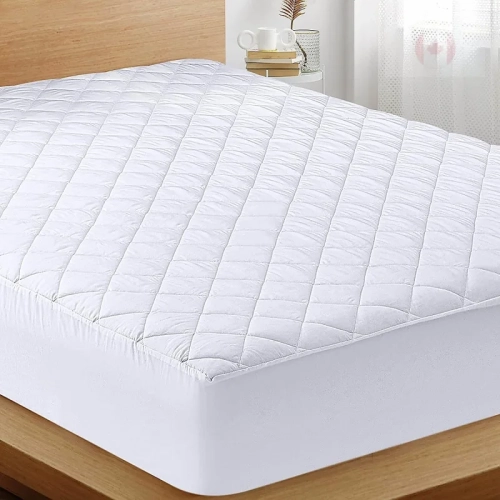
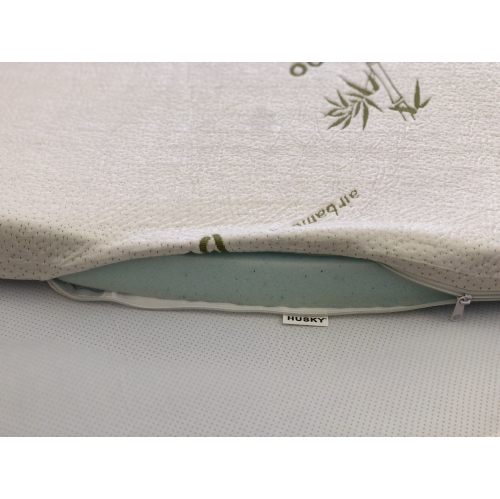
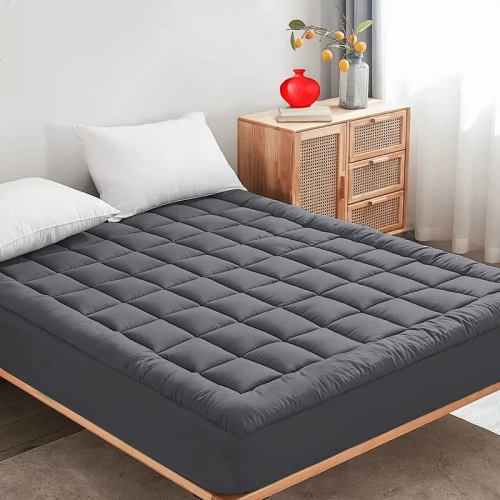
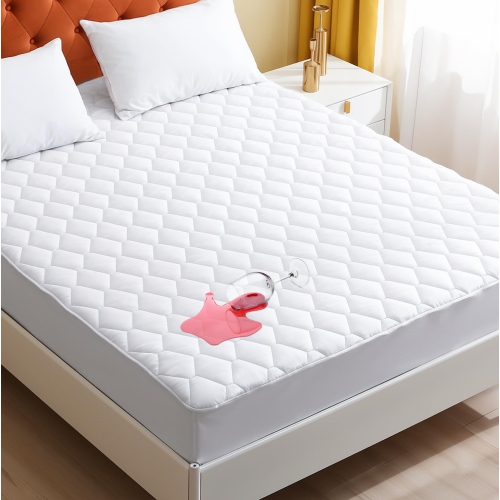
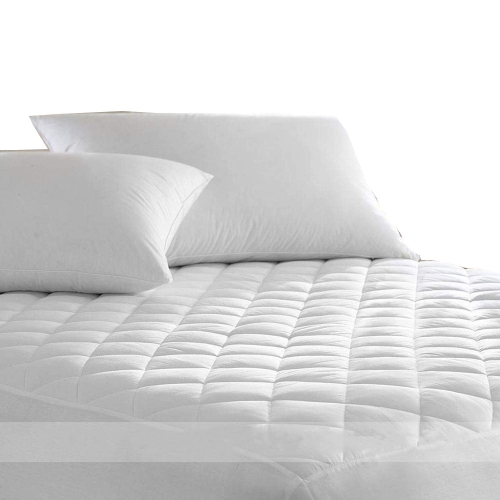
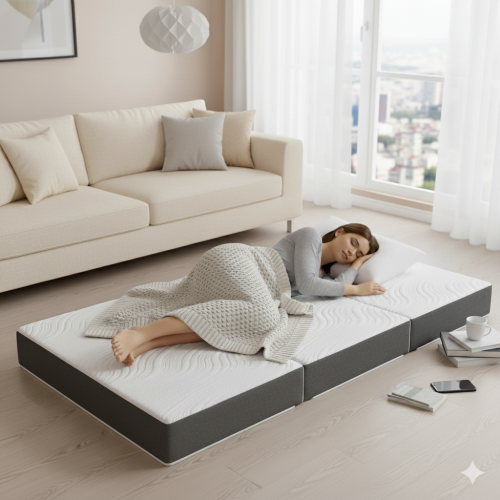
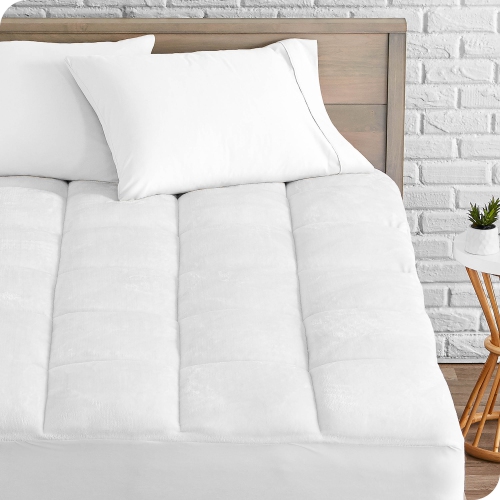
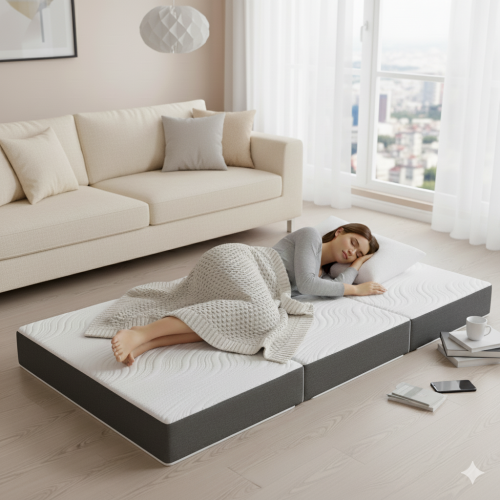
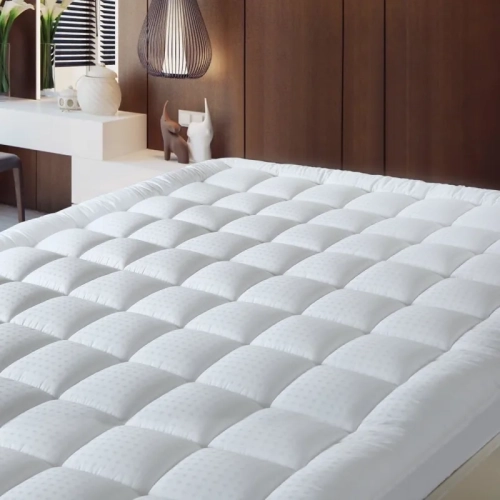
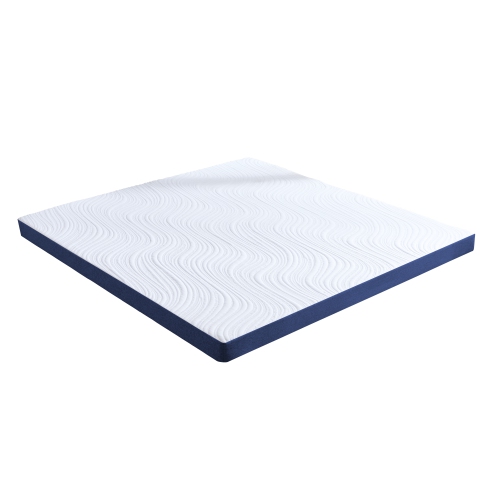
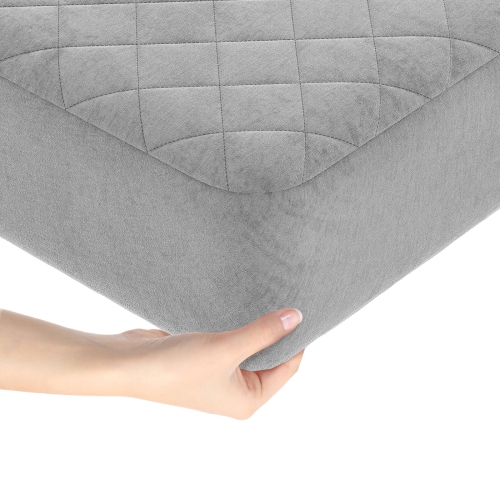
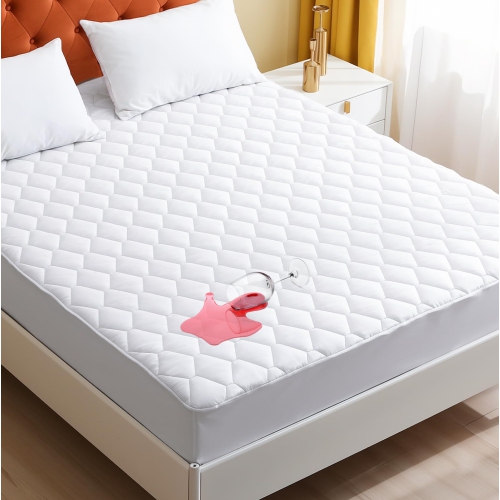
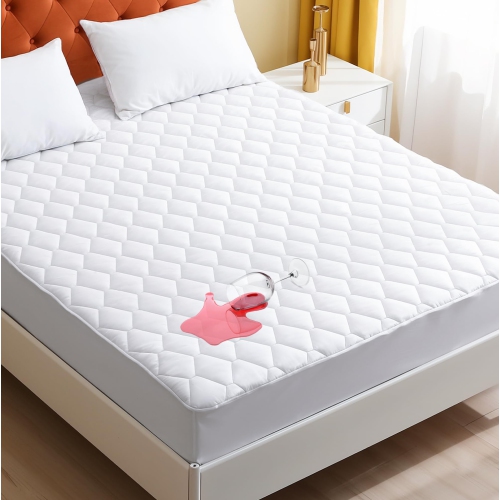
Thin mattress toppers add a shallow comfort layer to a mattress without substantially increasing the height of the bed. They suit sleepers who like the support underneath but want a little more cushioning at the surface, whether that means softening a firm guest bed or adding a gentler feel beneath the shoulders and hips. Many thin toppers measure around 1 to 2 inches thick, although the term is not standardized, so the listed thickness matters more than the description alone. Lightly filled mattress pads can be slimmer still, offering a quilted surface rather than the more noticeable cushioning of a foam or latex topper. These categories overlap, but their functions differ: a topper primarily changes comfort, a pad adds light cushioning, and a mattress protector provides a barrier against spills or everyday soiling when its construction is designed for that purpose. A topper should not be assumed to be waterproof unless that feature is specified. Material also makes a noticeable difference. Memory foam contours gradually under body weight and can soften the feel of a firm sleeping surface. Latex generally has a springier response, making it an option for sleepers who prefer less of a slow-sinking sensation when turning over. Fibre-filled designs offer a pillowy surface, while cotton or wool components may appeal to those who prefer the feel of those fibres in their bedding. The cover fabric, quilting pattern, and amount of fill all influence how a thin layer feels once a fitted sheet is pulled over it. A tightly quilted pad may feel relatively flat and even, while loftier pockets of fill provide a softer initial touch. Thickness alone does not determine softness: a slim, dense foam layer can feel quite different from a loosely filled pad of similar height. Thin mattress toppers are best understood as a modest adjustment to an otherwise suitable mattress, not a replacement for its underlying support.
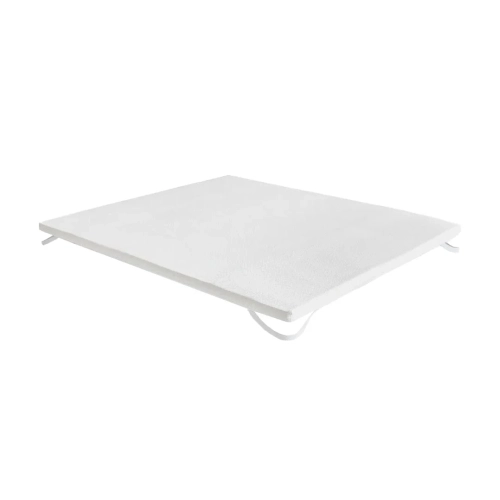
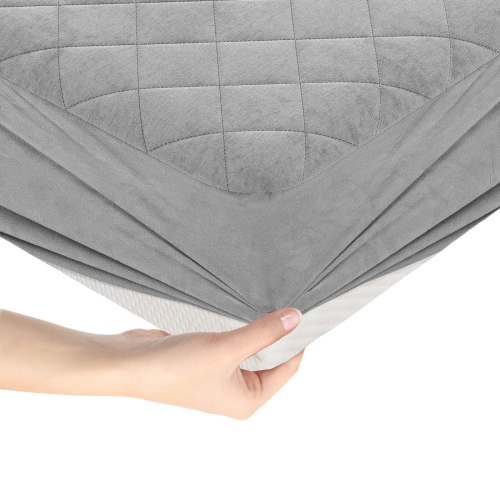
Fit deserves as much attention as cushioning, especially when the aim is to keep the bed easy to make. Mattress size names are a starting point, but the actual length and width of the topper should match the sleeping surface. This is particularly important for dorm beds, split configurations, and compact guest beds, where similarly named sizes may have different dimensions. A topper that extends beyond the mattress can bunch beneath the sheet, while one that is too small may leave an uncomfortable ridge near the edge. Pocket depth matters for fitted pads, and the combined height of the mattress, topper, and any protector determines whether existing sheets will fit comfortably. A thin profile often works with regular fitted sheets, but a deep mattress may still require deeper pockets even with only a small amount of added cushioning. Elastic corner straps, a fitted skirt, or a textured underside can help keep the layer aligned, depending on the design. These details are useful for restless sleepers and beds where the sleeper frequently sits along the edge. Intended use helps narrow the choice further. A side sleeper may appreciate gentle cushioning at contact points, although a very thin layer may not provide enough change on an exceptionally firm mattress. Back and stomach sleepers who already find their mattress supportive may prefer a subtle surface adjustment that does not introduce much extra give. Sleep position, body weight, and the feel of the mattress beneath all affect the result, so the same topper can feel different on two beds. For a guest room, a light comfort layer can make a firm mattress feel more inviting without making the bed noticeably taller. On an adjustable base, suitability depends on whether the topper can bend with the mattress and remain securely positioned. Thin toppers also tend to be less bulky to handle than thicker designs, which can make lifting bedding and rearranging a room more manageable.
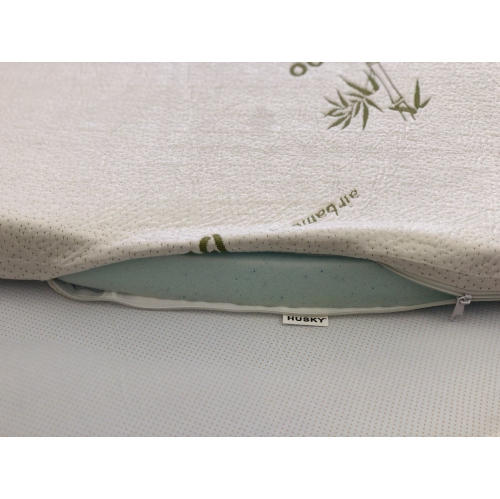
Care requirements can be the deciding factor between materials that otherwise seem similar. Some quilted pads and removable covers can be machine washed, but the care label should determine the washing method, cycle, and drying instructions. Even a thin pad needs enough room to move freely in the drum, and every layer should be fully dry before it goes back onto the bed. Foam and latex cores generally require different treatment from washable textiles; many are intended for spot cleaning rather than soaking or machine washing. A removable cover can simplify routine care, while a separate compatible protector may help keep spills from reaching the cushioning beneath it. The way the layers are arranged should follow their care and use instructions, since a tightly fitted cover or protector can change the feel of the surface. Durability depends on the quality of the foam or fill, the strength of seams and quilting, and how well the topper suits its use. Fibre fill may need occasional fluffing to restore an even surface, while rotating a topper may help distribute wear if the manufacturer recommends it. Breathable covers and constructions that allow airflow can also influence sleeping comfort, but a slim profile alone does not guarantee that a topper will feel cool. Storage matters for a layer used only on a guest bed: it should be clean and completely dry, with folding or rolling limited to what the material permits. A thin topper can smooth minor surface irregularities, but it cannot repair a sagging mattress, broken components, or a pronounced hollow. Persistent unevenness is a reason to assess the mattress itself rather than keep adding layers. For a broader range of cushioning styles, Comfortable Mattress Toppers offers another way to explore surface comfort. The most suitable thin layer balances a modest change in feel with accurate sizing, secure placement, and care requirements that fit everyday routines.
Top selling and popular products
-
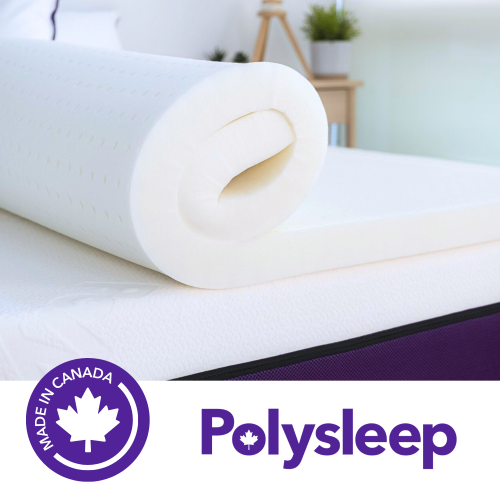 Your price for this item is $245
-
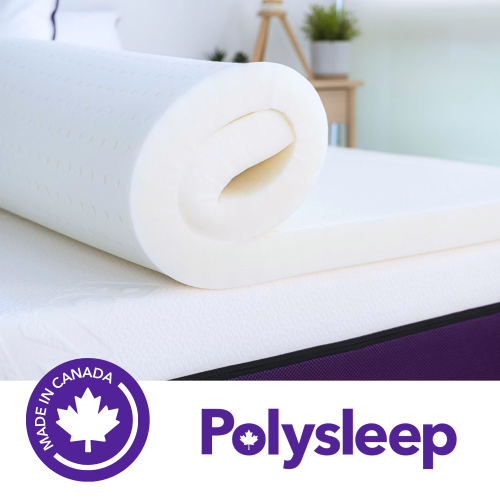 Your price for this item is $227.5
-
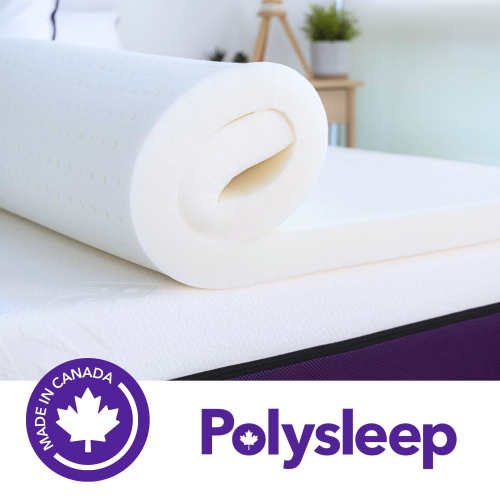 Your price for this item is $262.5
-
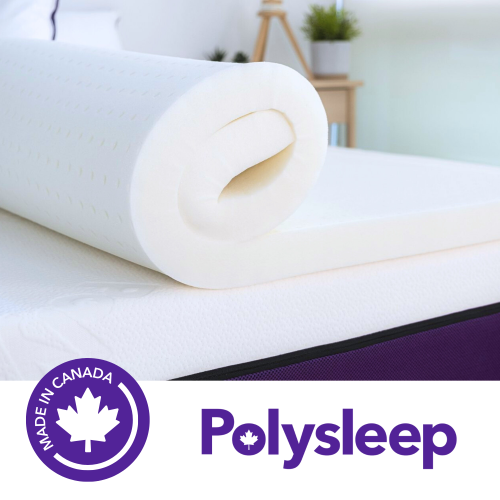 Your price for this item is $175
-
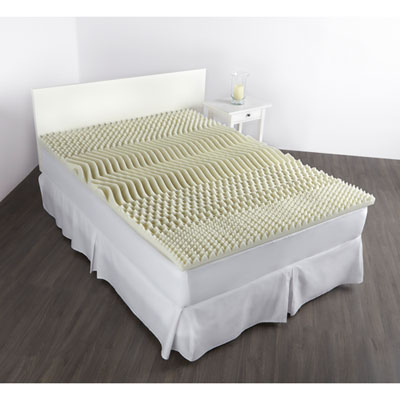 Your price for this item is $211.99
-
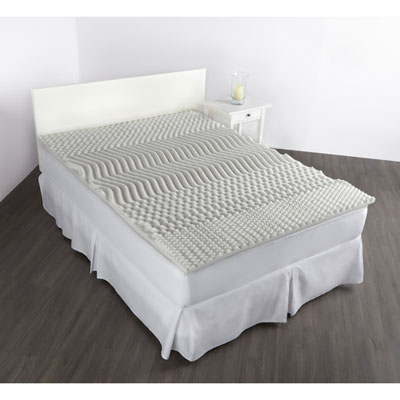 Your price for this item is $127.99
-
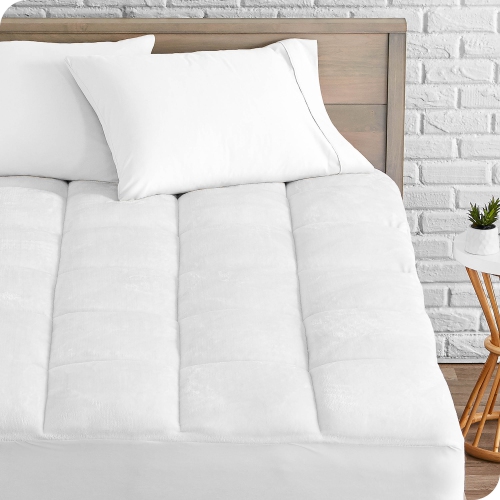 Your price for this item is $126.99
-
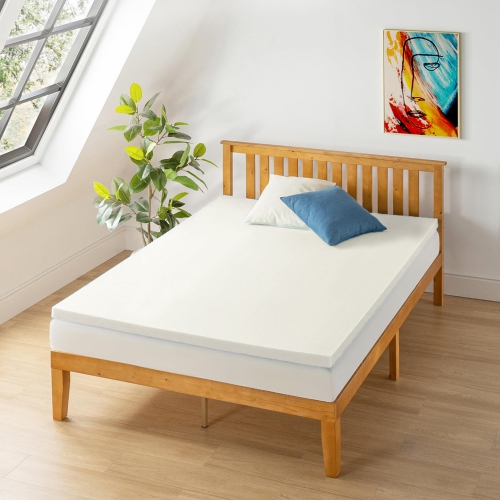 Your price for this item is $99.99
Discover more categories related to Thin Mattress Toppers
Top Collections:
Best Black Friday Deals This Year, Best Black Friday Deals On Electronics, Kindle Devices, Best Black Friday Deals On Apple Products, Best Budget Office Chairs, Best Cameras for Sports Photography, Dyson Airwrap, Canon G7X Cameras, Best Laptops for Writers, Samsung Galaxy Phones
Some products may be subject to Environmental Handling Fees
(EHF) depending on your province.
Learn more about EHFs.