Hard Mattresses
A firm mattress is a great choice for people who like a little more support in their bed. It's also a good option for people who spend a lot of time on their feet or have trouble getting comfortable otherwise. Here are some of the best firm mattresses available today.
Sort
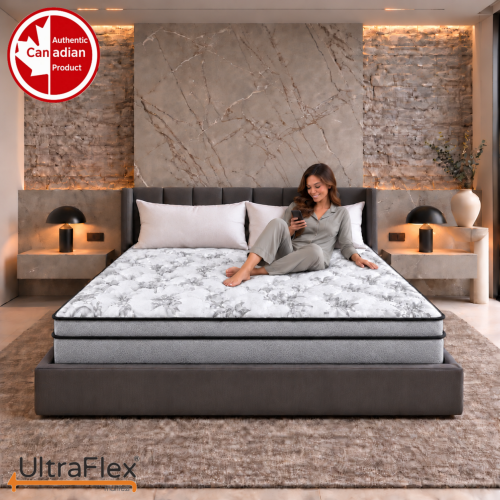


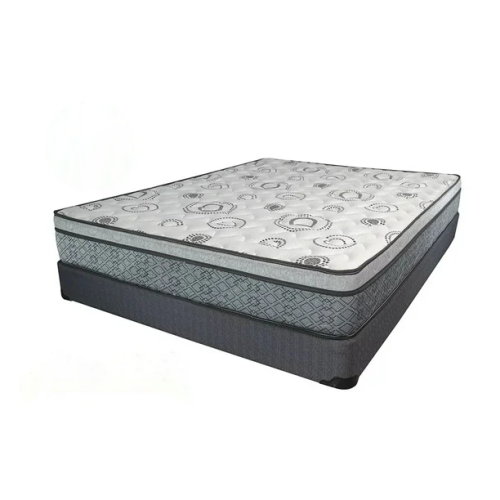
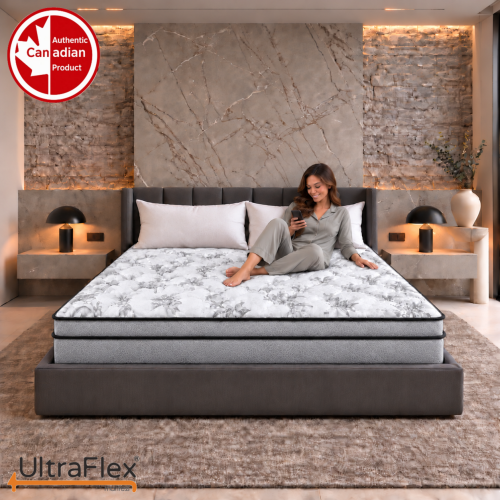

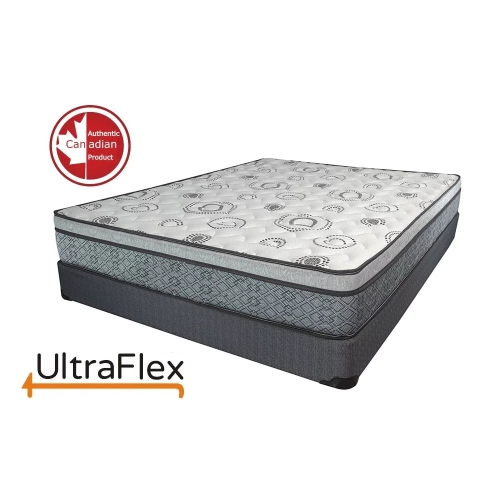
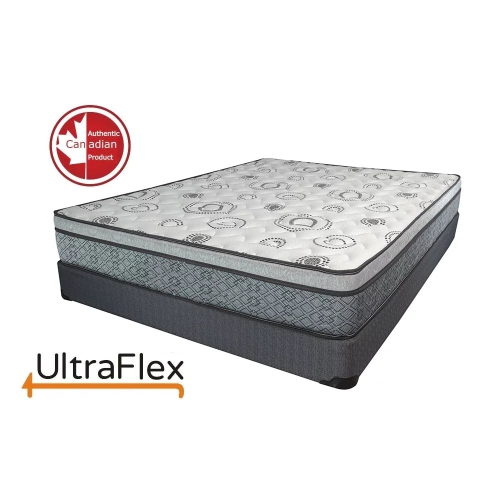

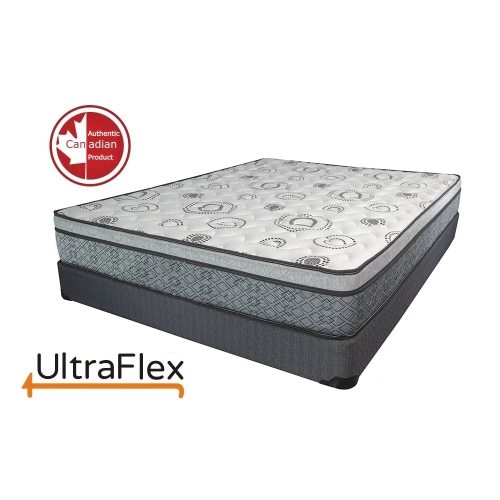
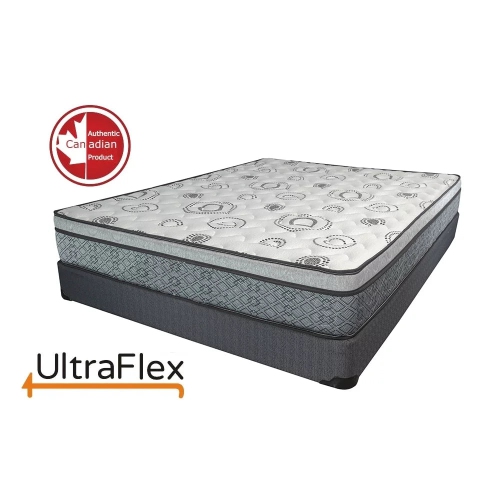
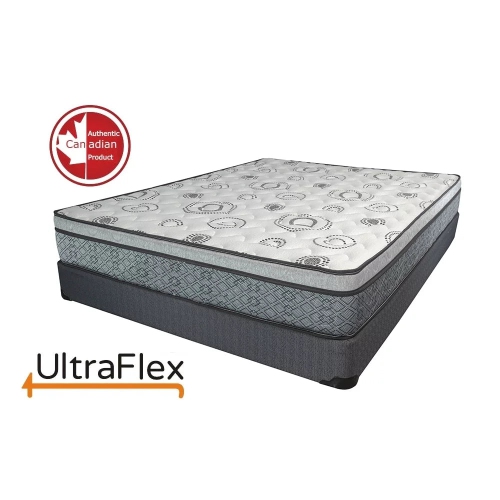
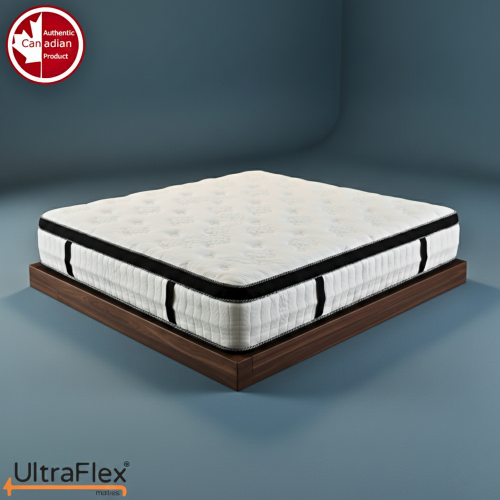
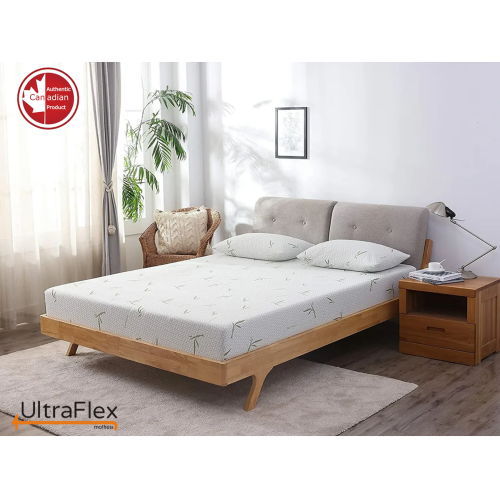
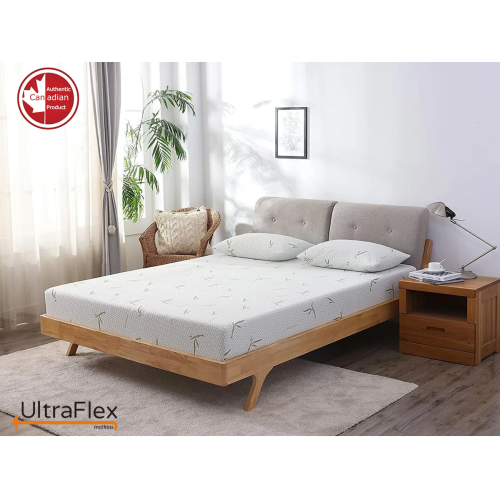
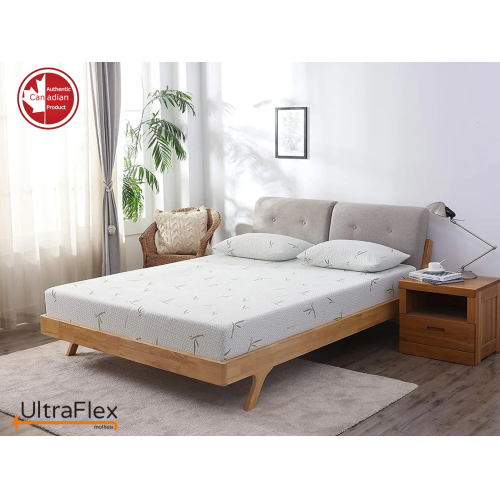
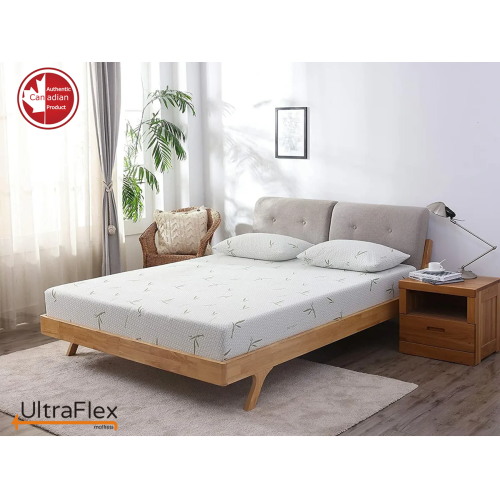
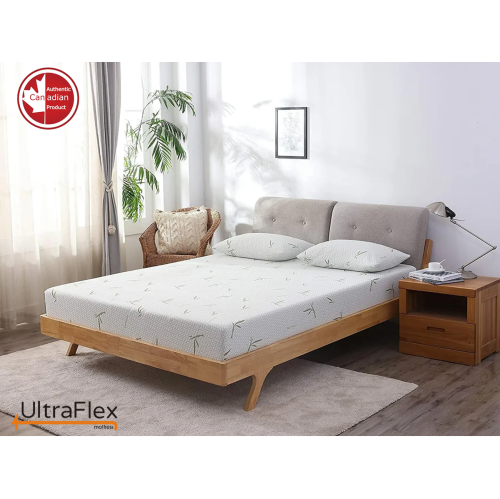
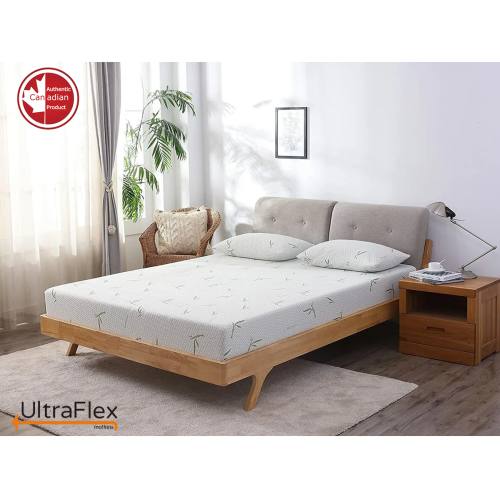
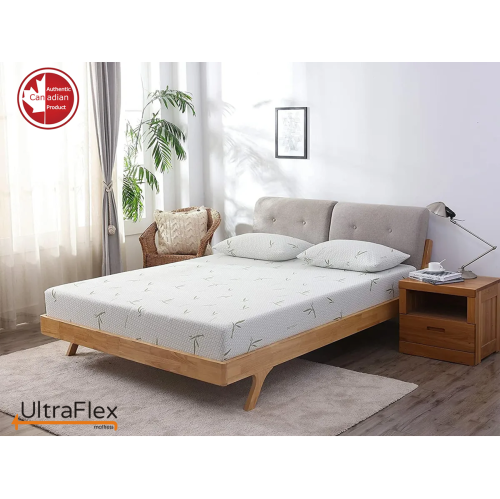
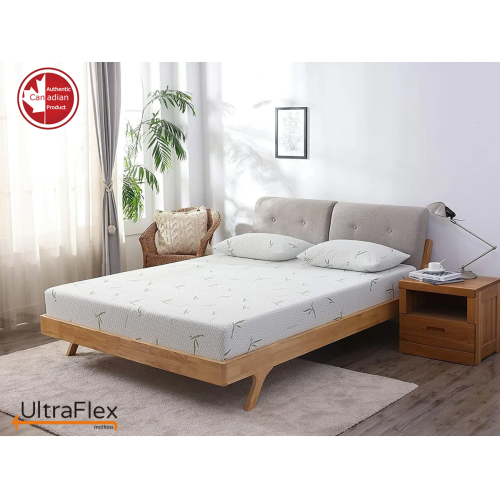
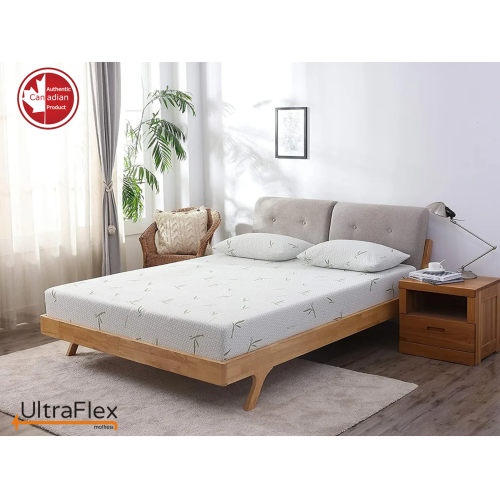
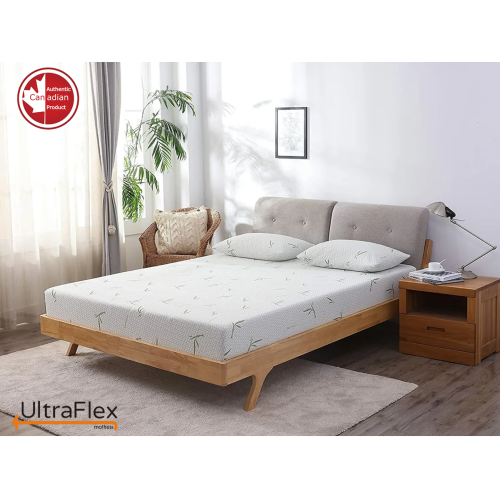
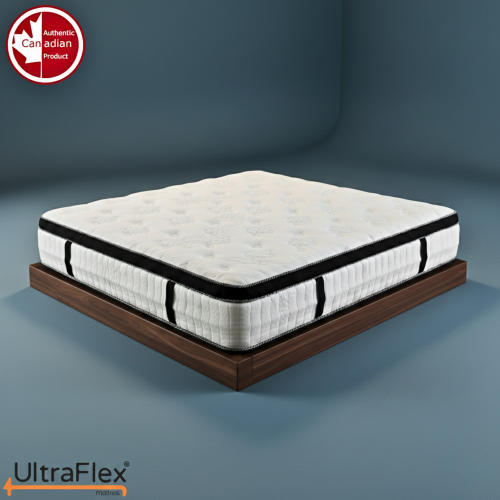
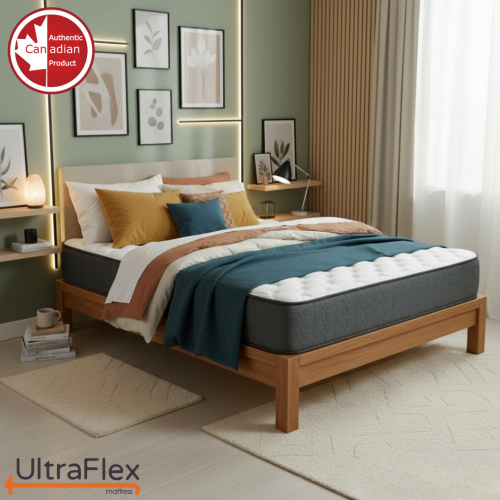
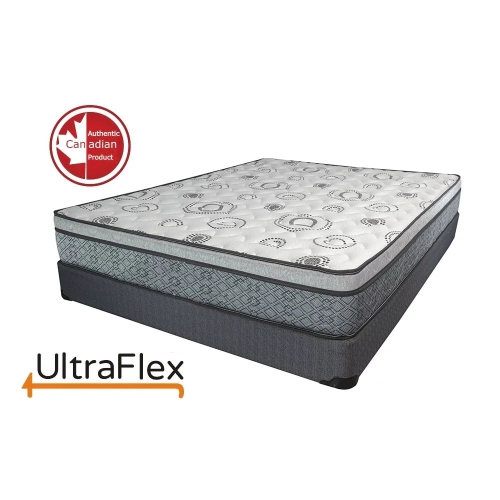
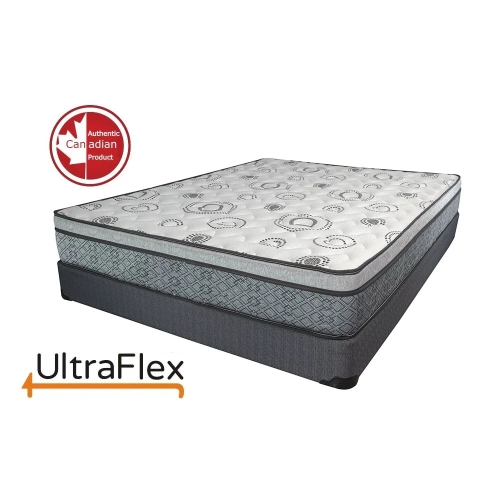
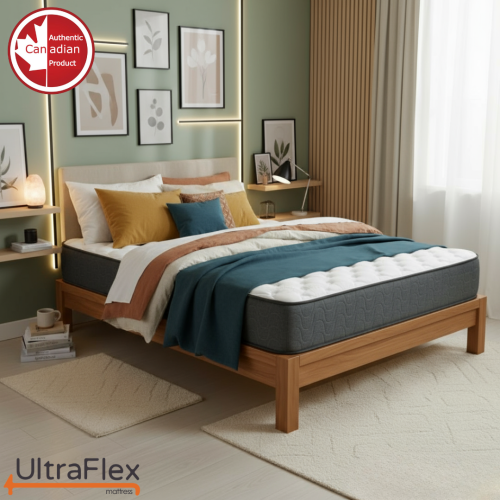
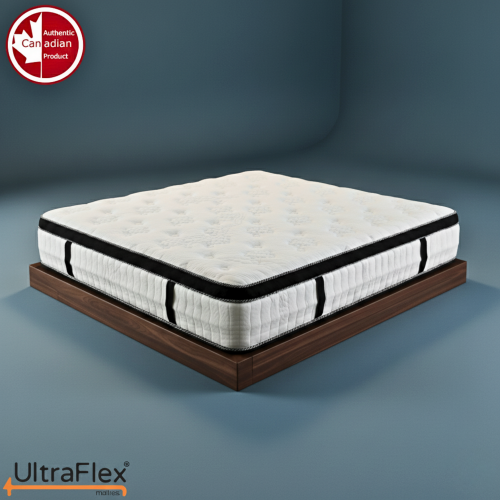
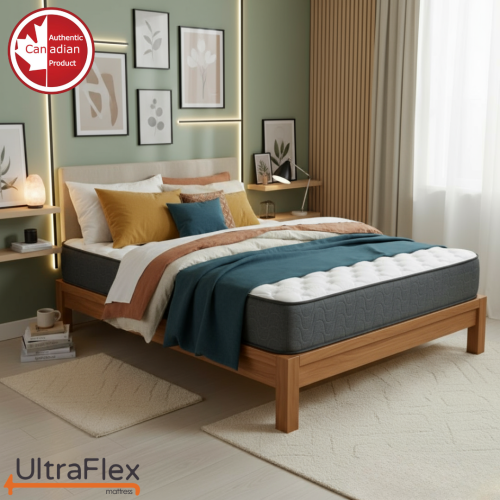
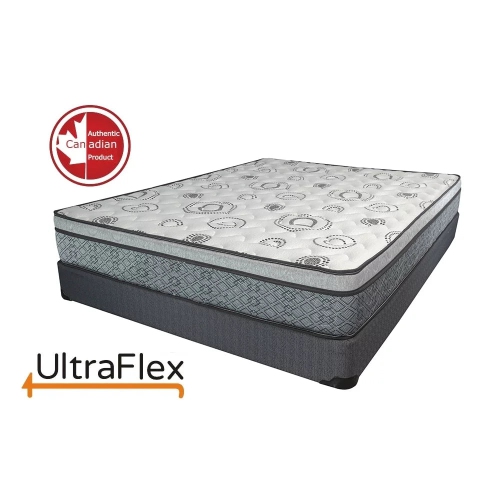
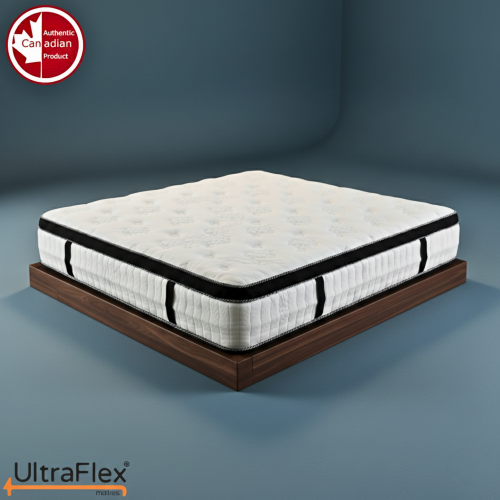
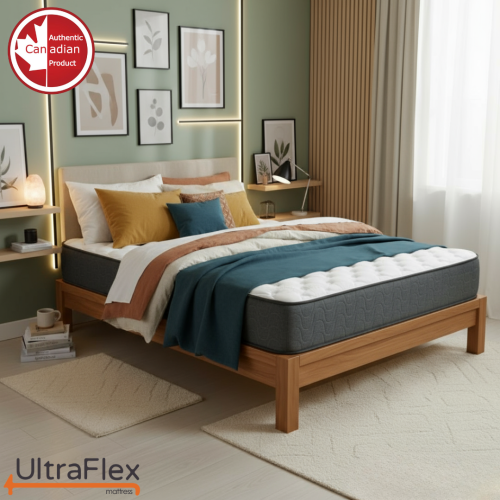
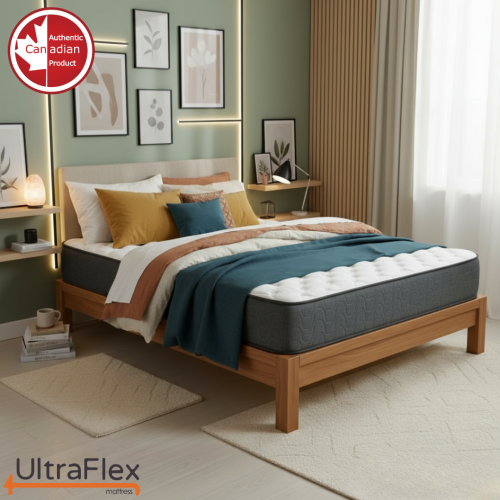
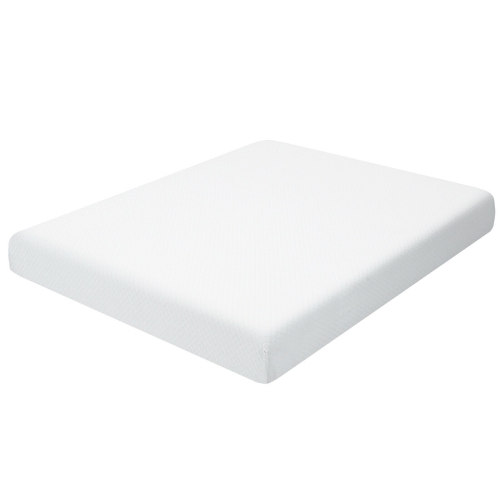
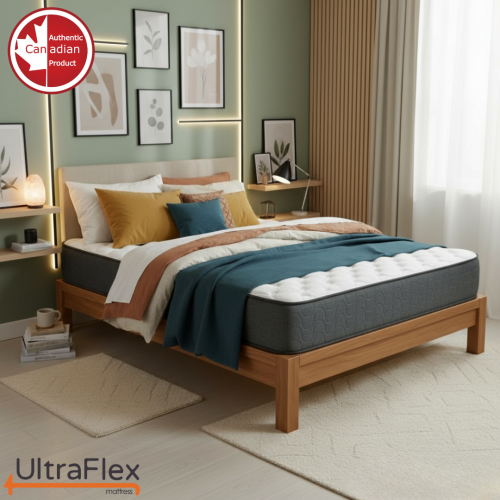
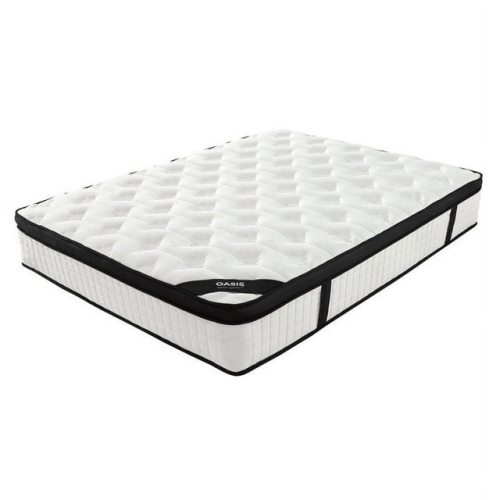
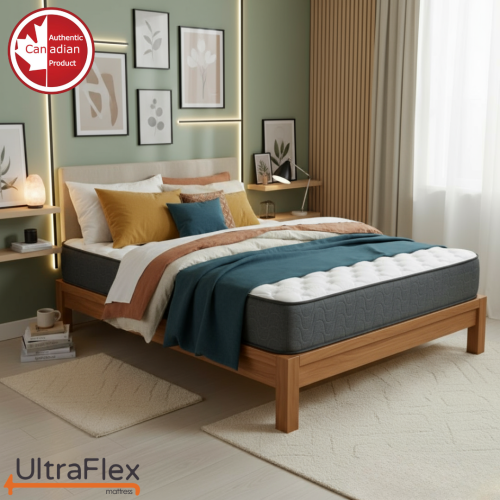
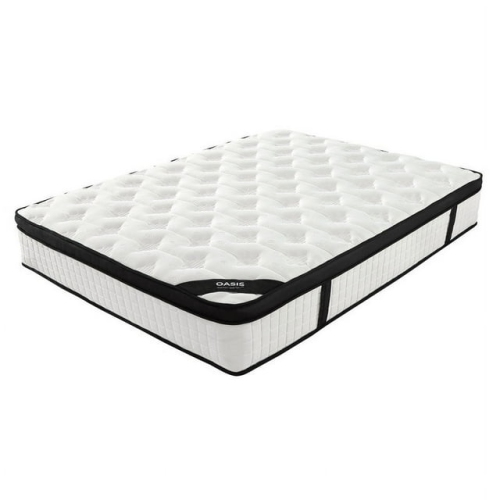
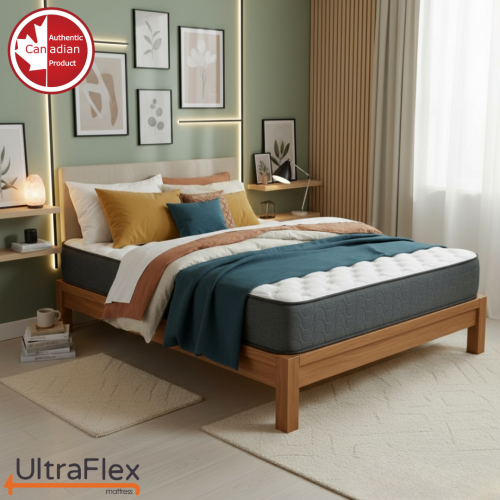
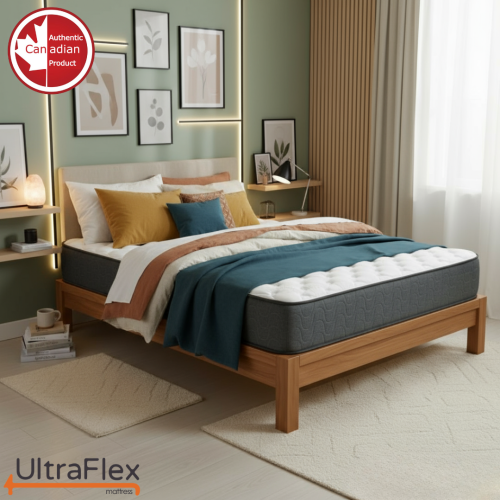
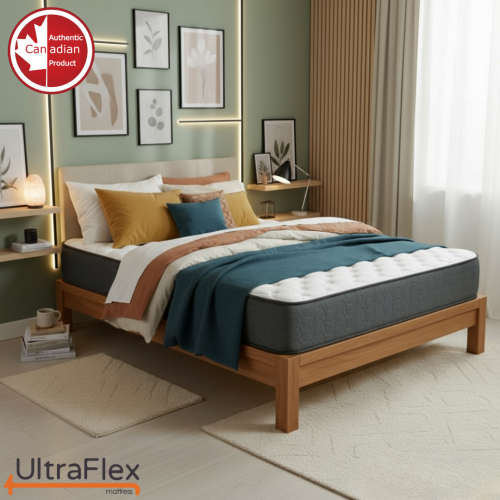
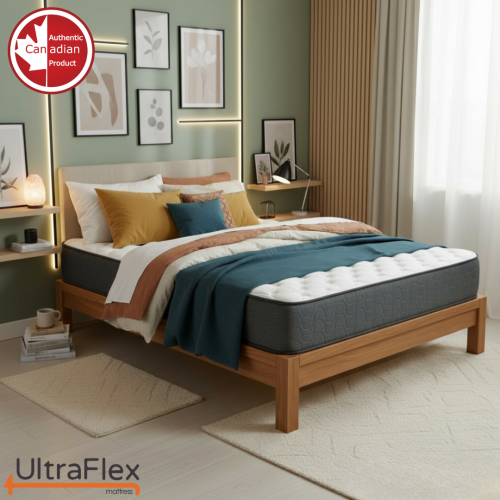
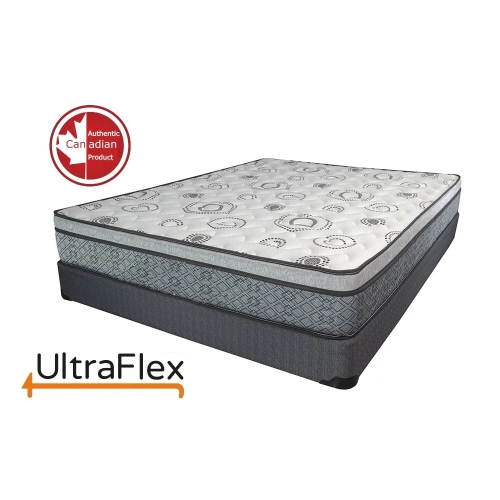
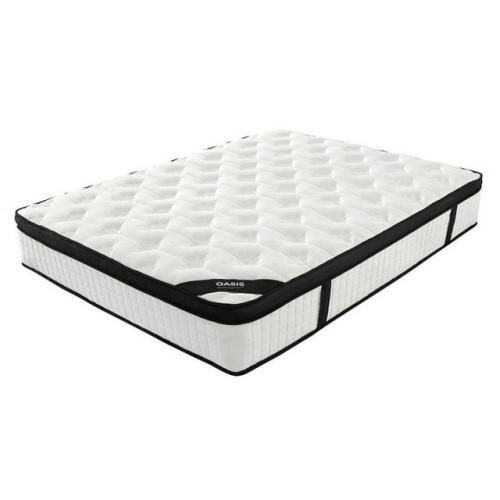
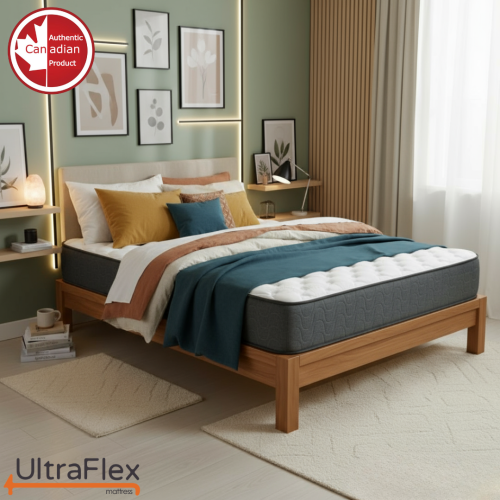
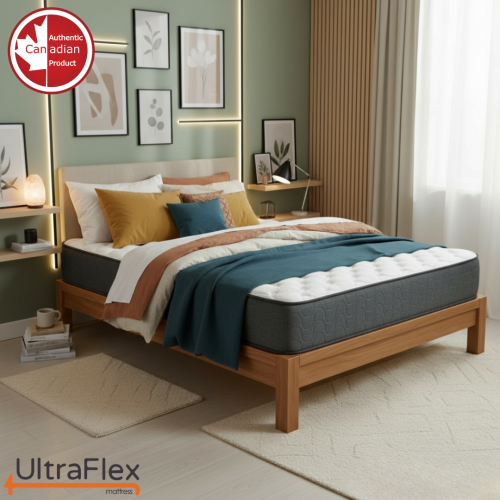
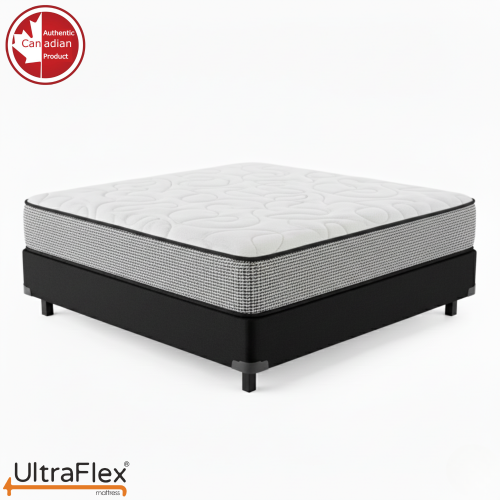
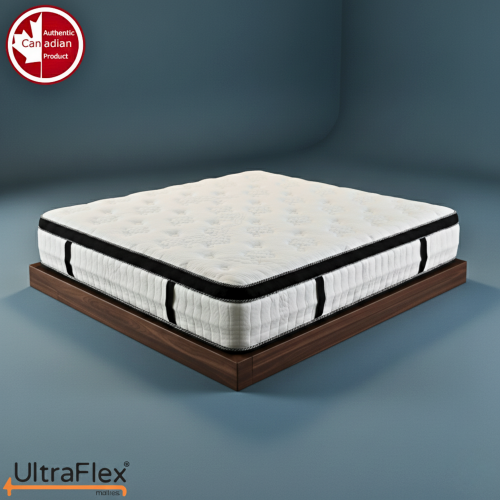
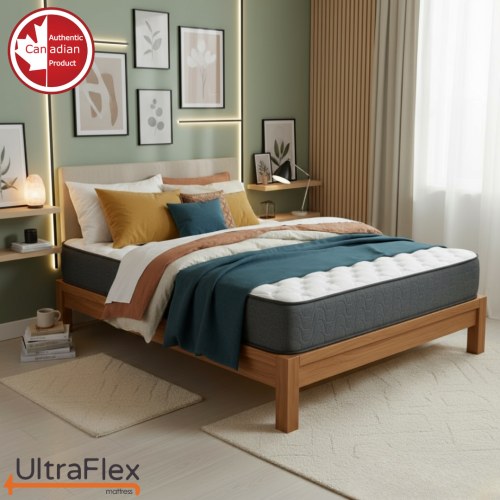

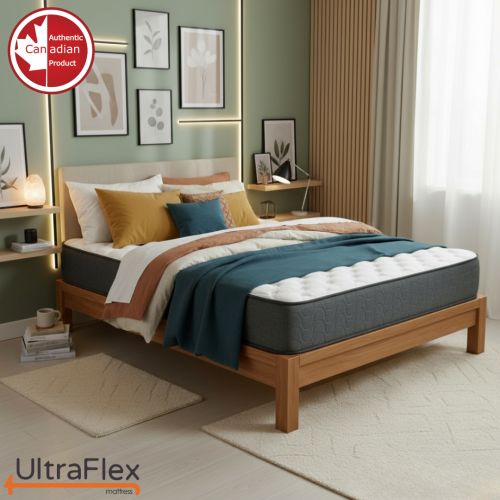
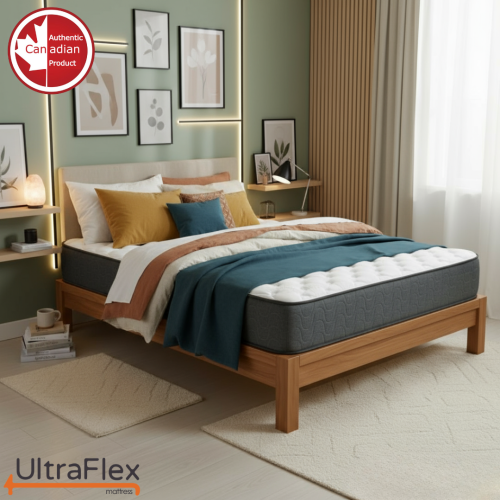
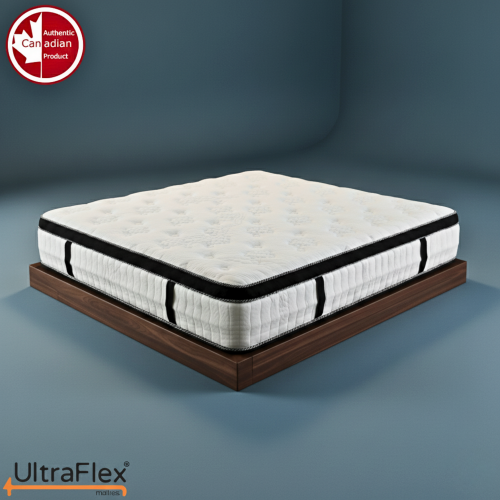
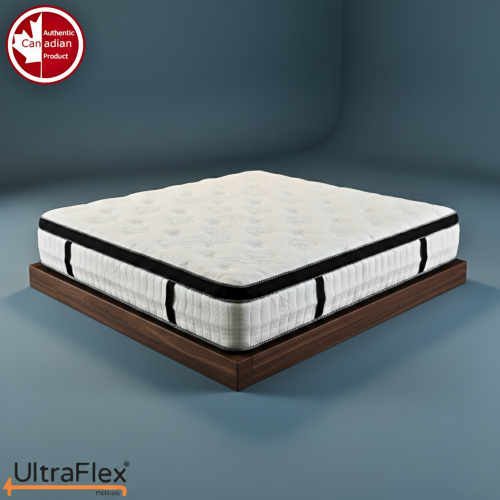
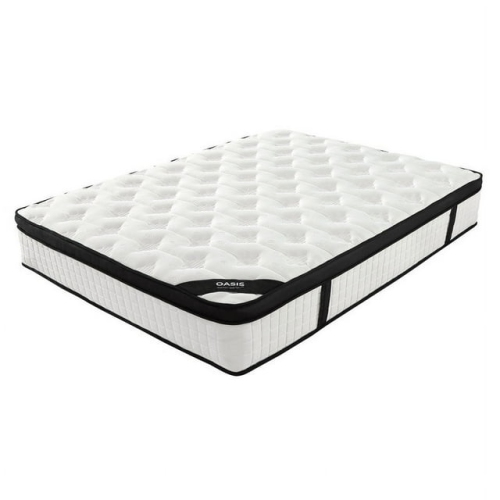
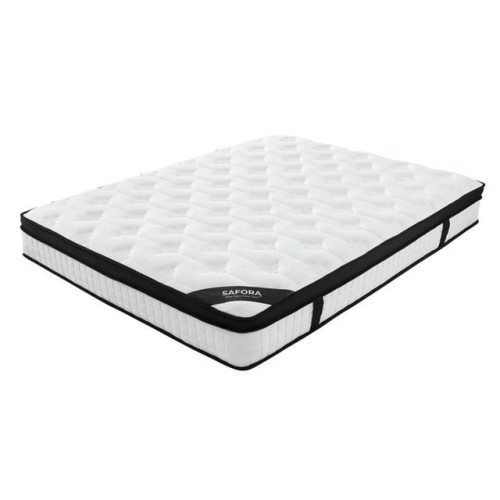
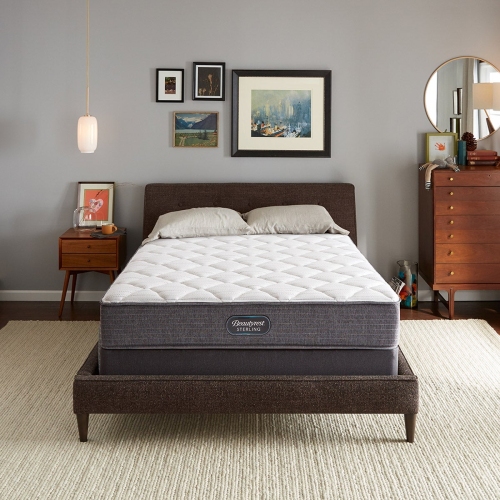
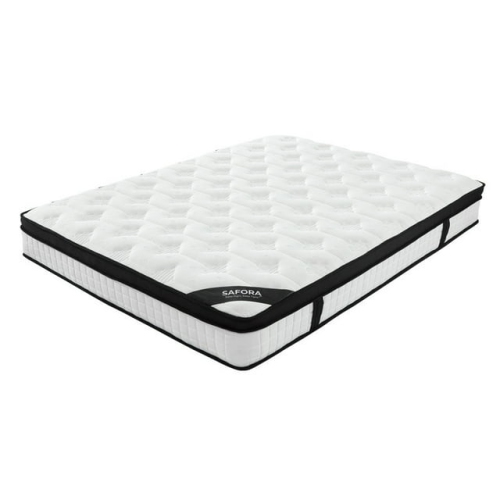
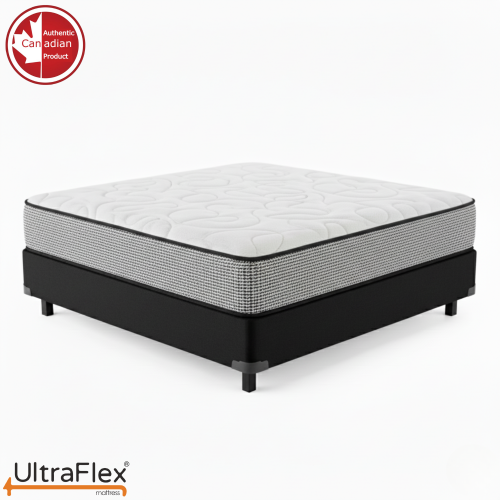

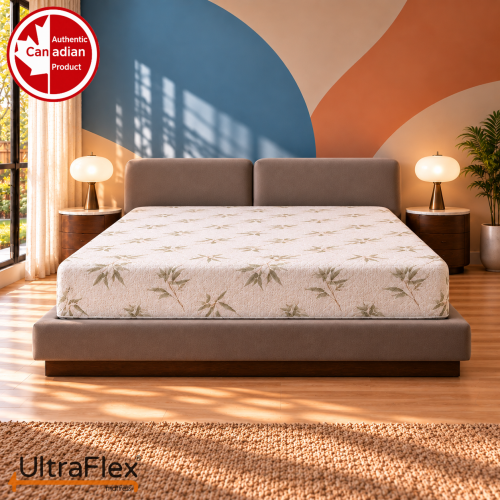
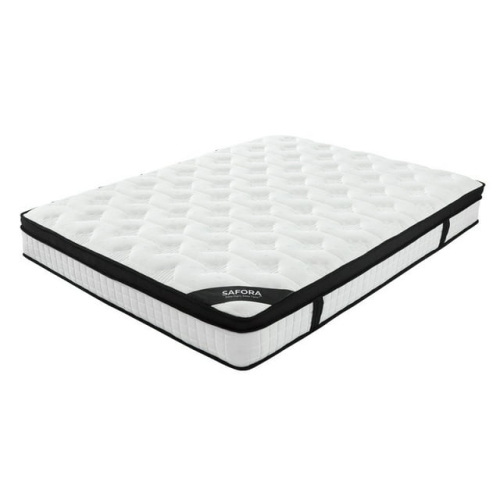
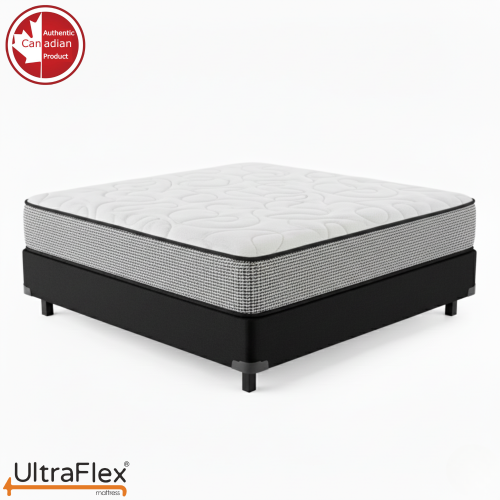
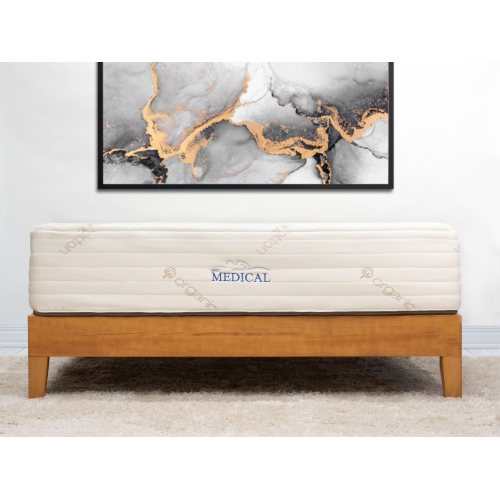
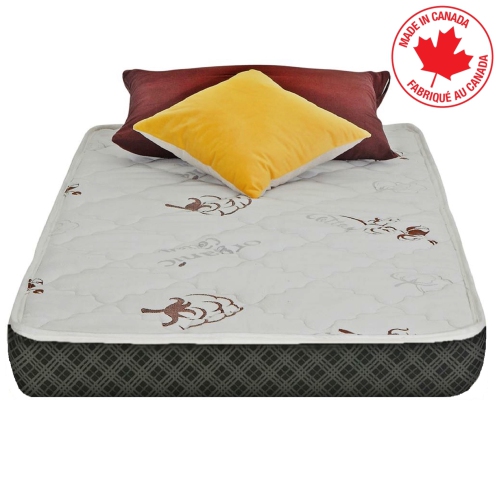
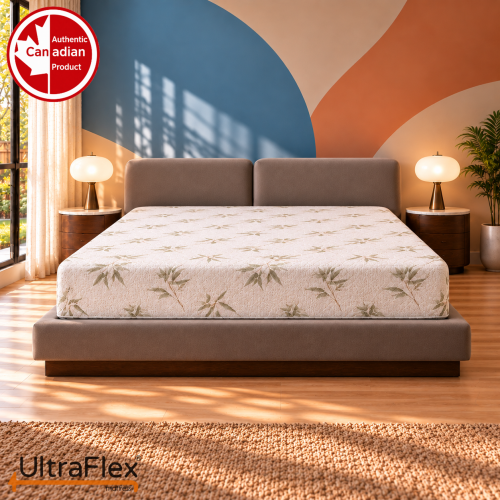
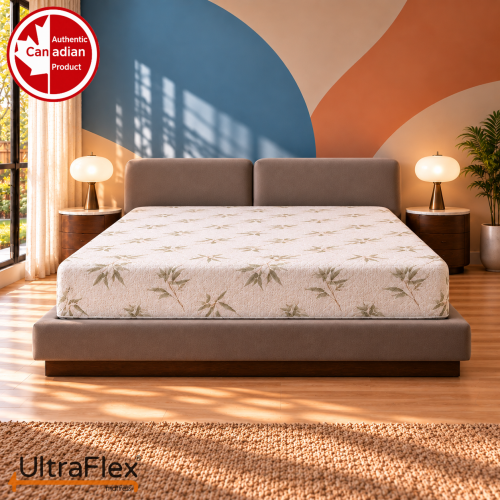
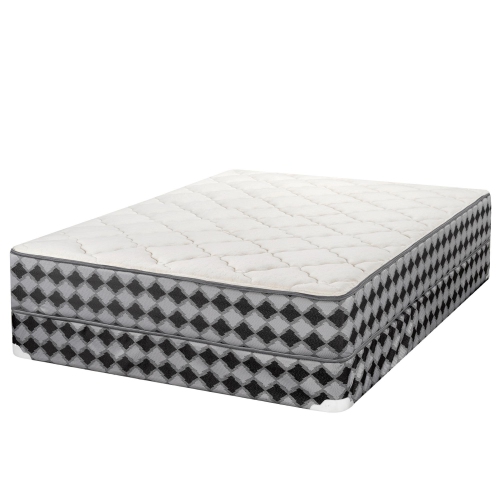
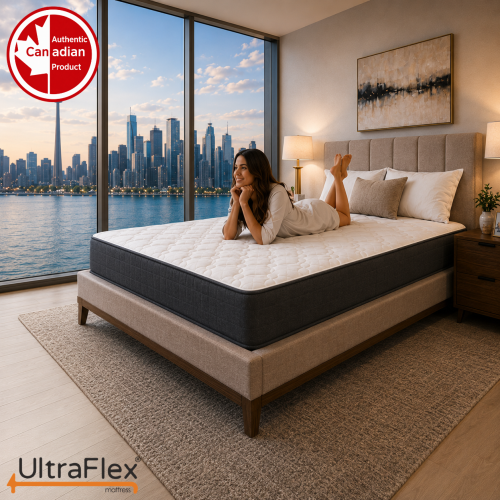
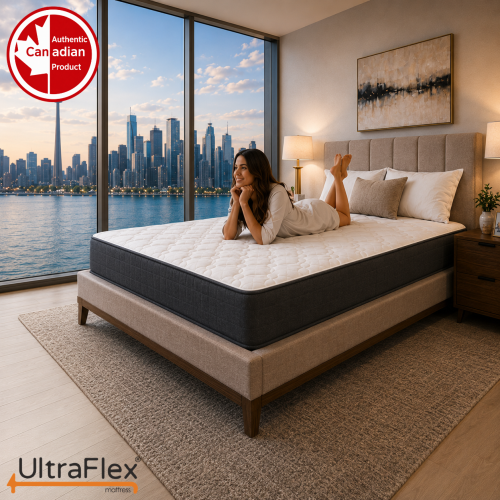
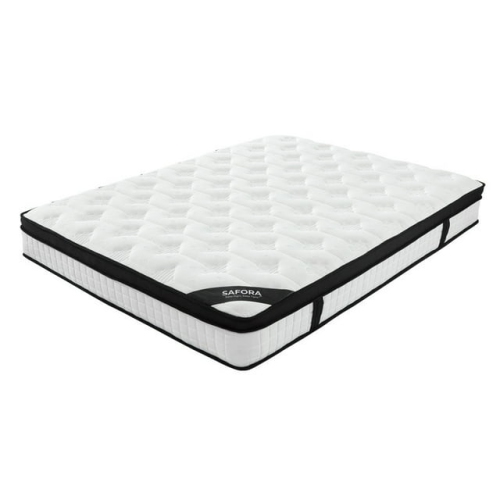
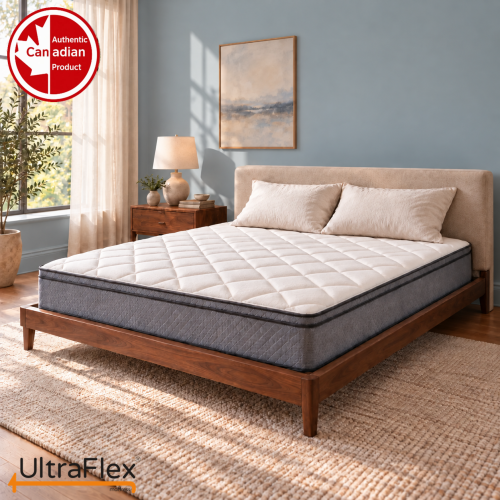
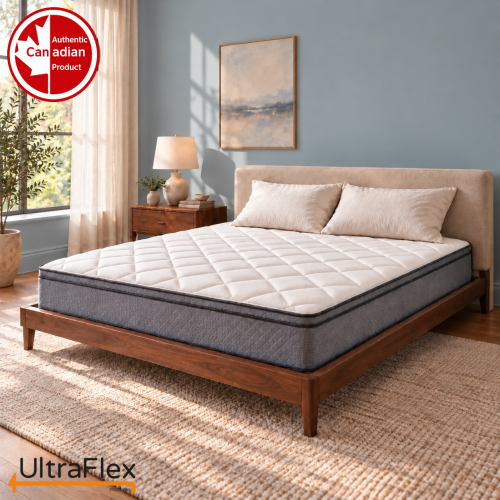
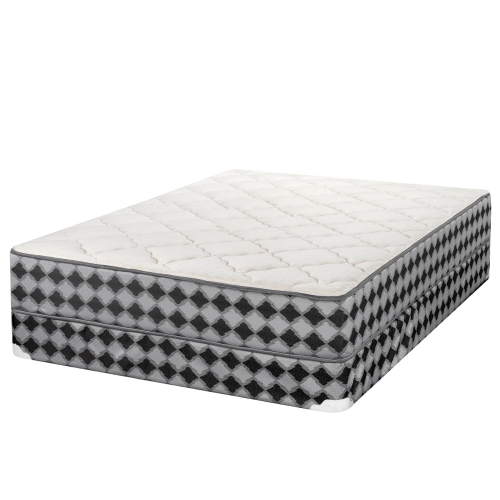
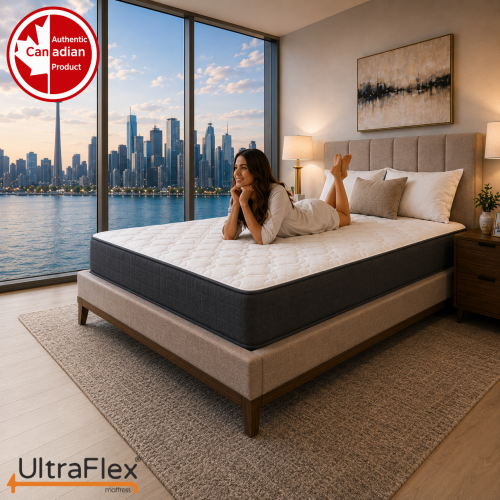
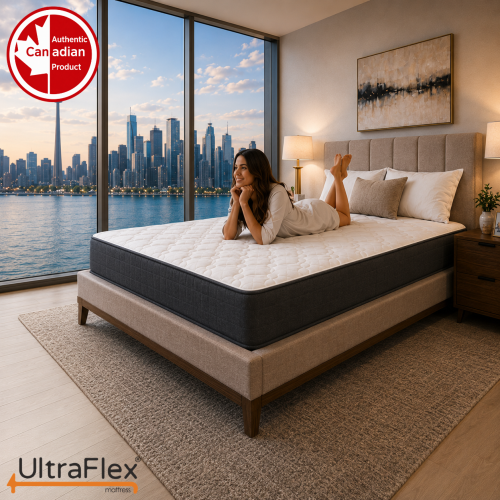
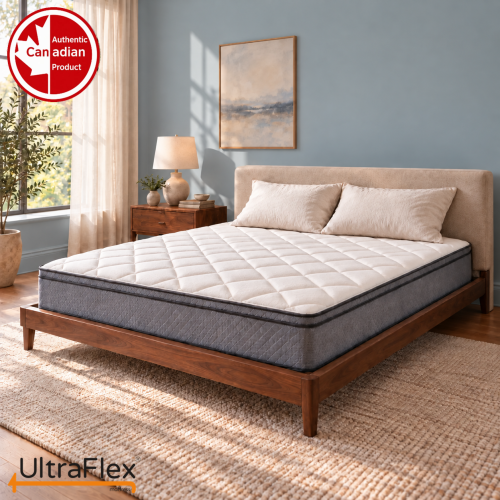
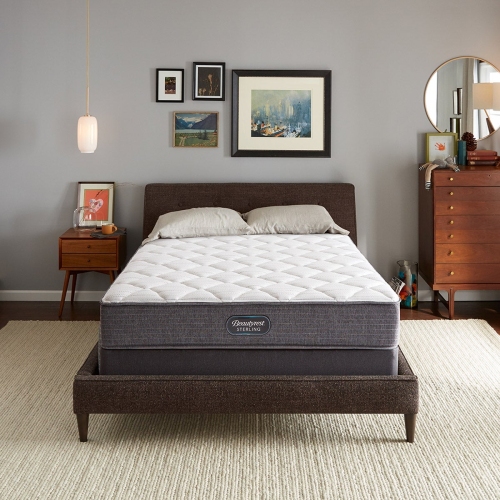
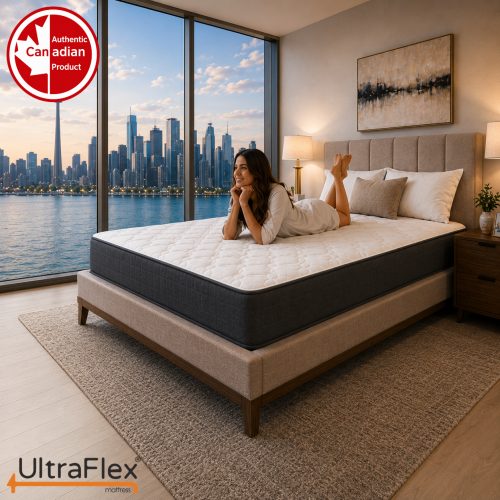

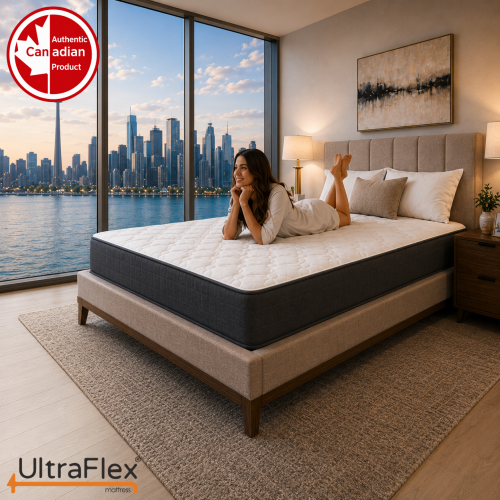
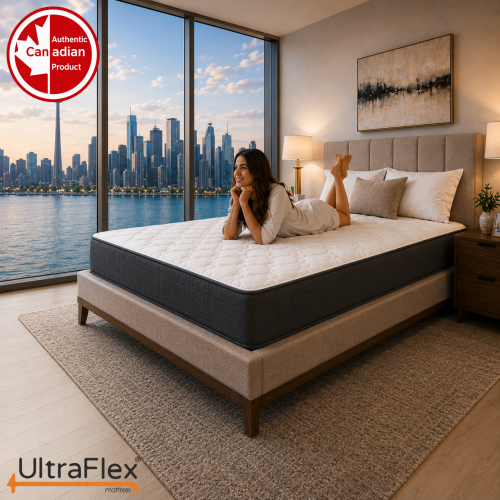
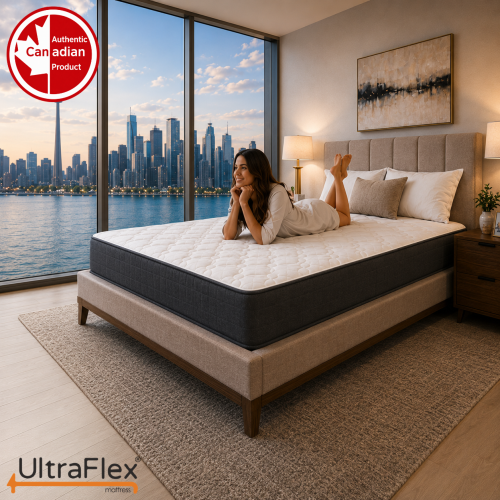
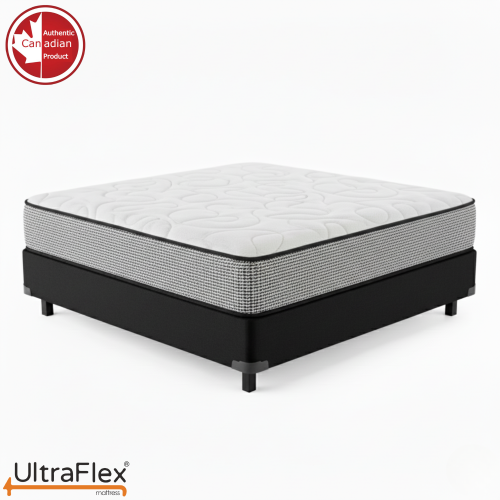
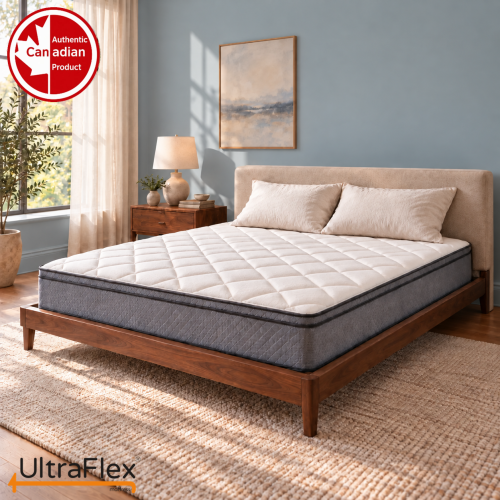
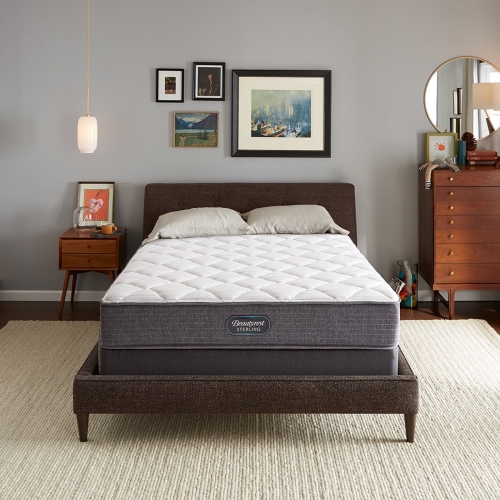
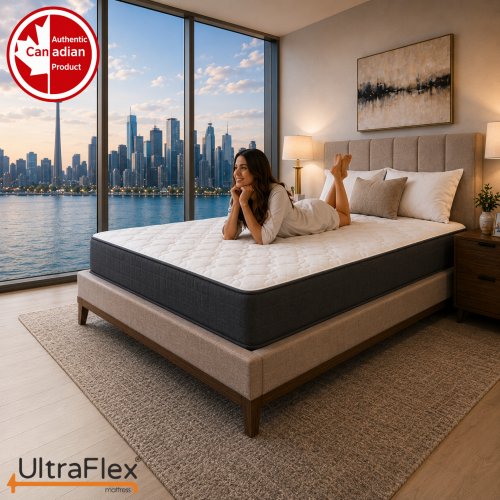
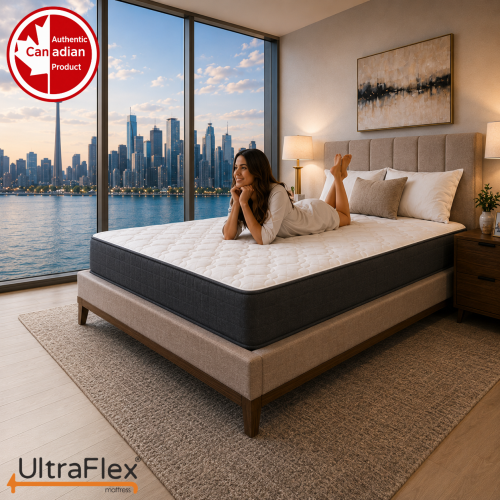
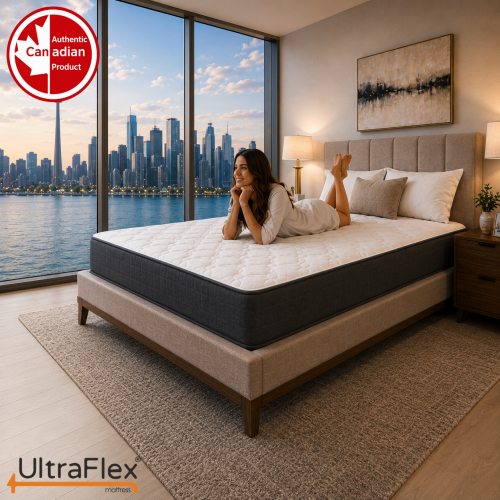
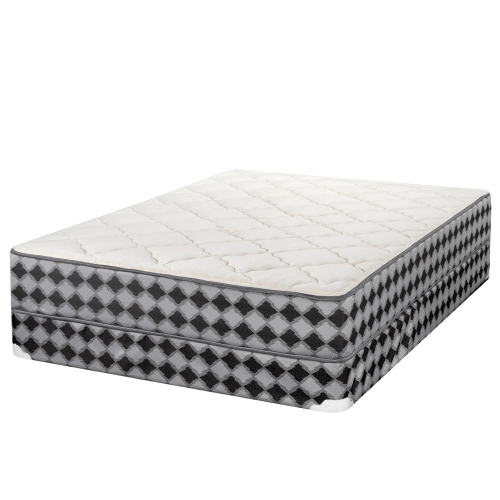
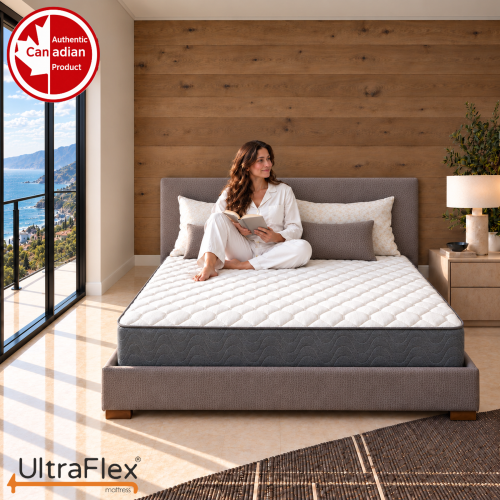
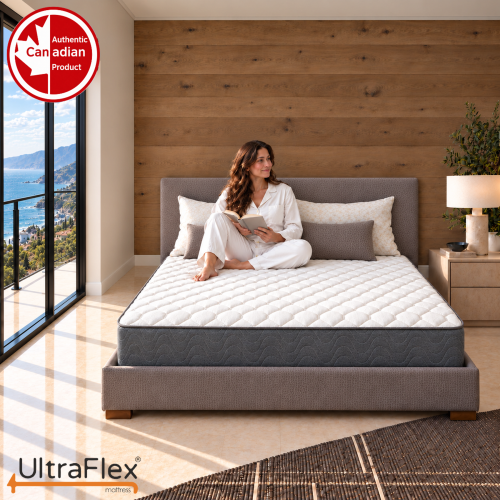
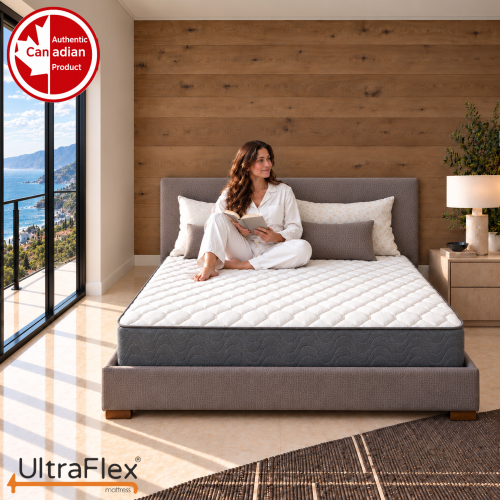
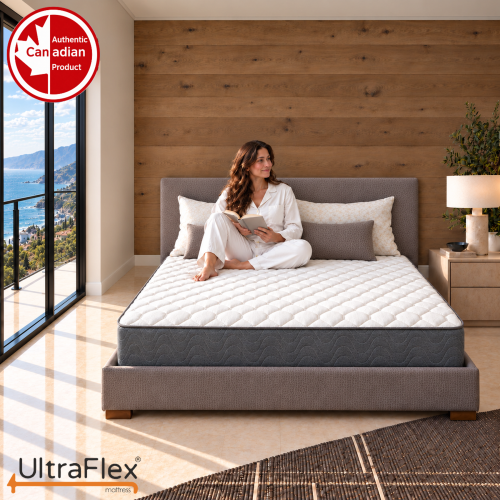
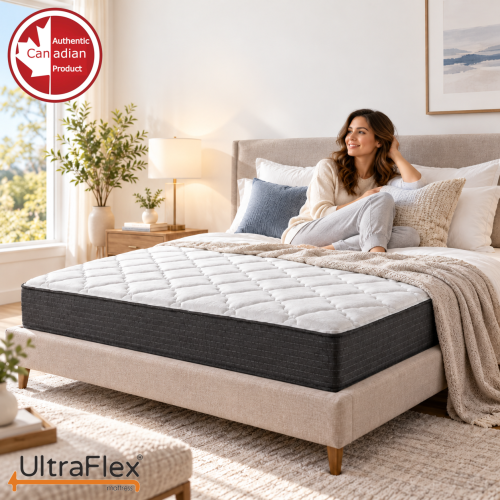
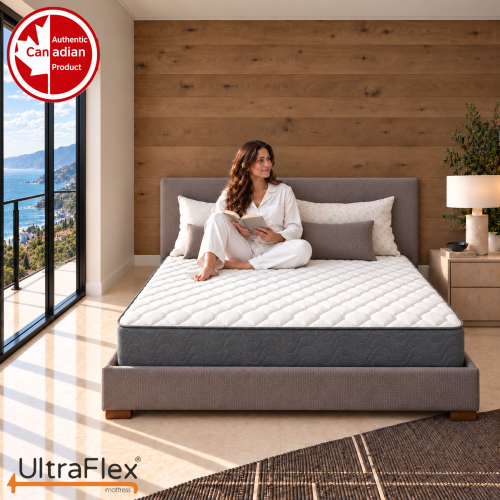
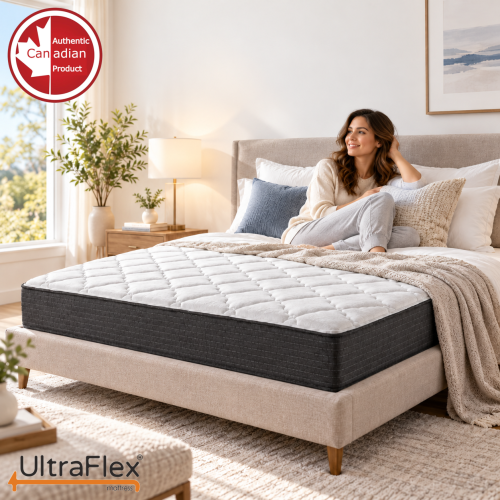
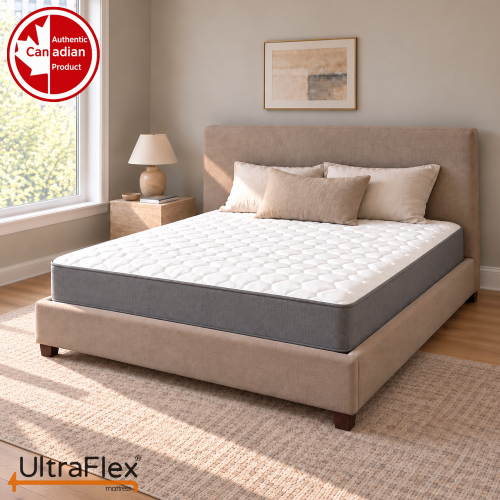
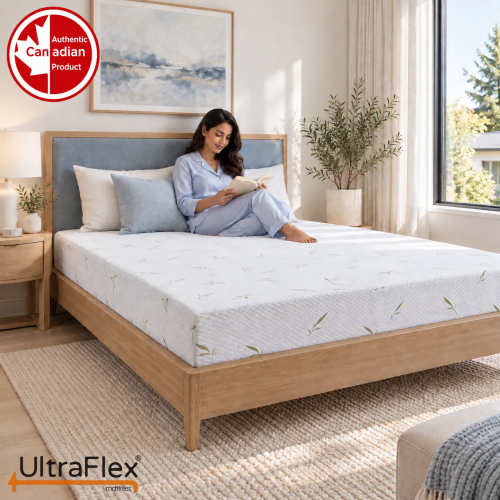
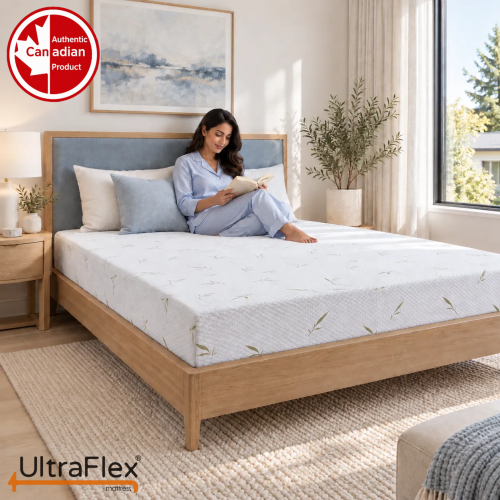
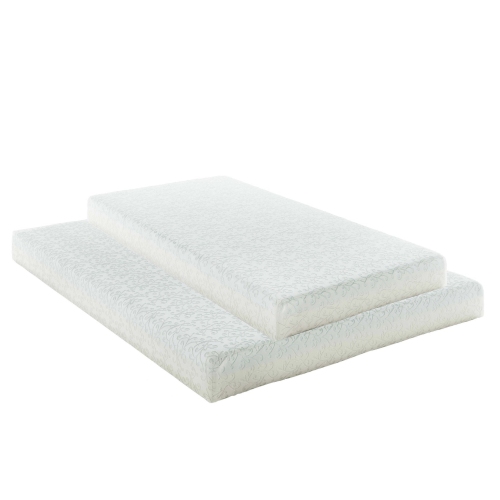
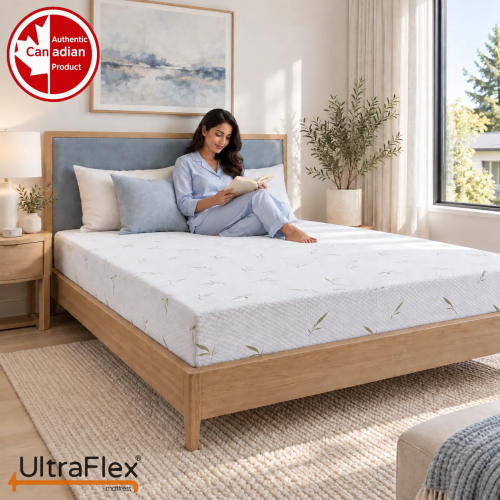
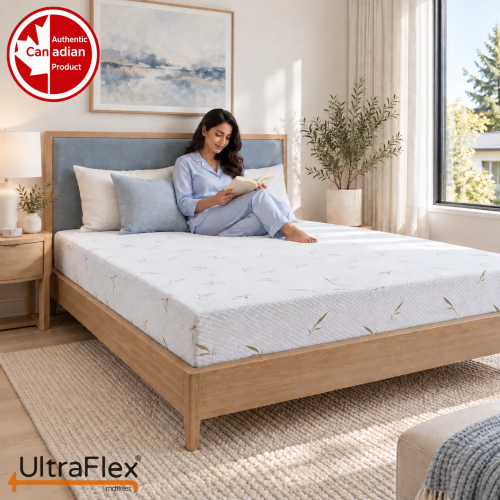
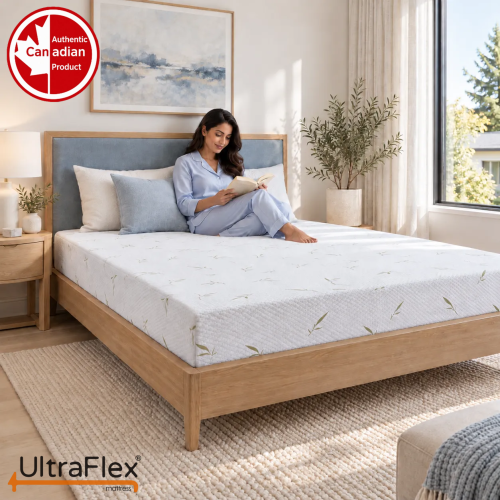
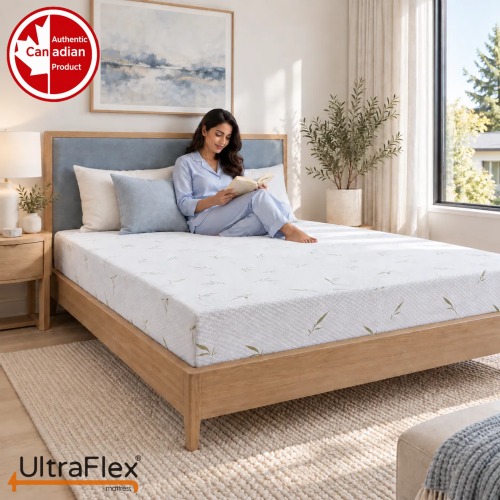
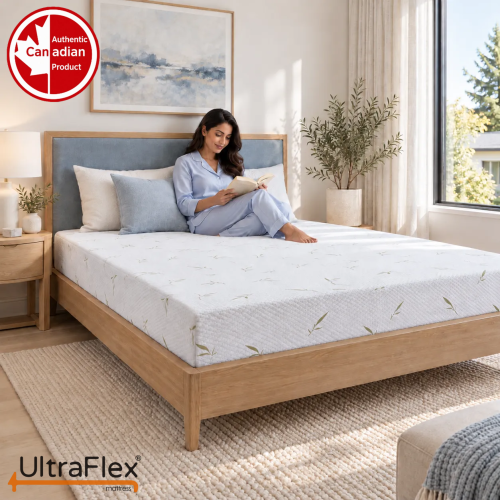
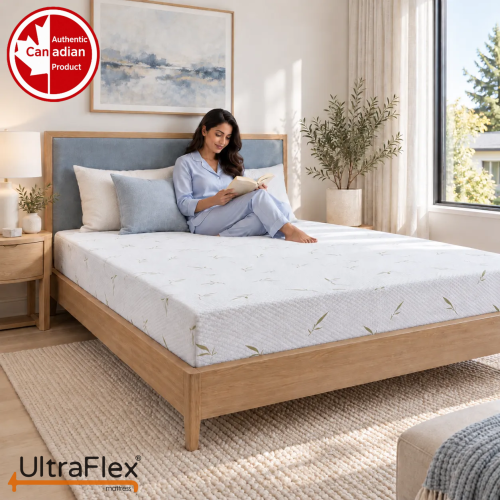
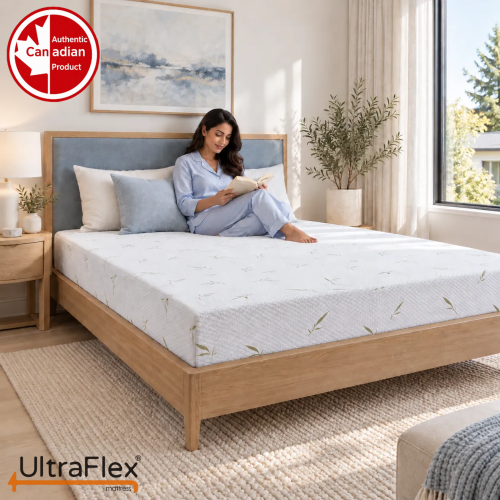
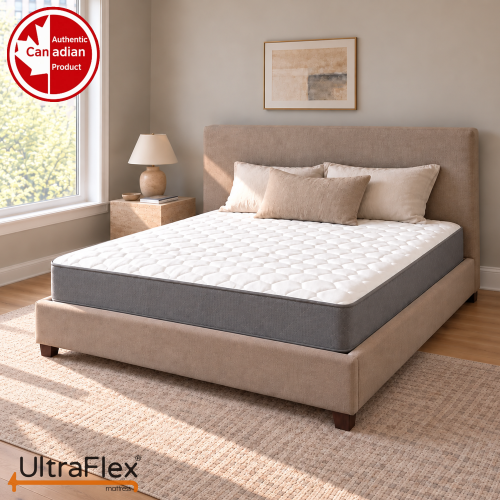
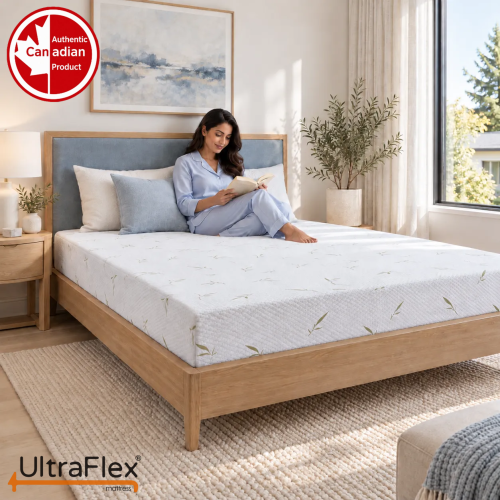
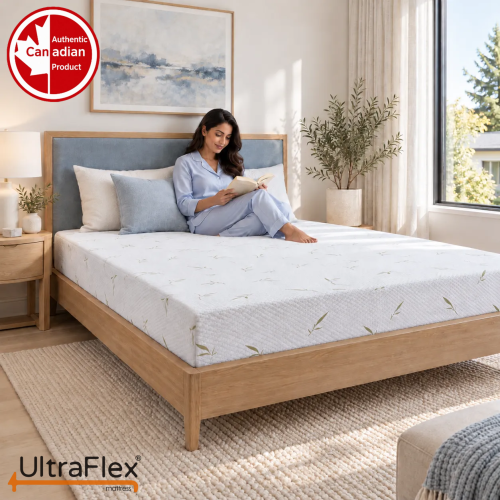
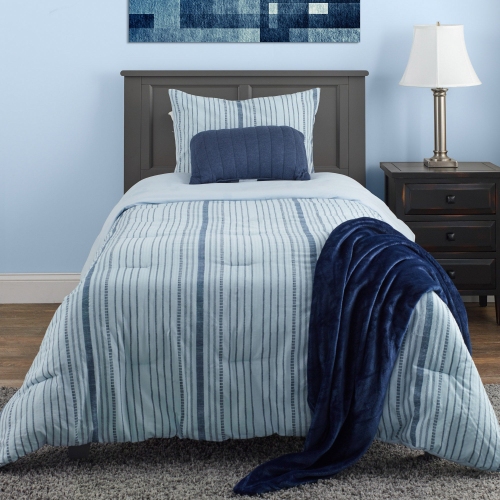
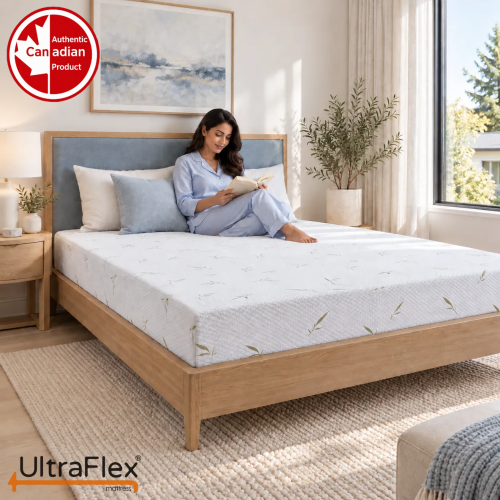
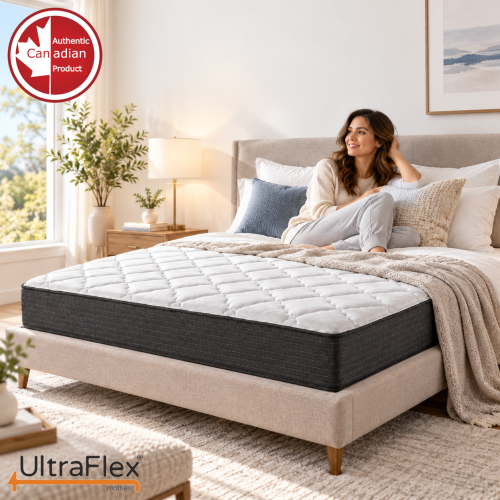
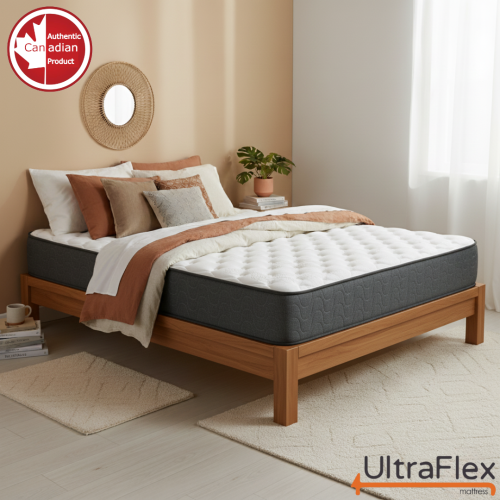
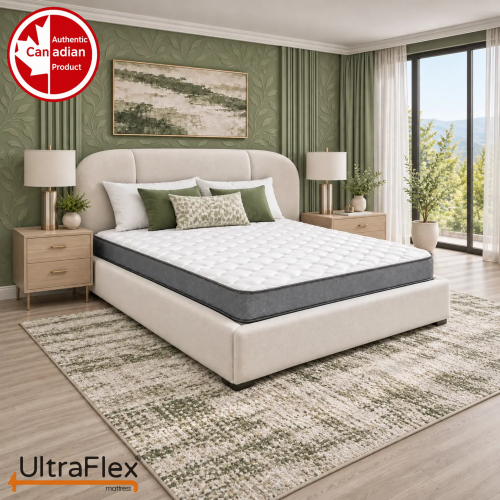
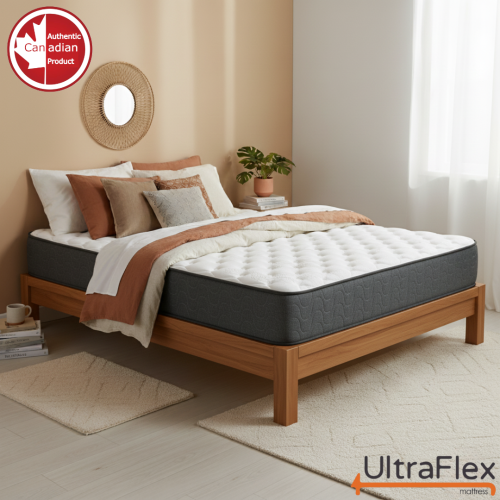
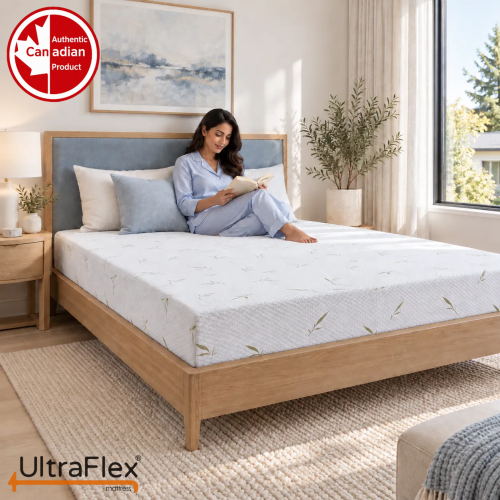
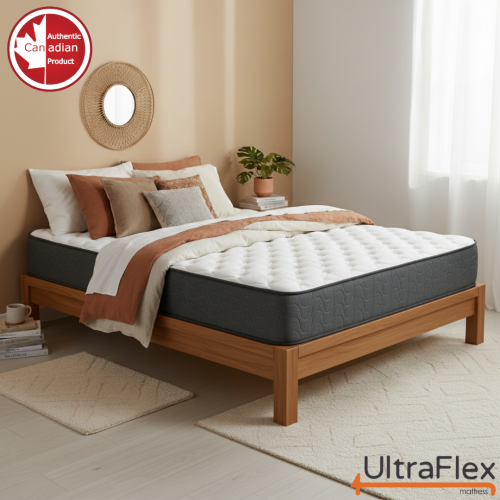
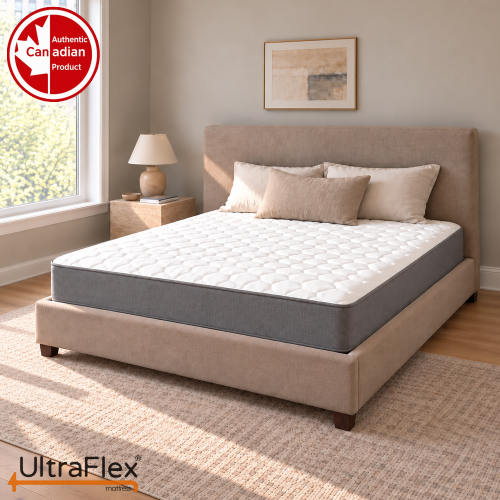
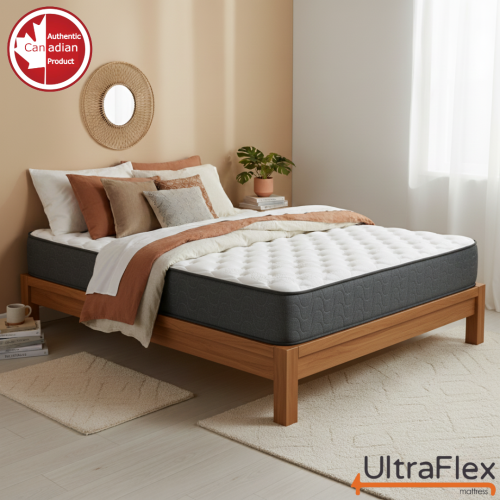
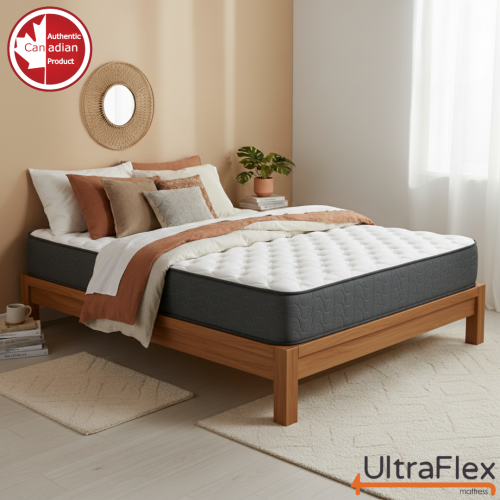
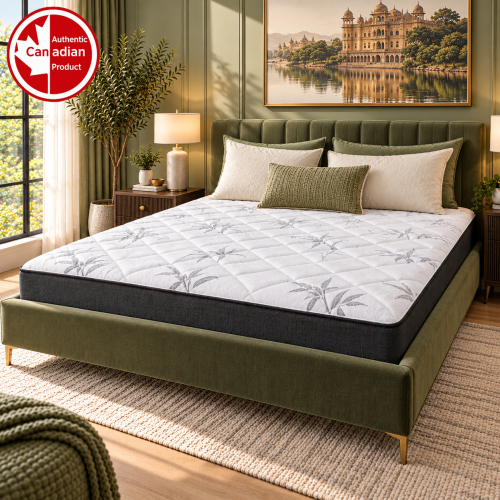
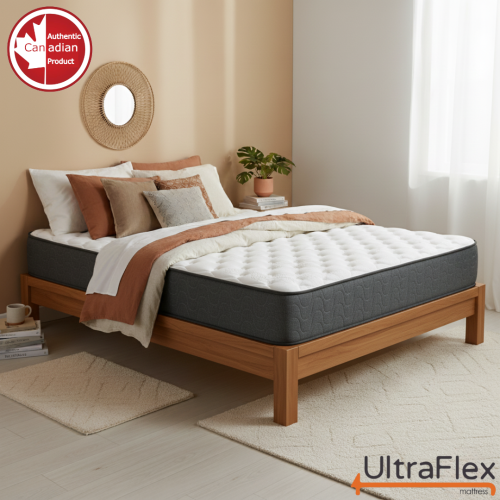

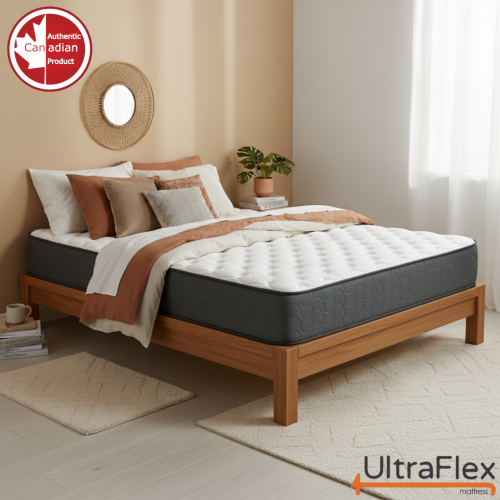
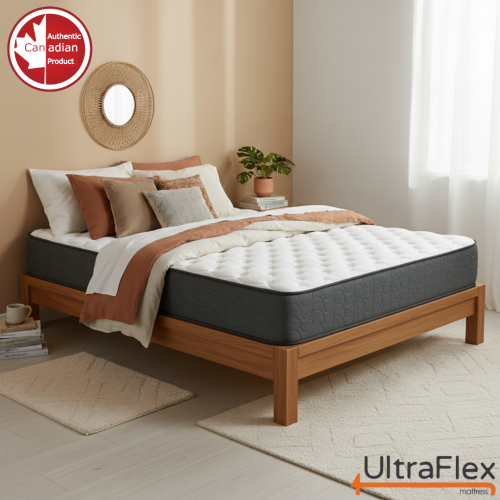
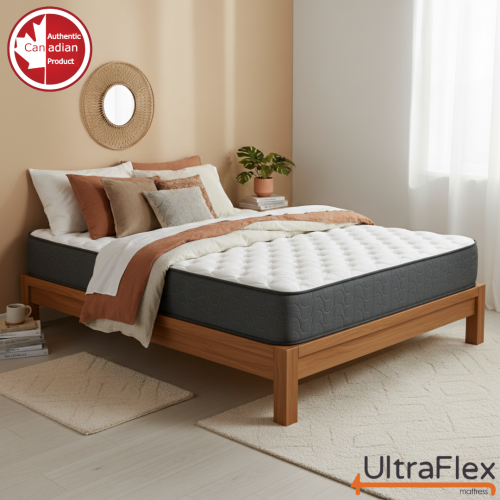
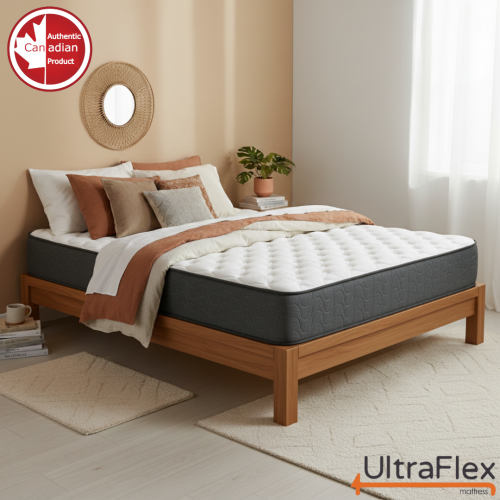
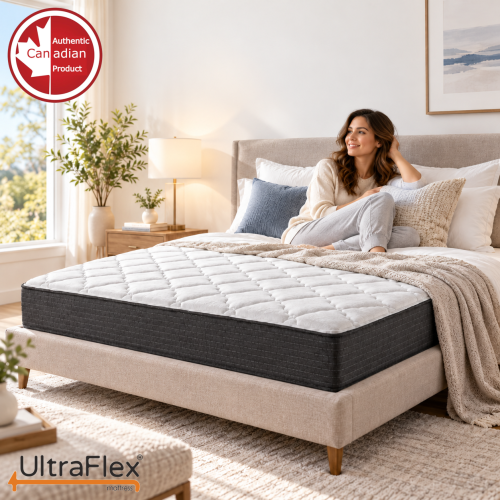
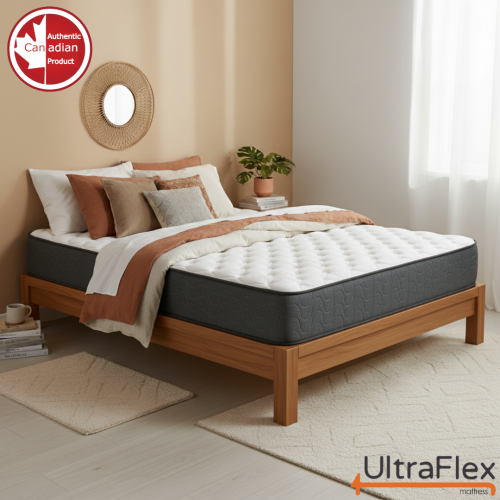
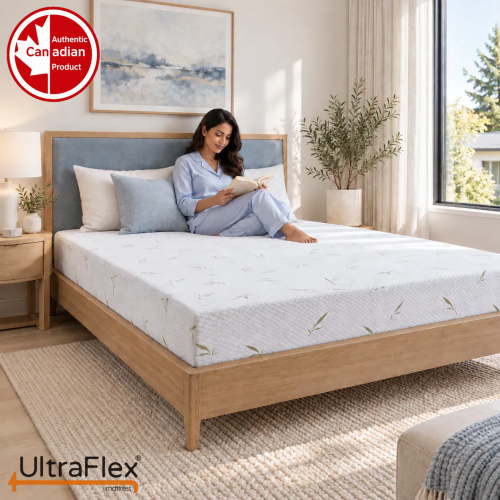
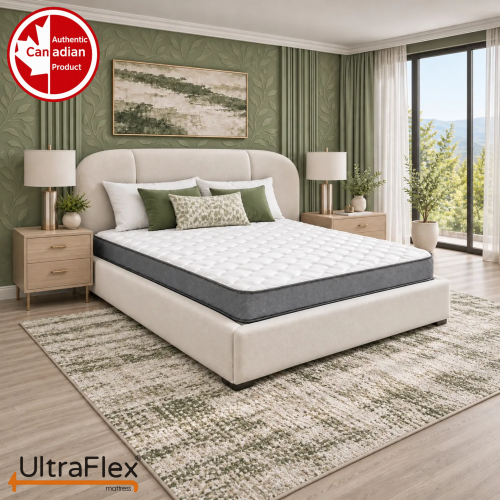
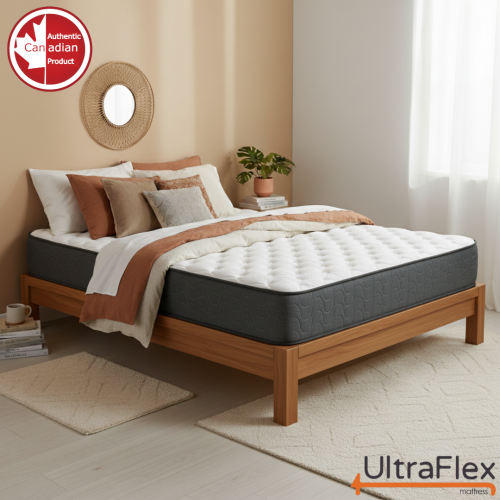
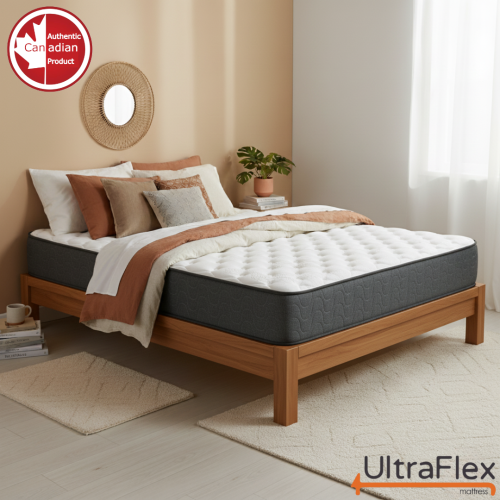
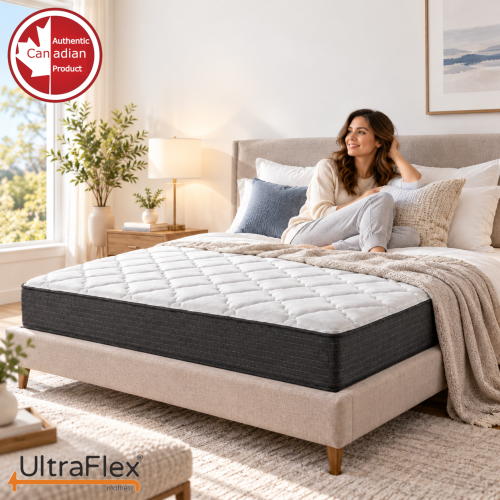
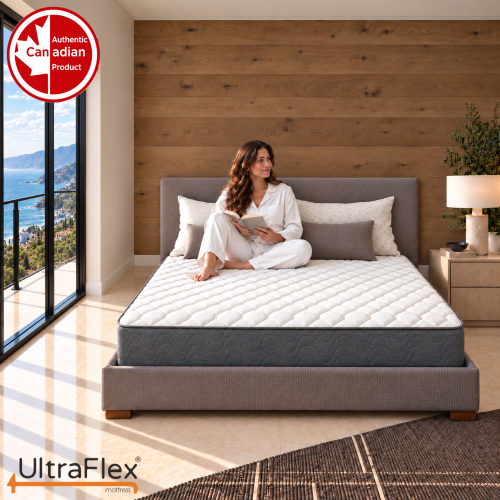
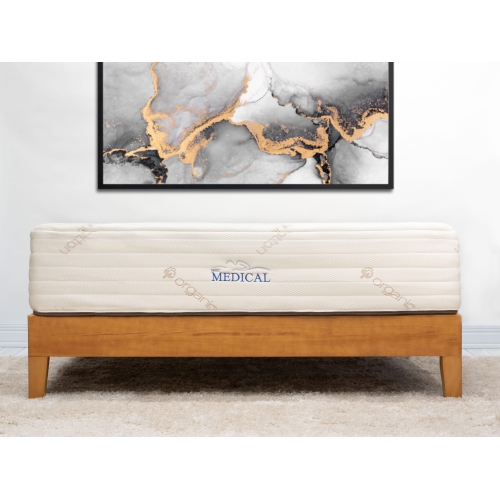
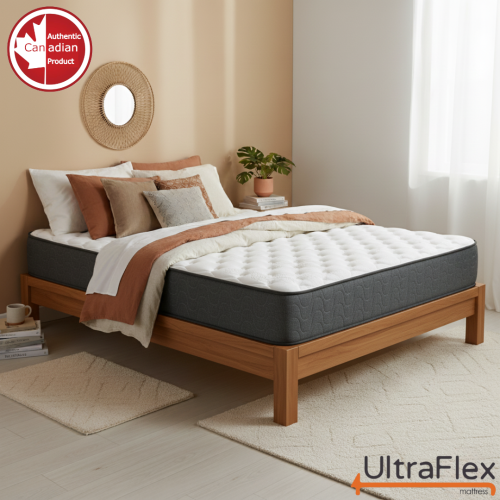
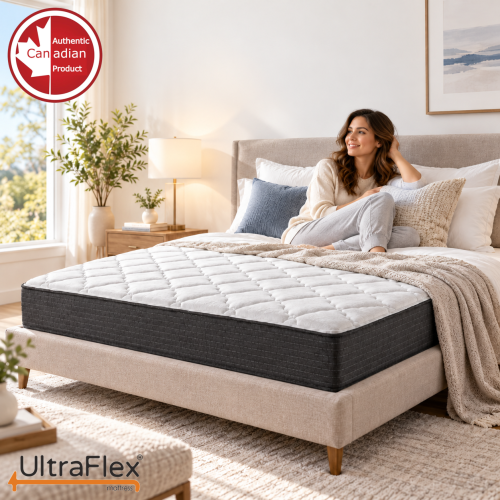
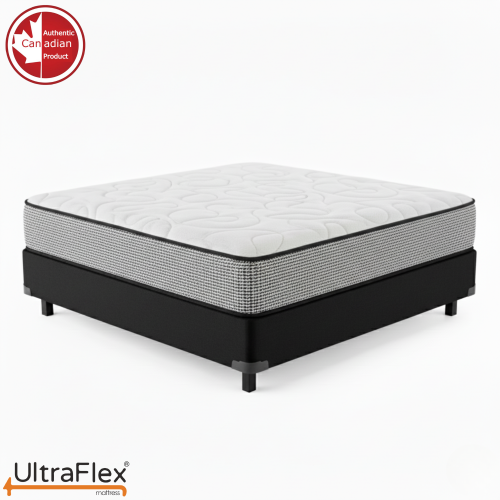
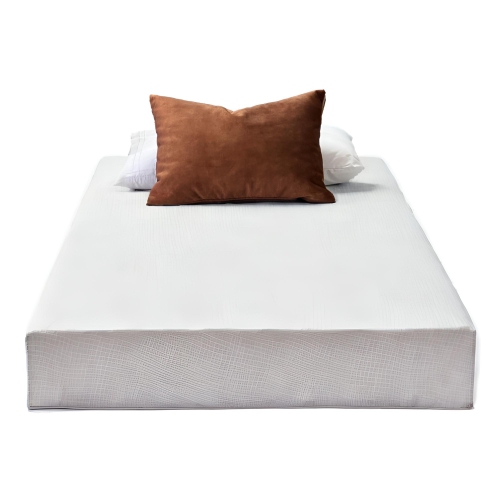
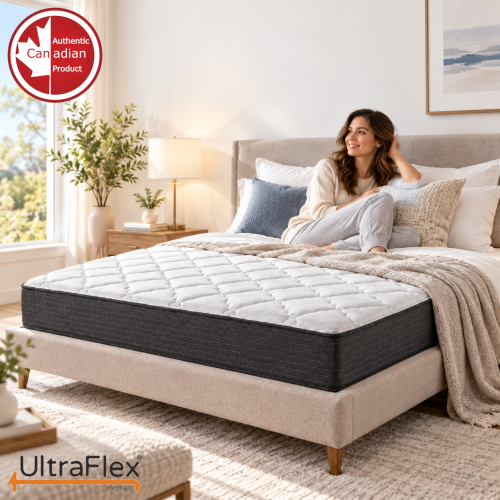
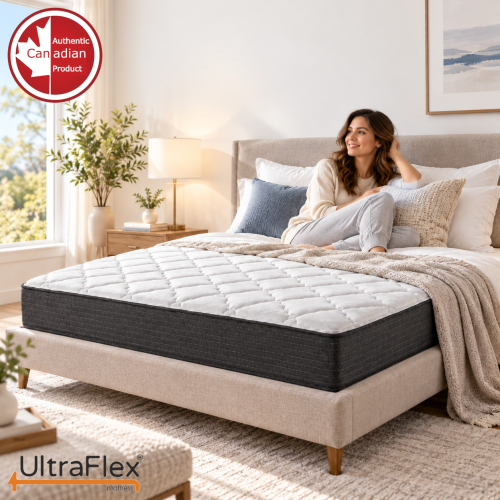
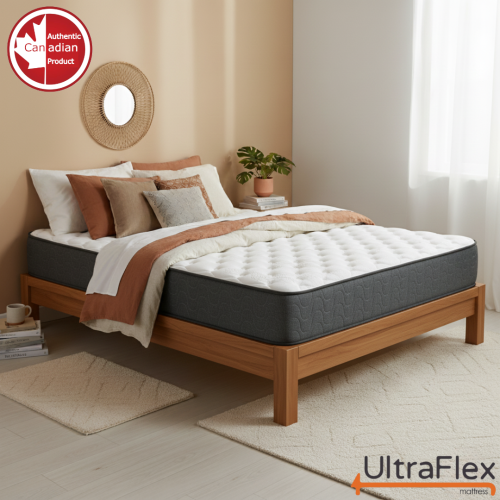
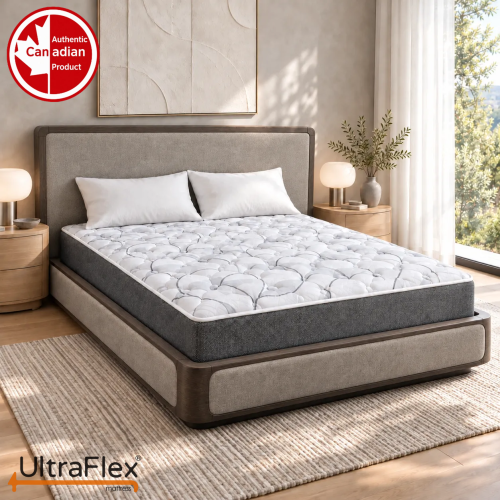
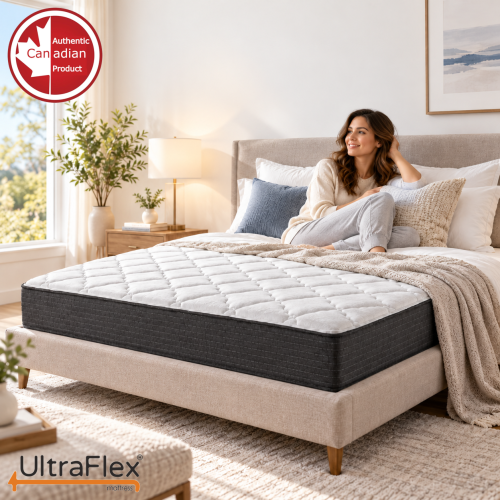
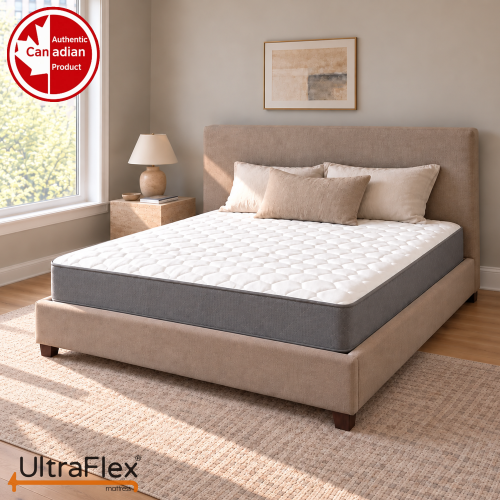
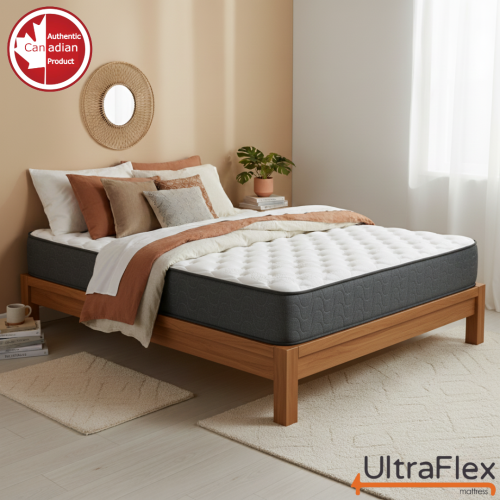
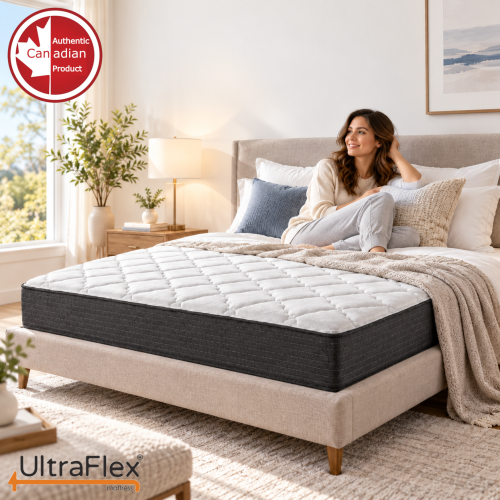
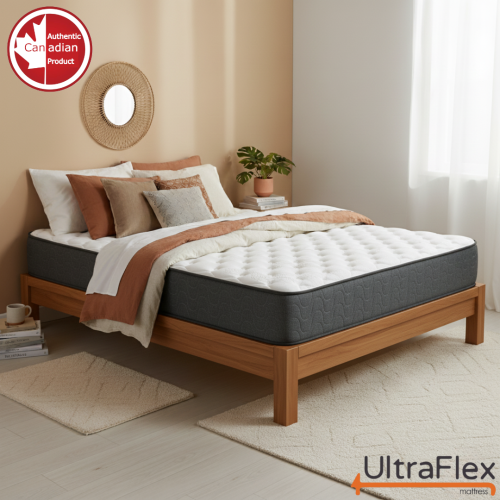
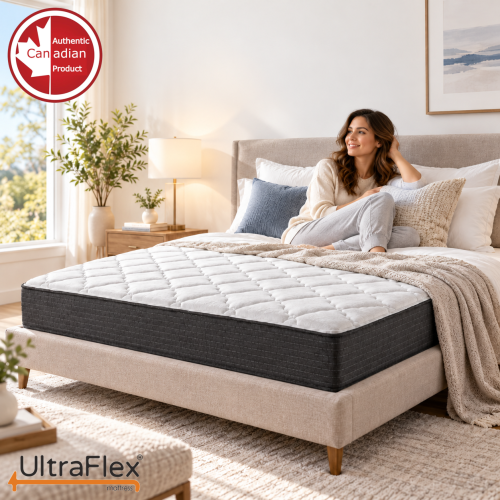
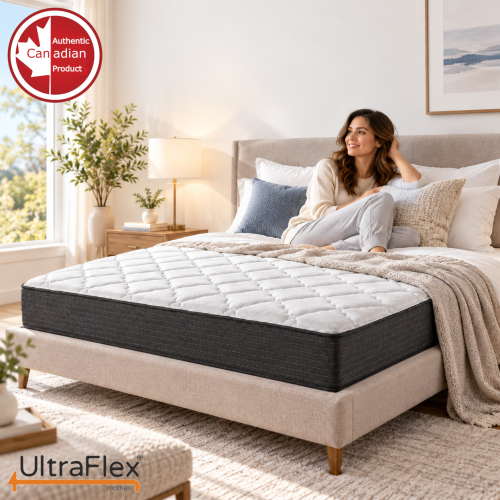
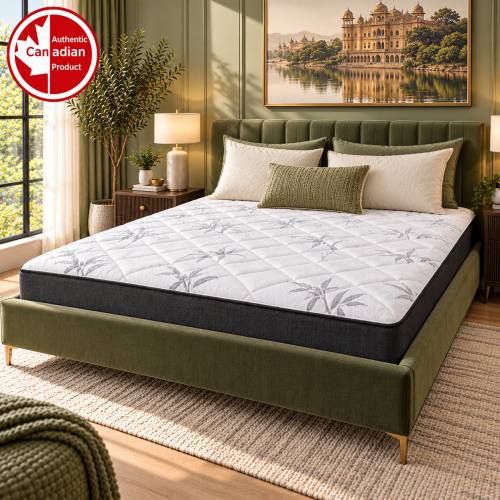
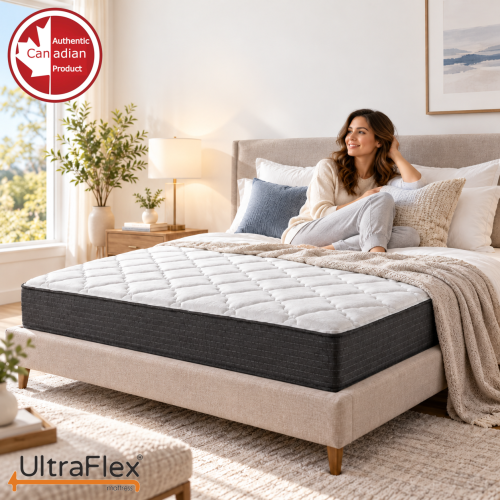
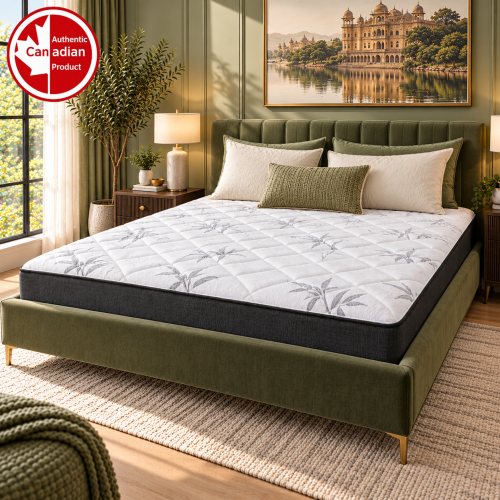
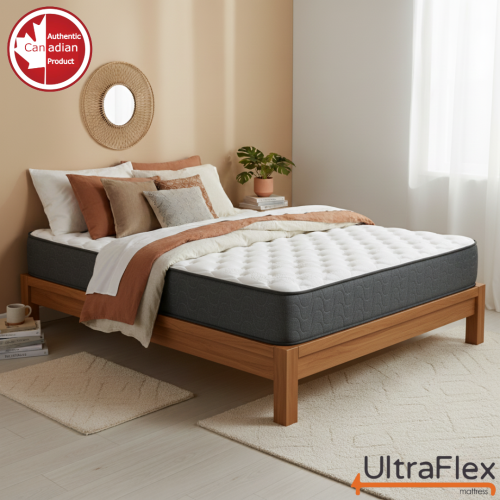
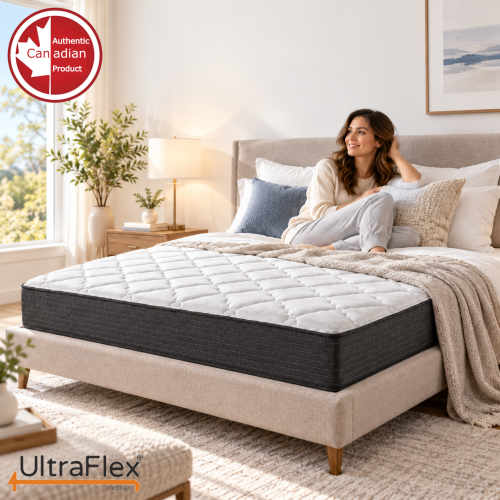
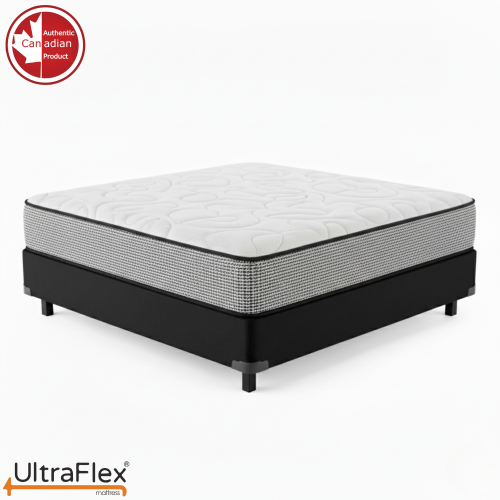
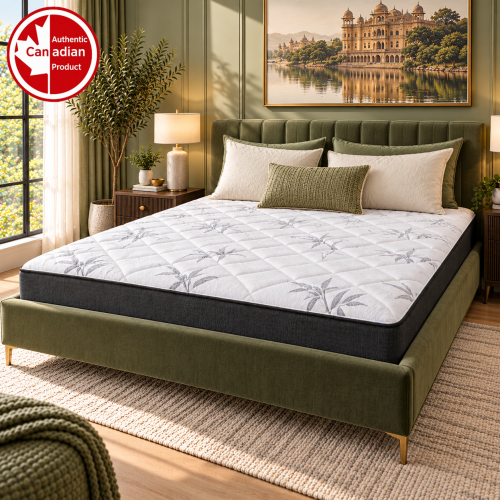
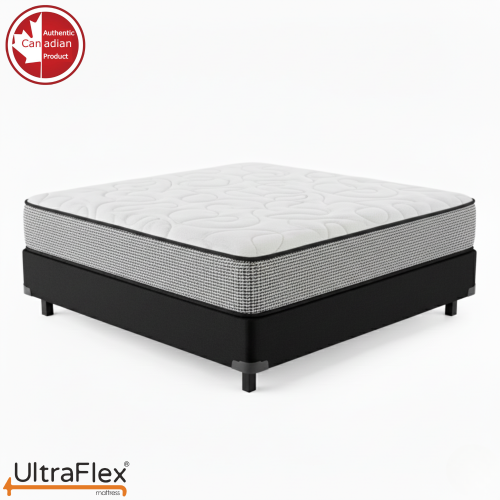
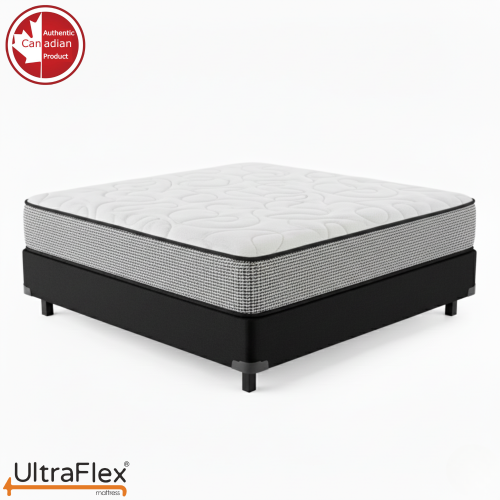
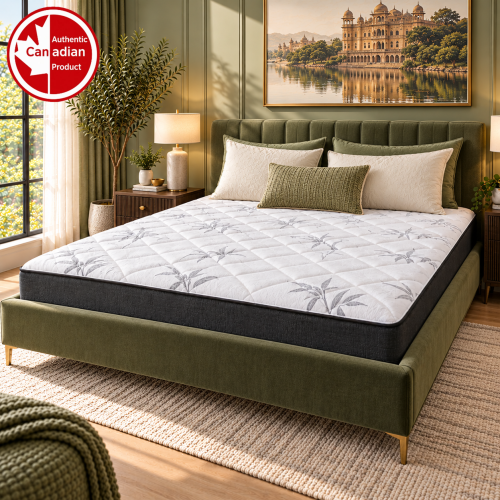
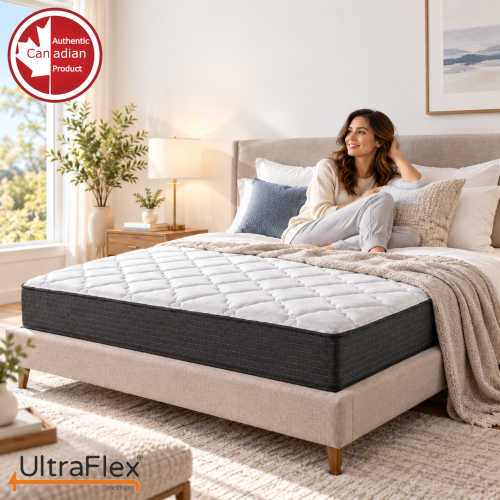
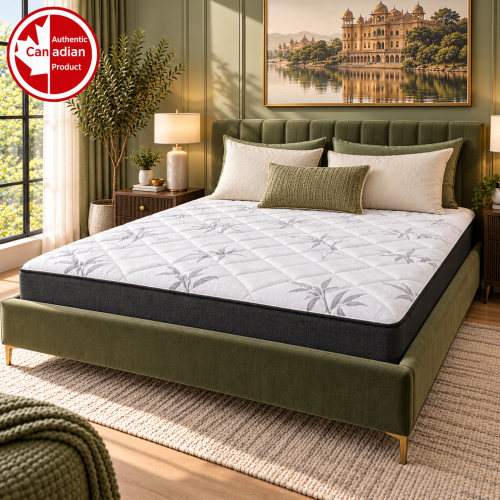

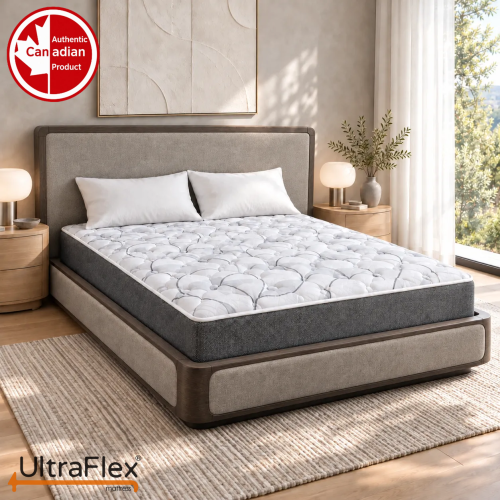
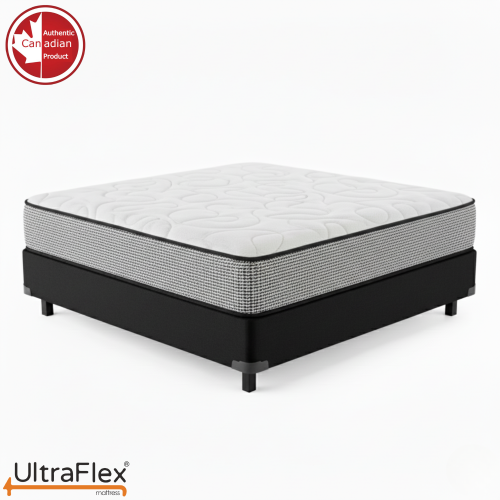
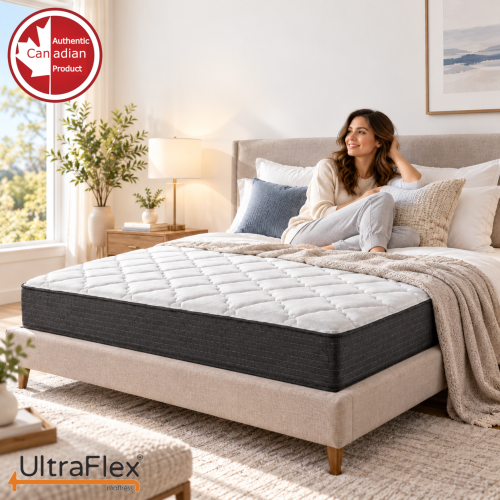
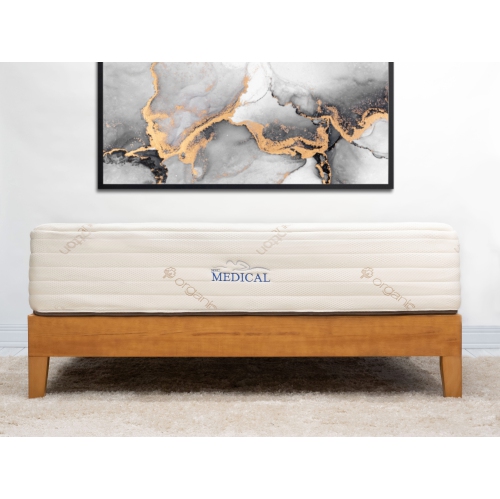
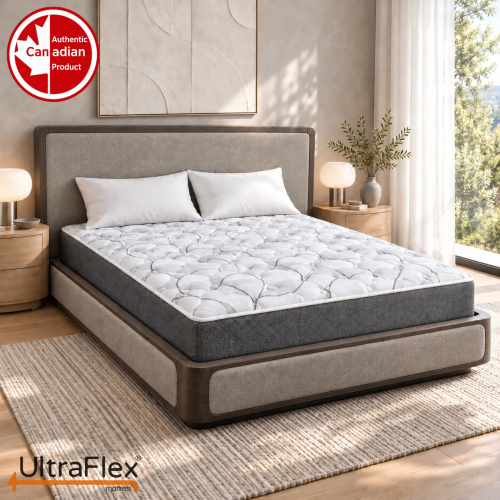
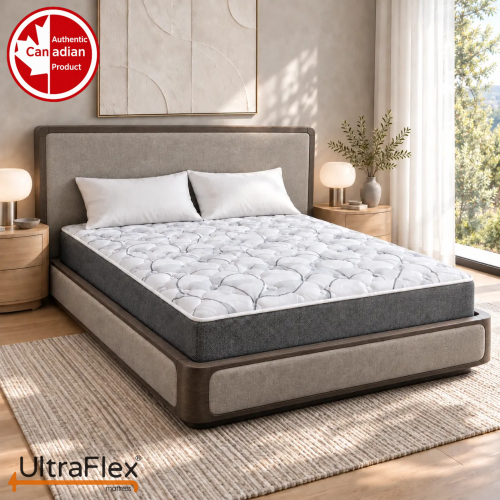
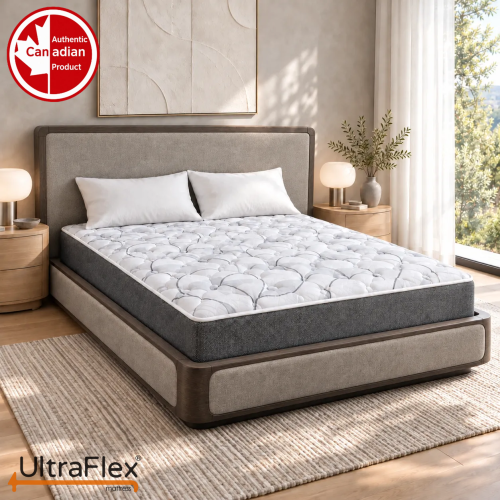
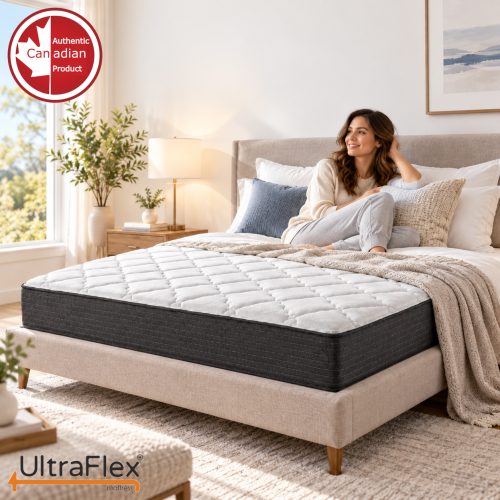
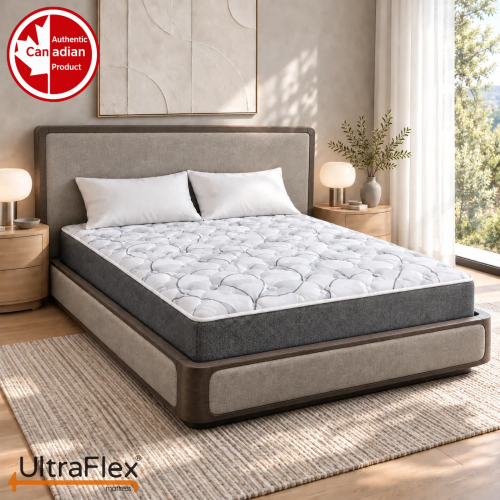
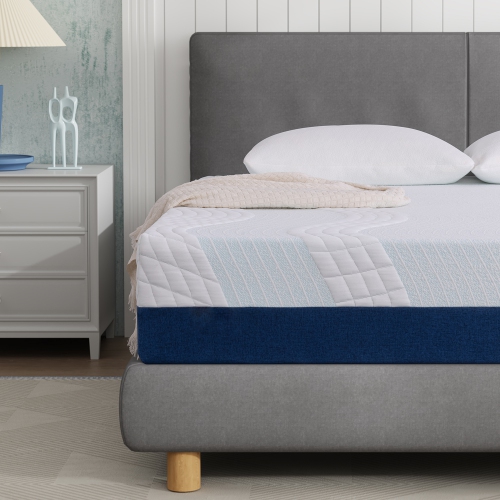
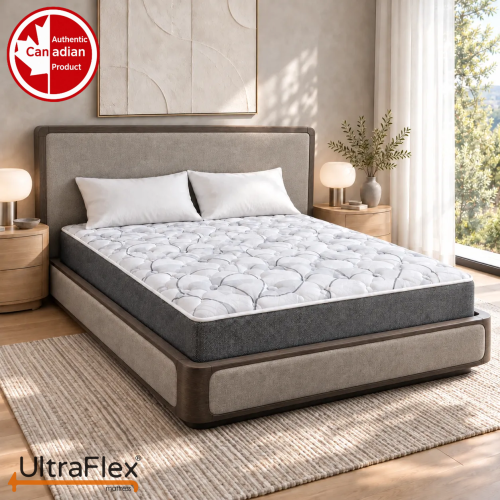
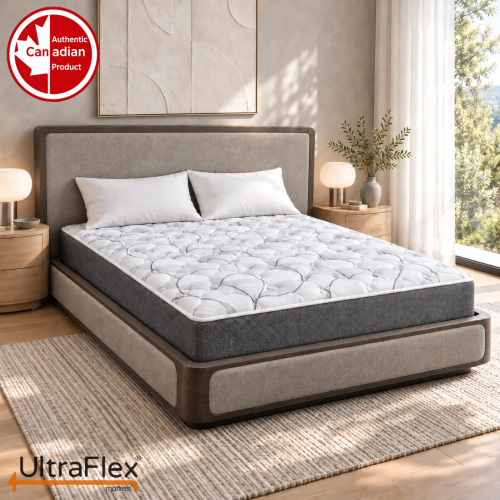
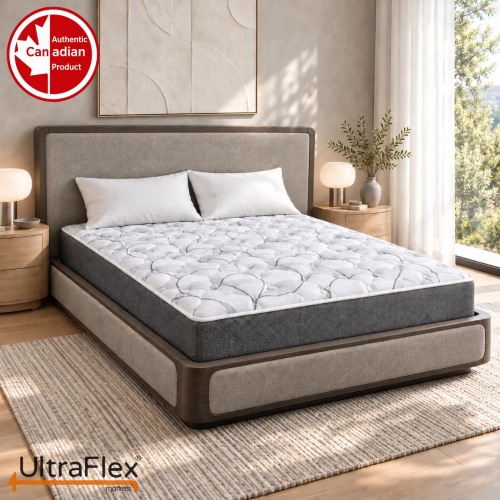
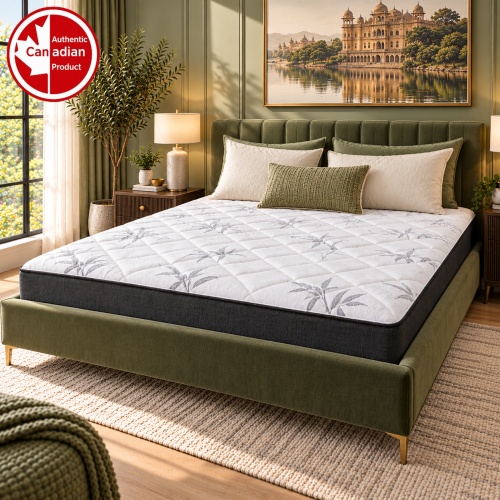
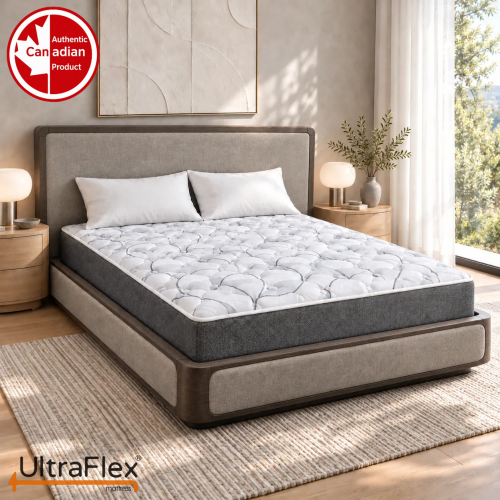
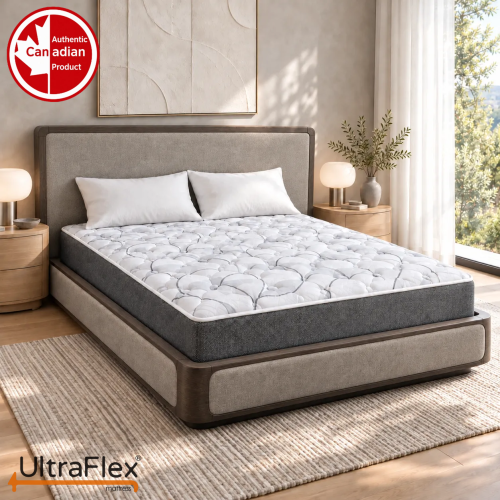
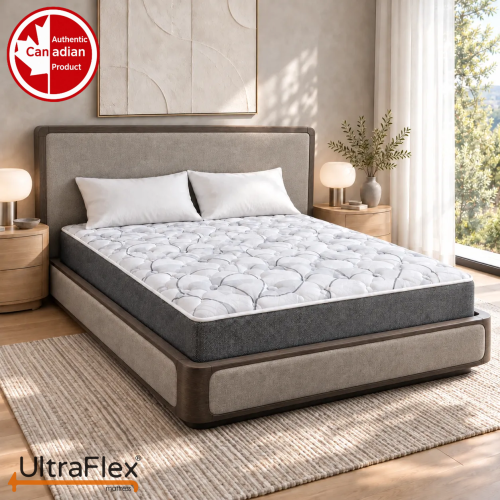
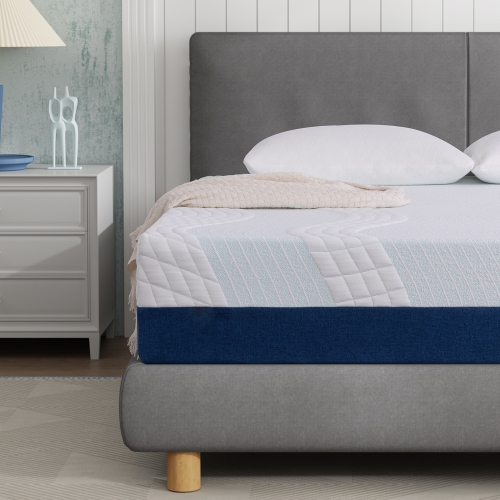
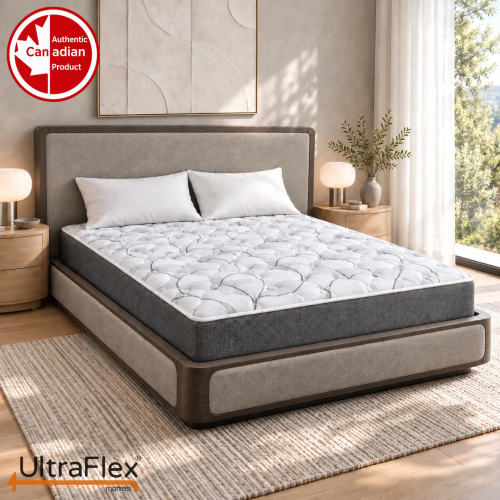
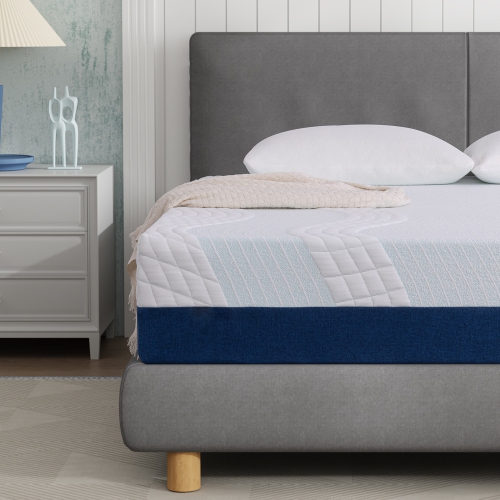
A firmer surface for sleepers who prefer less sinkage
Hard mattresses offer a firm to extra-firm sleeping surface with relatively little cushioning or sinkage, making them a natural fit for people who prefer to rest on top of a mattress rather than settle deeply into it. On commonly used ten-point firmness scales, extra-firm mattresses are often rated around nine or ten, although these ratings are not standardized across manufacturers. The feel can range from a taut, lightly padded surface to a more rigid mattress with only a thin comfort layer. Firmness describes how the surface feels, while support describes how well the mattress carries body weight and helps maintain a comfortable sleeping position; a harder surface is not automatically more supportive for every sleeper. For some back sleepers, a firm mattress can help prevent the pelvis from sinking noticeably below the shoulders. Stomach sleepers may also appreciate limited sinkage around the hips, where excessive dipping can place strain on the lower back. People with higher body weights sometimes prefer firmer construction because the same mattress will generally compress more under greater weight. However, body shape, sleeping position, and the materials beneath the cover all influence the result. A lighter sleeper may find an extra-firm surface much harder than someone who places more pressure on it. Side sleepers often need enough cushioning for the shoulder and hip to settle comfortably, so a very hard mattress may create pressure at those contact points. Those who prefer a more cushioned surface can also explore Soft Mattresses for a different balance of contouring and surface comfort. The defining appeal of a hard mattress is its stable, less enveloping feel, not a promise that maximum firmness suits every body. For someone who dislikes the sensation of being held in a deep foam impression, that flatter surface can make changing position feel more straightforward.
The construction of a hard mattress determines much more than its initial firmness. All-foam mattresses typically combine a supportive foam core with one or more comfort layers, and a firm design may use less cushioning above the core or materials that resist compression. Foam density and firmness are different characteristics: density can influence durability, but a dense foam is not necessarily hard, and a firm foam is not necessarily dense. Latex mattresses can offer a buoyant, responsive feel that compresses under pressure and rebounds readily as a sleeper moves. Innerspring mattresses use a coil support system, while hybrids combine coils with foam, latex, or other comfort materials. Individually wrapped coils can respond more independently than interconnected springs, although motion transfer still depends on the complete construction. For two people sharing a bed, movement isolation may matter as much as firmness, especially when one person turns frequently or gets up earlier. Reinforced edges can help the perimeter feel steadier when sitting to put on socks or lying near the side, but edge performance varies between designs. Quilting, fibre padding, and cover fabrics also change the first impression of the surface; a mattress with a firm core can still have a gently cushioned top. Size and fit bring another set of practical considerations. A twin mattress may suit a child’s room or a compact guest room, while larger sizes provide more space for adults who share a bed or change position often. Actual mattress dimensions should match the bed frame, and overall height affects how easily someone can sit down, stand up, or reach the floor from the edge. A thick mattress on a tall foundation can create an unexpectedly high bed. Sheet pocket depth also needs to accommodate the mattress and any protector or topper. Beneath it, the foundation matters: the required slat spacing, centre support, and base type depend on the mattress design. Adjustable bases require compatible mattresses, since not every firm construction is intended to bend. A well-matched base helps the mattress perform as intended without unsupported gaps or unnecessary flex.
Hard mattresses can suit a main bedroom, a guest room, or another regularly used sleeping space, provided their feel matches the people who will use them. In a shared bedroom, similar firmness preferences make the choice simpler, while different preferences may call for separate sleeping surfaces within a suitable bed setup. A guest mattress with a little surface cushioning may accommodate a wider range of sleepers than an extremely rigid design. For everyday use, durability depends on the quality of the support core, comfort materials, stitching, and foundation, as well as the weight and movement placed on the bed. Hardness alone does not prevent sagging, and a mattress can develop body impressions even if its surface remains firm. Care is usually straightforward, but the details should follow the manufacturer’s directions. A properly fitted mattress protector helps limit contact with spills, perspiration, and everyday debris without substantially changing the intended feel. Removable covers should only be washed when their care instructions allow it; a zippered cover is not necessarily washable or intended to be removed. Where permitted, gentle vacuuming and careful spot cleaning can help keep the surface clean, with the mattress allowed to dry fully before bedding is replaced. Rotation from head to foot may help distribute wear when recommended, but flipping is appropriate only for mattresses designed to be used on both sides. Many mattresses have distinct comfort and support layers and are intended to remain right side up. Compressed mattresses may also need time after unpacking to reach their intended dimensions and feel. A topper can add cushioning to a surface that feels too hard, though it changes the overall sleep experience and does not repair a worn support core. The most suitable hard mattress balances a stable surface with enough comfort for relaxed shoulders, supported hips, and easy movement, while fitting the bed, bedding, and daily habits of its sleepers.
Top selling and popular products
-
 Your price for this item is $1199
-
 Your price for this item is $644
-
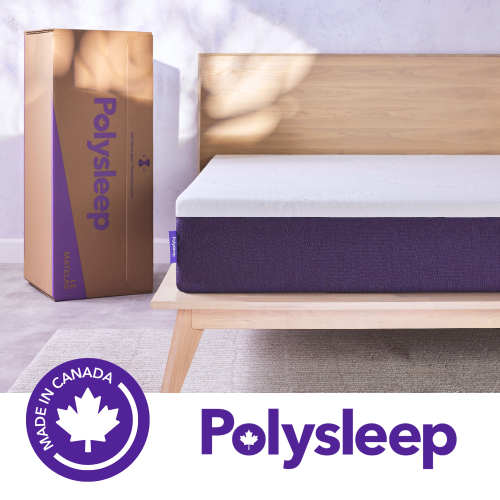 Your price for this item is $696.5
-
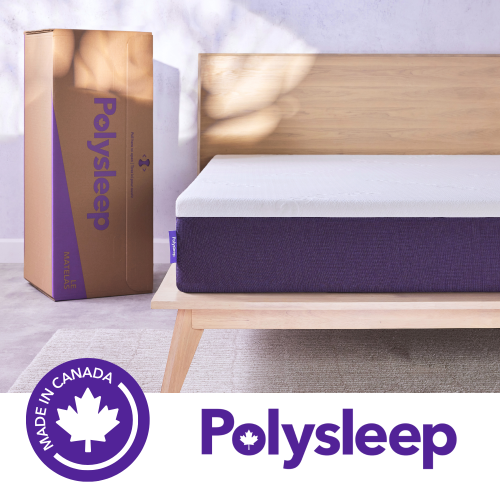 Your price for this item is $591.5
-
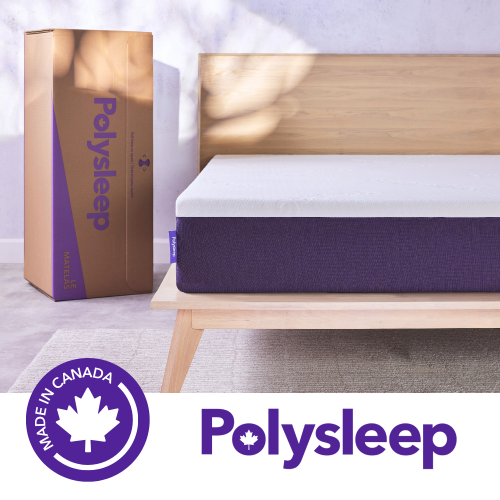 Your price for this item is $906.5
-
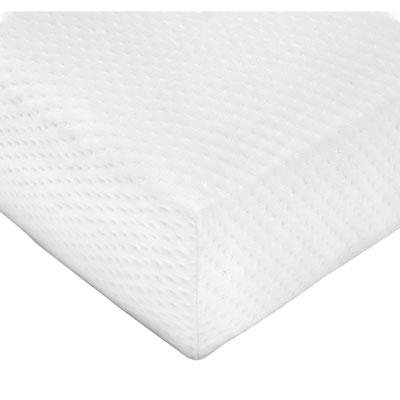 Your price for this item is $159.99
-
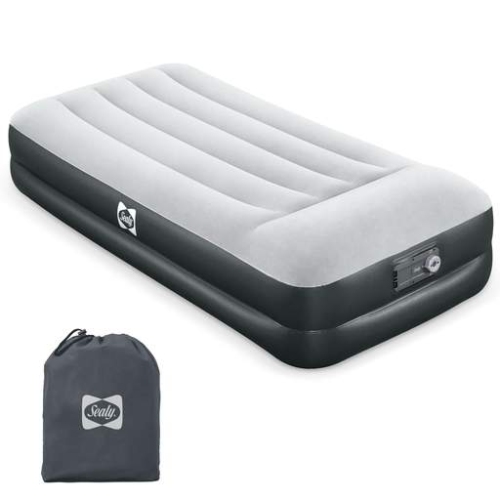 Your price for this item is $133.99
-
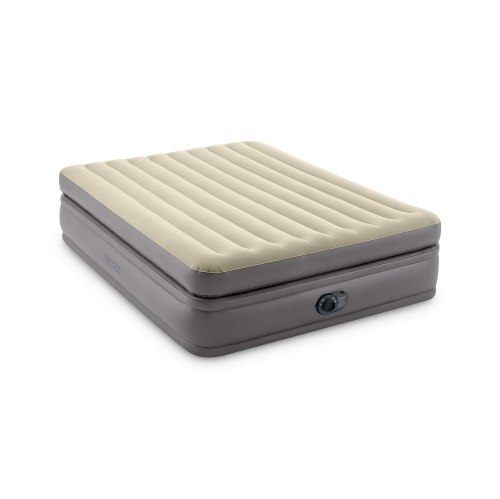 Your price for this item is $239.99
Discover more categories related to Hard Mattresses
Top Collections:
Best Black Friday Deals This Year, Best Black Friday Deals On Electronics, Kindle Devices, Best Black Friday Deals On Apple Products, Best Budget Office Chairs, Best Cameras for Sports Photography, Dyson Airwrap, Canon G7X Cameras, Best Laptops for Writers, Samsung Galaxy Phones
Some products may be subject to Environmental Handling Fees
(EHF) depending on your province.
Learn more about EHFs.