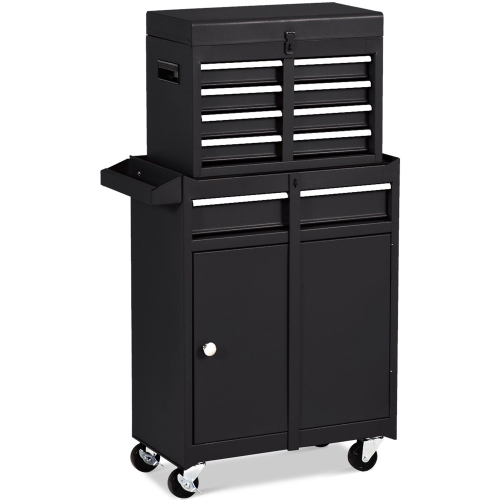
Tool Cart
Discover the ultimate solution for organizing and transporting your tools with ease. A tool cart is an essential addition to any workshop or garage, offering a convenient way to keep your equipment accessible and orderly. Whether you're a professional tradesperson or a DIY enthusiast, a well-designed tool cart provides the mobility and storage capacity you need to tackle projects efficiently. With features like multiple drawers, sturdy construction, and smooth-rolling casters, these versatile carts ensure that every tool has its place, streamlining your workflow and enhancing productivity. Explore our selection of tool carts to find the perfect fit for your needs and elevate your workspace organization.
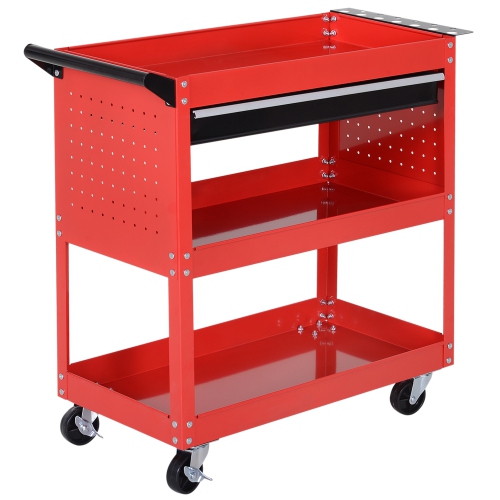
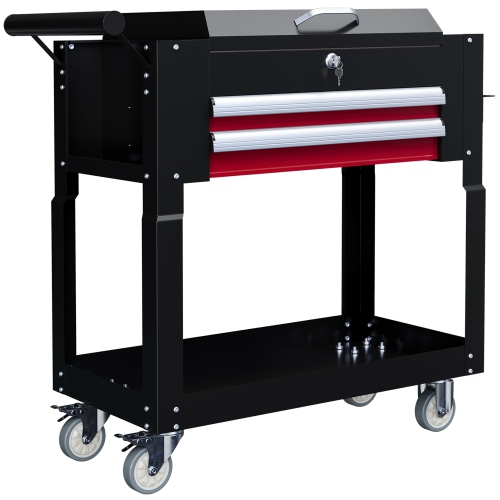
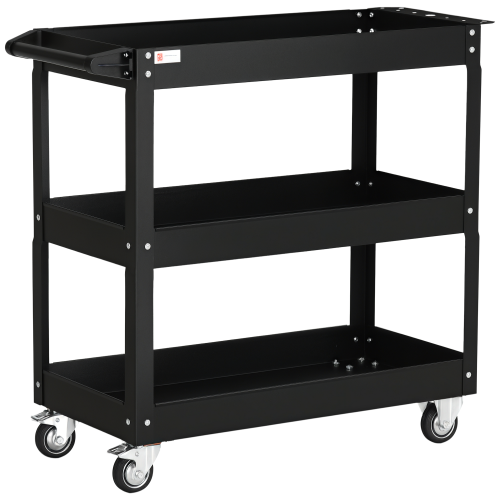
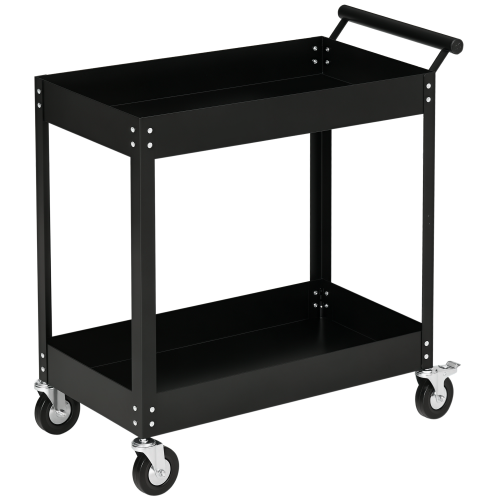


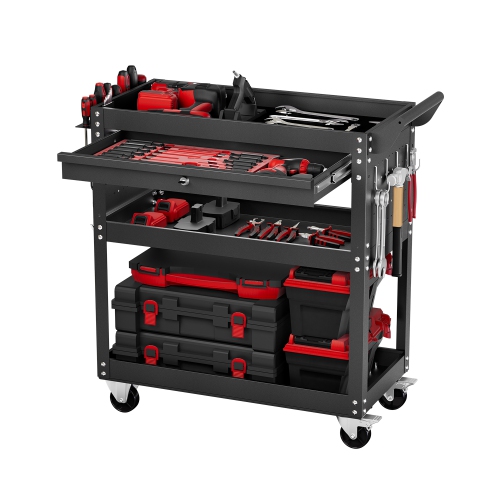
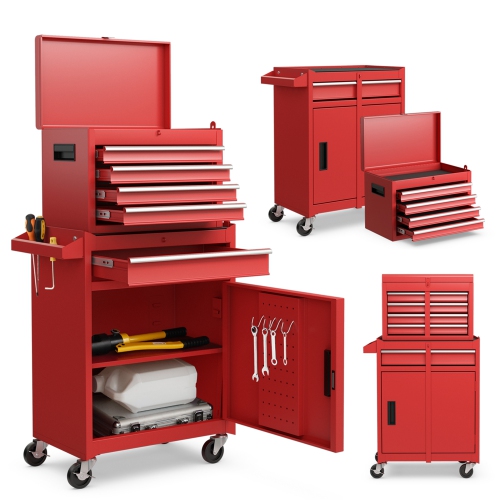
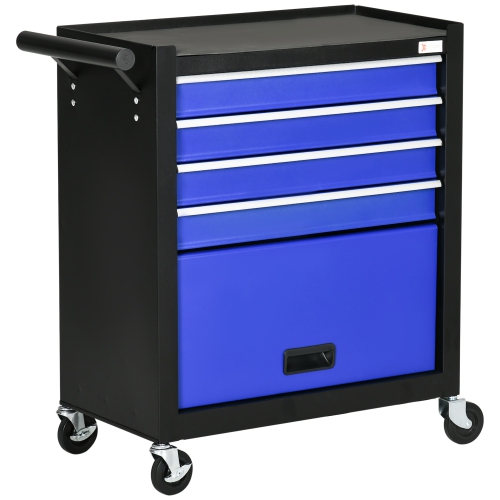
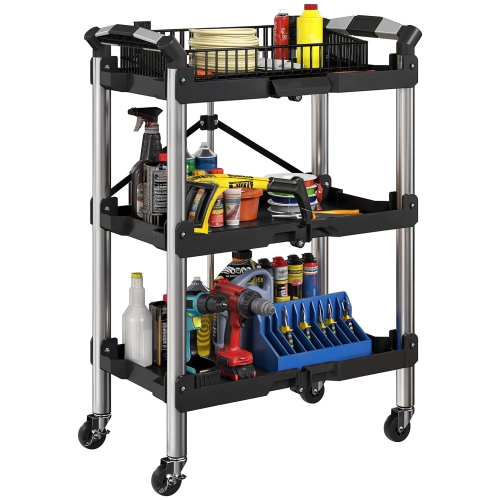
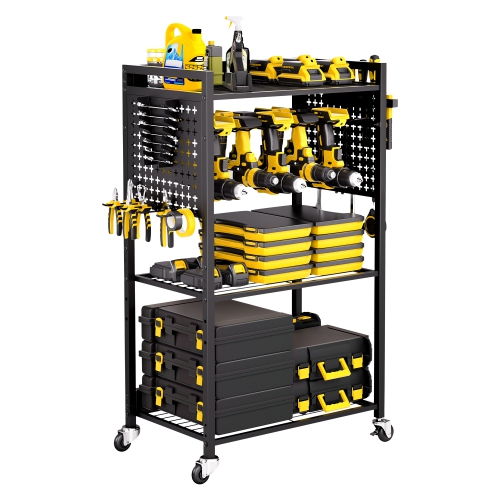
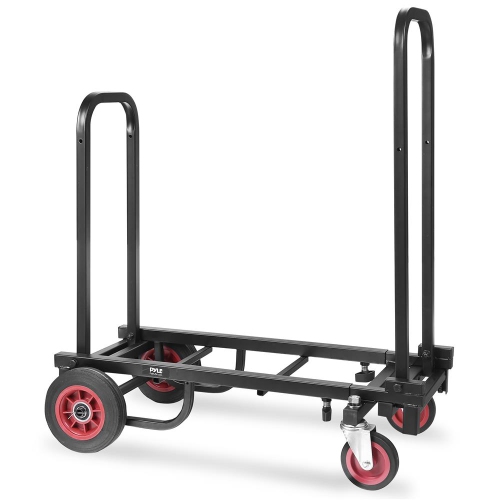
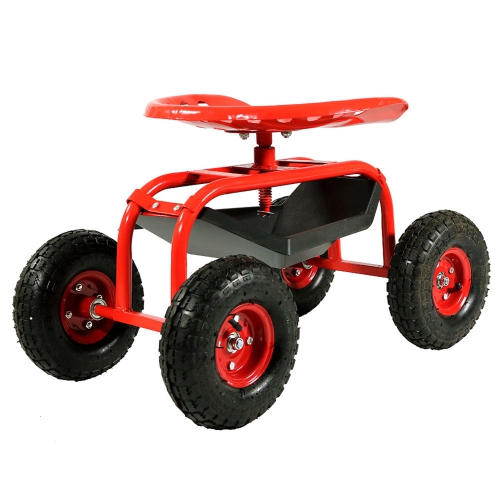

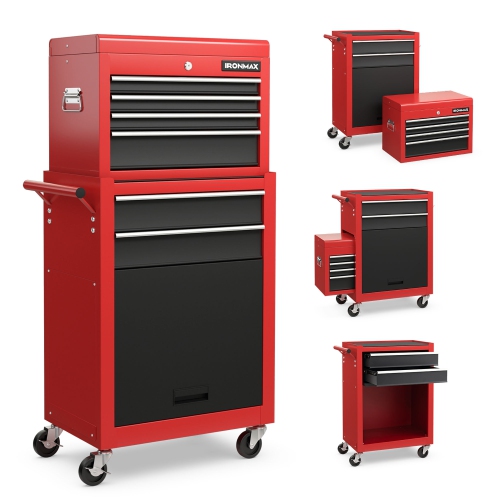
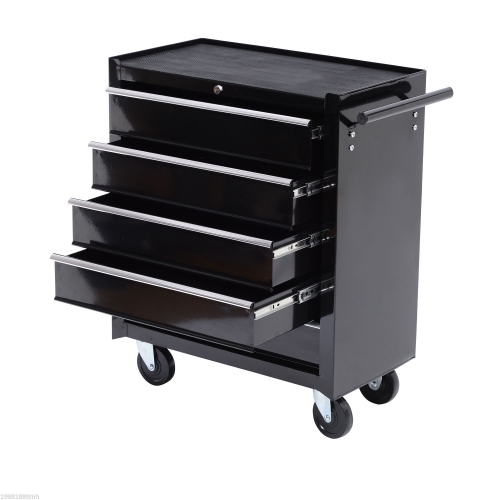
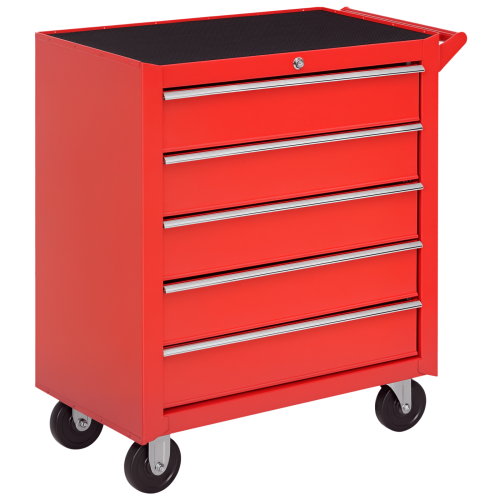
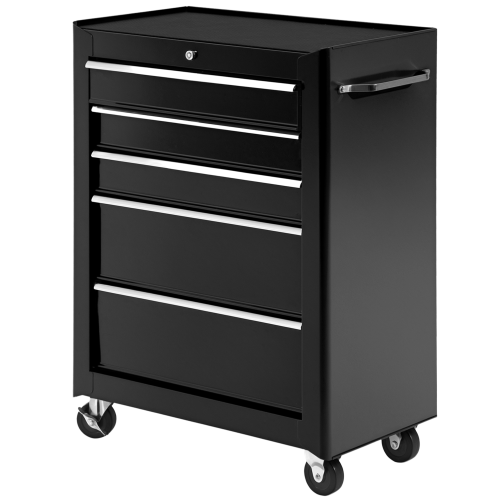
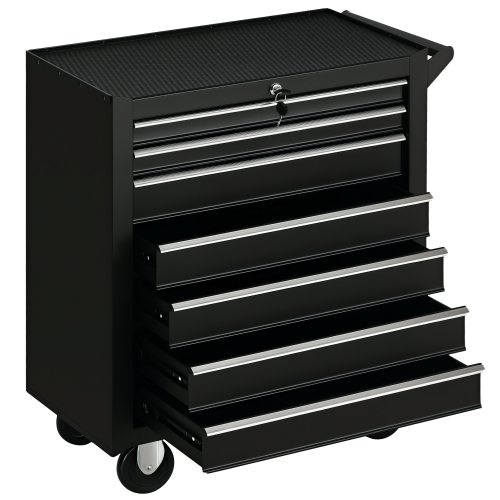
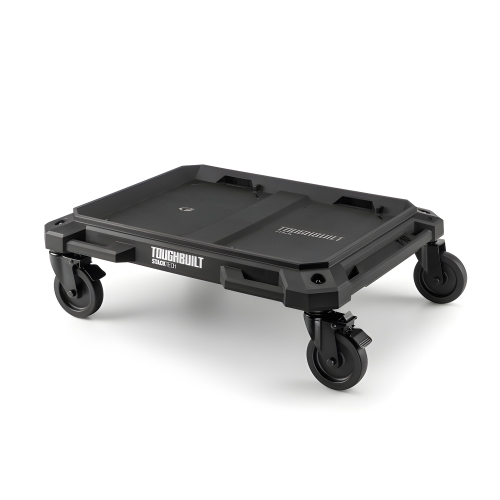
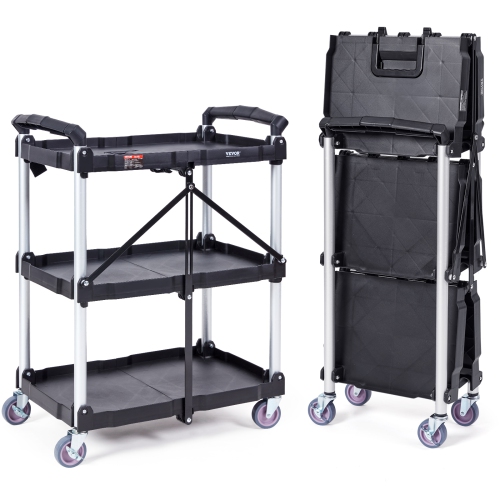
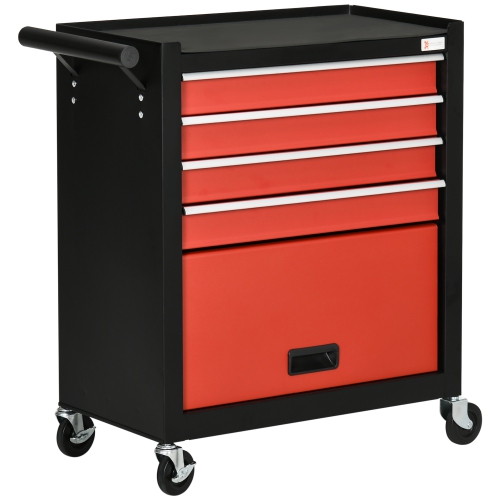
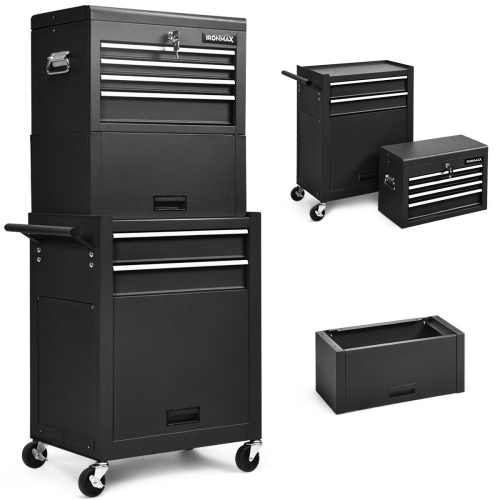
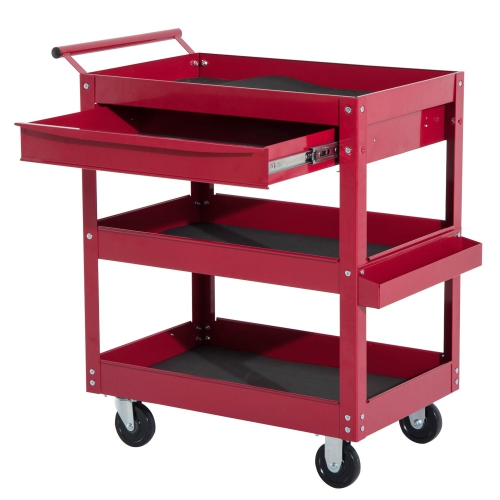
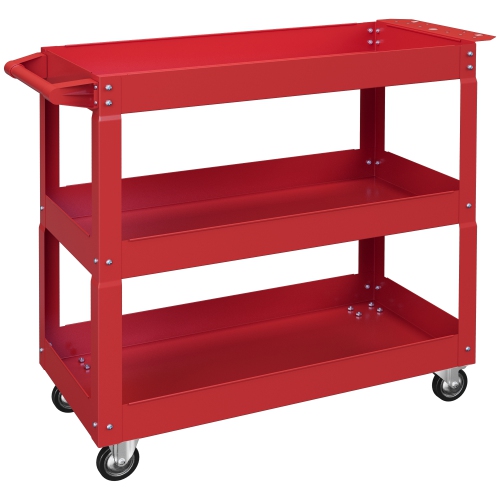
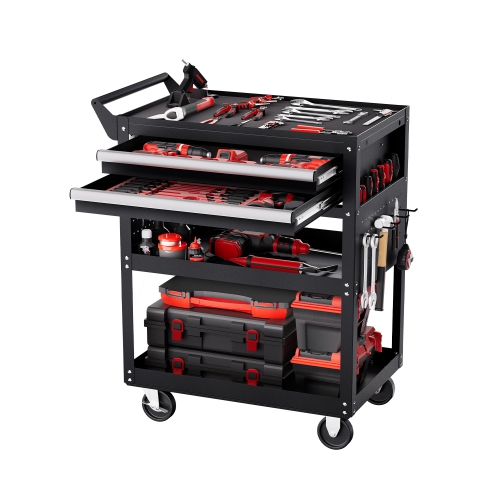
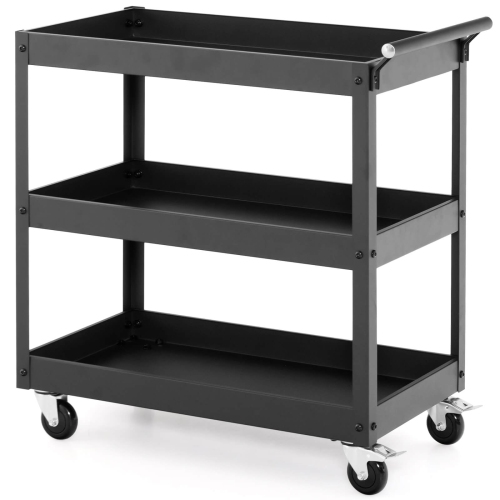
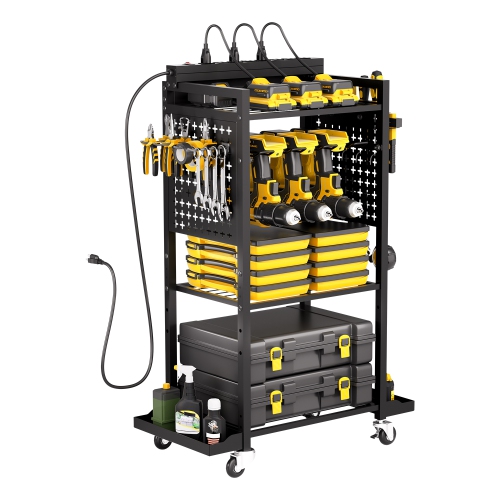
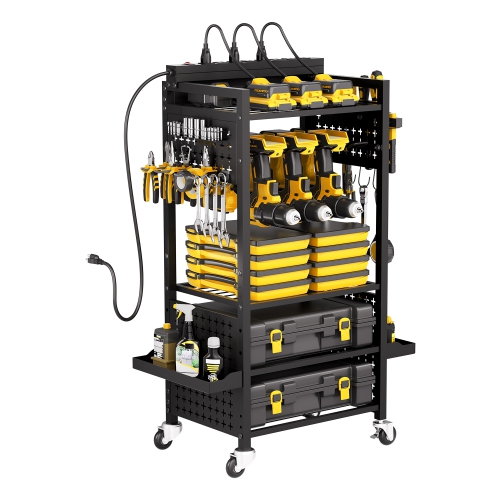
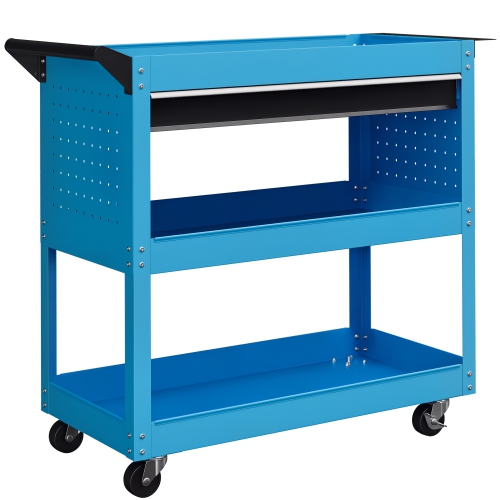
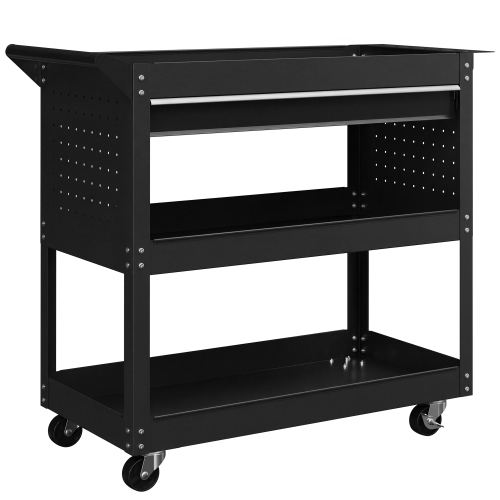
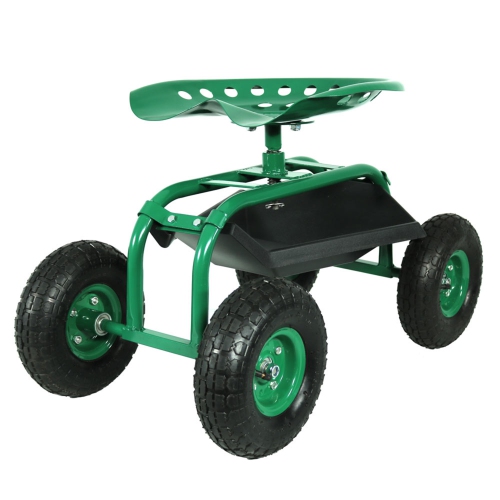
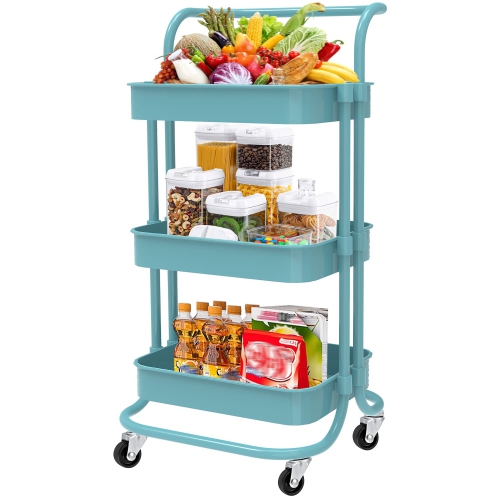
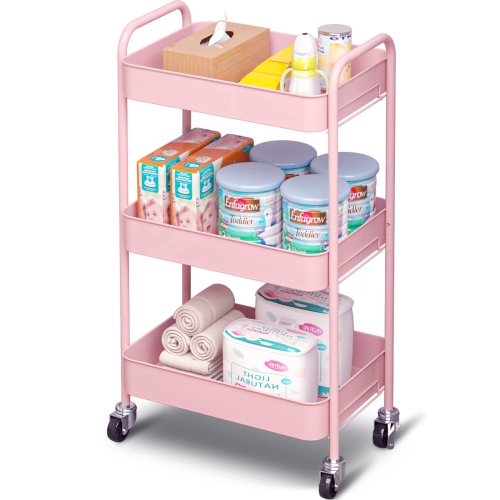

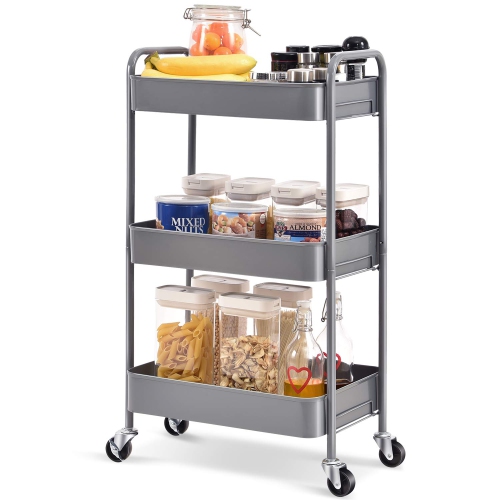

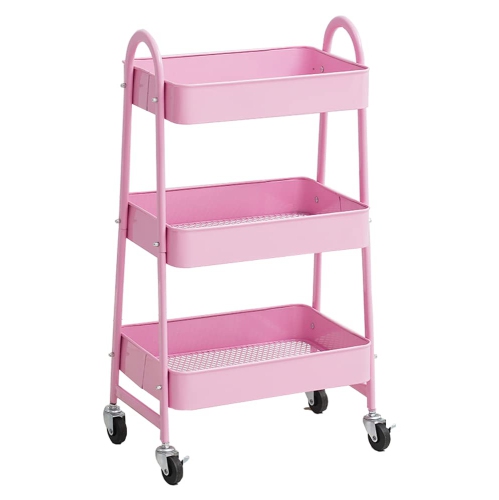
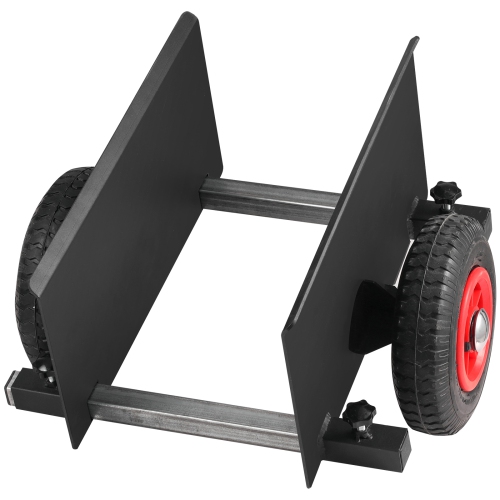
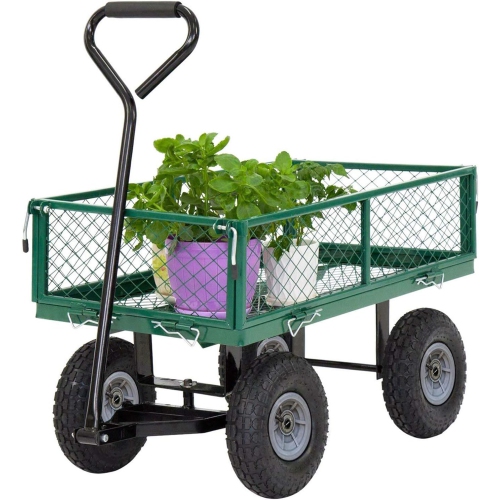
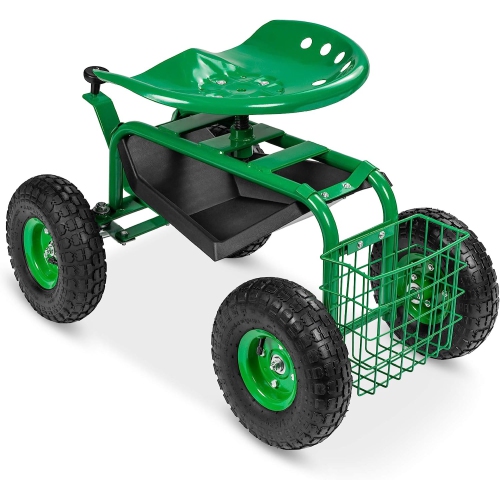
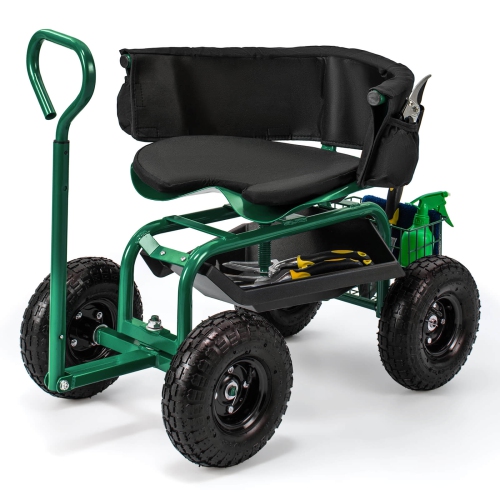
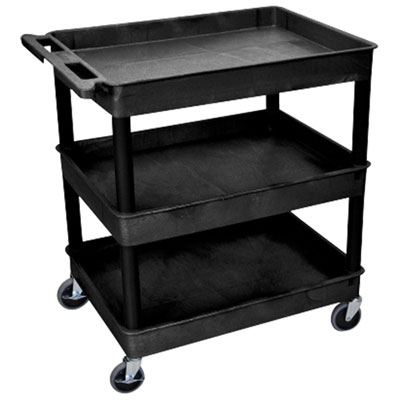
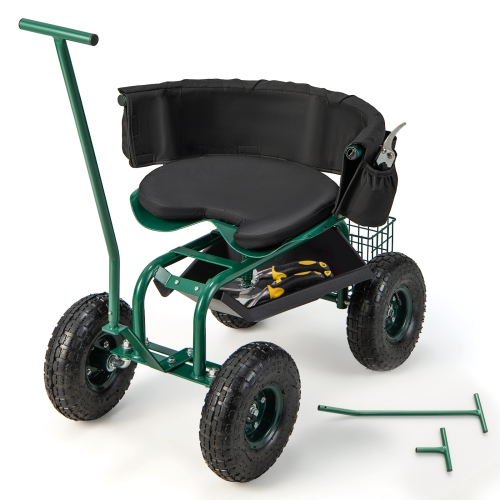
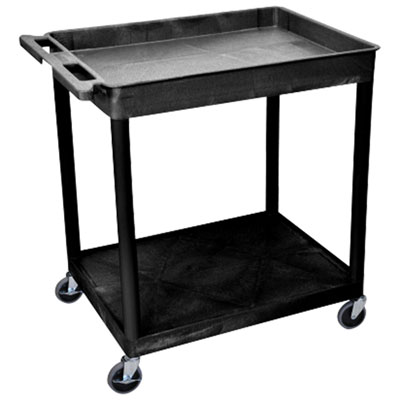
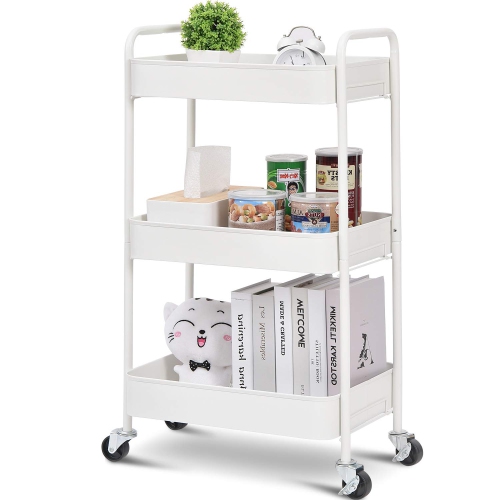
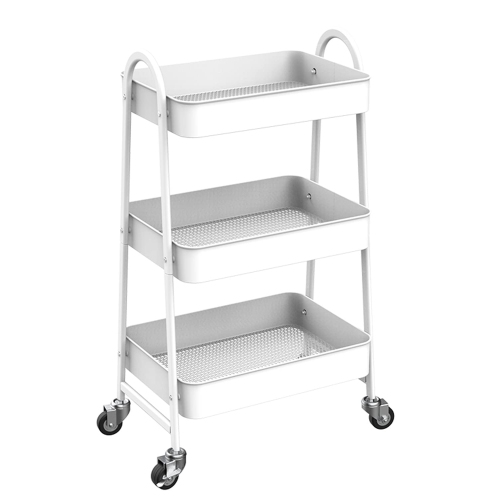
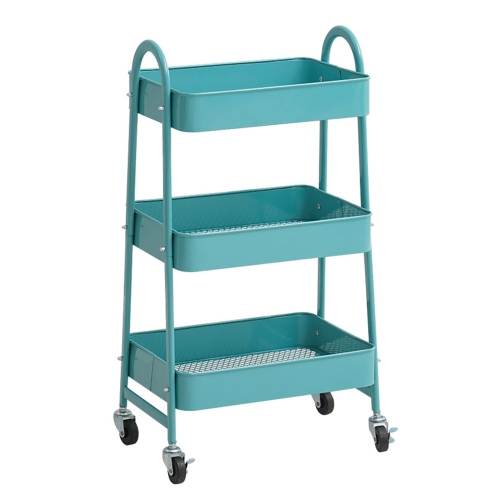
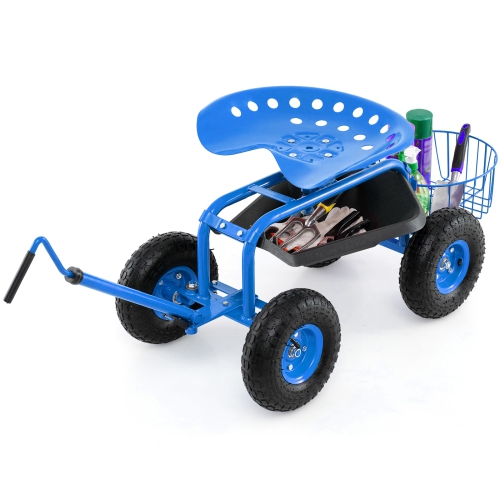
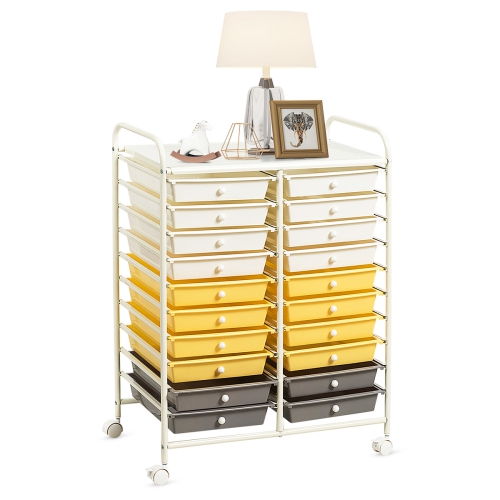
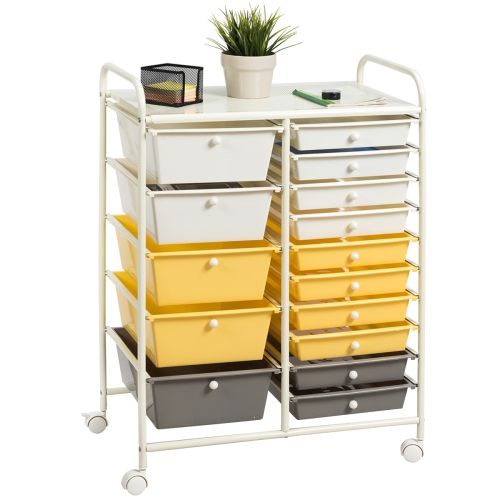
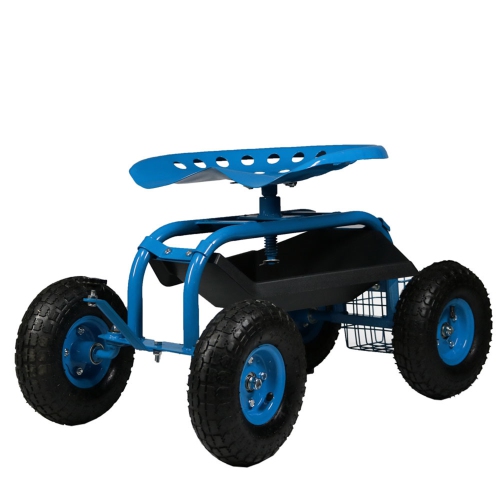
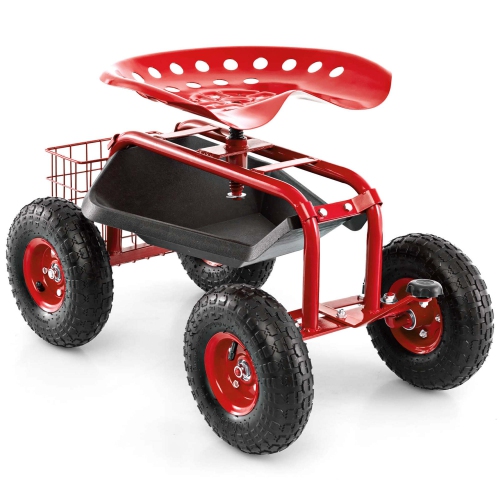
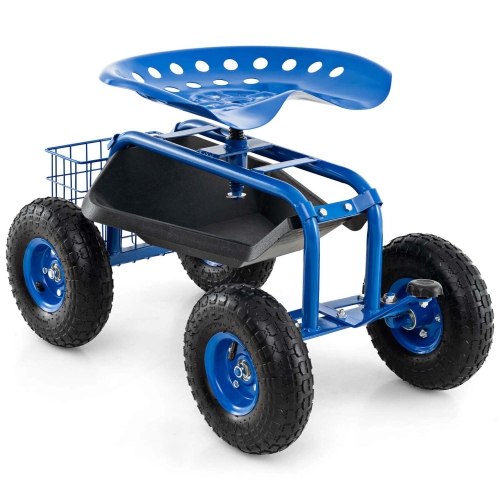
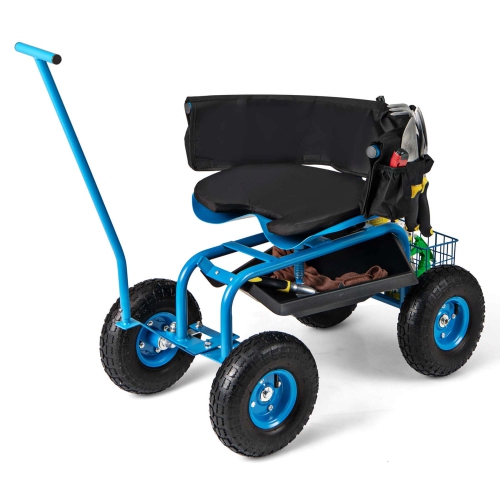
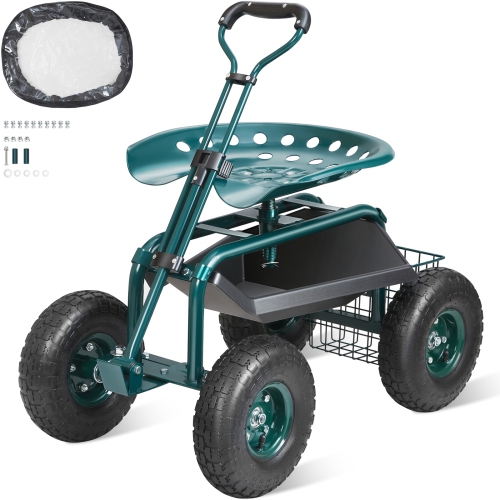
Organized mobile storage for repairs, projects and everyday maintenance
Tool carts are practical for experienced tradespeople, but they can also be a valuable addition for new homeowners, apartment dwellers with a dedicated work area, makers, hobbyists and anyone who enjoys taking care of routine jobs independently. For a person who is just building a collection of tools, a cart provides a clear framework for organizing that collection as it grows. Instead of leaving equipment in assorted boxes or spreading it across a work surface, tools can be grouped by purpose, size or frequency of use. One drawer might hold measuring and marking tools, another could be reserved for drivers and pliers, and a lower compartment could contain heavier equipment or supplies. Open shelves are useful for items that are reached for often, while small trays or organizers can prevent screws, nails and other small pieces from rolling into corners. A cart can also make a thoughtful gift for someone moving into a first home, setting up a workshop, pursuing a hands-on hobby or preparing for a season of maintenance projects. It is especially useful for a recipient who already owns tools but lacks a consistent storage system. Before selecting one as a gift, it helps to consider whether the person has enough floor space, whether the cart must pass through doorways or around vehicles, and whether they prefer a mobile setup or more permanent storage. During the cooler months, a well-organized cart can make indoor projects more inviting by keeping supplies together near a work area, while in a garage or shed it can help streamline preparation for repairs and upkeep when daylight is limited. For those who work on several projects at once, separate drawers and shelves can create a visual map of what belongs to each task, making it easier to pause one project and return to it without losing track of essential parts.
Storage needs often change over time, so it is worth thinking beyond the tools already on hand. Leave room for future additions, but avoid choosing a cart so oversized that it becomes difficult to move or encourages unnecessary accumulation. Weight distribution is important: heavier items should sit low and close to the centre of the cart, helping it remain stable as it moves across the floor. A broad top surface can serve as a temporary station for instructions, fasteners or a small project, although tools should not be stacked so high that they become difficult to see or reach. A durable finish can make routine cleaning easier, particularly in spaces where dust, sawdust or workshop residue is common. Ventilated sections may be useful for certain equipment, while enclosed drawers can help keep small accessories together and reduce visual clutter. Think about access from every angle, including whether the handle can be reached comfortably and whether the cart can be parked without blocking a door, vehicle or frequently used walkway. For more ideas about organizing a larger workspace, browse Tool Storage to consider how a mobile cart might work alongside other storage solutions. The best choice is one that matches the way you actually work: tools used every day should be quick to reach, delicate items should have a protected place, and heavier equipment should be stored where it can be lifted safely. With a sensible layout and enough capacity for the tasks ahead, a tool cart can turn a scattered work area into a dependable station that is ready for repairs, creative projects and practical jobs throughout the changing seasons.
Top selling and popular products
-
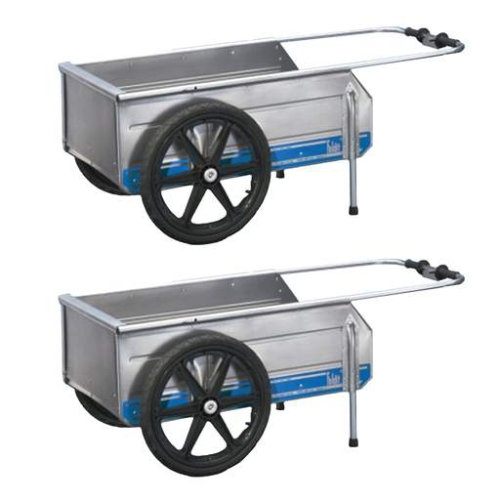 Your price for this item is $1397.99
 -
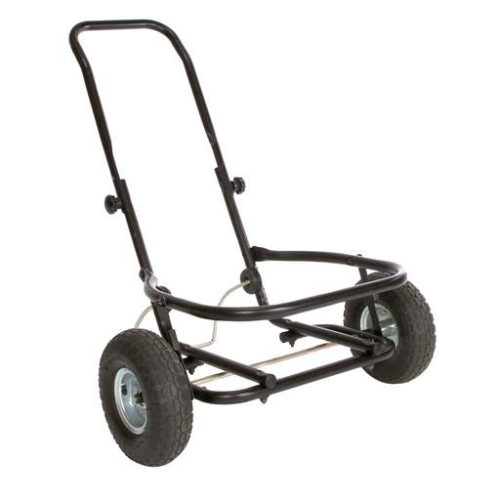 Your price for this item is $231.99
 -
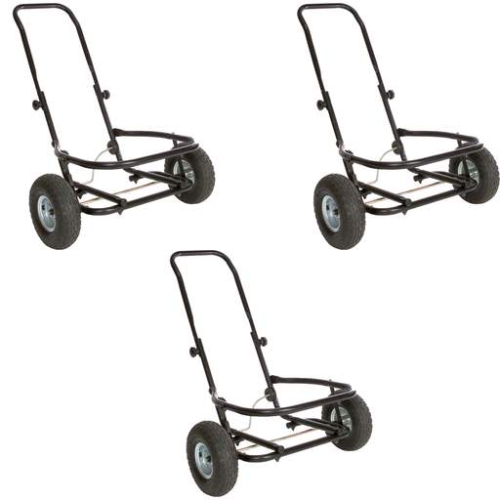 Your price for this item is $691.99
 -
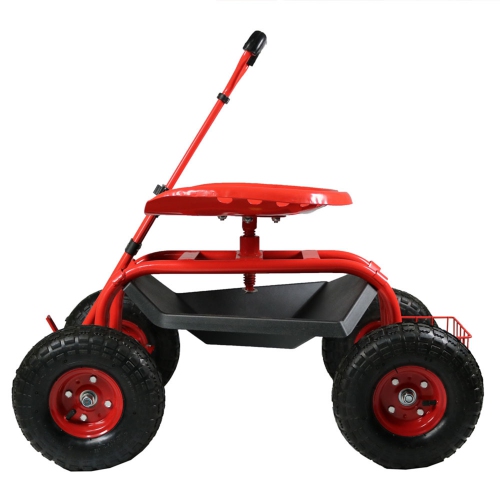 Your price for this item is $247.35
 -
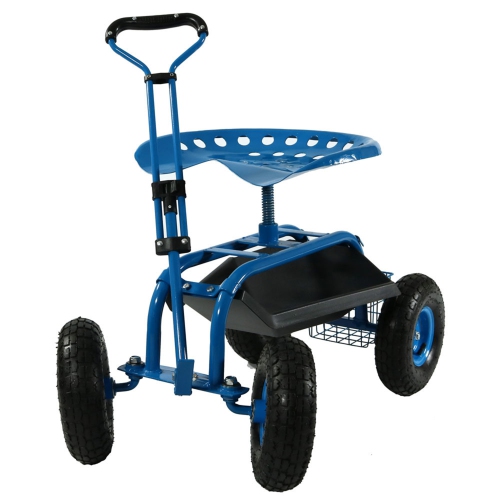 Your price for this item is $247.35
 -
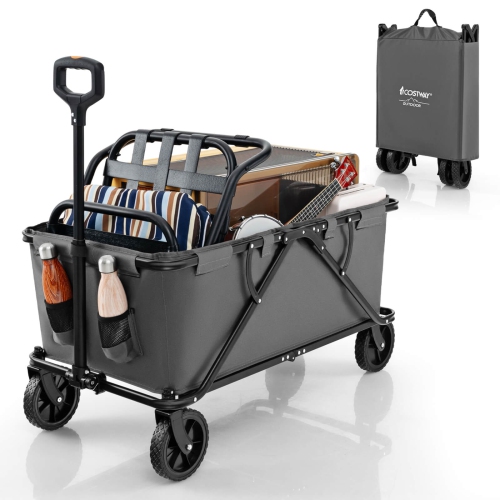 Your price for this item is $177.99
 -
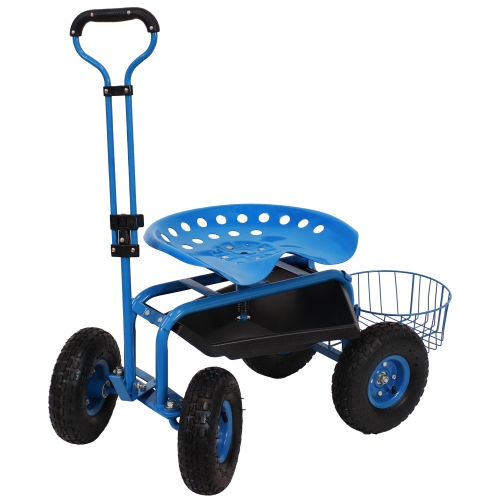 Your price for this item is $261.95
 -
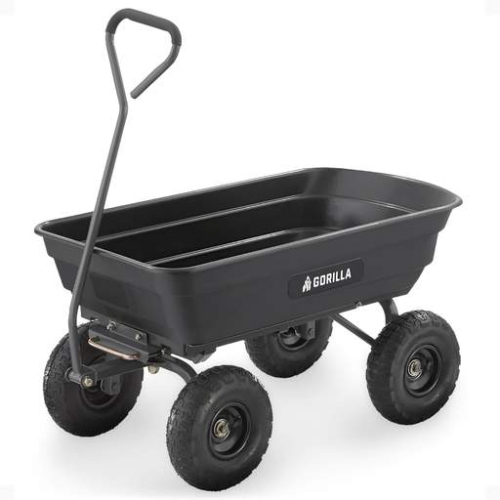 Your price for this item is $273.99