Top Mount Sinks
Upgrade your kitchen with a sleek and functional top mount sink. Perfect for any style of kitchen, these sinks are easy to install and offer ample space for washing dishes and preparing meals. With a variety of sizes and configurations available, you can find the perfect top mount sink to suit your needs and enhance the overall look of your kitchen space. Explore our selection of top mount sinks today and elevate both the style and functionality of your kitchen.
Sort



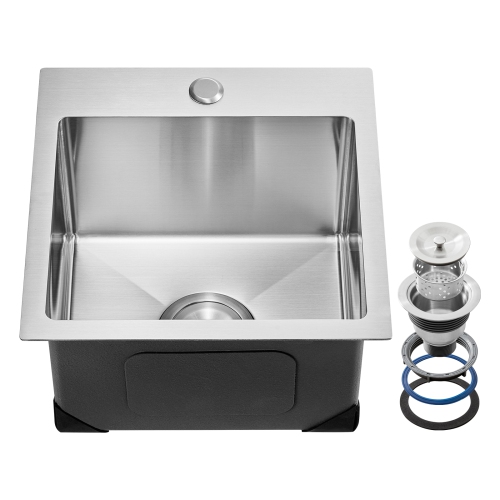
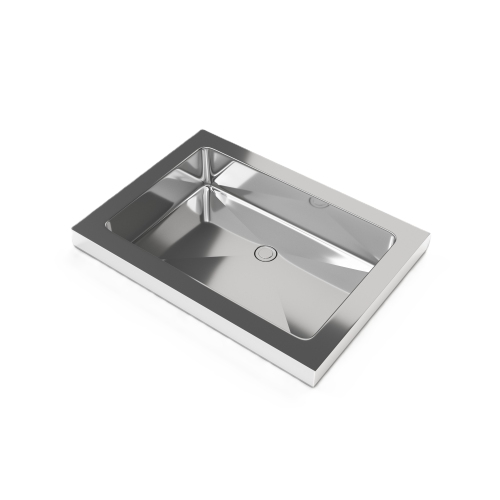
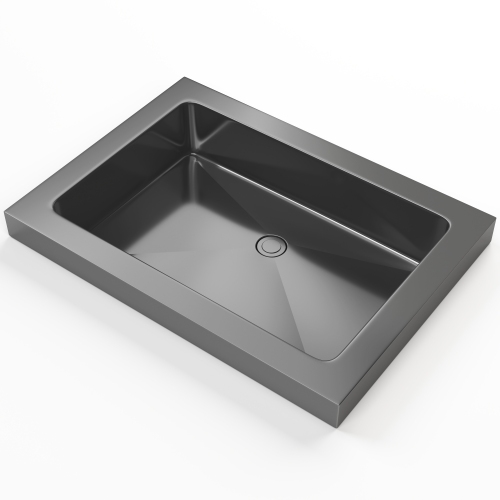
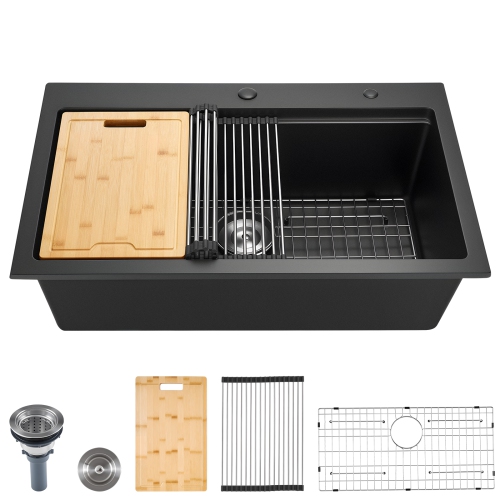
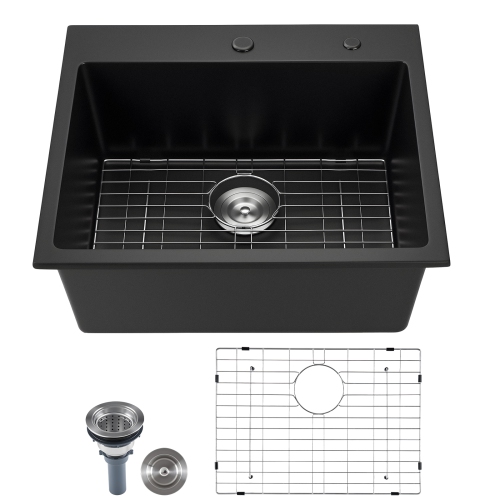

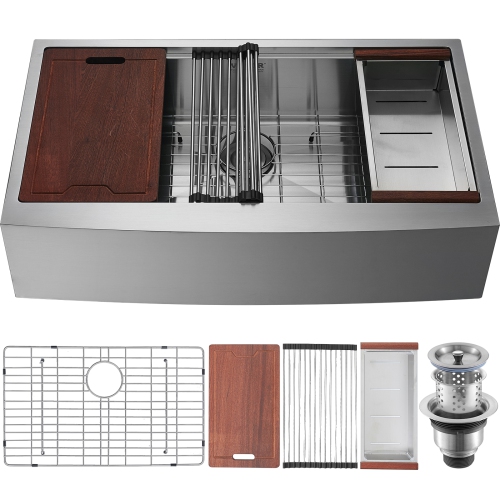
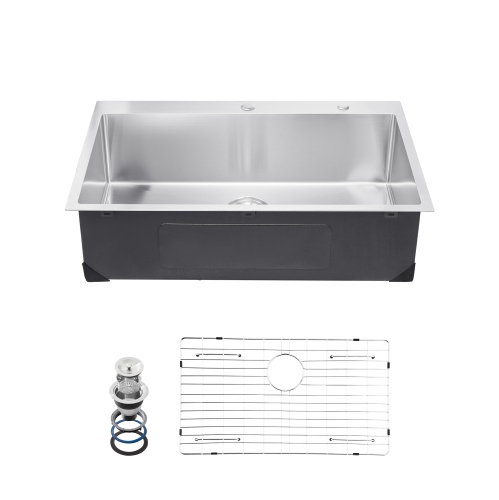
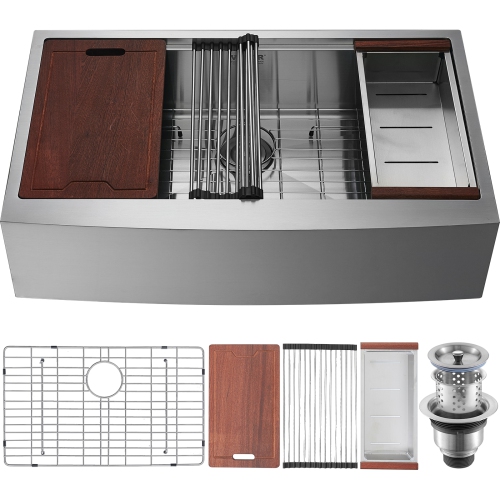
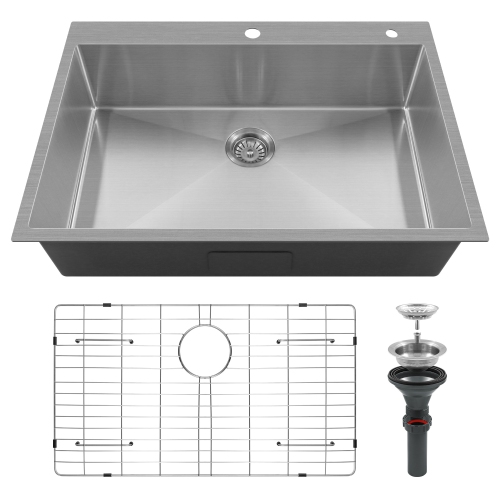
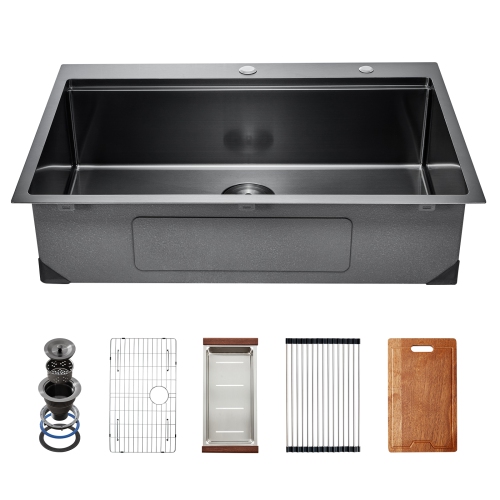
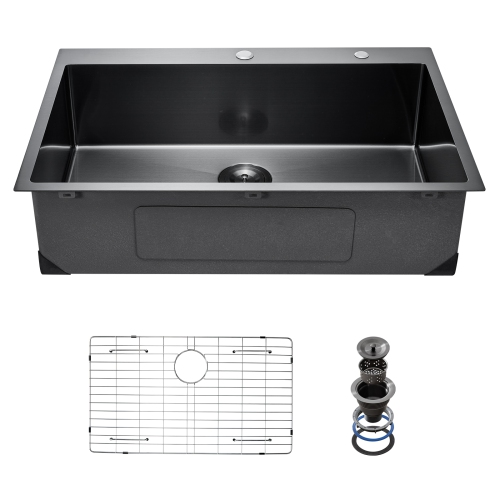
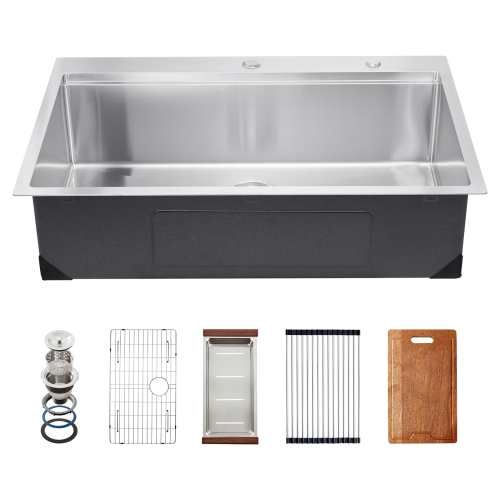
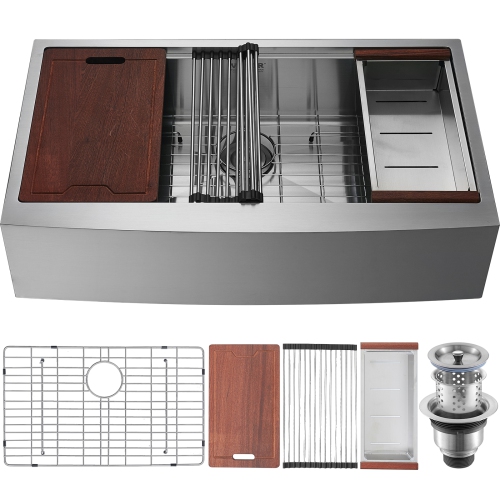
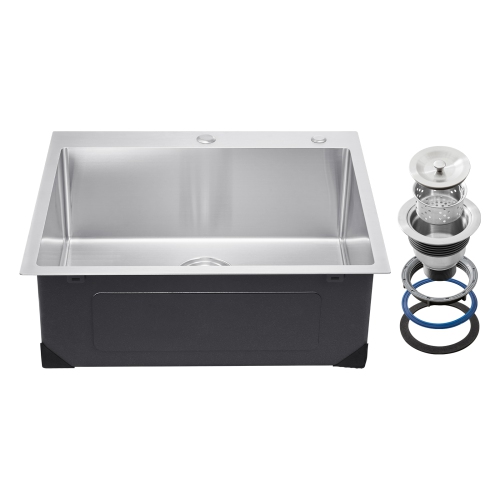
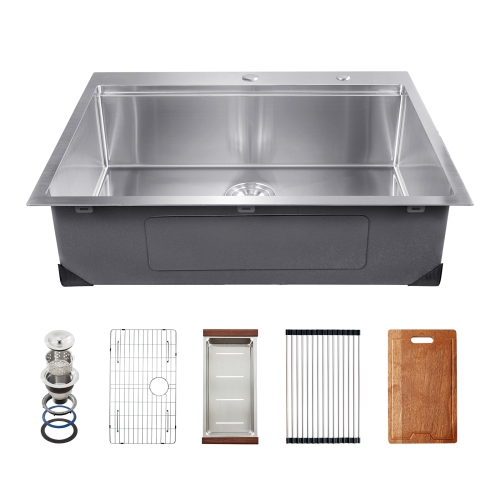
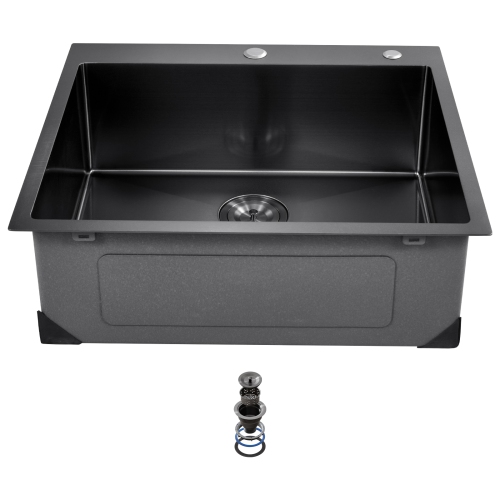
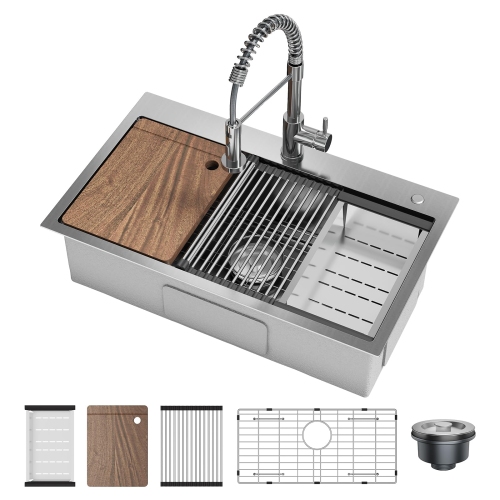
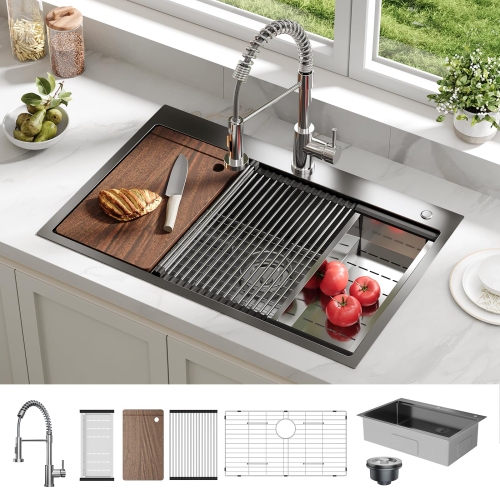
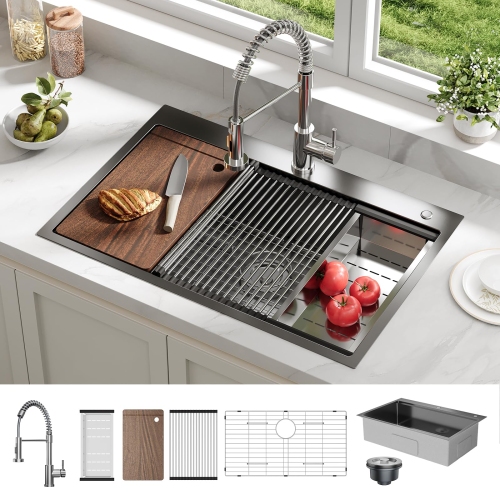
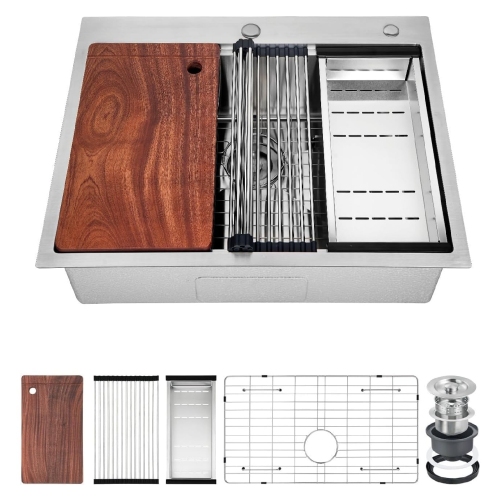

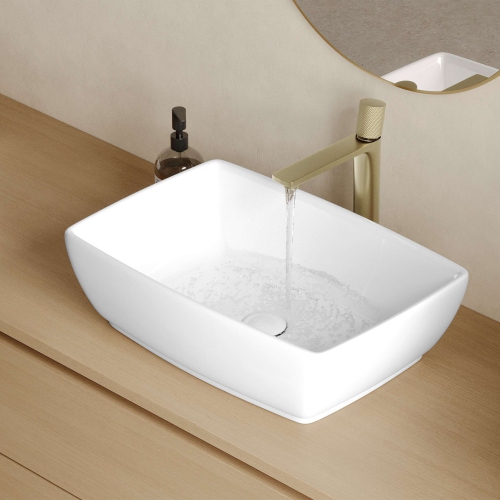
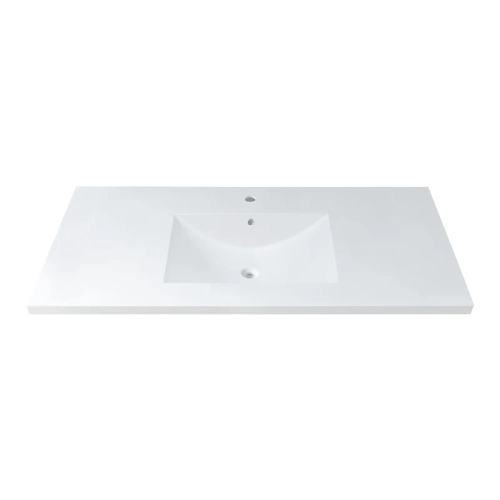
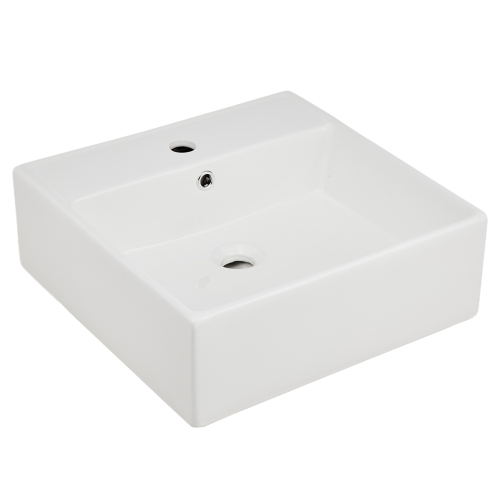
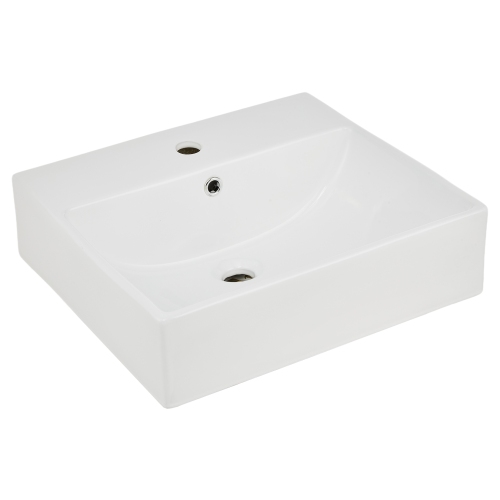








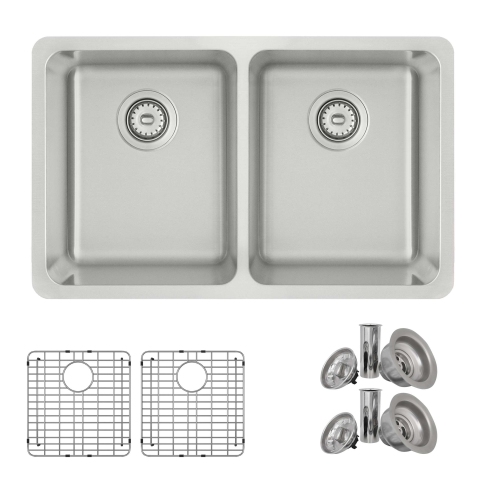
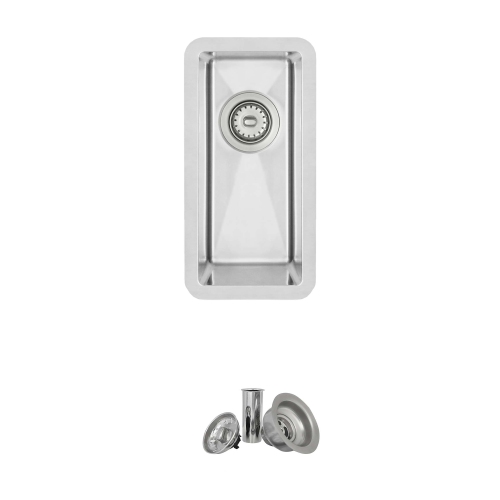
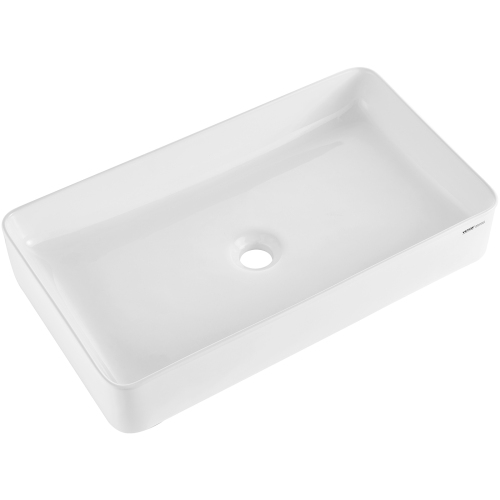
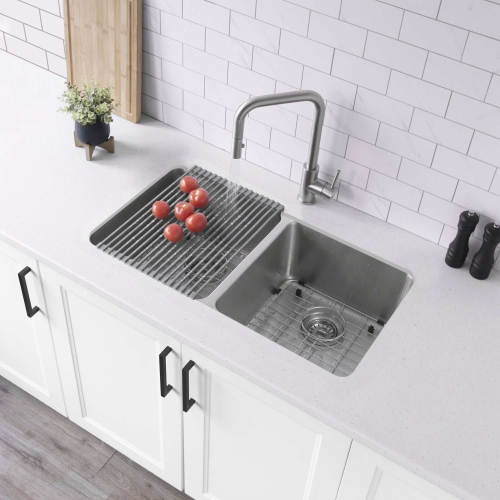






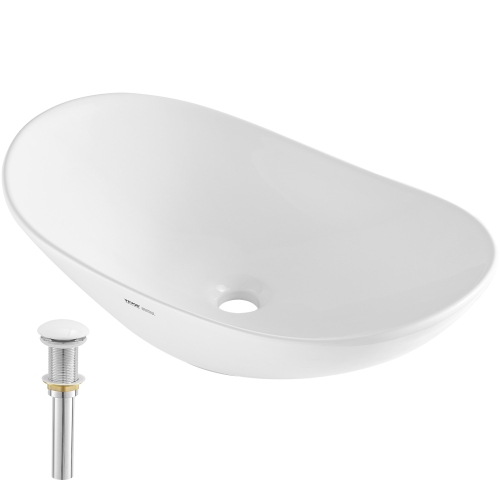

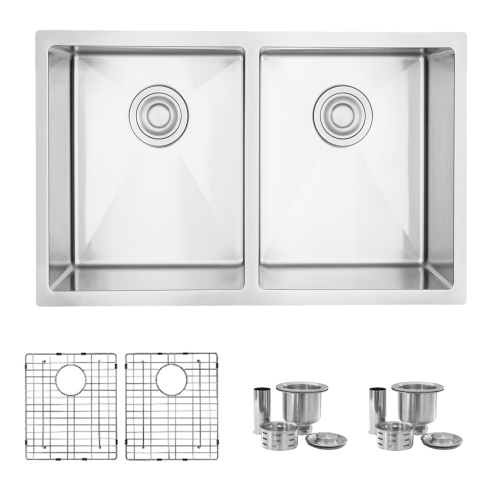
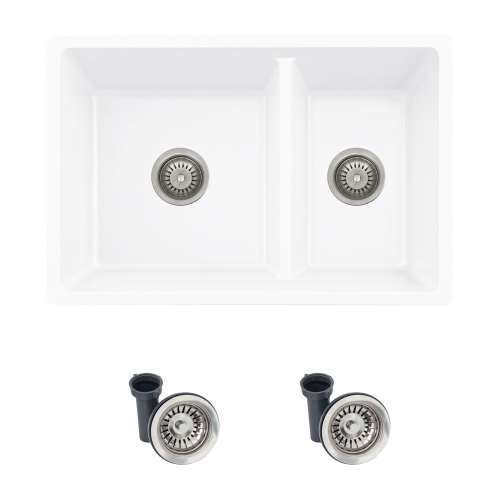
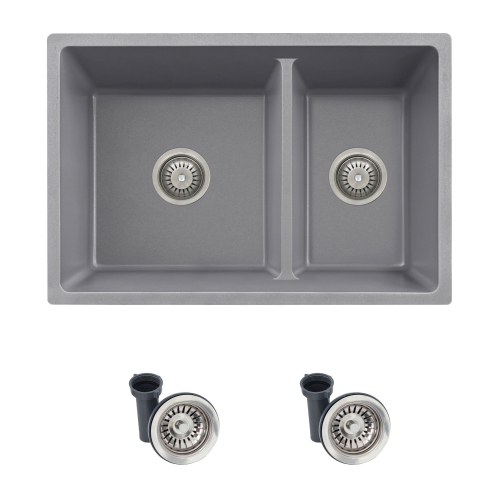
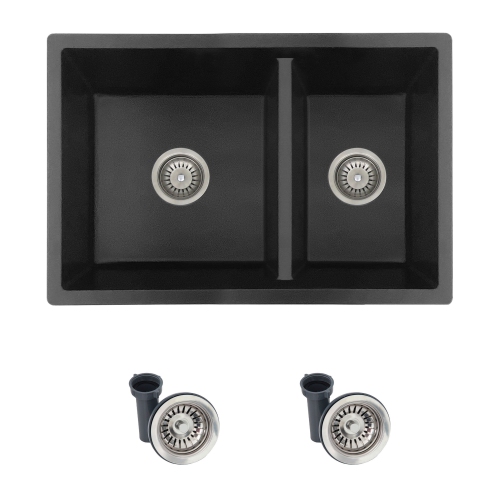
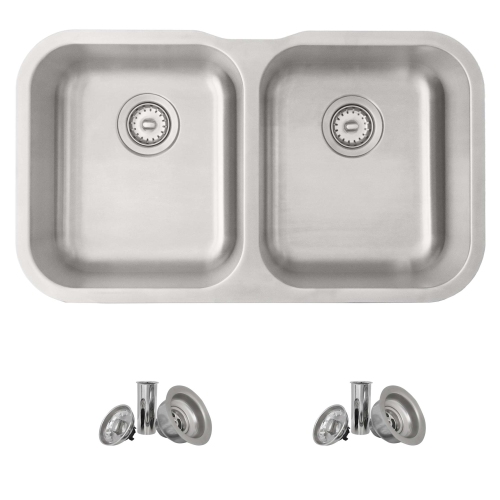
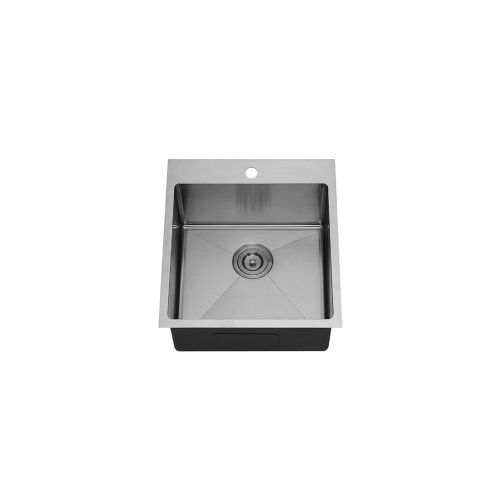
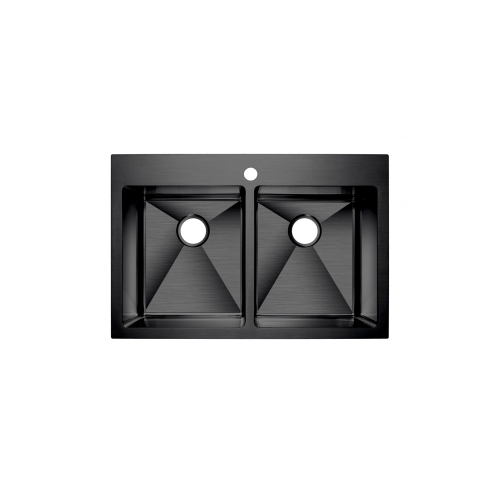


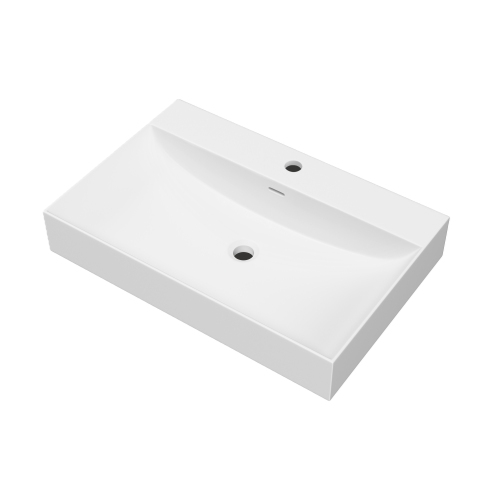
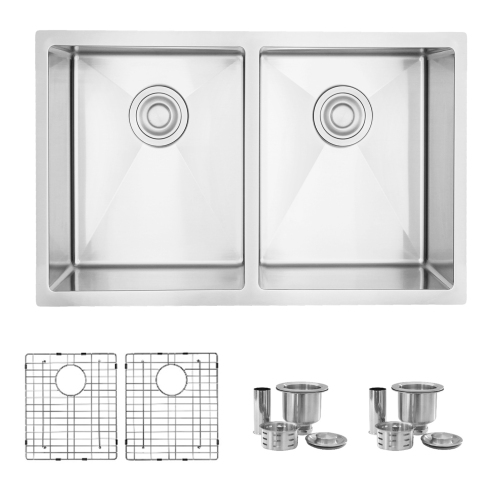
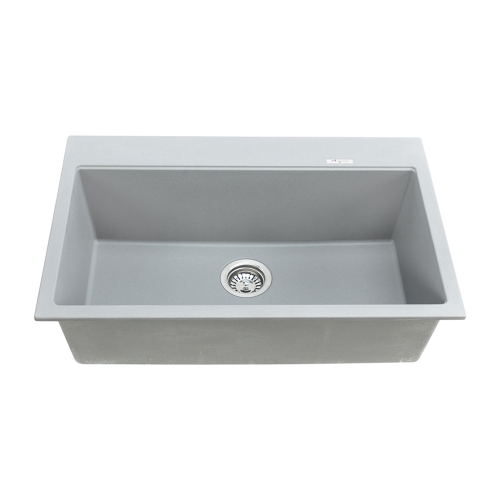
How bowl layout shapes everyday kitchen tasks
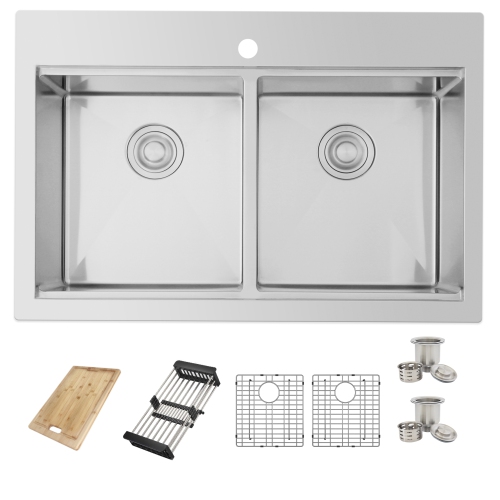
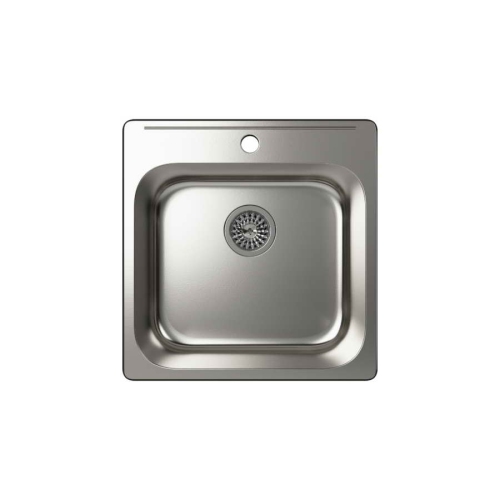
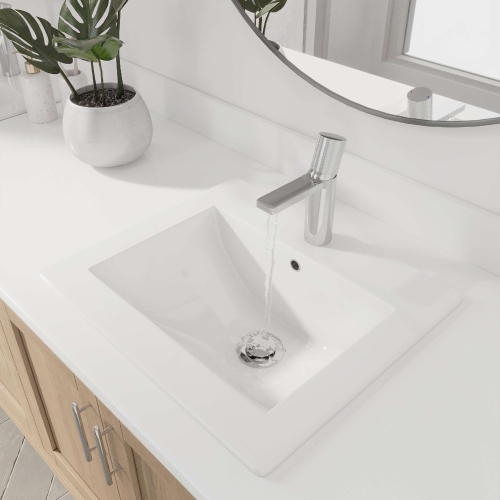
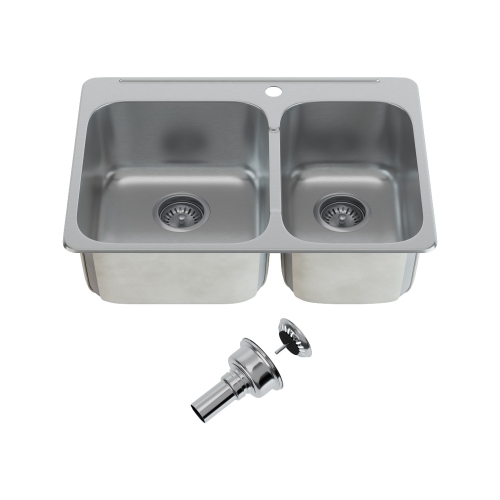
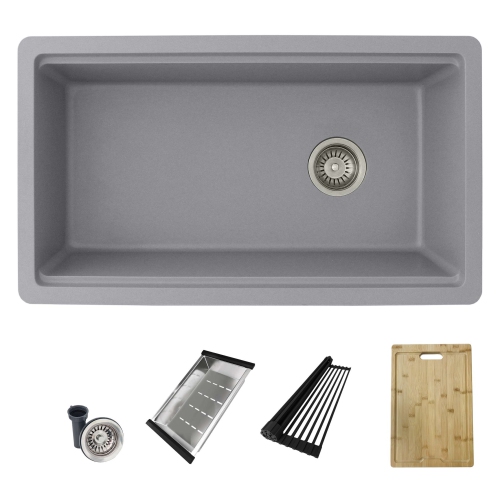
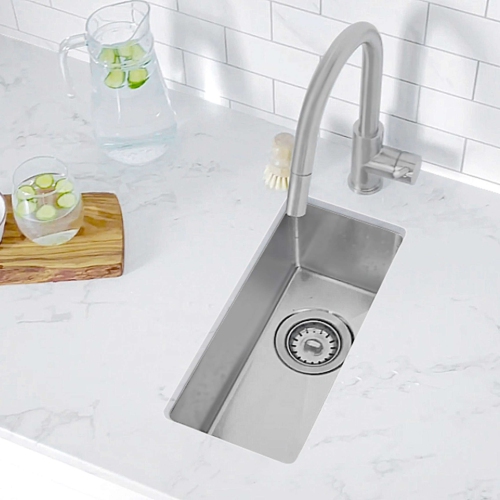
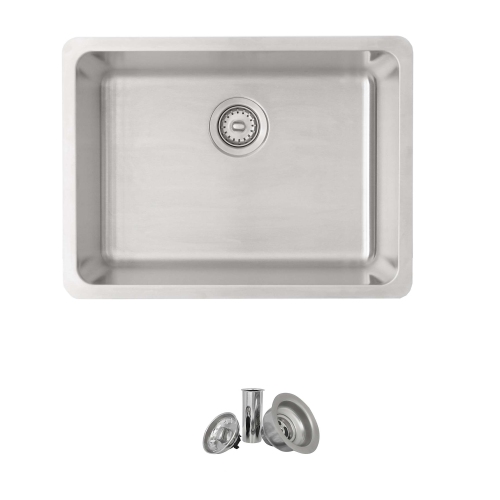
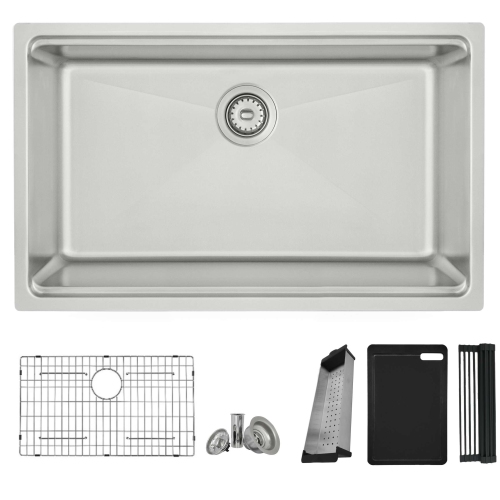
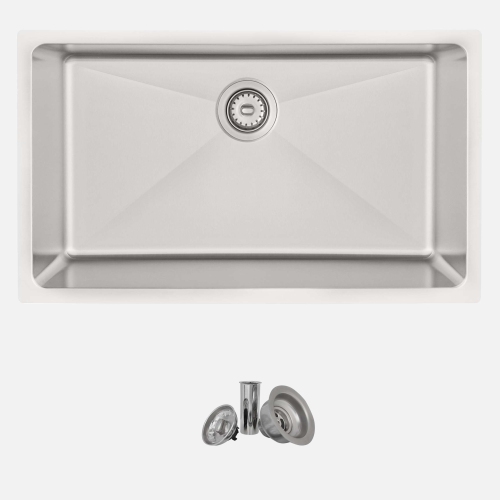
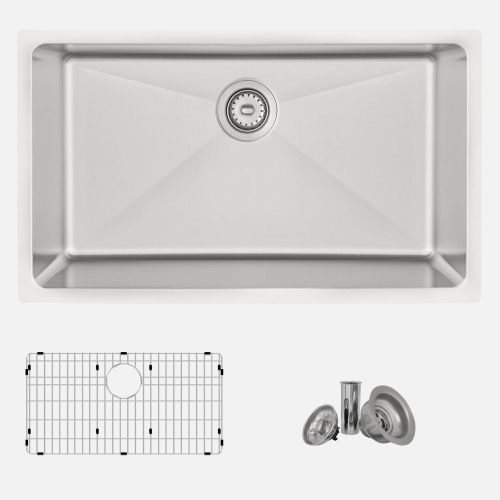
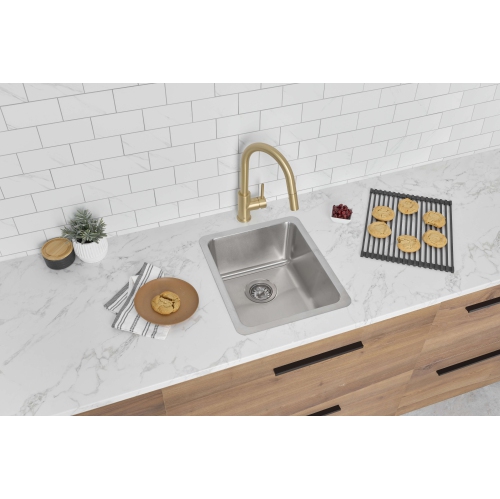
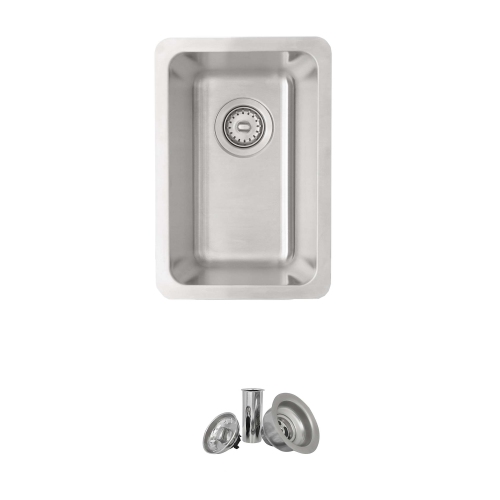
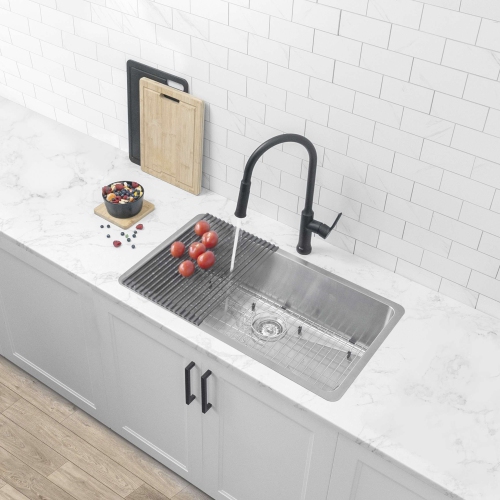
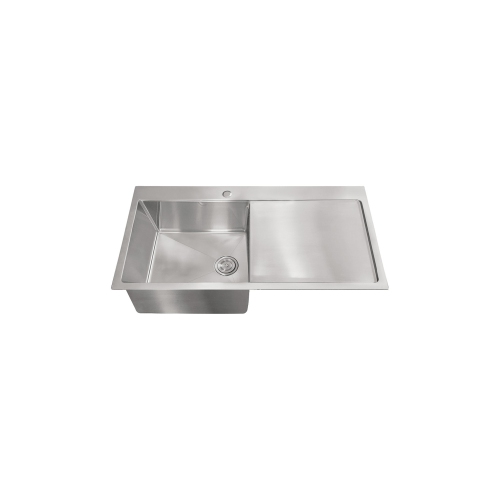
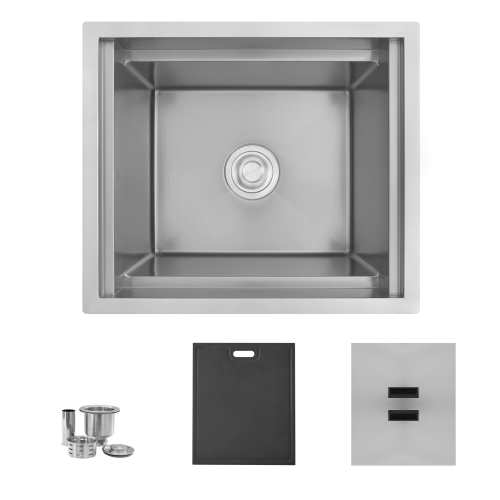
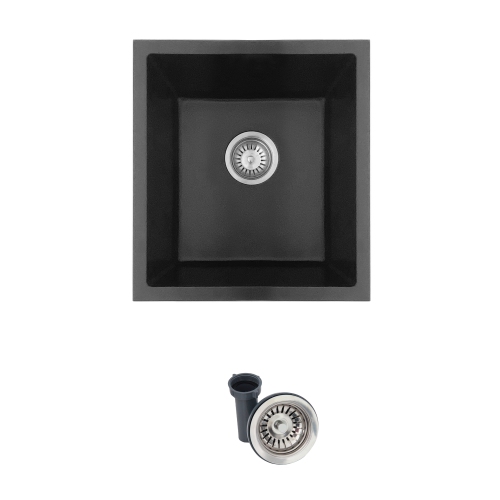
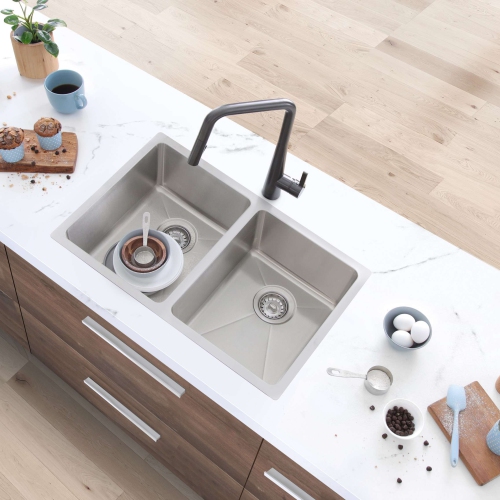
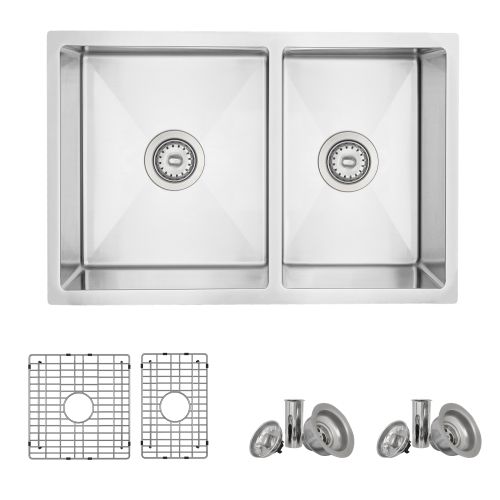
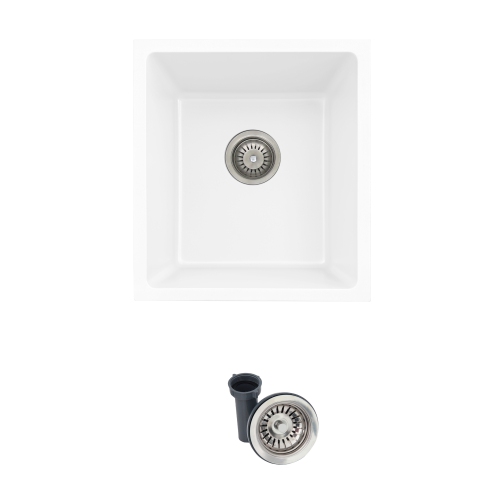
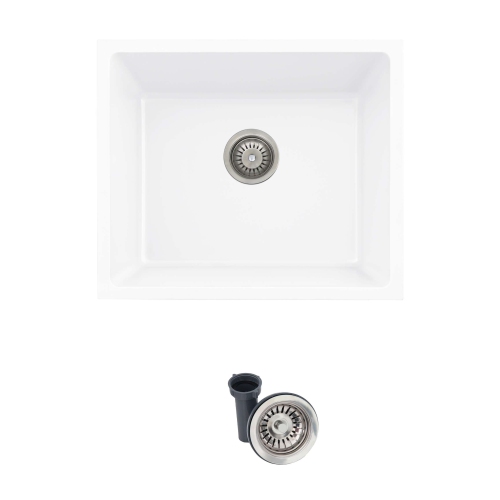
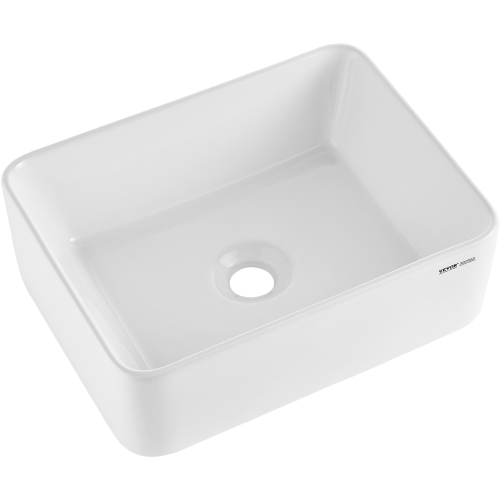
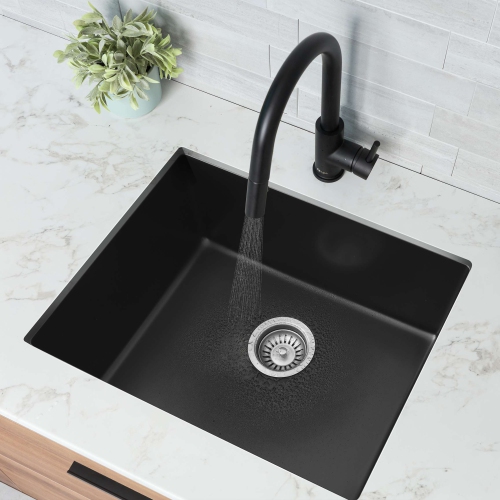
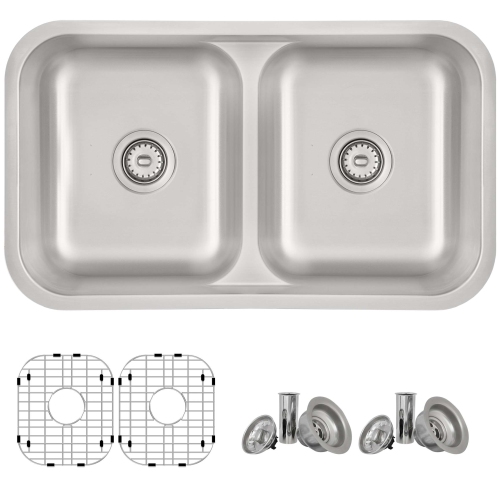
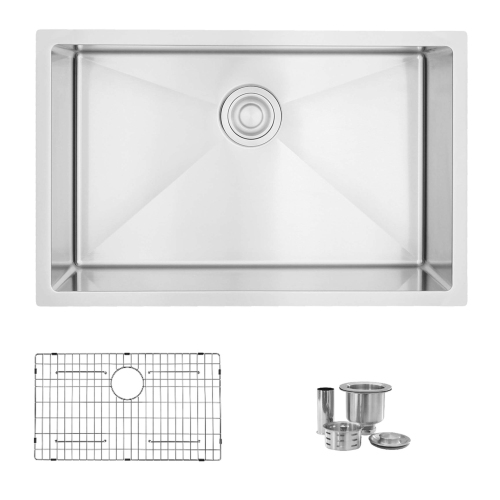
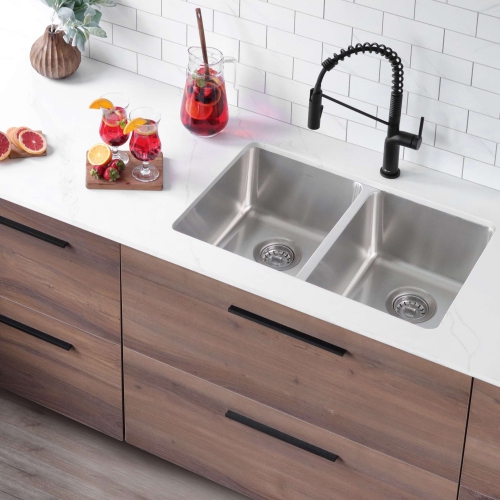
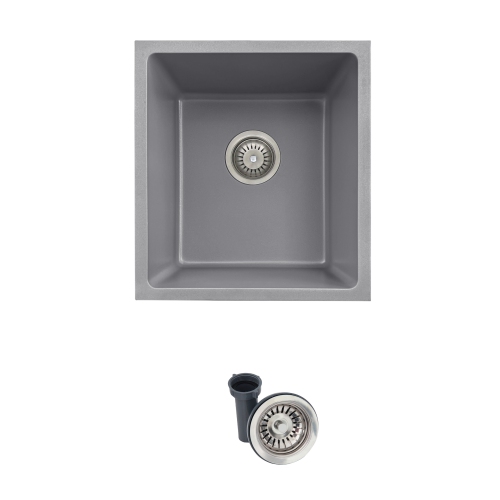
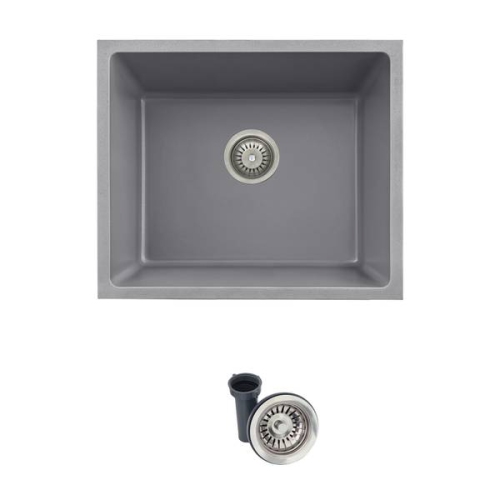
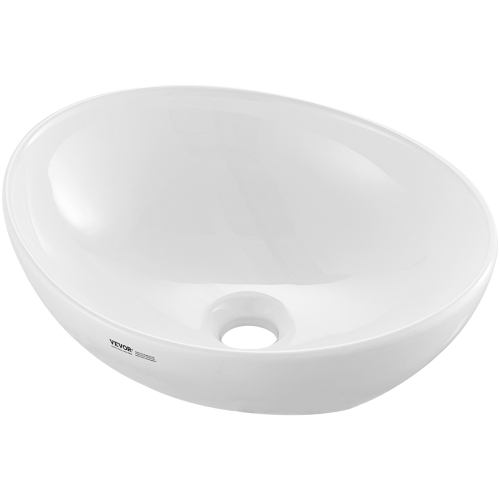
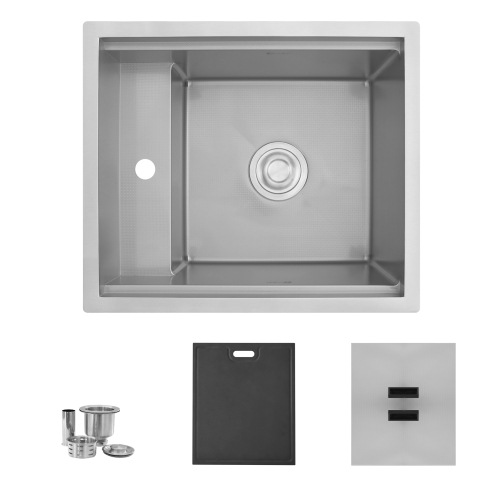
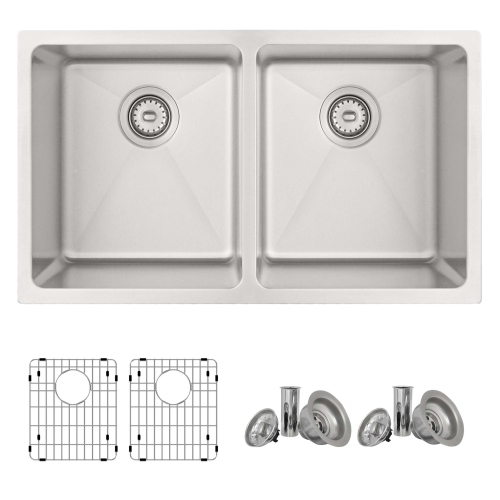
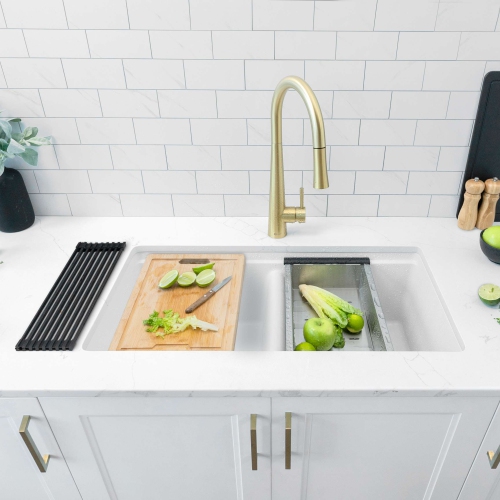
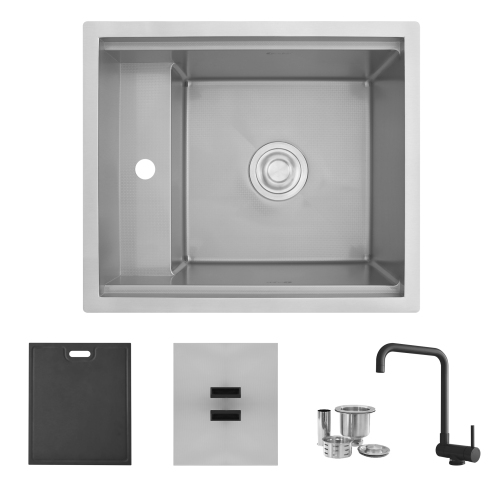
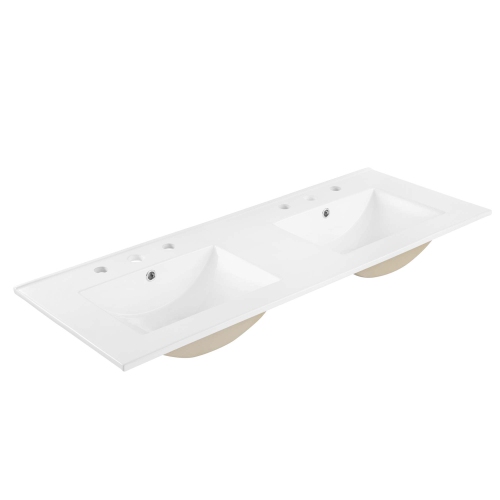
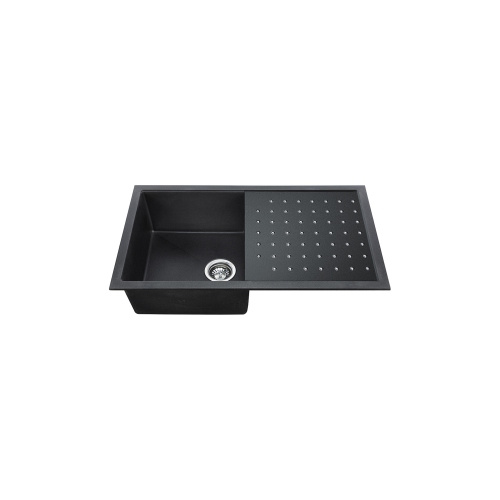
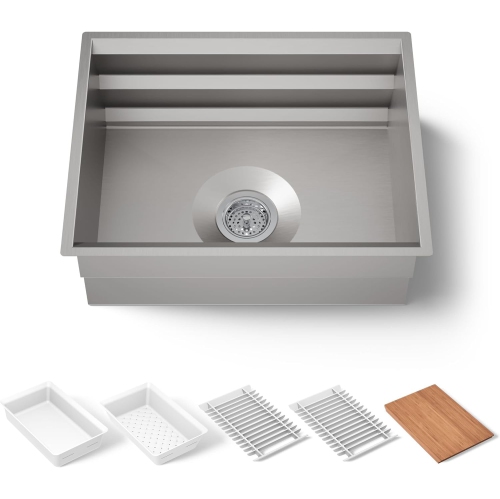
Top-mount sinks, also called drop-in or self-rimming sinks, fit into a countertop opening from above, with an outer rim that rests on the surrounding surface. This rim supports the sink as designed and covers the cut edge of the opening, creating a defined border between the basin and countertop. Depending on the model, clips or other mounting hardware secure the sink underneath, while a suitable sealant helps prevent water from working beneath the edge. The design is common in kitchens and can also suit laundry rooms, utility areas, and bathrooms when the sink is intended for that application. For kitchen use, bowl layout makes a noticeable difference to everyday routines. A large single bowl leaves uninterrupted room for a roasting pan, a stockpot, or a stack of baking trays. Double-bowl designs separate tasks, such as soaking dishes on one side while rinsing vegetables on the other. Equal bowls provide similar working space on both sides, while an offset arrangement pairs a larger washing area with a smaller basin for lighter tasks. Bowl depth matters just as much as layout: a deeper basin can contain splashes and accommodate taller cookware, but its bottom also sits farther below the counter, which may be less comfortable for someone who prefers a shallower reach. Rounded internal corners are generally easier to wipe, while tighter corners create a more angular appearance and may need closer attention during cleaning. Some designs include a draining area or ledges for compatible accessories, adding space for rinsing produce or setting down wet utensils. These features are most useful when they match the way the sink is actually used. A compact kitchen may benefit from a roomy single basin, while a busy household that washes dishes by hand may appreciate distinct washing and rinsing spaces.
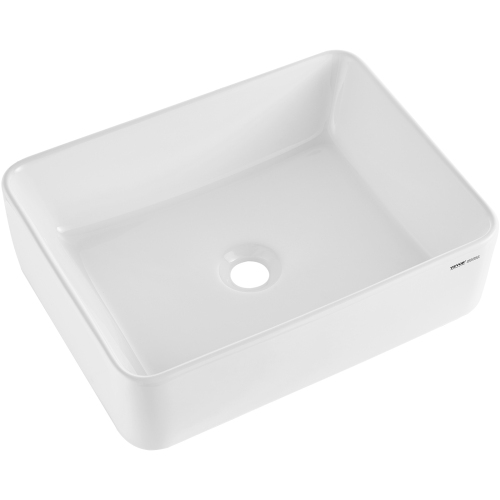
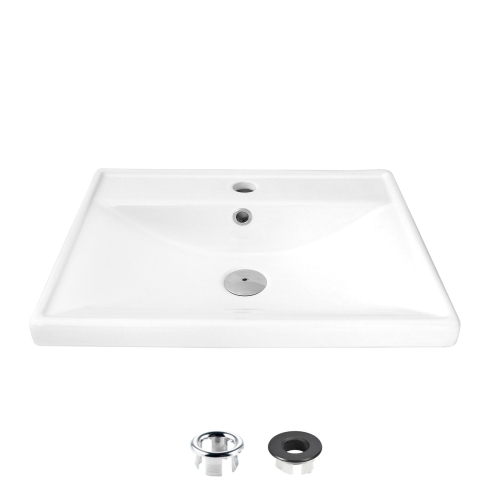
Material affects the appearance, sound, weight, and care requirements of a top-mount sink. Stainless steel is a familiar kitchen choice because it handles everyday washing tasks well and coordinates with many faucet and appliance finishes. Its surface can develop fine scratches through normal use, and water droplets may leave visible marks if allowed to dry. A brushed finish can make light wear less noticeable, although no finish eliminates the need for regular cleaning. Steel thickness, overall construction, and sound-dampening pads or coatings can all influence how solid and quiet a basin feels when water runs or cookware touches the bottom. Granite and quartz composite sinks offer a different look, often with a matte or lightly textured surface and colour throughout the material. Their resistance to stains, scratches, and heat varies by composition, so the stated care limits remain important even when a surface feels particularly robust. Enamelled cast iron brings substantial weight and a glossy finish, but the coating can chip if struck by a heavy object, and the installation needs appropriate support. Ceramic and vitreous china are common choices for bathroom basins, where a smooth glazed surface suits handwashing and routine cleaning. Across materials, a mild cleaner, a soft cloth, and a thorough rinse are often suitable for daily upkeep, subject to the manufacturer's directions. Abrasive pads, harsh chemicals, and prolonged contact with some cleaning solutions can damage finishes. Stainless steel generally benefits from wiping in the direction of its grain, while textured composites need attention to residue that can collect on the surface. A compatible bottom grid can help keep cookware away from the basin floor, though debris still needs to be cleaned underneath it. Heavy pots are best lowered rather than dropped, and hot cookware should be handled according to the sink's heat limits rather than assuming every material tolerates direct contact.
Fit is about more than the outside dimensions. A top-mount sink needs to match the required countertop cutout, the cabinet below, and the plumbing connections, with enough room for mounting hardware and any accessories. The rim can conceal the cut edge, but it cannot make an oversized or poorly supported opening suitable. When replacing an existing sink, comparing the old opening with the new sink's installation template helps establish whether the countertop can remain in place. The basin may also be wider or deeper underneath than its appearance from above suggests, leaving less room for drawers, storage, water lines, or a compatible waste disposal unit. Drain position influences how the trap connects and how much usable cabinet space remains; a rear-positioned drain can leave more room toward the front, depending on the plumbing arrangement. Faucet holes need similar attention. A deck-mounted faucet may require one or several openings, and separate sprayers, soap dispensers, or filtered-water taps need compatible space. The faucet's reach should direct water comfortably into the bowl, while its handle and spout need clearance from a nearby wall, backsplash, or window ledge. Top mounting works with many countertop materials when the opening is properly prepared and sealed, making it a practical format for both replacements and new installations. However, removal and replacement are not automatically straightforward: old sealant, inaccessible clips, damaged countertop edges, or altered plumbing can add work. Some sinks support more than one installation method, and Dual Mount Sinks provide another option when both top-mount and undermount installation are permitted by the manufacturer. For a top-mount installation, the raised rim remains part of daily cleaning. Crumbs and water need to be lifted or wiped over that edge rather than swept directly into the bowl. Keeping the rim clean and checking the seal for gaps helps protect the countertop, while a basin layout suited to everyday tasks keeps the sink comfortable to use.
Top selling and popular products
-
 Your price for this item is $130
-
 Your price for this item is $150
-
 Your price for this item is $150
-
 Your price for this item is $109.99
-
 Your price for this item is $79.99
-
 Your price for this item is $87.99
-
 Your price for this item is $100
-
 Your price for this item is $120
Discover more categories related to Top Mount Sinks
Top Collections:
Best Black Friday Deals This Year, Best Black Friday Deals On Electronics, Kindle Devices, Dyson Airwrap, Best Cameras for Sports Photography, Best Budget Office Chairs, Canon G7X Cameras, PS5 Pro Consoles, Best Black Friday Deals On Apple Products, XBOX One S Consoles
Some products may be subject to Environmental Handling Fees
(EHF) depending on your province.
Learn more about EHFs.