Undermount Bathroom Sinks

Explore undermount bathroom sinks designed to sit beneath the countertop for a seamless vanity surface that’s easy to wipe clean. Compare sink dimensions, basin shapes, and materials to find a fit for your bathroom, and check countertop compatibility and cabinet clearance before choosing.
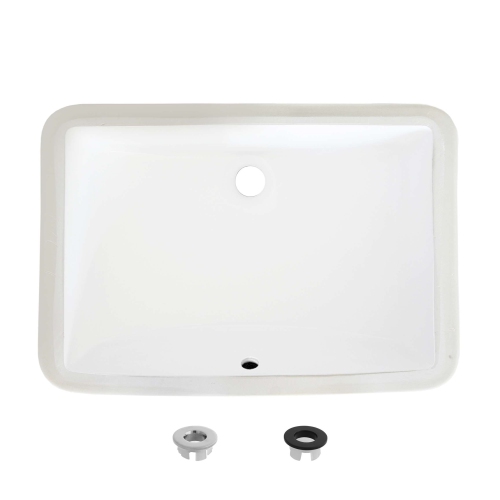
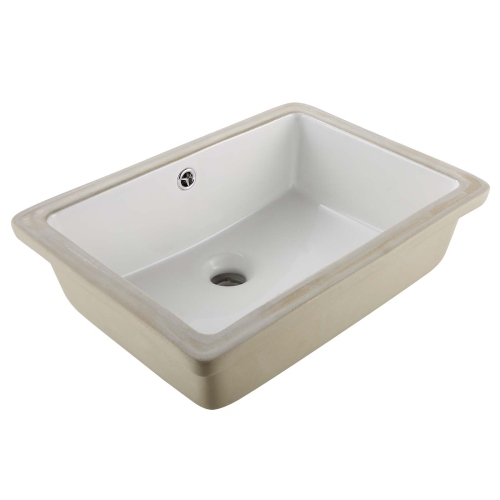
Sort

A clean counter edge is just the beginning

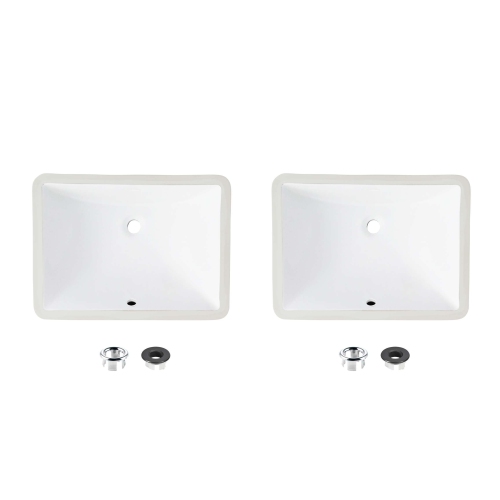
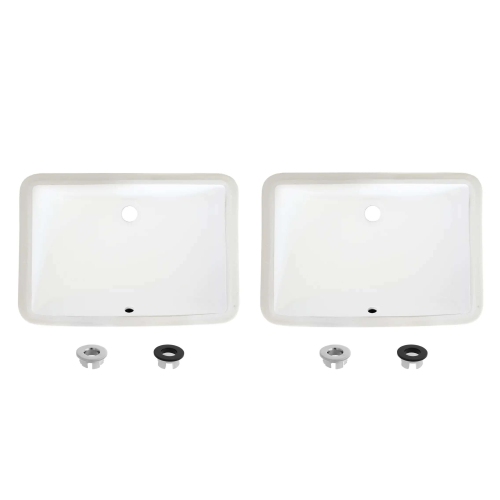
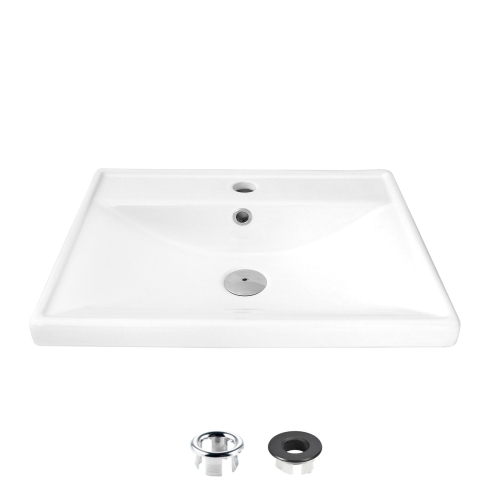
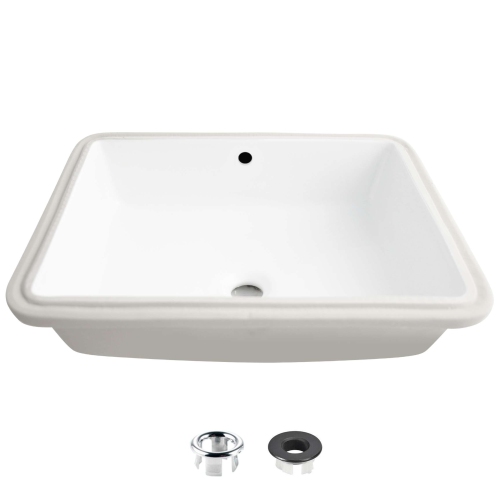
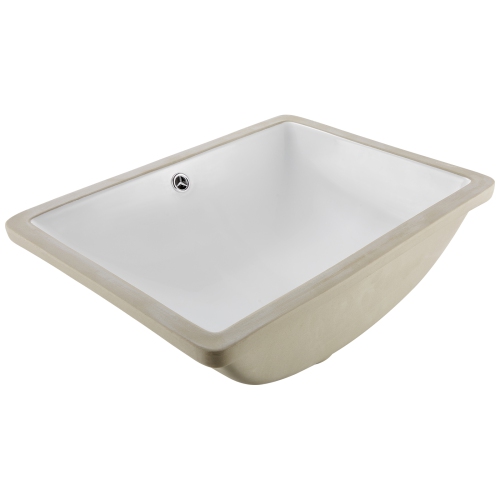
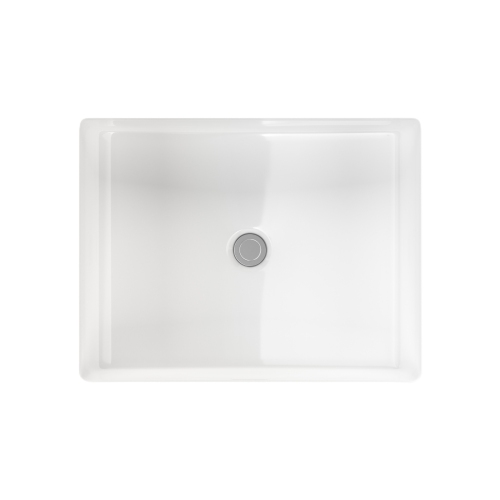
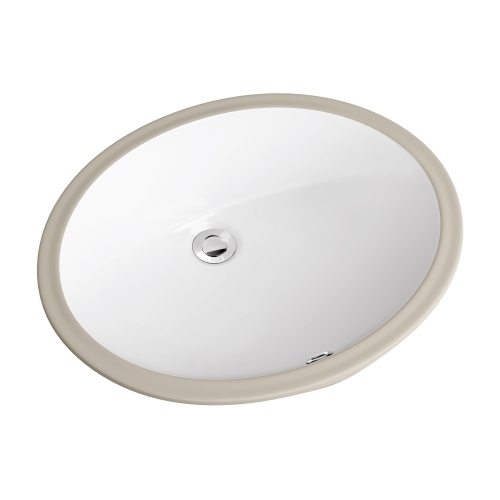
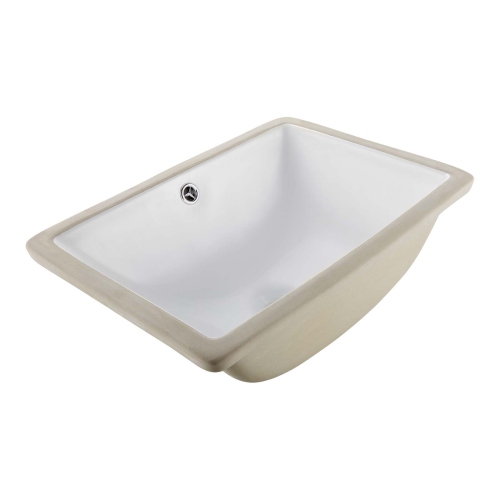
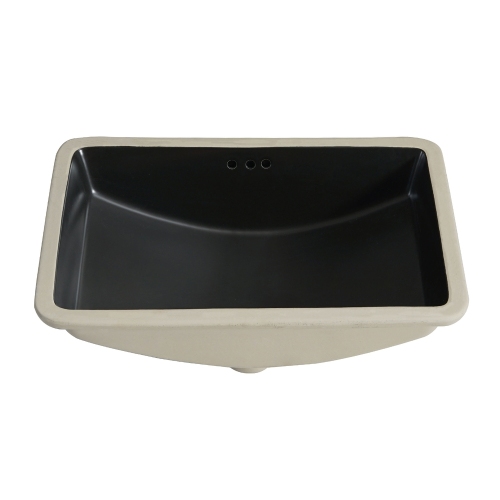
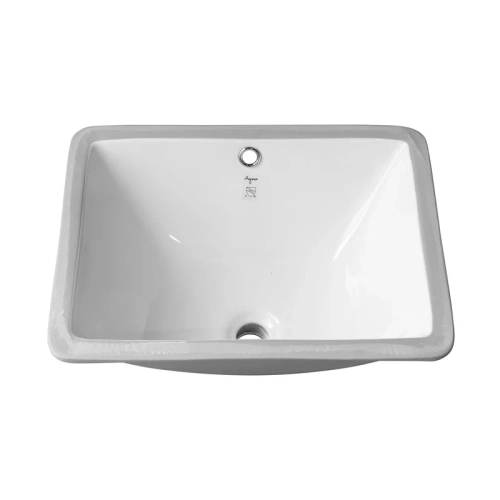
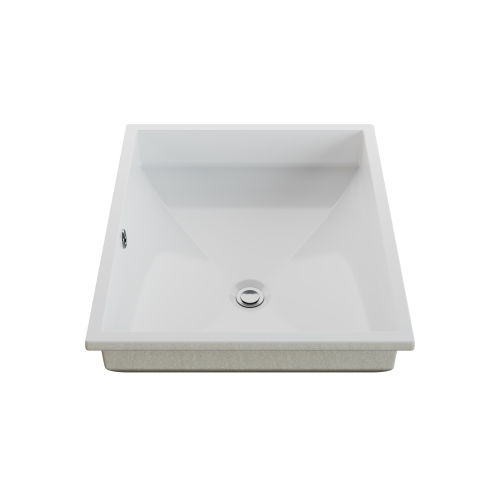
Undermount bathroom sinks sit beneath the countertop, leaving the edge of the counter visible around the basin rather than adding a raised rim on top. The result is a clean, continuous surface that suits everything from a compact powder room to a spacious double vanity. That uninterrupted edge also has a practical benefit: water droplets and traces of toothpaste can be wiped towards the basin without catching against an above-counter lip. The overall effect depends on the relationship between the sink, countertop, and cabinetry. A softly rounded basin can soften the look of a vanity with straight cabinet fronts, while a rectangular sink can echo the lines of wide drawers and a neatly framed mirror. Oval shapes have a familiar, understated appearance, and rounded corners offer a gentler alternative to sharply defined angles. Interior dimensions matter just as much as the shape seen from above. A deeper basin provides more room for washing hands or rinsing a face cloth, although it also extends farther into the cabinet below. A shallower basin may leave more room beneath it, but splash control depends on the basin shape, faucet height, and where the stream lands. In a shared family bathroom, a generous bowl can make everyday routines more comfortable; in a small guest bathroom, a modest basin can preserve valuable counter space for soap and a hand towel. White remains a versatile choice because it works with a wide range of countertop colours and makes everyday residue easy to spot. Other colours can create a quieter, coordinated look or a more defined contrast, depending on the surrounding finishes. Because there is no exposed sink deck around an undermount basin, the countertop plays a larger visual role than it does with many drop-in designs. Its edge profile, surface pattern, and the amount of space surrounding the bowl all contribute to the finished appearance, whether the room feels simple and functional or more tailored and decorative.

Materials influence the appearance, feel, and upkeep of an undermount sink. Glazed ceramic and vitreous china are familiar bathroom choices, valued for their smooth surfaces and resistance to ordinary water exposure. Their glossy finish is generally straightforward to clean, though hard impacts can chip the glaze or damage the basin. A dropped glass bottle or a heavy object striking an edge can leave damage that routine cleaning will not resolve. Solid-surface basins offer another look, often with a softer sheen, while stone and metal options introduce their own textures and care requirements. Natural stone may need sealing and can react poorly to acidic cleaners; metal finishes may develop visible water spots or change in appearance over time, depending on the material. Care directions should match the actual sink material rather than simply its colour or finish. Fit is equally important, since the advertised width does not tell the whole story. Overall dimensions include the mounting rim hidden beneath the counter, while interior bowl dimensions describe the usable space. The countertop cutout, cabinet opening, and clearance around drawers and plumbing all need to accommodate the basin. Solid countertop materials such as quartz, granite, and suitable solid surfaces commonly support undermount installations, but compatibility depends on the countertop construction and the approved mounting method. Standard laminate countertops are generally not suitable unless specifically designed for this application. The sink also needs proper supports and a sealed joint; sealant alone is not a substitute for the required mounting hardware. The reveal—the relationship between the countertop opening and the sink rim—changes the finished detail. Some installations expose a narrow band of the basin rim, while others align the opening closely with the bowl or allow the countertop to overhang it slightly. Each treatment affects how the edge looks and how easily the joint can be reached for cleaning. Accurate templates and professional installation help keep these details consistent, particularly when a countertop is being cut for a new vanity.

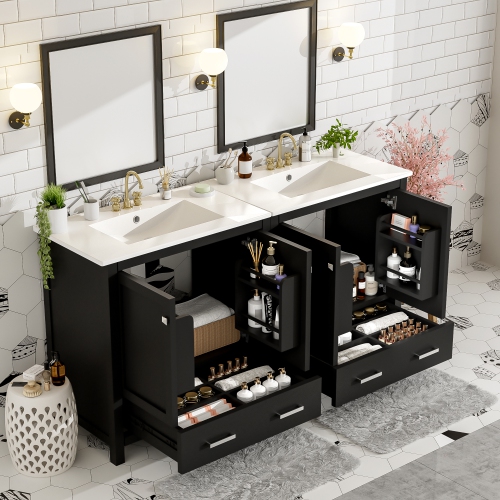
An undermount basin works best when the surrounding fixtures and storage have been considered together. Many designs rely on a faucet mounted through the countertop or on the wall, so faucet holes, spout reach, and clearance behind the bowl deserve attention. A tall faucet does not automatically suit a deep sink, and a short spout can leave hands crowded against the back of the basin. A well-matched combination places the stream comfortably within the bowl without directing it against a steep side wall. Drain compatibility also matters: sinks with an overflow passage need an appropriate drain assembly, while basins without an overflow require a compatible alternative. An overflow provides an additional path for water near the top of the bowl, but it does not replace supervision or prevent every possible spill. Below the counter, the basin and drain trap can reduce drawer depth or interrupt shelving, which is especially noticeable in a narrow vanity holding toiletries, cleaning supplies, and spare towels. For a coordinated cabinet, countertop, and basin, bathroom vanities with undermount sinks bring these elements together, although included components and installation requirements vary. In a double vanity, spacing between basins affects how comfortably two people can use the counter at once, while in an accessible bathroom, basin depth and the space underneath need to suit the intended user and the overall design. Everyday care is usually most manageable with a soft cloth, a suitable mild cleaner, and attention to the joint beneath the countertop edge. Wiping away residue before it dries helps limit buildup, and drying the surface can reduce visible water marks. Abrasive pads and strong chemicals can harm certain finishes or sealants, so material-specific care remains important. Periodic checks for loose supports, deteriorating sealant, or drips inside the cabinet can help catch small problems before they affect the surrounding cabinetry. With a suitable fit and thoughtful fixture placement, an undermount bathroom sink offers a clear counter edge and a comfortable basin for the routines that happen at the vanity every day.

FAQ

Some products may be subject to Environmental Handling Fees (EHF) depending on your province. Learn more about EHFs.