Touch Lamps for Nightstands
Touch Lamps for Nightstands offer a convenient and stylish way to enhance your bedroom lighting. Perfect for bedside tables, these lamps combine modern design with easy-to-use functionality, making them an ideal choice for late-night reading or creating a cozy atmosphere. With a variety of shapes, sizes, and finishes available, Touch Lamps for Nightstands can seamlessly complement any décor while providing effortless illumination right at your fingertips. Discover options that add both elegance and practicality to your nighttime routine.
Sort
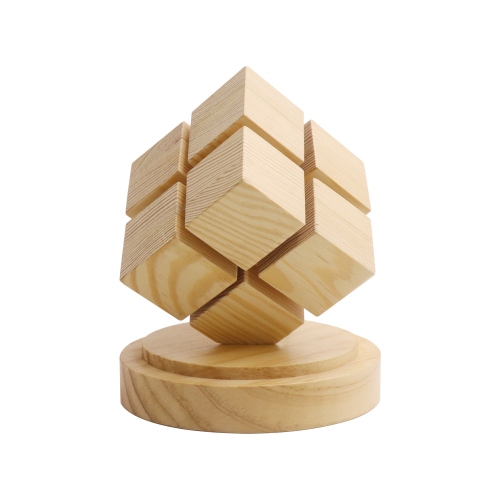
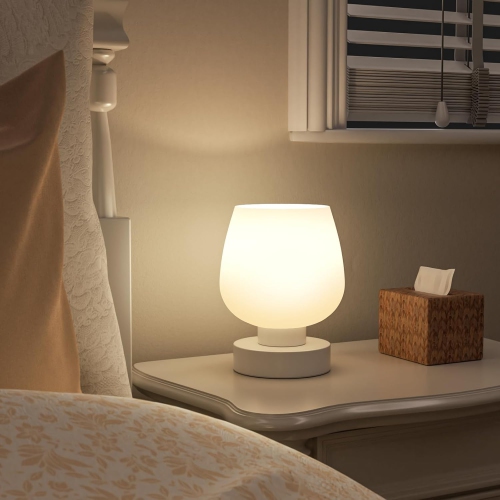
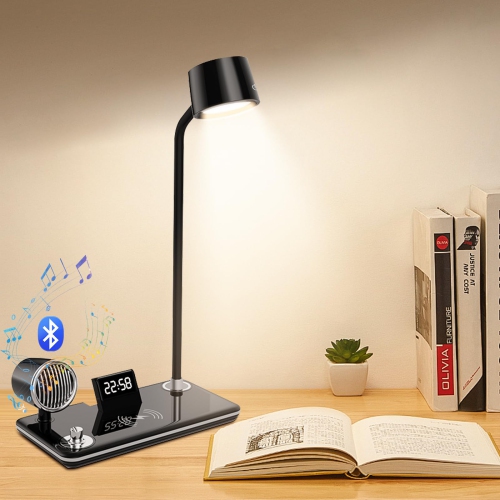
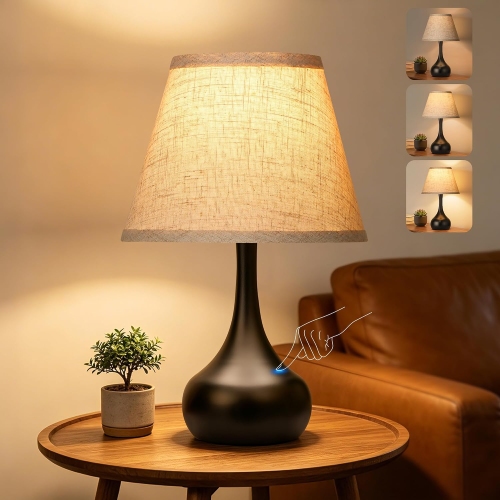

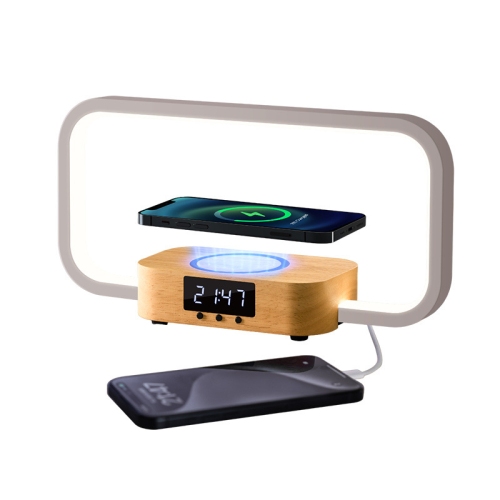
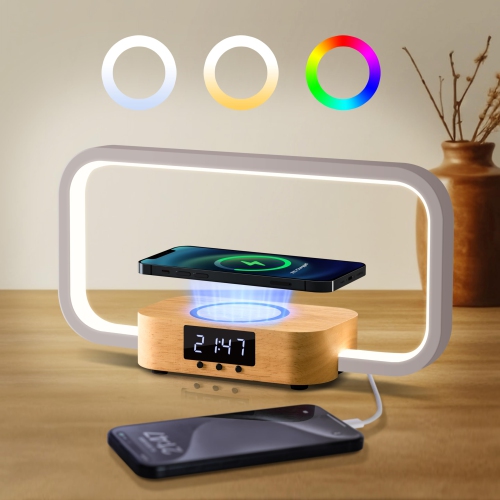
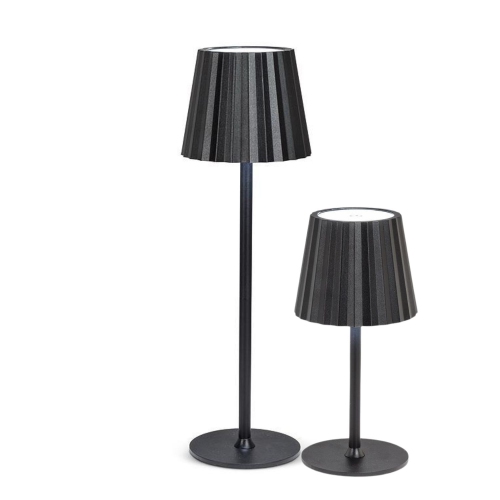
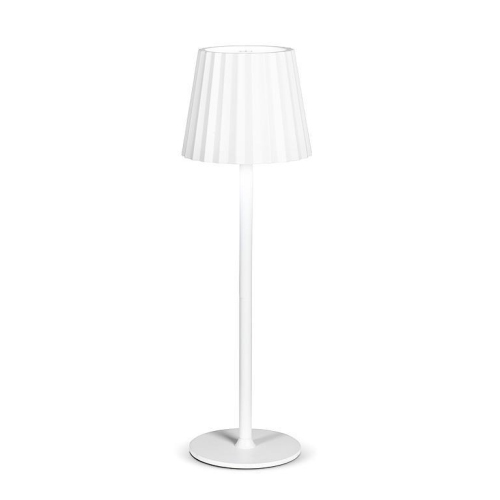

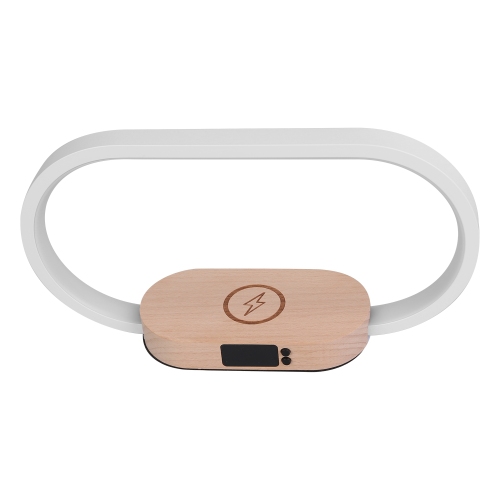
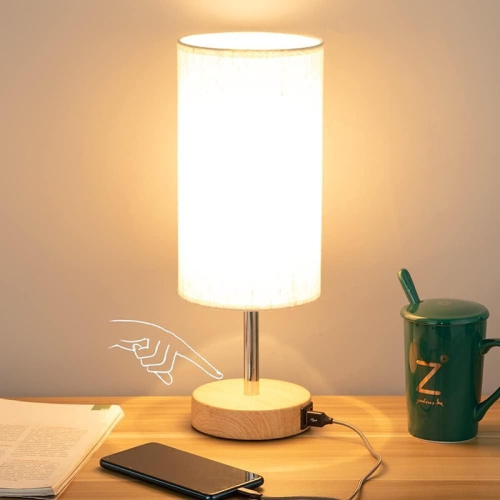
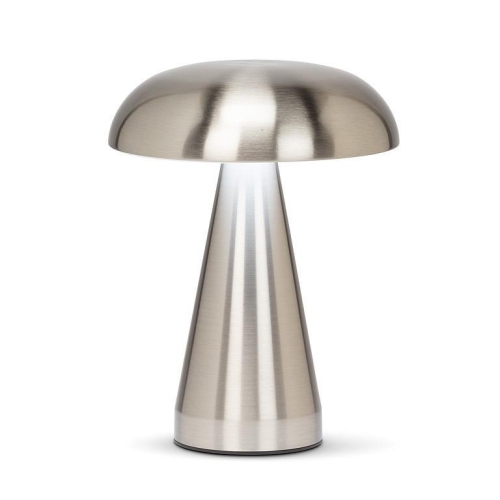
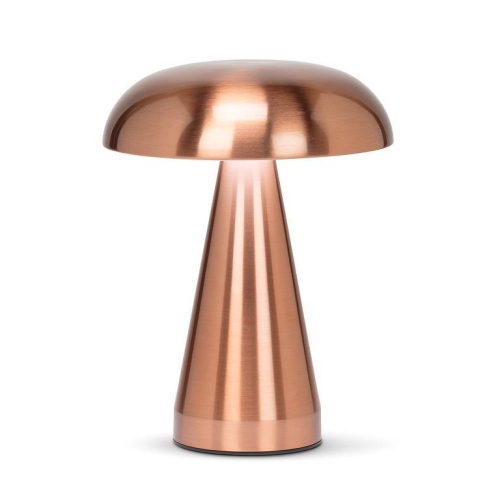
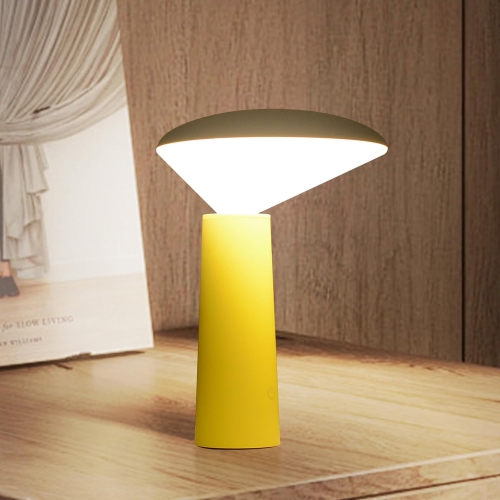
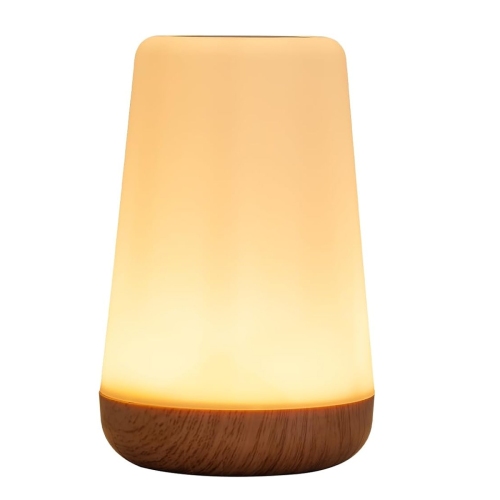
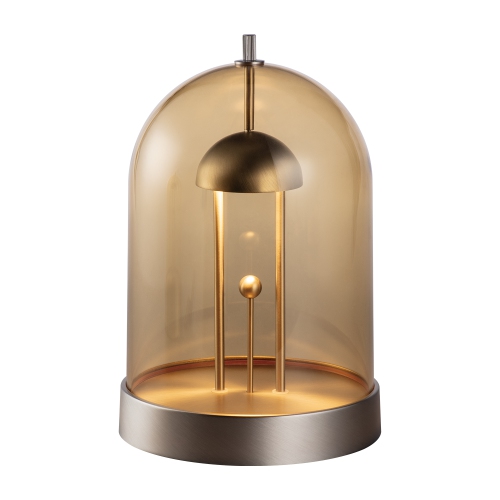
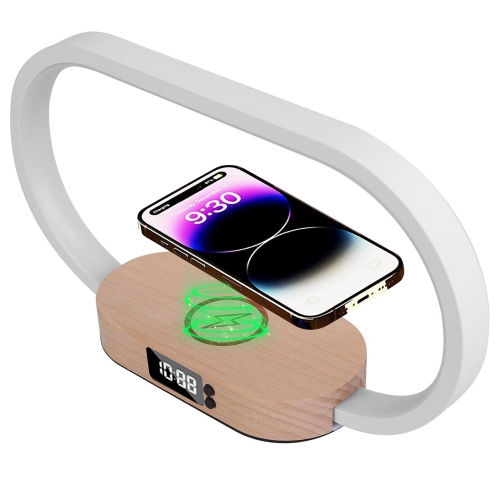

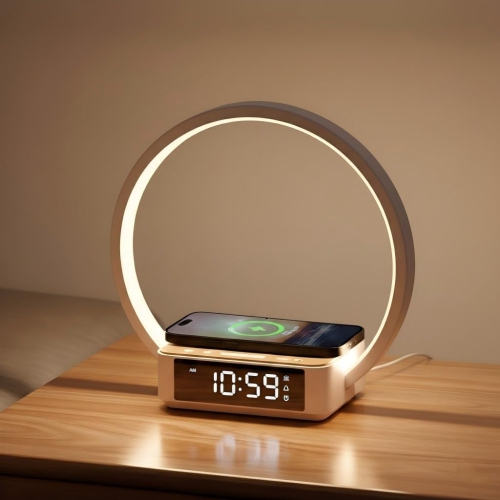


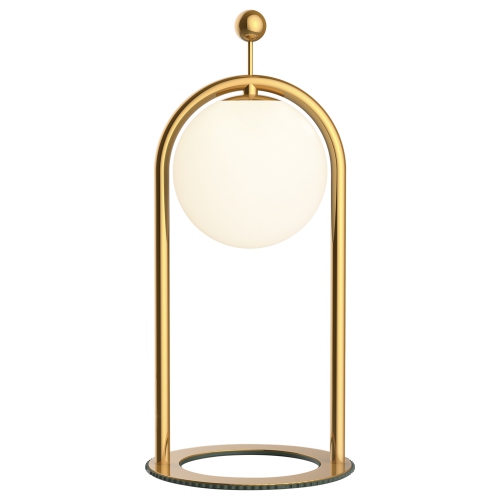
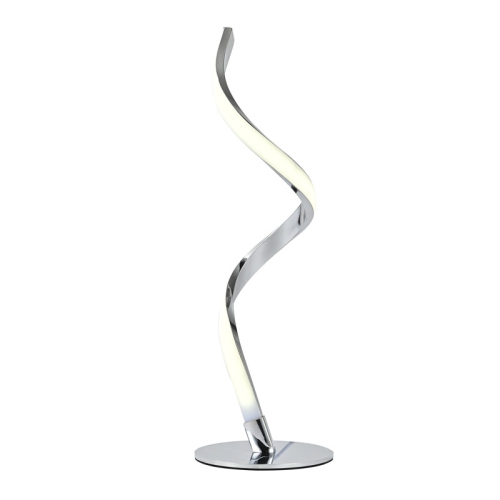
Bedside lighting that puts easy control within reach
Touch lamps for nightstands bring bedside lighting within easy reach, with controls that can be especially welcome when settling into bed or reaching for a light before getting up. Rather than searching beneath a shade for a small switch, a touch-sensitive design responds at a designated point on the base, stem, or control panel. The way that control works varies: some lamps switch on and off with a tap, while others cycle through brightness levels or allow a longer touch to adjust the light. That distinction matters in everyday use. A gentle glow can provide enough light to find glasses on the nightstand, while a brighter setting is more useful for reading a few chapters or sorting through notes. Touch controls can also suit someone who finds small rotary switches awkward, although the size and position of the touch area influence how comfortable the lamp feels to operate. In a shared bedroom, a shade that softens the light and limits sideways glare can help keep illumination closer to one side of the bed. Brightness and light colour serve different purposes: lumens describe the amount of light, while colour temperature describes whether its appearance is warmer or cooler. A warm-toned light often suits a relaxed bedroom setting, while a more neutral tone may be preferable for reading or distinguishing colours. Adjustable brightness does not necessarily mean adjustable colour temperature, so these are separate features to consider. With replaceable bulbs, the lamp’s socket type, maximum permitted wattage, and dimming requirements determine which bulbs are suitable. Integrated LED designs have their own specifications for light output and operation. Across these different formats, the appeal is practical and familiar: light close to the bed, a control that is easy to locate, and a brightness level that suits the task without making the whole room feel brightly lit.
The relationship between the lamp and the nightstand makes a noticeable difference to both comfort and appearance. A narrow bedside table needs enough usable surface for essentials such as a phone, a book, or a glass of water, so the base footprint is only part of the fit. A shade can extend well beyond the base, crowding the wall or brushing against bedding even when the lamp itself appears compact. Overall height also matters once the mattress and bed frame are taken into account. A lamp that looks well proportioned beside a low bed may expose the bulb to someone sitting against a tall headboard. Ideally, the shade helps screen the light source from the usual seated or reclining position while allowing useful light onto the page or surrounding surface. For especially limited bedside space, Small Nightstand Lamps offer another way to explore compact proportions alongside touch-control designs. Shape contributes to the room’s character as much as size does. A slender stem and simple shade can feel unobtrusive beside patterned bedding, while a rounded base adds visual weight to a spare, straight-lined nightstand. Metal bases can have smooth, brushed, or textured finishes, each with a different feel and cleaning needs. Ceramic brings a solid appearance and a broad range of colours, although it can chip if knocked against a hard edge. Glass can look light and open but tends to show fingerprints more readily. Fabric shades diffuse light through their weave, while opaque shades direct more of it through their openings; the shade’s colour and thickness also affect the resulting glow. Where metal forms part of the touch control, the responsive area should be clearly identified in the lamp’s details. A stable base, a level surface, and adequate clearance from pillows and curtains help the lamp fit naturally into the bedside arrangement rather than compete with it.
Everyday convenience extends beyond the touch sensor itself. Some bedside lamps include USB ports, power outlets, or wireless charging surfaces, bringing a few frequently used functions together on the nightstand. Their usefulness depends on the devices involved: connector type, supported charging output, and case compatibility can all affect whether charging works as expected. A charging surface also needs a clear place for the phone to rest, which may be less practical on a crowded table. Whether charging remains active when the light is switched off varies by design. Cord length and plug placement are similarly important, particularly when the nearest outlet sits behind a bed frame or a wide nightstand. A cord that reaches comfortably without crossing a walking route makes for a tidier arrangement, while an accessible connection makes unplugging for cleaning easier. Care should suit the lamp’s materials and electrical components. A soft, dry cloth is often appropriate for routine dusting, with the lamp unplugged and the bulb allowed to cool; any further cleaning should follow the manufacturer’s directions. Moisture and cleaning sprays should stay away from sockets, ports, and touch controls. Fabric shades may need gentle dust removal, and painted, plated, or lacquered finishes can be damaged by abrasive cleaners. Durability depends on more than the base material: secure shade fittings, sound cord connections, and a design that stays steady during ordinary use all contribute to a lamp that remains pleasant to live with. A clearly positioned touch area is helpful when reaching from bed, but a lamp that responds to incidental contact may be less suited to a tightly packed surface. For guest rooms, straightforward controls make the bedside setup easier to understand without explanation. For a gift, neutral finishes and modest proportions can be easier to coordinate with an existing bedroom, while the recipient’s reading habits and preference for simple or adjustable lighting provide useful direction. The most suitable touch lamp balances those personal routines with a comfortable fit beside the bed.
Top selling and popular products
-
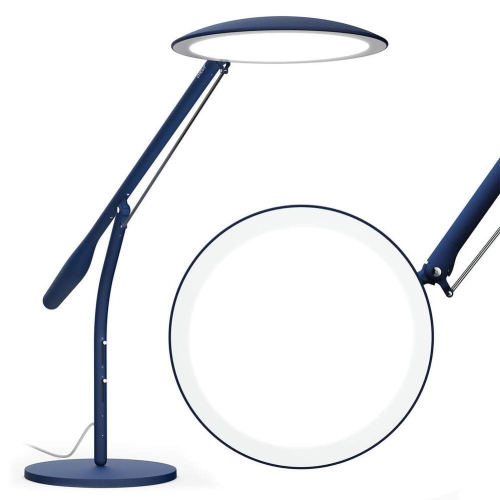 Your price for this item is $198.55
-
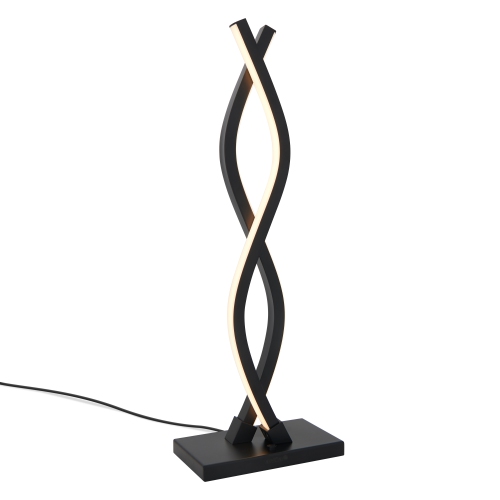 Your price for this item is $79.99
-
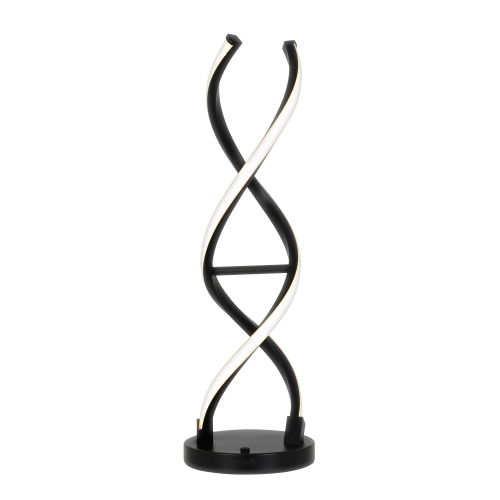 Your price for this item is $119.99
-
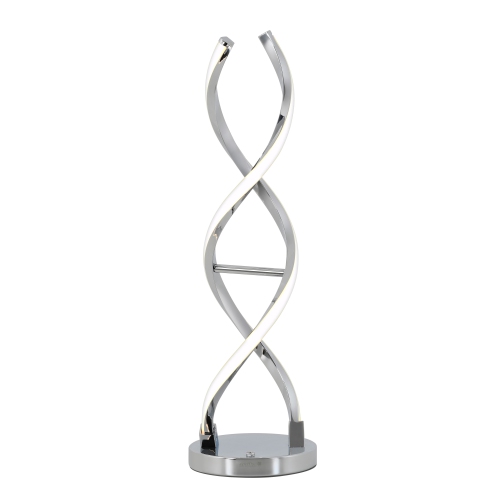 Your price for this item is $119.99
-
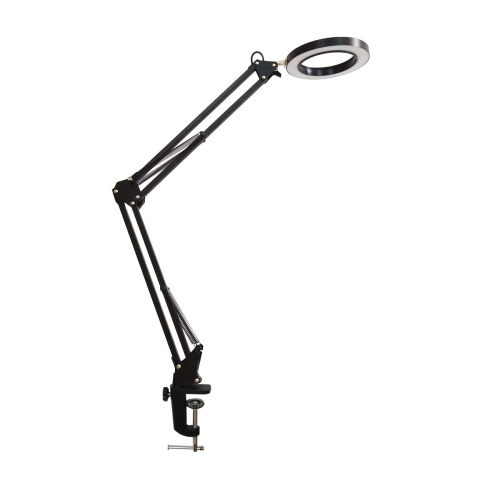 Your price for this item is $29.99
-
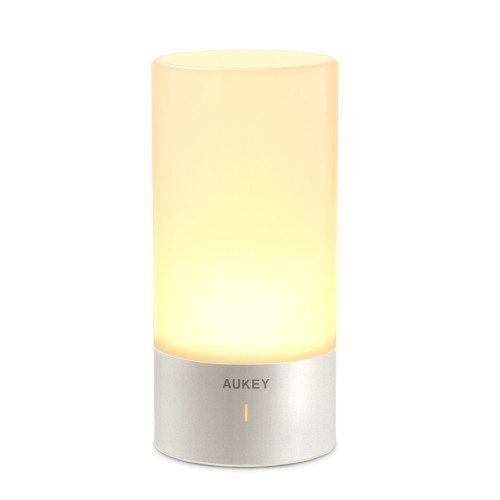 Your price for this item is $34.27
-
 Your price for this item is $199.99
-
 Your price for this item is $98.35
Discover more categories related to Touch Lamps for Nightstands

Top Collections:
Best Black Friday Deals This Year, Best Black Friday Deals On Electronics, Kindle Devices, Dyson Airwrap, Best Cameras for Sports Photography, Best Black Friday Deals On Apple Products, PS5 Pro Consoles, Portable Snow Blowers, Canon G7X Cameras, Pokémon 30th Celebration Cards
Some products may be subject to Environmental Handling Fees
(EHF) depending on your province.
Learn more about EHFs.