Traditional Dining Tables
Create a timeless and inviting dining space with these traditional dining tables. Whether you're hosting a formal dinner party or enjoying a casual family meal, these elegant tables provide the perfect centerpiece for almost any occasion. Crafted with attention to detail and built to last, our traditional dining tables effortlessly blend classic design elements with modern functionality. From rich wood finishes to intricate detailing, each table exudes sophistication and charm, adding a touch of refinement to your home.
Sort
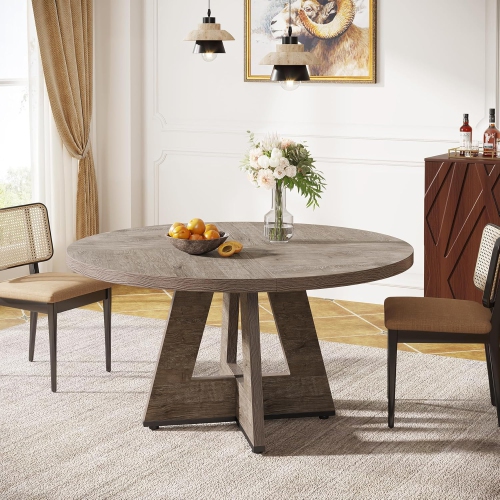
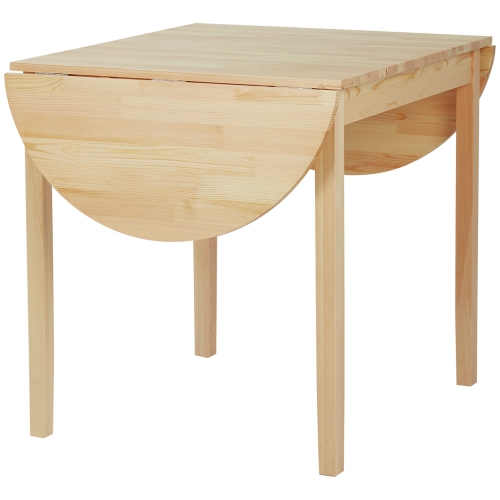
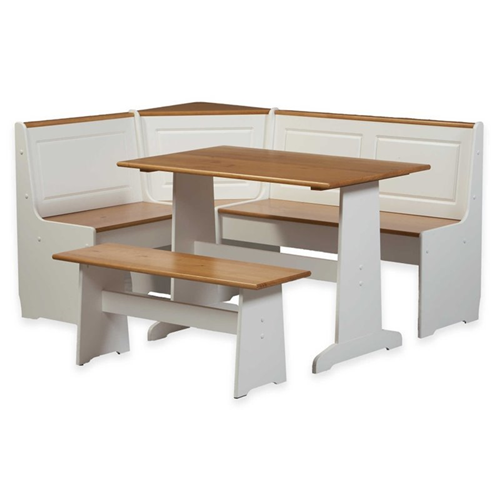
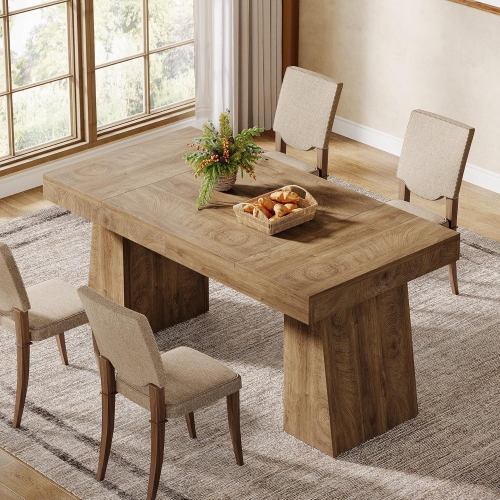
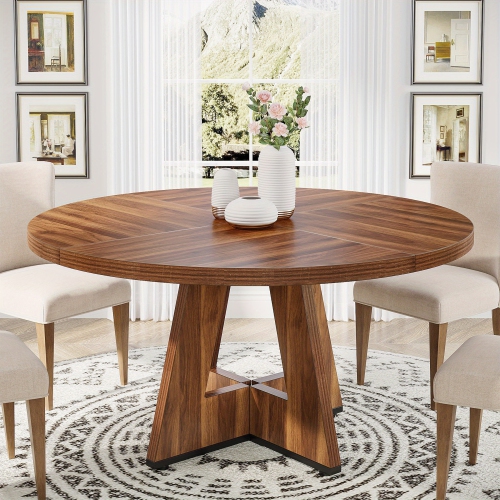
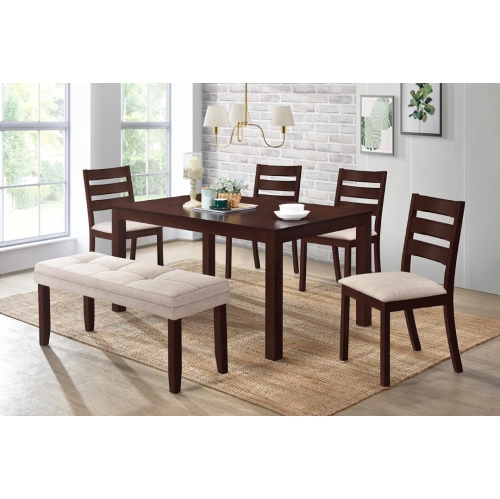
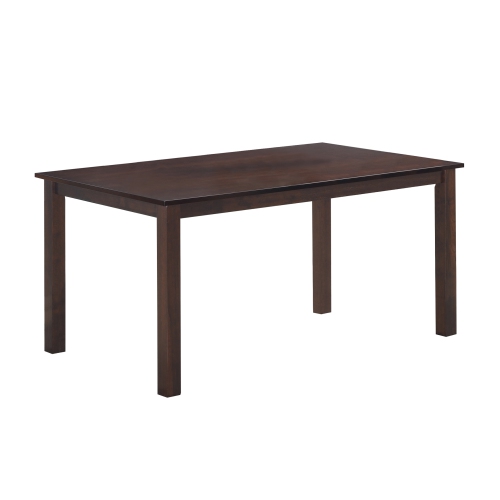
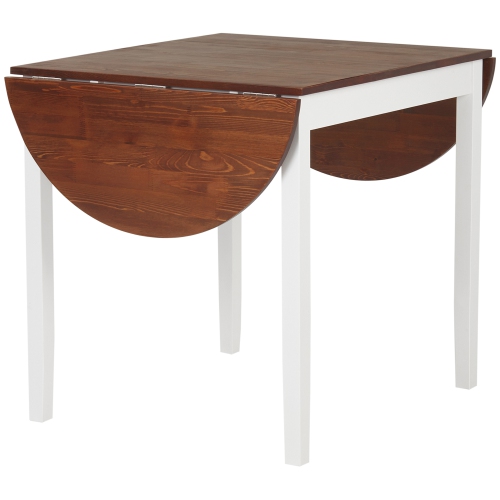
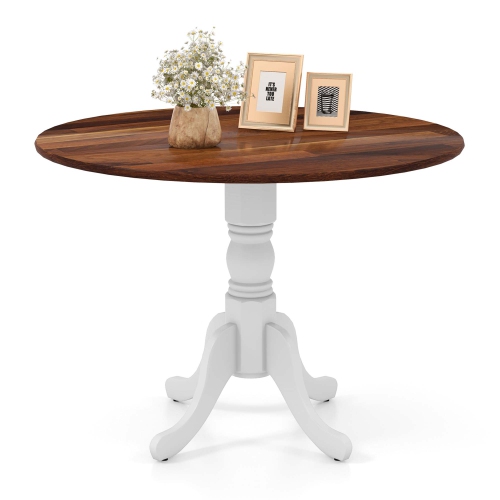
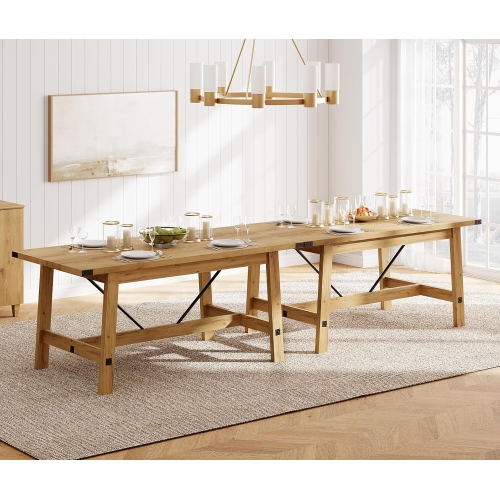
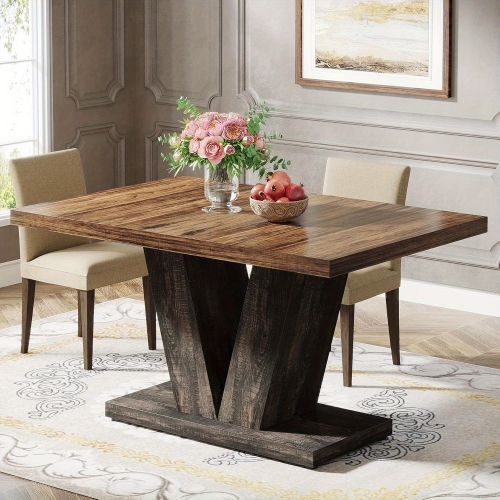
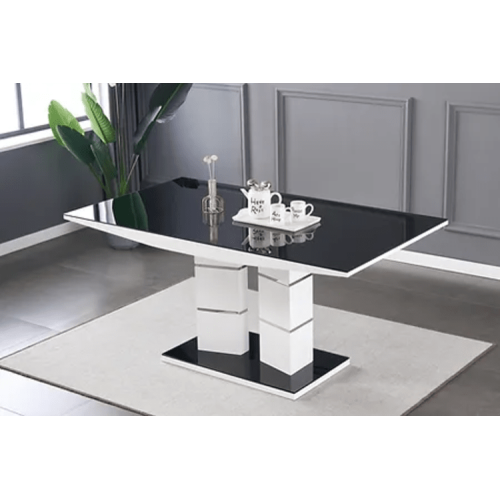
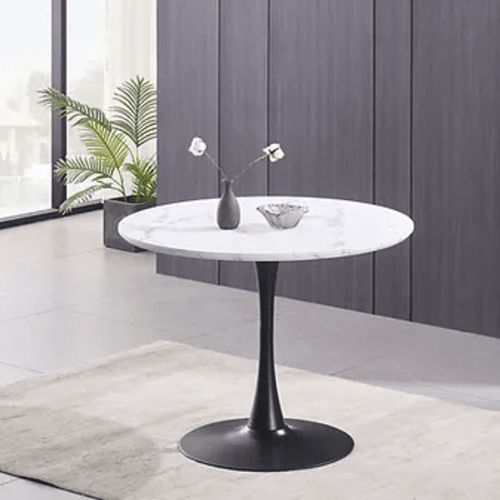
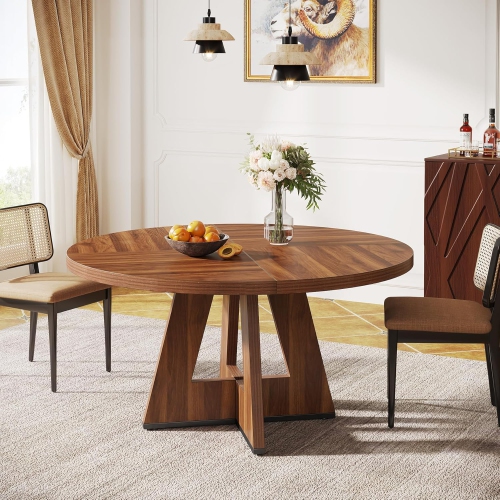
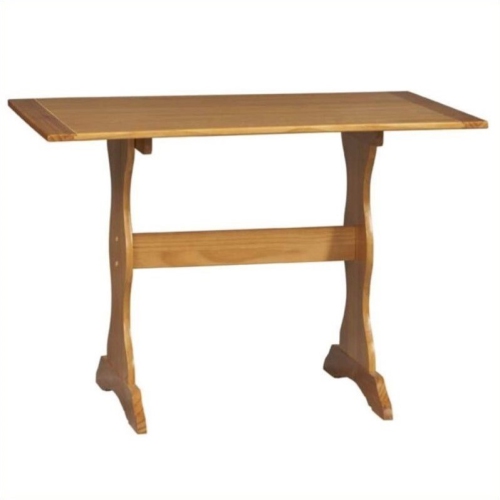
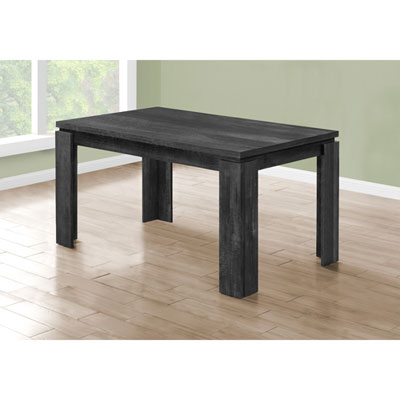
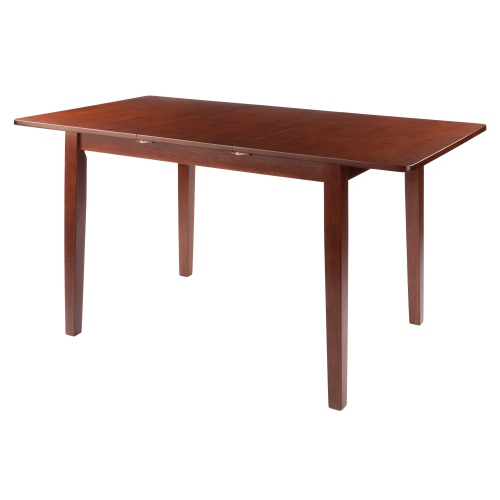
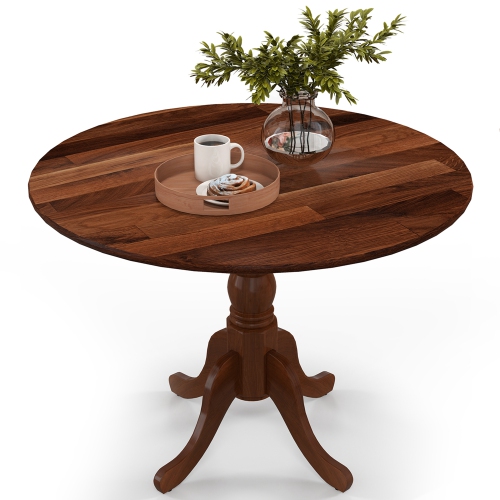

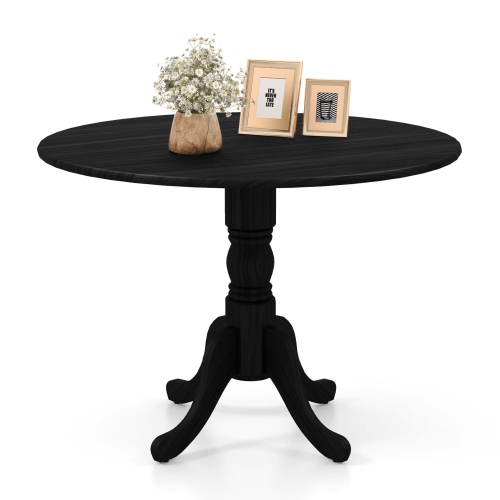
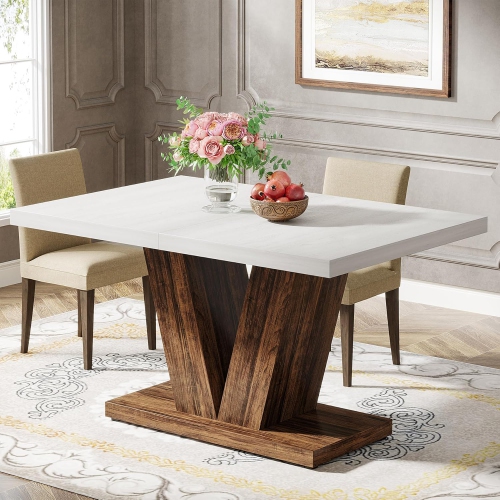
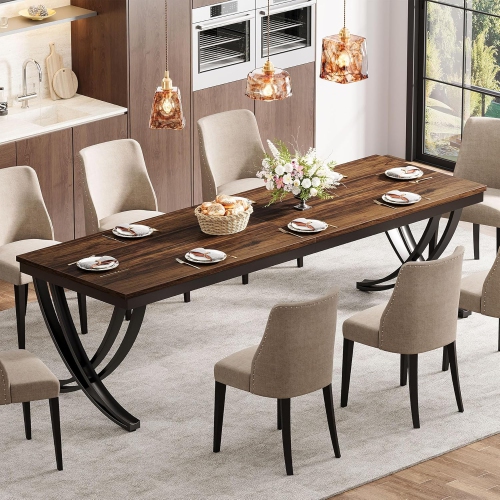
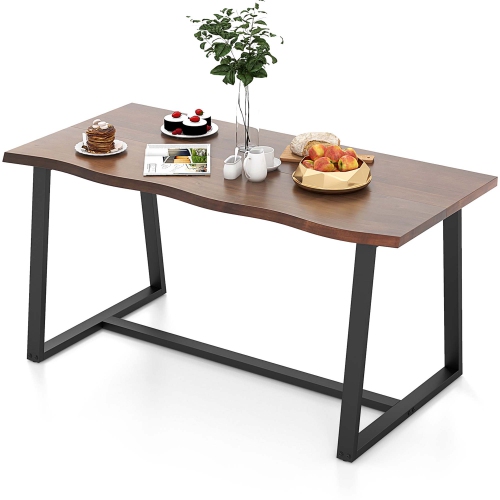
Classic wood detailing meets everyday dining comfort
Traditional dining tables bring classic proportions, substantial construction, and considered detailing to the place where meals and conversations come together. Wood is the material most closely associated with this style, often paired with turned legs, carved accents, shaped edges, or a pedestal base. Rectangular and oval tops are especially characteristic, although round tables also suit traditional rooms. The overall effect can range from restrained and welcoming to formal and richly detailed: a gently curved apron beneath the tabletop offers a quieter expression than deeply carved legs or an elaborate double pedestal. Unlike the deliberately weathered surfaces often associated with farmhouse furniture, traditional designs frequently feature smoother finishes and more refined profiles. They also differ from the straight lines and minimal ornament of Mission-style tables, though individual designs can share features. Traditional dining room tables work comfortably in dedicated dining rooms, breakfast areas, and open living spaces where familiar shapes help connect different furnishings. Dark brown finishes give a room visual depth, while lighter wood tones can make the same classic silhouette feel less imposing. Grain patterns matter as much as colour. Oak often has a pronounced grain, while maple generally has a finer, more uniform appearance; walnut and cherry can bring rich tonal variation. Solid wood and wood veneer are both used in traditional furniture, and neither description alone establishes overall quality. Solid wood can often be refinished, depending on its construction and finish, while veneer places a thin layer of real wood over a supporting core and allows carefully arranged grain patterns. A veneered top can be durable, but its thin surface limits how much sanding it can tolerate. Well-fitted joints, secure base connections, and an evenly finished surface are useful signs of careful construction. The result should feel reassuringly steady, whether the table holds a simple breakfast setting or serving dishes for a family celebration.
Shape and dimensions determine how naturally a traditional dining table fits into everyday life. A rectangular table makes efficient use of a long room and provides a clear arrangement for chairs along both sides, with additional places at the ends when space allows. An oval table offers a similar seating layout with rounded ends, which can make movement around nearby furniture feel less awkward. Round pedestal tables encourage face-to-face conversation and can suit a square dining area, though the base still needs to leave adequate room for feet. Seating capacity depends on the usable tabletop edge, chair width, and leg placement rather than length alone. As a rough starting point, a rectangular top around 48 inches long may accommodate four people, while one around 60 inches long may accommodate six; wider chairs or bulky legs can reduce that capacity. Allowing approximately 24 inches of table edge per diner gives a more practical sense of comfort, especially when everyone is seated at once. Table width also matters: plates and glasses may fit along a narrow top, but shared bowls and platters need space through the centre. Many dining tables stand about 28 to 32 inches high, with 30 inches a common height. Chair compatibility depends on the distance between the seat and the underside of the table, not simply the overall height. Around 10 to 12 inches between the seat and tabletop is a useful starting point, but a deep apron can reduce usable thigh clearance. Upholstered seats, armrests, and crossbars also affect how closely chairs tuck in. Coordinating traditional dining chairs can carry the table’s curves, wood tones, or carved details through the room without requiring every finish to match exactly. Beyond the furniture itself, about 36 inches of clearance from the table edge to a wall or cabinet generally allows chairs to pull out, while a route behind seated diners benefits from more space. Measuring with sideboard doors open and chairs pulled back helps reveal a fit that an empty floor plan can miss.
For households that alternate between small meals and larger gatherings, an extendable traditional dining table offers flexibility without permanently occupying the full dining area. Removable leaves, self-storing leaves, and drop-leaf designs change the usable surface in different ways. The important details are how the extension operates, where separate leaves will be kept, and whether the fully opened table still leaves comfortable walking space. Extension seams should meet neatly, and any supporting legs or locking mechanisms should be positioned and secured as directed by the manufacturer. A pedestal can free up seating positions around the edge, while a four-leg design may provide generous central foot space; either arrangement needs to be assessed with the intended chairs. Daily use also shapes the most suitable finish and level of detail. A smooth top is straightforward to wipe after meals, whereas grooves and elaborate carving require more attention where crumbs or dust collect. Families with young children may appreciate rounded corners, although shape alone does not make a table childproof. For a dining surface that also hosts homework, puzzles, or occasional laptop use, a protective mat helps limit marks from pens and equipment. Coasters, placemats, and heat-resistant trivets protect against moisture rings, scratches, and hot serving dishes, but the finish manufacturer’s care directions should take precedence. Spills are best blotted promptly with a soft cloth, followed by drying rather than leaving moisture on the surface. Abrasive cleaners, excess water, and unapproved polishes can damage finishes or leave residue. Wood also responds to changes in indoor humidity, so positioning a table away from heating vents and prolonged direct sunlight can help limit movement and uneven fading. Moving a heavy table by lifting rather than dragging protects its joints and the floor beneath it. These practical details support the appeal of traditional design: a table that looks composed when set with linen and serving pieces, yet feels equally at home with everyday dishes and a few chairs drawn close for conversation. Its lasting usefulness comes from balancing that familiar character with the room’s dimensions and the routines of the people who gather around it.
Shape and dimensions determine how naturally a traditional dining table fits into everyday life. A rectangular table makes efficient use of a long room and provides a clear arrangement for chairs along both sides, with additional places at the ends when space allows. An oval table offers a similar seating layout with rounded ends, which can make movement around nearby furniture feel less awkward. Round pedestal tables encourage face-to-face conversation and can suit a square dining area, though the base still needs to leave adequate room for feet. Seating capacity depends on the usable tabletop edge, chair width, and leg placement rather than length alone. As a rough starting point, a rectangular top around 48 inches long may accommodate four people, while one around 60 inches long may accommodate six; wider chairs or bulky legs can reduce that capacity. Allowing approximately 24 inches of table edge per diner gives a more practical sense of comfort, especially when everyone is seated at once. Table width also matters: plates and glasses may fit along a narrow top, but shared bowls and platters need space through the centre. Many dining tables stand about 28 to 32 inches high, with 30 inches a common height. Chair compatibility depends on the distance between the seat and the underside of the table, not simply the overall height. Around 10 to 12 inches between the seat and tabletop is a useful starting point, but a deep apron can reduce usable thigh clearance. Upholstered seats, armrests, and crossbars also affect how closely chairs tuck in. Coordinating traditional dining chairs can carry the table’s curves, wood tones, or carved details through the room without requiring every finish to match exactly. Beyond the furniture itself, about 36 inches of clearance from the table edge to a wall or cabinet generally allows chairs to pull out, while a route behind seated diners benefits from more space. Measuring with sideboard doors open and chairs pulled back helps reveal a fit that an empty floor plan can miss.
For households that alternate between small meals and larger gatherings, an extendable traditional dining table offers flexibility without permanently occupying the full dining area. Removable leaves, self-storing leaves, and drop-leaf designs change the usable surface in different ways. The important details are how the extension operates, where separate leaves will be kept, and whether the fully opened table still leaves comfortable walking space. Extension seams should meet neatly, and any supporting legs or locking mechanisms should be positioned and secured as directed by the manufacturer. A pedestal can free up seating positions around the edge, while a four-leg design may provide generous central foot space; either arrangement needs to be assessed with the intended chairs. Daily use also shapes the most suitable finish and level of detail. A smooth top is straightforward to wipe after meals, whereas grooves and elaborate carving require more attention where crumbs or dust collect. Families with young children may appreciate rounded corners, although shape alone does not make a table childproof. For a dining surface that also hosts homework, puzzles, or occasional laptop use, a protective mat helps limit marks from pens and equipment. Coasters, placemats, and heat-resistant trivets protect against moisture rings, scratches, and hot serving dishes, but the finish manufacturer’s care directions should take precedence. Spills are best blotted promptly with a soft cloth, followed by drying rather than leaving moisture on the surface. Abrasive cleaners, excess water, and unapproved polishes can damage finishes or leave residue. Wood also responds to changes in indoor humidity, so positioning a table away from heating vents and prolonged direct sunlight can help limit movement and uneven fading. Moving a heavy table by lifting rather than dragging protects its joints and the floor beneath it. These practical details support the appeal of traditional design: a table that looks composed when set with linen and serving pieces, yet feels equally at home with everyday dishes and a few chairs drawn close for conversation. Its lasting usefulness comes from balancing that familiar character with the room’s dimensions and the routines of the people who gather around it.
Top selling and popular products
-
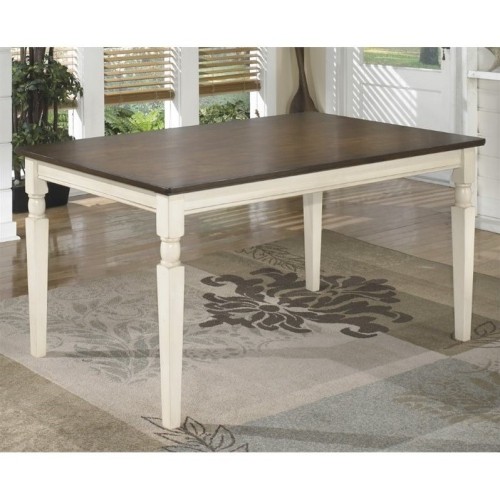 Your price for this item is $399
 -
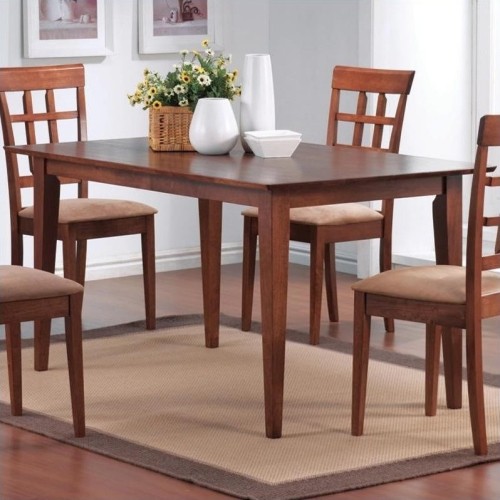 Your price for this item is $567.67
 -
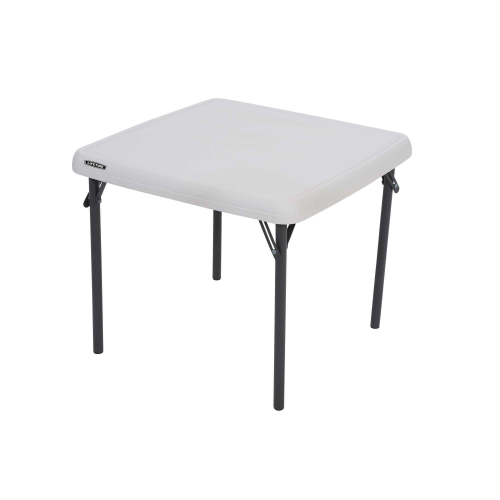 Your price for this item is $71.99
 -
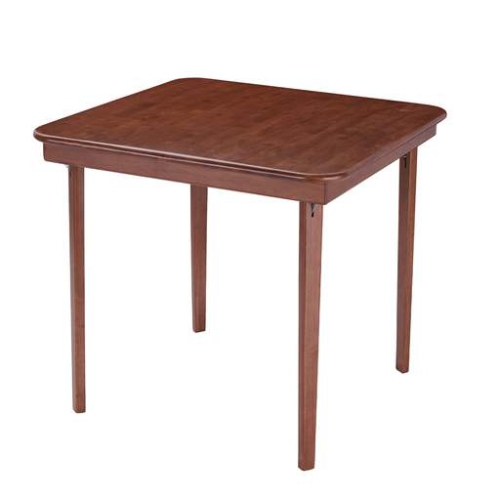 Your price for this item is $393.99
 -
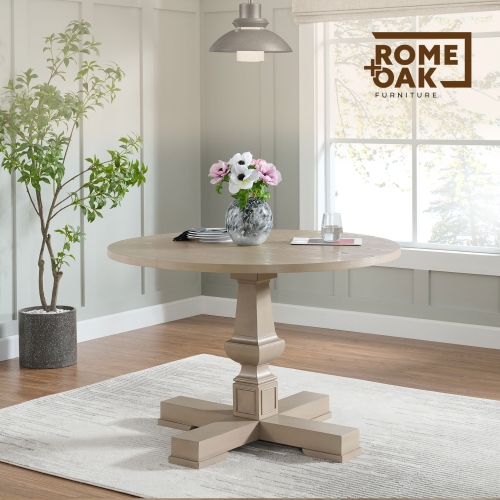 Your price for this item is $918.99
 -
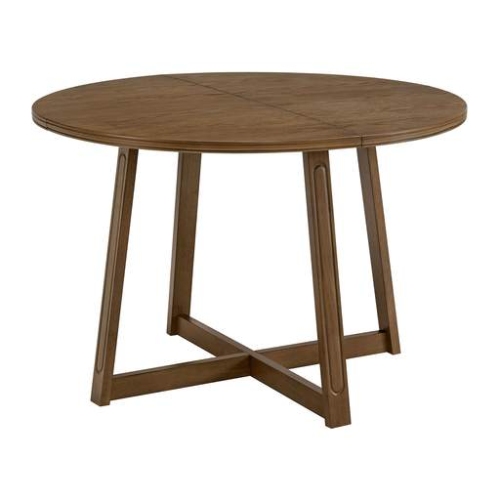 Your price for this item is $752.99
 -
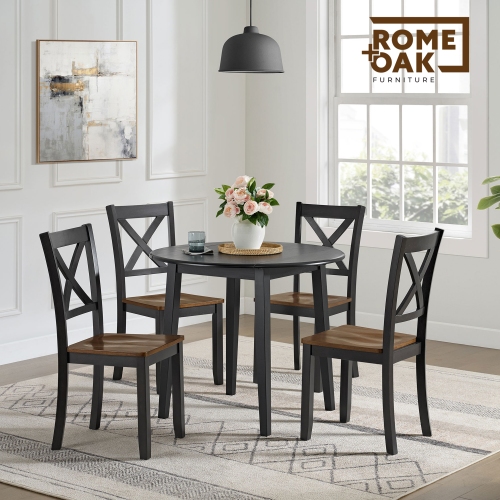 Your price for this item is $305.99
 -
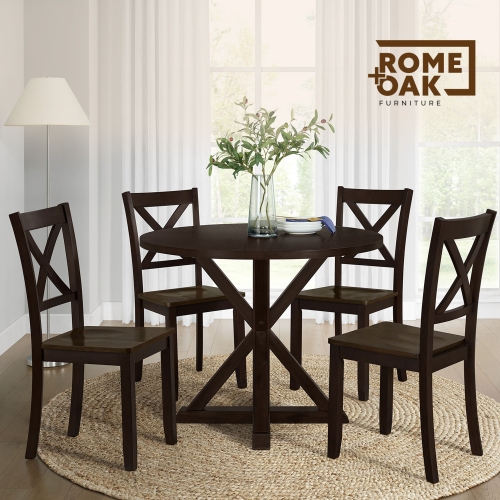 Your price for this item is $782.99
Discover more categories related to Traditional Dining Tables
Top Collections:
Pokemon Centers, Kindle Devices, Best Budget Office Chairs, Apple iPhones 16, Best Laptops for Writers, iPhone 15 Apple, Canon G7X Cameras, Refurbished Apple Laptops, Alarm Clock, Motorola Razr Phones
Some products may be subject to Environmental Handling Fees
(EHF) depending on your province.
Learn more about EHFs.