Traditional Floral Area Rugs
Traditional Floral Area Rugs bring timeless elegance and charm to any room, creating a warm and inviting atmosphere with their classic patterns. These rugs are perfect for enhancing both modern and vintage-inspired interiors, offering a beautiful blend of color and intricate design. Whether placed in the living room, bedroom, or dining area, Traditional Floral Area Rugs serve as a stunning focal point that complements a variety of décor styles. Explore a wide selection to find the ideal piece that adds comfort and style to your home.
Sort
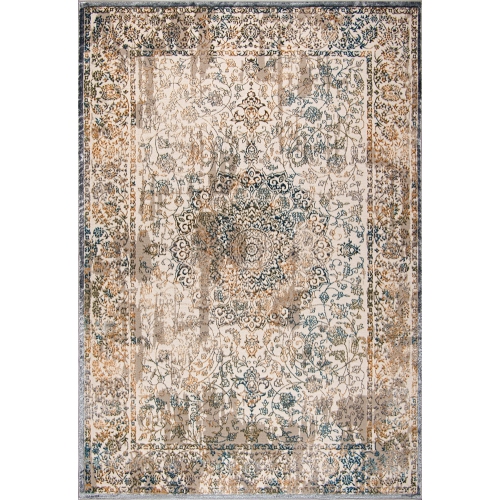
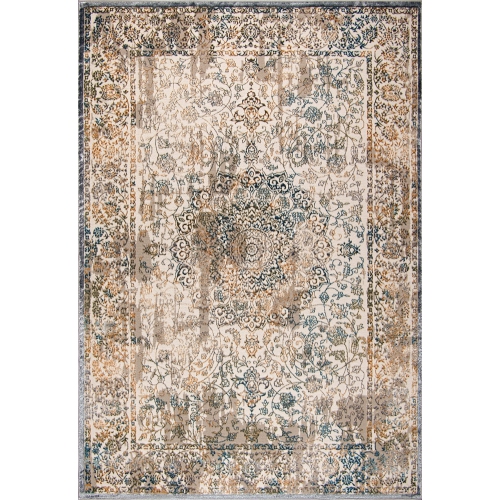

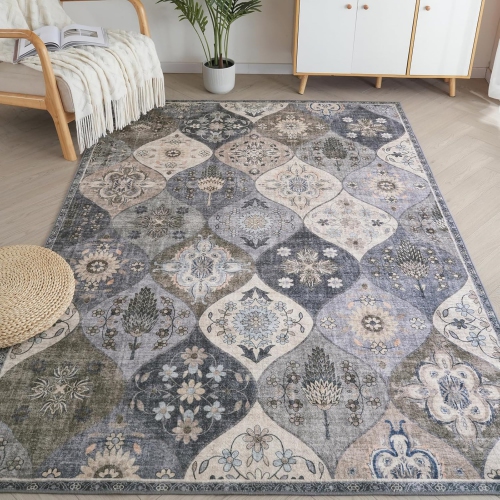
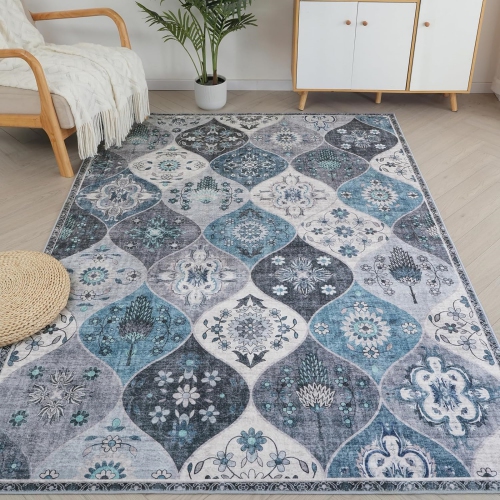
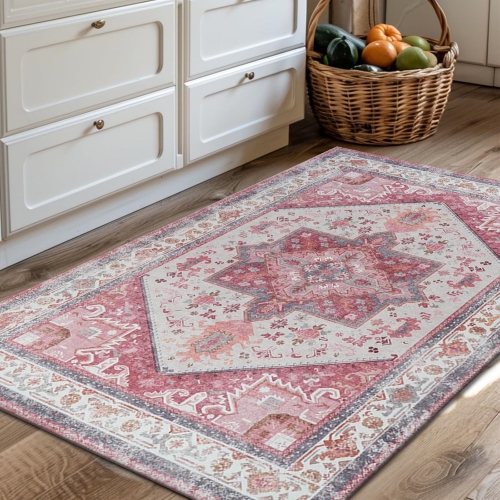

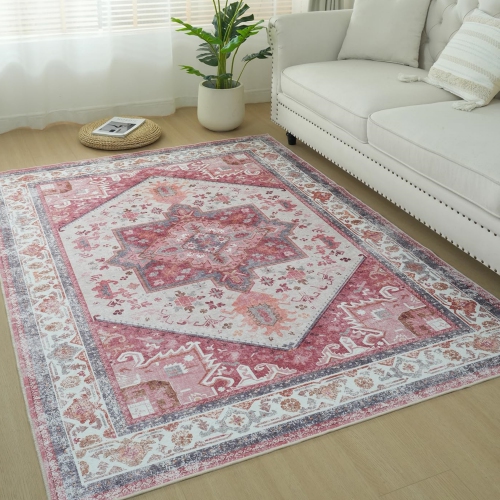


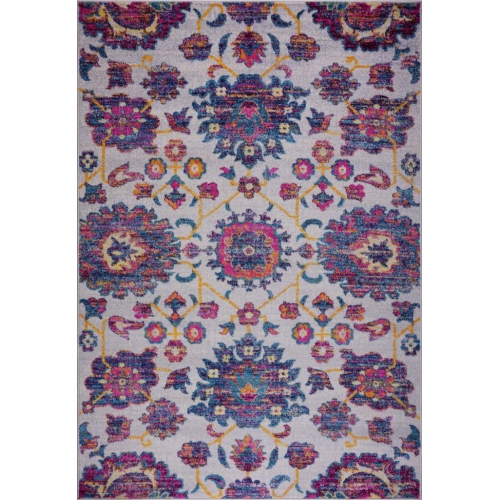
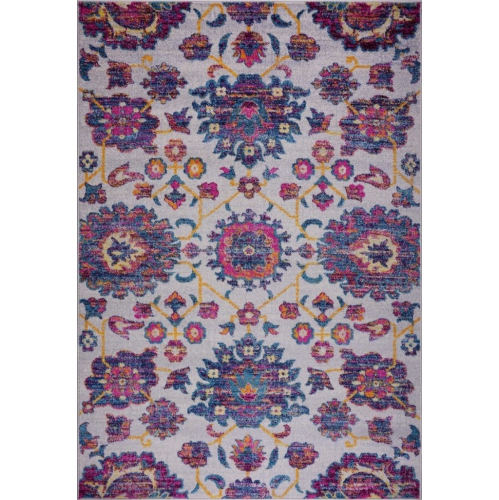


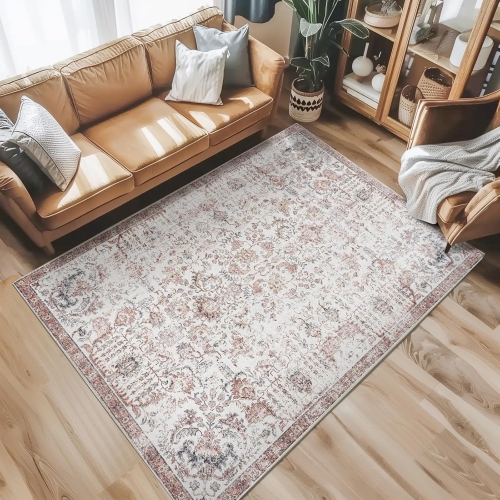


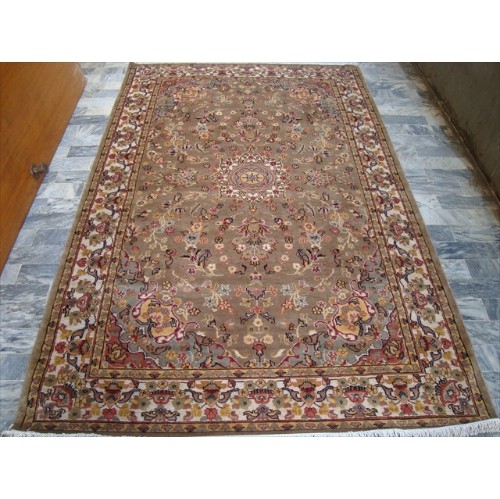
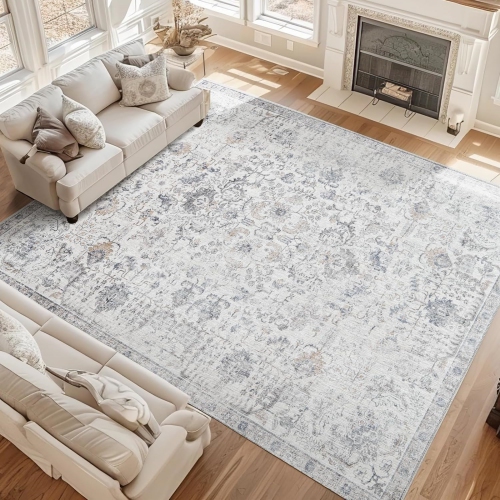


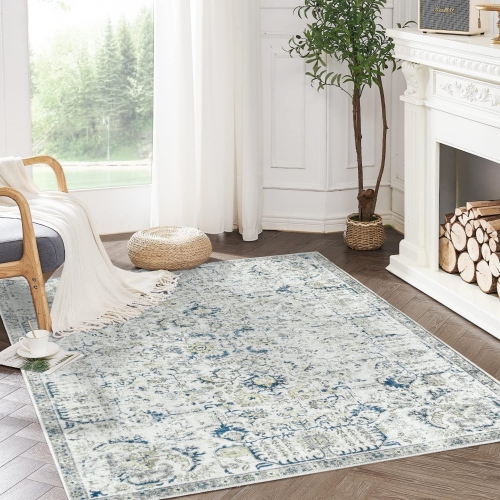

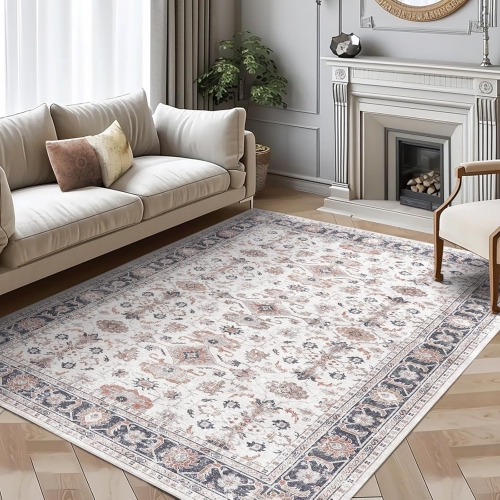
Classic floral patterns that give rooms a visual centre
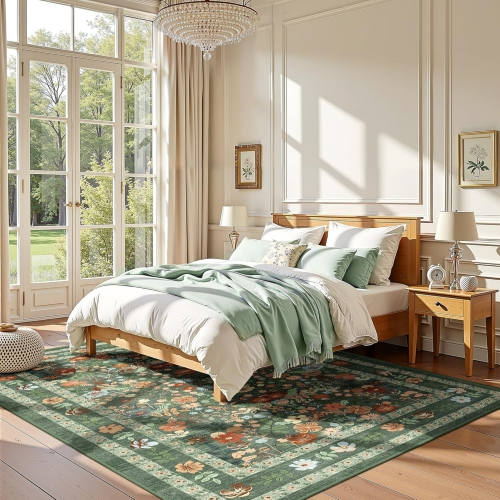
Traditional floral area rugs combine botanical motifs with classic design elements such as framed borders, central medallions, scrolling vines, and repeating blossoms. Many draw inspiration from Persian rug patterns and European decorative traditions, with flowers arranged in balanced compositions rather than scattered randomly across the surface. Compared with more abstract floral area rugs, traditional designs often have a more defined structure, giving a seating area or dining space a clear visual centre. Their palettes range from deep burgundy, navy, and forest green to softened shades of ivory, dusty blue, rose, and beige. A rich background can give pale upholstery more definition, while a light ground with fine floral detailing can add interest without dominating a smaller room. The scale of the pattern matters as much as the colour: large blooms and broad borders make a distinct statement, while small, closely spaced motifs tend to read as a textured backdrop from across the room. These rugs work naturally with wood furniture, curved chair backs, and classic upholstery, but they can also soften a room furnished with clean-lined sofas, glass tables, or metal accents. A faded-looking floral pattern beside a simple contemporary sectional creates contrast without requiring every piece of furniture to share the same style. Repeating one or two rug colours in cushions, curtains, or artwork helps the room feel connected without making every surface match. Pattern placement also affects the finished look. An elaborate centre medallion may be partly hidden beneath a solid coffee table, whereas an all-over floral repeat remains visible around furniture legs and along exposed edges. A decorative border can frame a furniture grouping particularly well when enough of the rug remains uncovered. Traditional describes the design language, not necessarily the rug’s age or construction, so an antique-inspired appearance does not by itself indicate a handmade piece. This flexibility makes the style suitable for both formal rooms and relaxed, everyday spaces.
Material and construction shape how a traditional floral area rug feels underfoot, how clearly its pattern appears, and how it handles daily activity. Wool has a naturally resilient feel and can suit frequently used living spaces, although some wool rugs shed loose fibres, particularly early in their use. Its textured surface can also give floral motifs a softer appearance than a smooth, fine synthetic pile. Nylon is valued for resilience, while polypropylene is commonly chosen for its resistance to many everyday stains and relatively straightforward upkeep. Polyester can provide softness and clear colour, though performance still depends on the rug’s construction and the type of wear it receives. Cotton may appear in lightweight woven rugs or as part of a rug’s foundation; whether a cotton rug can be washed depends on its full construction and care label, not simply its fibre content. Viscose can create a lustrous finish and subtle changes in tone as the pile catches the light, but it is more sensitive to moisture and may be better suited to a quieter room than a busy dining area. Blended fibres combine different characteristics, making the stated composition worth considering alongside texture and intended use. Pile height is another practical distinction. A lower pile generally allows dining chairs to move more easily and is less likely to interfere with door clearance, while a deeper pile offers a more cushioned surface beside a bed or beneath a lounge seating arrangement. Dense patterns can make small crumbs or stray fibres less noticeable, but they do not replace regular cleaning. In homes with pets, tightly looped textures and decorative fringe deserve attention because claws can catch in loops and loose ends can invite chewing. Hand-knotted, hand-tufted, and machine-made constructions also differ in their foundations and finishing details. Durability depends on those details, fibre quality, placement, and maintenance rather than on a floral pattern or a single material alone.
The right proportions help a traditional floral area rug feel like part of the room rather than an isolated decoration. In a living room, a rug large enough to sit beneath the front legs of the main seating pieces can connect a sofa and chairs while leaving a visible band of flooring around the arrangement. A smaller rug may suit a reading corner, where it can define the space beneath an armchair and side table without extending into a walkway. Dining rooms need room beyond the tabletop so chair legs can remain on the rug when someone pulls a chair out to sit down. Measuring that movement is more useful than judging fit from the table dimensions alone. In a bedroom, an area rug extending beyond the sides of the bed provides a comfortable landing spot and allows more of the floral design to remain visible. Door swings, floor vents, furniture placement, and transitions between rooms all affect a suitable size and position. A compatible rug pad can help reduce movement and add cushioning, but the pad and backing should be appropriate for the flooring beneath them, particularly on hardwood, vinyl, or heated floors. Keeping edges flat and avoiding curled corners is important wherever people walk regularly. Ongoing care should follow the manufacturer’s directions, with vacuum settings adjusted for the fibre, pile, and construction. Fringe generally needs gentler handling than the main rug surface, and rotating brush bars may be unsuitable for delicate fibres or loose loops. Spills are best addressed promptly by blotting rather than scrubbing, using a cleaning method approved for the material. Testing a suitable cleaner on an inconspicuous section helps check for colour transfer or changes in texture. Periodic rotation can distribute foot traffic and light exposure more evenly, while professional cleaning may be appropriate for delicate constructions or deeper soiling. With proportions and care matched to the household, traditional floral area rugs offer both a decorative foundation and a comfortable surface for shared living spaces, quiet bedrooms, and welcoming sitting areas.
Top selling and popular products
-
 Your price for this item is $130.55
-
 Your price for this item is $129.15
-
 Your price for this item is $130.55
-
 Your price for this item is $129.15
-
 Your price for this item is $129.15
-
 Your price for this item is $130.55
-
 Your price for this item is $144.99
-
 Your price for this item is $103.99
Discover more categories related to Traditional Floral Area Rugs
Top Collections:
Best Black Friday Deals This Year, Best Black Friday Deals On Electronics, Kindle Devices, Dyson Airwrap, Best Cameras for Sports Photography, Best Budget Office Chairs, Canon G7X Cameras, PS5 Pro Consoles, Best Black Friday Deals On Apple Products, XBOX One S Consoles
Some products may be subject to Environmental Handling Fees
(EHF) depending on your province.
Learn more about EHFs.