Traditional Area Rugs
Looking to add a touch of timeless elegance to your home? Look no further than our collection of traditional area rugs. These beautifully crafted rugs are the perfect way to bring warmth and sophistication to any space. Whether you're looking for a classic Persian design or a more subtle floral pattern, we have a wide range of options to suit your style and budget. From the living room to the bedroom, these traditional area rugs are sure to make a statement in any room of your home. Explore our selection today and discover the perfect piece to tie your decor together.
Sort
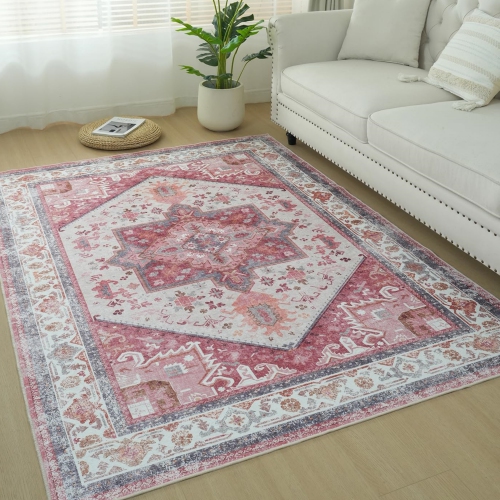
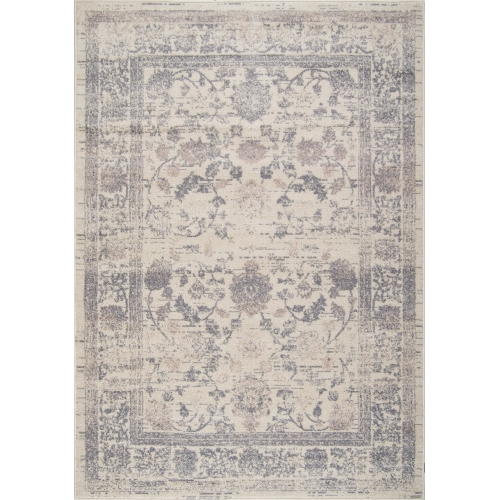
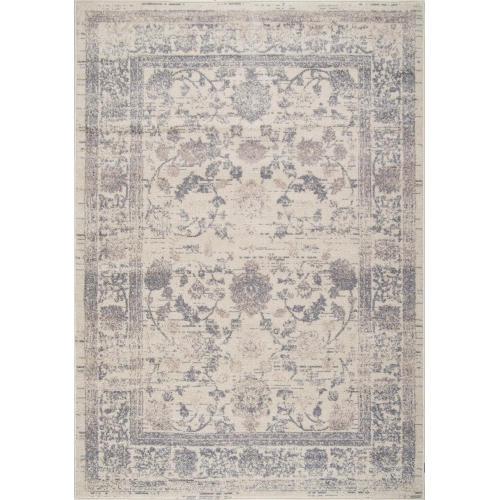

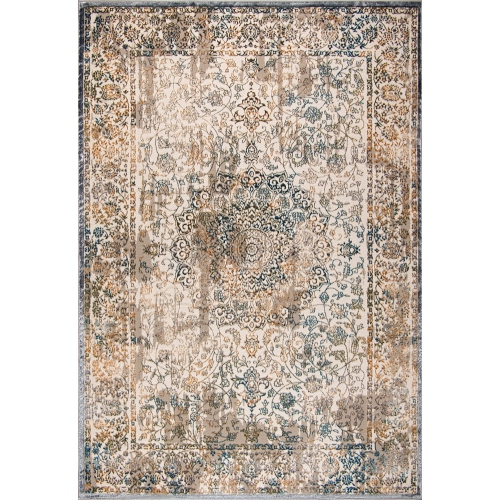





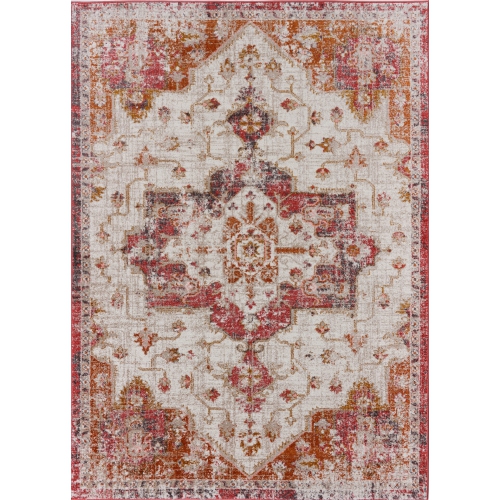
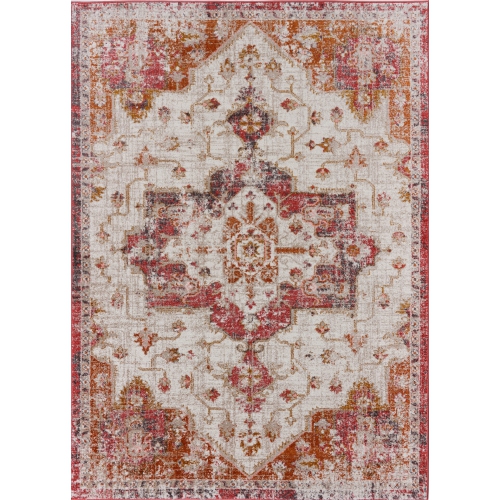
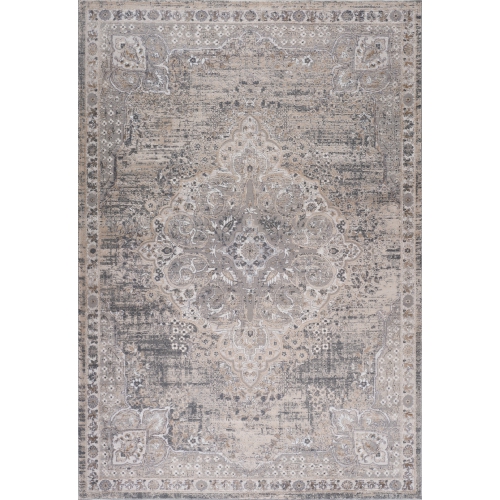
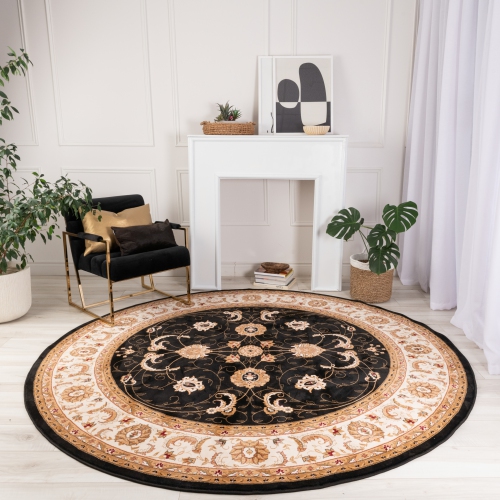
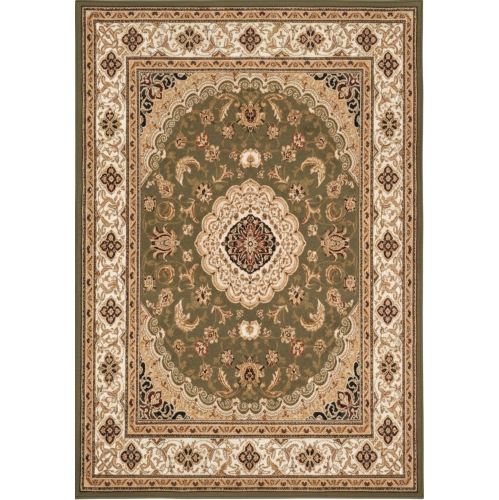
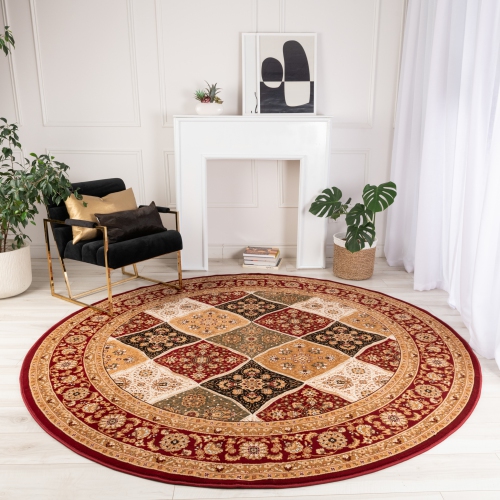
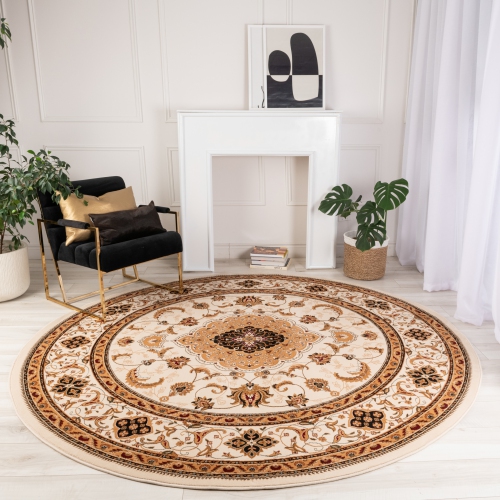
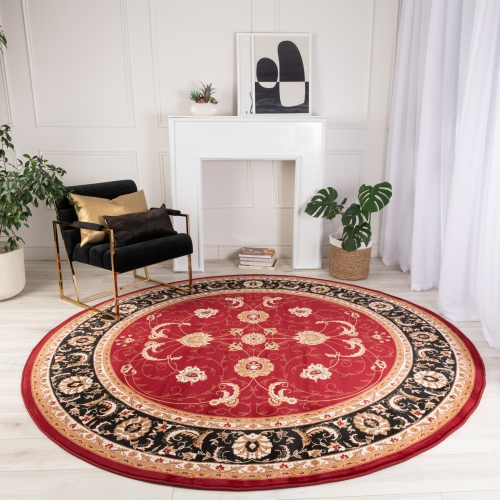


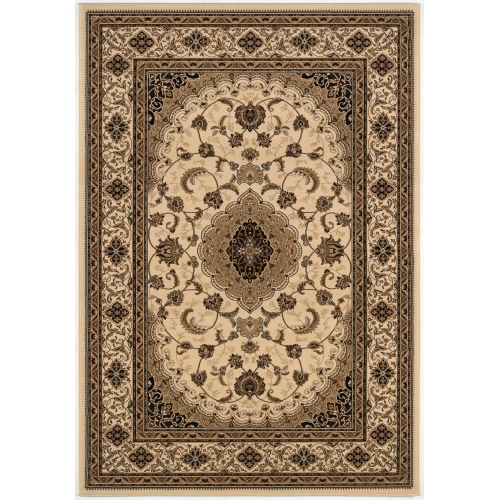
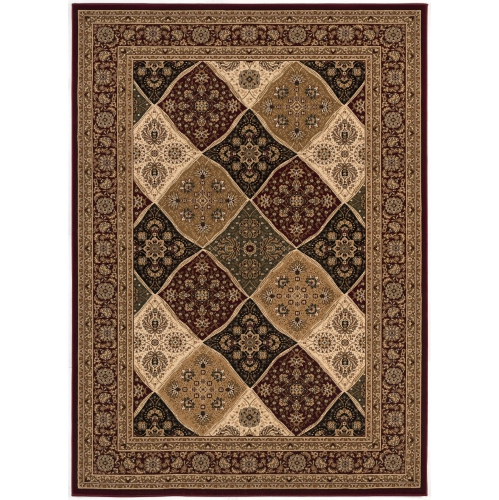
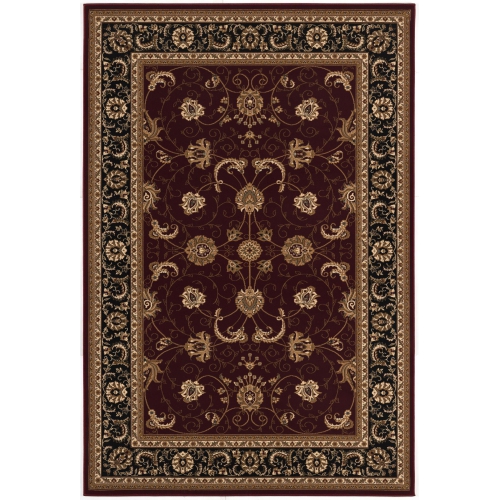
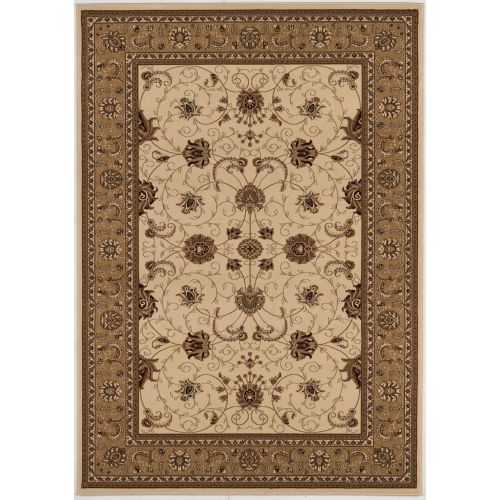

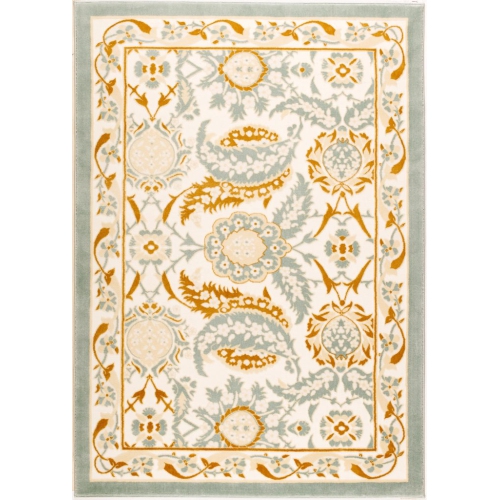
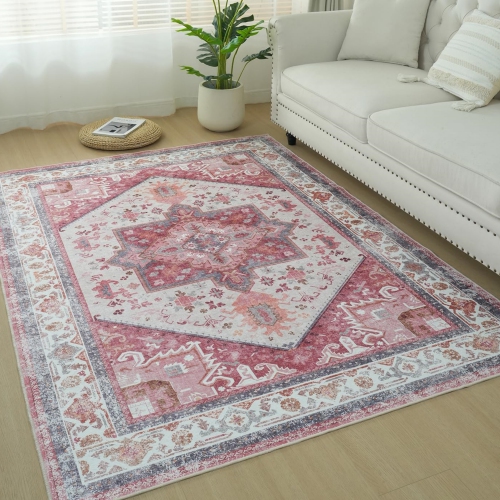
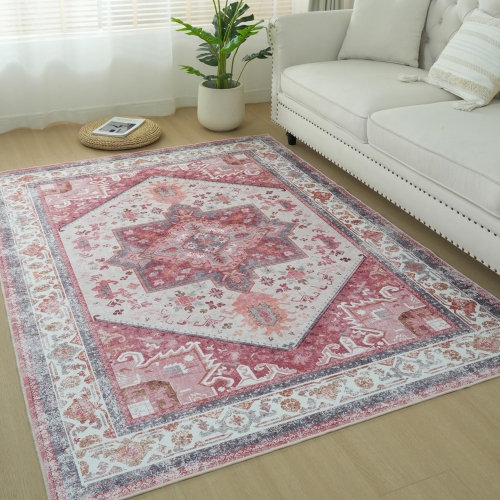
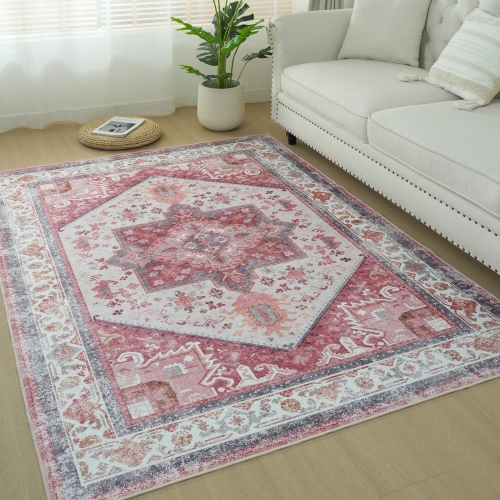
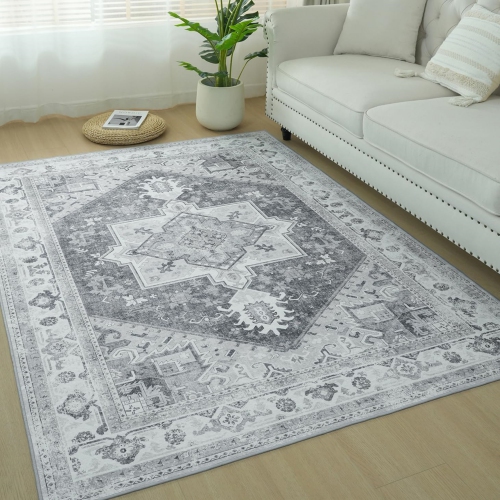
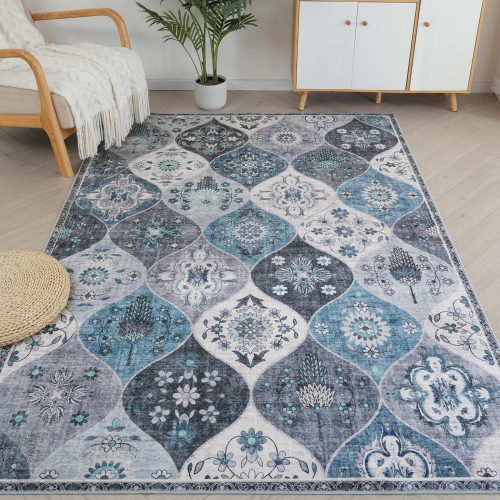
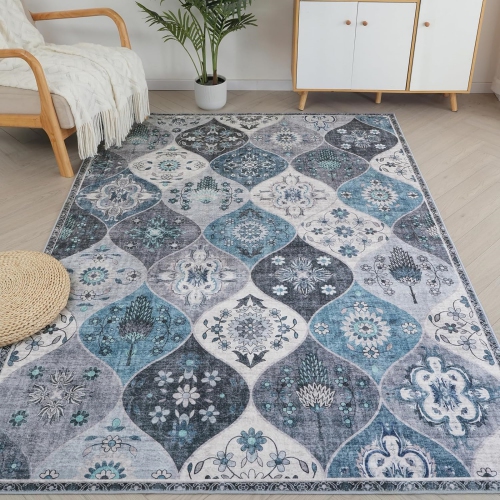
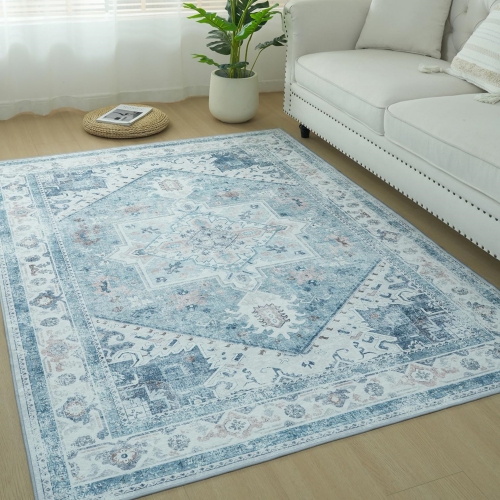



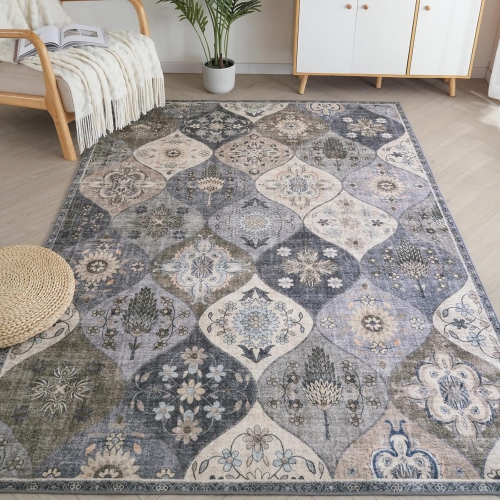
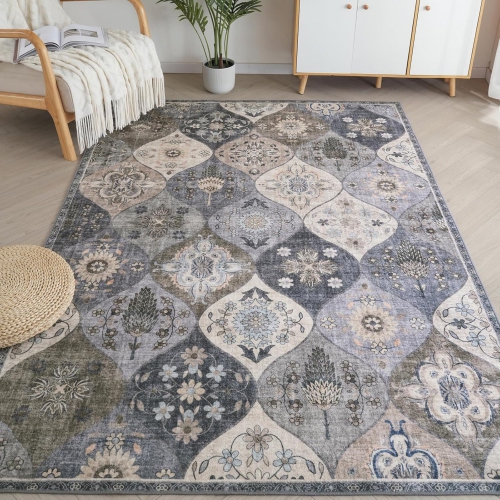
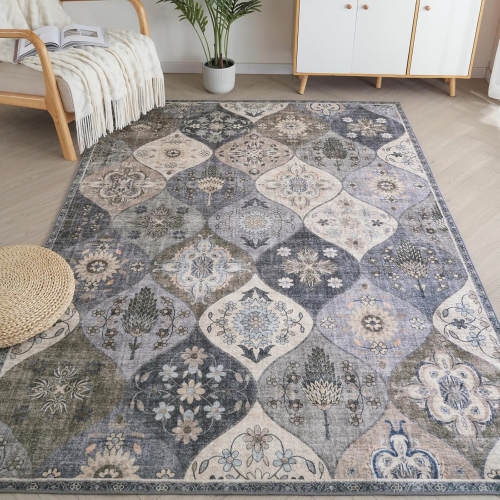
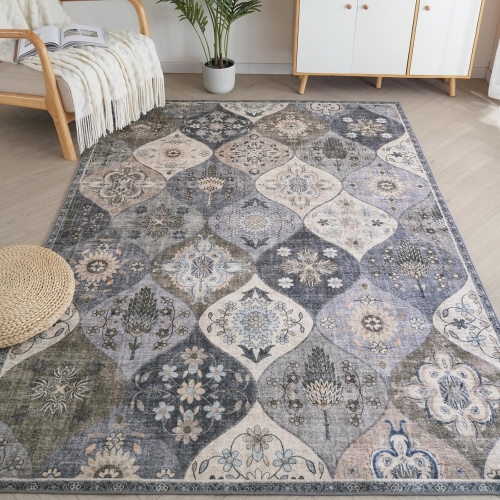
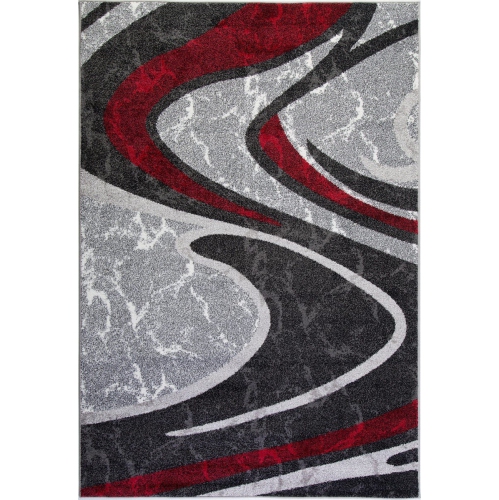
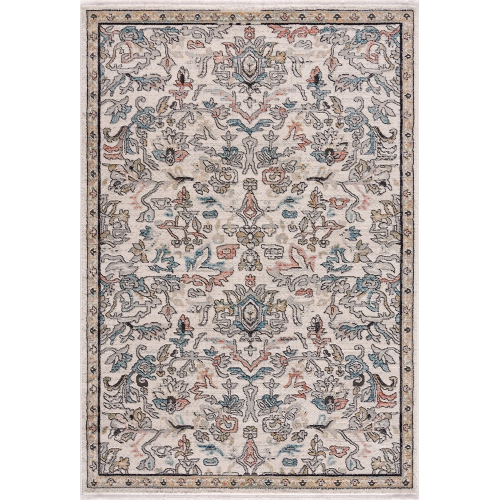
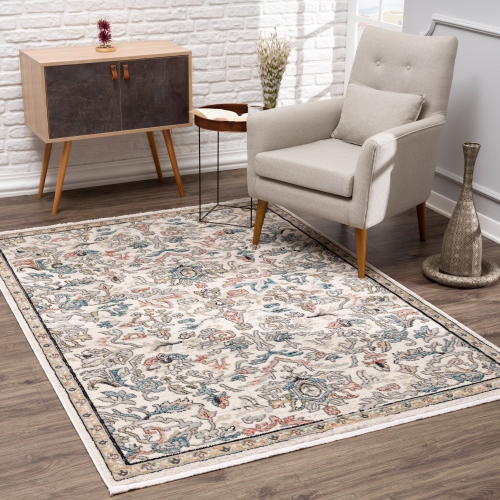
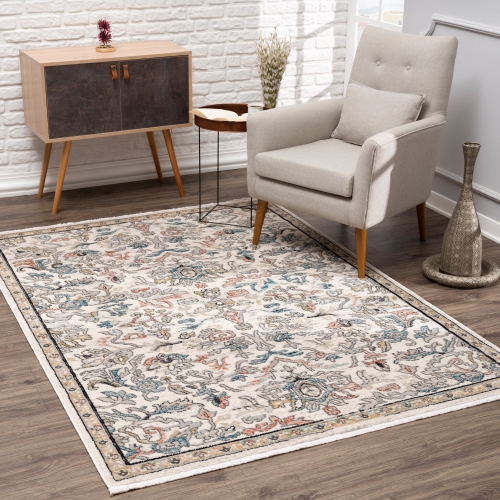


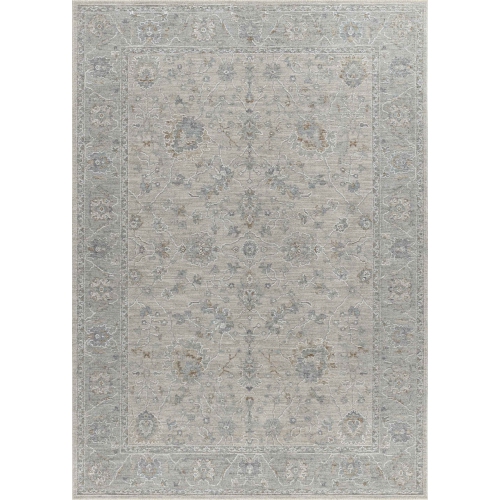
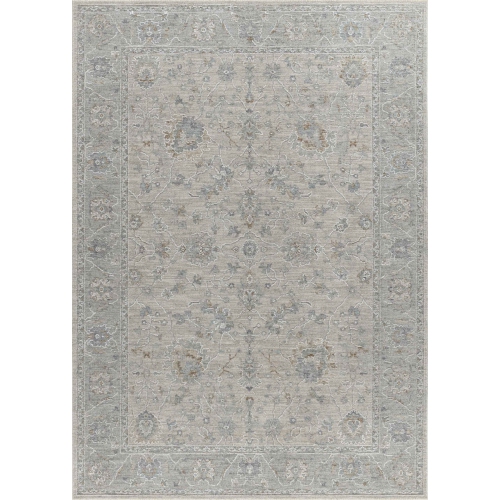
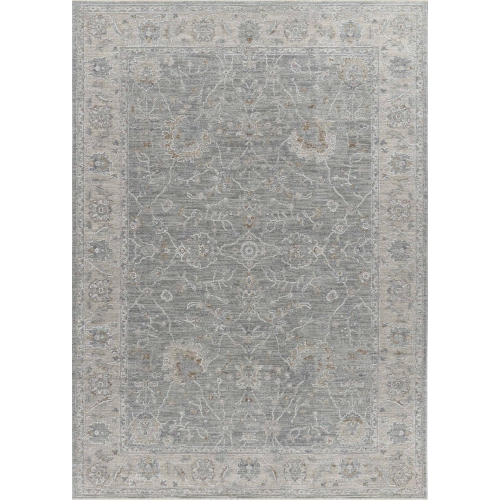
How traditional rugs add warmth and define rooms
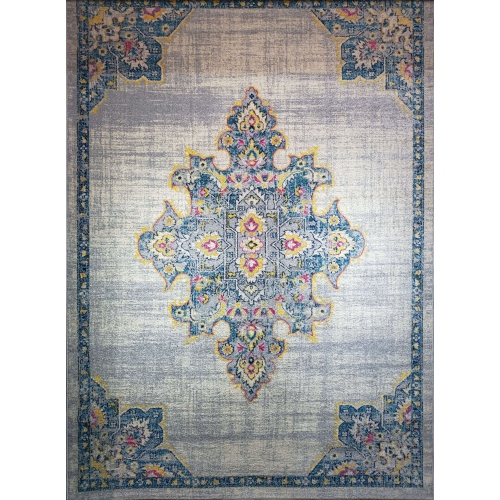
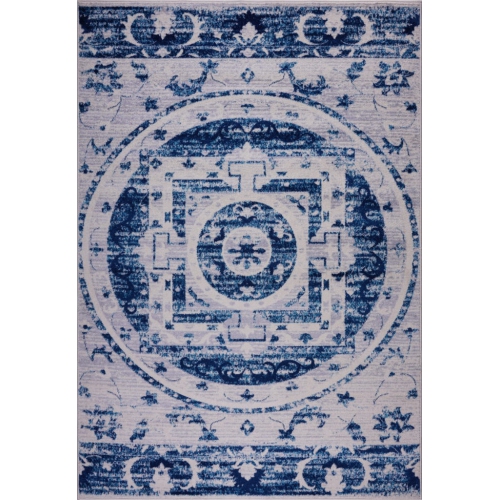
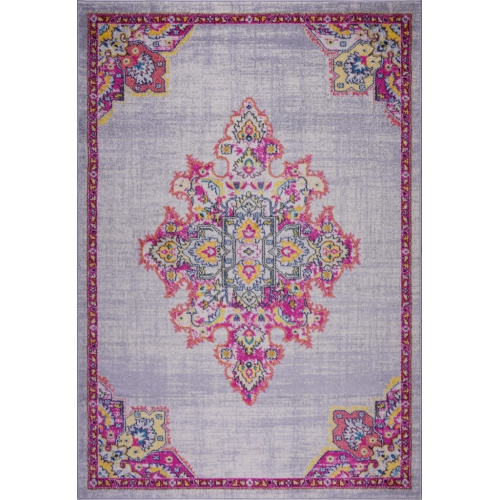
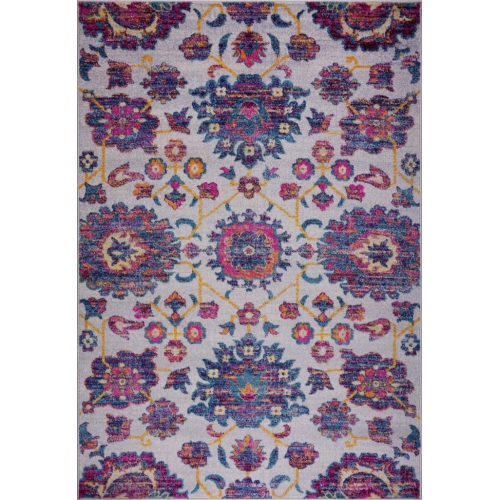
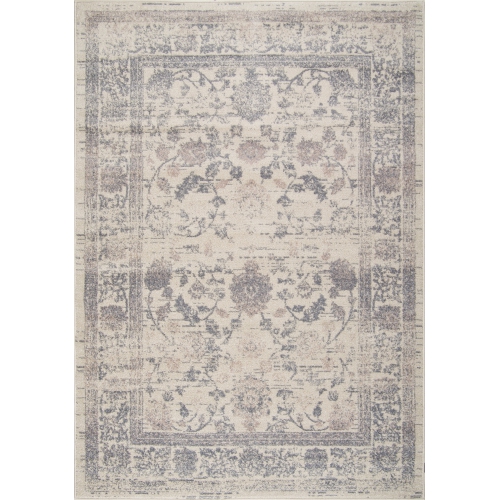
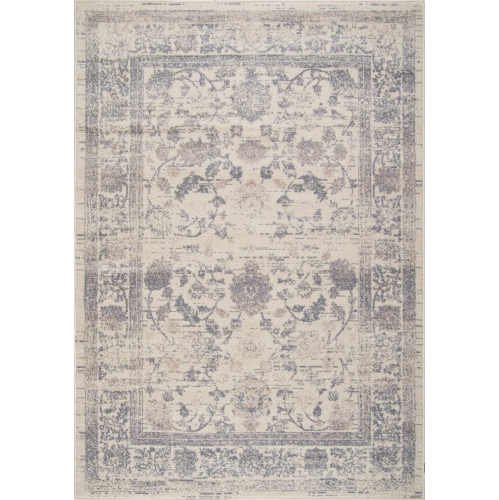
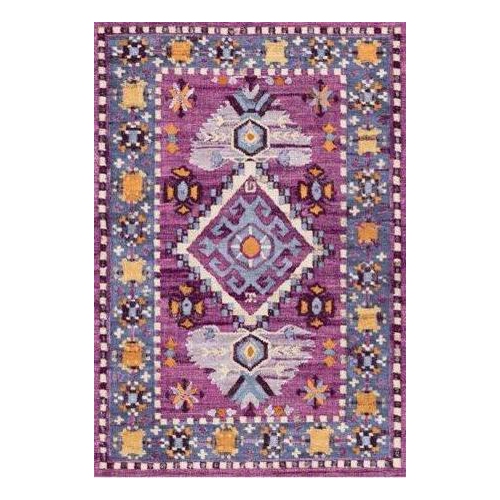
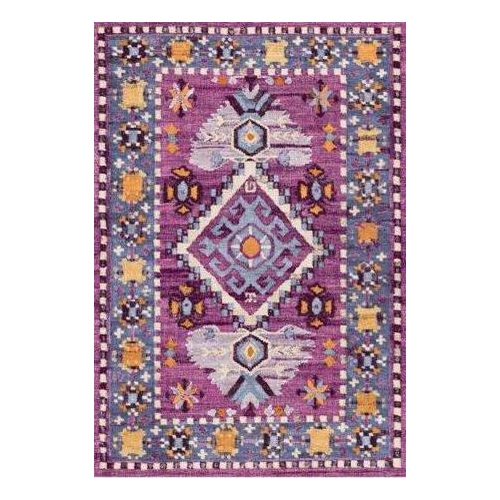
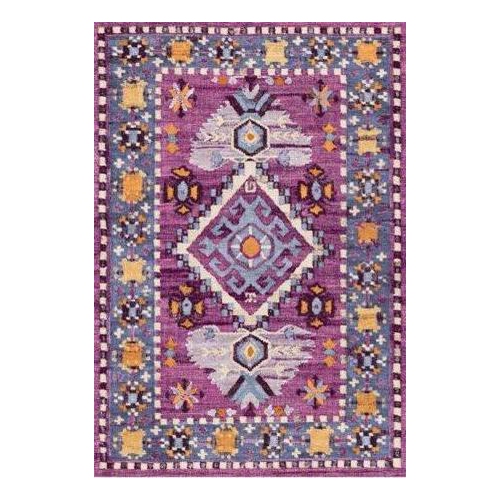
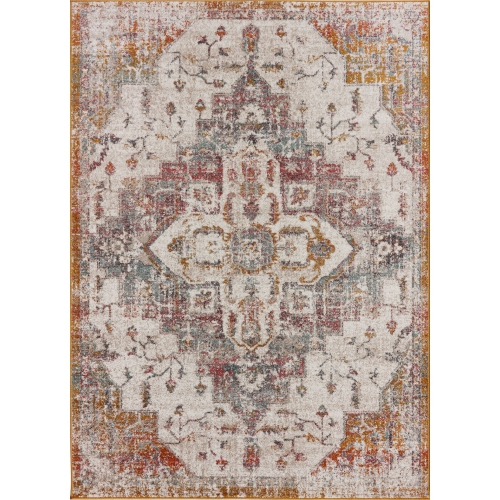
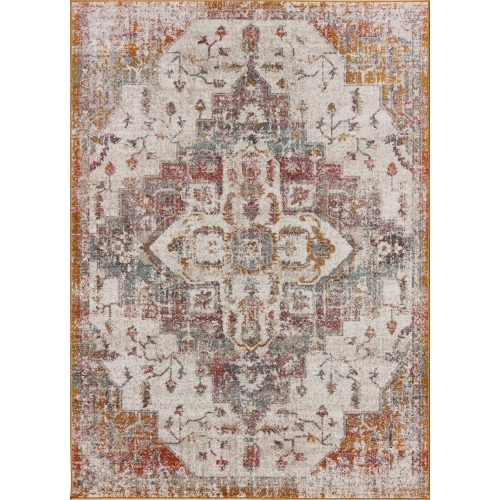
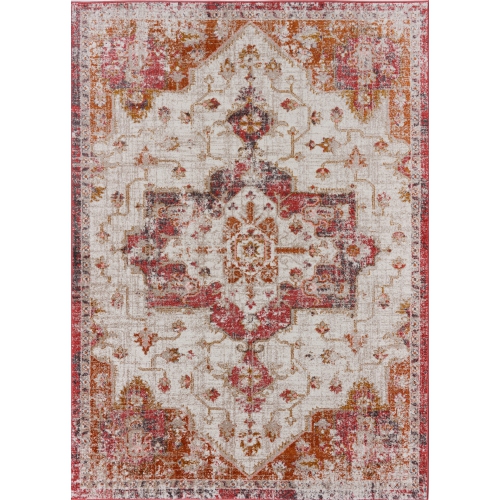
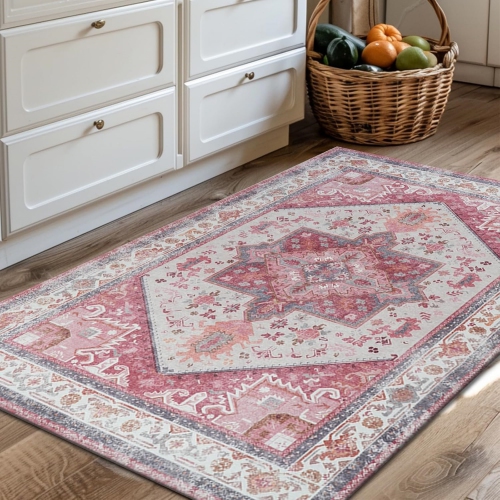
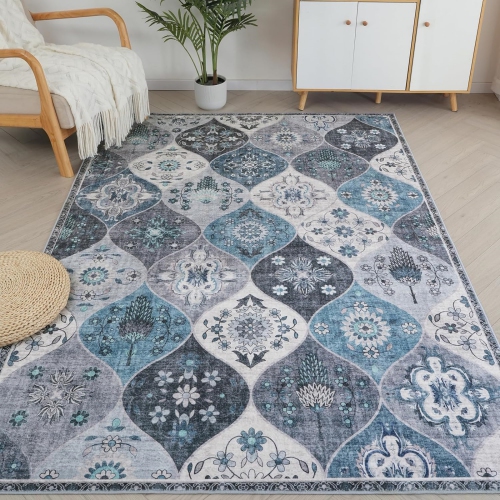
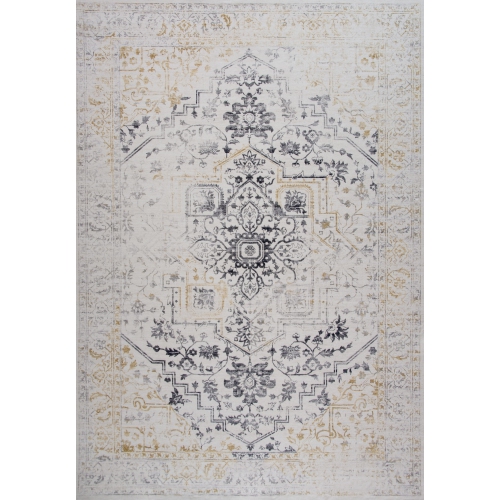
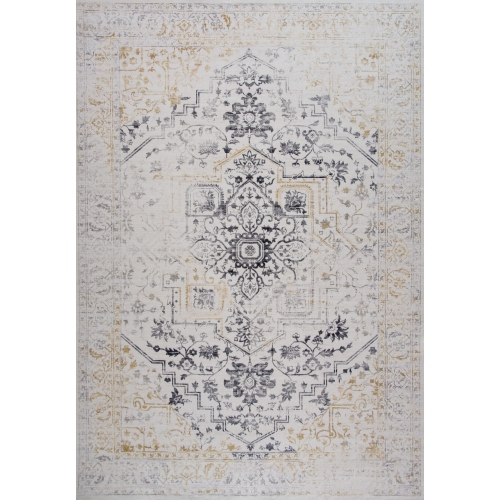
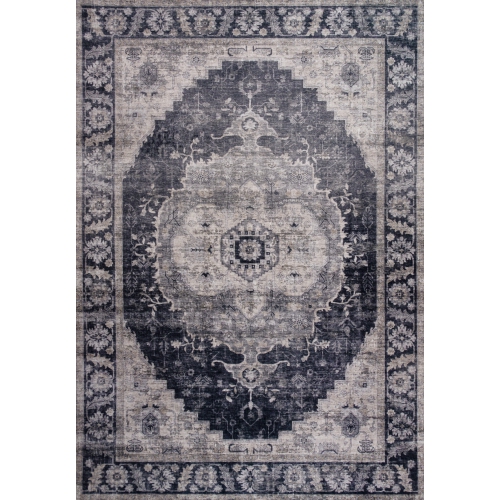
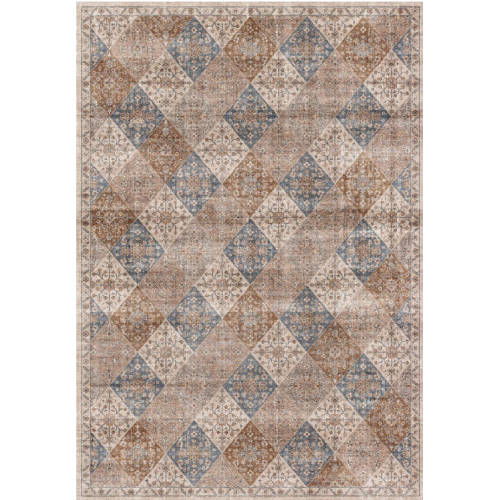
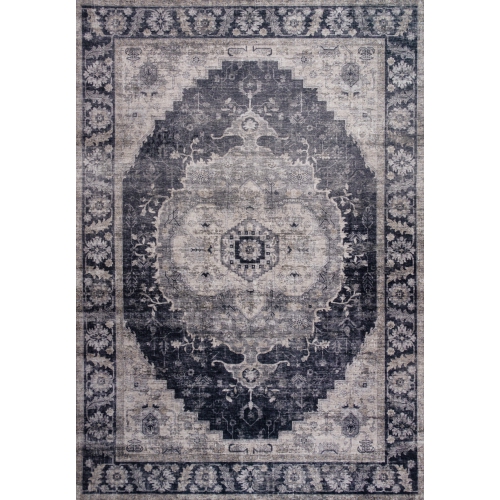
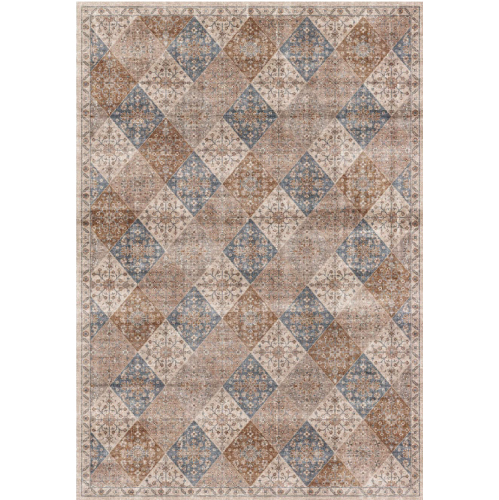
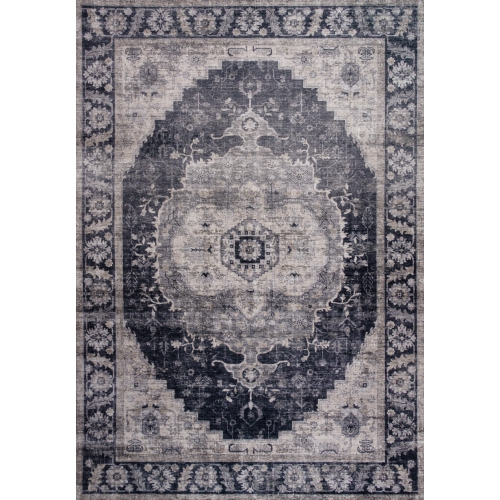
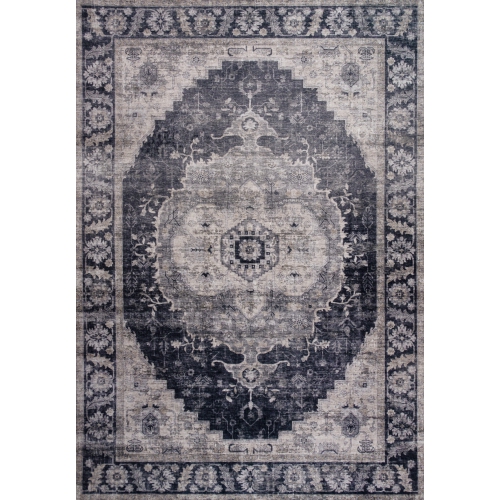
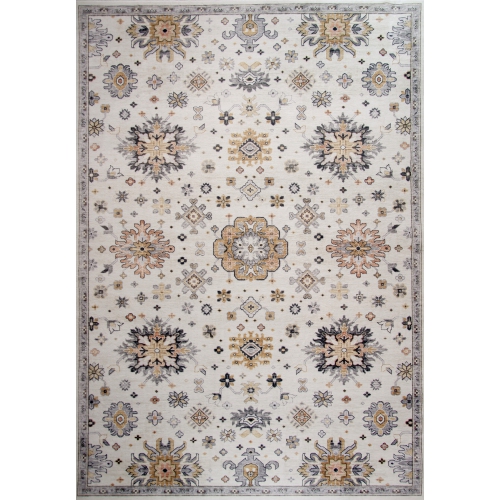
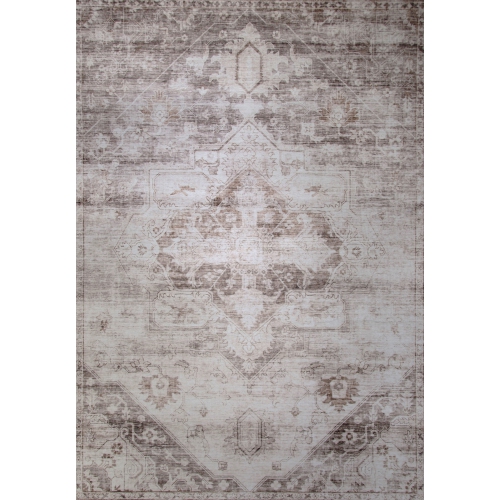
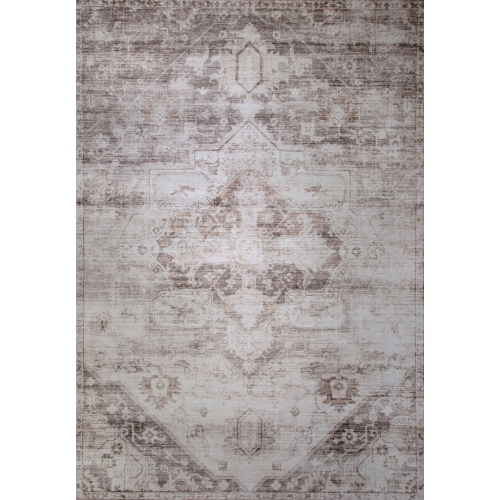
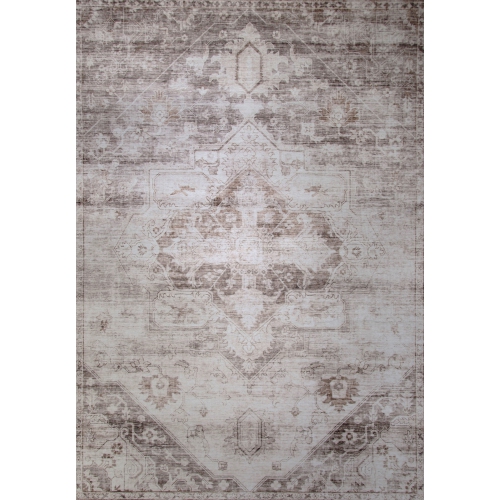
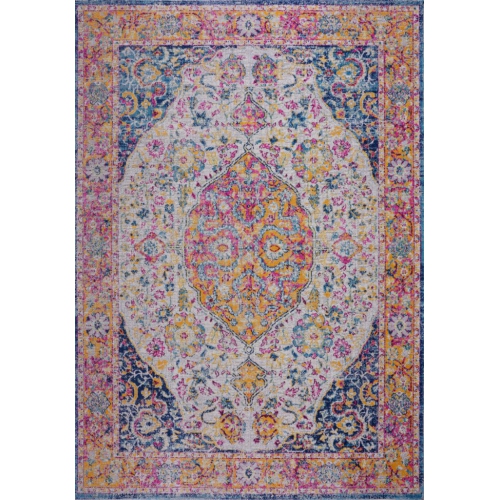
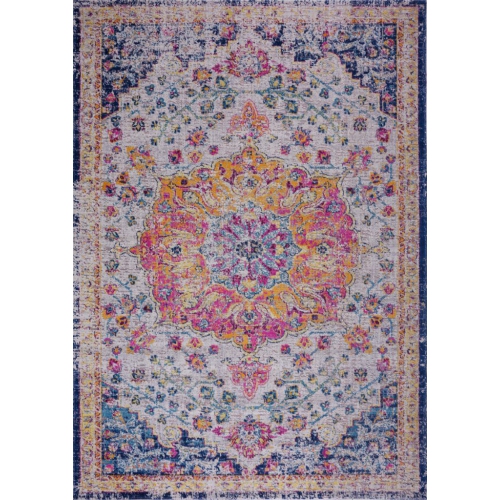
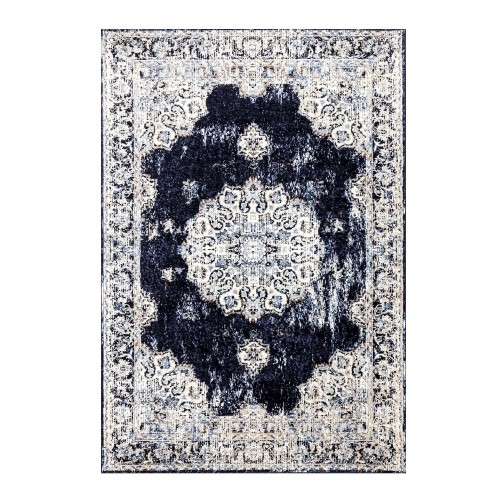
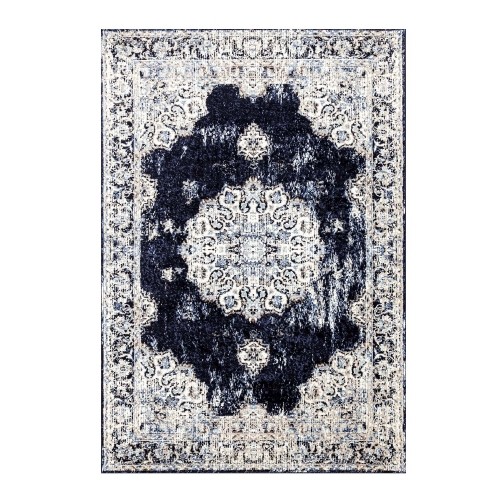
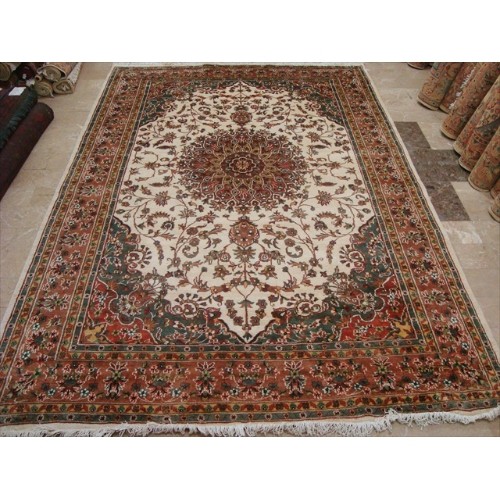
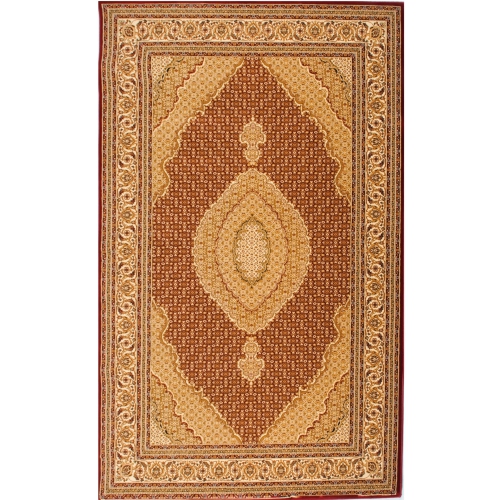
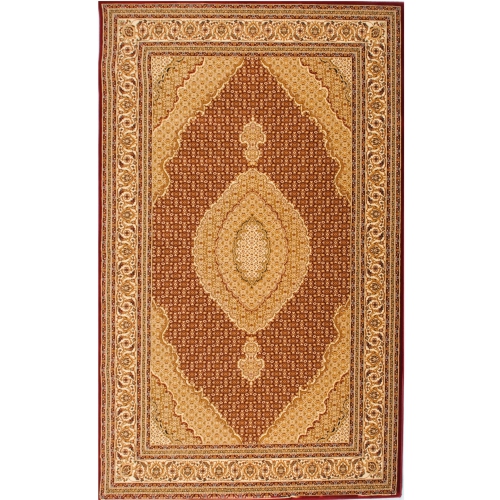
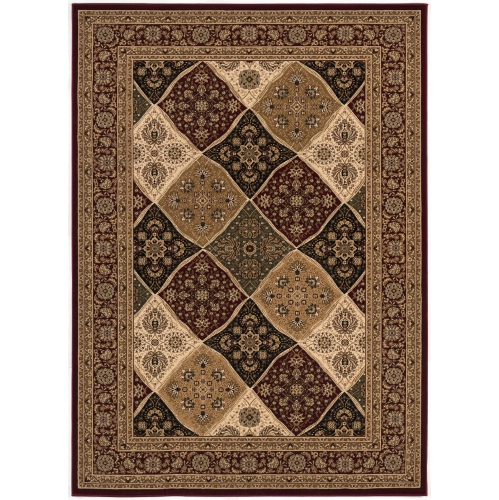
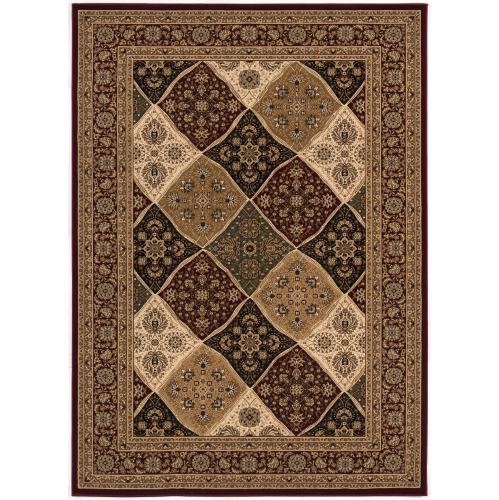
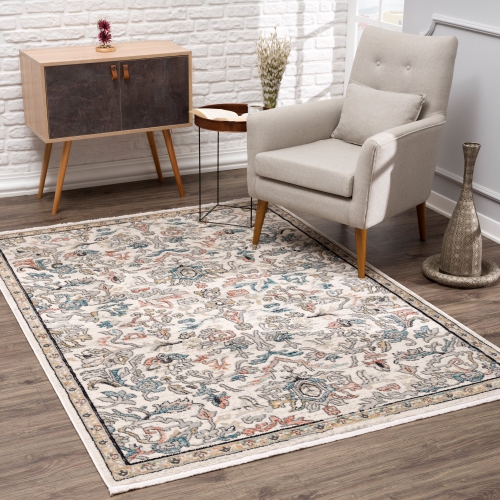
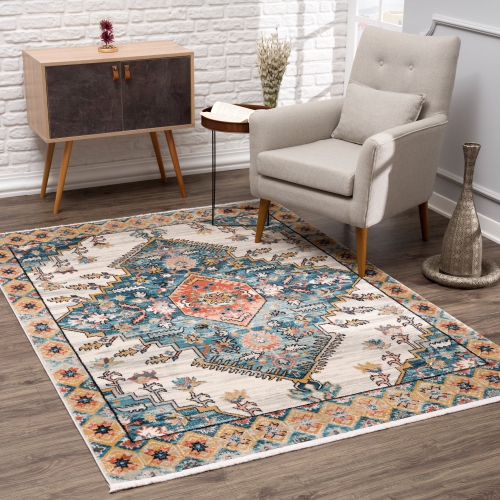
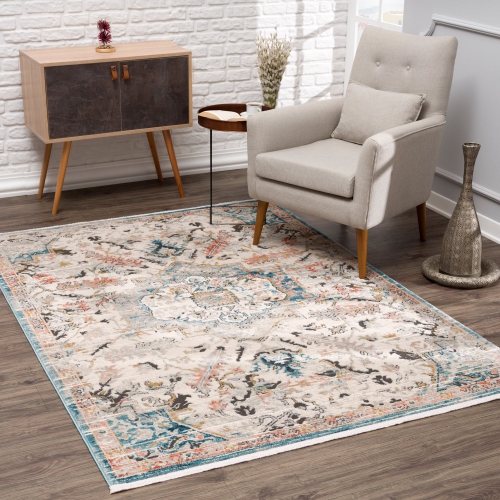
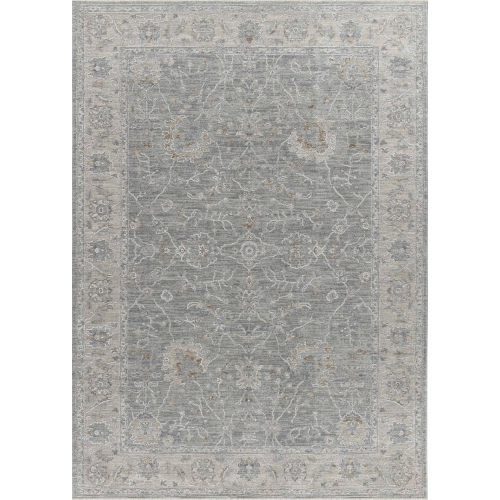
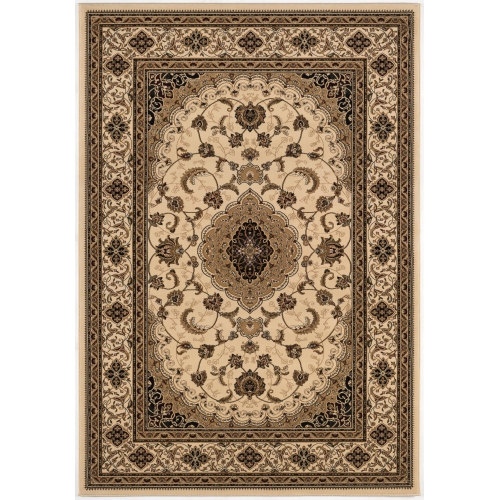
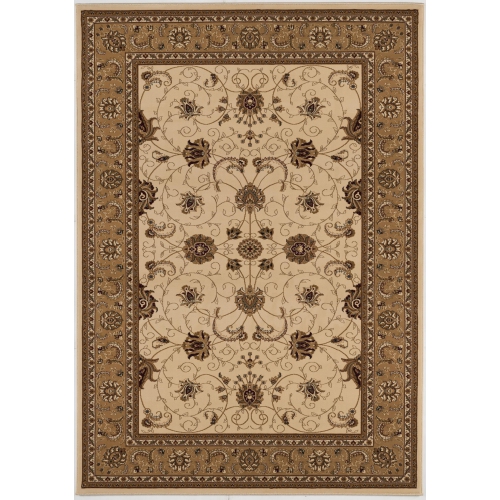
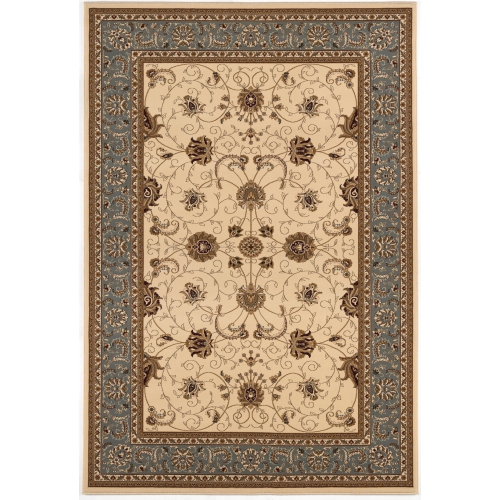
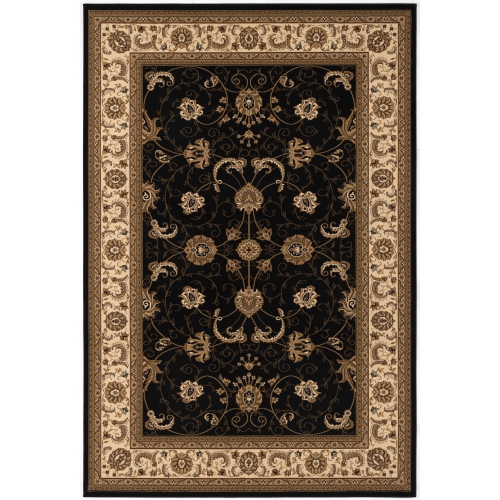
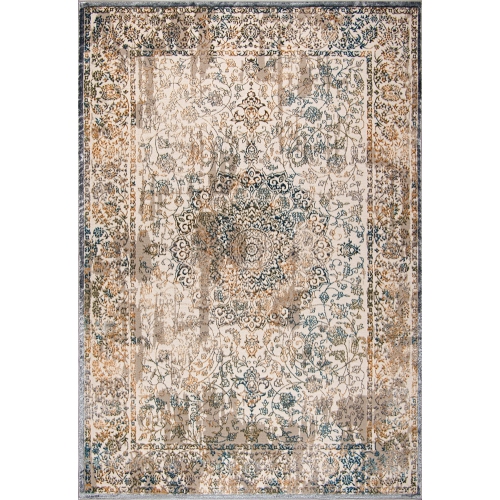
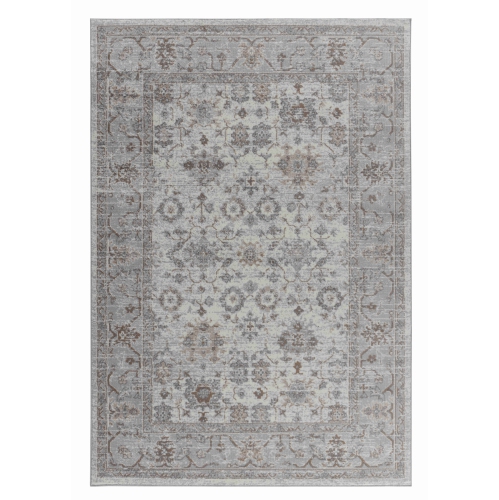
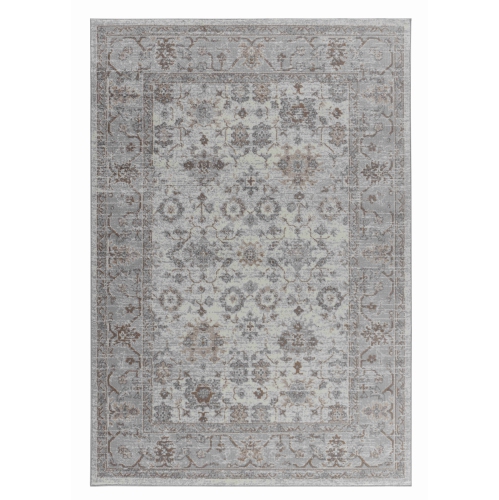
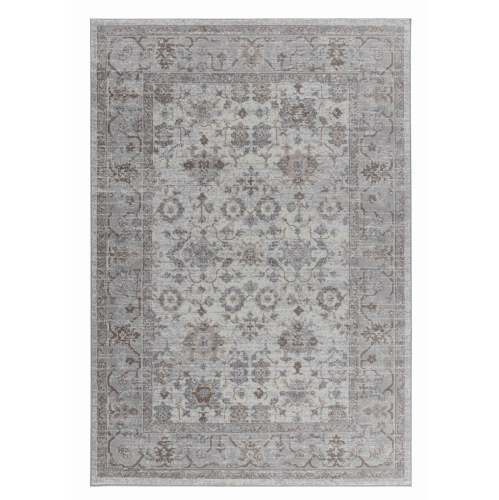
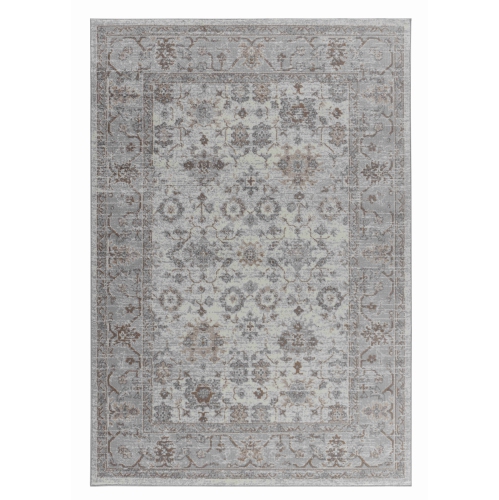
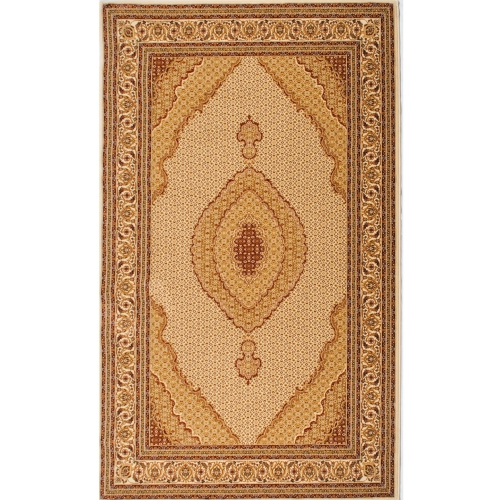
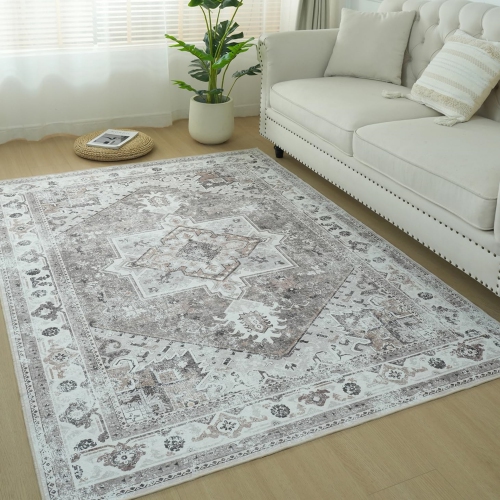
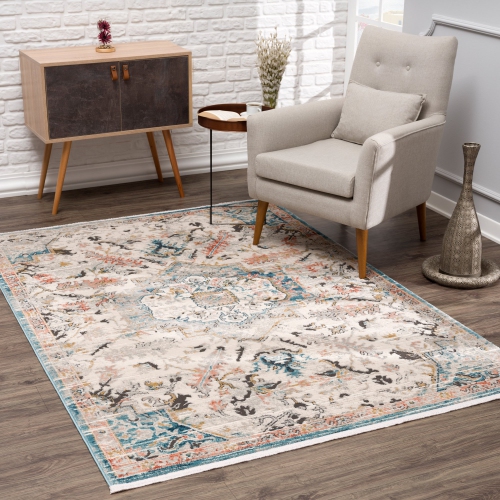
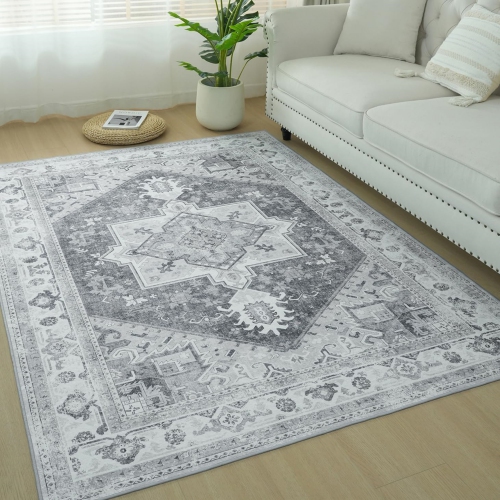
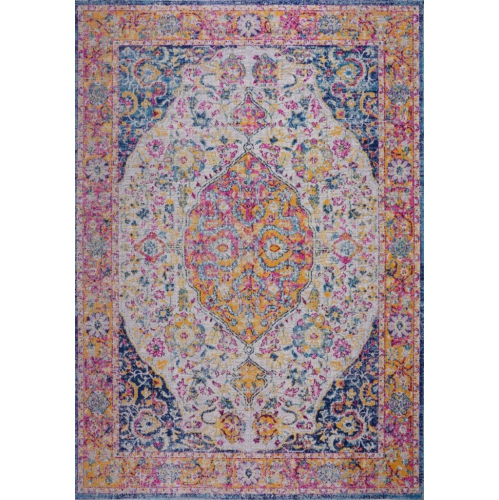
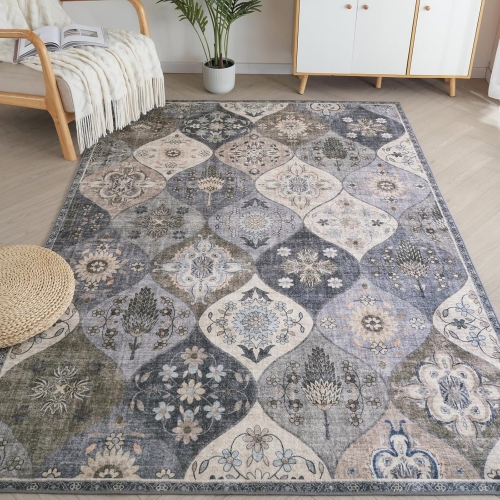
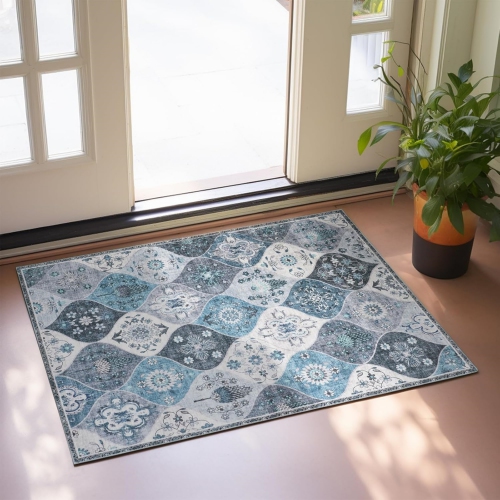
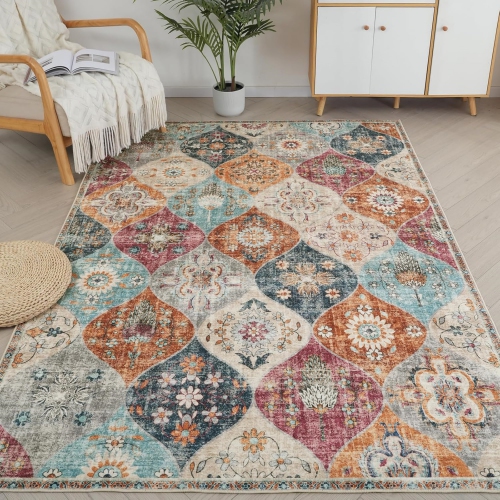
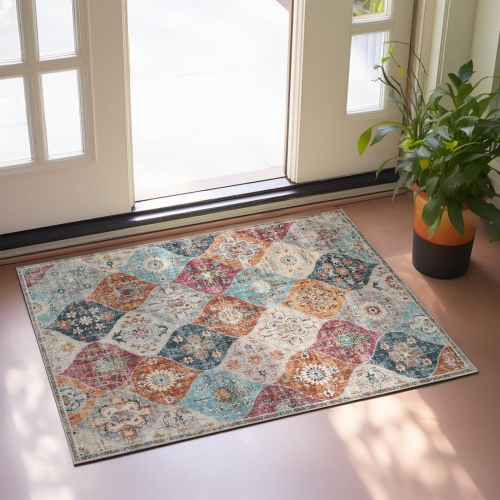
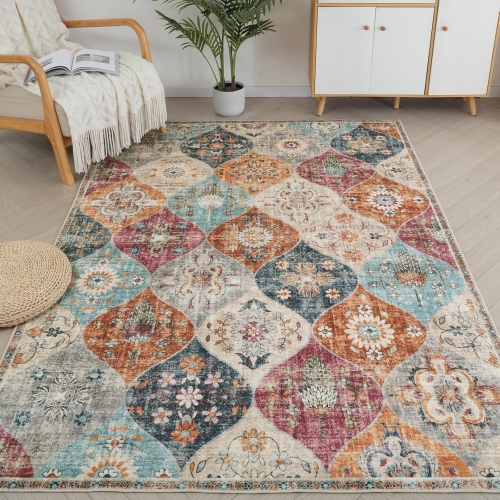
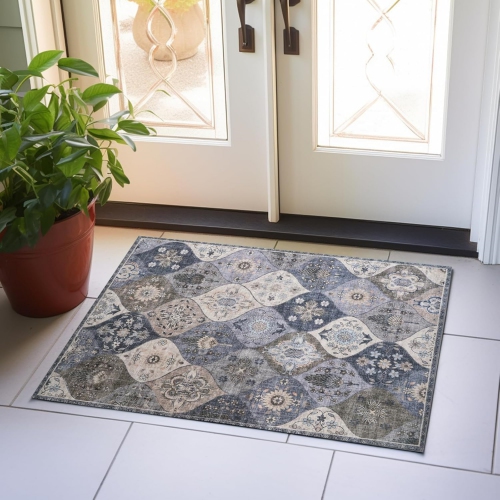
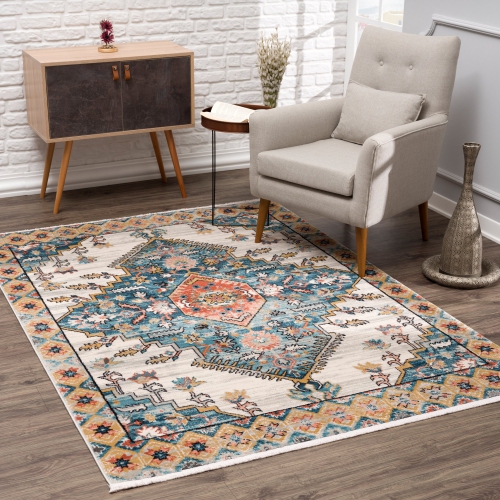
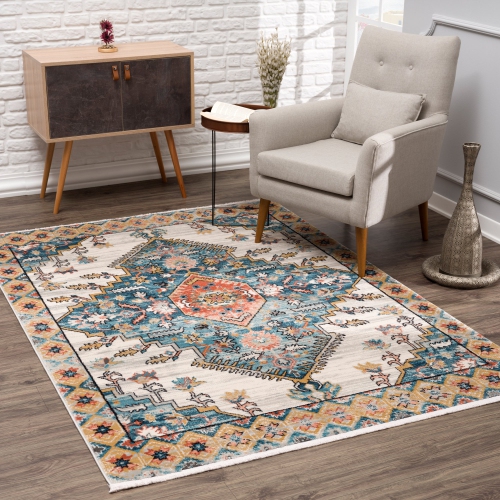
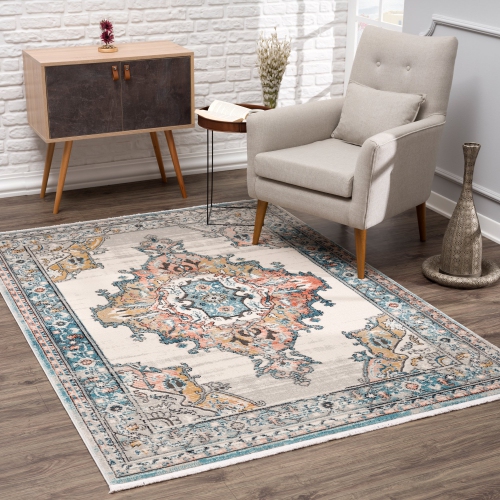
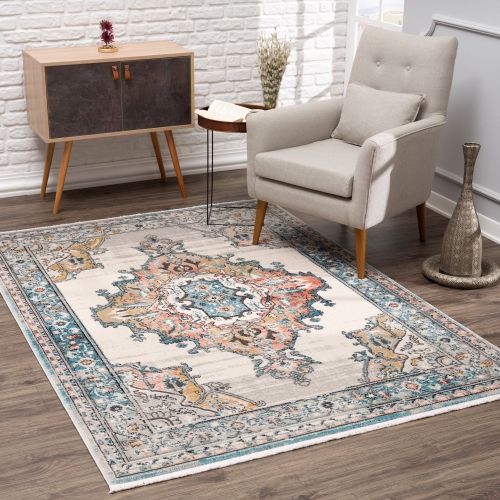
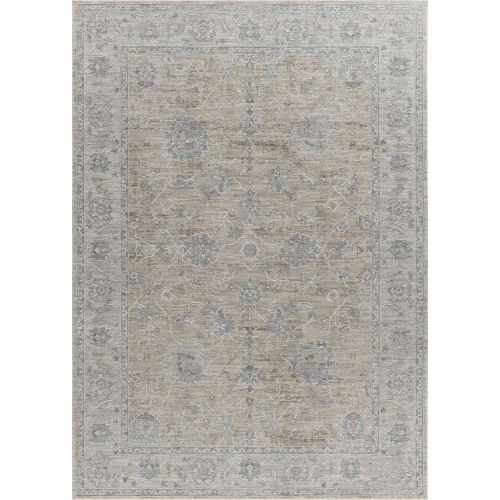
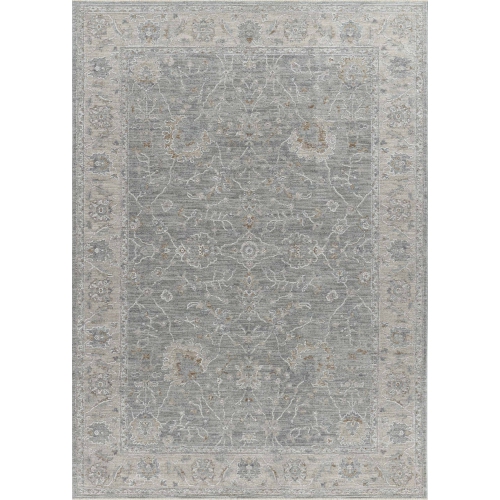
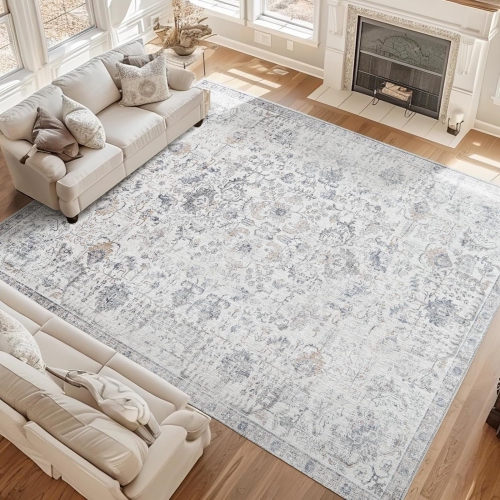
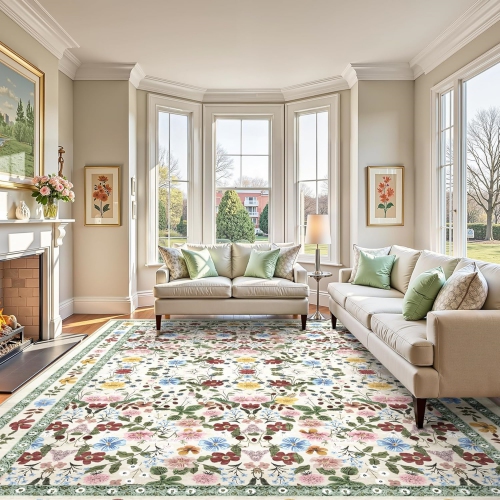
Traditional area rugs bring a sense of history, pattern and warmth to a room, combining Persian-, Oriental- and antique-inspired details with practical everyday comfort. Common features include a central medallion, repeating floral motifs, scrolling vines, geometric shapes and an ornate border that frames the design. Rich shades of red, burgundy, navy, blue, gold, ivory, beige and brown are often layered together to create a collected look rather than a single flat colour. This makes a traditional rug especially useful when a room includes a mixture of wood tones, upholstered furniture, metal finishes and patterned accents. A rug with a softly aged or distressed appearance can add character to a newly furnished space, while a more defined pattern can give a simple room an established focal point. These rugs work well in living rooms, dining rooms, bedrooms, entryways, home offices and reading areas, helping separate open-concept spaces without putting up walls. They can also make cooler months feel more inviting by adding visual depth and a comfortable surface underfoot. When choosing a design, consider the mood you want to create: deep red and jewel tones can make a room feel layered and dramatic, while faded blue, cream and muted taupe can create a quieter, more relaxed appearance. If you are drawn to warm, classic colour palettes, explore Traditional Red Area Rugs for patterns that can bring a confident accent to a neutral sofa, wooden dining set or bedroom suite. Traditional styling does not require every piece in a room to match. In fact, these rugs often look most natural when paired with contemporary furniture, simple lighting and a few carefully selected accessories.
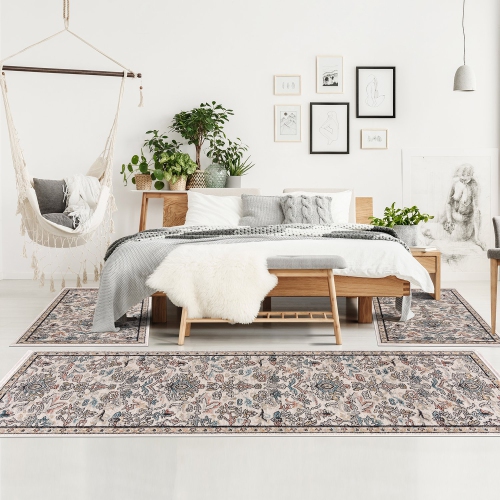
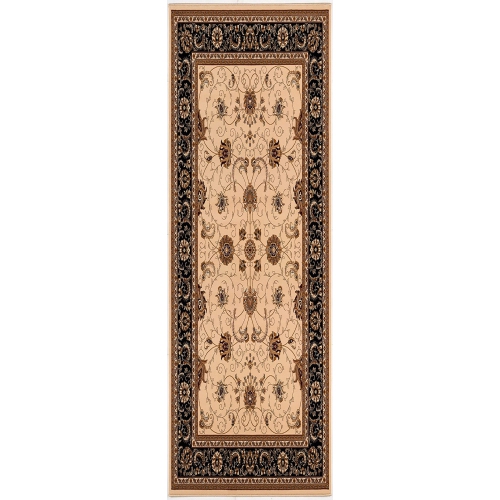
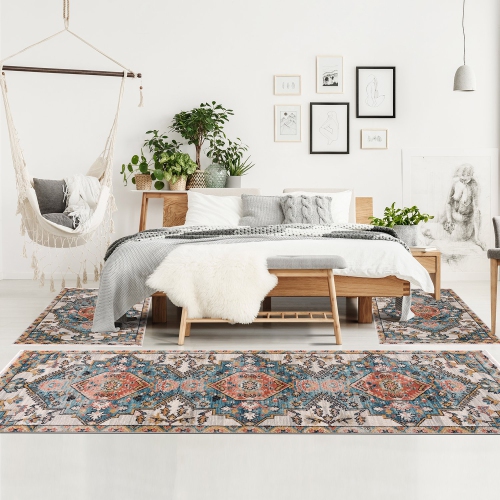
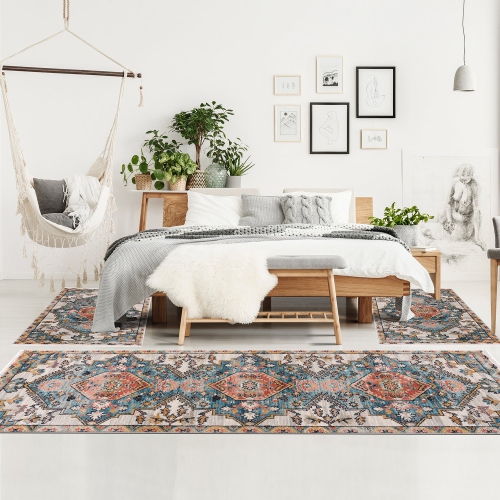
Size and placement are among the most important considerations when shopping for a traditional area rug. In a living room, a larger rug can anchor the seating arrangement and create a defined conversation area. Ideally, the front legs of the sofa and chairs rest on the rug, although a smaller option can be placed beneath a coffee table with the furniture arranged around its edges when space is limited. For a spacious room, sizes such as 8 by 10 feet or 9 by 12 feet can help unify several pieces of furniture; in a compact apartment, a 5 by 7 or 6 by 9 foot rug may provide definition without overwhelming the floor plan. In a bedroom, position the rug beneath the lower two-thirds of a queen or king bed so that a comfortable border extends beyond the sides and foot of the frame. Runners placed along either side of the bed are another practical choice when a full-size rug is not suitable. For dining areas, measure beyond the tabletop rather than choosing a rug based only on the table itself. There should be enough room for dining chairs to remain on the rug when pulled back, which helps prevent chair legs from catching on the edge. In hallways and entryways, runners can guide the eye through the space while protecting high-traffic flooring. Always measure the available area, note the location of door swings and leave enough clearance for nearby furniture. A rug pad can help reduce movement, add cushioning and protect hard flooring, particularly in busy rooms or homes with children and pets. Check the rug’s care instructions and the pad’s compatibility with the floor surface before use.
Construction, pile height and material also affect how a traditional area rug looks and performs. Polypropylene is a popular choice for households seeking a rug that is easy to maintain and suitable for everyday use, while wool is valued for its soft feel, substantial texture and naturally detailed appearance. Polyester and blended fibres can offer plushness, colour variety or a more accessible way to introduce an ornate pattern into a room. Low-pile rugs are convenient beneath dining tables, in entryways and under doors because they are less likely to interfere with movement. Medium or higher pile styles can feel softer in bedrooms and living rooms, where comfort underfoot may be a priority. A heavily detailed pattern can help disguise small marks between cleanings, while a lighter rug may make a room appear brighter but require more attention in a high-traffic setting. Regular vacuuming with the appropriate setting can remove loose dirt, and spills should be gently blotted rather than rubbed into the fibres. Rotating the rug from time to time can help distribute wear and sunlight exposure more evenly. For larger rugs, use a second person when moving or repositioning them to avoid strain and keep the corners from folding. Traditional area rugs can make thoughtful housewarming, wedding or first-home gifts because they add both function and personality, although the recipient’s room dimensions and decorating preferences are worth considering before choosing a size or colour palette. Whether the goal is to soften a minimalist space, give a family room a more finished appearance or create a welcoming landing spot near the front door, a well-chosen traditional rug can provide a lasting foundation for furniture, artwork and everyday living.
Size and placement are among the most important considerations when shopping for a traditional area rug. In a living room, a larger rug can anchor the seating arrangement and create a defined conversation area. Ideally, the front legs of the sofa and chairs rest on the rug, although a smaller option can be placed beneath a coffee table with the furniture arranged around its edges when space is limited. For a spacious room, sizes such as 8 by 10 feet or 9 by 12 feet can help unify several pieces of furniture; in a compact apartment, a 5 by 7 or 6 by 9 foot rug may provide definition without overwhelming the floor plan. In a bedroom, position the rug beneath the lower two-thirds of a queen or king bed so that a comfortable border extends beyond the sides and foot of the frame. Runners placed along either side of the bed are another practical choice when a full-size rug is not suitable. For dining areas, measure beyond the tabletop rather than choosing a rug based only on the table itself. There should be enough room for dining chairs to remain on the rug when pulled back, which helps prevent chair legs from catching on the edge. In hallways and entryways, runners can guide the eye through the space while protecting high-traffic flooring. Always measure the available area, note the location of door swings and leave enough clearance for nearby furniture. A rug pad can help reduce movement, add cushioning and protect hard flooring, particularly in busy rooms or homes with children and pets. Check the rug’s care instructions and the pad’s compatibility with the floor surface before use.
Construction, pile height and material also affect how a traditional area rug looks and performs. Polypropylene is a popular choice for households seeking a rug that is easy to maintain and suitable for everyday use, while wool is valued for its soft feel, substantial texture and naturally detailed appearance. Polyester and blended fibres can offer plushness, colour variety or a more accessible way to introduce an ornate pattern into a room. Low-pile rugs are convenient beneath dining tables, in entryways and under doors because they are less likely to interfere with movement. Medium or higher pile styles can feel softer in bedrooms and living rooms, where comfort underfoot may be a priority. A heavily detailed pattern can help disguise small marks between cleanings, while a lighter rug may make a room appear brighter but require more attention in a high-traffic setting. Regular vacuuming with the appropriate setting can remove loose dirt, and spills should be gently blotted rather than rubbed into the fibres. Rotating the rug from time to time can help distribute wear and sunlight exposure more evenly. For larger rugs, use a second person when moving or repositioning them to avoid strain and keep the corners from folding. Traditional area rugs can make thoughtful housewarming, wedding or first-home gifts because they add both function and personality, although the recipient’s room dimensions and decorating preferences are worth considering before choosing a size or colour palette. Whether the goal is to soften a minimalist space, give a family room a more finished appearance or create a welcoming landing spot near the front door, a well-chosen traditional rug can provide a lasting foundation for furniture, artwork and everyday living.
Top selling and popular products
-
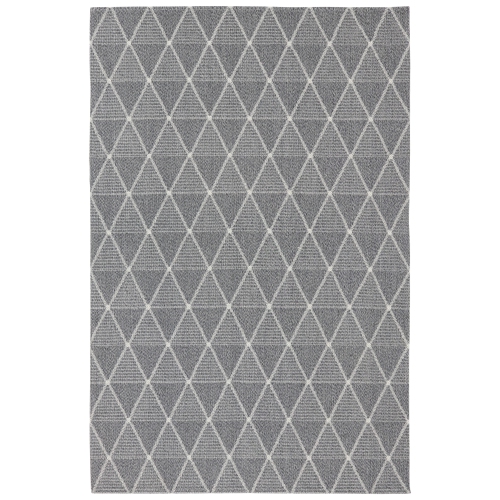 Your price for this item is $130.55
 -
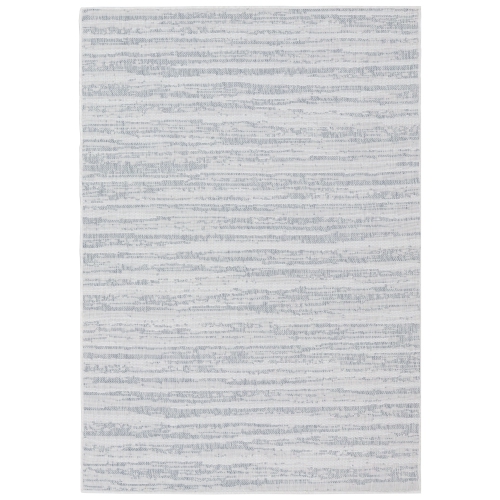 Your price for this item is $129.15
 -
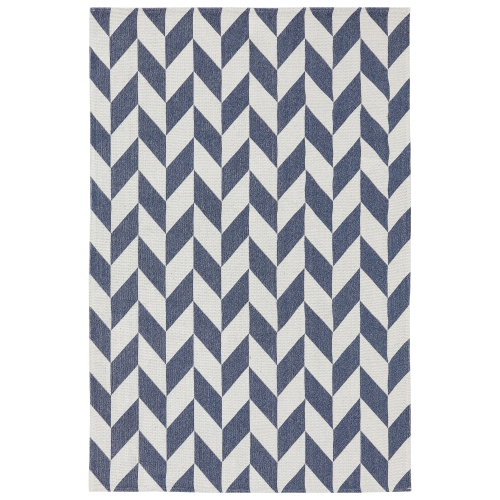 Your price for this item is $130.55
 -
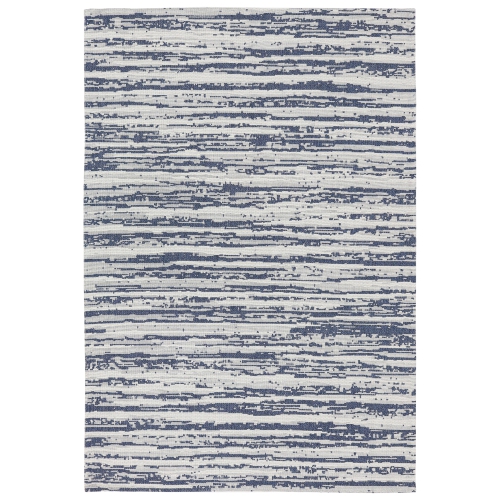 Your price for this item is $130.55
 -
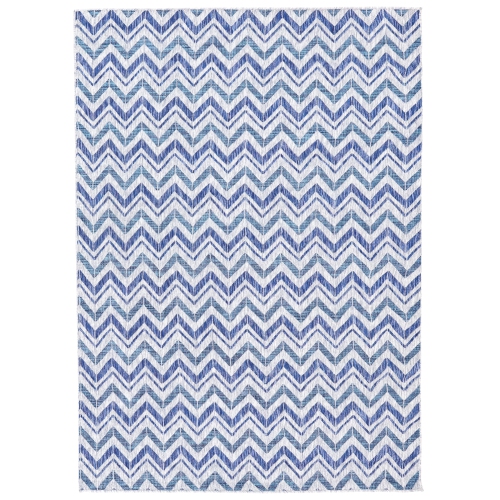 Your price for this item is $129.15
 -
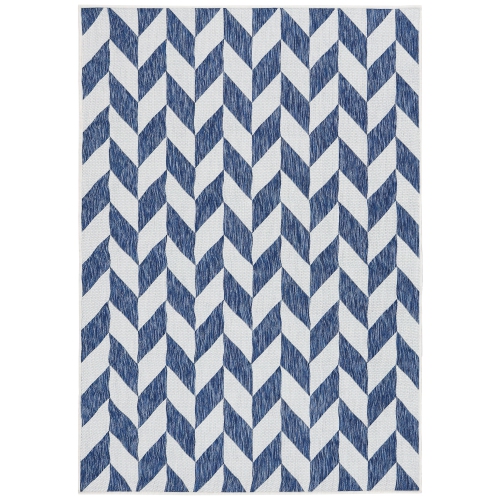 Your price for this item is $129.15
 -
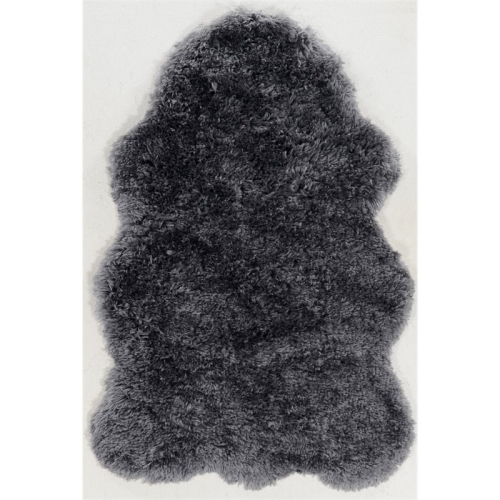 Your price for this item is $269.46
 -
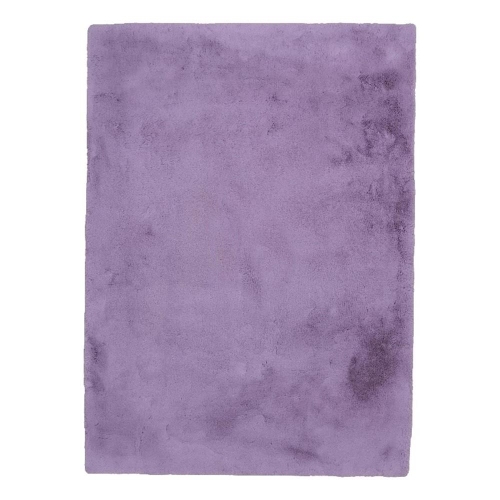 Your price for this item is $219.8
Discover more categories related to Traditional Area Rugs
Top Collections:
Pokemon Centers, Kindle Devices, Best Budget Office Chairs, Apple iPhones 16, Best Laptops for Writers, iPhone 15 Apple, Canon G7X Cameras, Refurbished Apple Laptops, Alarm Clock, Motorola Razr Phones
Some products may be subject to Environmental Handling Fees
(EHF) depending on your province.
Learn more about EHFs.