Professional Gear
Gear up like a pro with our collection of high-quality professional gear designed to enhance your performance and productivity. Whether you're a seasoned professional looking to upgrade your equipment or a beginner seeking reliable tools to kickstart your journey, we have everything you need to excel in your field. From cutting-edge technology to durable accessories, our selection of professional gear is curated to meet the demands of various industries and cater to the needs of professionals who strive for excellence. Discover the perfect gear to elevate your game and take your skills to the next level.
Sort



![GEAR4 Zagg Crystal Palace Clear Case With Advanced Impact Protection [ Approved By D3O ], Slim, Tough Design for Apple Iphone 13 Pro Max – Clear](https://multimedia.bbycastatic.ca/multimedia/products/500x500/172/17277/17277208.jpeg)
What makes a fountain pen feel right in hand
Professional gear for fine writing brings together considered design, comfortable handling, and the distinctive feel of a fountain pen on paper. In this context, the appeal lies as much in the writing experience as in the appearance of the instrument: a well-balanced body, a neatly fitted cap, and a nib that suits the writer’s handwriting can make everyday notes feel more deliberate. Flat-ended silhouettes give some luxury fountain pens a compact, architectural appearance, while polished resin, metal accents, and carefully finished clips add visual detail without necessarily making the pen heavy. Resin bodies can feel light in the hand, whereas metal construction often adds heft; neither material is automatically the better choice, since comfort depends on balance, grip, and the length of a writing session. Gold nibs are a feature of many premium fountain pens, with 14-karat and 21-karat compositions among the options found in this category. Gold content alone does not determine softness, flexibility, or writing quality, however. The shape of the nib, its tipping, and its adjustment all influence how it responds to the page. Some nibs glide with very little sensation, while others offer controlled, pencil-like feedback that helps the writer feel each stroke. That feedback is different from scratchiness, which may point to an unsuitable writing angle, rough paper, or a nib that needs attention. These distinctions matter to people who write by hand regularly, including professionals taking meeting notes, students working through ideas, and anyone who enjoys correspondence or journalling. A fountain pen can also be a meaningful gift for a graduation, a professional milestone, or the start of a new role, particularly when its size and writing character reflect the recipient’s habits. The most useful fine writing equipment is not simply decorative: it fits naturally into the moments when a quick annotation, a signature, or a full page of thought needs to move from mind to paper.
Fit becomes especially noticeable during longer writing sessions. A slim barrel may suit someone who prefers a compact grip, while a wider section can feel easier to hold for a writer who finds narrow instruments tiring. Overall length matters too, both with the cap removed and with it posted on the back of the barrel, where the design permits. Posting can add useful length to a shorter pen, but it can also shift weight towards the back of the hand. A comfortable fit allows a relaxed grip without needing to squeeze the section or press the nib firmly into the page. Fountain pens generally write with light pressure, and forcing a line can damage the nib rather than improve ink flow. Nib width should match the scale of the handwriting and the paper used most often. Extra-fine and fine points tend to work well for small lettering, compact planners, and detailed annotations; medium and broader points give ink more room to show its colour and suit larger handwriting. Width labels are not standardized across manufacturers, so two nibs marked fine may produce noticeably different lines. Specialty nib shapes can offer distinctive strokes, but they may also ask for a more consistent angle or a different writing technique. Ink and paper complete the experience. Absorbent paper can make a line spread or feather, while paper suited to fountain pens can preserve cleaner edges and reveal shading within a single colour. Wetter ink flow may feel generous and smooth but can take longer to dry, which is worth considering for left-handed writers or anyone turning pages quickly. A person making brief notes between appointments may favour a different setup from someone writing several pages at a desk. Looking at grip diameter, uncapped length, weight distribution, and line width together gives a more realistic sense of suitability than appearance alone. Those practical details are what turn an attractive writing instrument into one that feels familiar and dependable.
Filling systems and routine care shape how easily fine writing gear fits into daily life. Cartridge systems offer a contained way to replace ink, while converters allow compatible pens to draw from bottled ink and make it easier to explore different colours. Cartridge and converter fittings vary, so compatibility matters; similar-looking components are not necessarily interchangeable. Some fountain pens instead use an integrated piston mechanism, which draws ink directly into the barrel through the nib. The right arrangement depends on whether the writer values a straightforward refill away from home, flexibility at a desk, or a particular ink capacity. Only ink intended for fountain pens should be used, since drawing inks and other unsuitable formulas can clog or damage the feed. Regular cleaning helps maintain consistent flow, especially when changing ink colours or putting a pen away for an extended period. For many pens, a gentle flush with cool or lukewarm water is appropriate, followed by careful drying, but the manufacturer’s care directions should take priority. Harsh cleaners, prolonged soaking of sensitive parts, and unnecessary disassembly can harm finishes or internal components. Durability also depends on everyday handling. Keeping the cap secure when the pen is not in use helps limit nib drying, and a protective case reduces contact with keys, loose hardware, and abrasive surfaces inside a bag. Clips and cap threads benefit from light handling rather than force, while polished bodies retain their finish better when wiped with a soft cloth. When choosing a gift, these habits are worth considering alongside the recipient’s interests. Someone who enjoys deliberate practice may appreciate fine writing equipment for a notebook-based routine, just as Training Gear may suit goals centred on physical activity. For writing itself, the lasting appeal comes from the combination of a comfortable shape, a suitable nib, and manageable upkeep. Whether used for a few lines each morning or detailed notes throughout the day, thoughtfully chosen gear gives handwriting a consistent, personal feel without requiring an elaborate ritual.
Fit becomes especially noticeable during longer writing sessions. A slim barrel may suit someone who prefers a compact grip, while a wider section can feel easier to hold for a writer who finds narrow instruments tiring. Overall length matters too, both with the cap removed and with it posted on the back of the barrel, where the design permits. Posting can add useful length to a shorter pen, but it can also shift weight towards the back of the hand. A comfortable fit allows a relaxed grip without needing to squeeze the section or press the nib firmly into the page. Fountain pens generally write with light pressure, and forcing a line can damage the nib rather than improve ink flow. Nib width should match the scale of the handwriting and the paper used most often. Extra-fine and fine points tend to work well for small lettering, compact planners, and detailed annotations; medium and broader points give ink more room to show its colour and suit larger handwriting. Width labels are not standardized across manufacturers, so two nibs marked fine may produce noticeably different lines. Specialty nib shapes can offer distinctive strokes, but they may also ask for a more consistent angle or a different writing technique. Ink and paper complete the experience. Absorbent paper can make a line spread or feather, while paper suited to fountain pens can preserve cleaner edges and reveal shading within a single colour. Wetter ink flow may feel generous and smooth but can take longer to dry, which is worth considering for left-handed writers or anyone turning pages quickly. A person making brief notes between appointments may favour a different setup from someone writing several pages at a desk. Looking at grip diameter, uncapped length, weight distribution, and line width together gives a more realistic sense of suitability than appearance alone. Those practical details are what turn an attractive writing instrument into one that feels familiar and dependable.
Filling systems and routine care shape how easily fine writing gear fits into daily life. Cartridge systems offer a contained way to replace ink, while converters allow compatible pens to draw from bottled ink and make it easier to explore different colours. Cartridge and converter fittings vary, so compatibility matters; similar-looking components are not necessarily interchangeable. Some fountain pens instead use an integrated piston mechanism, which draws ink directly into the barrel through the nib. The right arrangement depends on whether the writer values a straightforward refill away from home, flexibility at a desk, or a particular ink capacity. Only ink intended for fountain pens should be used, since drawing inks and other unsuitable formulas can clog or damage the feed. Regular cleaning helps maintain consistent flow, especially when changing ink colours or putting a pen away for an extended period. For many pens, a gentle flush with cool or lukewarm water is appropriate, followed by careful drying, but the manufacturer’s care directions should take priority. Harsh cleaners, prolonged soaking of sensitive parts, and unnecessary disassembly can harm finishes or internal components. Durability also depends on everyday handling. Keeping the cap secure when the pen is not in use helps limit nib drying, and a protective case reduces contact with keys, loose hardware, and abrasive surfaces inside a bag. Clips and cap threads benefit from light handling rather than force, while polished bodies retain their finish better when wiped with a soft cloth. When choosing a gift, these habits are worth considering alongside the recipient’s interests. Someone who enjoys deliberate practice may appreciate fine writing equipment for a notebook-based routine, just as Training Gear may suit goals centred on physical activity. For writing itself, the lasting appeal comes from the combination of a comfortable shape, a suitable nib, and manageable upkeep. Whether used for a few lines each morning or detailed notes throughout the day, thoughtfully chosen gear gives handwriting a consistent, personal feel without requiring an elaborate ritual.
Top selling and popular products
-
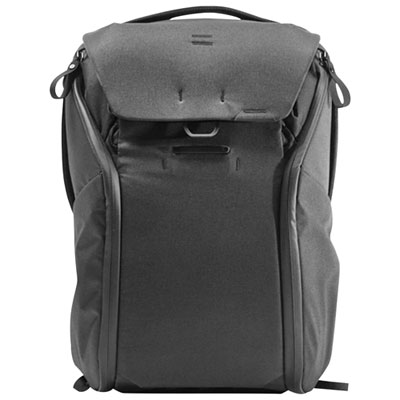 Your price for this item is $389.99
 -
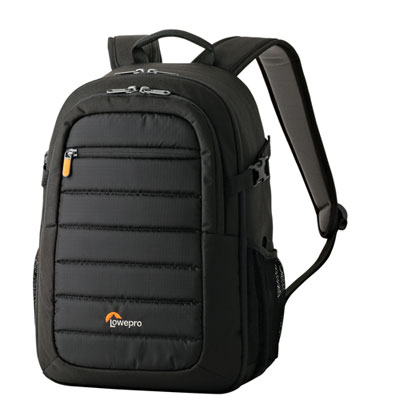 Your price for this item is $98.98
 -
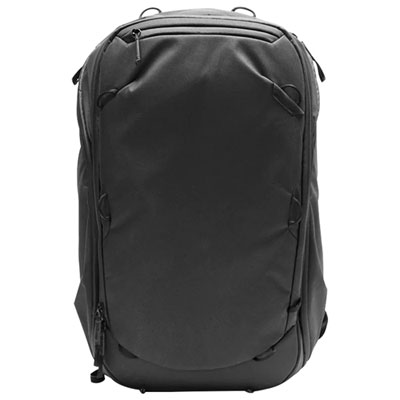 Your price for this item is $399.97
 -
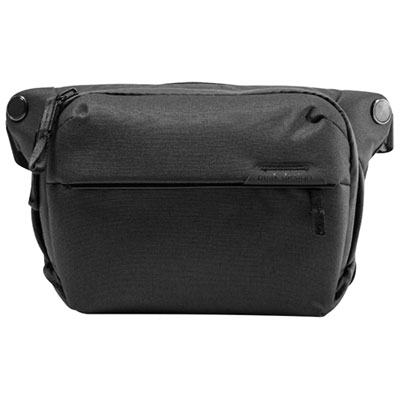 Your price for this item is $139.99
 -
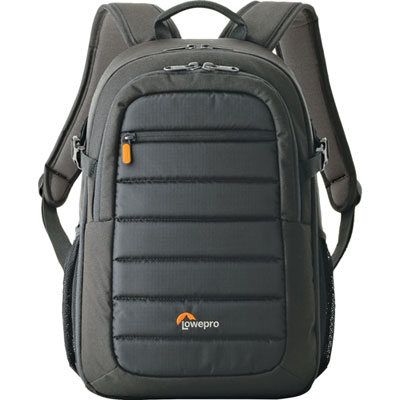 Your price for this item is $119.99
 -
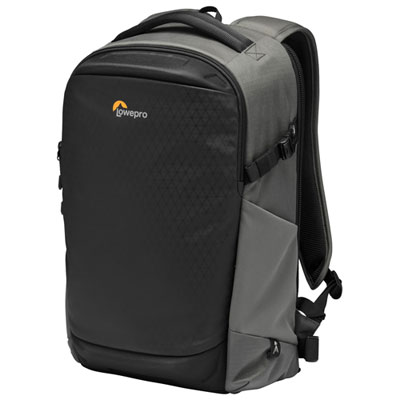 Your price for this item is $229.99
 -
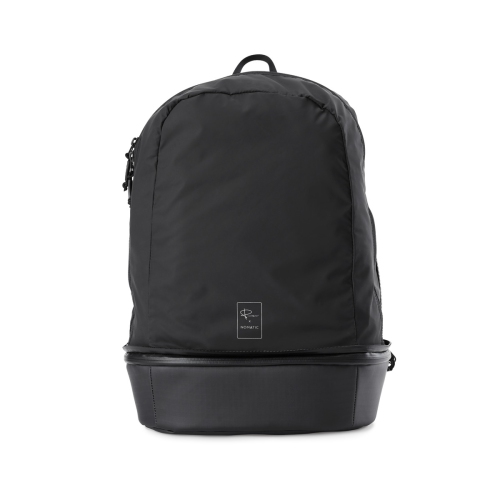 Your price for this item is $179.99
 -
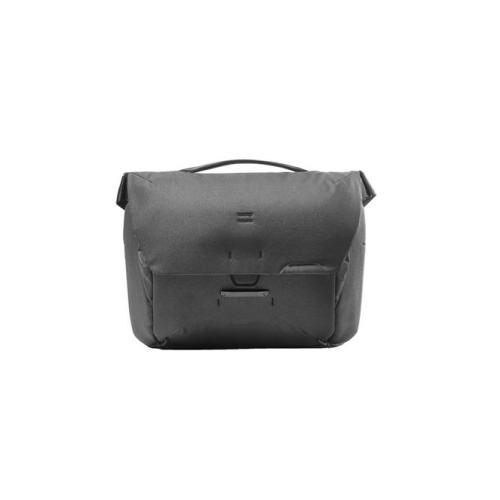 Your price for this item is $349
Discover more categories related to Professional Gear

Top Collections:
Pokemon Centers, Kindle Devices, Best Budget Office Chairs, Apple iPhones 16, Best Laptops for Writers, iPhone 15 Apple, Canon G7X Cameras, Refurbished Apple Laptops, Alarm Clock, Motorola Razr Phones
Some products may be subject to Environmental Handling Fees
(EHF) depending on your province.
Learn more about EHFs.