Transitional Cabinets
The best way to upgrade a room is to start with the walls. But if you're looking for a more subtle way to make a statement, consider adding transitional cabinets to your kitchen or dining room. These cabinets are designed to blend in with their surroundings, while still making a statement. But they still have enough style and functionality to make them worth considering for almost any home. Here are some of the best options available.
Sort
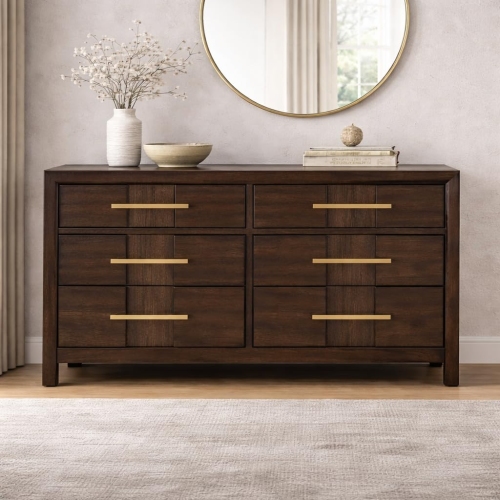
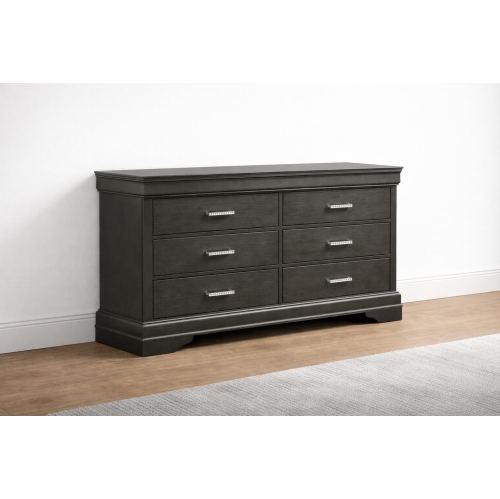
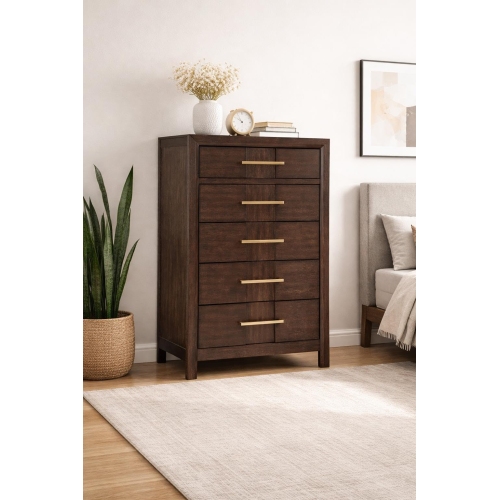
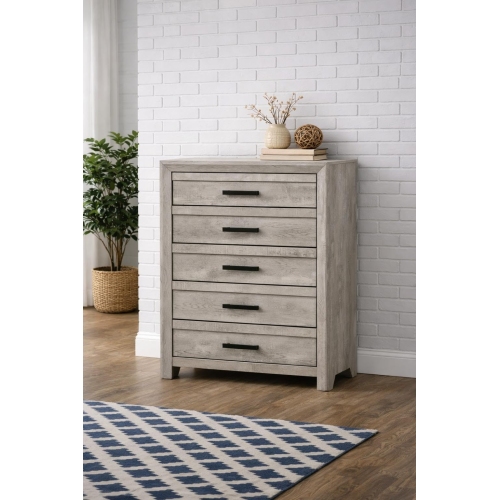


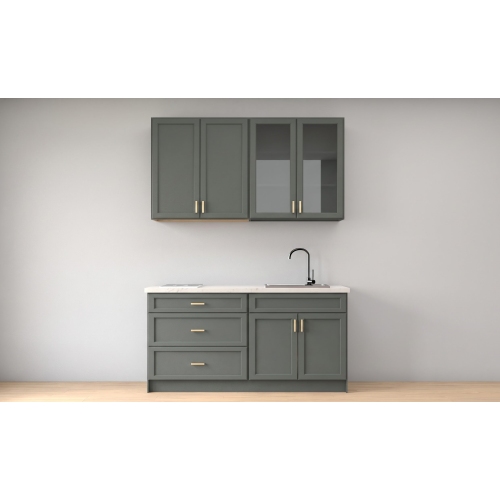
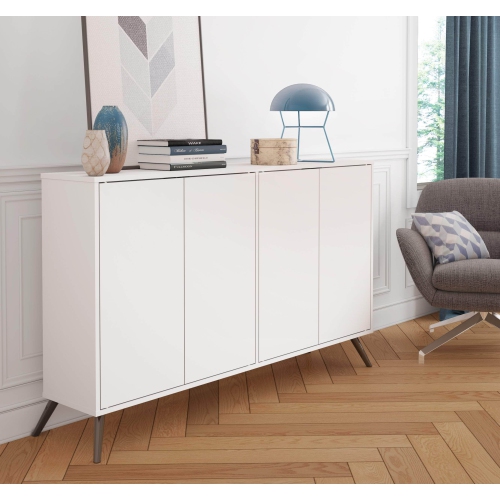
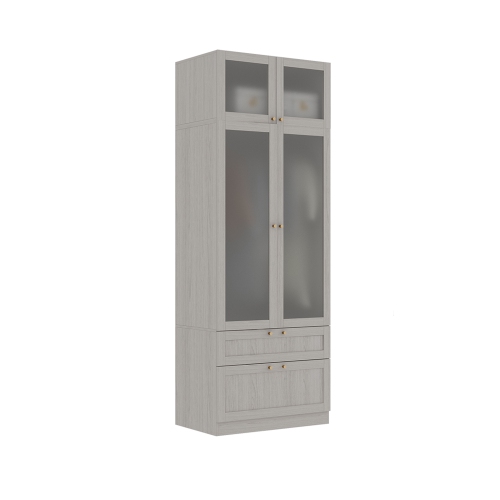
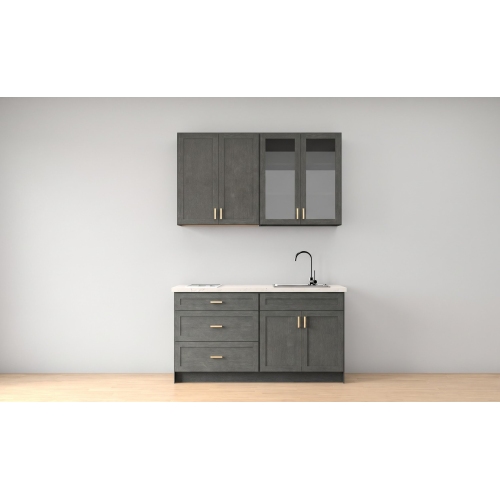

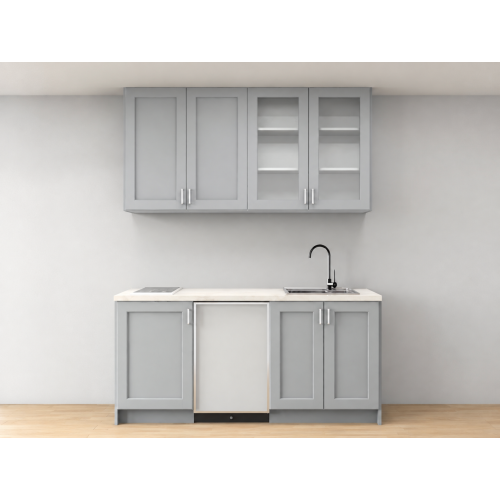

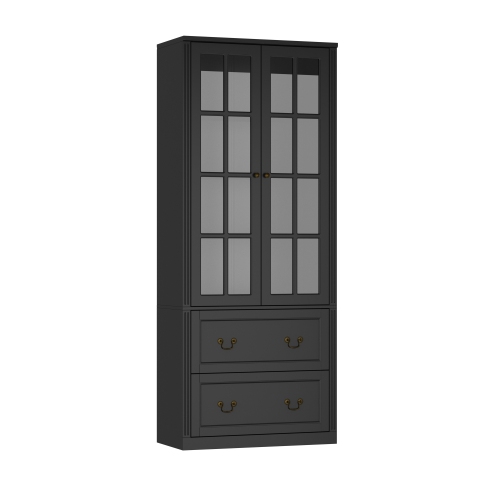
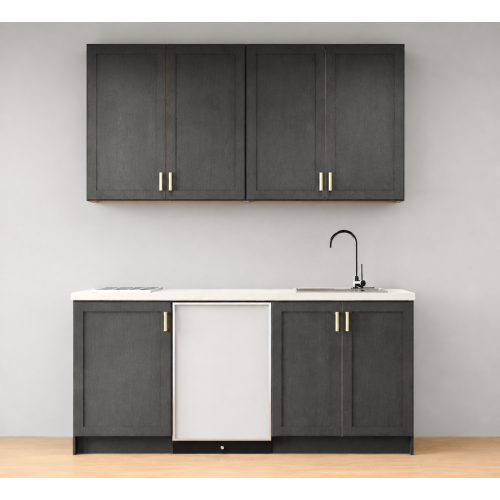
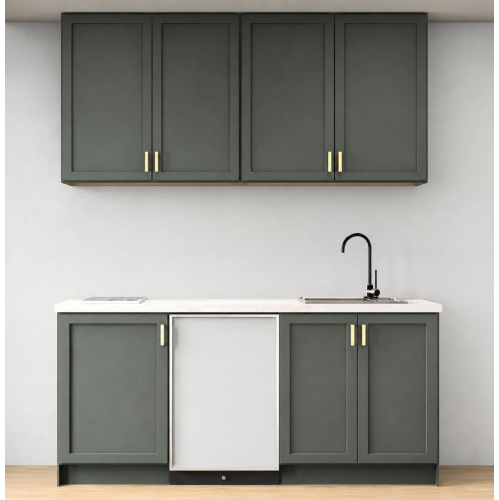

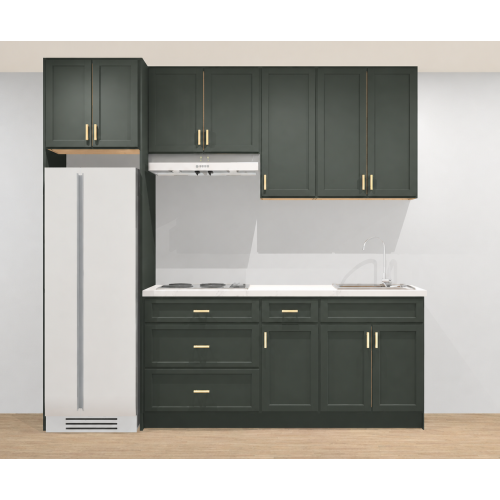
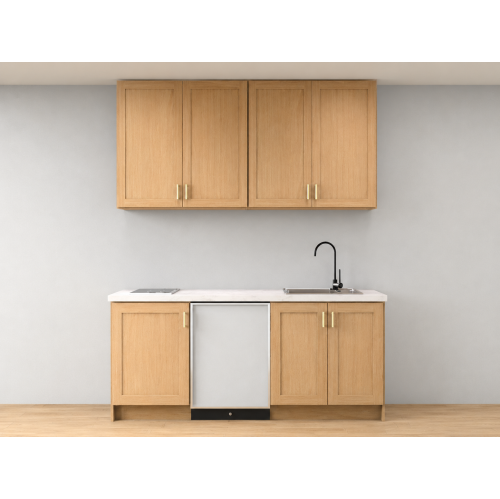
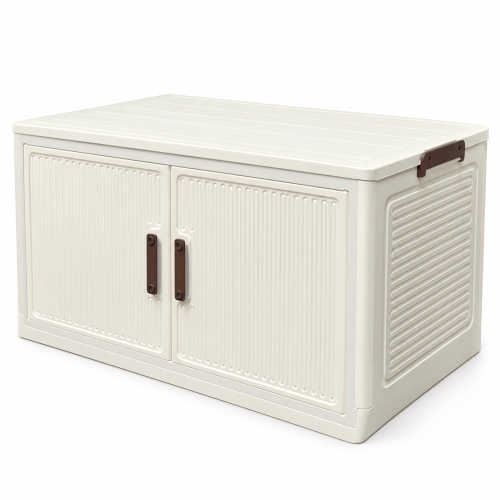
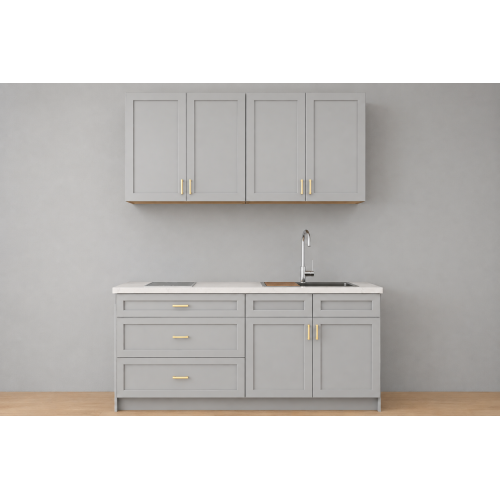
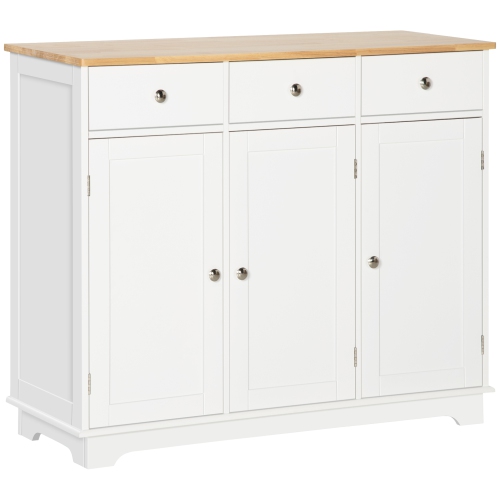
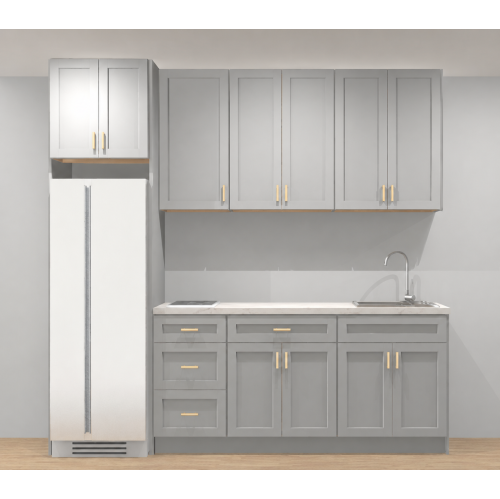
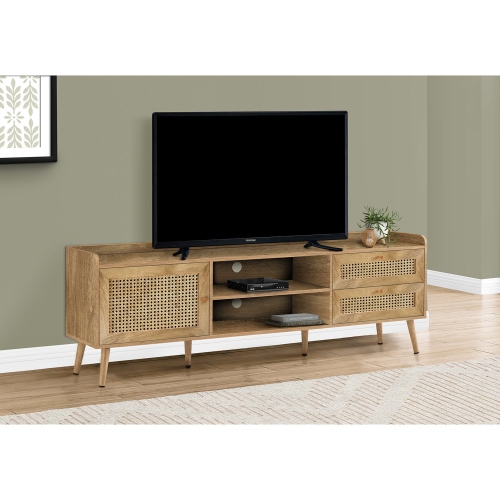
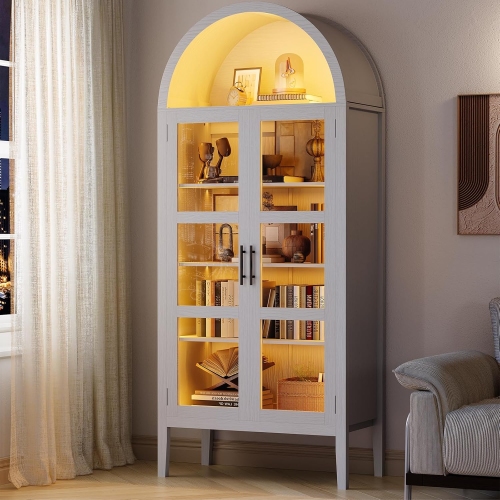
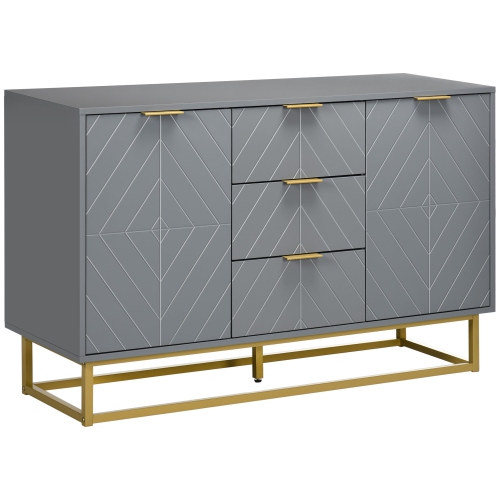
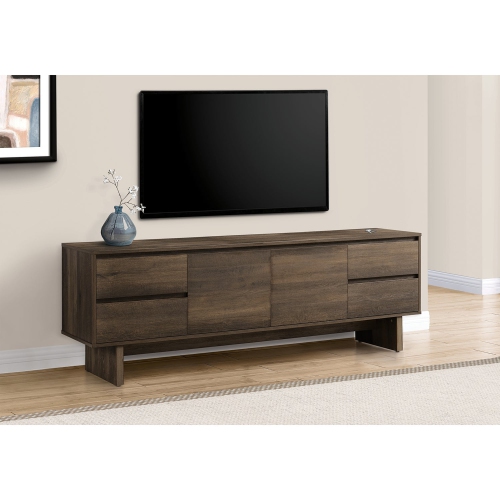
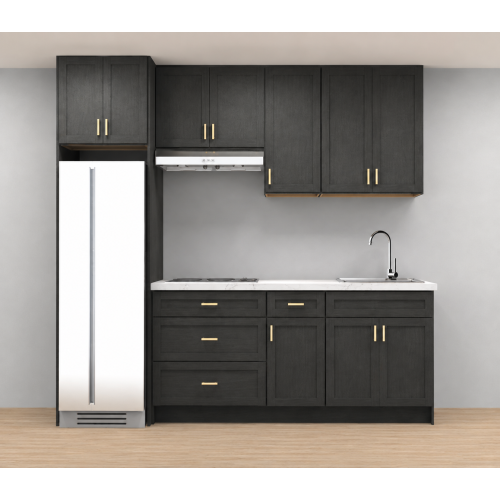
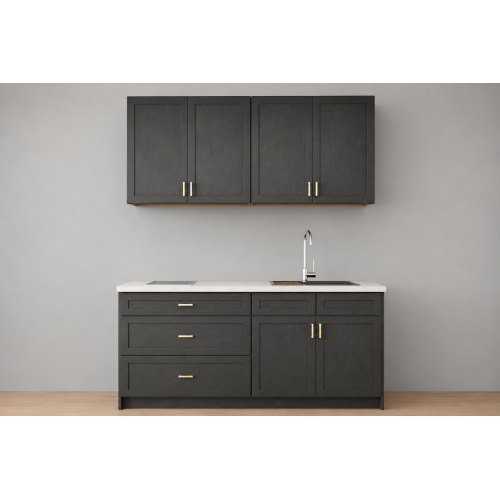
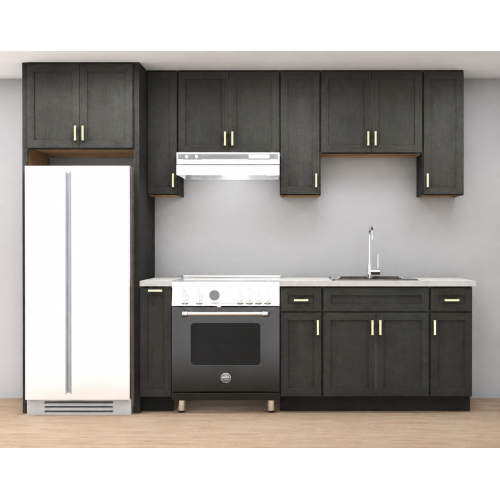
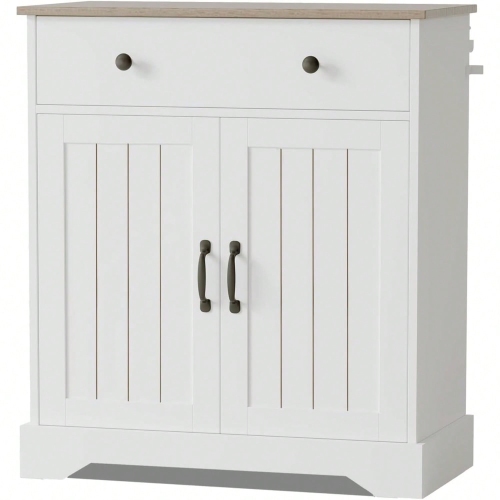
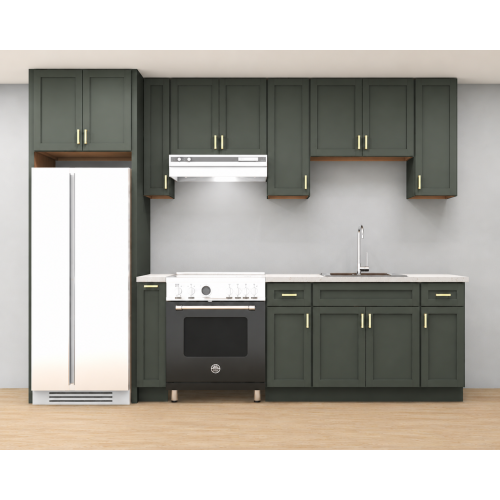
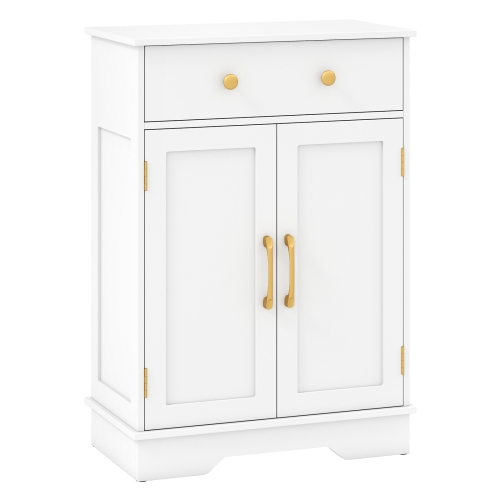
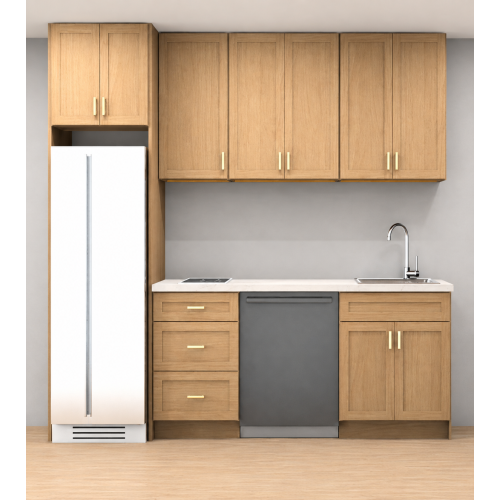

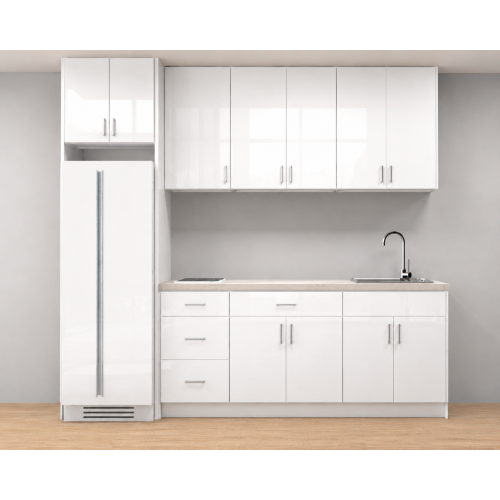
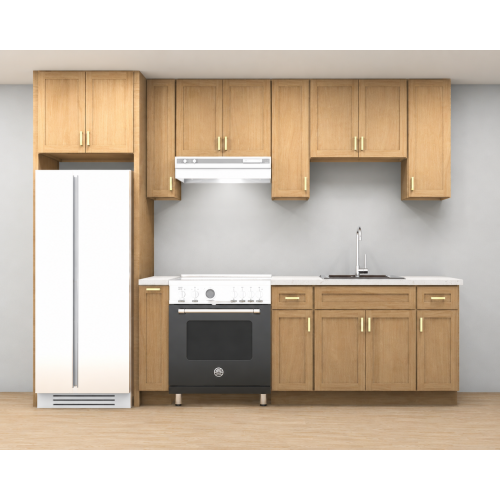
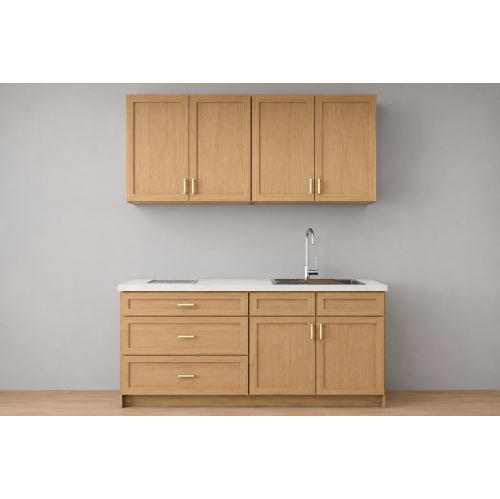



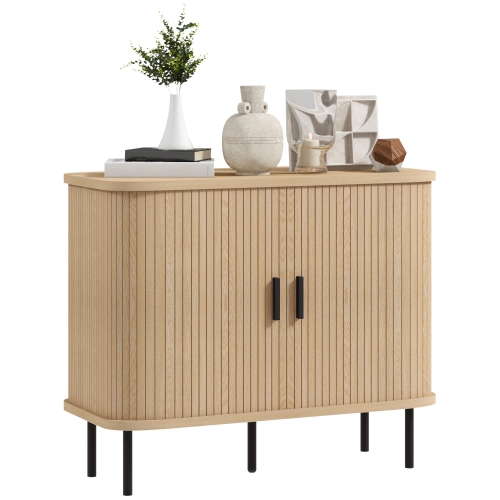
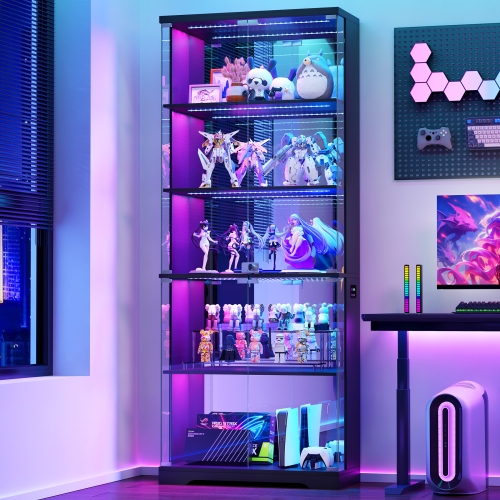
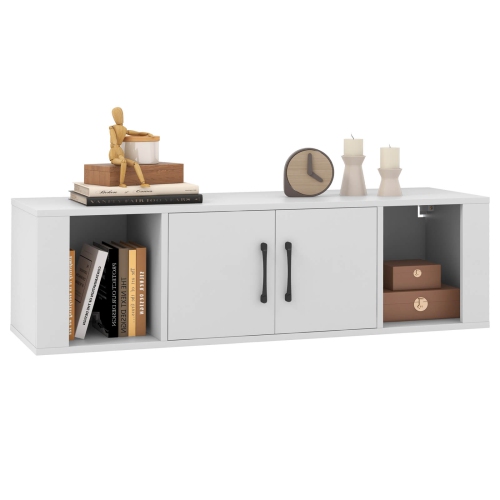
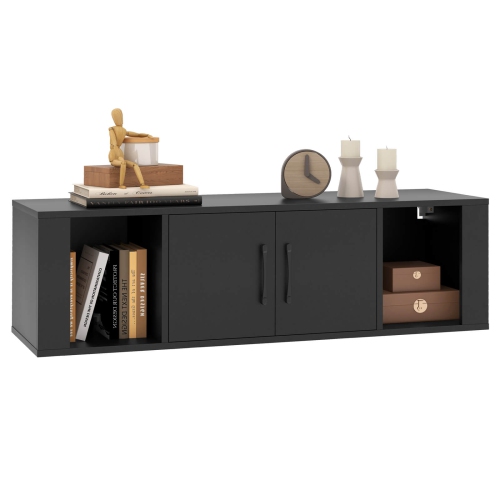









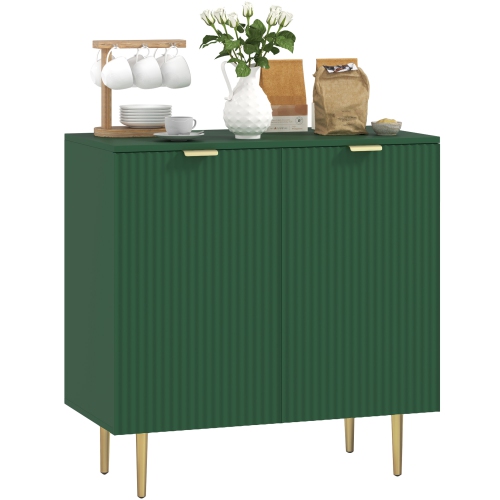
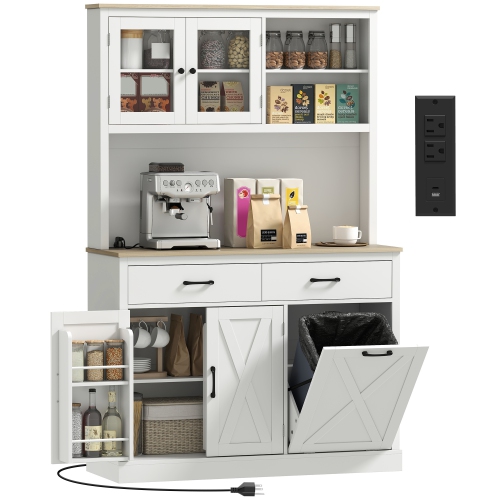
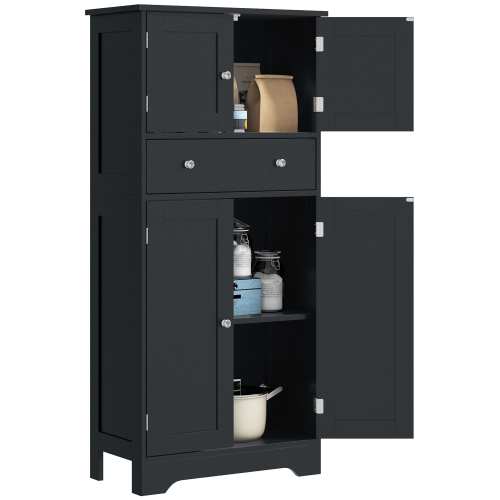
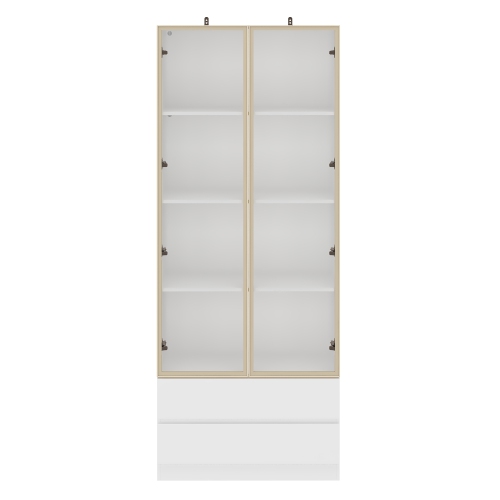

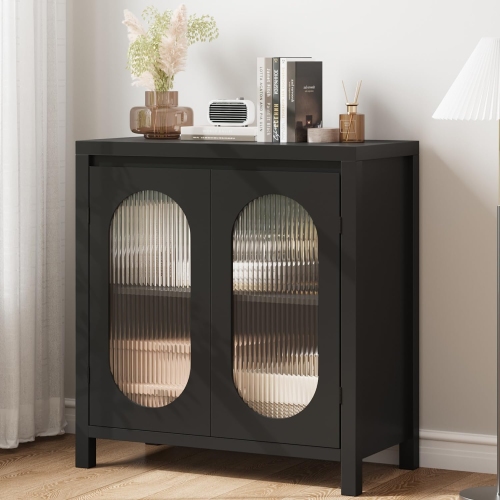

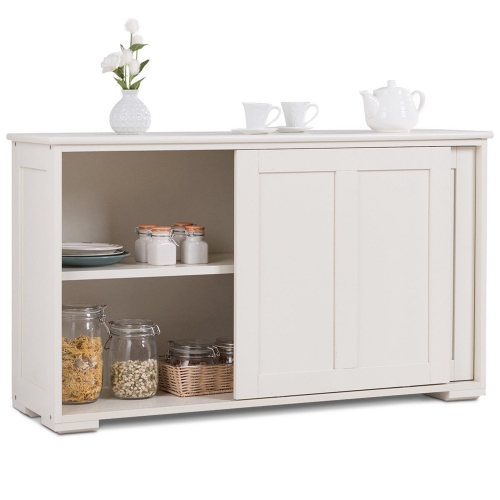

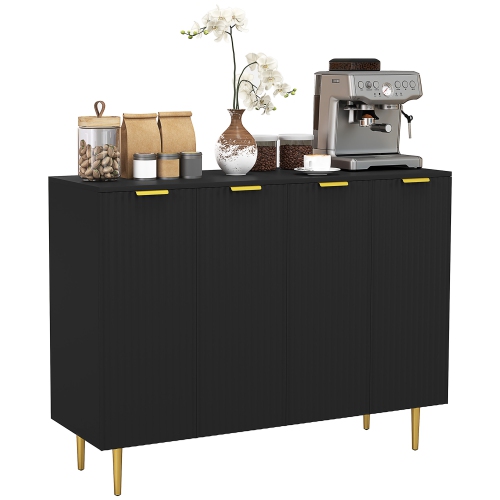
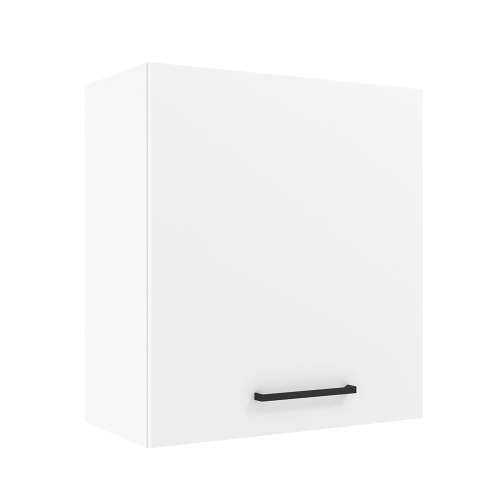
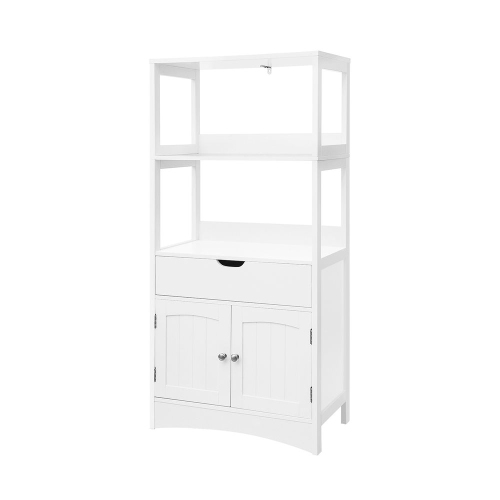

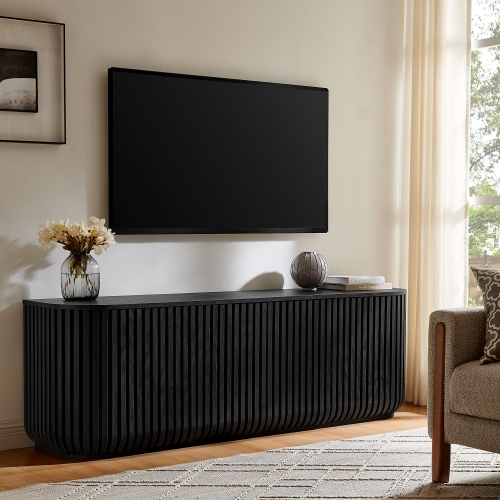
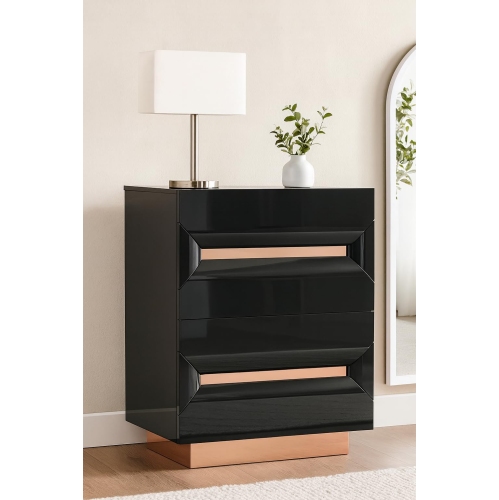

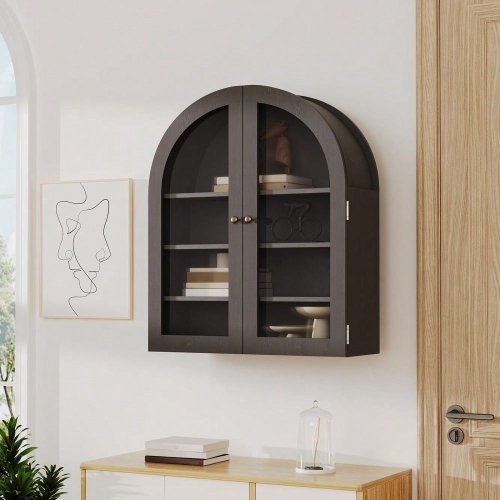



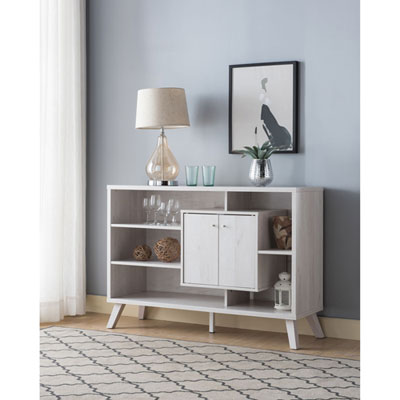


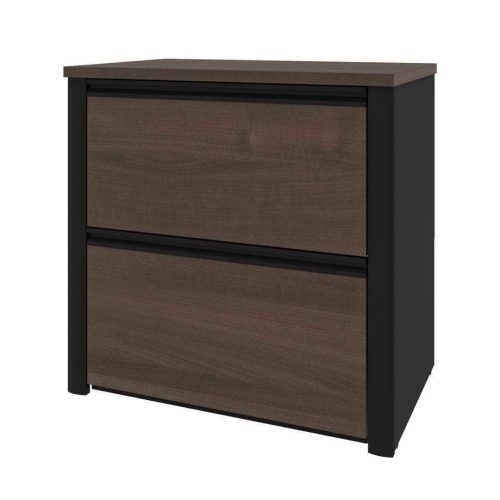
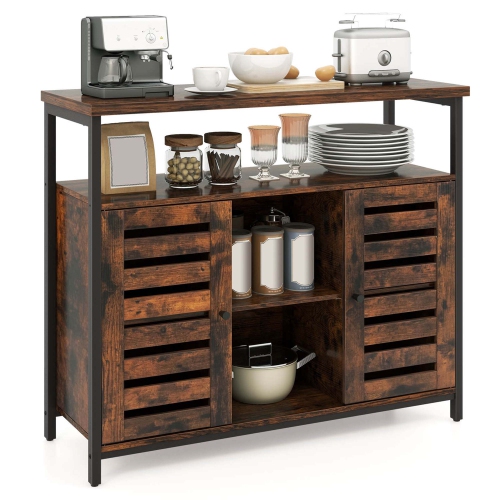
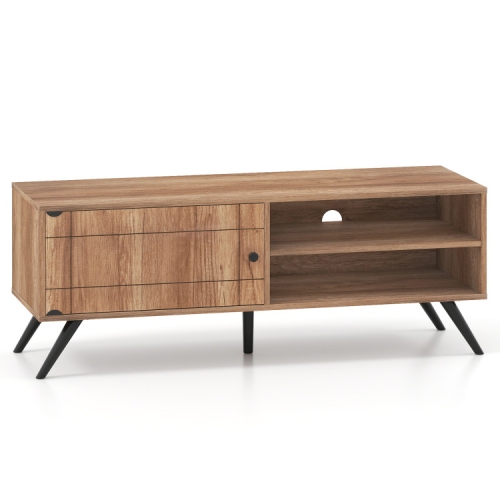











A balanced foundation for classic and modern spaces
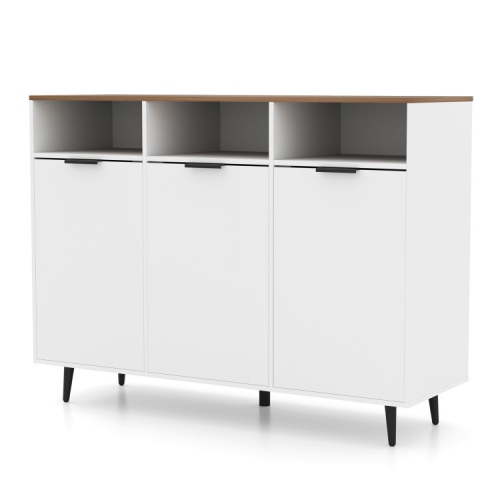
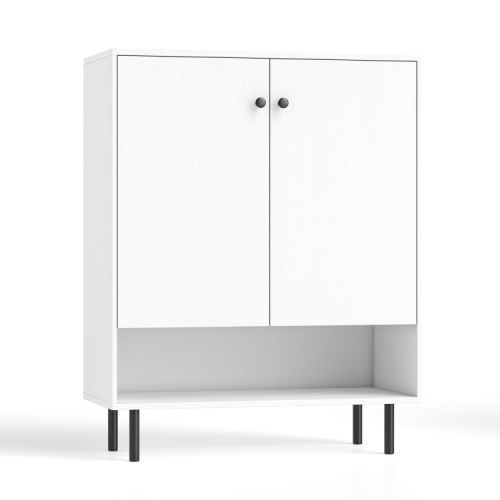
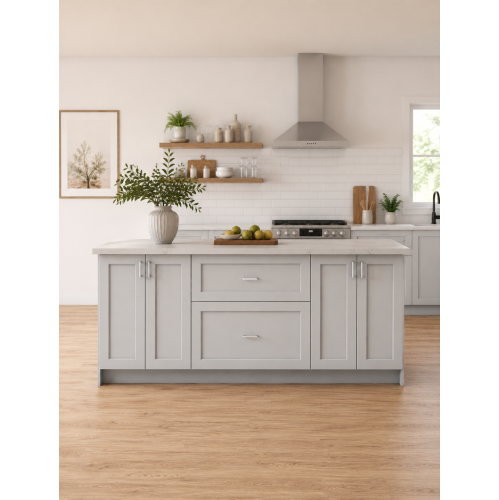
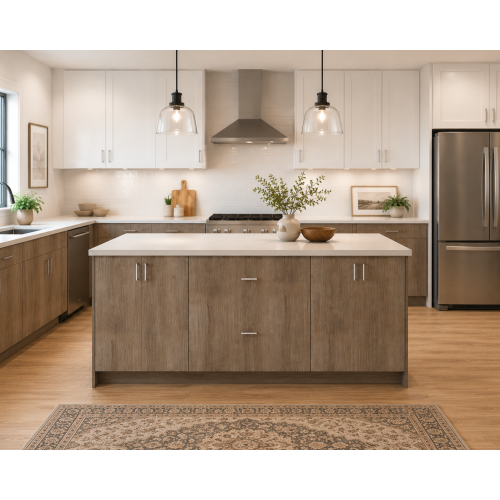
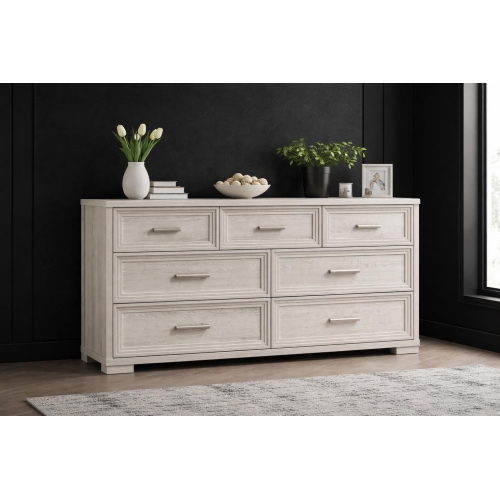
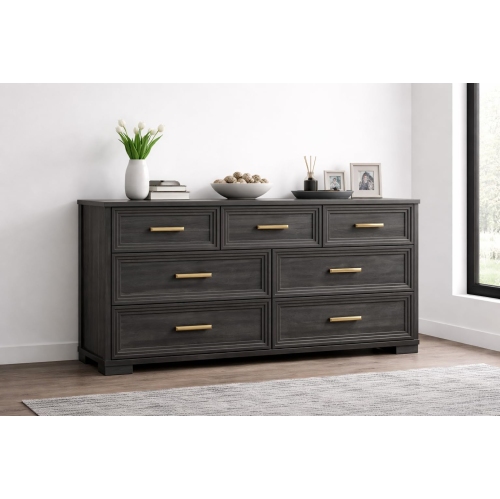
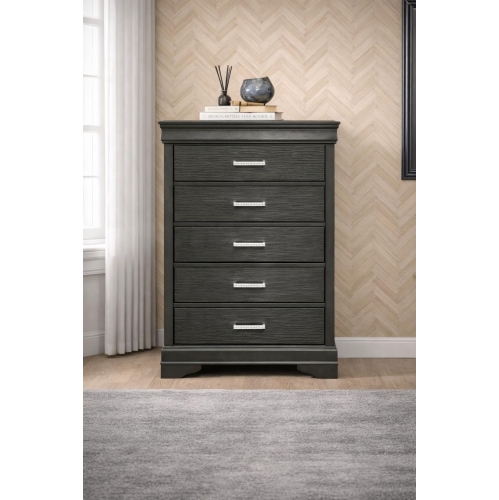
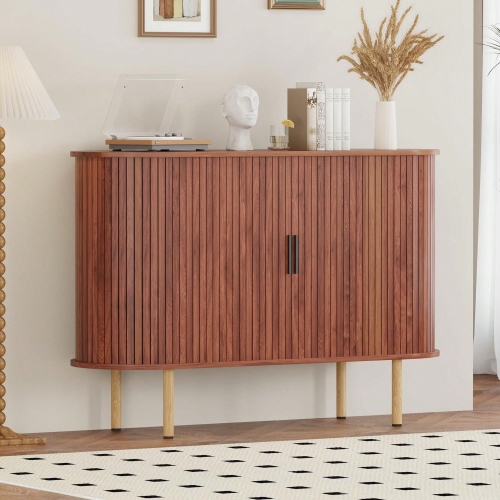
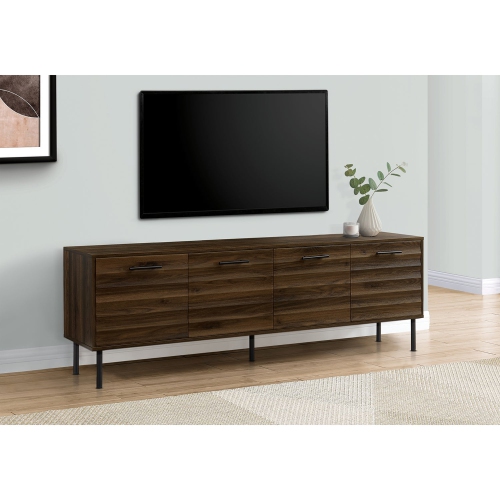
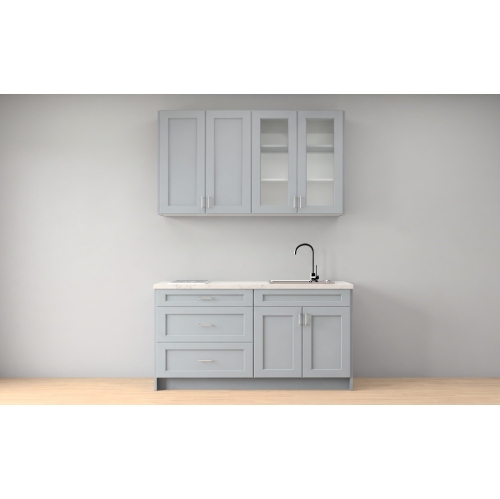
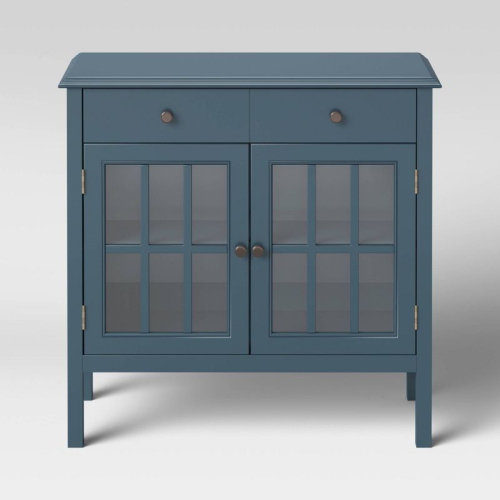
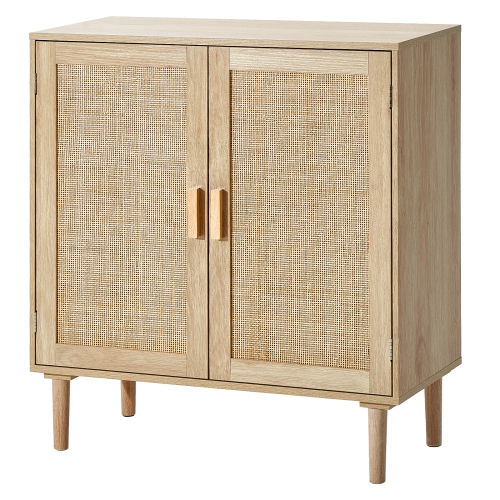
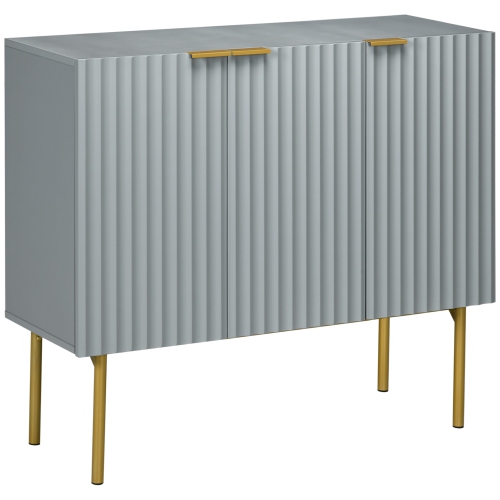
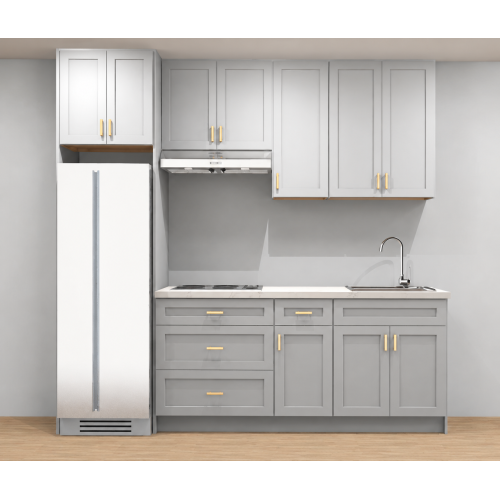
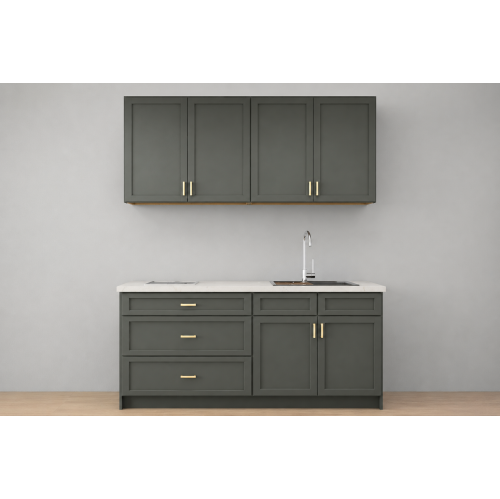
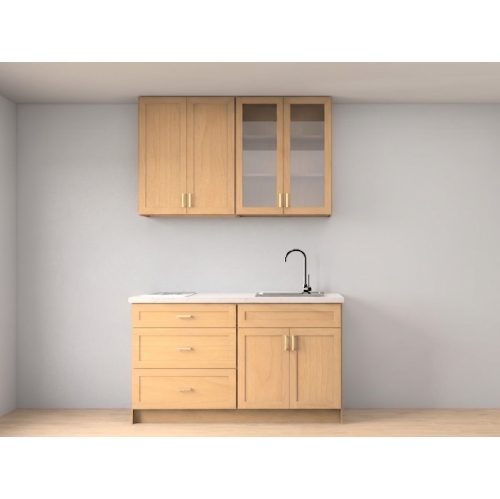
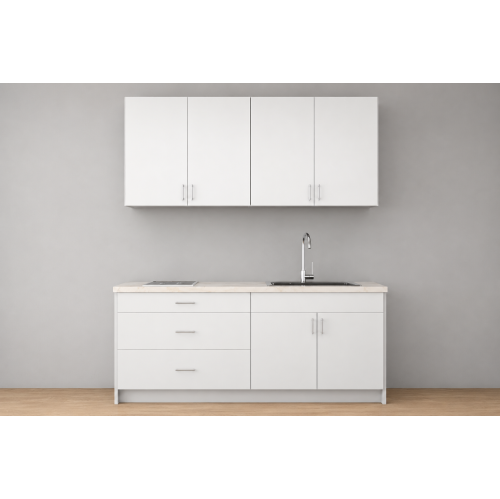
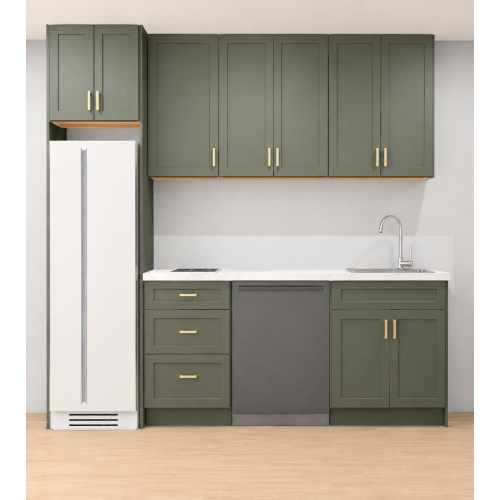
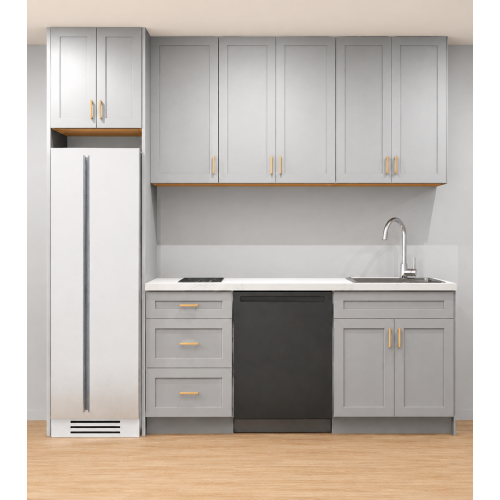
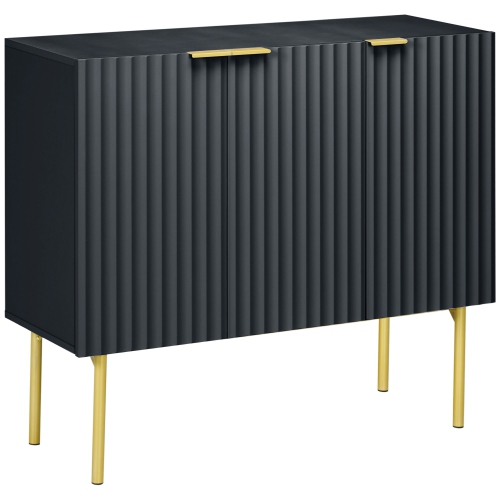
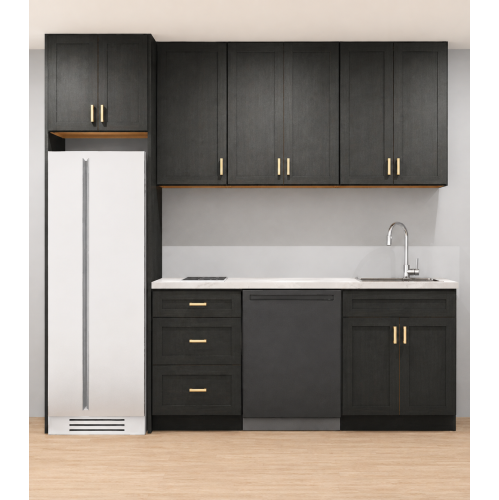
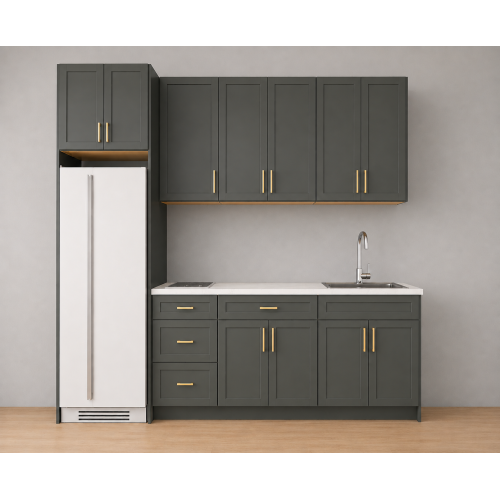
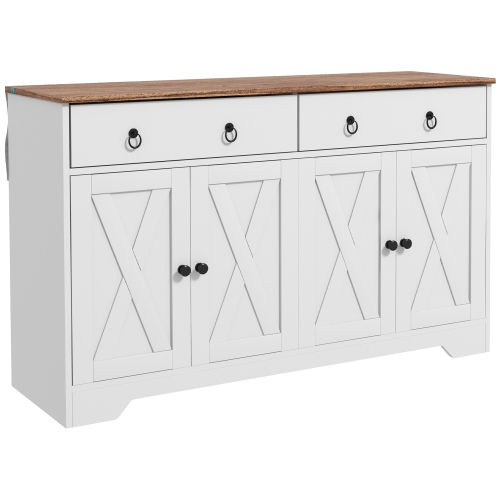
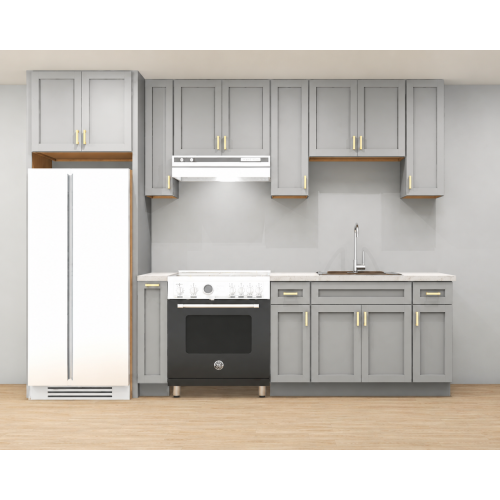
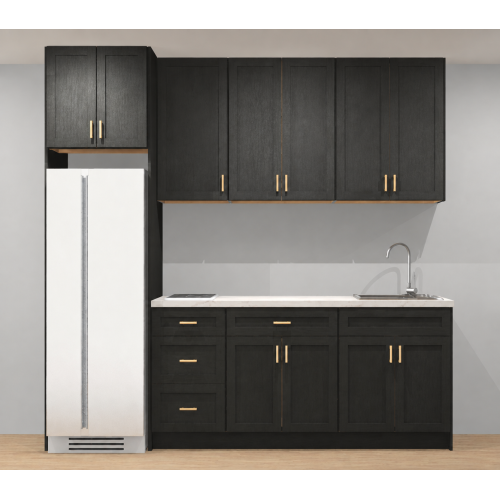
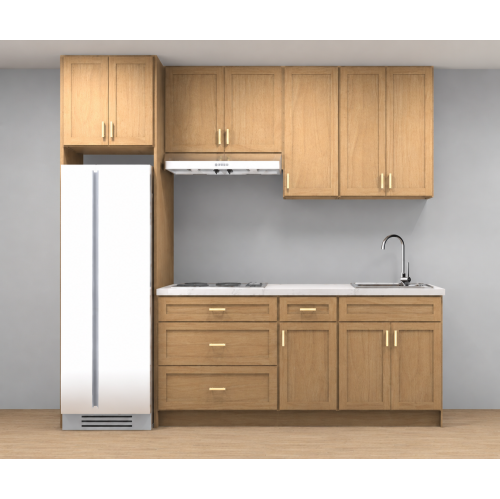
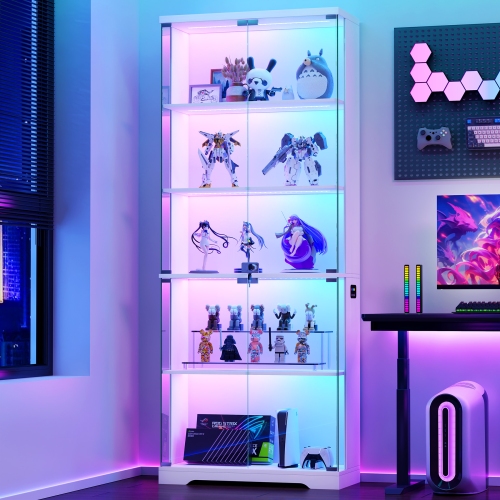
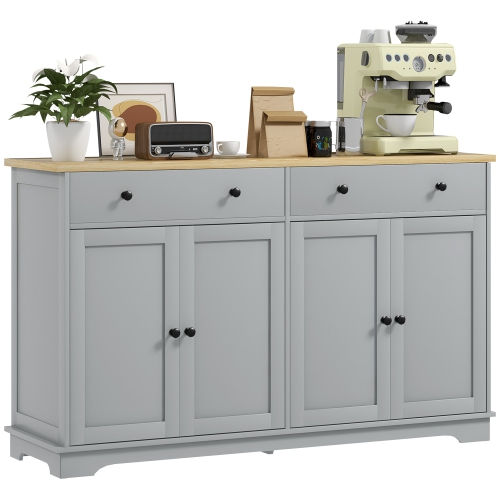
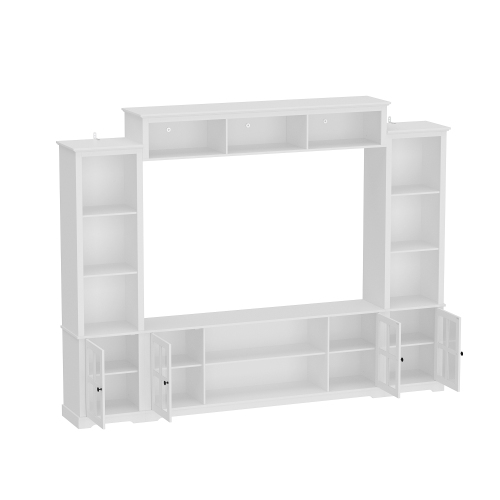
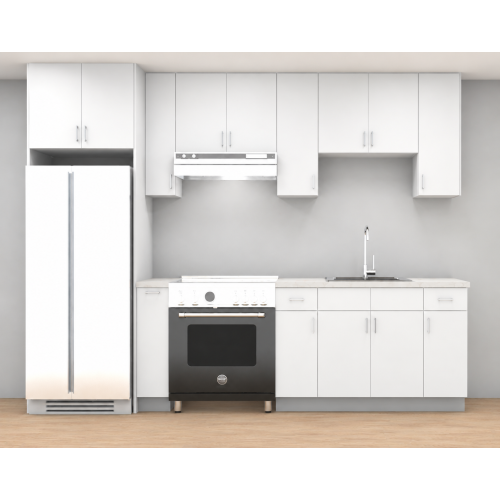
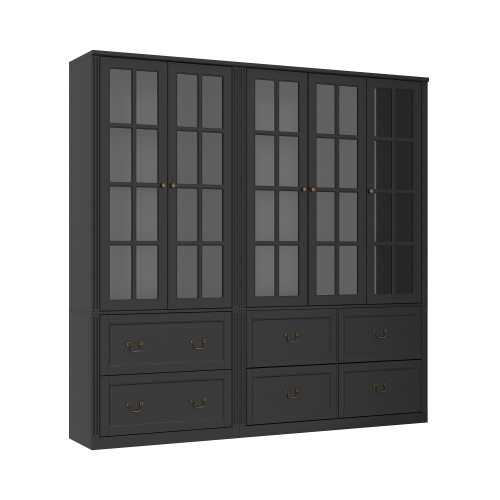
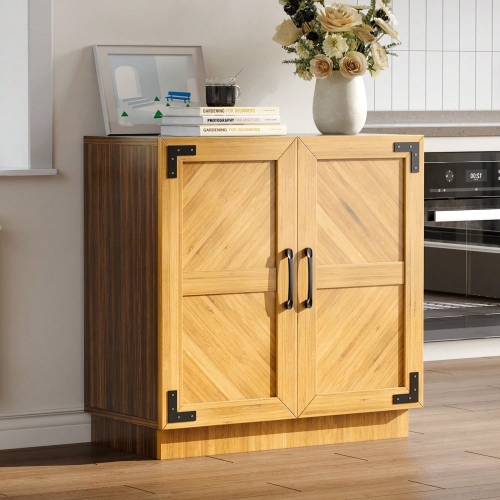
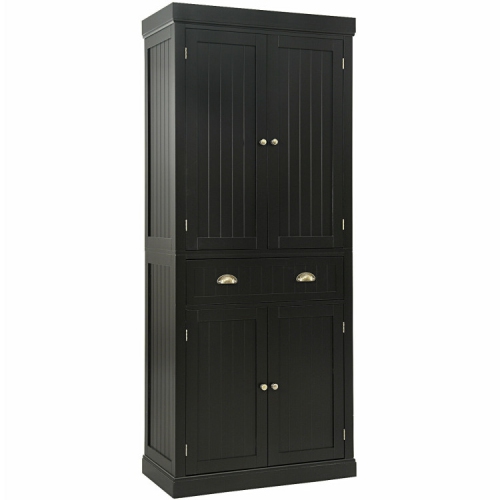
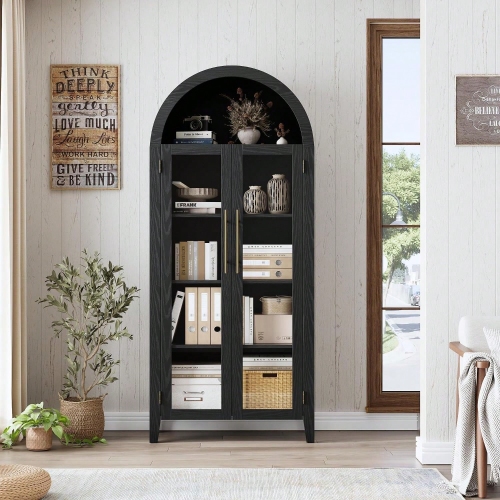
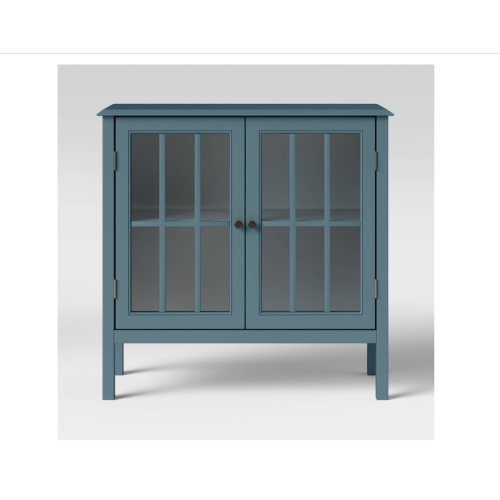
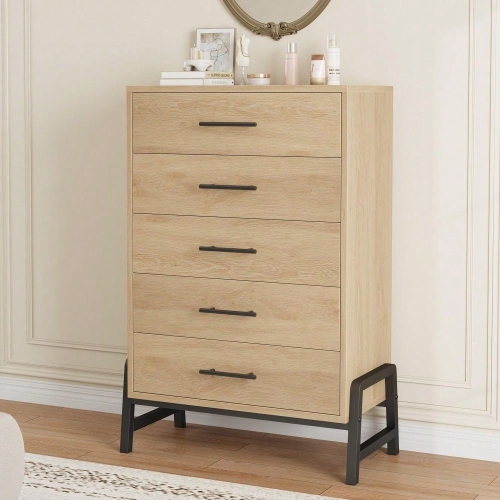
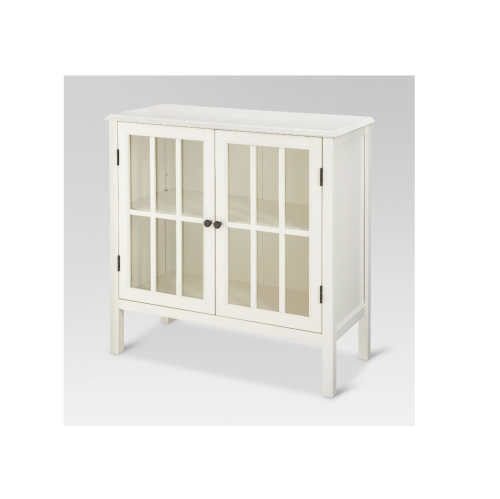
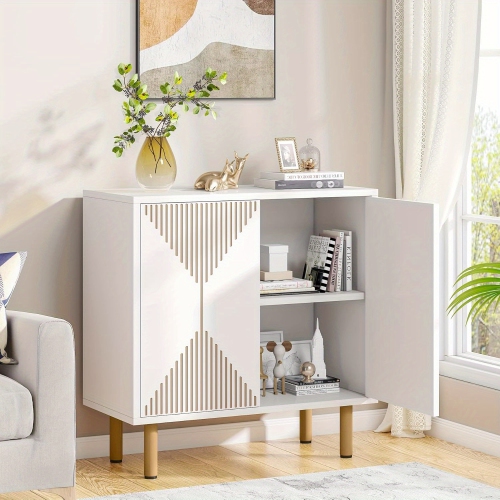
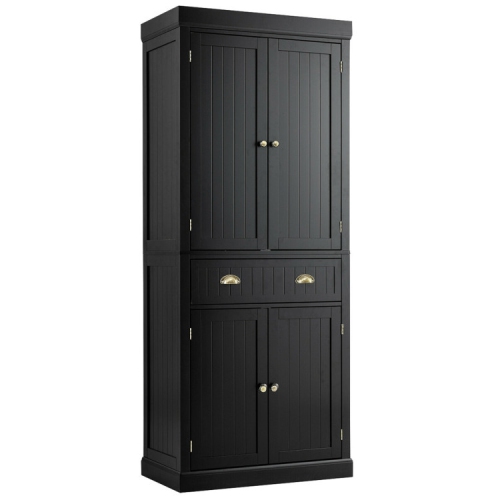
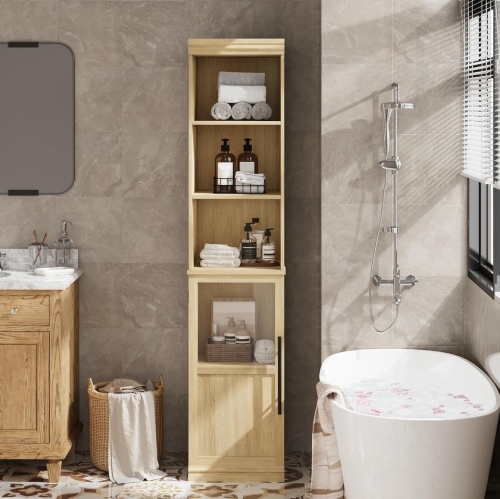
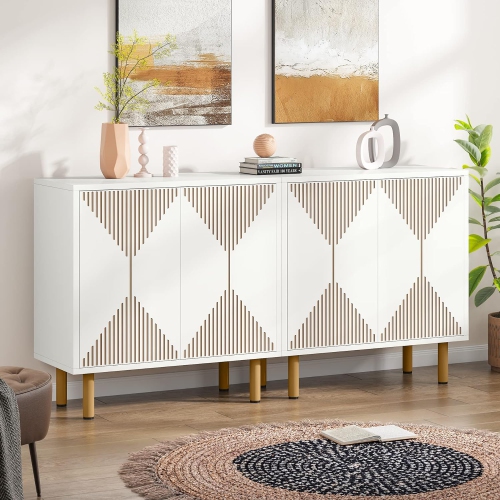
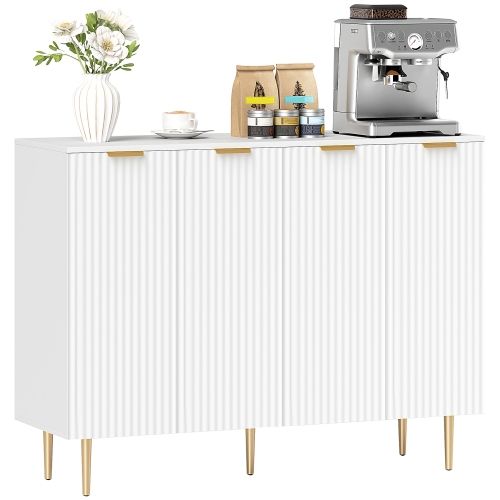
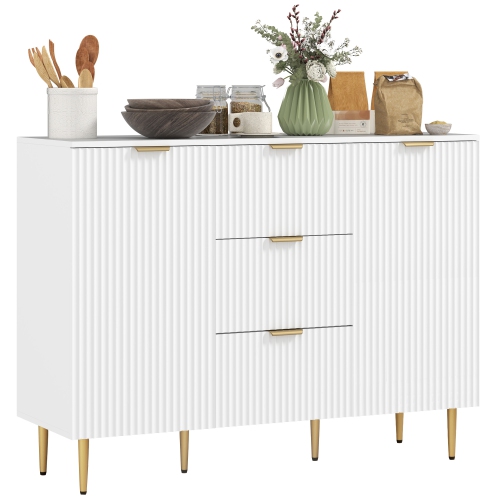
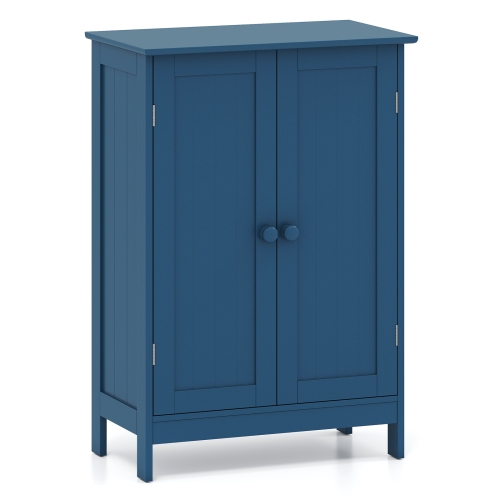
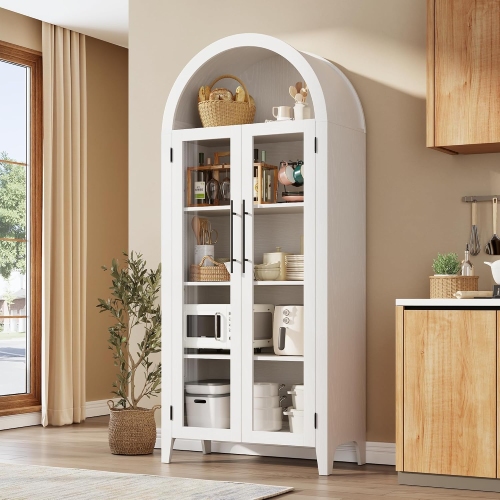
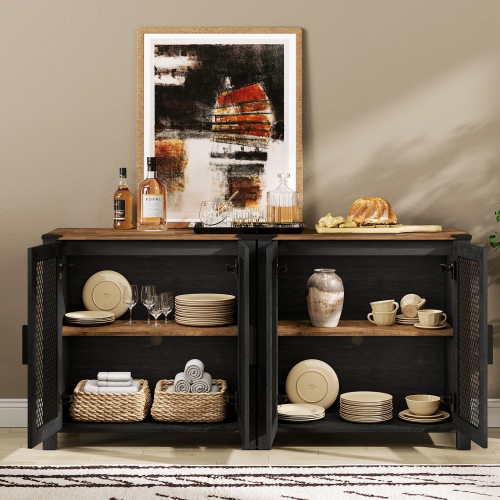
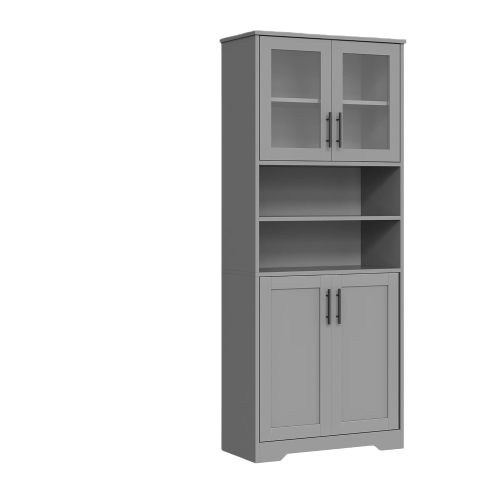
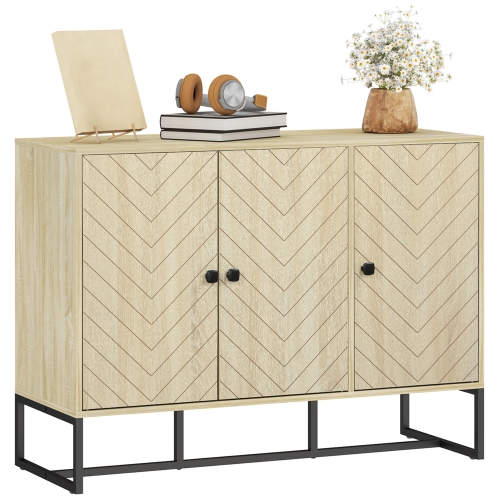
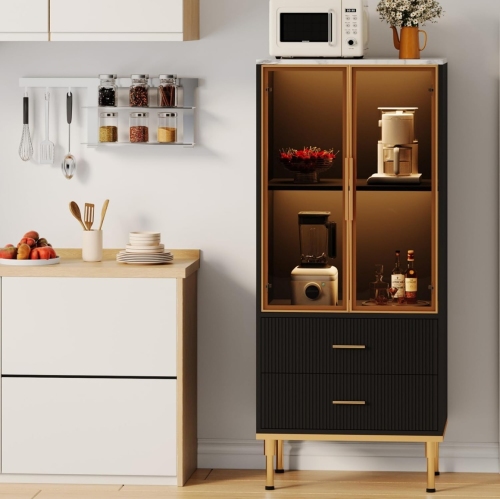
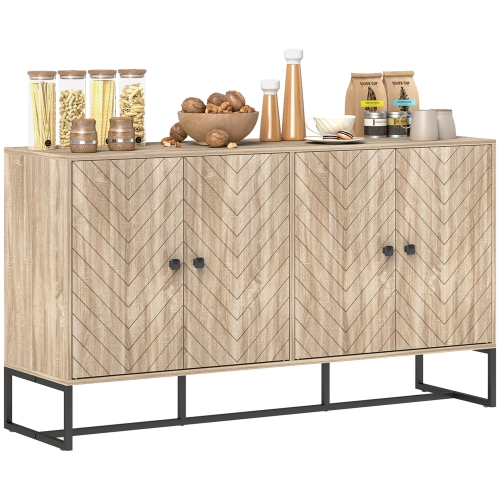
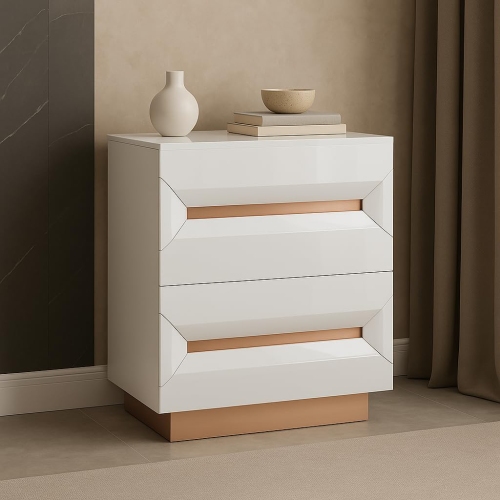
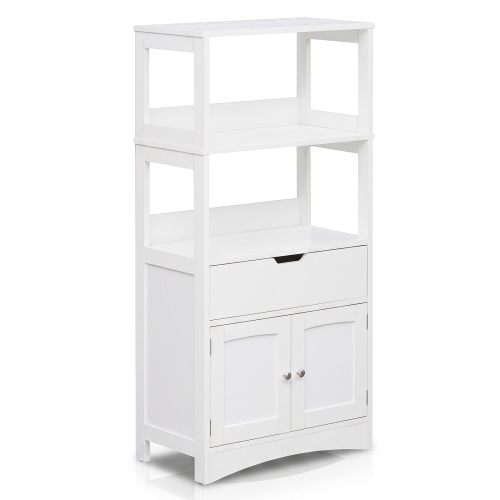
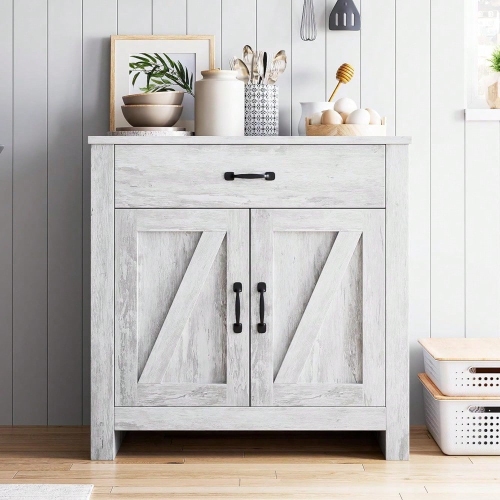
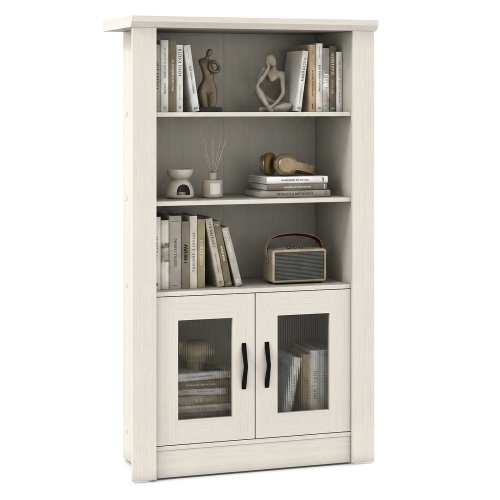
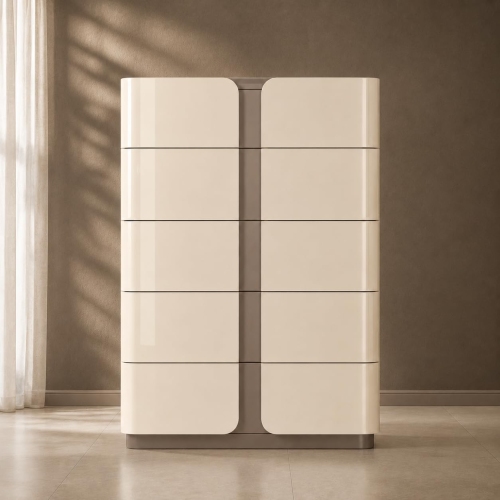
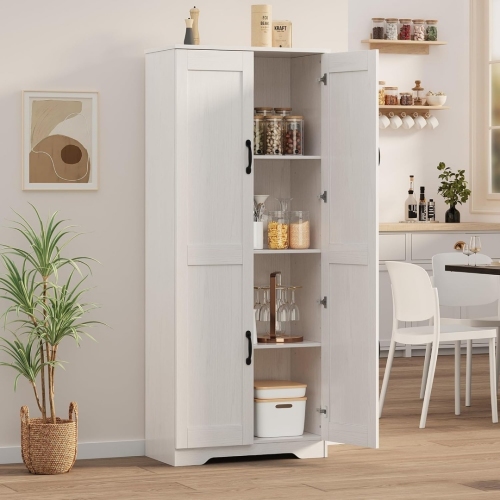
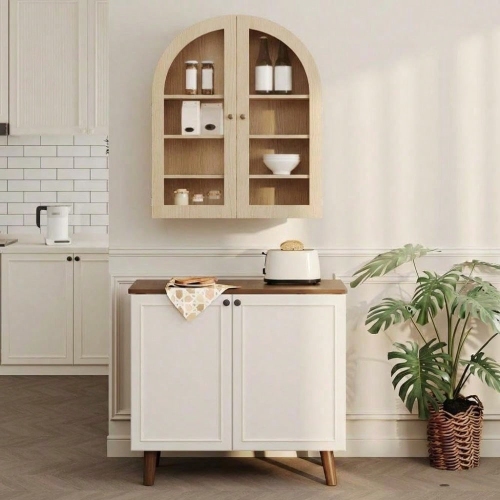
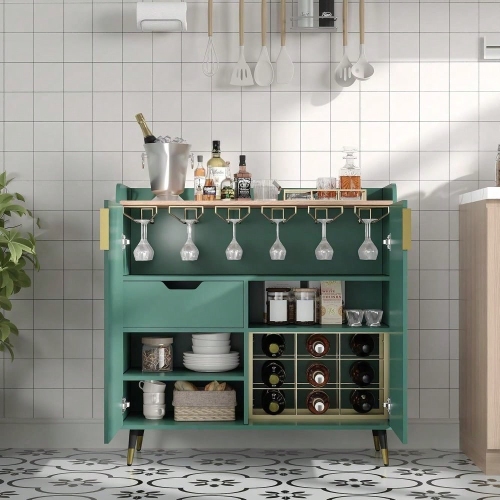
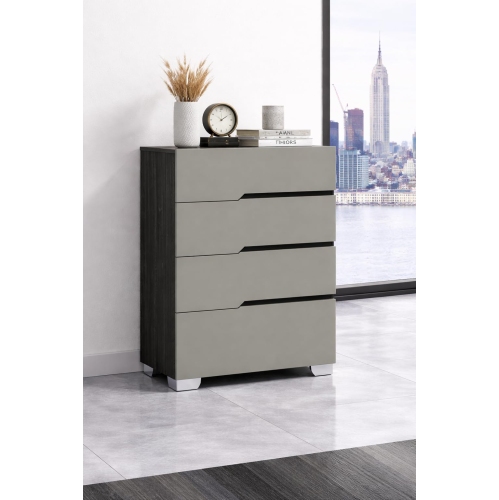
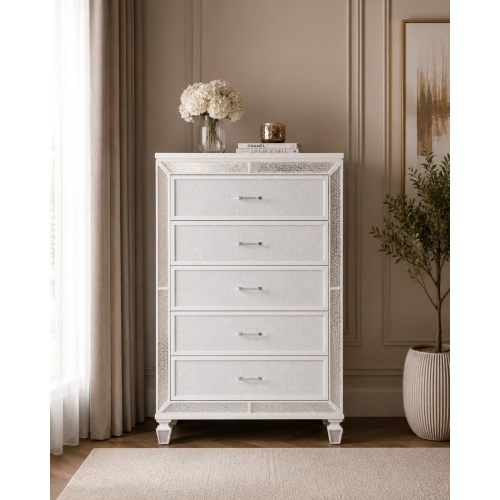
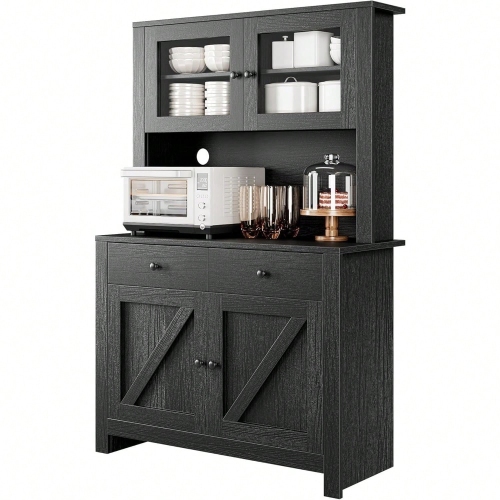
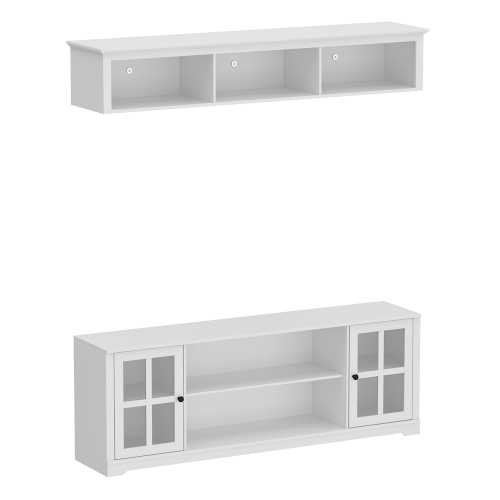
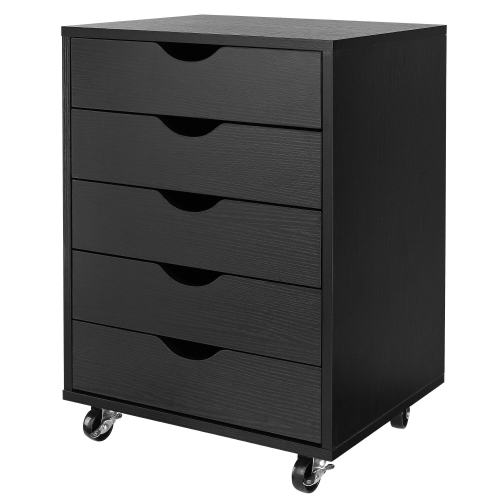
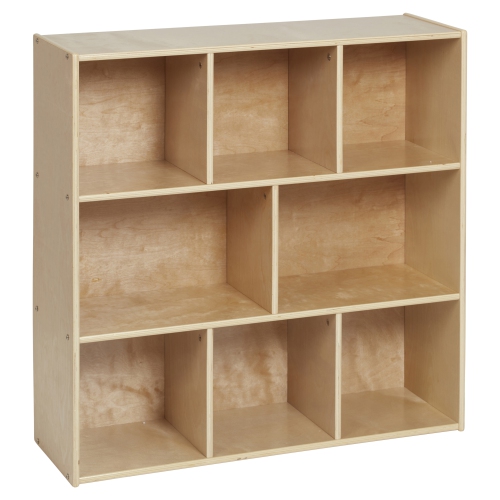
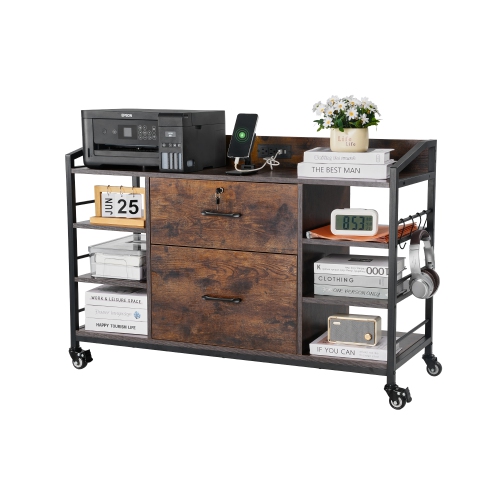
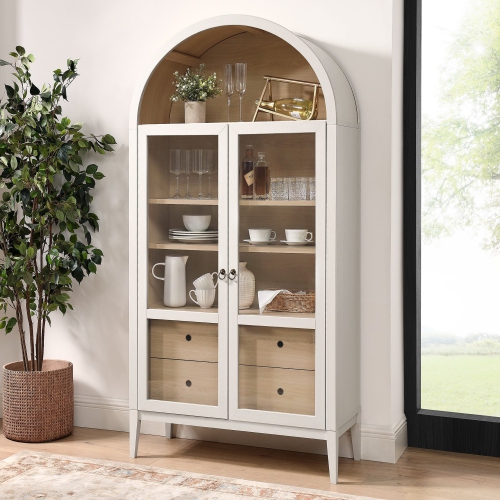
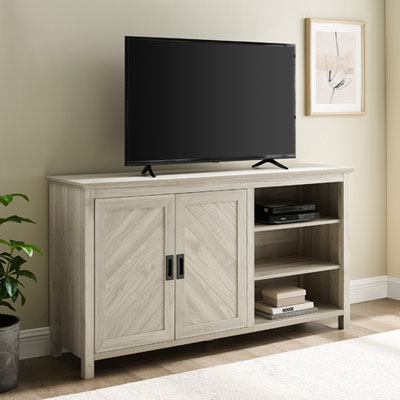
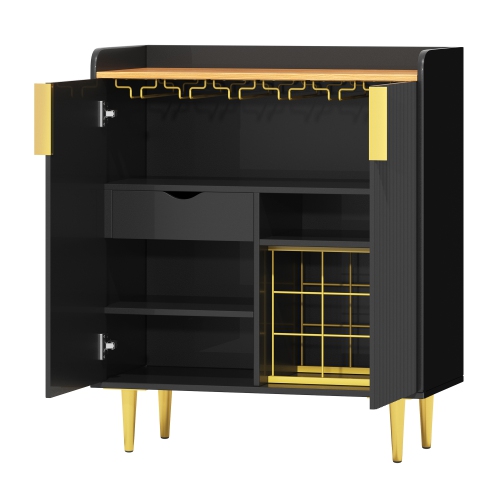
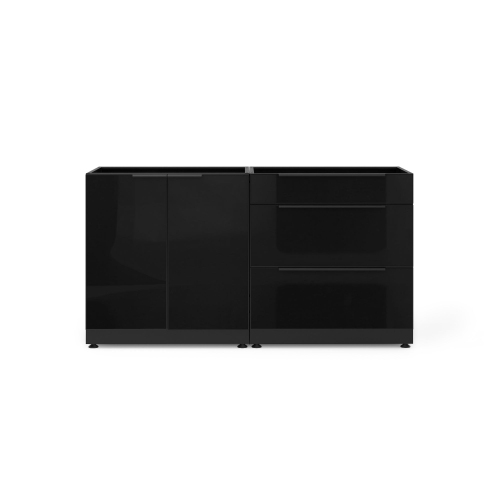
Transitional cabinets bring together the familiar comfort of classic cabinetry and the uncluttered appearance of contemporary design. They are often recognized by simple Shaker, recessed-panel, or flat-panel doors with square edges, restrained profiles, and little or no decorative carving. The result is a look that feels polished without being overly formal and modern without appearing stark. Soft white, warm grey, beige, taupe, muted sage, navy, and natural wood tones are common choices, while matte painted finishes and visible wood grain add quiet character. This balanced style works particularly well when a room needs to connect different design influences, such as a character-filled home with updated appliances or a new build with traditional architectural details. Transitional cabinets can be used for kitchen storage, bathroom vanities, laundry rooms, mudrooms, home offices, and other spaces where practical organization needs to look considered. Their straightforward appearance also makes them easy to coordinate with a broad range of counters, floors, backsplashes, faucets, lighting, and wall colours. For a warmer room, natural oak-inspired tones and brushed metal hardware can echo the texture of wood flooring or woven accents. For a cleaner, more tailored effect, light cabinetry with dark pulls creates crisp contrast. Homeowners who prefer a richer palette can also explore Black Cabinets, especially when they are paired with pale counters, warm wood details, or brushed brass fixtures to keep the overall space inviting.
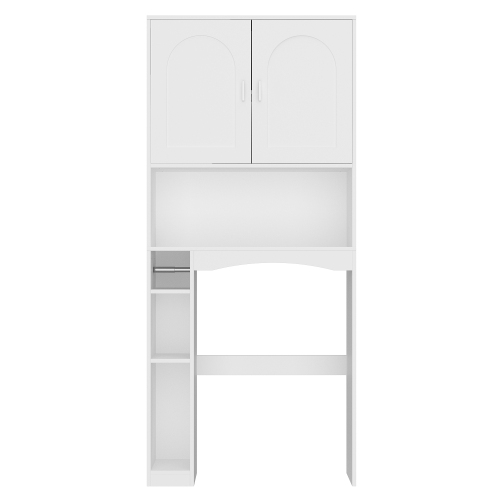
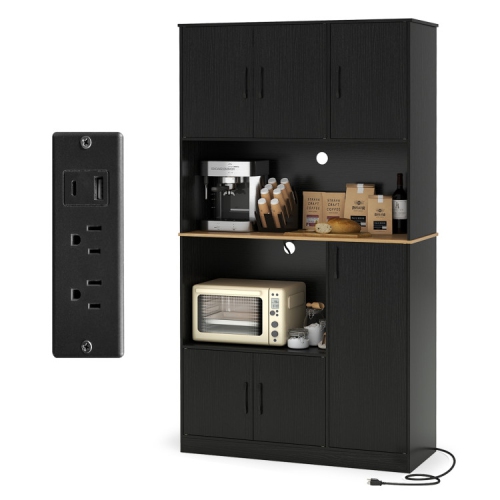
When choosing transitional cabinets, start with the room’s layout, available wall space, and storage needs rather than colour alone. Base cabinets are useful for supporting counters and keeping frequently used items within easy reach, while wall cabinets make use of vertical space for dishes, glassware, pantry goods, linens, and everyday supplies. Tall cabinets can create a dedicated home for brooms, small appliances, cleaning items, or pantry storage, and vanity-style cabinets can help organize toiletries beneath a bathroom sink. Measure carefully, including the width, height, depth, door swing, drawer clearance, nearby trim, plumbing, outlets, and appliances. A cabinet that looks compact in a product image may have a substantial footprint once doors and handles are opened, so leave enough clearance for comfortable movement through the room. It is also helpful to consider how the finish will look under the space’s actual lighting. A warm white can appear creamy beside daylight and cooler beneath LED bulbs, while grey may shift from soft and inviting to more pronounced depending on surrounding colours. Look at the door construction, interior shelf arrangement, drawer configuration, mounting requirements, and included hardware, and confirm whether assembly or installation is required. Transitional cabinetry is especially useful for gradual renovations because its adaptable lines can bridge existing features and future updates. If countertops, backsplash tile, flooring, or paint colours change later, a neutral cabinet profile is less likely to compete with the new selections. Simple hardware can be changed as the room evolves as well: brushed nickel suits a relaxed classic setting, matte black adds definition, and warm brass brings a more decorative note without changing the cabinet style.
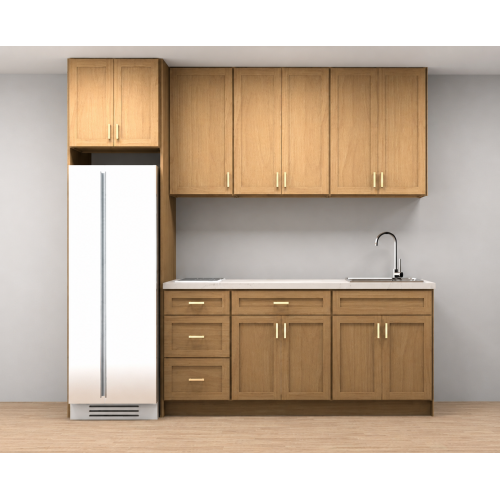
These cabinets suit people who want a home that feels welcoming, organized, and current without following a highly specific trend. They can complement the layered look of an older house, where clean doors provide a welcome contrast to crown moulding, hardwood floors, or original trim, and they can add warmth to a newer home with open-plan rooms and streamlined finishes. In a kitchen, transitional cabinetry can frame a central island, create a calm backdrop for meal preparation, or help separate cooking storage from dining and entertaining areas. In a bathroom, a well-planned vanity can make room for towels and grooming essentials while giving the space a tailored, furniture-like presence. In a mudroom or laundry area, cabinets can keep shoes, outerwear, baskets, and household supplies out of sight, which is particularly helpful as routines shift between warmer and cooler weather. For a home office, they can conceal paperwork and equipment while maintaining a composed background for video calls or focused work. When coordinating a complete room, aim for a deliberate mix of textures rather than matching every element exactly: smooth painted doors can sit comfortably beside a lightly grained counter, patterned tile, woven baskets, or natural wood accents. Keep the number of competing finishes manageable, and use handles, knobs, and lighting to repeat a chosen metal or introduce a small point of contrast. Reviewing cabinet dimensions, finish descriptions, storage features, installation details, and care instructions before ordering helps ensure the selection suits both the room and the way it is used. With their clean profiles, versatile colours, and ability to bridge classic and modern details, transitional cabinets offer a dependable foundation for kitchens, bathrooms, and practical living spaces throughout the home.
Top selling and popular products
-
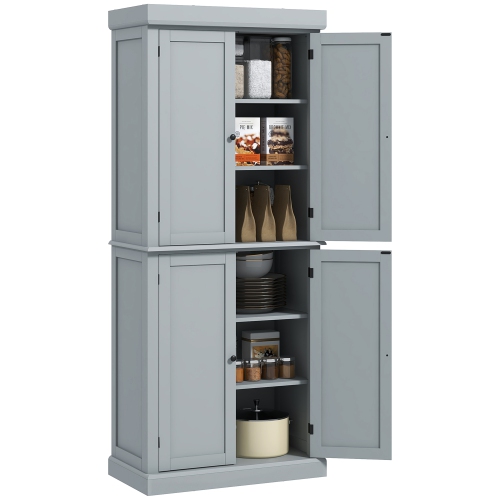 Your price for this item is $289.99
-
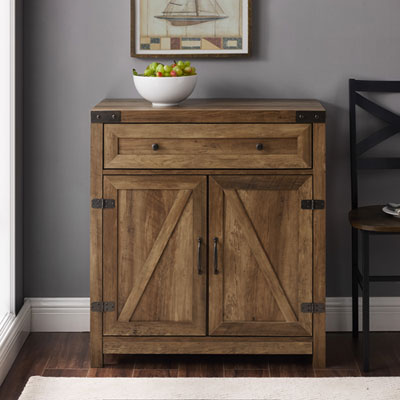 Your price for this item is $401.99
-
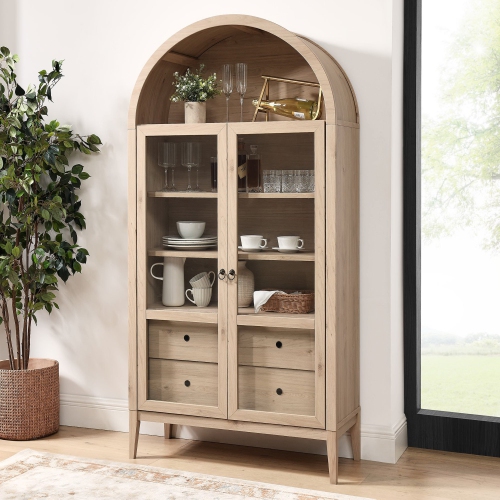 Your price for this item is $1155.71
-
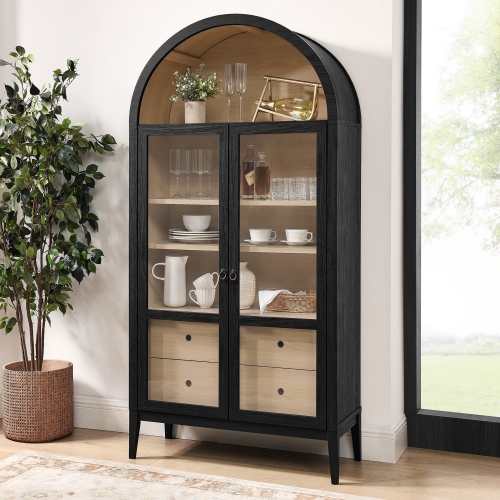 Your price for this item is $1155.71
-
 Your price for this item is $1155.71
-
 Your price for this item is $593.99
-
 Your price for this item is $155.99
-
 Your price for this item is $452.93
Discover more categories related to Transitional Cabinets
Top Collections:
Pokemon Centers, Best Budget Office Chairs, Kindle Devices, Best Cameras for Sports Photography, Pokémon 30th Celebration Cards, Best Laptops for Writers, Canon G7X Cameras, iPhone 15 Apple, Best Cell Phones Under $300, Apple iPhones 16
Some products may be subject to Environmental Handling Fees
(EHF) depending on your province.
Learn more about EHFs.