Transitional Dining Tables
Looking to add a touch of elegance and versatility to your dining space? Our selection of transitional dining tables offers the perfect balance between classic and contemporary design, making them a stylish addition to almost any home. Whether you prefer a sleek and minimalist look or a more traditional aesthetic, these tables seamlessly blend different styles to create a unique and timeless appeal. Crafted with high-quality materials and impeccable craftsmanship, our transitional dining tables are not only visually stunning but also built to withstand the test of time. Explore our collection today and find the perfect centerpiece for your dining room that effortlessly combines sophistication with functionality.
Sort

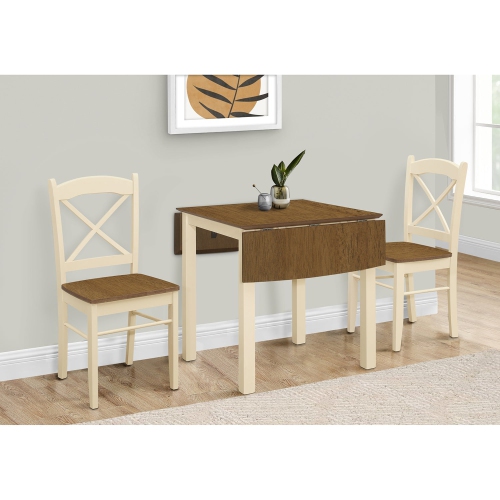


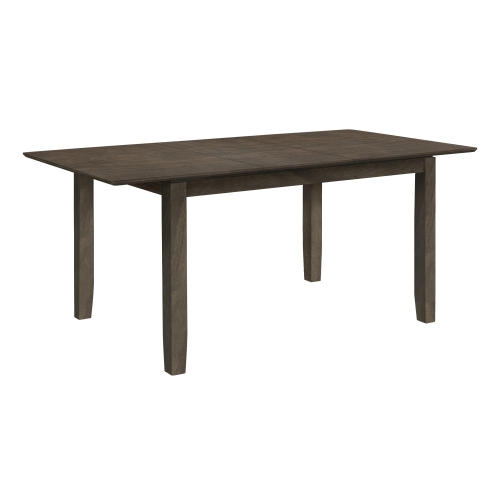


Traditional warmth meets clean lines at the dining table
Transitional dining tables combine the warmth and familiar proportions of traditional furniture with the simpler lines of contemporary design. The result is a dining table that feels comfortable beside upholstered chairs, streamlined cabinetry, or an inherited sideboard without making the room look tied to a single period. Typical design details include gently tapered legs, understated pedestal bases, softly rounded corners, and wood grain that adds character without elaborate carving. A substantial tabletop can give the dining area a sense of permanence, while a restrained base keeps the overall appearance lighter. This balance makes transitional styling useful in both dedicated dining rooms and open-plan spaces where the table needs to complement a kitchen and living area. Materials contribute as much to the look as the silhouette. Solid wood offers natural variation in grain and colour, and some solid-wood surfaces can be refinished when their construction and finish allow. Wood veneer provides a real wood surface over a supporting core, often allowing a consistent grain pattern across a broad tabletop. Veneer is not the same as a printed wood-look surface, and its thinner top layer requires care to avoid deep scratches or aggressive sanding. Engineered wood can provide a stable foundation, although performance depends on the core material, edge sealing, finish, and overall construction. Glass, stone, and metal accents can also suit transitional dining tables when their shapes remain understated. These materials bring different practical considerations: glass shows fingerprints readily, stone can be heavy and may need material-specific care, and metal finishes vary in their resistance to scratches. Finish colour helps establish the room’s mood. A warm brown tabletop can soften pale cabinetry, a lighter wood tone can sit comfortably beside neutral upholstery, and a darker finish can anchor a room with light walls. Coordinating undertones often matters more than matching every wood surface exactly, allowing the dining area to feel connected without looking like a complete matching set.
The right shape and proportions make a transitional dining table comfortable to use, not simply attractive to look at. Rectangular tables work well in longer rooms and create a clear arrangement for everyday meals, serving dishes, and larger gatherings. Round tables bring diners closer together and eliminate corners, which can help movement around a compact dining nook, although the base still affects how easily chairs tuck in. Oval tables offer some of the length of a rectangular surface with curved ends that soften its outline. Square tables can suit balanced rooms and smaller seating arrangements, but wider square surfaces may make dishes at the centre harder to reach. Seating capacity depends on usable edge space, chair width, and leg placement rather than tabletop length alone. Allowing approximately 24 inches of table edge per diner is a useful starting point, with more room needed for broad chairs or generous place settings. A pedestal may leave more flexibility around the perimeter, while corner legs, trestles, and cross-braces can restrict particular seating positions. For circulation, approximately 36 inches between the table edge and a wall or other furniture allows room to pull out a chair; a route used regularly behind seated diners benefits from additional clearance. Chair compatibility matters too, especially when armrests must fit beneath the tabletop or an apron reduces knee space. Standard-height dining tables are commonly around 28 to 30 inches tall, but checking both table and chair measurements gives a more reliable sense of fit. Extension tables provide a practical compromise for households that need a modest everyday footprint and extra seating for guests. Removable leaves require a suitable storage location, while self-storing designs keep the extension within the table. Drop-leaf designs can reduce the footprint further, provided the raised leaves and their supports suit the intended use. Measuring the fully extended table, as well as doorways, stairs, and access routes, helps account for both daily comfort and getting the furniture into the room.
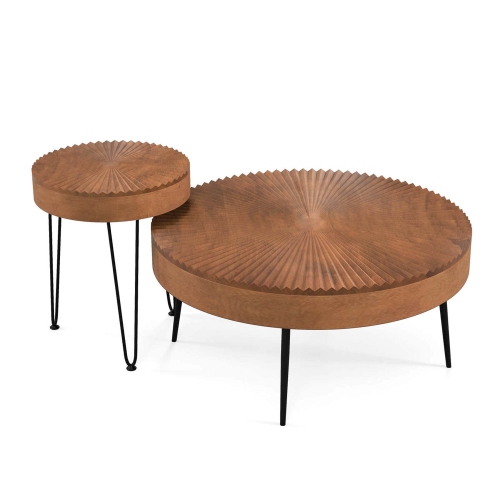
Everyday durability depends on construction, finish, and habits around the table. Secure joints, a well-supported top, and an appropriately proportioned base help a dining table feel steady when someone leans forward to serve food or a child settles in with homework. Extension mechanisms should align properly and lock or secure as designed, with leaves supported according to the manufacturer’s directions. A table used for family meals, puzzles, and occasional laptop work has different demands from one reserved mainly for dinner guests. Smooth, sealed surfaces are generally easier to wipe down, while deep grooves, heavily textured finishes, and intricate bases can take more attention to keep clean. A soft cloth, prompt spill cleanup, and cleaning products approved for the surface help protect the finish. Wood and veneer tops benefit from coasters, placemats, and trivets; hot cookware should not sit directly on the surface, and pooled liquid can damage vulnerable edges or seams. Abrasive cleaners and rough scrubbing can dull or scratch finishes, while stone surfaces may require sealing or other care depending on the material. Felt pads beneath objects help reduce scratches, and lifting rather than dragging serving pieces protects the tabletop. The surrounding furniture also shapes how the table functions. Upholstered dining chairs can make longer meals more comfortable, wipeable seating can simplify cleanup, and a bench may offer flexible seating if its dimensions and clearance suit the base. A nearby sideboard keeps serving pieces within reach without crowding the dining surface. In an open-plan home, repeating a curved shape, wood tone, or understated leg detail through Transitional Round Coffee Tables can connect the dining and living areas without requiring identical furniture. This adaptable style suits a first shared home, a busy family dining space, or a room being refreshed around furniture already owned. A well-proportioned transitional dining table leaves room for those changing arrangements, from a quiet breakfast for two to a full table of guests.
Top selling and popular products
-
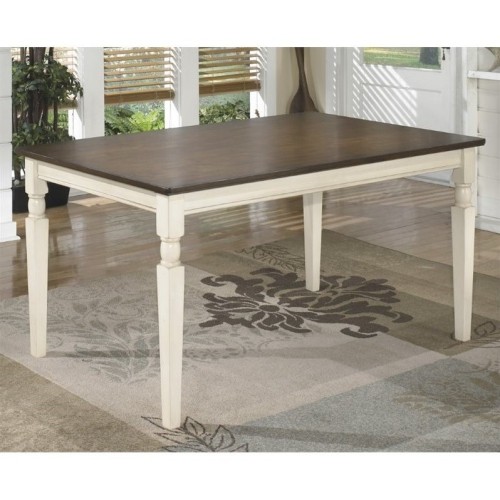 Your price for this item is $399
-
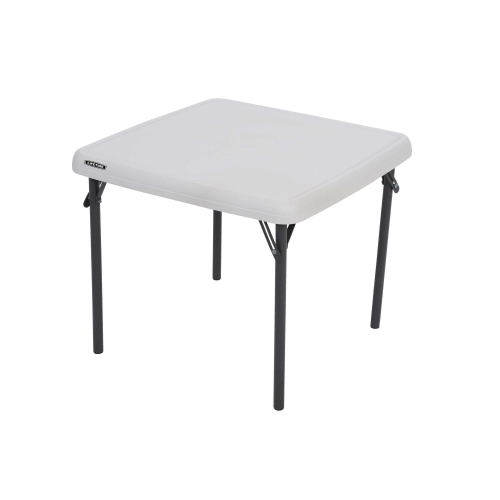 Your price for this item is $71.99
-
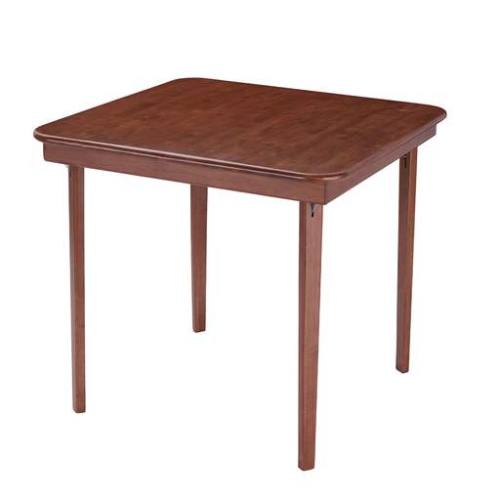 Your price for this item is $323.99
-
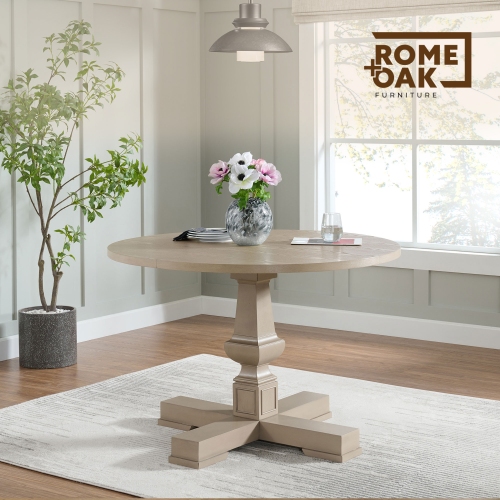 Your price for this item is $763.99
-
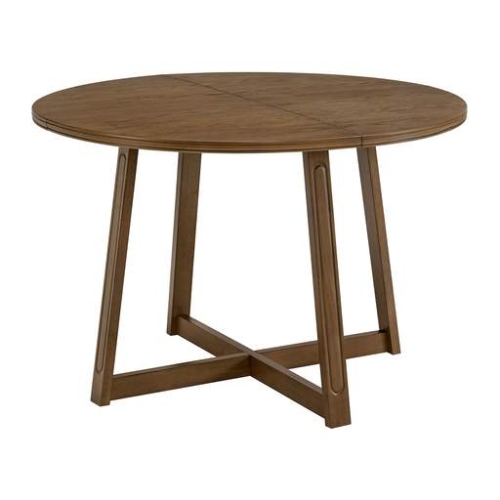 Your price for this item is $627.99
-
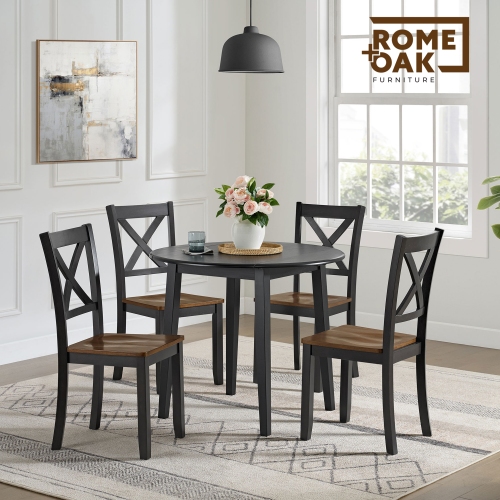 Your price for this item is $304.99
-
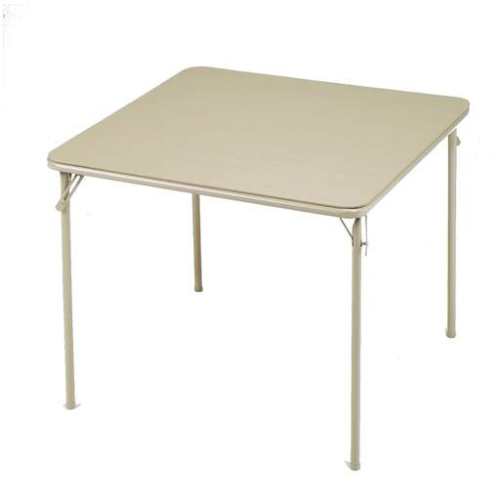 Your price for this item is $190.99
-
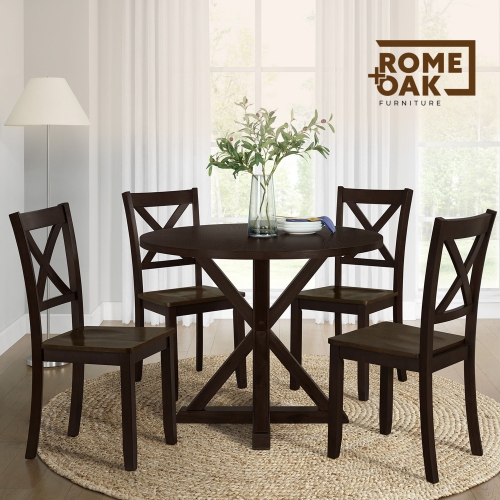 Your price for this item is $651.99
Discover more categories related to Transitional Dining Tables

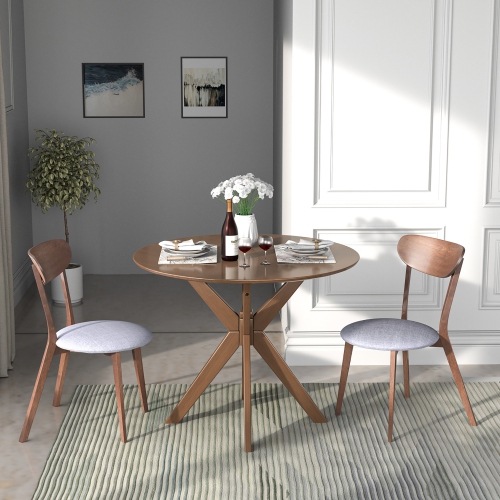
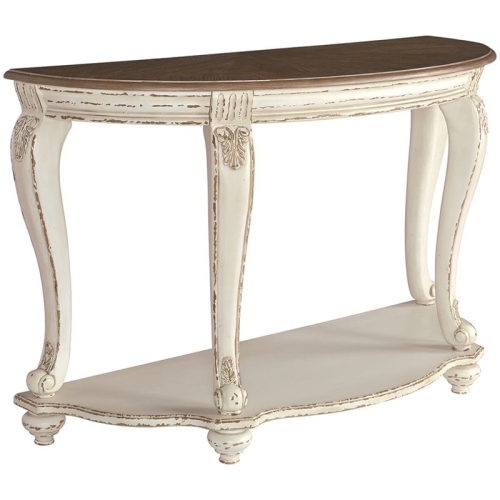
Top Collections:
Pokemon Centers, Kindle Devices, Best Cameras for Sports Photography, Pokémon 30th Celebration Cards, Apple iPhones 16, Canon G7X Cameras, iPhone 15 Apple, Flip Phones, Samsung Galaxy Phones, Alarm Clock
Some products may be subject to Environmental Handling Fees
(EHF) depending on your province.
Learn more about EHFs.