Tree Pruning Tools
Whether you're a seasoned gardener or just starting to cultivate your green thumb, having the right tools for tree pruning is essential for maintaining the health and appearance of your outdoor space. From shears to saws and everything in between, our selection of tree pruning tools offers a wide range of options to suit every gardening need. With sturdy construction, ergonomic designs, and precision cutting capabilities, these tools are designed to make your pruning tasks easier and more efficient.
Sort
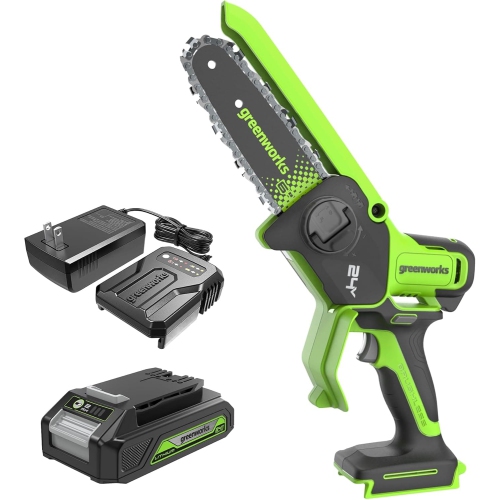
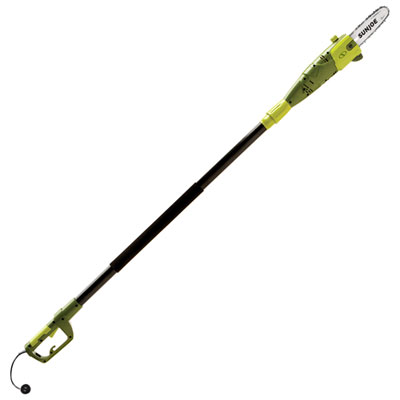
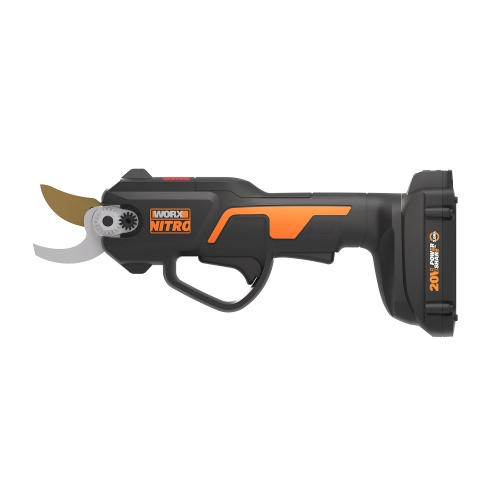
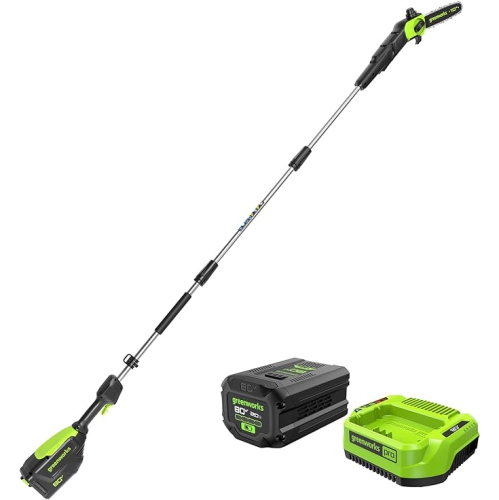
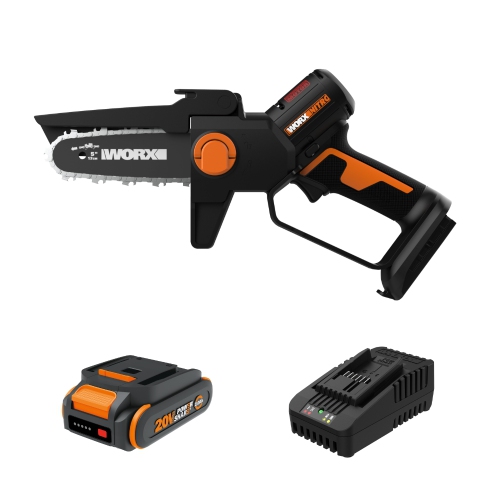
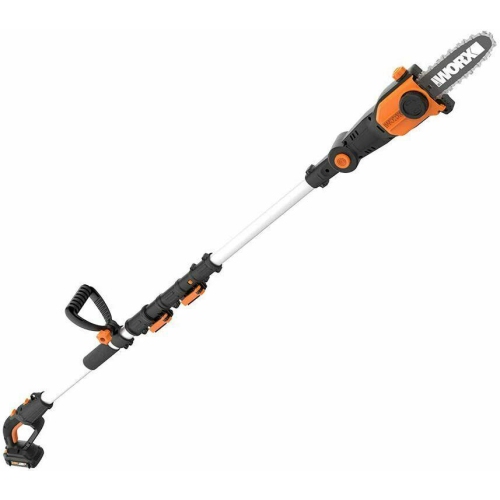
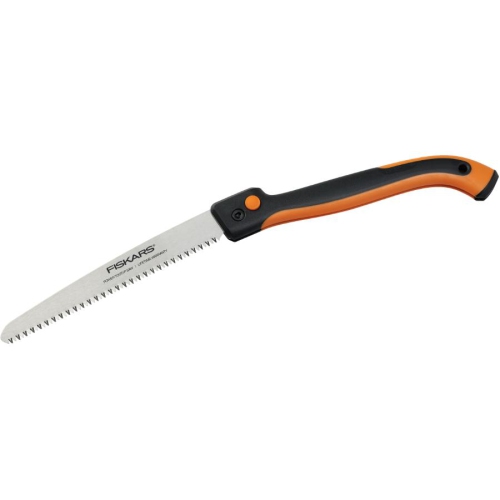
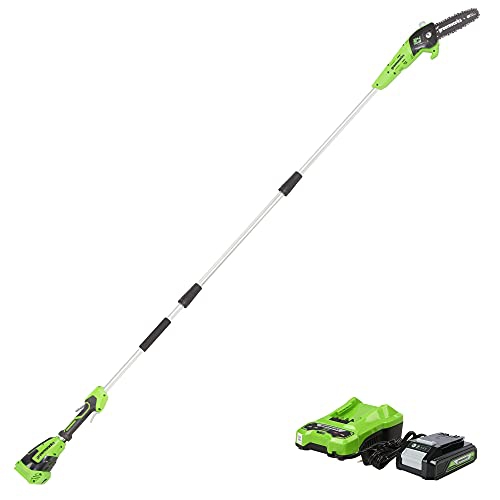

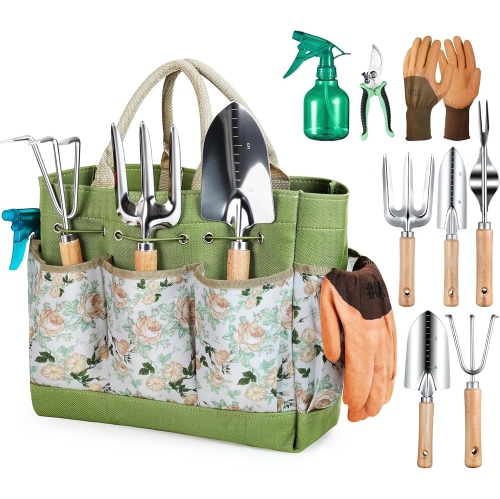
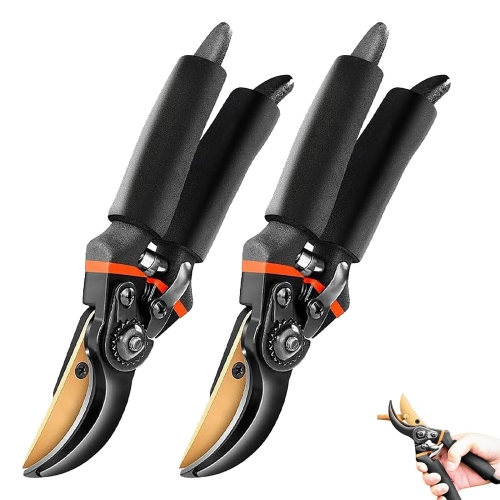
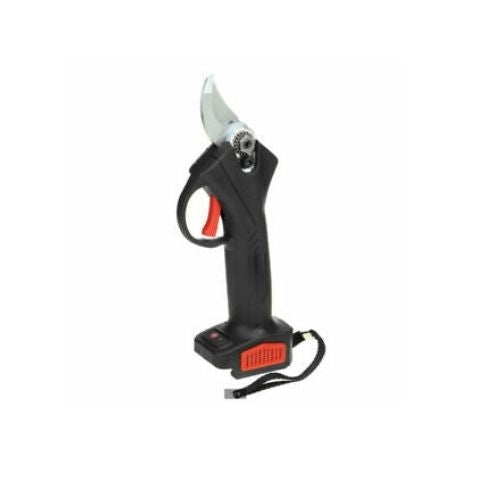
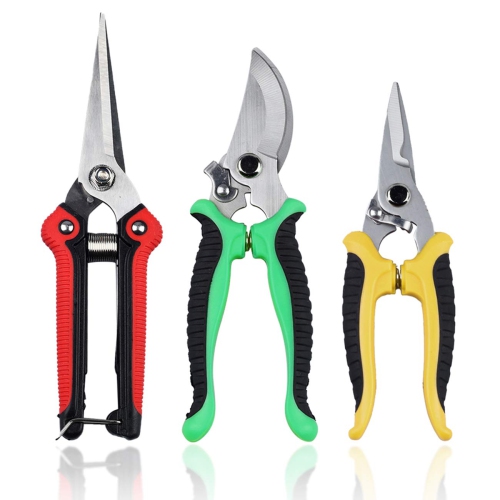
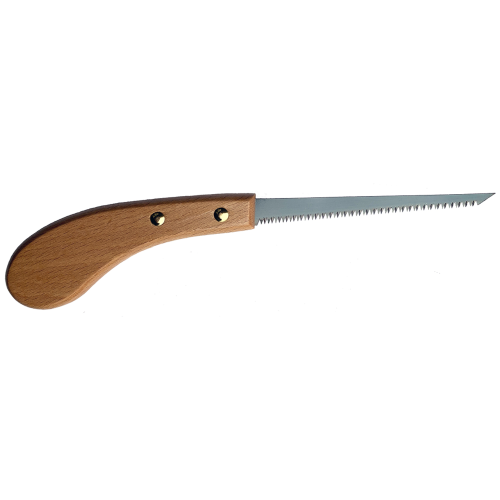
Practical guidance for safer, cleaner tree pruning cuts
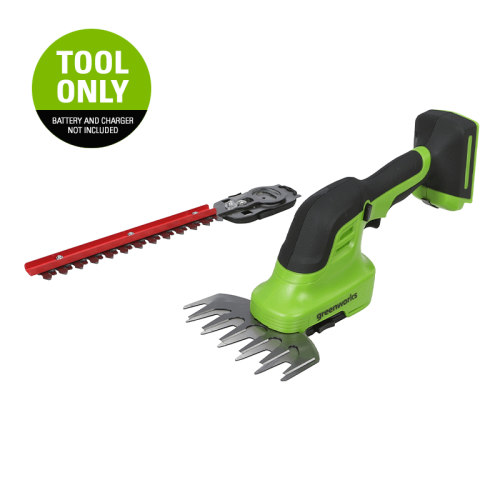
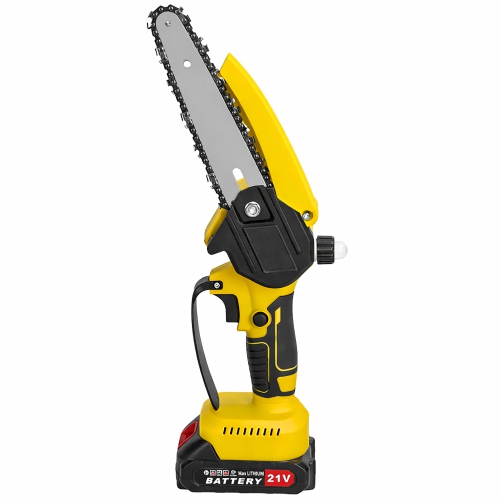
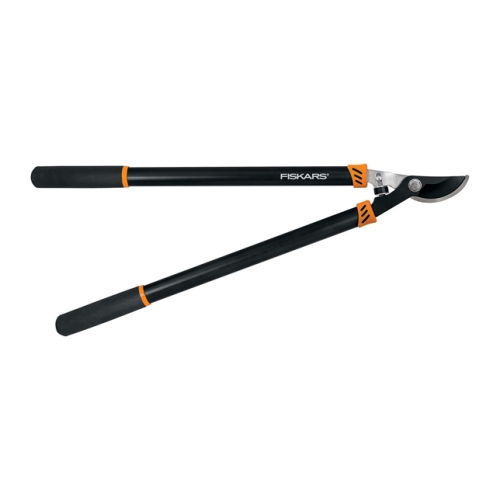
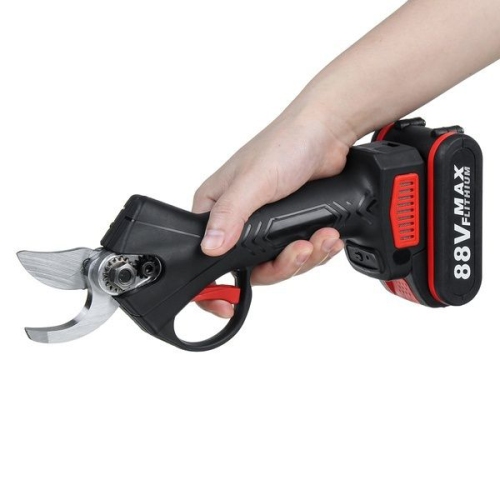
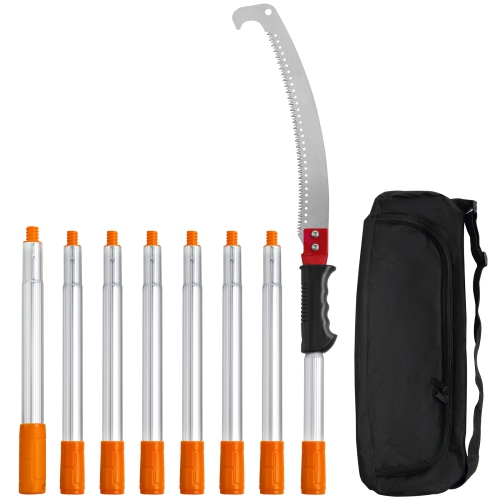
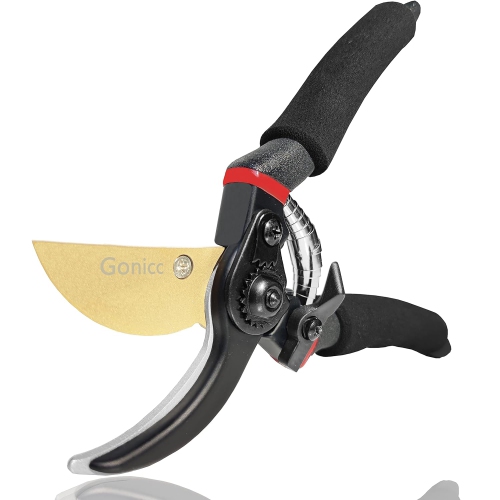
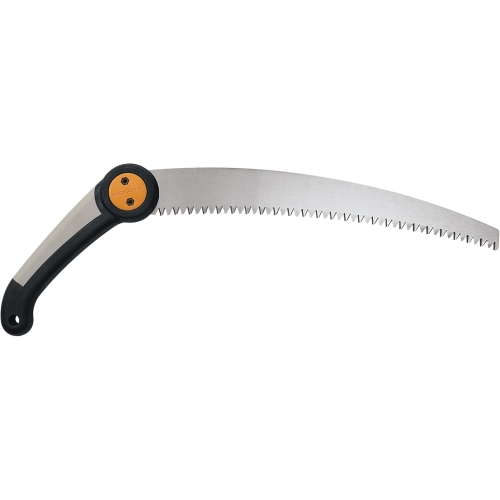
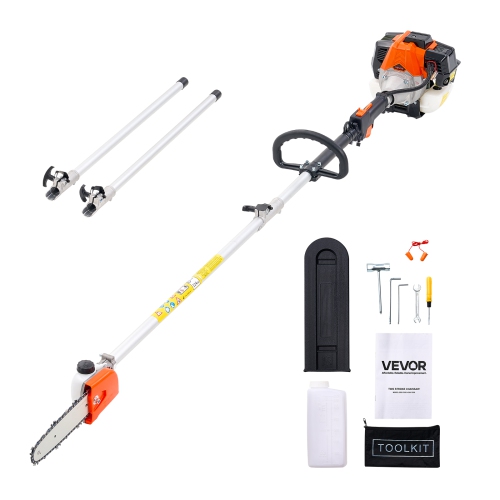
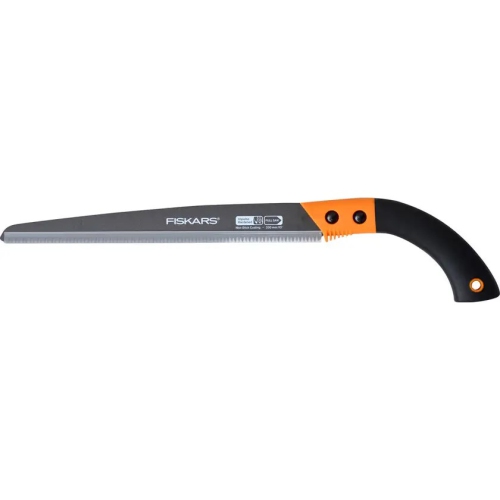
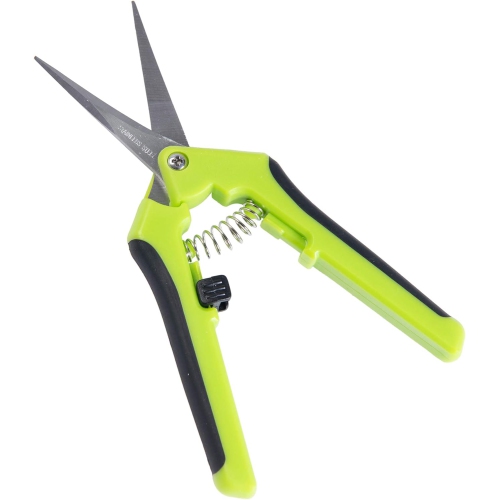
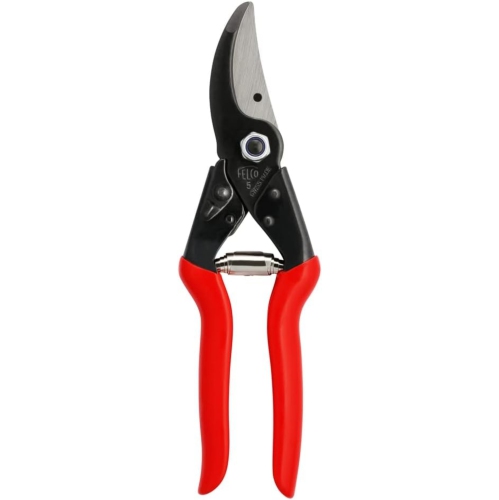
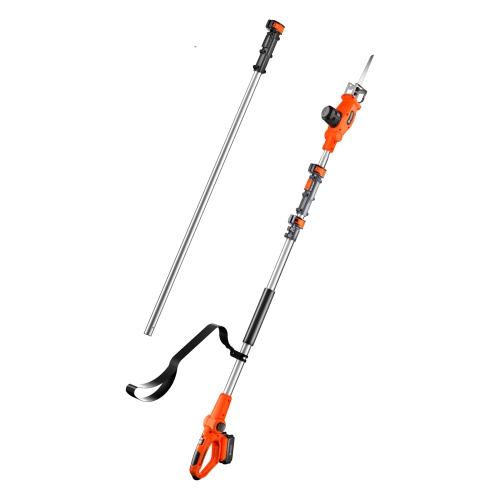
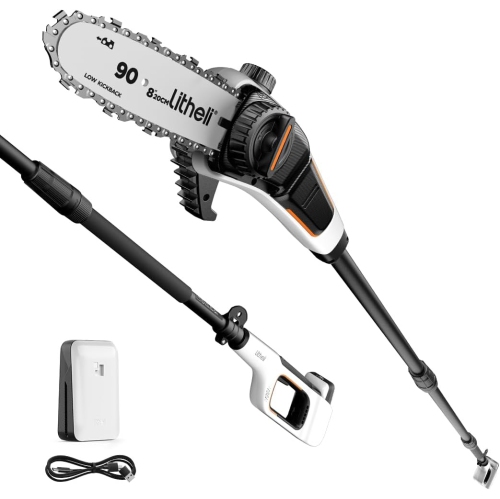
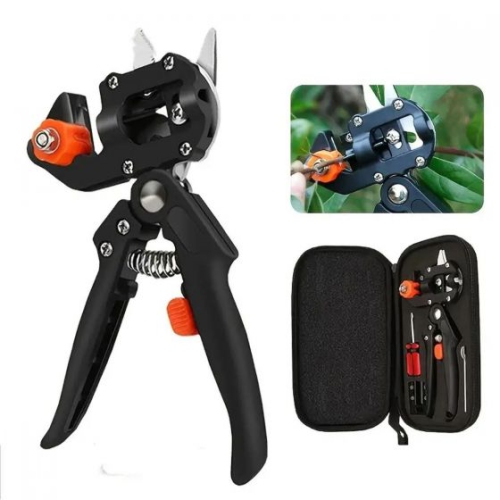
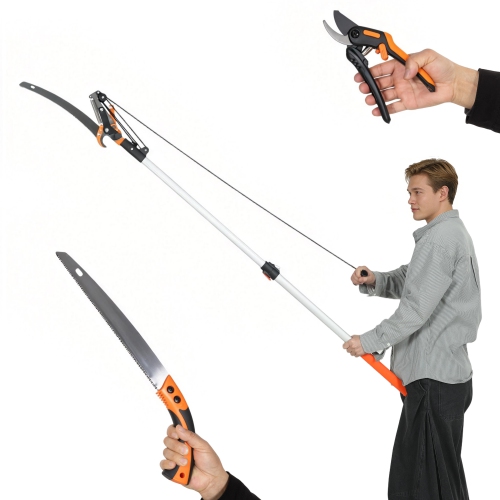
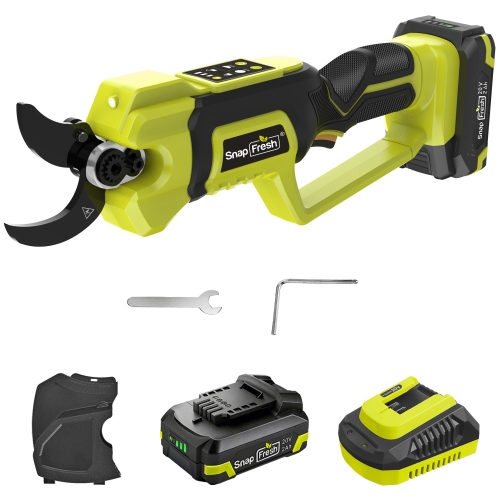
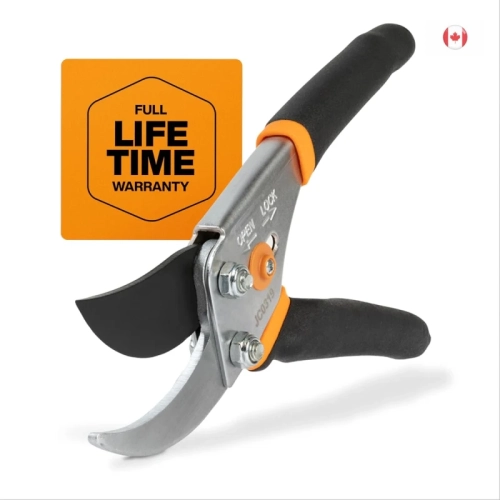
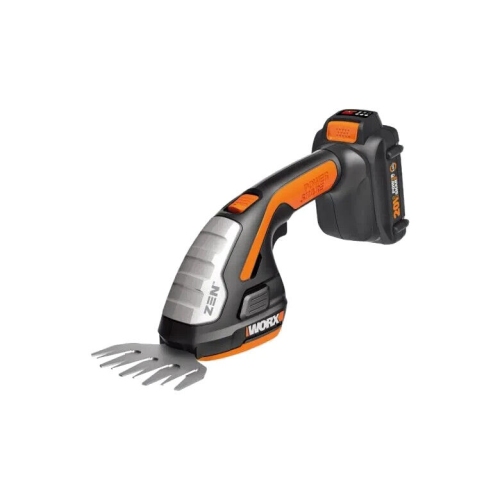
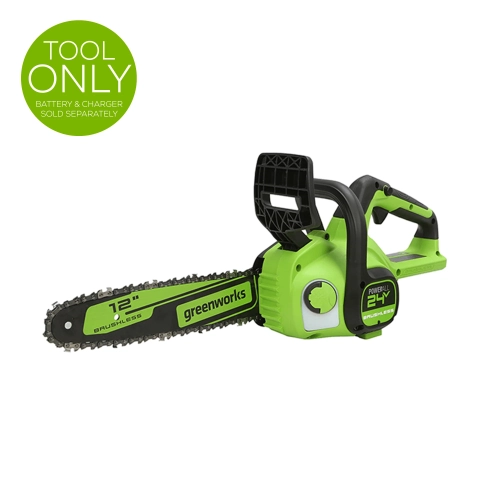
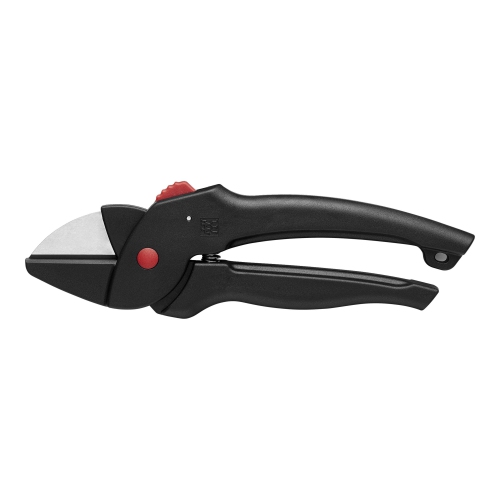
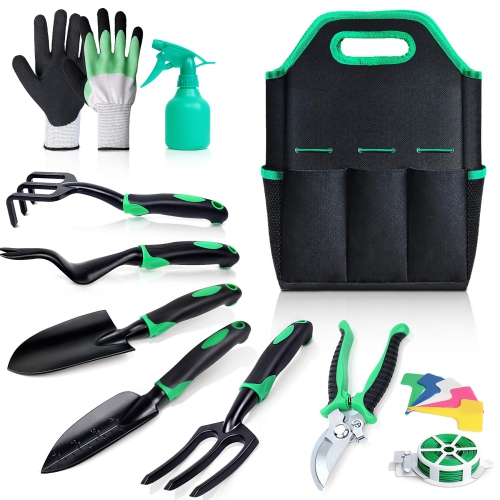
Tree pruning tools help make routine yard care more manageable, whether you are shaping a young tree, clearing dead growth, maintaining fruit trees, or removing branches that have become damaged by wind. The right choice depends mainly on the branch thickness, the height of the cut, the type of wood, and the amount of control you need. Hand pruning shears, also called secateurs, are suited to fine twigs and smaller living stems, often up to about 3/4 inch thick. Bypass shears have two curved blades that pass each other, creating a clean cut on green, flexible wood and making them a practical choice for detailed pruning around shrubs, saplings, and narrow branches. Anvil shears use a blade that closes against a flat surface and can be useful for dry or dead wood, where the cutting action does not need to be as delicate. If you regularly move between living branches and dry growth, having the correct style for each task can help reduce crushed stems and ragged cuts. For a closer look at this essential category, explore Pruning Shears. Look for comfortable handles, a secure locking mechanism, and blades that are easy to clean after use. A good grip matters more than it may seem; a cool morning spent working in a damp garden can make smooth or narrow handles difficult to hold, while padded or contoured handles may feel more secure during repeated cuts. Loppers extend your reach and provide more leverage through their longer handles, making them suitable for branches that are too thick for hand shears but still manageable from ground level. Depending on the design and the wood, loppers are commonly used on branches measuring roughly 1.5 to 2 inches in diameter. Ratcheting or geared mechanisms can make a noticeable difference when each cut requires extra force, especially for gardeners with less hand strength or for larger pruning jobs. For branches beyond the practical range of loppers, a pruning saw offers the control and cutting capacity needed for thicker wood. Pull-stroke saws, including curved designs, are often made to remove material efficiently while keeping the cut easy to guide. Always check the manufacturer’s recommended branch diameter rather than relying on appearance alone, since a dry branch, a hardwood species, or an awkward cutting angle can require more effort than its size suggests.
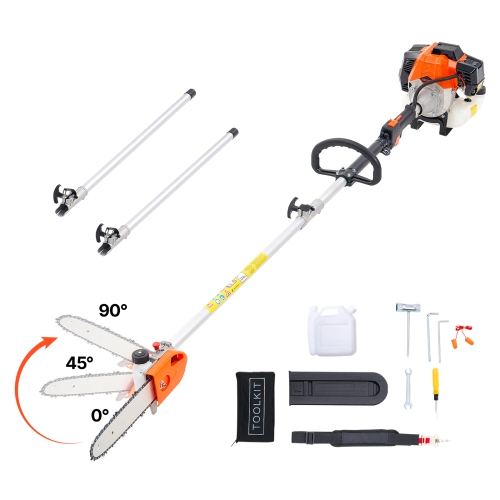
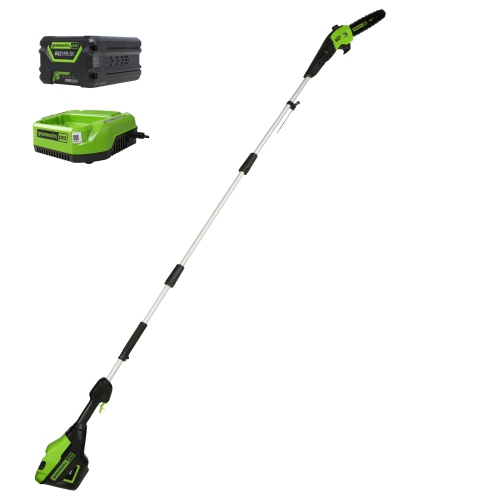
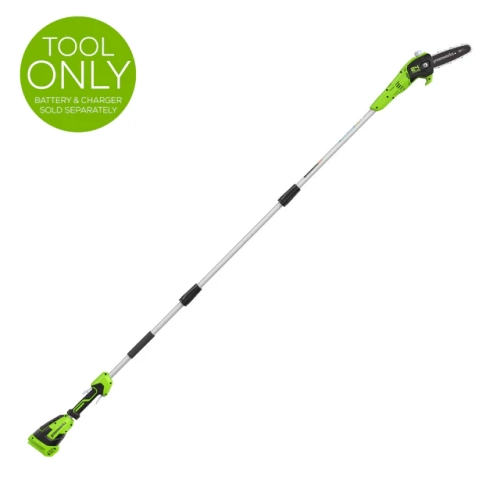
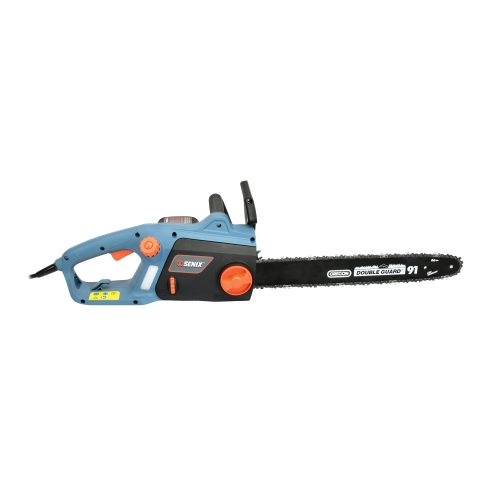
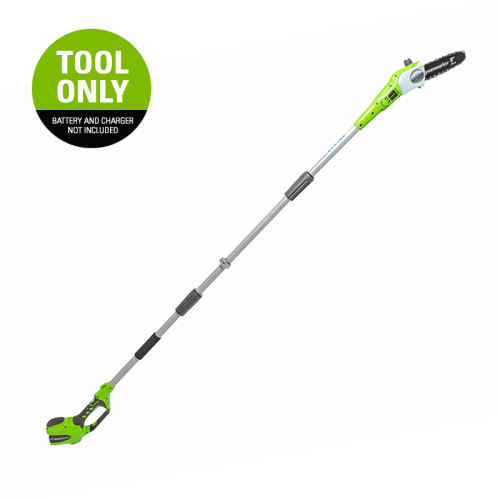
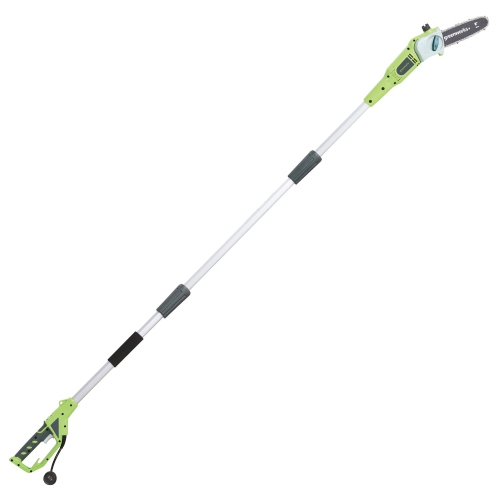
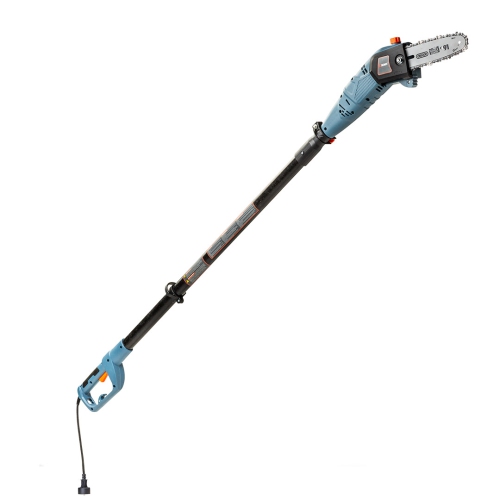
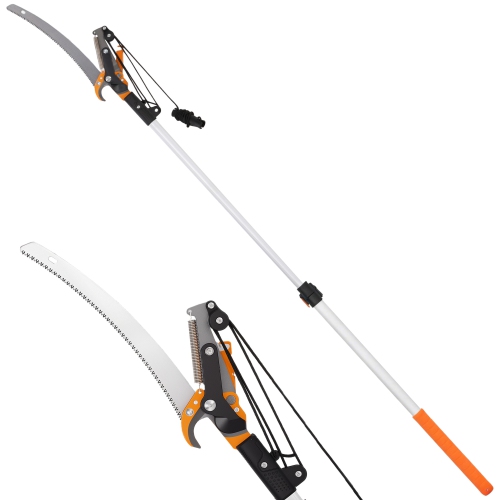
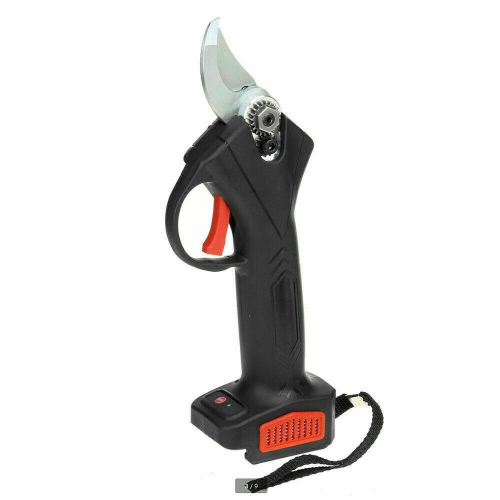
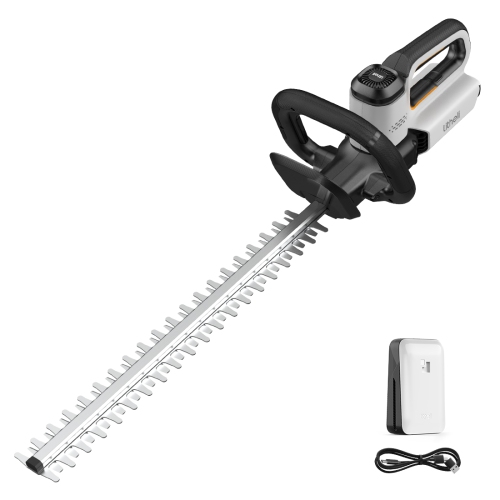
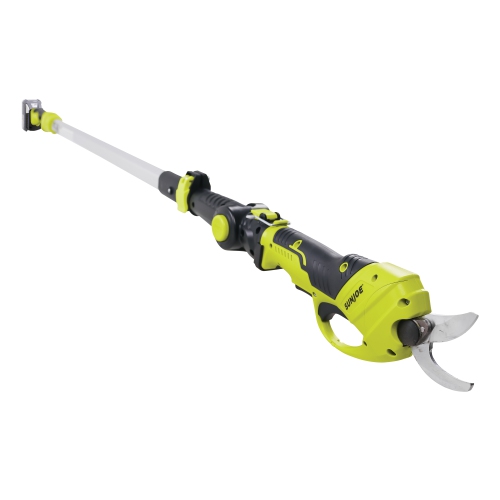
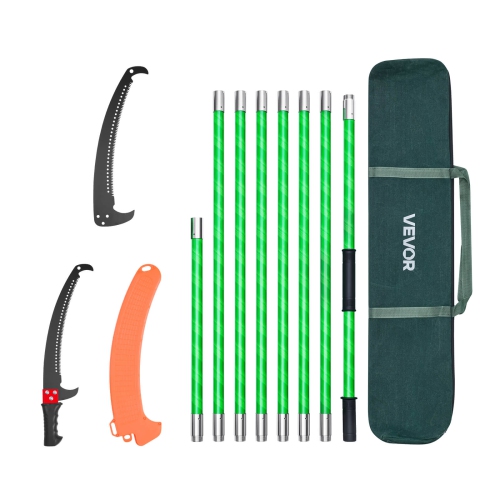
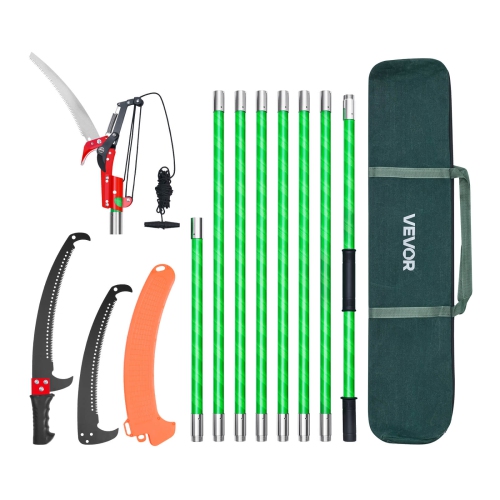
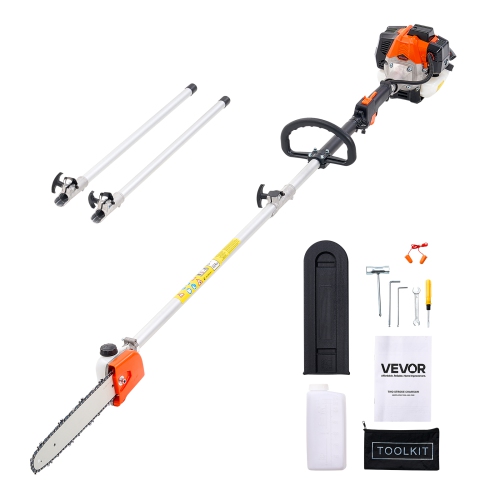
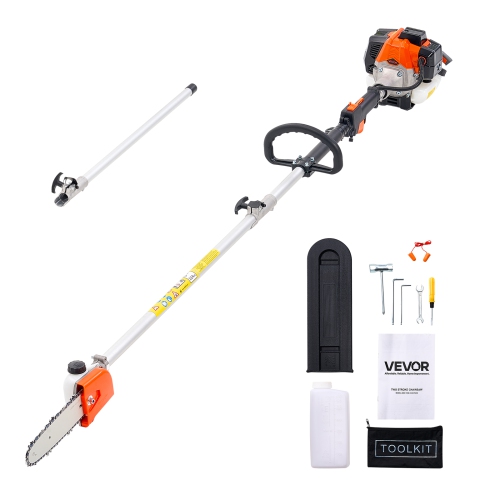
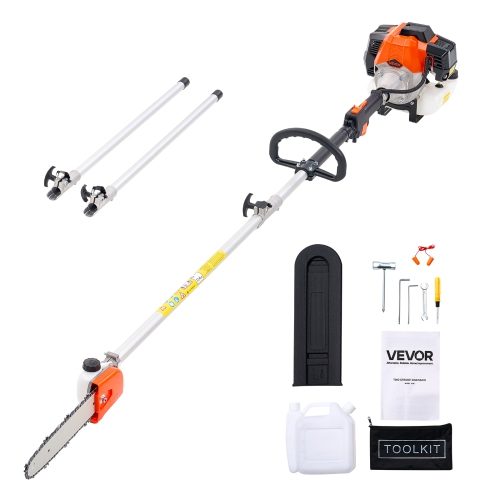
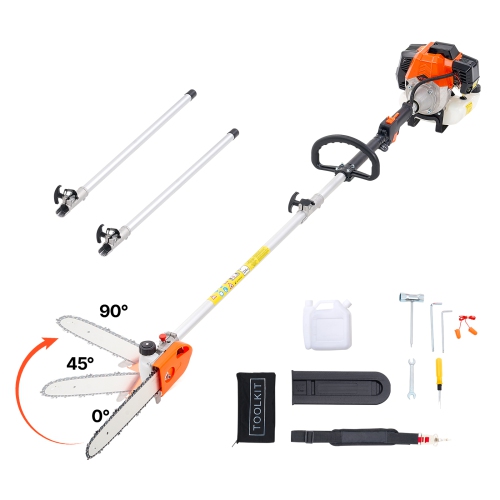
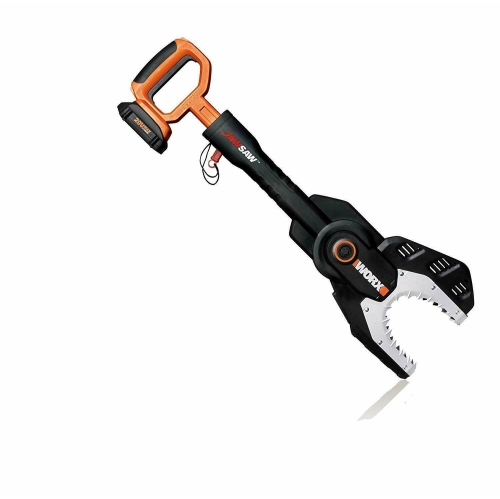
Height is another important consideration when choosing tree pruning tools. Pole pruners and pole saws allow you to reach selected upper branches while keeping both feet on the ground, which can be more stable than stretching from a ladder. Extendable shafts are useful when trees have a range of reachable heights, and adjustable heads can help position the blade around a branch without forcing your wrists into an uncomfortable angle. These tools are intended for controlled cuts on accessible branches, not for tackling large limbs overhead or working near power lines. If a branch is heavy enough to fall unpredictably, sits close to a building or service wire, or requires climbing, professional tree service is the safer option. Before making a cut, inspect the area for loose limbs, people, pets, garden furniture, and other obstacles. Wear eye protection to guard against chips and falling debris, sturdy gloves for grip and hand protection, and footwear with reliable traction. With powered tools, follow the operating instructions closely and keep the cutting area clear; hearing protection may also be appropriate. Manual tools can be quieter and easier to control for small jobs, while powered pole saws may be convenient when several thicker branches need attention, provided the operator is comfortable with the added weight and movement. Tool balance is worth considering in the store or at home: a long pole that feels manageable for a few seconds may become tiring when held at shoulder height for several minutes. Look for shaft length, total weight, battery or power requirements where applicable, blade access, and whether replacement parts are available. A compact hand tool may suit someone caring for a small urban yard, while a homeowner with mature trees may appreciate a combination of shears, loppers, and a pruning saw. Gardeners who enjoy shaping ornamental trees often value precise cutting and a comfortable grip, whereas someone clearing storm-damaged growth may prioritize leverage, reach, and a sturdy saw. Tree pruning tools can also make thoughtful gifts for new homeowners, allotment gardeners, cottage owners, and anyone building a practical collection of outdoor equipment. A well-chosen set can turn an overgrown corner, tangled branch cluster, or neglected fruit tree into a more orderly part of the yard without requiring a large assortment of unrelated tools.
Pruning is generally easier when planned around the tree’s growth cycle and local weather, but timing varies by species and the purpose of the cut. During the cooler months, many deciduous trees have fewer leaves, making branch structure easier to see, while the absence of dense foliage can help identify crossing, broken, or dead limbs. Some flowering trees set buds well before they bloom, so removing branches at the wrong time may reduce flowers in the next growing season. Fruit trees, evergreens, young trees, and trees recovering from damage can each have different needs, and local horticultural guidance is useful when the plant is unfamiliar. Avoid working in icy, wet, or windy conditions, when footing and visibility may be poor and branches can move unexpectedly. A clean, properly sized tool should make a controlled cut without excessive twisting, crushing, or repeated sawing. Keep blades free of sap and debris, dry metal parts after cleaning, and store tools in a dry location with cutting edges protected. A light maintenance routine can help preserve smooth action through the changing seasons, particularly after working on resinous wood or damp branches. It is also helpful to consider storage before buying: long-handled loppers and pole tools need more room, while folding saws and compact shears can fit easily in a garden tote or workshop drawer. Whether the goal is a few careful cuts around a front-yard tree or broader maintenance across a larger property, matching the tool to branch diameter and reach is the best way to work efficiently and safely. The most useful tree pruning tools are the ones that feel balanced in your hands, suit the wood you expect to cut, and give you enough reach and leverage to complete the job from a stable position.
Height is another important consideration when choosing tree pruning tools. Pole pruners and pole saws allow you to reach selected upper branches while keeping both feet on the ground, which can be more stable than stretching from a ladder. Extendable shafts are useful when trees have a range of reachable heights, and adjustable heads can help position the blade around a branch without forcing your wrists into an uncomfortable angle. These tools are intended for controlled cuts on accessible branches, not for tackling large limbs overhead or working near power lines. If a branch is heavy enough to fall unpredictably, sits close to a building or service wire, or requires climbing, professional tree service is the safer option. Before making a cut, inspect the area for loose limbs, people, pets, garden furniture, and other obstacles. Wear eye protection to guard against chips and falling debris, sturdy gloves for grip and hand protection, and footwear with reliable traction. With powered tools, follow the operating instructions closely and keep the cutting area clear; hearing protection may also be appropriate. Manual tools can be quieter and easier to control for small jobs, while powered pole saws may be convenient when several thicker branches need attention, provided the operator is comfortable with the added weight and movement. Tool balance is worth considering in the store or at home: a long pole that feels manageable for a few seconds may become tiring when held at shoulder height for several minutes. Look for shaft length, total weight, battery or power requirements where applicable, blade access, and whether replacement parts are available. A compact hand tool may suit someone caring for a small urban yard, while a homeowner with mature trees may appreciate a combination of shears, loppers, and a pruning saw. Gardeners who enjoy shaping ornamental trees often value precise cutting and a comfortable grip, whereas someone clearing storm-damaged growth may prioritize leverage, reach, and a sturdy saw. Tree pruning tools can also make thoughtful gifts for new homeowners, allotment gardeners, cottage owners, and anyone building a practical collection of outdoor equipment. A well-chosen set can turn an overgrown corner, tangled branch cluster, or neglected fruit tree into a more orderly part of the yard without requiring a large assortment of unrelated tools.
Pruning is generally easier when planned around the tree’s growth cycle and local weather, but timing varies by species and the purpose of the cut. During the cooler months, many deciduous trees have fewer leaves, making branch structure easier to see, while the absence of dense foliage can help identify crossing, broken, or dead limbs. Some flowering trees set buds well before they bloom, so removing branches at the wrong time may reduce flowers in the next growing season. Fruit trees, evergreens, young trees, and trees recovering from damage can each have different needs, and local horticultural guidance is useful when the plant is unfamiliar. Avoid working in icy, wet, or windy conditions, when footing and visibility may be poor and branches can move unexpectedly. A clean, properly sized tool should make a controlled cut without excessive twisting, crushing, or repeated sawing. Keep blades free of sap and debris, dry metal parts after cleaning, and store tools in a dry location with cutting edges protected. A light maintenance routine can help preserve smooth action through the changing seasons, particularly after working on resinous wood or damp branches. It is also helpful to consider storage before buying: long-handled loppers and pole tools need more room, while folding saws and compact shears can fit easily in a garden tote or workshop drawer. Whether the goal is a few careful cuts around a front-yard tree or broader maintenance across a larger property, matching the tool to branch diameter and reach is the best way to work efficiently and safely. The most useful tree pruning tools are the ones that feel balanced in your hands, suit the wood you expect to cut, and give you enough reach and leverage to complete the job from a stable position.
Top selling and popular products
-
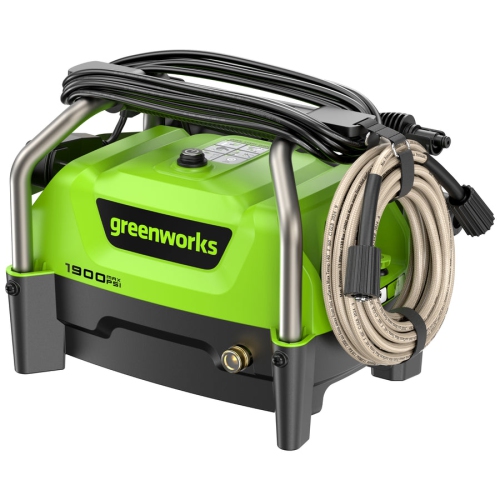 Your price for this item is $169.99
 -
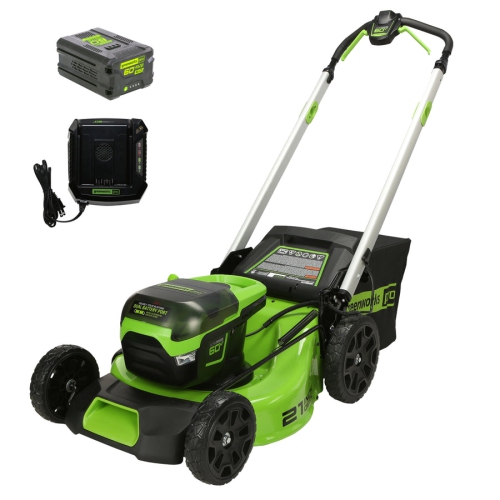 Your price for this item is $554.39
 -
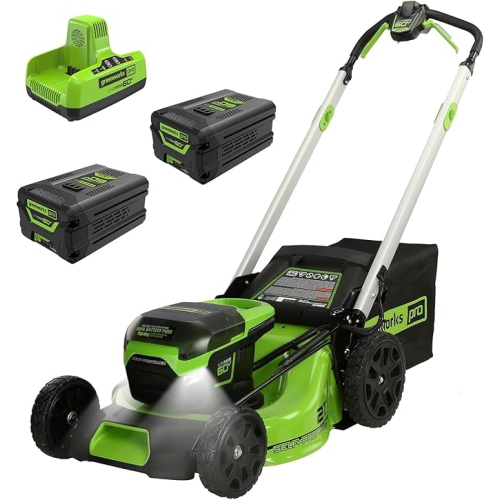 Your price for this item is $879.99
 -
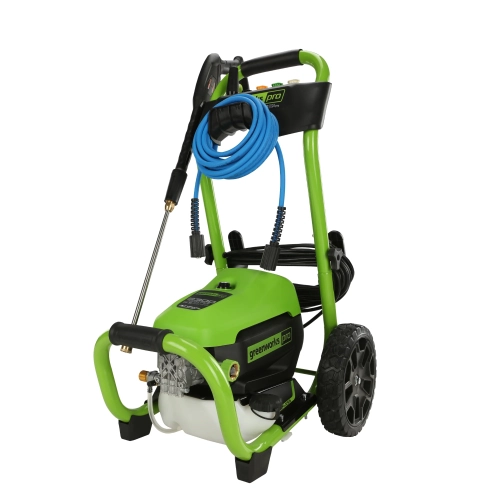 Your price for this item is $439.99
 -
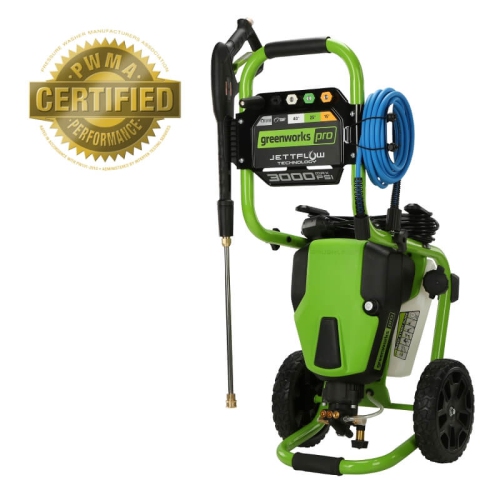 Your price for this item is $499
 -
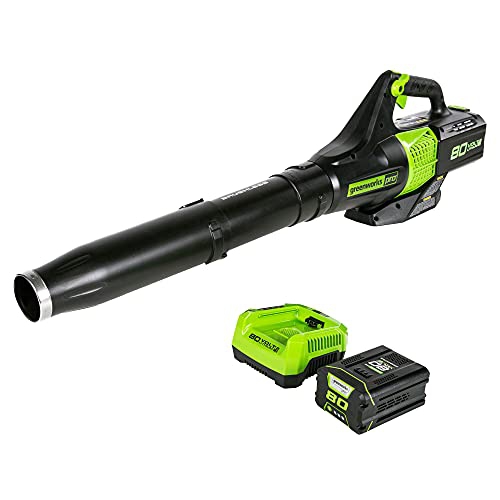 Your price for this item is $255
 -
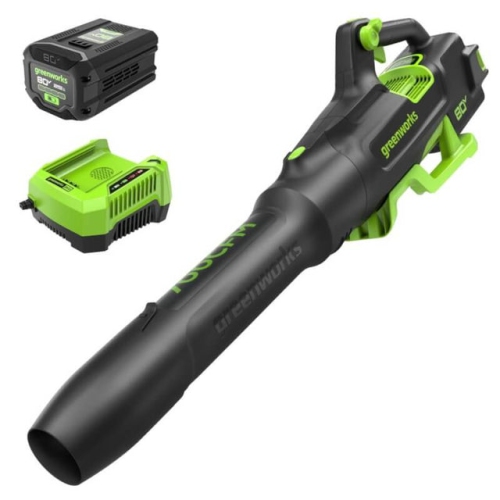 Your price for this item is $272
 -
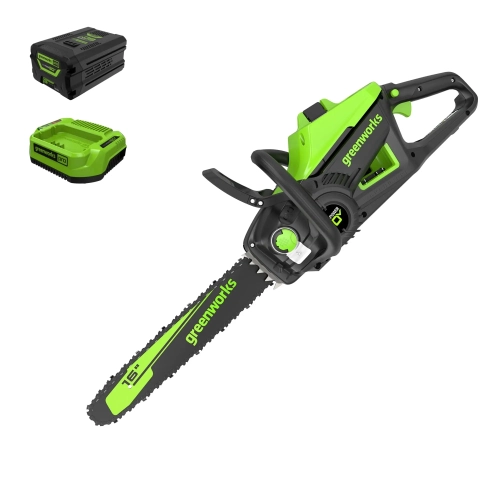 Your price for this item is $329.99
Discover more categories related to Tree Pruning Tools
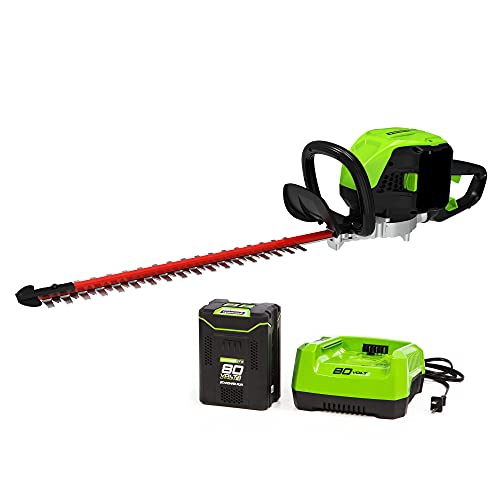
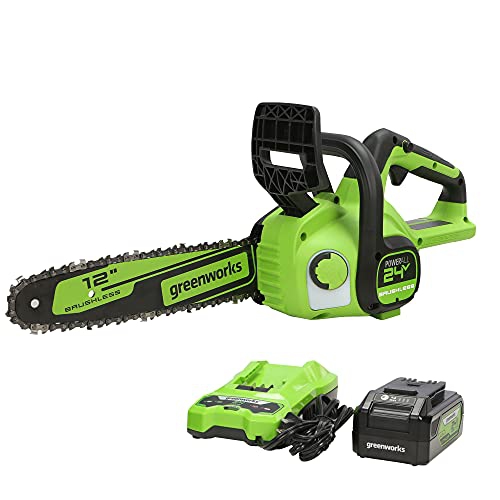
Top Collections:
Pokemon Centers, Kindle Devices, Best Budget Office Chairs, Apple iPhones 16, Best Laptops for Writers, iPhone 15 Apple, Canon G7X Cameras, Refurbished Apple Laptops, Alarm Clock, Motorola Razr Phones
Some products may be subject to Environmental Handling Fees
(EHF) depending on your province.
Learn more about EHFs.