Turkey Rotisseries
Discover the perfect solution for achieving succulent and evenly cooked turkey with this range of turkey rotisseries. Whether you're hosting a holiday feast, a family gathering, or simply looking to elevate your culinary skills, a turkey rotisserie is an essential addition to your kitchen arsenal. With features designed to ensure juicy and flavorful results every time, these versatile appliances make roasting a turkey a hassle-free experience.
Sort
























What helps a rotisserie turkey cook evenly and stay juicy
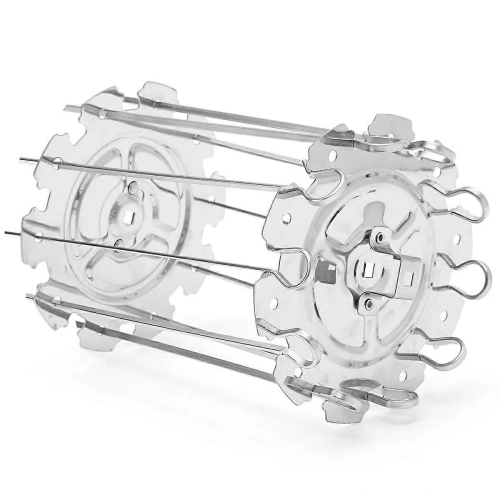
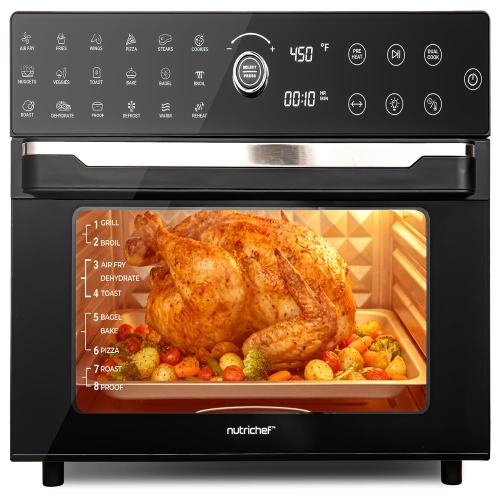
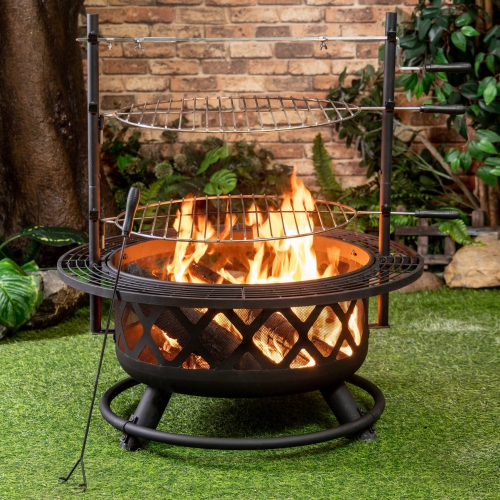
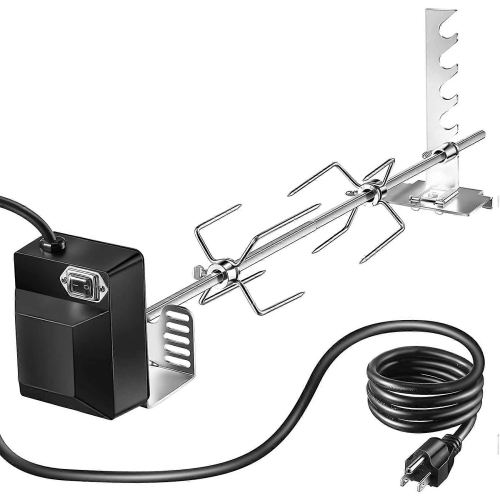
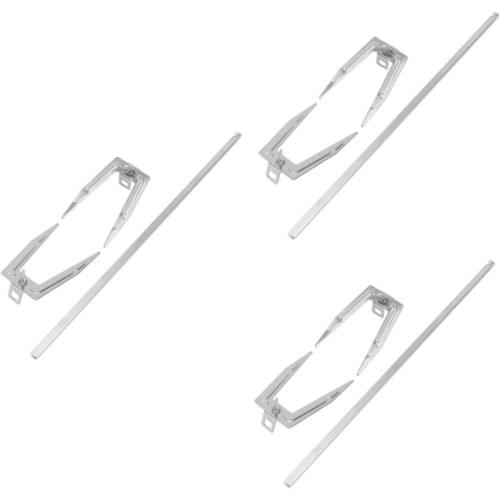
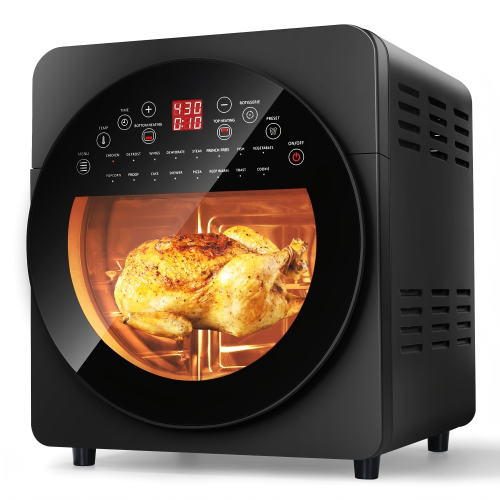
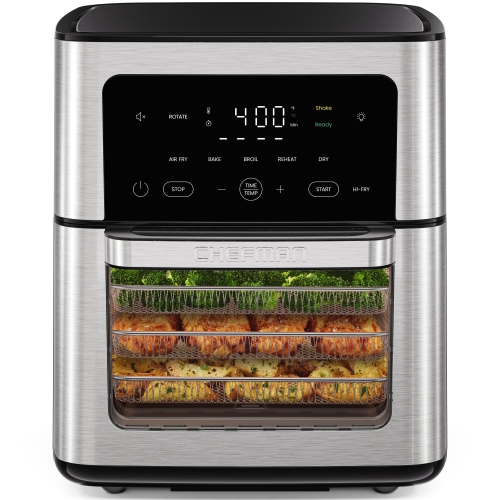
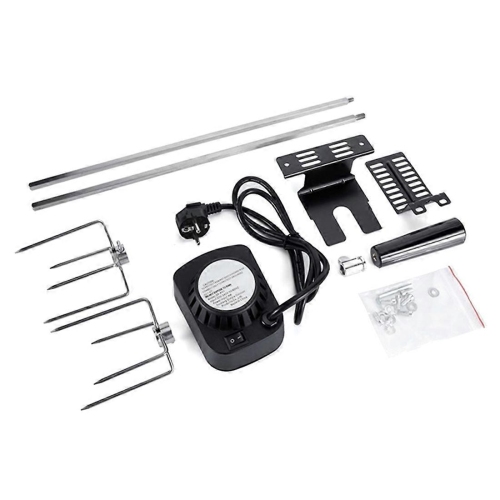
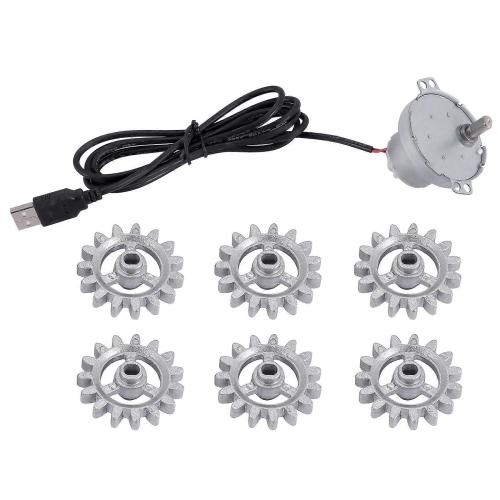
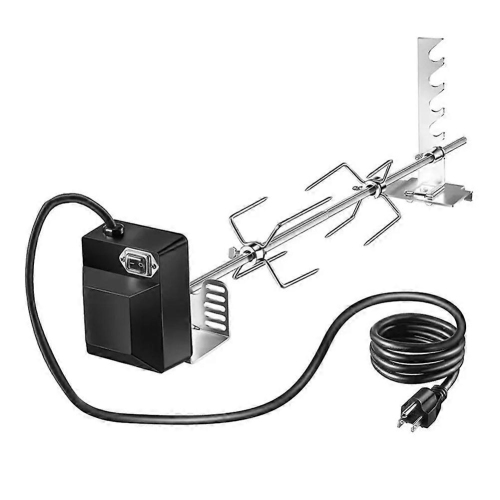
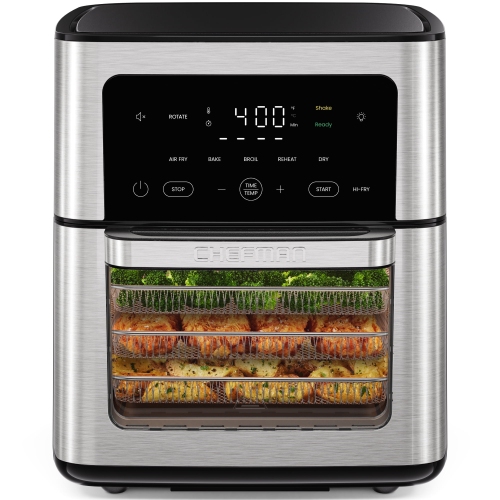
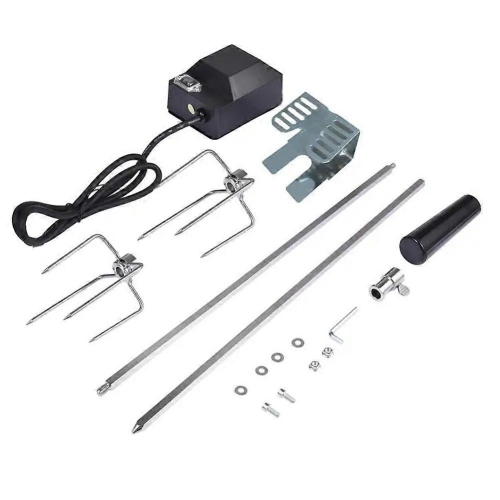
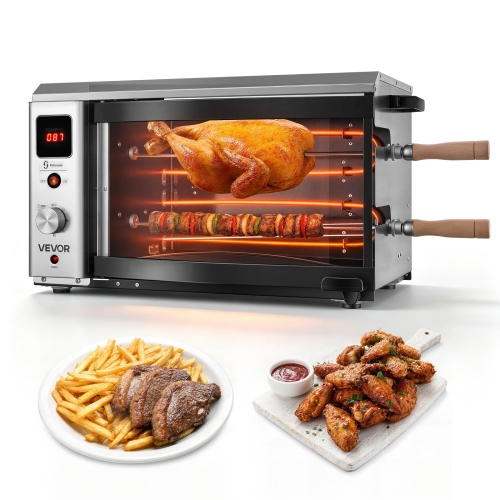
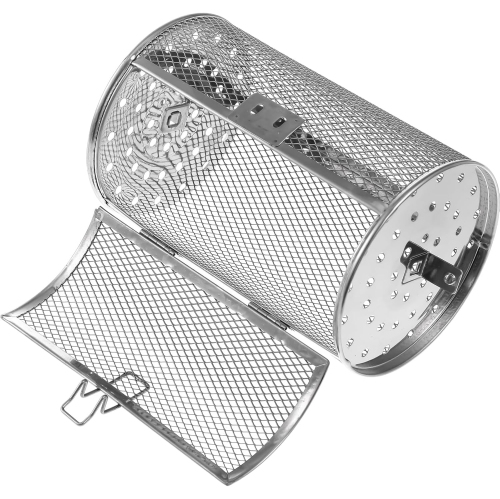
Turkey rotisseries make it possible to prepare a centrepiece bird with the slow, even turning action that helps baste the meat in its own juices. As the spit rotates, the skin moves steadily through the heat, developing a golden, crisp finish while the interior remains moist when cooked carefully. These products are useful for anyone who enjoys outdoor cooking during the cooler months, from experienced grill enthusiasts preparing a large family meal to newer cooks looking for a memorable way to serve turkey. They can also be a thoughtful gift for someone setting up a backyard cooking area, hosting seasonal gatherings, or expanding their collection of grilling accessories. Before choosing a turkey rotisserie, check that it is compatible with the grill or cooking appliance you already own. Consider the width of the cooking surface, the length and diameter of the spit rod, the strength of the motor, the weight capacity, and whether the included forks will hold a large bird securely. Adjustable forks can be helpful when cooking different sizes of poultry, while a sturdy motor is important because a turkey is heavier and less evenly shaped than a chicken. A well-fitting rotisserie should allow the bird to turn freely without touching the lid, cooking grates, heating elements, or sides of the grill. For indoor cooking, explore Electric Rotisseries for appliance-based options designed for controlled countertop preparation.
Preparing the turkey properly is just as important as selecting the rotisserie. A bird weighing about 12 to 14 pounds, or roughly 5.5 to 6.5 kilograms, is often a manageable size for many grill-mounted systems, but the appliance’s instructions and weight limit should always take priority. Remove the neck and giblets from the cavity, then pat the turkey thoroughly dry with paper towels so the skin browns more readily. Aromatics such as rosemary, sage, onion, garlic, apples, or citrus can be placed loosely inside the cavity to add fragrance as the turkey cooks; avoid packing the cavity tightly with stuffing unless the rotisserie and recipe specifically support that method. Brush the skin with oil or softened herb butter, then tie the wings and legs close to the body with butcher’s twine. This step helps prevent loose parts from catching on the cooking area and promotes more balanced rotation. Slide the spit rod through the centre of the bird, keeping it as straight as possible, and secure both forks firmly in the breast and thigh area. Balancing the turkey matters: rotate the rod by hand before switching on the motor and check that the bird turns smoothly without wobbling. If one side drops heavily, reposition the forks or adjust the bird until the weight is distributed more evenly. Place a heatproof drip pan below the turkey to collect juices for gravy and to make cleanup easier, while leaving enough space around the bird for heat to circulate.
For grill-based cooking, set up indirect medium heat and aim for approximately 325°F to 350°F, or about 165°C to 175°C. On a gas grill, use the burners beside the turkey while keeping the burner directly underneath turned off; on a charcoal grill, arrange the coals to either side and place the drip pan in the centre. Keep the lid closed as much as possible to maintain a steady temperature, checking the grill occasionally and adding fuel when necessary. A general estimate is 12 to 15 minutes per pound, but cooking time can vary with the turkey’s shape, starting temperature, weather, grill design, and the consistency of the heat. A digital meat thermometer provides the most dependable indication of doneness. Insert it into the thickest part of the breast without touching bone, and check the inner thigh as well. The breast should reach 165°F, or 74°C, while the thigh is often best at about 175°F, or 79°C. If the skin is browning too quickly, lower the heat or shield the bird loosely with foil while it finishes. Once cooked, transfer the turkey to a carving board and let it rest under loose foil for 20 to 30 minutes. Resting allows the juices to settle, makes carving easier, and gives the cook time to finish side dishes and gravy. When the meal is over, allow the rotisserie components to cool completely before washing them according to the manufacturer’s instructions, and inspect the rod, forks, motor connection, and fasteners before storing them for the next gathering.
Top selling and popular products
-
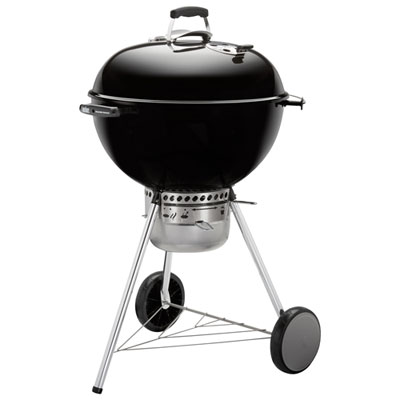 Your price for this item is $359.99
-
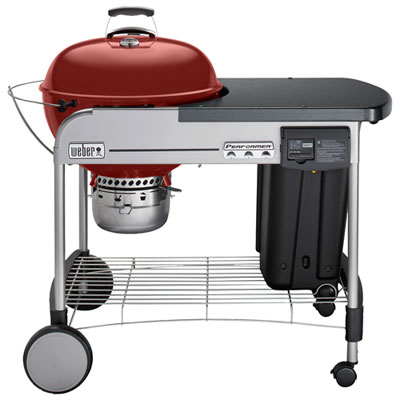 Your price for this item is $709.99
-
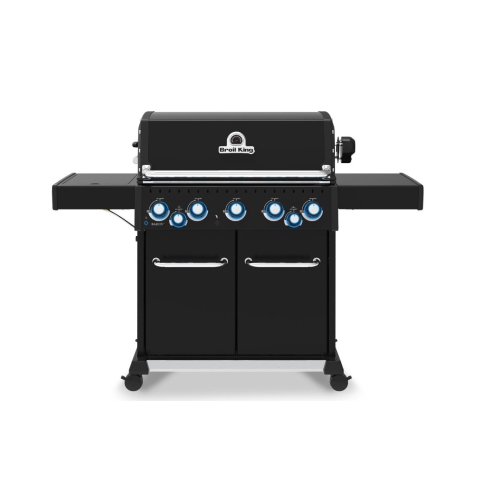 Your price for this item is $2374.99
-
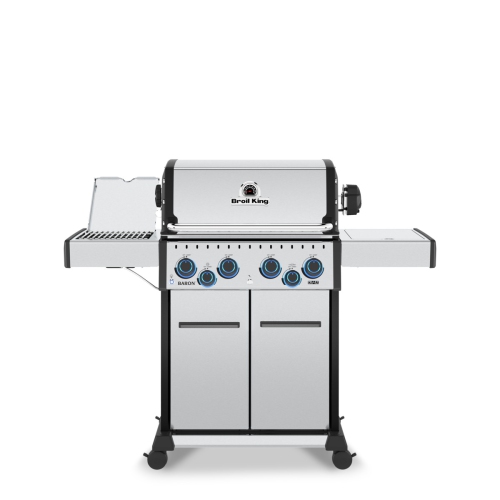 Your price for this item is $1499
-
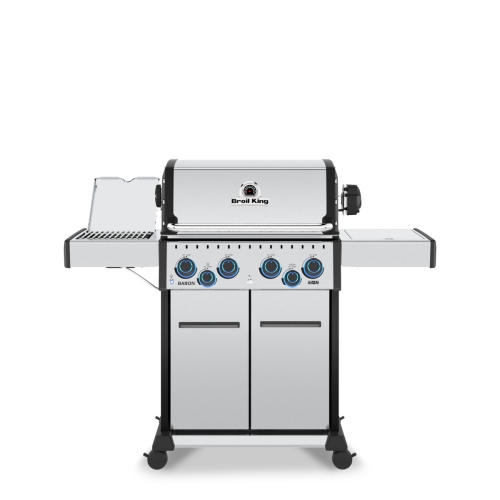 Your price for this item is $1559
-
 Your price for this item is $1359
-
 Your price for this item is $1299
-
 Your price for this item is $1099
Discover more categories related to Turkey Rotisseries

Top Collections:
Pokemon Centers, Best Cameras for Sports Photography, Kindle Devices, Samsung Galaxy Phones, Canon G7X Cameras, Pokémon 30th Celebration Cards, Refurbished Apple Laptops, iPhone 15 Apple, Laptops for Students, Budget Smartphones
Some products may be subject to Environmental Handling Fees
(EHF) depending on your province.
Learn more about EHFs.