Twin XL Microfiber Sheet Sets
Upgrade your sleep space with Twin XL Microfiber Sheet Sets, designed to fit perfectly on extra-long twin mattresses. Ideal for college dorm rooms, guest beds, or any room needing a comfortable and stylish bedding solution, these sheet sets offer both versatility and convenience. With a wide variety of colors and patterns available, it's easy to find the perfect match for your décor. Shop Twin XL Microfiber Sheet Sets to refresh your bedding essentials and enjoy a great night's rest.
Sort


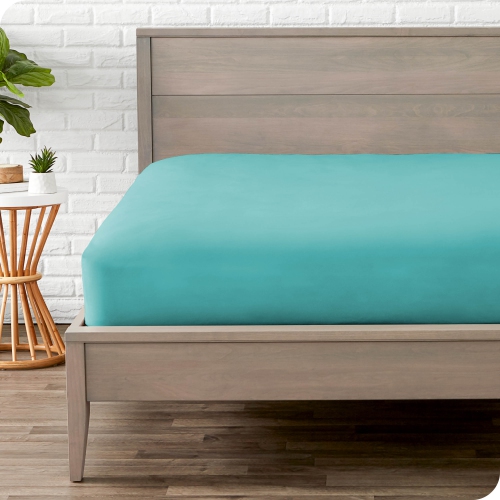


Why five extra inches matter for sheet fit
Twin XL microfibre sheet sets are made for extra-long single mattresses, offering the width of a twin bed with additional length for stretching out. A twin XL mattress typically measures 38 inches wide by 80 inches long, while a standard twin mattress is usually 75 inches long. Those extra 5 inches matter: a standard twin fitted sheet may pull at the corners or fail to cover a twin XL mattress properly. The longer size is common in university residences, bedrooms for taller sleepers, and guest rooms where a narrow bed needs to accommodate an adult comfortably. Two twin XL mattresses can also form a split king sleeping surface, with a separate fitted sheet on each side. For that arrangement, twin XL sets can provide individual bedding, although the flat sheets and pillowcases should suit how each person uses the bed. A typical three-piece twin XL sheet set contains one fitted sheet, one flat sheet, and one pillowcase, but package contents can differ. Mattress depth is just as important as length and width when checking fit. Measure from the bottom of the mattress to the top of the sleeping surface, including any topper that will sit beneath the fitted sheet. Deep-pocket options may specify a fit for mattresses around 14 to 16 inches deep, but “deep pocket” is not a universal measurement; the stated depth range is the more useful detail. A fitted sheet should reach beneath the mattress without excessive stretching, while its elastic should hold the corners in place when someone turns over or sits on the edge. An overly roomy sheet can gather into folds on a thinner mattress. The flat sheet needs enough overhang for the preferred tuck, especially at the foot of an extra-long bed. Checking pillowcase dimensions also helps avoid a loose fit around a smaller pillow or a tight squeeze around a fuller one.
Microfibre is a fabric made from very fine synthetic fibres, commonly polyester or a polyester blend. Its appeal in bedding comes from a smooth, lightweight feel, straightforward care, and a tendency to resist wrinkles compared with some other sheet fabrics. Brushing changes the surface texture, creating a softer finish that can feel almost velvety against the skin. Double-brushed fabric has been brushed on both sides, though that description alone does not establish fabric weight, strength, or overall quality. For someone who dislikes the crisp feel of a freshly pressed sheet, a brushed finish can make the bed feel more relaxed from the first use. The experience still varies with the weave, finishing process, and fabric density. Some microfibre sheets feel silky and closely woven; others have a more noticeable brushed texture. Airflow and moisture handling also differ from those of cotton, so fabric preference is worth considering alongside softness. Thread count is not a reliable way to compare microfibre with cotton sheets, since the materials and construction are different. Fabric weight, when stated in grams per square metre, offers another point of comparison, but a heavier fabric is not automatically softer or better suited to every sleeper. Details such as neat seams, secure hems, and well-attached elastic contribute to how the set holds up through repeated bed-making and washing. Friction can lead to pilling in some fabrics, particularly where feet move against the sheet, making both construction and care relevant to durability. Colour and pattern shape the finished bed as much as texture does. A solid colour can sit quietly beneath a patterned duvet, while a patterned sheet adds interest when the top edge is folded back. Coordinating the pillowcase with an existing blanket or duvet cover can refresh a small bedroom without replacing every layer. Independently tested textile certifications, where provided, can offer information about testing for harmful substances; the certification details should identify what was tested rather than imply broader performance benefits.
Everyday care helps twin XL microfibre sheets keep their feel and fit. Many are machine washable in cold water and suitable for tumble drying on a low setting, but the sewn-in care label should determine the washing method. A modest amount of suitable detergent and enough room in the drum allow the fabric to move freely during washing. Keeping sheets separate from garments with exposed zippers, hooks, or rough fasteners helps limit snagging and abrasion. Bleach, fabric softener, and other laundry additives should only be used when the care instructions allow them; more detergent or extra treatments do not necessarily produce cleaner, softer bedding. High dryer heat can damage synthetic fibres or elastic, while prolonged drying can make wrinkles harder to smooth out. Removing the set promptly once dry and folding it neatly keeps it ready for the next bed change. Sheets should be completely dry before being stored, whether they are going into a linen cupboard or being packed for a move. Keeping the fitted sheet, flat sheet, and pillowcase together makes a quick change simpler, especially in a shared household with several mattress sizes. A spare set is useful when laundry cannot be finished before bedtime, when a guest room needs resetting, or when one set is being washed after a spill. Rotating between sets can also spread wear rather than putting every wash and every night of use on the same fabric. For a student moving into residence, the most useful bedding gift is one matched to the assigned mattress dimensions, not simply labelled “single.” The same attention to size applies when furnishing a first apartment or preparing a bed for a taller overnight guest. If a standard twin mattress and cotton fabric are a better match, Twin Size Cotton Sheet Sets offer a different sizing and material option; standard twin fitted sheets should not be treated as interchangeable with twin XL. Matching the mattress measurements, preferred texture, package contents, and care requirements makes the set a practical part of daily bedding rather than an awkward fit that needs constant adjustment.
Top selling and popular products
-
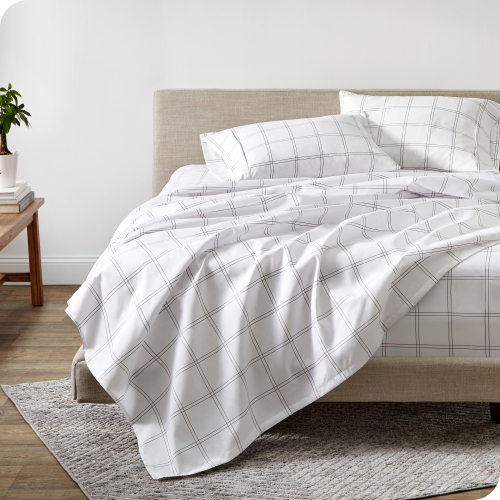 Your price for this item is $95.99
-
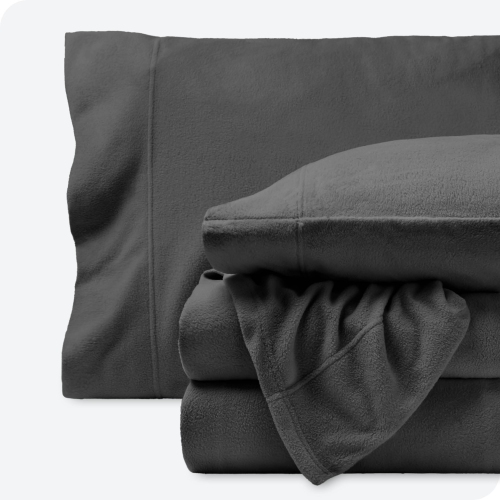 Your price for this item is $122.99
-
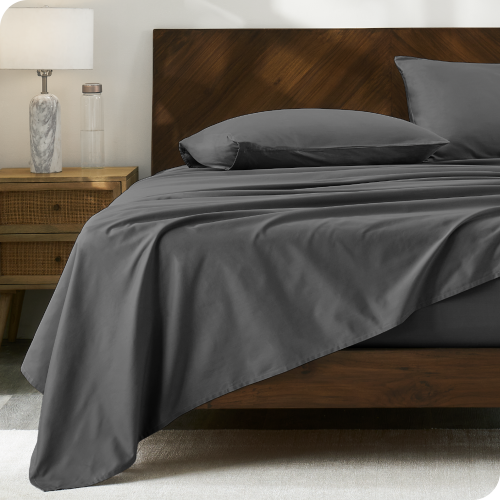 Your price for this item is $156.99
-
 Your price for this item is $284.99
-
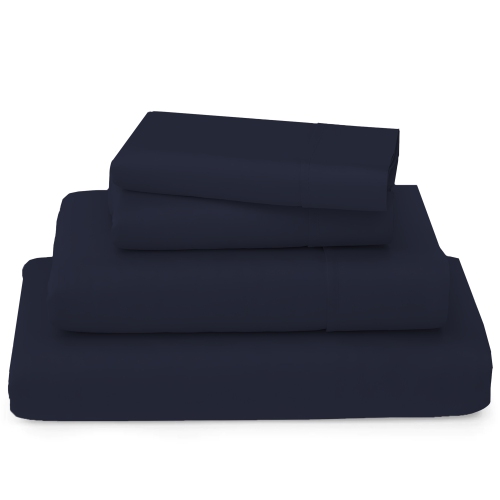 Your price for this item is $34.99
-
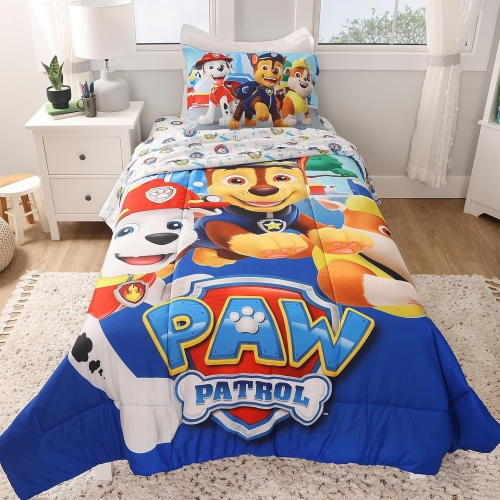 Your price for this item is $80.99
-
 Your price for this item is $63.98
-
 Your price for this item is $80.98
Discover more categories related to Twin XL Microfiber Sheet Sets


Top Collections:
Pokemon Centers, Best Cameras for Sports Photography, Kindle Devices, Samsung Galaxy Phones, Canon G7X Cameras, Pokémon 30th Celebration Cards, Refurbished Apple Laptops, iPhone 15 Apple, Laptops for Students, Budget Smartphones
Some products may be subject to Environmental Handling Fees
(EHF) depending on your province.
Learn more about EHFs.