Twin XL Sheets for Hospital Beds
Twin XL Sheets for Hospital Beds are designed to provide a comfortable and practical solution for hospital and medical settings. Offering the right fit for extended-length mattresses, these sheets help create a cozy and inviting environment for patients and caregivers alike. Explore a wide selection of Twin XL Sheets for Hospital Beds to find options that suit your needs, whether outfitting a healthcare facility or enhancing comfort at home.
Sort


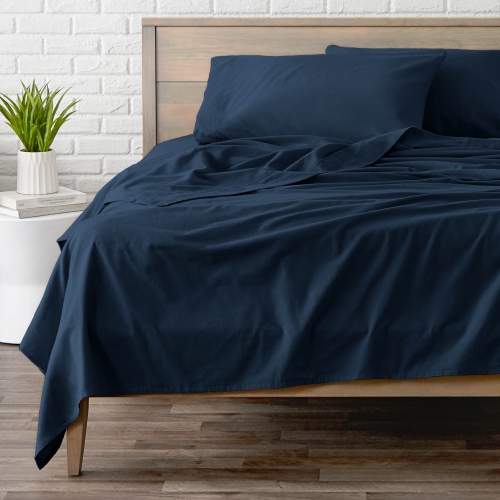

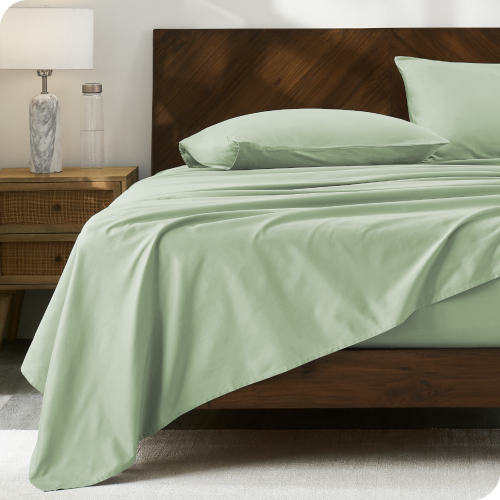


Why mattress measurements matter more than sheet size labels
Twin XL sheets for hospital beds bring familiar bedding comfort to a bed used for home care, recovery, or ongoing support, but the size label alone does not guarantee a suitable fit. Many standard home hospital mattresses measure 36 inches wide by 80 inches long, while residential twin XL mattresses commonly measure 38 inches wide by 80 inches long. That shared length makes twin XL bedding a natural starting point, yet the extra width can leave loose fabric on a narrower medical mattress. Hospital bed dimensions also vary, so the mattress measurements matter more than the bed frame’s name or the sheet’s size category. A fitted sheet should match the mattress width, length, and depth, including any approved topper or protective cover that stays beneath it. Pocket depth deserves particular attention: a deep-pocket sheet designed for a thick residential mattress can leave excess material around a thinner hospital mattress, while a shallow pocket may pull free from a thicker setup. On an adjustable bed, raising the head or foot section changes the mattress contours and puts different demands on the fitted corners. Elastic around the full perimeter can help hold the edges in place, but correct sizing and enough fabric flexibility remain essential. A well-matched sheet follows the mattress without becoming taut across a bend or gathering into folds beneath the person resting on it. For a family preparing a bedroom for a relative returning home, these details can make everyday bed changes more straightforward and help the bed feel less unfamiliar. The broader Twin Xl Sheets Canada category provides context for residential extra-long bedding, though hospital bed use still calls for checking the stated dimensions and intended application. A twin XL label should never be treated as a substitute for a confirmed fit, especially when the mattress is narrower, longer, or shaped differently from a standard residential model.
Fabric affects how hospital bed sheets feel against the skin, how easily they move with the mattress, and how they stand up to regular washing. Cotton is valued for its absorbency and familiar feel, although its texture varies considerably with the weave and finish. Cotton percale generally has a crisp, lightweight hand, while cotton jersey has a softer, T-shirt-like texture with natural give from its knitted construction. That flexibility can be useful on an articulating bed, provided the sheet is correctly sized and compatible with the mattress. Cotton-polyester blends combine cotton’s absorbency with polyester’s contribution to shape retention and wrinkle resistance, making them a practical option where bedding is changed frequently. Polyester microfibre often feels smooth and dries readily, though moisture handling and comfort differ by construction and personal preference. Thread count is not a complete measure of quality, and it is not directly comparable between woven sheets and jersey knits. Fibre content, fabric weight, stitching, and the behaviour of the finished sheet are more useful considerations than a high number on its own. Neatly finished seams, secure corner stitching, and resilient elastic are particularly relevant when fitted sheets are repeatedly stretched into place and removed for laundering. For someone who spends extended periods in bed, a smooth surface without bulky seams or persistent folds may feel more comfortable, but ordinary bedding should not be assumed to prevent pressure injuries or replace a prescribed care plan. Specialized mattresses, including alternating-pressure and low-air-loss models, require additional attention to the manufacturer’s bedding instructions. Some systems need particular covers or sheets to function as intended, and an unsuitable layer can interfere with their performance. Breathability or stretch alone does not establish compatibility. Where a therapeutic mattress is involved, its instructions and the care team’s advice should take priority over general sheet preferences, including whether a separate mattress protector or extra absorbent layer is appropriate.
Day-to-day care is another important part of choosing twin XL hospital bed sheets, particularly when laundry needs to fit around appointments, personal care, and household routines. Wash and dry settings should follow the textile label alongside any applicable care requirements; not every fabric tolerates high-heat drying, chlorine bleach, or the same laundering process. Cotton can shrink, and repeated exposure to unsuitable wash or dry settings can affect the fit of a sheet that was initially the correct size. Elastic also wears over time, so a fitted sheet that begins slipping at the corners may need replacing even when the main fabric still looks sound. Pilling, thinning areas, opened seams, and roughened patches are other signs worth noticing during folding or bed changes. Keeping spare fitted sheets makes it easier to change bedding promptly without waiting for a wash cycle to finish, while a complete sheet set may suit someone who prefers a matching flat sheet and pillowcase. Set contents vary, and a fitted-sheet-only option serves a different purpose from a coordinated bedding set. Flat sheets offer a familiar top layer, but they should not be tucked so tightly that they restrict comfortable movement or conflict with the bed’s operation. Ordinary sheets are bedding, not lifting or repositioning aids; assisted movement calls for the equipment and techniques specified by the care team. Colour and pattern can make a home care space feel more personal, whether that means a quiet solid shade or bedding that coordinates with existing blankets and curtains. Easy-to-distinguish colours can also help a household keep different mattress sizes organized in the linen cupboard. If sheets are being chosen for a parent, partner, or another person receiving care at home, confirming their fabric preferences is as worthwhile as measuring the mattress. Someone accustomed to crisp woven cotton may not enjoy the cling of a stretchy knit, even when both fit properly. The most suitable bedding balances those personal preferences with accurate dimensions, manageable laundering, dependable construction, and compatibility with the bed and mattress, supporting a familiar everyday routine without adding unnecessary complications.
Top selling and popular products
-
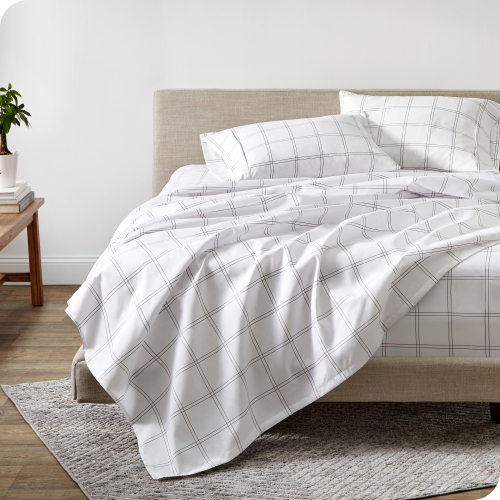 Your price for this item is $95.99
-
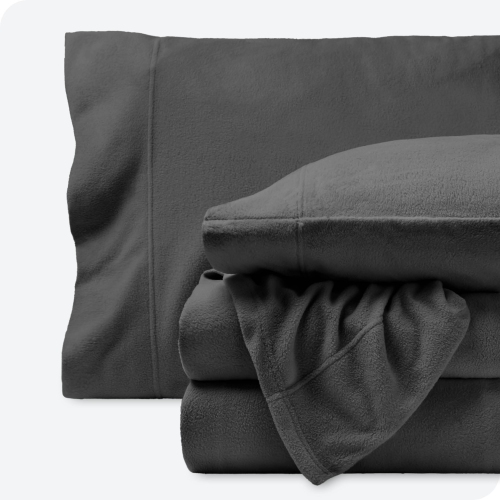 Your price for this item is $122.99
-
 Your price for this item is $156.99
-
 Your price for this item is $284.99
-
 Your price for this item is $34.99
-
 Your price for this item is $80.99
-
 Your price for this item is $63.98
-
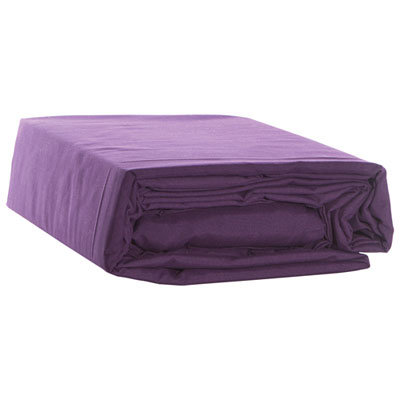 Your price for this item is $80.98
Discover more categories related to Twin XL Sheets for Hospital Beds
Top Collections:
Pokemon Centers, Best Cameras for Sports Photography, Kindle Devices, Samsung Galaxy Phones, Canon G7X Cameras, Pokémon 30th Celebration Cards, Refurbished Apple Laptops, iPhone 15 Apple, Laptops for Students, Budget Smartphones
Some products may be subject to Environmental Handling Fees
(EHF) depending on your province.
Learn more about EHFs.