USB Rechargeable LED Flashlights
USB Rechargeable LED Flashlights offer a convenient and reliable lighting solution for a wide range of activities. Perfect for home, work, or outdoor adventures, these flashlights are designed to deliver bright illumination whenever you need it. With easy USB charging, you can keep your flashlight powered up without the hassle of replacing batteries. Explore the selection of USB Rechargeable LED Flashlights to find options that suit your needs, from compact models for everyday carry to larger designs ideal for emergencies or camping trips.
Sort
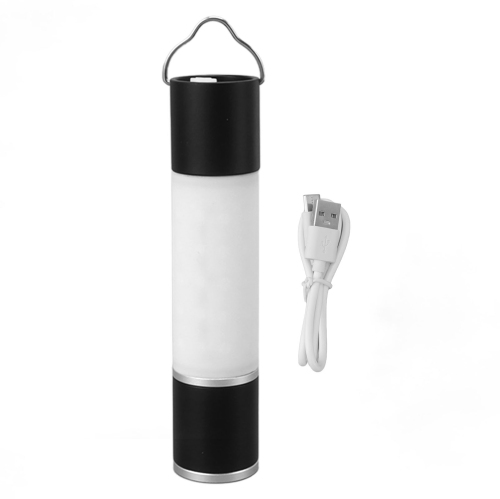
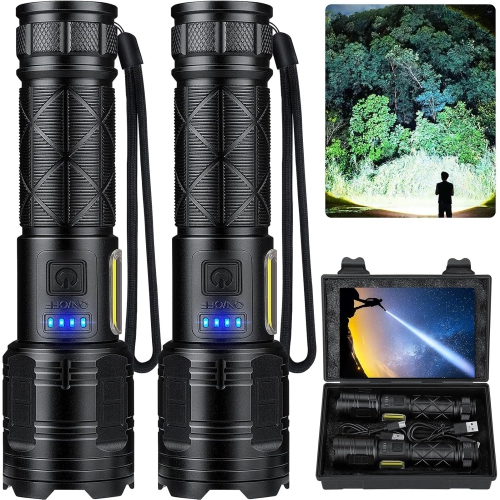
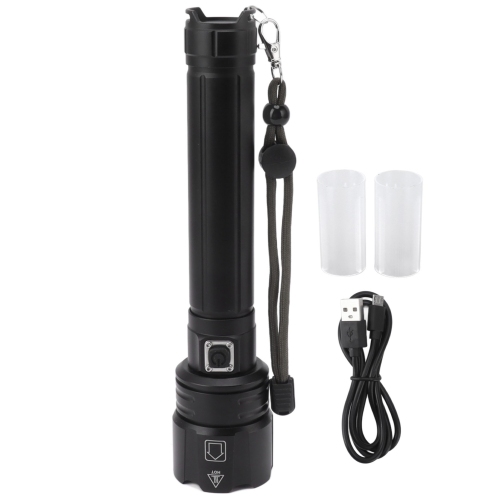
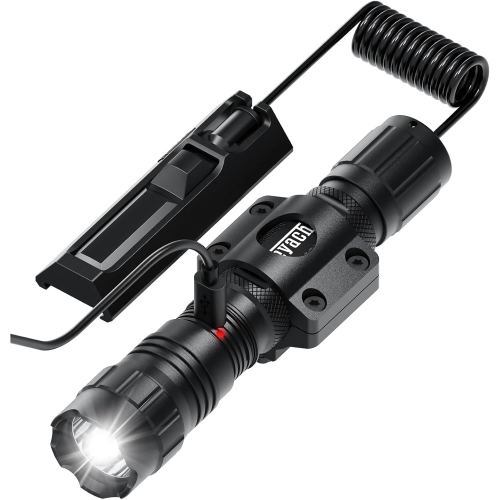
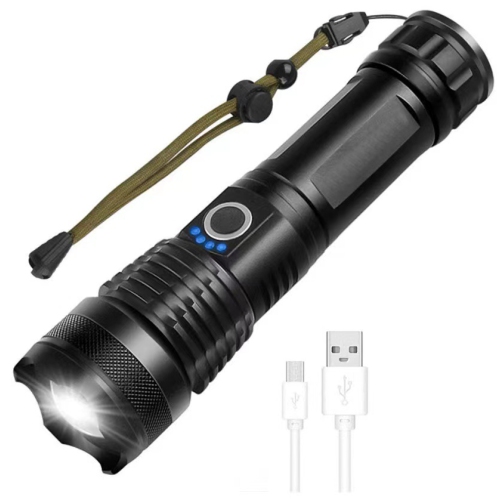
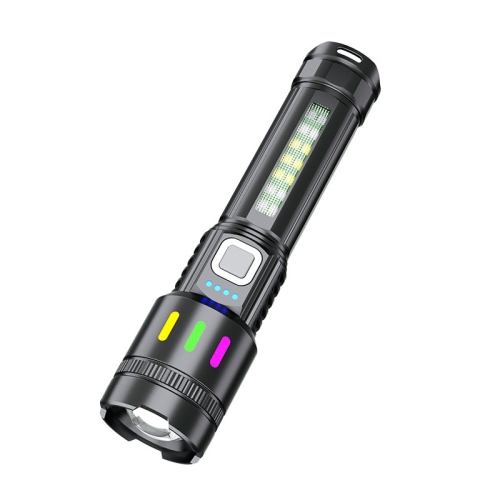
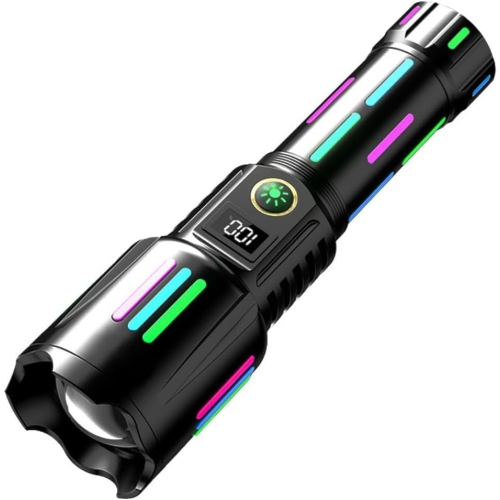
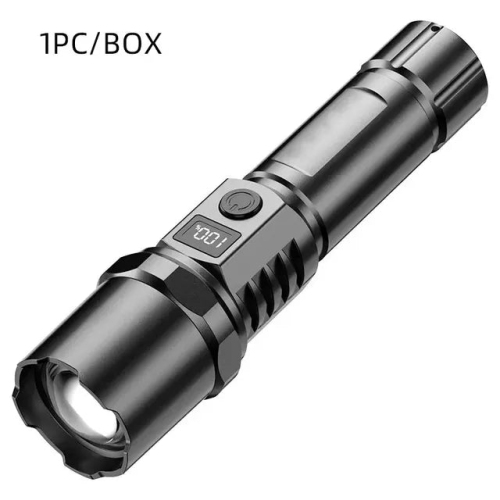
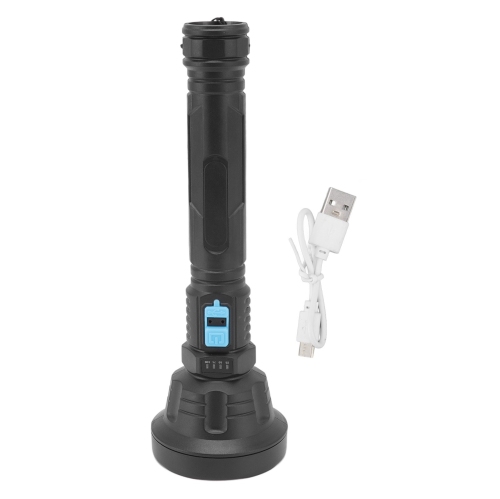
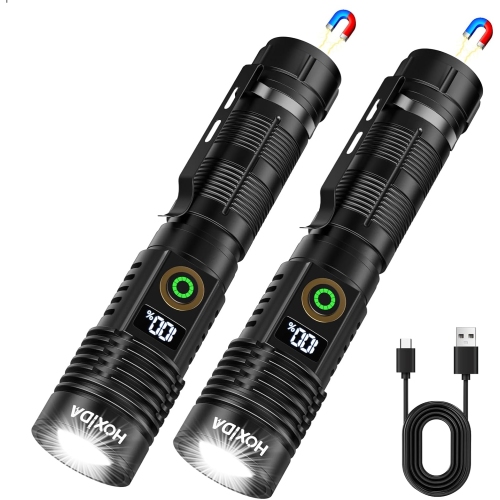
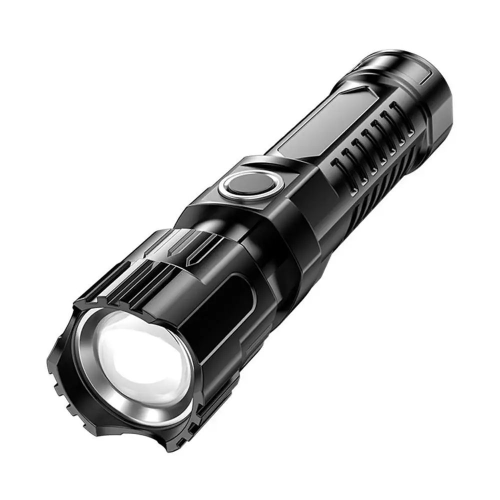
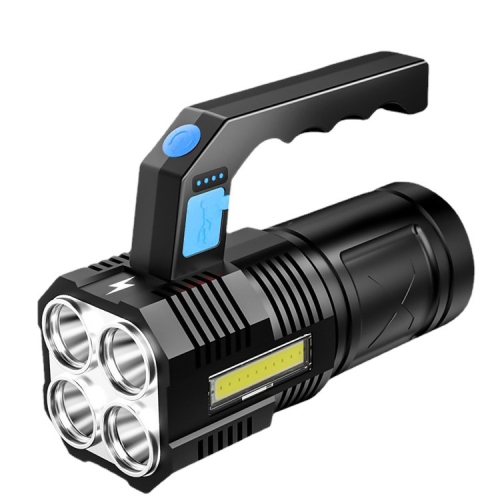
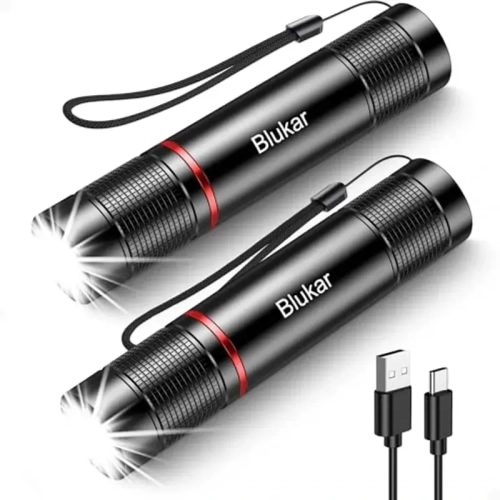
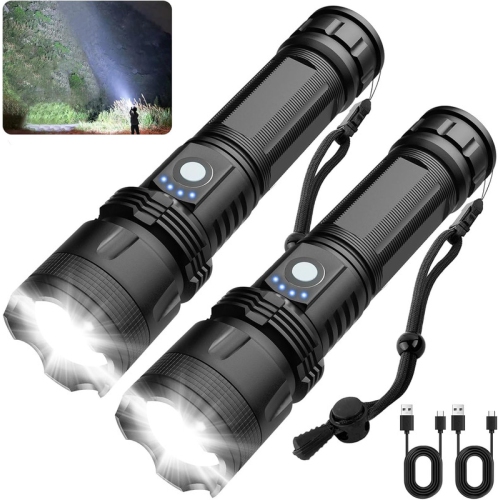
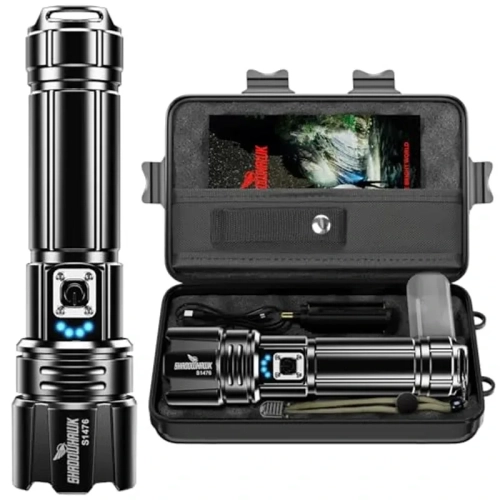
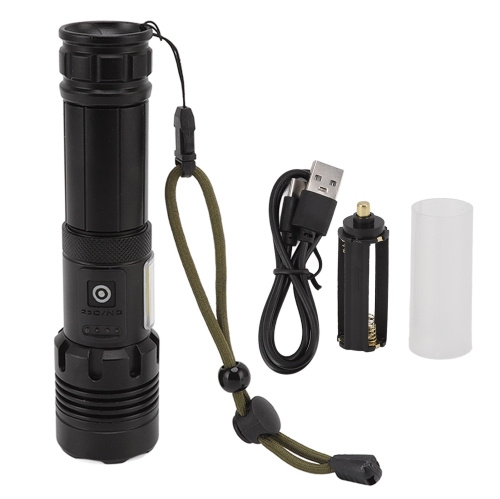
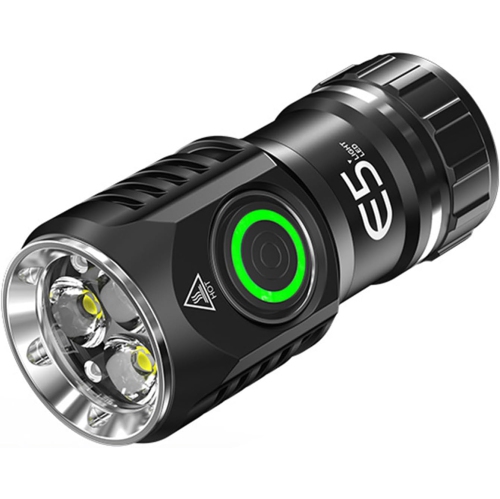
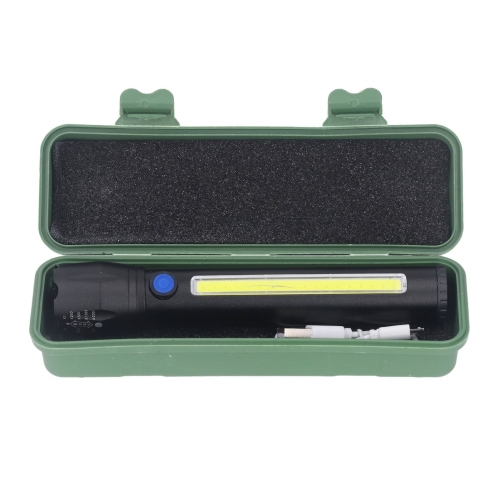
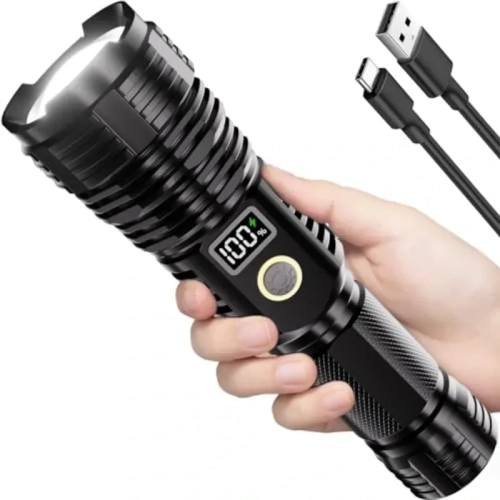
A brighter flashlight isn’t always the better fit
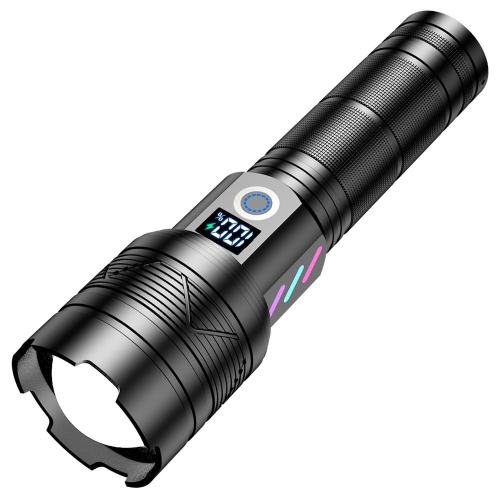
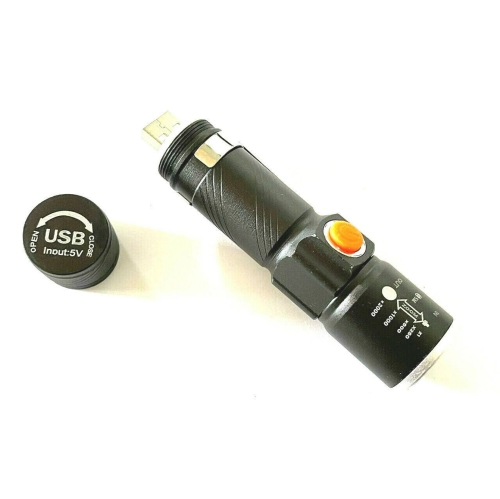
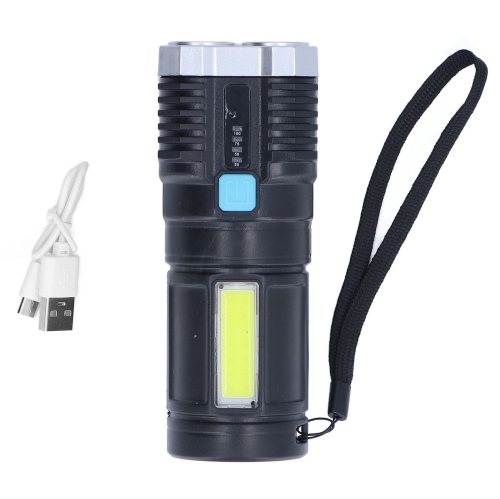
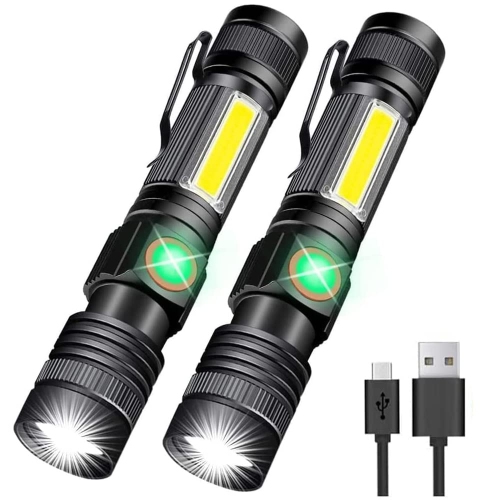
USB rechargeable LED flashlights are portable lights that combine an LED light source with a rechargeable battery and a USB charging connection. Depending on the design, charging may use USB-C or micro-USB, with power supplied by a compatible wall adapter, computer port, or power bank. This makes them practical for repeat use without routinely replacing disposable batteries. Their appeal extends from everyday tasks, such as finding a dropped screw behind a desk, to camping, walking a dog after dark, inspecting a vehicle, or keeping a dependable light within reach during a power outage. Brightness matters, but the highest lumen rating does not tell the whole story. Lumens describe total light output, while beam shape determines how that light falls across the space ahead. A broad flood beam spreads illumination across a work surface or nearby path; a more concentrated spot beam helps illuminate objects farther away. Some designs combine a bright central spot with surrounding spill light, while adjustable-focus models allow the beam to change between wider and narrower coverage. Beam distance and candela ratings, where provided, offer additional context for longer-range use. For close tasks, an extremely bright, tightly focused beam can create distracting glare from pale walls, reflective tools, or glossy surfaces. Lower settings can be more comfortable for checking a cupboard, reading a label, or moving around a campsite without lighting up the entire area. Multiple brightness levels also let a flashlight balance visibility with battery life. Maximum output may be intended for short bursts rather than continuous operation, and some lights automatically reduce brightness as they manage heat or battery charge. A clear distinction between peak brightness and sustained output helps set realistic expectations for longer tasks. Light colour can affect the viewing experience too: cooler white beams may appear crisp, while more neutral tones can make nearby objects feel less harshly lit. The most useful combination is one that suits the distance, duration, and detail of the task.
Size, construction, and controls influence how naturally a flashlight fits into daily use. A compact body can sit comfortably in a pocket or small tool pouch, while a larger body may provide room for a higher-capacity battery, a broader grip, or a larger reflector. Length alone does not determine comfort; handle diameter, weight distribution, and the shape of the switch all affect how the light feels after several minutes in hand. Textured grips help with handling, and a pocket clip or wrist strap can keep a light close without requiring a separate carrying case. A tail switch may suit quick, one-handed activation, whereas a side switch can make it easier to change brightness while holding the barrel. Recessed buttons or an electronic lockout can reduce accidental activation inside a bag. Aluminium housings are common for their balance of strength and weight, often with a surface finish that helps resist everyday scuffs. Polymer bodies offer another lightweight option, with durability depending on the material and construction. Protective lens surrounds, secure battery compartments, and well-fitted charging-port covers also matter when a flashlight shares space with tools or gets set down on hard surfaces. Water-resistance and impact-resistance ratings should be read as separate specifications: resistance to splashes does not necessarily mean a light can be submerged, and a tough-looking housing does not establish a tested drop rating. Intended use helps narrow these differences. Home maintenance calls for a comfortable grip and useful close-range illumination, while an inspection task may benefit from a narrow beam that reaches into a recessed area. A magnetic base or stable tail-standing design, when included, can free both hands for small repairs, provided the surface and position are secure. For camping or emergency kits, a simple control layout can be easier to operate when attention is divided. Flashing and SOS modes are additional signalling features on some designs, not substitutes for dedicated emergency communication equipment.
Charging arrangements deserve as much attention as the beam. USB rechargeable describes how a flashlight receives power, but it does not guarantee that every model uses the same cable, includes a wall adapter, or supports the same charging speed. USB-C is a connector type rather than a promise of fast charging, so the specified input and compatible power source remain important. Some designs charge an installed battery through a port on the body; others use a removable battery with its own charging connection. Battery capacity, usually expressed in milliamp-hours, is useful context, although runtime also depends on brightness, electronics, and the battery system. Published runtime figures are most meaningful when matched to the light setting used for the test. A low-output mode may last much longer than the brightest setting, making easy access to lower levels valuable for extended use. Charge indicators can simplify routine checks, especially for a flashlight stored in a drawer or emergency kit. Regular attention helps keep it ready: wipe the body and lens with a soft cloth, remove grit from threads as directed, and keep the charging connection clean and dry before plugging it in. Port covers should be closed properly after charging, and damaged cables or batteries should not remain in use. Follow the supplied charging and storage directions, avoid covering the light while it is operating, and use only compatible replacement batteries where replacement is supported. For a household, a flashlight offers directed light that can move from room to room, while USB Rechargeable Table Lamps provide a complementary option for stationary lighting on a desk, bedside table, or reading surface. A rechargeable flashlight can also make a practical gift for someone who enjoys hands-on projects, camping trips, or keeping useful tools organized. A familiar charging connection, comfortable handling, and straightforward controls often contribute more to everyday usefulness than a complicated list of modes. The right balance leaves a light easy to carry, easy to maintain, and ready for the jobs it is meant to do.
Top selling and popular products
-
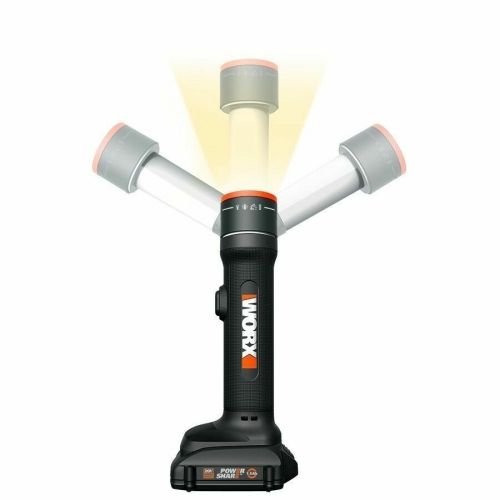 Your price for this item is $129.99
-
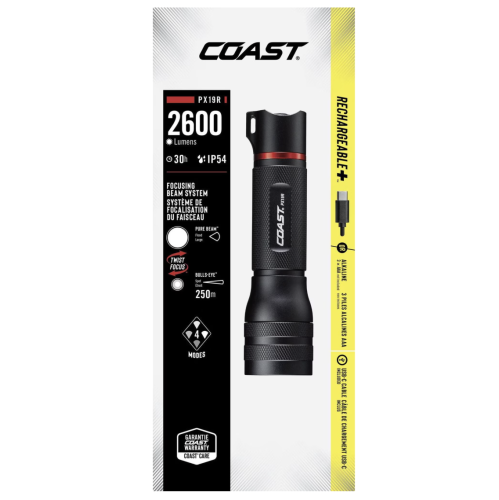 Your price for this item is $39.99
-
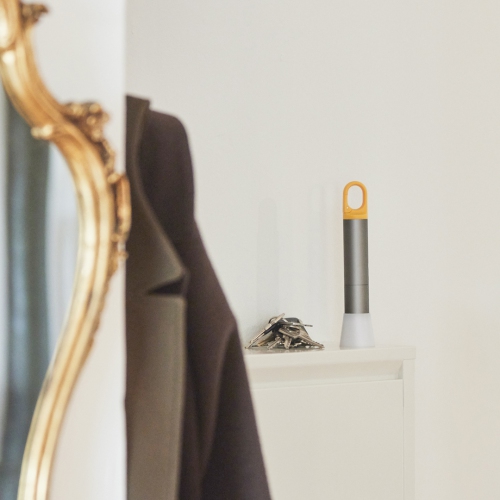 Your price for this item is $64.99
-
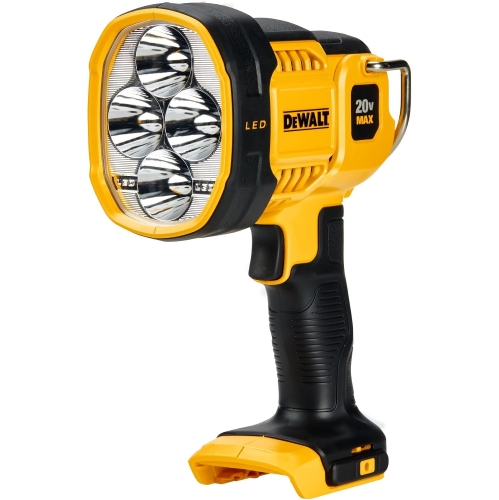 Your price for this item is $74.99
-
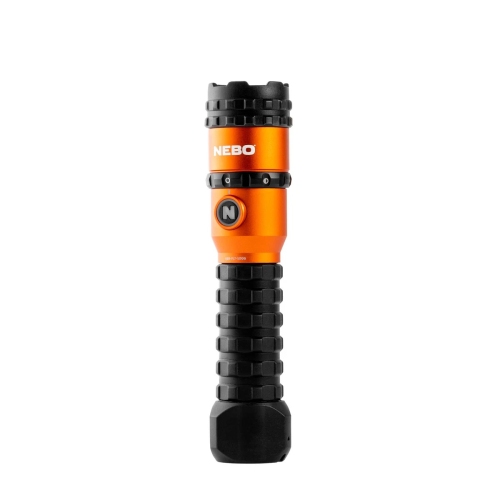 Your price for this item is $104.99
-
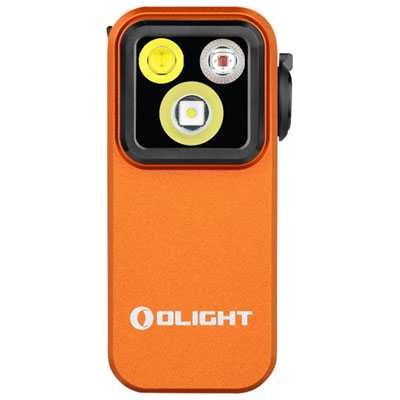 Your price for this item is $49.99
-
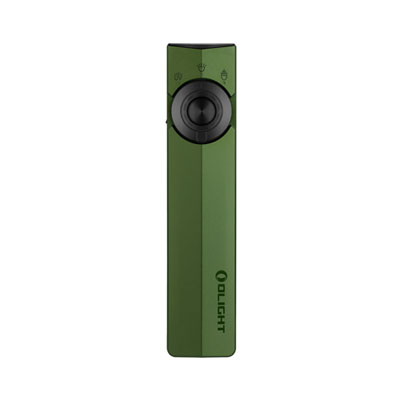 Your price for this item is $139.99
-
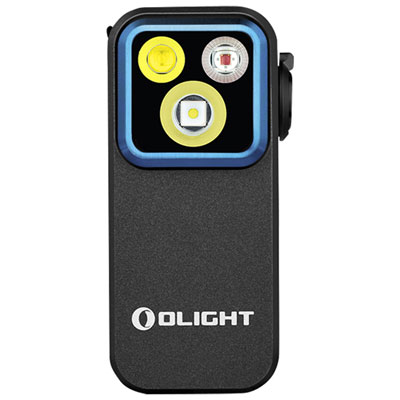 Your price for this item is $49.99
Discover more categories related to USB Rechargeable LED Flashlights
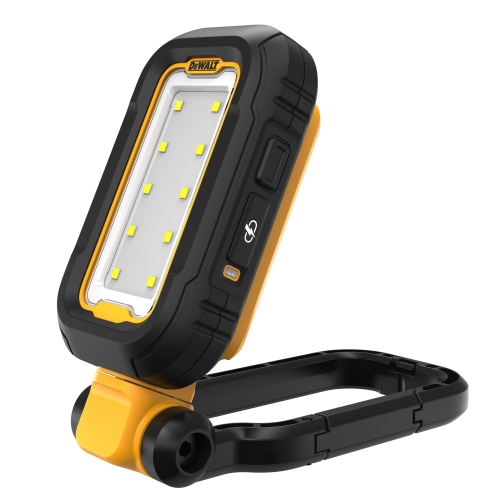
Top Collections:
Best Black Friday Deals This Year, Best Black Friday Deals On Electronics, Kindle Devices, Pokemon Centers, Best Black Friday Deals On Apple Products, Best Cameras for Sports Photography, Dyson Airwrap, Pokémon 30th Celebration Cards, Apple iPhone 17 Pro, Canon G7X Cameras
Some products may be subject to Environmental Handling Fees
(EHF) depending on your province.
Learn more about EHFs.