Utility Room Storage Cabinets
Utility Room Storage Cabinets are essential for keeping your home organized and clutter-free. Perfect for laundry rooms, mudrooms, or multipurpose spaces, these cabinets offer a practical solution for storing cleaning supplies, tools, and household essentials. With a variety of sizes and styles available, it’s easy to find the right fit for your space and storage needs. Transform your utility room into an efficient and tidy area with Utility Room Storage Cabinets designed to help you stay organized every day.
Sort
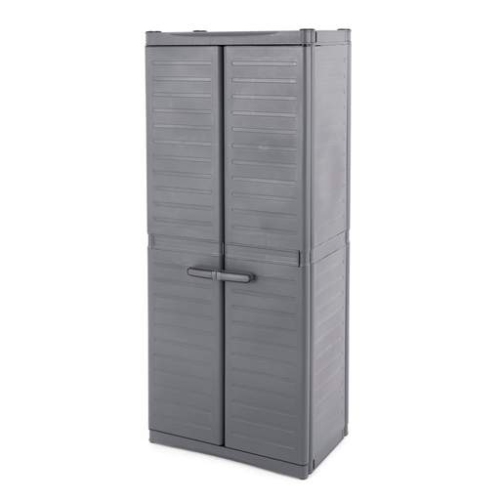
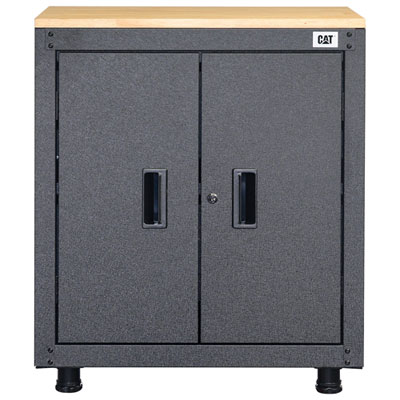
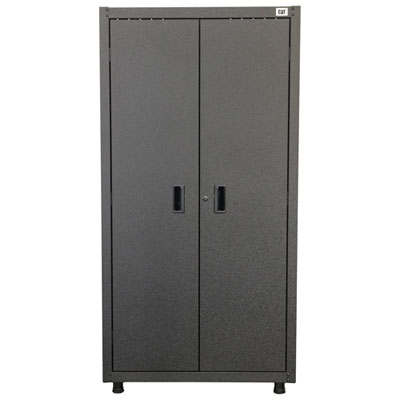
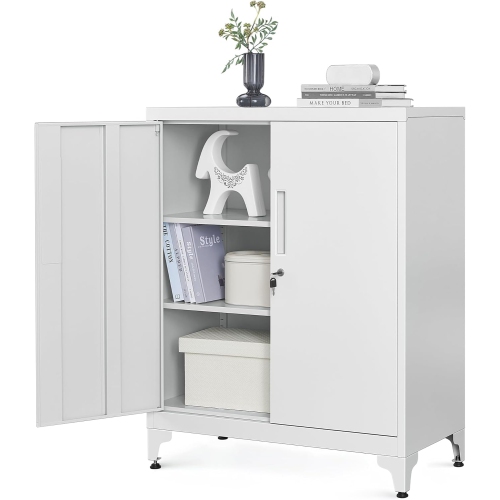
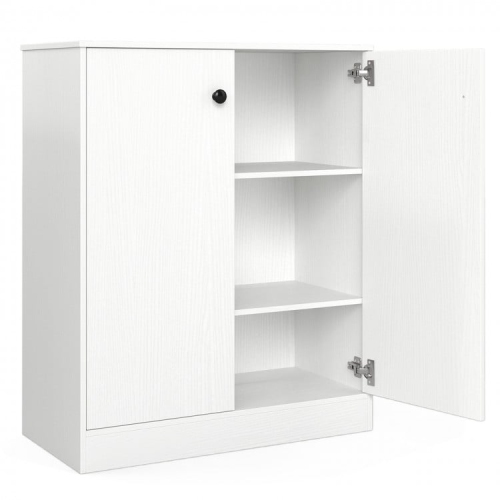
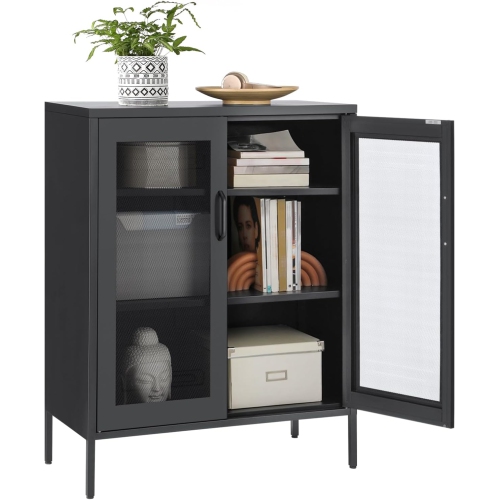
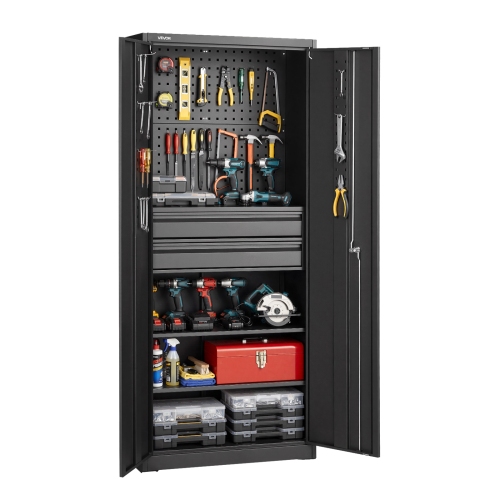
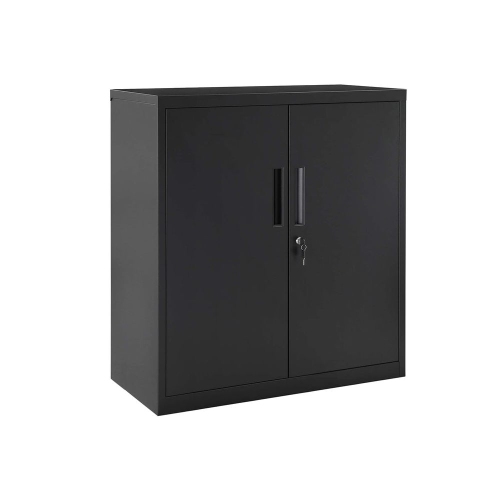
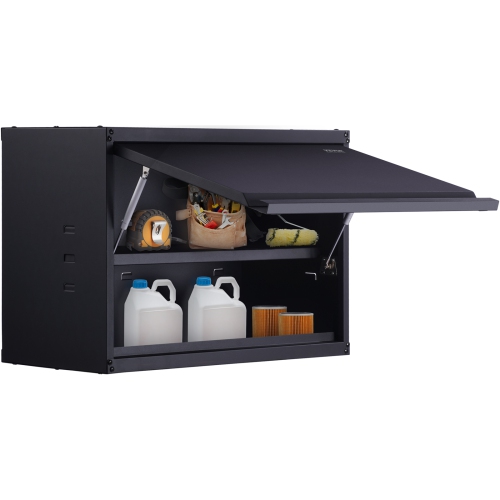
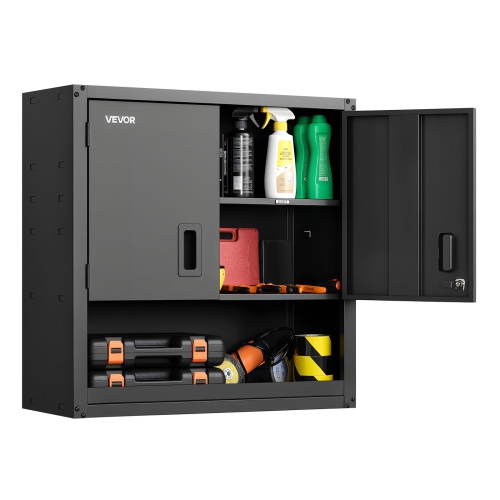
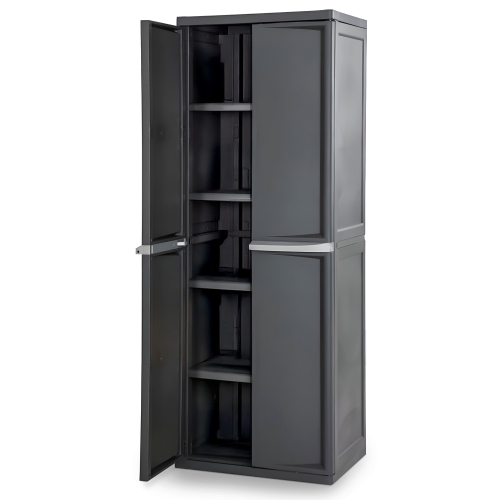
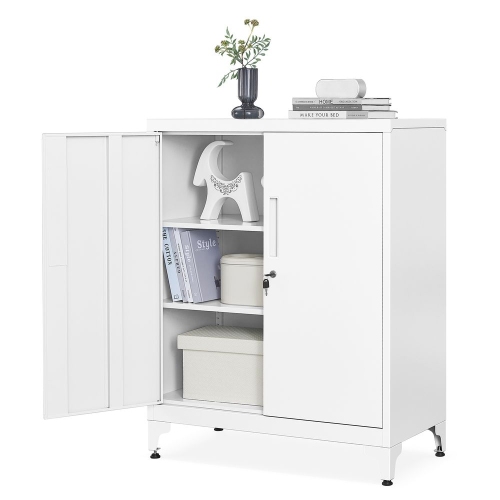
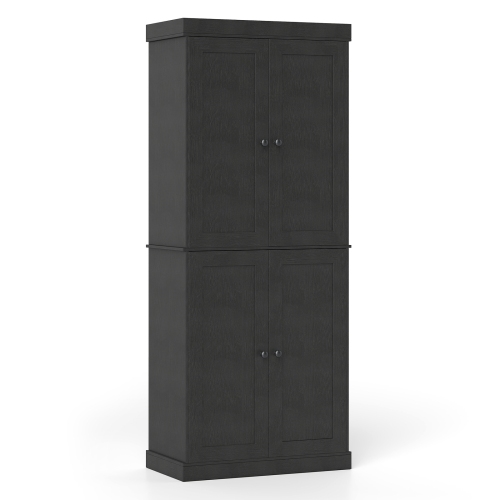
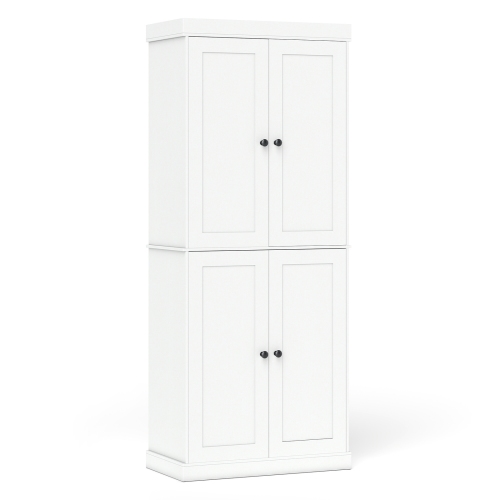
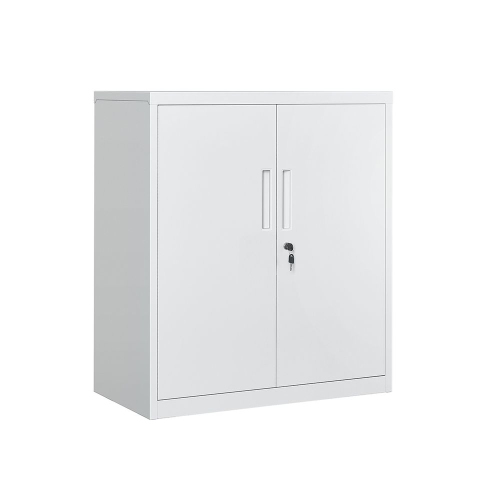
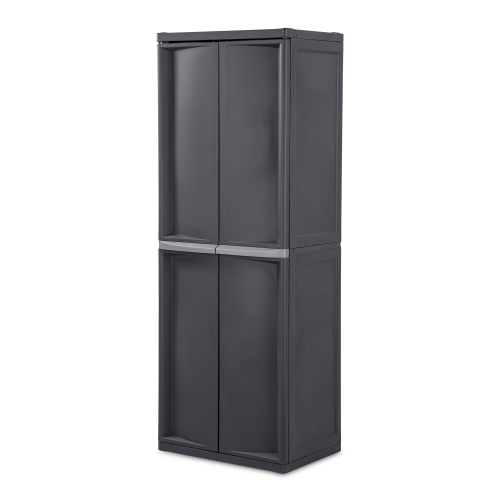
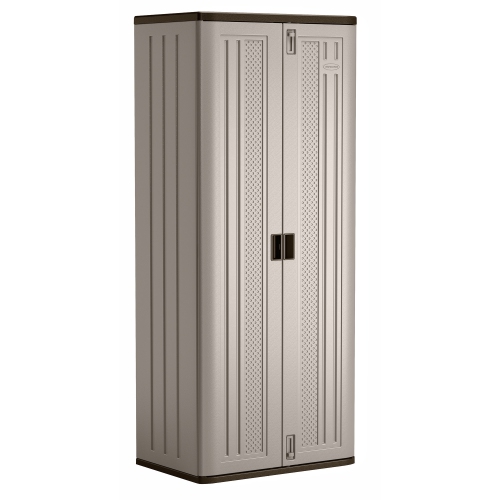
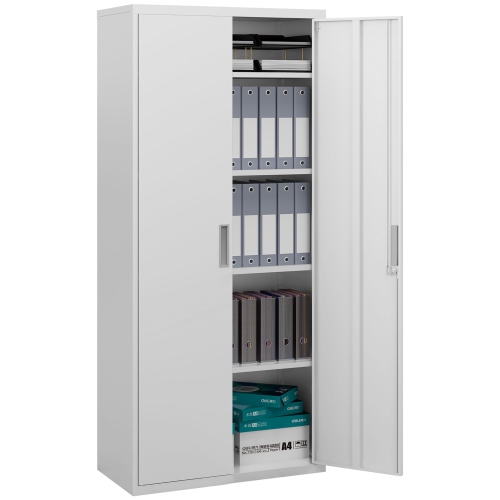
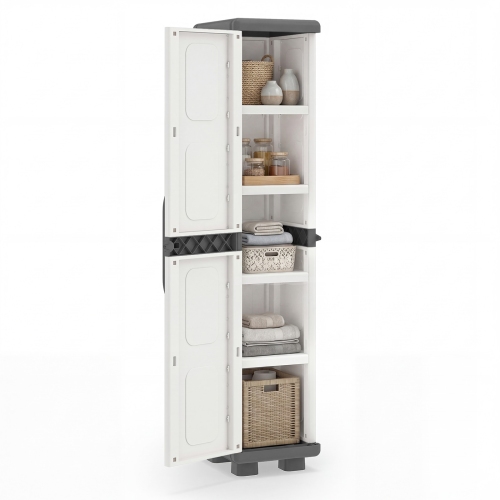
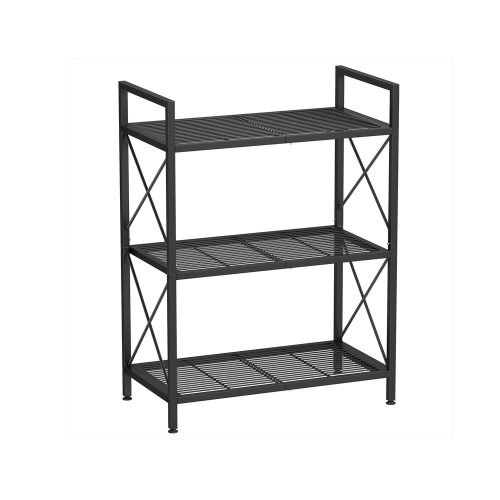
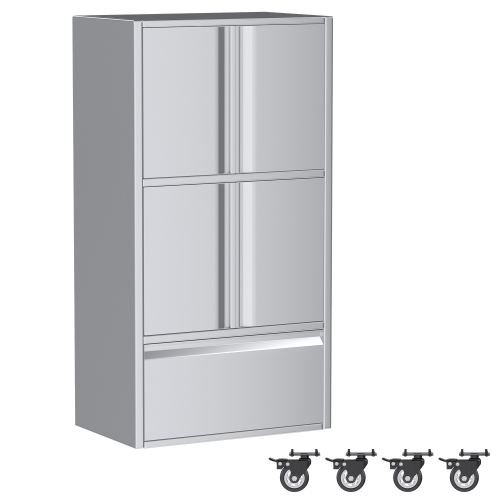
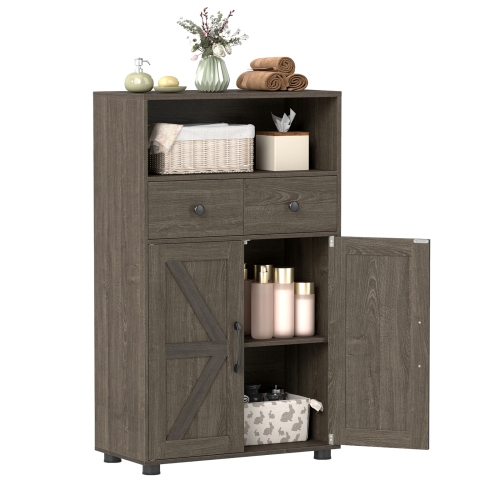
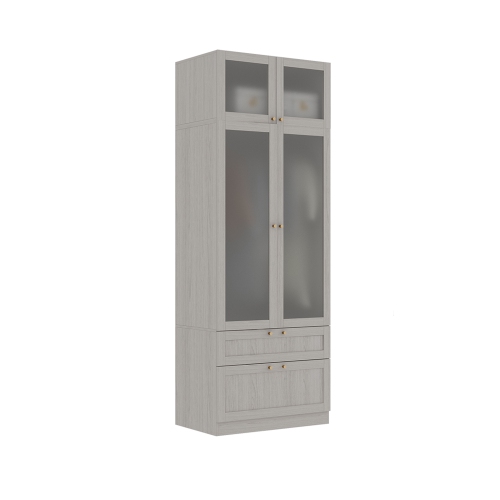
Everyday supplies tucked away with room to move
Utility room storage cabinets provide enclosed space for cleaning supplies, laundry detergents, linens, and household tools, helping keep practical necessities organized and easier to find. They are useful in rooms that handle several jobs at once: washing clothes, storing a mop and bucket, keeping spare towels close by, or holding the supplies needed for everyday repairs. Closed doors can make a busy room look less cluttered while keeping contents out of direct view. The most useful cabinet layout depends on what needs to fit inside. Tall compartments suit brooms, ironing boards, and other long-handled equipment, while shorter shelves make better use of space around folded cloths, detergent bottles, and small storage bins. A combination of open and enclosed storage can keep frequently used supplies within reach without leaving every bottle and brush on display. Freestanding cabinets offer flexibility in positioning, whereas wall-mounted designs leave the floor beneath them accessible for cleaning or other uses, provided the wall and mounting hardware can support the intended load. Narrow cabinets can make use of a gap beside an appliance, but their exterior width is only part of the fit. Door swing, handles, baseboard clearance, and the space needed to stand comfortably in front of the cabinet all affect how convenient it will be. Interior dimensions matter just as much: a cabinet that looks generous from the outside may have less usable depth once its doors, back panel, and hinges are considered. In a compact room, checking whether a laundry basket can pass an open door can be more revealing than looking at width alone. Spaces centred on washing and folding may also suit Laundry Room Cabinets, especially where folded linens and laundry supplies need separate places. For either type of room, storage works best when it supports the tasks already happening there rather than narrowing walkways or making appliances harder to reach.
Materials and construction influence how utility room cabinets stand up to daily handling, occasional splashes, and the weight of their contents. Metal cabinets often have a sturdy, practical appearance, with painted or powder-coated finishes that help protect the surface when kept intact. The quality of the finish, the strength of shelf supports, and the design of hinges and door catches are worth considering alongside the metal itself. Scratches or damaged coatings may need attention according to the manufacturer’s care instructions. Engineered wood cabinets can provide a furniture-like finish that blends with nearby rooms, particularly when the utility area opens onto a hallway or shared living space. Laminated surfaces are often straightforward to wipe clean, but exposed edges, joints, and drilled openings may be more vulnerable to water than the finished panels. A moisture-resistant surface does not necessarily mean the whole cabinet is waterproof. Resin and plastic cabinets can offer wipeable surfaces without the same concerns about metal corrosion, although shelf stiffness, door alignment, and stated weight limits still matter. No material alone guarantees durability; sound assembly, suitable placement, and loads kept within the cabinet’s rated capacity all contribute. Adjustable shelves are helpful when storage needs vary between tall refill containers and stacks of hand towels, while a fixed full-height compartment gives longer tools a place without forcing them to lean across other supplies. Shelf depth also affects visibility. Deep shelves hold more, but smaller containers can disappear behind larger ones unless bins or trays keep them grouped. A shallow cabinet may be more useful for regularly handled supplies because its contents are easier to see at a glance. Handles that are comfortable to grasp, doors that close without catching, and shelf surfaces that are easy to wipe all make a difference in a room used for hands-on household work.
A well-planned storage arrangement keeps the heaviest contents low, everyday supplies at a comfortable reaching height, and less frequently used belongings where they remain accessible without crowding the main work area. A low shelf can hold a bulky detergent container more conveniently than an overhead compartment, while clean linens benefit from a separate section away from household chemicals. Washable trays can help contain small drips, but cleaning products should remain in their original labelled containers and be stored according to their instructions. Products with incompatible storage requirements should not share a compartment simply because there is room. Where children or pets may enter, a lockable cabinet may help restrict access, but the locking mechanism and storage arrangements still need to suit the contents; a closed door alone is not a safety measure. Tall and freestanding cabinets may require anchoring, and wall-mounted cabinets need fixings suited to the wall construction and the total loaded weight. Manufacturer instructions should govern assembly, mounting, shelf loading, and any anti-tip measures. Placement also needs to preserve access to shut-off valves, electrical panels, appliance connections, and service points, with required clearances left unobstructed. This is particularly important in a small utility room, where an apparently unused section of wall may still need to remain accessible. For ongoing care, cabinet finishes generally benefit from prompt attention to spills and cleaning methods matched to the material. A soft cloth and an approved mild cleaner may be suitable, while abrasive pads or harsh chemicals can damage some coatings and laminates. Drying surfaces after wiping helps prevent moisture from lingering along seams or hardware. For households sharing laundry duties, caregivers keeping supplies organized, or anyone bringing order to a compact home, clearly separated storage can reduce rummaging and make routines smoother. A cabinet with the right proportions and internal layout gives each group of supplies a dependable place, leaving more usable room for sorting, folding, and the other everyday jobs a utility space needs to support.
Top selling and popular products
-
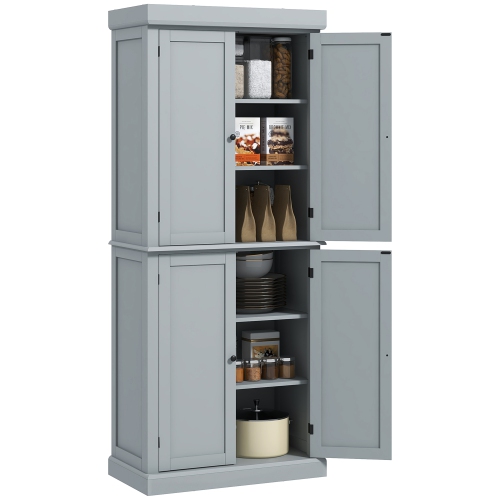 Your price for this item is $285
-
 Your price for this item is $155.99
-
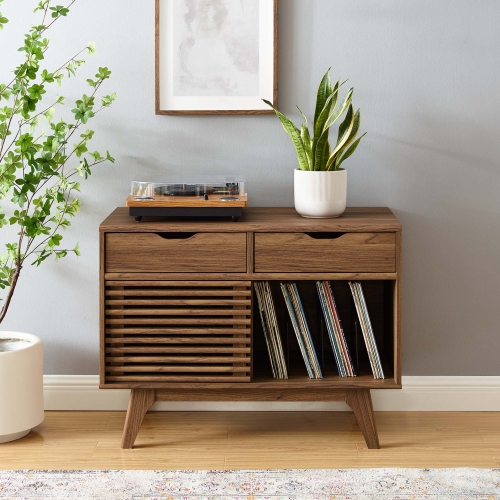 Your price for this item is $452.93
-
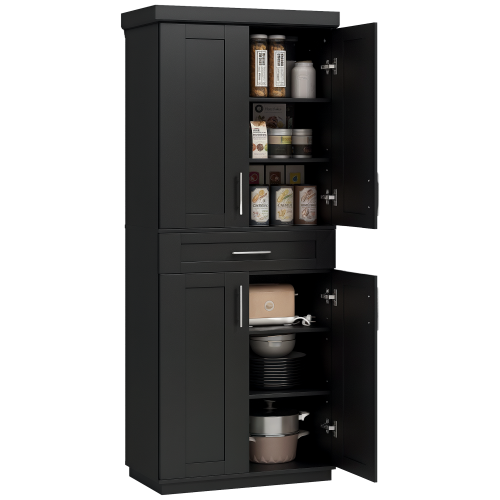 Your price for this item is $269.99
-
 Your price for this item is $12.97
-
 Your price for this item is $155.99
-
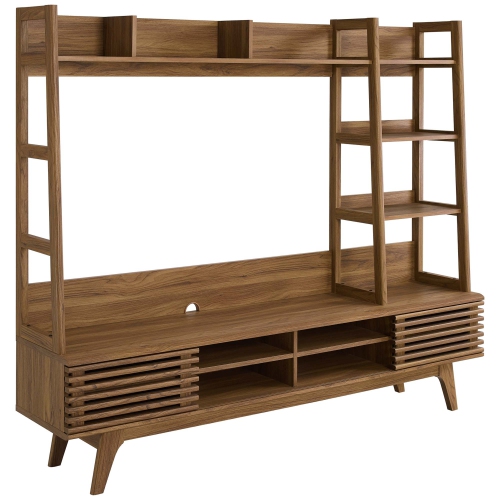 Your price for this item is $885.06
-
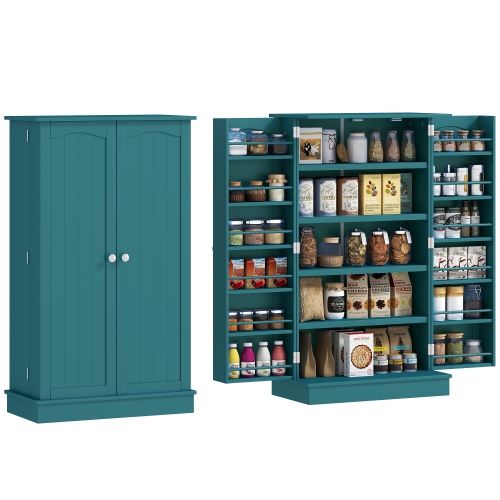 Your price for this item is $132.99
Discover more categories related to Utility Room Storage Cabinets
Top Collections:
Best Black Friday Deals This Year, Best Black Friday Deals On Electronics, Kindle Devices, Dyson Airwrap, Best Cameras for Sports Photography, Best Budget Office Chairs, Canon G7X Cameras, PS5 Pro Consoles, Best Black Friday Deals On Apple Products, XBOX One S Consoles
Some products may be subject to Environmental Handling Fees
(EHF) depending on your province.
Learn more about EHFs.