Vampire Plugs
Vampire plugs offer a convenient solution for connecting electrical devices without the need for complex wiring or extensive tools. Perfect for quick installations and seamless setups, vampire plugs are designed to make adding outlets or connections straightforward and efficient. Whether you’re tackling a DIY project or upgrading your home’s electrical system, discover a range of vampire plugs to help streamline your work and keep your space organized.
Sort
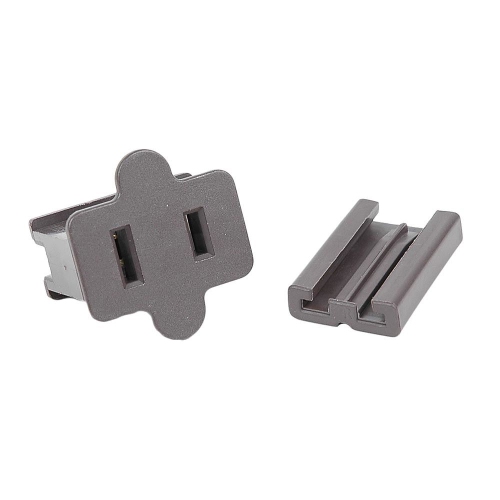
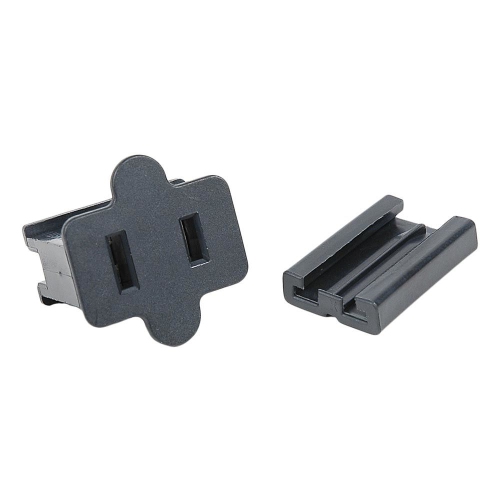
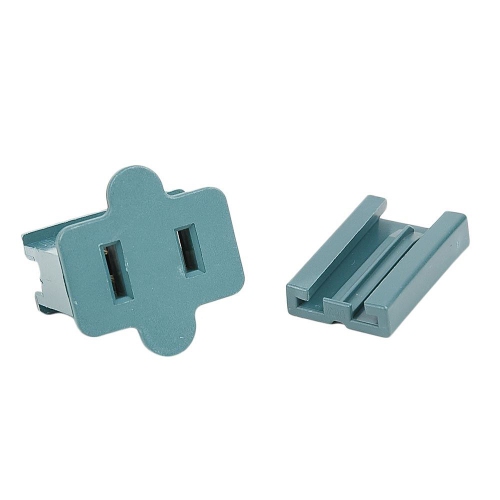
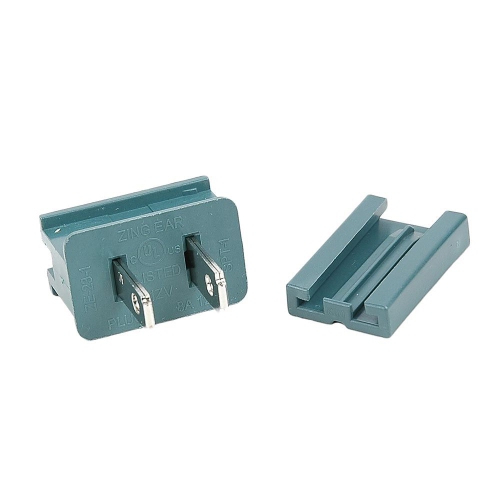
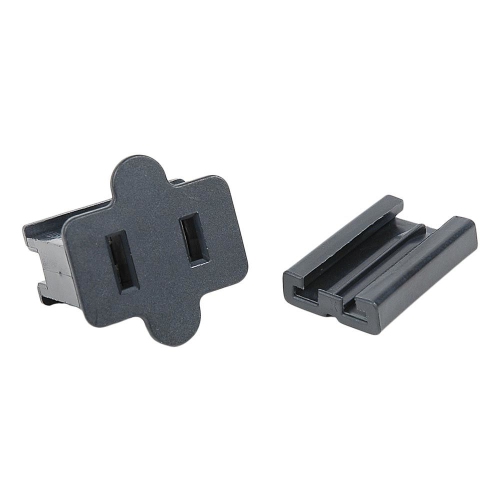
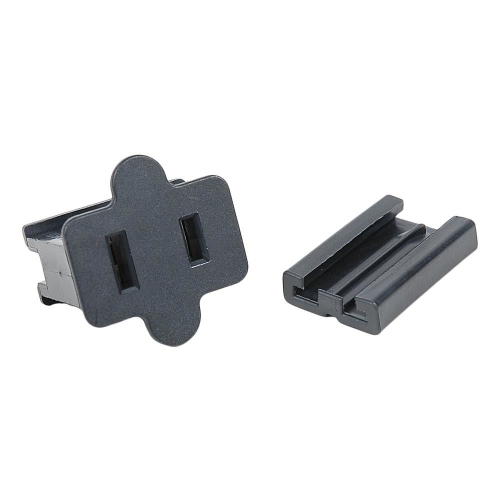
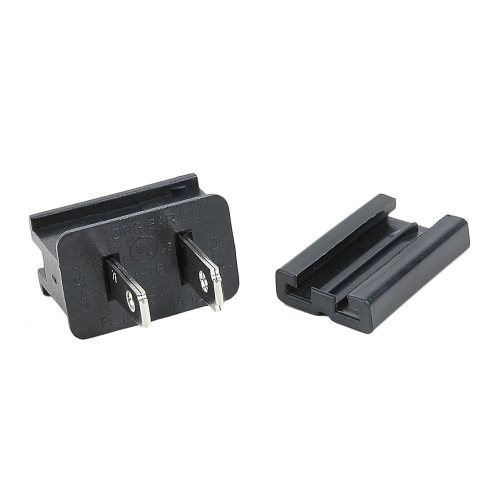
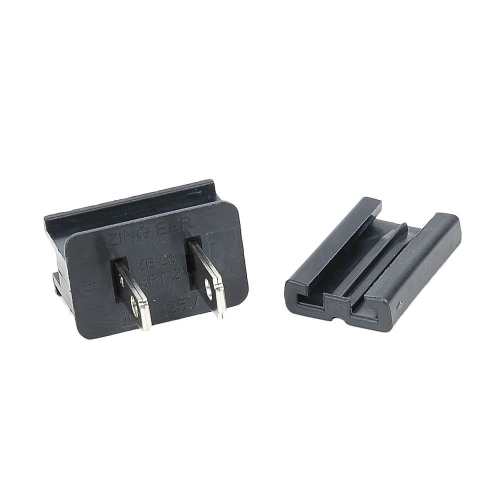
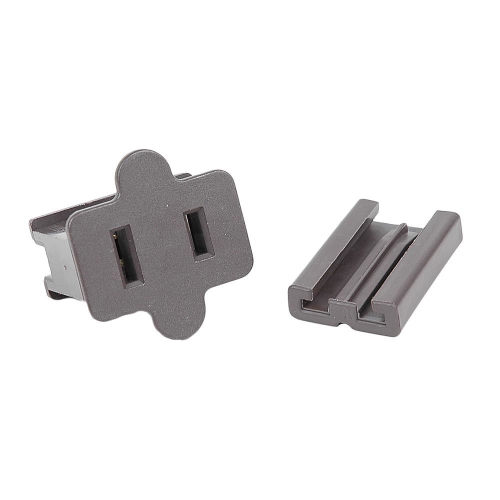
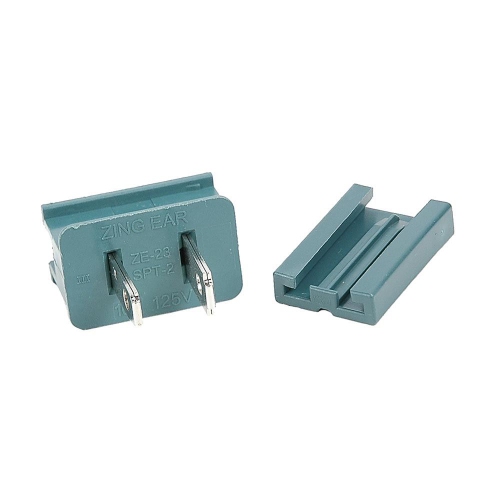
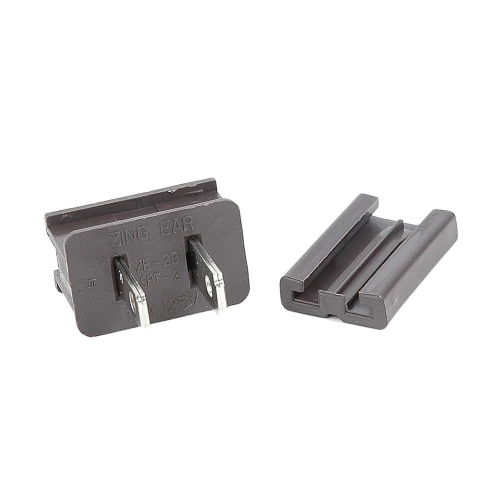
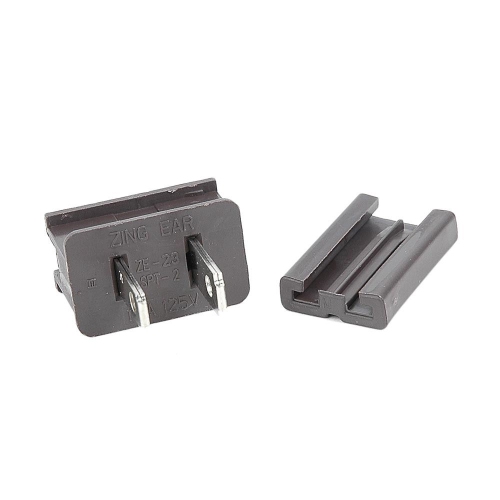
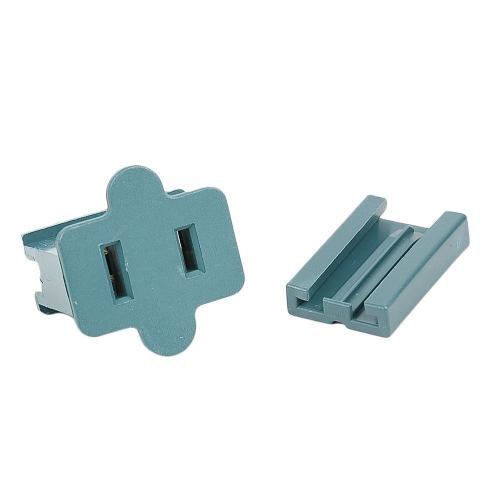
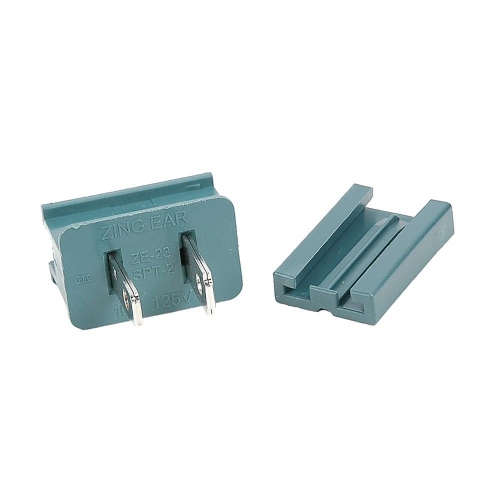
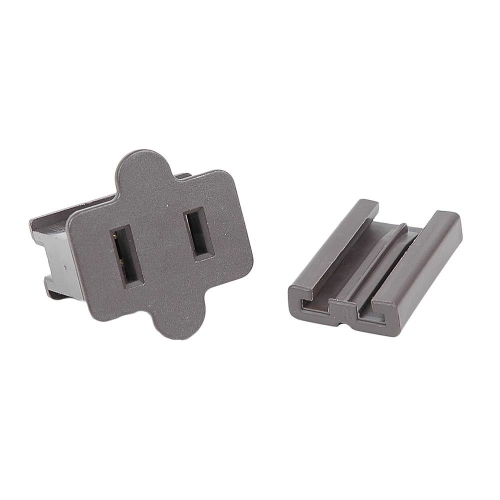
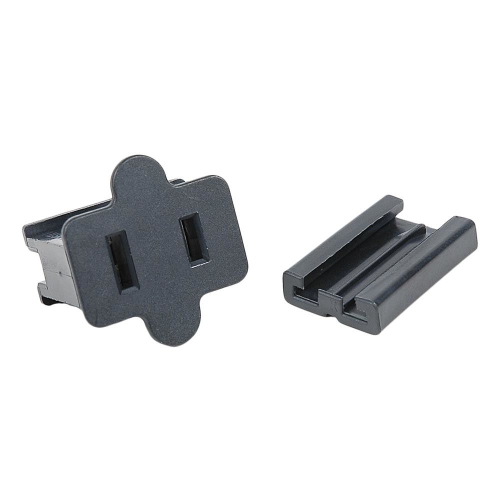
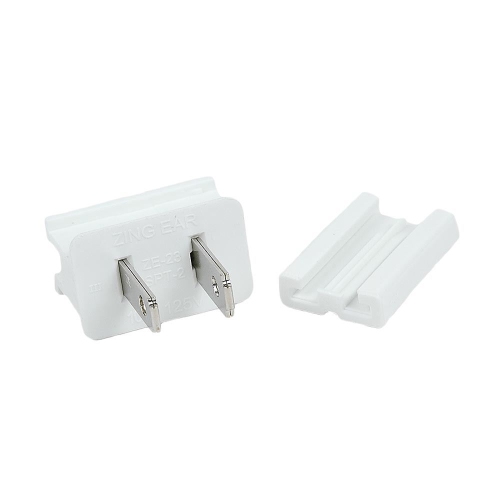
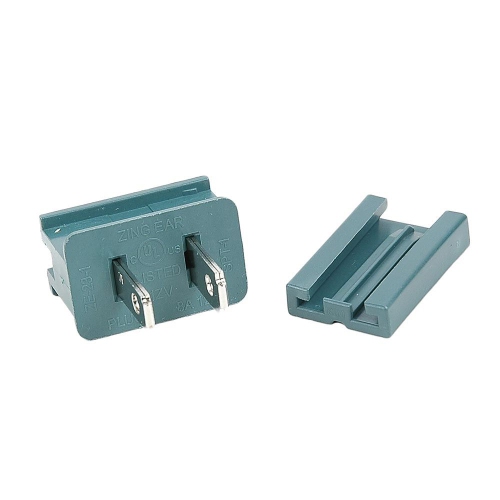
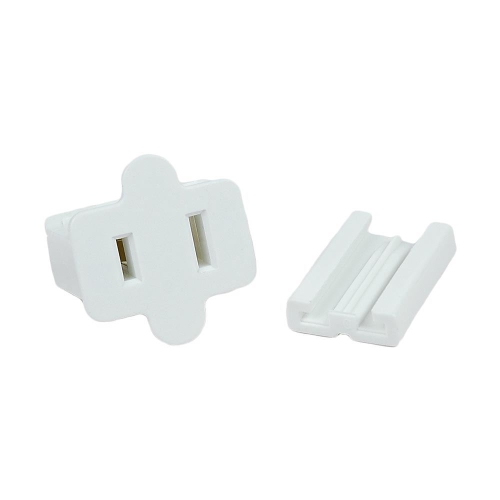
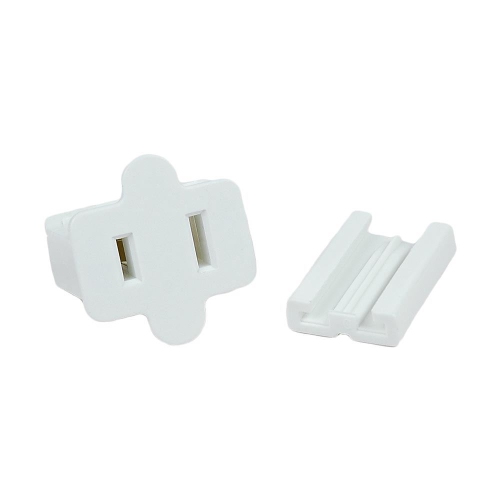
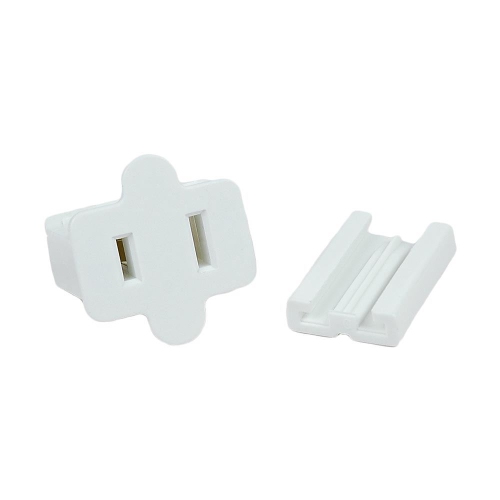
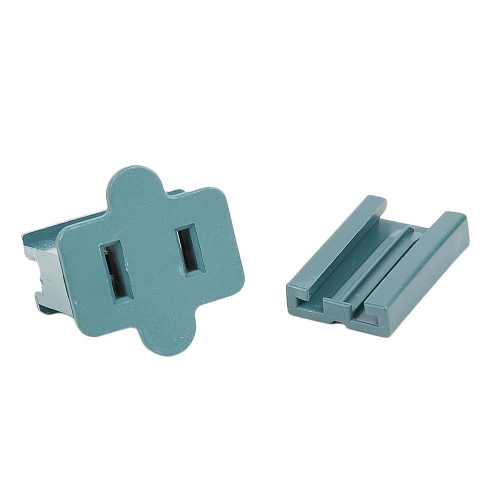
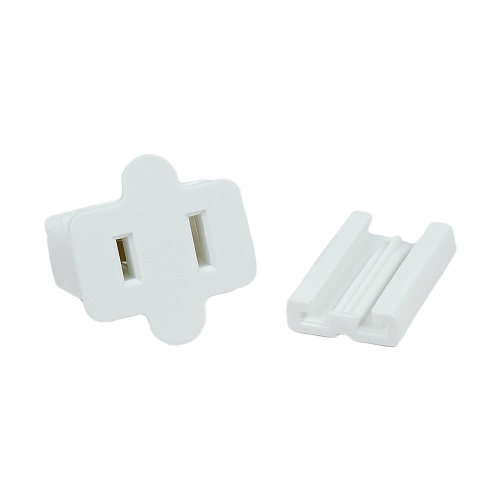
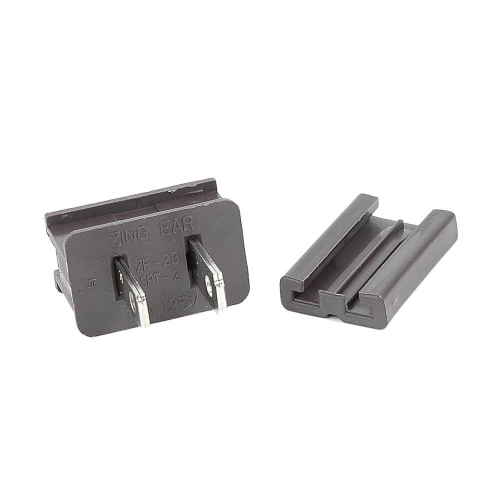
Custom holiday lighting starts with compatible cord connections
Vampire plugs are insulation-piercing electrical connectors used with compatible flat, two-conductor cord to create custom-length lighting leads and connections. Also called zip plugs, they get their name from the small metal teeth inside the housing, which penetrate the cord’s insulation to contact the conductors. This design typically makes the connection without stripping insulation or soldering, while a sliding cover secures the cord according to the connector’s design. Their most familiar use is in custom holiday lighting, where carefully fitted cords can follow a porch railing, trace a roofline, or connect separate sections of a Christmas display without leaving large coils of excess cable. They are often associated with compatible C7 and C9 string-light systems, although the bulb style alone does not establish whether a plug and cord can work together. The actual wire specifications and electrical ratings determine compatibility. Male plugs provide the pronged connection to a suitable receptacle, while female connectors provide a socket for a compatible plug. Some female versions are specifically designed for inline placement, allowing a connection point along an approved cord run rather than only at its end. These configurations serve different purposes and are not automatically interchangeable. For decorators, lighting installers, and homeowners planning a tailored display, that distinction matters as much as the finished appearance. A connection near the base of a tree serves a different layout from one at the end of a long roofline, even when both belong to the same display. Vampire plugs are practical components rather than decorative accessories: their value lies in matching the connection to the cord and the intended layout. They are not universal replacement plugs for appliances, a way to convert grounded equipment to a two-wire supply, or substitutes for permanent building wiring. Shoppers comparing other plug-related accessories can also browse Good Plug, keeping the intended application and connection requirements in view.
Fit starts with the cord designation, not simply whether the wire appears narrow enough to enter the housing. Many vampire plugs are designed for 18-gauge flat zip cord, with versions made specifically for SPT-1 or SPT-2 insulation. These cord types differ in insulation thickness, so a connector intended for one should not be assumed to fit the other unless its manufacturer expressly allows both. The internal channel, piercing contacts, and closure must suit the specified cord construction; a cover that can be forced shut does not prove that a connection is correct or safe. Likewise, thicker insulation does not, by itself, mean that a cord can carry a greater electrical load. Voltage, current, wire gauge, and the ratings of every connected component remain separate considerations. The permissible load is limited by the lowest-rated component in the assembly, and adding an inline outlet does not increase that capacity. Physical construction also deserves attention. Vampire plugs generally combine a moulded insulating housing with conductive metal contacts, but the exact housing material, contact metal, cord retention features, and permitted applications vary. A well-matched housing helps protect the connection and hold the specified cord in place without relying on tension at the contact points. Polarization is another important detail: where a system uses a polarized connection, its designated conductor orientation must be preserved as directed by the manufacturer. For a display that includes several lighting sections, clear component markings make it easier to keep compatible parts together and avoid confusing similar-looking connectors. Housing colour can help a connection blend with dark foliage, pale trim, or the cord itself, but colour is an appearance choice rather than an electrical specification. The most useful comparison brings these details together: connector configuration, approved cord type, electrical ratings, intended location, and recognized Canadian certification or approval markings appropriate to the component and its use. A neat-looking result should follow from those requirements, not take priority over them.
Intended use has a direct effect on durability and care, particularly when custom lighting extends beyond an indoor display. An outdoor application requires components expressly rated for that use; an insulation-piercing connection or tightly closed plastic cover is not automatically waterproof. Cord type alone does not establish outdoor suitability either. For Christmas lights arranged around an entrance or along a fence, connection placement deserves as much thought as the visible light pattern. Connections should remain protected as required by their ratings, away from standing water, and clear of locations where doors, foot traffic, or maintenance equipment could crush or damage them. Outdoor supplies should have ground-fault protection as required by applicable electrical rules, with any necessary covers or enclosures selected for the actual connection arrangement. These details are especially relevant to displays that look simple from the street but contain multiple transitions between light strings and supply cords. A connector should never support a hanging cable or carry the weight of a lighting section, and cords should not be stretched taut to make a layout reach. Before use, inspection can reveal cracked housings, damaged insulation, loose closures, discolouration, or other signs that a component needs to be removed from service. Electrical power must be disconnected before assembly, adjustment, or inspection of a connection, and the manufacturer’s directions govern the work. Reuse should not be assumed: repeated disassembly may affect the housing or contact area, and a previously pierced section of cord may no longer be suitable for another connection. When a display is taken down, dry components and loosely coiled cords are easier to inspect and store without unnecessary strain; labels identifying cord type and ratings can simplify the next setup. Vampire plugs are best suited to people who need purpose-matched lighting connections and can verify every component’s compatibility. When ratings, approval, or assembly requirements are unclear, a qualified electrician can assess the application. Careful selection keeps the focus where it belongs: on a well-planned lighting layout supported by suitable electrical connections.
Fit starts with the cord designation, not simply whether the wire appears narrow enough to enter the housing. Many vampire plugs are designed for 18-gauge flat zip cord, with versions made specifically for SPT-1 or SPT-2 insulation. These cord types differ in insulation thickness, so a connector intended for one should not be assumed to fit the other unless its manufacturer expressly allows both. The internal channel, piercing contacts, and closure must suit the specified cord construction; a cover that can be forced shut does not prove that a connection is correct or safe. Likewise, thicker insulation does not, by itself, mean that a cord can carry a greater electrical load. Voltage, current, wire gauge, and the ratings of every connected component remain separate considerations. The permissible load is limited by the lowest-rated component in the assembly, and adding an inline outlet does not increase that capacity. Physical construction also deserves attention. Vampire plugs generally combine a moulded insulating housing with conductive metal contacts, but the exact housing material, contact metal, cord retention features, and permitted applications vary. A well-matched housing helps protect the connection and hold the specified cord in place without relying on tension at the contact points. Polarization is another important detail: where a system uses a polarized connection, its designated conductor orientation must be preserved as directed by the manufacturer. For a display that includes several lighting sections, clear component markings make it easier to keep compatible parts together and avoid confusing similar-looking connectors. Housing colour can help a connection blend with dark foliage, pale trim, or the cord itself, but colour is an appearance choice rather than an electrical specification. The most useful comparison brings these details together: connector configuration, approved cord type, electrical ratings, intended location, and recognized Canadian certification or approval markings appropriate to the component and its use. A neat-looking result should follow from those requirements, not take priority over them.
Intended use has a direct effect on durability and care, particularly when custom lighting extends beyond an indoor display. An outdoor application requires components expressly rated for that use; an insulation-piercing connection or tightly closed plastic cover is not automatically waterproof. Cord type alone does not establish outdoor suitability either. For Christmas lights arranged around an entrance or along a fence, connection placement deserves as much thought as the visible light pattern. Connections should remain protected as required by their ratings, away from standing water, and clear of locations where doors, foot traffic, or maintenance equipment could crush or damage them. Outdoor supplies should have ground-fault protection as required by applicable electrical rules, with any necessary covers or enclosures selected for the actual connection arrangement. These details are especially relevant to displays that look simple from the street but contain multiple transitions between light strings and supply cords. A connector should never support a hanging cable or carry the weight of a lighting section, and cords should not be stretched taut to make a layout reach. Before use, inspection can reveal cracked housings, damaged insulation, loose closures, discolouration, or other signs that a component needs to be removed from service. Electrical power must be disconnected before assembly, adjustment, or inspection of a connection, and the manufacturer’s directions govern the work. Reuse should not be assumed: repeated disassembly may affect the housing or contact area, and a previously pierced section of cord may no longer be suitable for another connection. When a display is taken down, dry components and loosely coiled cords are easier to inspect and store without unnecessary strain; labels identifying cord type and ratings can simplify the next setup. Vampire plugs are best suited to people who need purpose-matched lighting connections and can verify every component’s compatibility. When ratings, approval, or assembly requirements are unclear, a qualified electrician can assess the application. Careful selection keeps the focus where it belongs: on a well-planned lighting layout supported by suitable electrical connections.
Top selling and popular products
-
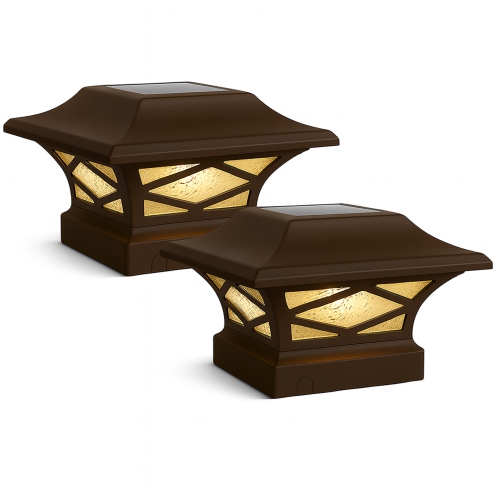 Your price for this item is $99.99
 -
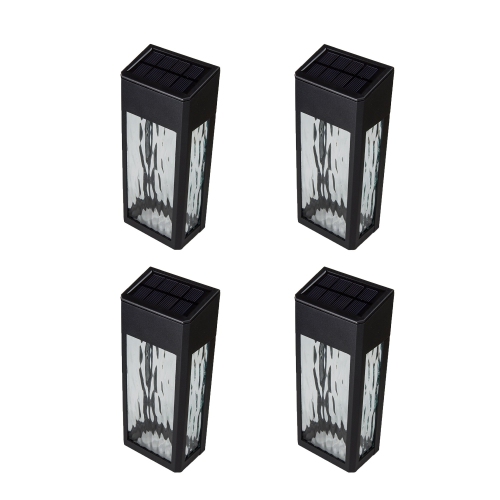 Your price for this item is $73.99
 -
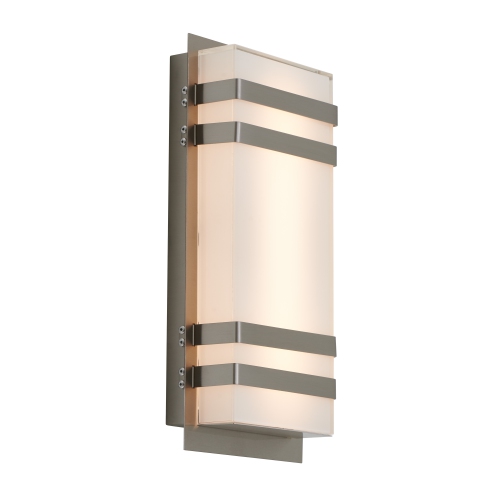 Your price for this item is $69.99
 -
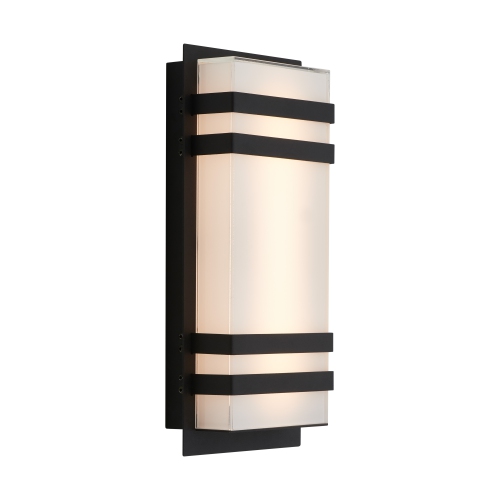 Your price for this item is $59.99
 -
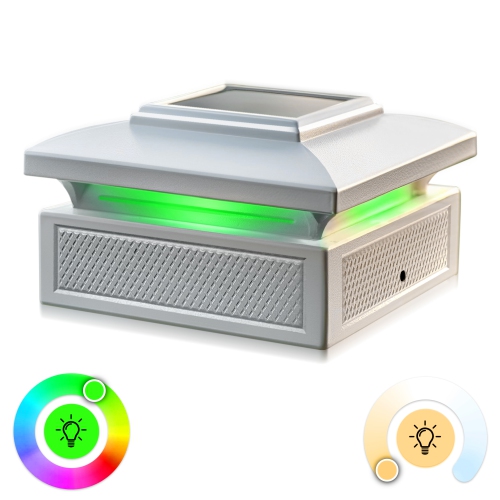 Your price for this item is $99.99
 -
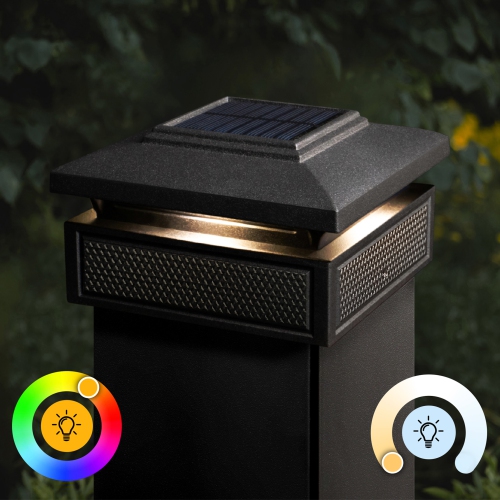 Your price for this item is $99.99
 -
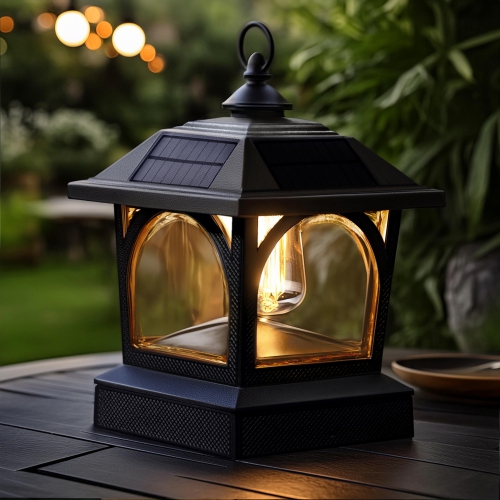 Your price for this item is $99.99
 -
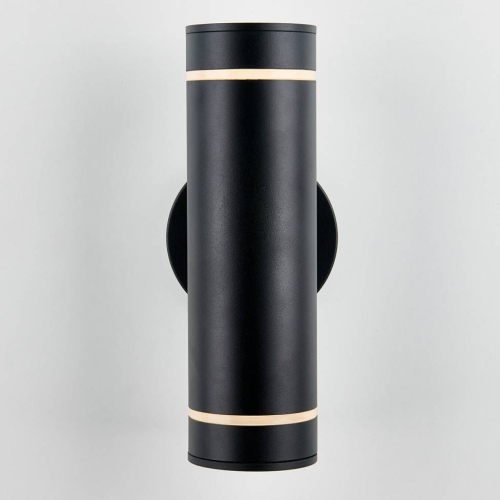 Your price for this item is $99
Discover more categories related to Vampire Plugs
Top Collections:
Pokemon Centers, Kindle Devices, Best Budget Office Chairs, Apple iPhones 16, Best Laptops for Writers, iPhone 15 Apple, Canon G7X Cameras, Refurbished Apple Laptops, Alarm Clock, Motorola Razr Phones
Some products may be subject to Environmental Handling Fees
(EHF) depending on your province.
Learn more about EHFs.