Electric Plug
Explore our wide selection of electric plugs designed to keep you connected at home, in the office, or on the go. Whether you need a simple plug for your smartphone charger or a versatile power strip for multiple devices, we have the perfect solution to meet your needs. Say goodbye to tangled cords and limited outlets – shop our range of electric plugs today and stay charged up wherever you are.
Sort
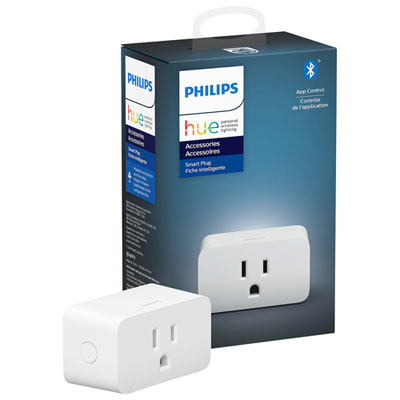
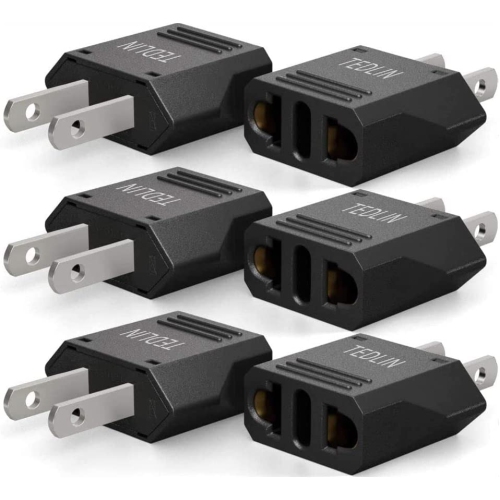
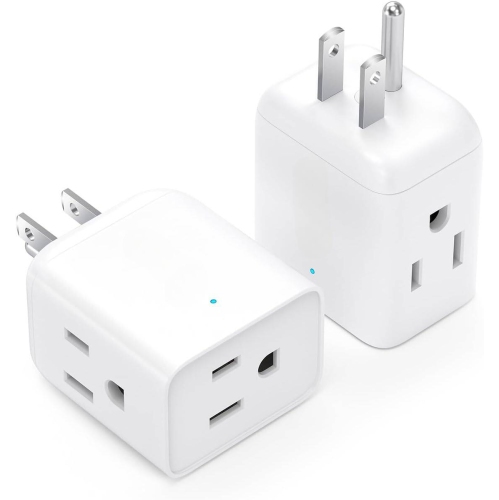
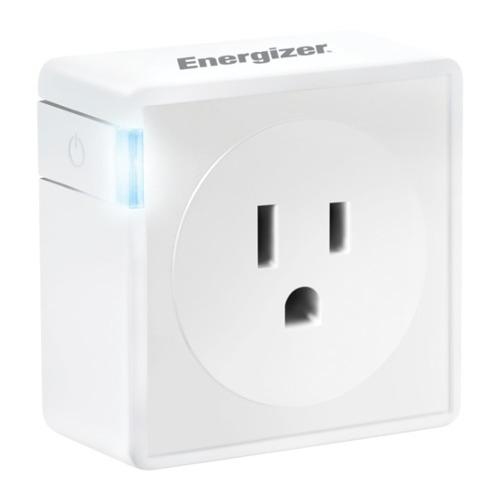
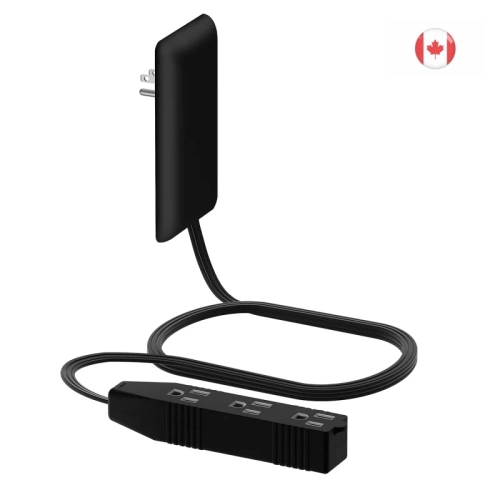
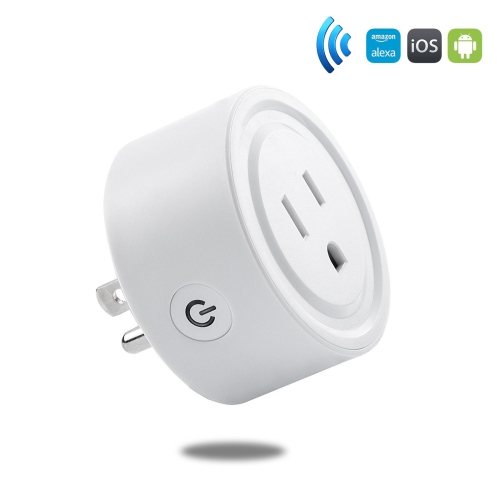
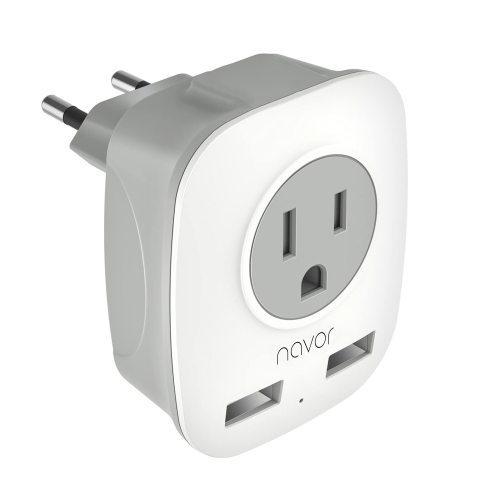
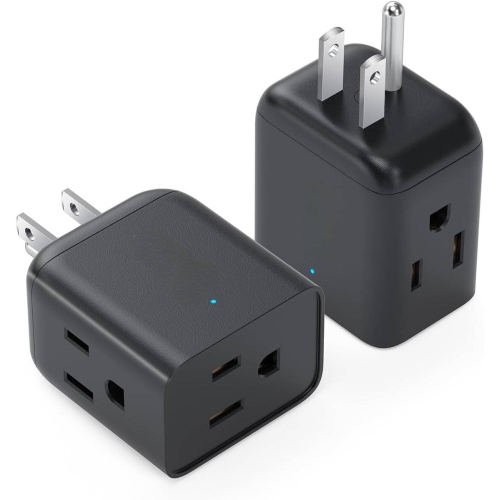
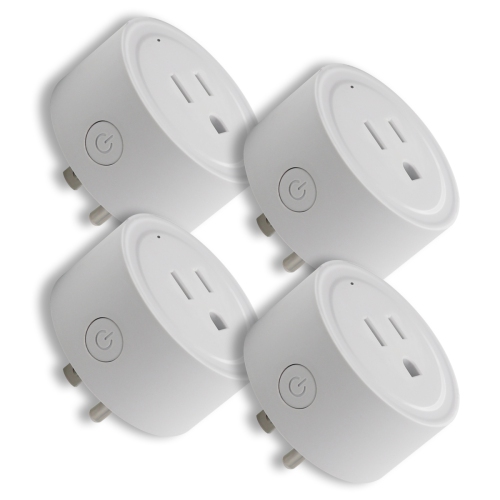
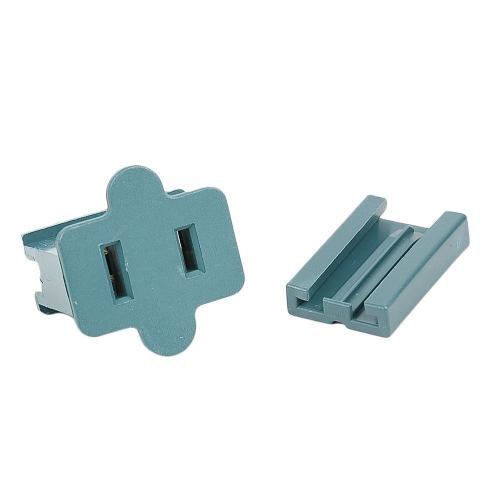
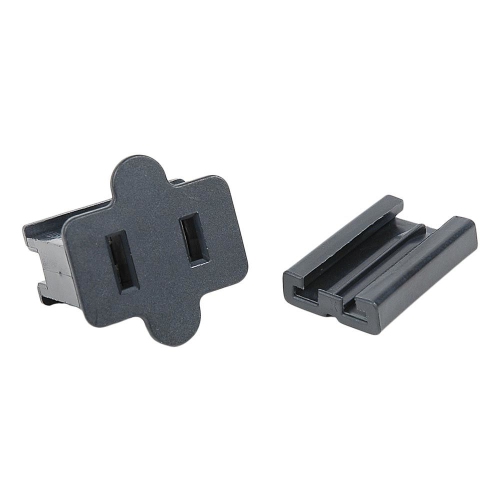
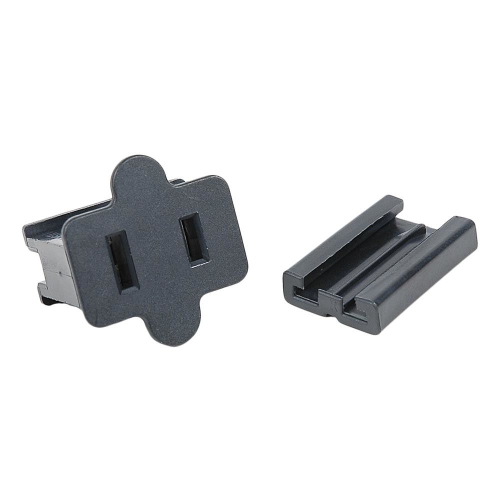
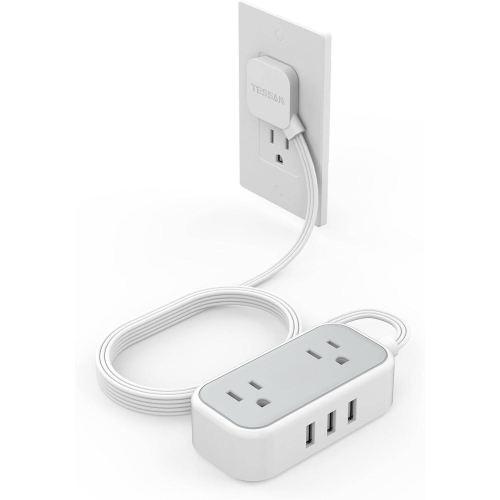
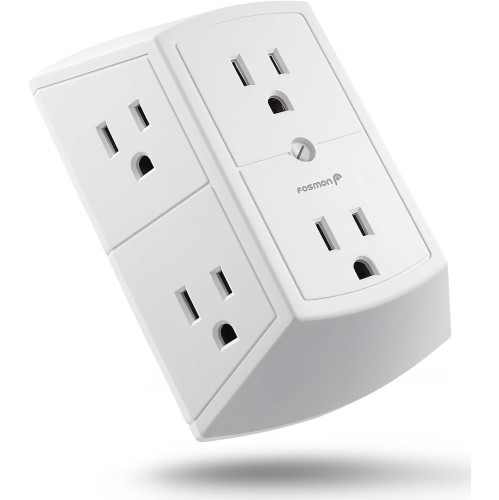
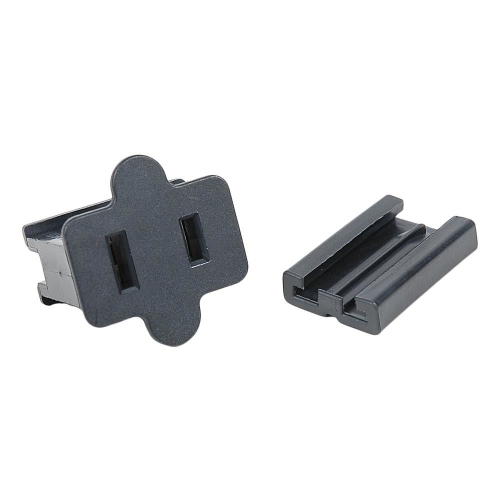
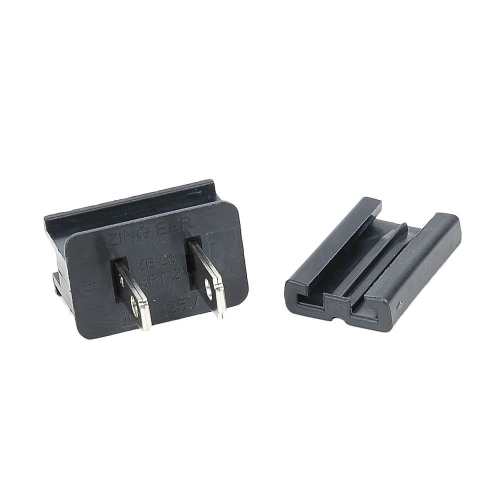


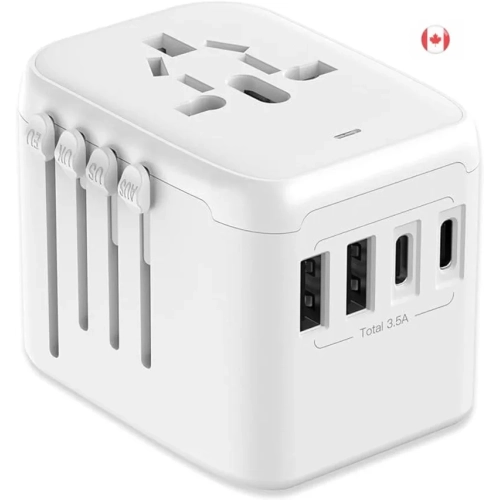
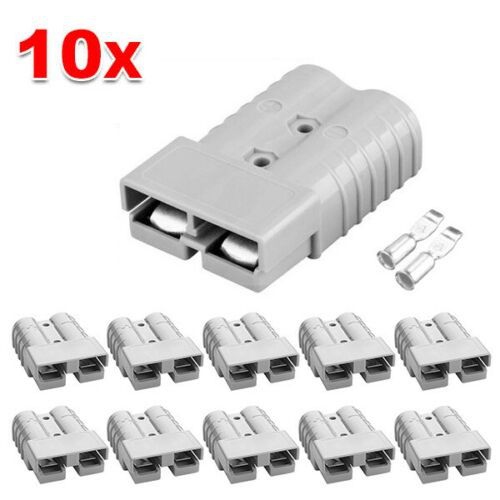
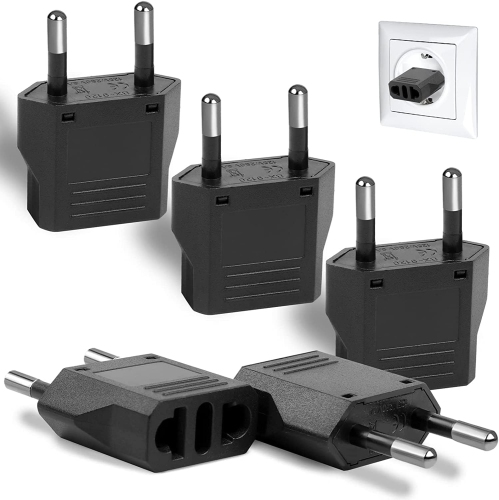
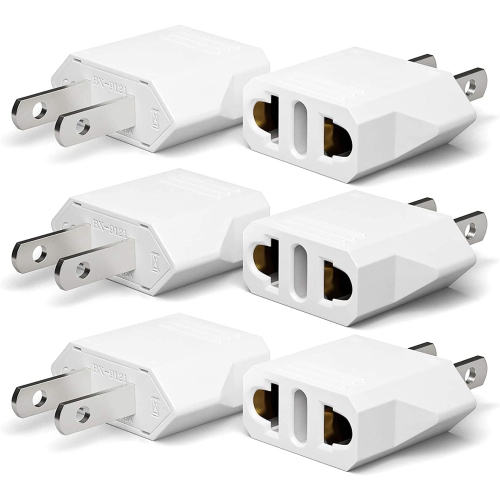
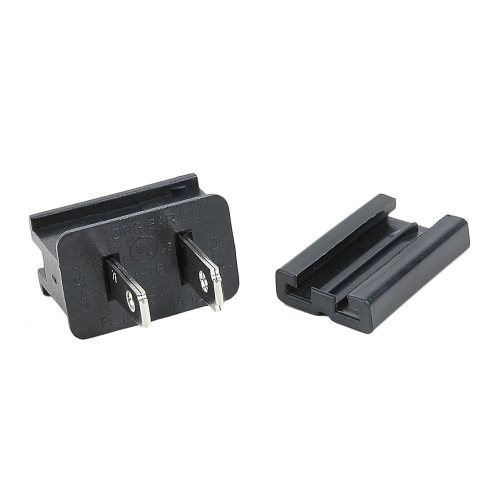
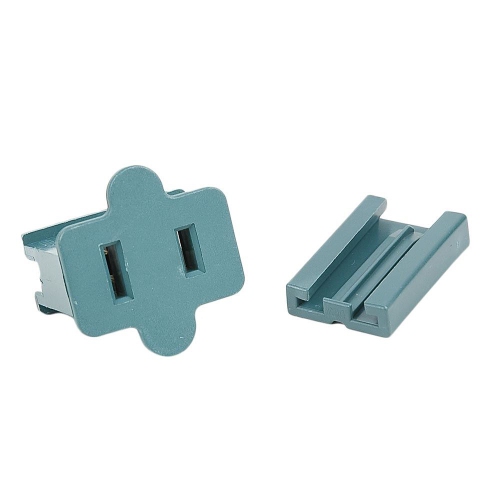
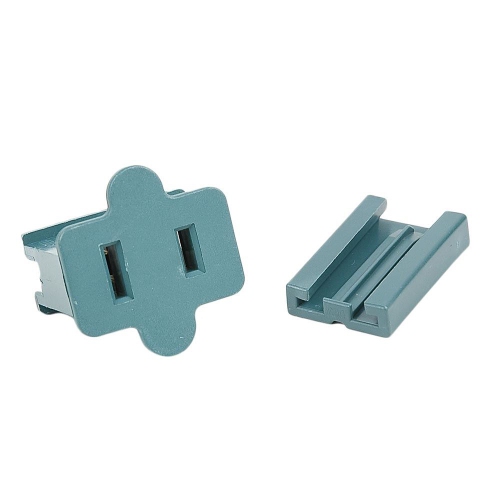
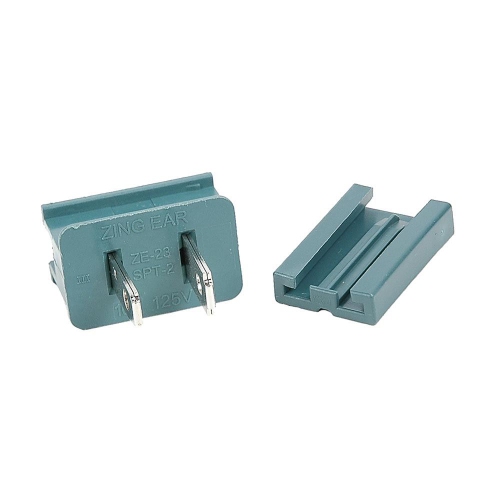
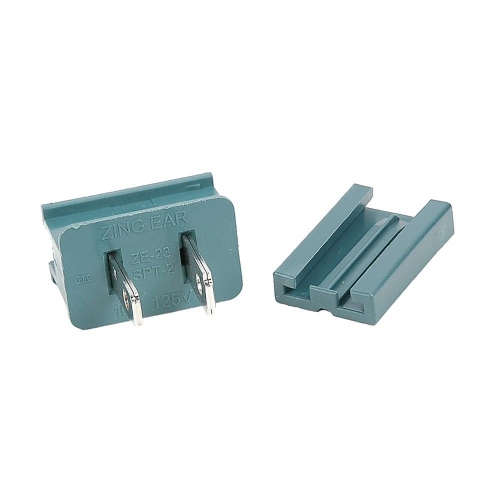
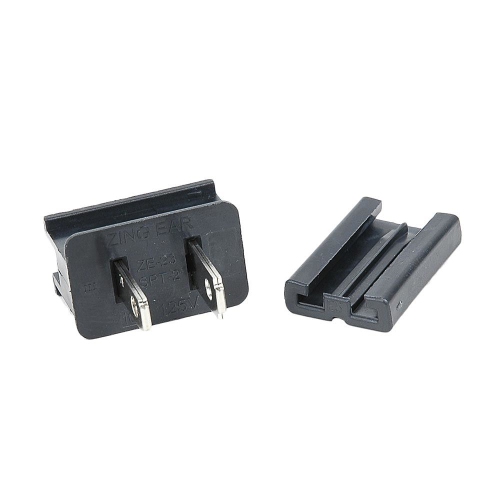
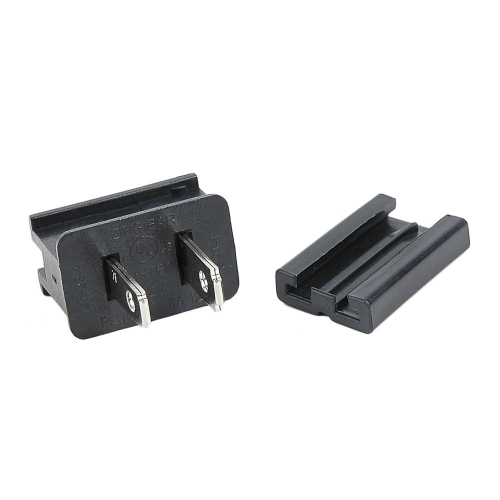
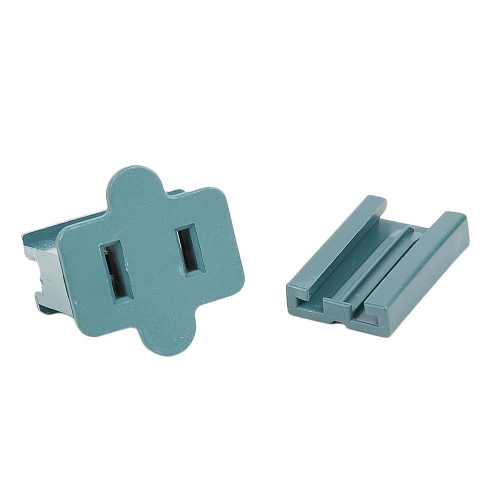
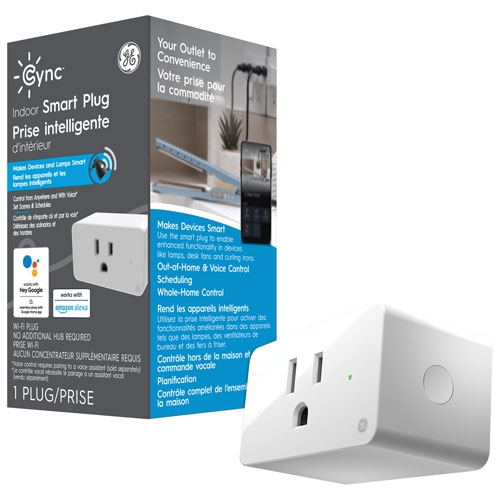
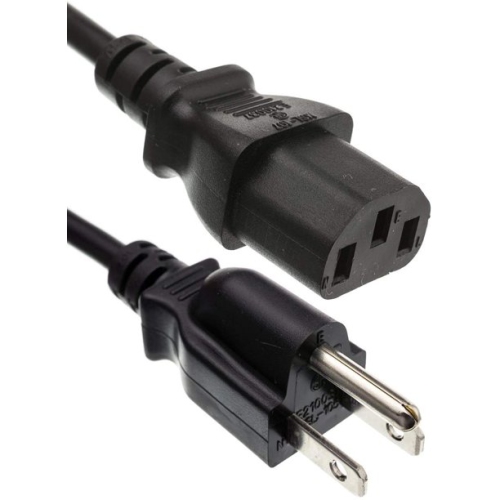
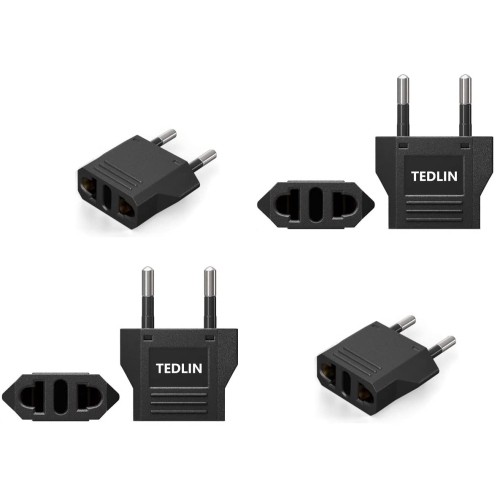
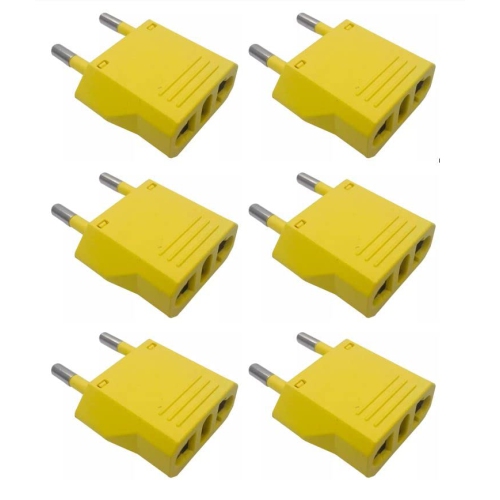
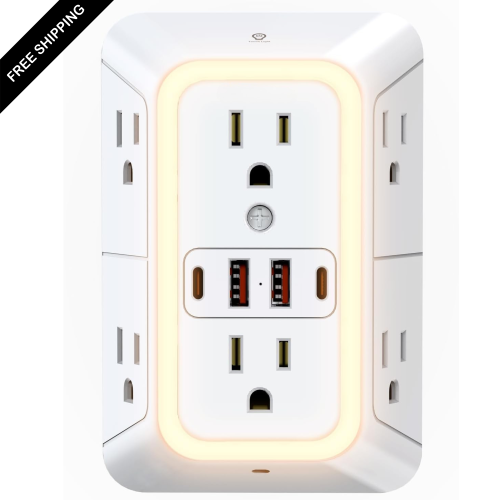
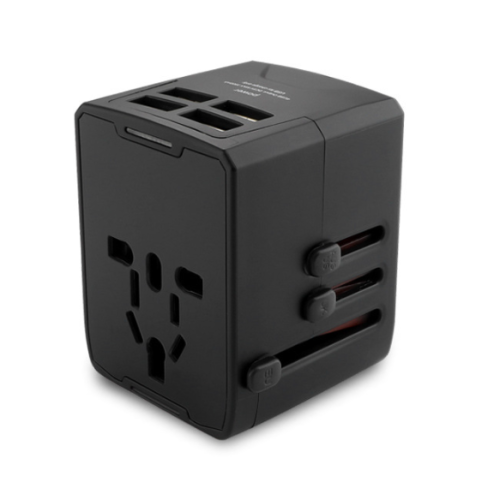
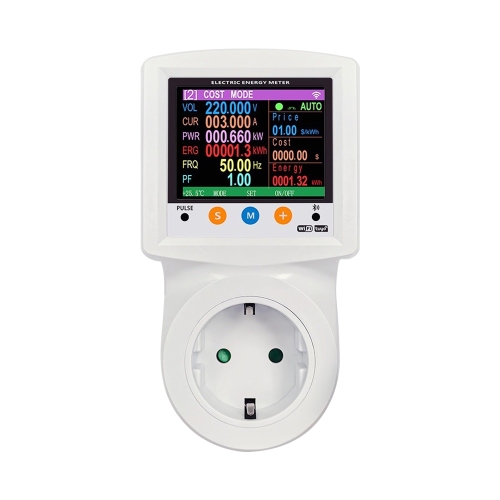
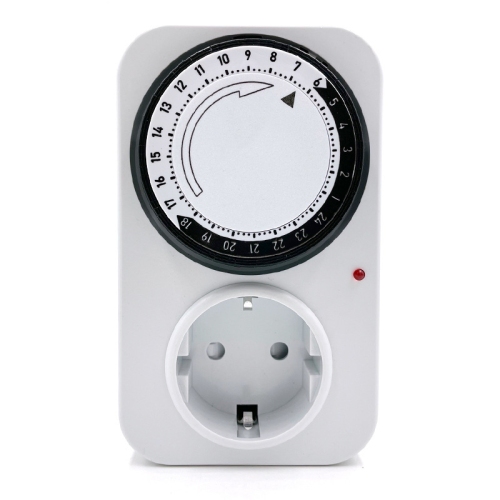
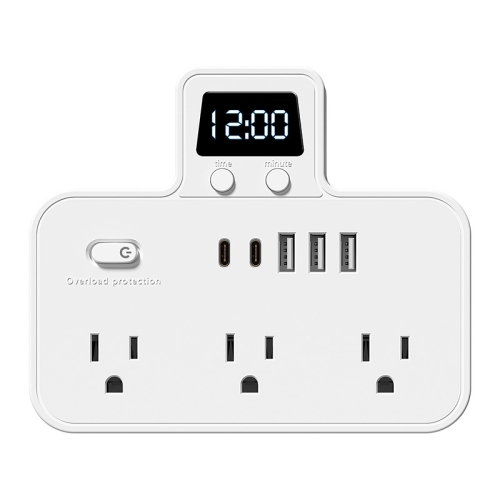
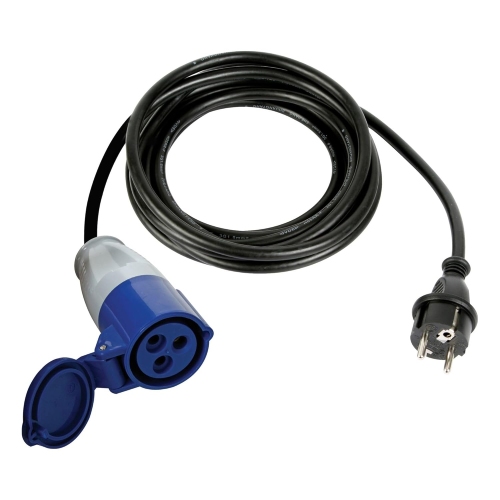
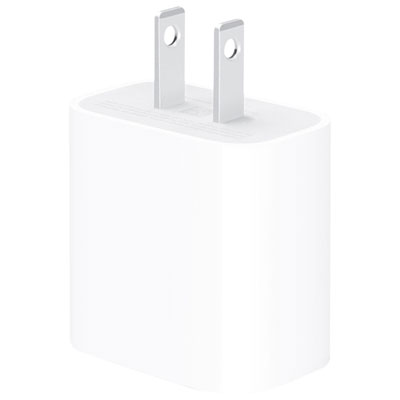
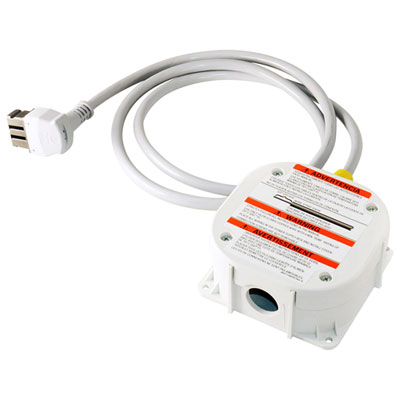
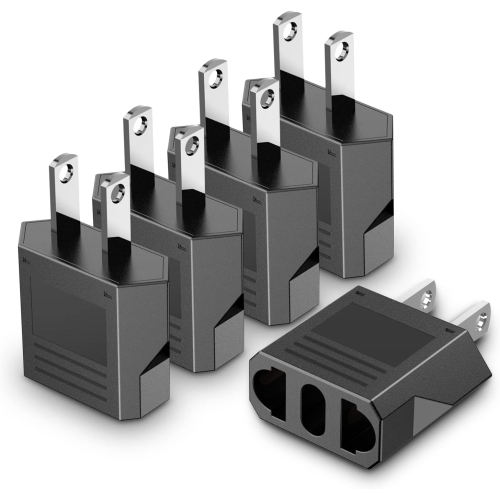
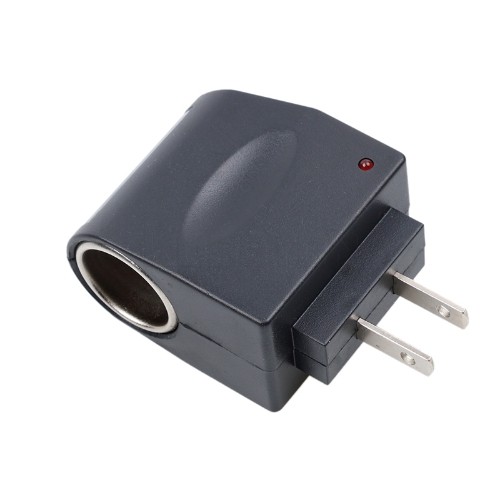
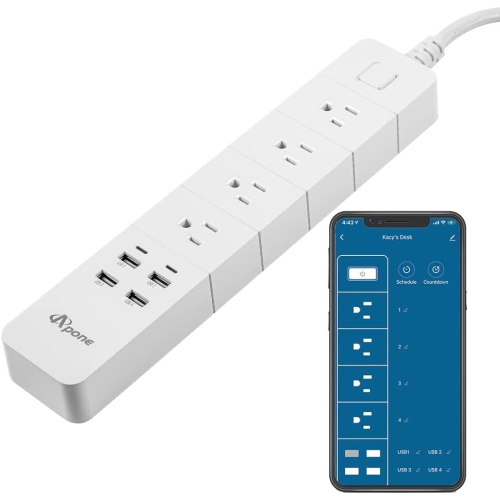
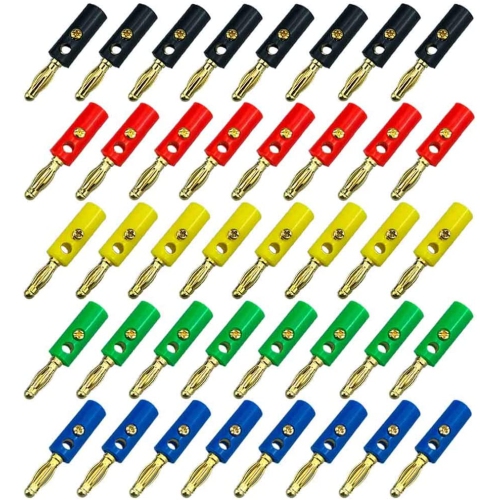
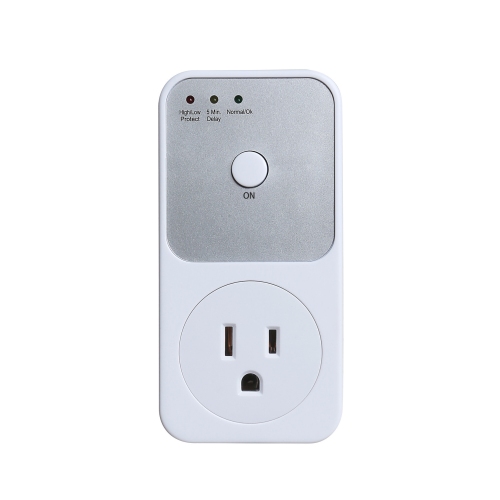
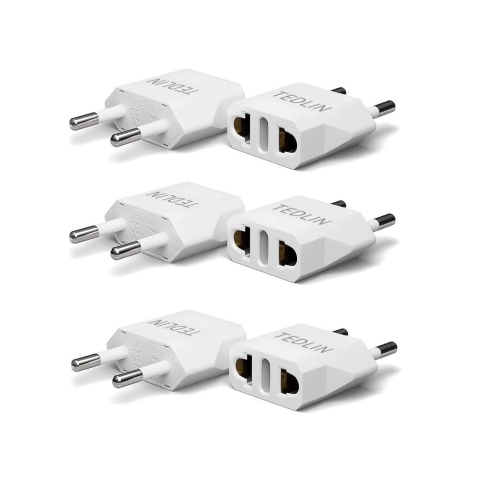
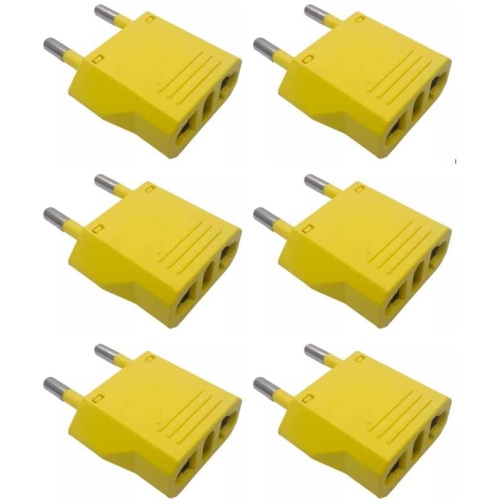

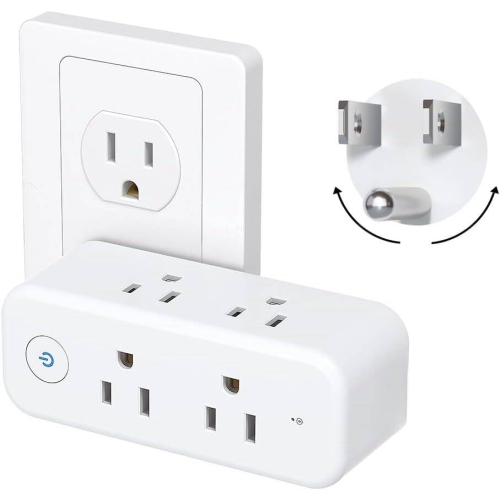
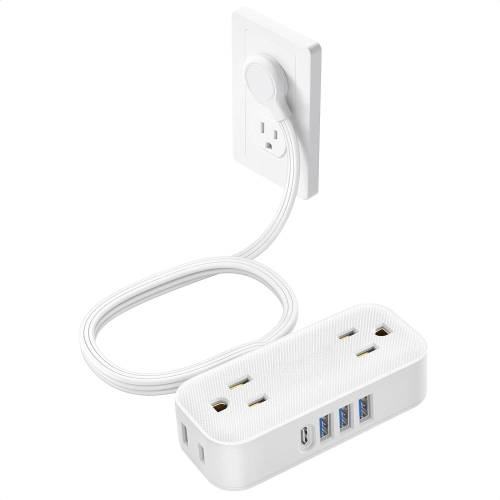
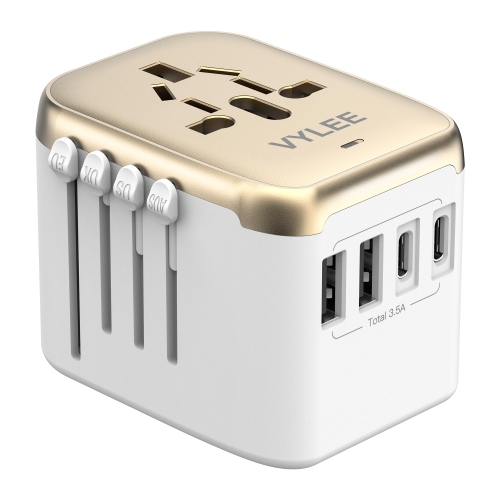

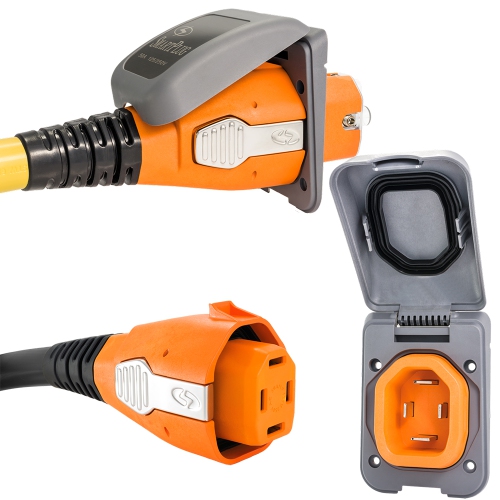
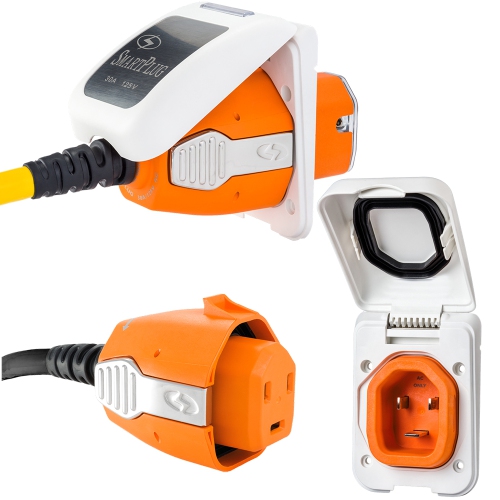
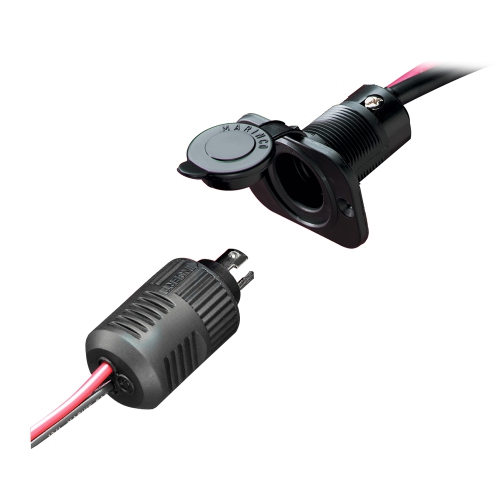
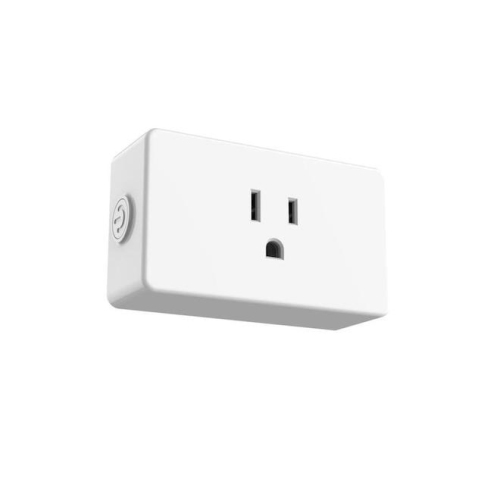
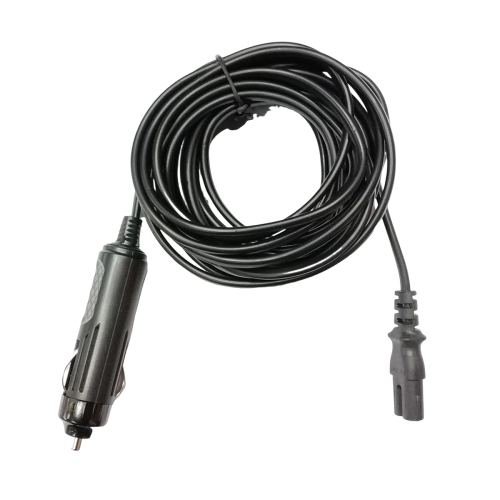
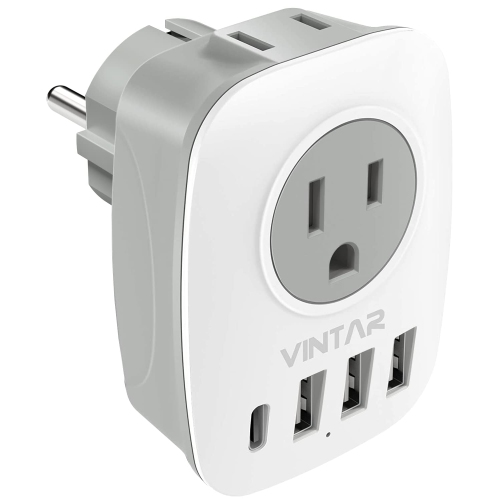
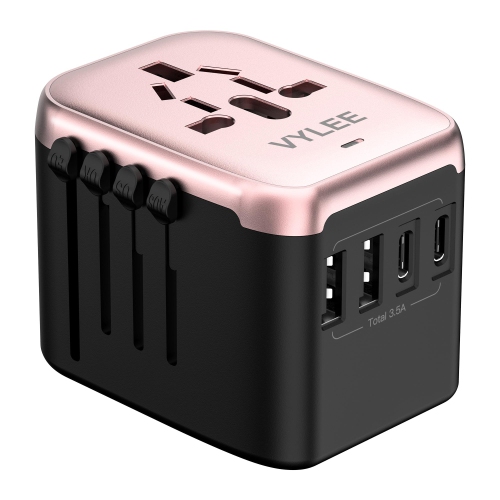
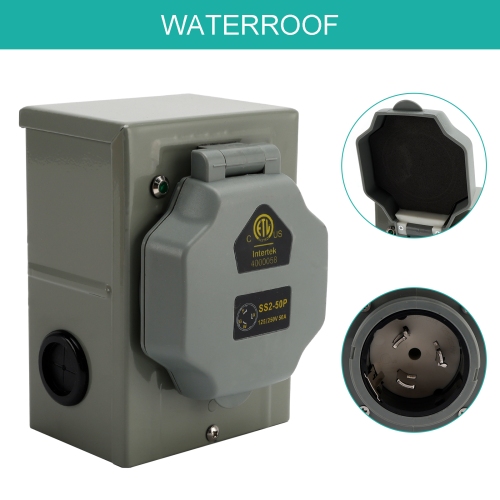
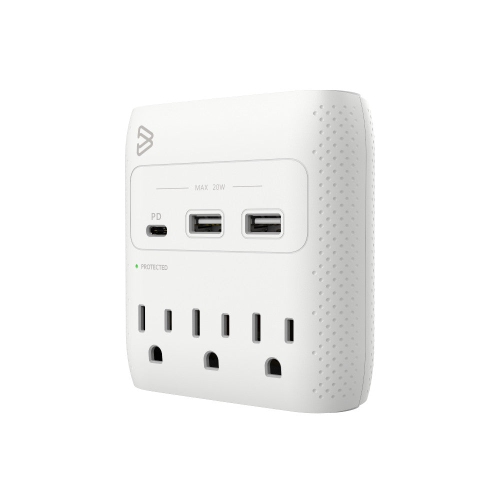
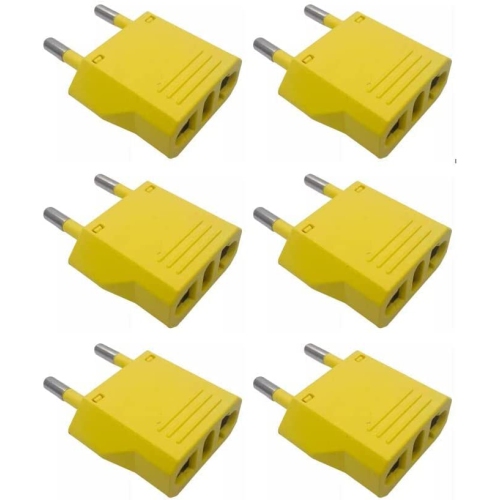
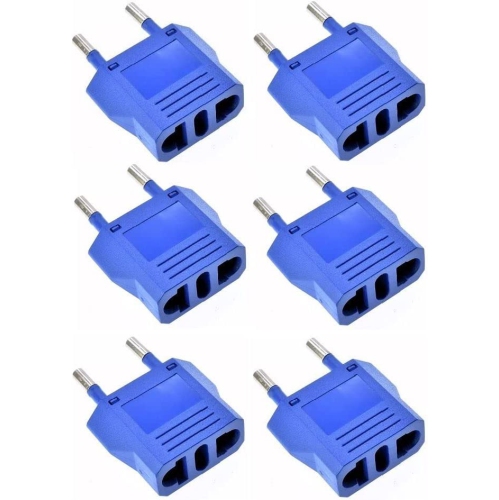
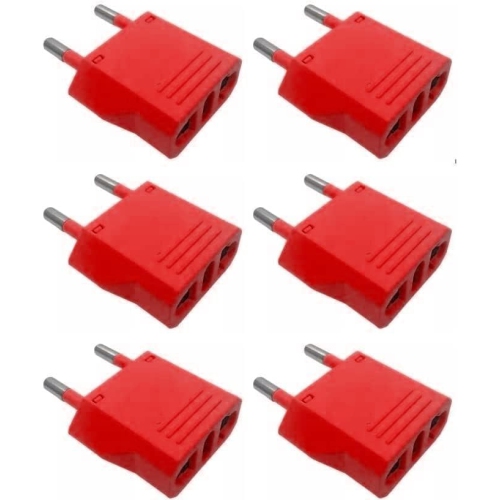
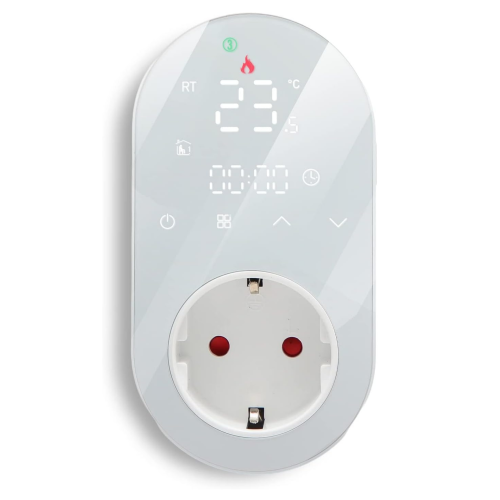
Electrical ratings, grounding and safe replacement considerations
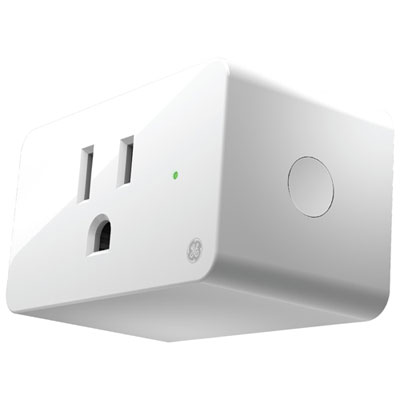
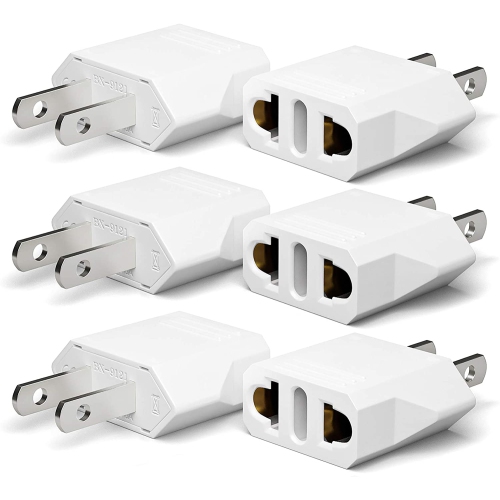
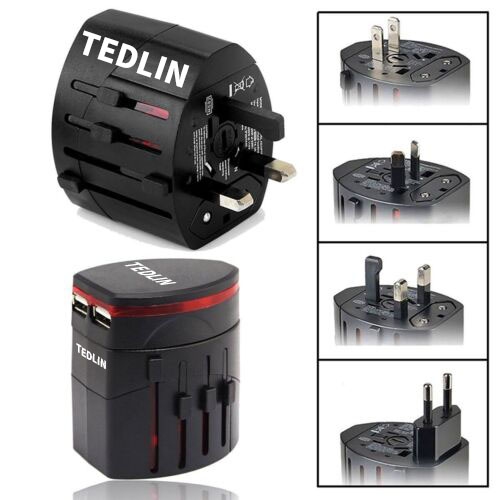
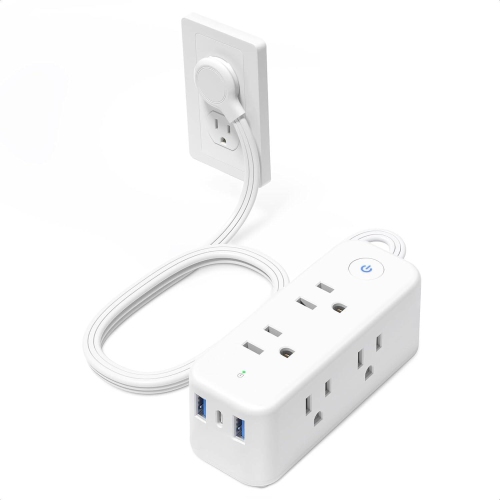
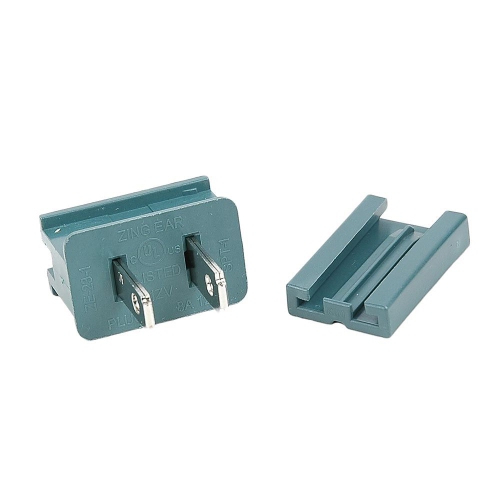
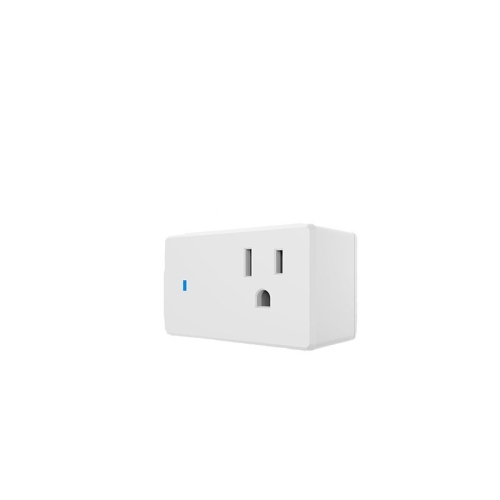
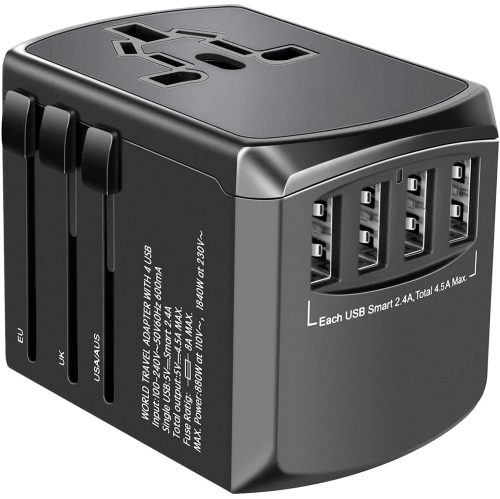
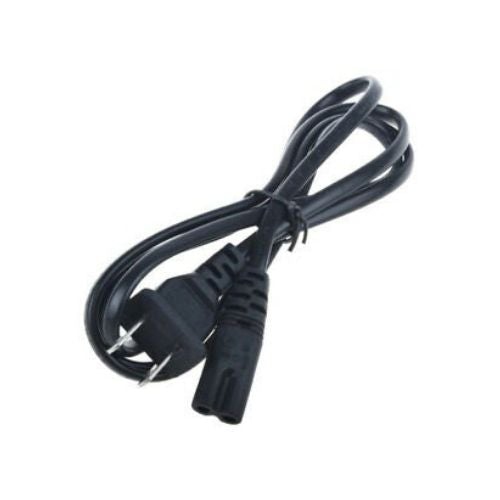
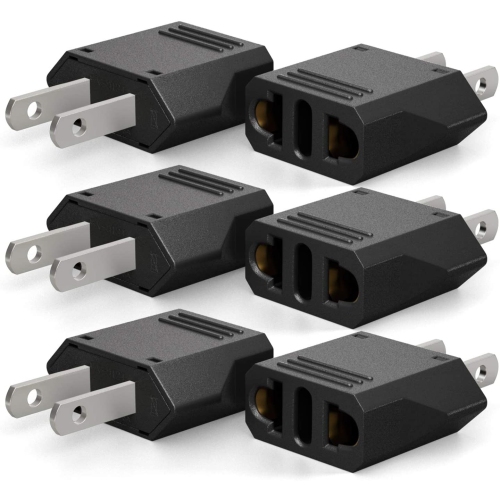
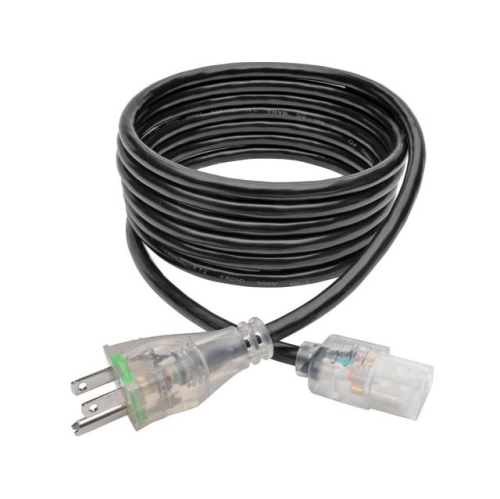
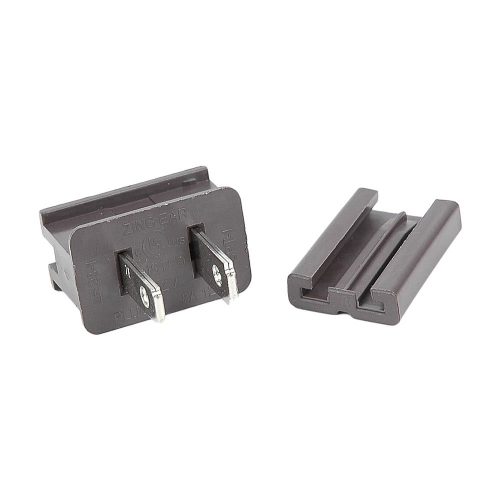
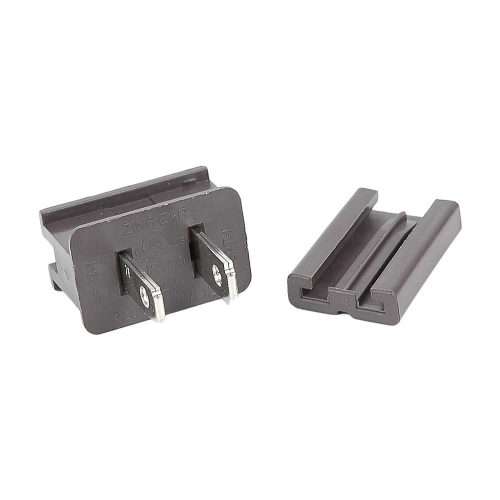
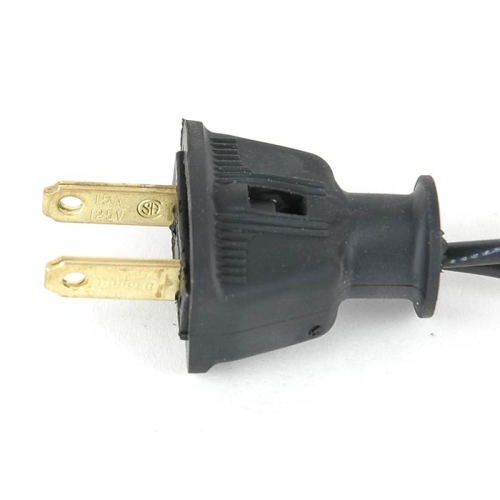
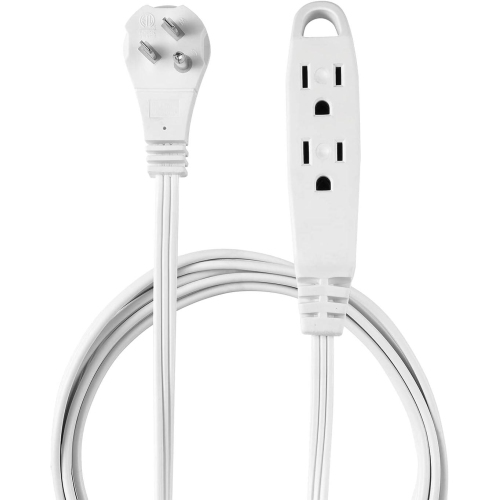
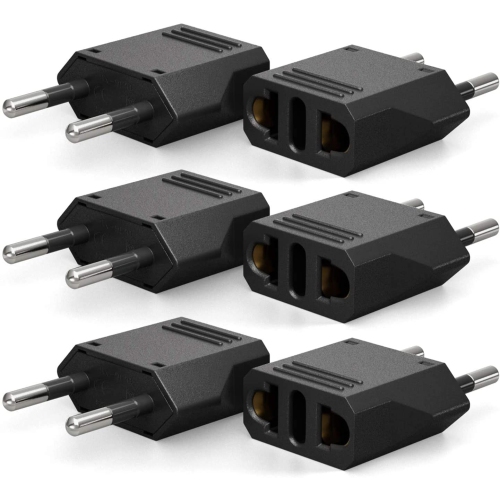
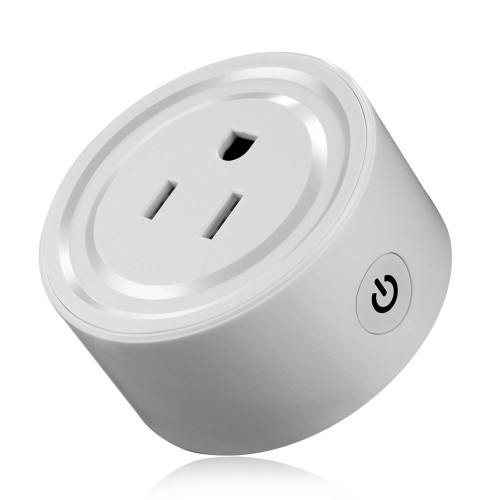
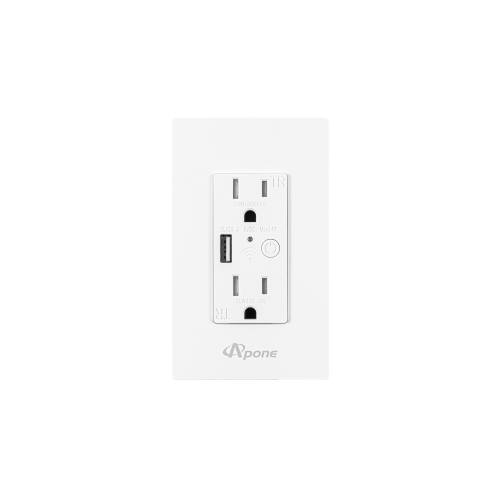
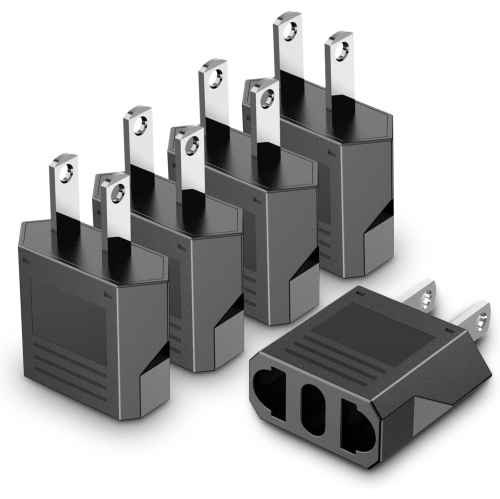
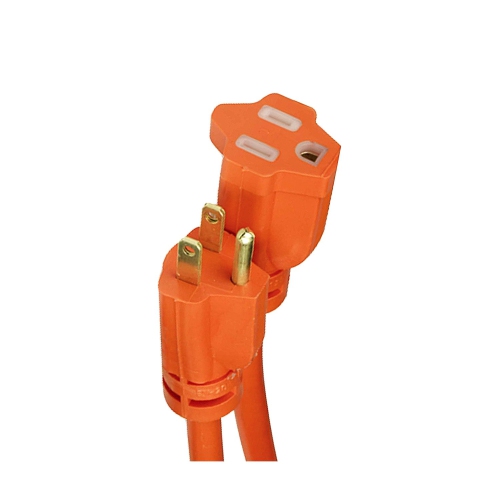
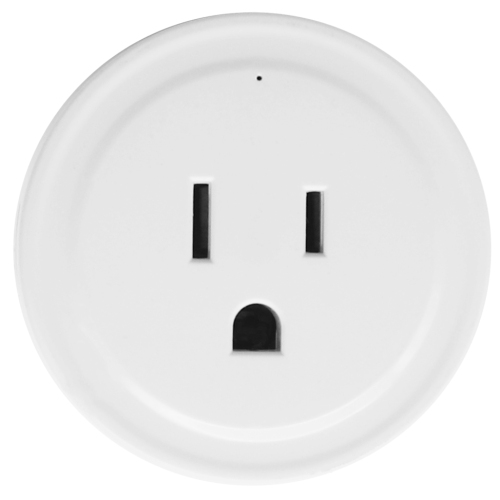
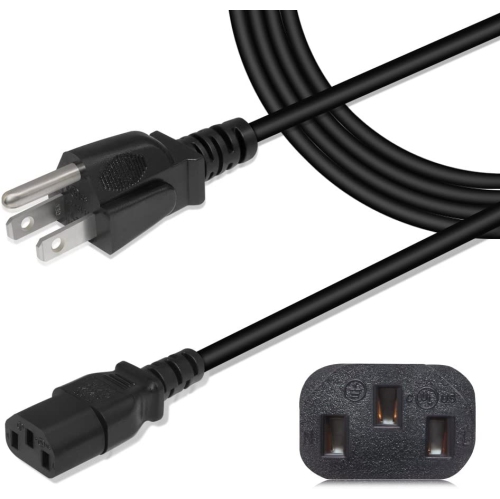
An electric plug is the movable connector at the end of a power cord that fits into a wall receptacle, allowing a device to receive mains electricity. In Canada, standard household power is typically supplied at 120 volts and 60 hertz, and most everyday plugs are Type A or Type B. A Type A plug has two flat, parallel blades, while a Type B plug adds a round or U-shaped grounding pin below the blades. The grounding pin provides an additional path for fault current, helping reduce the risk of electricity travelling through a person if a fault develops inside compatible equipment. Many plugs are polarized, meaning one flat blade is wider than the other so the plug fits the receptacle in only one orientation. This helps keep the neutral and live conductors aligned as intended. When browsing electric plugs, check the plug style, voltage rating, amperage rating, cord compatibility and intended application rather than choosing based on appearance alone. Residential circuits are commonly rated at 15 amps or 20 amps, but the plug, cord, receptacle and connected device must all be suitable for the same electrical requirements. A replacement plug should match the original equipment rating and should never be used to increase the amount of power a circuit can safely supply. The metal blades are generally made from conductive brass or copper alloys, while the outer housing is designed to provide insulation and a secure grip. A well-designed housing should feel solid in the hand, with no loose parts, sharp edges or exposed metal beyond the portion intended to enter the receptacle. These details matter when a plug is used every day for lighting, household electronics, tools, seasonal equipment or appliances that are moved between rooms.
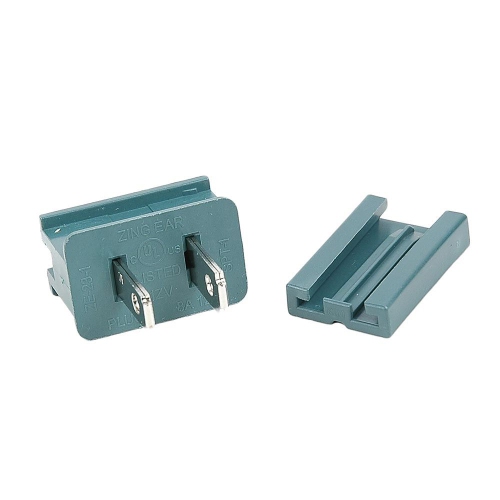
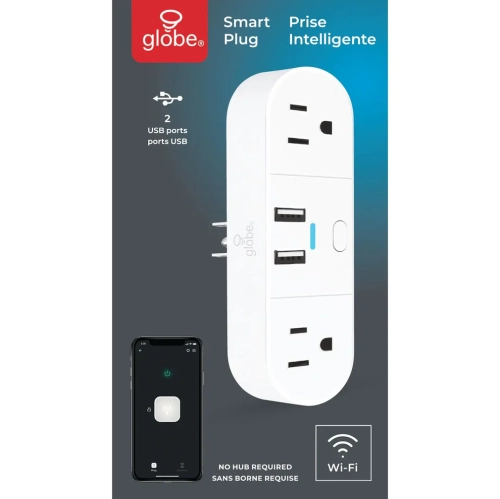
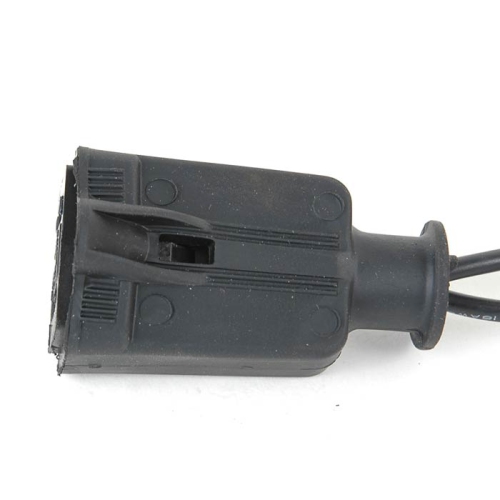
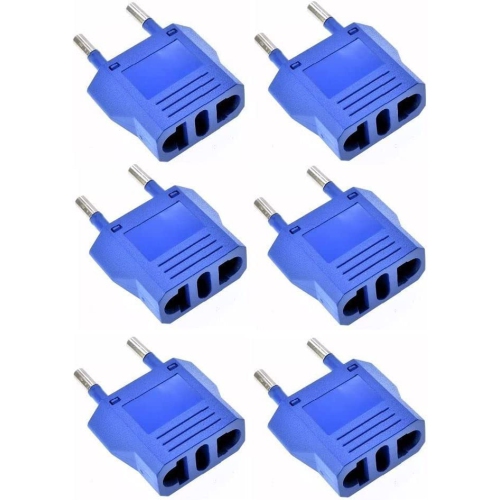
Different electric plug products suit different situations. Replacement plug ends can be useful when a compatible cord has a damaged connector but the rest of the cord and device are in good condition. Easy-grip housings may be more comfortable for people who have limited hand strength, while angled designs can help a cord sit closer to a wall in a tight space behind furniture. Some products are intended for indoor use only, whereas others are rated for covered outdoor locations or more demanding environments. Always read the product specifications for temperature, moisture, dust and load limitations before using a plug outside or near a sink, workshop area or garage. If you are replacing a plug, inspect the entire cord first. Cracked insulation, flattened sections, burn marks, exposed conductors, fraying or a smell of overheated plastic are signs that the cord may need professional attention or replacement instead of a new plug end. Strain relief is another important feature: the internal clamp should grip the outer jacket of the cord, not the individual wires, so pulling on the cable does not transfer force to the electrical connections. A plug with a ground pin should be used with a properly grounded receptacle, and a grounding pin should never be removed simply to make a plug fit. For related options that can help connect or control devices at the receptacle, explore Outlet Plug products and compare their compatibility with your existing setup. Renters, homeowners, students setting up a first apartment and people refreshing a home office can all find practical uses for dependable plug accessories. They can also make thoughtful gifts for someone moving into a new home, organizing a workshop or preparing a desk with carefully selected electronics, provided the recipient’s devices and electrical requirements are known.
Safety should guide every electric plug purchase and installation decision. Before handling a cord or connector, disconnect it from the receptacle and from any device, and do not work on wiring that may still be energized. A replacement plug must be assembled according to its instructions, with each conductor secured to the correct terminal and the cord jacket held firmly by the strain-relief clamp. Internal wires should not be pinched, excessively stripped or left loose inside the housing. If the cord has two conductors, it needs a compatible polarized or non-polarized plug as specified by the equipment; if it has a grounding conductor, the replacement plug must support that connection. Do not force a plug into a receptacle, use a damaged receptacle, overload a power bar or connect high-draw equipment through an accessory that is not rated for the load. Heat, discolouration, buzzing, sparking, intermittent power or a plug that feels unusually warm can indicate a problem and should not be ignored. When a connection involves fixed household wiring, an unfamiliar circuit, a higher-amperage appliance or uncertainty about polarity and grounding, a licensed electrician is the safest choice. During the cooler months, cords are often used more frequently for lamps, indoor entertainment, work areas and seasonal equipment, making it especially useful to inspect plugs before placing furniture against walls or adding devices to a busy receptacle. Choose products with clear ratings, durable construction and a shape that suits the space, then keep cords straight, dry and free from pinch points. With the right match between plug, cord, receptacle and device, a simple electric plug can provide a secure, convenient connection throughout the home.
Different electric plug products suit different situations. Replacement plug ends can be useful when a compatible cord has a damaged connector but the rest of the cord and device are in good condition. Easy-grip housings may be more comfortable for people who have limited hand strength, while angled designs can help a cord sit closer to a wall in a tight space behind furniture. Some products are intended for indoor use only, whereas others are rated for covered outdoor locations or more demanding environments. Always read the product specifications for temperature, moisture, dust and load limitations before using a plug outside or near a sink, workshop area or garage. If you are replacing a plug, inspect the entire cord first. Cracked insulation, flattened sections, burn marks, exposed conductors, fraying or a smell of overheated plastic are signs that the cord may need professional attention or replacement instead of a new plug end. Strain relief is another important feature: the internal clamp should grip the outer jacket of the cord, not the individual wires, so pulling on the cable does not transfer force to the electrical connections. A plug with a ground pin should be used with a properly grounded receptacle, and a grounding pin should never be removed simply to make a plug fit. For related options that can help connect or control devices at the receptacle, explore Outlet Plug products and compare their compatibility with your existing setup. Renters, homeowners, students setting up a first apartment and people refreshing a home office can all find practical uses for dependable plug accessories. They can also make thoughtful gifts for someone moving into a new home, organizing a workshop or preparing a desk with carefully selected electronics, provided the recipient’s devices and electrical requirements are known.
Safety should guide every electric plug purchase and installation decision. Before handling a cord or connector, disconnect it from the receptacle and from any device, and do not work on wiring that may still be energized. A replacement plug must be assembled according to its instructions, with each conductor secured to the correct terminal and the cord jacket held firmly by the strain-relief clamp. Internal wires should not be pinched, excessively stripped or left loose inside the housing. If the cord has two conductors, it needs a compatible polarized or non-polarized plug as specified by the equipment; if it has a grounding conductor, the replacement plug must support that connection. Do not force a plug into a receptacle, use a damaged receptacle, overload a power bar or connect high-draw equipment through an accessory that is not rated for the load. Heat, discolouration, buzzing, sparking, intermittent power or a plug that feels unusually warm can indicate a problem and should not be ignored. When a connection involves fixed household wiring, an unfamiliar circuit, a higher-amperage appliance or uncertainty about polarity and grounding, a licensed electrician is the safest choice. During the cooler months, cords are often used more frequently for lamps, indoor entertainment, work areas and seasonal equipment, making it especially useful to inspect plugs before placing furniture against walls or adding devices to a busy receptacle. Choose products with clear ratings, durable construction and a shape that suits the space, then keep cords straight, dry and free from pinch points. With the right match between plug, cord, receptacle and device, a simple electric plug can provide a secure, convenient connection throughout the home.
Top selling and popular products
-
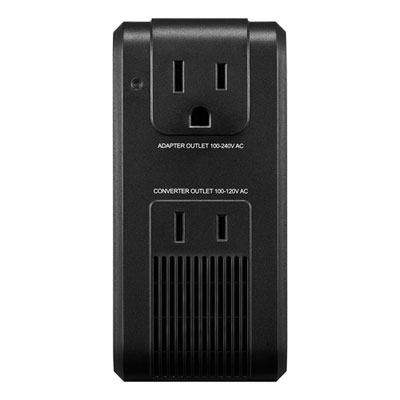 Your price for this item is $39.95
 -
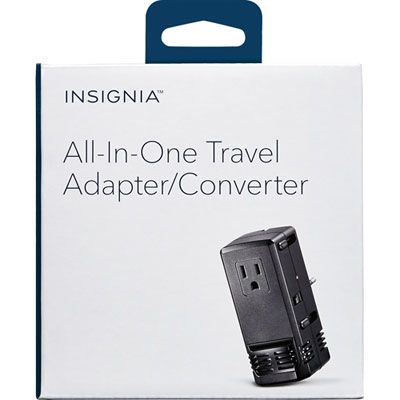 Your price for this item is $49.99
 -
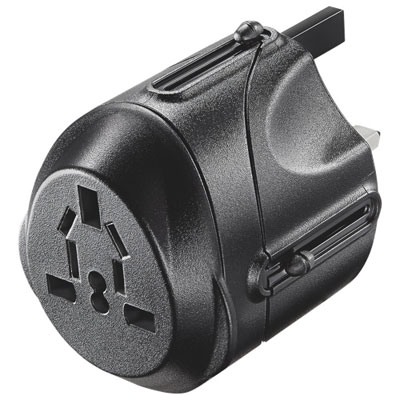 Your price for this item is $24.99
 -
 Your price for this item is $19.97
 -
 Your price for this item is $49.99
 -
 Your price for this item is $64.99
 -
 Your price for this item is $29.99
 -
 Your price for this item is $65.99
Discover more categories related to Electric Plug
Top Collections:
Pokemon Centers, Budget 4K TVs, Best Budget Office Chairs, Kindle Devices, Canon G7X Cameras, Apple iPhones 16, iPhone 15 Apple, Laptops for Business Work, Xiaomi Phones, Flip Phones
Some products may be subject to Environmental Handling Fees
(EHF) depending on your province.
Learn more about EHFs.