Vanity Storage
Organize your beauty essentials in style with our selection of vanity storage solutions. From sleek organizers to spacious drawers, our range of vanity storage options combines functionality with elegance to keep your makeup, skincare products, and accessories neatly arranged and easily accessible. Say goodbye to cluttered countertops and hello to a more organized and efficient beauty routine with our chic vanity storage solutions.
Sort
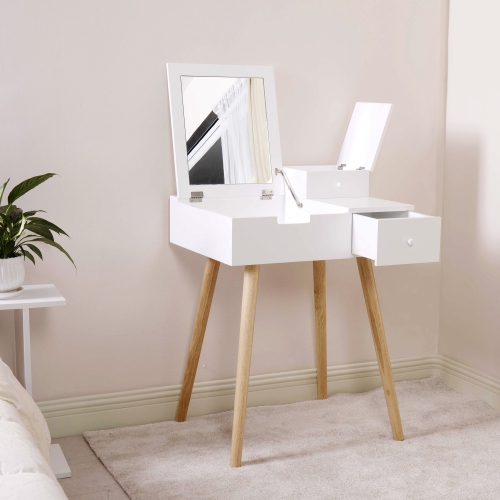
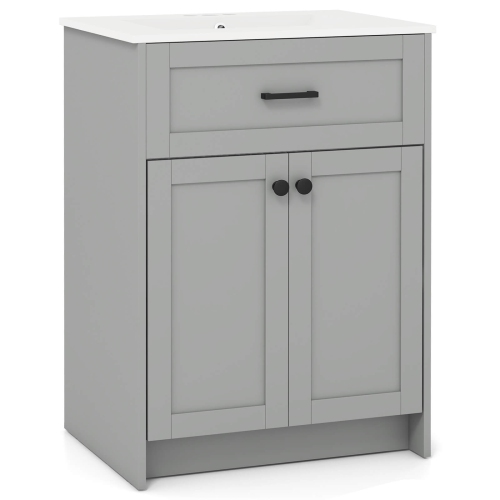

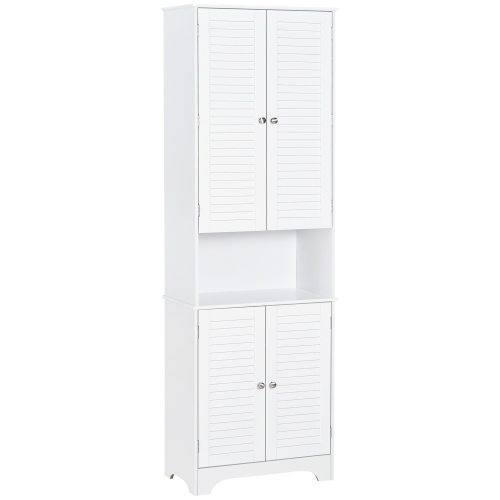
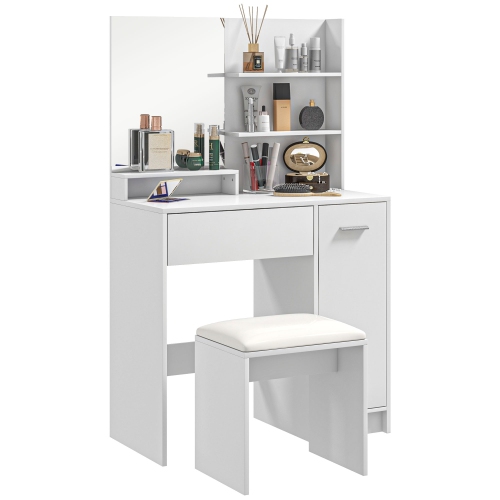
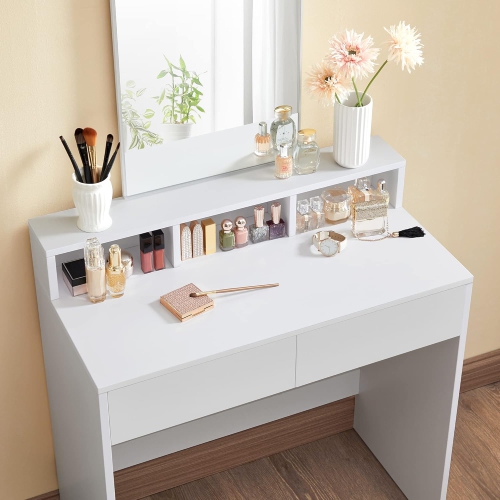
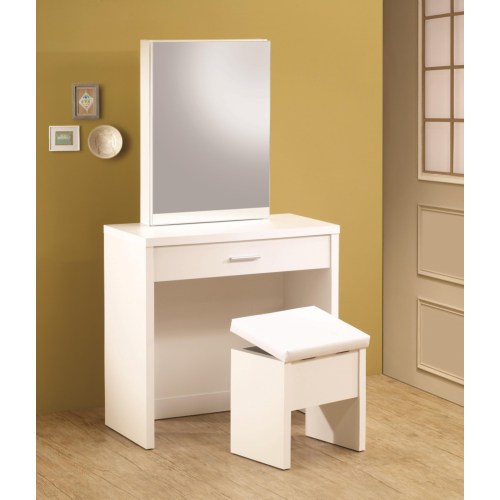
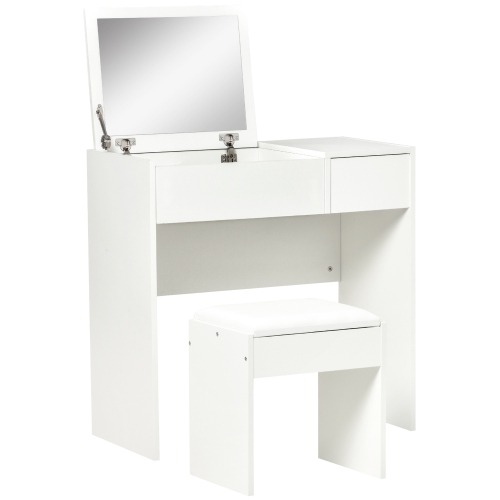
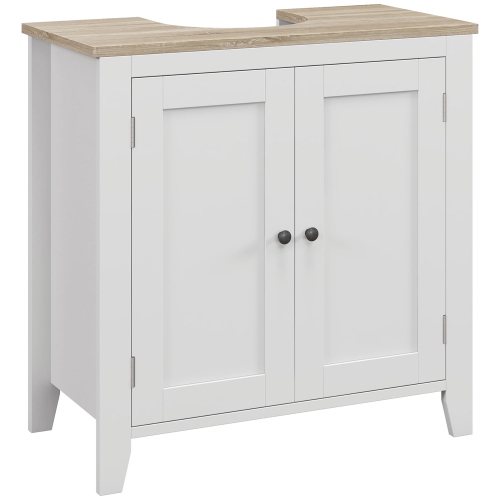
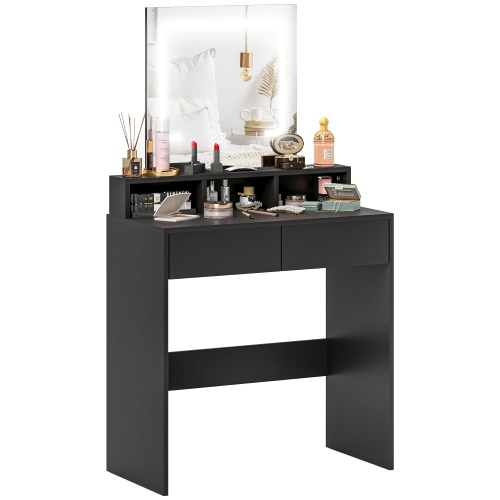
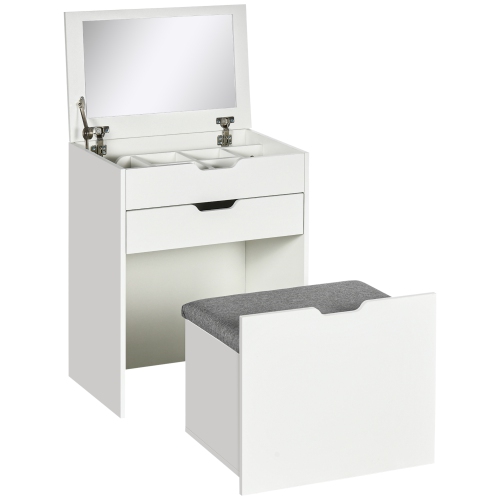
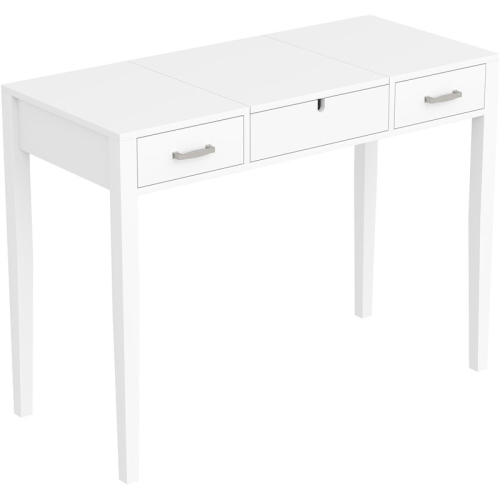
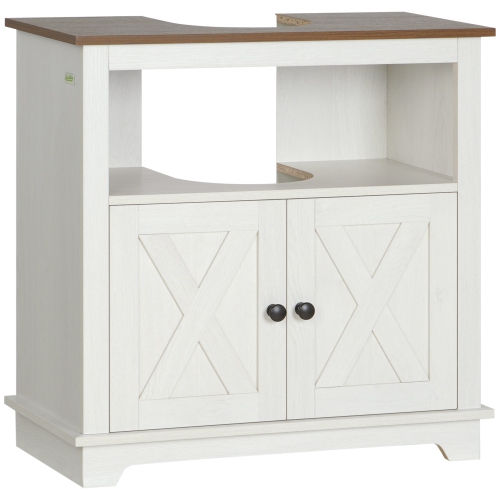
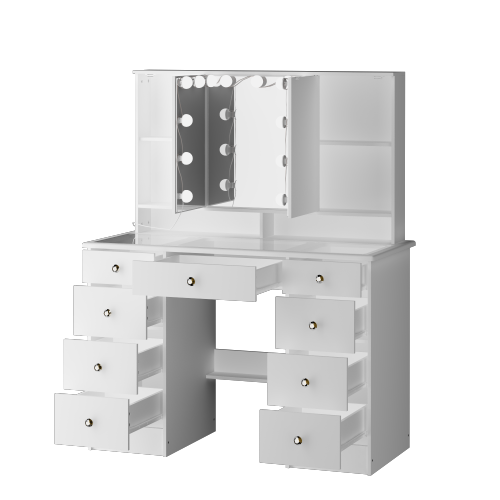
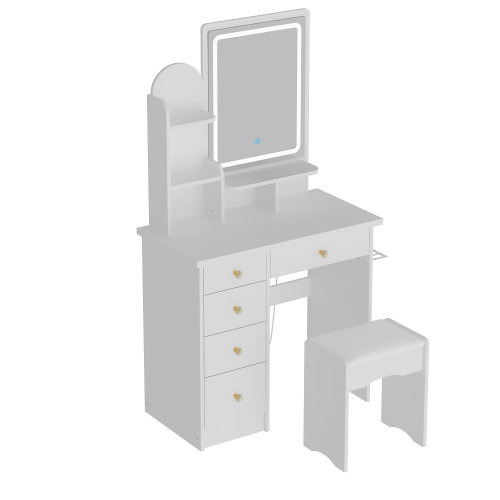
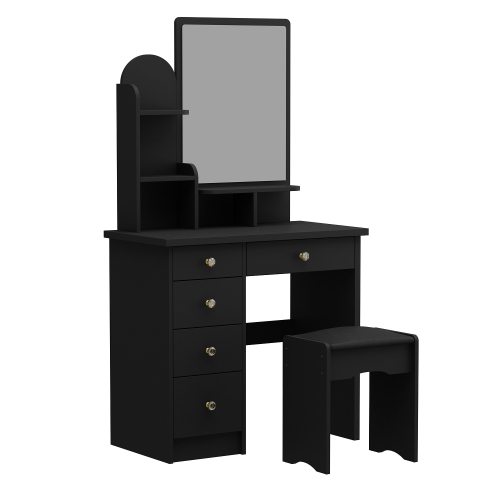
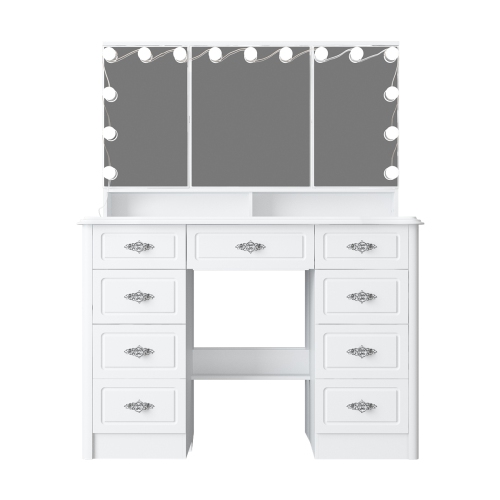
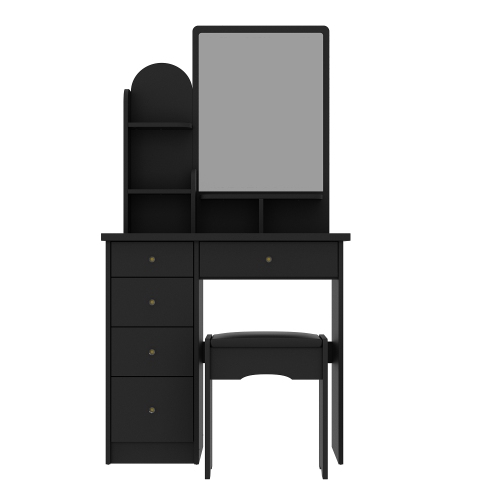
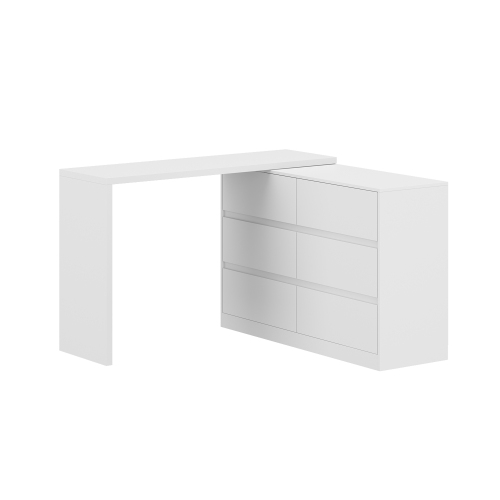
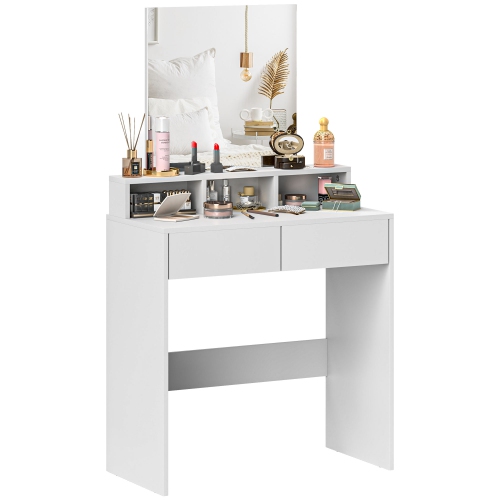
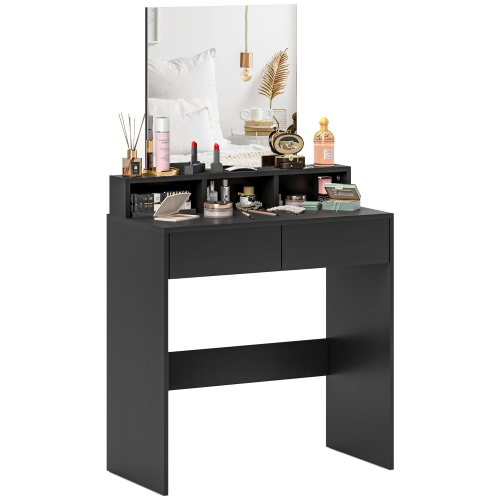
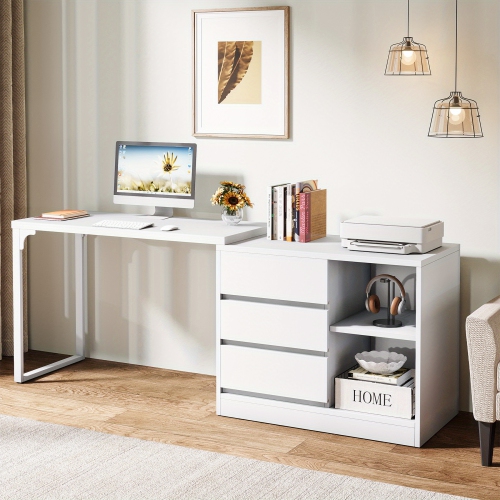
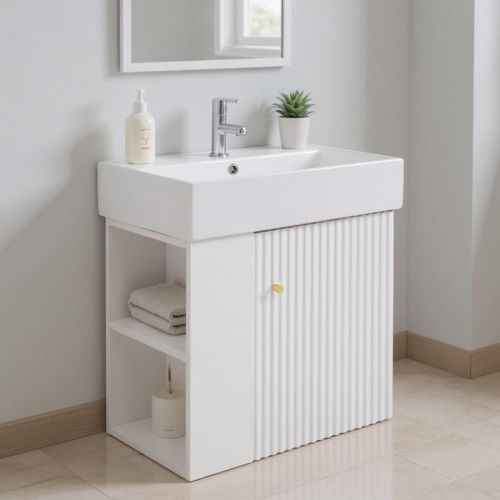
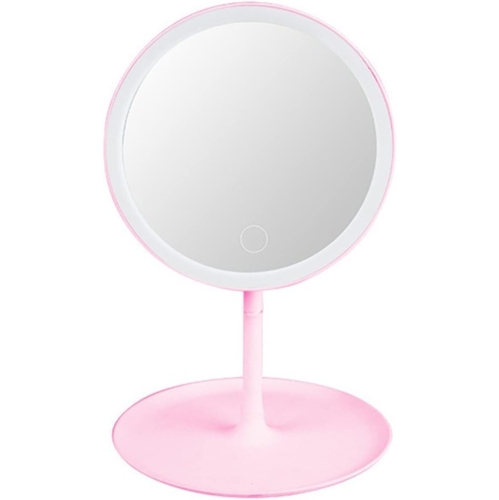
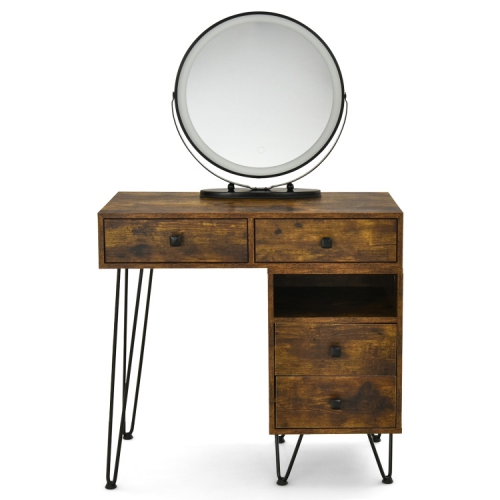
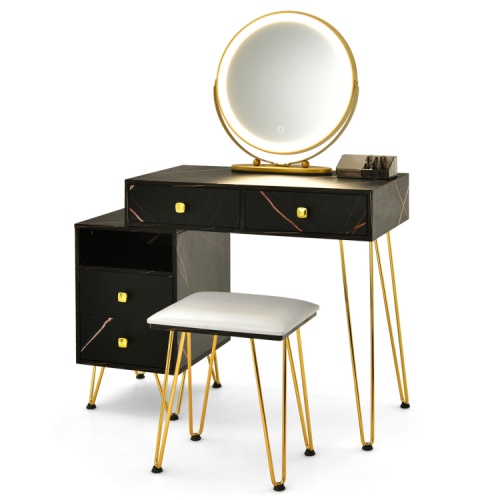
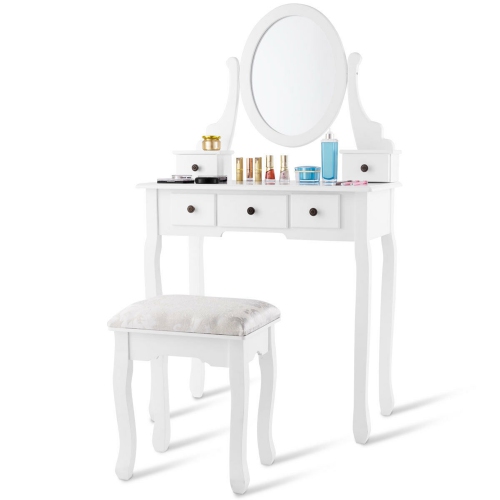
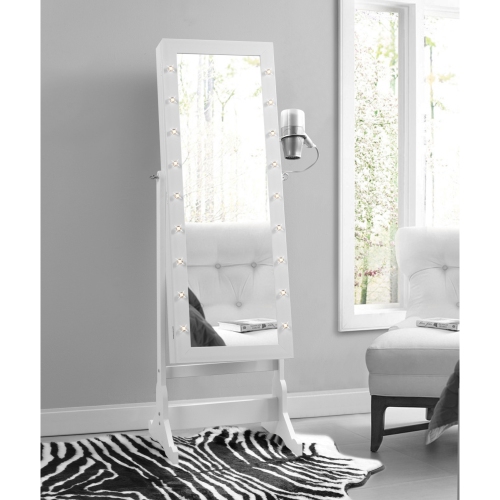
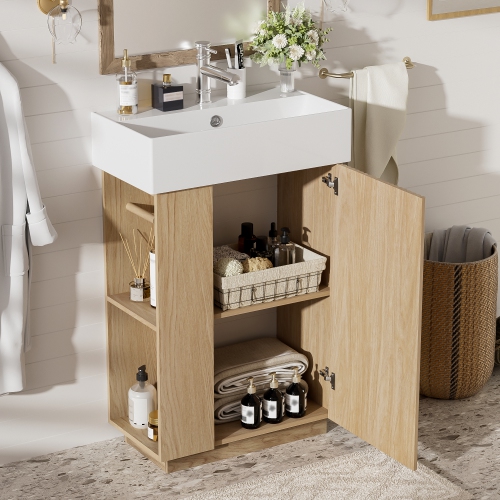
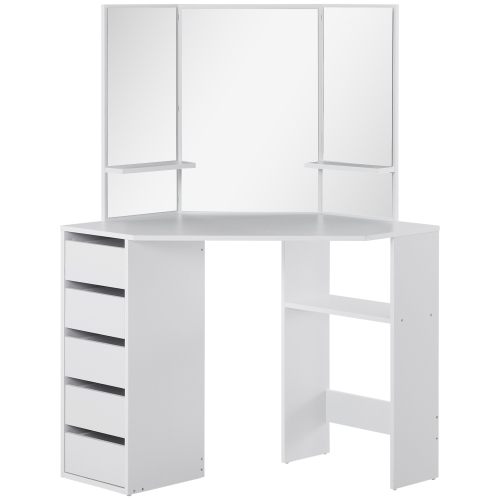
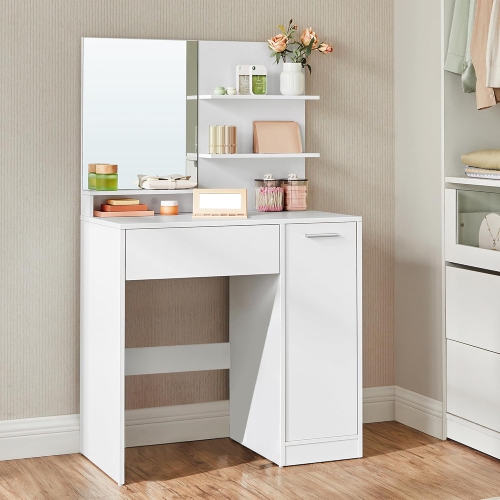
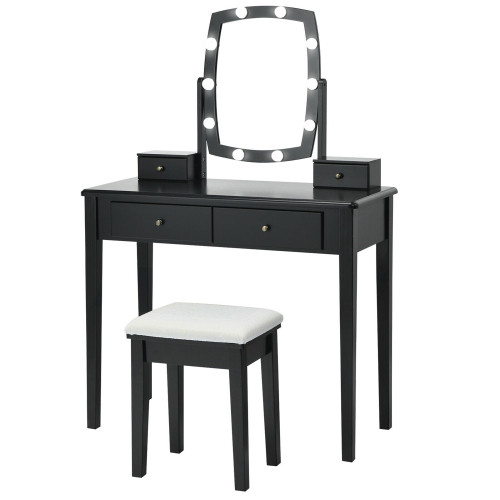
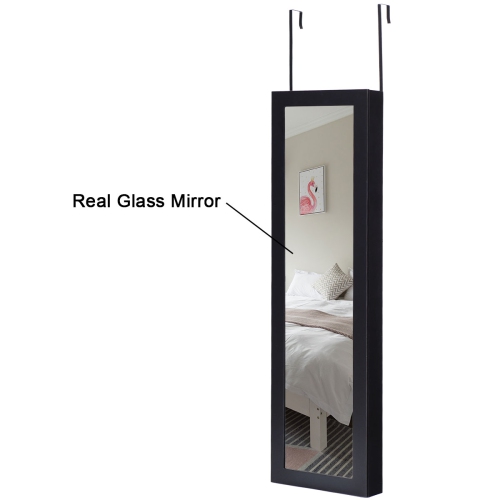
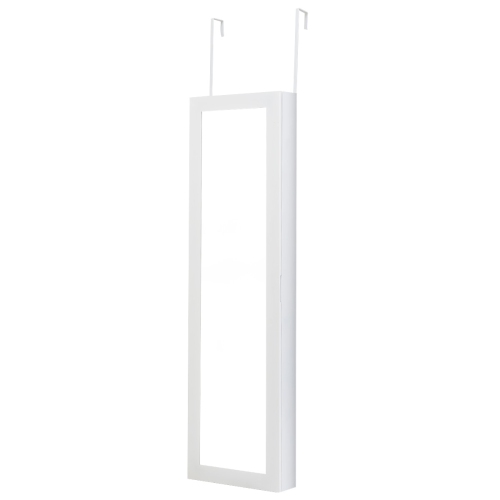
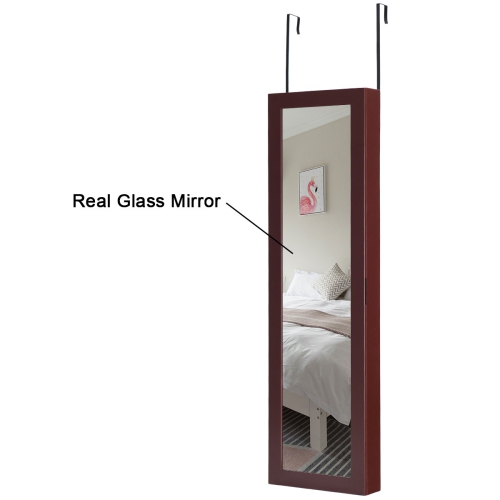


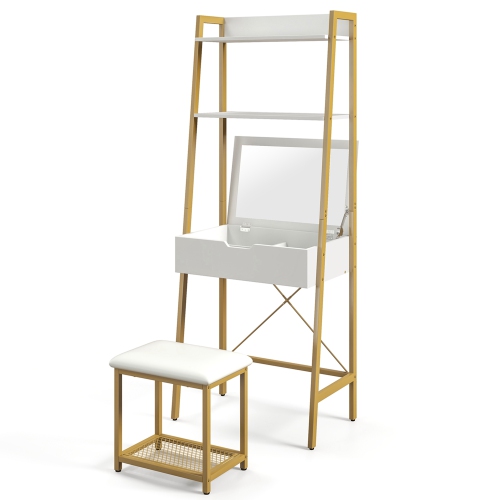
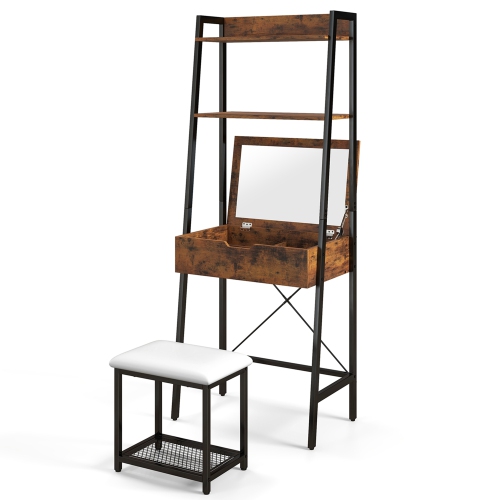
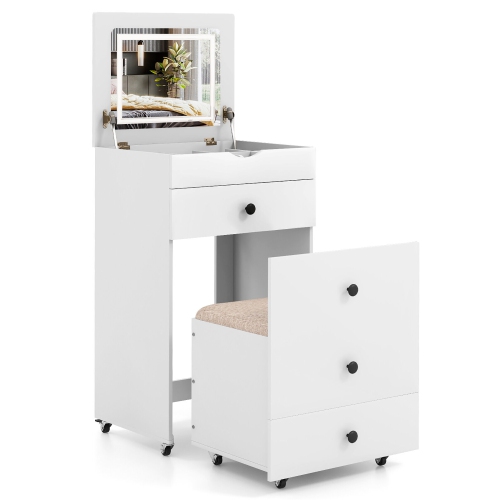
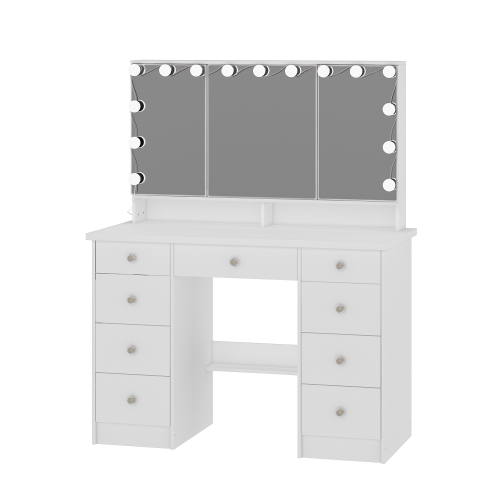
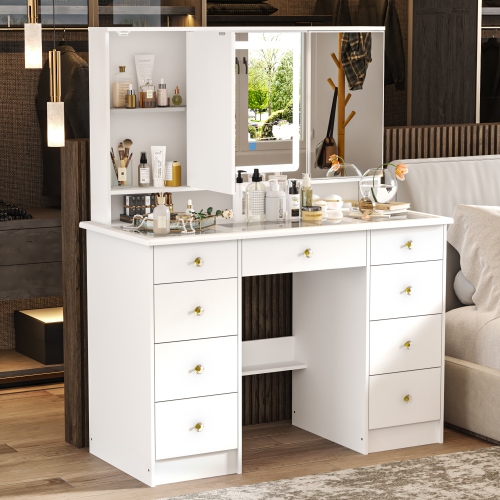
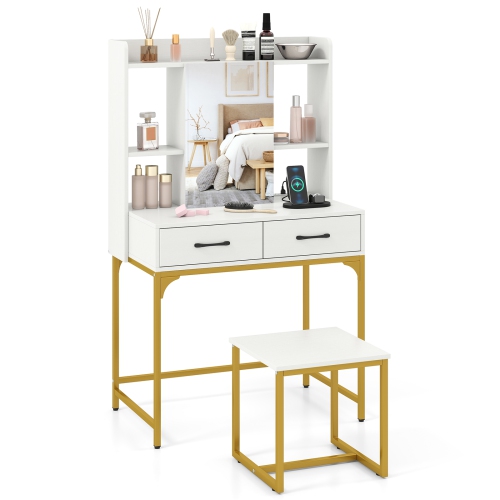
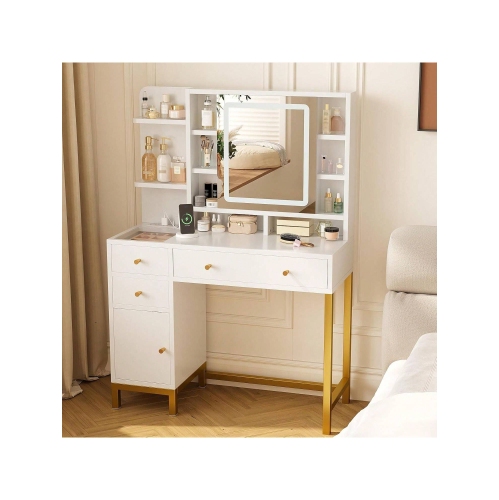
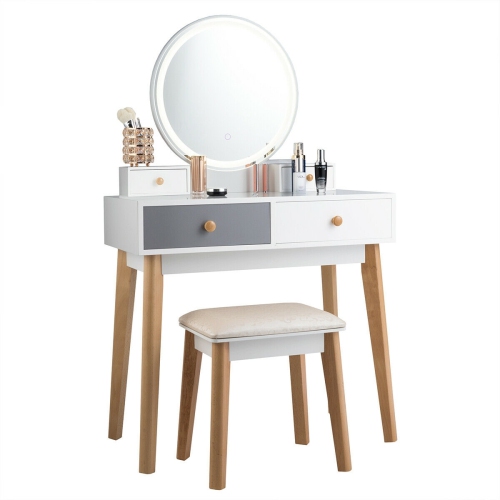
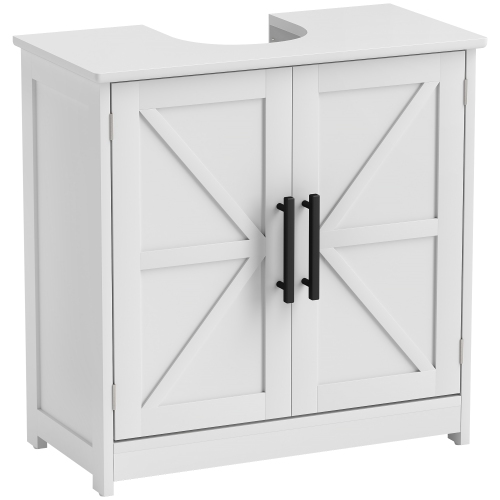
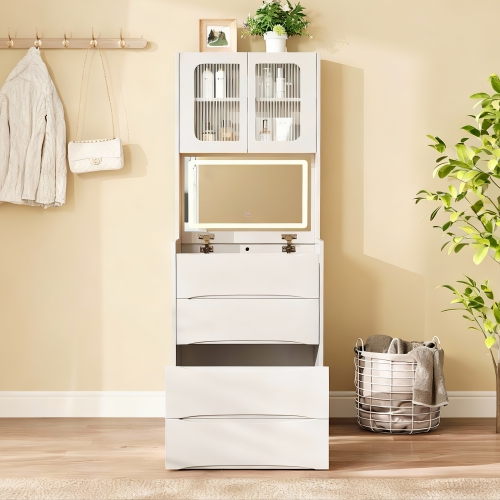
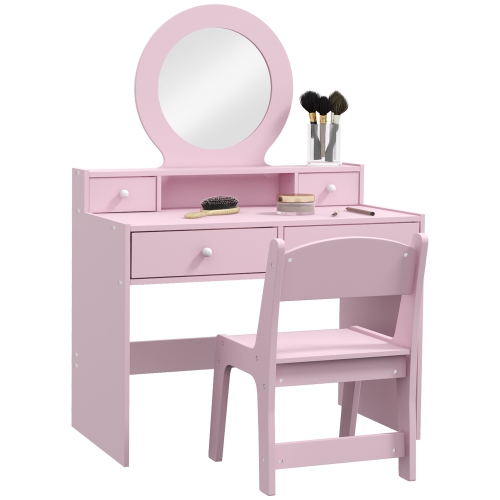
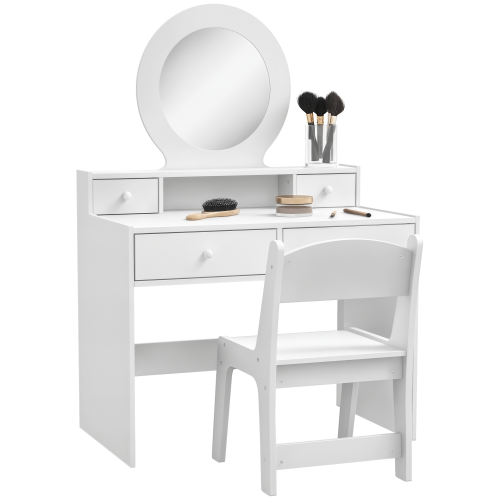
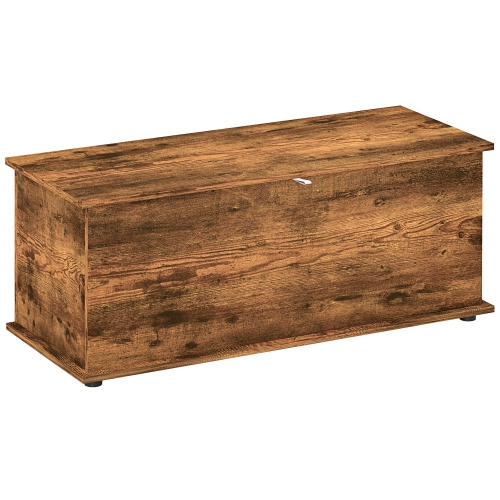
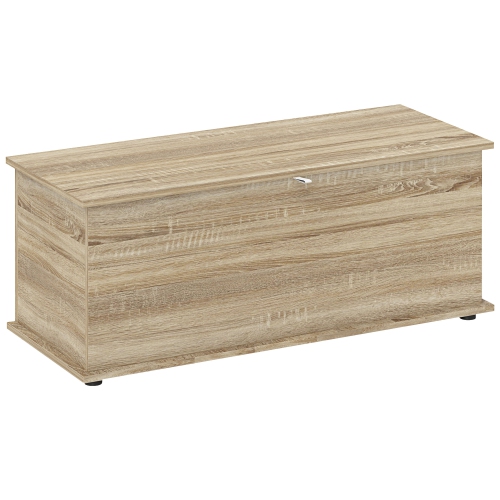
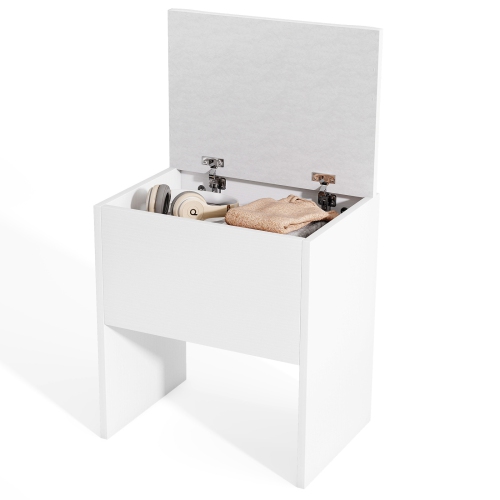
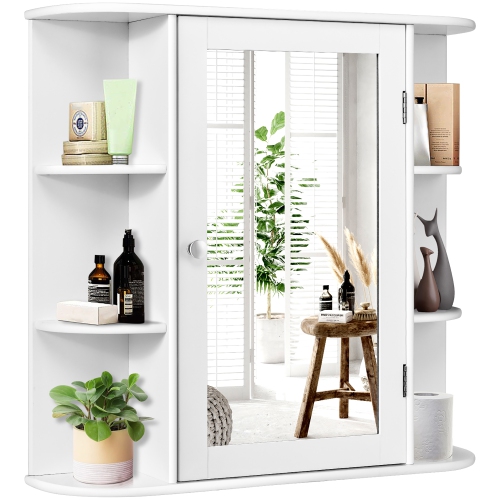
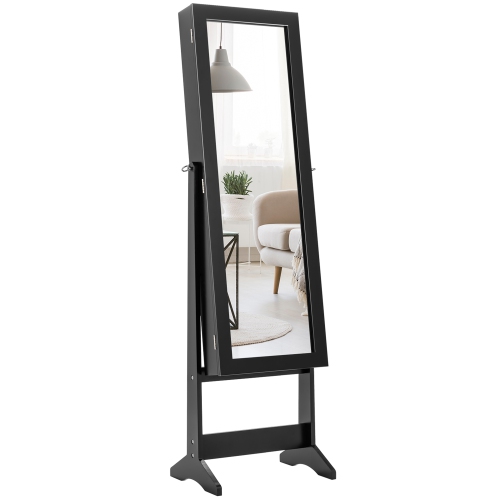
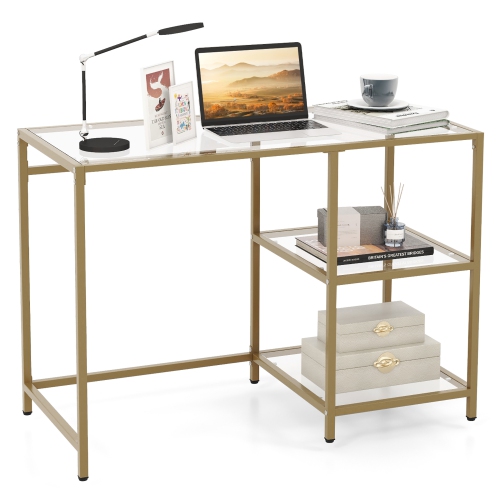
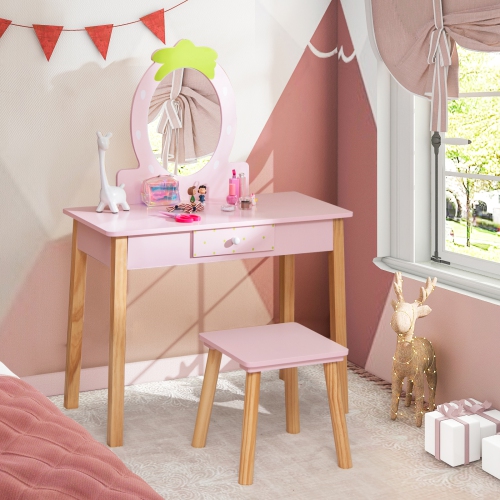
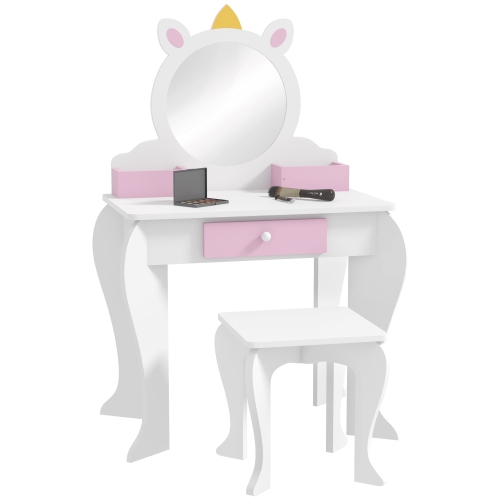
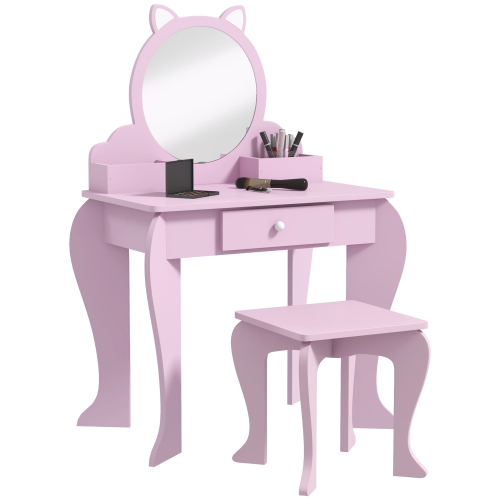
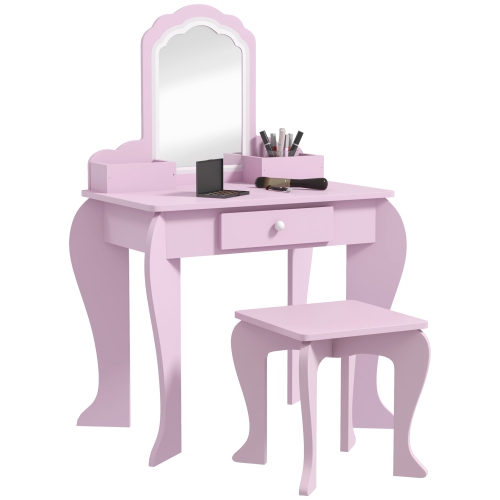
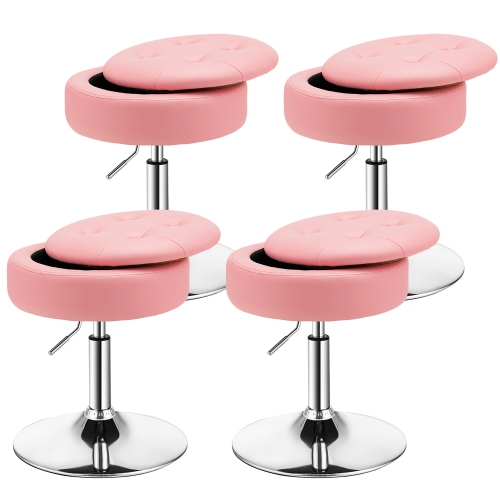
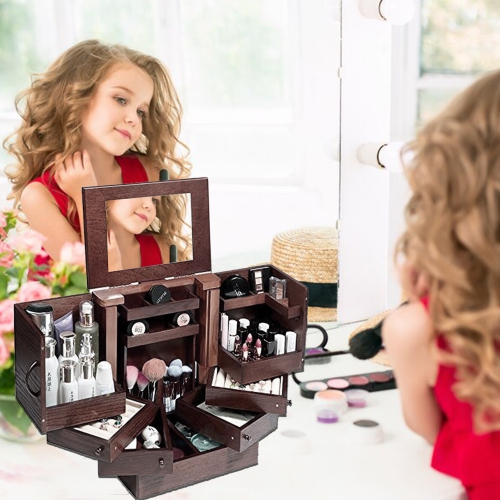
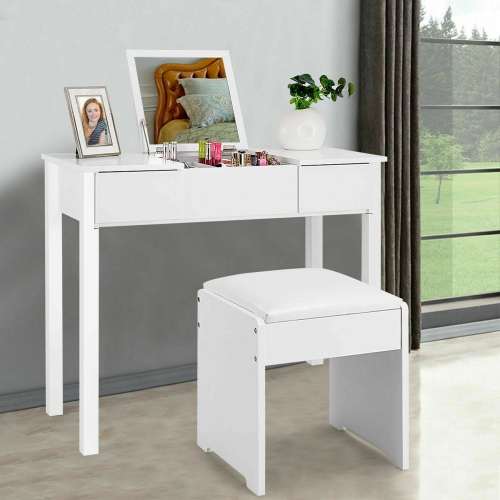
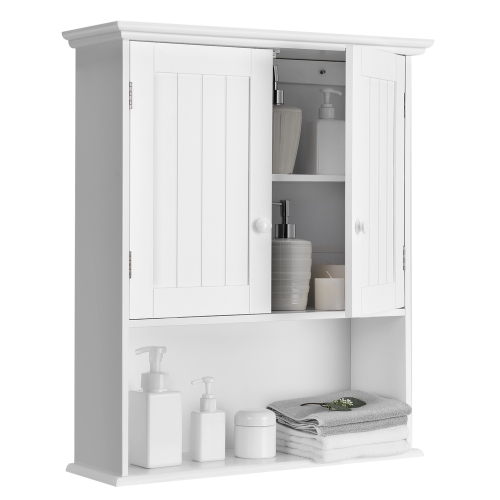
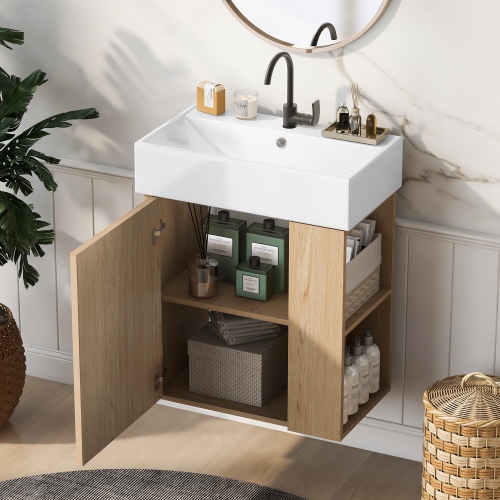
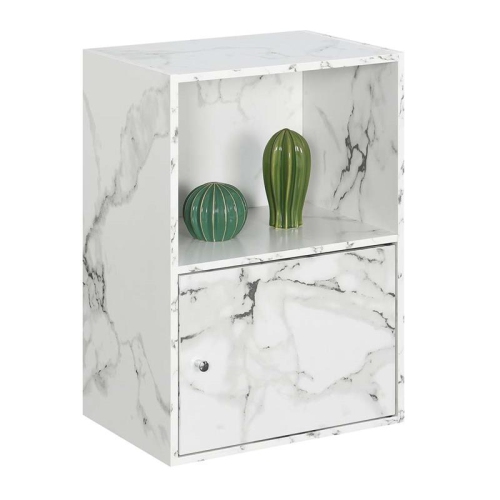
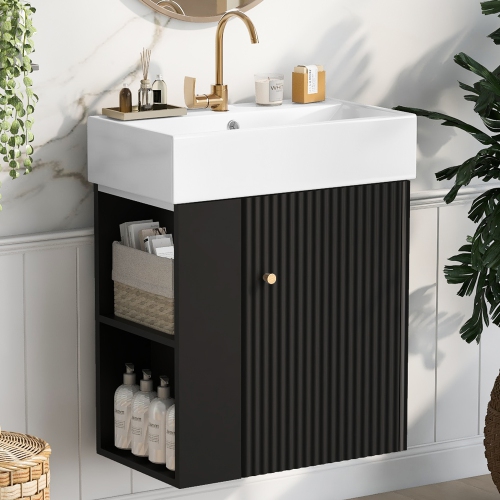
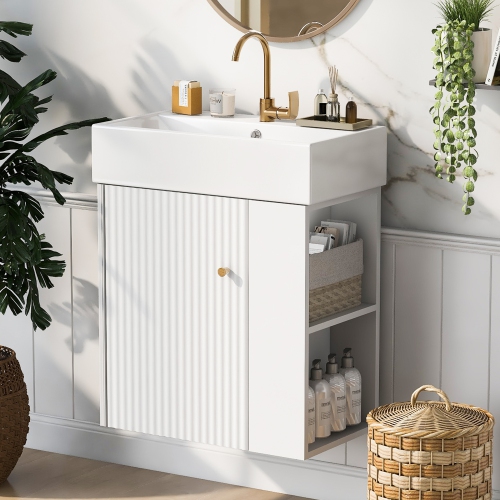
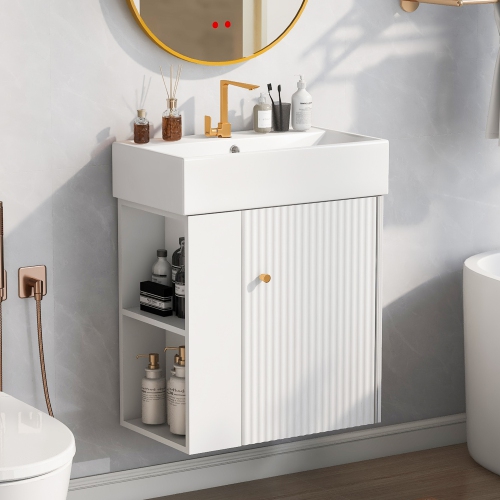
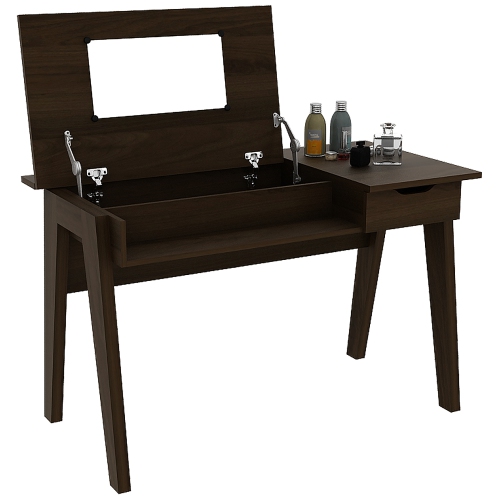
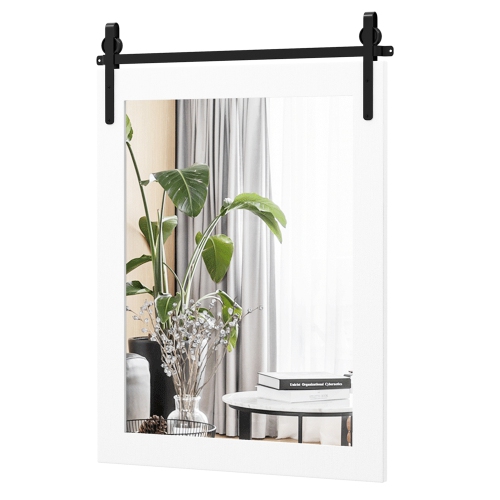
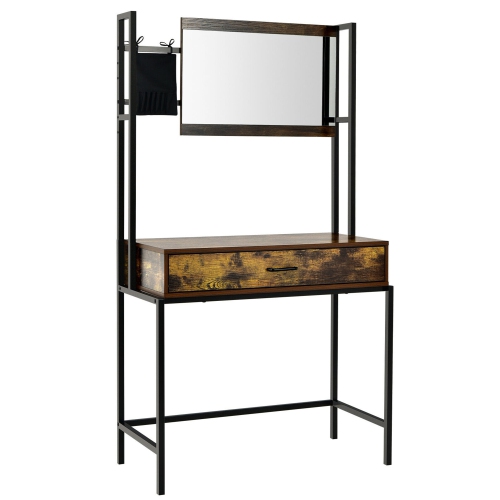
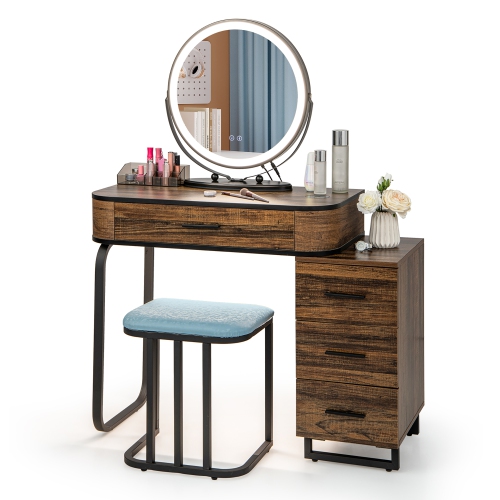
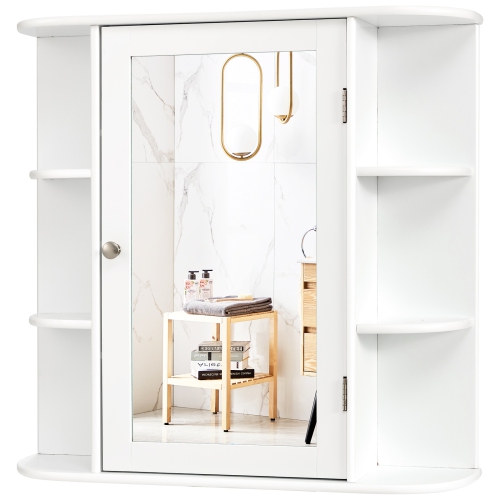
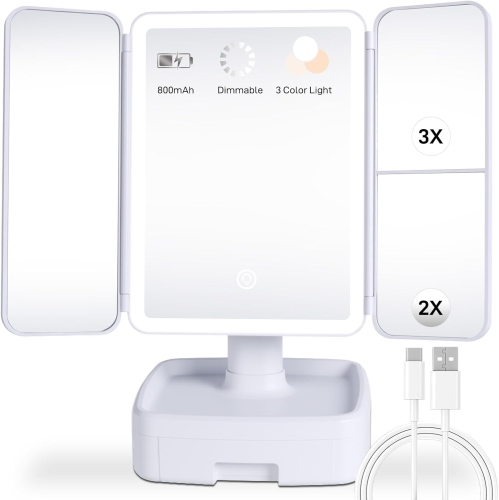
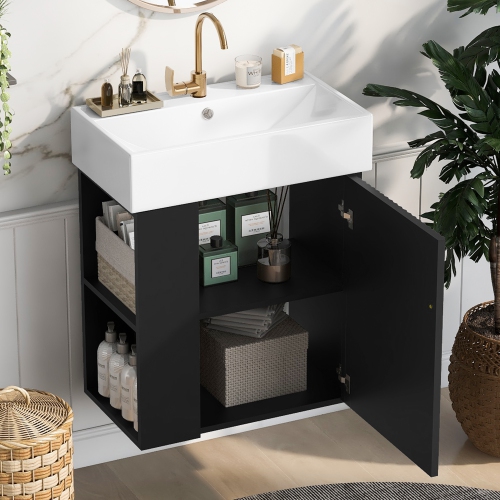
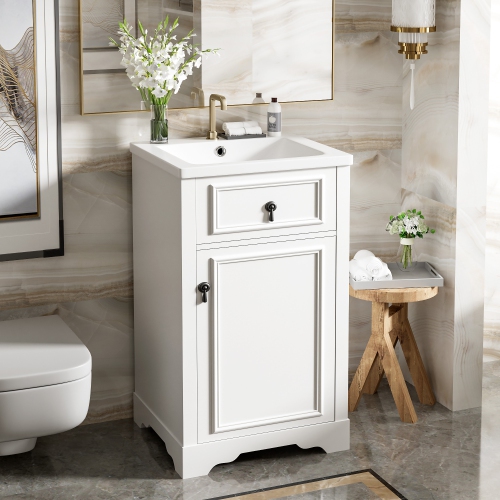
Daily essentials within reach without a crowded counter
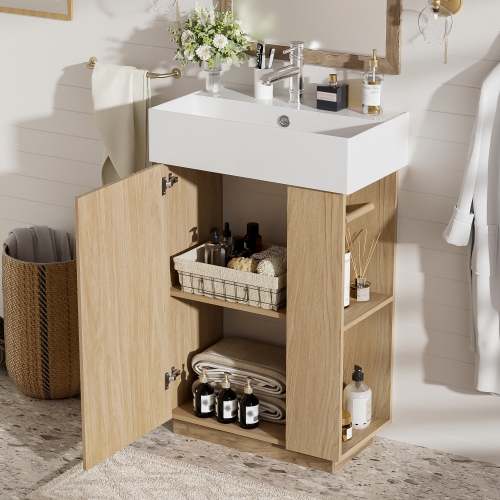
Vanity storage brings order to the small essentials that gather around a bathroom sink or bedroom makeup table. It includes countertop organizers, divided trays, brush holders, drawer inserts, and under-sink bins, each suited to a different part of a daily routine. Clear compartments keep everyday makeup visible, shallow trays give frequently used toiletries a defined place, and upright holders separate brushes from flat compacts and palettes. Tiered designs use vertical space to keep smaller containers within reach without spreading them across the entire counter. In a shared bathroom, separate sections can give each person a place for their belongings while leaving the area around the basin open. At a dressing table, a combination of open and enclosed storage can keep daily essentials close at hand and less frequently used accessories tucked away. The most useful layout reflects what actually happens at the vanity: getting ready before work, styling hair before an evening out, or putting everything back after a busy morning. A small tray beside a mirror may be enough for a simple routine, while a larger collection of cosmetics may benefit from several compartment sizes rather than one deep container. Narrow slots suit slim tubes and pencils; wider sections accommodate jars, compacts, and other shapes that do not stand neatly in rows. For deeper cupboards, removable baskets can bring a whole group of supplies into view instead of leaving smaller containers hidden behind taller bottles. Open storage makes contents easy to scan, while opaque bins and closed drawers create a quieter-looking surface when the vanity sits in a bedroom or another multipurpose space. A balance of the two often feels more practical than putting everything on display or hiding every essential away. Vanity organizers also help distinguish daily-use belongings from spare toiletries, making it easier to see what belongs on the counter and what can stay below it. Leaving some space between sections gives hands room to reach in without knocking neighbouring containers over.
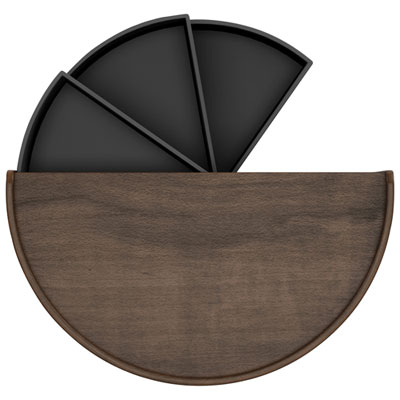
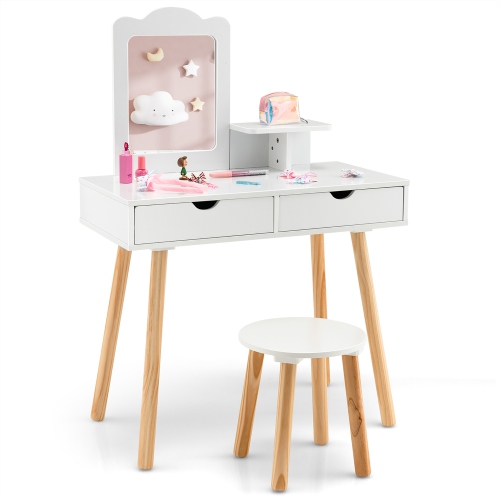
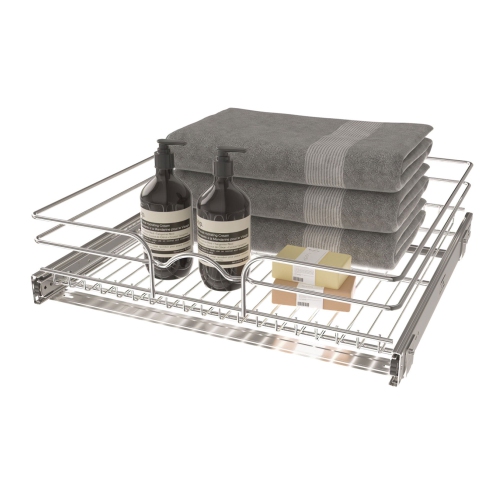
Fit matters as much as capacity, particularly where a vanity has shallow drawers, narrow cupboard doors, or plumbing beneath the sink. Countertop storage needs enough clearance beneath a mirror or wall cabinet, with room left for taps, soap, and comfortable use of the basin. A tall organizer may offer several levels of storage, but its upper compartments should still be easy to reach and should not block a useful part of the mirror. Rotating organizers need space around their full turning circle, including any bottles or handles that extend beyond the base. Inside a drawer, usable height can be less than the height of the drawer front, so the internal dimensions are more helpful than the appearance of the furniture alone. Dividers should allow the drawer to close freely, even when brushes or tubes sit at an angle. Modular inserts offer flexibility for collections that change over time, while fixed compartments provide a consistent home for belongings that tend to stay the same. For storage built around enclosed compartments, Vanity Drawers can help keep the main surface clear while placing daily essentials close to the seat or mirror. Under-sink storage has different demands: drainpipes, supply lines, hinges, and the cupboard opening all affect how much room is genuinely usable. Cut-out or adjustable layouts can work around some plumbing arrangements, although the fit depends on the cabinet. Pull-out baskets improve access to the back of a cupboard when there is enough clearance for them to extend fully. Freestanding bins are simpler to lift out for cleaning or to move between rooms. In a compact apartment, a portable organizer can serve a dressing table and then tuck into a cupboard when the surface is needed for something else. For someone who sits at the vanity, reachable compartments and easy-grip handles can make the space more comfortable to use. Heavier containers generally sit more securely on lower levels, and wall-mounted storage needs suitable fixings and a surface capable of supporting the stated load.
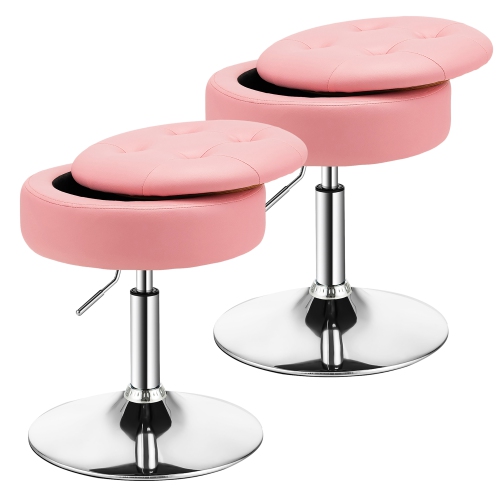
Materials influence how vanity storage looks, feels, and holds up to daily handling. Acrylic offers a clear view of contents and suits spaces where visibility matters, although abrasive cleaners and rough cloths can scratch the surface. Moulded plastic is often lightweight and straightforward to wipe clean, with removable sections that can make spilled powder or lotion easier to reach. Metal frames can provide sturdy support for tiered trays and baskets; in bathrooms, a finish intended for use around moisture is important, and damaged coatings deserve attention. Wood and bamboo bring warmth and visible grain to a bedroom dressing area, but standing water can mark or damage them, particularly at joints and unfinished edges. Engineered wood also benefits from prompt attention to spills and care around seams. Fabric-lined compartments can cushion jewellery and delicate accessories, though they are usually better kept away from splashes and containers that might leak. Glass can feel substantial and is easy to see through, but its weight and breakability may make it less suitable for a crowded edge or a space used by young children. Across materials, smooth edges, stable bases, secure handles, and drawers that move evenly are useful signs of thoughtful construction. Non-slip feet can help limit movement on a smooth countertop, while removable trays simplify routine cleaning. Care is usually most manageable when compartments can be emptied without dismantling the whole organizer; cleaning methods should follow the material’s care directions, and washed sections should dry fully before belongings go back inside. Storage is also easier to maintain when brushes are dry before being put into enclosed compartments and leaky containers are kept from contacting absorbent surfaces. Beyond everyday use, vanity storage can make a thoughtful housewarming gift, a practical addition to a first apartment, or a useful gift for someone who enjoys makeup, skincare, or hairstyling. Neutral colours and flexible compartments leave room for personal preferences, while a more distinctive finish can complement an established dressing area. Whether the setting is a shared family bathroom or a quiet corner with a mirror and stool, well-proportioned storage gives each essential a place without crowding the space needed to use it.
Fit matters as much as capacity, particularly where a vanity has shallow drawers, narrow cupboard doors, or plumbing beneath the sink. Countertop storage needs enough clearance beneath a mirror or wall cabinet, with room left for taps, soap, and comfortable use of the basin. A tall organizer may offer several levels of storage, but its upper compartments should still be easy to reach and should not block a useful part of the mirror. Rotating organizers need space around their full turning circle, including any bottles or handles that extend beyond the base. Inside a drawer, usable height can be less than the height of the drawer front, so the internal dimensions are more helpful than the appearance of the furniture alone. Dividers should allow the drawer to close freely, even when brushes or tubes sit at an angle. Modular inserts offer flexibility for collections that change over time, while fixed compartments provide a consistent home for belongings that tend to stay the same. For storage built around enclosed compartments, Vanity Drawers can help keep the main surface clear while placing daily essentials close to the seat or mirror. Under-sink storage has different demands: drainpipes, supply lines, hinges, and the cupboard opening all affect how much room is genuinely usable. Cut-out or adjustable layouts can work around some plumbing arrangements, although the fit depends on the cabinet. Pull-out baskets improve access to the back of a cupboard when there is enough clearance for them to extend fully. Freestanding bins are simpler to lift out for cleaning or to move between rooms. In a compact apartment, a portable organizer can serve a dressing table and then tuck into a cupboard when the surface is needed for something else. For someone who sits at the vanity, reachable compartments and easy-grip handles can make the space more comfortable to use. Heavier containers generally sit more securely on lower levels, and wall-mounted storage needs suitable fixings and a surface capable of supporting the stated load.
Materials influence how vanity storage looks, feels, and holds up to daily handling. Acrylic offers a clear view of contents and suits spaces where visibility matters, although abrasive cleaners and rough cloths can scratch the surface. Moulded plastic is often lightweight and straightforward to wipe clean, with removable sections that can make spilled powder or lotion easier to reach. Metal frames can provide sturdy support for tiered trays and baskets; in bathrooms, a finish intended for use around moisture is important, and damaged coatings deserve attention. Wood and bamboo bring warmth and visible grain to a bedroom dressing area, but standing water can mark or damage them, particularly at joints and unfinished edges. Engineered wood also benefits from prompt attention to spills and care around seams. Fabric-lined compartments can cushion jewellery and delicate accessories, though they are usually better kept away from splashes and containers that might leak. Glass can feel substantial and is easy to see through, but its weight and breakability may make it less suitable for a crowded edge or a space used by young children. Across materials, smooth edges, stable bases, secure handles, and drawers that move evenly are useful signs of thoughtful construction. Non-slip feet can help limit movement on a smooth countertop, while removable trays simplify routine cleaning. Care is usually most manageable when compartments can be emptied without dismantling the whole organizer; cleaning methods should follow the material’s care directions, and washed sections should dry fully before belongings go back inside. Storage is also easier to maintain when brushes are dry before being put into enclosed compartments and leaky containers are kept from contacting absorbent surfaces. Beyond everyday use, vanity storage can make a thoughtful housewarming gift, a practical addition to a first apartment, or a useful gift for someone who enjoys makeup, skincare, or hairstyling. Neutral colours and flexible compartments leave room for personal preferences, while a more distinctive finish can complement an established dressing area. Whether the setting is a shared family bathroom or a quiet corner with a mirror and stool, well-proportioned storage gives each essential a place without crowding the space needed to use it.
Top selling and popular products
-
 Your price for this item is $229.99
 -
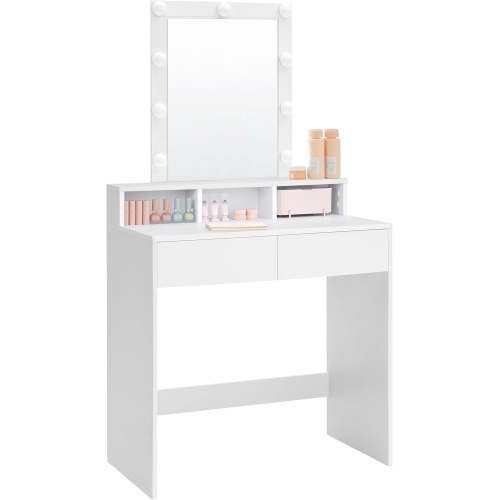 Your price for this item is $159.95
 -
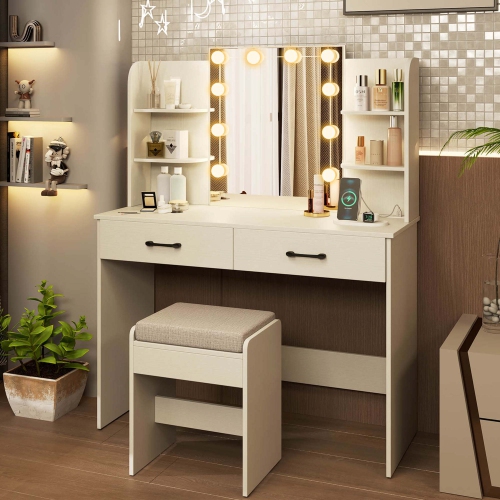 Your price for this item is $285.99
 -
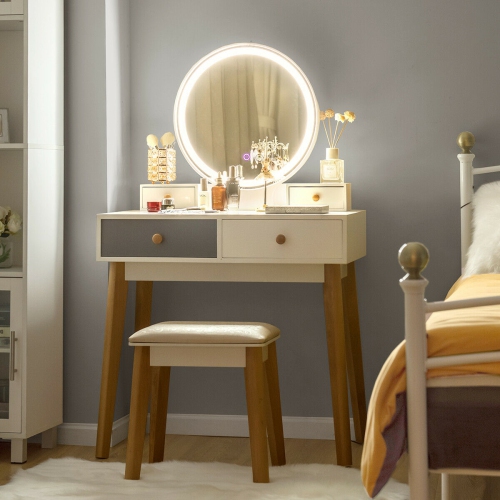 Your price for this item is $295.99
 -
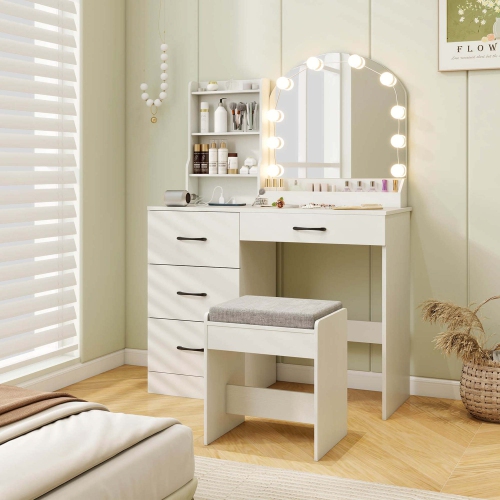 Your price for this item is $315.99
 -
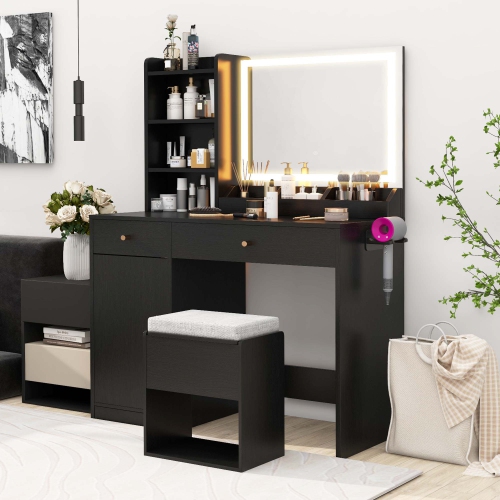 Your price for this item is $295.99
 -
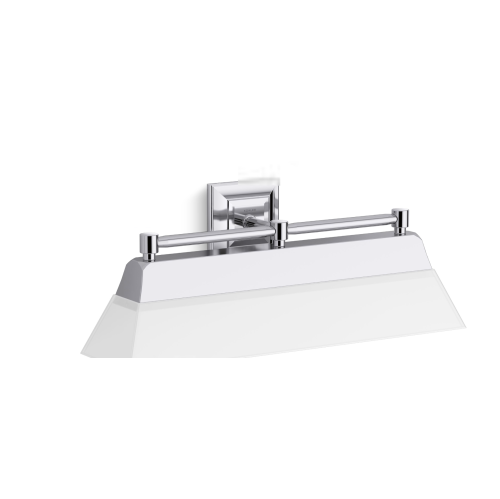 Your price for this item is $899.99
 -
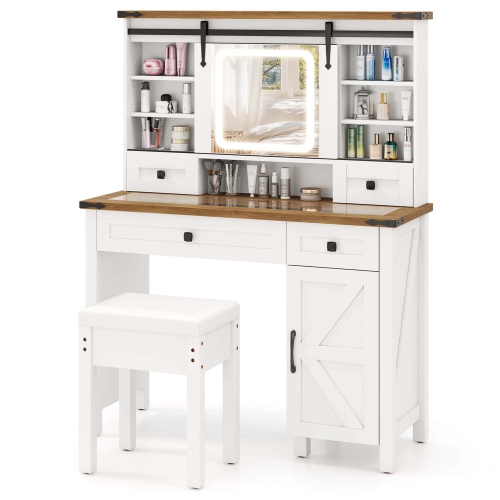 Your price for this item is $403.99
Discover more categories related to Vanity Storage
Top Collections:
Pokemon Centers, Kindle Devices, Best Budget Office Chairs, Apple iPhones 16, Best Laptops for Writers, iPhone 15 Apple, Canon G7X Cameras, Refurbished Apple Laptops, Alarm Clock, Motorola Razr Phones
Some products may be subject to Environmental Handling Fees
(EHF) depending on your province.
Learn more about EHFs.