Vintage Bedroom Furniture
Create a timeless and elegant retreat with these vintage bedroom furniture pieces. Embrace the charm of yesteryear with beautifully crafted pieces that exude character and sophistication. From ornate bed frames to intricately carved dressers, our selection offers a range of styles to suit any vintage-inspired aesthetic. Whether you're looking to transform your entire bedroom or simply add a touch of nostalgia, this vintage furniture will transport you to a bygone era while providing the functionality and comfort you need for a good night's sleep.
Sort
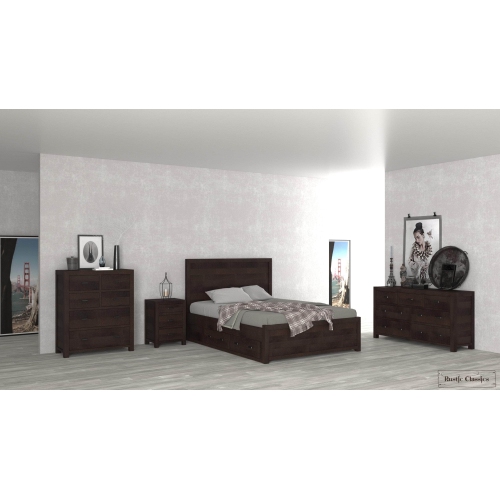
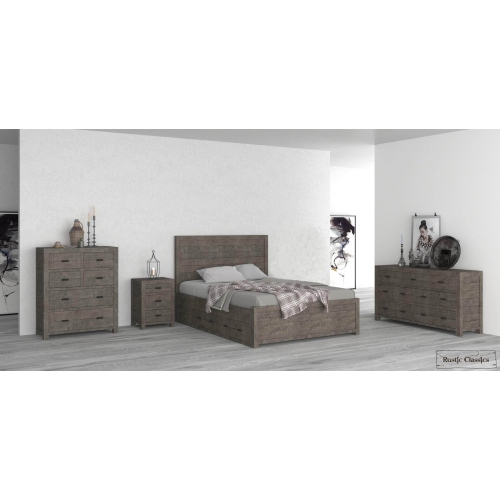
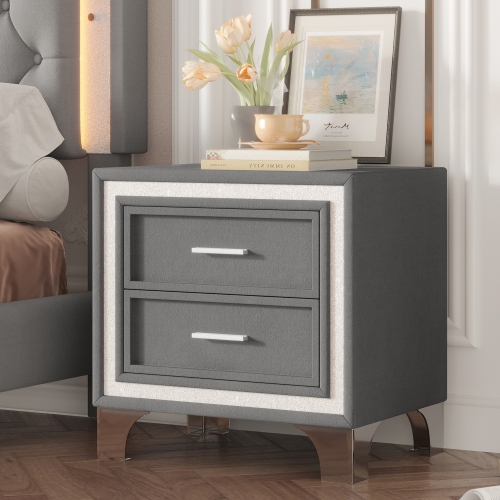
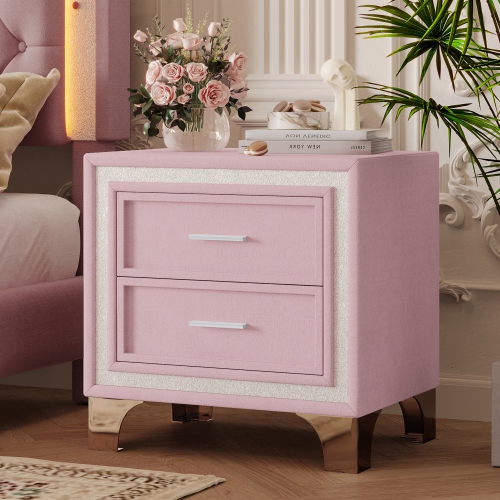
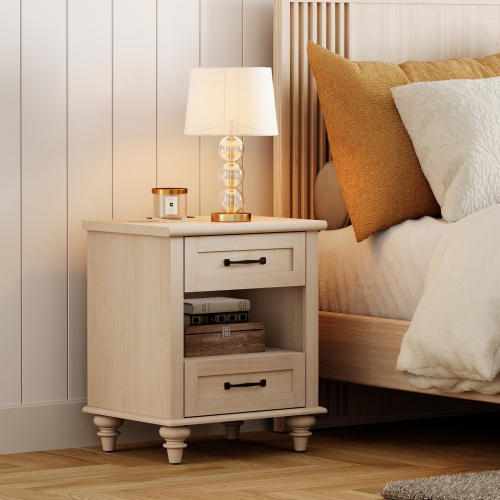
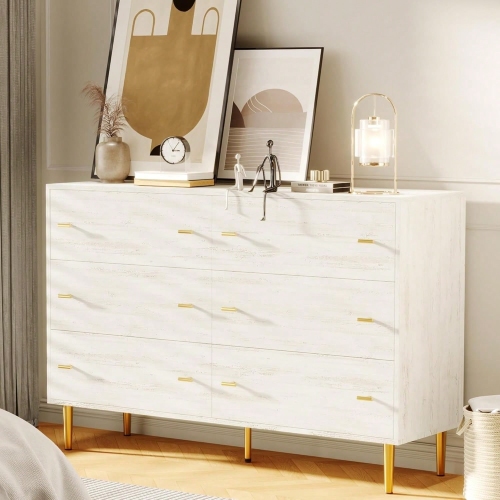
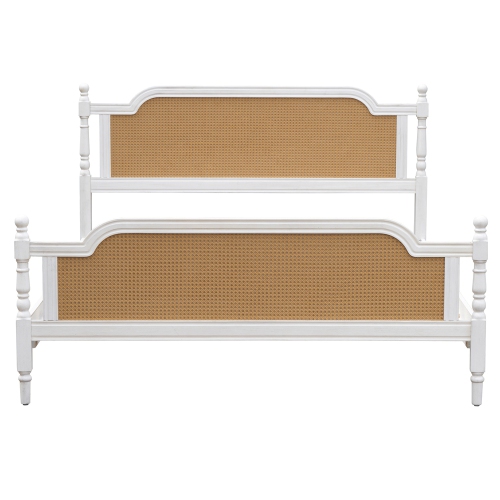
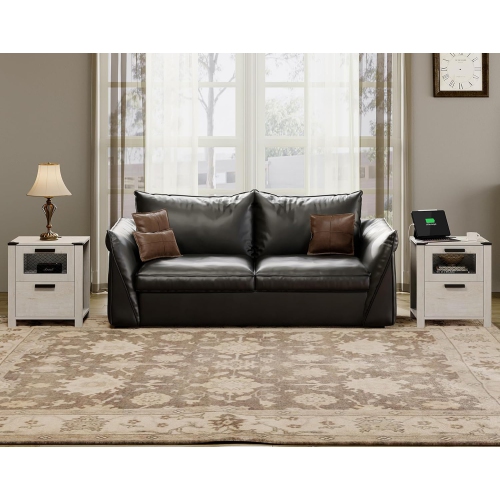
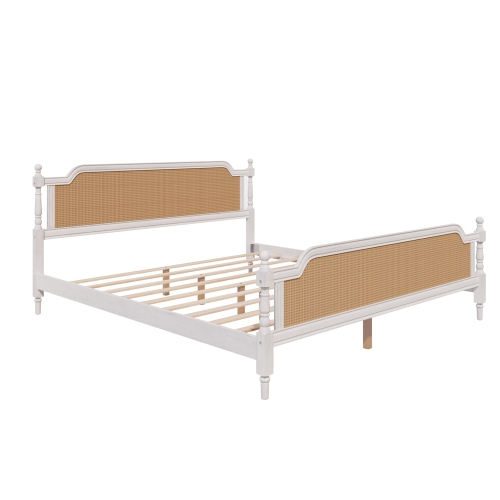
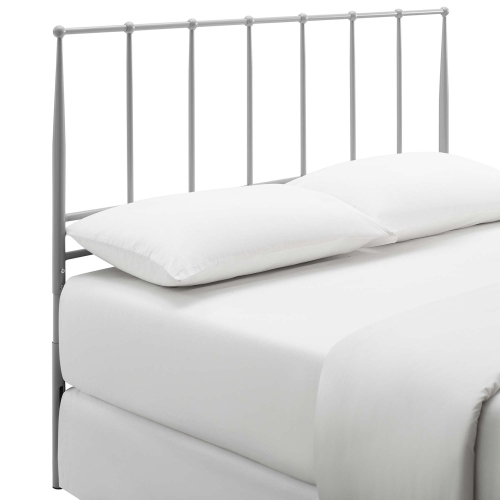
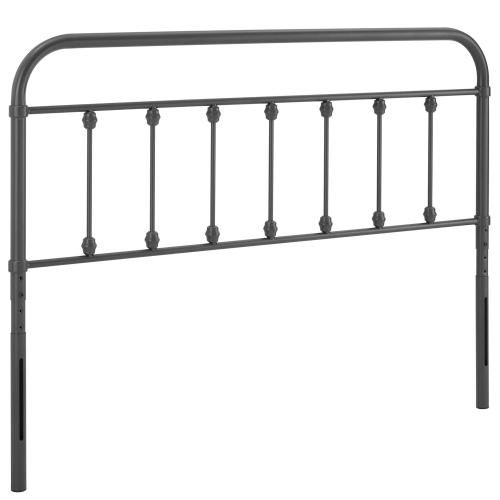
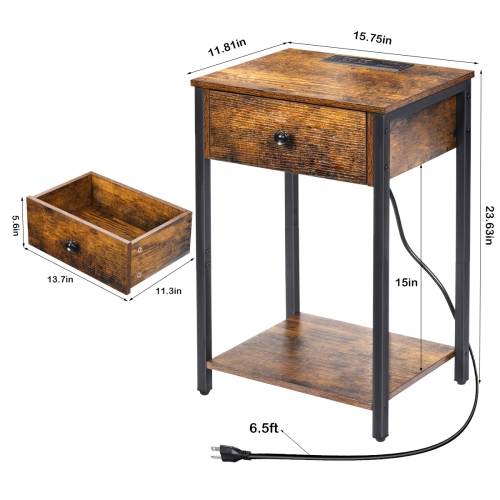
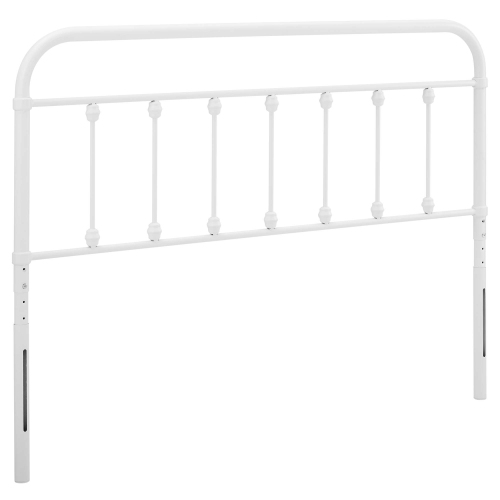
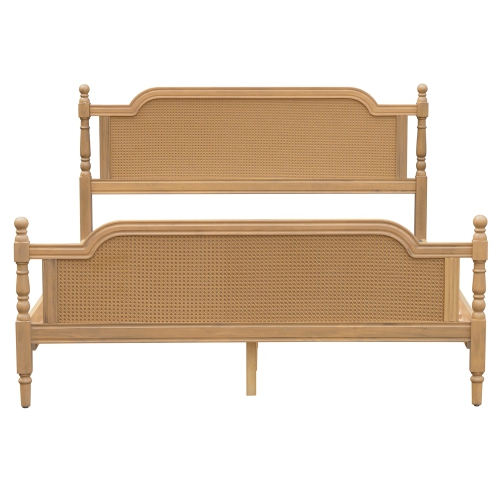
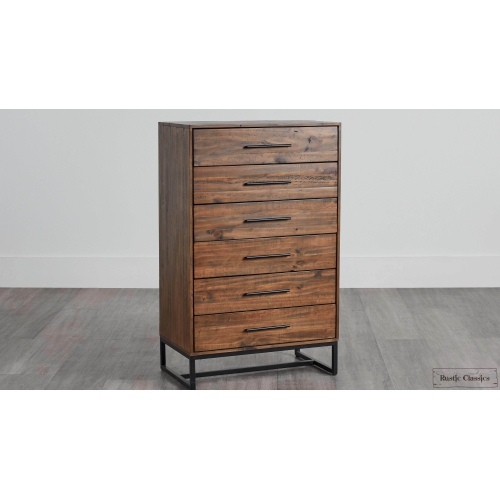
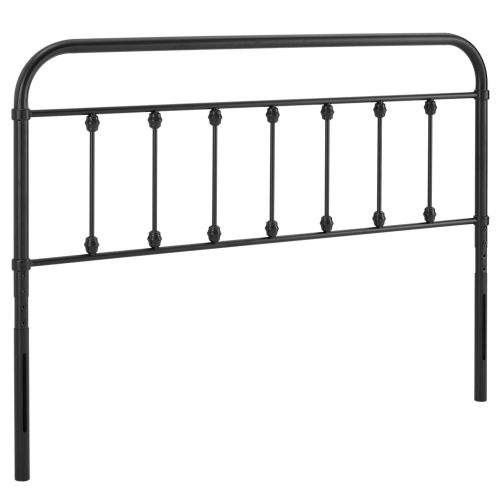

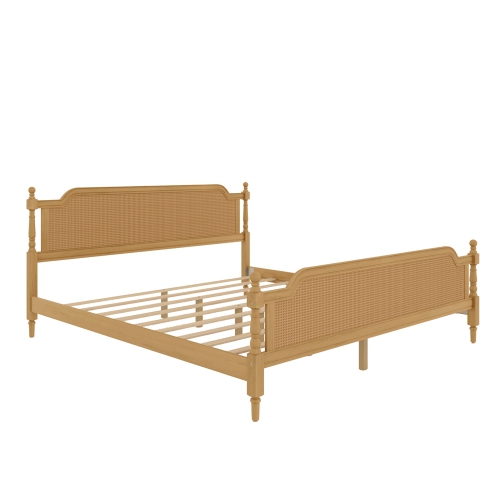

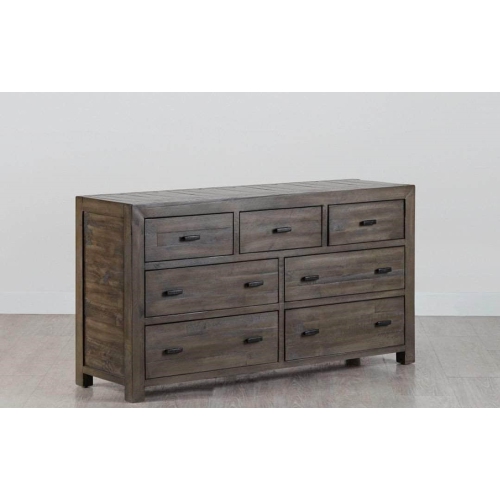

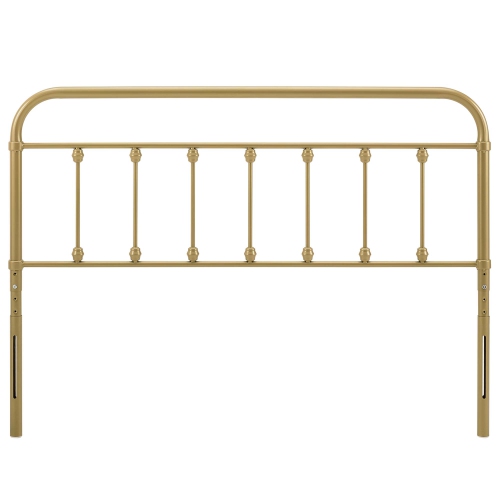
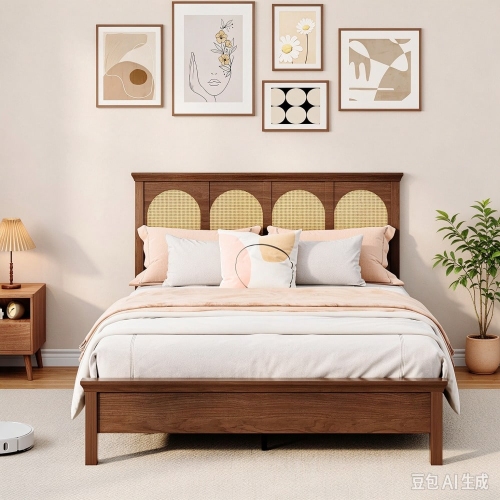
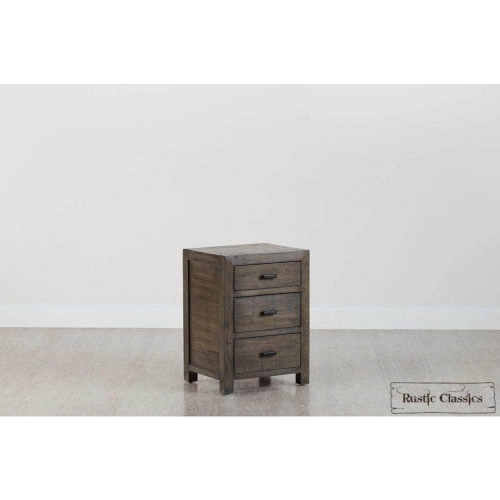
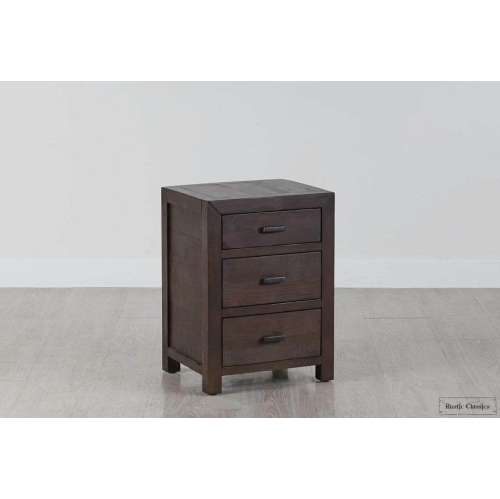
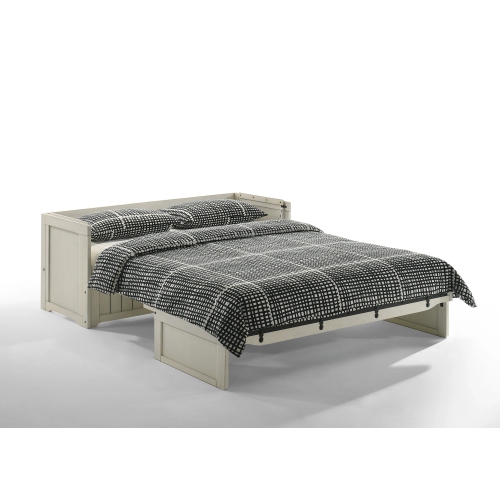
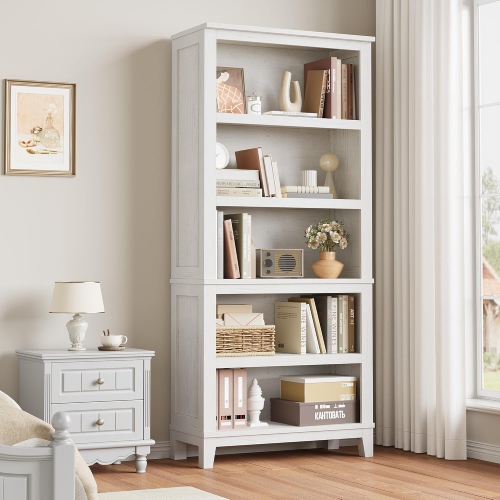
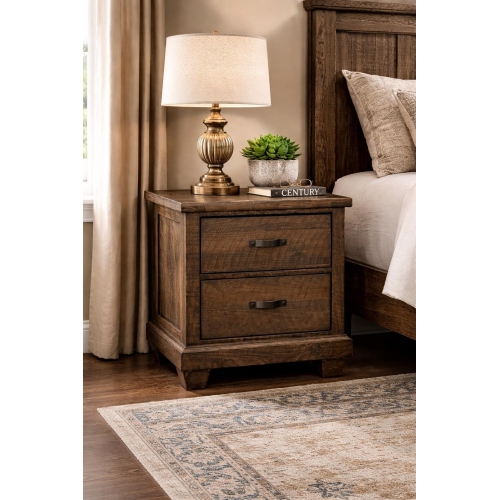
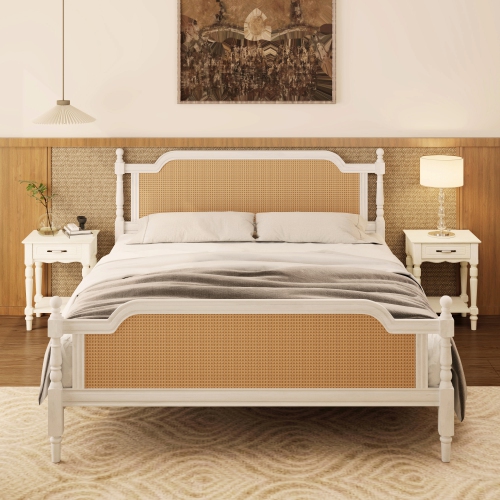
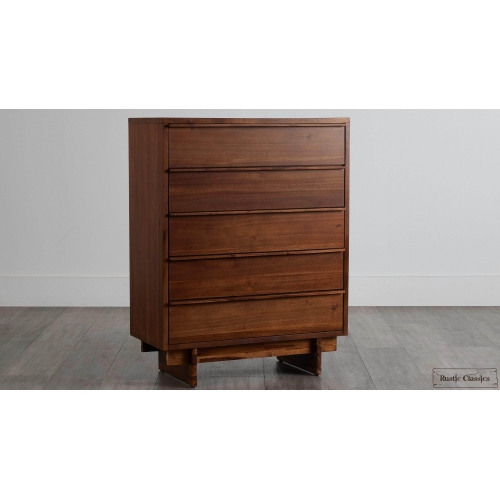

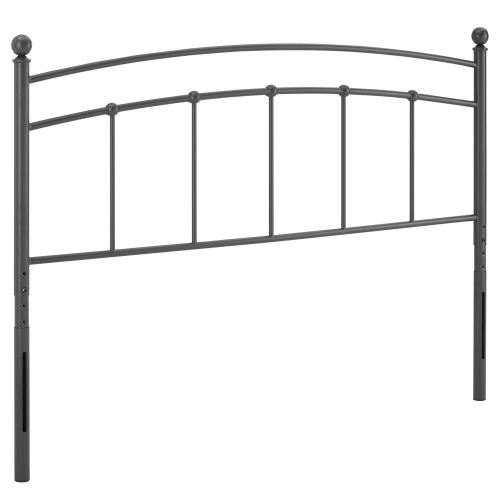
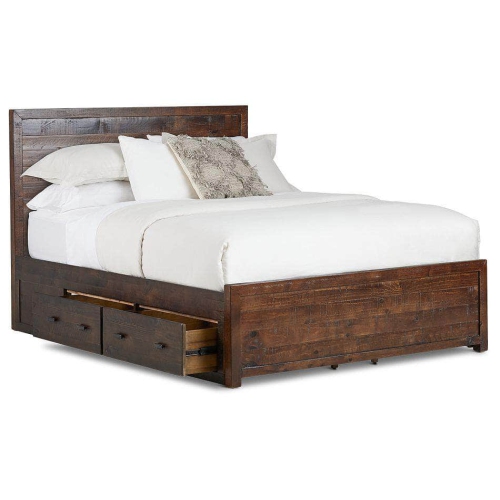
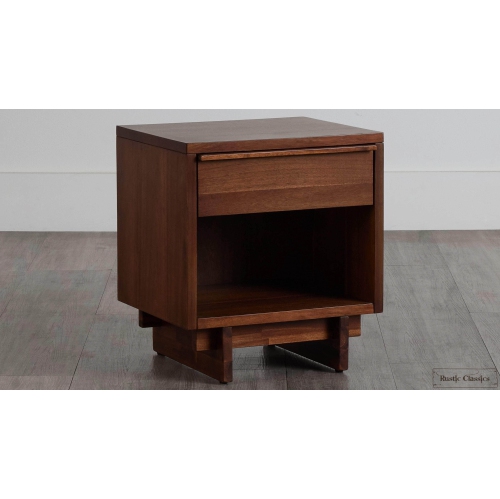
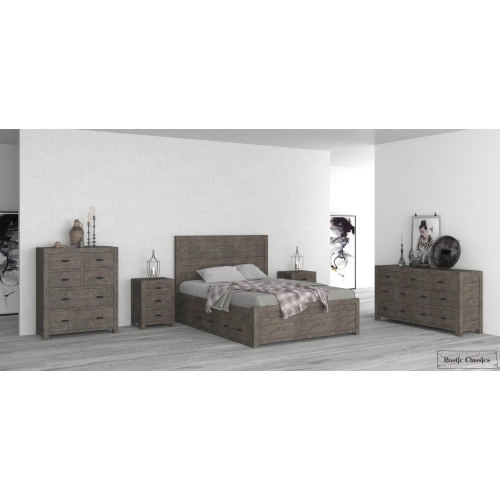
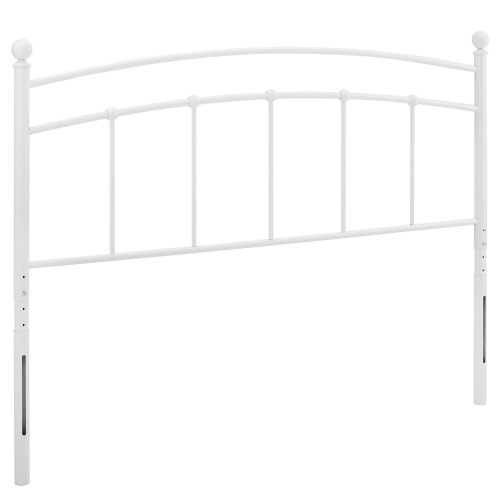
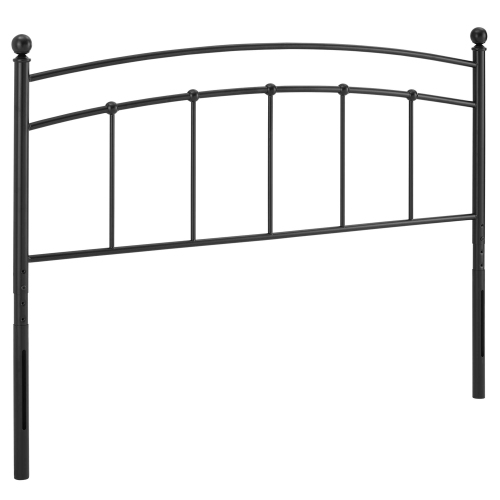
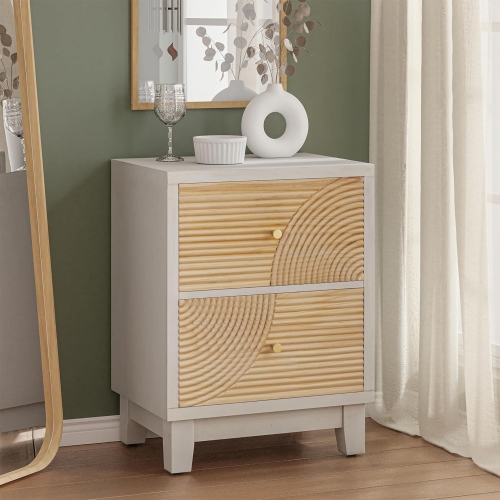
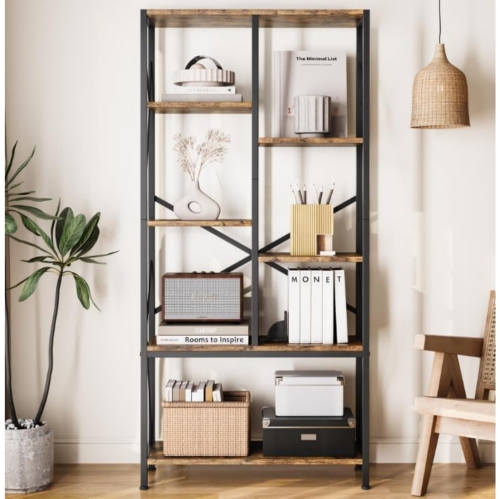


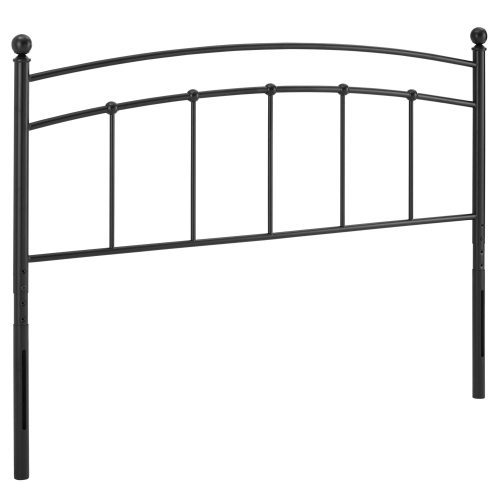
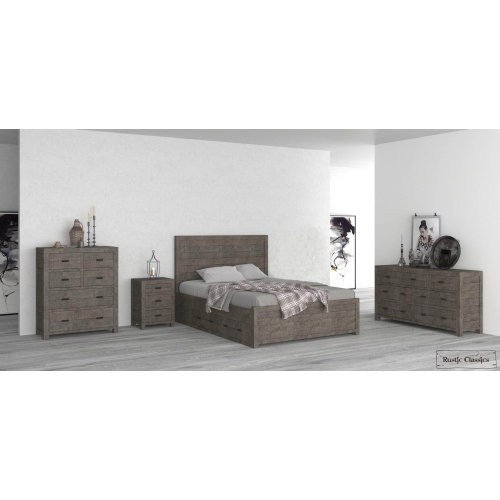
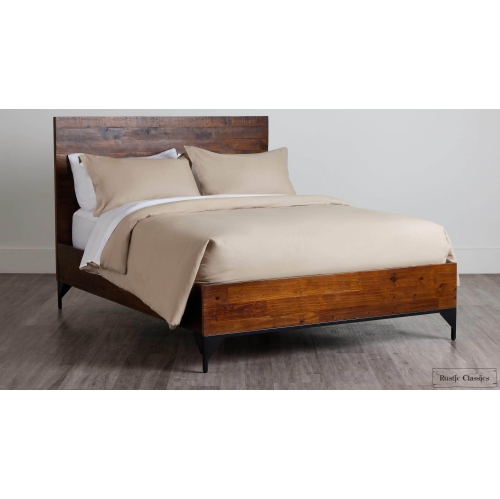
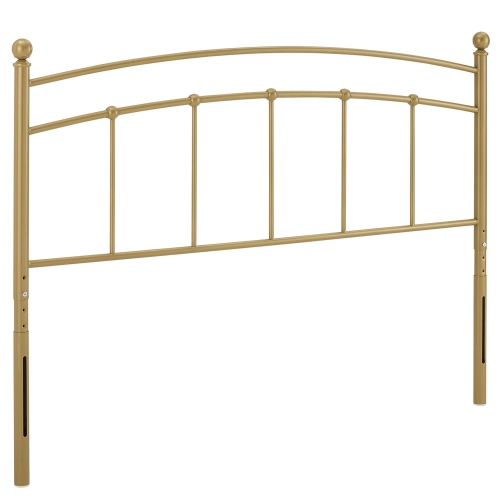
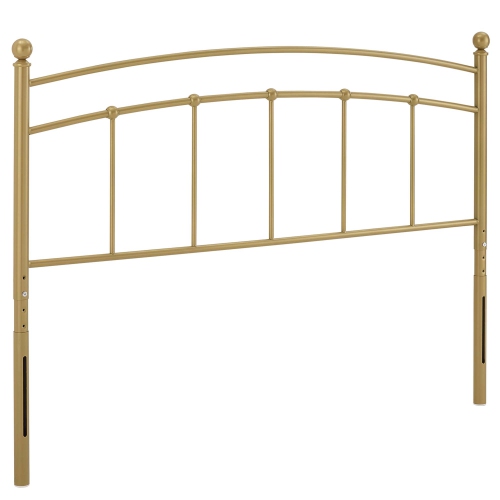
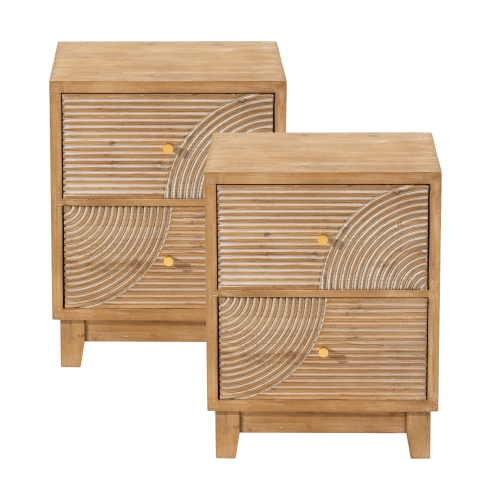
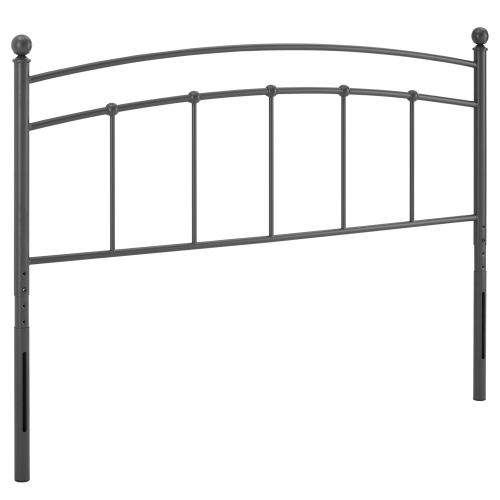
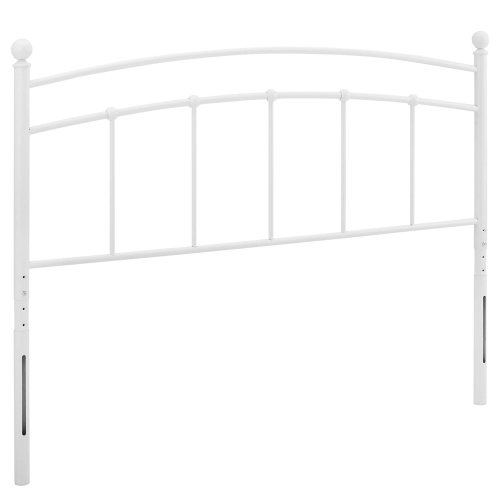
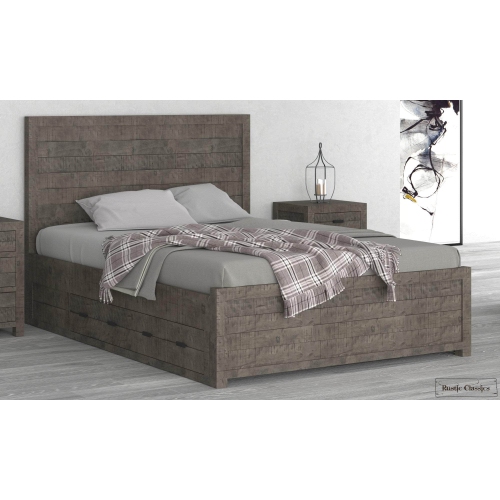
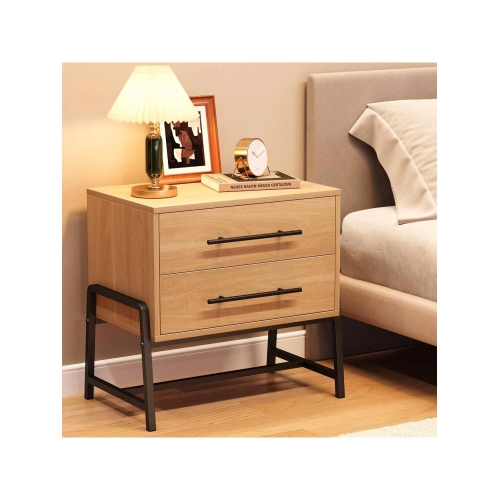

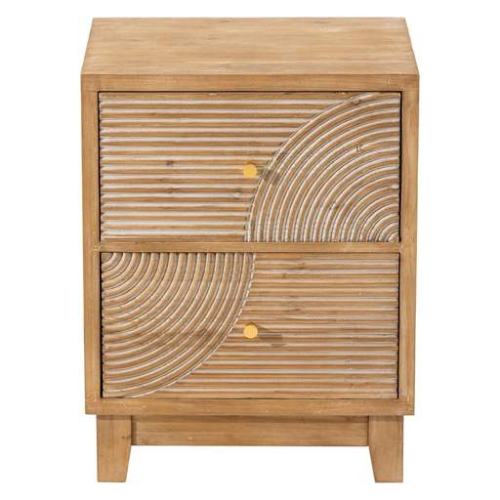
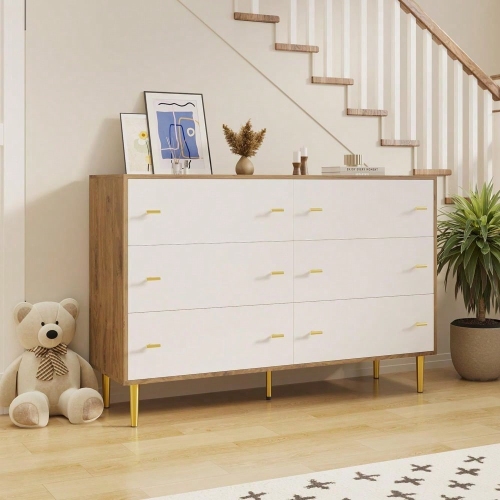
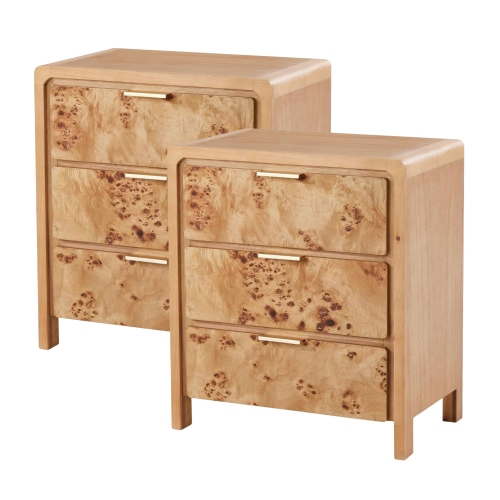

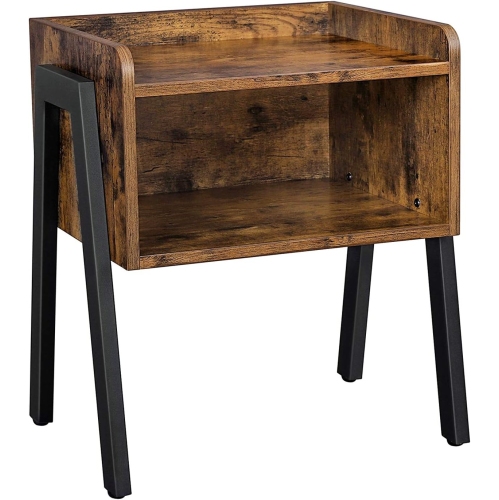

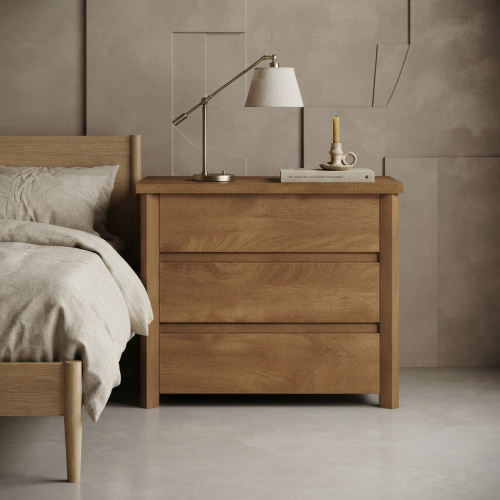
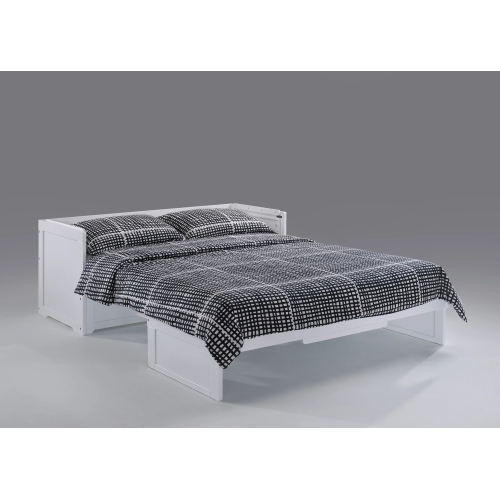
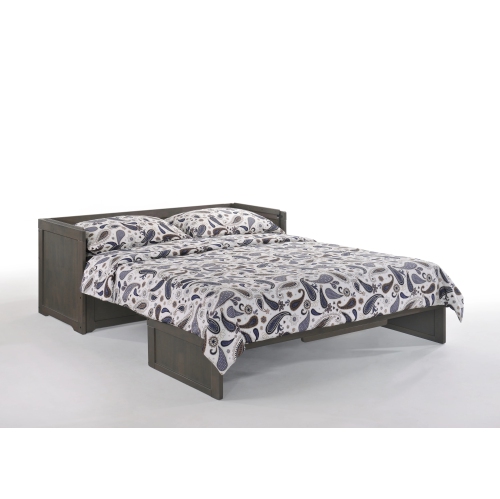
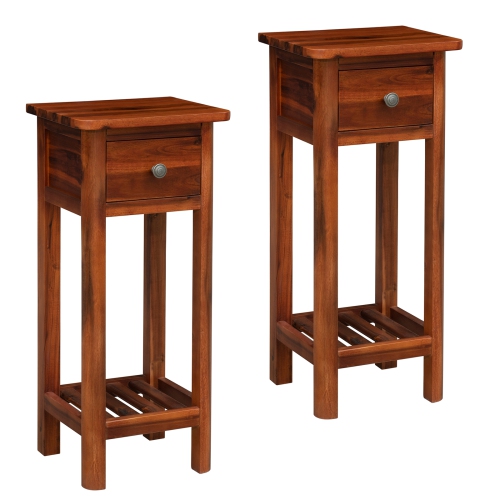

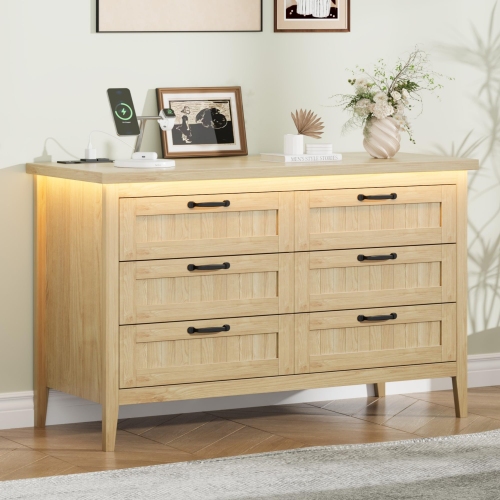
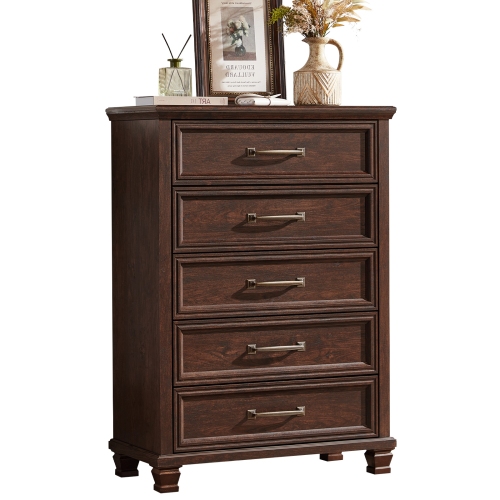
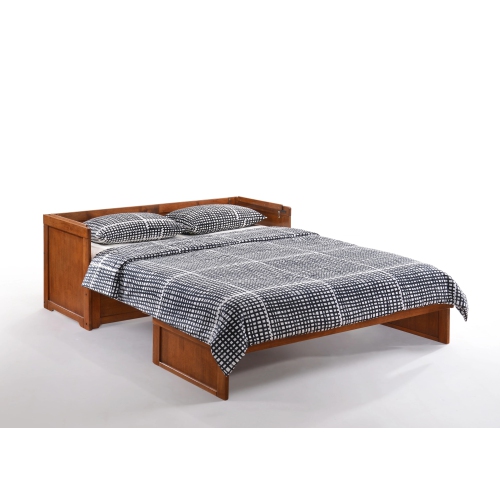
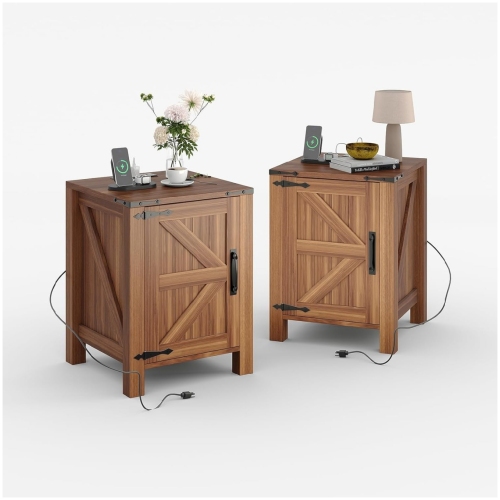
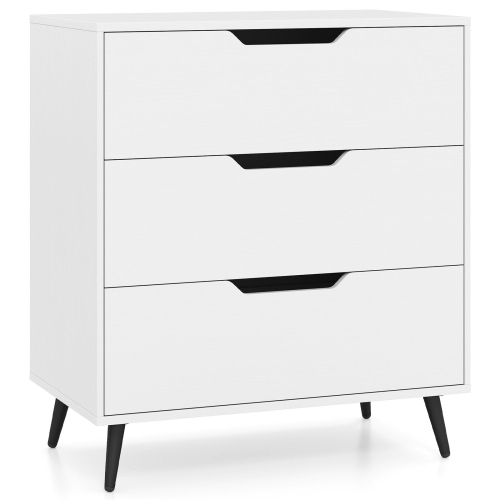
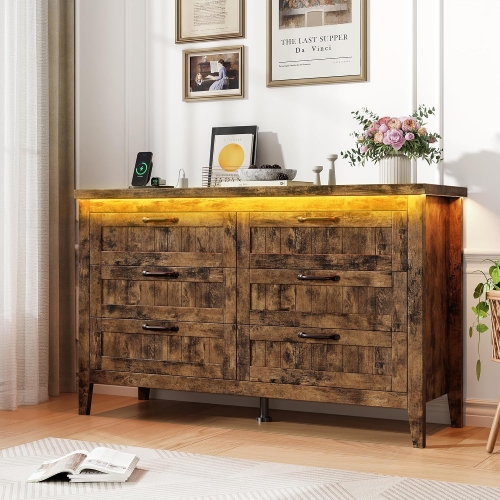
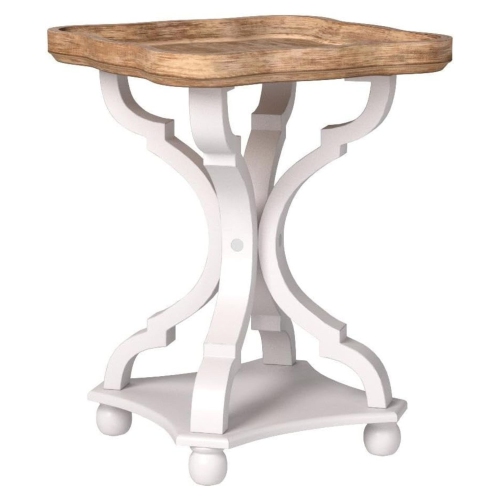

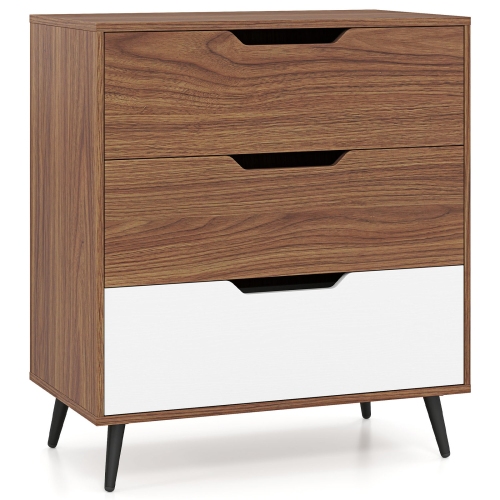
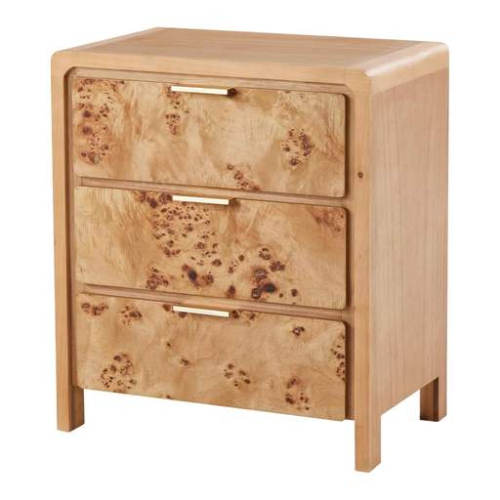
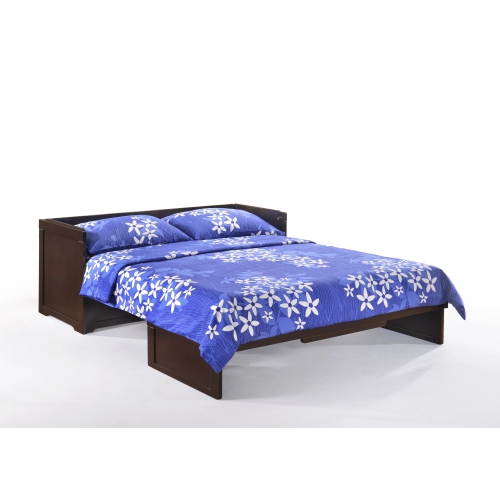
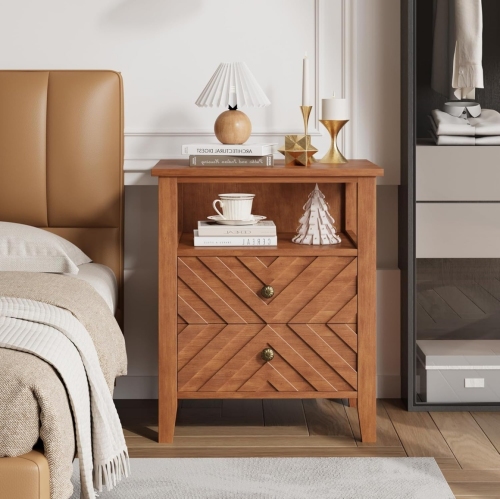
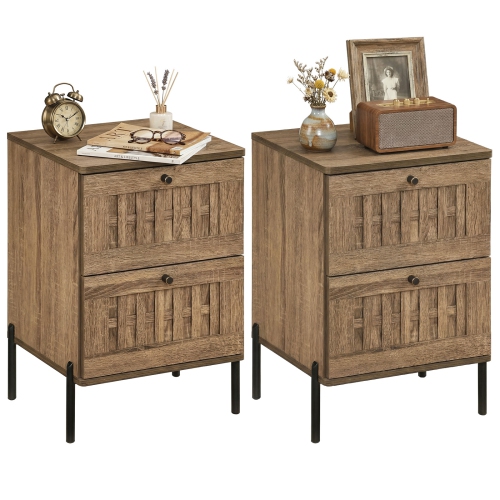
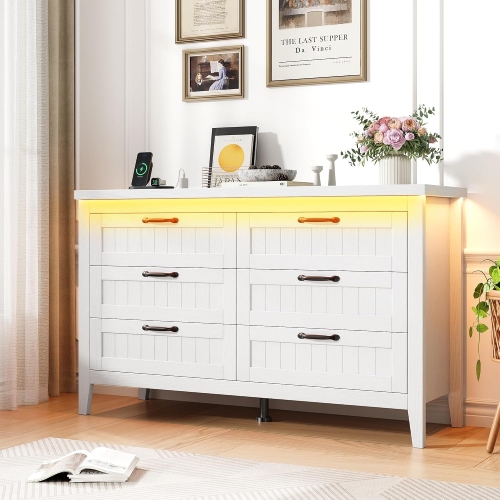
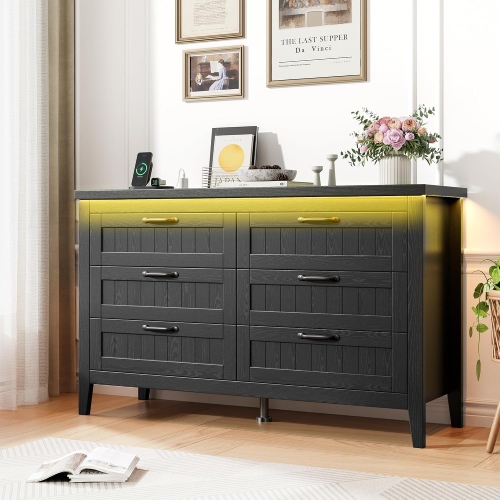
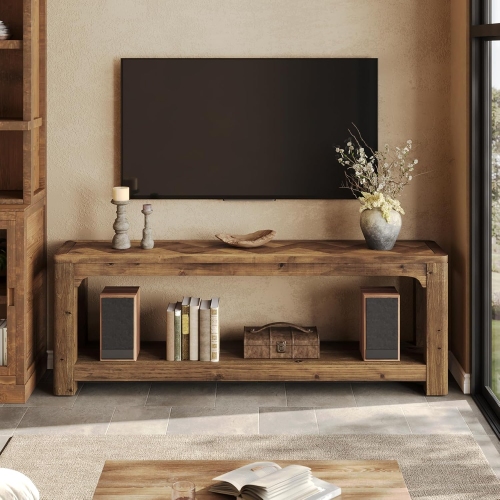
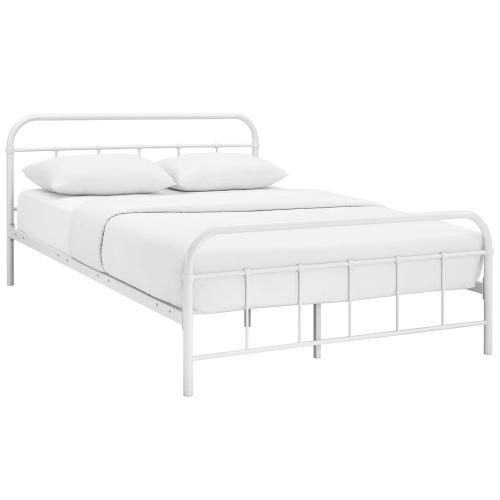
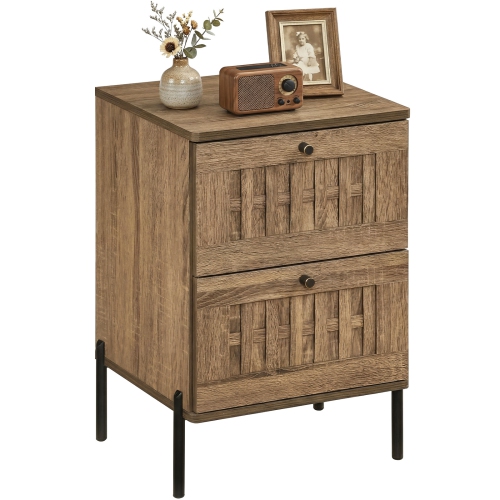
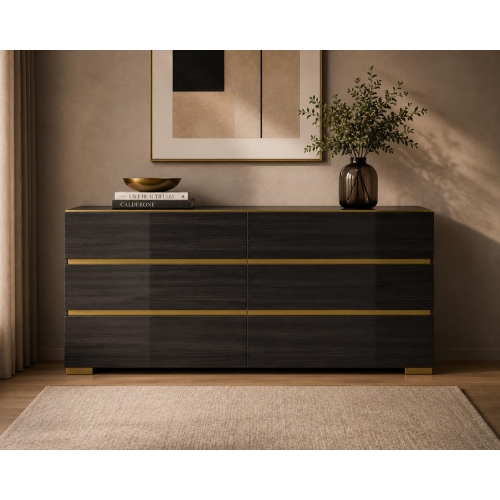
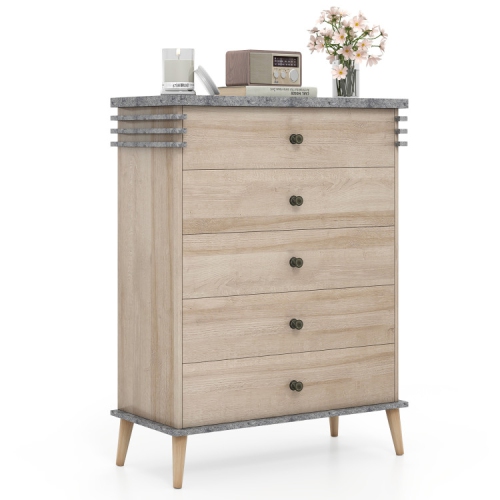
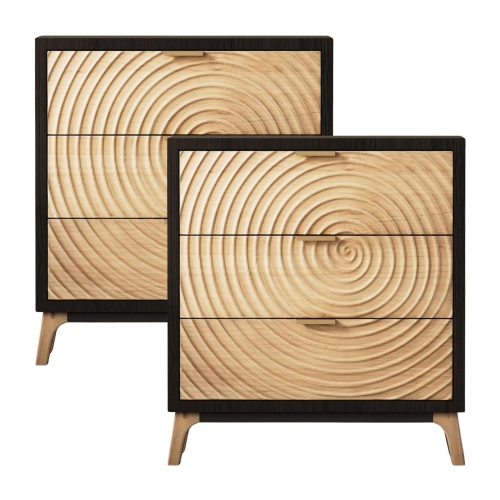
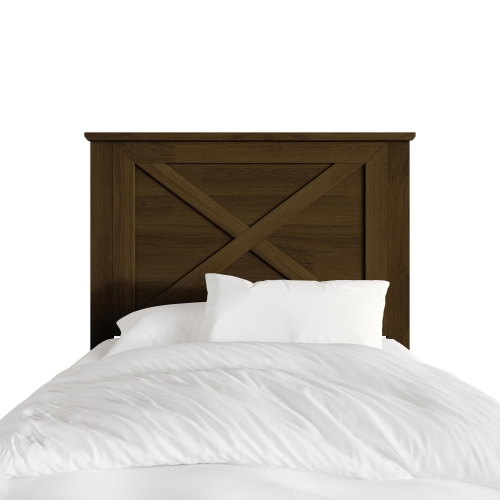

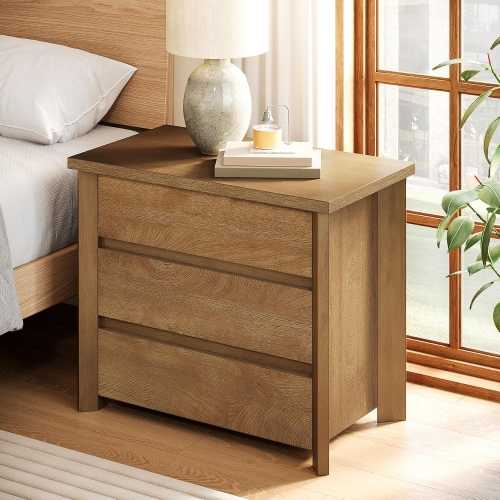
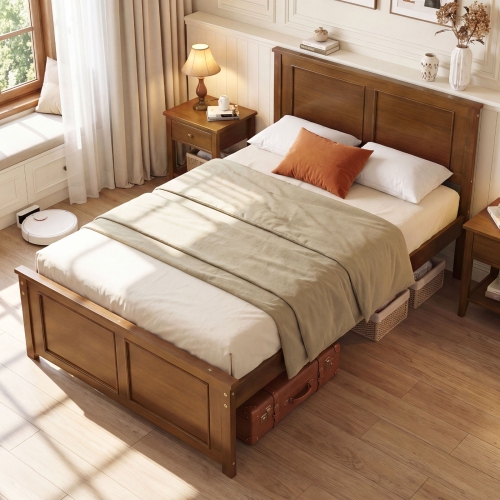
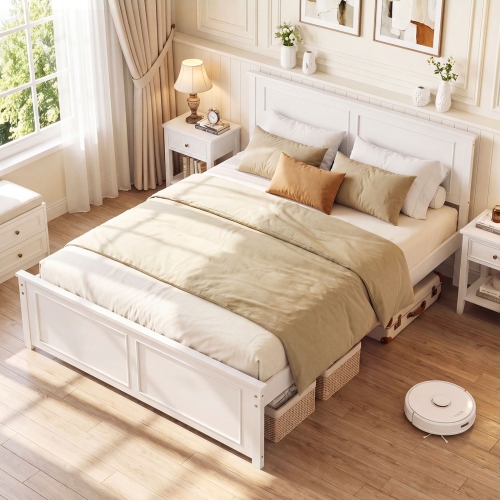
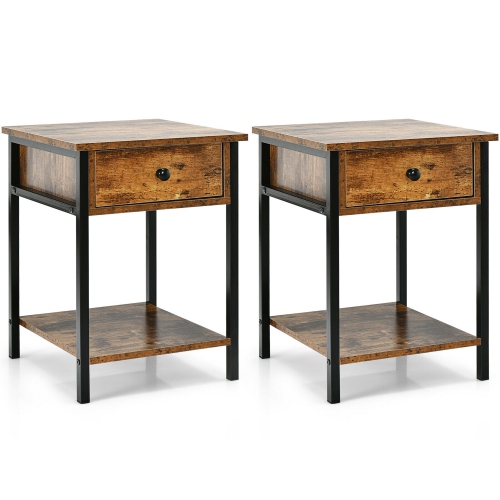

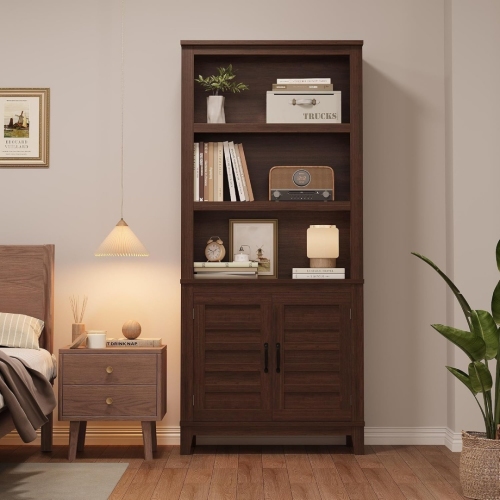
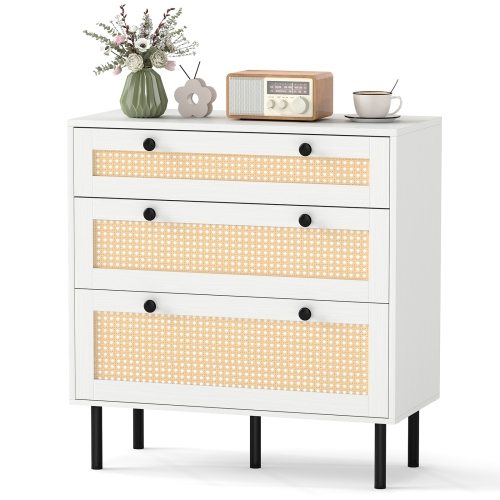
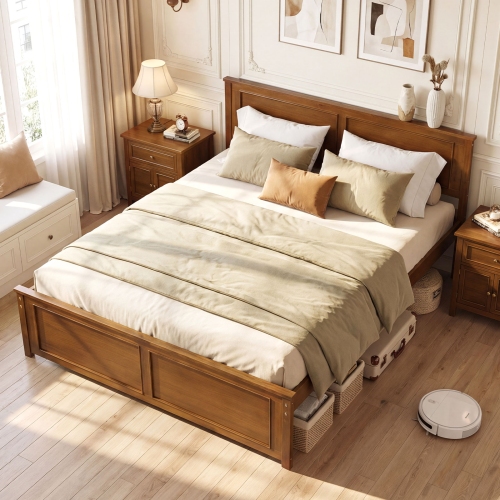
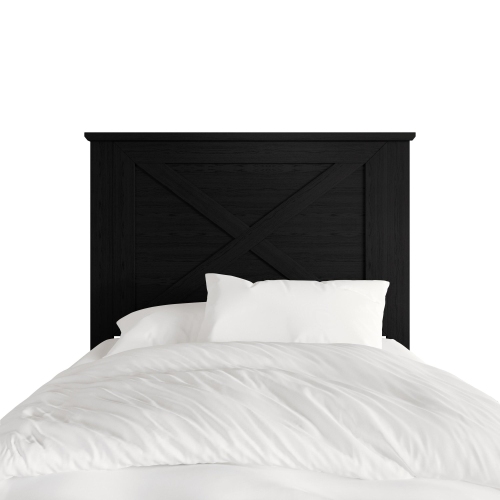
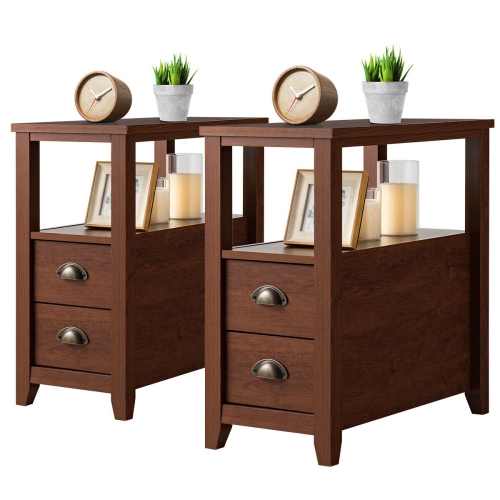
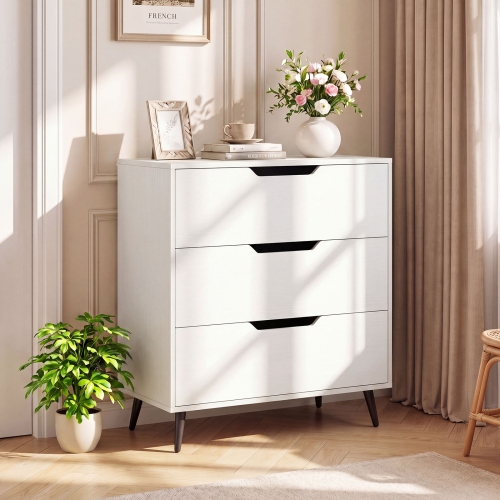
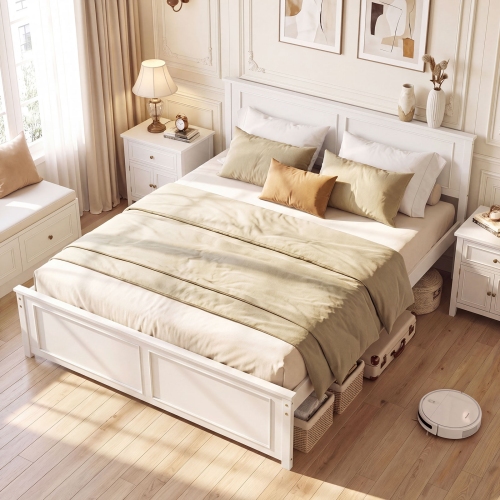
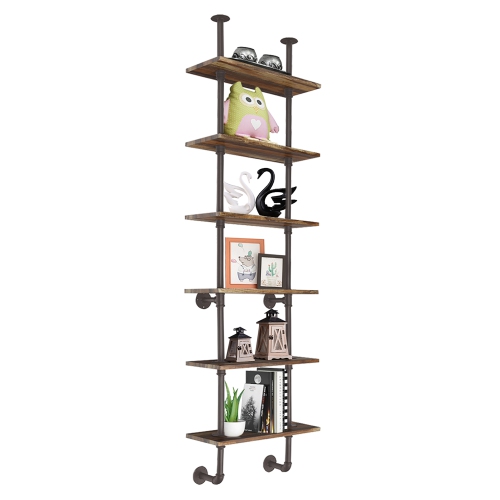
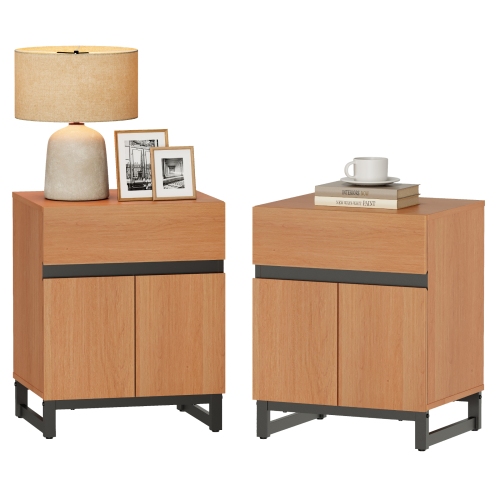
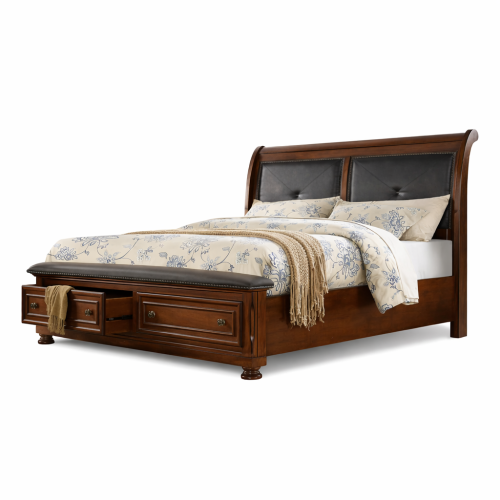
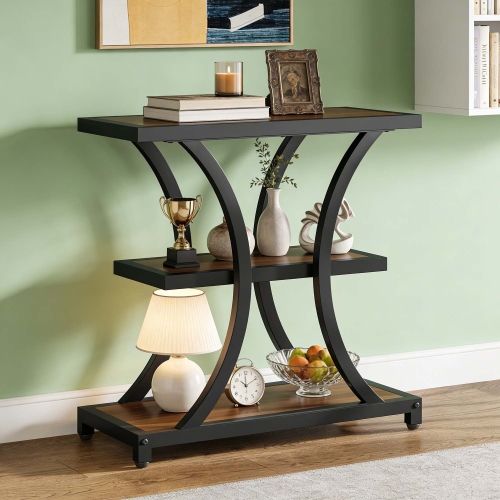
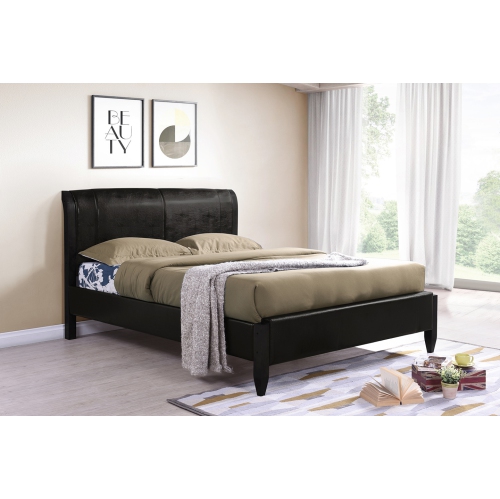
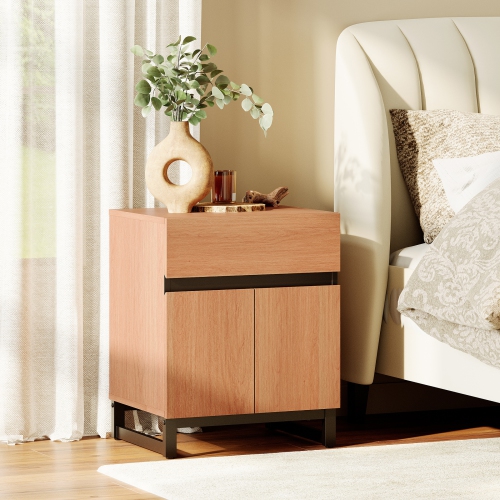
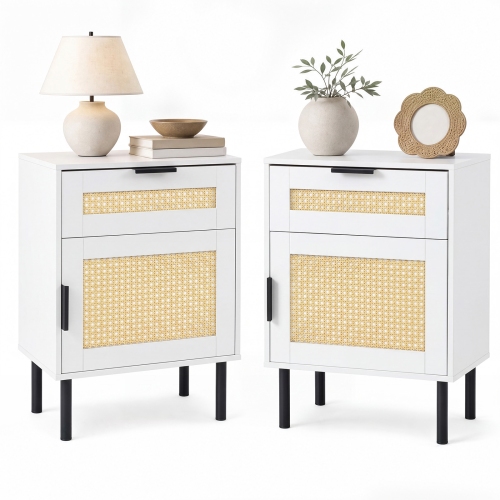

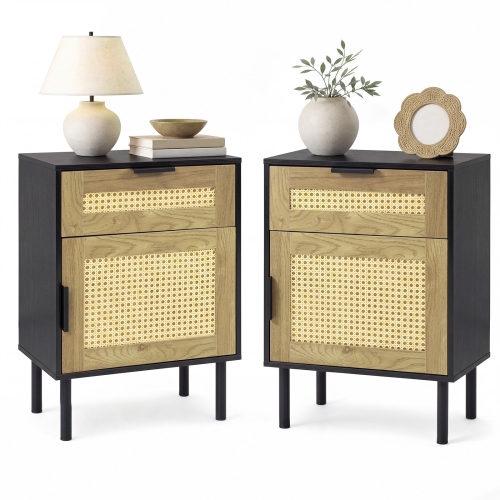
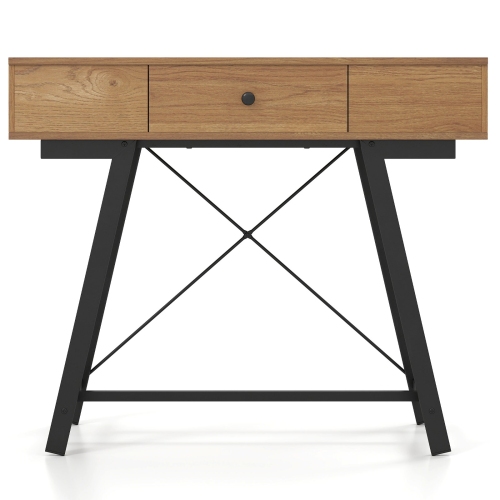
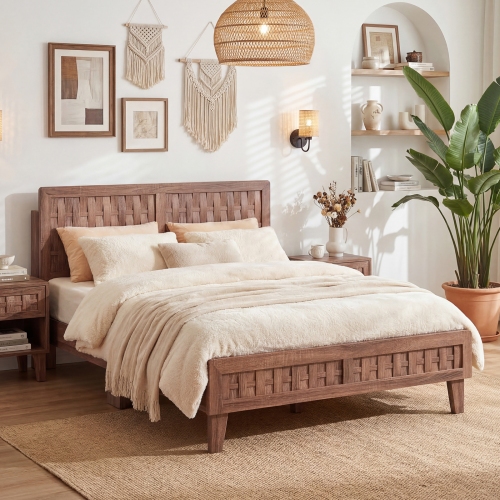
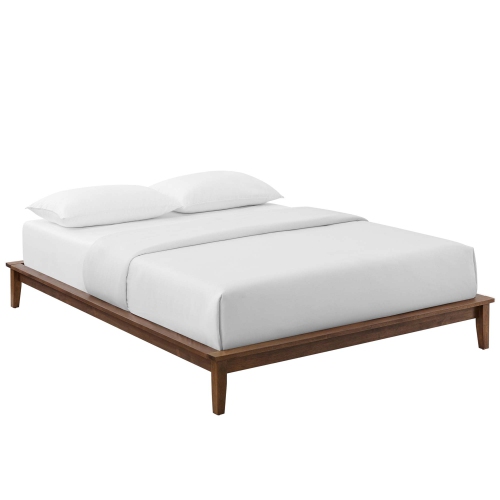
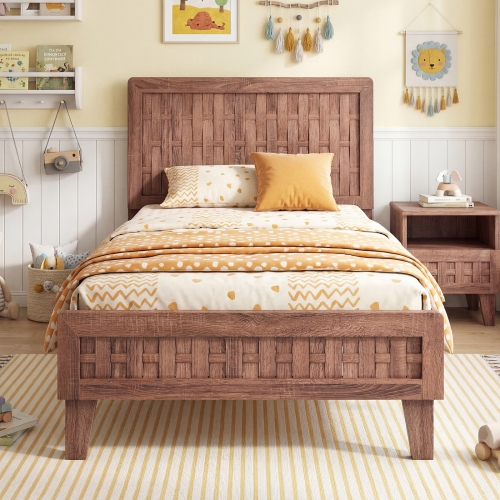
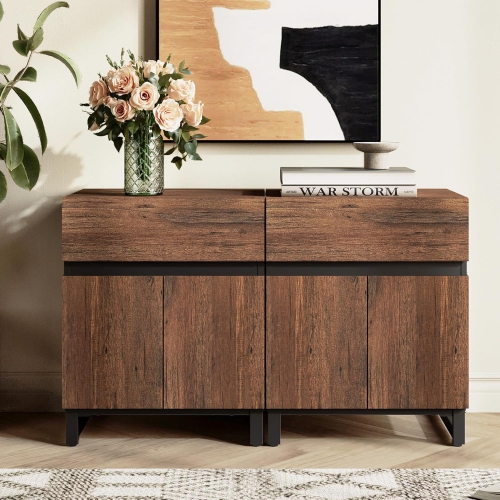
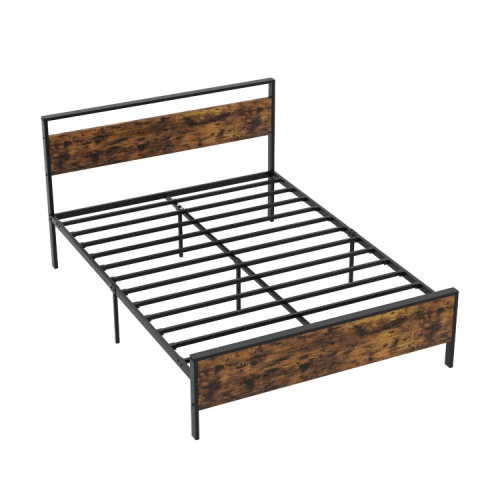
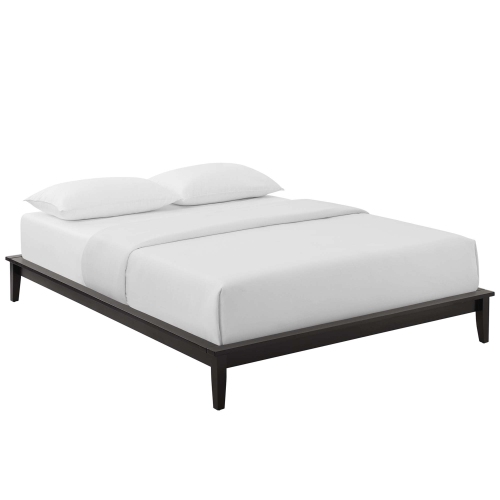
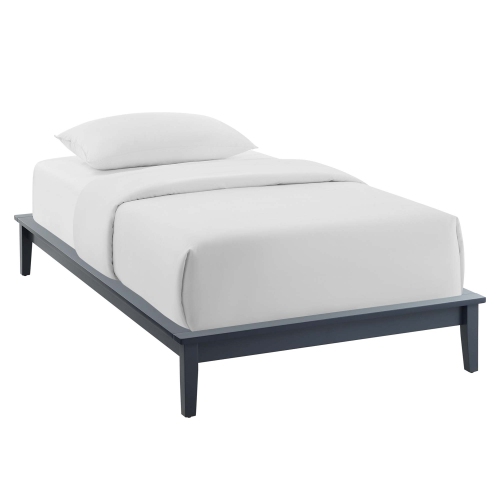
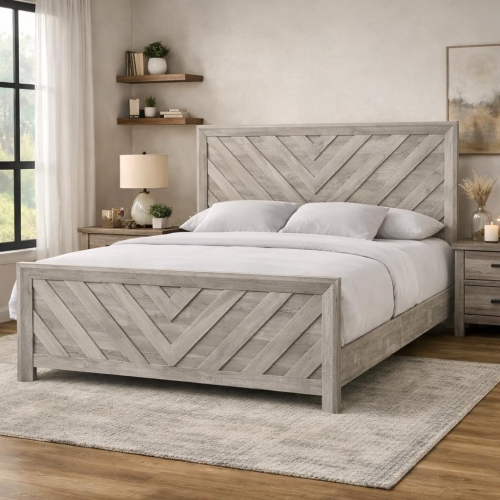
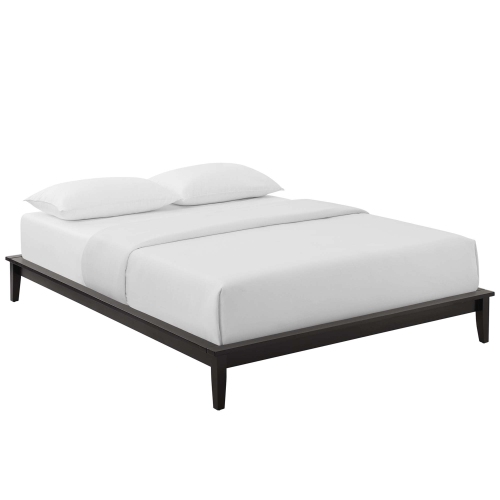
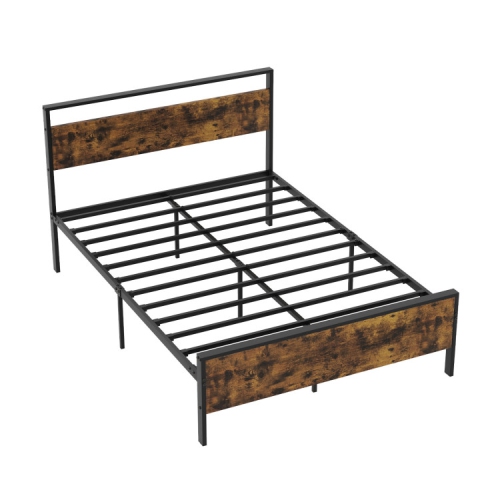
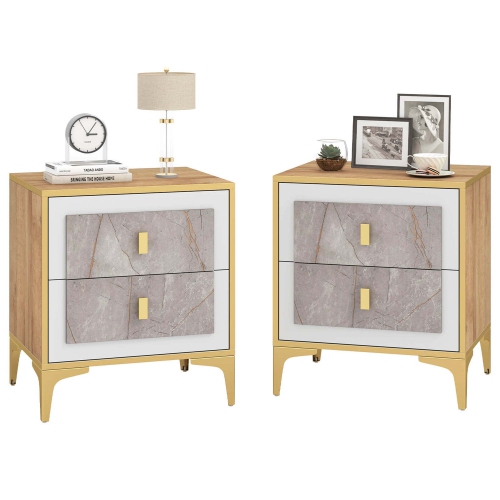
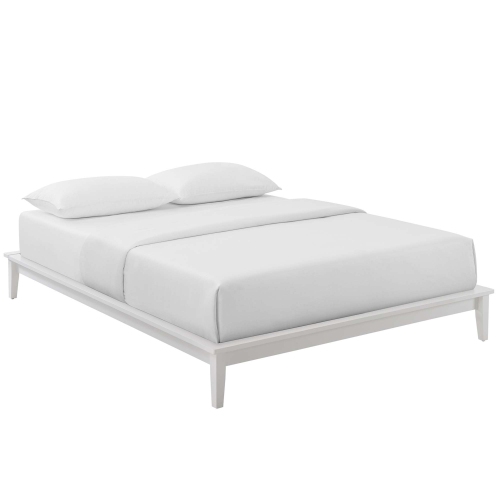
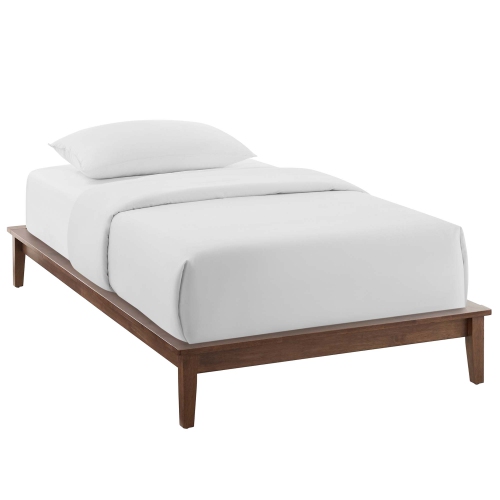
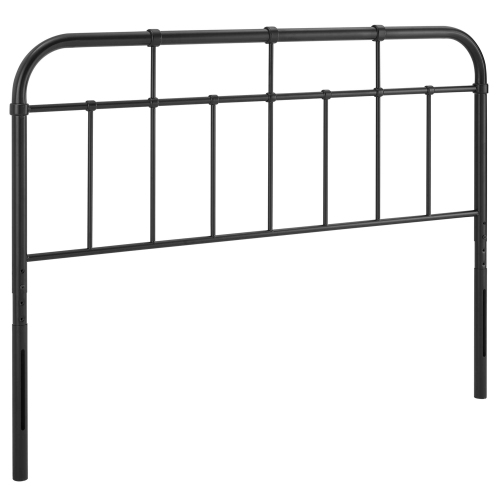
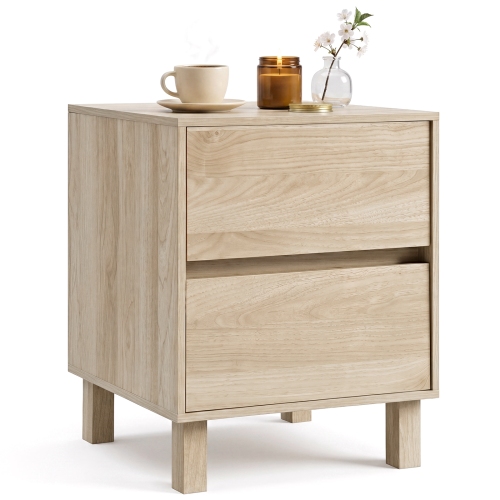
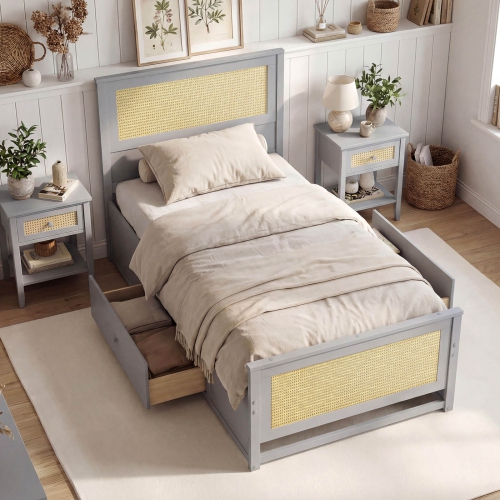
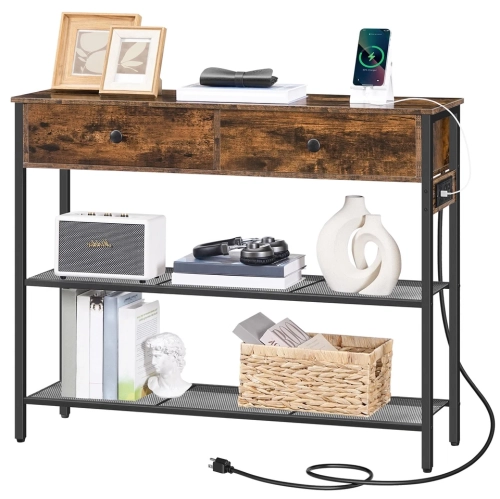
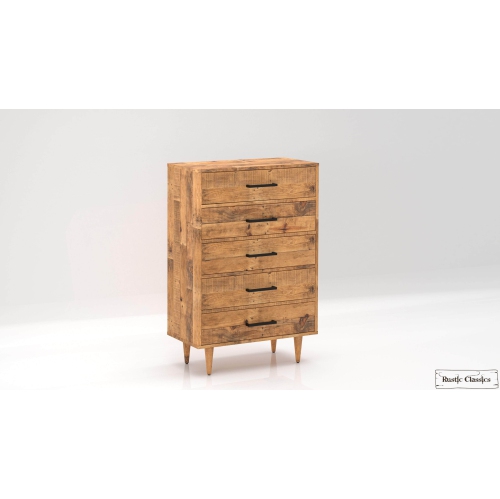
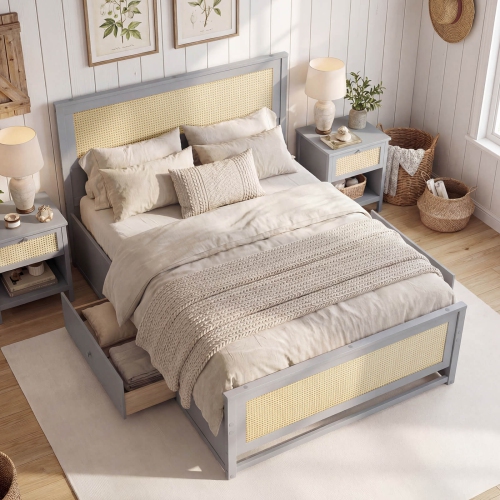
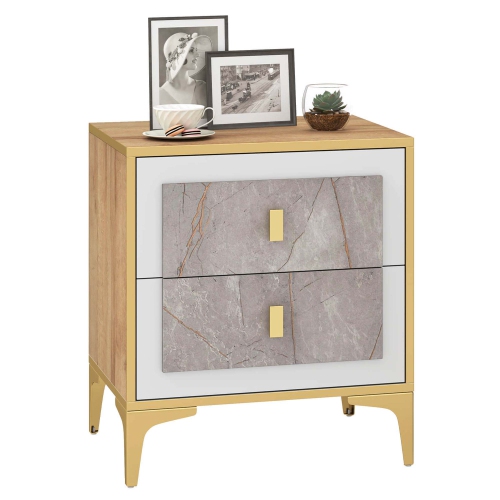
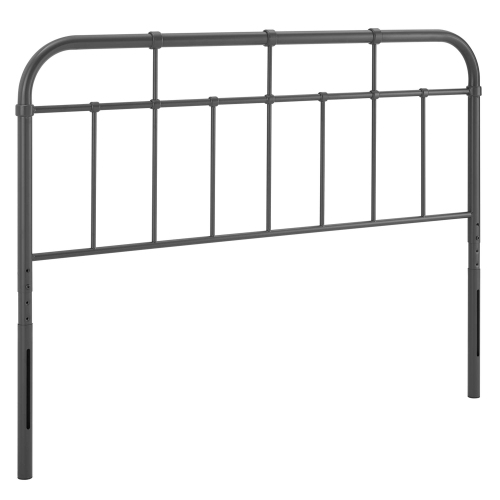
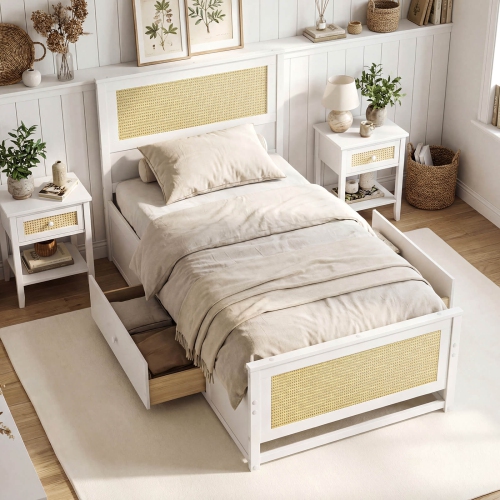
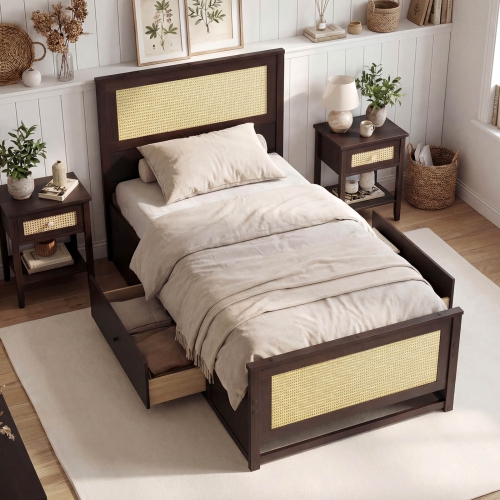
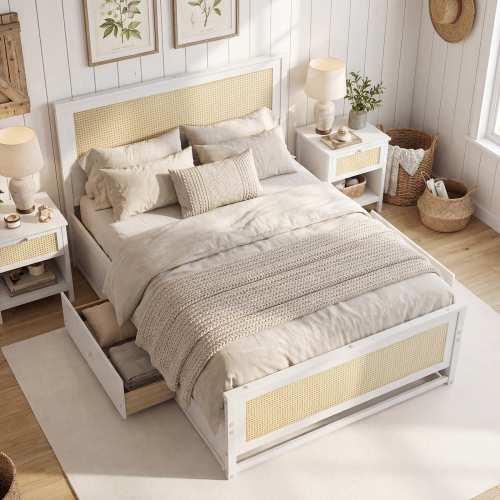
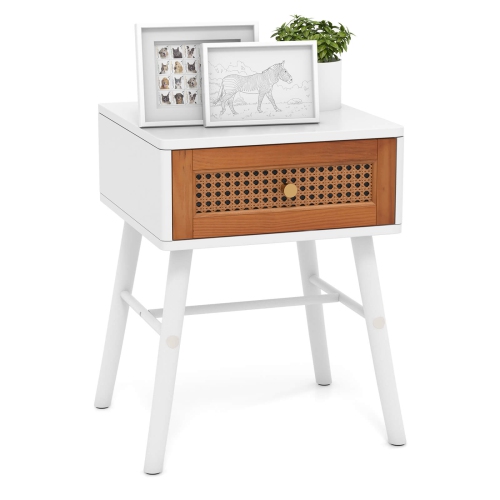
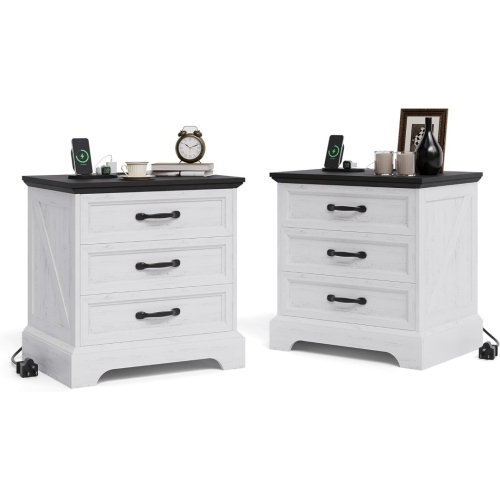
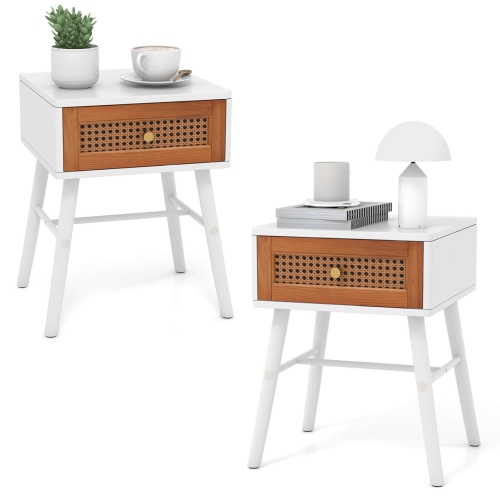
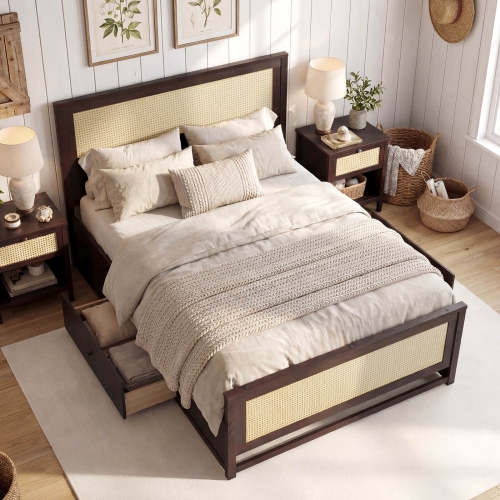
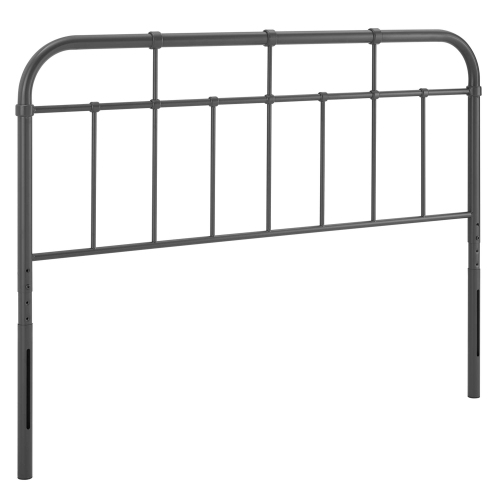
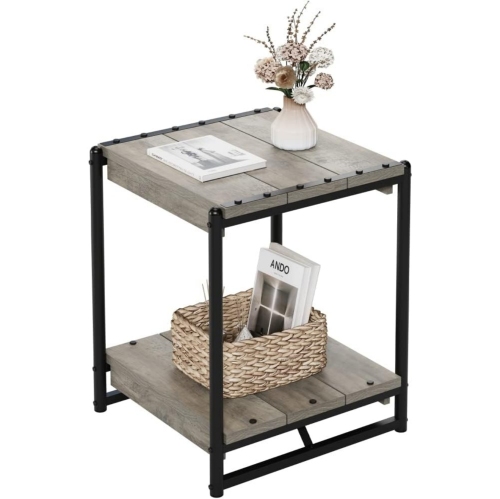
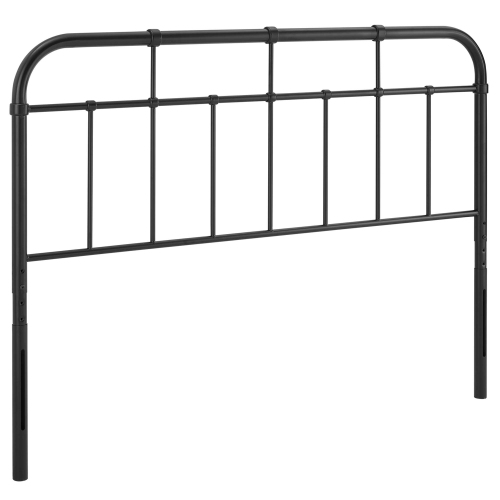
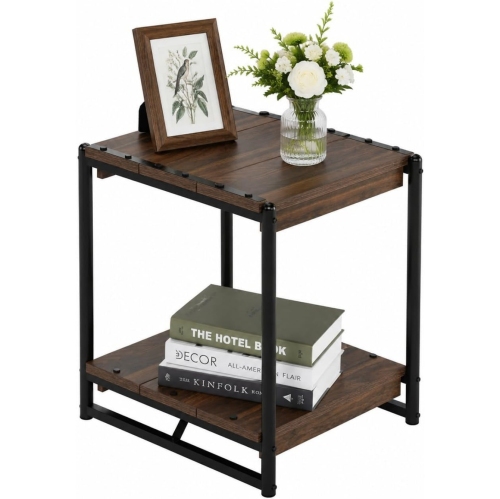
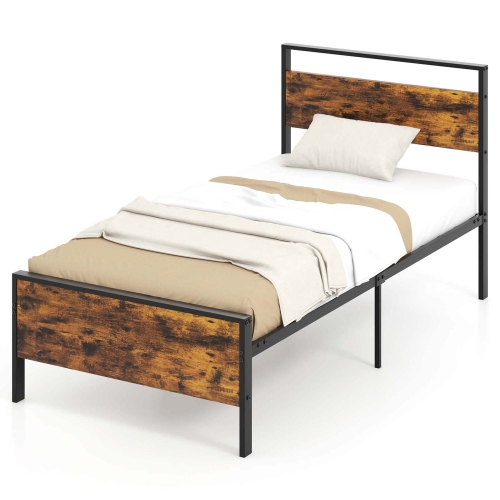
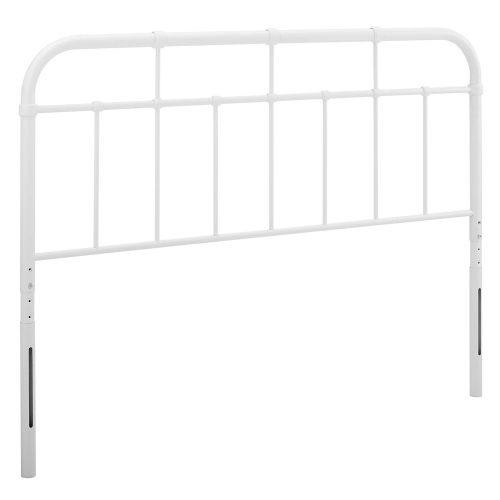
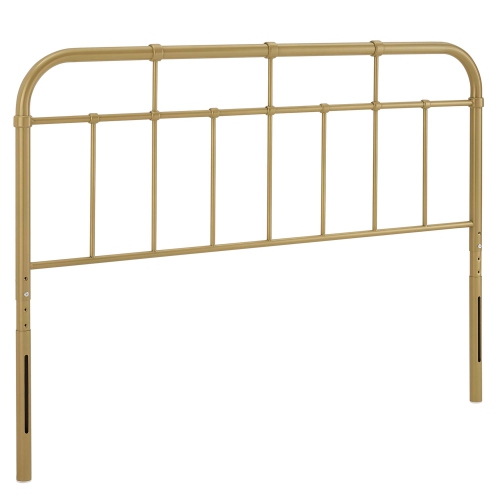
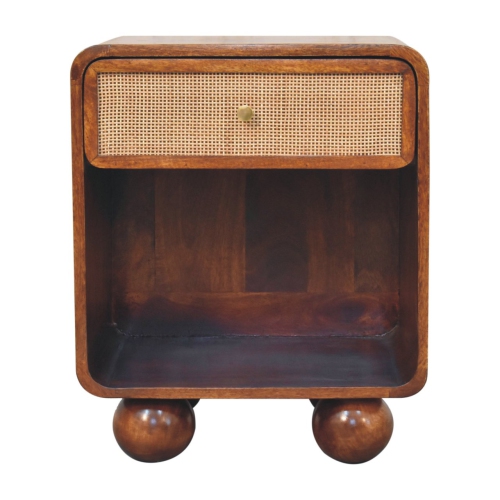
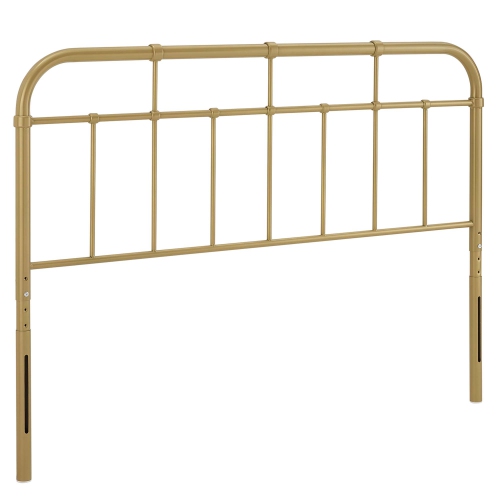
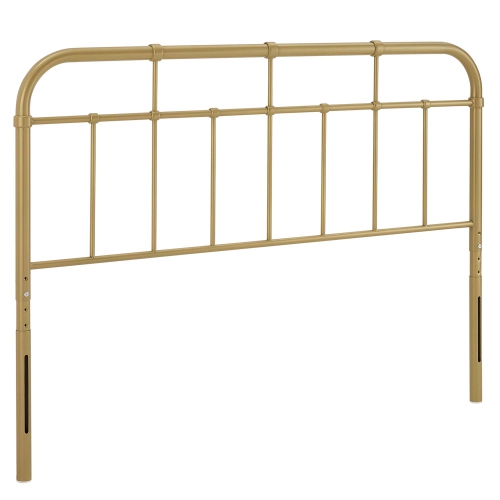
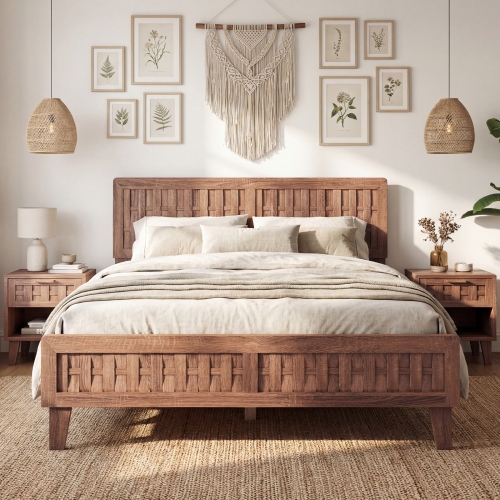
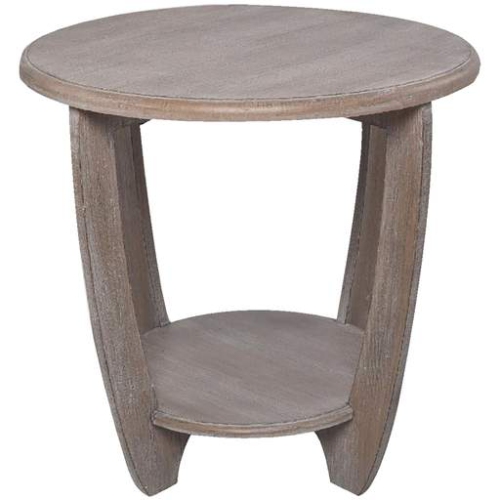
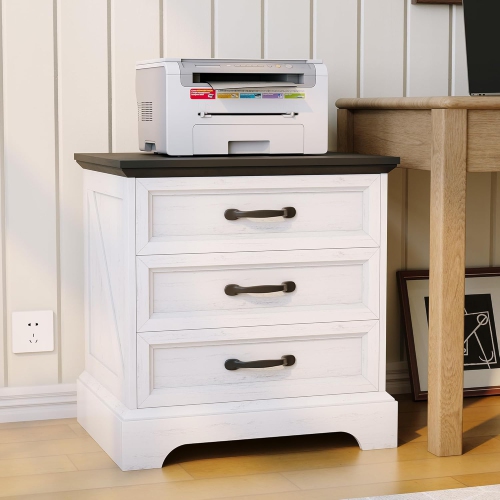
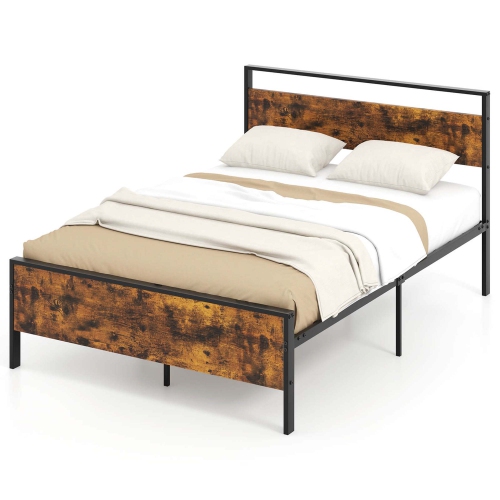
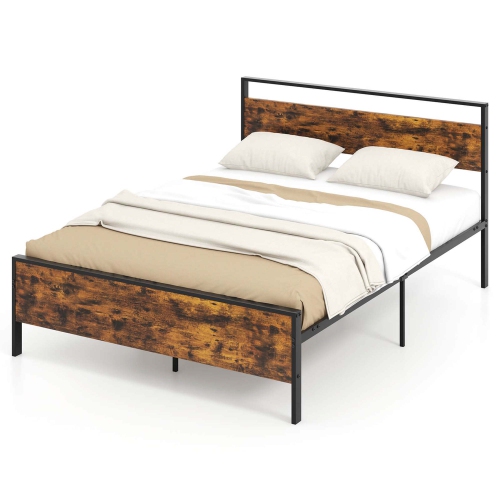
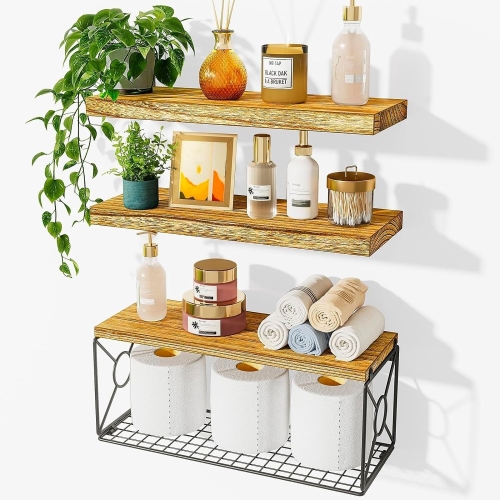
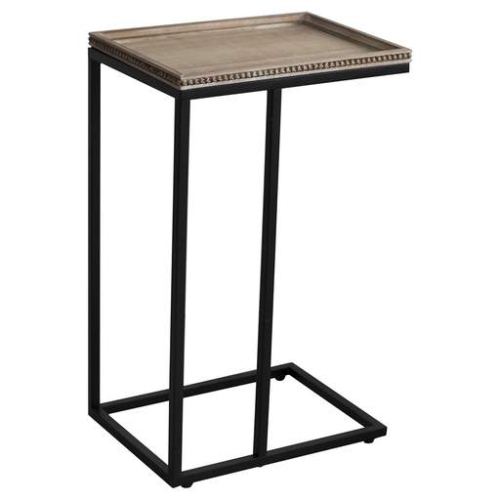
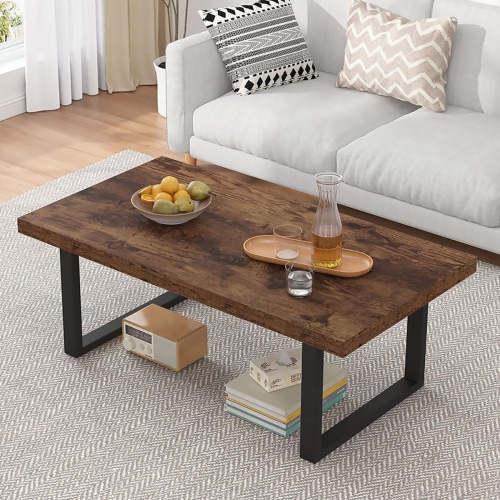
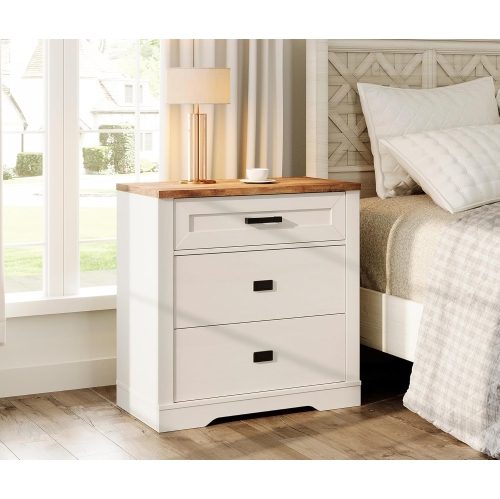

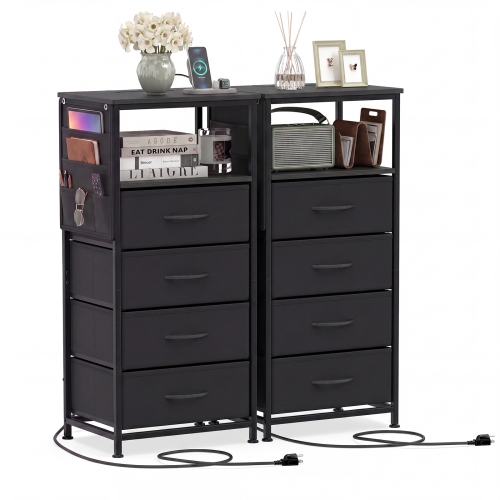
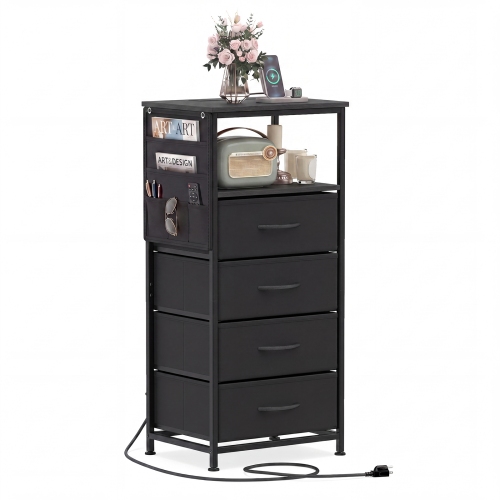
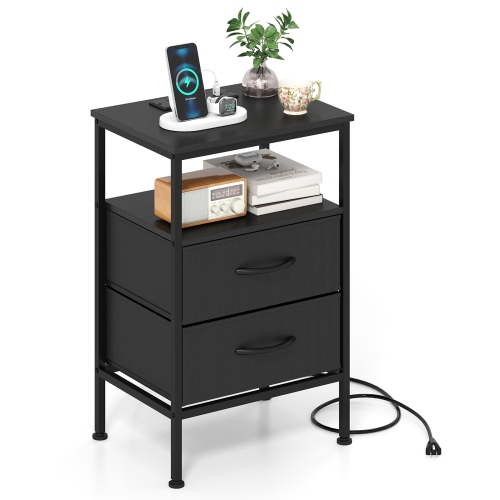
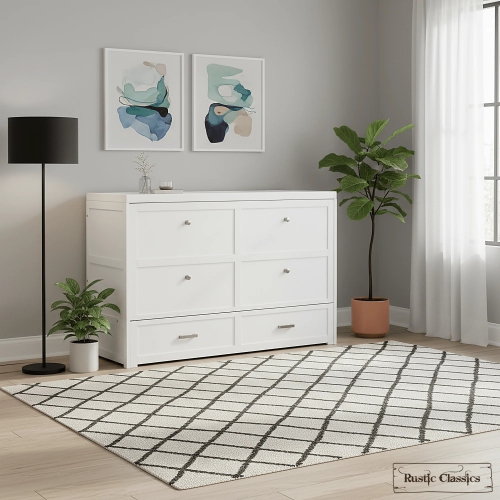
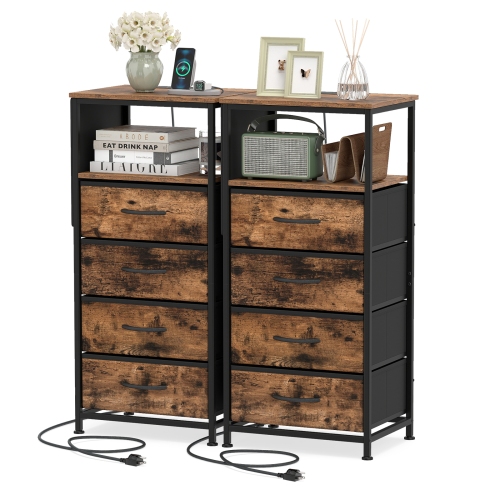
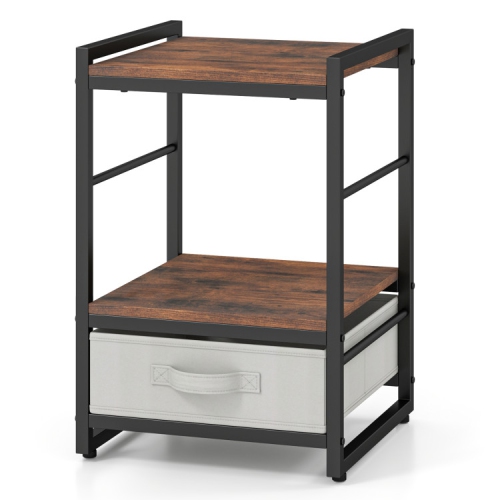
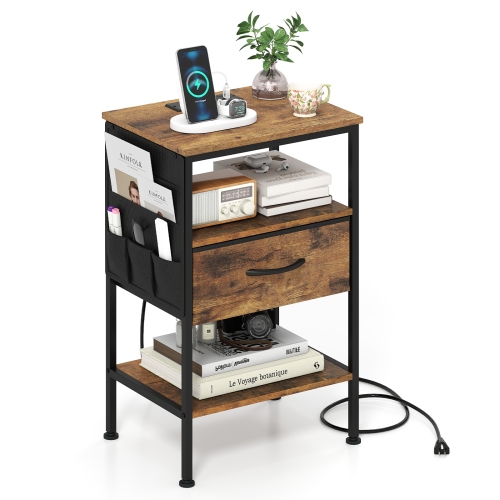
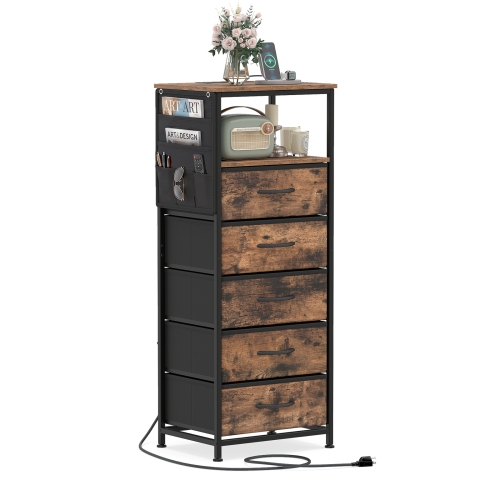
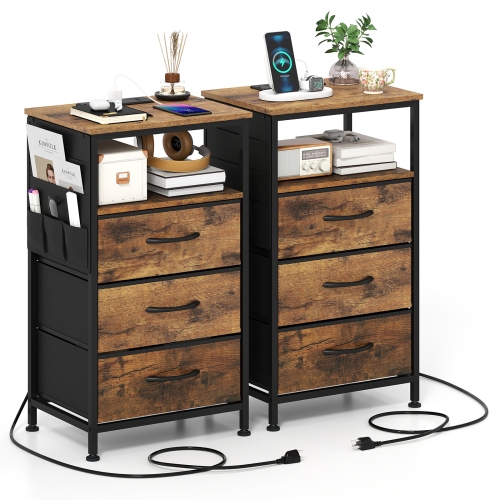
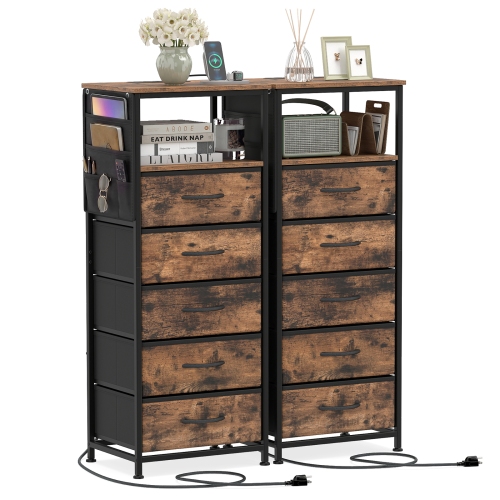
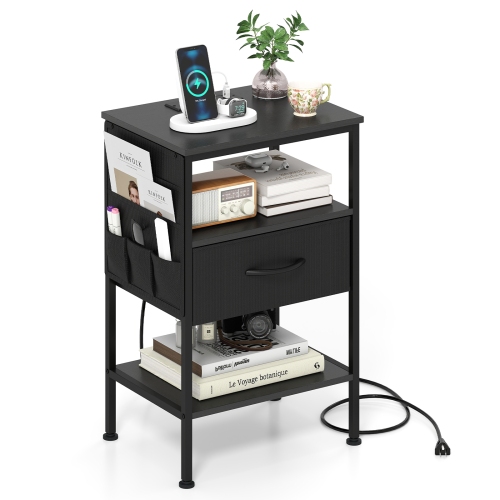
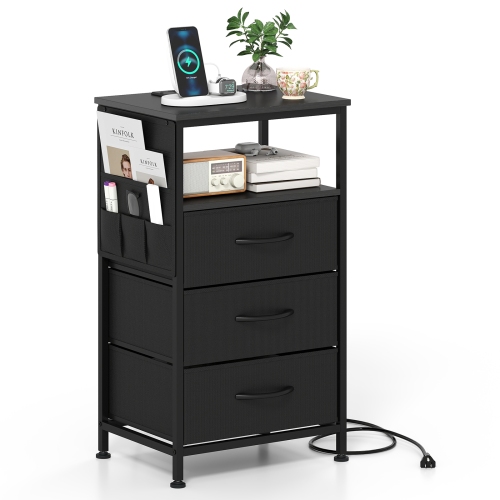
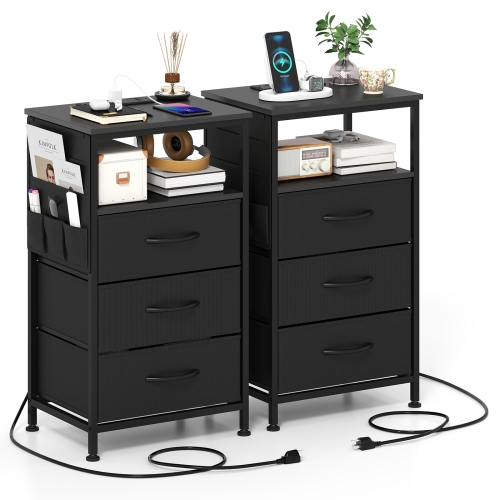
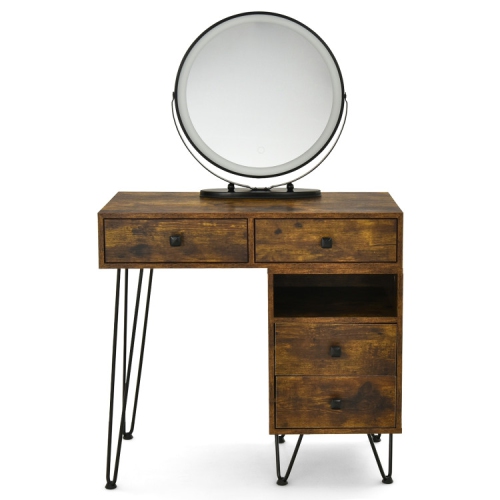
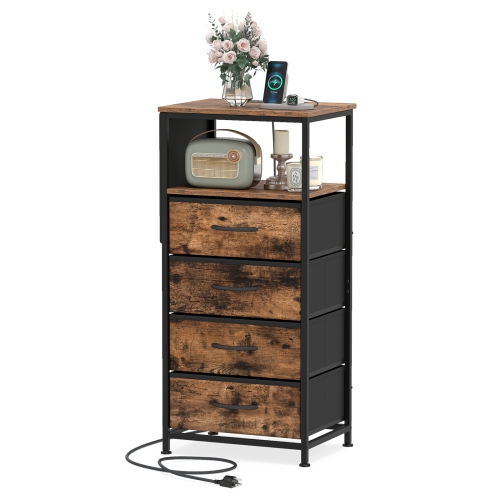
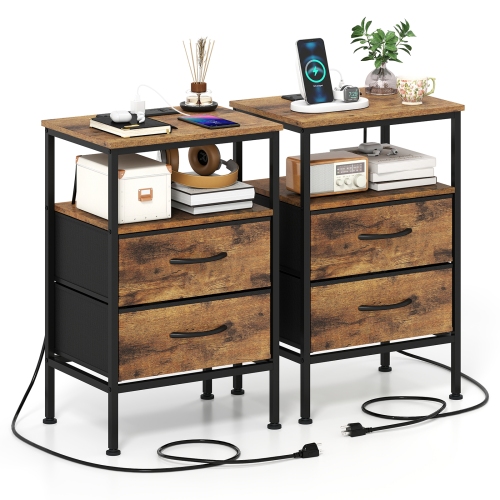
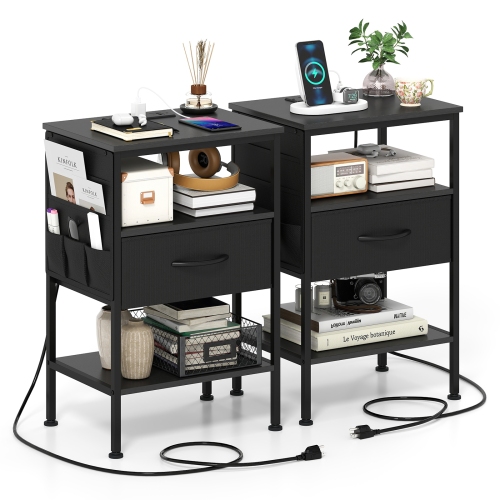
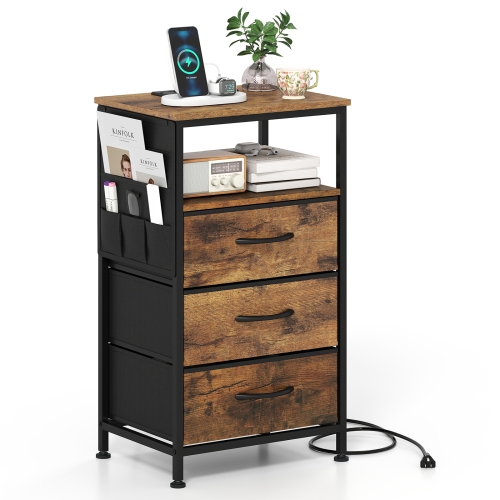
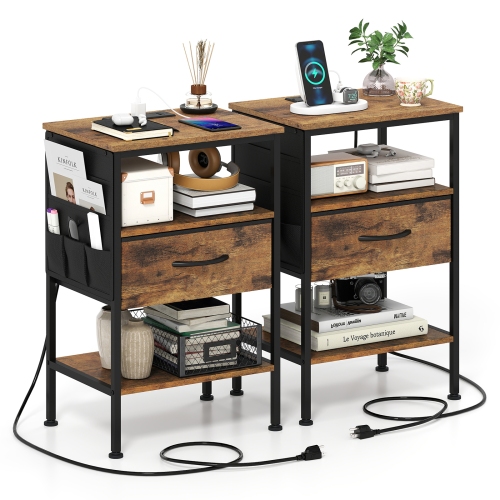
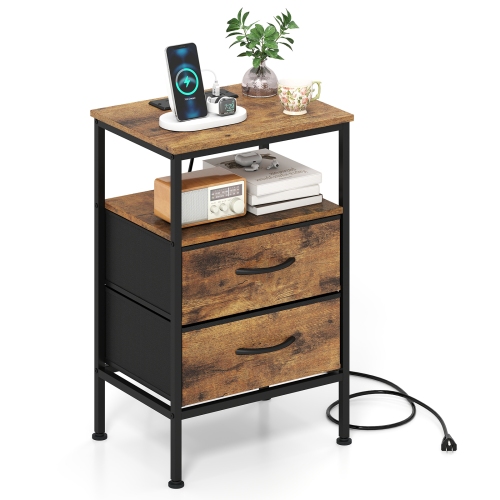
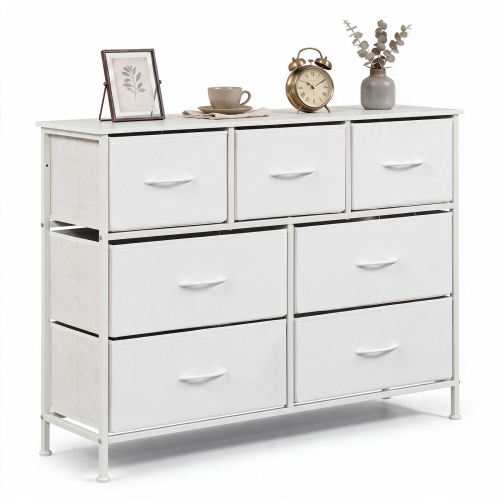
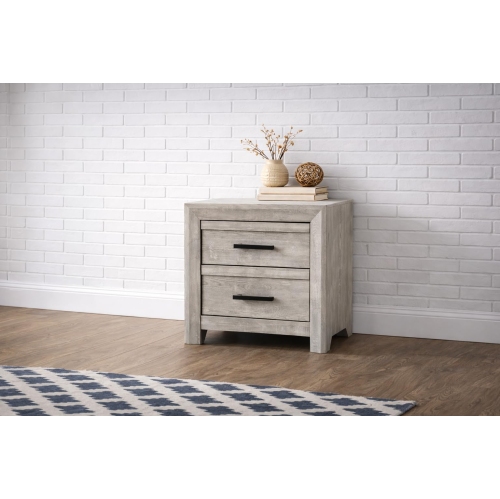
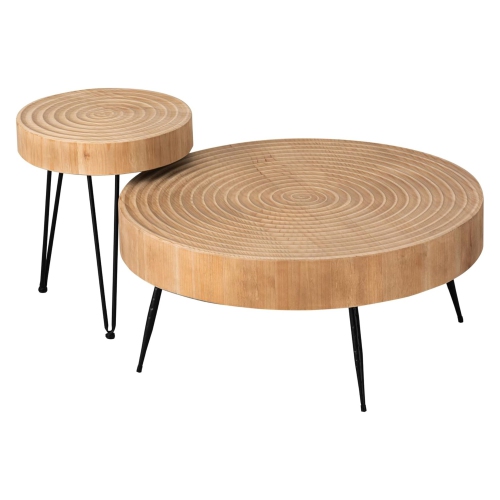
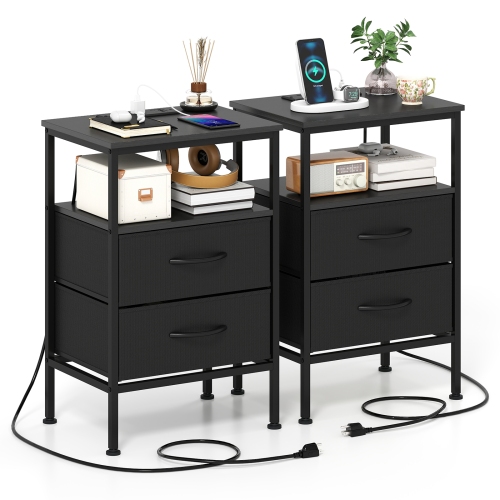
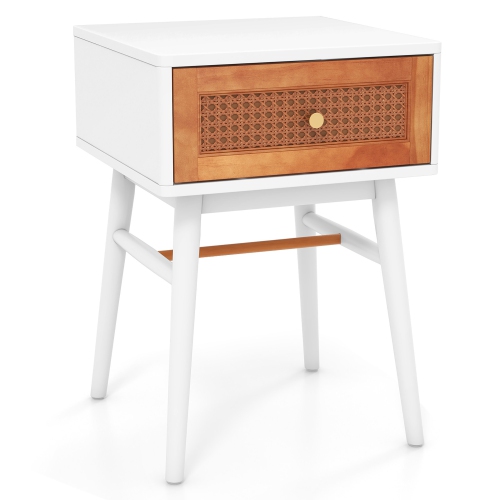
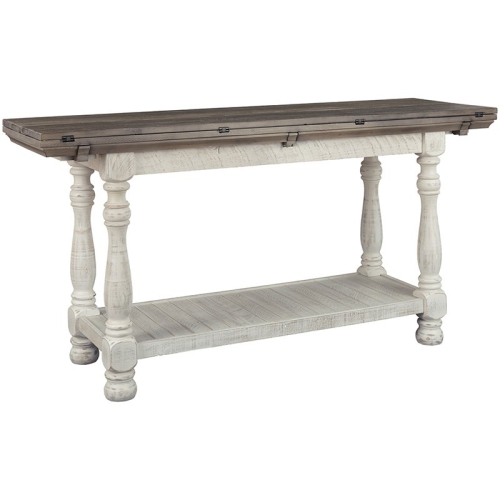
Turned legs and thoughtful storage for everyday comfort
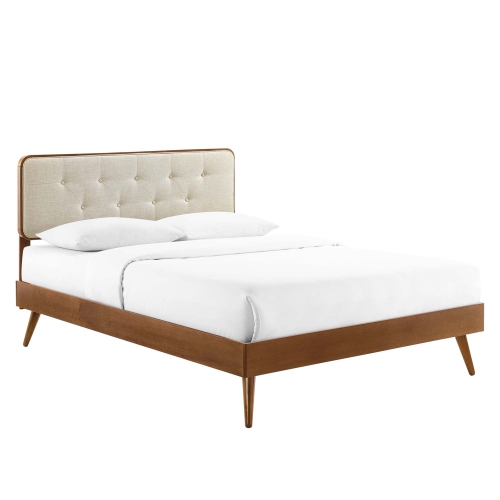
Vintage bedroom furniture brings familiar shapes, rich textures, and a sense of history into a room made for everyday comfort. Turned legs, gently curved drawer fronts, framed panels, and aged-look metal handles can give beds and storage furniture a distinctive presence without making the space feel formal. The style covers more than one era: a spindle bed suggests a cottage bedroom, a rounded upholstered headboard feels softly traditional, and a low dresser with tapered legs leans towards mid-century design. These looks can sit comfortably alongside simpler contemporary furnishings, especially when a shared wood tone, repeated curve, or consistent hardware finish connects the room. Vintage describes a style as well as an age, so older furniture and newly made, vintage-inspired furniture are not interchangeable; descriptions of materials, construction, and finishes help establish what a piece actually is. A deliberately distressed surface, for example, creates a worn-in appearance but does not establish that furniture is an antique. For a main bedroom, substantial bedside storage and a comfortable bed frame may anchor the arrangement, while a guest room may benefit from a compact chest and a clear surface for a visitor’s belongings. A teenager’s room can carry the same character through a simple wood bed and practical drawer storage, without needing delicate ornament or an elaborate matching suite. The most convincing arrangements often feel collected rather than identical, with enough common detail to keep the space calm. A painted bedside table can work beside a wood bed when their proportions feel balanced, while a tall chest can provide a useful contrast to a low, wide dresser. Even small details influence the overall impression: rounded corners soften a substantial frame, raised legs reveal more of the floor, and a restrained finish lets the shape of the furniture stand out. The result can feel personal and settled, whether the room favours romantic curves, straightforward farmhouse lines, or the clean geometry of an earlier modern style.
Materials and construction shape how vintage bedroom furniture looks, feels, and handles regular use. Solid wood can show natural grain variation and may develop small marks over time, while wood veneer provides a real wood surface over a supporting core. Engineered wood can offer a consistent surface for painted or wood-look finishes; its performance depends on the construction, edging, hardware, and intended use rather than appearance alone. Metal bed frames introduce a different texture, with slender rails or curved profiles that can leave a smaller room feeling less visually crowded. Upholstered headboards add softness where someone sits up to read, although fabric texture, seams, and cleaning requirements deserve consideration in a frequently used bedroom. Drawer operation matters just as much as the front profile: smooth runners, comfortable handles, and useful interior dimensions affect how easily clothing can be put away and found again. A deep drawer may suit folded knitwear, while shallower compartments can keep smaller belongings from disappearing beneath a stack. Furniture fit also extends beyond the footprint shown on the floor. Open drawers need clearance, wardrobe doors need room to swing, and bedside tables should leave a comfortable route around the bed. A nightstand that sits close to the height of the mattress generally makes a lamp, book, or glass of water easier to reach. With bed frames, mattress size, support requirements, slat spacing, and any need for a separate foundation should match the manufacturer’s specifications. The full frame dimensions can be larger than the mattress itself, particularly with substantial headboards and footboards. Delivery routes matter too, especially in homes with narrow staircases, tight landings, or smaller bedroom doorways. Assembly requirements and the size of packaged components can affect whether furniture reaches its intended room easily. For taller storage furniture, using the supplied restraints and following the anchoring instructions is an important part of installation, especially in homes where children may pull on drawers or attempt to climb.
The appeal of a vintage-style bedroom is not limited to its appearance; the furniture also needs to support the small routines that make the room comfortable. A bedside drawer can keep reading glasses and charging accessories out of sight, a dressing table can provide a dedicated place for getting ready, and a bench can offer a seat while putting on socks if the room has enough clearance. In a shared bedroom, complementary rather than identical storage can accommodate different habits while keeping the overall look coherent. One person may prefer a broad drawer surface, while another needs a narrower bedside table to preserve walking space. The character associated with vintage furniture can also connect the bedroom with adjoining rooms through similar wood tones, painted finishes, or metal details, without repeating every shape. Textiles help establish the balance: plain bedding lets carved details remain visible, while a textured throw can soften a simpler frame. Care depends on the actual material and finish, not the age suggested by the design. Regular dusting with a soft cloth helps prevent buildup around mouldings and handles, and spills are best addressed promptly using the manufacturer’s recommended method. Excess water, abrasive cleaners, and unapproved polishes can damage some surfaces, including painted finishes and veneers. Coasters or protective pads can help shield bedside surfaces from drink rings and scratches, while felt beneath decorative objects reduces friction when they are moved. Upholstery benefits from care suited to its cleaning code, with gentle vacuuming where permitted and attention to seams that collect dust. Hardware and bed-frame fasteners may also need periodic checks in keeping with the assembly instructions. For a first home, a refreshed guest room, or a bedroom shared over many years, useful storage and comfortable proportions give decorative details a practical purpose. Furniture chosen around those everyday needs can retain its appeal as bedding, artwork, and personal tastes change, allowing the room’s character to develop without replacing its foundation.
Top selling and popular products
-
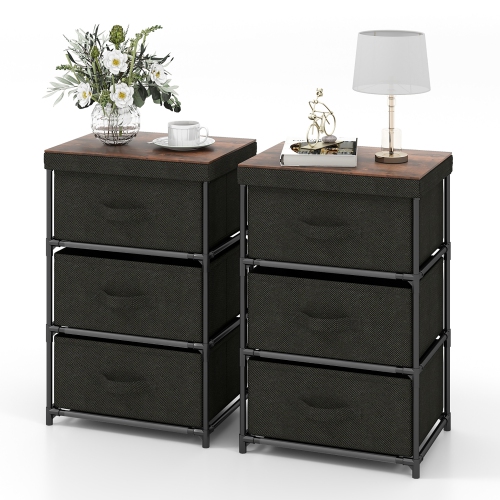 Your price for this item is $99.99
-
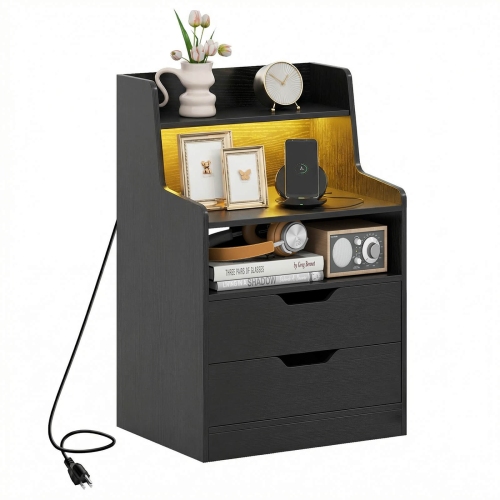 Your price for this item is $107.99
-
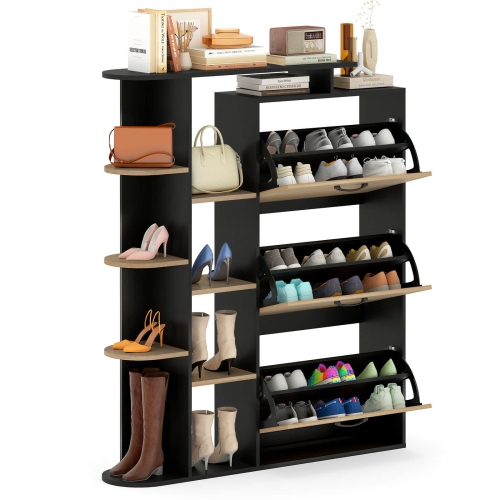 Your price for this item is $188.99
-
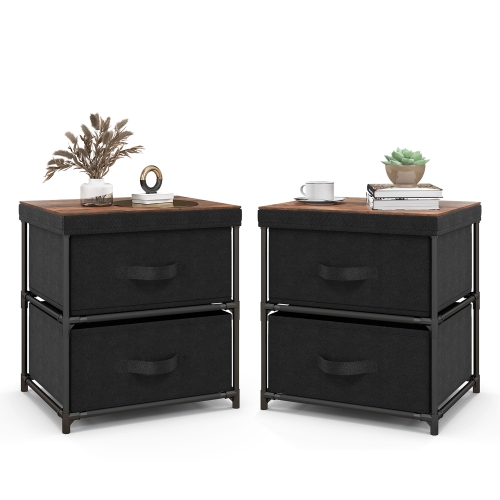 Your price for this item is $79.99
-
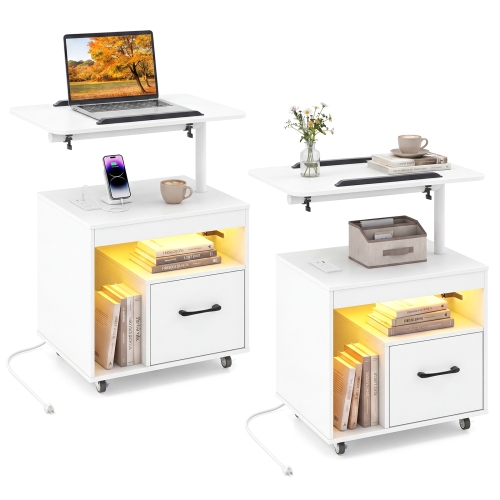 Your price for this item is $218.49
-
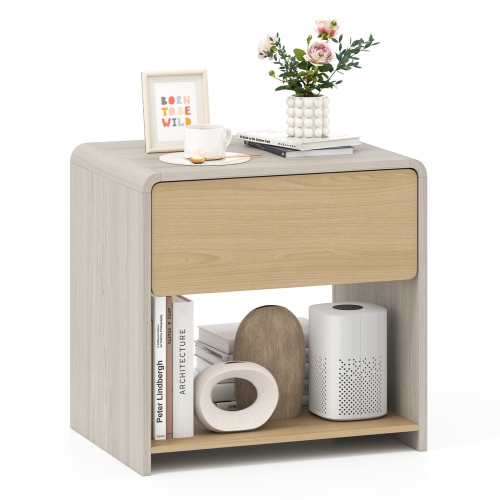 Your price for this item is $119.99
-
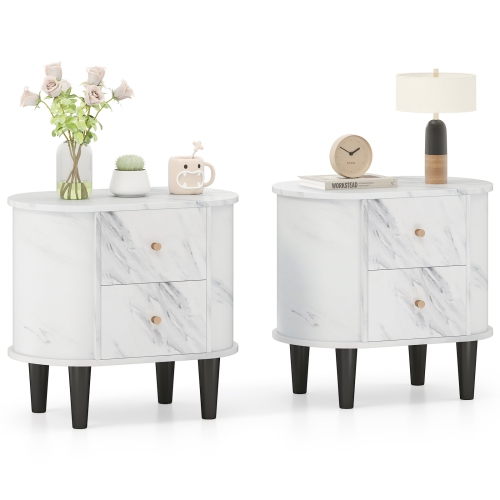 Your price for this item is $169.99
-
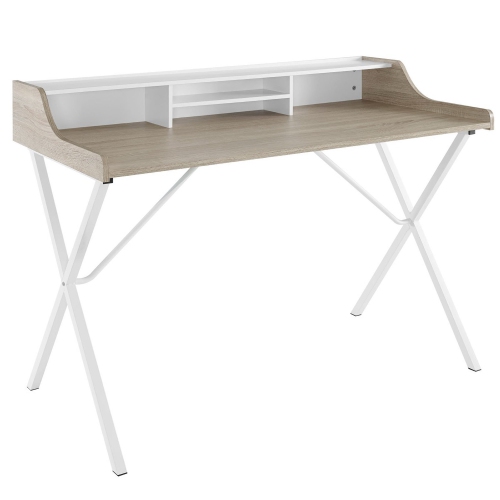 Your price for this item is $258.52
Discover more categories related to Vintage Bedroom Furniture

Top Collections:
Best Black Friday Deals This Year, Best Black Friday Deals On Electronics, Kindle Devices, Best Black Friday Deals On Apple Products, Best Budget Office Chairs, Best Cameras for Sports Photography, Dyson Airwrap, Canon G7X Cameras, Best Laptops for Writers, Samsung Galaxy Phones
Some products may be subject to Environmental Handling Fees
(EHF) depending on your province.
Learn more about EHFs.