Vintage Cabinets
Discover a charming collection of vintage cabinets that effortlessly blend nostalgia with functionality. Whether you're seeking to add a touch of character to your living space or looking for a unique storage solution, our selection of vintage cabinets offers a timeless appeal that complements any decor style. From rustic farmhouse designs to elegant mid-century modern pieces, each cabinet exudes its own distinctive personality and craftsmanship. Explore our curated assortment of vintage cabinets and bring a touch of retro flair into your home.
Sort
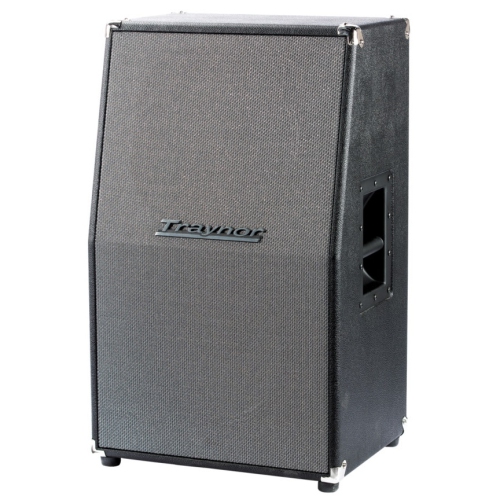
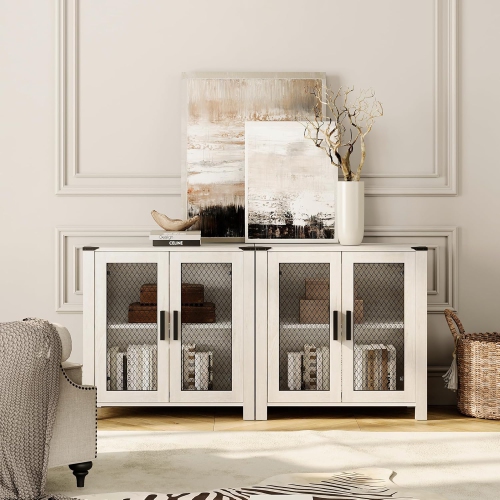
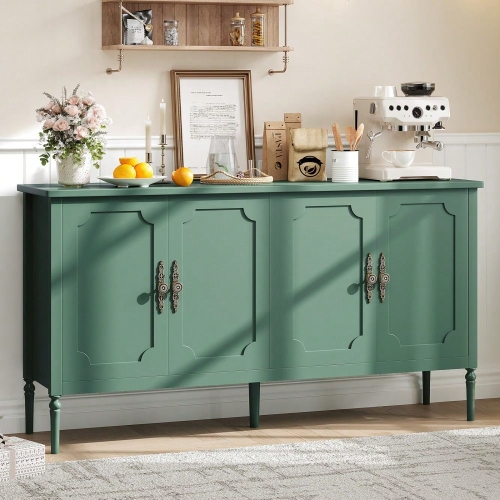
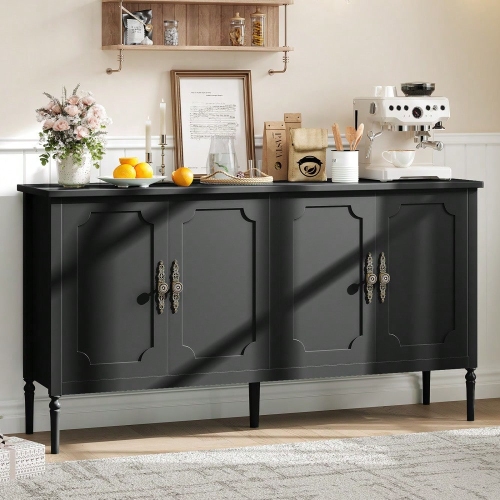
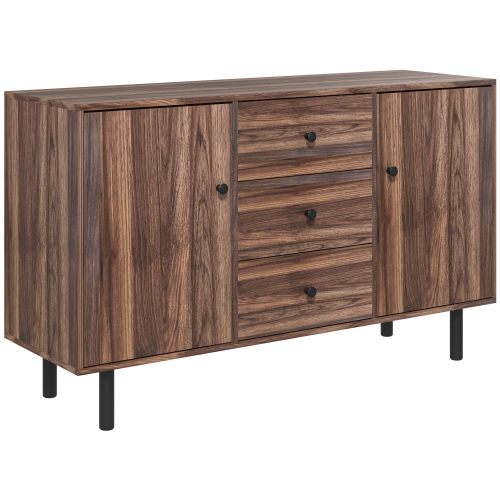
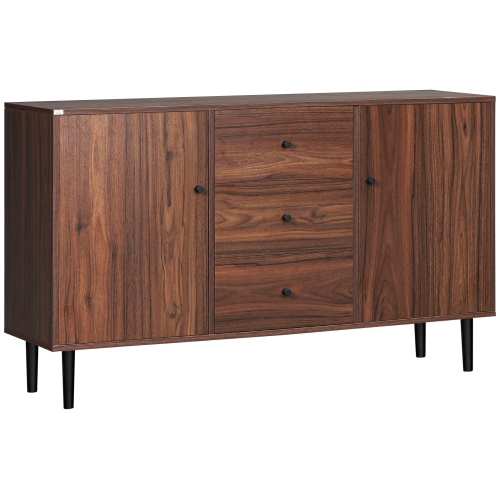
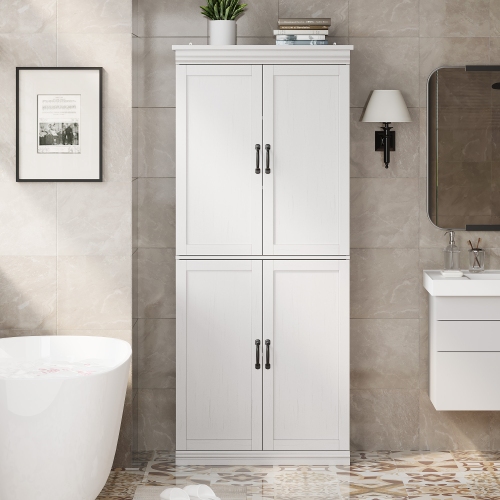
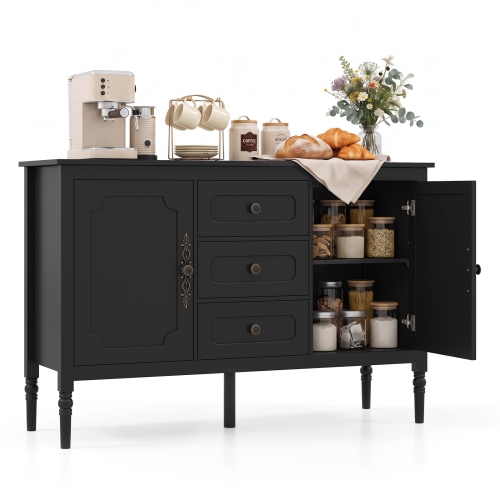
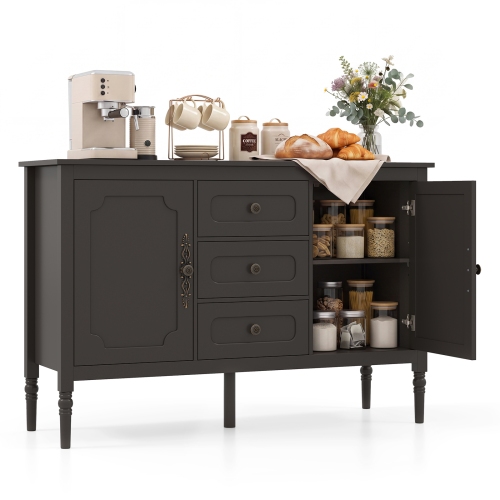
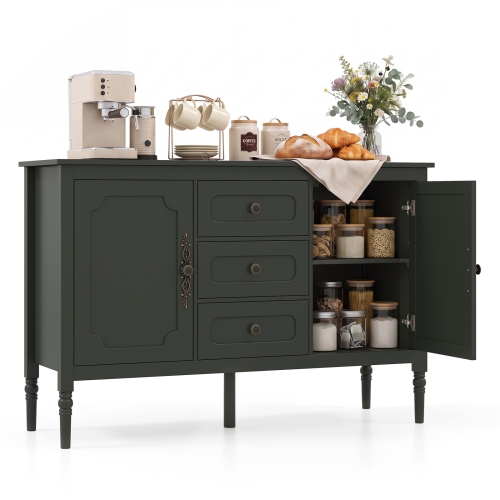
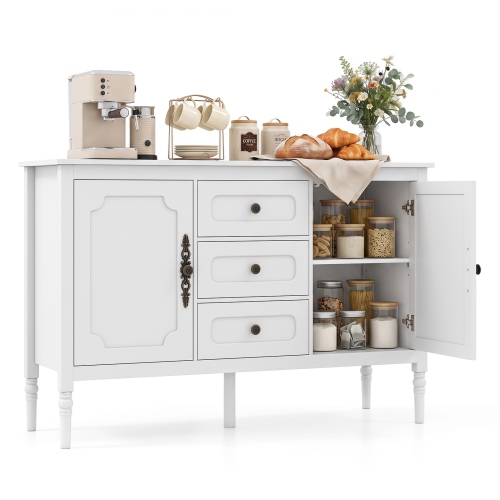
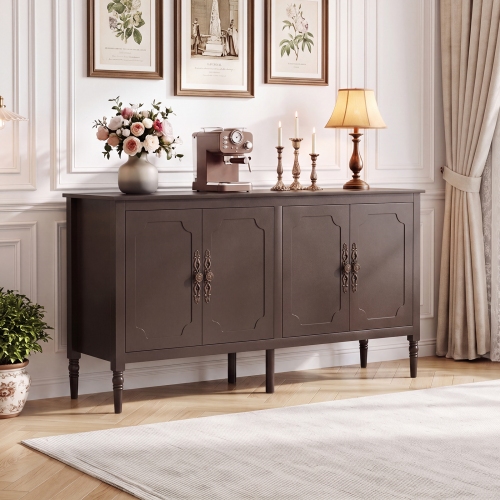
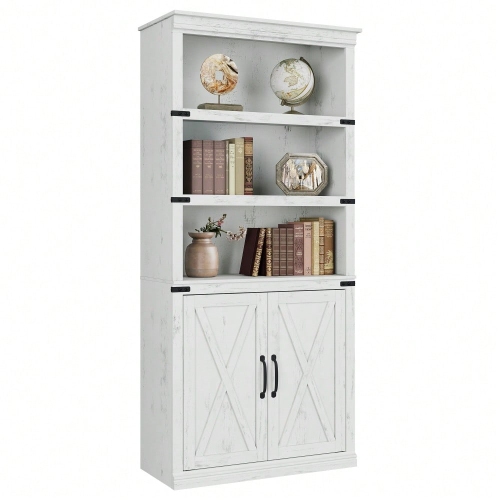
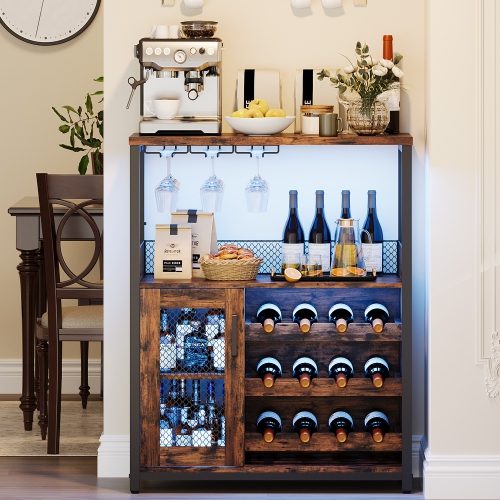
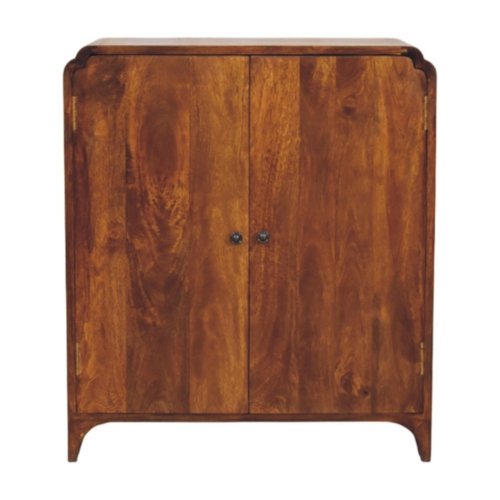
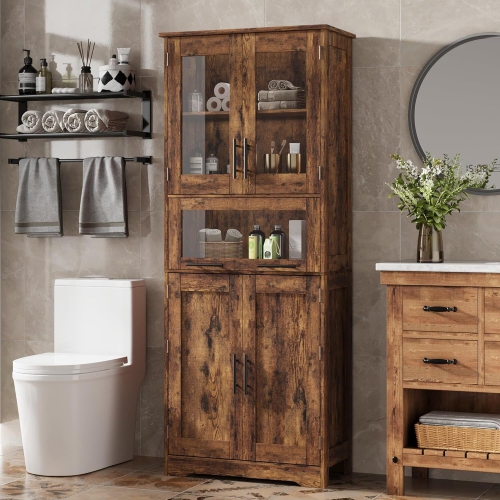
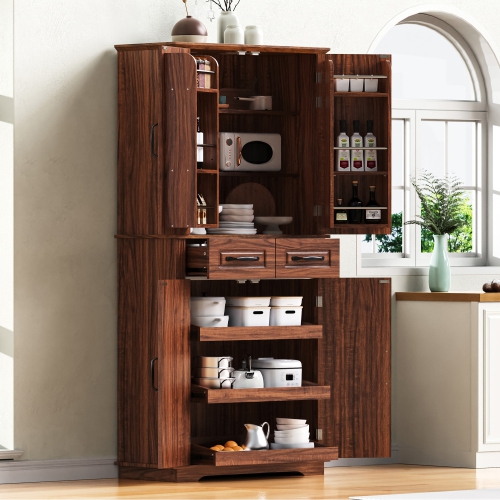
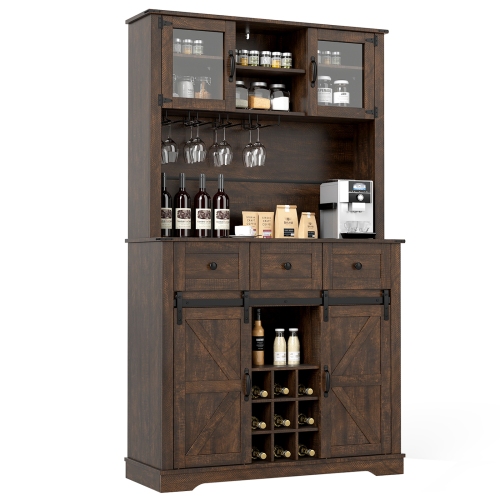
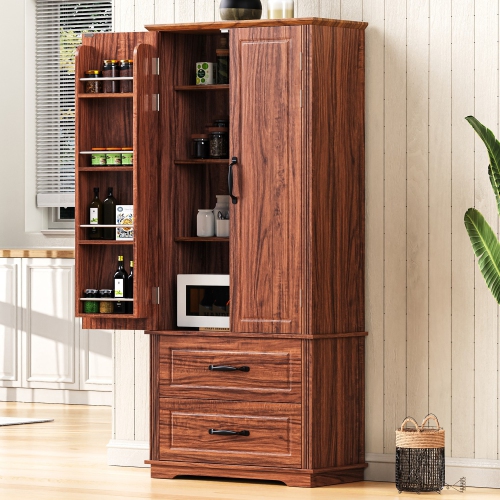
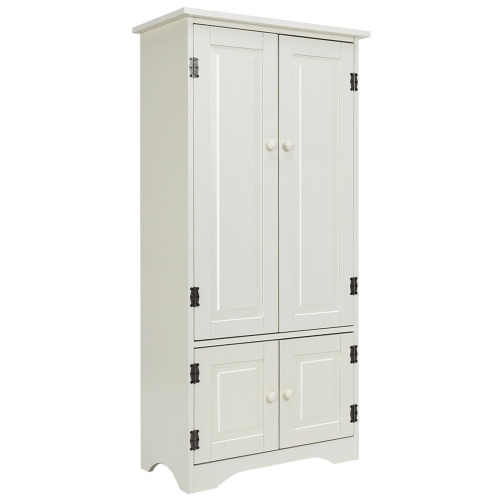
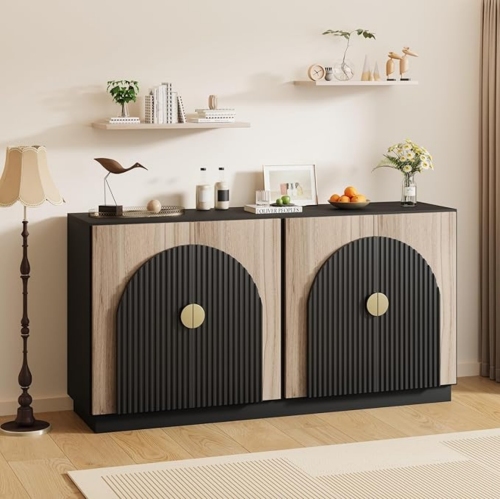
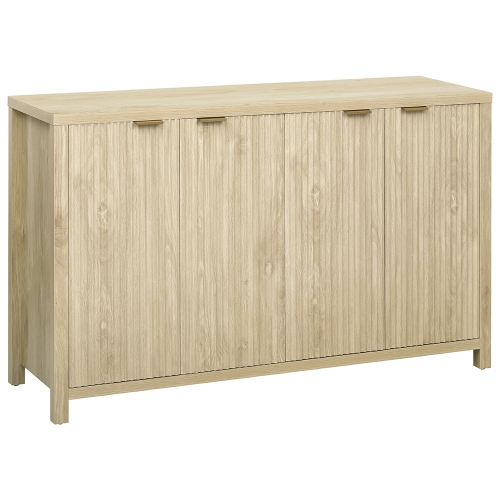
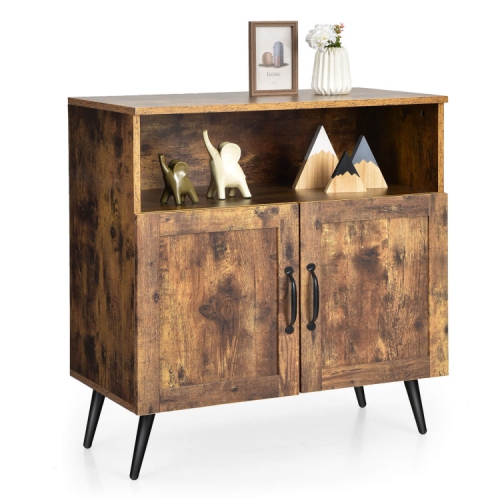
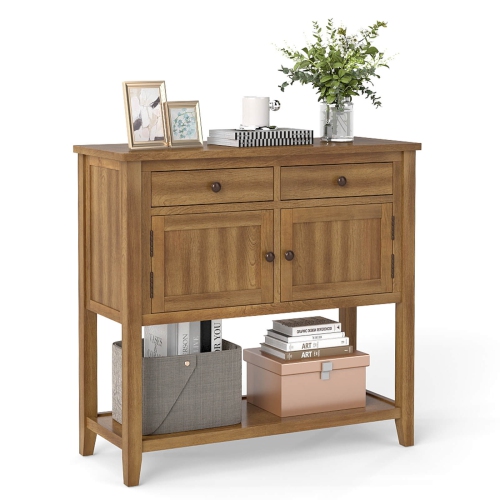
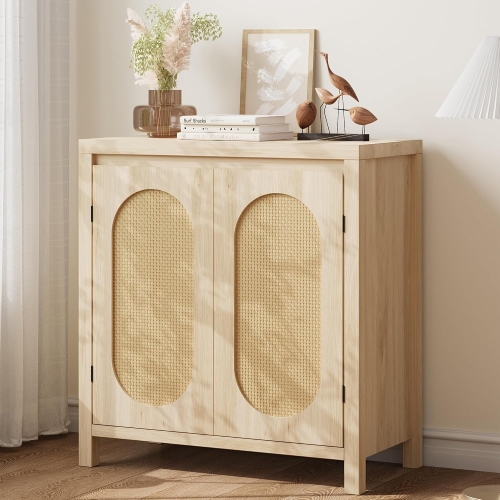

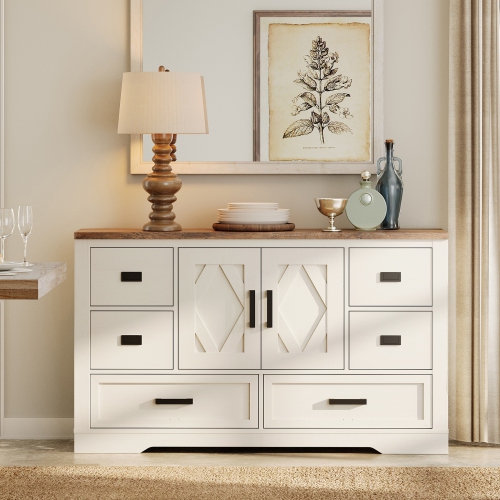
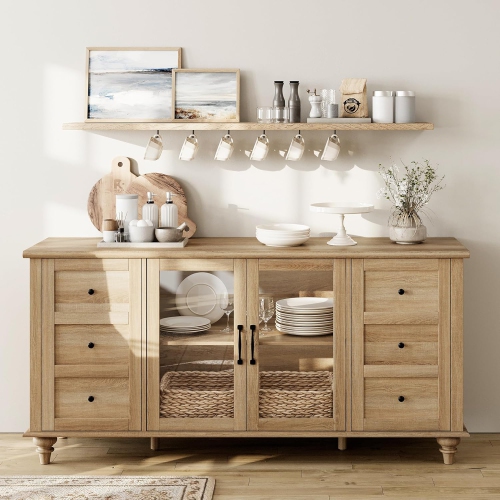
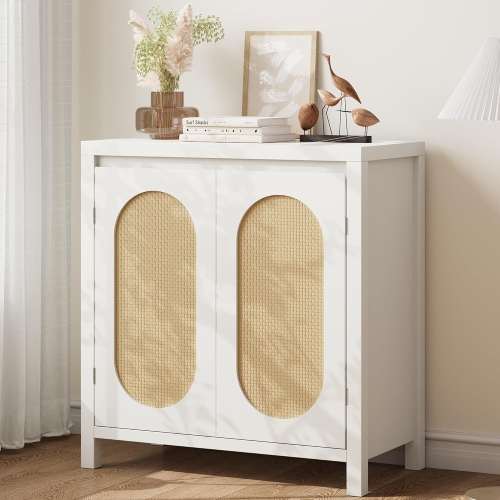
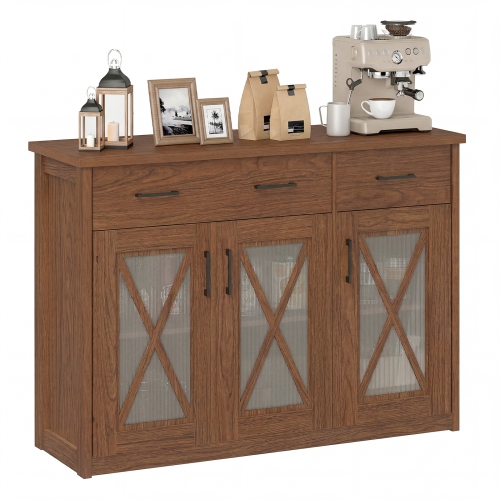
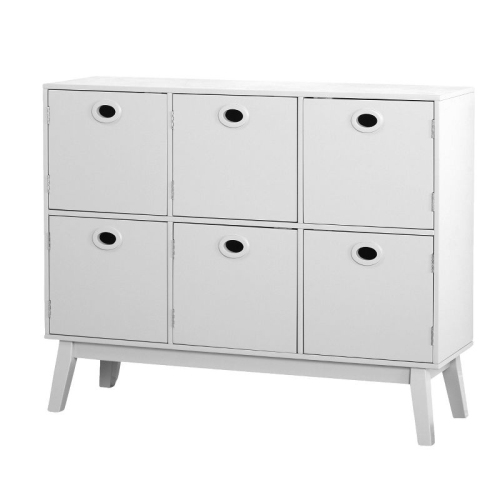

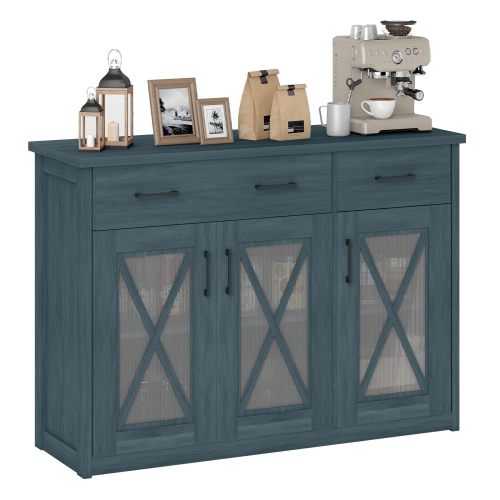
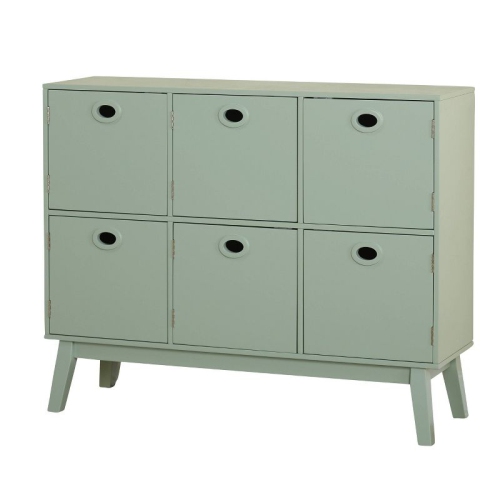
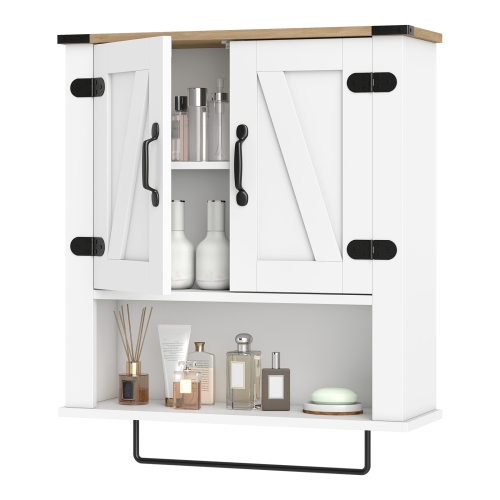
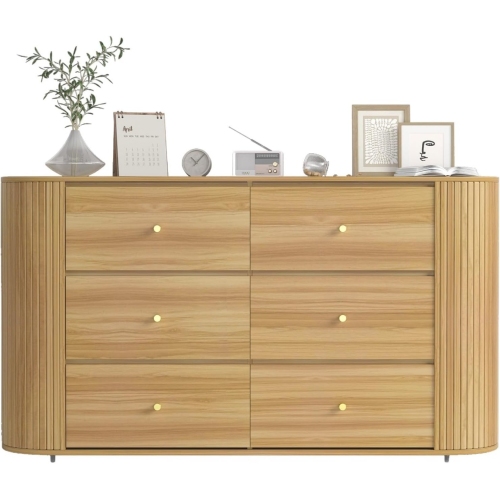
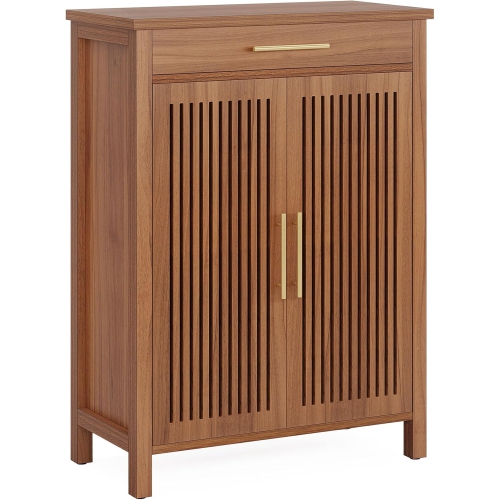
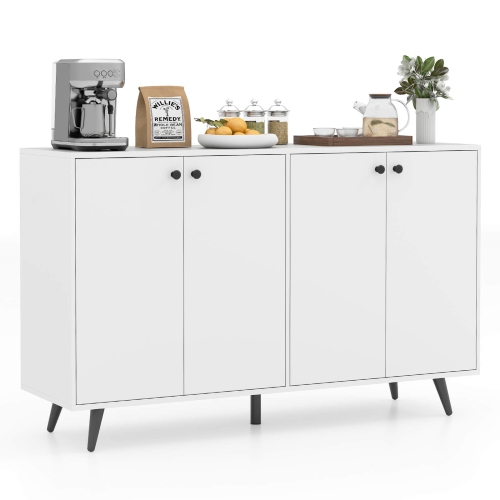
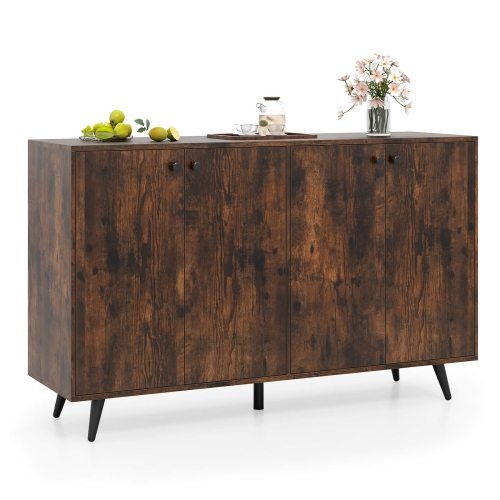
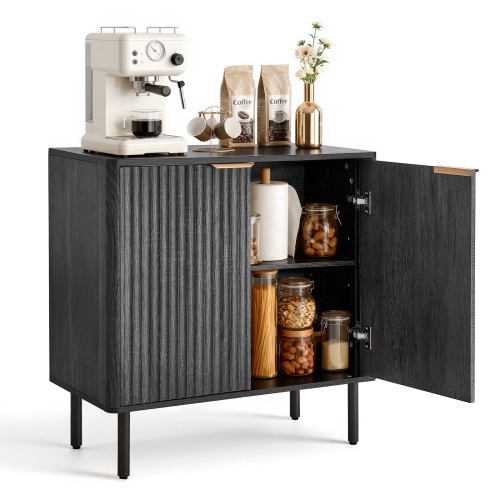
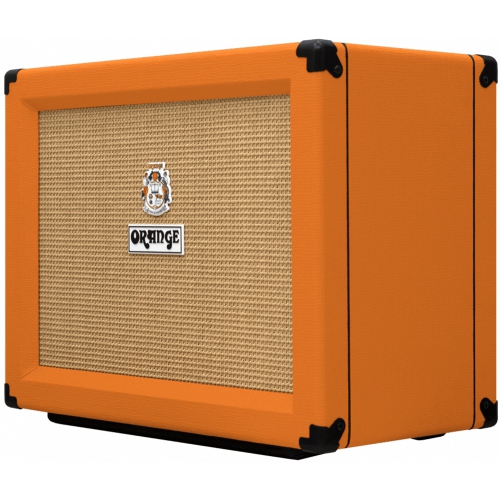
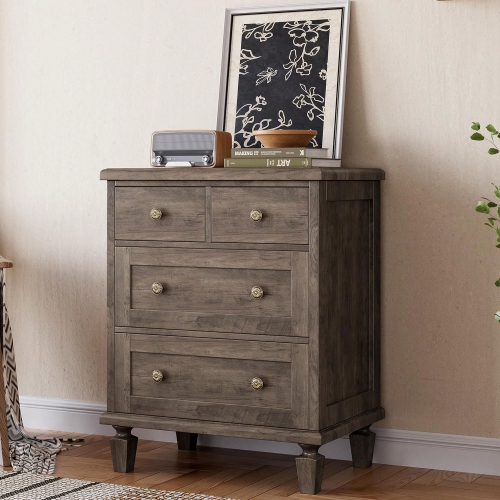
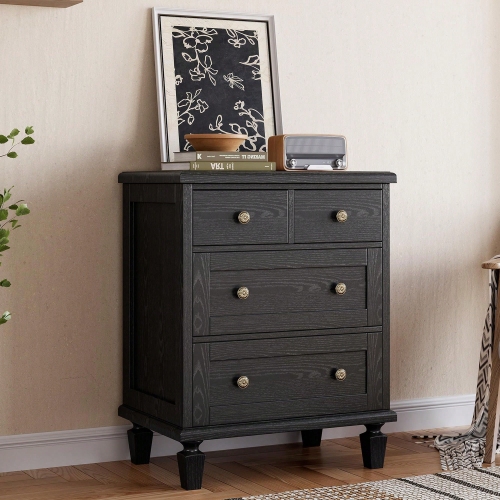

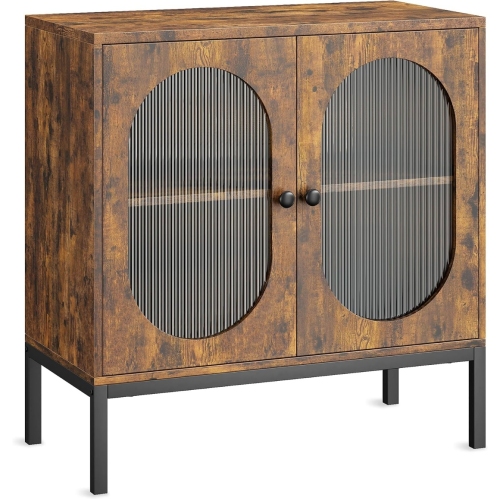
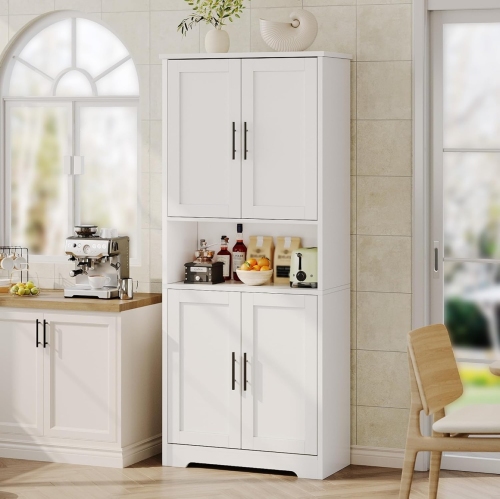
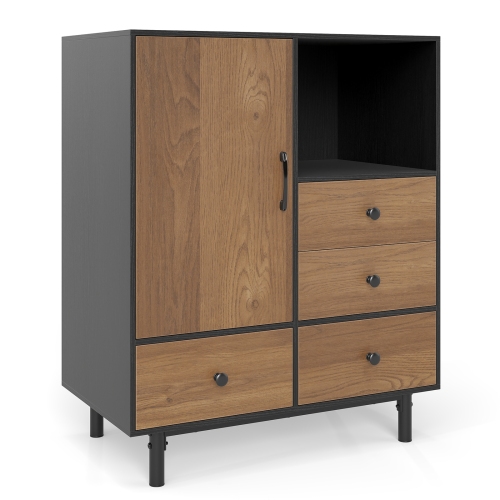
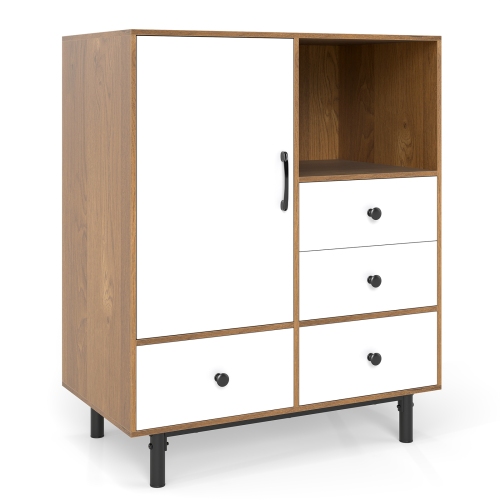
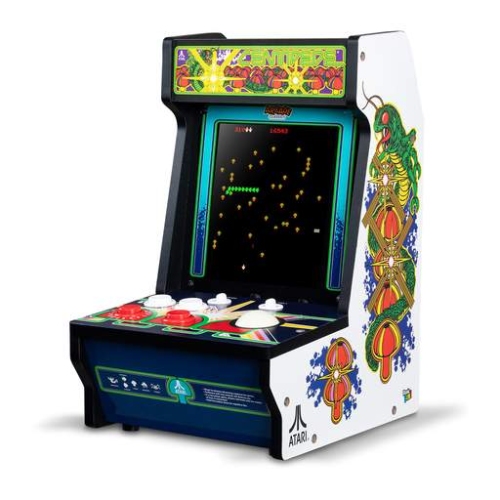
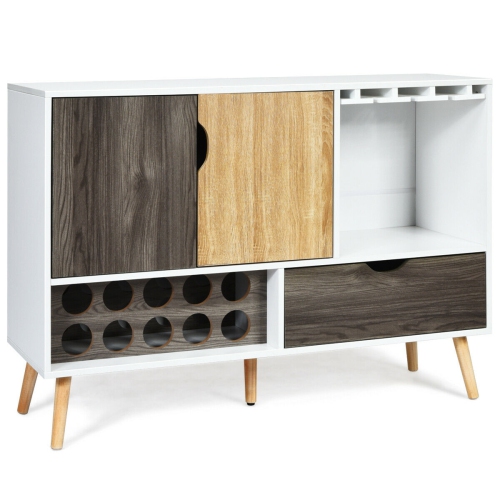
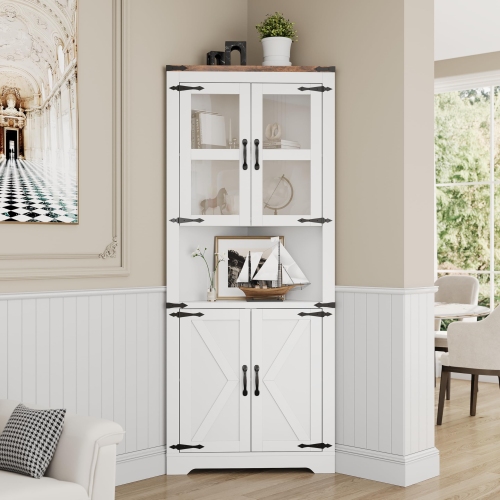
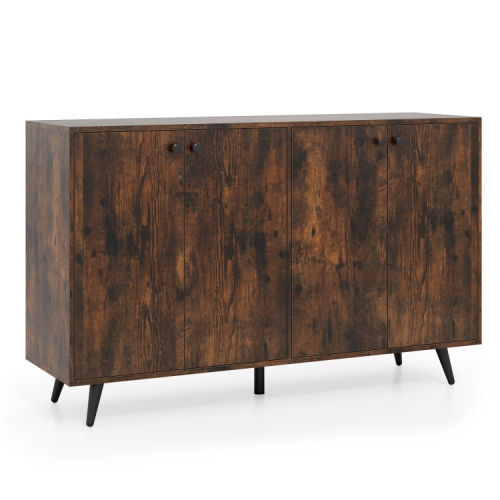
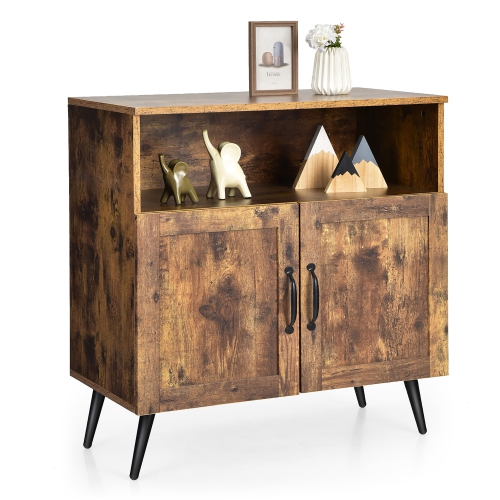
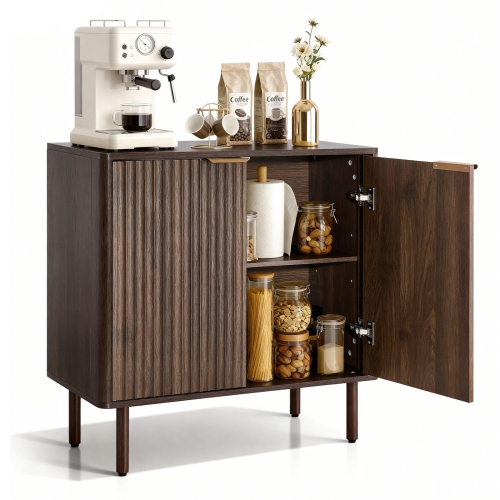
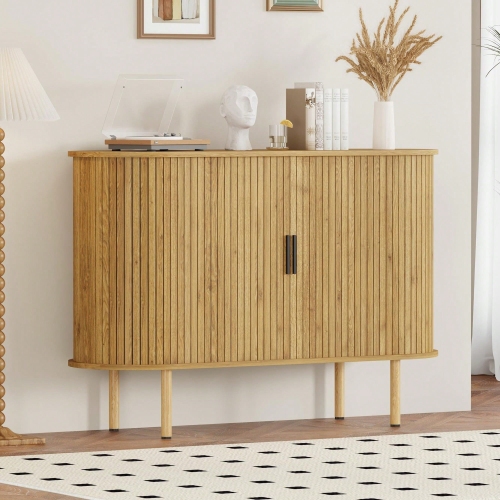
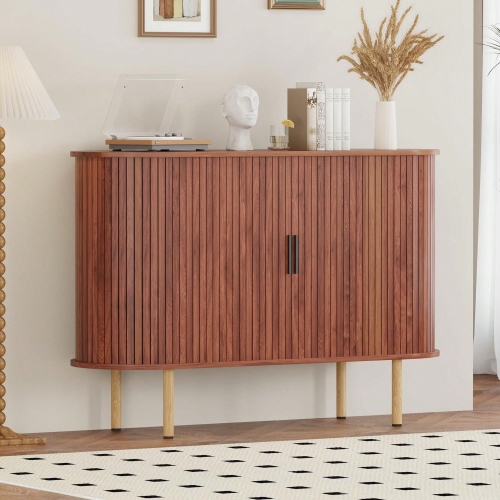
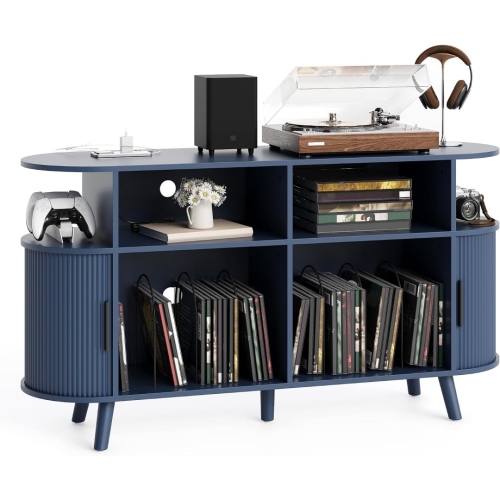
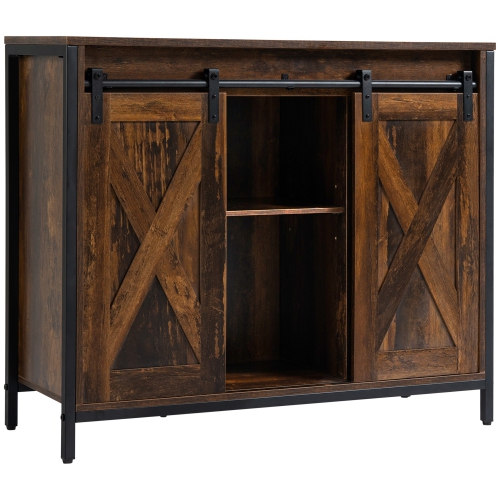
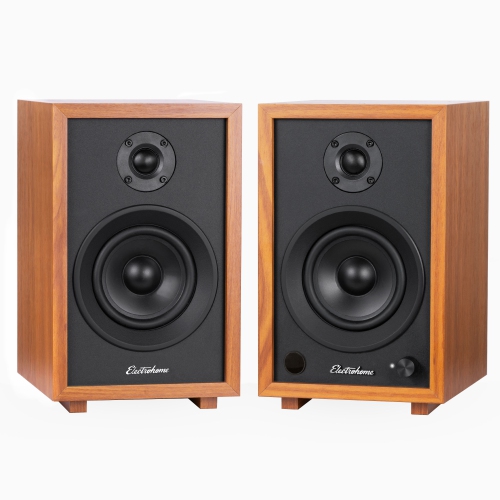
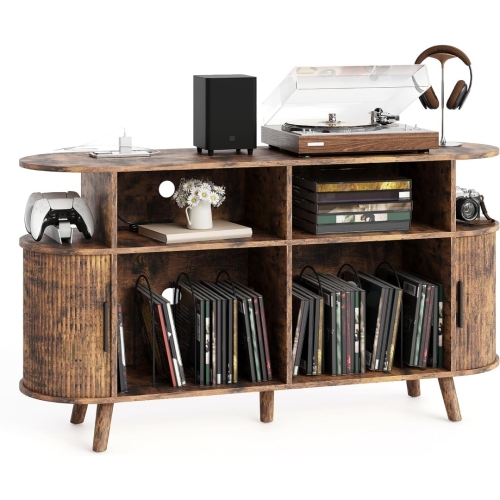


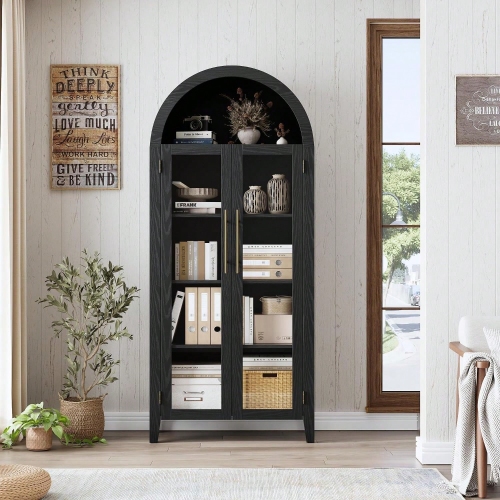
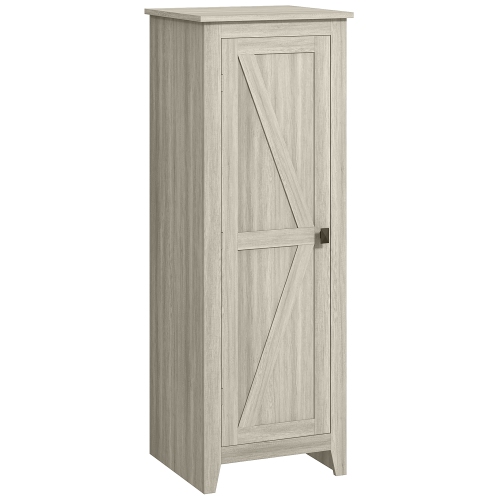
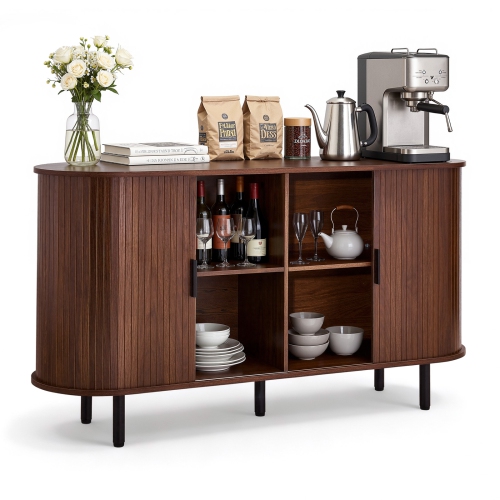
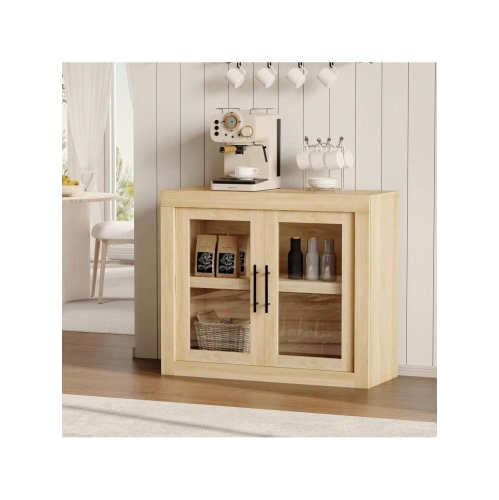
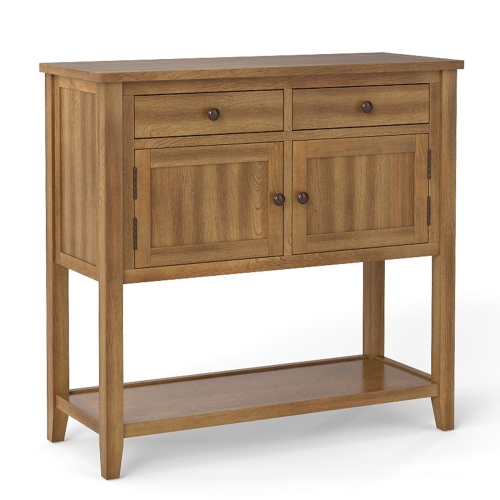
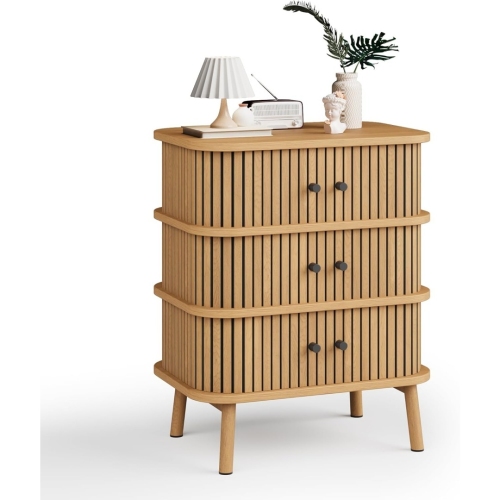
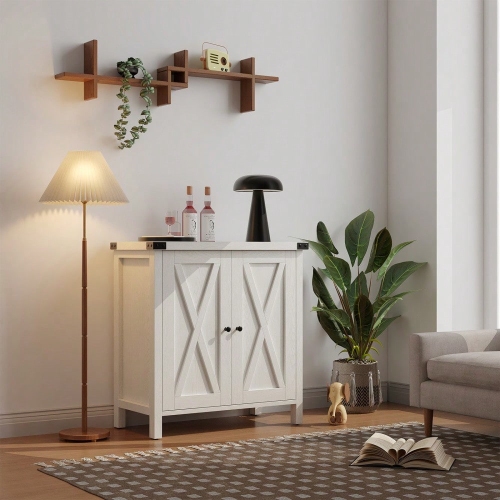
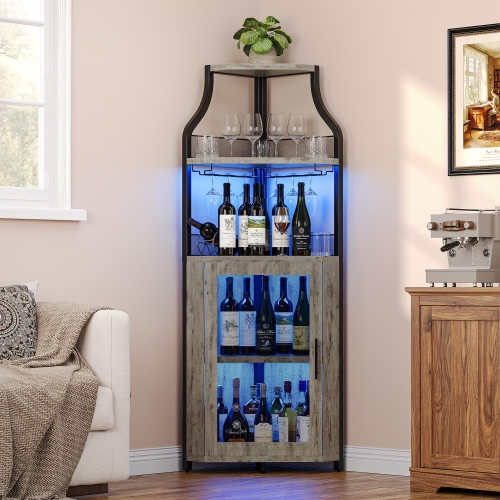
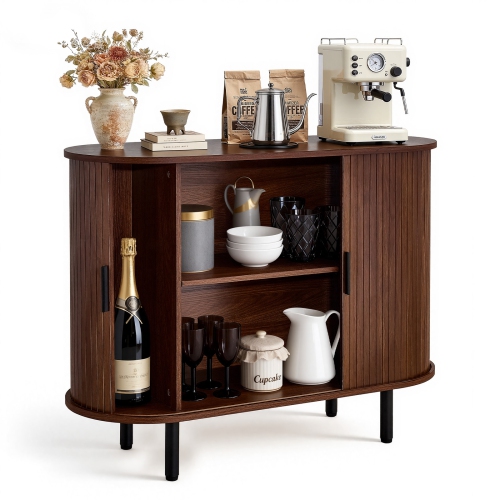
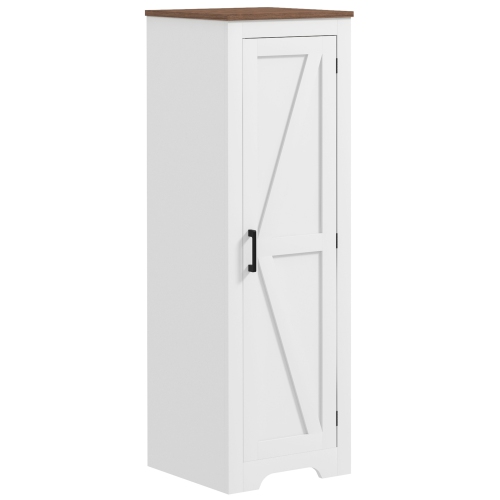
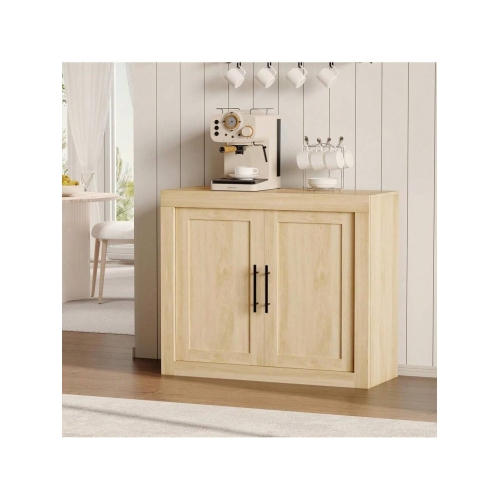
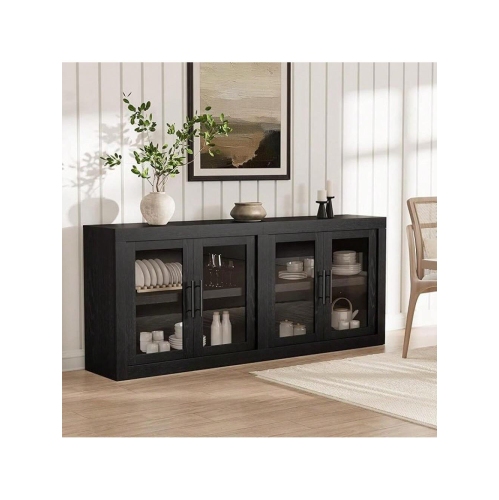
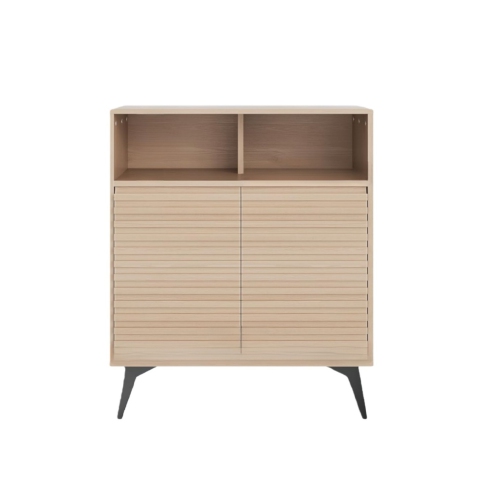
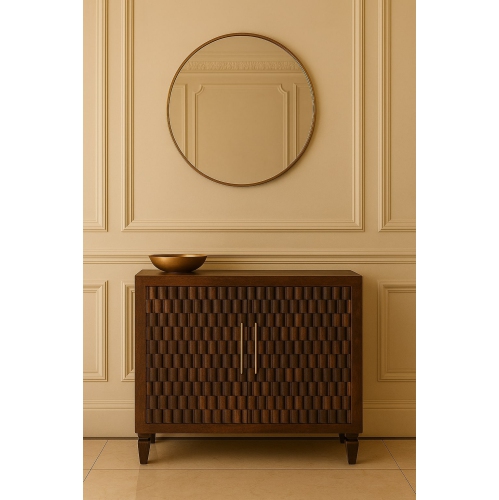
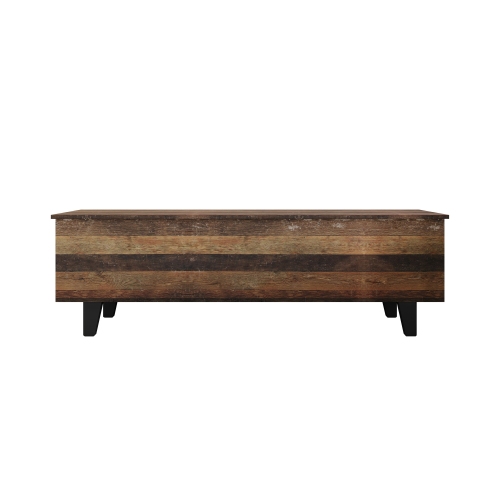
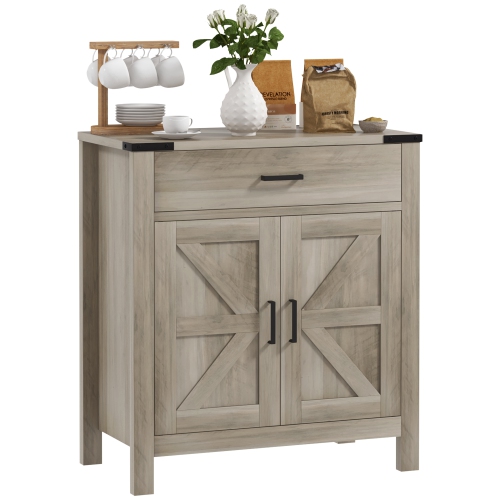
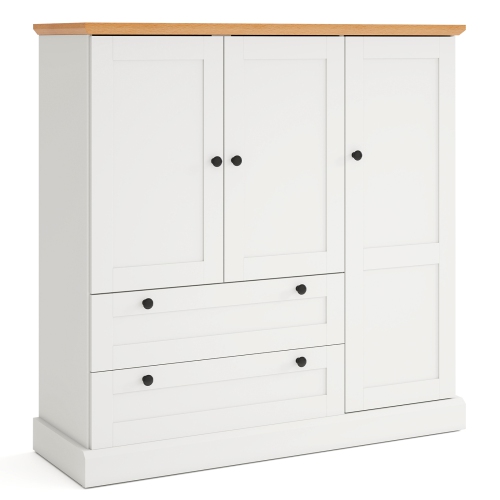

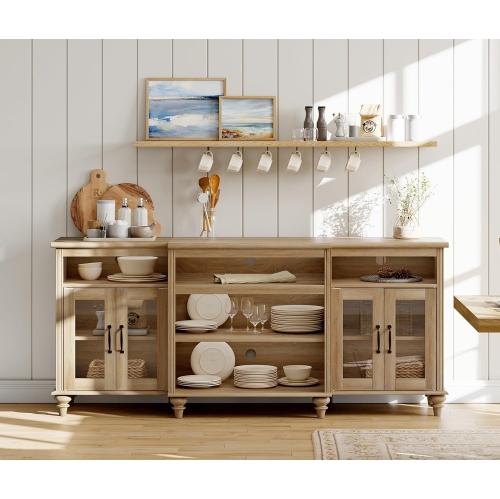
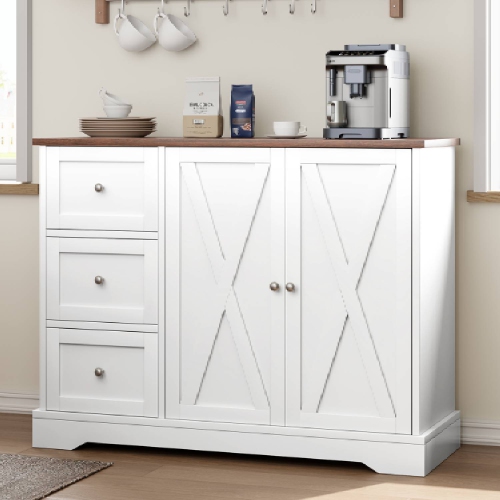
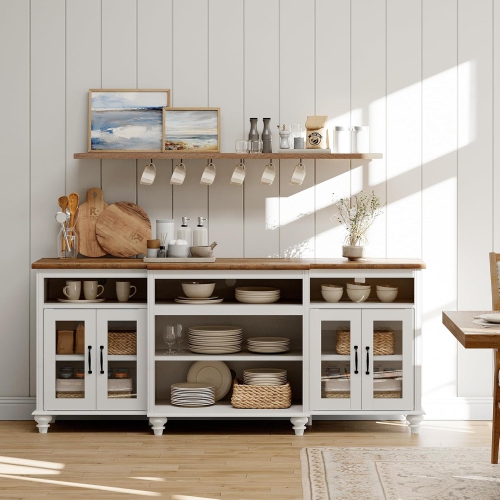
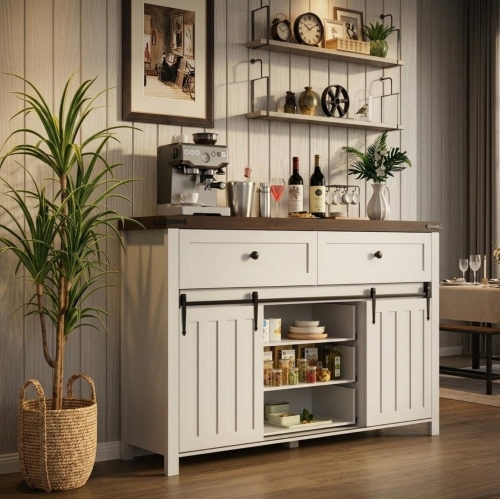
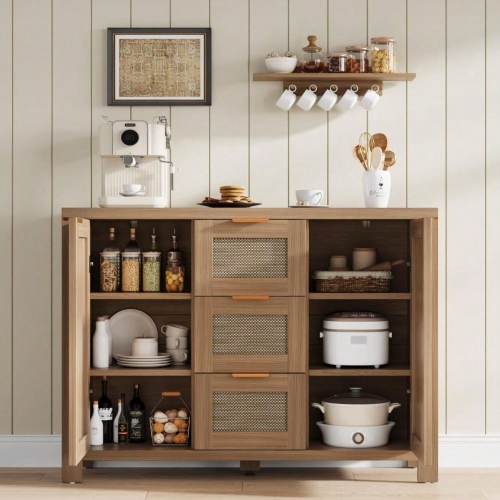
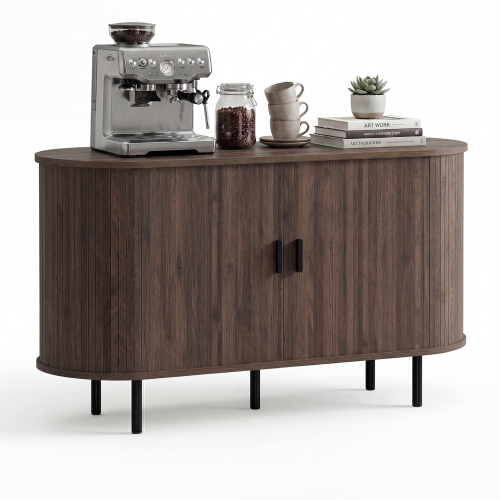
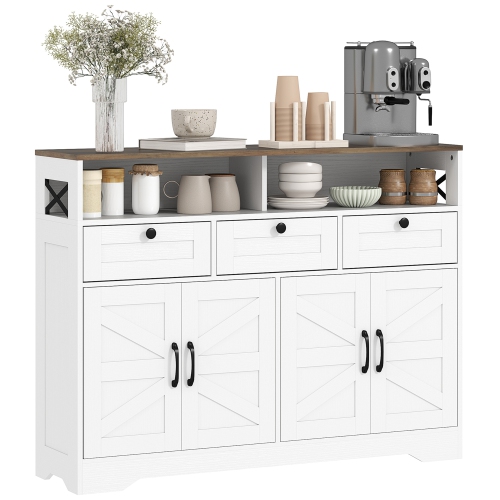
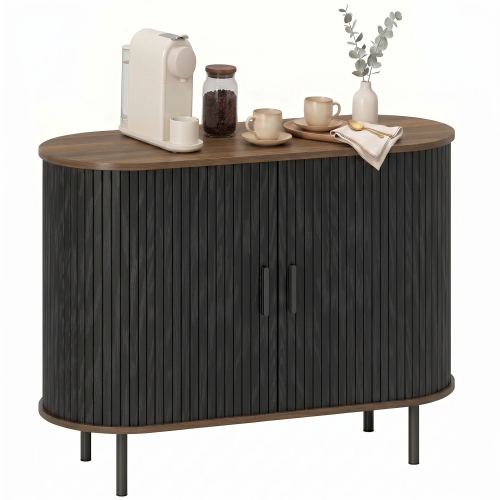
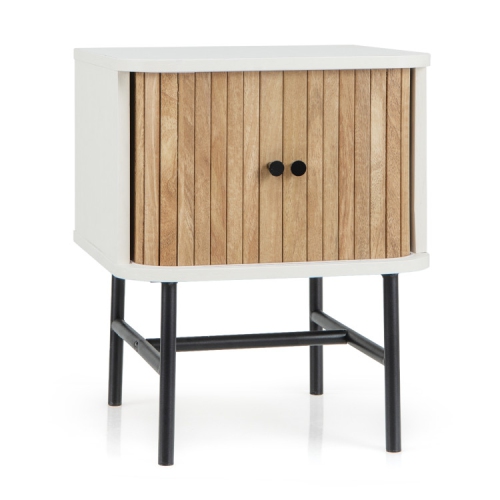
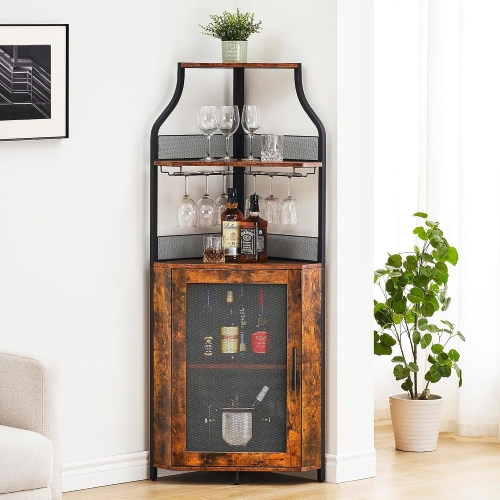
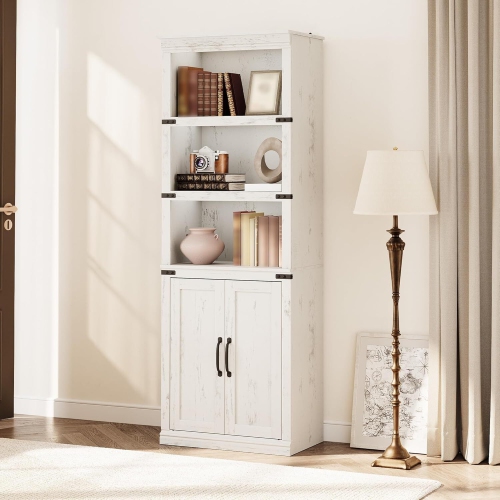
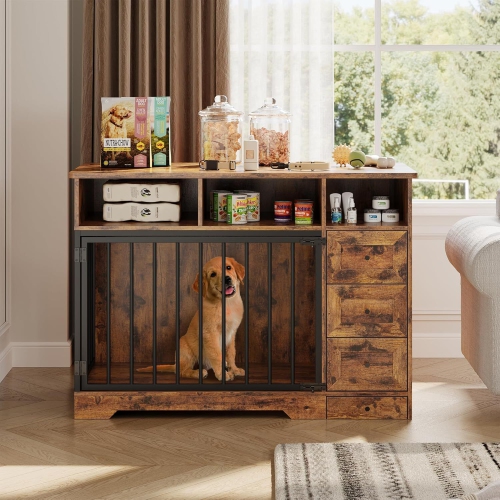
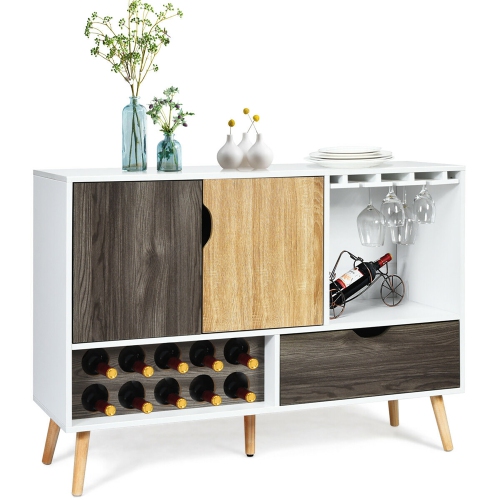
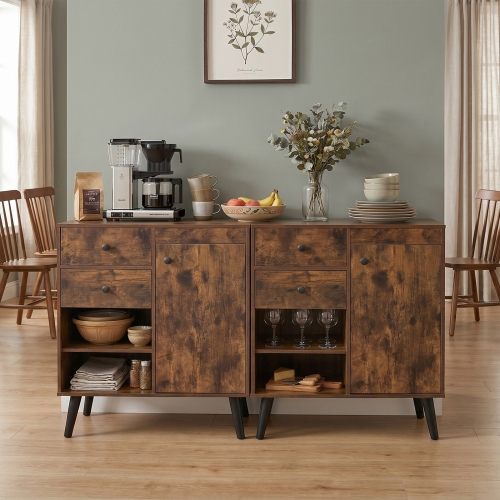
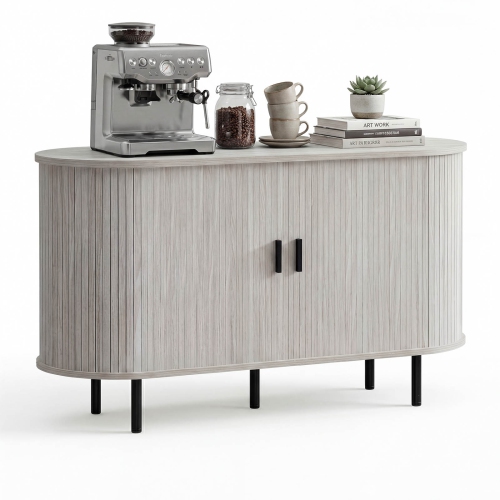
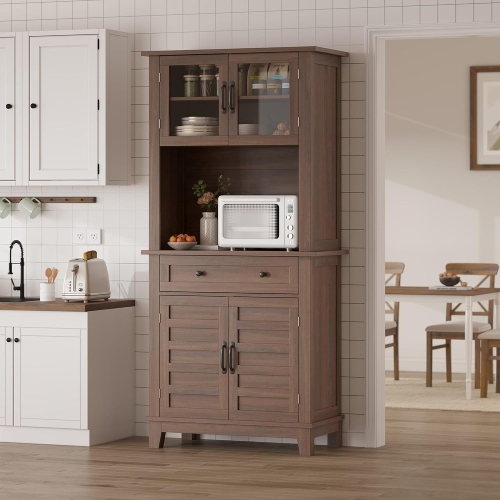
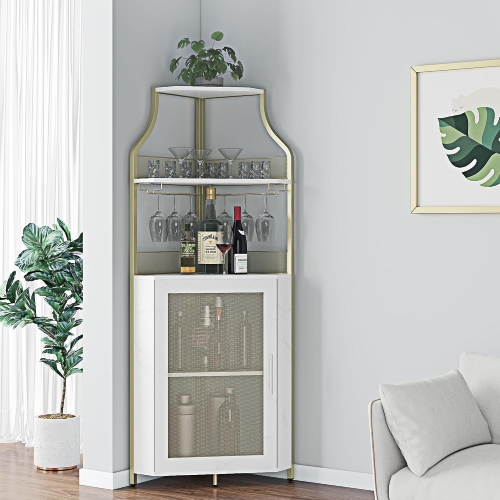
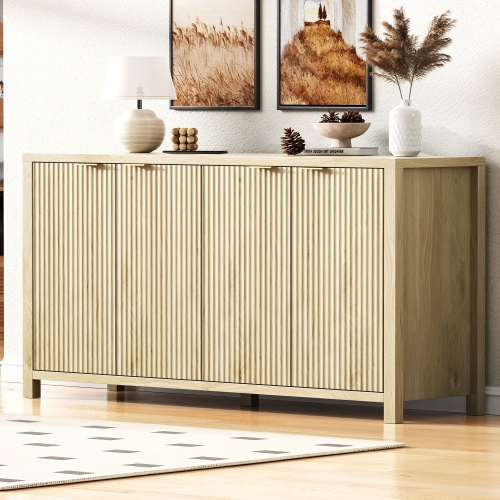
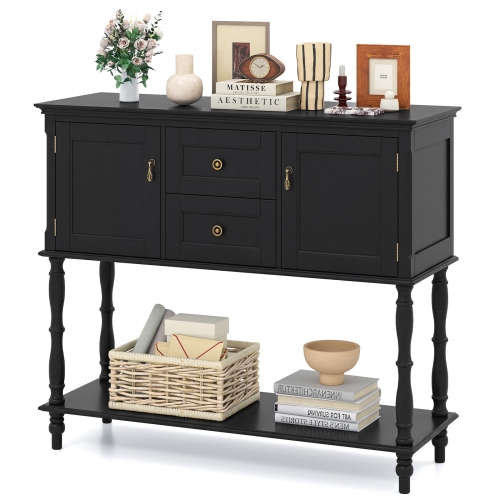

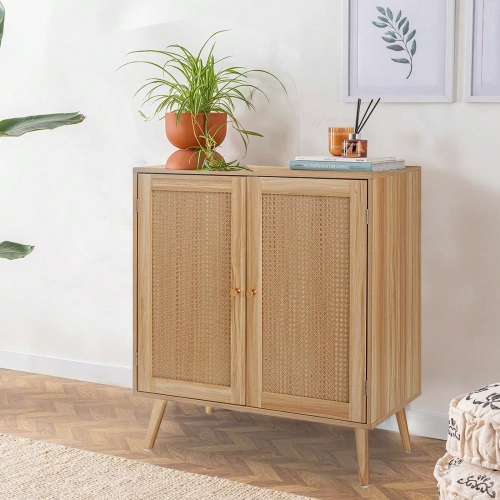
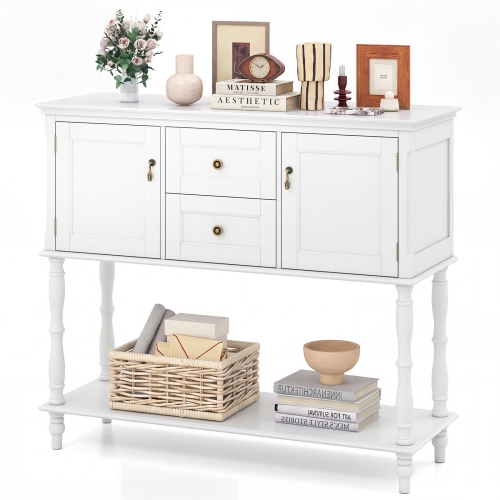
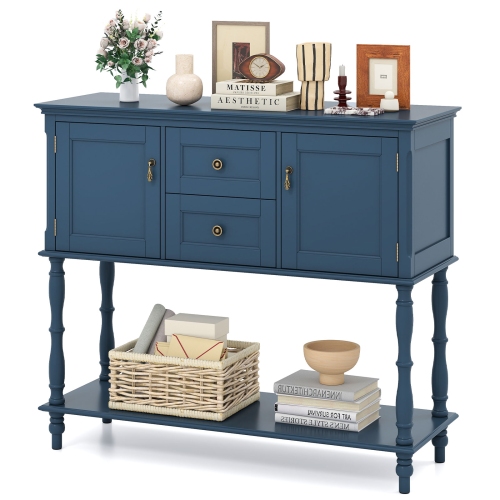
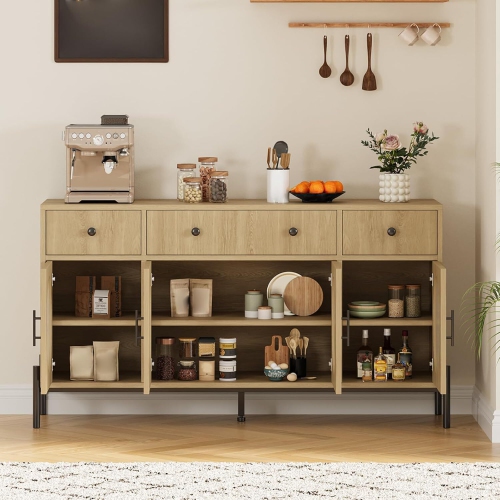
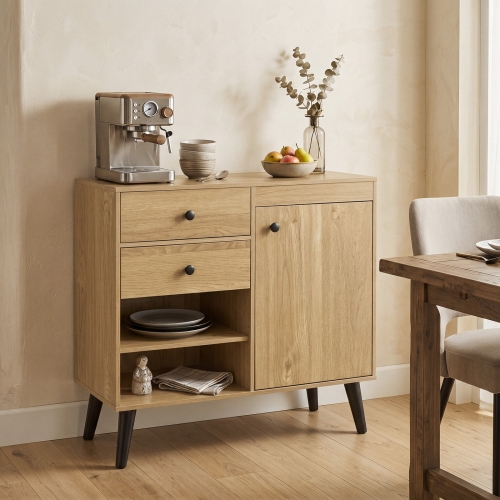
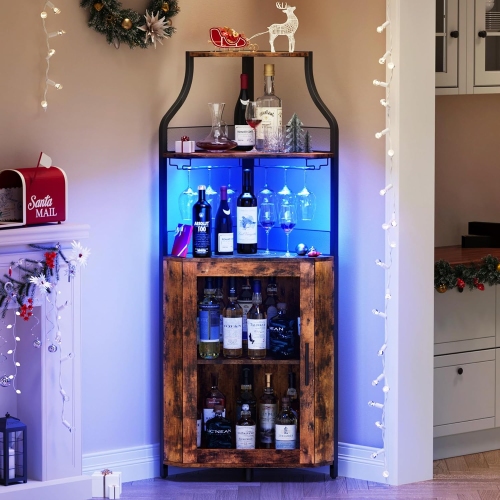

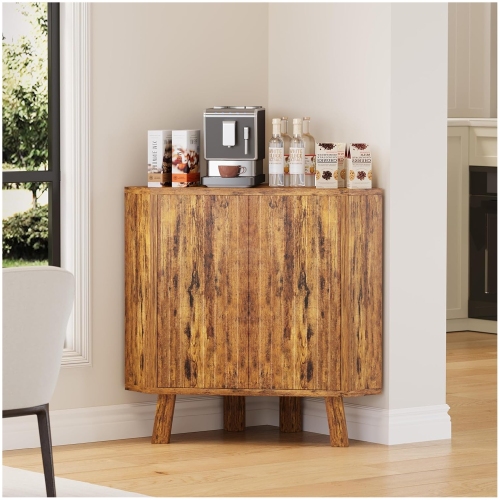
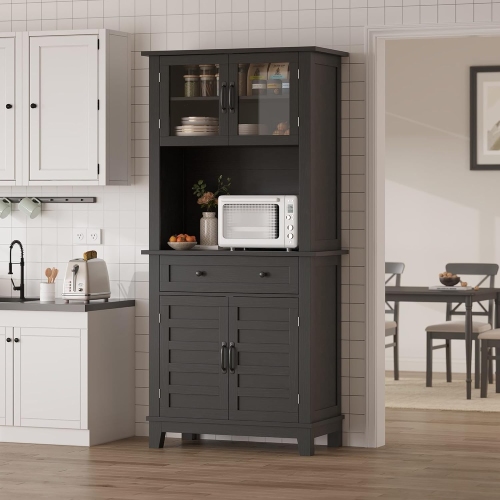


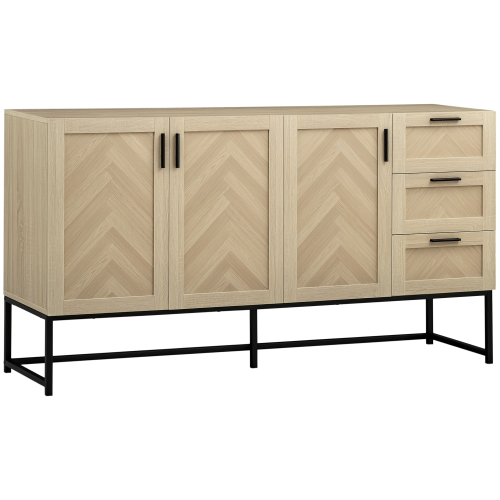
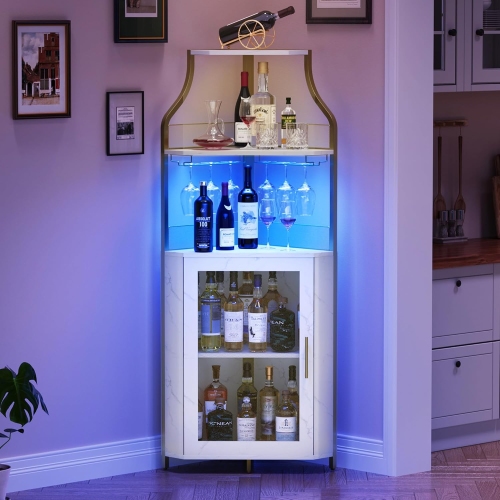
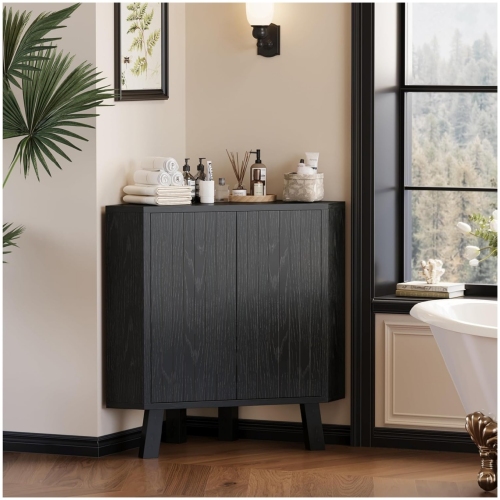
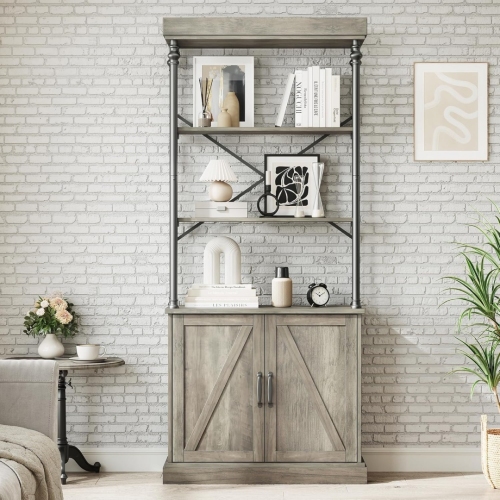
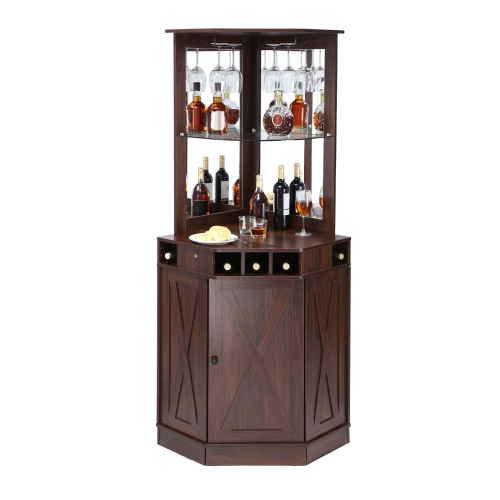
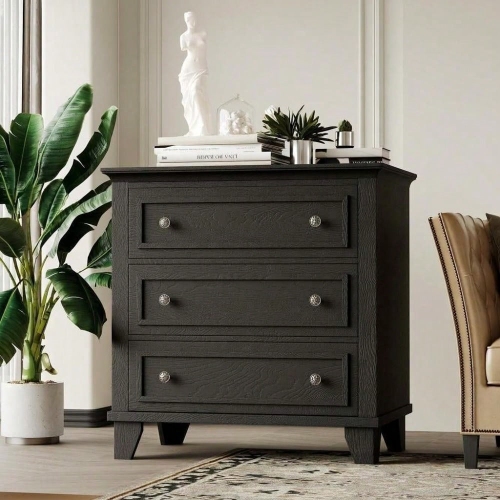
Period-inspired details meet storage that suits everyday life
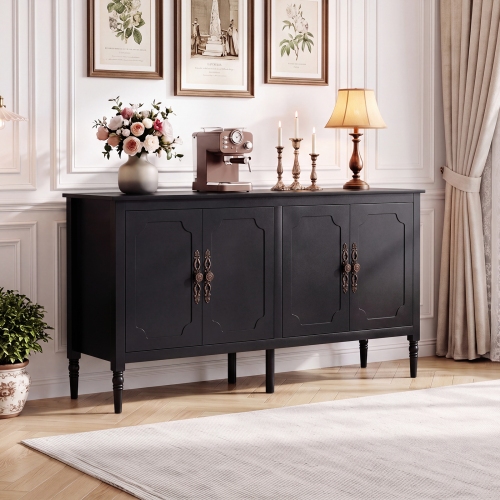
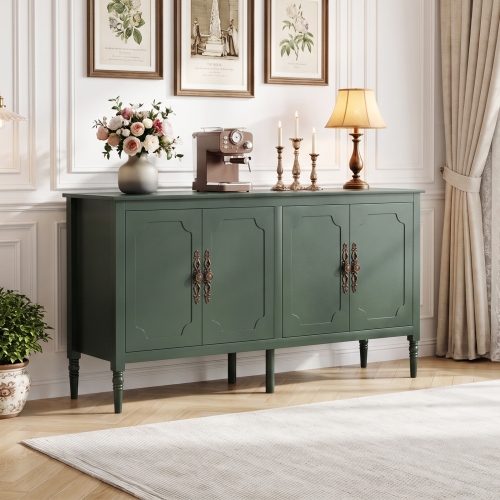
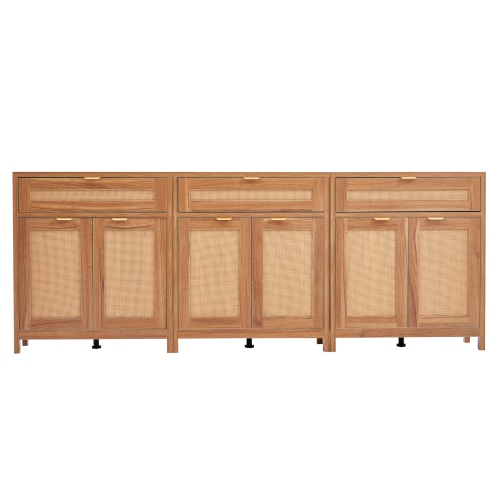
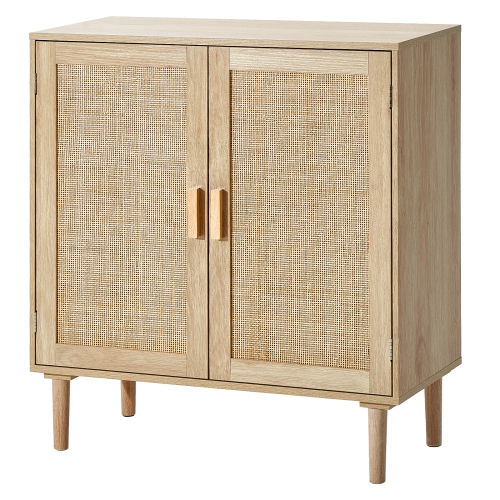
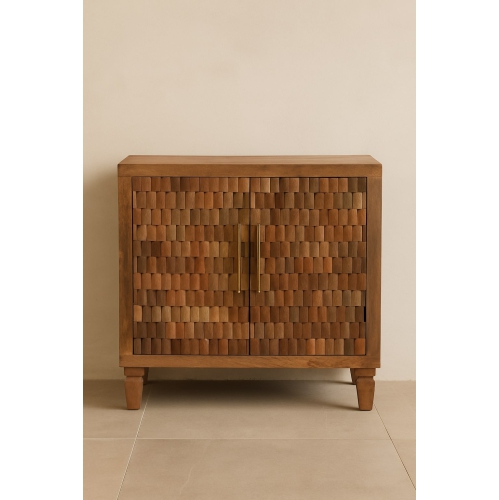
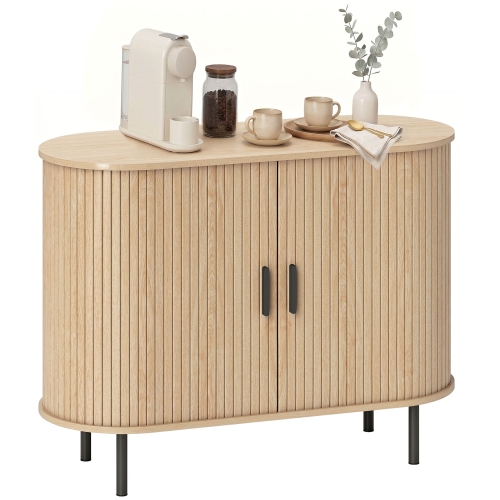
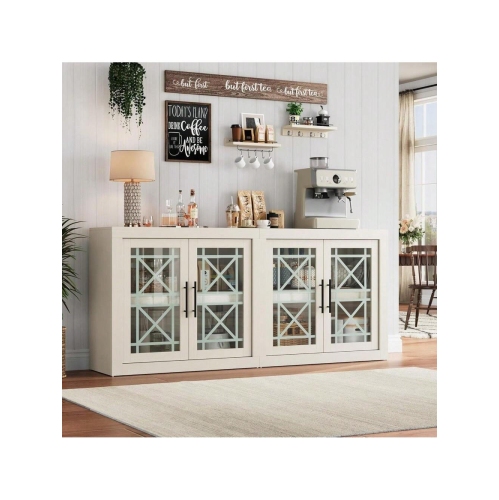
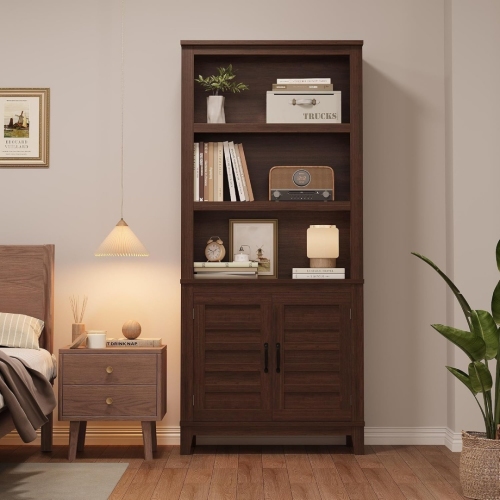
Vintage cabinets bring character to everyday storage through distinctive shapes, textured finishes, and details drawn from earlier furniture styles. The term can describe an older cabinet made in a past decade or a newer piece designed with vintage-inspired features; age and appearance are separate qualities, so descriptions of construction, finish, and provenance matter when that distinction is important. Common design elements include tapered legs, framed doors, arched profiles, turned feet, decorative moulding, and metal pulls with an aged appearance. Some cabinets have the clean lines and warm wood tones associated with mid-century interiors, while others lean towards traditional detailing, painted finishes, or the practical simplicity of an old dining-room cupboard. These differences influence more than appearance. A low, wide cabinet can provide concealed storage beneath artwork, while a taller glass-front design gives glassware, ceramics, or books a defined place without hiding them completely. In a dining area, a cabinet can keep serving dishes close to the table; in a living room, it can hold board games, albums, and the small necessities that otherwise collect on open shelves. An entryway cabinet may give bags and everyday accessories a home, provided its depth leaves enough space to move comfortably past it. Solid doors create a quieter visual backdrop, whereas glazed doors make the contents part of the room’s overall composition. A combination of drawers and cupboards can be particularly useful when smaller belongings need separation from larger serving pieces or folded linens. Vintage styling also works beyond a fully period-inspired room: a cabinet with visible grain or gently curved edges can soften the straight lines of a contemporary sofa, desk, or dining table. For interiors that favour familiar proportions and more traditional detailing, Classic Cabinets offers a related furniture style to consider alongside vintage-inspired designs. The most natural fit is often a cabinet whose proportions, storage layout, and finish suit the room’s daily routines as well as its visual character.
Materials and construction help determine how a vintage cabinet feels in use and how it holds up over time. Solid wood can show pronounced grain and subtle variation, while wood veneer provides a real wood surface over a supporting core; veneer is not the same as a printed wood-look finish. Engineered wood, metal, glass, and mixed-material construction also appear in vintage-style furniture, each with different care requirements and practical strengths. A substantial-looking exterior does not necessarily indicate a high load capacity, so shelf ratings and the manufacturer’s intended use are more useful than appearance alone when planning storage for books, dishes, or audio equipment. Adjustable shelves, when included, allow space for objects of different heights, while fixed shelves establish a layout that needs to match the intended contents. Interior dimensions can be quite different from the cabinet’s overall measurements, particularly where thick frames, drawer boxes, or decorative bases take up space. Door swing matters, too: a cupboard positioned beside a wall may need clearance for its doors and handles to open fully. In a compact condo dining area, a shallow cabinet can preserve a useful walkway, while a deeper piece may better accommodate larger platters or folded table linens. For delivery and placement, hallway widths, stair turns, lift dimensions, and the cabinet’s assembled size all deserve attention. Legs can make a piece appear lighter and leave room for cleaning underneath, though the actual clearance varies by design. A level position helps doors align and close properly, and tall or top-heavy furniture requires the appropriate anti-tip measures according to its instructions, particularly in homes with children or pets. Cabinets used for electronics need suitable ventilation and cable access; an enclosed cupboard intended for general storage should not automatically be treated as a media cabinet. Likewise, freestanding living-room or dining-room furniture is different from fitted kitchen cabinetry and may not be designed for sinks, worktops, or frequent splashes. Matching the cabinet to its intended setting protects both its usefulness and its finish.
The appeal of a vintage cabinet often lies in the details noticed during ordinary use: the feel of a rounded door edge, the contrast between dark handles and a pale painted surface, or the way glass panels frame a favourite collection. Those details are most satisfying when the cabinet is comfortable to live with. Frequently used dishes belong within easy reach, heavier contents are generally better kept low, and delicate display pieces benefit from secure, uncluttered shelving. Glass-front cabinets suit people who enjoy arranging a few meaningful objects, while closed storage can be more practical for busy family rooms, shared workspaces, and multipurpose dining areas. A cabinet does not need to match every other wood finish in the room; repeating a similar undertone, handle finish, or curved shape can create a connection without making the furniture feel identical. Care depends on the material and finish rather than the vintage label. Gentle dusting with a soft cloth helps keep textured moulding and door frames clean, and spills are best addressed promptly without leaving moisture on the surface. Harsh abrasives and unapproved cleaners can damage paint, veneer, protective coatings, or decorative metalwork. Glass cleaner should be kept away from surrounding wood and applied in line with the care instructions. Mats or protective pads beneath frequently moved objects can reduce scratching, while direct sunlight may alter some finishes over time. With genuinely older furniture, wear can range from attractive surface patina to loose joints, lifting veneer, or hardware that needs attention; these conditions are not interchangeable. Original finishes and fittings may also warrant specialist advice before refinishing or replacement. For newer vintage-style cabinets, consistent door alignment, secure handles, and smooth drawer movement contribute to everyday satisfaction. Whether furnishing a first apartment, adding storage to a family dining room, or creating a dedicated display space, a well-proportioned cabinet can serve a clear purpose while bringing the warmth and individuality associated with vintage furniture.
Top selling and popular products
-
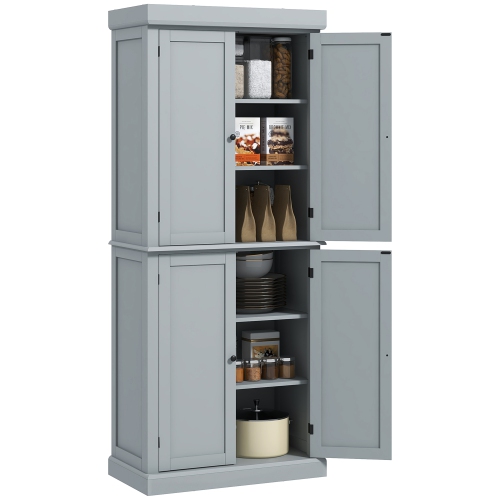 Your price for this item is $285
-
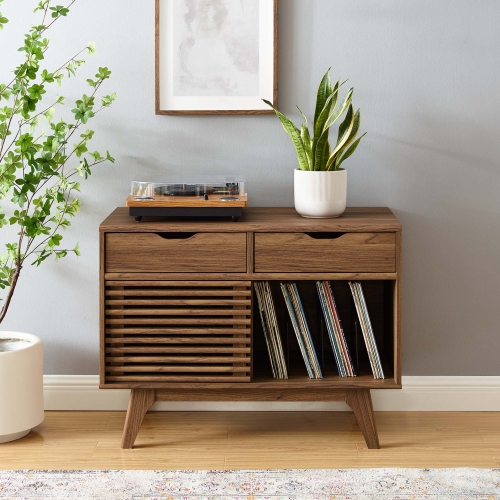 Your price for this item is $452.93
-
 Your price for this item is $155.99
-
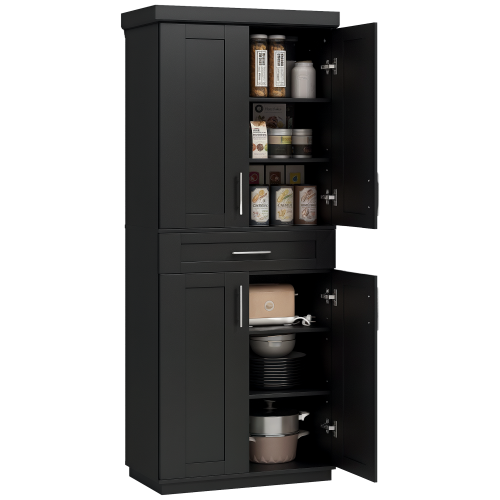 Your price for this item is $269.99
-
 Your price for this item is $12.97
-
 Your price for this item is $155.99
-
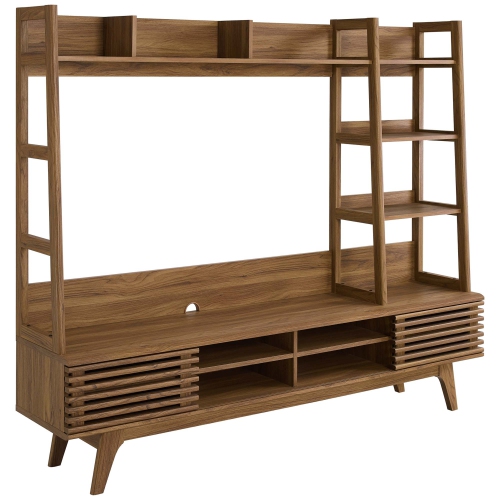 Your price for this item is $885.06
-
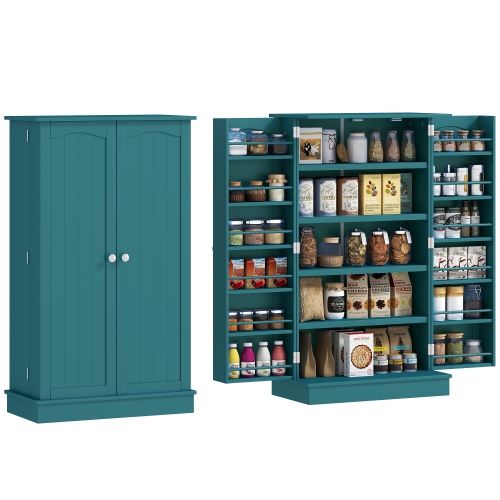 Your price for this item is $132.99
Discover more categories related to Vintage Cabinets
Top Collections:
Best Black Friday Deals This Year, Best Black Friday Deals On Electronics, Kindle Devices, Dyson Airwrap, Best Cameras for Sports Photography, Best Budget Office Chairs, Canon G7X Cameras, PS5 Pro Consoles, Best Black Friday Deals On Apple Products, XBOX One S Consoles
Some products may be subject to Environmental Handling Fees
(EHF) depending on your province.
Learn more about EHFs.