Vintage Upholstered Chairs
Upgrade your space with timeless elegance and charm with our collection of vintage upholstered chairs. Each piece exudes character and sophistication, blending classic design elements with modern comfort. Whether you're looking to add a touch of nostalgia to your living room or create a cozy reading nook in your home office, these vintage chairs are sure to elevate the style and ambiance of any room. Explore our selection and discover the perfect piece to bring a touch of old-world charm to your home decor.
Sort
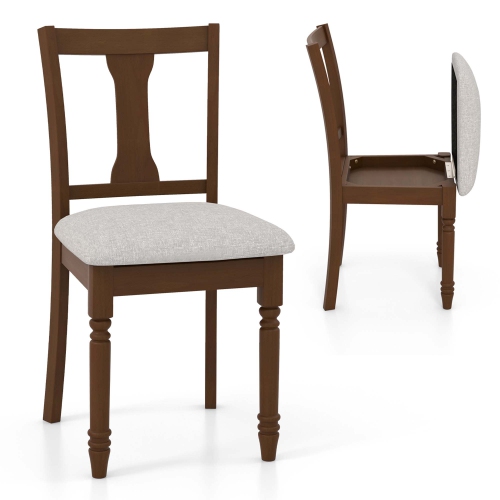
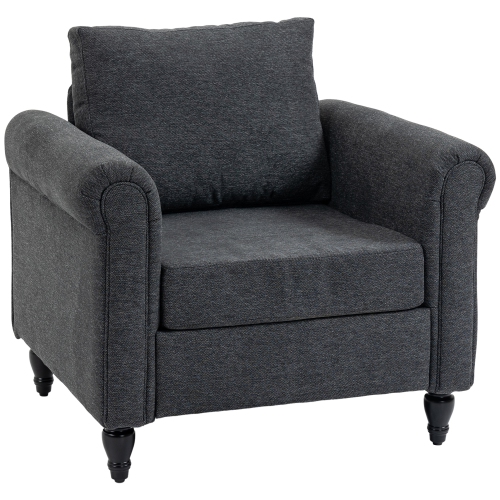
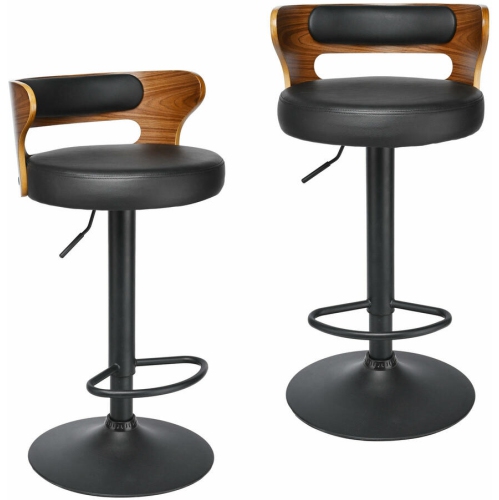
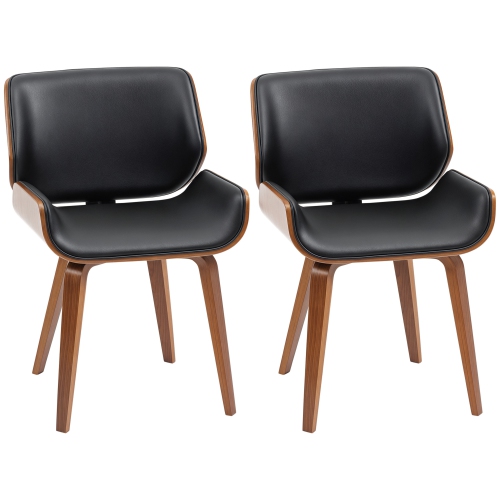
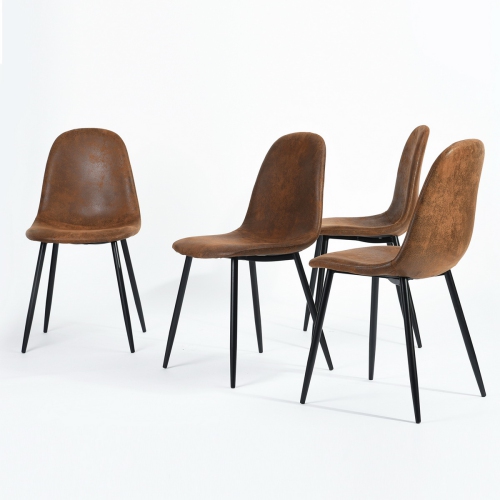
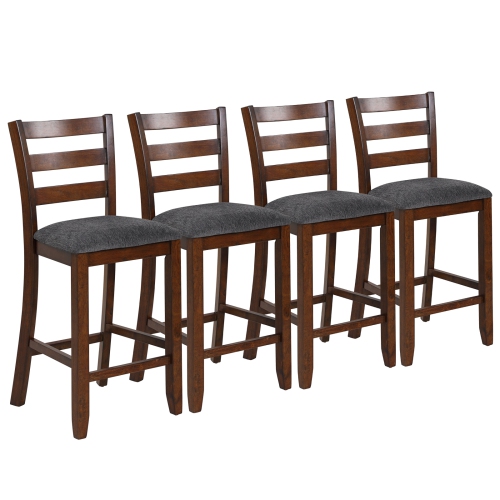
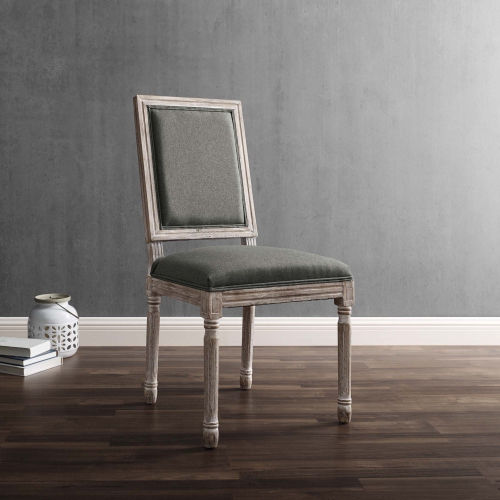
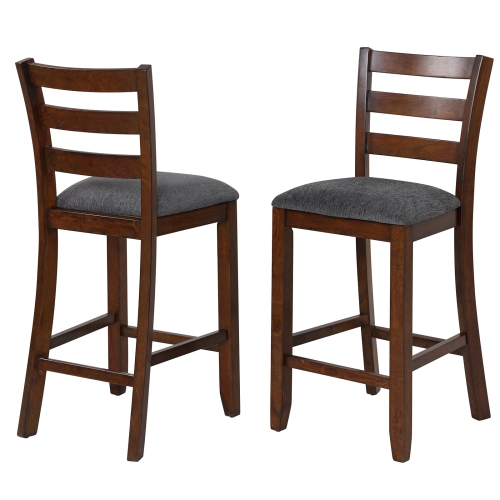
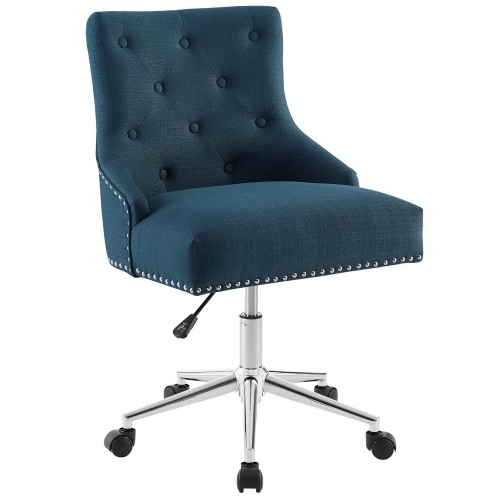
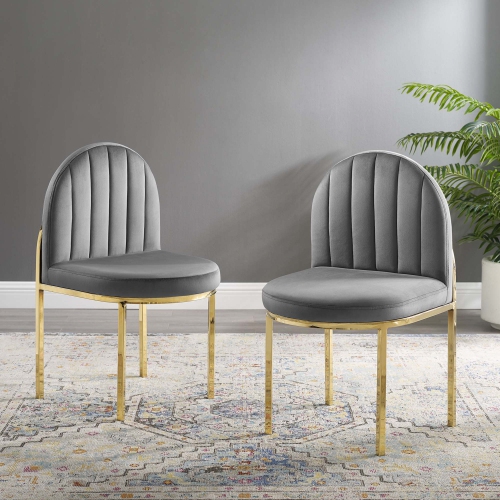
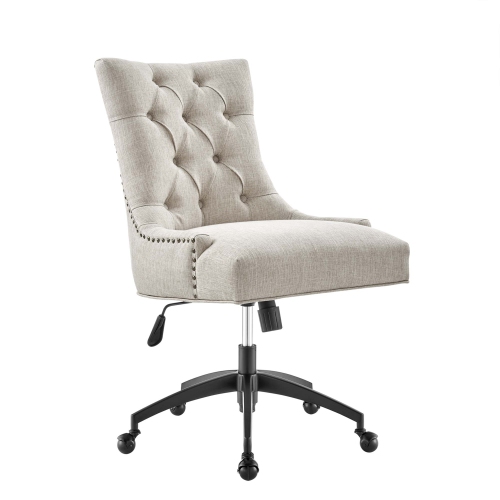
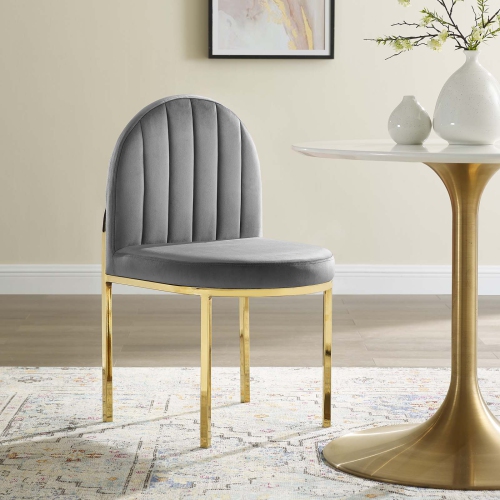
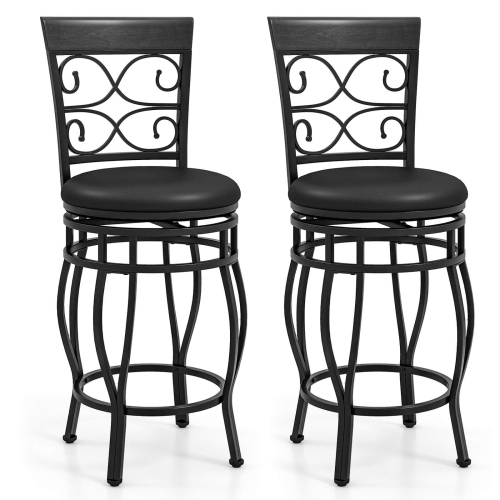
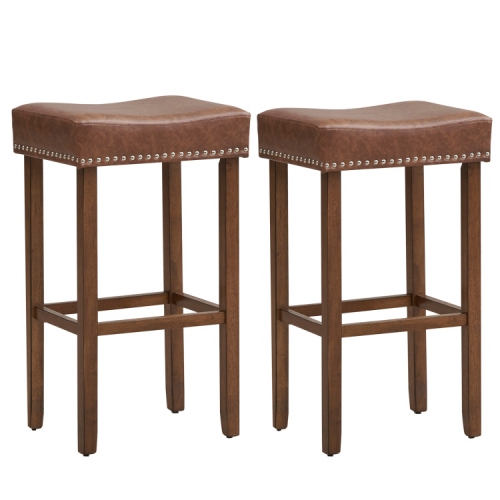
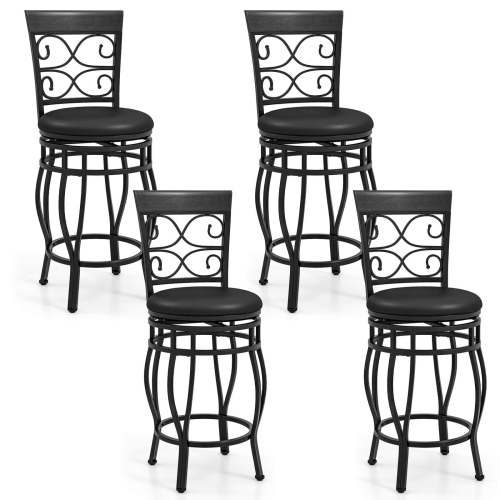
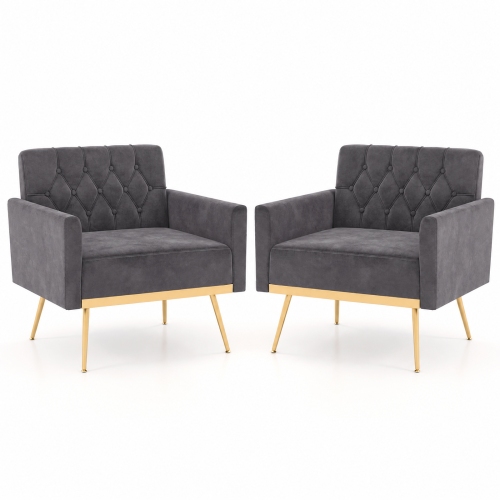
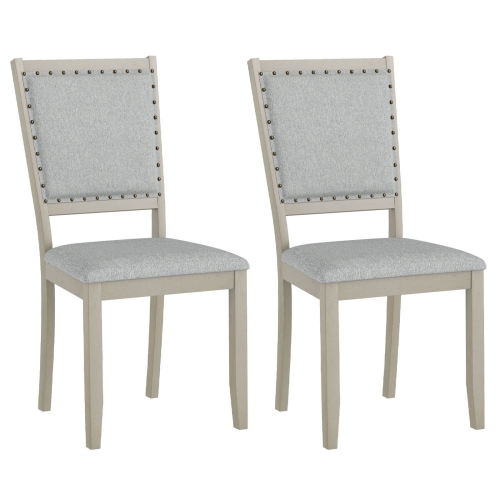
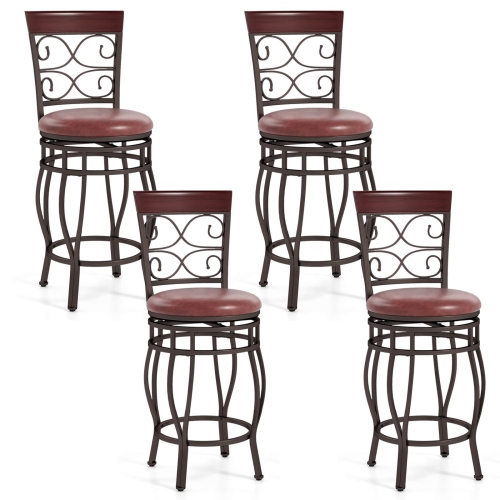
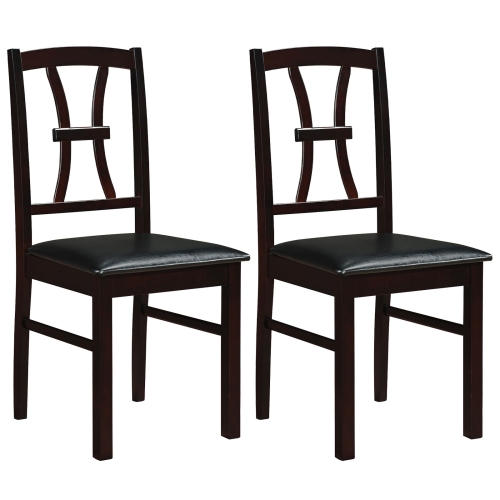
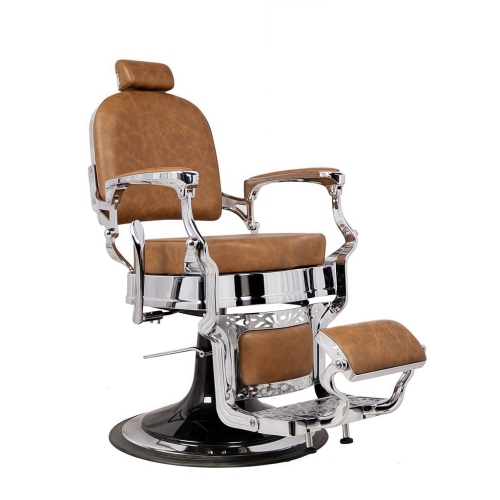
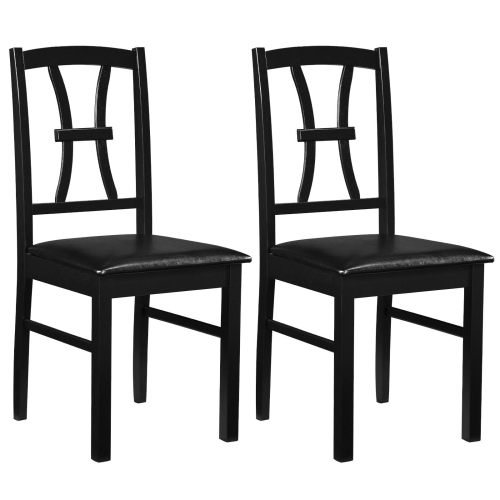
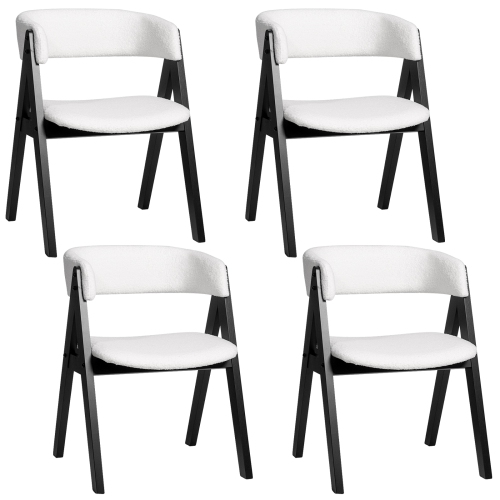
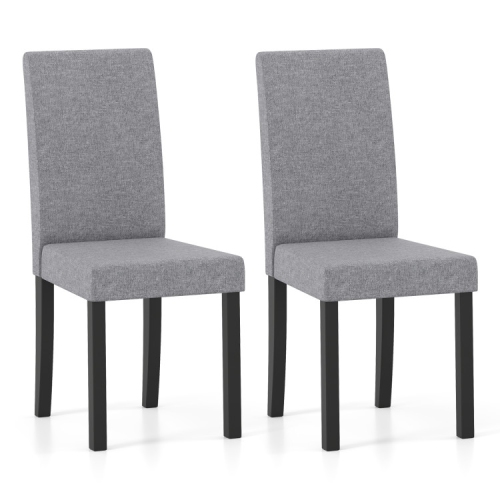
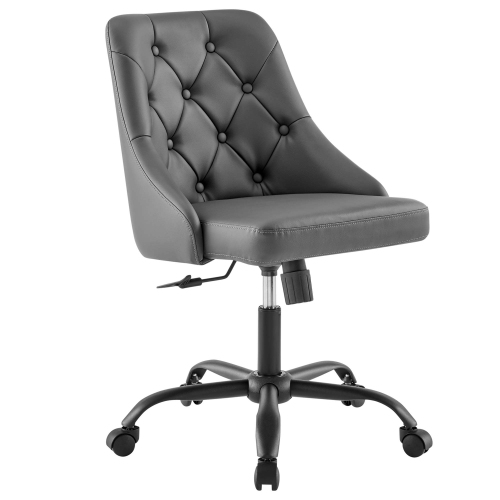

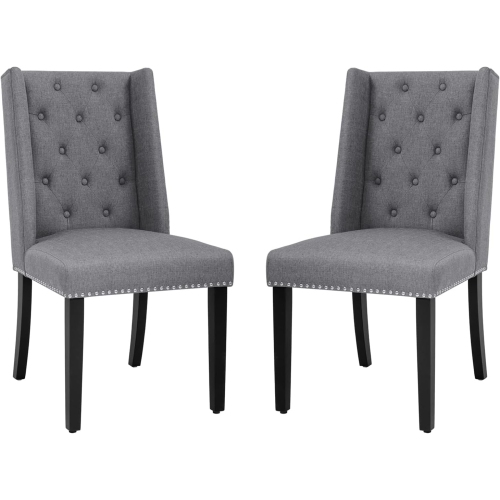
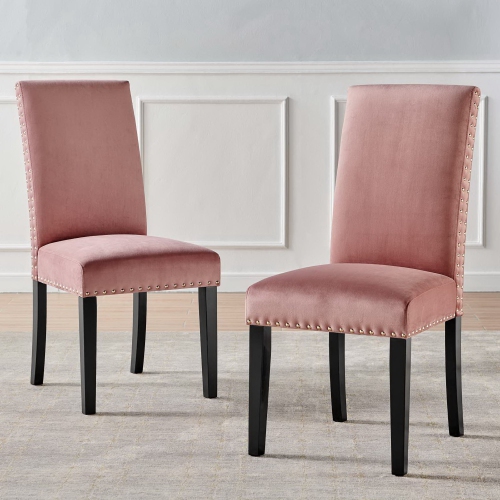
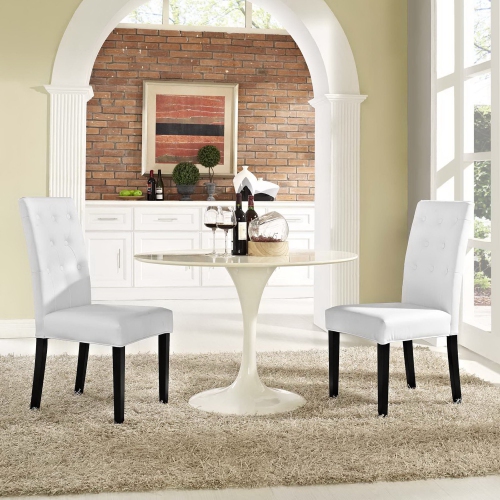
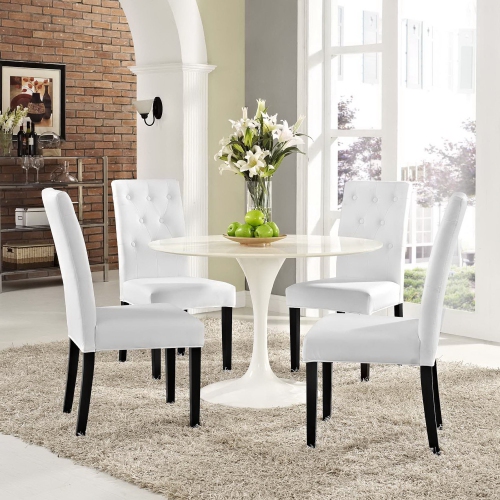
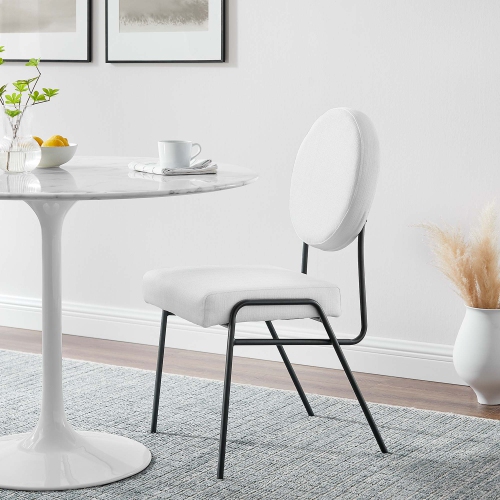
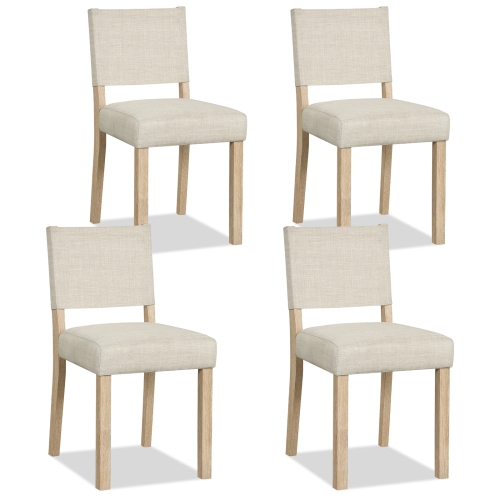
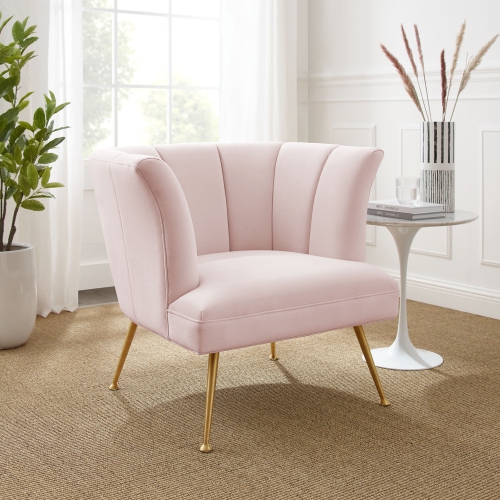
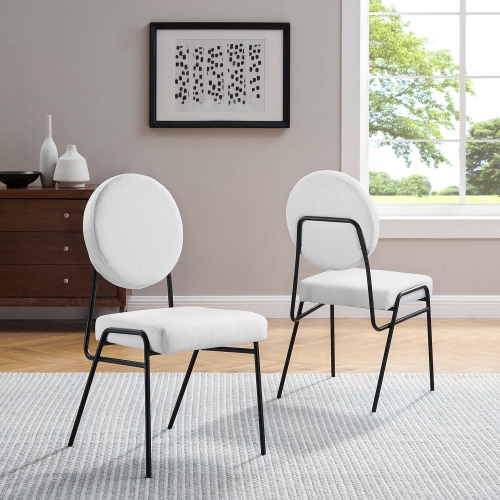
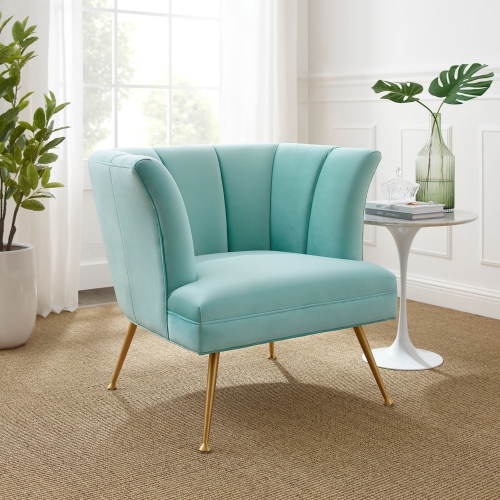
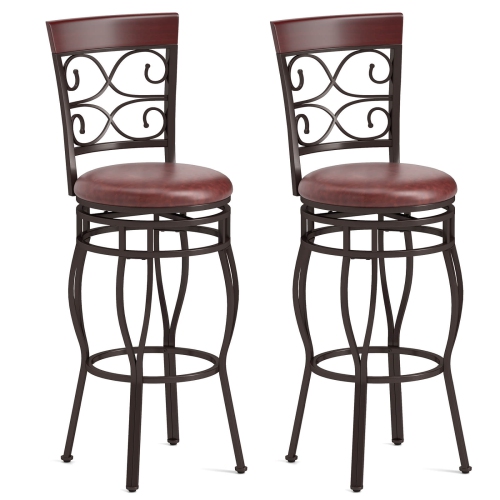
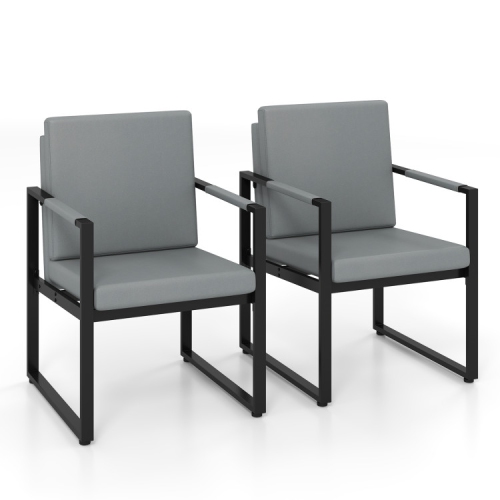
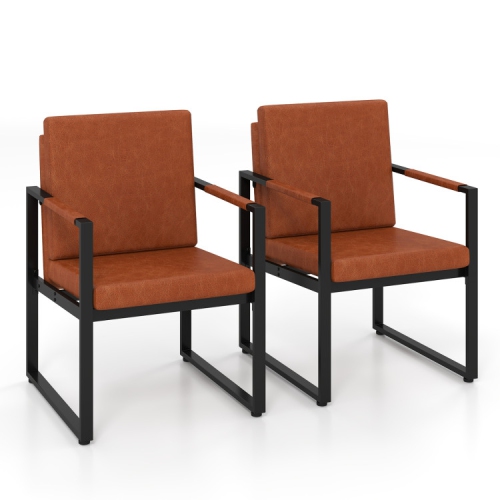

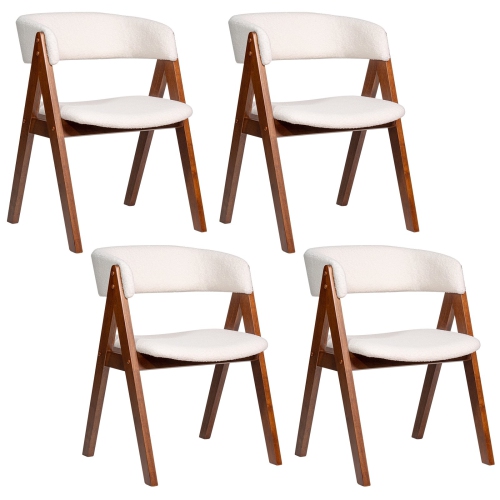

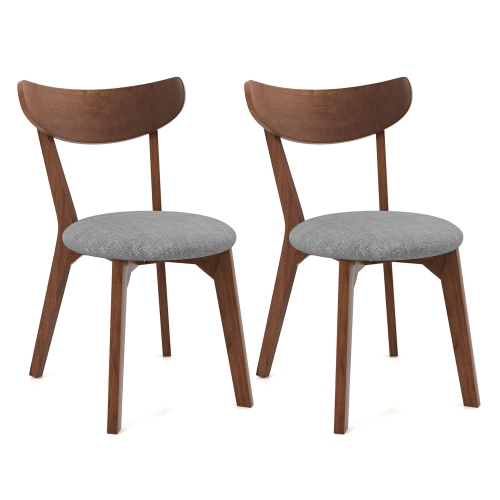
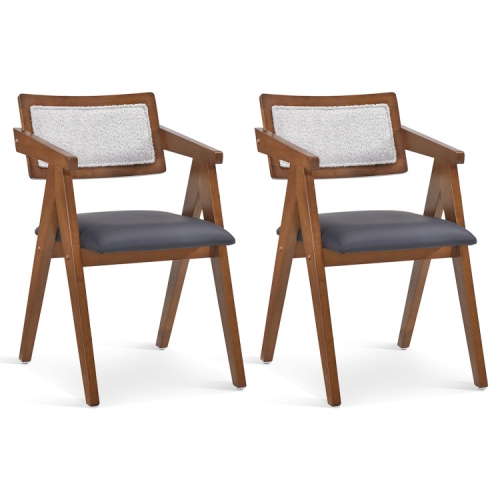
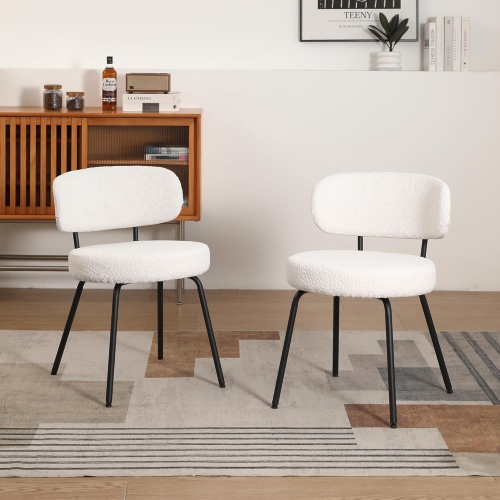
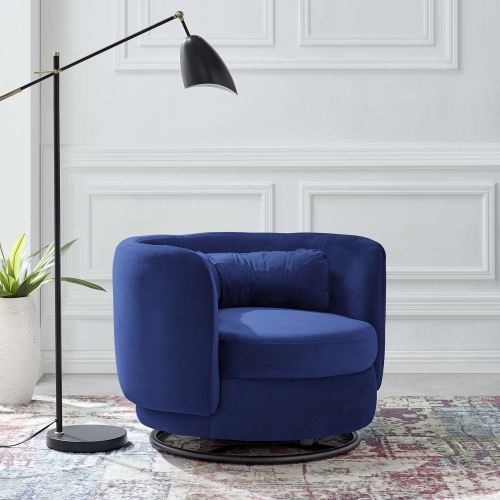

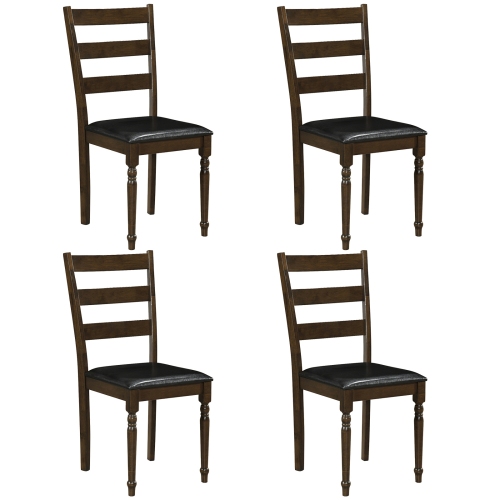

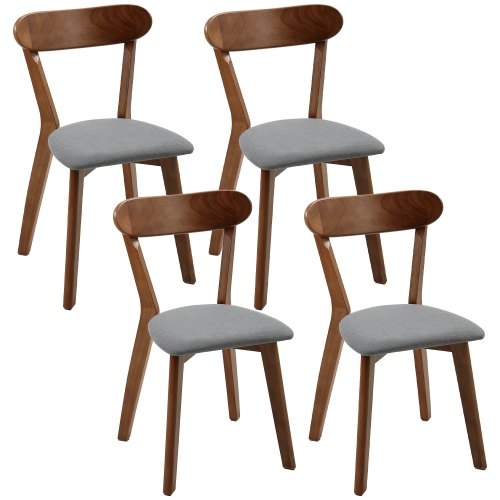
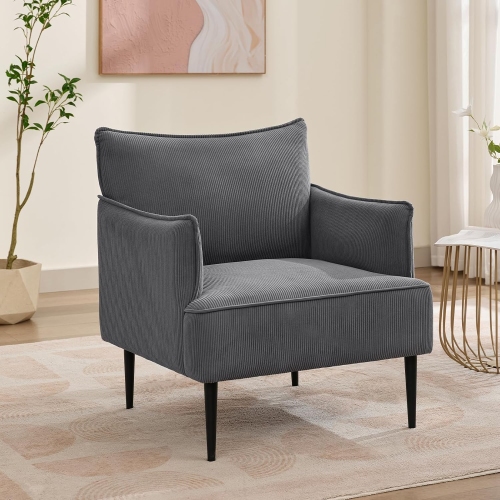
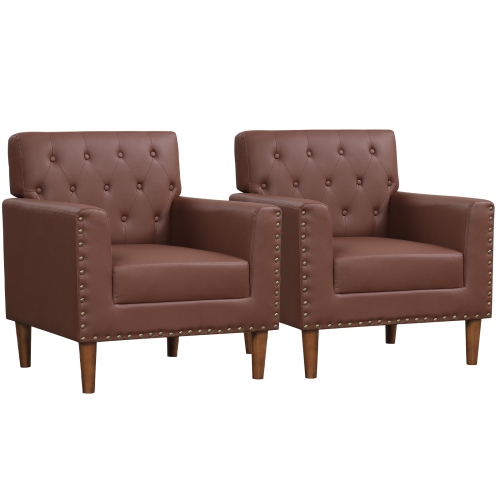
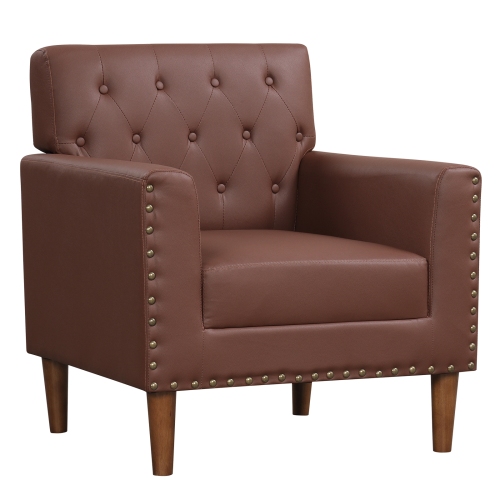
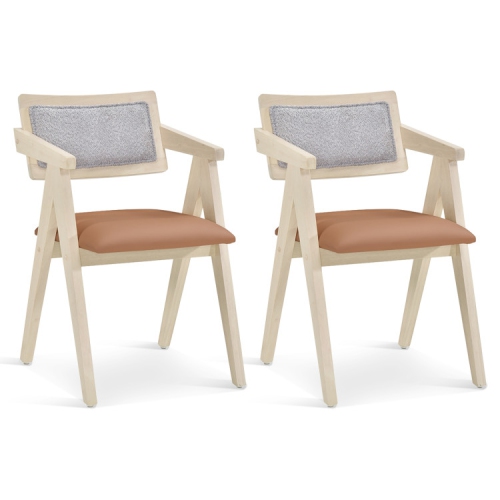
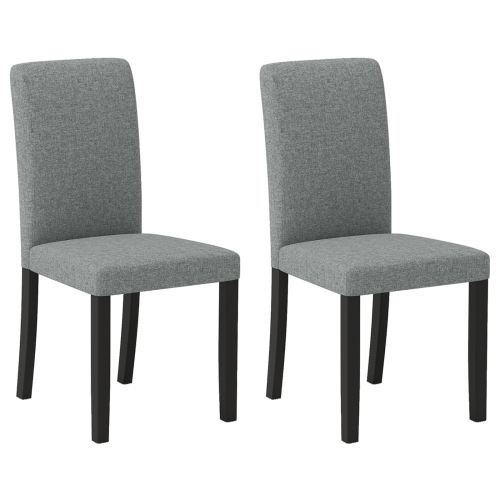
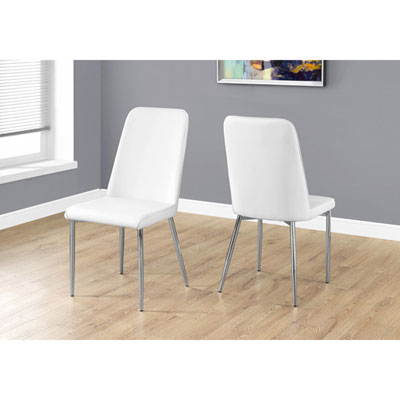

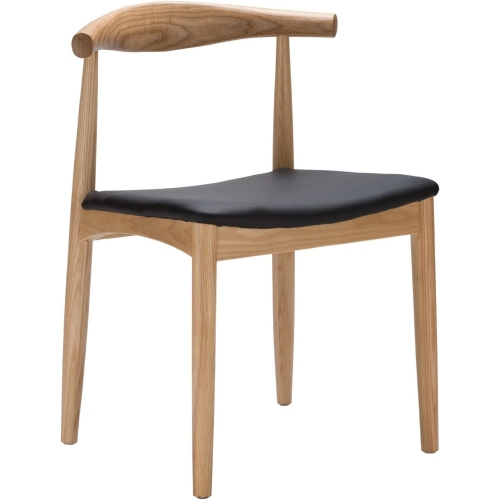
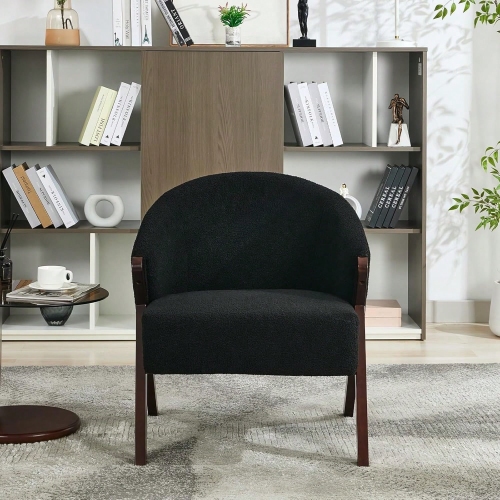
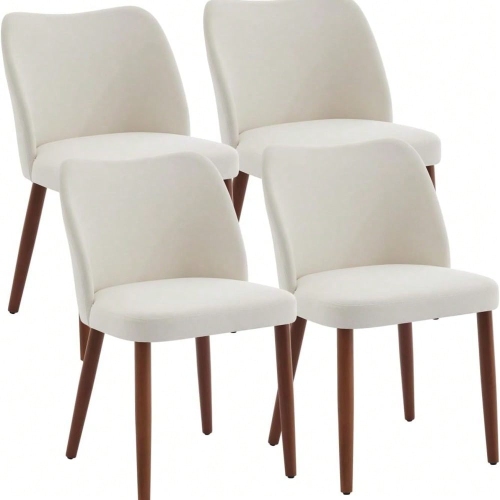
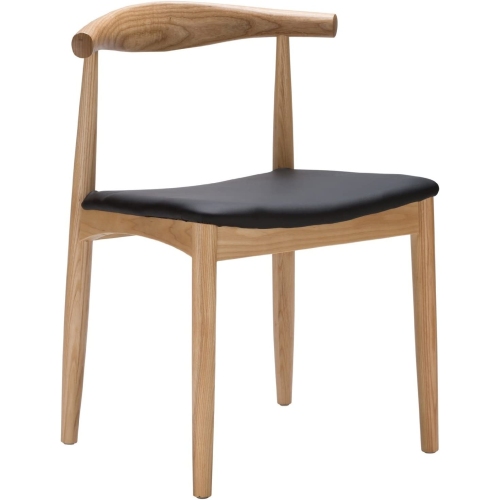

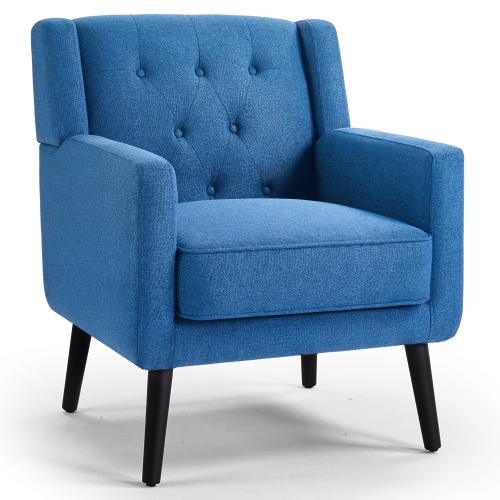
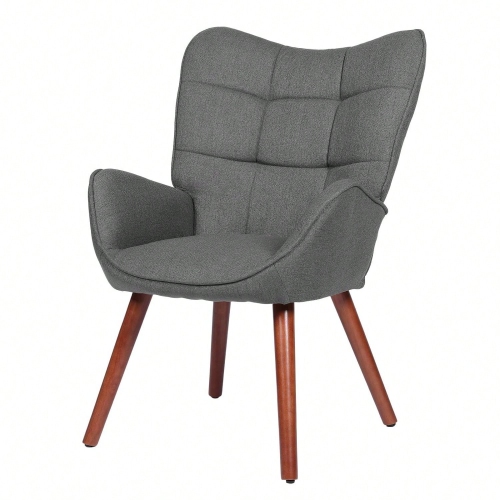
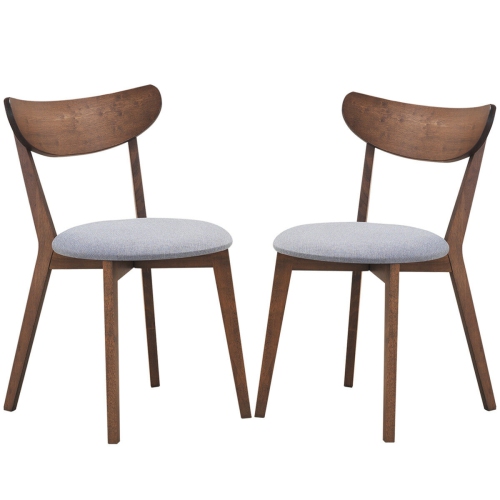
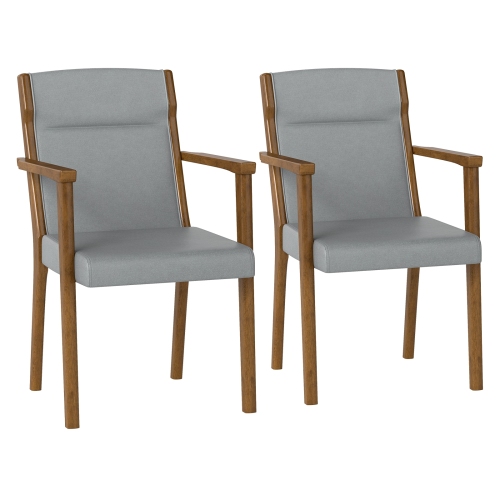
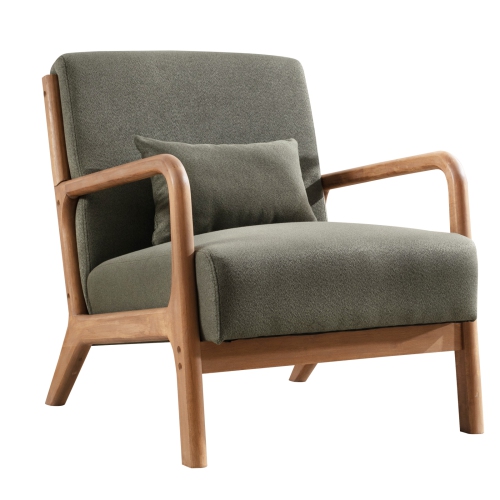
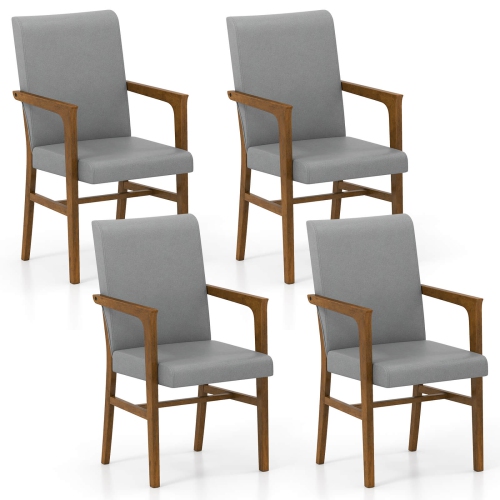
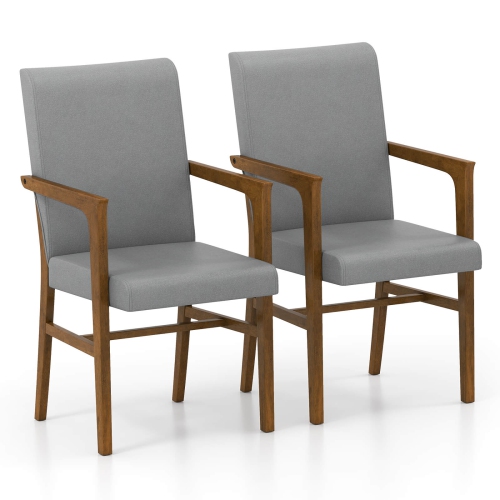
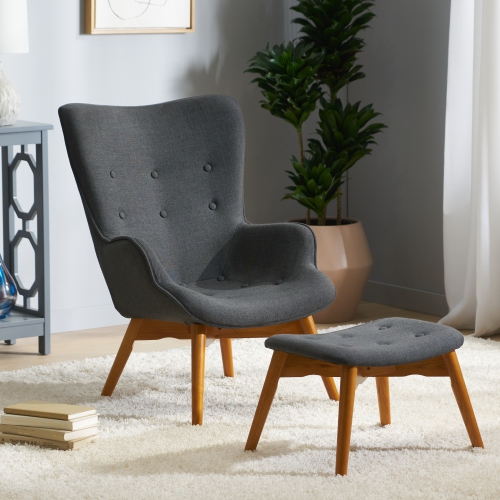
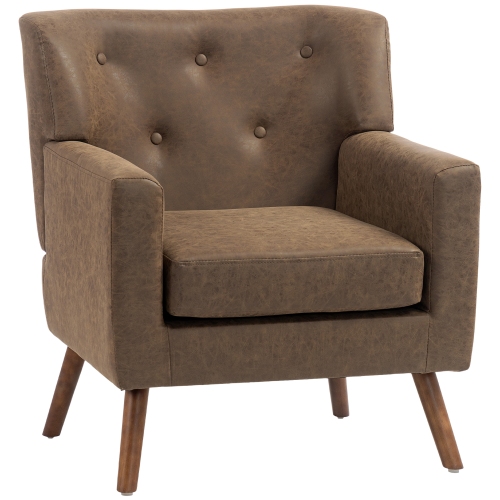
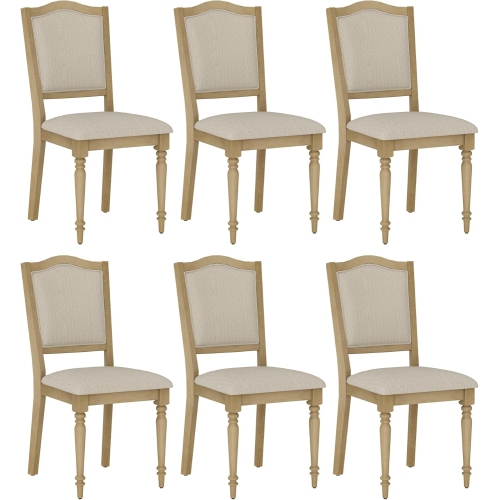
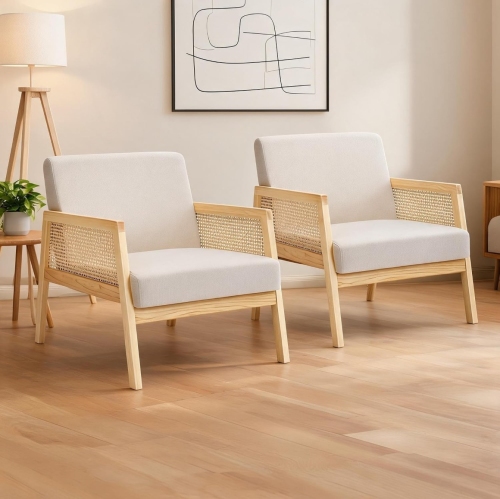
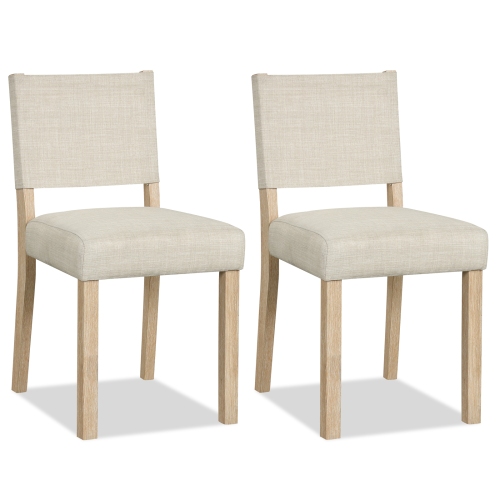
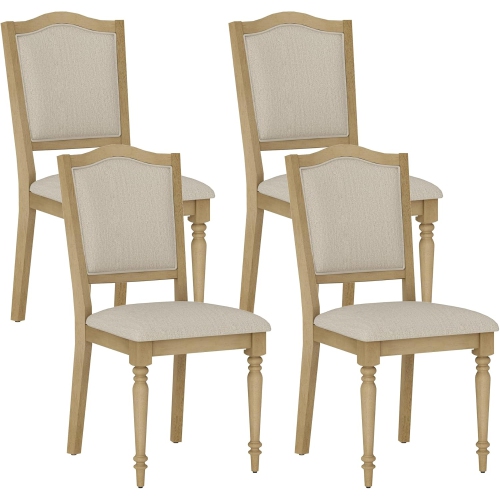
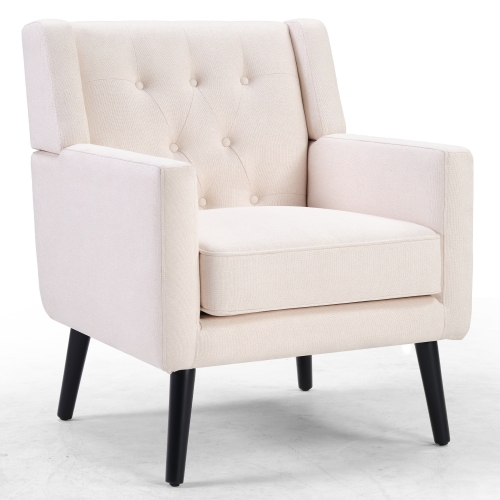
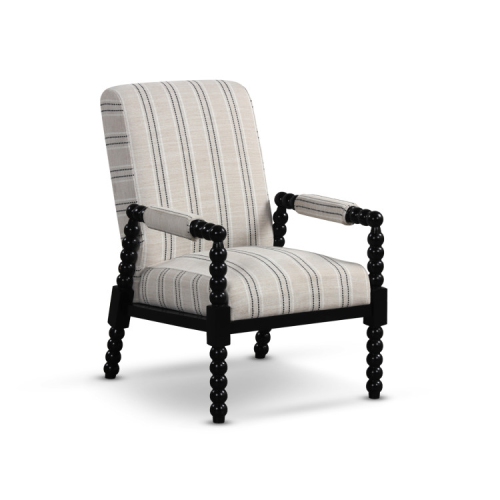
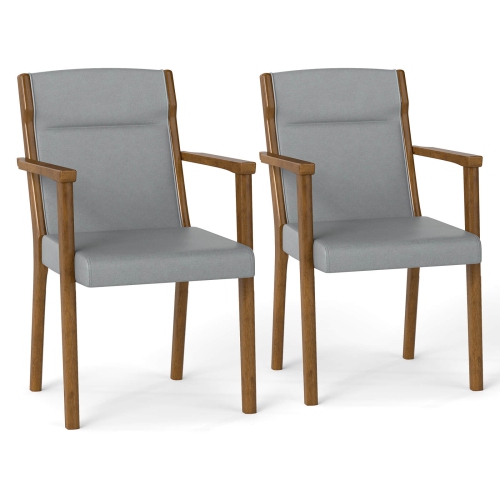
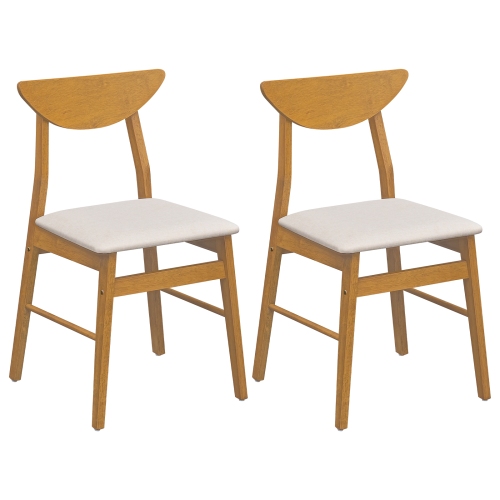
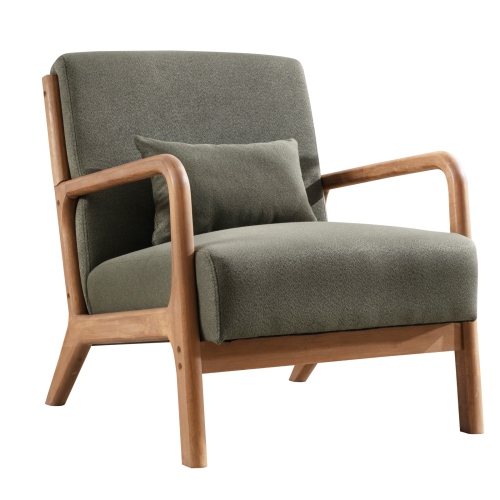
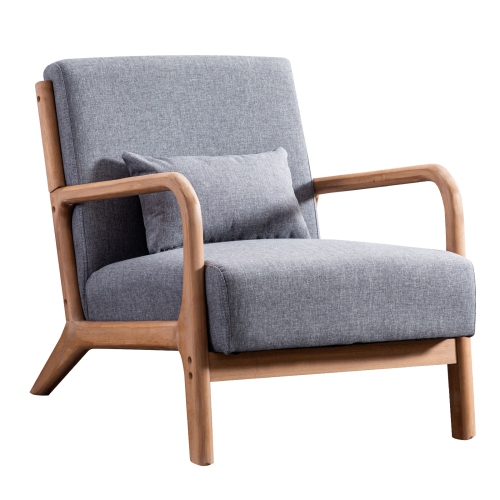
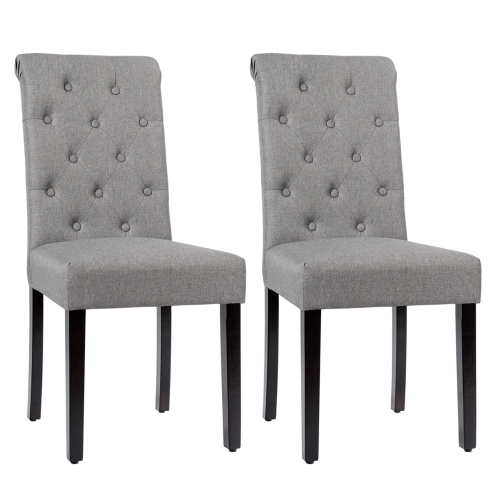
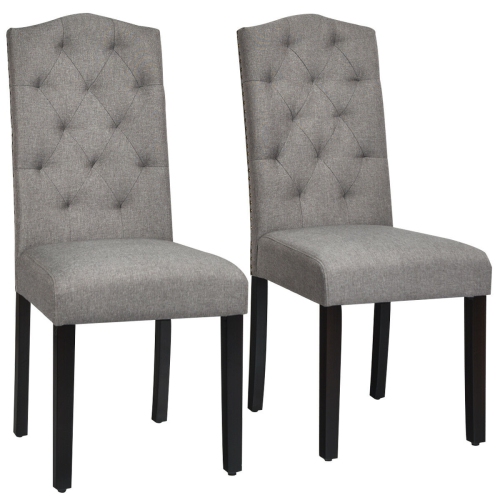

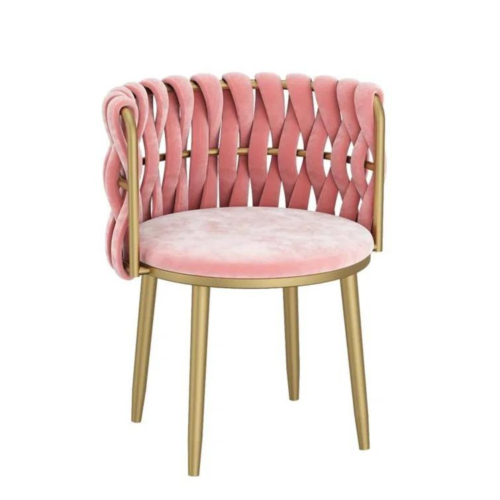

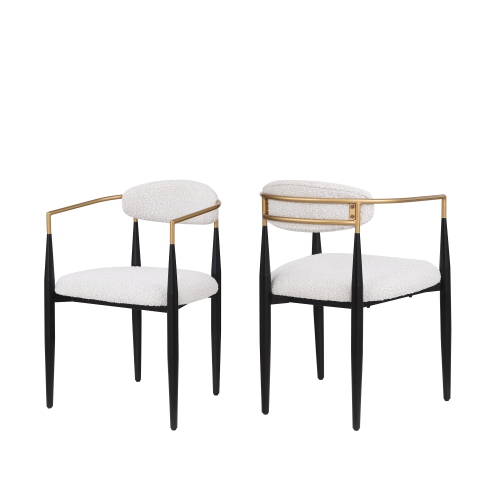
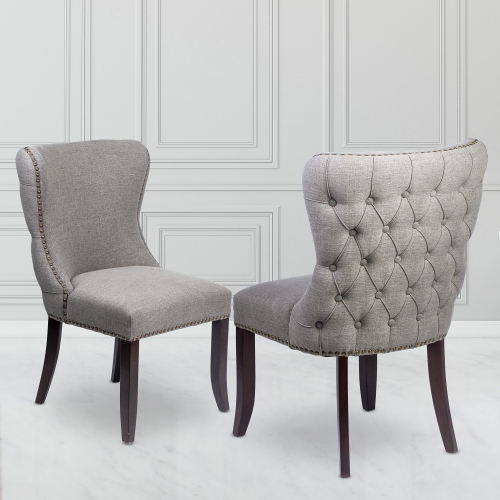
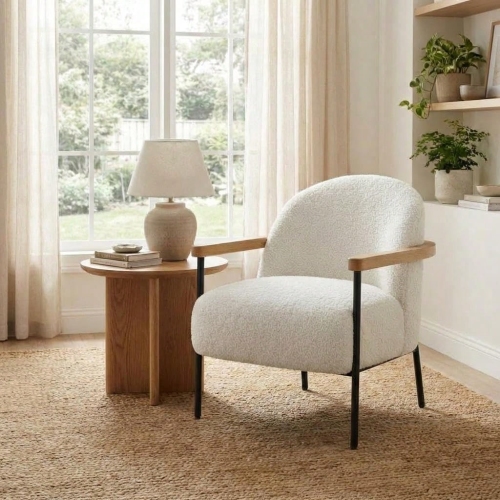
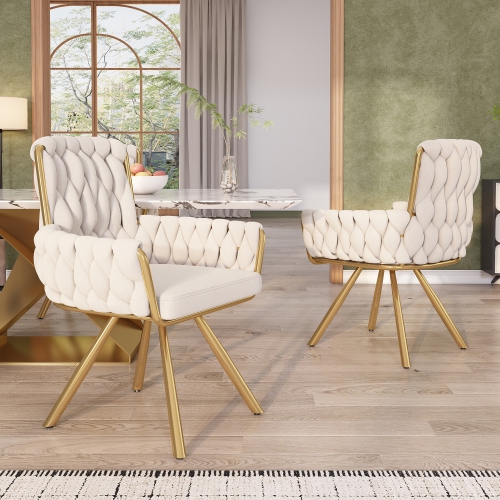

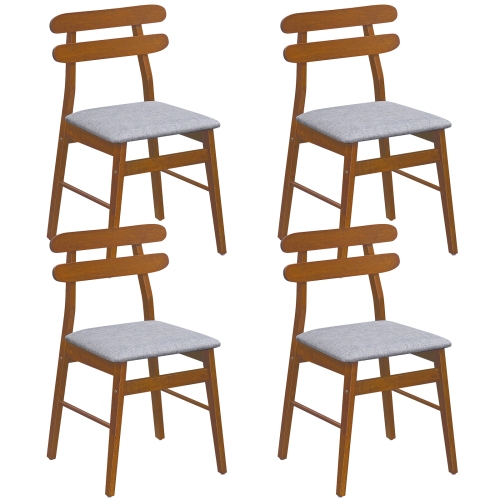
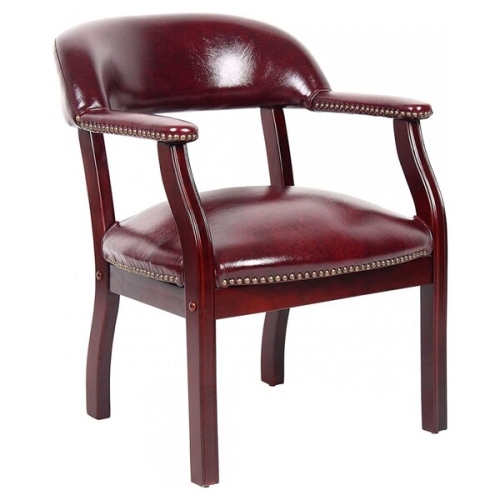
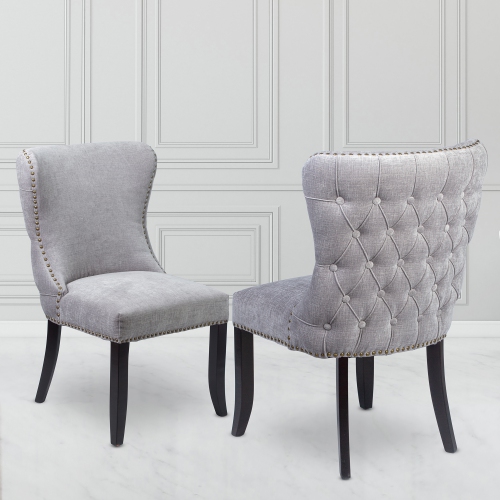

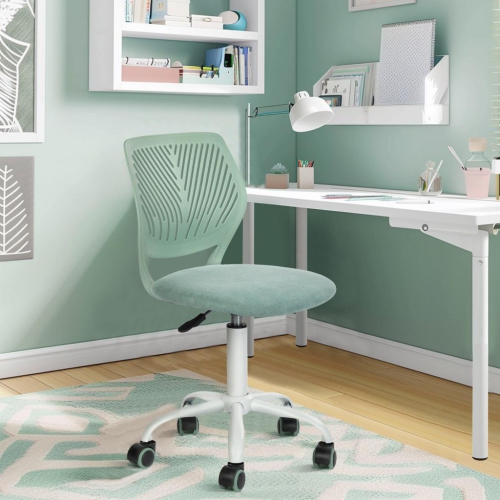
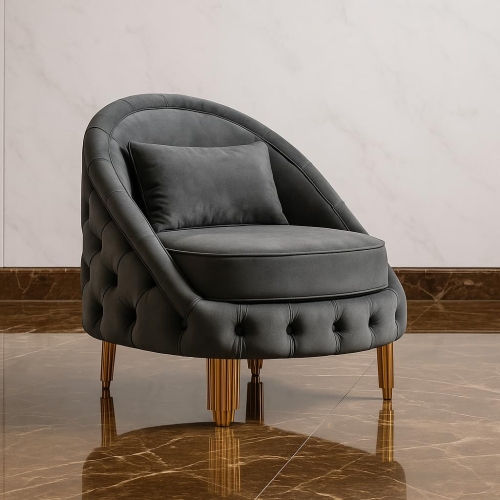
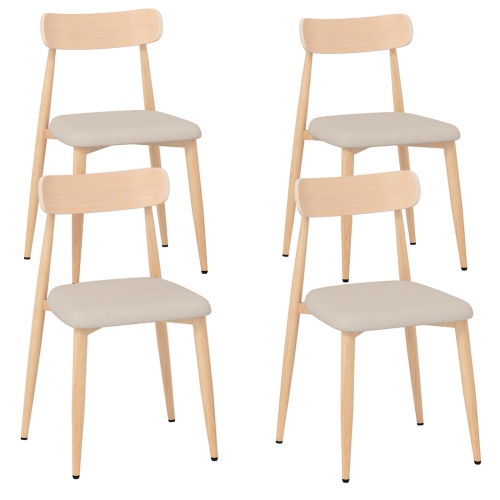
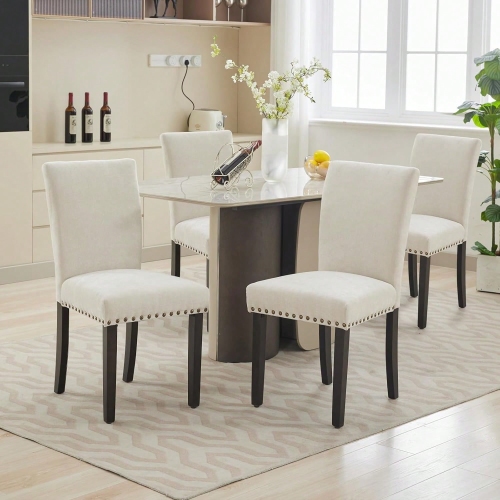
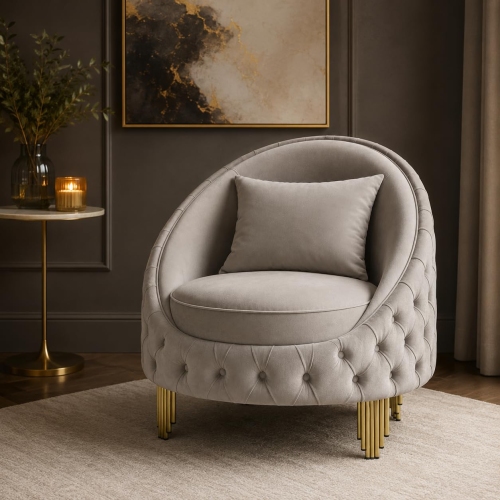
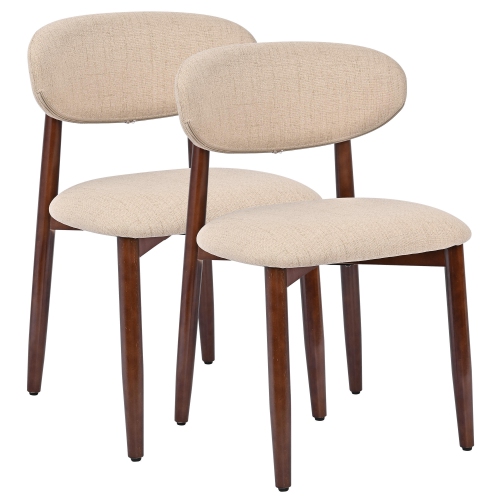
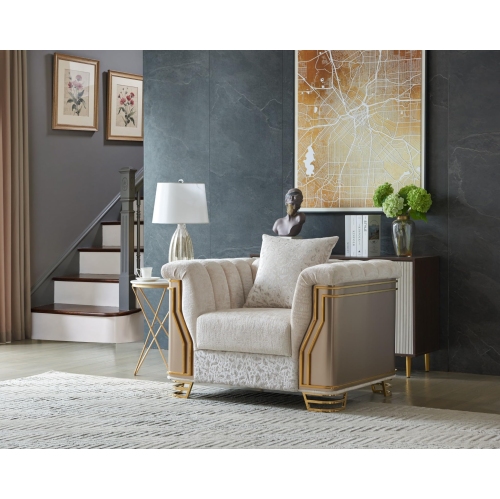
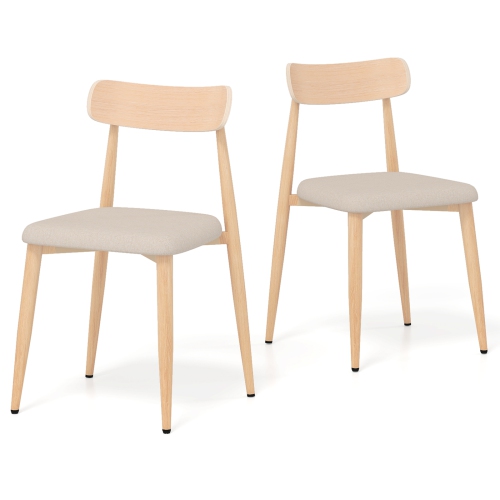
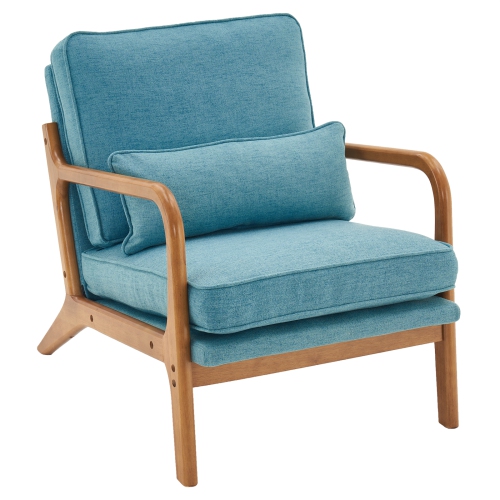

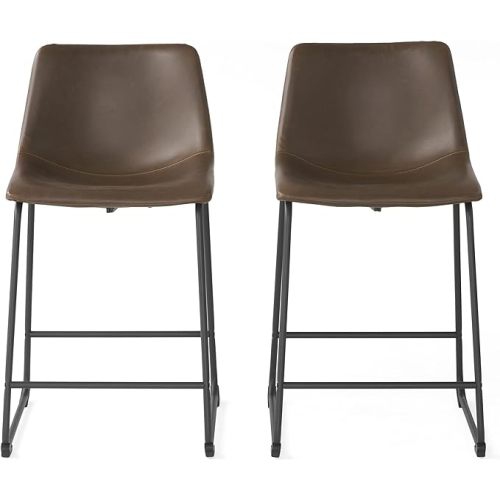
How classic chair details shape everyday comfort
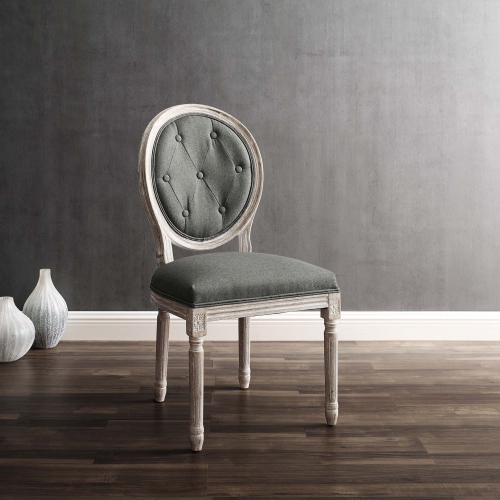
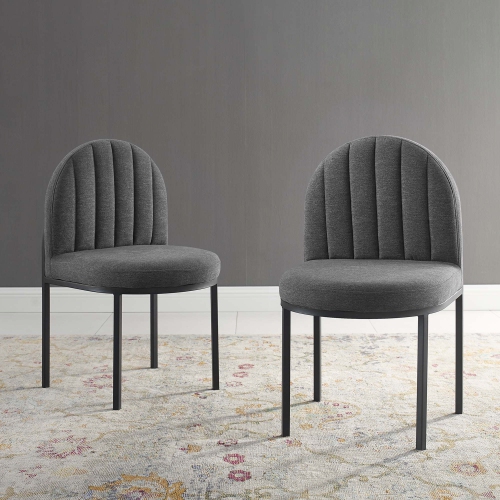
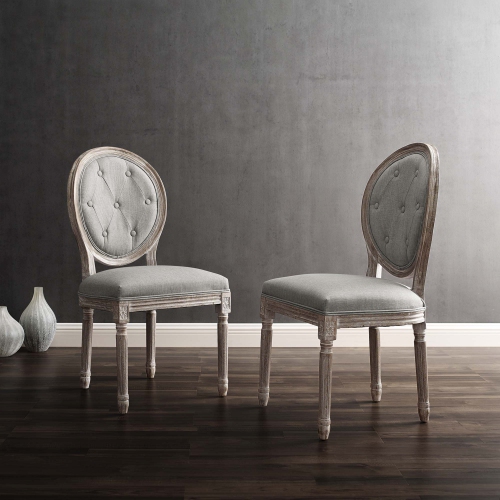
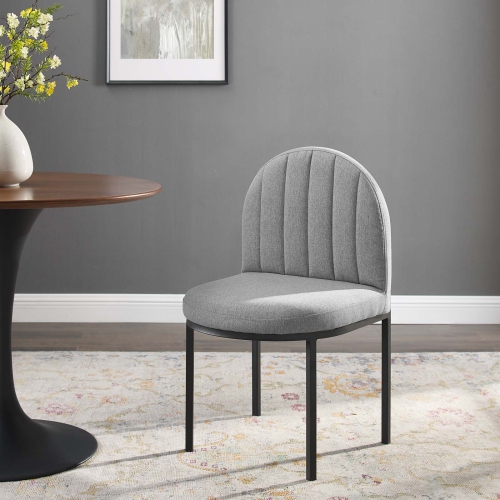
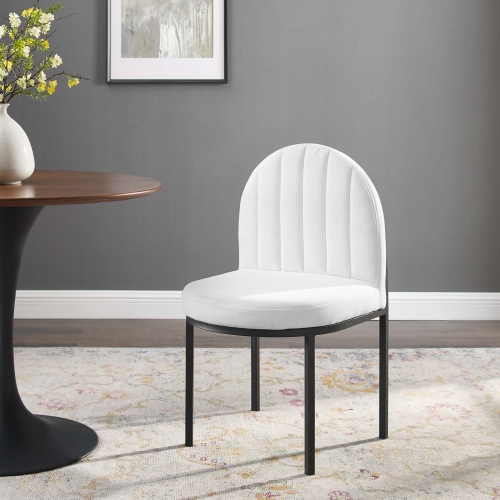
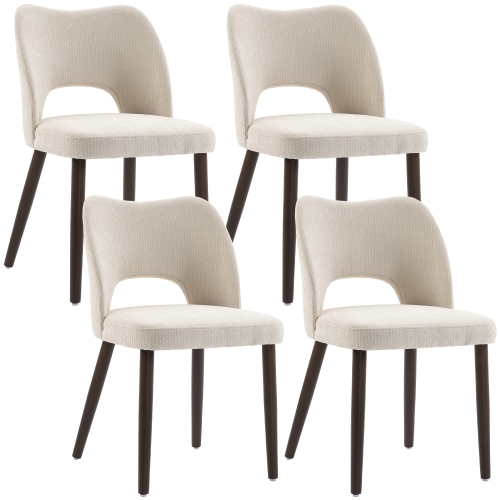
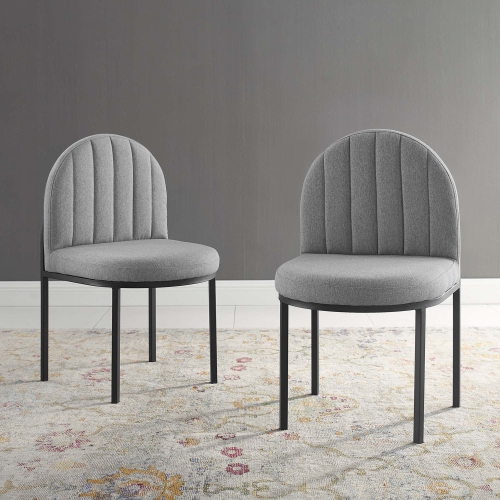
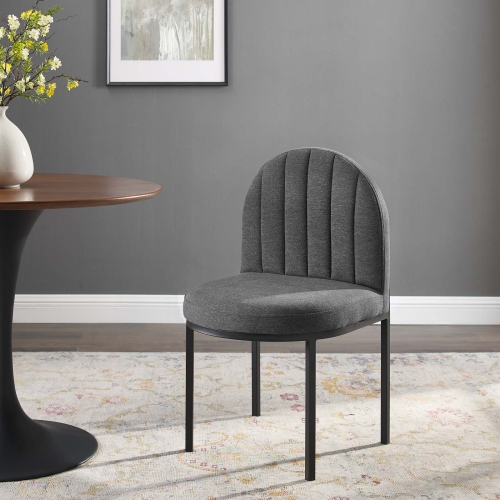
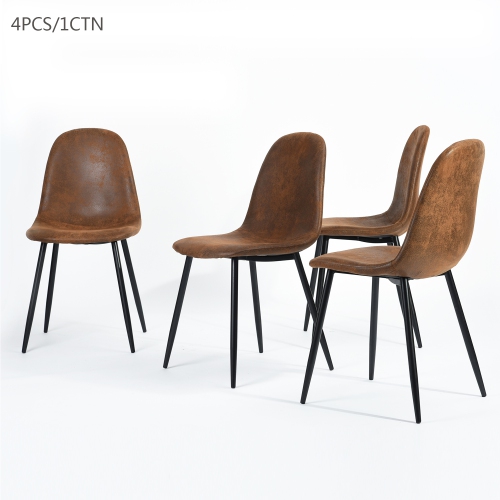
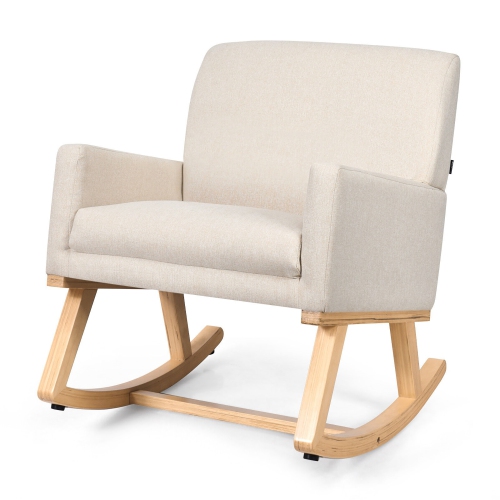
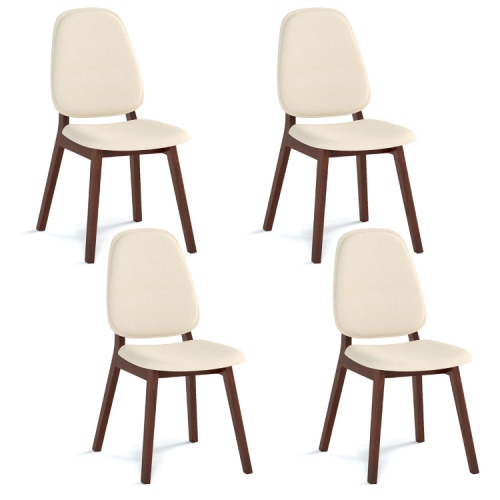
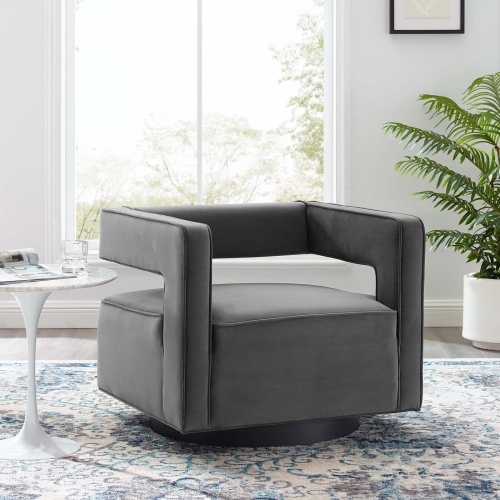
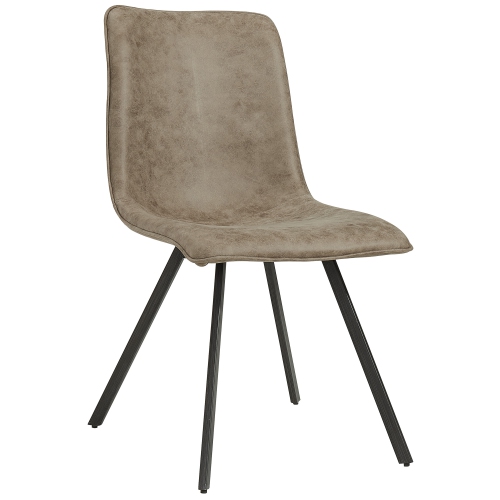
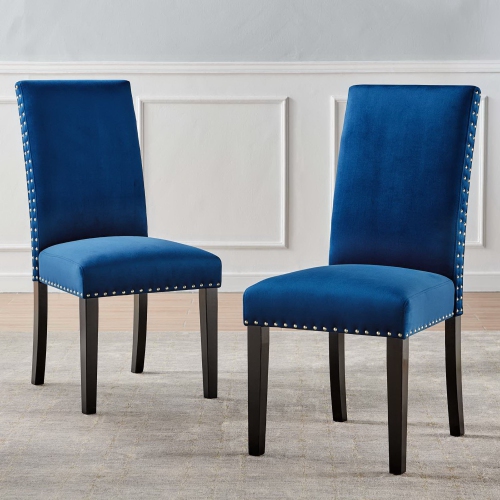
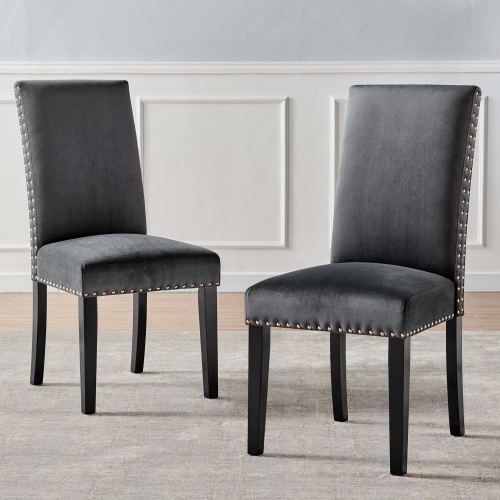
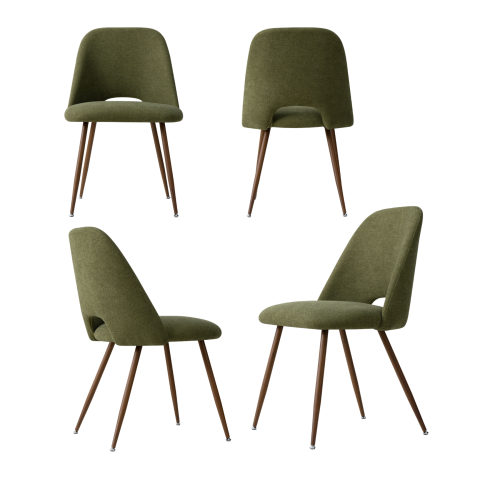
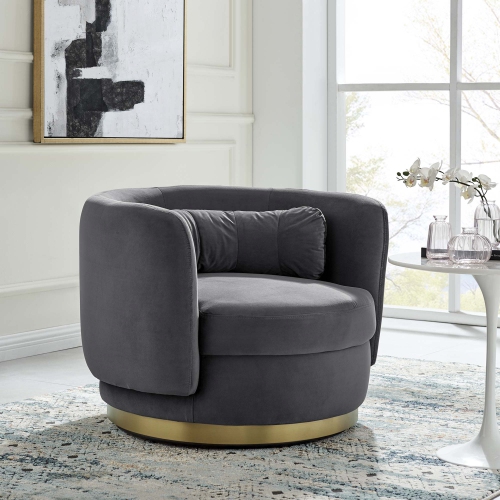
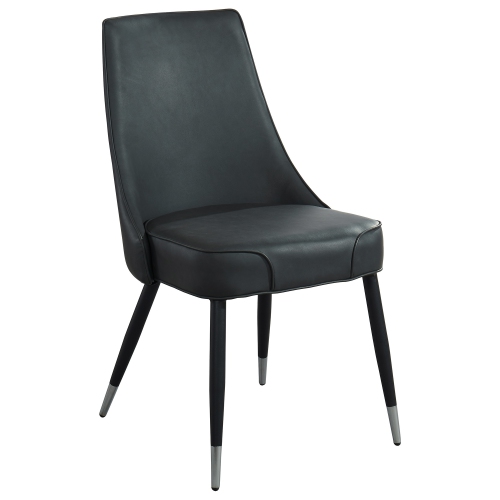
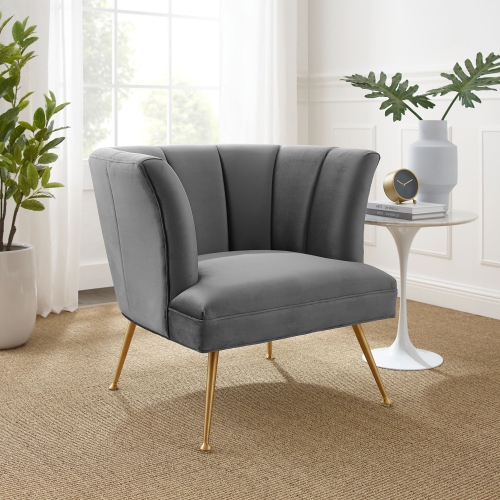
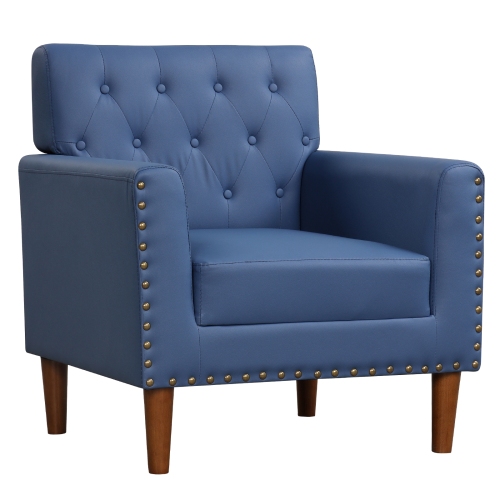
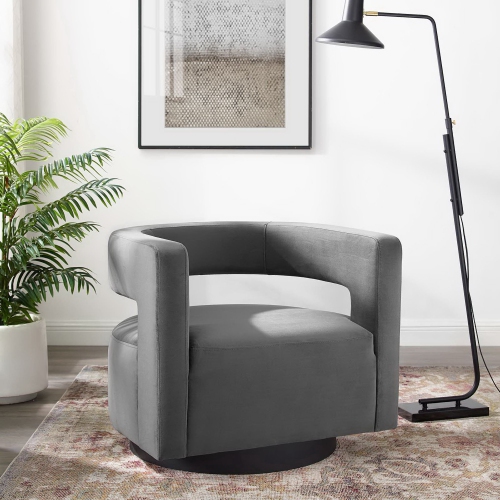
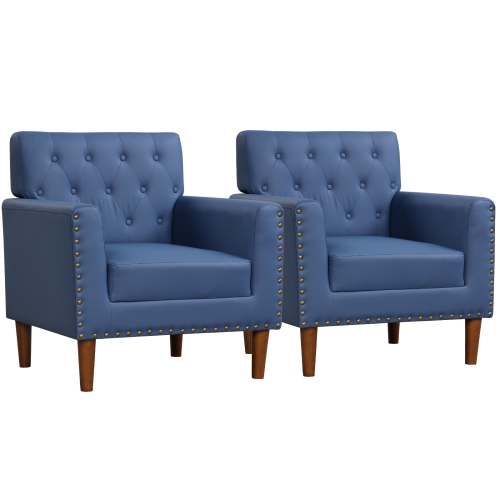
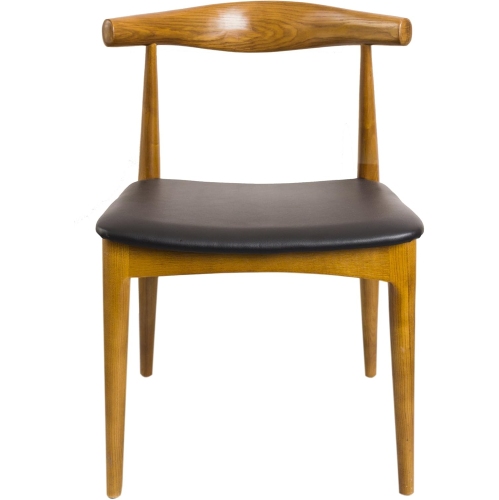
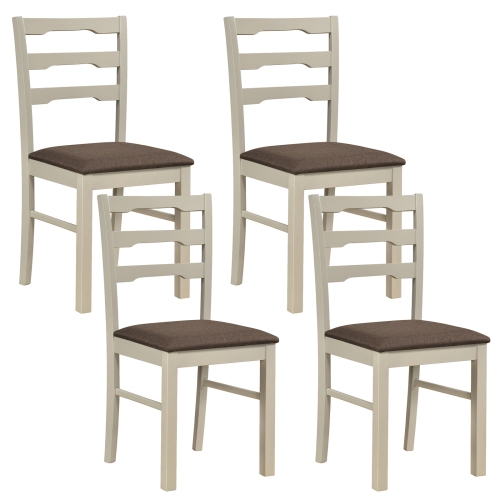
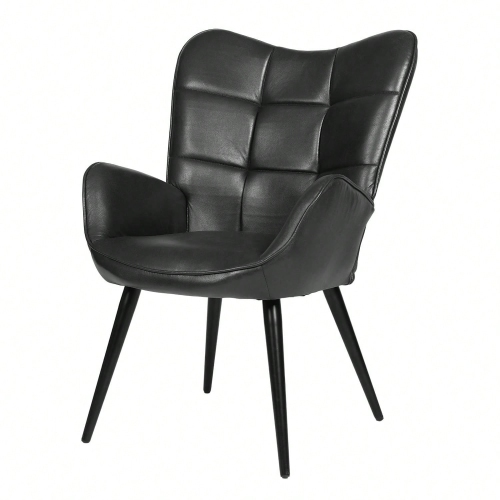
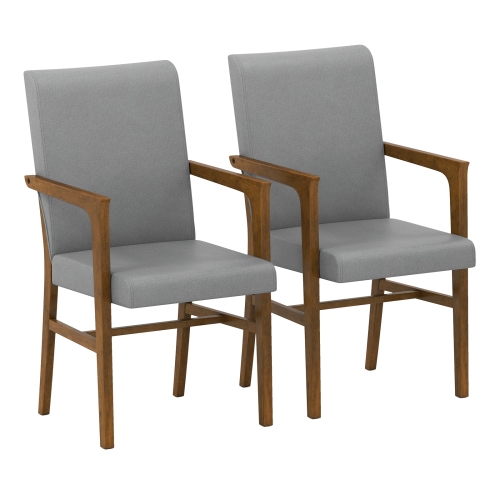
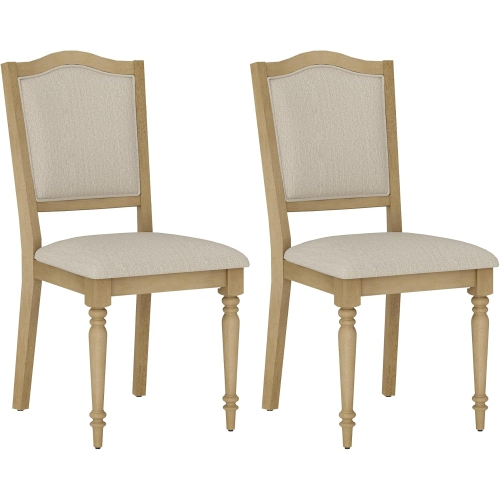
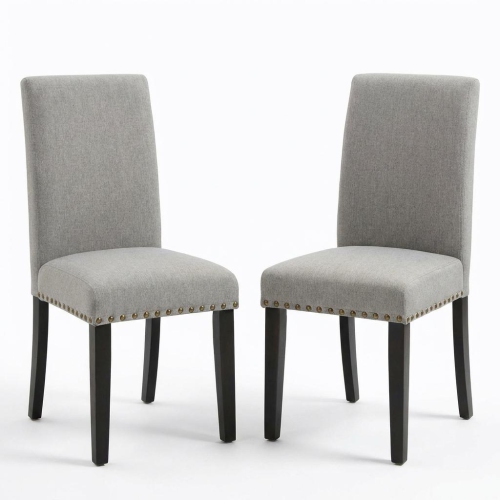
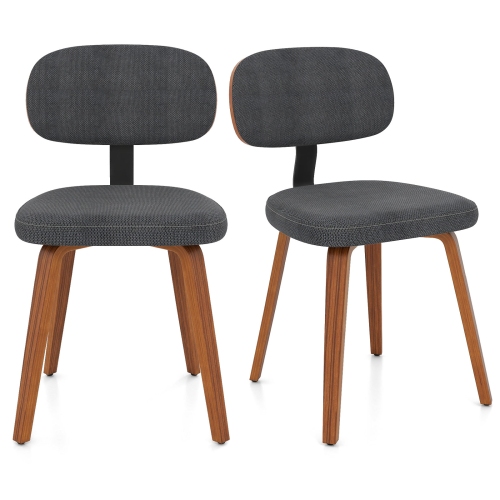
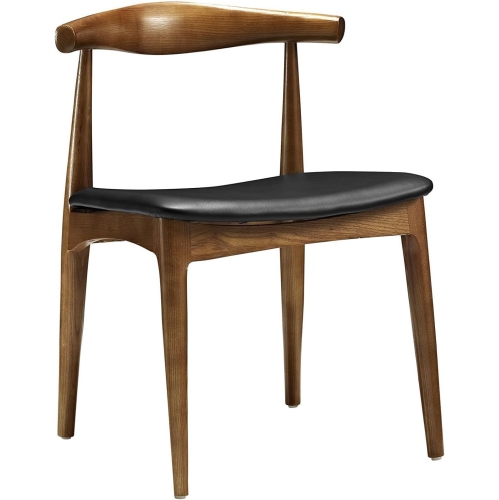
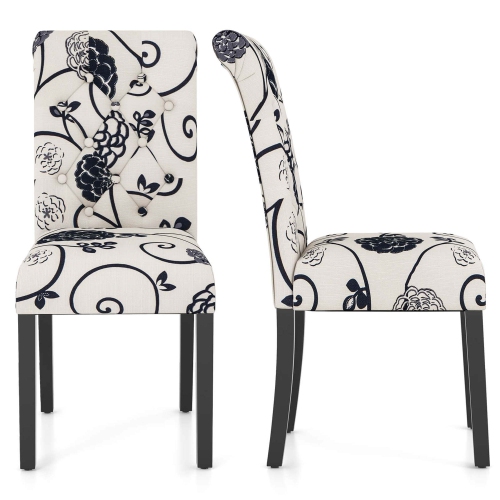
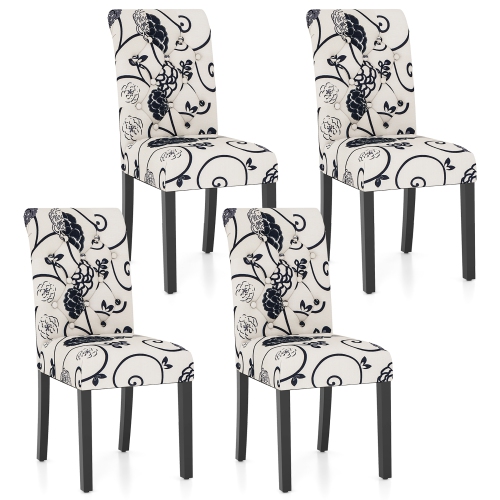
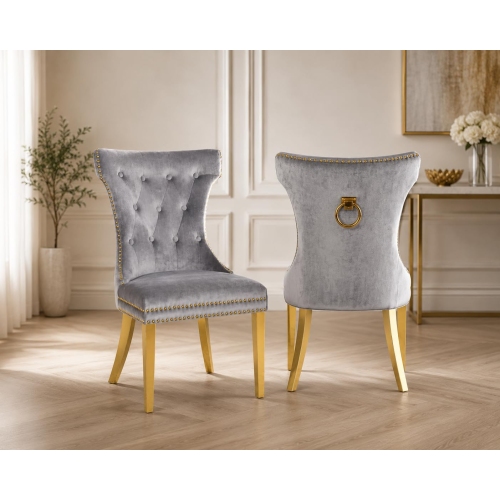
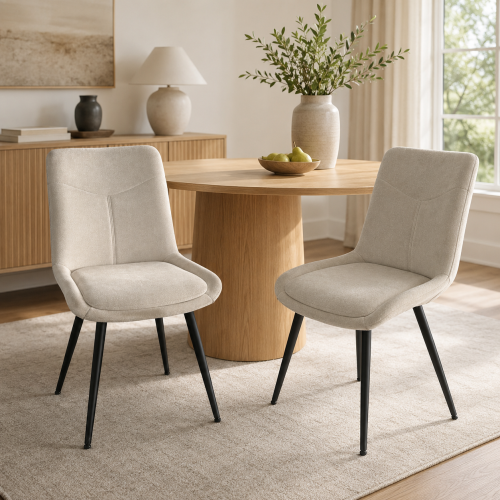
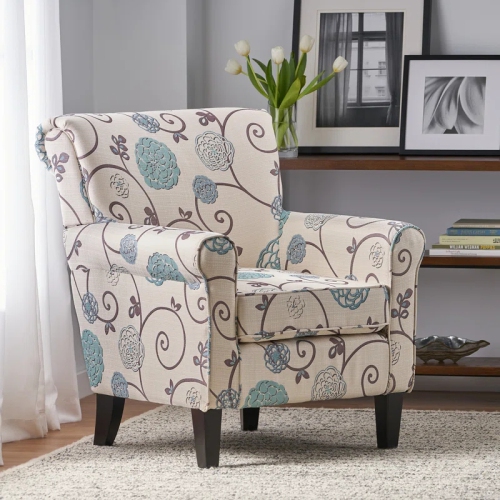
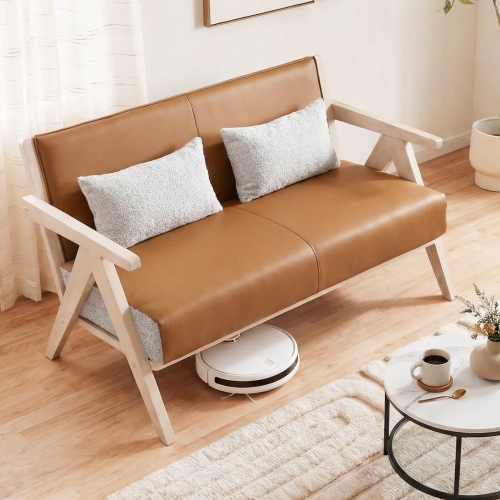
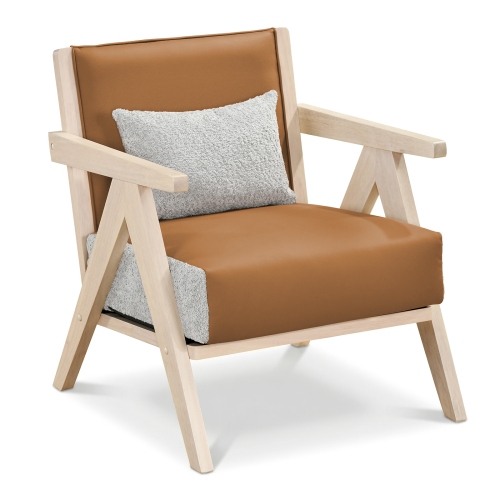
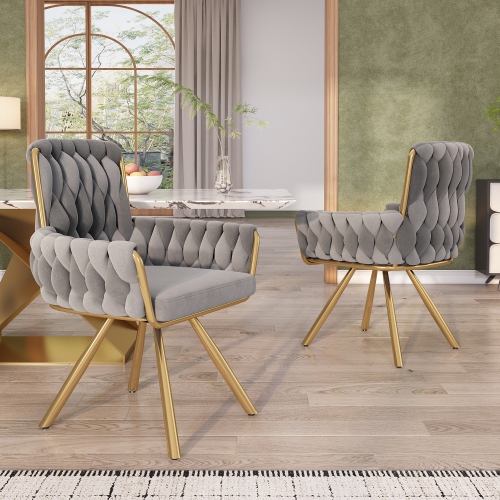
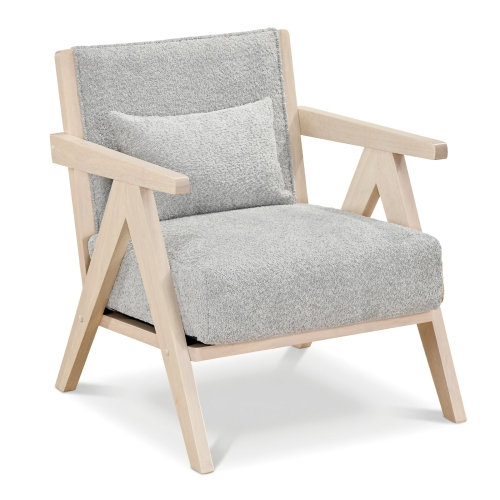
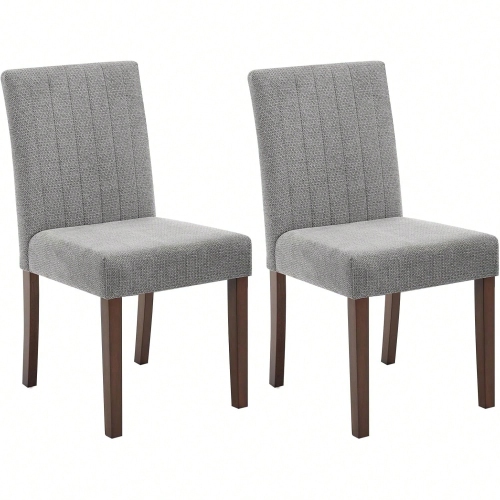
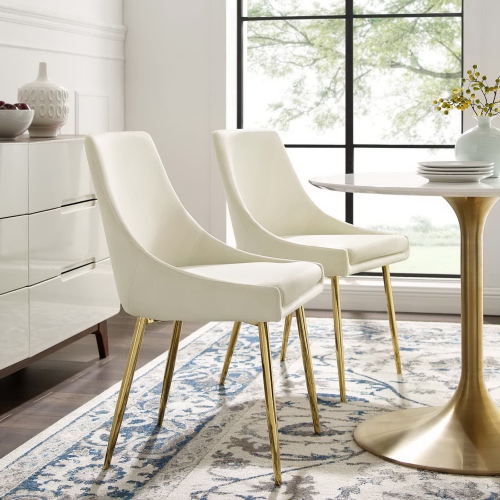
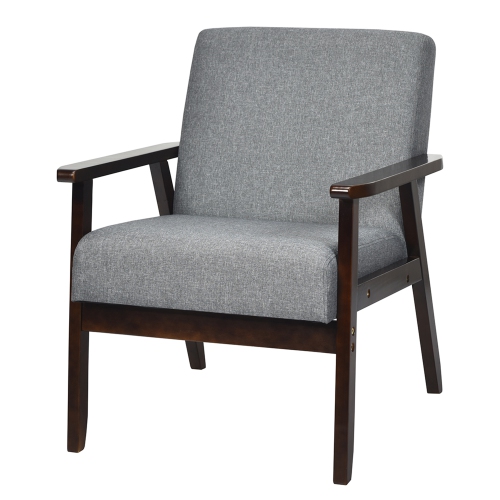
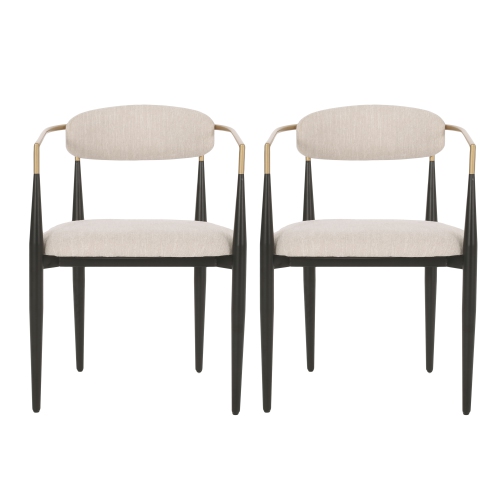
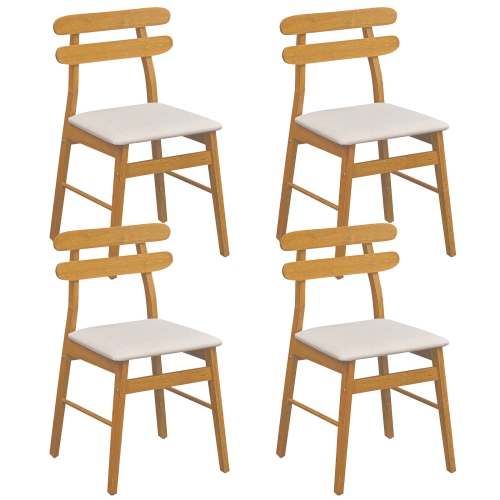
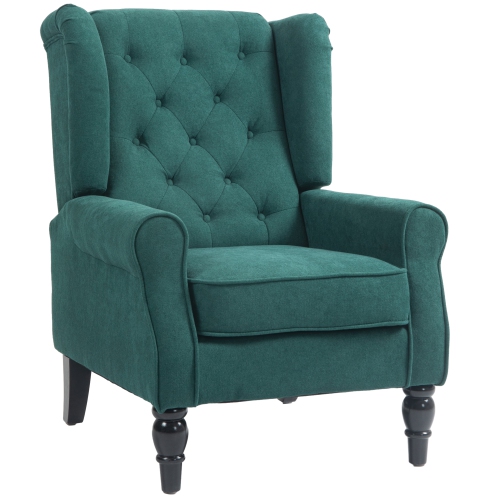
Vintage upholstered chairs combine comfortable seating with the shapes, proportions, and finishing details associated with earlier furniture styles. Genuine vintage chairs are older pieces, while vintage-inspired chairs use similar design cues in more recently made furniture; the distinction matters when considering construction, condition, and care. Both can bring character to a living room, bedroom, reading corner, or home office without requiring the rest of the room to follow a particular period. A curved back, a neatly piped cushion, or a pair of tapered wooden legs can provide enough visual interest to make a quiet corner feel intentional. Mid-century influences often appear in low profiles, angled legs, and clean lines, while more traditional styles may feature winged backs, rolled arms, button tufting, or carved wood trim. These details affect more than appearance. A high back can create a sheltered place to sit, broad arms offer room to rest the forearms, and a compact armless shape can fit beside a dresser or tuck into a smaller sitting area. Upholstery softens the outline of the frame and adds texture, whether the chair is covered in a plain woven fabric, a subtle stripe, or a more expressive floral pattern. In Canadian homes with open-plan living spaces, a distinctive accent chair can help mark out a conversation area without adding another large sofa. In a smaller apartment, one well-proportioned chair beside a lamp and a narrow table can form a useful spot for reading or taking a phone call. The most convincing arrangements balance character with everyday function: enough room to walk past the chair, a seat that feels comfortable for its intended use, and colours that connect with nearby furniture. Matching every detail is unnecessary. A vintage silhouette can sit comfortably beside a simple contemporary sofa when the pieces share a wood tone, a similar fabric texture, or a repeating colour. A pair can frame a fireplace or anchor a conversation area, while a single chair can add contrast without making the room feel crowded.
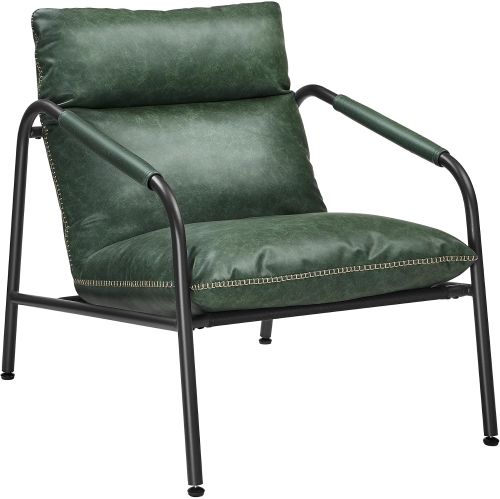
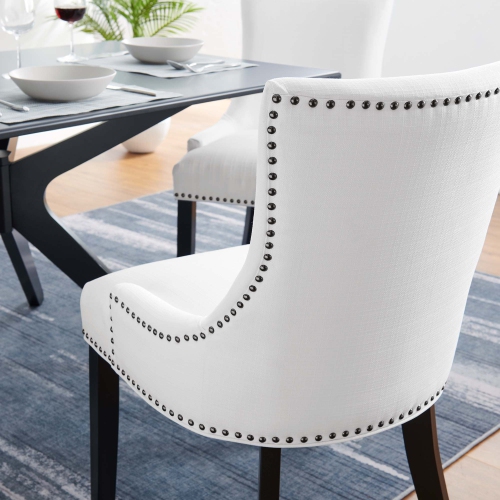
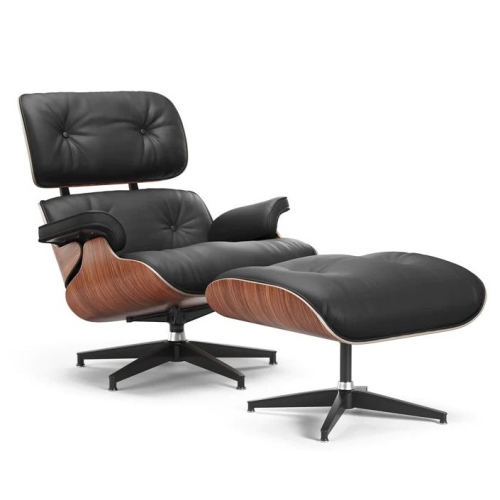
Materials have a strong influence on how vintage upholstered chairs look, feel, and stand up to regular use. Velvet creates a rich surface that changes slightly with the direction of its pile, making curved backs and rounded arms especially noticeable. Linen and linen-blend upholstery tends to have a more relaxed appearance, with natural-looking texture that works well alongside wood furniture. Cotton fabrics can feel soft and familiar, while polyester and other blended textiles may offer practical benefits such as improved resistance to abrasion or easier cleaning, depending on their construction and finish. No fibre name alone guarantees durability; the weave, fabric weight, seams, and suitability for frequent seating all matter. A tightly woven upholstery fabric generally presents fewer opportunities for claws or jewellery to catch than a loose, open weave, although no upholstery is completely resistant to damage. Patterns also change the effect of a chair. A small repeat can add depth without dominating a room, while a large motif makes the upholstery a stronger focal point. Leather is another upholstery option, and Vintage Leather Chairs bring a smoother texture to many of the same classic silhouettes. Leather finishes vary, so softness, surface markings, and maintenance needs should not be assumed from appearance alone. Beneath any covering, the frame and seat construction determine much of the chair’s lasting comfort. Solid wood and engineered wood may both be used, with performance depending on the quality of the materials, joints, and overall design. Cushions may contain foam, fibre, feathers, or combinations of fillings, each producing a different balance of support and softness. A plush cushion can feel welcoming for a short rest, while a firmer, more supportive seat may be preferable for longer conversations. Deep tufting, decorative studs, and exposed wood trim add detail, but sound joints, secure legs, and intact seat support remain important, particularly with genuinely older furniture whose history of use may be unknown.
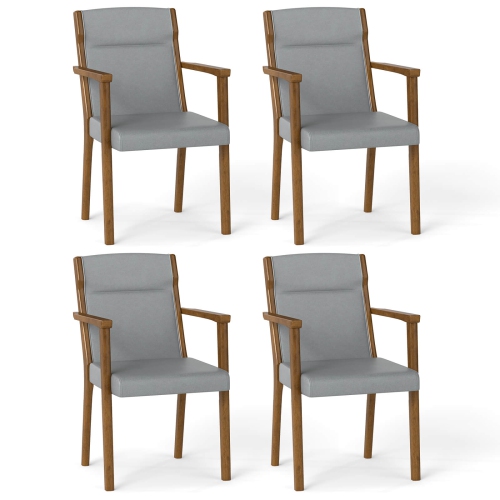
Fit is about the person using the chair as much as the space around it. Overall width helps establish whether a chair belongs in a narrow bedroom corner or a larger living room, but seat width and the space between the arms are more useful indicators of sitting comfort. Seat depth matters too: a deep lounge chair may suit someone who likes to curl up with a book, while a shallower seat can make it easier to sit upright with feet resting on the floor. A low seat may look elegant but feel less convenient for someone who finds standing up difficult. Firm armrests and a supportive back can make everyday use more comfortable, although an accent chair is not a substitute for furniture designed for specific mobility needs. Near a desk or dining table, arm height and clearance deserve attention, since an upholstered chair that cannot slide underneath may occupy more floor space than expected. Doorways, hallways, stair turns, and lift dimensions also affect whether a chair can reach its intended room. Once in place, straightforward care helps preserve both the upholstery and the frame. Cleaning should follow the manufacturer’s instructions or the advice of a qualified upholstery specialist when the fabric or age is uncertain. Gentle vacuuming with an appropriate attachment removes dust from seams and crevices, while spills are generally best blotted promptly rather than rubbed into the fabric. Cleaning solutions should be tested on an inconspicuous area before broader use. Removable cushion covers are not necessarily machine washable, and older textiles may need specialist attention. Direct sunlight can fade fabric and affect wood finishes, while repeated contact with rough clothing or bag hardware can wear prominent edges. Suitable pads beneath the legs help protect flooring, and regular checks for loosened fittings can catch small issues early. With proportions, construction, and care needs matched to the household, a vintage upholstered chair can be both a distinctive furnishing and a comfortable part of daily life.
Top selling and popular products
-
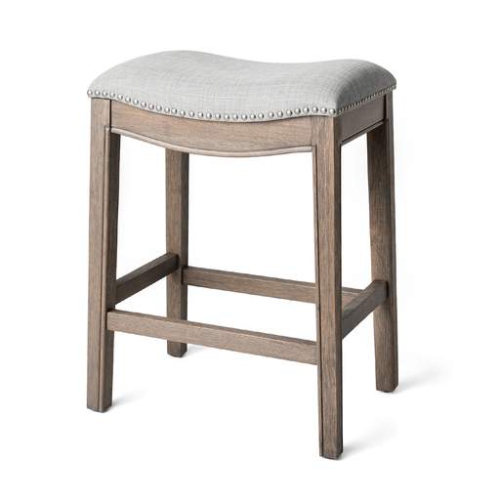 Your price for this item is $226.99
-
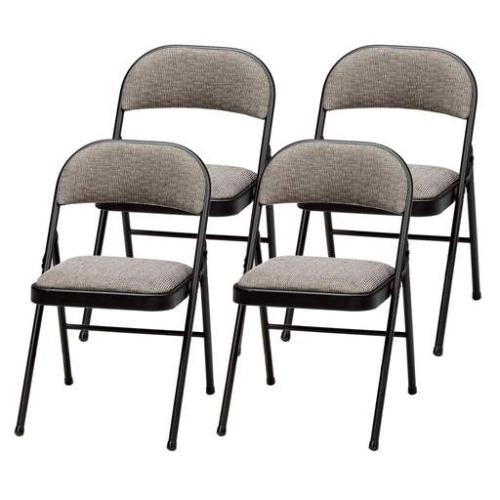 Your price for this item is $373.99
-
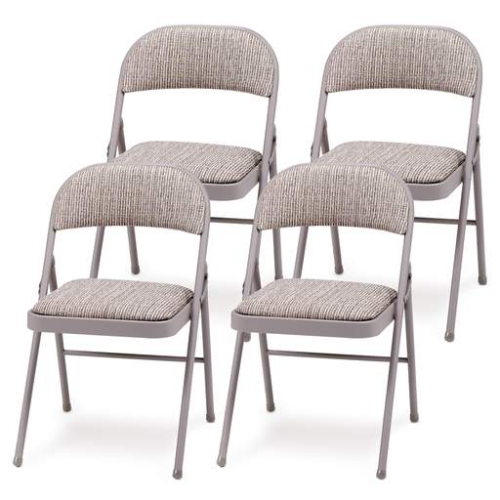 Your price for this item is $398.99
-
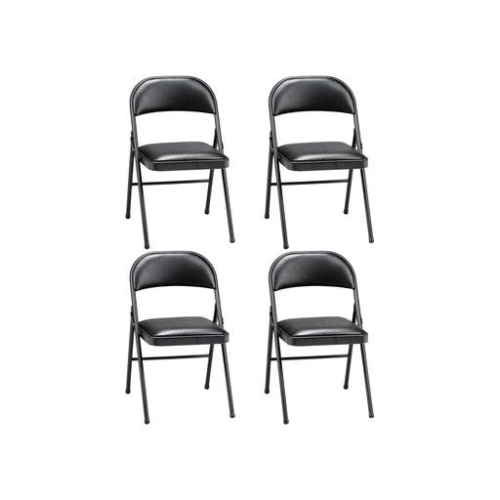 Your price for this item is $379.99
-
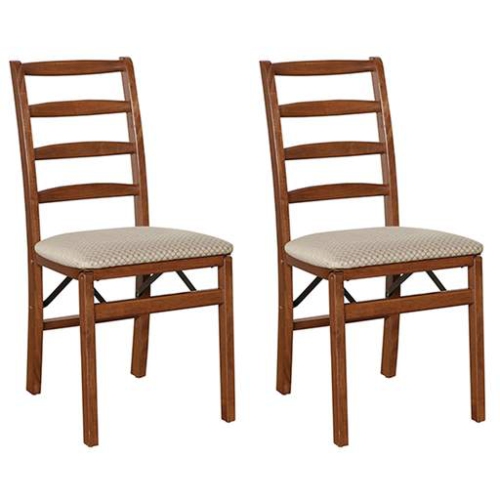 Your price for this item is $374.99
-
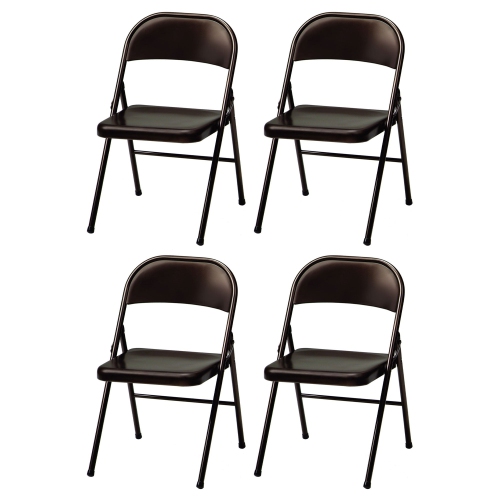 Your price for this item is $212.99
-
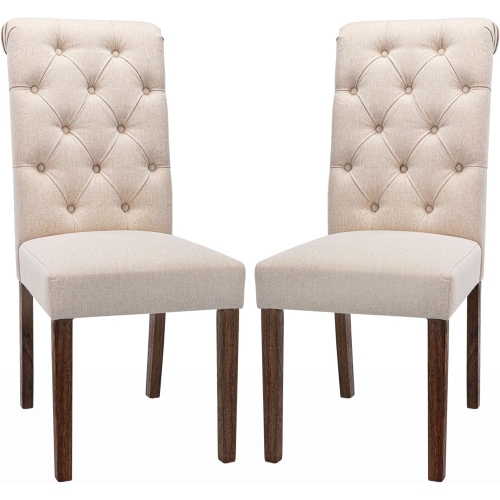 Your price for this item is $210
-
 Your price for this item is $421.99
Discover more categories related to Vintage Upholstered Chairs
Top Collections:
Best Black Friday Deals This Year, Best Black Friday Deals On Electronics, Kindle Devices, Dyson Airwrap, Best Cameras for Sports Photography, Best Budget Office Chairs, Canon G7X Cameras, PS5 Pro Consoles, Best Black Friday Deals On Apple Products, XBOX One S Consoles
Some products may be subject to Environmental Handling Fees
(EHF) depending on your province.
Learn more about EHFs.