Vintage Ottomans
If you're looking for an elegant addition to your living room, a vintage ottoman is a great choice. Ottomans are a versatile piece of furniture, and vintage ottomans in particular can add a timeless charm to almost any room. Whether you’re looking for a statement piece or a subtle accent, there’s an ottoman to fit your needs. Here are some of the great options.
Sort
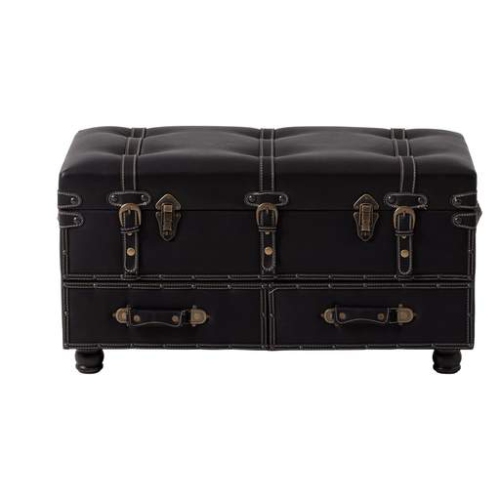
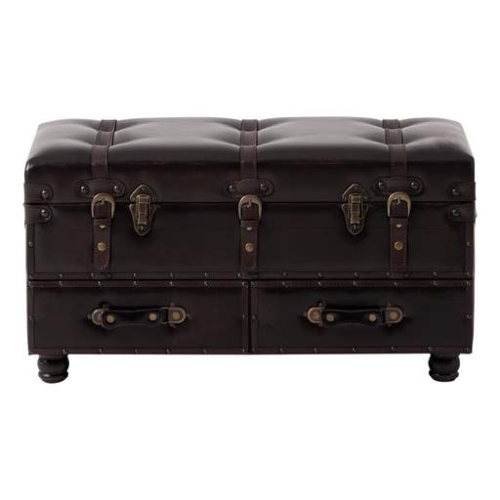


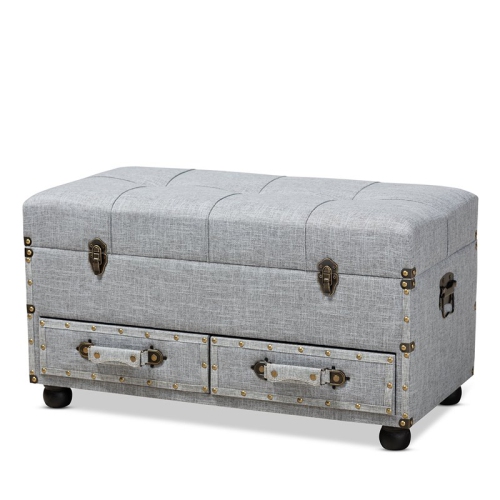
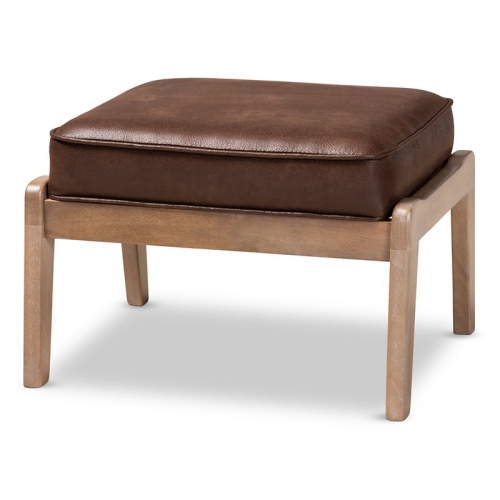

An aged finish doesn’t tell an ottoman’s whole story
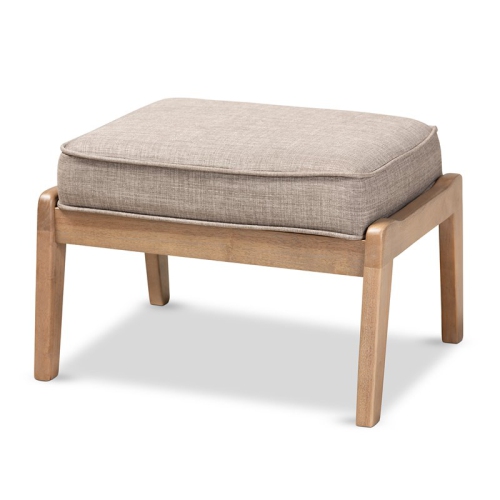
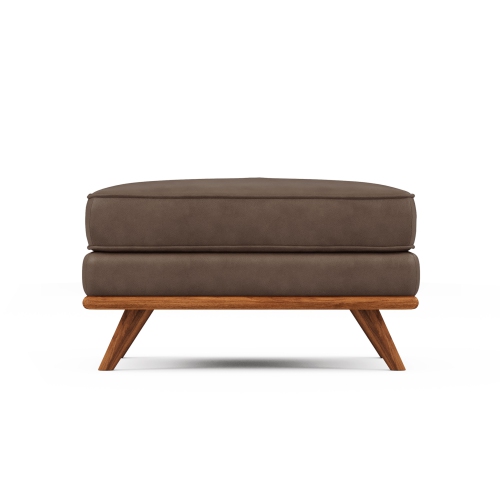
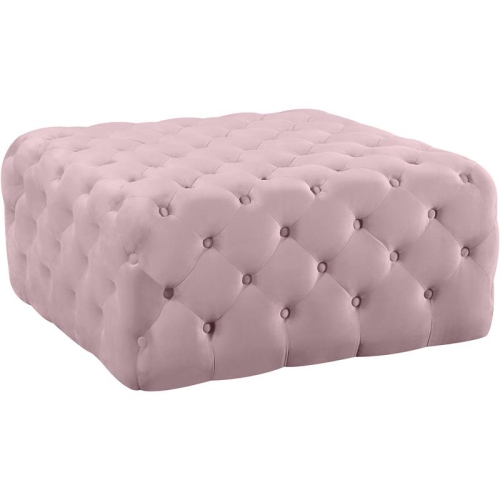
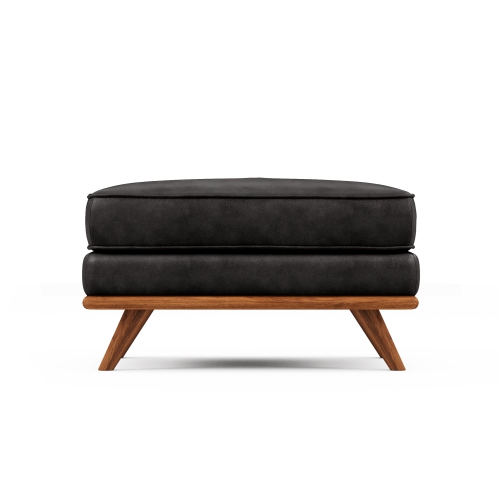
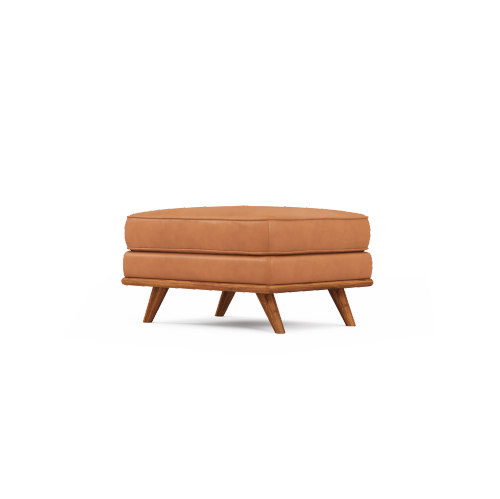
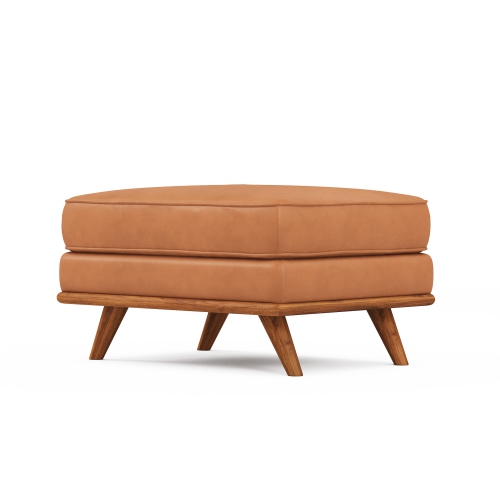
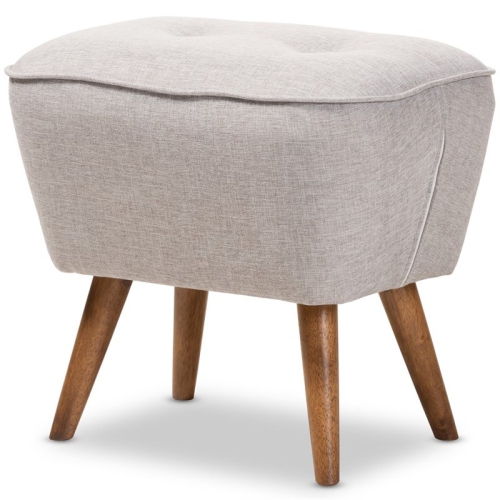
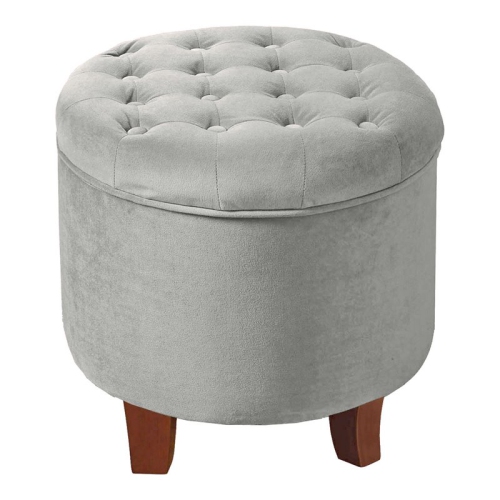
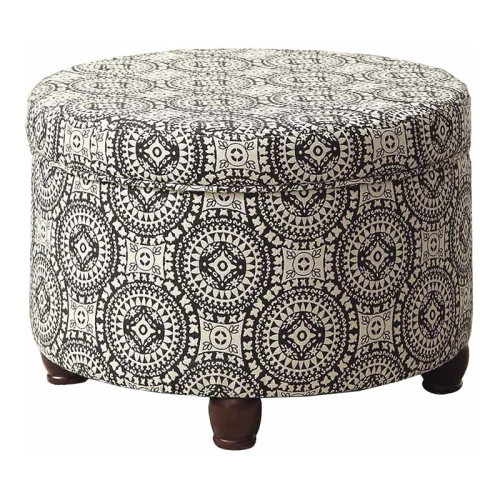
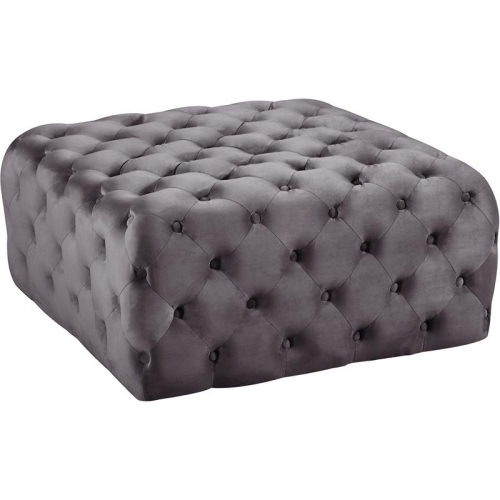
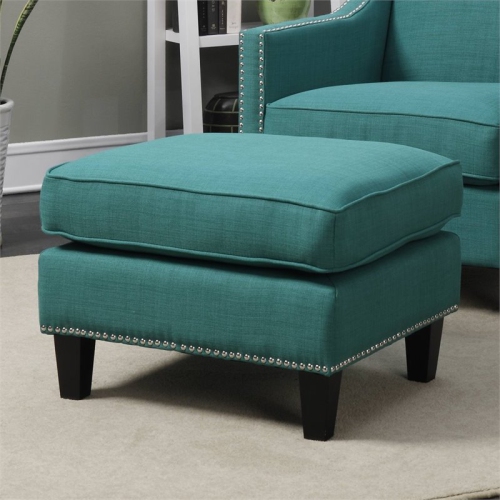
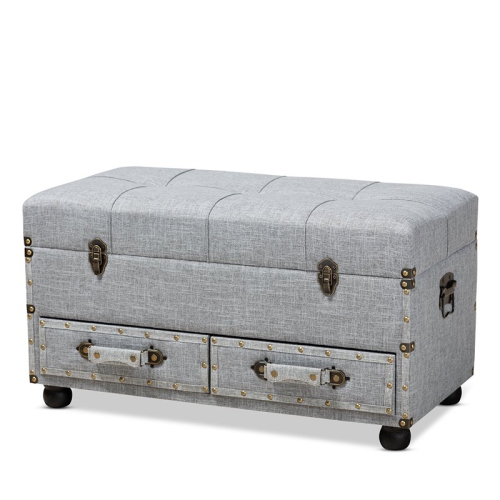
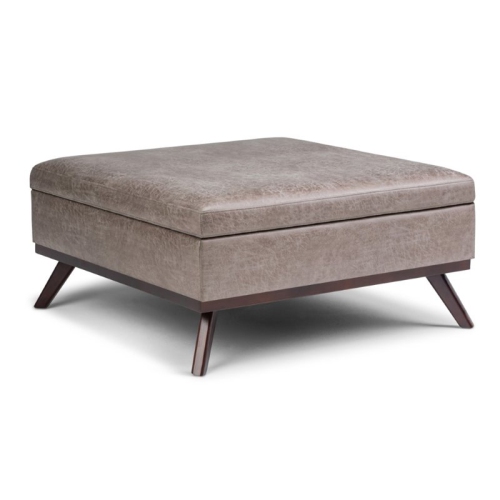
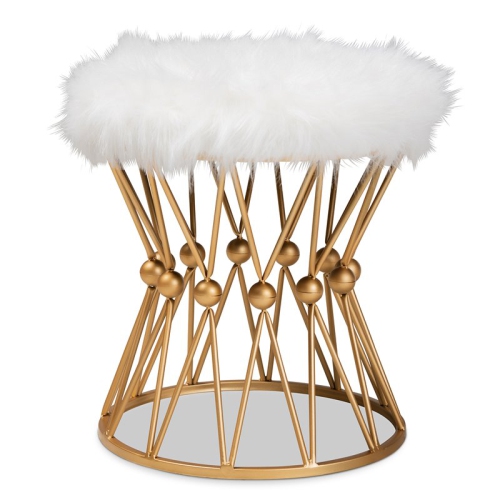
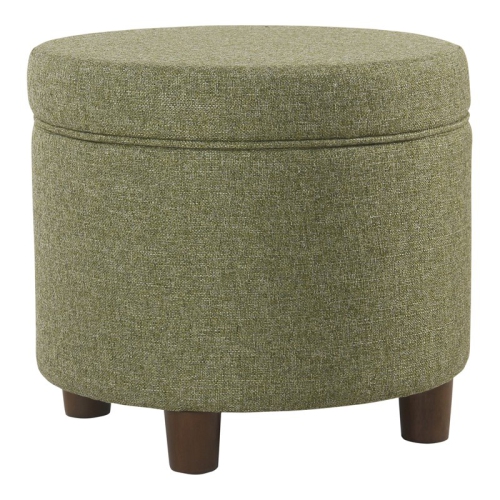
Vintage ottomans are upholstered footrests and low accent seats whose shapes, fabrics, and finishes reflect earlier furniture styles. Their appeal often lies in the details: deep button tufting, turned wooden legs, gently faded patterns, or the warm patina of aged leather. An authentic vintage ottoman dates from an earlier period, while a vintage-inspired ottoman is newly made with features drawn from those older designs. That distinction matters when comparing descriptions, since an aged appearance alone does not establish a piece’s age or history. Both can bring a sense of character to a sitting room, bedroom, or reading corner without requiring every furnishing around them to match. Mid-century styles tend towards clean profiles, tapered legs, and restrained upholstery, making them easy companions for streamlined sofas and low armchairs. Chesterfield-inspired designs have a fuller presence, with deep tufting and substantial cushioning that suit traditional seating arrangements. Floral tapestry, velour, and velvet recall richly layered interiors, while woven rattan and bamboo frames bring a lighter, more open look. These are broad style associations rather than reliable ways to date furniture, as many details have been reproduced across different periods. Shape also influences how an ottoman feels in a room. A round footstool softens an arrangement of straight-edged furniture, a rectangular form sits comfortably alongside a sofa, and a compact square can fit beside an armchair without taking over the floor. Colours such as tobacco brown, muted olive, burgundy, and dusty blue offer different ways to introduce vintage character, whether through a quiet leather finish or a patterned textile. For a room that already has patterned curtains or a richly coloured rug, plain upholstery can provide balance. In a simpler space, a tapestry-covered footstool can serve as a small focal point. The broader Furniture Ottomans category provides a useful point of comparison for shapes and functions, particularly when the goal is to combine an older-looking silhouette with practical everyday use.
Materials influence comfort, upkeep, and how a vintage ottoman changes with use. Genuine leather can develop variations in tone and surface markings over time, although attractive patina is different from cracking, peeling finishes, or weakened seams. Leather upholstery benefits from care suited to its particular finish; a cleaner intended for one type may not be appropriate for another. Faux leather can offer a similar visual effect, but its surface wears differently and should not be treated with leather conditioner unless the manufacturer specifically permits it. Velvet brings a soft sheen and a noticeable direction to its pile, so the colour may appear lighter or darker depending on the light and the angle of the fibres. Pressure marks can occur where feet regularly rest, making suitable brushing or other label-approved care worth considering. Tapestry and brocade add pattern through their woven construction, while textured fabrics can make small everyday marks less conspicuous. Raised threads and loose weaves may be more vulnerable to snagging from pet claws or clothing hardware. Beneath the upholstery, a sound frame, secure joints, and firm leg attachments contribute more to dependable use than appearance alone. Cushioning should suit the intended task: a soft top can feel welcoming beneath tired feet, while a firmer, flatter surface is generally more practical beneath a tray. Storage ottomans also depend on well-fitted lids and reliable hinges, with lift mechanisms that suit the household using them. Where condition information is provided for an authentic vintage piece, details about repairs, replacement foam, reupholstery, and frame movement help establish what to expect. A restored ottoman may retain its original frame while having newer fabric and padding. That can support everyday comfort, but it is different from an entirely original piece. Routine care usually includes gentle vacuuming with an upholstery attachment, prompt blotting of spills rather than rubbing, and protection from prolonged direct sunlight or nearby heat sources. Any cleaning method should follow the material’s care instructions, with unfamiliar treatments tested first in an inconspicuous area.
The best fit depends on how the ottoman will be used and how much space surrounds it. As a footrest, an ottoman generally feels comfortable when its top sits close to, or slightly below, the chair’s seat height, allowing the legs to rest without being pushed upwards. Seat cushions compress under body weight, so the chair’s occupied height can be more useful than its unoccupied measurement. Width matters too: a small footstool may be enough for one reader, while a broader rectangular ottoman gives two people more room to stretch out beside a sofa. Leaving a comfortable route between the ottoman, nearby seating, and doorways helps keep a compact living room easy to move through. A paper outline on the floor can make a proposed footprint easier to judge before committing space to it. In a reading corner, a tufted ottoman paired with a supportive armchair creates a comfortable place to settle during the cooler months. At the end of a bed, a longer upholstered form can provide a place to lay a folded throw, provided it does not obstruct drawers or walking space. A storage design can keep spare blankets or cushions close at hand, although internal dimensions determine what will actually fit. For households with children, lid supports, hinge design, stability, and accessible pinch points deserve attention. An ottoman should only be used as an extra seat when its construction and stated weight capacity support that purpose; a footrest is not automatically suitable for sitting or standing. A level tray can make a firm ottoman useful for a book or remote controls, but soft upholstery is less stable for drinks than a dedicated table. Vintage-inspired ottomans can also make thoughtful housewarming gifts for someone who enjoys traditional or retro furnishings, especially when their preferred colours and room measurements are known. Whether used daily beside a favourite chair or as an occasional accent in a guest room, a well-chosen ottoman brings together an appealing silhouette, manageable care needs, and a function that genuinely suits the space.
Materials influence comfort, upkeep, and how a vintage ottoman changes with use. Genuine leather can develop variations in tone and surface markings over time, although attractive patina is different from cracking, peeling finishes, or weakened seams. Leather upholstery benefits from care suited to its particular finish; a cleaner intended for one type may not be appropriate for another. Faux leather can offer a similar visual effect, but its surface wears differently and should not be treated with leather conditioner unless the manufacturer specifically permits it. Velvet brings a soft sheen and a noticeable direction to its pile, so the colour may appear lighter or darker depending on the light and the angle of the fibres. Pressure marks can occur where feet regularly rest, making suitable brushing or other label-approved care worth considering. Tapestry and brocade add pattern through their woven construction, while textured fabrics can make small everyday marks less conspicuous. Raised threads and loose weaves may be more vulnerable to snagging from pet claws or clothing hardware. Beneath the upholstery, a sound frame, secure joints, and firm leg attachments contribute more to dependable use than appearance alone. Cushioning should suit the intended task: a soft top can feel welcoming beneath tired feet, while a firmer, flatter surface is generally more practical beneath a tray. Storage ottomans also depend on well-fitted lids and reliable hinges, with lift mechanisms that suit the household using them. Where condition information is provided for an authentic vintage piece, details about repairs, replacement foam, reupholstery, and frame movement help establish what to expect. A restored ottoman may retain its original frame while having newer fabric and padding. That can support everyday comfort, but it is different from an entirely original piece. Routine care usually includes gentle vacuuming with an upholstery attachment, prompt blotting of spills rather than rubbing, and protection from prolonged direct sunlight or nearby heat sources. Any cleaning method should follow the material’s care instructions, with unfamiliar treatments tested first in an inconspicuous area.
The best fit depends on how the ottoman will be used and how much space surrounds it. As a footrest, an ottoman generally feels comfortable when its top sits close to, or slightly below, the chair’s seat height, allowing the legs to rest without being pushed upwards. Seat cushions compress under body weight, so the chair’s occupied height can be more useful than its unoccupied measurement. Width matters too: a small footstool may be enough for one reader, while a broader rectangular ottoman gives two people more room to stretch out beside a sofa. Leaving a comfortable route between the ottoman, nearby seating, and doorways helps keep a compact living room easy to move through. A paper outline on the floor can make a proposed footprint easier to judge before committing space to it. In a reading corner, a tufted ottoman paired with a supportive armchair creates a comfortable place to settle during the cooler months. At the end of a bed, a longer upholstered form can provide a place to lay a folded throw, provided it does not obstruct drawers or walking space. A storage design can keep spare blankets or cushions close at hand, although internal dimensions determine what will actually fit. For households with children, lid supports, hinge design, stability, and accessible pinch points deserve attention. An ottoman should only be used as an extra seat when its construction and stated weight capacity support that purpose; a footrest is not automatically suitable for sitting or standing. A level tray can make a firm ottoman useful for a book or remote controls, but soft upholstery is less stable for drinks than a dedicated table. Vintage-inspired ottomans can also make thoughtful housewarming gifts for someone who enjoys traditional or retro furnishings, especially when their preferred colours and room measurements are known. Whether used daily beside a favourite chair or as an occasional accent in a guest room, a well-chosen ottoman brings together an appealing silhouette, manageable care needs, and a function that genuinely suits the space.
Top selling and popular products
-
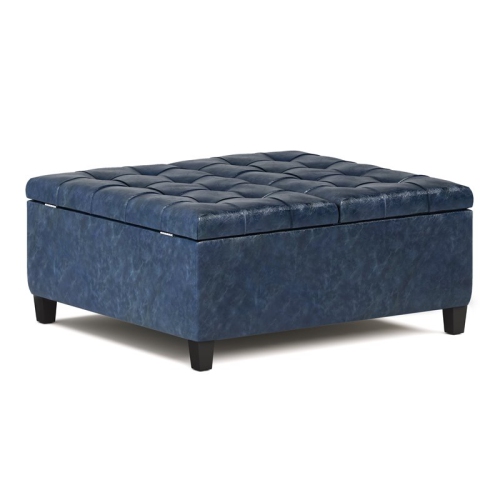 Your price for this item is $1016.33
 -
 Your price for this item is $530.99
 -
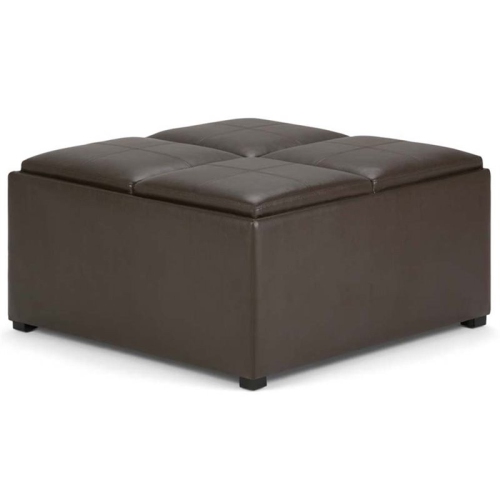 Your price for this item is $1109.94
 -
 Your price for this item is $1403.99
 -
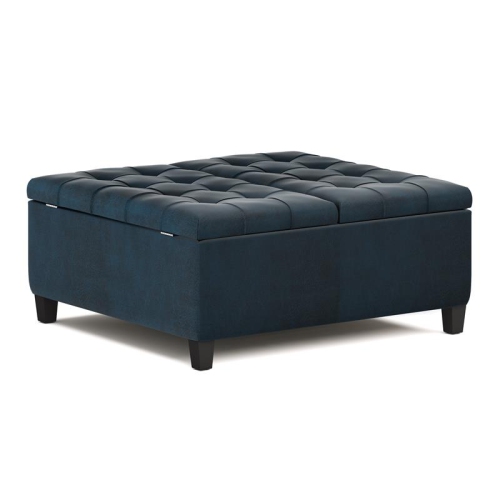 Your price for this item is $1018.38
 -
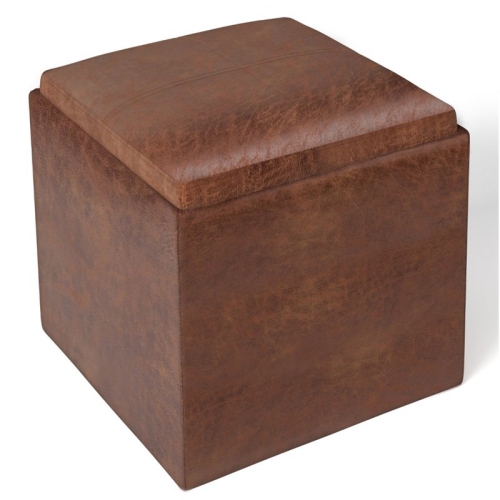 Your price for this item is $339.24
 -
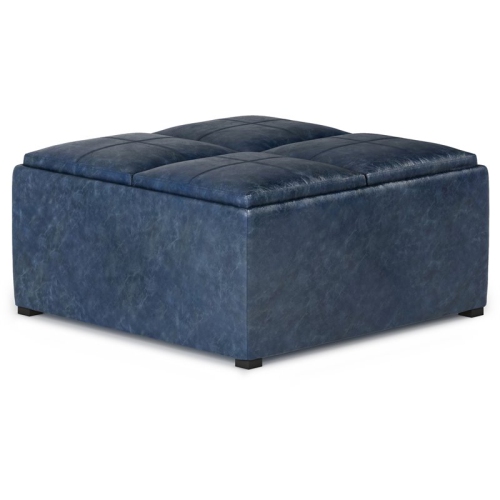 Your price for this item is $1174.21
 -
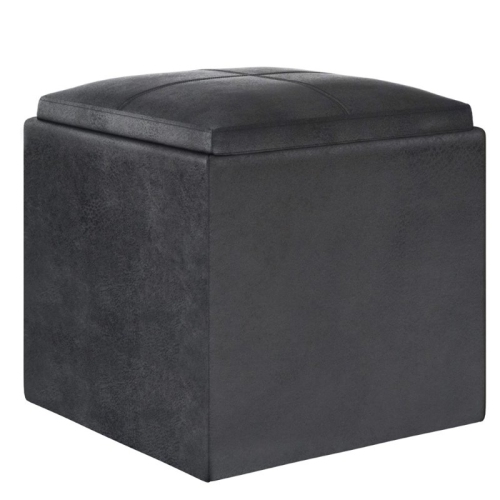 Your price for this item is $346.6
Discover more categories related to Vintage Ottomans
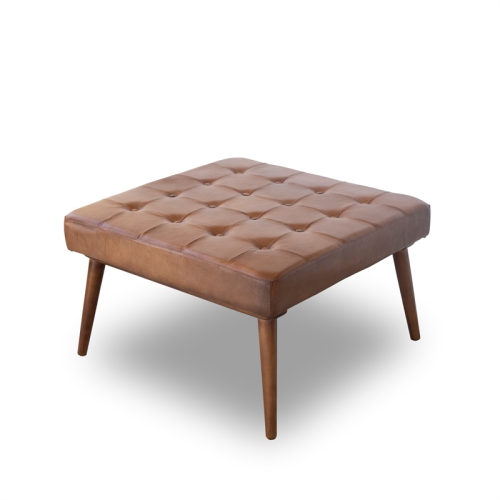
Top Collections:
Pokemon Centers, Kindle Devices, Best Budget Office Chairs, Apple iPhones 16, Best Laptops for Writers, iPhone 15 Apple, Canon G7X Cameras, Refurbished Apple Laptops, Alarm Clock, Motorola Razr Phones
Some products may be subject to Environmental Handling Fees
(EHF) depending on your province.
Learn more about EHFs.