Vintage Wood Coffee Tables
Transform your living space with the timeless charm of vintage wood coffee tables. Crafted with exquisite craftsmanship and rich character, these coffee tables are more than just a piece of furniture; they are a statement of style and sophistication. Whether you prefer a rustic farmhouse look or a mid-century modern vibe, our collection of vintage wood coffee tables offers a wide range of designs to elevate your home décor. Explore the warmth and beauty of natural wood grains, intricate detailing, and sturdy construction that will bring warmth and elegance to your living room.
Sort
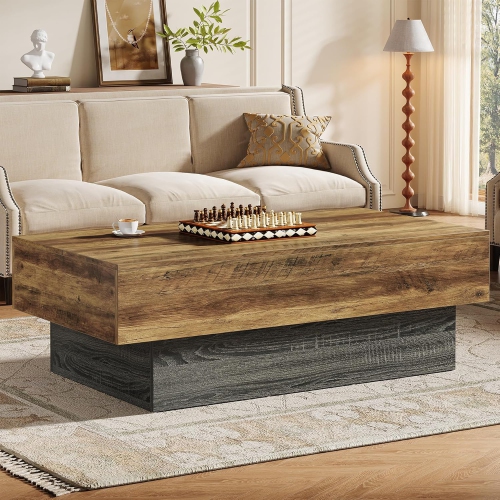
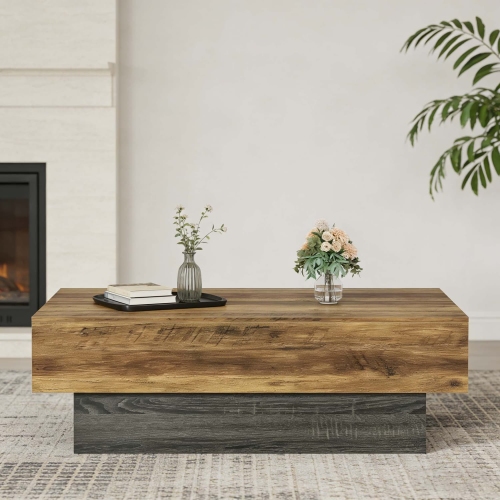
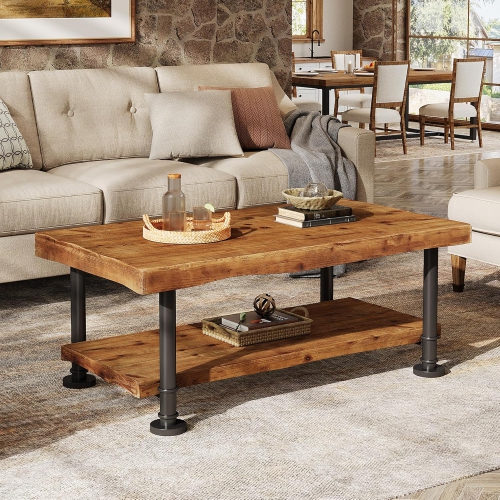
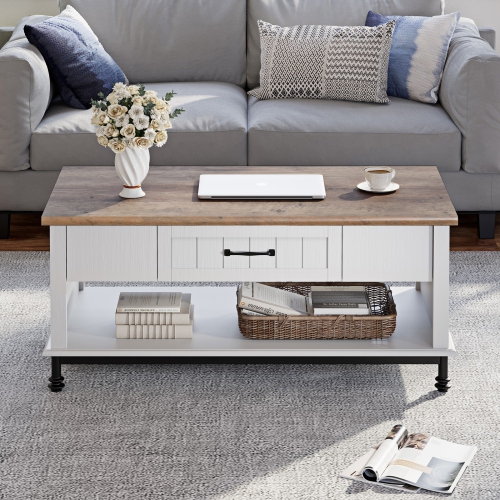

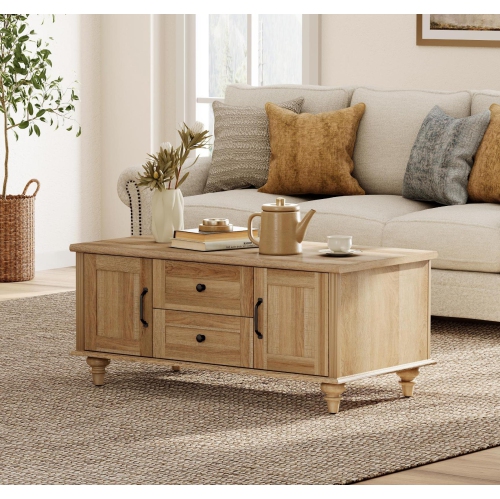
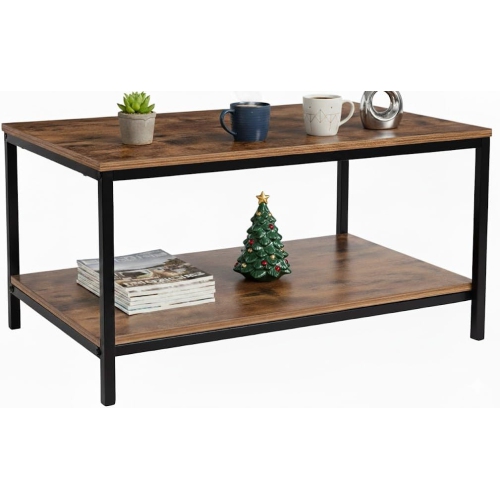
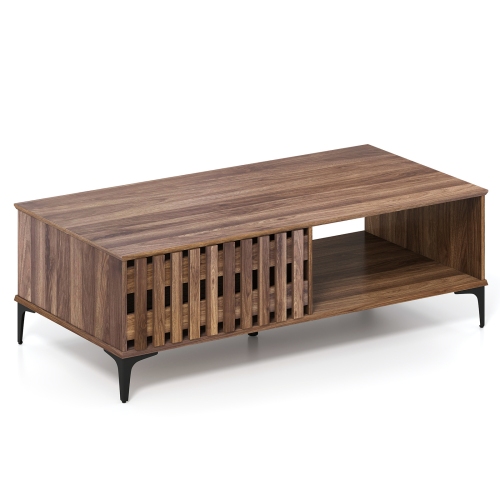
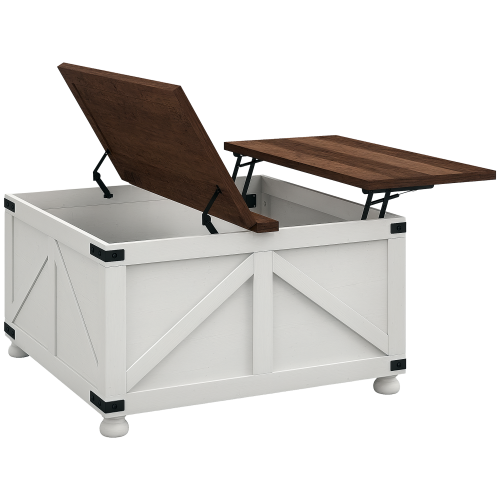
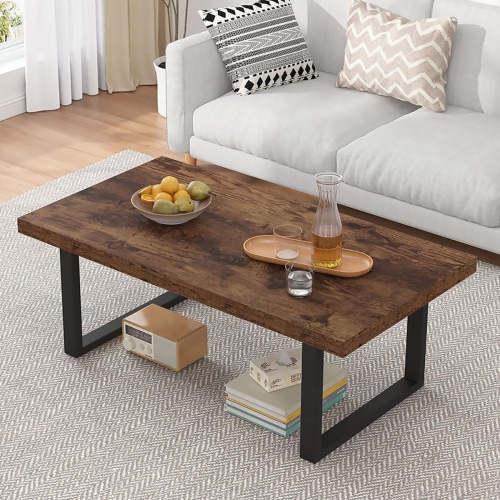
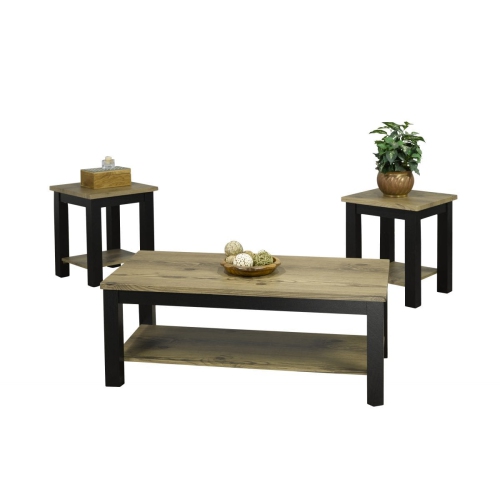
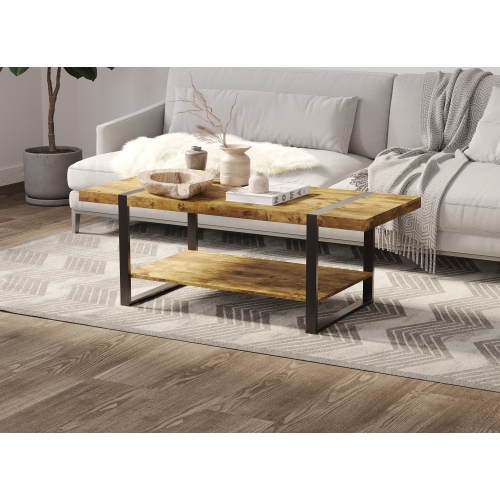
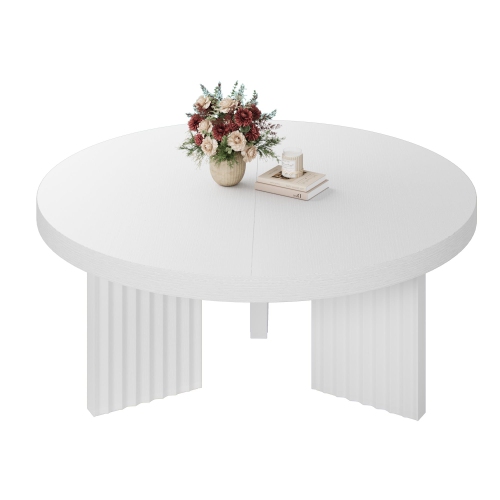
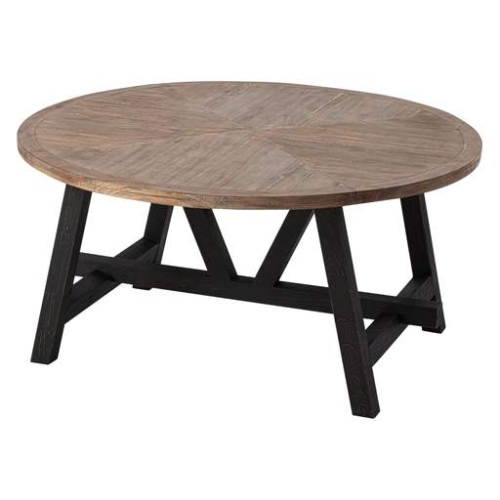
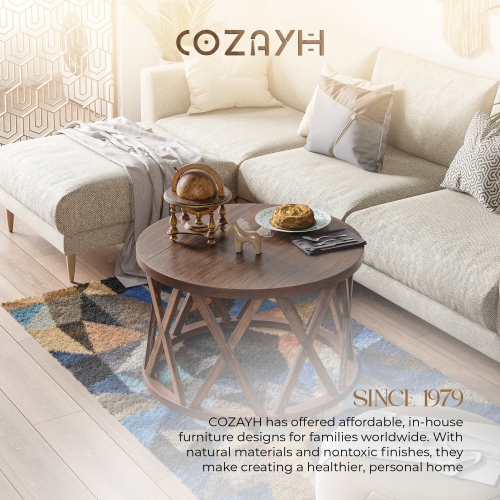
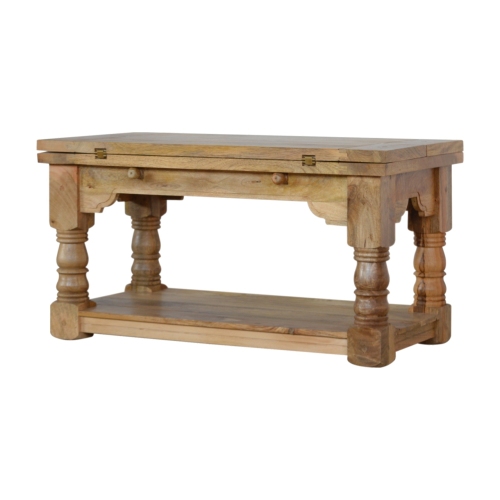
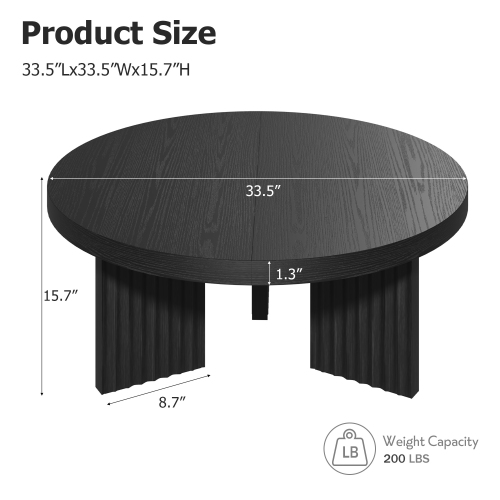

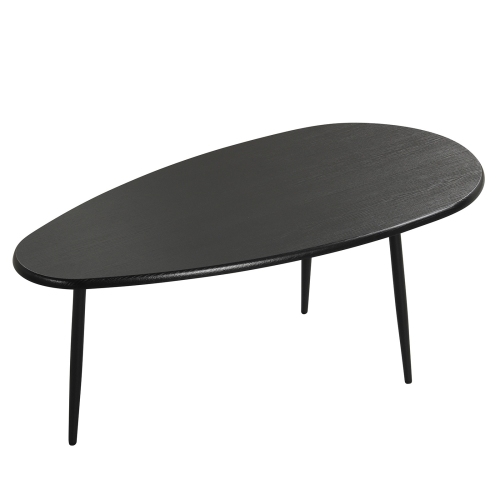
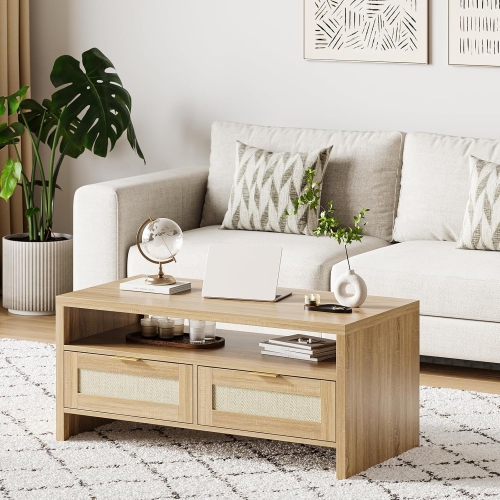
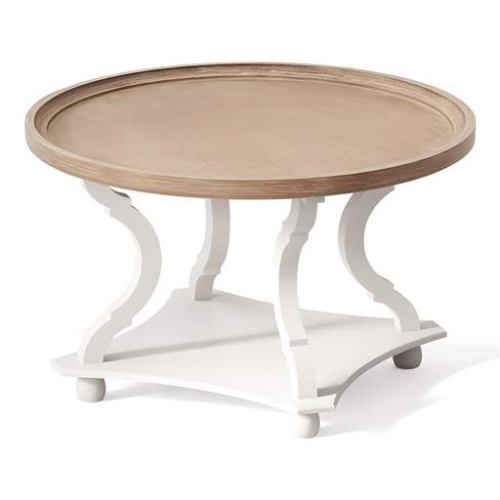
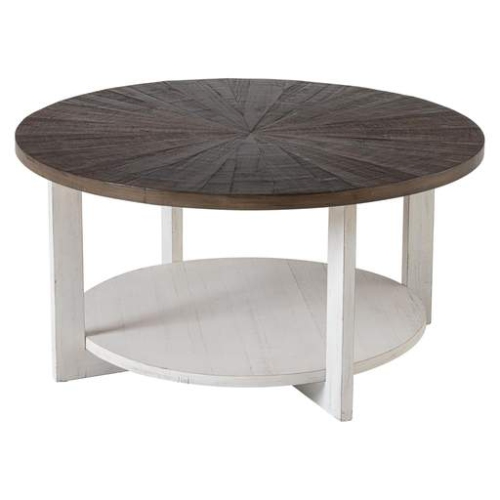
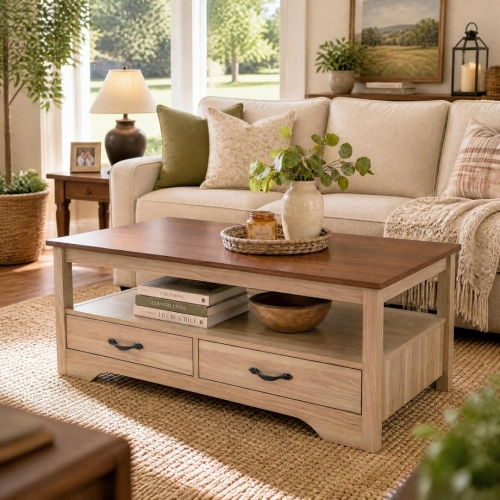
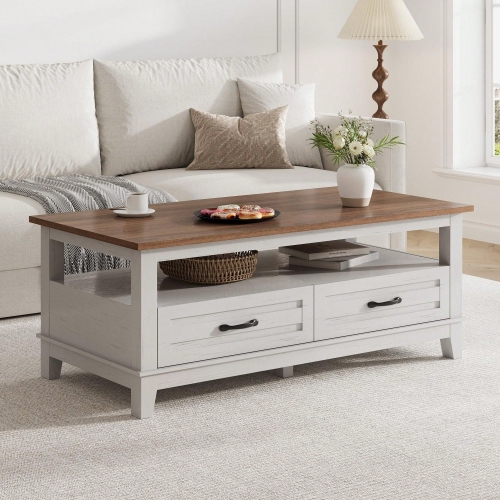
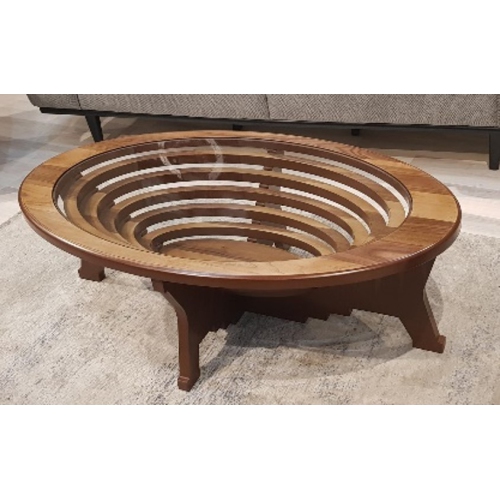
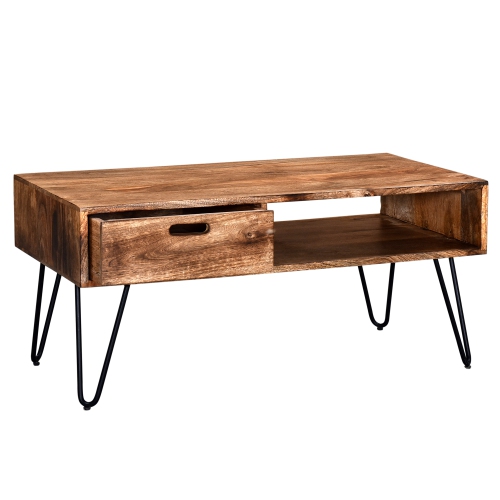
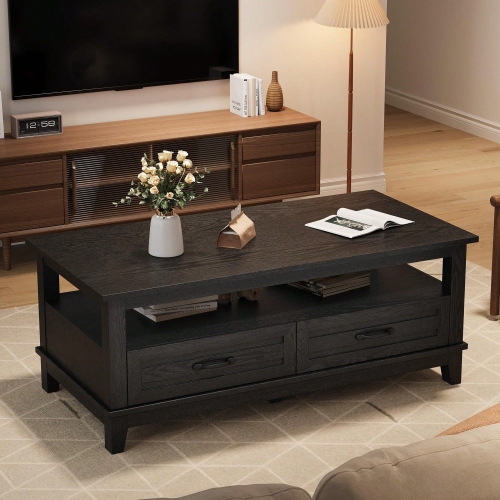
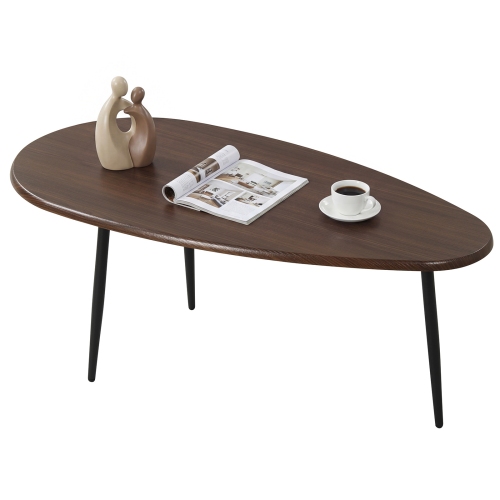
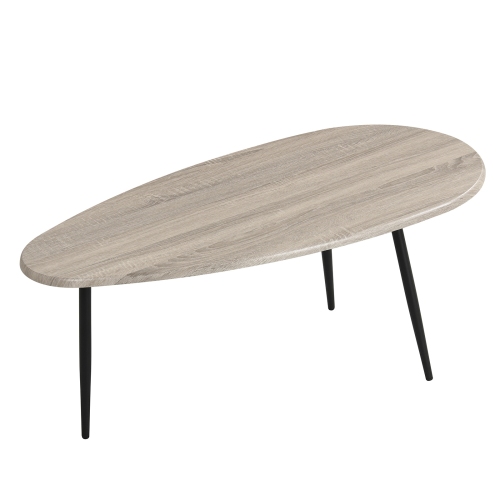
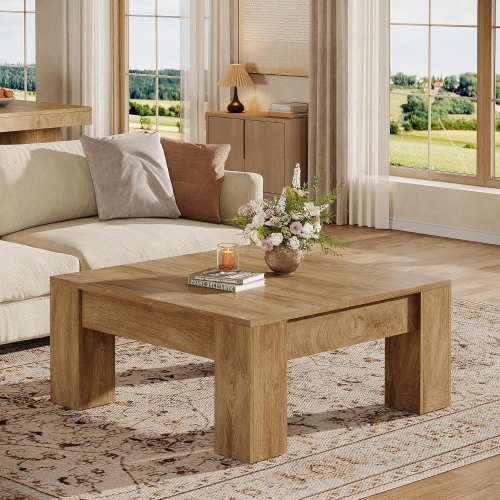
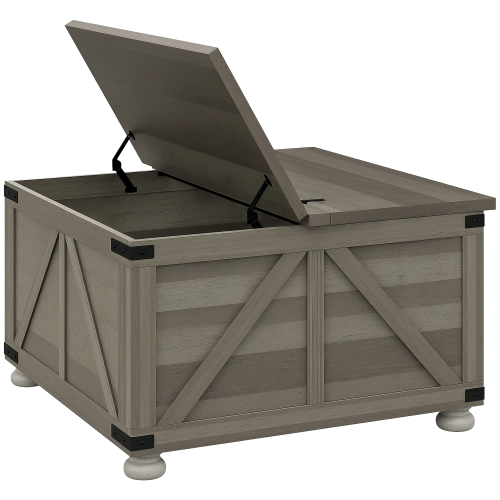
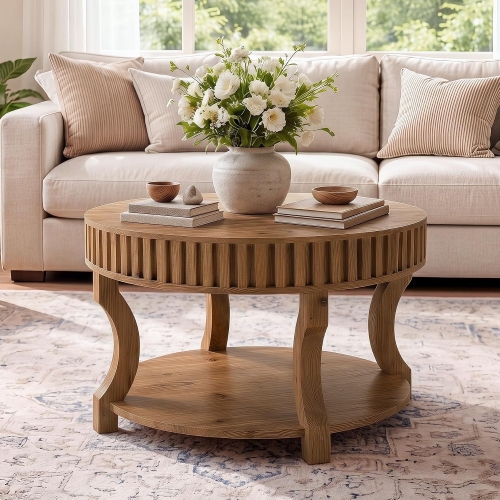
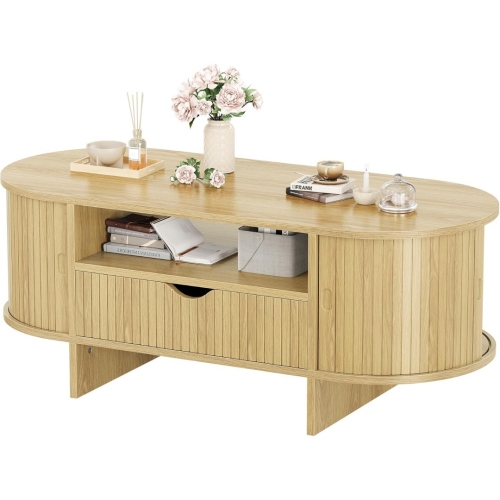
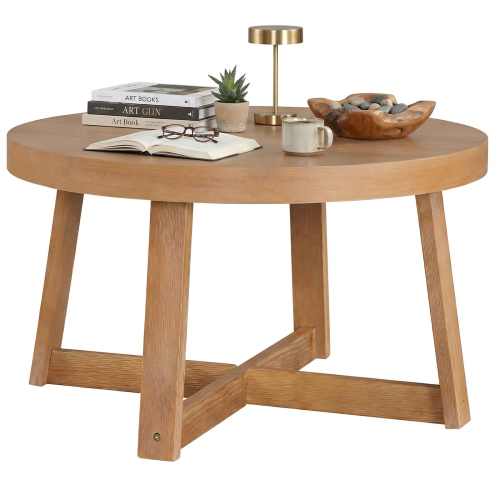
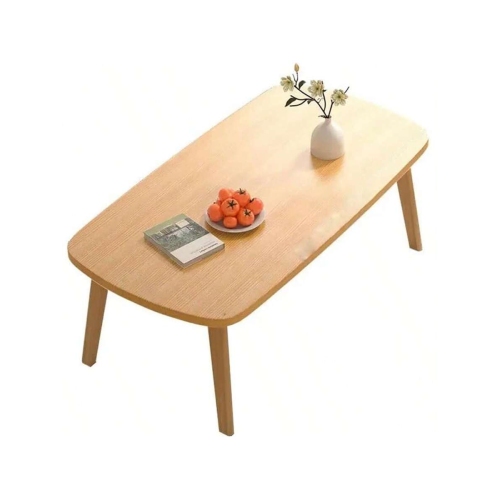
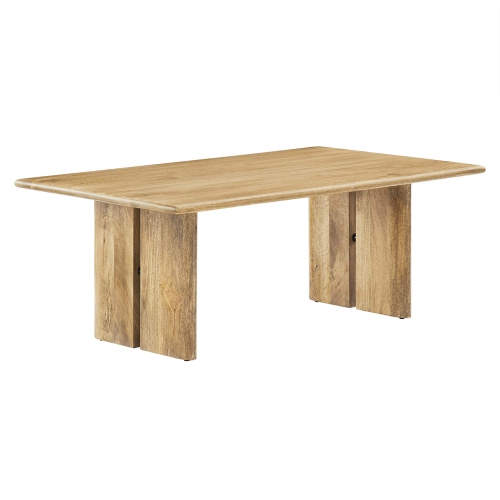
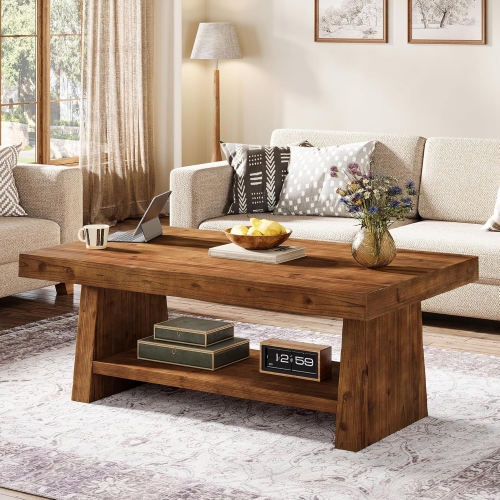
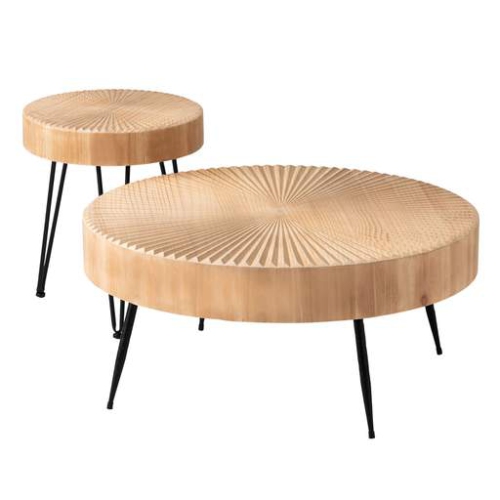
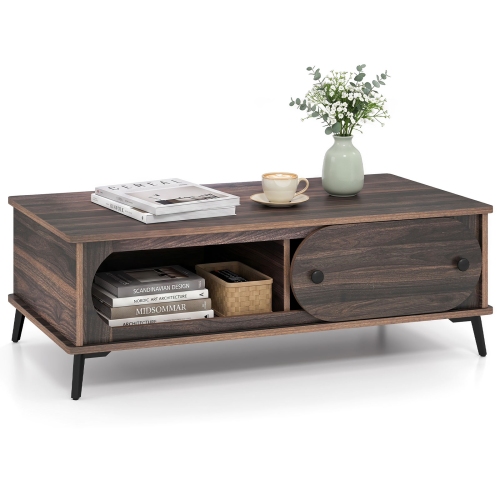
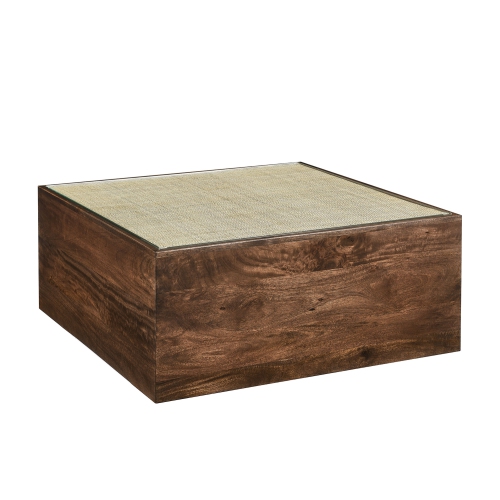
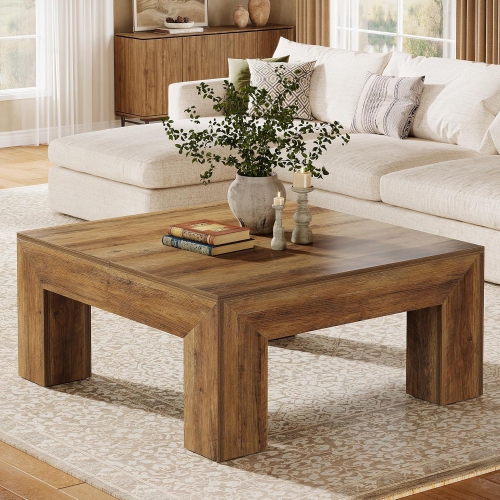
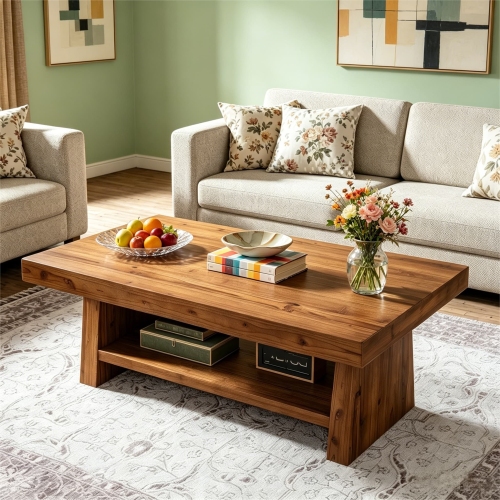
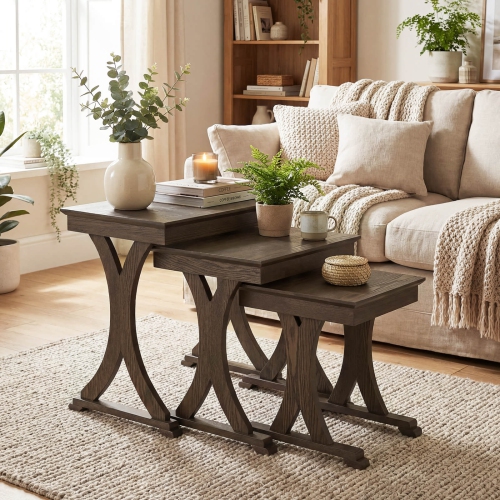
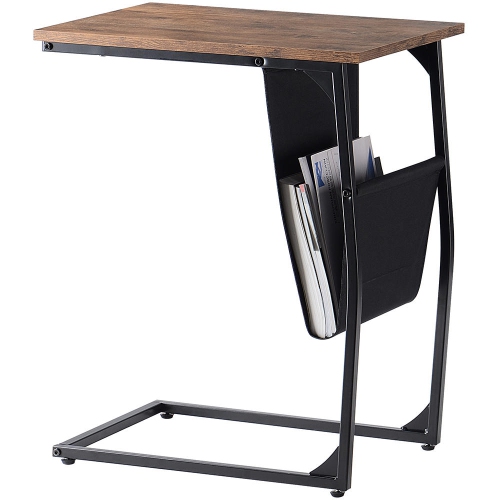
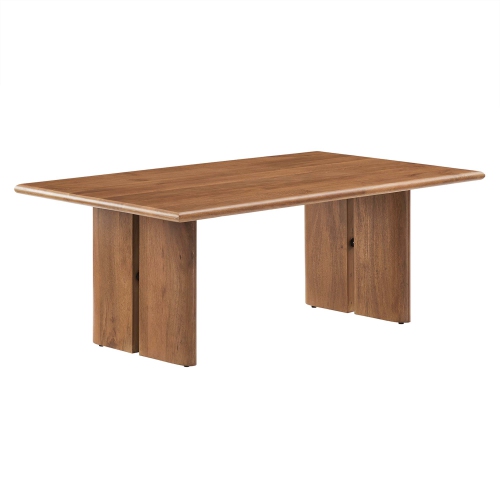

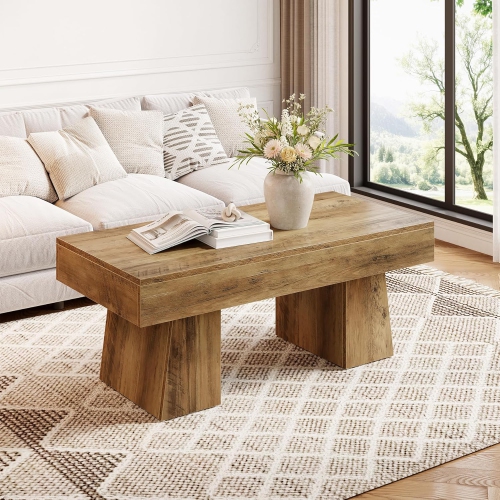
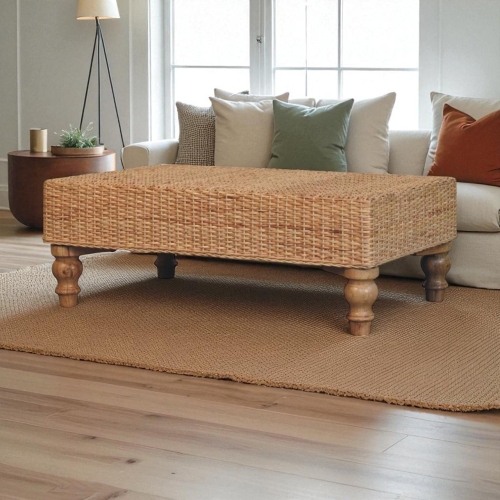
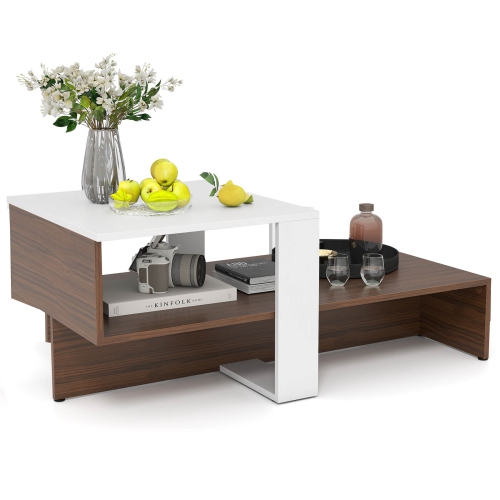
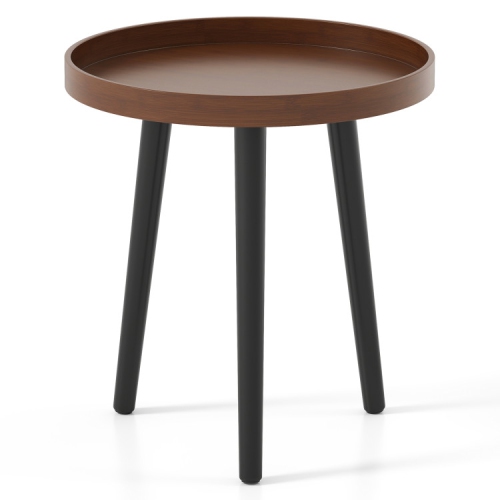
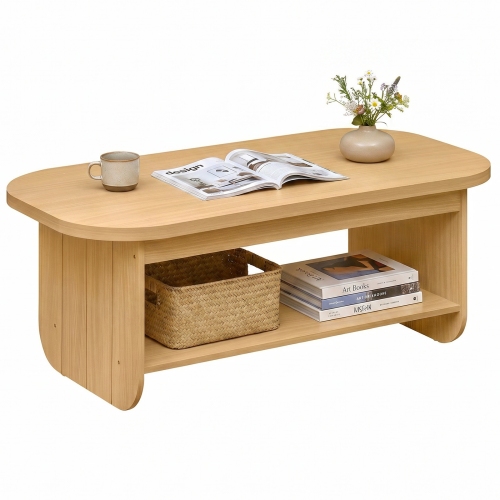
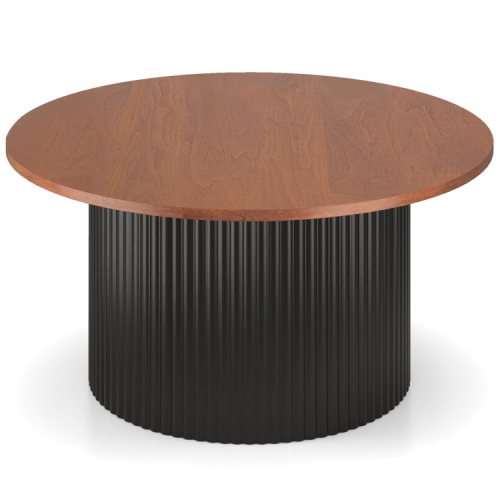
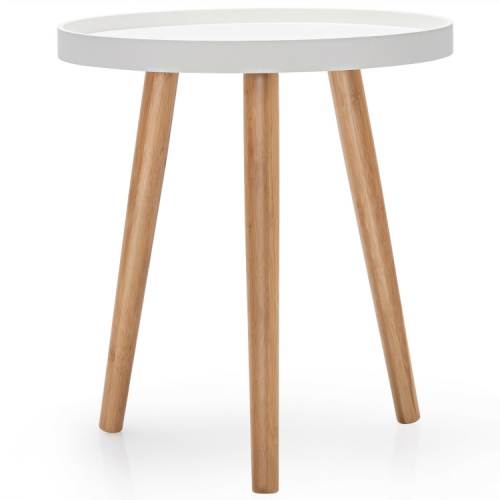
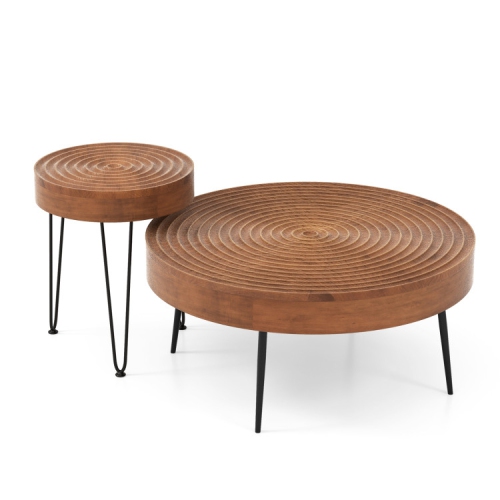
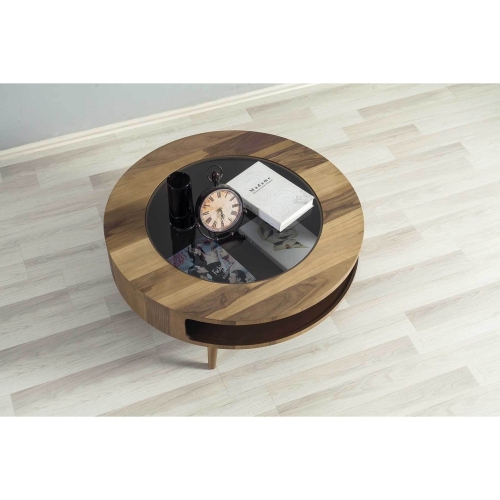
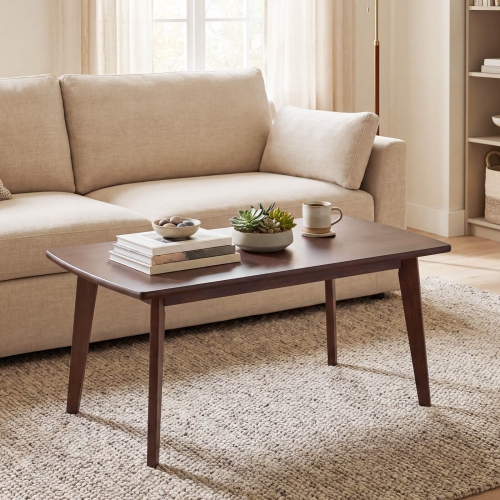
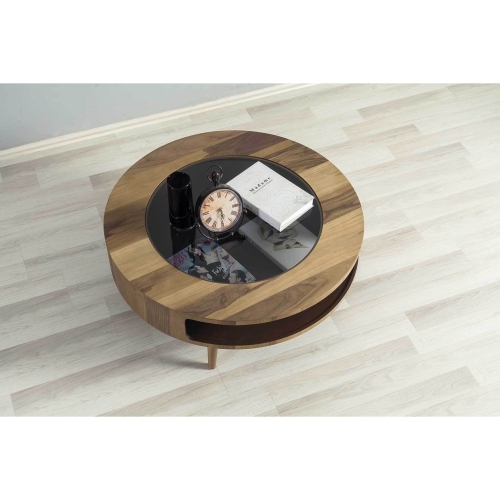
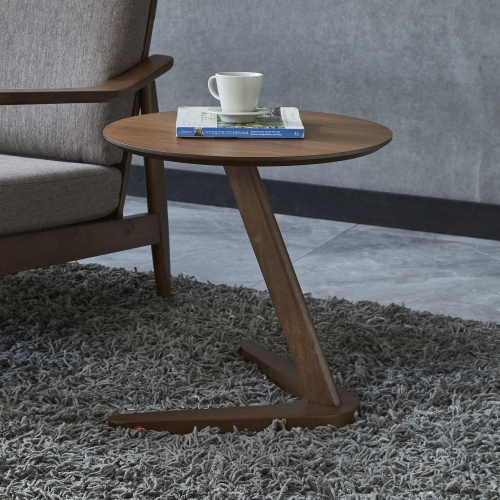
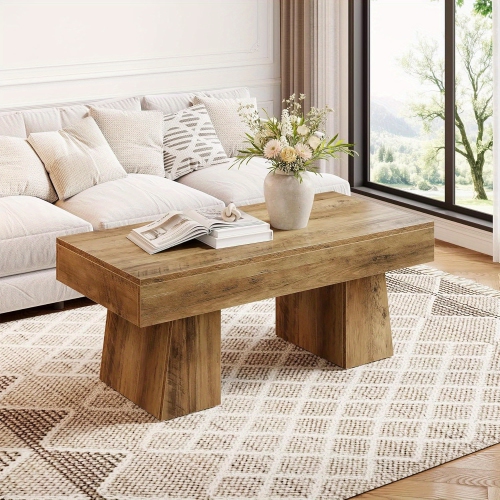
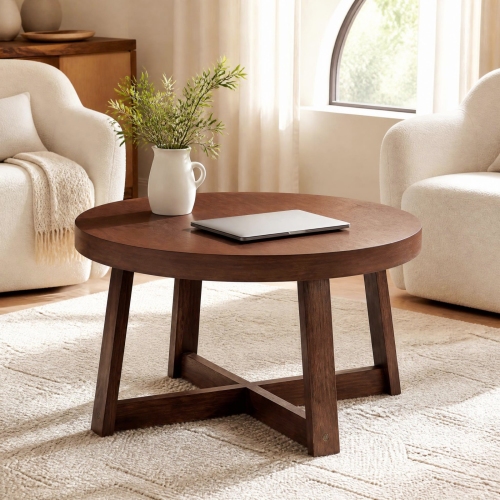
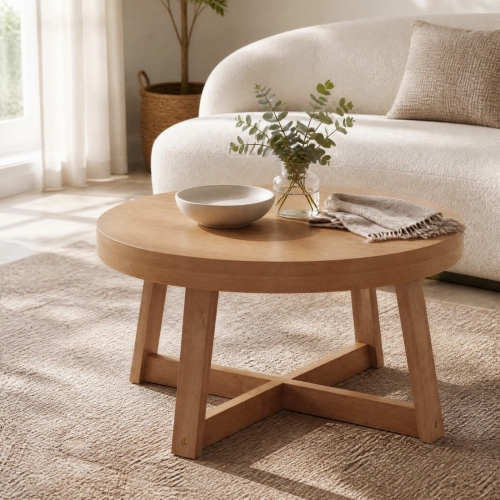
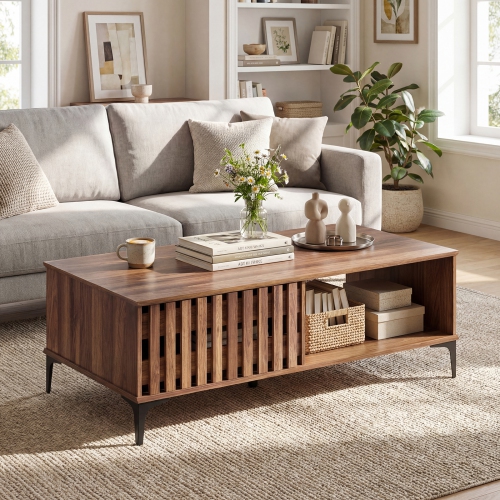
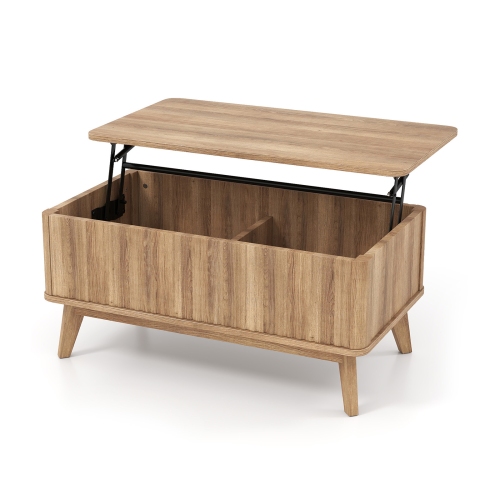
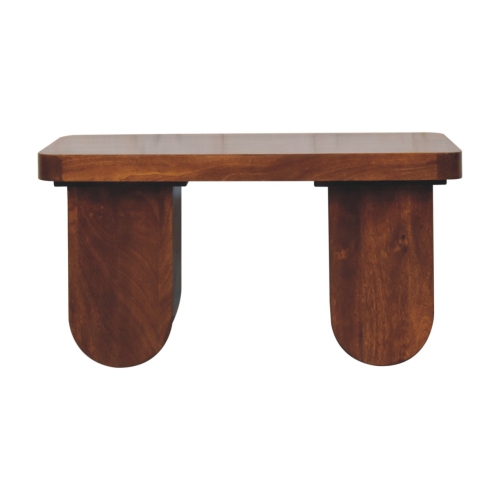
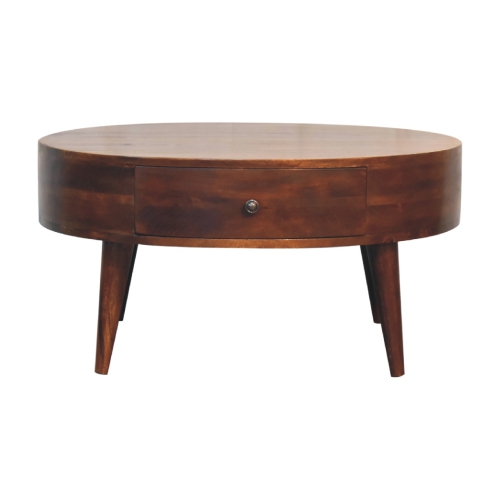
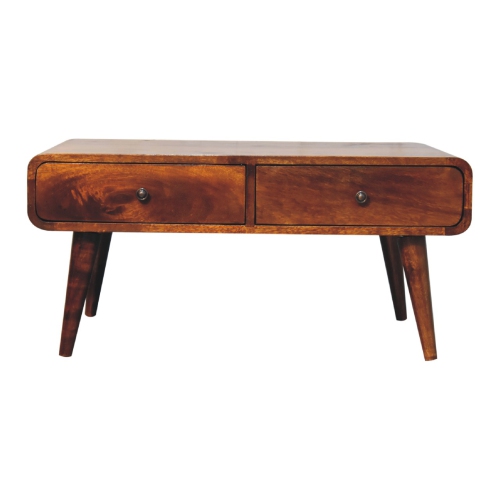
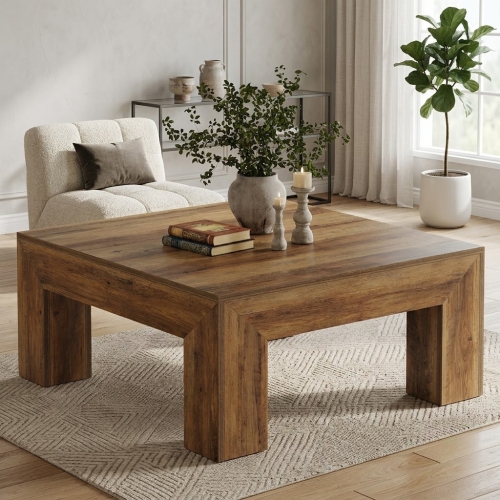
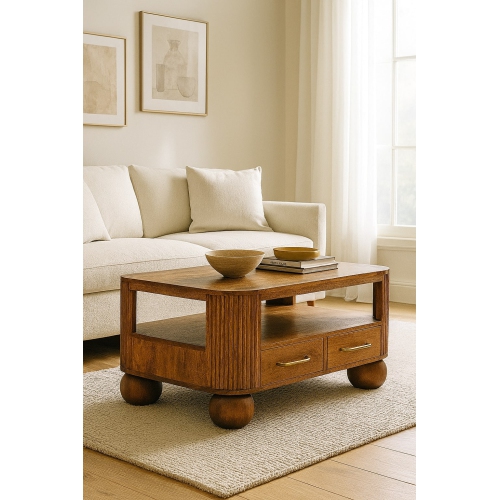
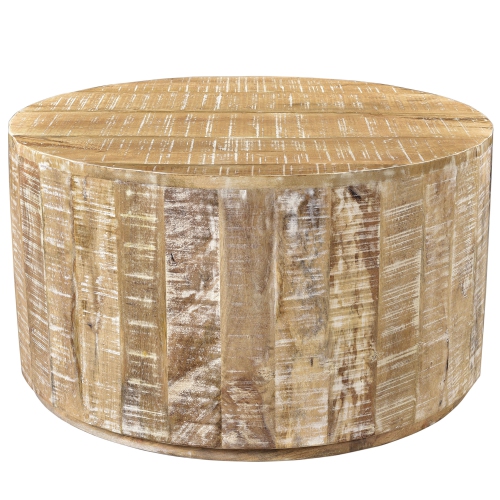
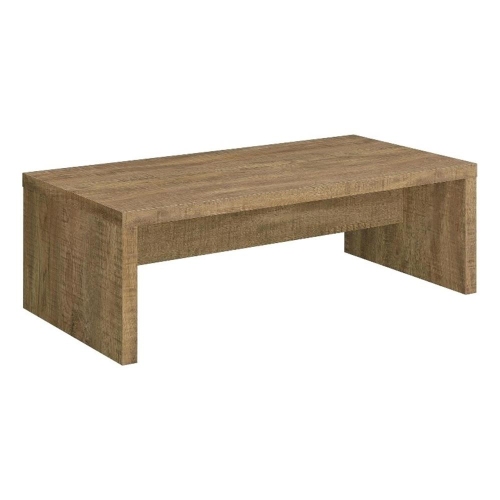
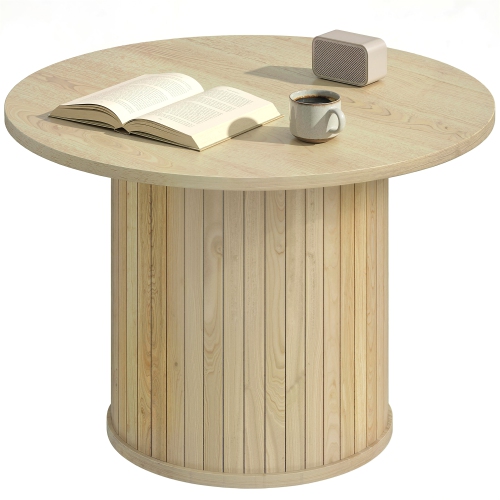
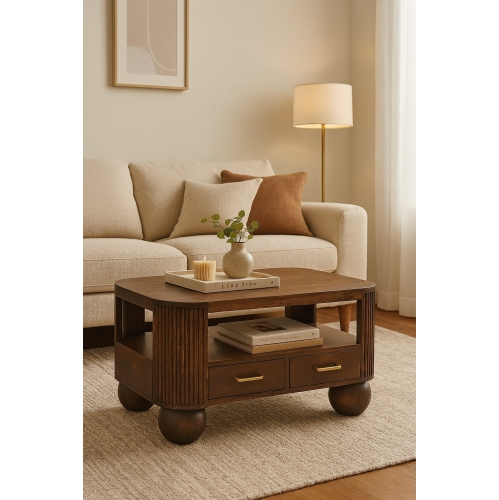
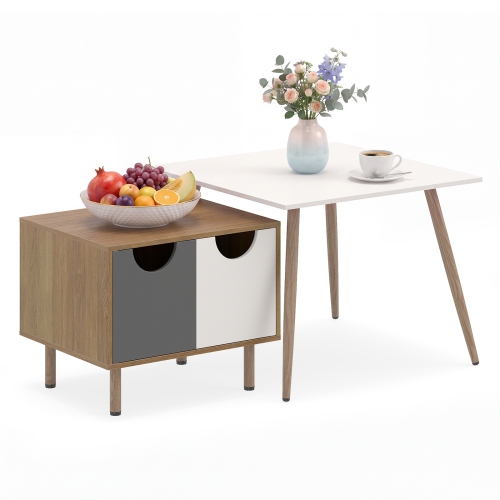
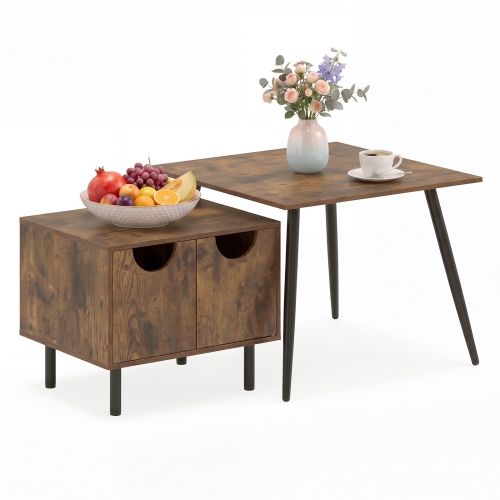
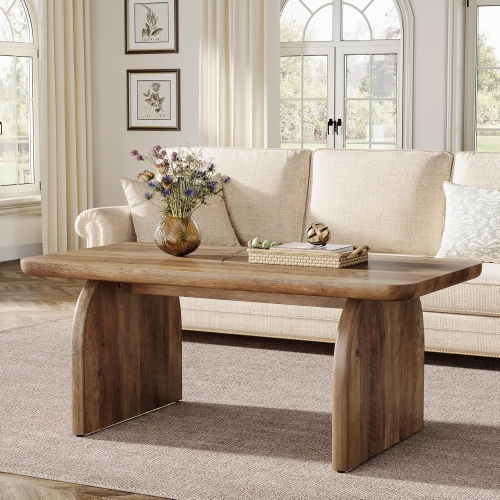
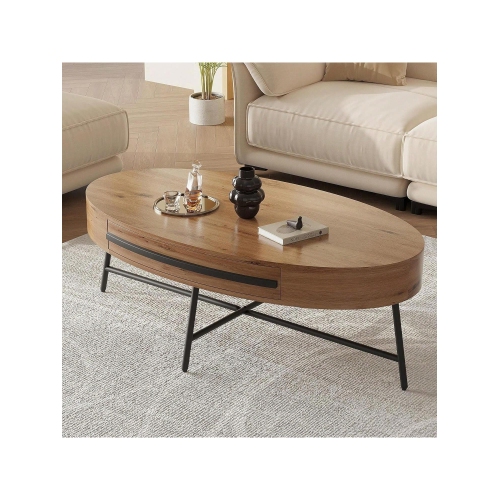
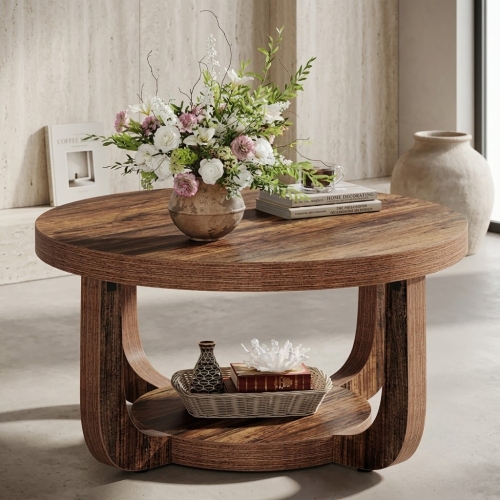
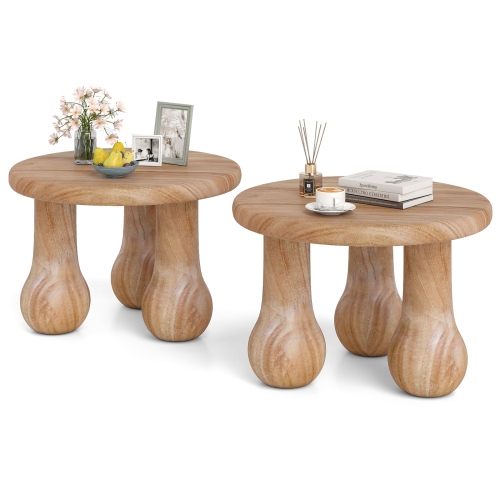
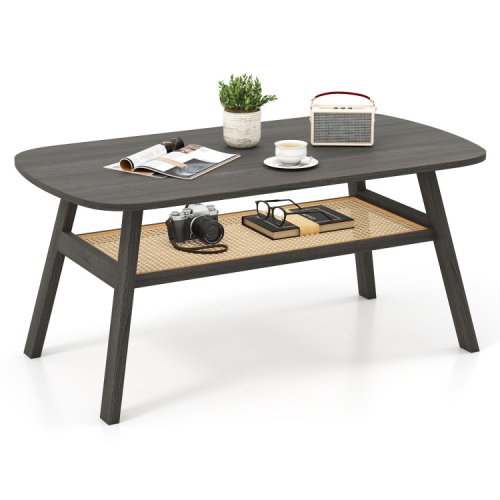
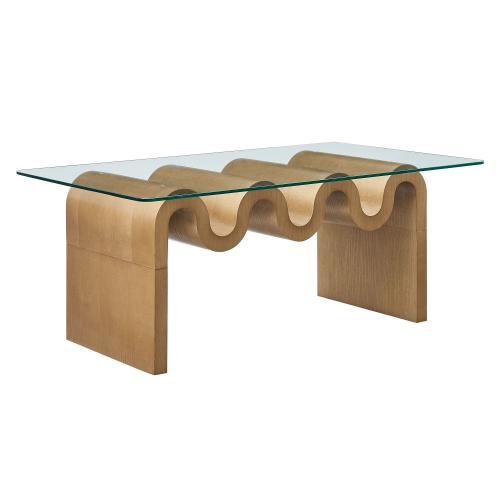
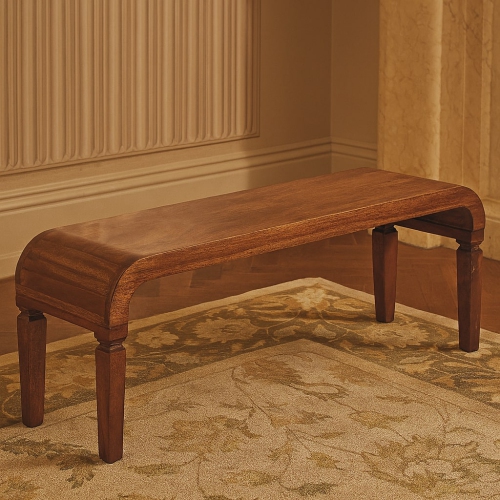
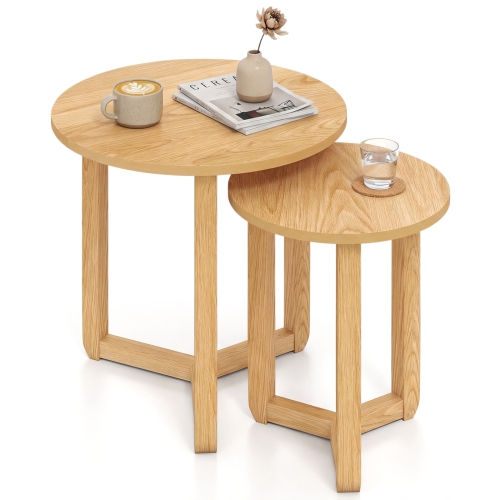
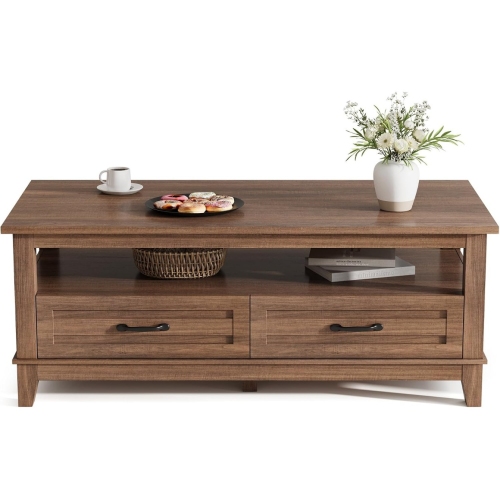
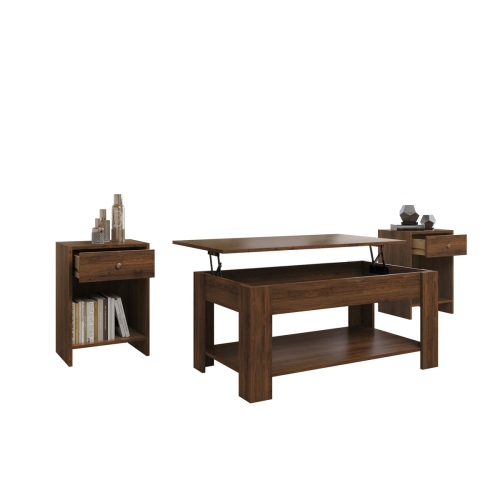
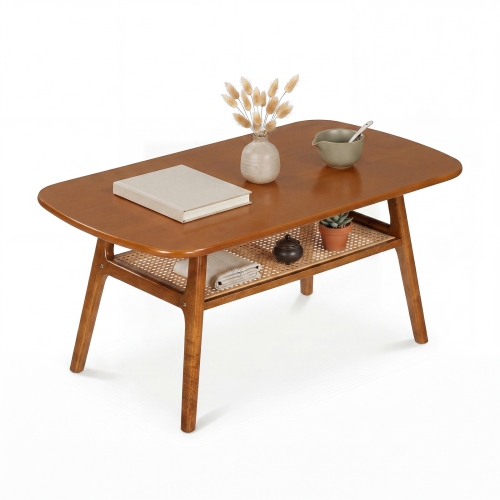
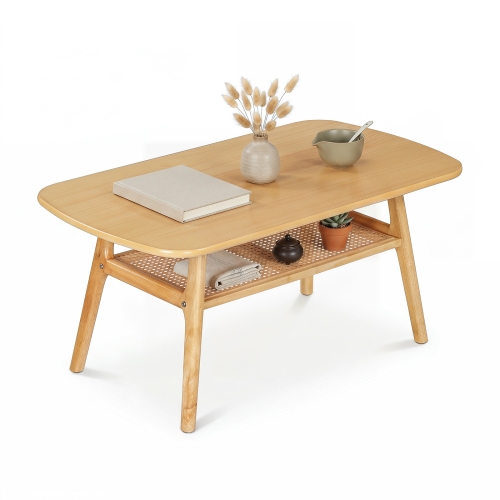

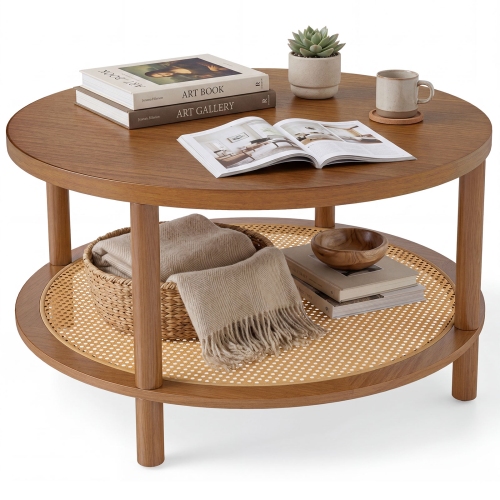
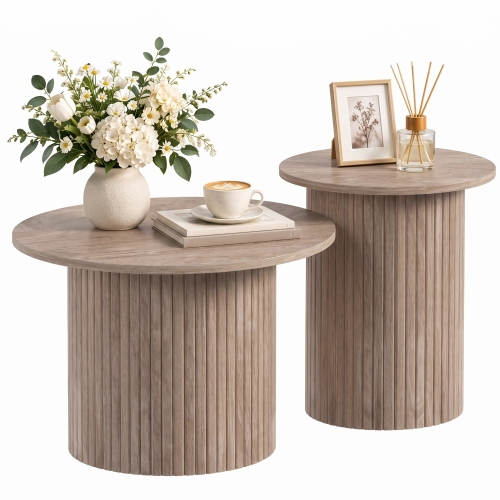

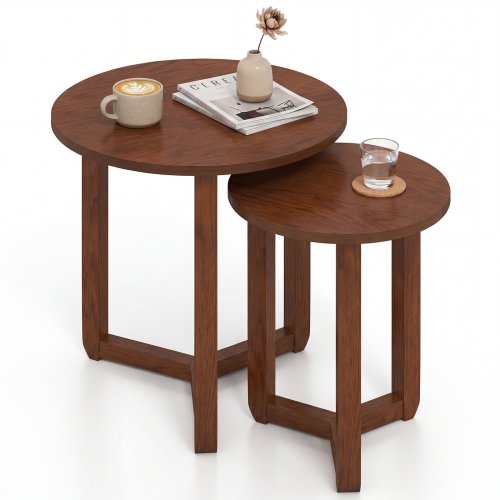
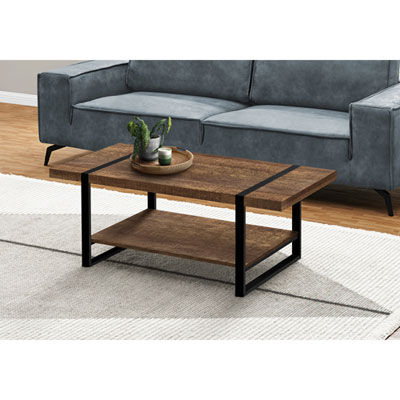
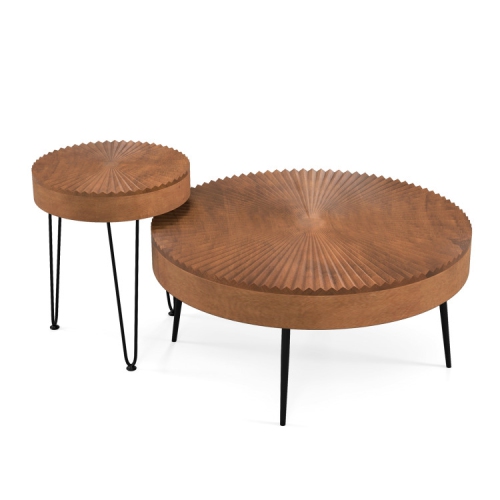
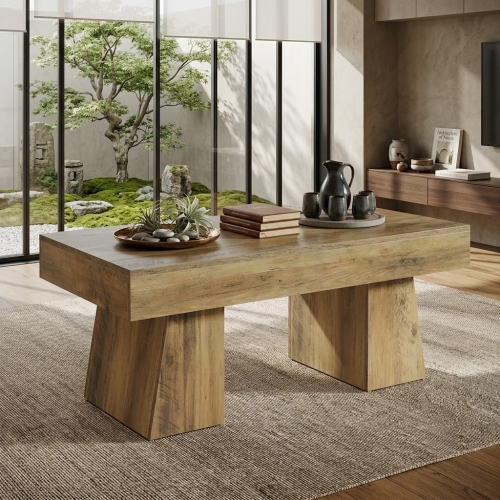

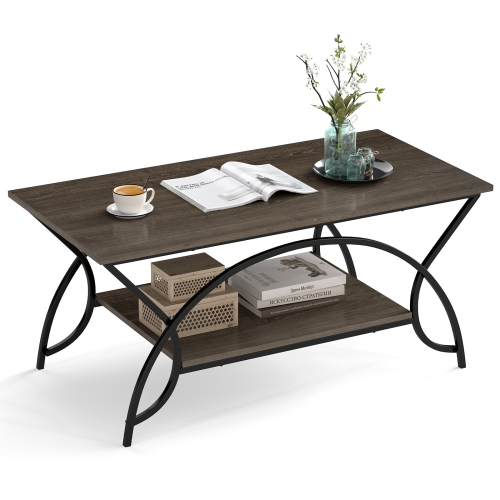
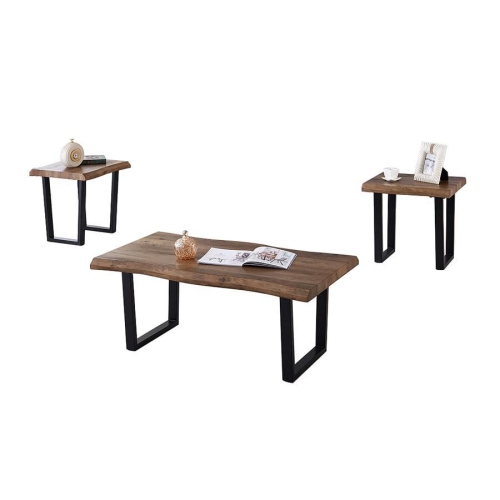
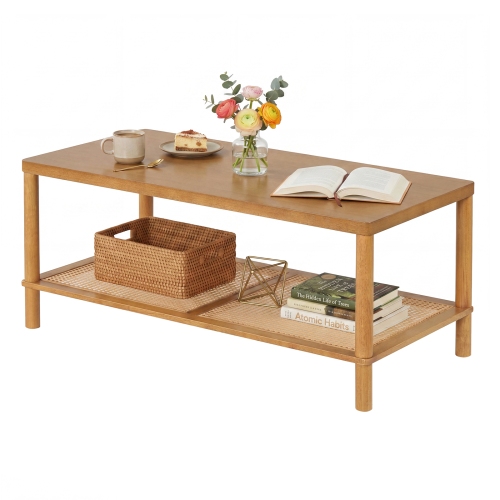

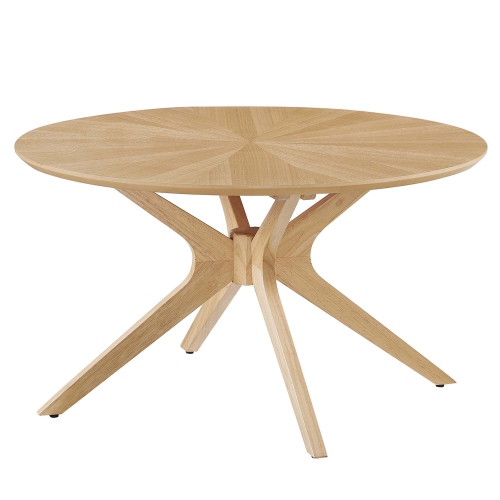
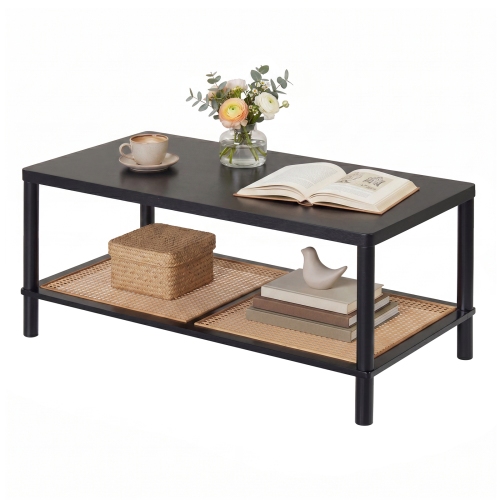
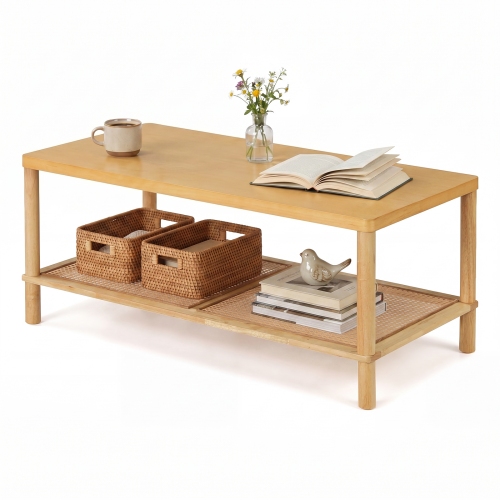

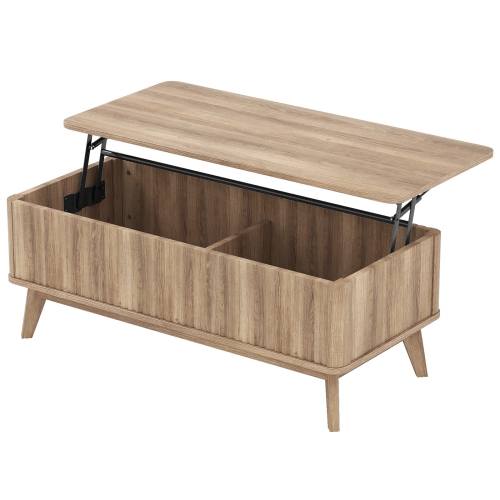
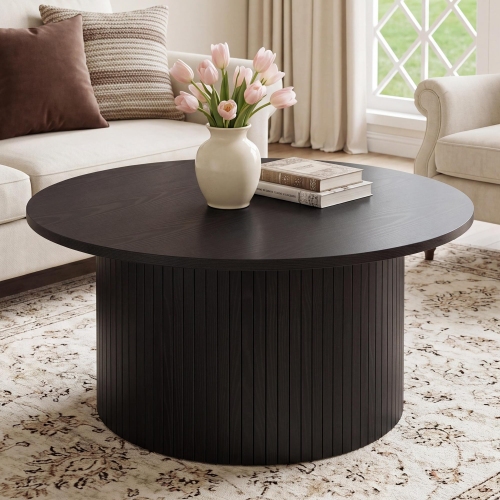
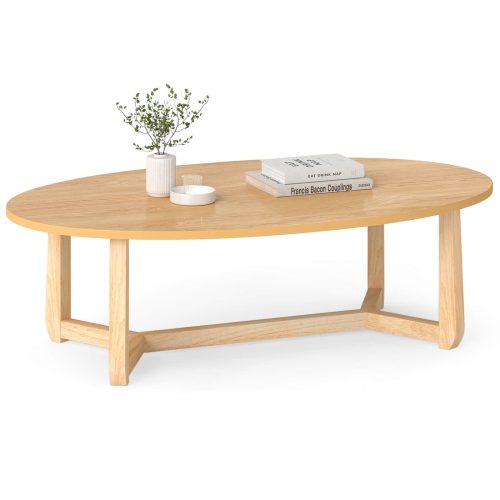
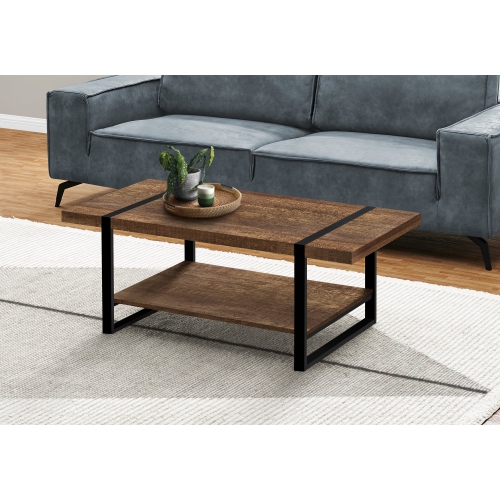

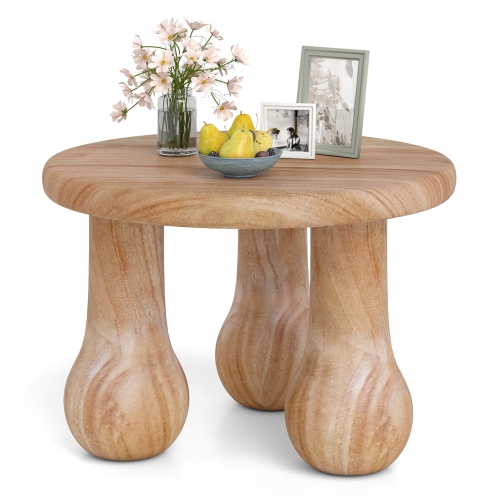
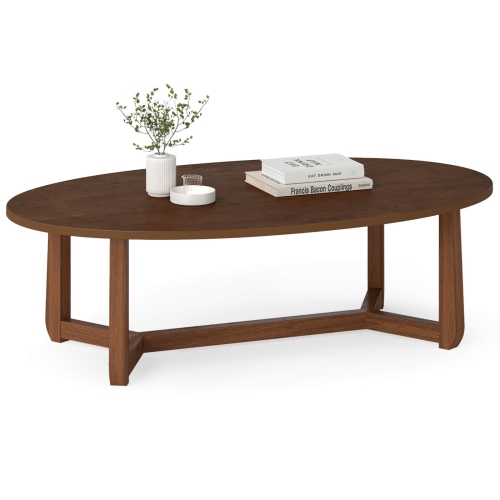
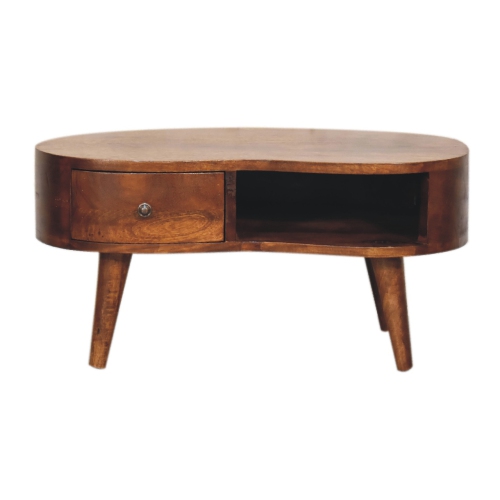
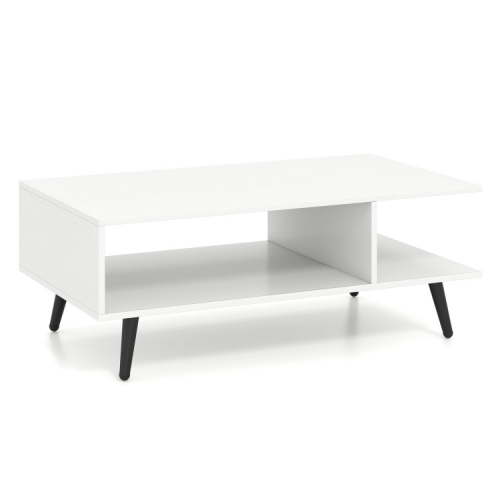
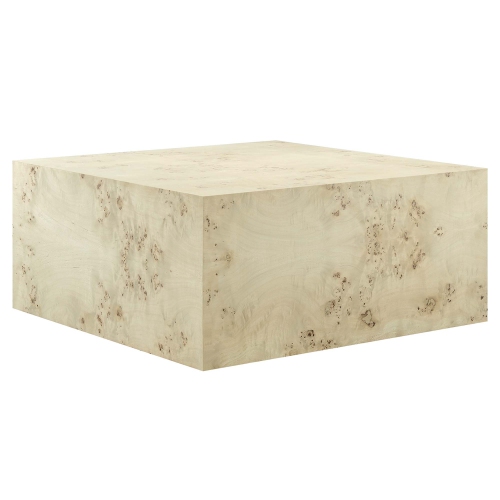
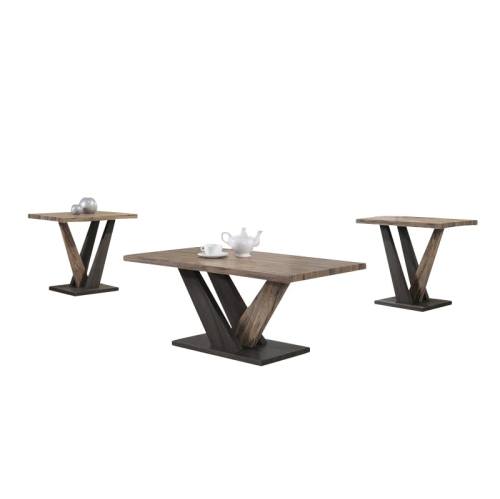
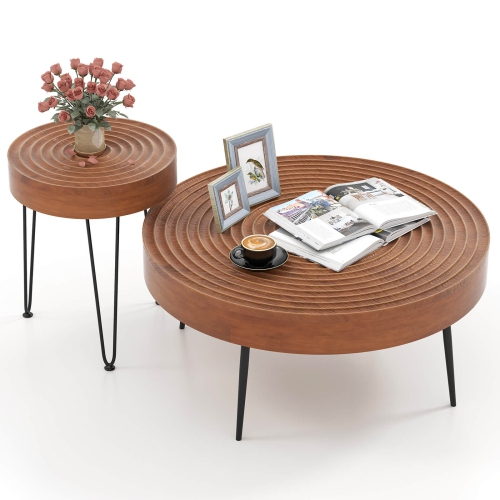

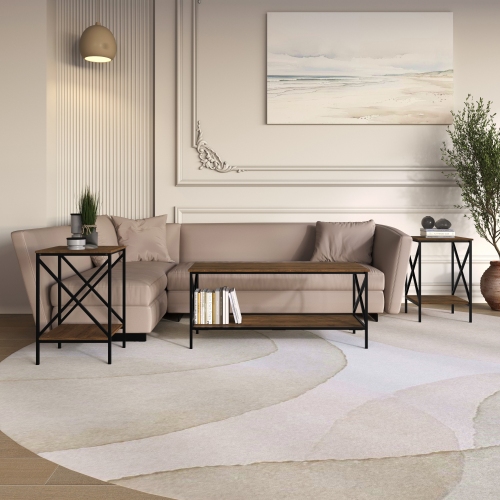
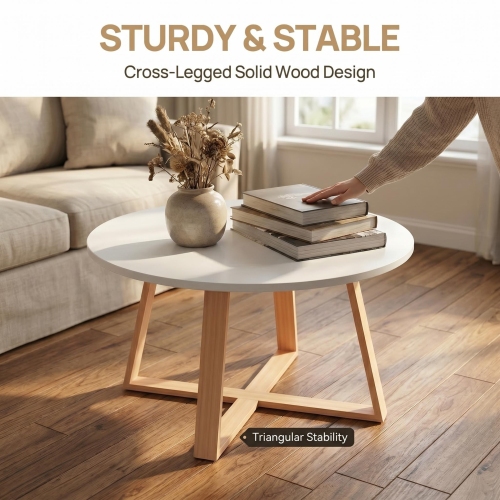

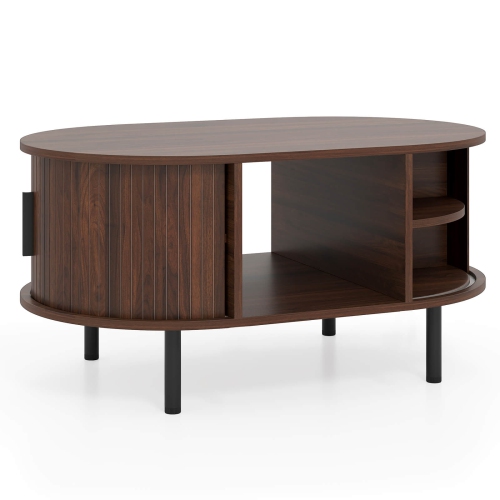
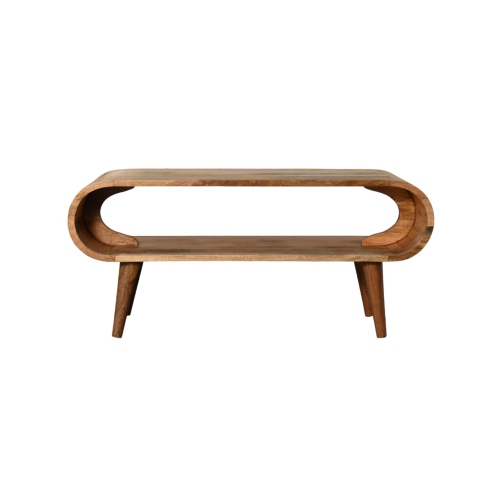
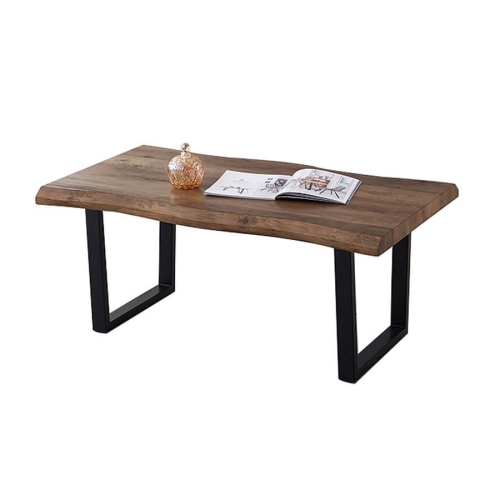
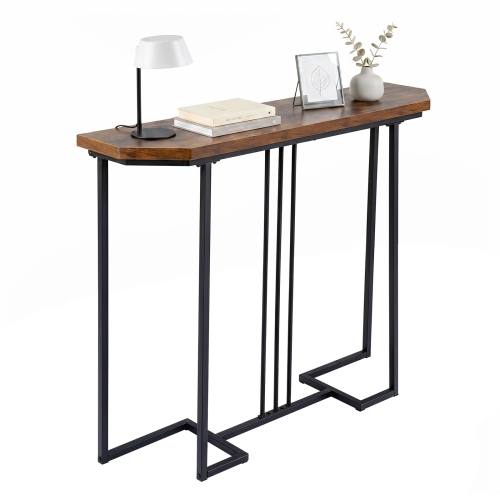
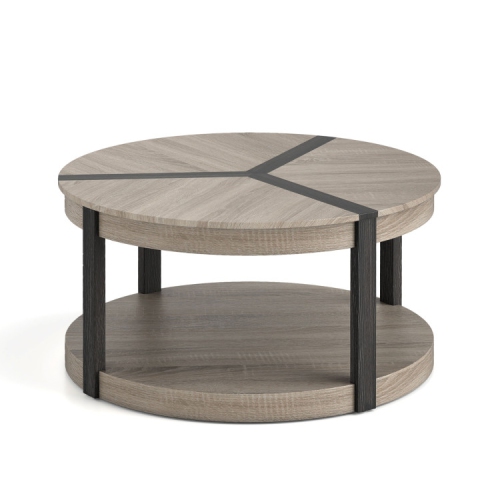
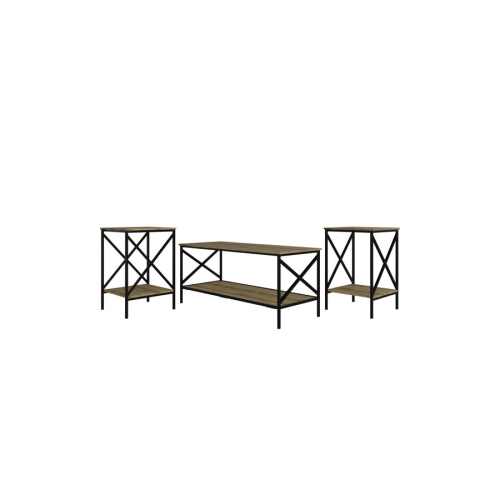
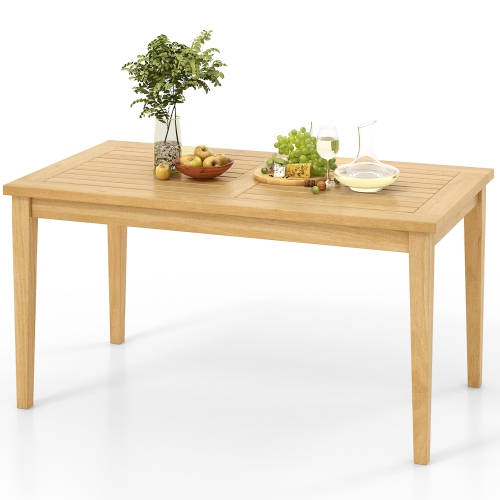
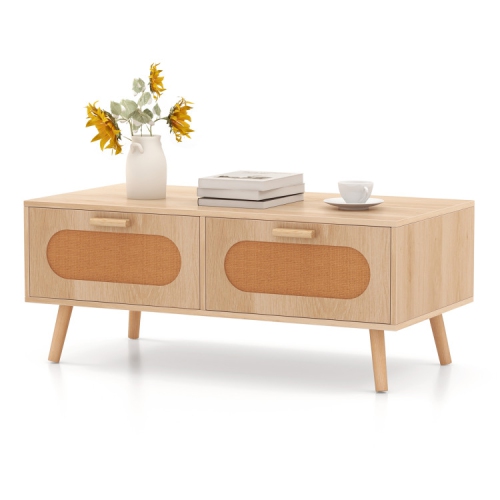
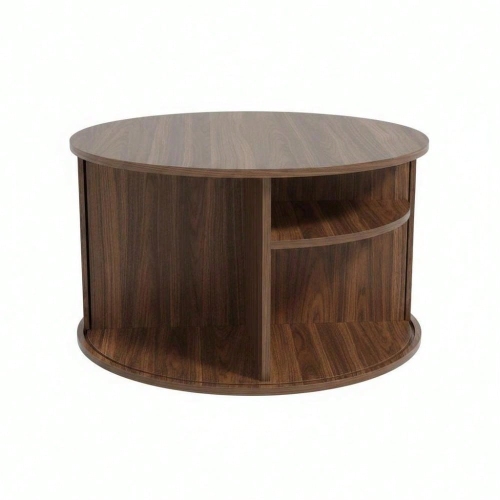

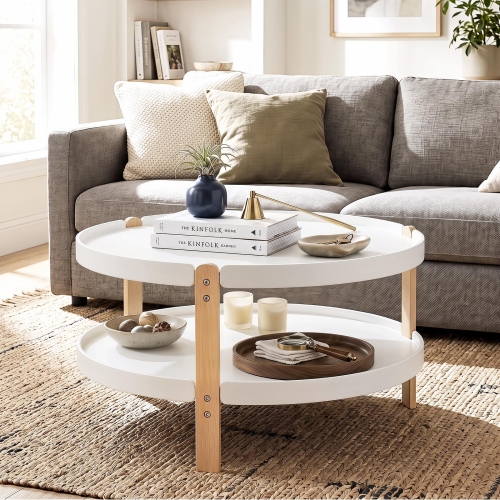
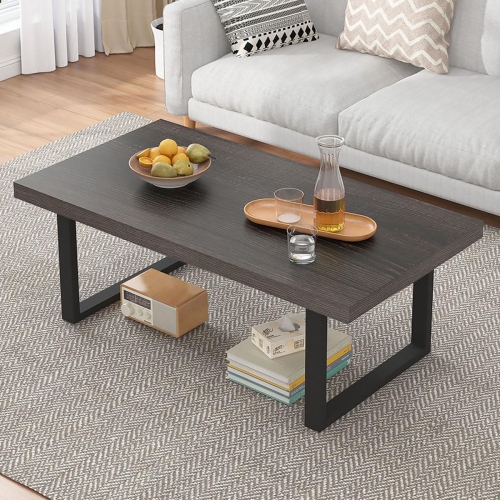
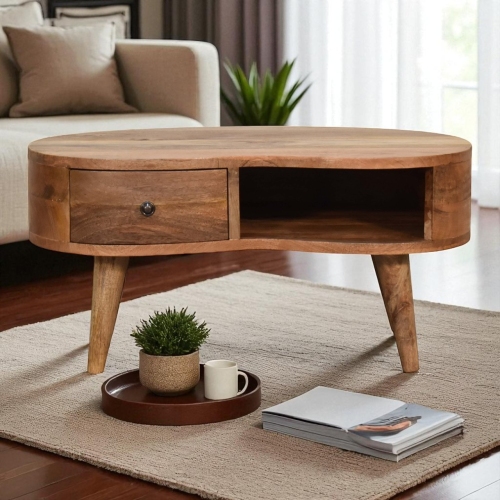
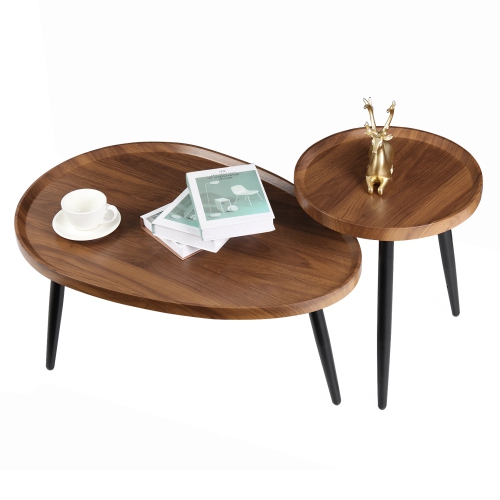
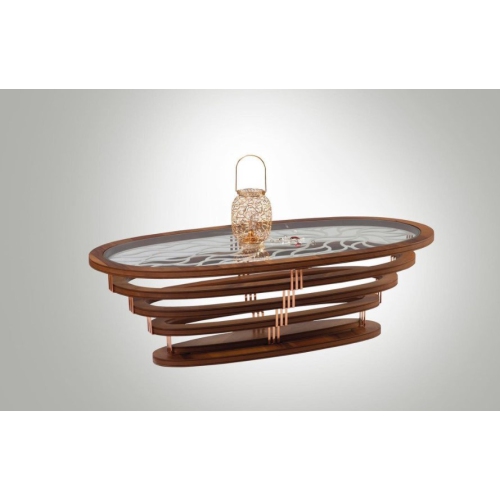
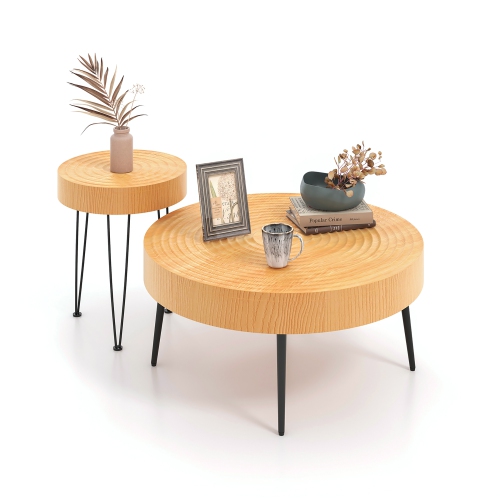
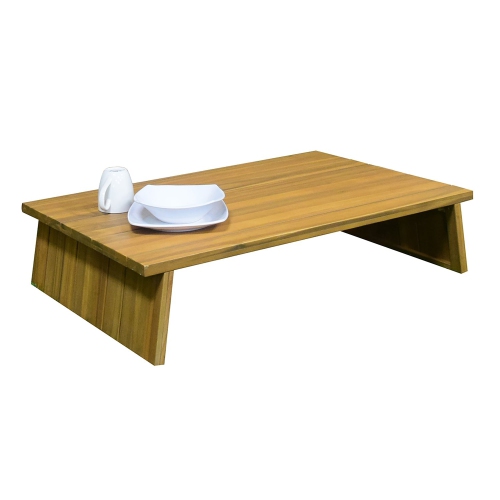
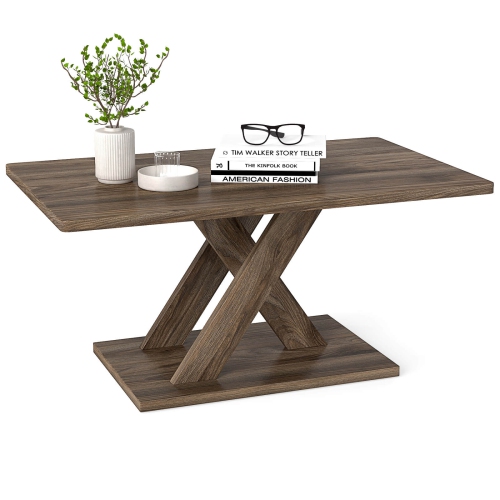
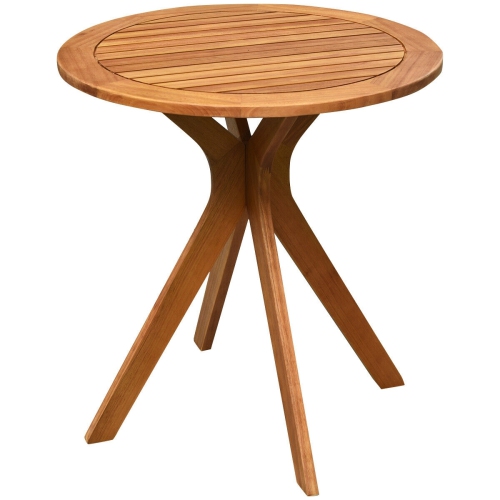
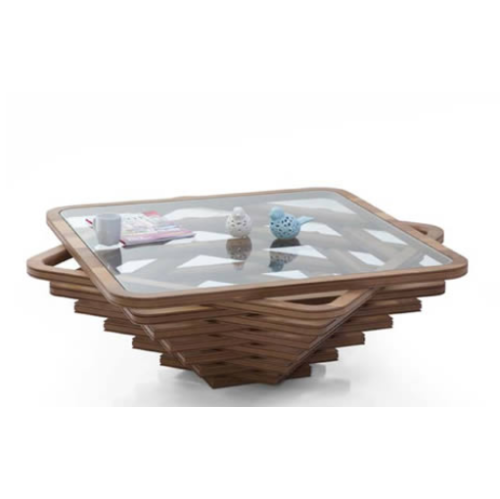
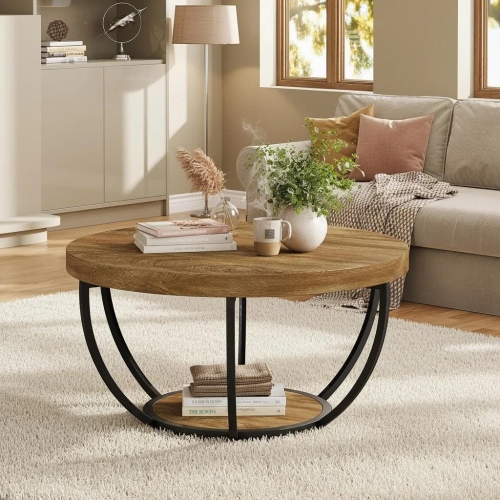
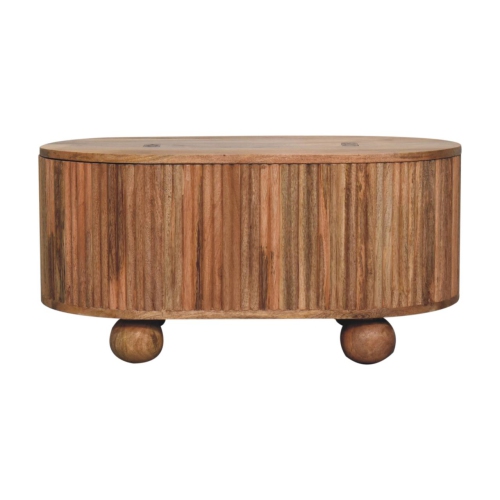
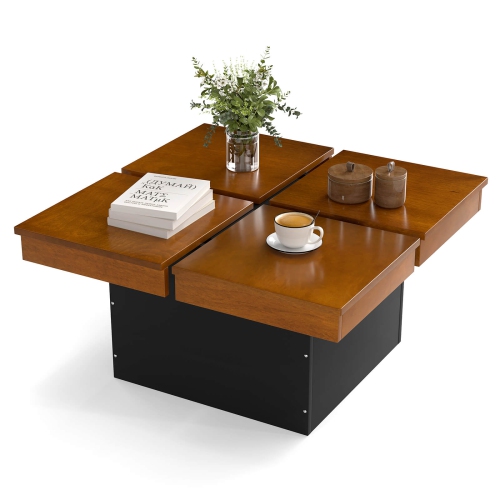
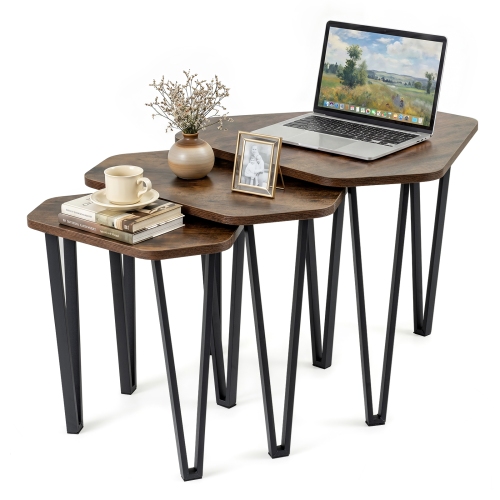
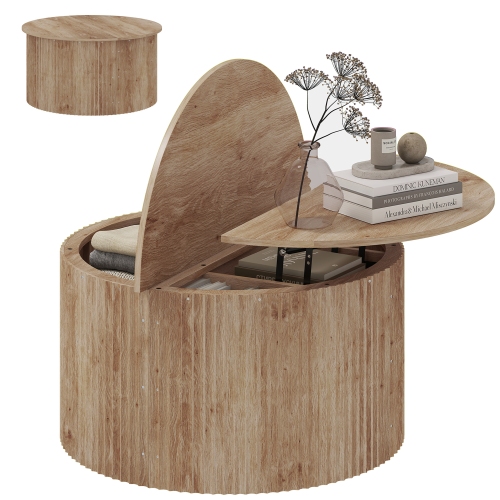
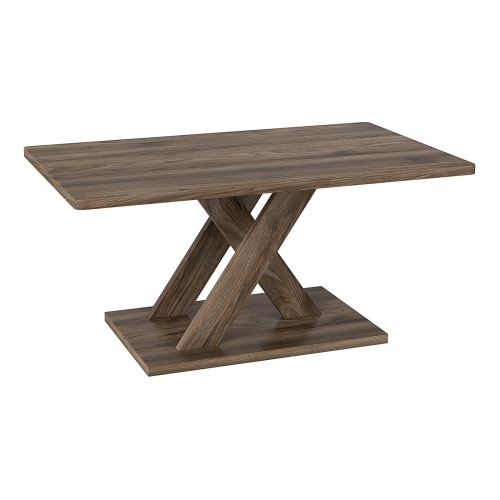
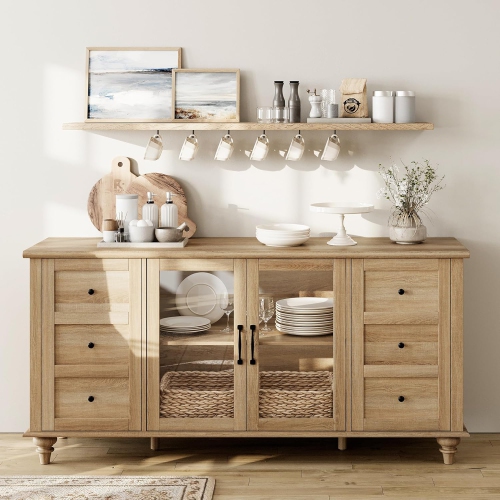
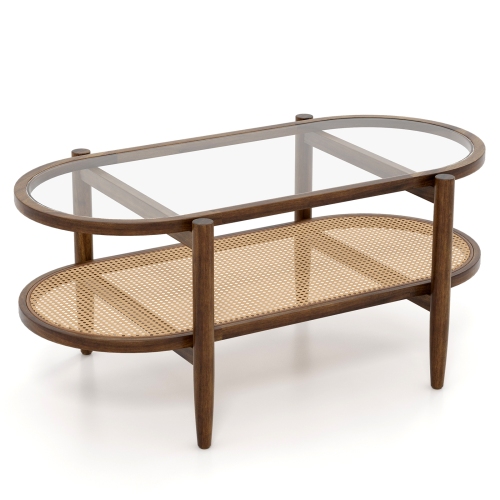
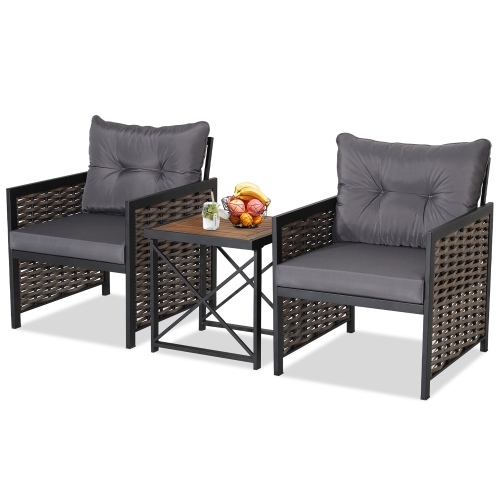
Vintage character goes deeper than an aged finish
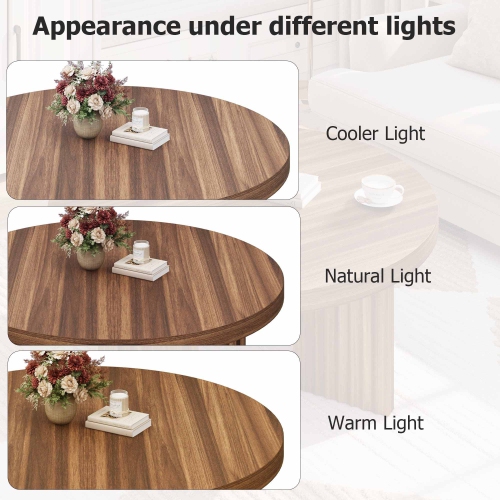
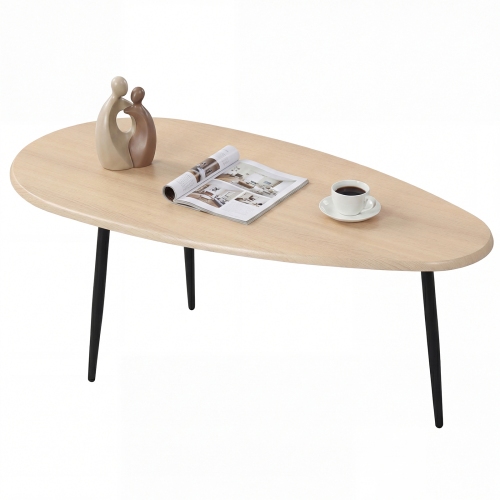
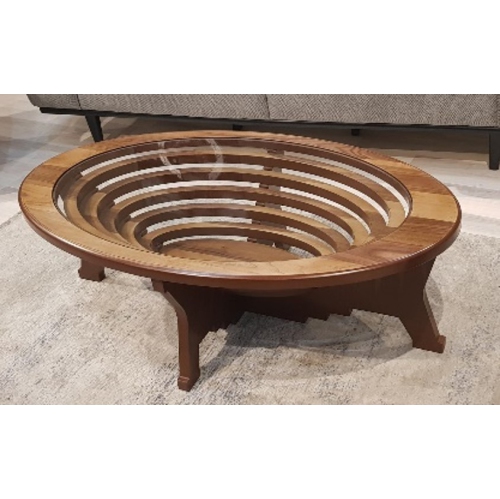
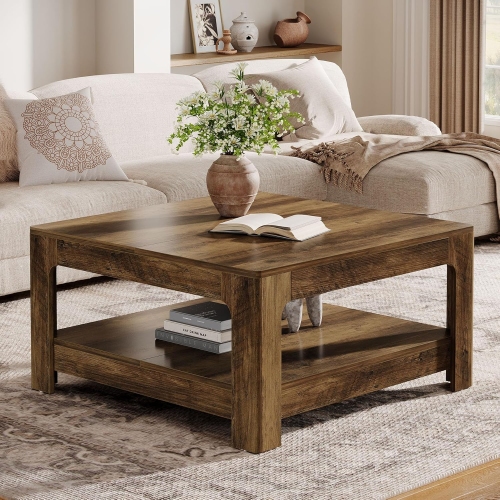
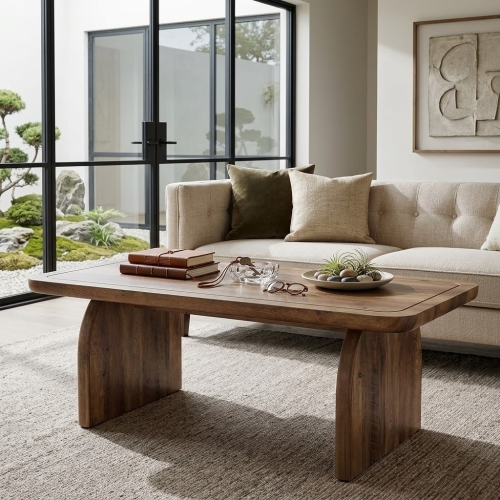
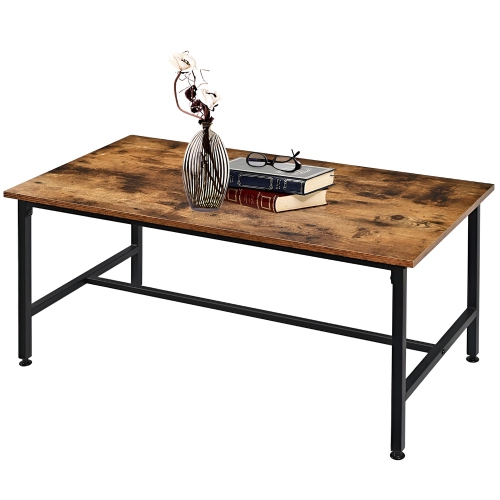
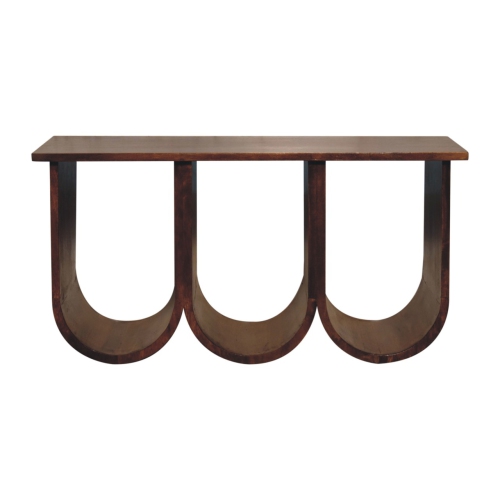
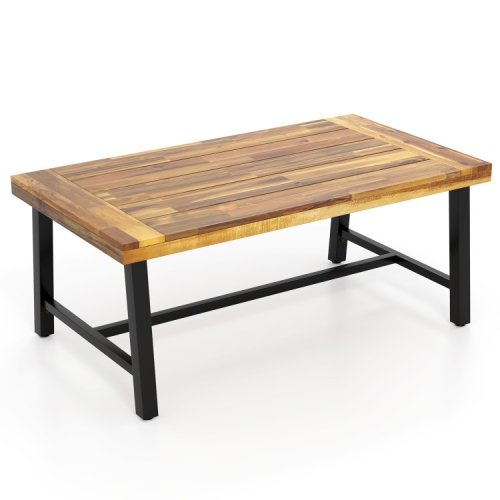
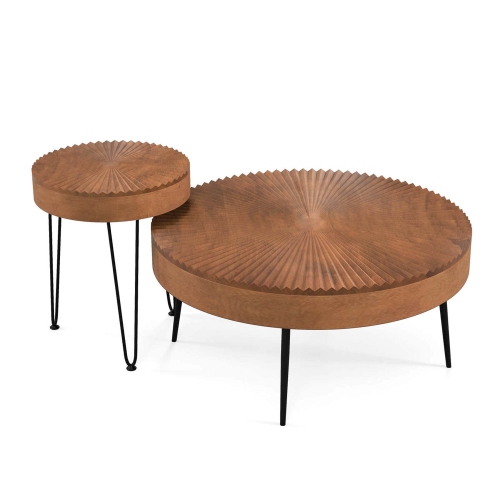
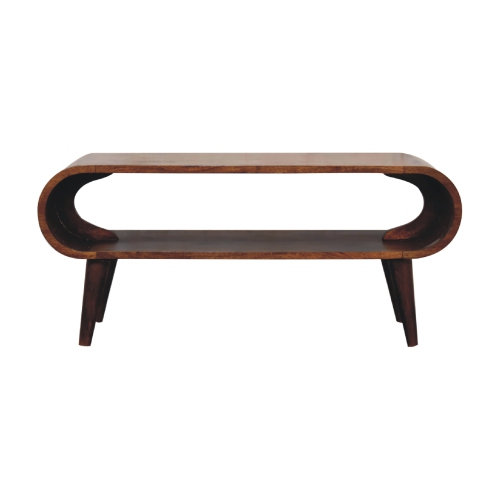
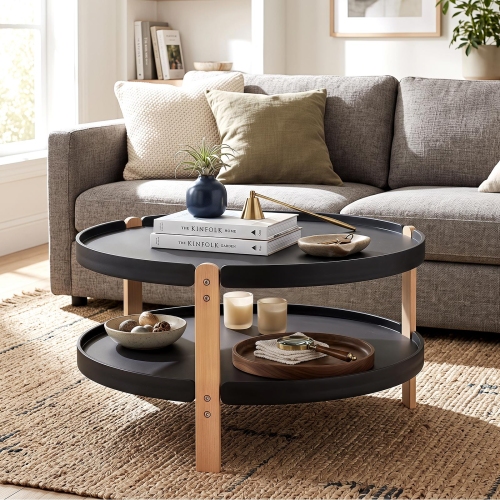
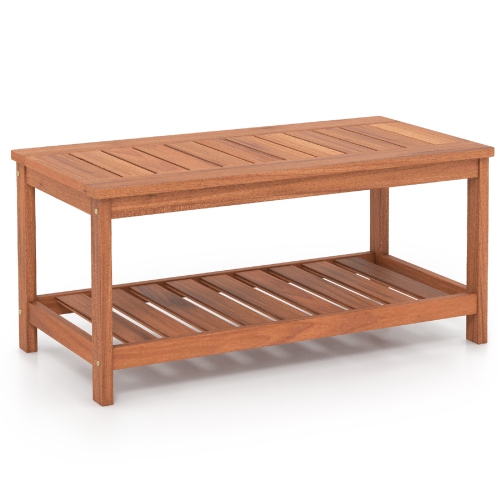
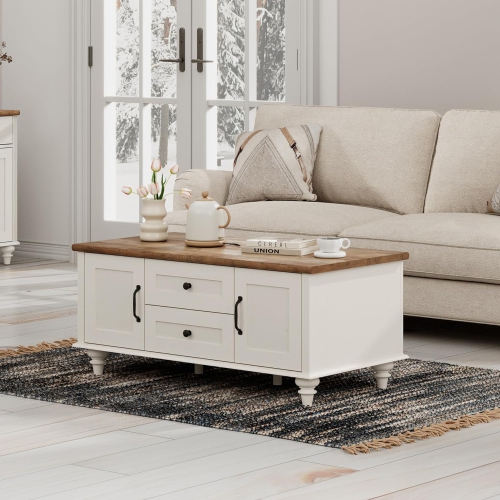
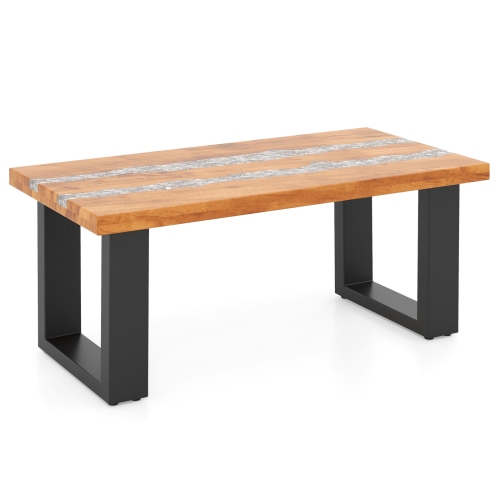
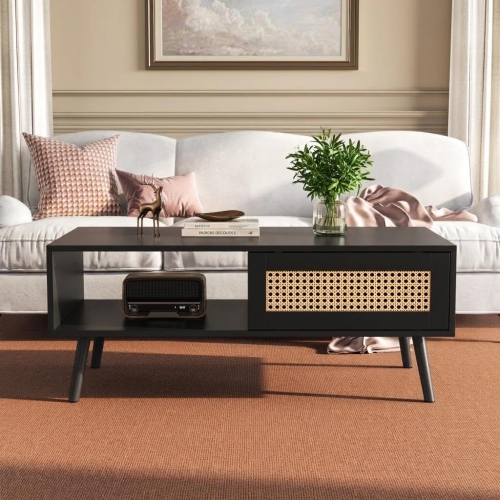
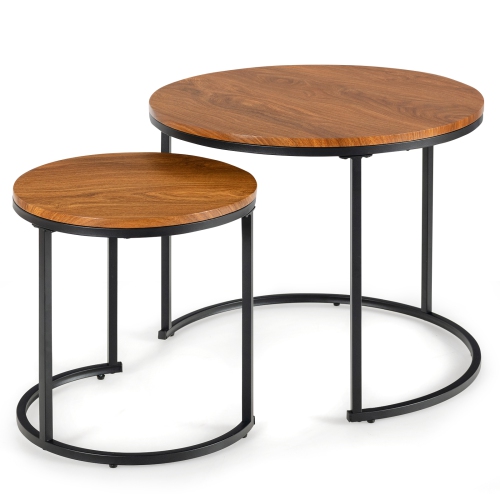
Vintage wood coffee tables bring distinctive grain, familiar proportions, and a sense of history to living rooms, sitting areas, and reading corners. The category spans several looks, from low mid-century silhouettes with tapered legs to rustic plank tops and traditional designs with turned supports or carved edges. Walnut often has a rich brown colour and flowing grain, while oak tends to show a more pronounced grain pattern that suits both simple and detailed furniture. Teak is closely associated with mid-century furniture, and pine brings visible knots and a more informal character. Wood species alone does not establish a table’s age or quality: construction, finish, condition, and documented history all matter. A genuinely vintage coffee table was made in an earlier period, whereas a vintage-inspired table uses shapes, finishes, or details associated with older furniture. Distressed edges and an aged-looking stain can create that appearance without indicating actual age. This distinction helps set expectations, whether the appeal is the individuality of an older piece or the familiar look of a newly made design. For a broader expression of the same aesthetic, Vintage Style Coffee Tables can complement rooms where period-inspired shape matters as much as material. A streamlined wood table can soften a room filled with straight-lined upholstered seating, while a substantial trunk-style silhouette can anchor a generous sofa arrangement. Carved details tend to feel more prominent beside plain fabrics, and a strongly patterned rug often pairs comfortably with a simpler tabletop. Matching every wood tone is not essential. A shared warm or neutral undertone can connect a coffee table with shelving or a media console without making the room feel overly coordinated. The most useful designs balance visual character with an everyday role: holding a mug within reach, keeping reading material together, or providing a central surface when friends gather around the sofa.
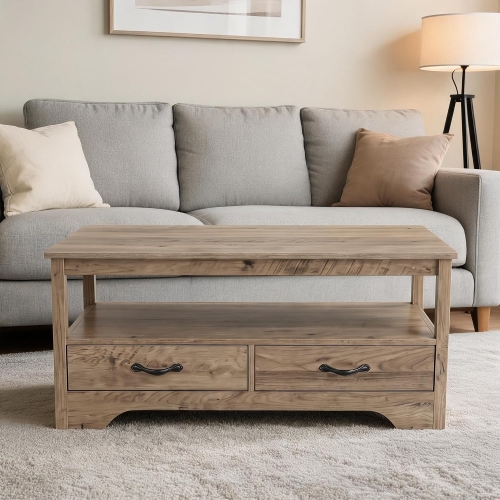
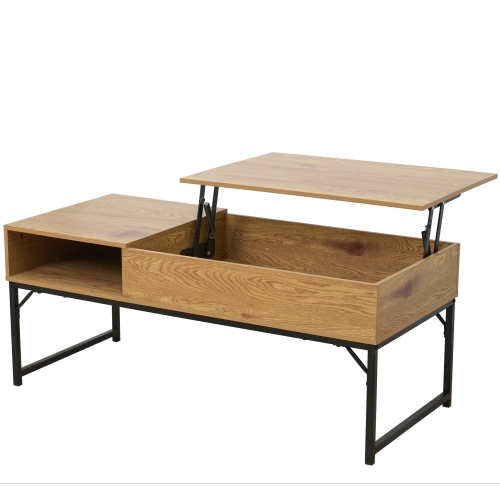
Size and shape have as much influence on comfort as the finish or grain. A coffee table roughly two-thirds the length of a sofa is a useful starting point for judging proportion, although the seating layout and walking routes should take priority over a fixed ratio. Leaving approximately 14 to 18 inches between the table and seating generally allows room for legs while keeping the surface accessible; a route used to cross the room may need more space. A tabletop close to the height of the sofa’s seat cushions usually feels comfortable for setting down a drink. Very low profiles can suit lounge seating but may be less convenient beside a tall, upright sofa. Rectangular tables work naturally along longer sofas, while square shapes can make sense within spacious sectional arrangements. Round and oval tables remove projecting corners from tighter layouts, though their widest points still need to be considered when measuring clearance. Marking the footprint on the floor with removable tape can make the difference between a table that merely fits and one that feels easy to live around. Include any drawer extension or lifting lid in that footprint. Storage also changes how a table serves the room. An open shelf keeps books and board games visible and accessible, while drawers can contain remotes, charging cables, and smaller everyday belongings. Trunk-style storage offers a place for throws, but opening the lid usually means clearing the top first. Where a lift-top mechanism is present, its operating clearance, stability, and stated load limits deserve attention before using it as a temporary work surface. Households with children may prefer rounded edges and sturdy construction, while anyone who frequently rearranges furniture may appreciate a design that is easier to move. For smaller sitting areas, a visually light base can leave more of the floor visible without sacrificing a useful tabletop. A vintage wood coffee table can also make a thoughtful housewarming gift when the recipient’s measurements, storage needs, and taste are already known.
Materials and construction determine how a vintage-look surface handles daily use. Solid wood can develop small marks and colour variations over time, and some finishes allow professional refinishing when wear becomes noticeable. Wood veneer is a thin layer of real wood applied over a supporting core; it can provide attractive grain patterns, but it cannot generally tolerate the same depth of sanding as solid timber. A printed wood-look surface is different again, so the material description is more informative than appearance alone. Stability depends on the whole construction, including the base, joints, fasteners, and support beneath the top. Wide, substantial-looking legs do not automatically guarantee a stronger table, and visible character marks should not be confused with loose joints or structural damage. For genuinely older furniture, checking for wobbling, split wood, lifting veneer, sticking drawers, and uneven repairs helps clarify its condition. An intentionally distressed finish may make small scuffs less conspicuous, but it does not make the surface resistant to spills or heat. Coasters under drinks, a protective layer beneath serving dishes, and felt pads under pottery help preserve the finish without hiding the wood. A smooth tray can keep everyday objects together, provided its underside will not scratch the tabletop. Routine care is usually simple: remove dust with a soft cloth and wipe up spills promptly, following the manufacturer’s cleaning directions where provided. Avoid soaking the surface, and test any suitable cleaning product in an inconspicuous area before wider use. Oil, wax, and polish are not interchangeable treatments; applying the wrong one can leave residue or alter the sheen. Direct sunlight may change wood colour, while placement close to a fireplace, radiator, or heating vent can contribute to drying and movement. Lifting rather than dragging the table protects both its joints and the floor, especially with heavier designs. With a practical layout and care suited to its finish, a vintage wood coffee table can remain a useful focal point through changing cushions, rugs, and seating arrangements. Its appeal rests in that combination of tactile material, recognisable design, and a surface that belongs comfortably at the centre of daily life.
Top selling and popular products
-
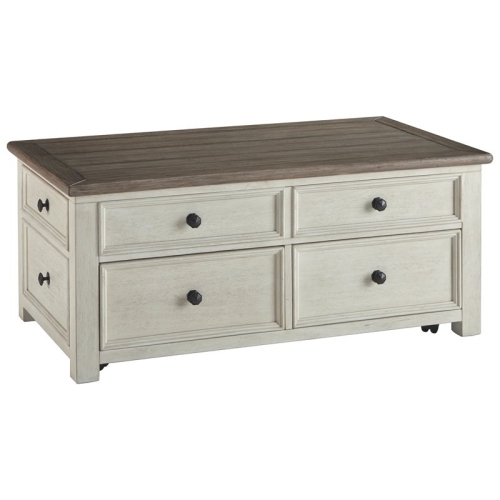 Your price for this item is $949
-
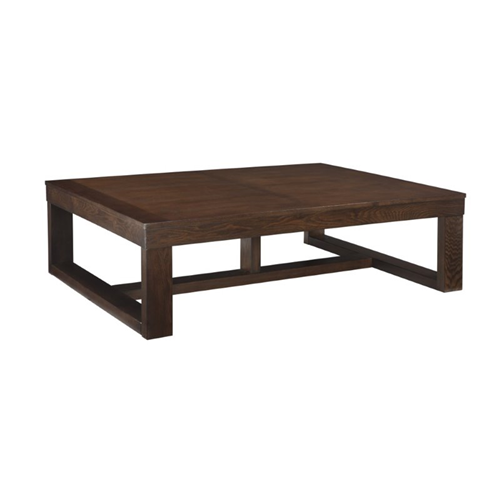 Your price for this item is $449
-
 Your price for this item is $649
-
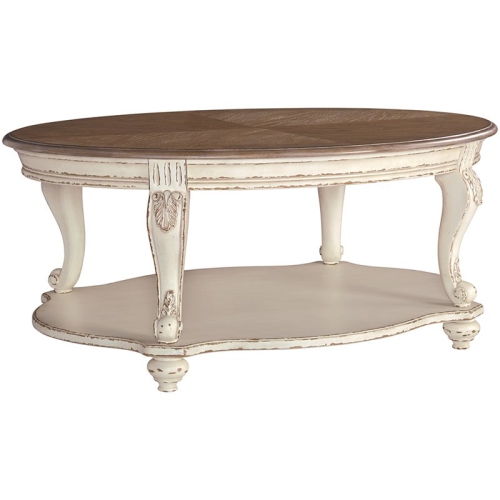 Your price for this item is $599
-
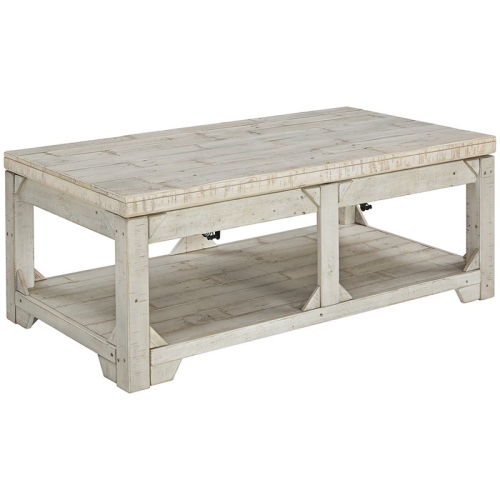 Your price for this item is $549
-
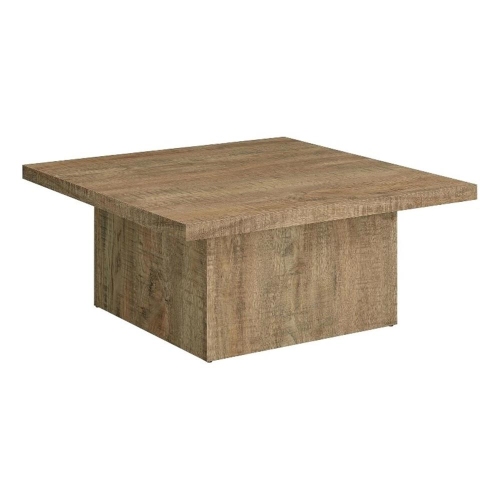 Your price for this item is $349.93
-
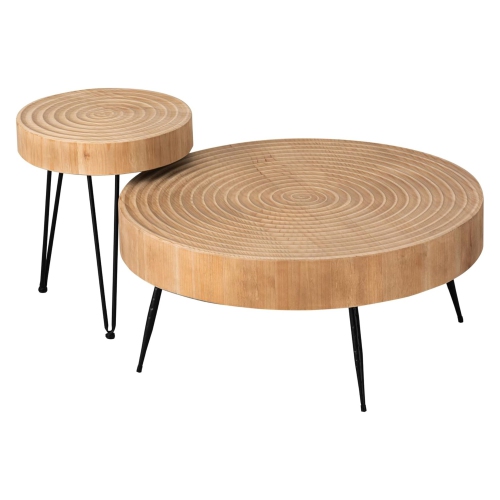 Your price for this item is $474.99
-
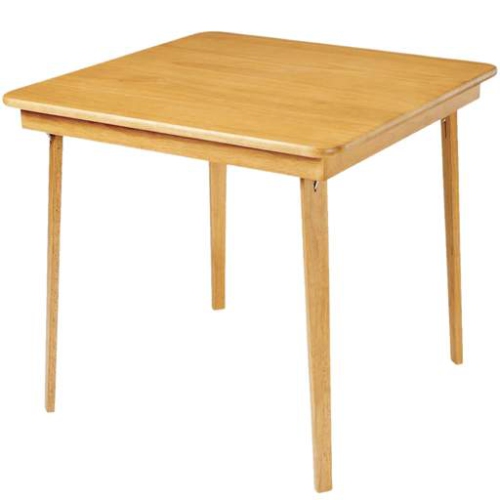 Your price for this item is $233.72
Discover more categories related to Vintage Wood Coffee Tables
Top Collections:
Best Black Friday Deals This Year, Best Black Friday Deals On Electronics, Kindle Devices, Dyson Airwrap, Best Cameras for Sports Photography, Best Budget Office Chairs, Canon G7X Cameras, PS5 Pro Consoles, Best Black Friday Deals On Apple Products, XBOX One S Consoles
Some products may be subject to Environmental Handling Fees
(EHF) depending on your province.
Learn more about EHFs.