Voltage Detectors
Looking to ensure the safety and efficiency of your electrical projects? Look no further than our wide selection of voltage detectors. These handy tools are designed to detect the presence of electrical voltage in wires, cables, outlets, and more, helping you identify potential hazards and avoid accidents. Whether you're a professional electrician or a DIY enthusiast, our range of voltage detectors offers reliable and accurate readings, making them an essential addition to your toolkit. Discover the perfect voltage detector for your needs and gain peace of mind knowing you can work with confidence on any electrical project.
Sort
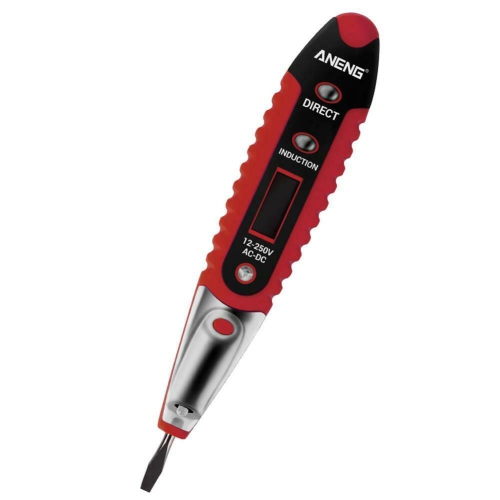
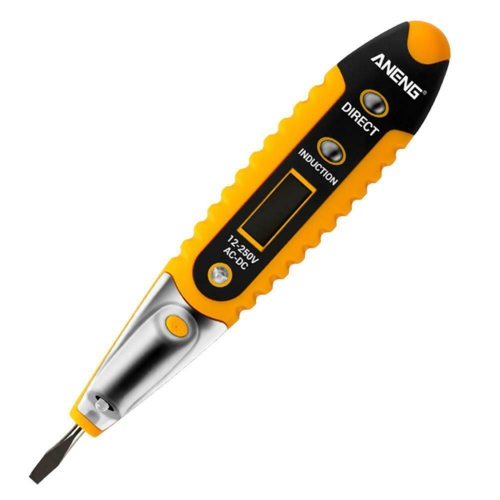
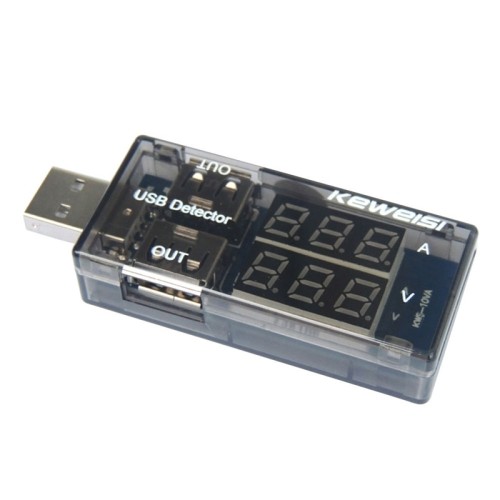
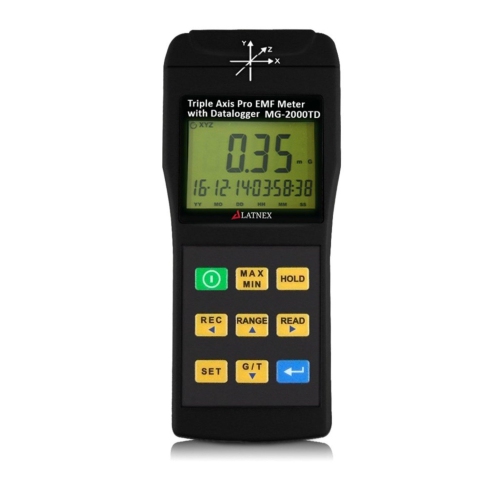
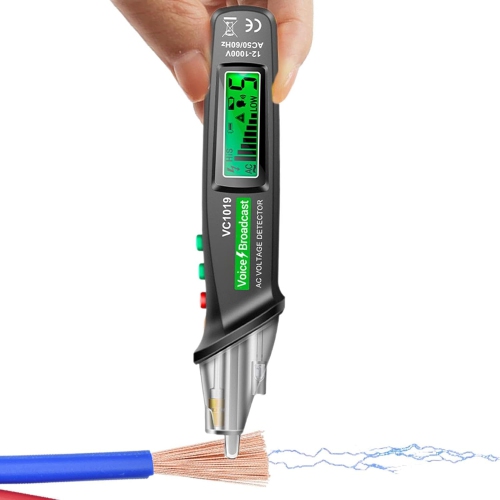

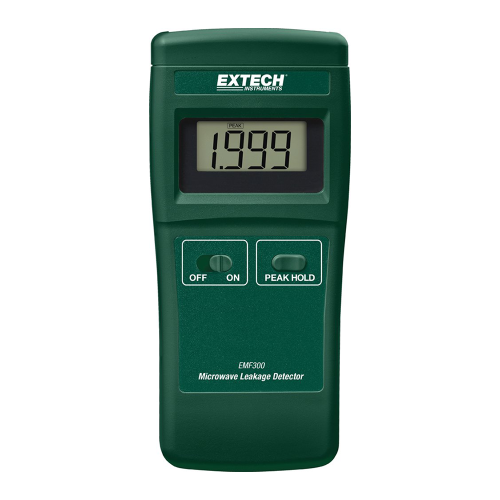
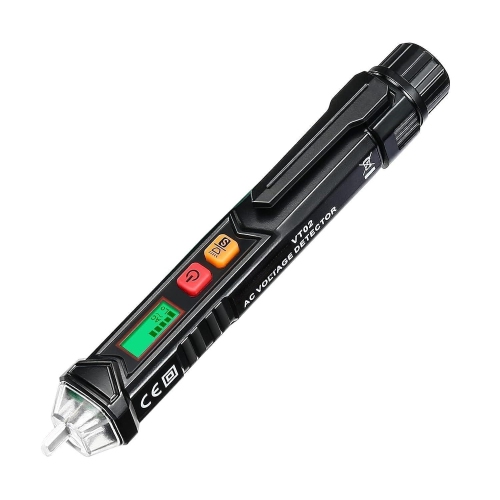
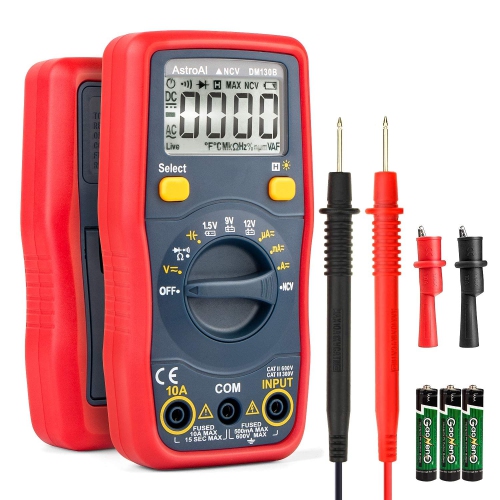
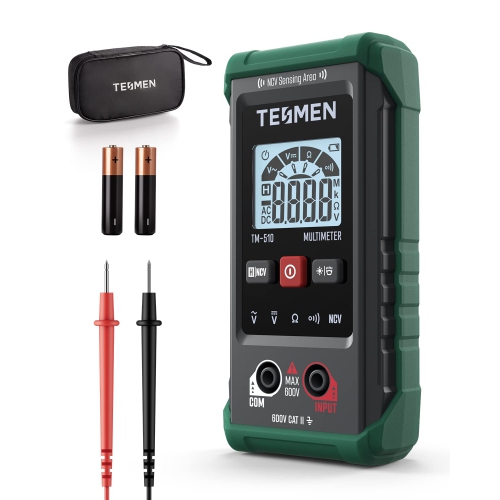
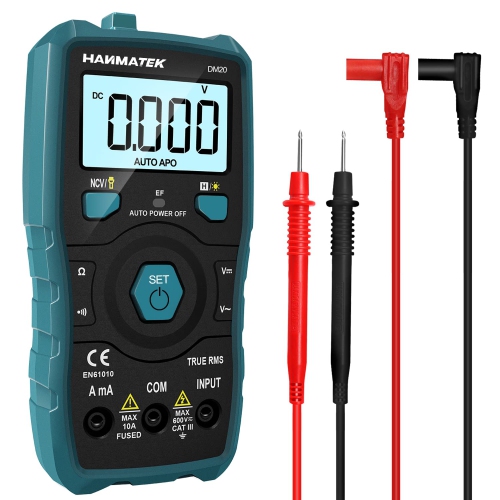
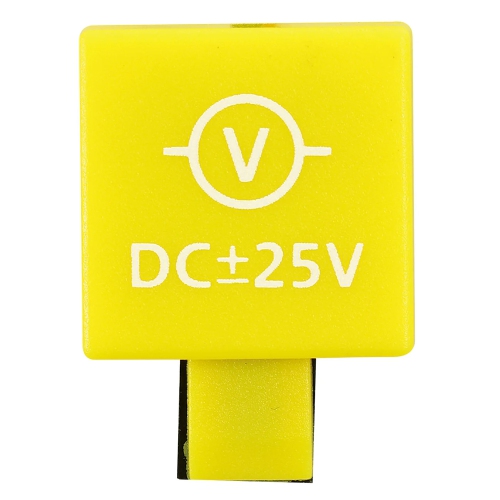
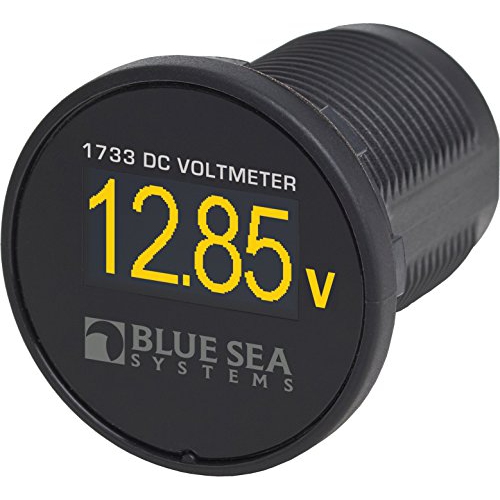
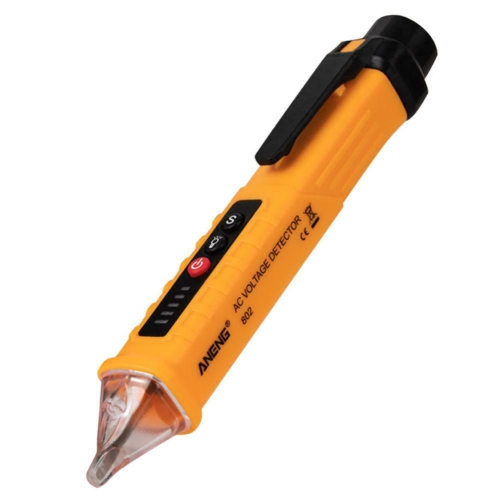
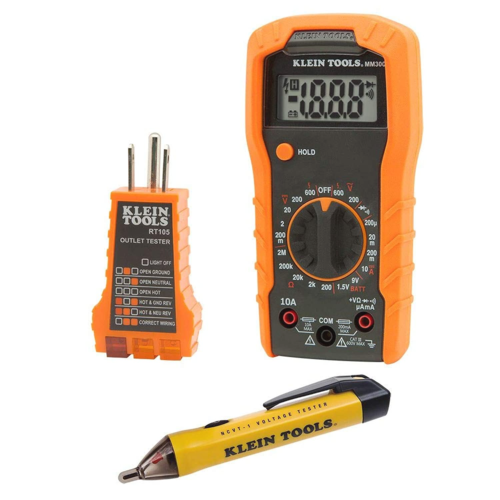
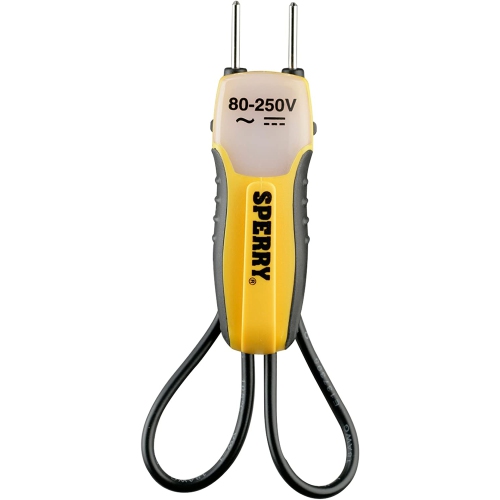
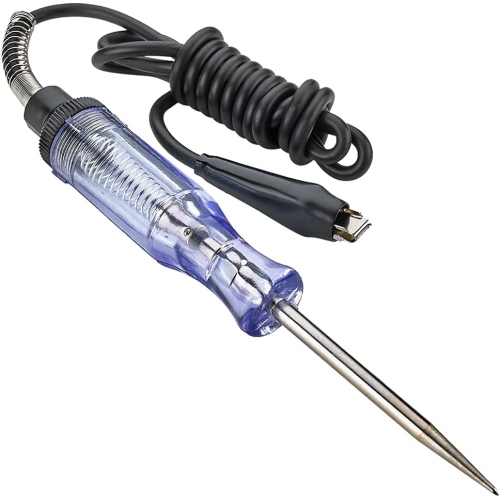

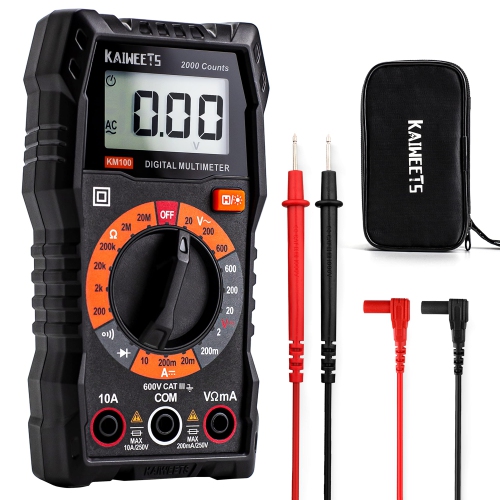
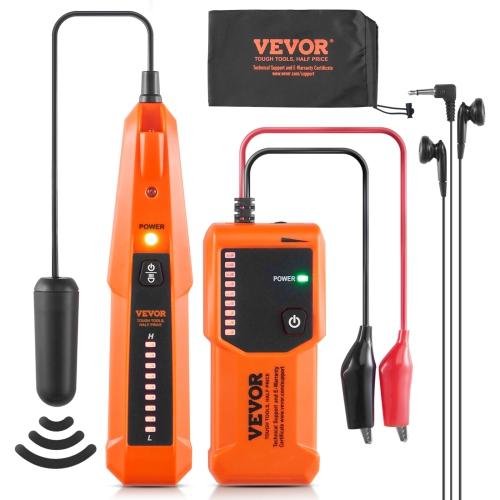
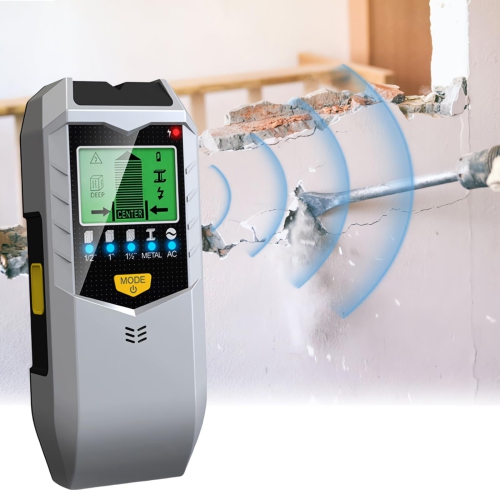
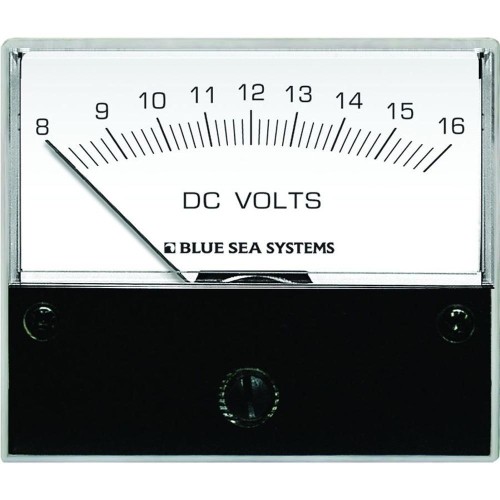
Understand voltage ranges, safety features, and testing limitations
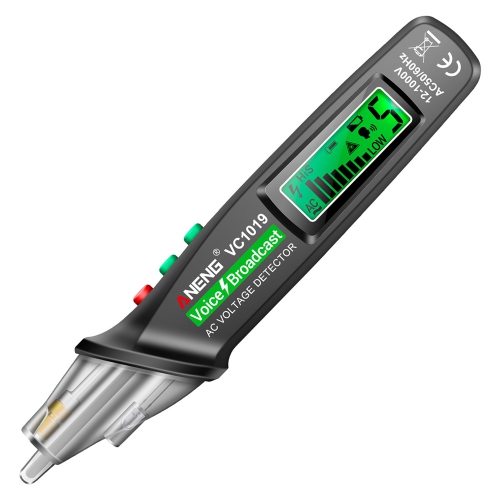
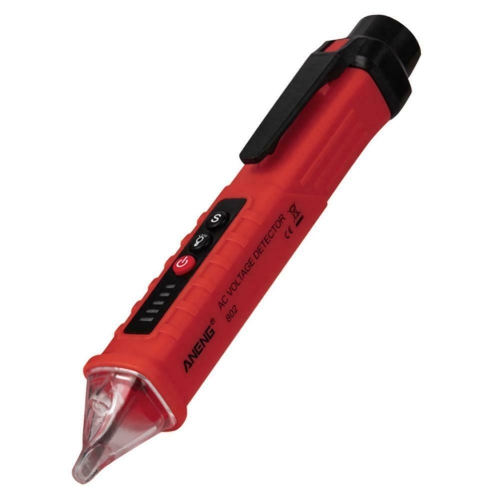
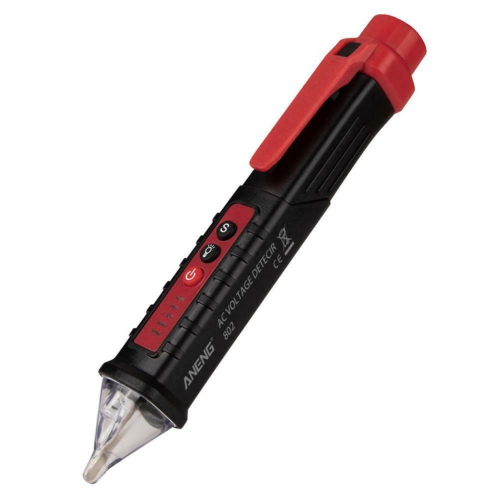
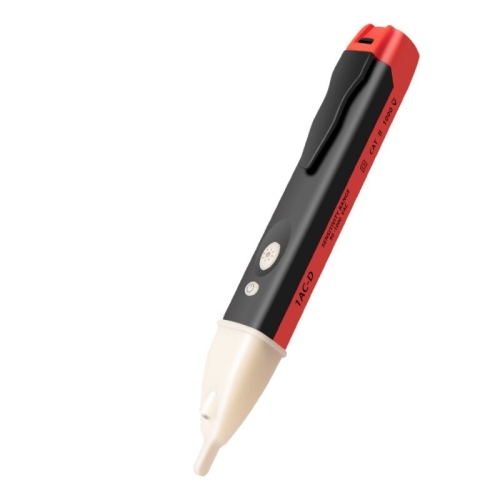
Voltage detectors are practical safety tools for identifying the presence of alternating current (AC) voltage without touching bare conductors. They can be useful when checking an outlet before replacing a cover plate, tracing a live cable behind a wall, inspecting a light switch, or confirming whether a circuit may still be energized before maintenance begins. Most non-contact voltage detectors work by sensing the electrical field around an energized wire, then communicating the result through a flashing light, an audible tone, or both. This makes them compact additions to a home repair kit, electrical toolbox, workshop drawer, or vehicle emergency kit. They are also useful for property managers, renovation professionals, maintenance staff, and experienced do-it-yourself users who regularly work around receptacles, lighting fixtures, breaker panels, and extension cords. A voltage detector can be a thoughtful gift for someone moving into a first home, assembling a workshop, or taking on repair projects, particularly when paired with a clear understanding that it is a screening tool rather than a substitute for safe electrical procedures. Before using one, read the instructions carefully, check the casing and probe area for damage, and test the detector on a known live source. This simple habit confirms that the device is operating before and after a check, helping reduce the risk of relying on a false “no voltage” indication.
When comparing voltage detectors, start with the voltage range that matches the work you expect to do. Standard models commonly detect AC voltage from about 50V to 1000V, which suits many household and general electrical applications. Dual-range models can extend detection down to approximately 12V AC, making them more suitable for certain low-voltage systems such as thermostatic controls, doorbells, landscape lighting controls, or irrigation equipment. A low-voltage setting can offer greater sensitivity, while a higher range may help reduce unnecessary alerts around everyday electrical equipment, so choosing the right mode matters. Look for clear status indicators, such as a green power or readiness light and a contrasting red light or faster beeping pattern when voltage is detected. An integrated LED work light can be helpful in dim utility rooms, under counters, behind appliances, or inside a breaker enclosure where the detector’s tip and the surrounding wiring are difficult to see. If the tool may be used in damp, dusty, or demanding environments, review its ingress protection rating, such as IP67, along with its electrical safety category. CAT III and CAT IV ratings indicate the types of electrical environments for which a device has been designed and tested; the appropriate category depends on whether you are checking branch circuits, fixed building wiring, service entrances, or other higher-energy locations. A built-in GFCI circuit analyser and receptacle tester can add useful functionality for checking common outlet wiring conditions, but it should be regarded as a complementary feature rather than a complete electrical inspection. Consider the detector’s shape, pocket clip, button placement, battery access, and audible volume as well. A tool that is easy to hold and quick to activate is more likely to be used carefully when you are balancing a flashlight, ladder, or handful of fasteners.
Non-contact detection has important limitations, and understanding them is central to using a voltage detector responsibly. These devices are generally intended for AC voltage and may not detect direct current (DC), shielded wiring, deeply buried cables, cables enclosed in metal conduit, or conductors carrying a weak or unusual signal. Nearby energized wires can sometimes cause an indication through electrical coupling, while insulation, moisture, crowded wiring, low batteries, or an awkward testing position can affect results. A silent detector does not prove that a circuit is safe to touch. Whenever electrical work requires contact with wiring, turn off the appropriate breaker or disconnect, prevent it from being switched back on, and verify the absence of voltage using a suitable testing method. Follow local electrical codes and manufacturer instructions, and contact a qualified electrician for service-panel work, damaged wiring, unfamiliar installations, persistent faults, or any task beyond your training. Keep the detector clean and dry unless its specifications permit wet use, replace batteries when the readiness indicator changes, and store it where the sensing tip will not be crushed or contaminated. For households building a broader set of home-monitoring tools, voltage detectors can sit alongside products such as Water Level Detectors, which address a different type of household alert. Together, the right tools can make routine checks more organised, but each should be used for its intended purpose. During the cooler months, when indoor repairs, renovations, and lighting projects often move to the forefront, a dependable voltage detector can provide a quick first check before you proceed—provided that every reading is treated as useful information, not permission to skip established electrical safety steps.
When comparing voltage detectors, start with the voltage range that matches the work you expect to do. Standard models commonly detect AC voltage from about 50V to 1000V, which suits many household and general electrical applications. Dual-range models can extend detection down to approximately 12V AC, making them more suitable for certain low-voltage systems such as thermostatic controls, doorbells, landscape lighting controls, or irrigation equipment. A low-voltage setting can offer greater sensitivity, while a higher range may help reduce unnecessary alerts around everyday electrical equipment, so choosing the right mode matters. Look for clear status indicators, such as a green power or readiness light and a contrasting red light or faster beeping pattern when voltage is detected. An integrated LED work light can be helpful in dim utility rooms, under counters, behind appliances, or inside a breaker enclosure where the detector’s tip and the surrounding wiring are difficult to see. If the tool may be used in damp, dusty, or demanding environments, review its ingress protection rating, such as IP67, along with its electrical safety category. CAT III and CAT IV ratings indicate the types of electrical environments for which a device has been designed and tested; the appropriate category depends on whether you are checking branch circuits, fixed building wiring, service entrances, or other higher-energy locations. A built-in GFCI circuit analyser and receptacle tester can add useful functionality for checking common outlet wiring conditions, but it should be regarded as a complementary feature rather than a complete electrical inspection. Consider the detector’s shape, pocket clip, button placement, battery access, and audible volume as well. A tool that is easy to hold and quick to activate is more likely to be used carefully when you are balancing a flashlight, ladder, or handful of fasteners.
Non-contact detection has important limitations, and understanding them is central to using a voltage detector responsibly. These devices are generally intended for AC voltage and may not detect direct current (DC), shielded wiring, deeply buried cables, cables enclosed in metal conduit, or conductors carrying a weak or unusual signal. Nearby energized wires can sometimes cause an indication through electrical coupling, while insulation, moisture, crowded wiring, low batteries, or an awkward testing position can affect results. A silent detector does not prove that a circuit is safe to touch. Whenever electrical work requires contact with wiring, turn off the appropriate breaker or disconnect, prevent it from being switched back on, and verify the absence of voltage using a suitable testing method. Follow local electrical codes and manufacturer instructions, and contact a qualified electrician for service-panel work, damaged wiring, unfamiliar installations, persistent faults, or any task beyond your training. Keep the detector clean and dry unless its specifications permit wet use, replace batteries when the readiness indicator changes, and store it where the sensing tip will not be crushed or contaminated. For households building a broader set of home-monitoring tools, voltage detectors can sit alongside products such as Water Level Detectors, which address a different type of household alert. Together, the right tools can make routine checks more organised, but each should be used for its intended purpose. During the cooler months, when indoor repairs, renovations, and lighting projects often move to the forefront, a dependable voltage detector can provide a quick first check before you proceed—provided that every reading is treated as useful information, not permission to skip established electrical safety steps.
Top selling and popular products
-
 Your price for this item is $150
 -
 Your price for this item is $39.99
 -
 Your price for this item is $124.55
 -
 Your price for this item is $129.99
 -
 Your price for this item is $76.35
 -
 Your price for this item is $60.99
 -
 Your price for this item is $9.99
 -
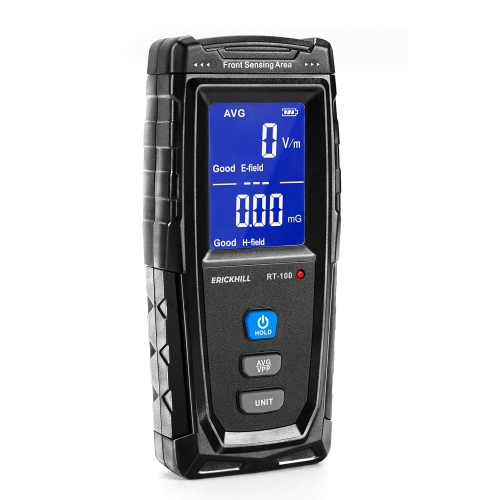 Your price for this item is $89.99
Discover more categories related to Voltage Detectors
Top Collections:
Pokemon Centers, Kindle Devices, Best Budget Office Chairs, Apple iPhones 16, Best Laptops for Writers, iPhone 15 Apple, Canon G7X Cameras, Refurbished Apple Laptops, Alarm Clock, Motorola Razr Phones
Some products may be subject to Environmental Handling Fees
(EHF) depending on your province.
Learn more about EHFs.