Electromagnetic Field Detectors
Whether you're concerned about the potential health effects of EMFs or simply curious about the levels in your surroundings, these devices are designed to provide accurate readings and peace of mind. With a variety of options available, you can find the perfect electromagnetic field detector to suit your needs. From compact handheld models to more advanced meters, our selection offers reliable performance and user-friendly features. Explore our range today and take control of monitoring EMFs in your environment.
Sort

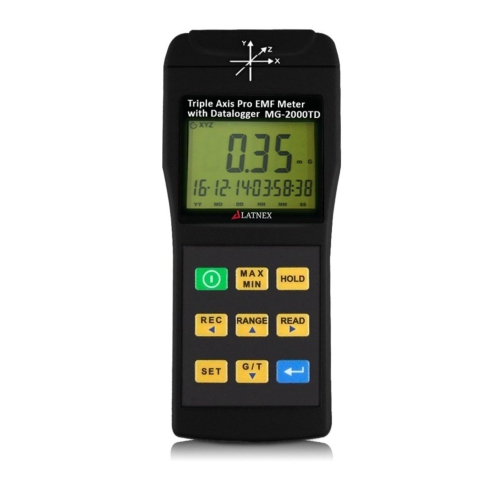

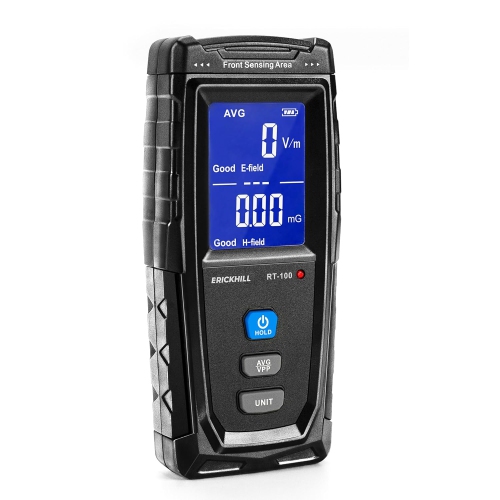

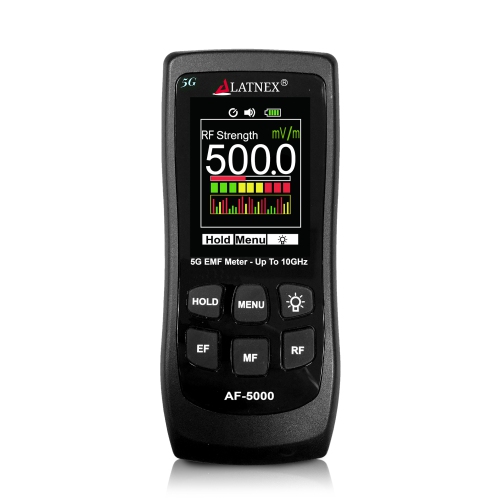

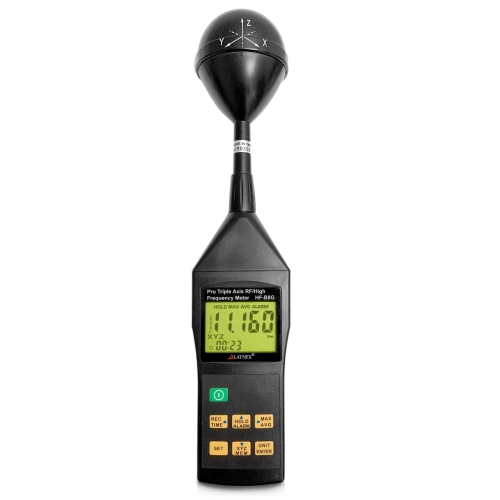


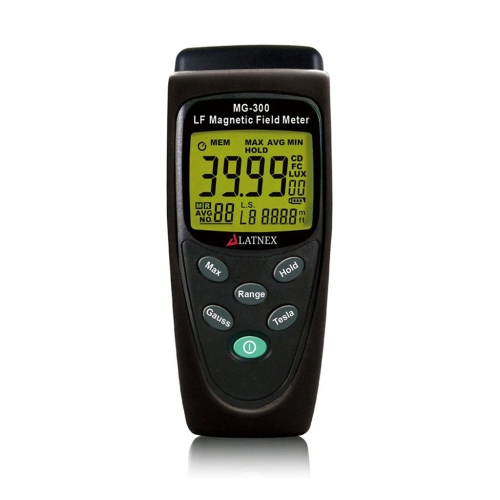

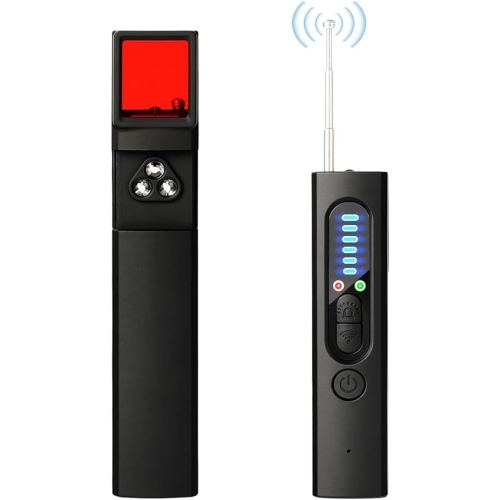
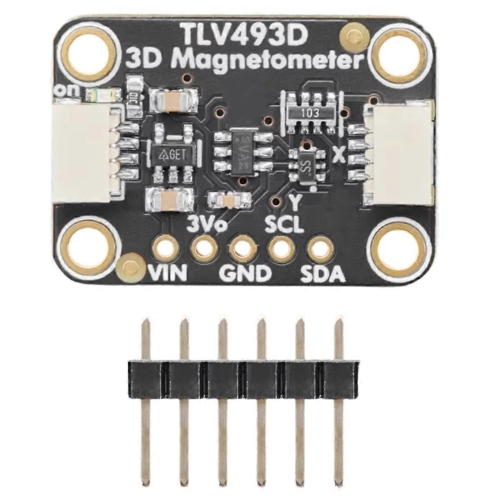
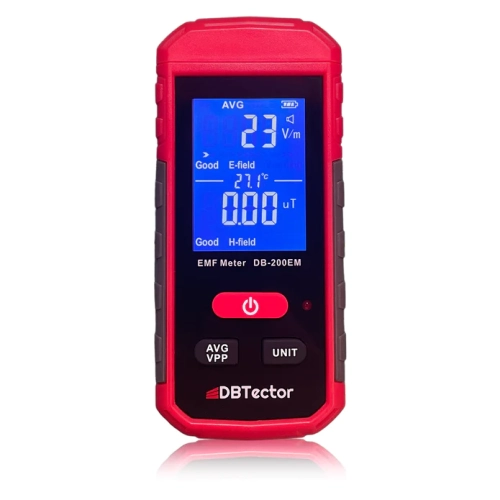






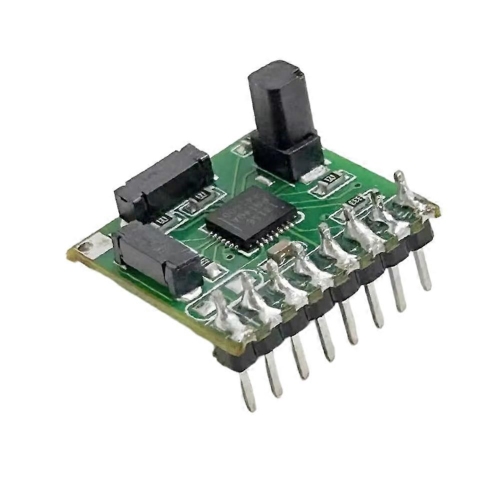
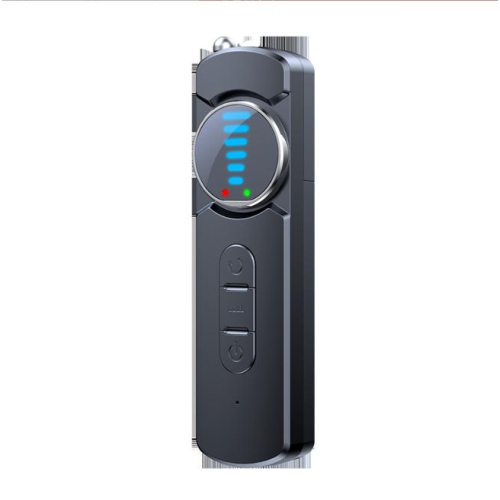

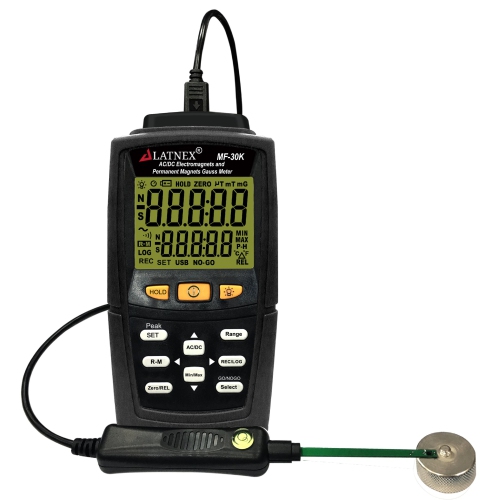
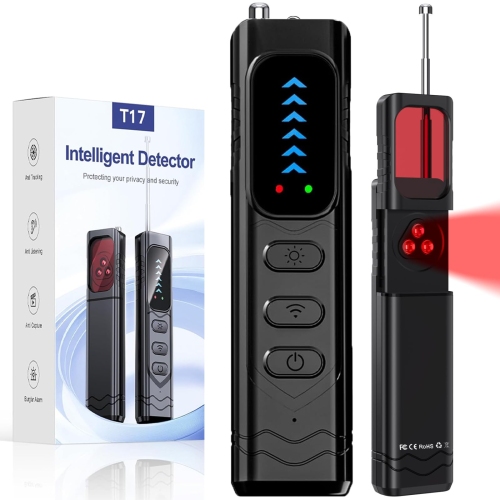





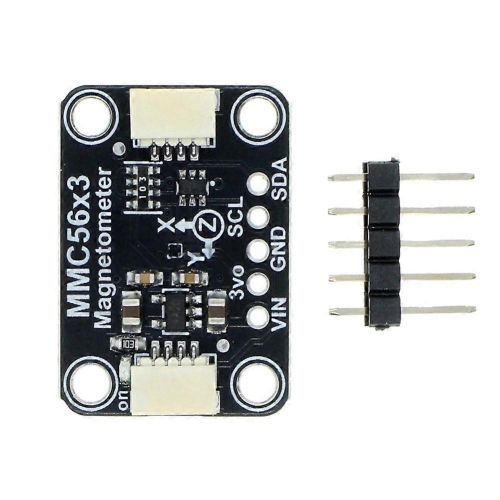
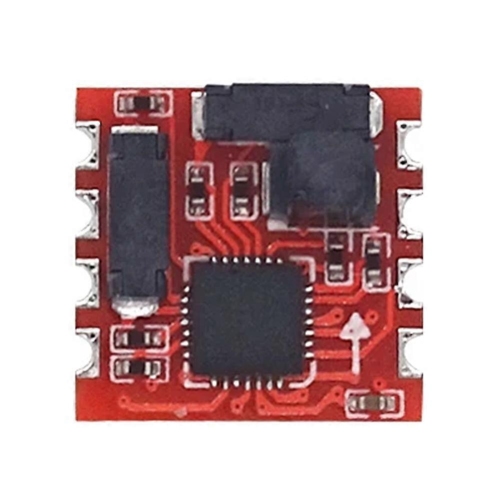
What EMF detectors measure and how readings can vary
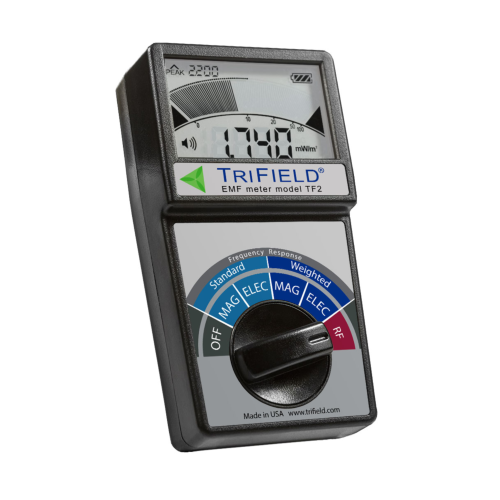
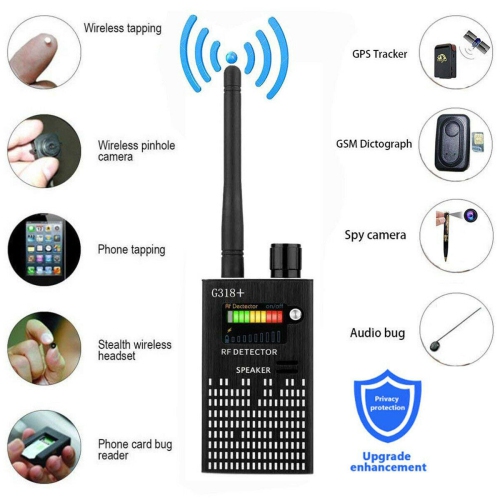
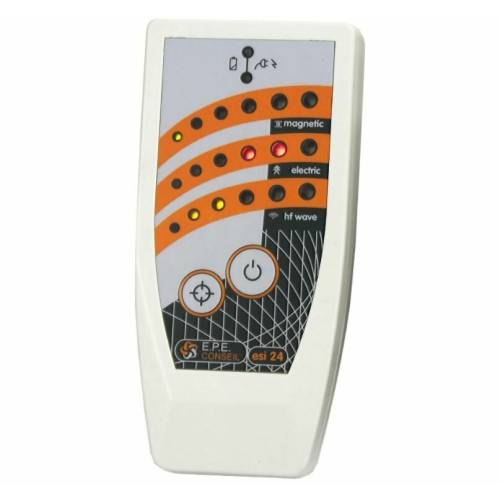
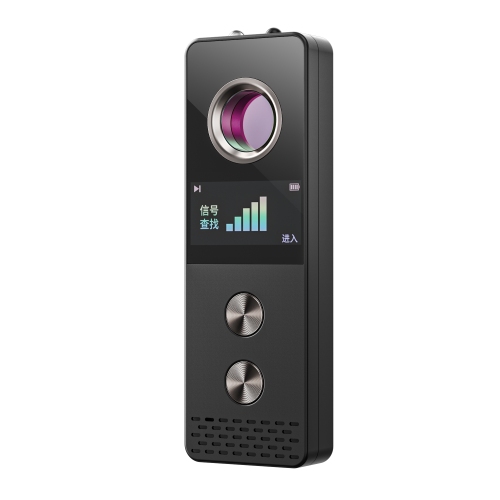
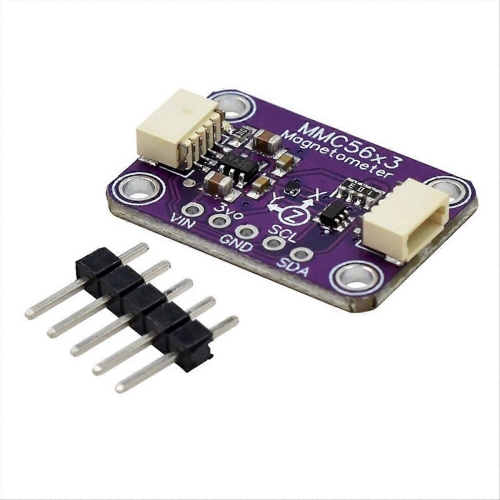
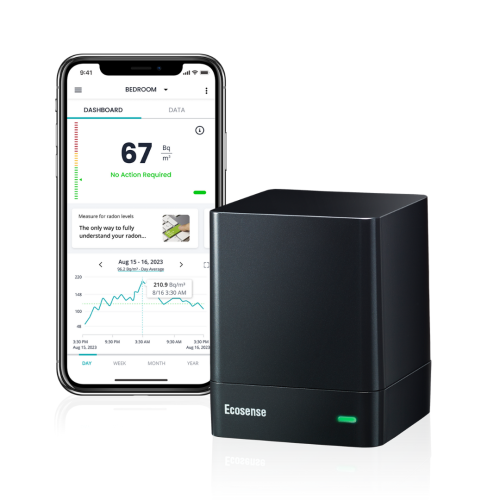
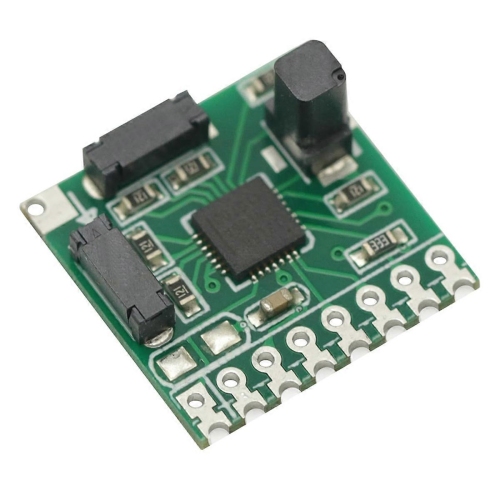
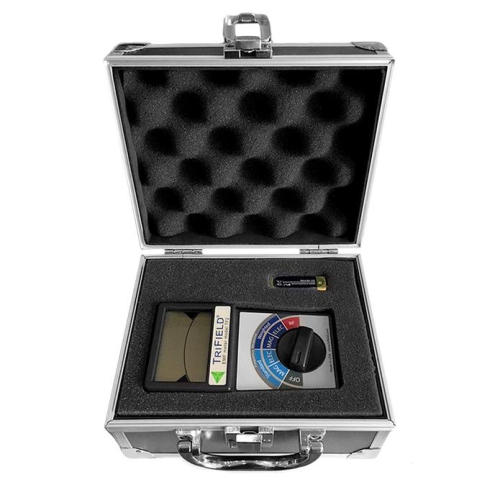
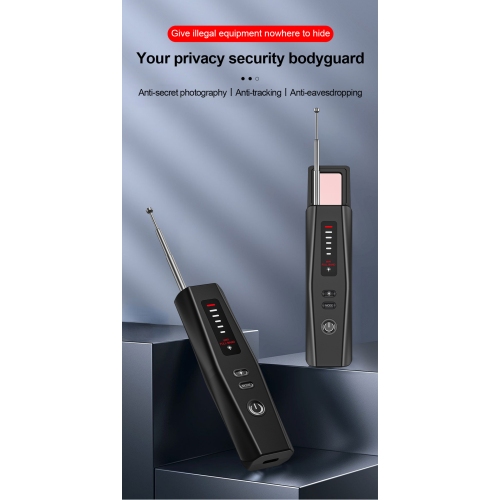
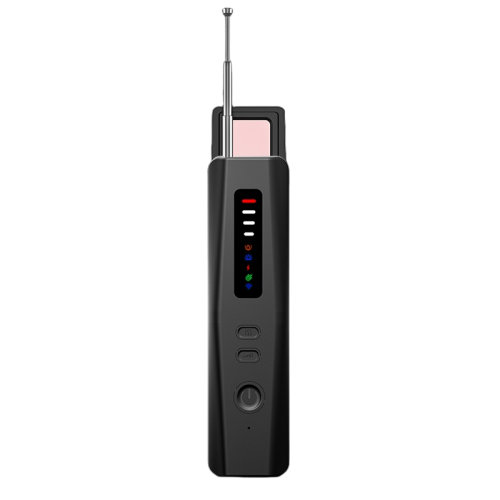
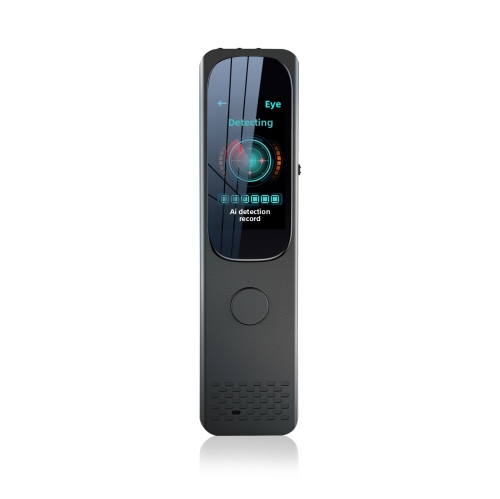
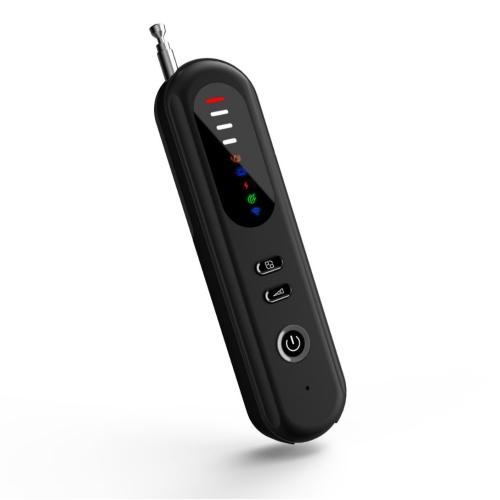
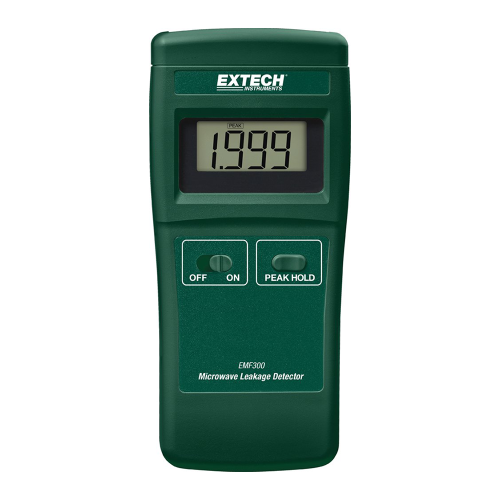
Electromagnetic field detectors are handheld instruments that help make invisible electrical and wireless activity easier to observe. They can be used to measure fields around household appliances, breaker panels, extension cords, power lines, wireless routers, mobile devices, motors, and other equipment that produces electromagnetic energy. Depending on the design, a detector may measure electric fields, magnetic fields, radio frequency (RF) signals, or a combination of these. Electric fields are commonly associated with voltage in plugged-in wiring and are often shown in volts per metre (V/m). Magnetic fields are produced when current flows and may be displayed in milligauss (mG) or microtesla (µT). RF measurements relate to higher-frequency wireless transmissions and may appear in microwatts per square metre (µW/m²), V/m, or another unit listed in the specifications. Understanding these differences is important because a detector designed to measure low-frequency magnetic fields may not provide useful RF readings, while an RF meter may not be intended for checking a breaker panel or large motor. A clear screen, straightforward controls, an easy-to-read measurement scale, and an audible or visual alert can make it simpler to notice changes while moving through a room. Some models take readings along one axis, while tri-axis instruments can respond to fields from multiple directions without requiring the sensor to be carefully aligned. This can be especially useful when checking several locations in a home, workshop, office, or travel setting.
People choose electromagnetic field detectors for a range of practical and personal reasons. A homeowner may use one to compare readings near a bed, desk, appliance, or electrical panel, particularly when rearranging a room or investigating an unexpected reading. A technician, building professional, or maintenance worker may use an instrument as an initial troubleshooting tool when examining wiring, equipment placement, or areas near power distribution components. Hobbyists sometimes use meters to explore the invisible activity around everyday technology, while educators can use them to demonstrate how fields change with distance, power draw, and device operation. They are also popular with paranormal investigation groups that use changing readings as part of their equipment, although an EMF detector records electrical or wireless activity and does not establish the cause of an unusual event. When comparing models, consider the types of fields you need to measure, the frequency range, the measurement range, the detector’s accuracy, and whether it provides peak, average, or real-time readings. A compact meter can be convenient for carrying between rooms or keeping in a tool case, while a larger display may be easier to read in dim spaces or while wearing work gloves. Data logging, memory, backlighting, an adjustable alarm threshold, and a protective case can be valuable for repeated inspections. Battery type and runtime also deserve attention, particularly if the detector will be used outdoors, in unfinished areas, or during longer sessions. For occasional household checks, a simple dual-function meter may be sufficient; more advanced users may prefer multi-field measurement, greater sensitivity, selectable units, and documented calibration information. If you are looking for equipment for a broader range of radiation-related measurements, browse Radiation Detectors to compare products intended for different detection tasks.
Using an electromagnetic field detector effectively starts with a consistent approach. Take a baseline reading in an area where you expect little activity, then move slowly toward the suspected source while watching how the numbers respond. Keep the instrument at a similar height and distance when comparing locations, and note whether equipment is switched on, drawing power, transmitting wirelessly, or operating under a heavier load. Readings can vary when a phone connects to a network, a router sends data, a refrigerator motor starts, or a light fixture is turned on, so repeating a measurement at different times can provide useful context. Nearby metal, walls, furniture, wiring routes, and other electrical devices may also affect results. Follow the manufacturer’s instructions for sensor orientation, zeroing, calibration, operating temperature, and maximum exposure limits for the instrument itself. A detector is a measurement aid, not a substitute for a certified inspection, electrical repair, workplace assessment, or professional exposure evaluation. Never open a breaker panel, handle damaged wiring, approach high-voltage equipment, or place yourself in a hazardous area simply to obtain a reading. A qualified electrician or appropriately trained professional should investigate suspected wiring faults, grounding problems, equipment damage, or readings that appear outside expected conditions. These products can make thoughtful gifts for technically minded family members, electronics enthusiasts, students, makers, home inspectors, and curious hobbyists who enjoy learning how their surroundings respond to modern technology. During the cooler months, when more time is spent indoors with lighting, heating equipment, entertainment systems, and connected devices running, an EMF detector can offer a hands-on way to examine the electrical character of a room. Choose a model whose field types, display, sensitivity, and controls match the intended use, and keep records of what was measured, where it was measured, and which devices were operating so that future readings can be compared accurately.
Top selling and popular products
-
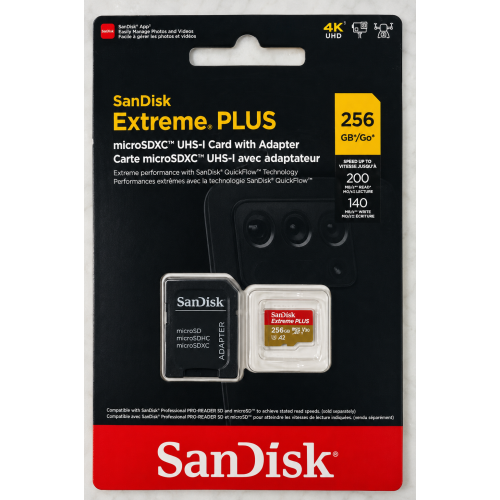 Your price for this item is $104.99
-
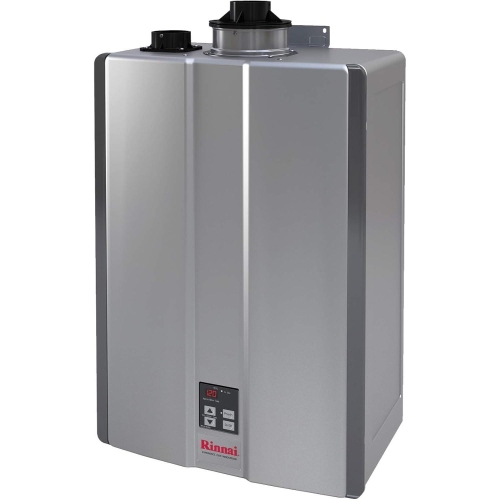 Your price for this item is $2199.25
-
 Your price for this item is $209.99
-
 Your price for this item is $520
-
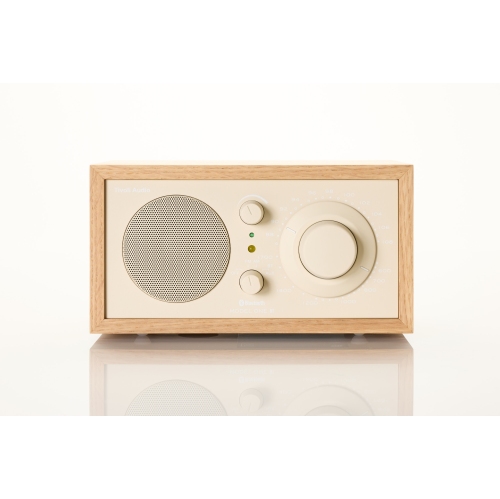 Your price for this item is $299
-
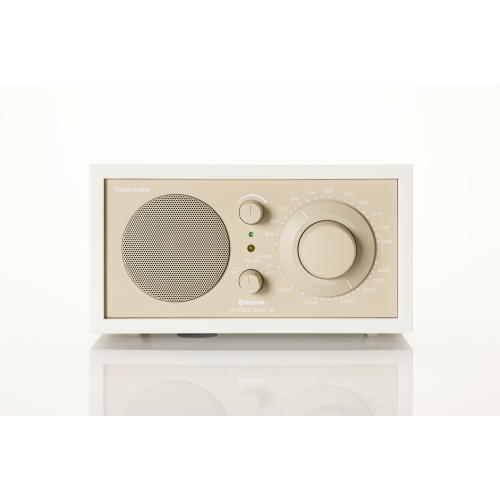 Your price for this item is $299
-
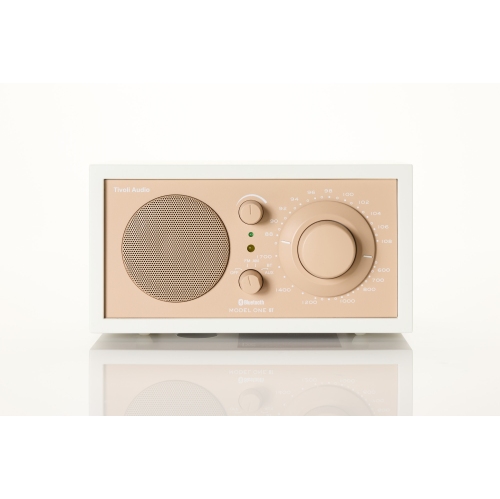 Your price for this item is $299
-
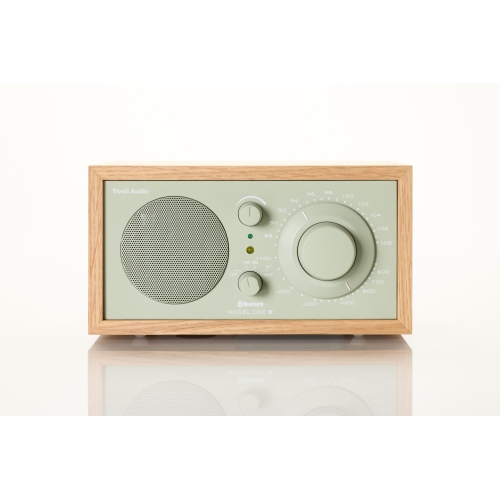 Your price for this item is $299
Discover more categories related to Electromagnetic Field Detectors
Top Collections:
Pokemon Centers, Kindle Devices, Best Cameras for Sports Photography, Pokémon 30th Celebration Cards, Canon G7X Cameras, Samsung Galaxy Phones, iPhone 15 Apple, Best Black Friday Deals On Electronics, Jackery Power Stations, Solar Generators for Home
Some products may be subject to Environmental Handling Fees
(EHF) depending on your province.
Learn more about EHFs.