Wall Mounted Shelving Units
If you're looking for a way to add storage space to your home, but don't have a lot of room to work with, consider adding wall-mounted shelving. These units are available in many different styles and sizes, and they can be installed in minutes, some require no drilling or screwing into the wall. Here are some of our favorites.
Sort
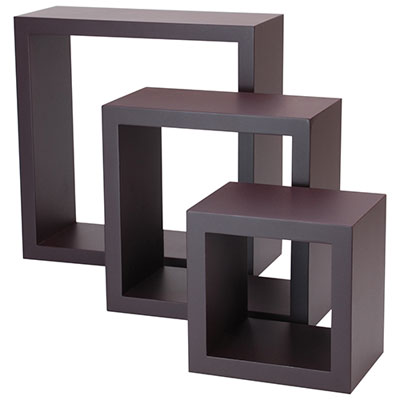
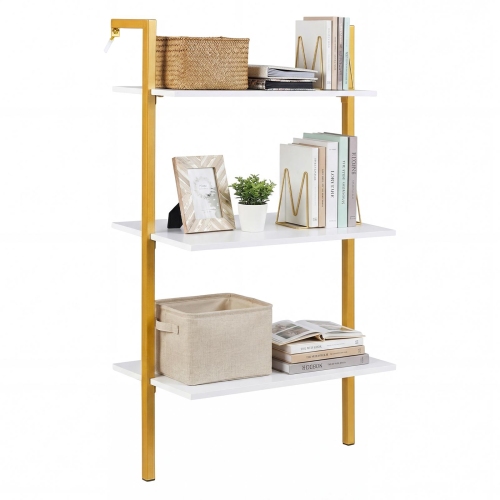
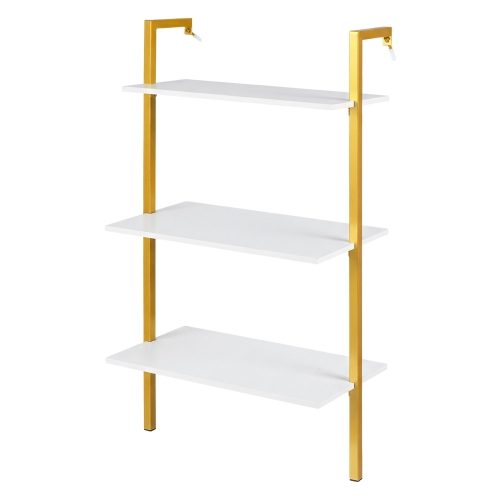
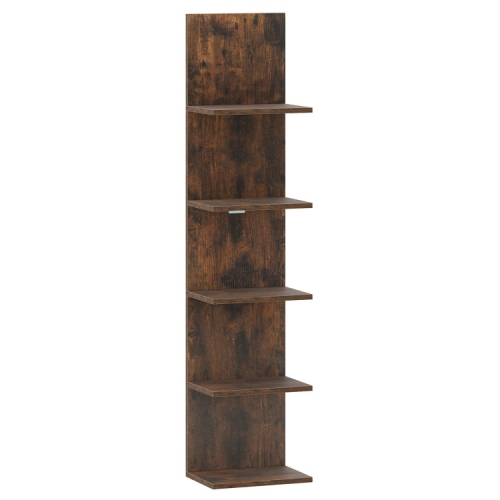
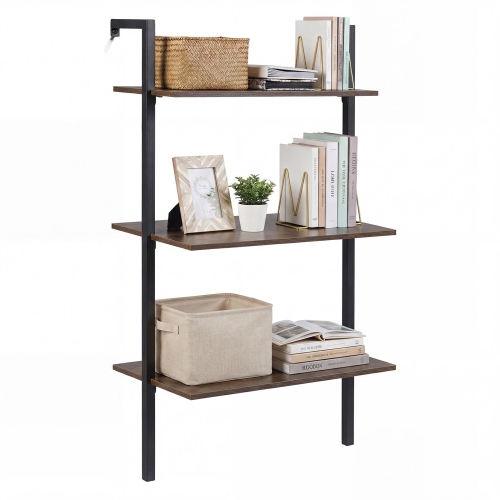
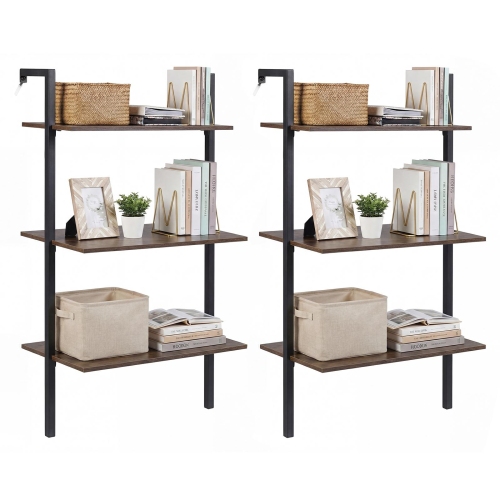
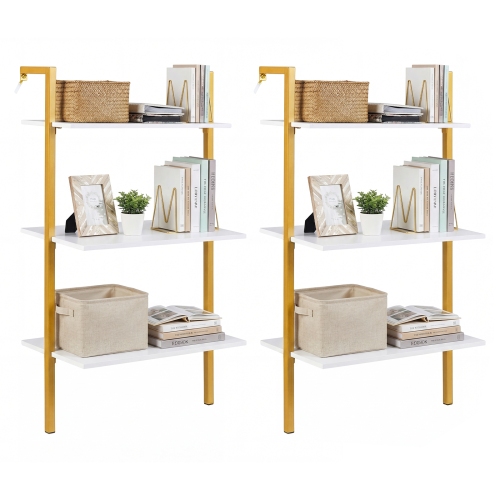
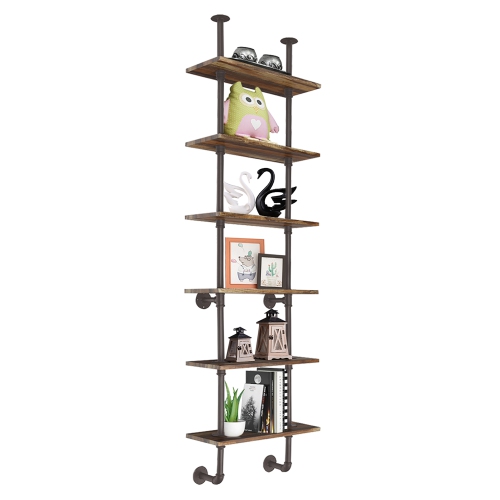
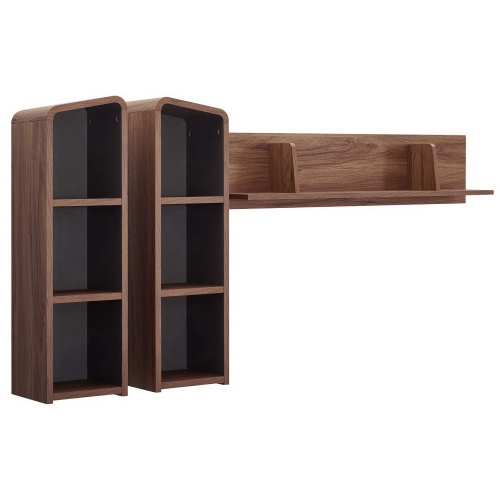


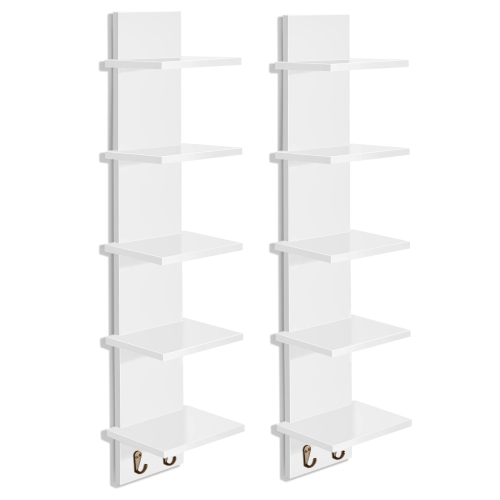
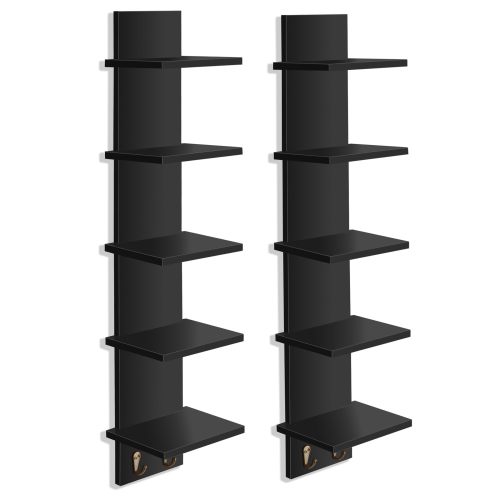
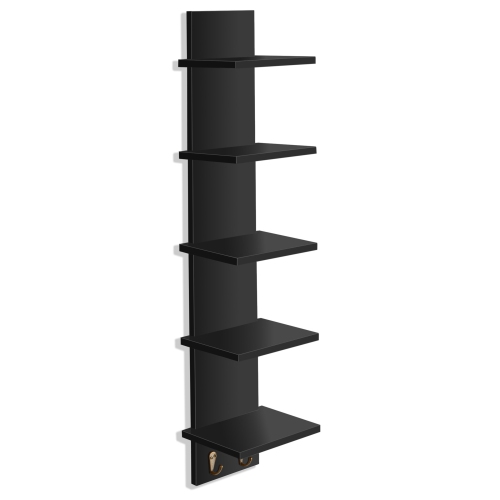
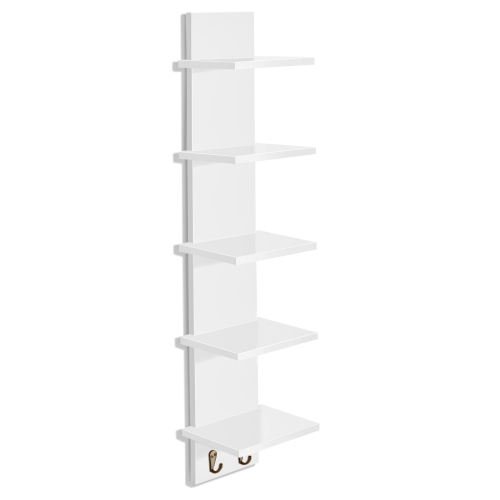
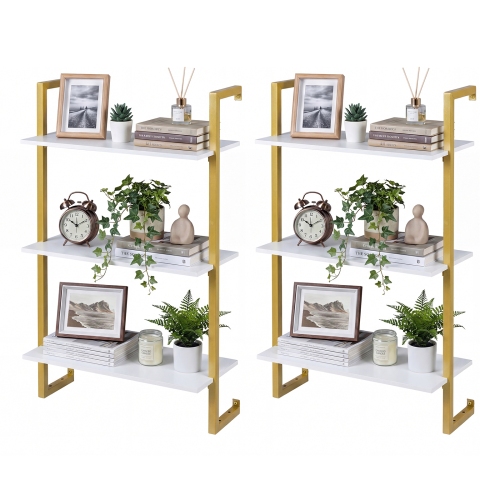
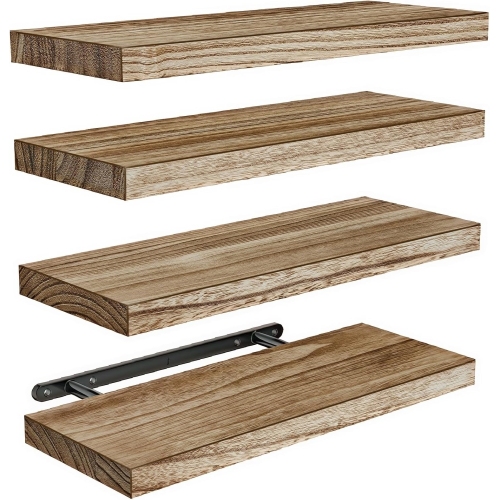


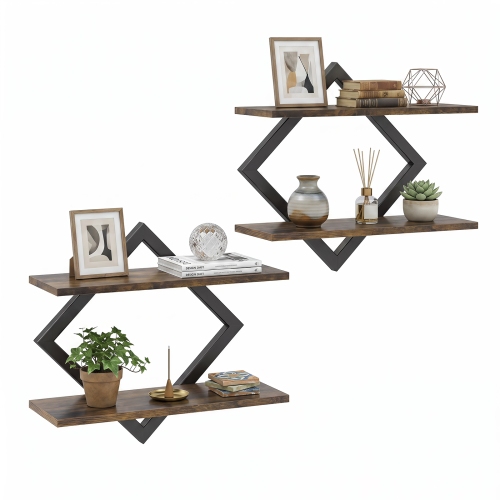
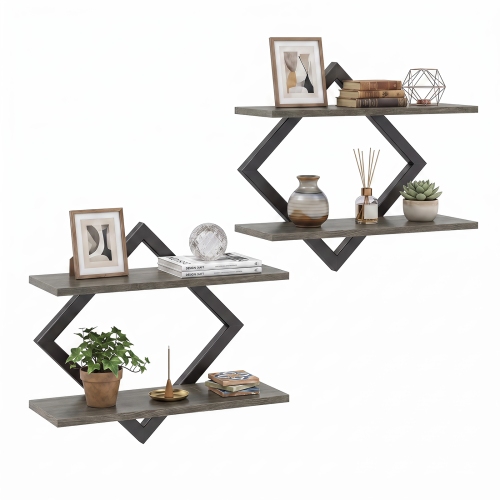
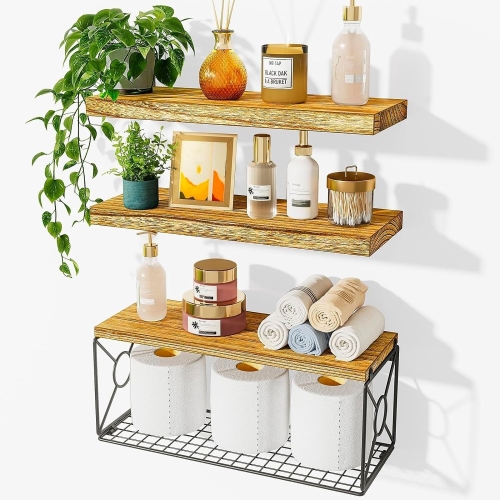
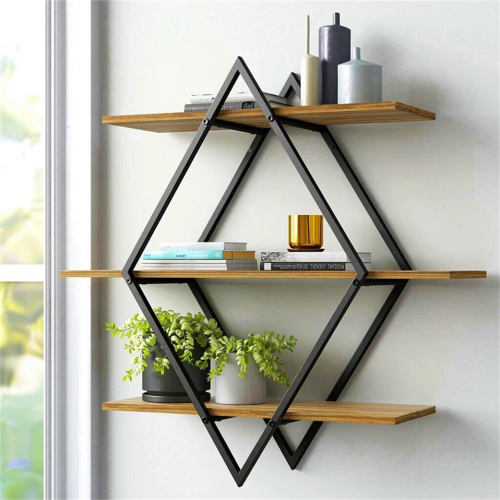
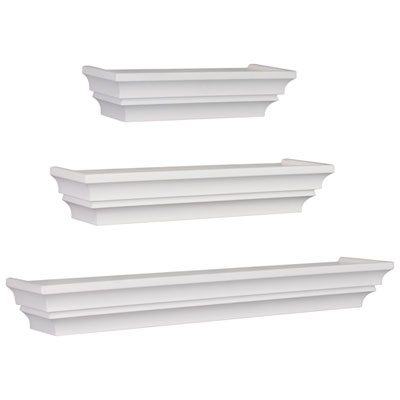
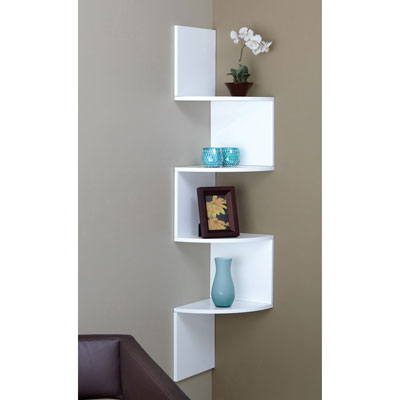
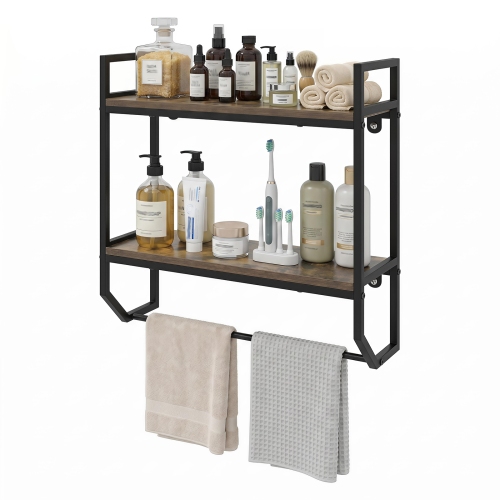
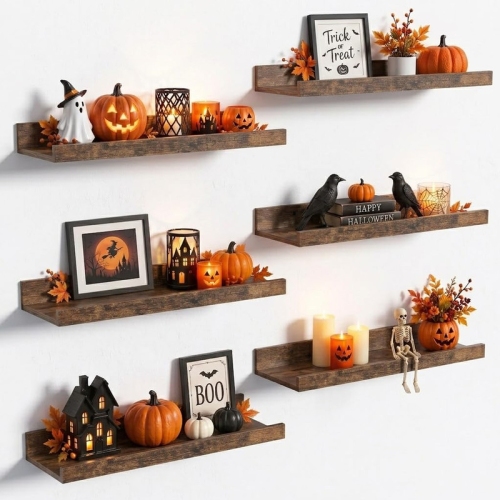
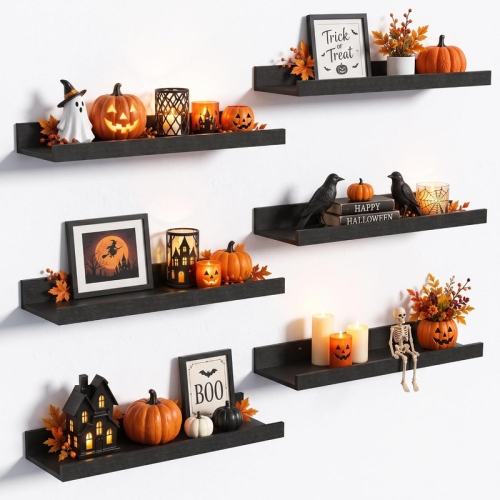
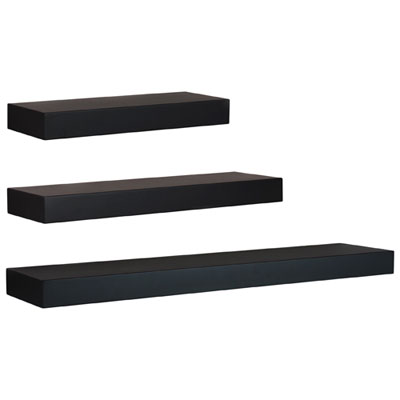
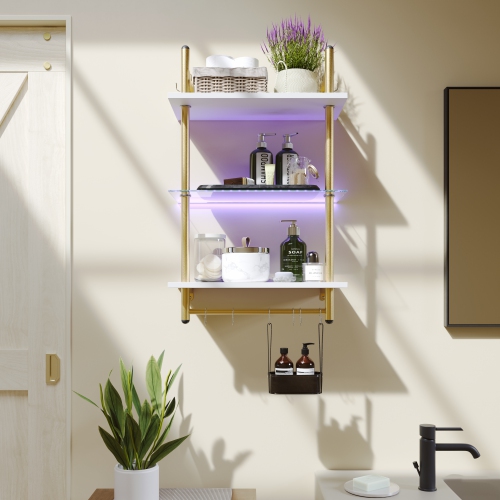

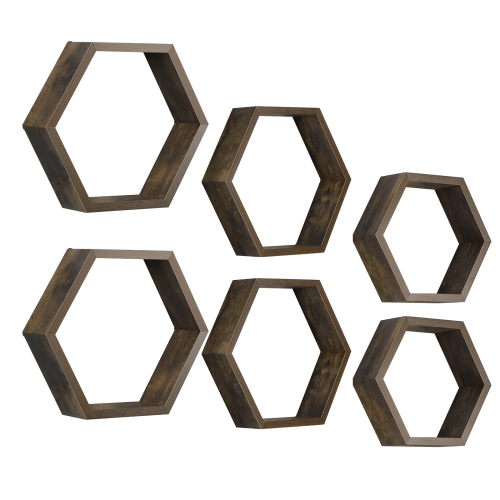
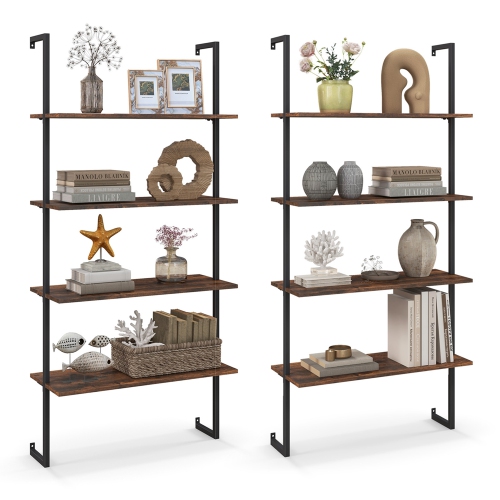
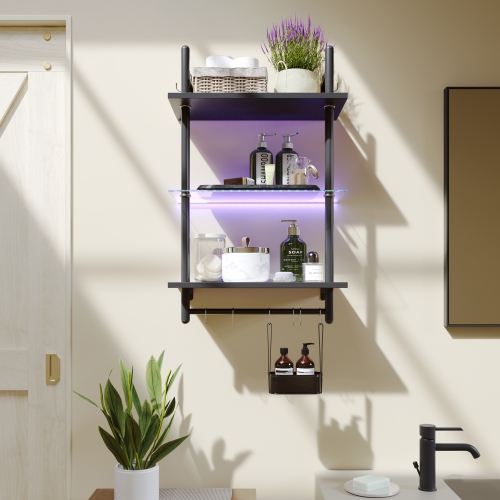
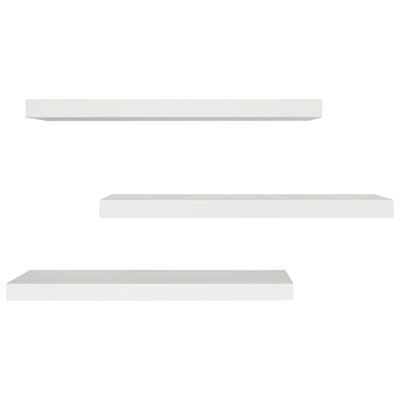
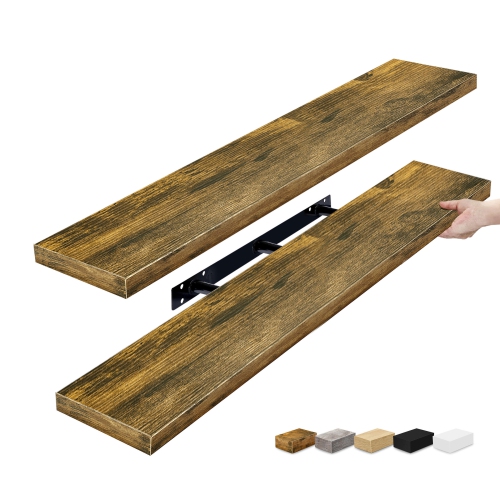

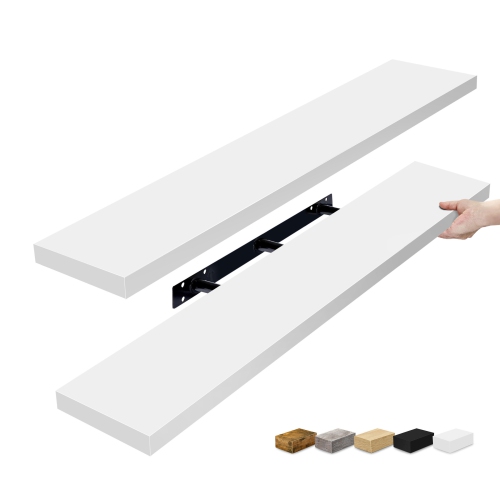
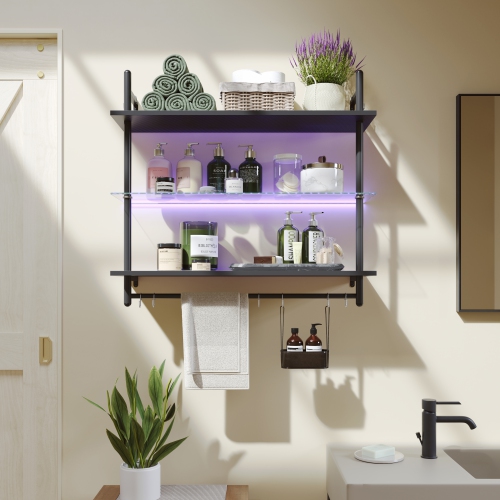
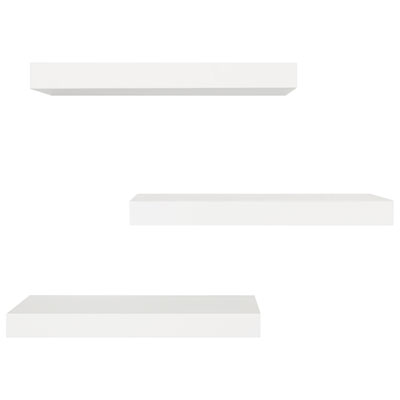
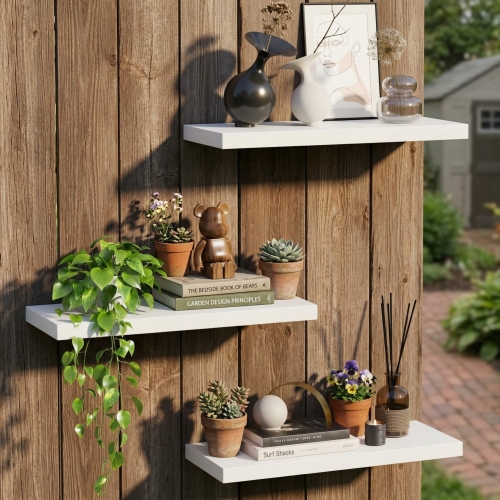
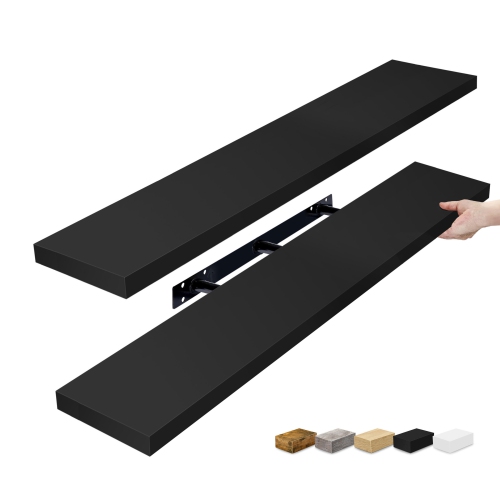

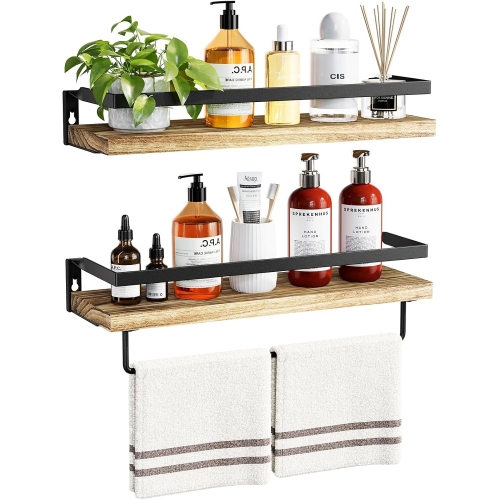
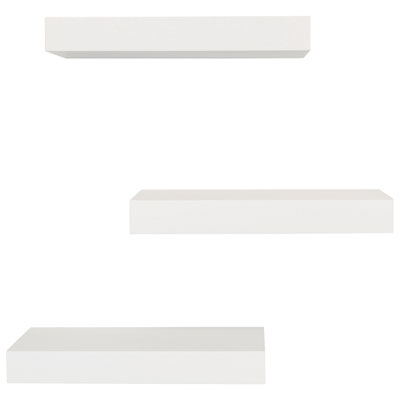
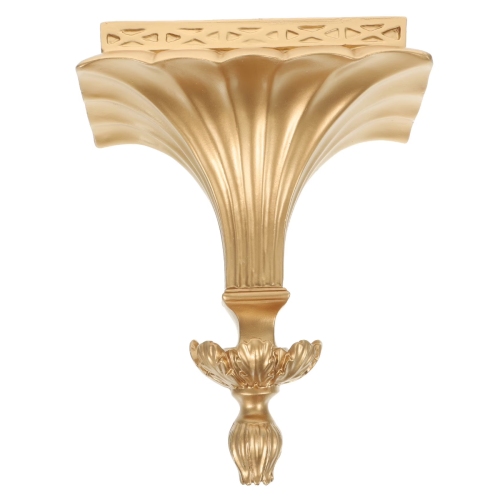

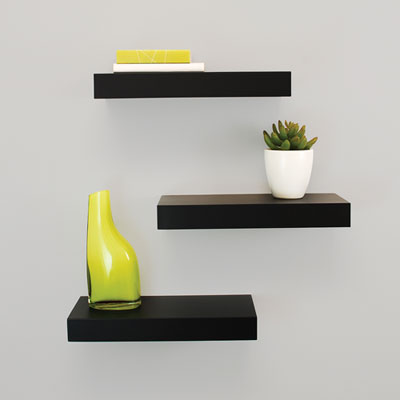
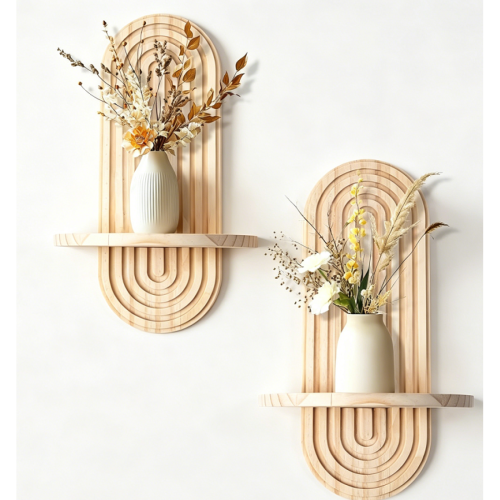

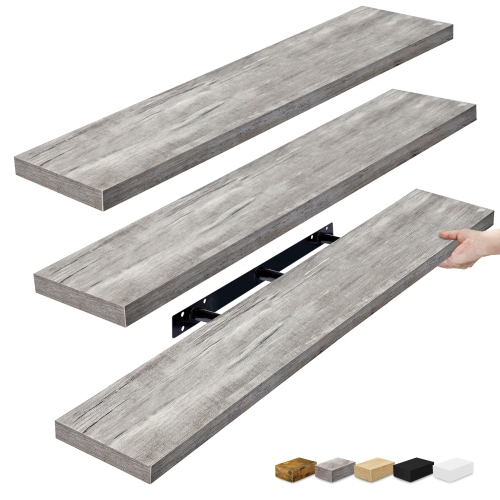


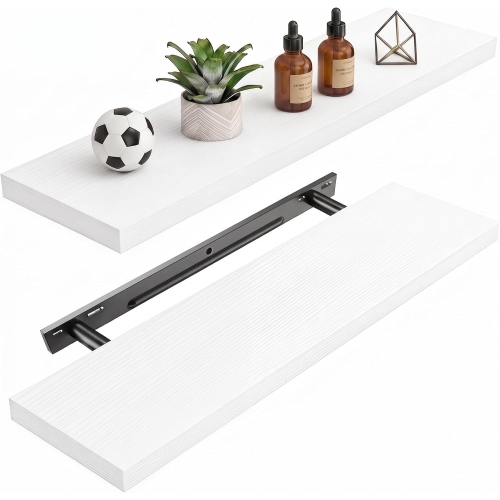
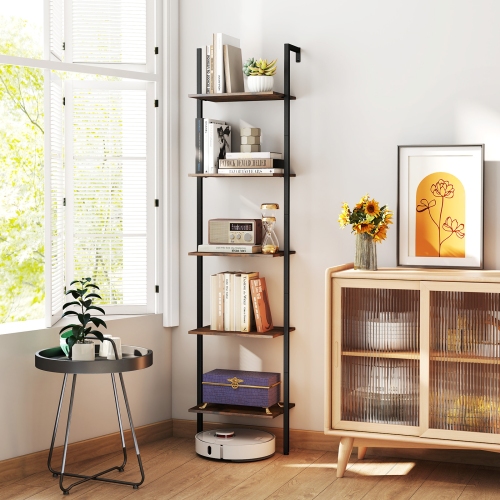


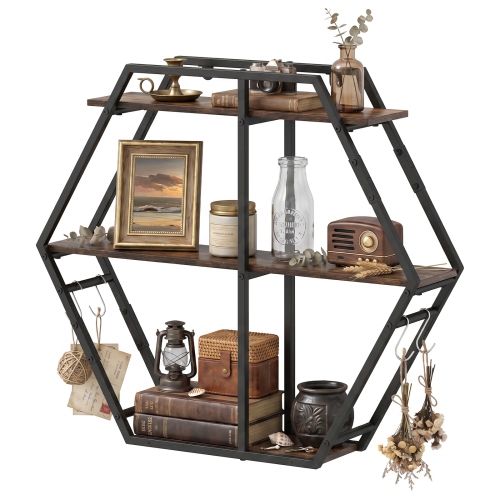
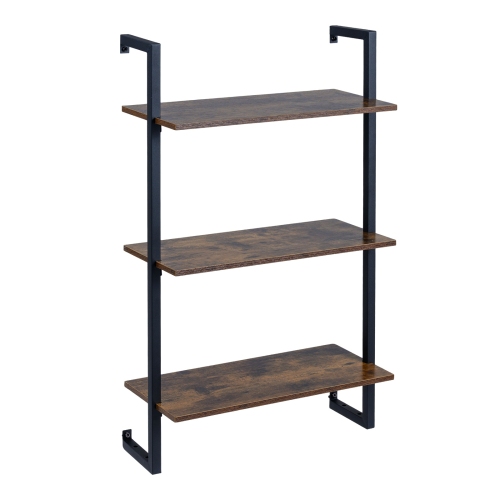
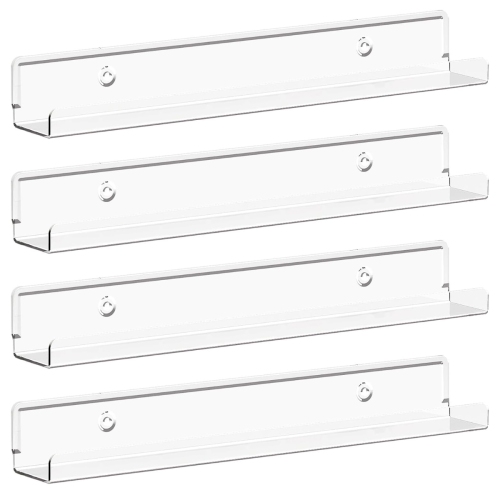


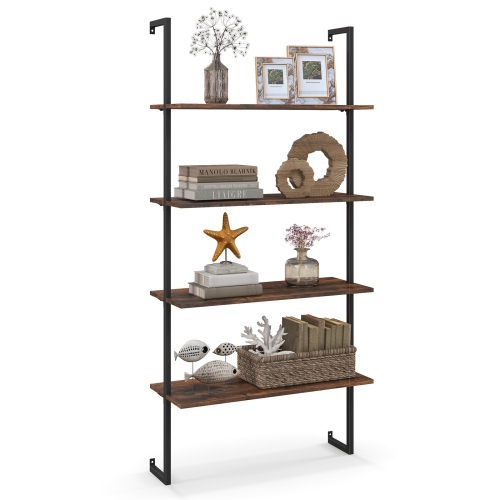

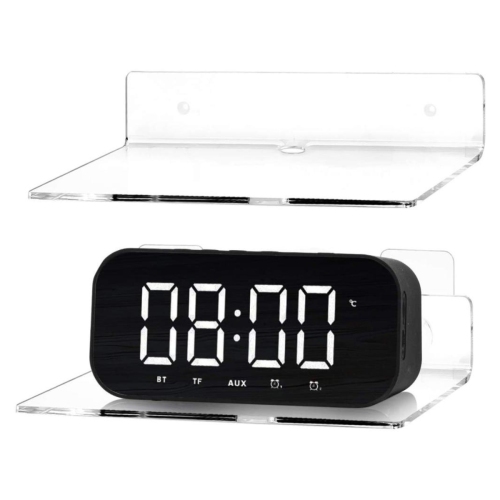
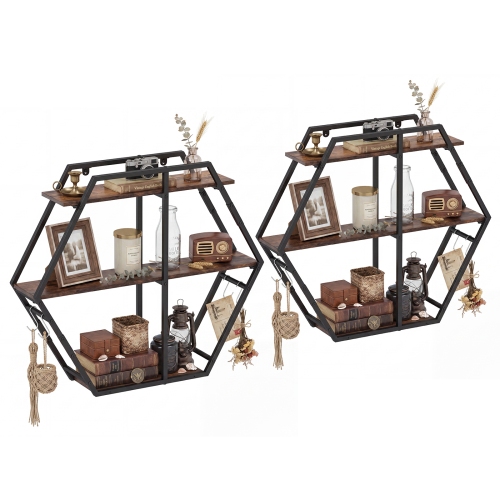


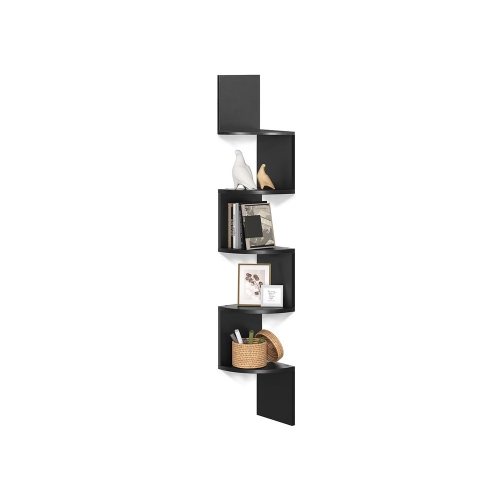
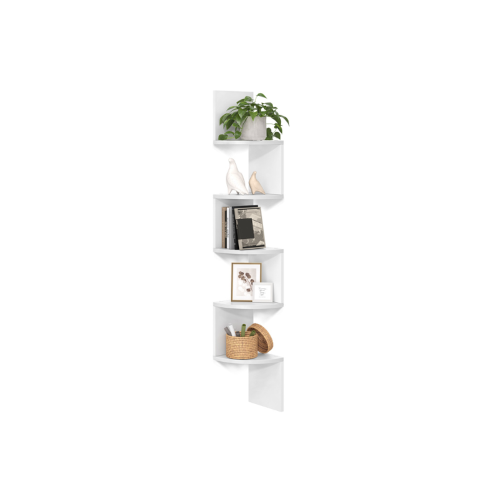
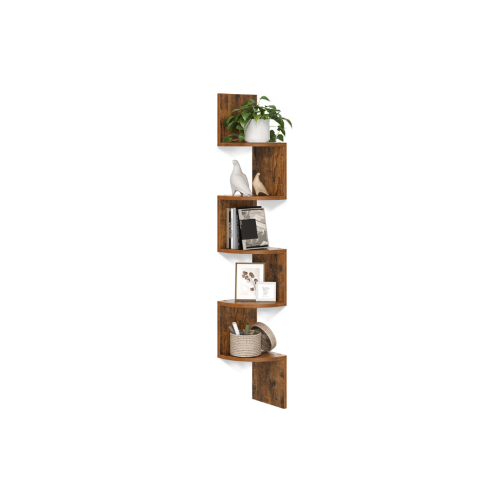

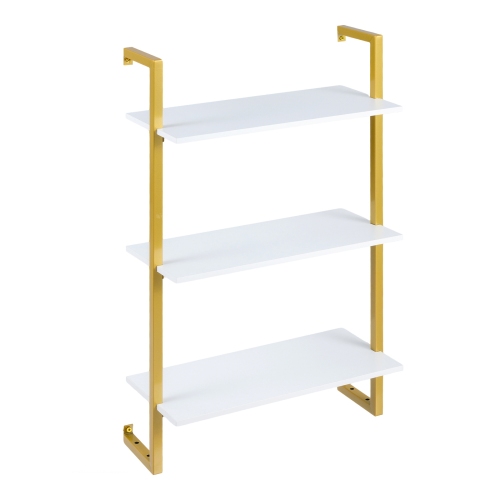

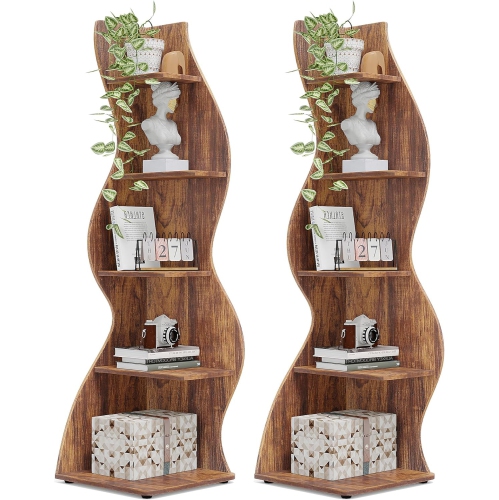
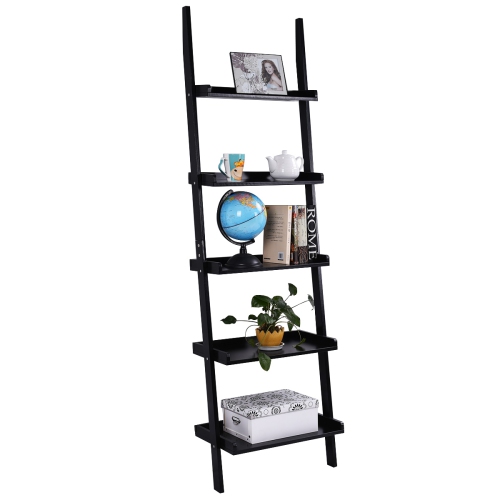


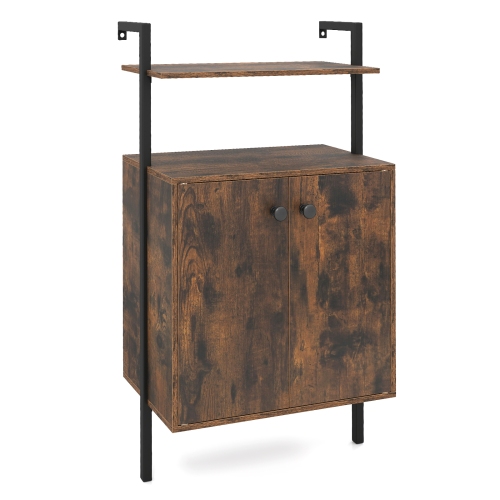

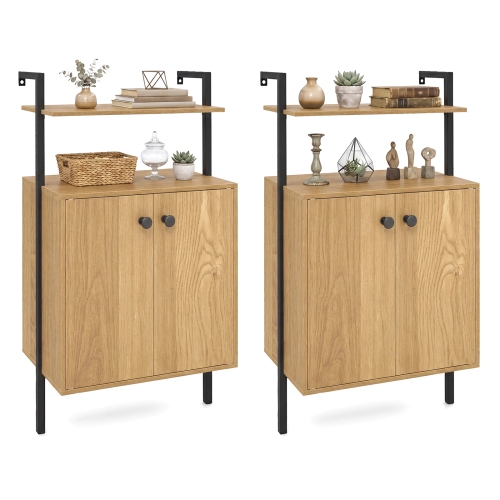

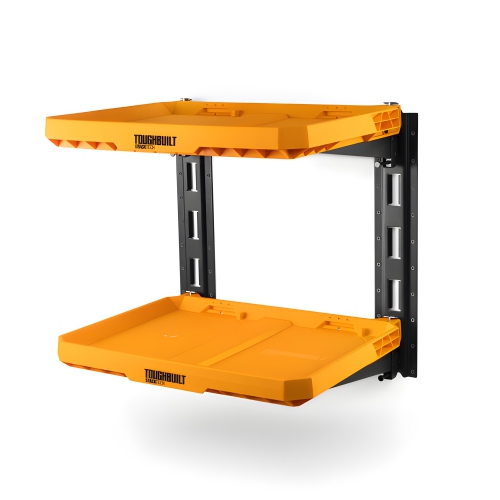
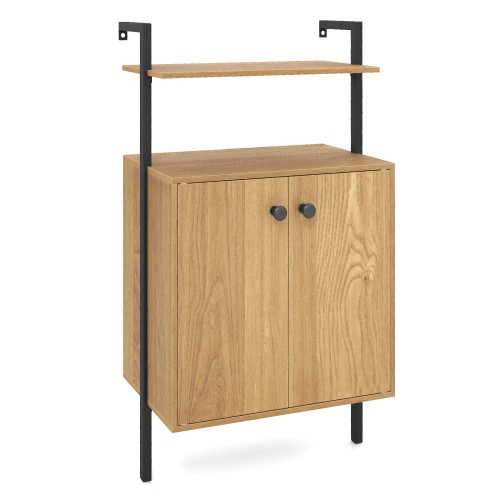
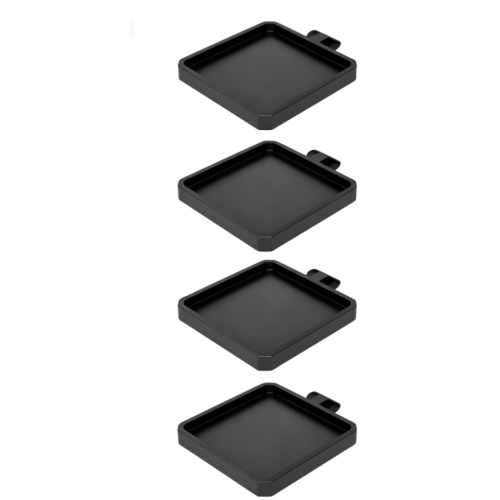
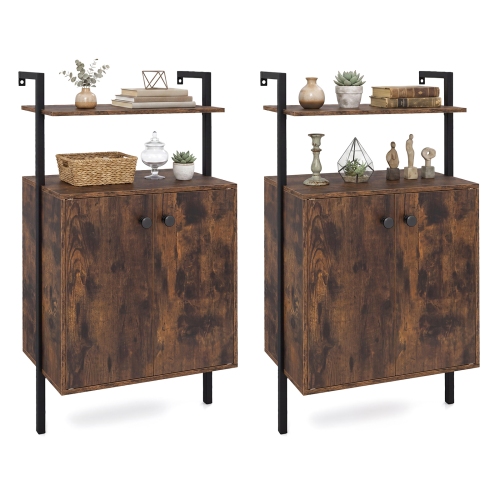
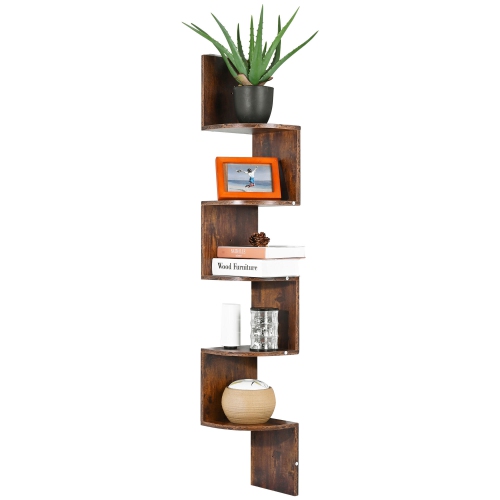
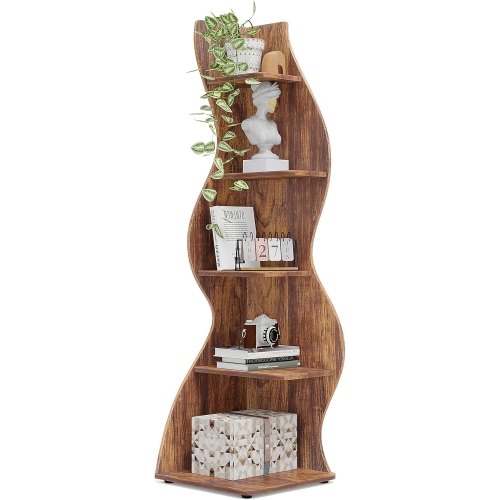
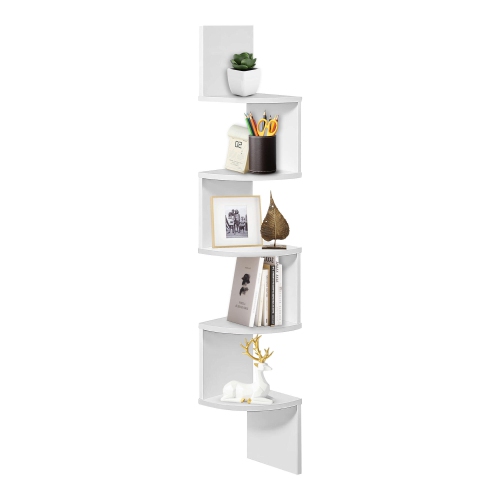
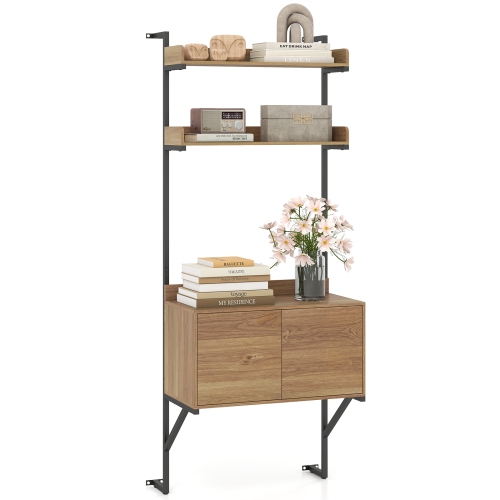
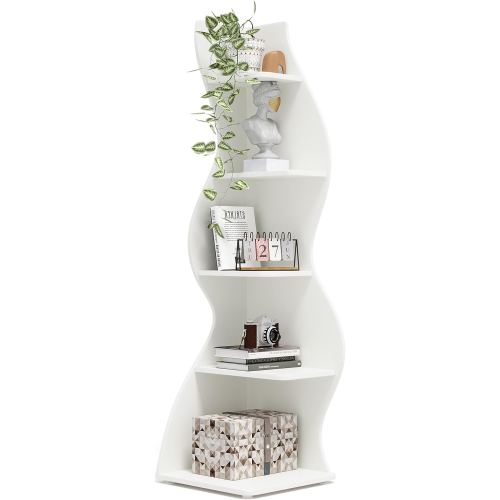
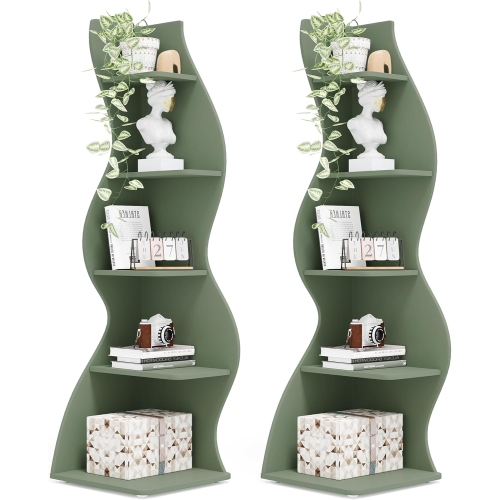
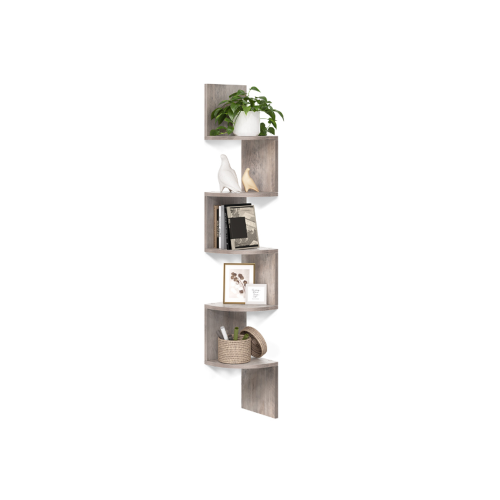
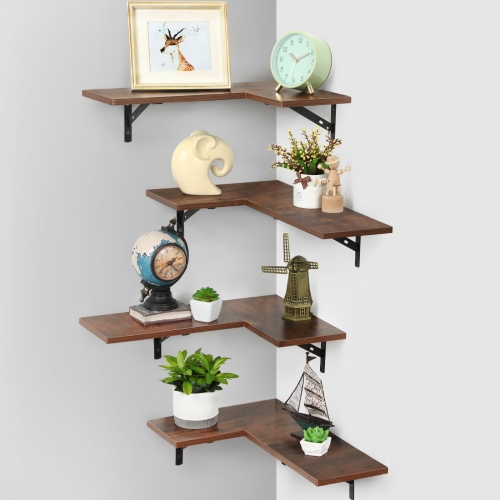
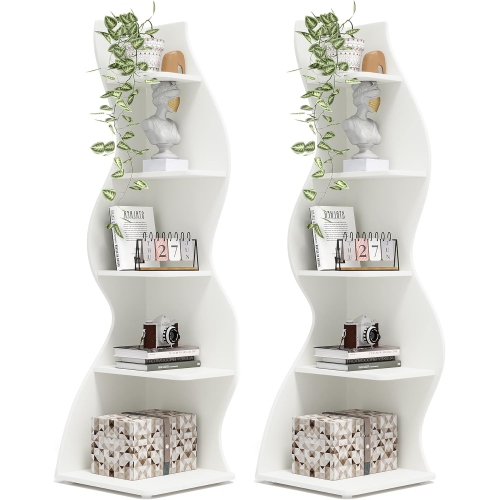
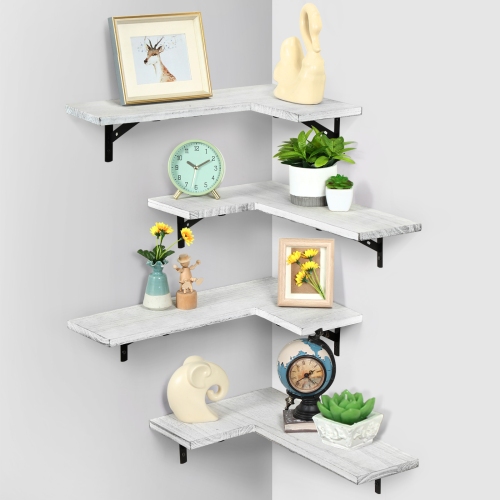

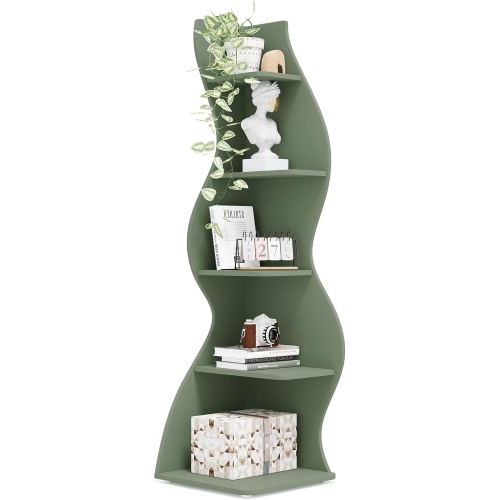

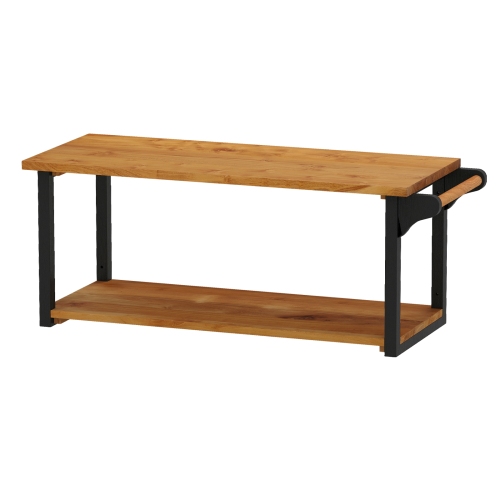
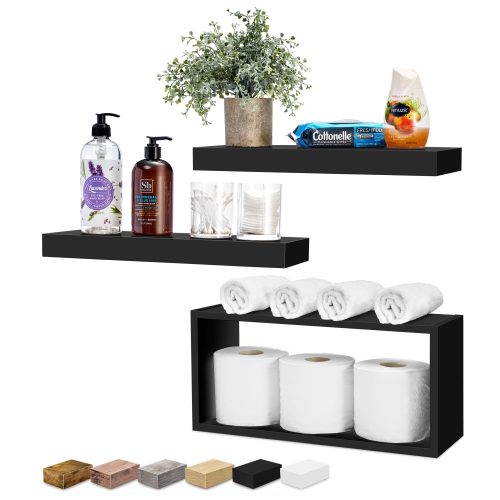
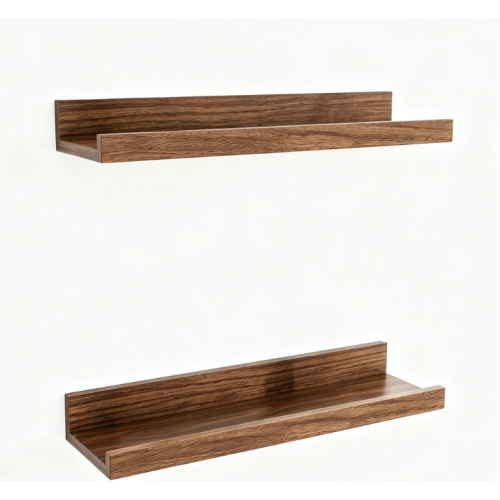


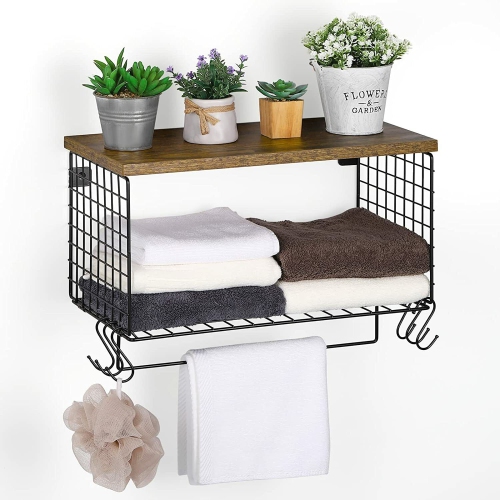
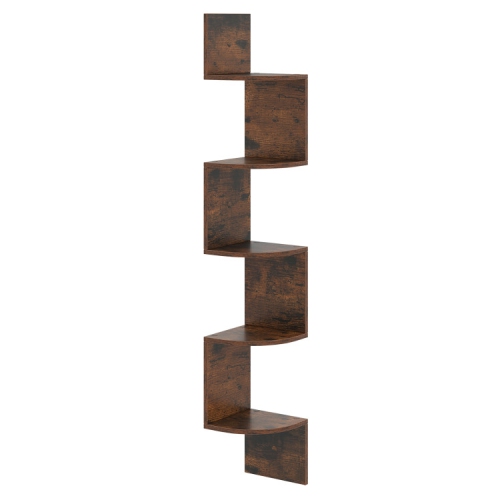
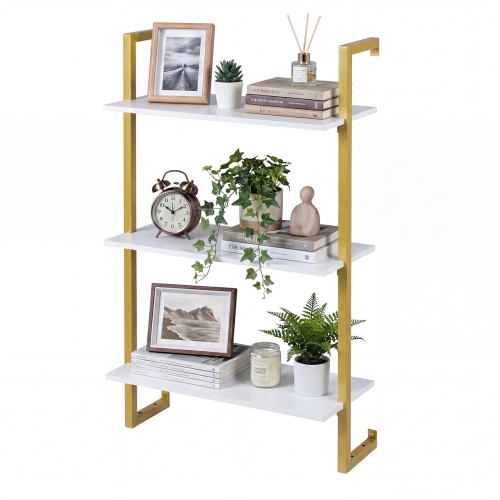
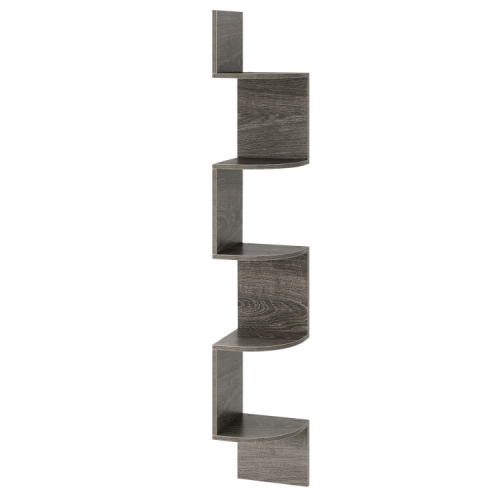

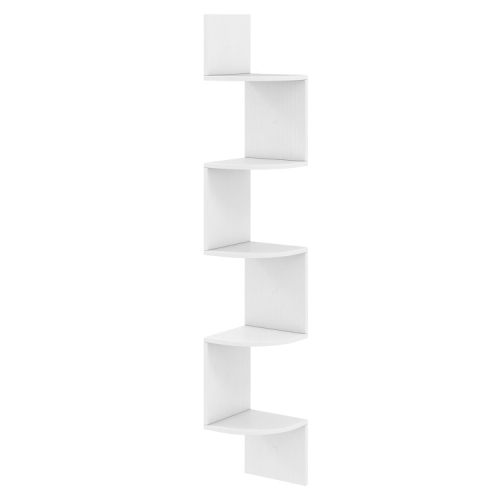
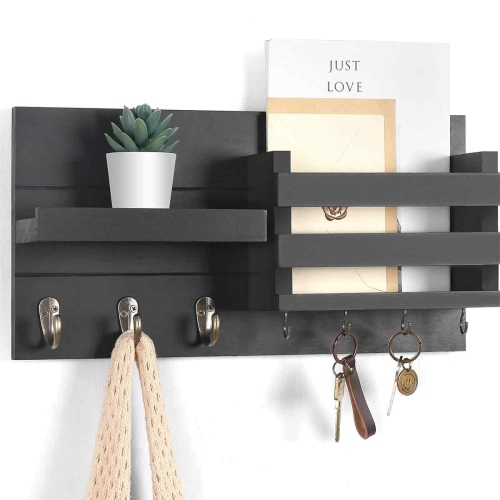
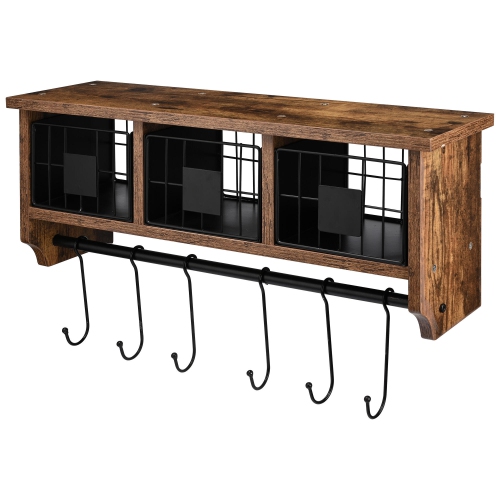

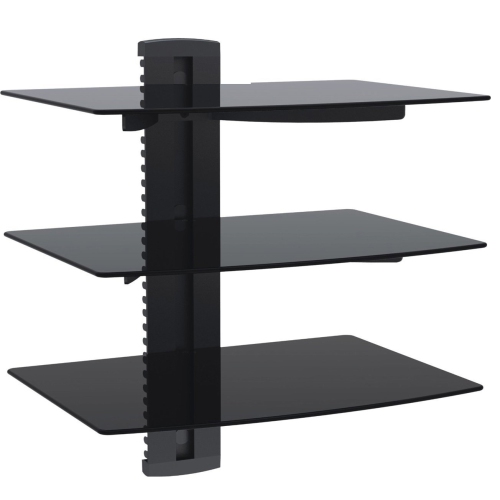
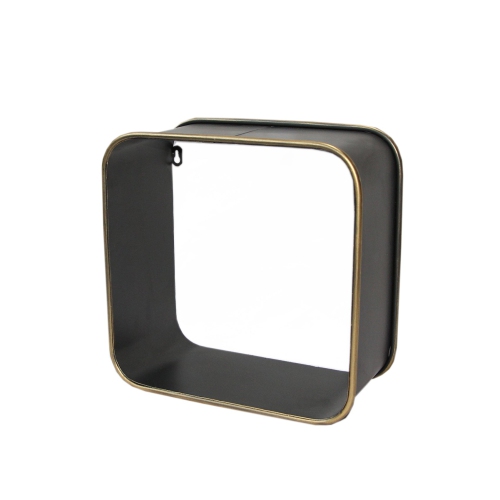
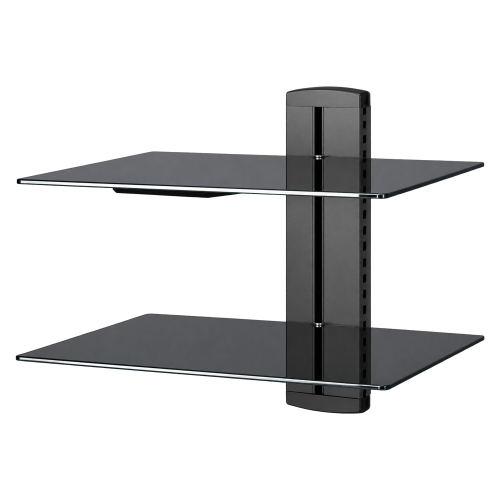
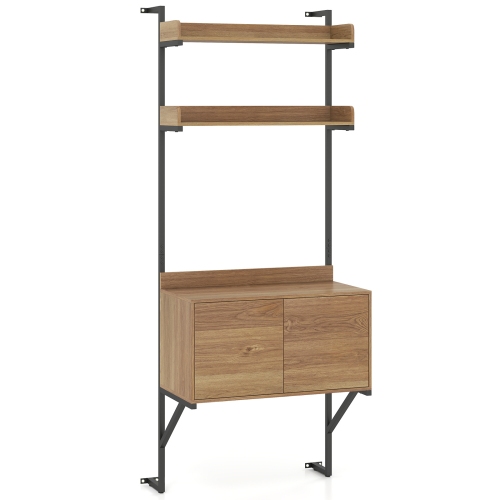
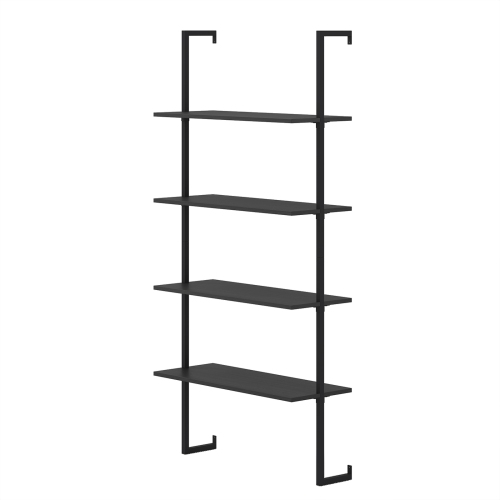
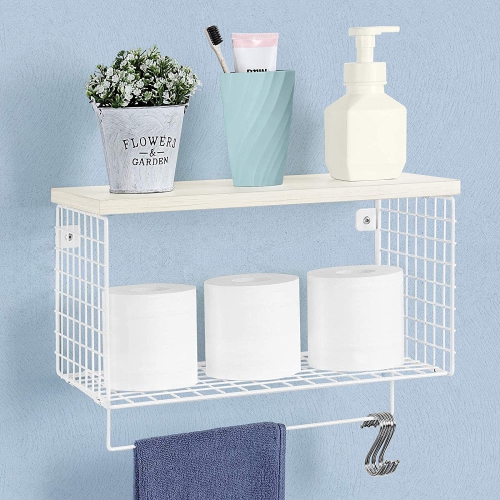
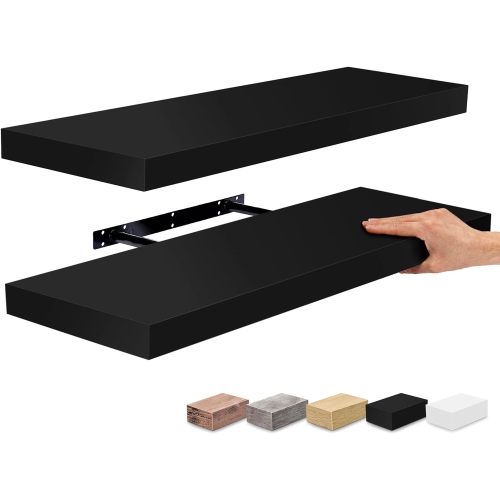

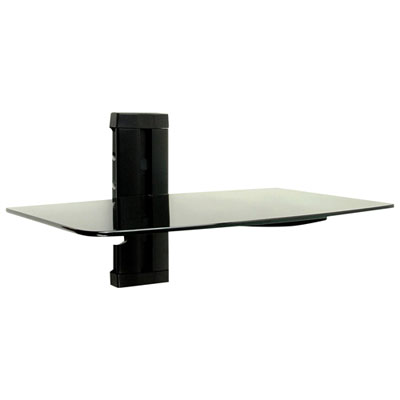
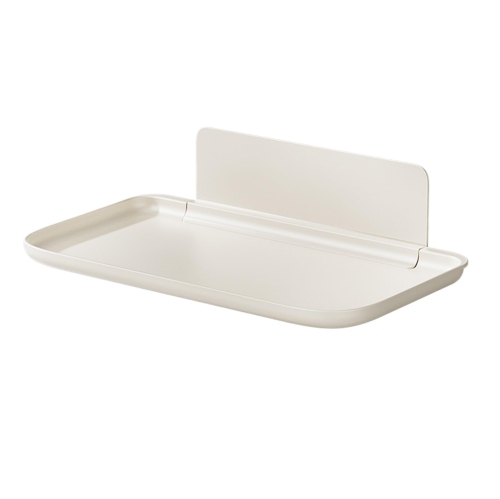

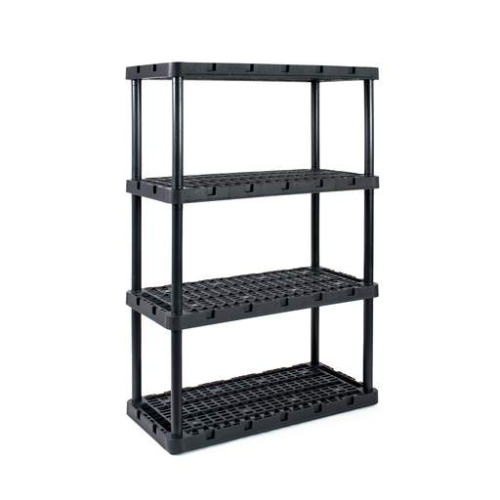

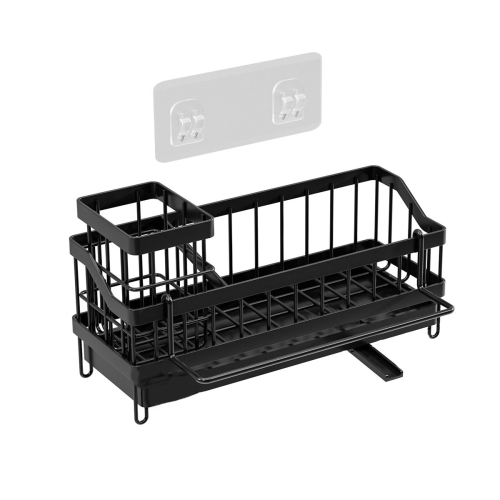
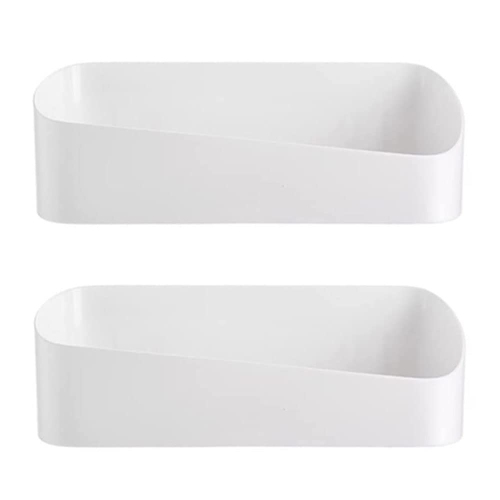
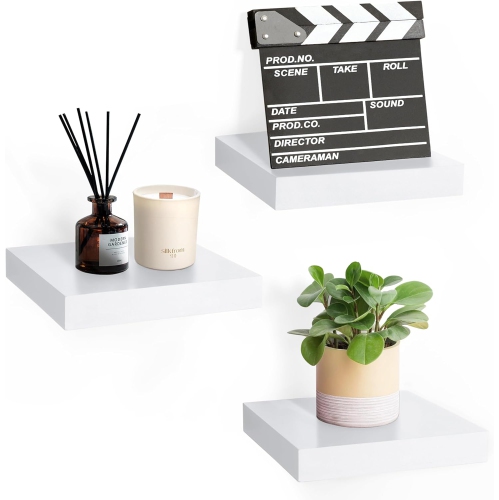
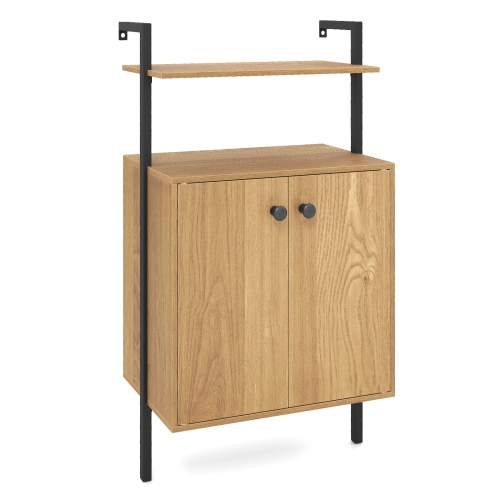
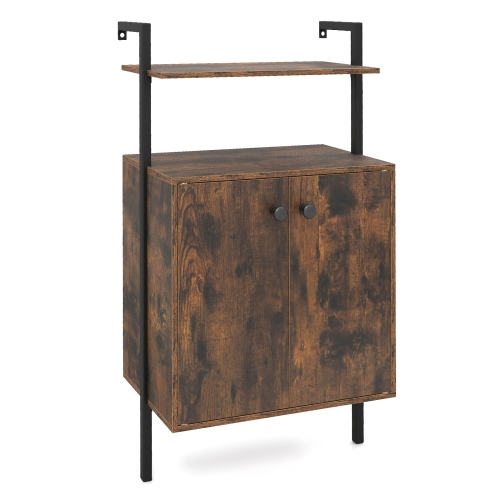
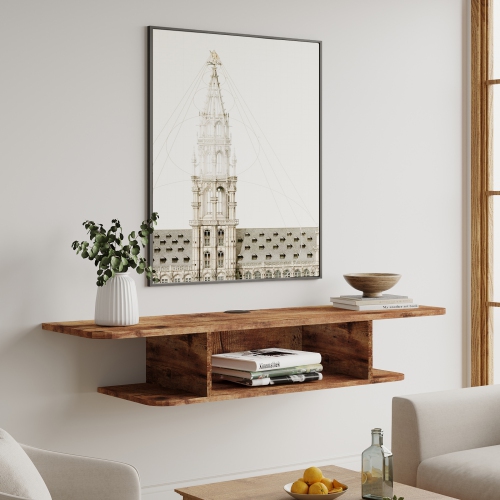
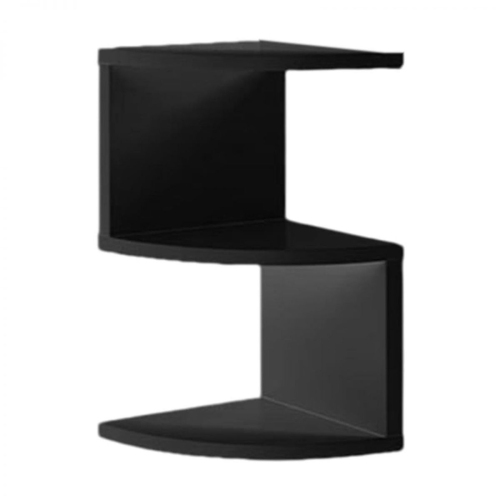

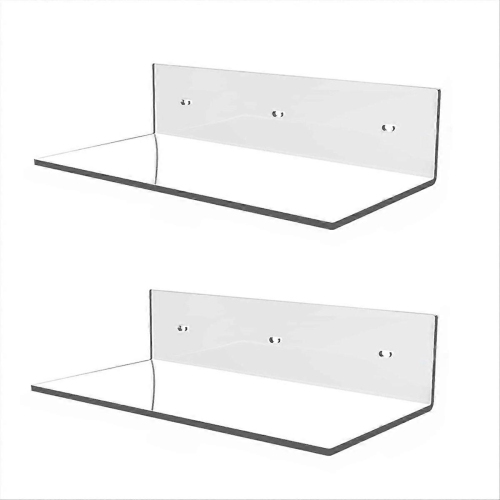
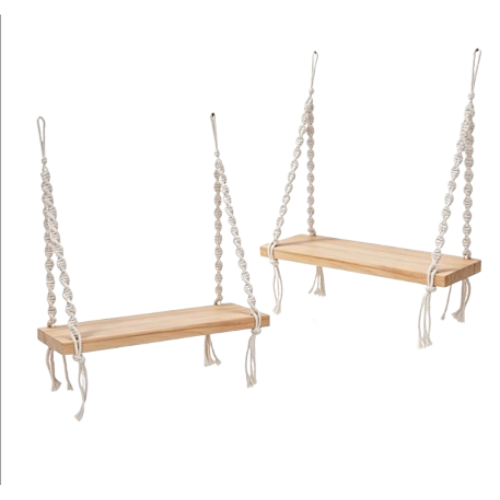
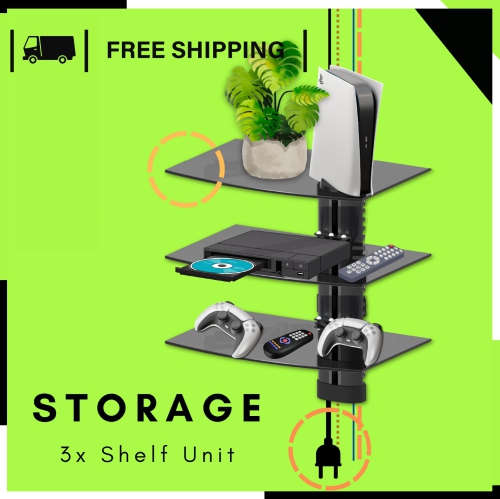
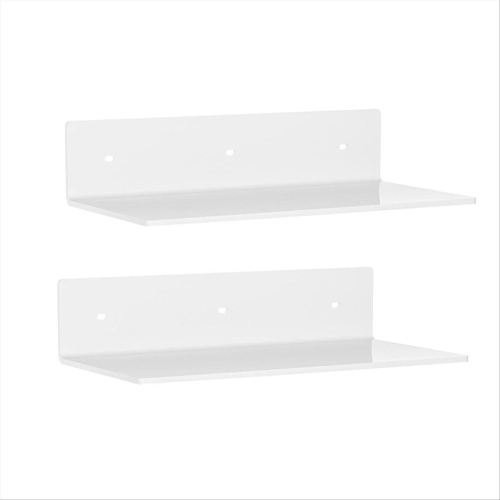
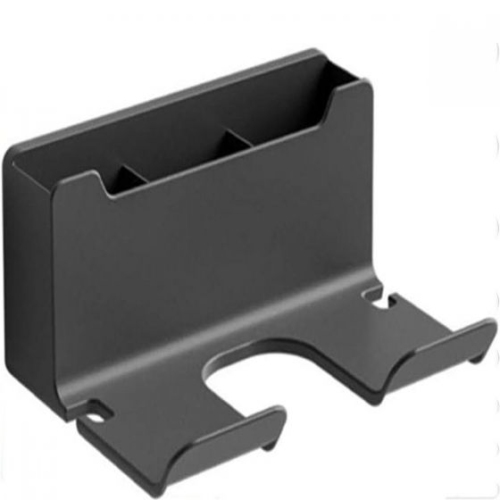
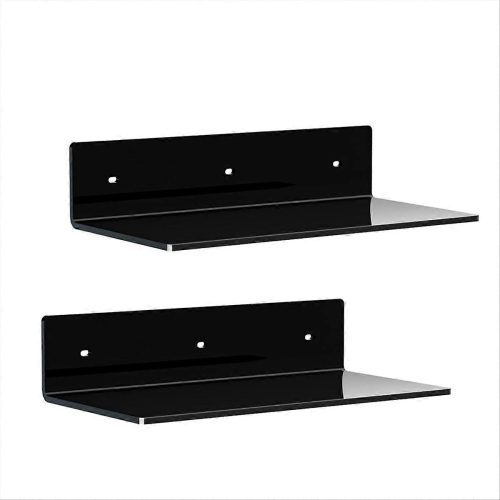
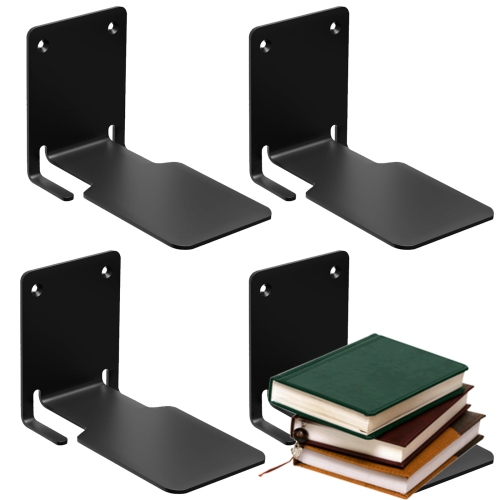

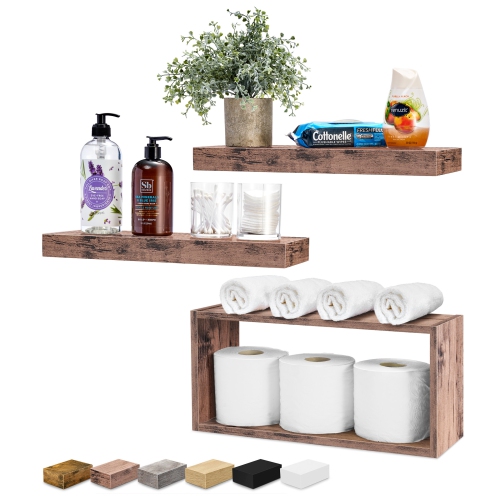


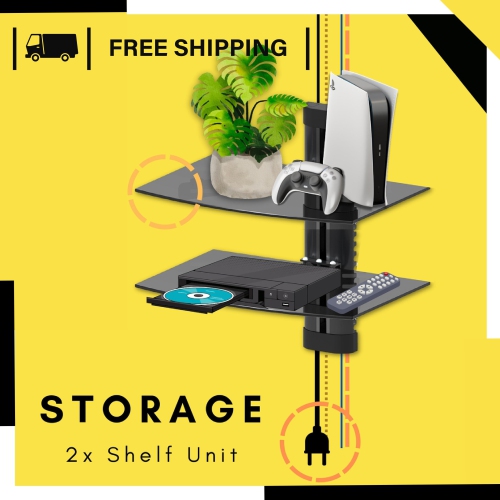
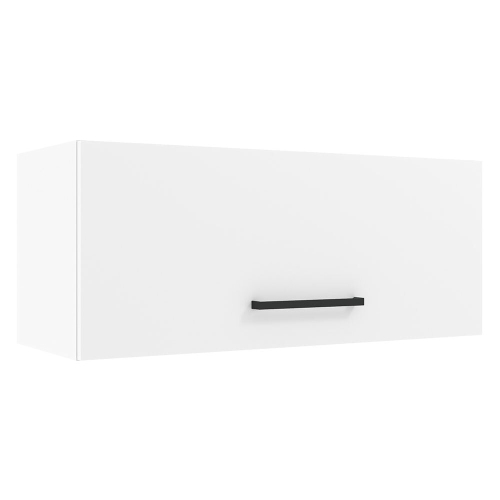
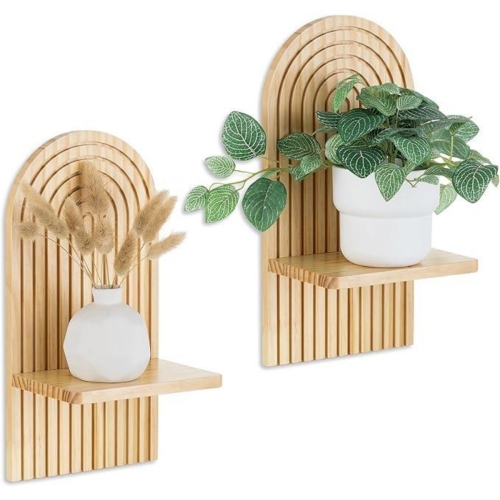
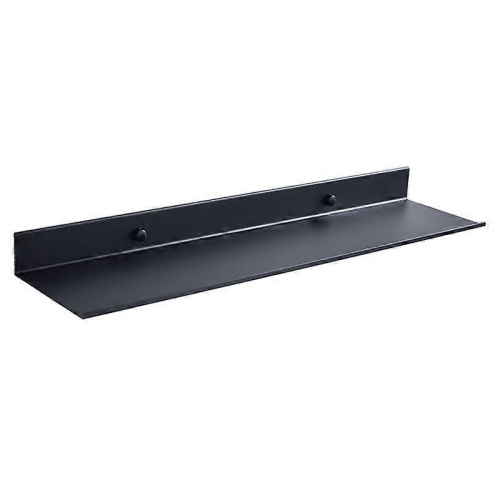
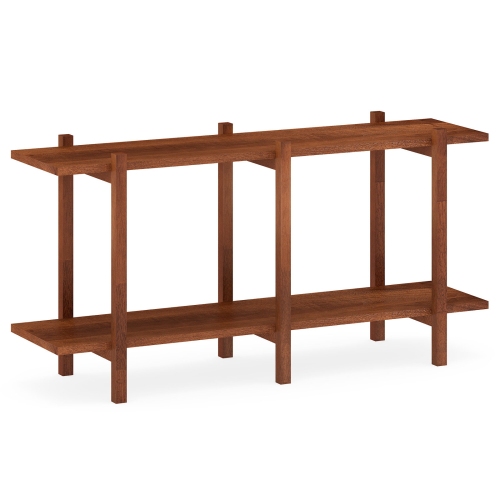
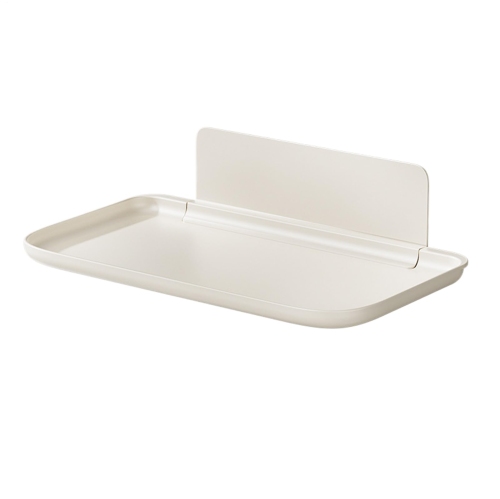
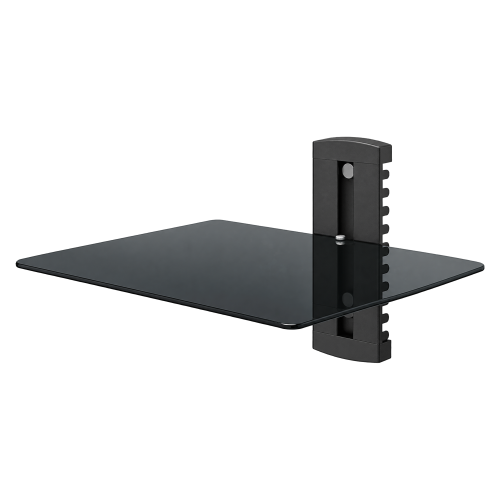
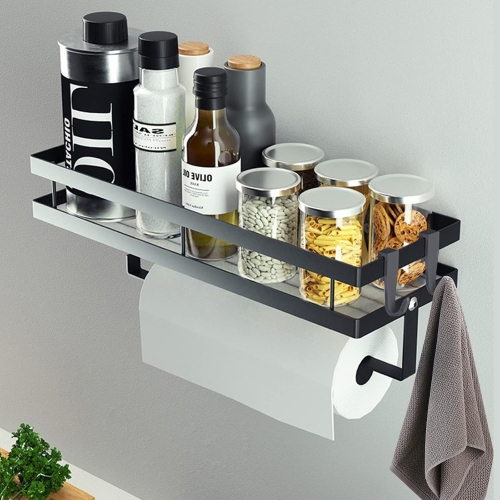

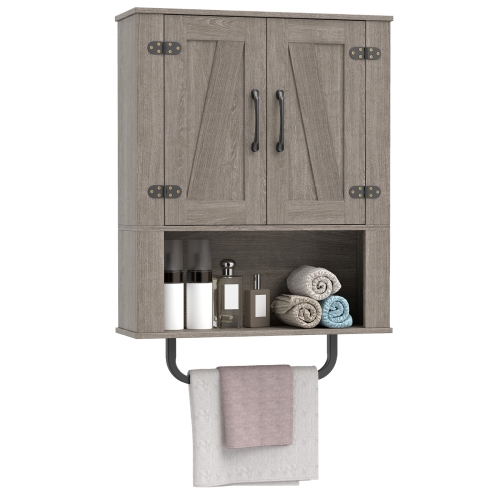
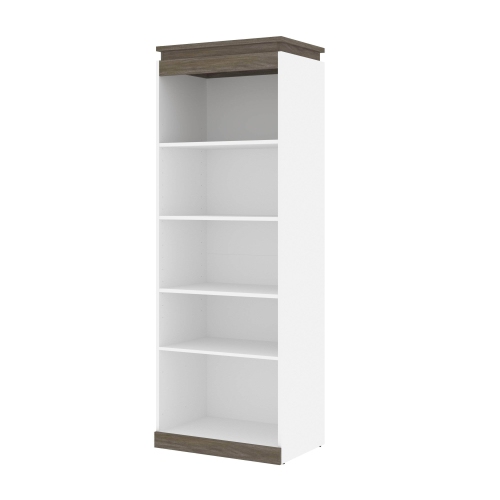
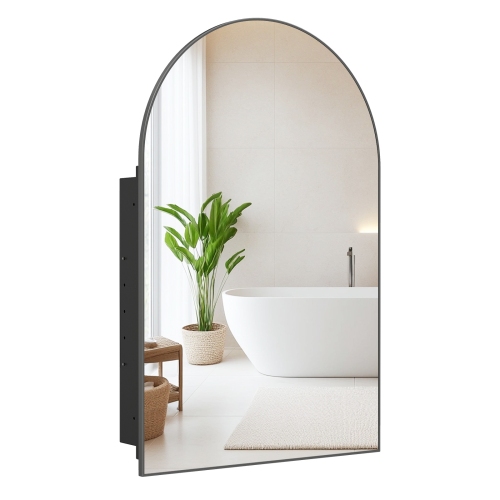

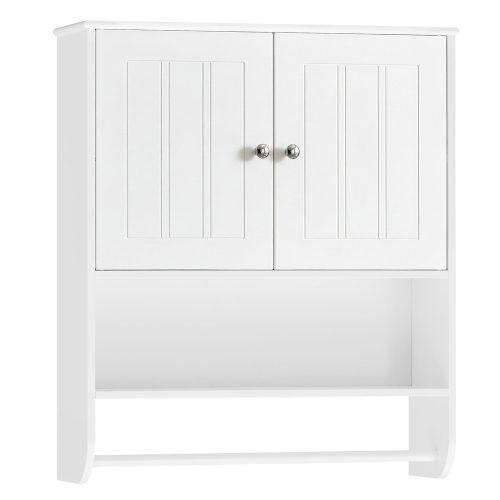
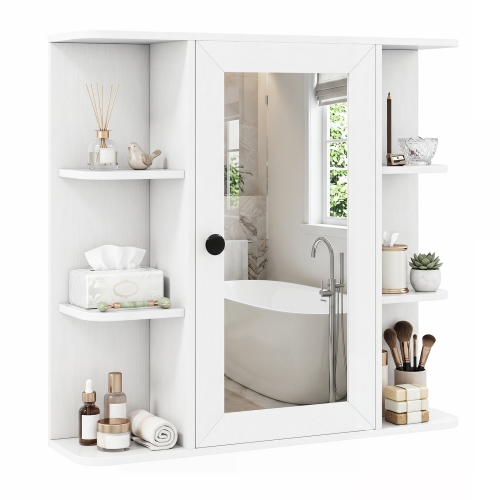
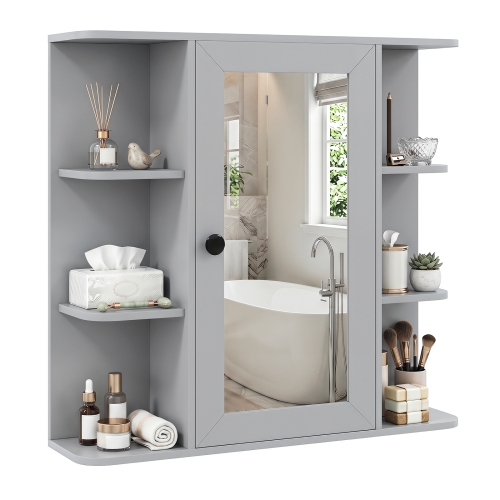
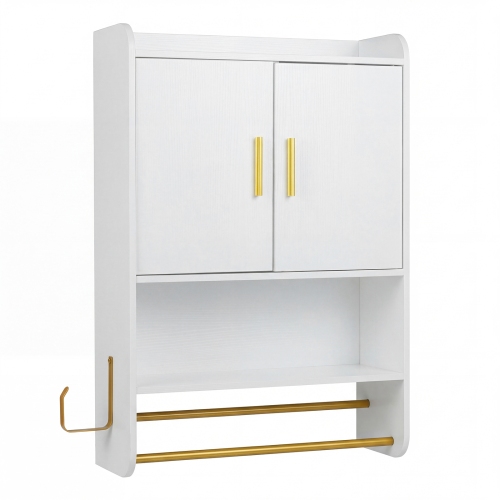
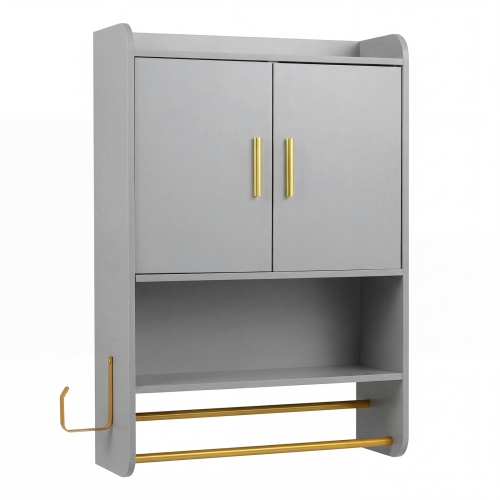
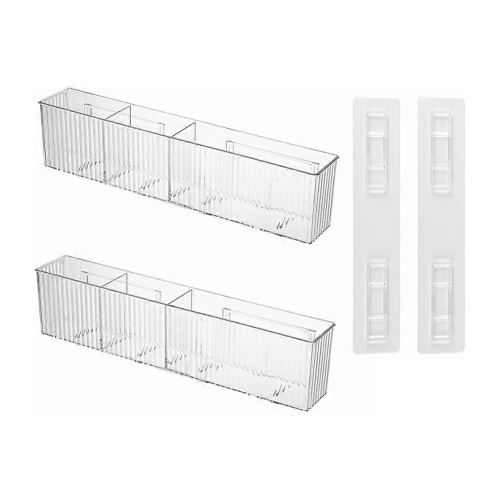
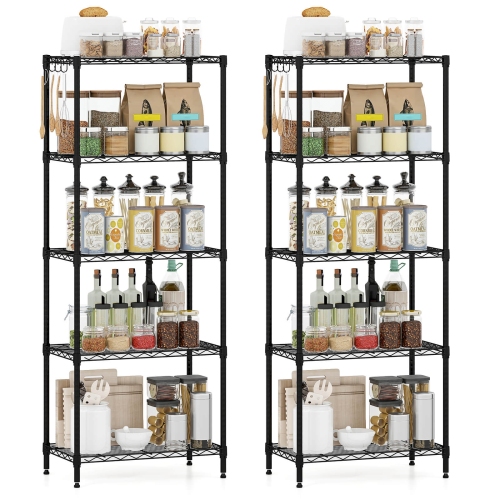
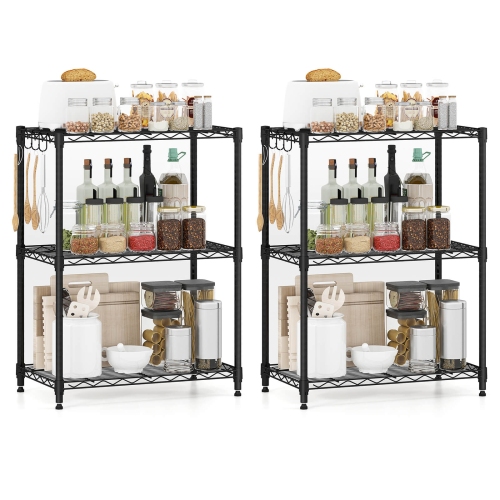
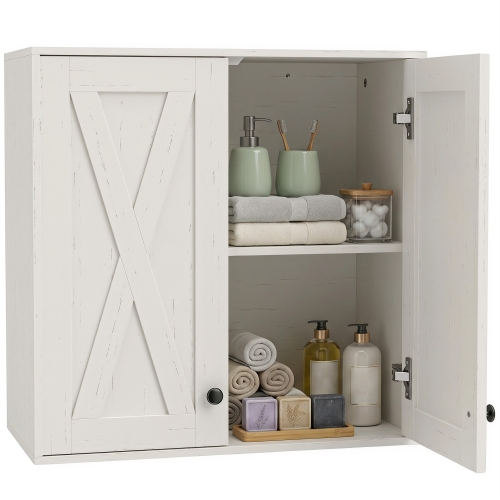
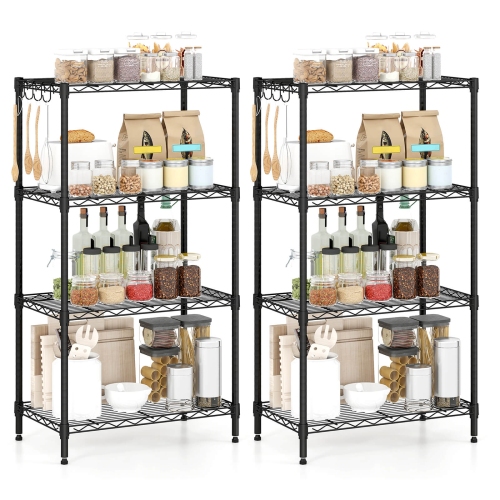
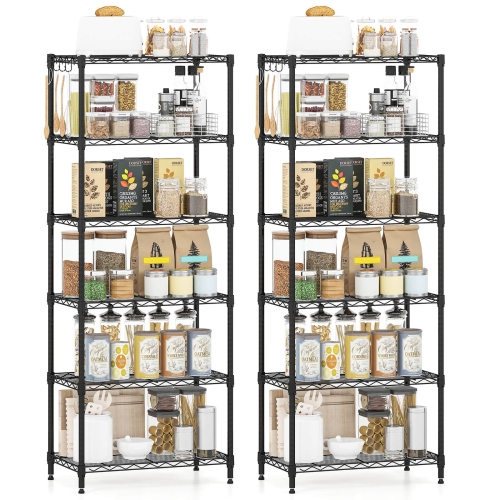
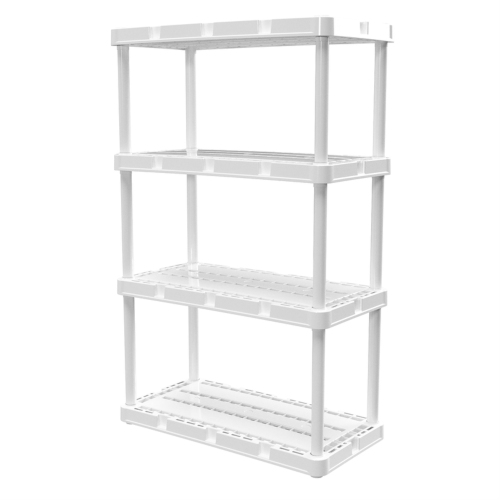
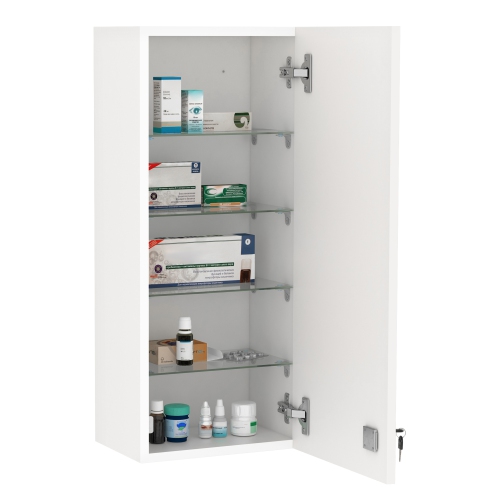
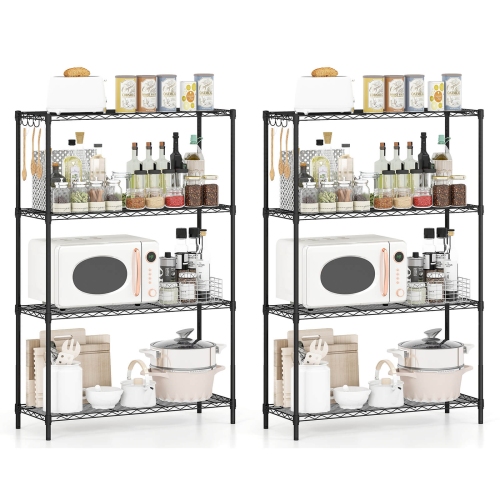
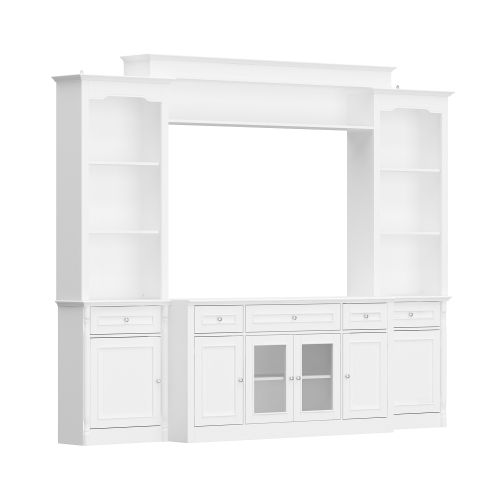

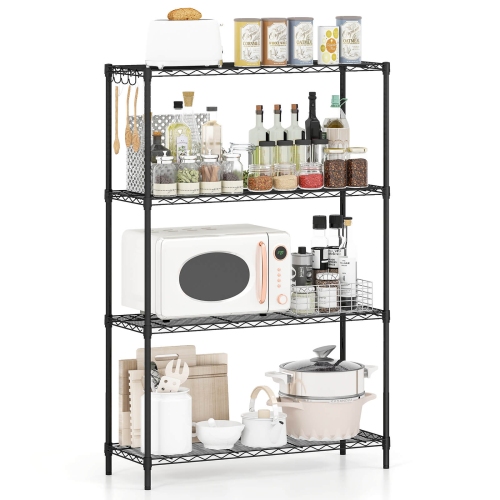
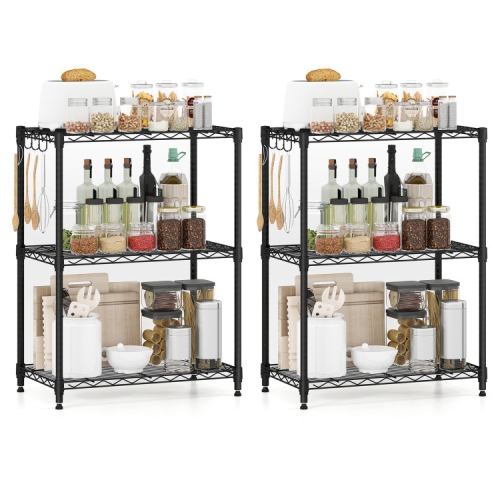

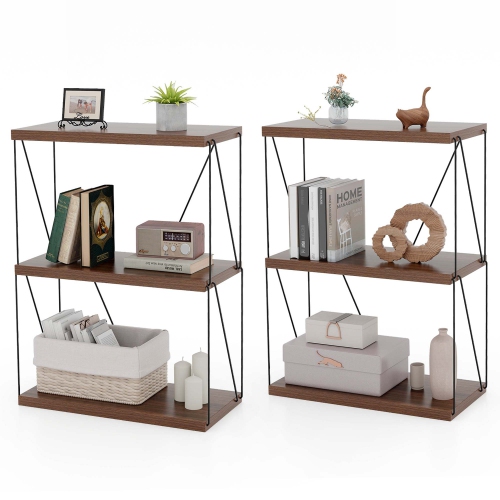
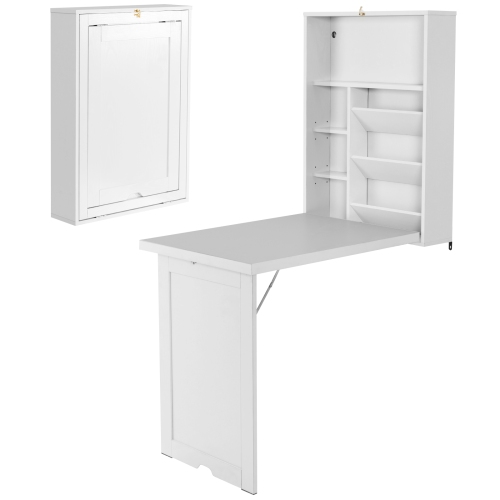
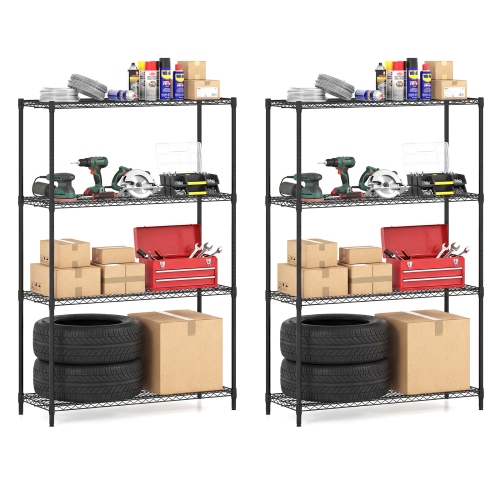
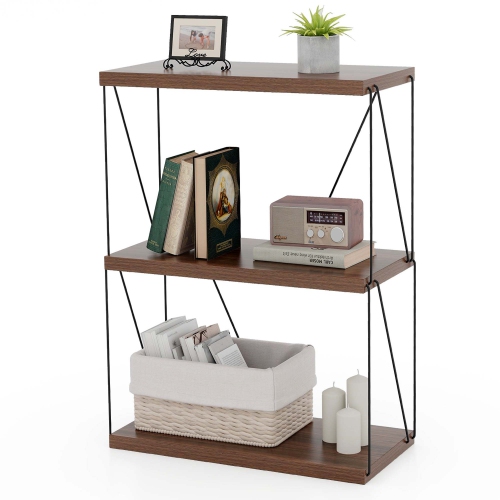
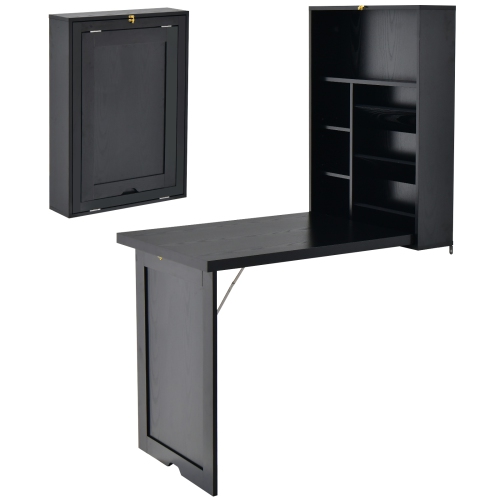
Storage that frees up floors without hiding your favourites
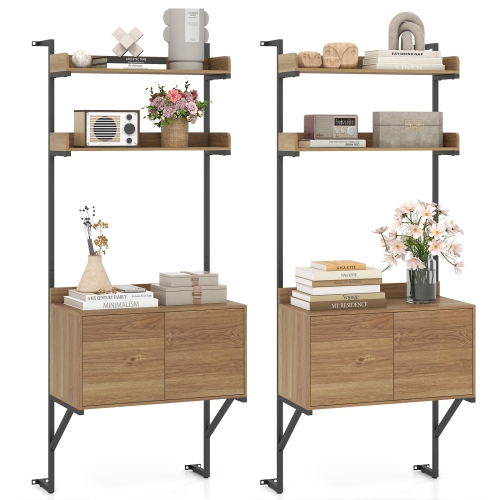
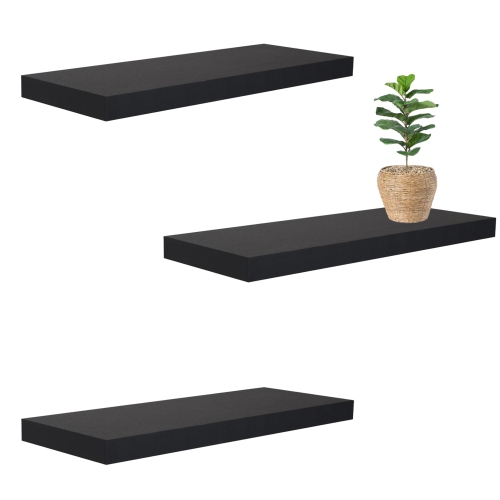
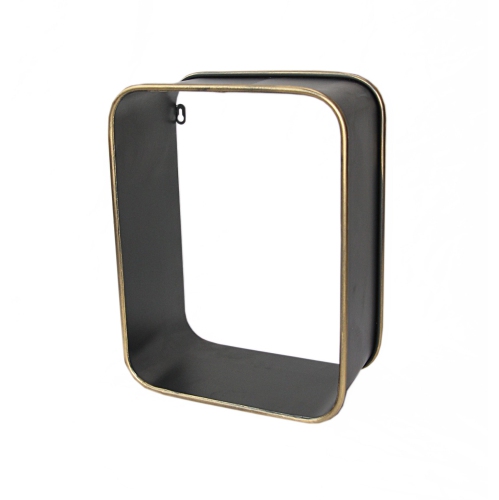
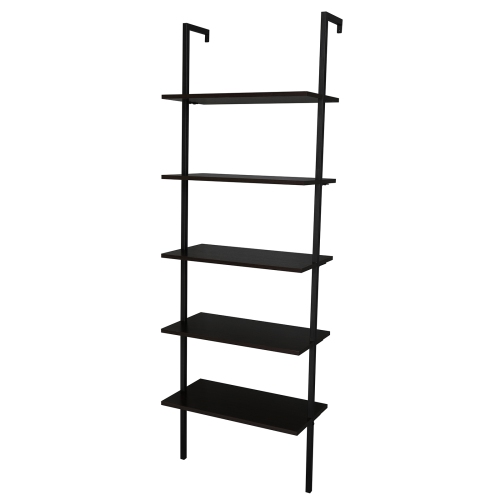
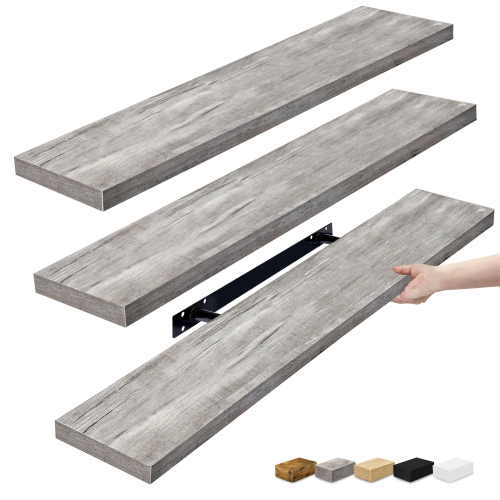
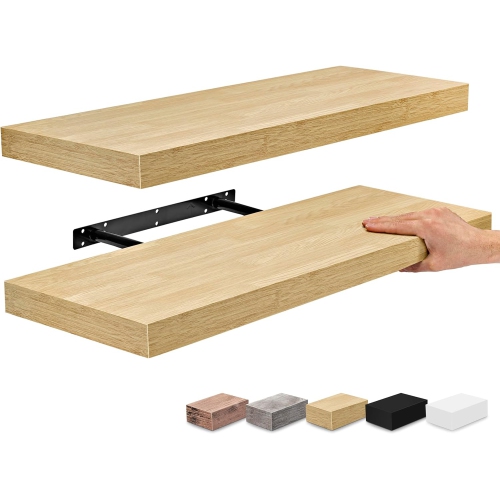
Wall-mounted shelving units are storage and display systems that attach to a wall, making use of vertical space without occupying the floor beneath them. They can hold everyday essentials, frame a collection, or bring order to a room where a freestanding bookcase would feel bulky. Their usefulness depends on the shelf design, dimensions, construction, and mounting requirements, as well as what they are intended to hold. Traditional bracketed shelves have visible supports that can add an industrial, rustic, or understated architectural detail. Floating shelves conceal their mounting hardware for a streamlined appearance, while wall-mounted cube units create separate compartments for books, baskets, and decorative objects. Multi-tier designs bring several shelves together in one arrangement, and adjustable track systems allow shelf heights to change as storage needs develop. Floating construction does not automatically mean a shelf can support the same weight as a bracketed design; each unit has its own load limits and installation requirements. For a broader look at these configurations, Wall Shelf Units brings together the same space-saving approach to storage and display. In a living room, a shallow shelf can give framed photographs and small keepsakes a defined place above a console. A deeper unit may suit a home office where reference books and document boxes need to stay within reach. Near an entrance, compact shelving can provide a landing spot for a mail tray or a basket of keys without narrowing the walkway as much as a cabinet might. Students, apartment dwellers, and households sharing multipurpose rooms often appreciate the ability to keep a desk or tabletop clear while retaining convenient access to frequently used belongings. Open shelving also keeps objects visible, making thoughtful proportions important: a few well-spaced pieces can feel intentional, while tightly packed compartments serve a more practical storage role. The most useful layout reflects how the room is used rather than simply filling every available section of wall.
Materials shape both the appearance of wall-mounted shelving and its suitability for daily use. Solid wood offers natural grain and variation, with finishes that range from pale and subtle to richly coloured. Its weight, thickness, and construction matter just as much as its appearance, particularly when shelves will carry books or other dense objects. Engineered wood can provide a consistent surface in painted, laminated, or wood-look finishes, though exposed edges and joints may need particular protection from moisture. Metal shelving can have slender profiles and a crisp, utilitarian character; its resistance to scratches or corrosion depends on the metal, finish, and intended location. Glass shelves create a lighter visual effect and allow light to pass through, but fingerprints and dust are more noticeable, and the manufacturer's load rating remains essential. Mixed-material units, such as wood shelves with metal brackets, can connect visually with nearby furniture, lighting, or cabinet hardware. Dimensions deserve equally close attention. Shelf width determines how much wall space a unit occupies, depth affects what can sit securely on it, and the distance between tiers controls whether taller books, storage bins, or framed artwork will fit. External measurements do not always describe the usable interior space of a cube or compartment, so internal dimensions are helpful when matching storage containers. Above a desk, enough clearance should remain for a monitor and comfortable seated movement. Along a hallway, a shallower profile can reduce the chance of brushing against a projecting edge. In a kitchen, shelves used for mugs or dishes need an appropriate finish and a load capacity suited to their contents, while bathroom shelving should be specifically suitable for exposure to humidity and occasional splashes. Around a television or other electronics, access to outlets, cable routes, and required ventilation clearances helps keep the arrangement practical. Open backs can make cables easier to route, while raised edges may help contain small loose objects without replacing the need for careful placement.
Secure installation is central to the performance of any wall-mounted shelving unit. Drywall, wood studs, concrete, and masonry require different mounting methods, and the correct hardware depends on both the wall construction and the shelving system. Included fasteners are not necessarily suitable for every surface. A unit's stated weight capacity applies only under the manufacturer's specified installation and loading conditions, so it should not be treated as a guarantee for any wall or anchor combination. Some designs require fastening into studs or another structural backing; others may permit suitable wall anchors. Where the wall structure, hidden wiring, or plumbing is uncertain, a qualified installer can help assess the location before drilling. For a multi-shelf unit, it is also important to distinguish between the limit for each shelf and the limit for the complete assembly. A row of hardcovers places very different demands on shelving than a few lightweight photo frames, and loads should be distributed according to the product instructions. Heavy or fragile objects deserve particular care in their placement, especially above seating, beds, or work areas. In children's rooms, shelving should be positioned and used so it does not invite climbing, with everyday belongings stored where children can reach them safely. Renters may also need permission before making mounting holes. Once installed, straightforward care helps preserve the finish and keeps the unit pleasant to use. A soft cloth usually handles routine dusting, while any cleaner should be compatible with the shelf material and applied as directed. Spills should be wiped promptly, especially around wood-based edges and seams, and abrasive pads can damage painted, laminated, or polished surfaces. Periodic checks for loose fixings, movement, or sagging are worthwhile, particularly after the contents change. Adjustable and modular designs offer flexibility for a growing book collection or a revised workspace, but additions must remain compatible with the original system. With suitable dimensions, a durable finish, and properly supported installation, wall-mounted shelving can provide dependable everyday storage while giving favourite belongings a clear, considered place in the room.
Top selling and popular products
-
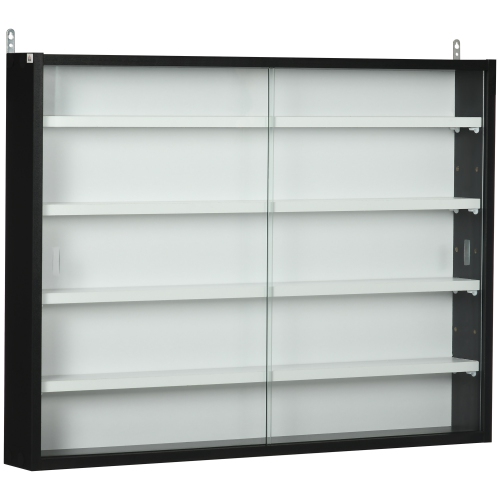 Your price for this item is $86.99
-
 Your price for this item is $320.99
-
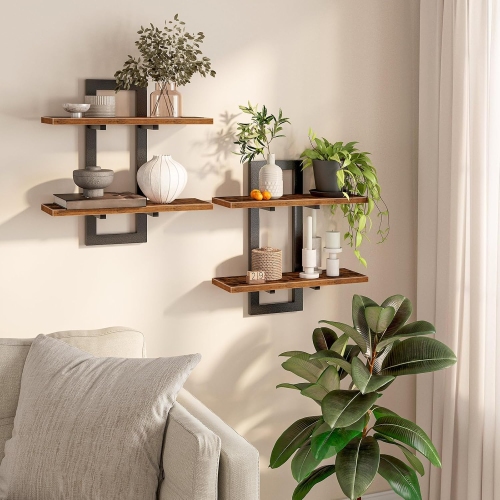 Your price for this item is $86.99
-
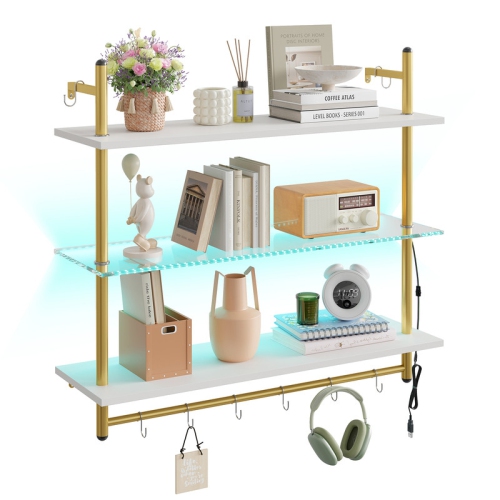 Your price for this item is $69.99
-
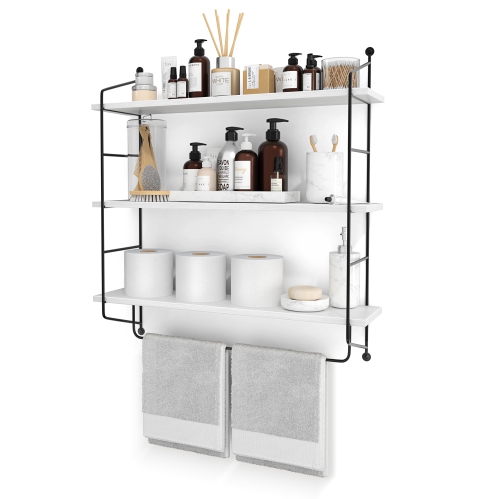 Your price for this item is $37.99
-
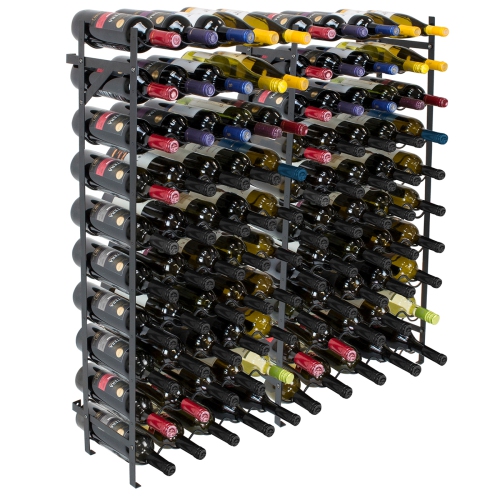 Your price for this item is $89.99
-
 Your price for this item is $74.99
-
 Your price for this item is $39.99
Discover more categories related to Wall Mounted Shelving Units
Top Collections:
Pokemon Centers, Best Cameras for Sports Photography, Kindle Devices, Samsung Galaxy Phones, Canon G7X Cameras, Pokémon 30th Celebration Cards, Refurbished Apple Laptops, iPhone 15 Apple, Laptops for Students, Budget Smartphones
Some products may be subject to Environmental Handling Fees
(EHF) depending on your province.
Learn more about EHFs.