Walnut Wood Sofas
A sofa is the centerpiece of almost any living room, and a good one can last for years. But if you're looking for something different, consider an upholstered walnut sofa. The rich, reddish-brown color of this wood has a natural appeal that sets it apart from other hardwoods. It also happens to be very durable, easy to work with, and has a distinctive look that will make your living room stand out from the crowd. Here are some great options for walnut wood sofas.
Sort
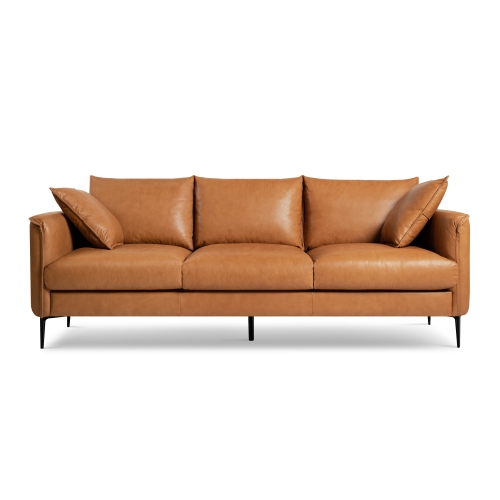
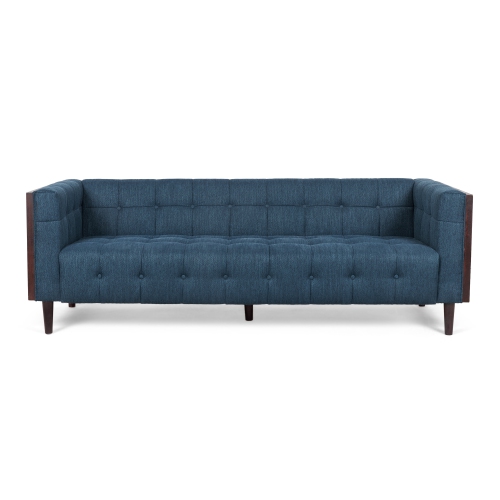
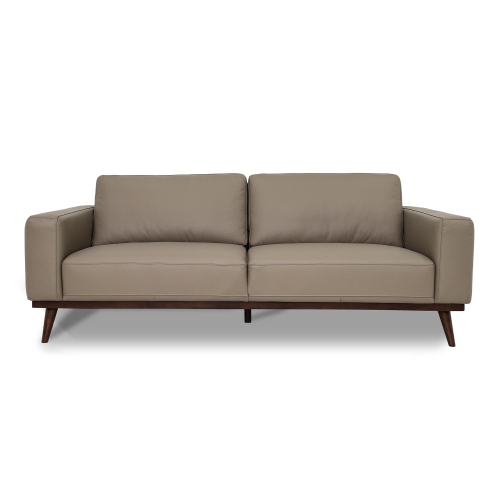
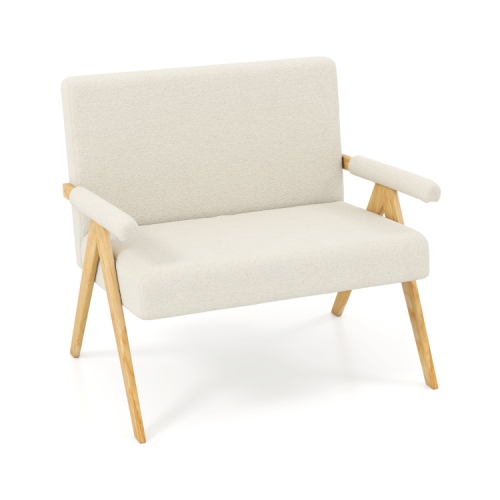
What walnut grain can and cannot tell you
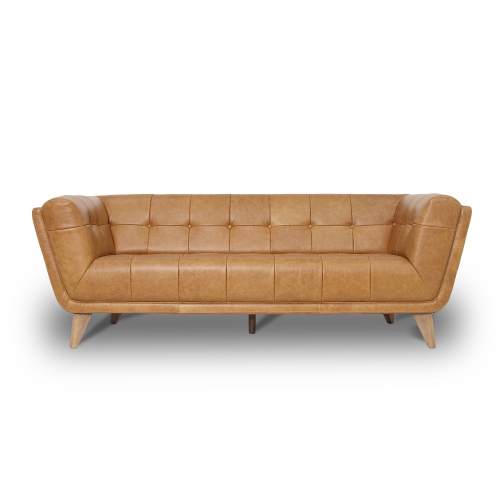
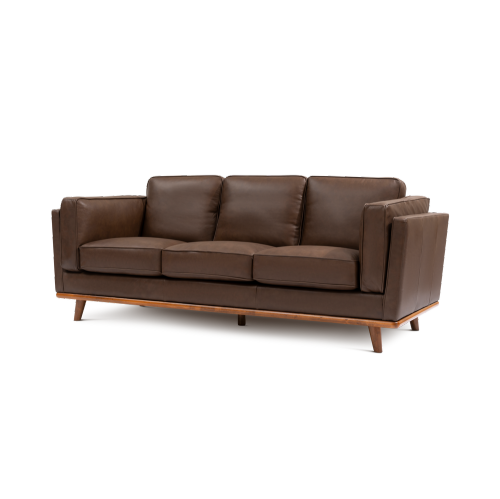
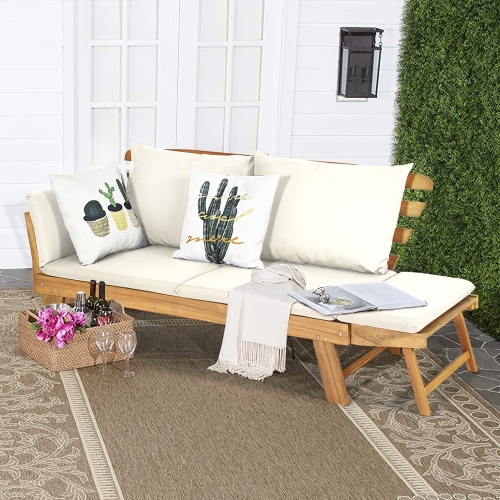
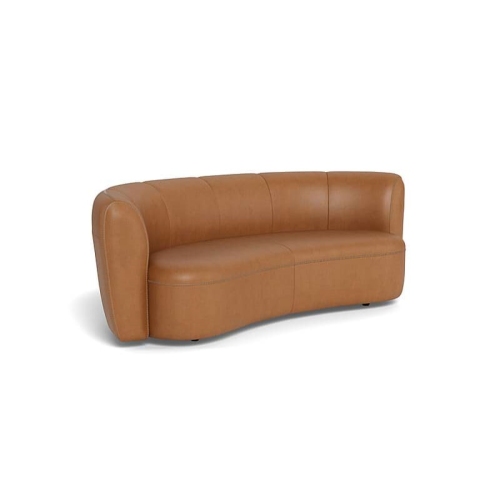
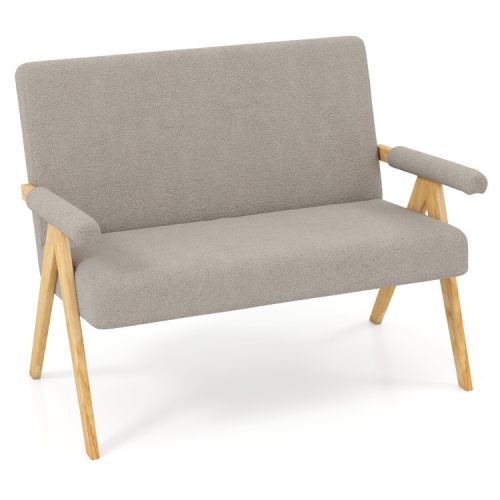
Walnut wood sofas pair upholstered seating with the warm brown tones and visible grain of walnut. The wood can be a prominent part of the design, tracing the arms and base, or a subtle detail, visible only in the legs beneath a fully upholstered seat. A sofa with an exposed frame shows more of the grain, which can range from fairly straight lines to broad, sweeping patterns. Natural walnut can vary in colour from board to board, so a lighter streak or a darker patch is not necessarily a blemish. It helps to distinguish between solid walnut, walnut veneer and a walnut-coloured finish. Solid walnut means the specified parts are made from walnut lumber. Veneer is a thin layer of real walnut applied over another material, while a walnut finish describes the colour and does not identify the wood underneath. A sofa can combine these materials: solid walnut might be used for the legs, veneer for a visible side panel and another hardwood for the frame beneath the upholstery. Shoppers comparing walnut designs with other Solid Wood Sofas can look for descriptions that specify which parts are solid wood and how the frame is built. Walnut is a hardwood, but the species alone does not tell the whole story about durability. Sturdy joints, well-supported legs and a seat foundation suited to regular use matter just as much as the wood on display. It is also worth noting where the exposed wood meets the cushions. A broad wooden arm shows off the grain and gives the sofa a defined outline, while an upholstered arm offers a softer surface for someone who likes to lean against it with a book.
The best fit depends as much on how a sofa will be used as on the size of the room. A shallower seat with a supportive back can work well for conversation or for people who prefer to sit with their feet flat on the floor. A deeper seat leaves room to tuck up a leg or stretch out for a film, but a shorter sitter may need a back cushion to sit comfortably. Compare usable seat width as well as overall width: thick arms take up floor space without adding room for another person. In a compact living room, a low back or raised walnut base can leave more of the wall or floor visible, making the sofa feel less imposing. In an open-plan room, a finished back is worth considering if the sofa will face away from a wall. Marking the footprint on the floor can show whether there is enough clearance to pass the coffee table or open a nearby cabinet. Check the delivery route as well, especially the turn at a stair landing or the space between an apartment door and the opposite hallway wall. Removable legs can make a difference at a tight turn, but only if the rest of the frame can clear it. Upholstery changes both the look and the feel of the seating. An oatmeal or cream fabric makes the outline of a dark walnut frame easy to see, while charcoal or deep blue creates a quieter contrast. For a family room with pets, a tightly woven fabric may be less prone to snagging than a loose weave. For a sitting room used mainly for conversation, arm height and back support may matter more than whether the cushions are deep enough for lounging. If the sofa is a housewarming gift, confirming the recipient’s room measurements, delivery access and seating preferences makes it easier to choose something that fits the way the household lives.
Day-to-day care is simplest when the wood and upholstery are treated as separate surfaces. A soft, dry cloth is often enough to lift dust from exposed walnut, particularly along the inner edge of an arm where it meets the seat cushion. The care instructions for the finish should take precedence before using water, polish or a cleaning spray. Blot a spill promptly rather than rubbing it, and use the upholstery care label to determine what can safely be applied to the fabric. A zippered cushion cover is not necessarily machine washable. For routine cleaning, a soft upholstery attachment can lift crumbs and grit from seams and from the space beneath loose cushions, where debris can rub against the fabric as people sit down. If the cushion design allows it, rotating cushions can distribute wear when the same seat gets used every evening. Cushion fill affects upkeep, too: a firm foam cushion tends to keep a more defined shape, while a loose fibre or feather blend often needs a little plumping to restore its loft. On the wood, a coaster helps protect a broad, flat arm from drink rings, and limiting prolonged direct sunlight can help reduce uneven changes in the colour of both the wood and the fabric. Check the floor beneath the legs as well. Suitable felt pads can protect a hard floor when the sofa shifts slightly, but the sofa should be lifted rather than dragged when it is moved. Small details such as access under the frame for vacuuming or the ability to remove a cushion for spot cleaning are easy to overlook. They matter most on the sofa that serves as the household’s everyday landing spot, where snacks, pet hair and a favourite seat are all part of regular use.
Top selling and popular products
-
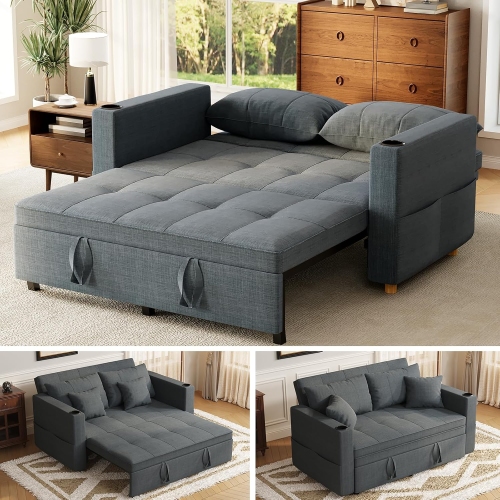 Your price for this item is $549.99
-
 Your price for this item is $599.97
-
 Your price for this item is $559.99
-
 Your price for this item is $479.99
-
 Your price for this item is $1949.99
-
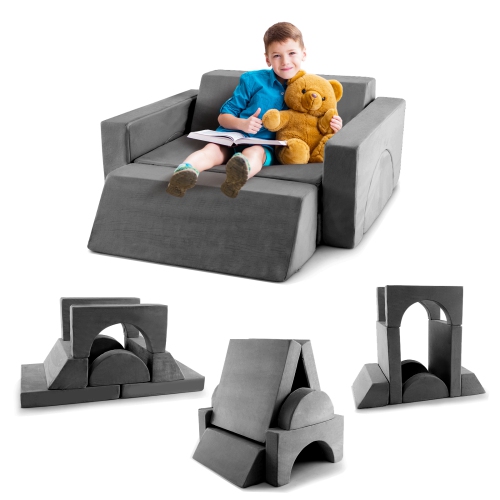 Your price for this item is $167.99
-
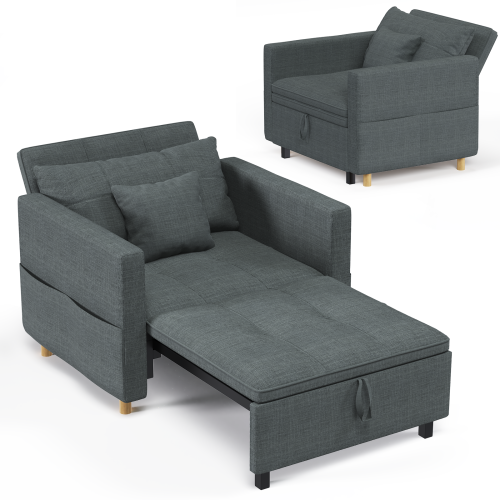 Your price for this item is $299.99
-
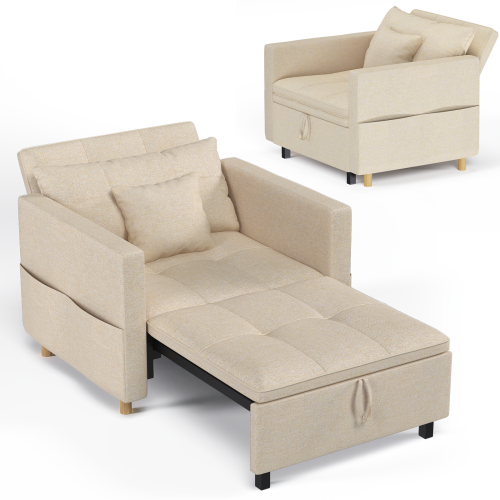 Your price for this item is $299.99
Discover more categories related to Walnut Wood Sofas
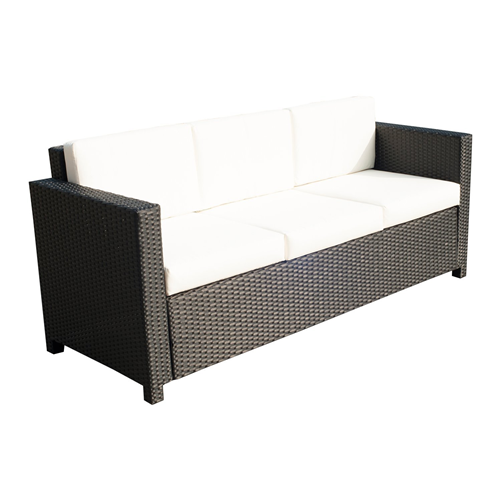


Top Collections:
Best Black Friday Deals This Year, Best Black Friday Deals On Electronics, Kindle Devices, Dyson Airwrap, Best Cameras for Sports Photography, Best Budget Office Chairs, Canon G7X Cameras, PS5 Pro Consoles, Best Black Friday Deals On Apple Products, XBOX One S Consoles
Some products may be subject to Environmental Handling Fees
(EHF) depending on your province.
Learn more about EHFs.