Warm Light Bulbs
Transform your living space into a cozy haven with warm light bulbs that create an inviting atmosphere in any room. Perfect for enhancing relaxation and comfort, these bulbs emit a soft, golden glow that mimics the gentle radiance of the setting sun. Whether you're looking to illuminate your bedroom, living room, or dining area, warm light bulbs offer an ideal solution for those seeking a soothing ambiance. Discover the perfect balance between functionality and style as you explore options that effortlessly complement your home décor while providing energy-efficient lighting solutions.
Sort

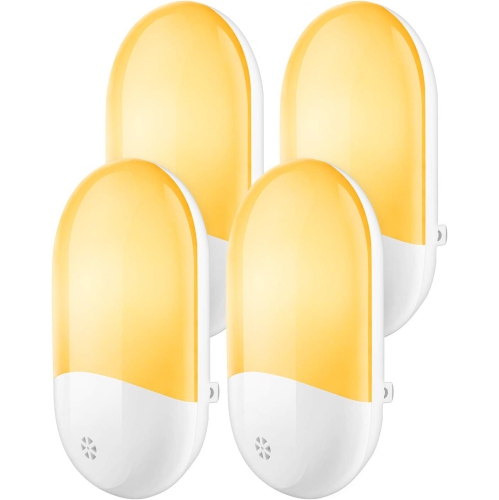
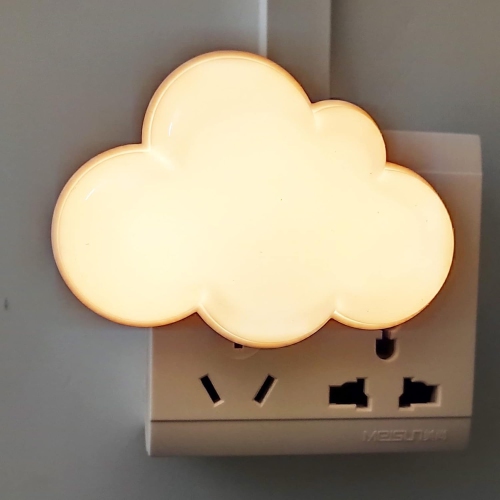
![YOULIGHTS Plug In Night Light [2 Pack], Night Lights Plug Into Wall, Amber Night Light, Warm Night Light, 1800K, Dusk to Dawn Sensor, Adjustable](https://multimedia.bbycastatic.ca/multimedia/products/500x500/185/18588/18588720.jpeg)
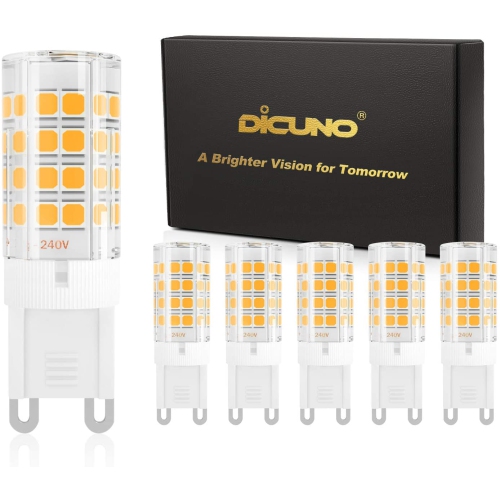
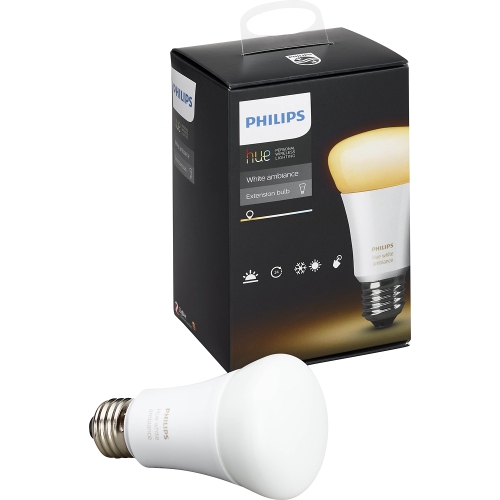
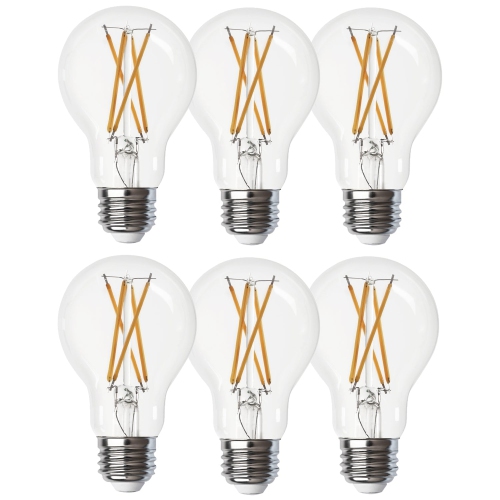
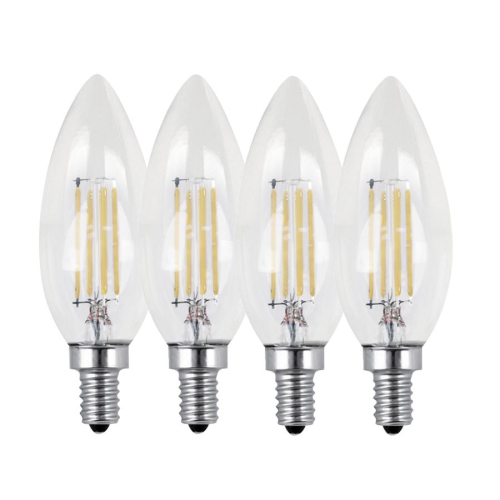
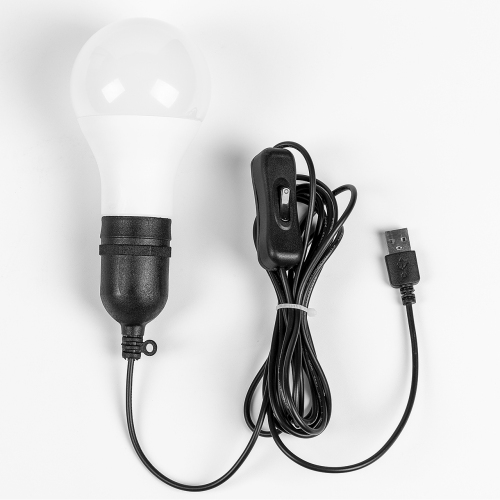
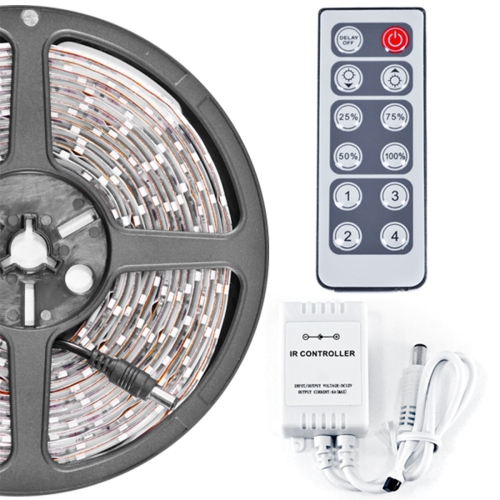
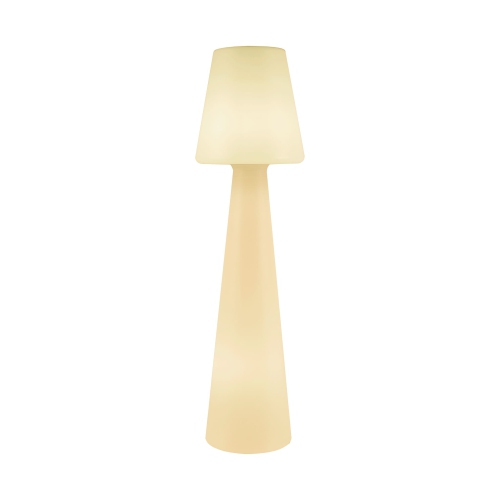
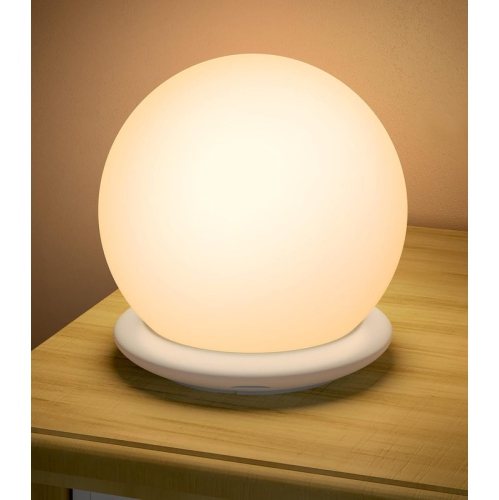


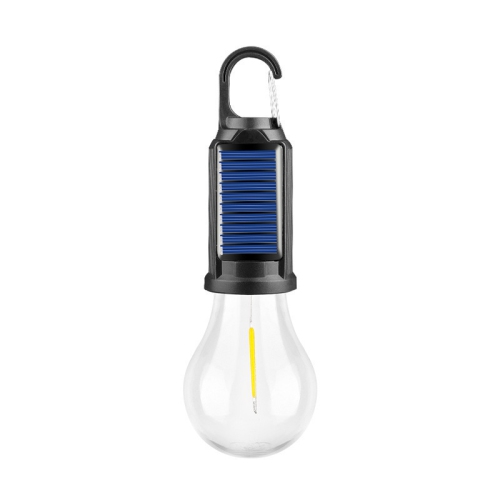
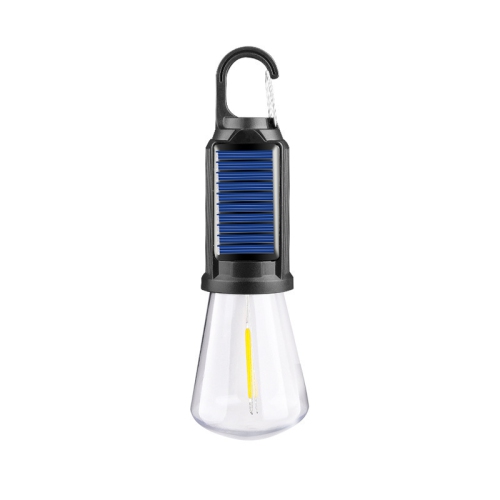
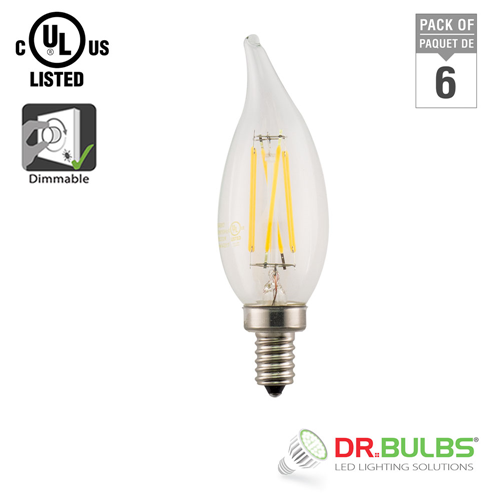
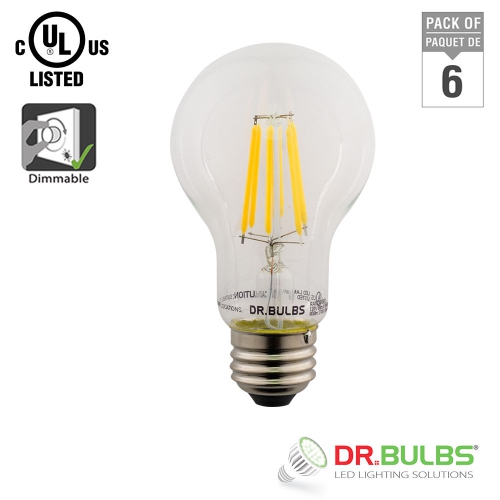

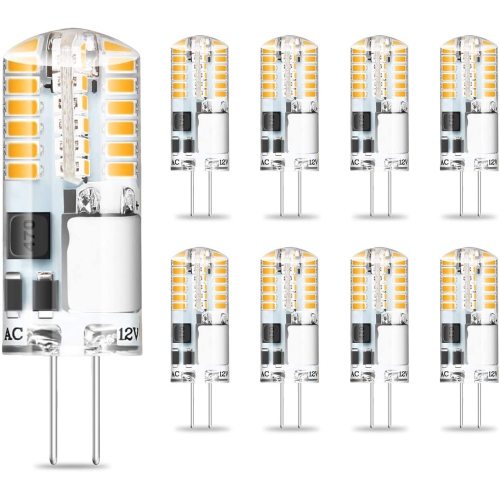
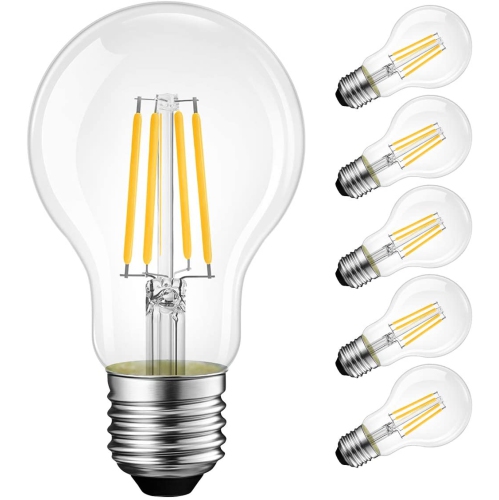



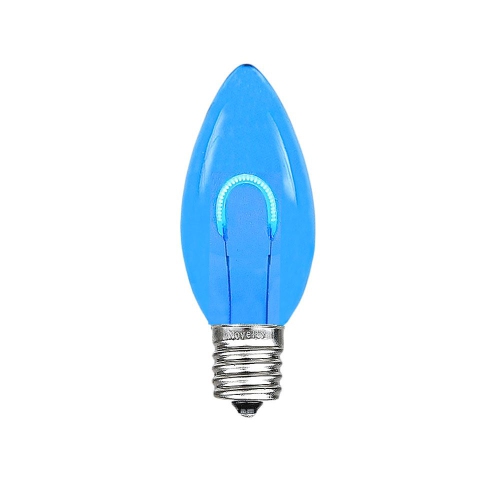
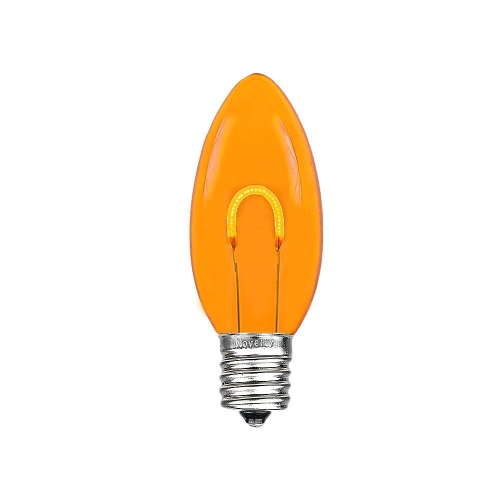
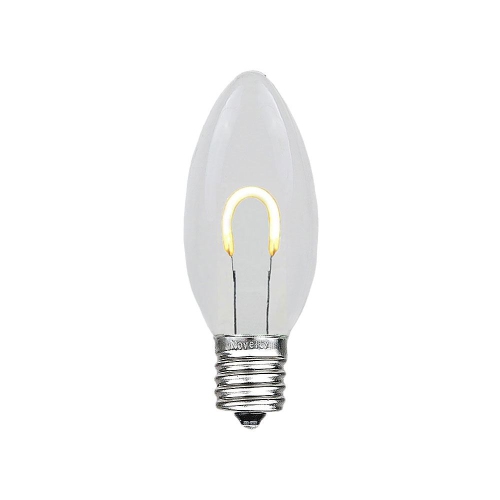
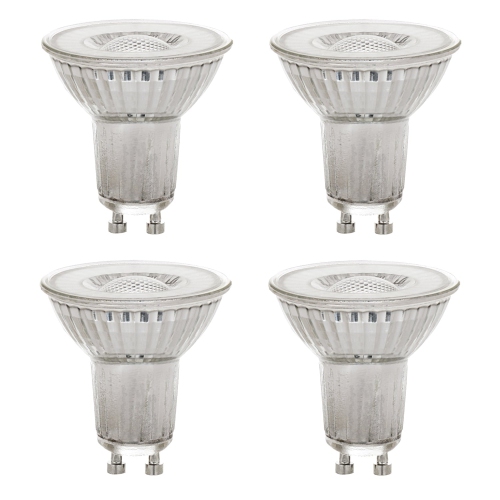
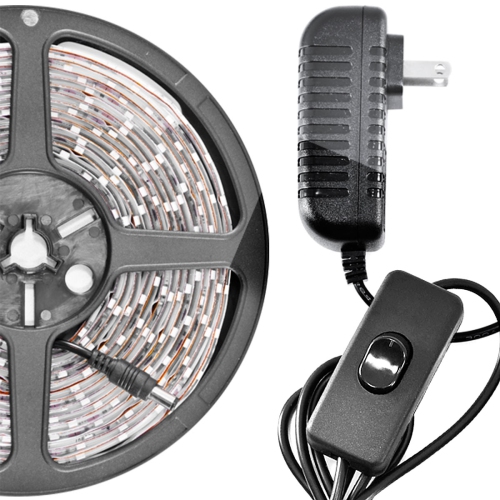
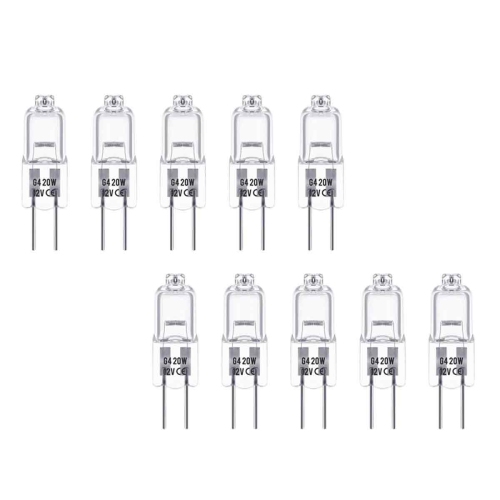
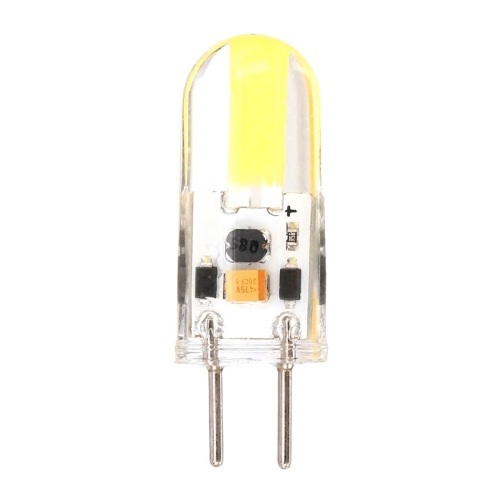
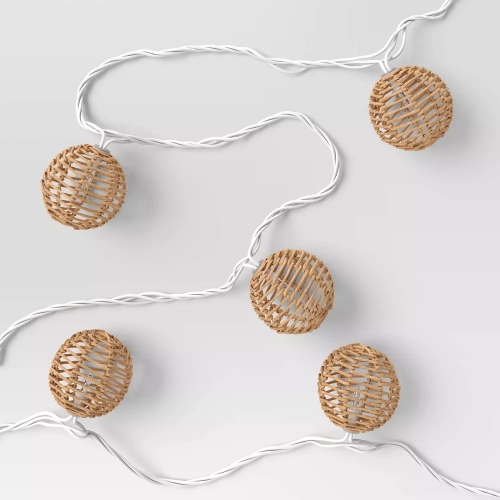
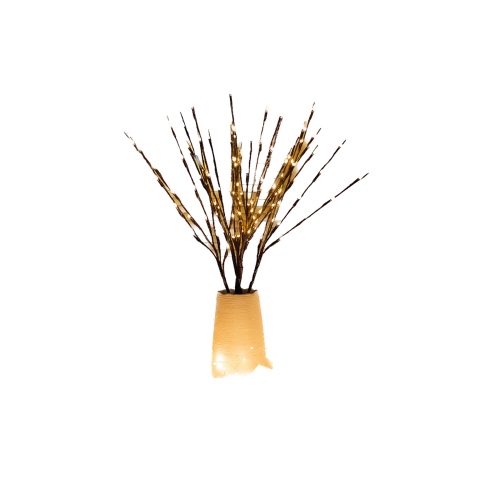
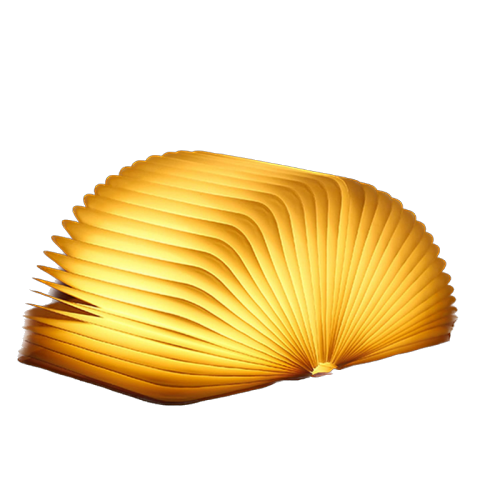
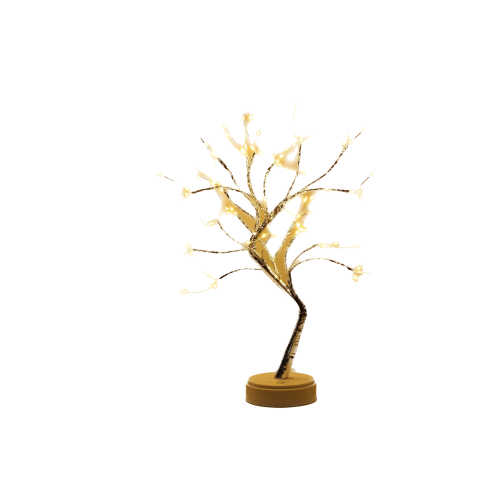

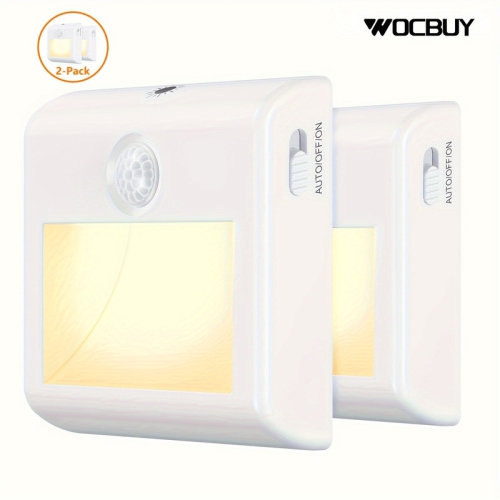
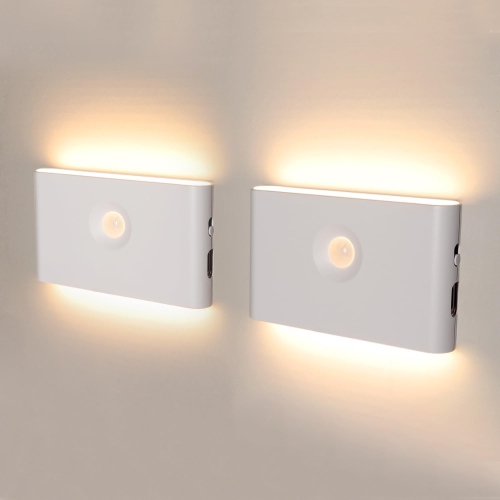
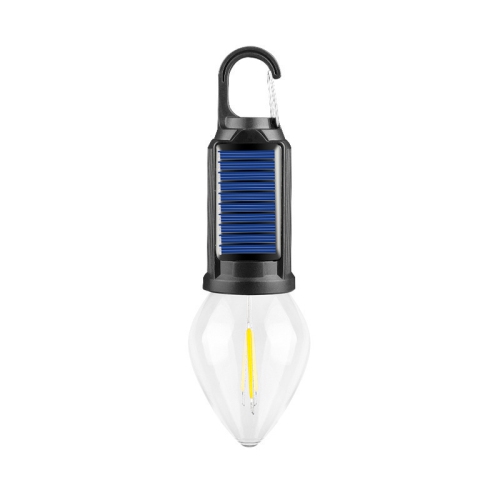
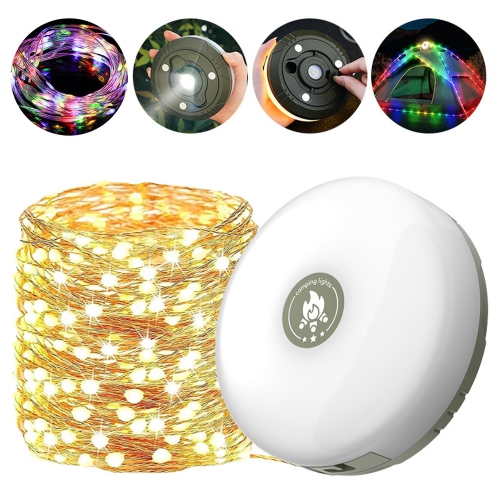


Understand Kelvin ratings, brightness, styles and fixture compatibility
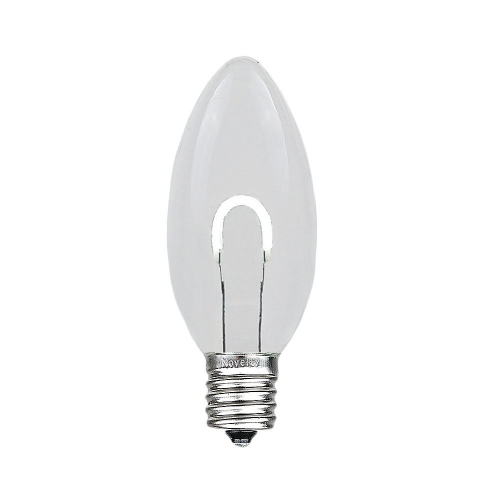
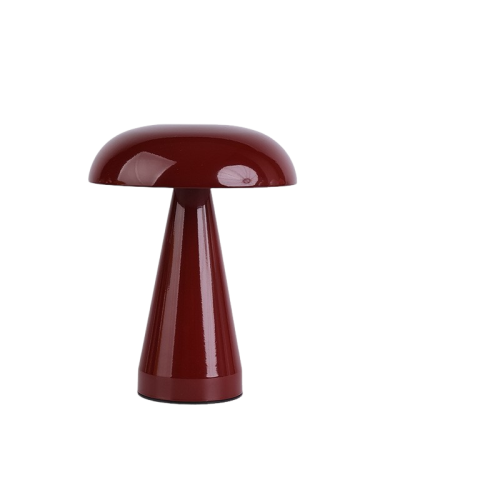
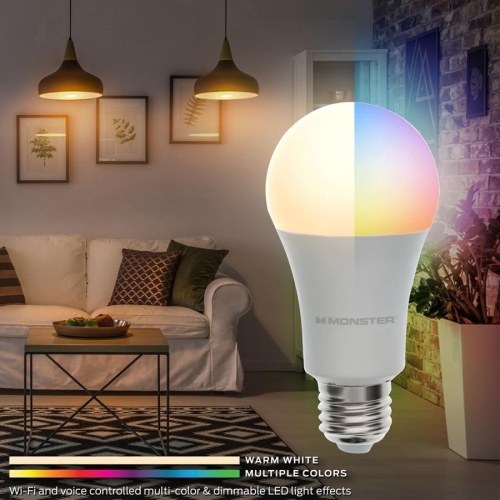
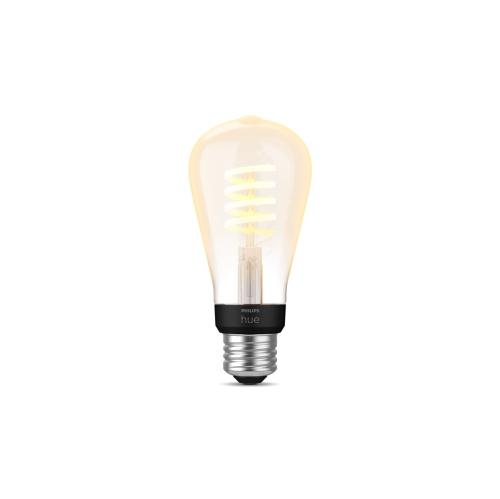
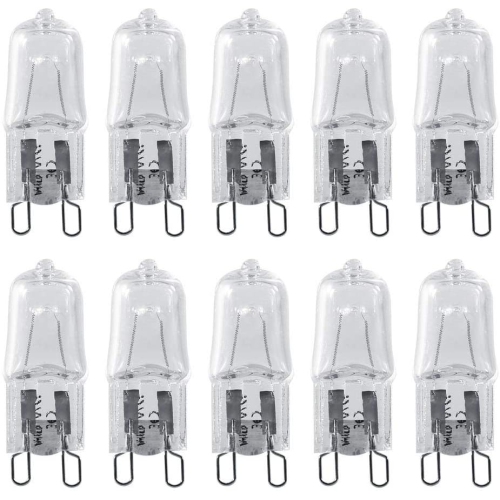
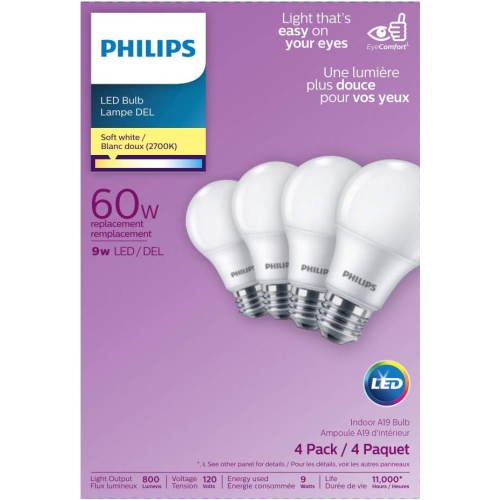
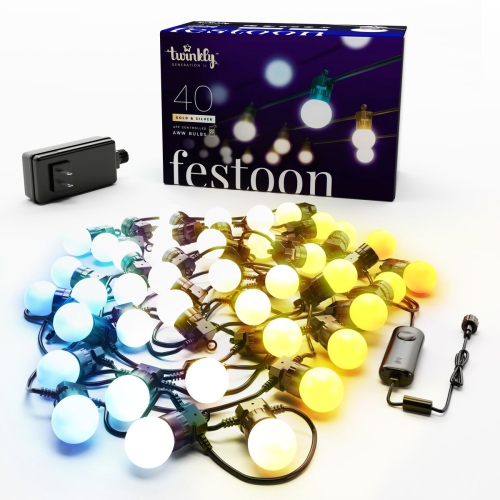
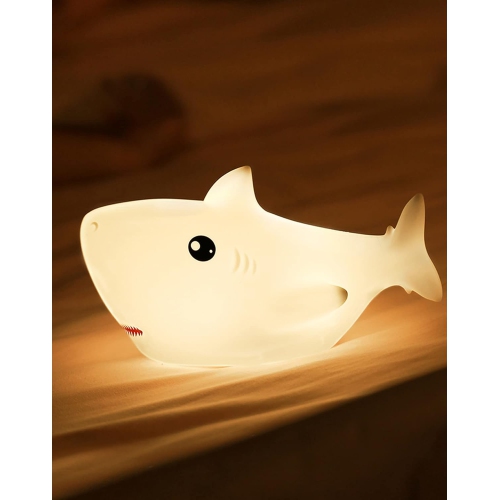
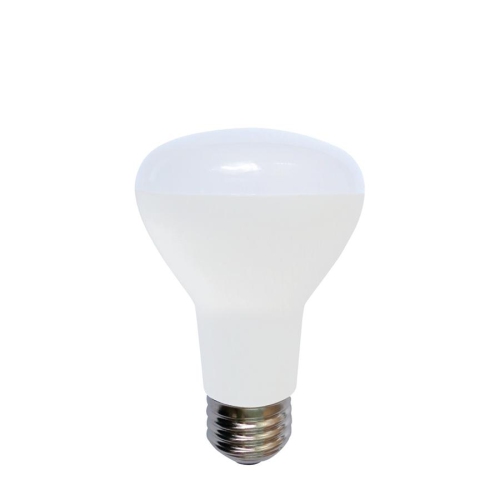
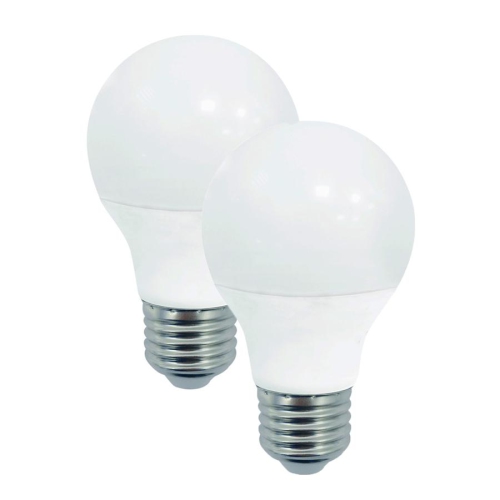
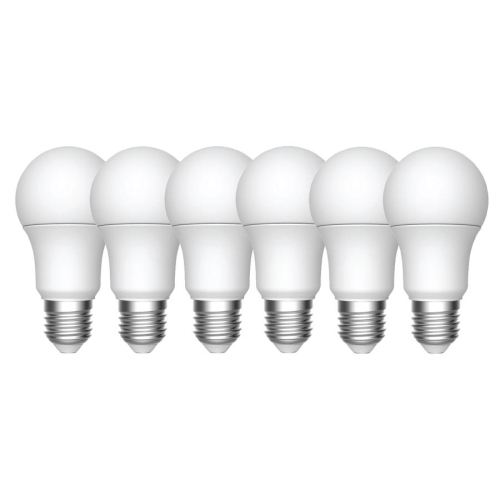
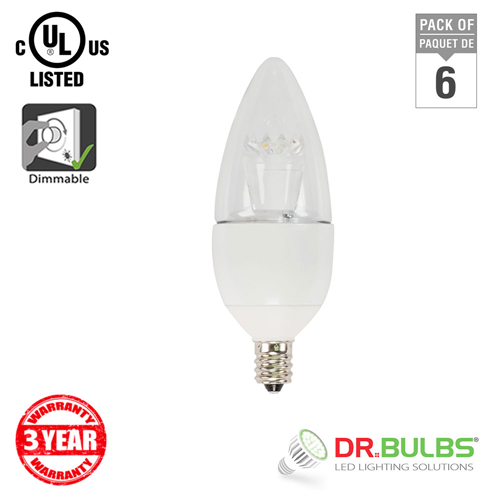
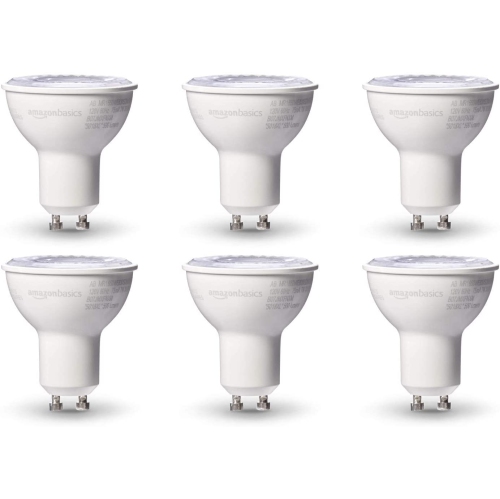
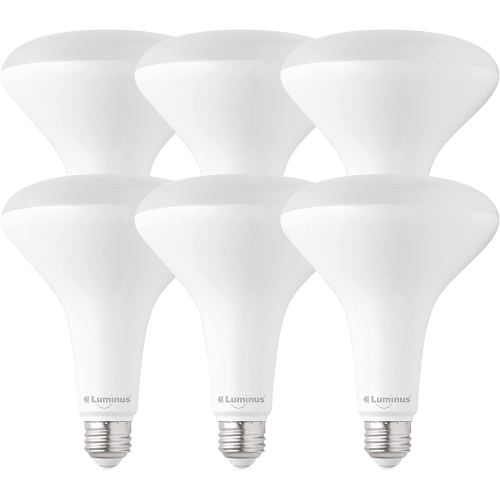
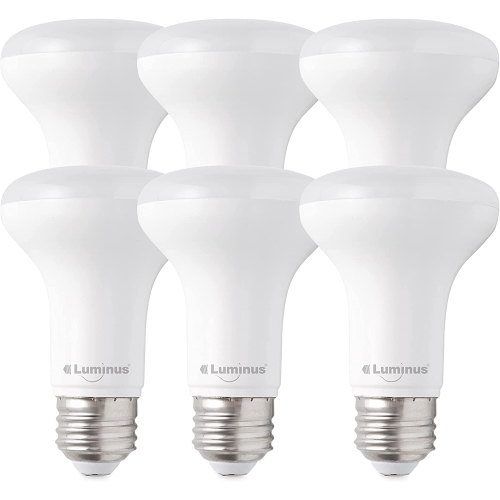
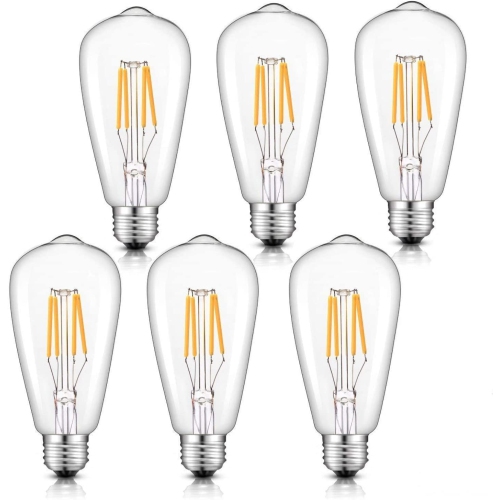
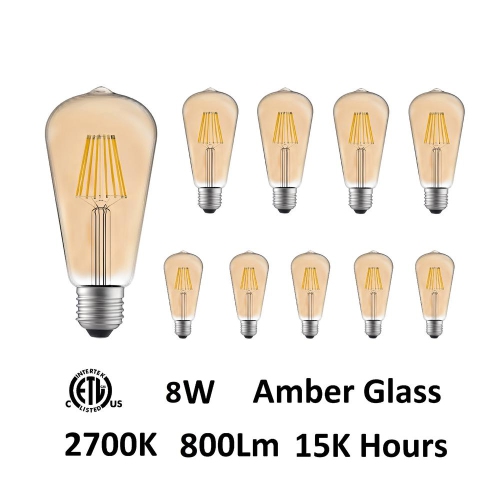
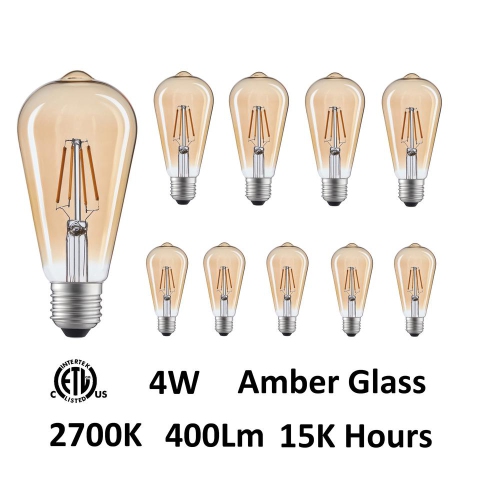
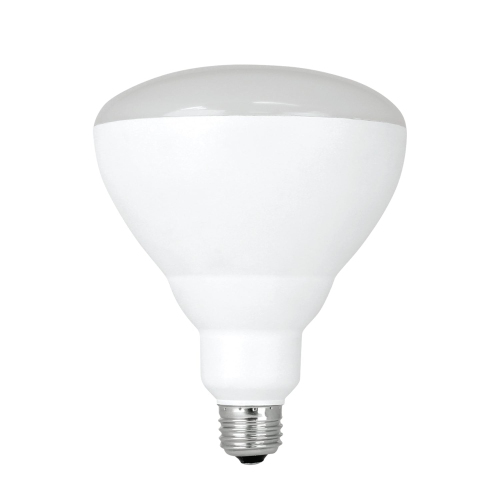
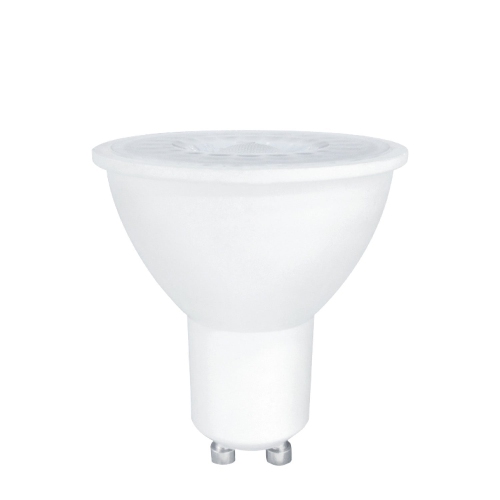
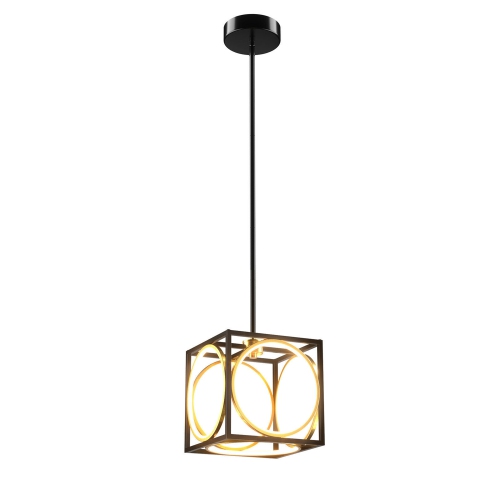
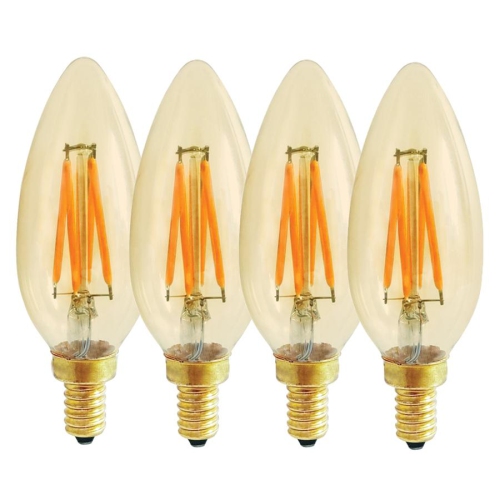
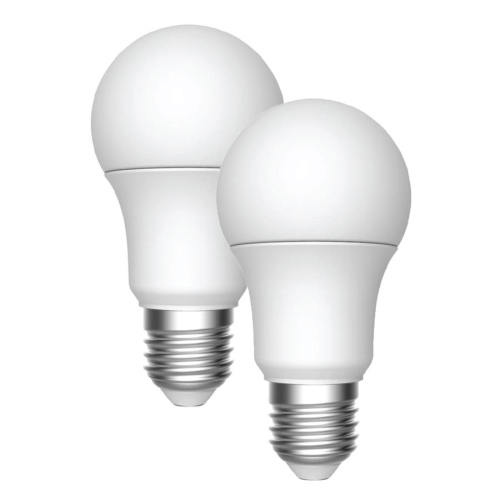
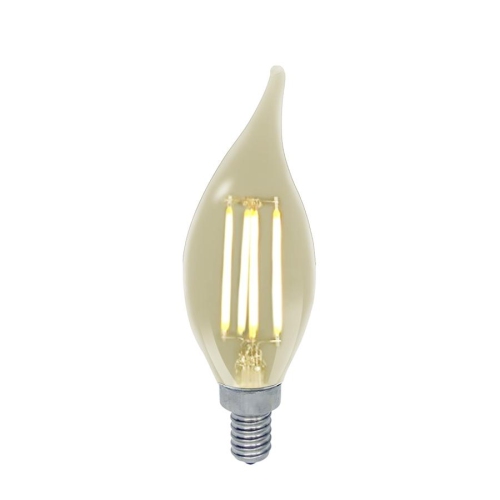
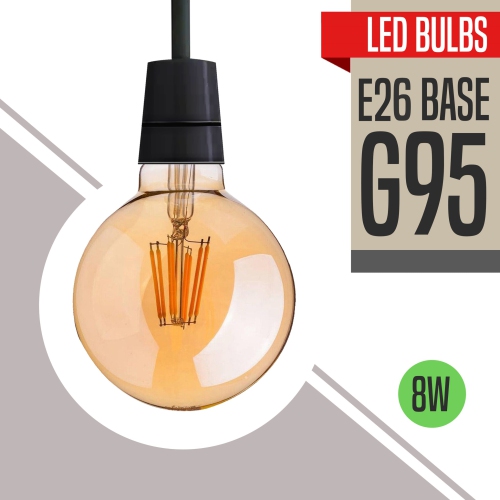
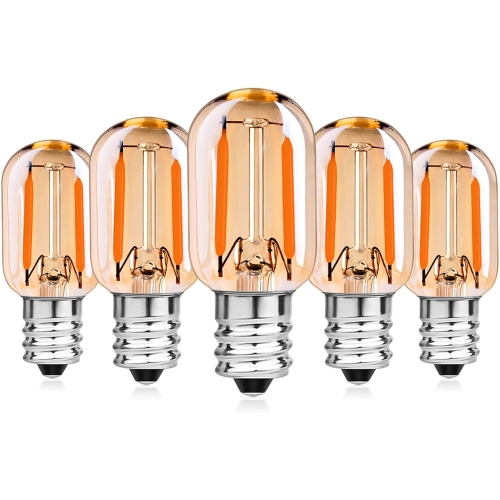
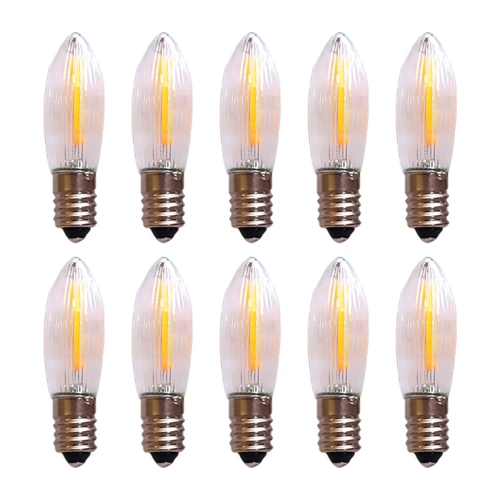
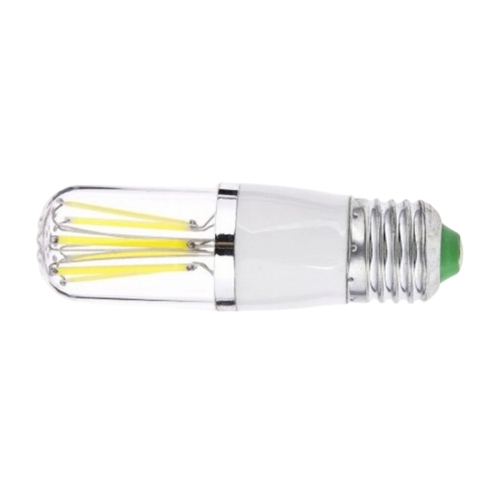
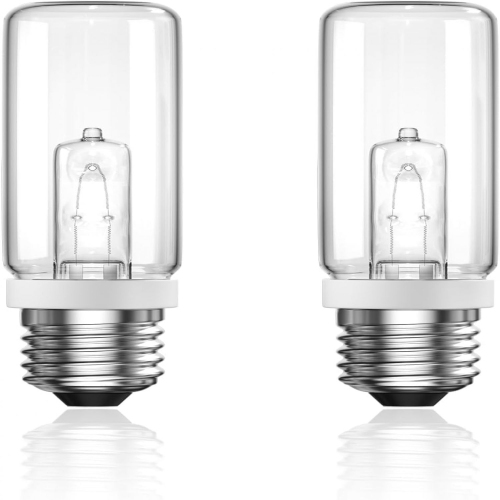
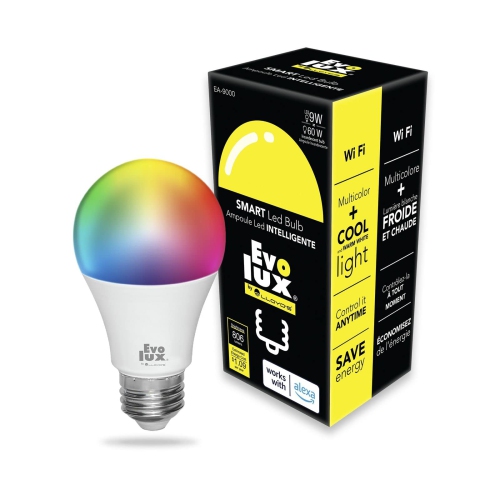
Warm light bulbs bring a soft, golden tone to a room, creating the familiar glow associated with traditional incandescent lighting. Their colour temperature is measured in Kelvin (K), and choosing the right range is one of the most useful ways to match a bulb to the mood and function of a space. Bulbs rated from approximately 2,200K to 2,400K give off a deep amber or candle-like glow that suits accent lighting, decorative fixtures, reading corners and rooms where a relaxed atmosphere matters most. Around 2,700K is generally considered the classic warm or soft white range, with a gentle yellow tone that works beautifully in living rooms, bedrooms, dining areas, hallways and bedside lamps. A rating near 3,000K offers a slightly cleaner, crisper warm white that can be helpful in kitchens, bathrooms, entryways and other areas where you want warmth without making the light feel too dim or subdued. When browsing warm light bulbs, consider how the bulb will look alongside your walls, furniture and existing fixtures. A warm bulb can make wood finishes, cream upholstery and earthy colours appear richer, while a very amber bulb may add a noticeable vintage character to white walls or cooler-toned décor. Brightness is another important detail. Lumens indicate the amount of light a bulb produces, so a lower-lumen bulb can be suitable for a small lamp or decorative fixture, while a higher-lumen option may be better for a ceiling fixture or a larger room. Wattage alone does not describe how bright a modern bulb will appear, making lumens a more helpful comparison when selecting between options. It is also worth checking the bulb’s shape, base size and maximum wattage rating to ensure it fits the intended fixture. Common shapes include the standard household bulb, globe styles and elongated decorative forms, while smaller candelabra bases are often used in chandeliers and ornamental lamps. For a coordinated look throughout a home, many shoppers choose one colour temperature for social areas and another for task-focused rooms. A soft 2,700K glow can make a sitting room feel welcoming during the cooler months, while a 3,000K bulb may provide a little more clarity above a kitchen island or vanity without losing its inviting warmth.
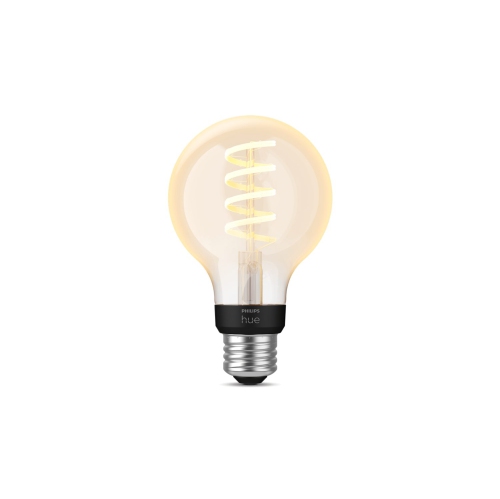
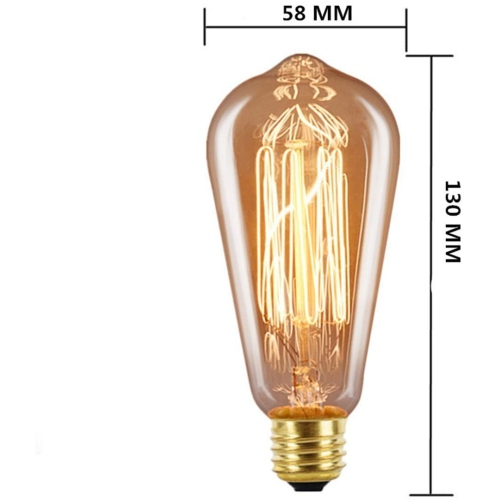
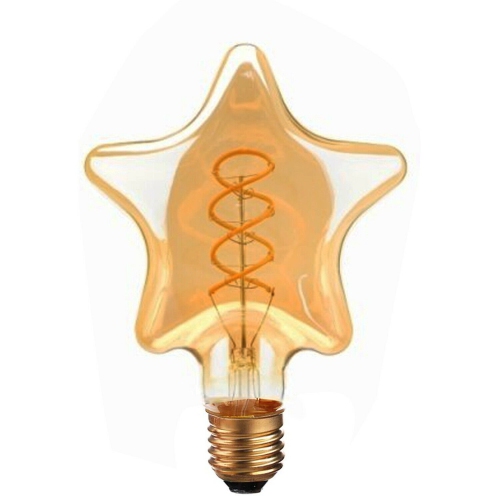
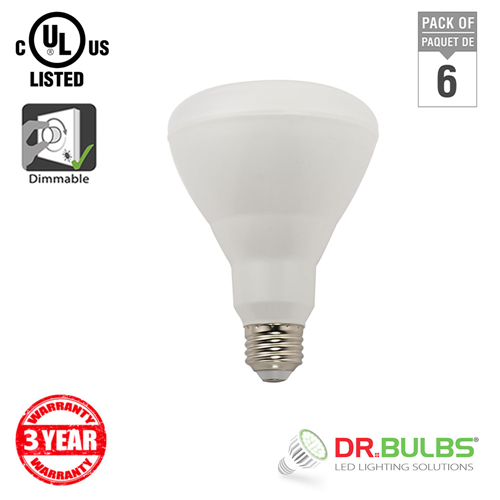
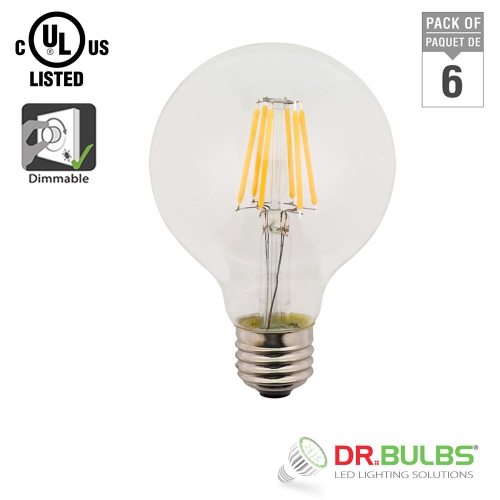
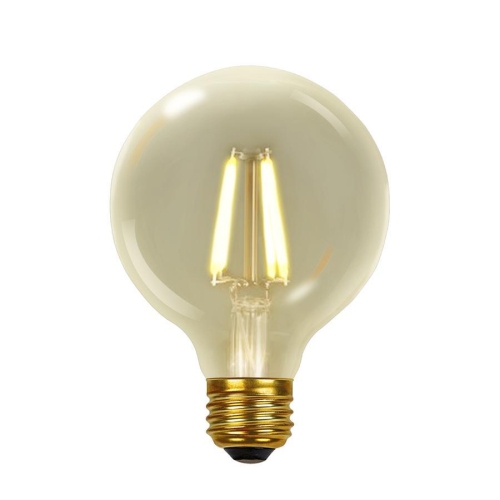
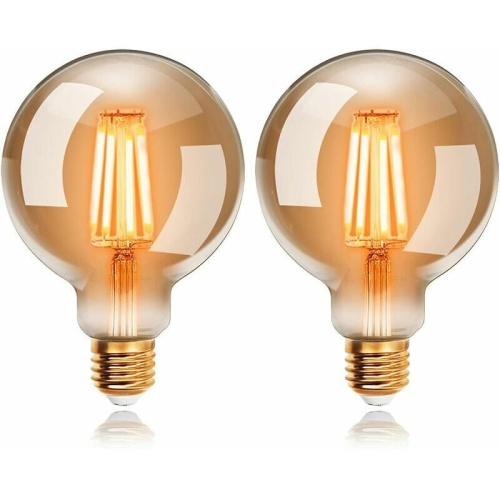
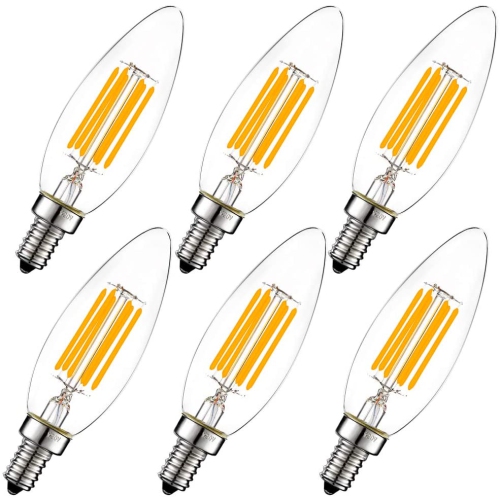
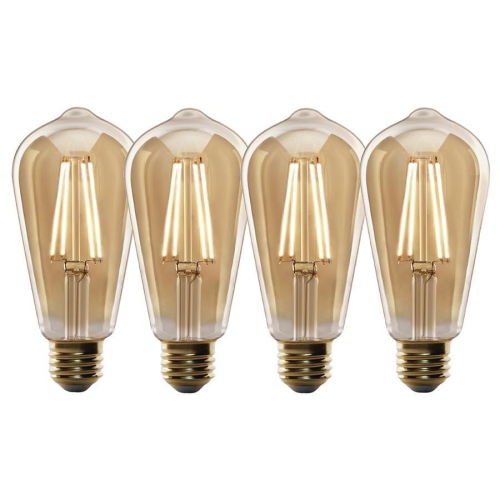
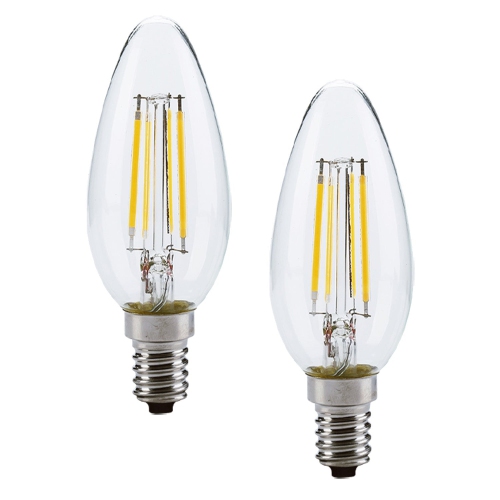
Warm light bulbs are also available in different technologies and designs, each offering a distinct experience. Standard LED bulbs are a practical choice for everyday lamps and overhead fixtures, while dim-to-warm bulbs become progressively more amber as their brightness is lowered. This effect can echo the appearance of older incandescent bulbs and is particularly appealing in dining rooms, bedrooms and living rooms where lighting changes from functional to atmospheric throughout the day. Check that the bulb is labelled as dimmable and that the dimmer switch is compatible, since not every bulb is designed for use with every control. Vintage filament bulbs add visual interest when installed in an open pendant, wall sconce or clear-glass lamp. Their exposed filament appearance and tinted glass can create a decorative focal point even when the light is switched off, while their low-glare glow works well above a dining table, beside a reading chair or in a quiet corner with a few framed photographs and a comfortable throw. For enclosed fixtures, review the manufacturer’s guidance before purchasing, as some bulbs are intended only for open fixtures and may not perform as expected inside a fully enclosed shade. Bulb placement also affects the final result: a warm bulb behind a fabric shade produces a diffused pool of light, while the same colour temperature in a clear fixture will appear more direct and defined. Households refreshing a guest room, furnishing a first apartment or updating a home office may appreciate the welcoming look of warm lighting, and a carefully chosen bulb can make a thoughtful practical gift for someone moving into a new space. Warm lighting is especially useful in rooms designed for winding down, hosting friends or enjoying a quiet breakfast as daylight fades, although it may not be the best sole source for detailed work that requires highly neutral illumination. If you are comparing warm-toned options for several fixtures, explore Warm LED Bulbs to find styles suited to everyday lighting, decorative arrangements and dimmable setups. Before completing a purchase, confirm the base, shape, brightness, colour temperature, dimming capability and fixture requirements. These small details help ensure the finished lighting feels intentional, comfortable and consistent from one room to the next, whether you are creating a softly lit bedroom, a welcoming dining area or a warm glow near the front entrance during the cooler months.
Warm light bulbs are also available in different technologies and designs, each offering a distinct experience. Standard LED bulbs are a practical choice for everyday lamps and overhead fixtures, while dim-to-warm bulbs become progressively more amber as their brightness is lowered. This effect can echo the appearance of older incandescent bulbs and is particularly appealing in dining rooms, bedrooms and living rooms where lighting changes from functional to atmospheric throughout the day. Check that the bulb is labelled as dimmable and that the dimmer switch is compatible, since not every bulb is designed for use with every control. Vintage filament bulbs add visual interest when installed in an open pendant, wall sconce or clear-glass lamp. Their exposed filament appearance and tinted glass can create a decorative focal point even when the light is switched off, while their low-glare glow works well above a dining table, beside a reading chair or in a quiet corner with a few framed photographs and a comfortable throw. For enclosed fixtures, review the manufacturer’s guidance before purchasing, as some bulbs are intended only for open fixtures and may not perform as expected inside a fully enclosed shade. Bulb placement also affects the final result: a warm bulb behind a fabric shade produces a diffused pool of light, while the same colour temperature in a clear fixture will appear more direct and defined. Households refreshing a guest room, furnishing a first apartment or updating a home office may appreciate the welcoming look of warm lighting, and a carefully chosen bulb can make a thoughtful practical gift for someone moving into a new space. Warm lighting is especially useful in rooms designed for winding down, hosting friends or enjoying a quiet breakfast as daylight fades, although it may not be the best sole source for detailed work that requires highly neutral illumination. If you are comparing warm-toned options for several fixtures, explore Warm LED Bulbs to find styles suited to everyday lighting, decorative arrangements and dimmable setups. Before completing a purchase, confirm the base, shape, brightness, colour temperature, dimming capability and fixture requirements. These small details help ensure the finished lighting feels intentional, comfortable and consistent from one room to the next, whether you are creating a softly lit bedroom, a welcoming dining area or a warm glow near the front entrance during the cooler months.
Top selling and popular products
-
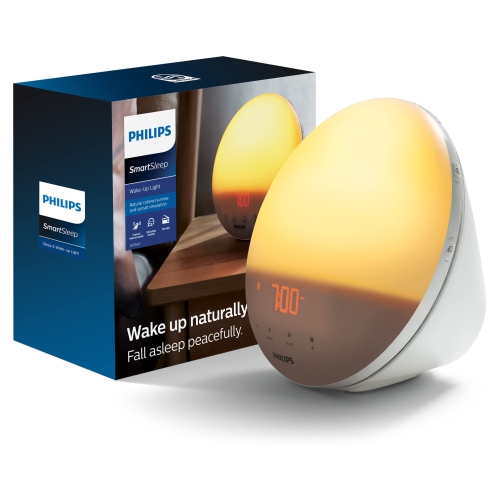 Your price for this item is $250
 -
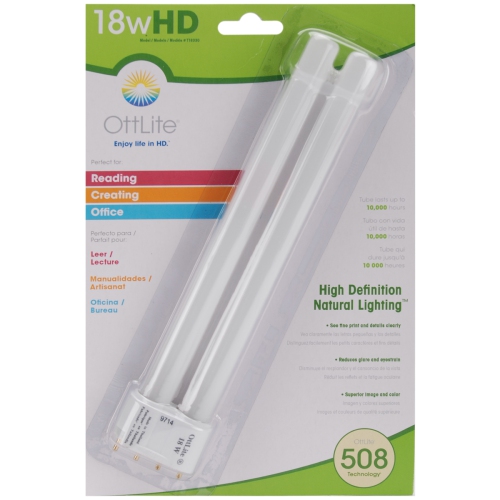 Your price for this item is $55
 -
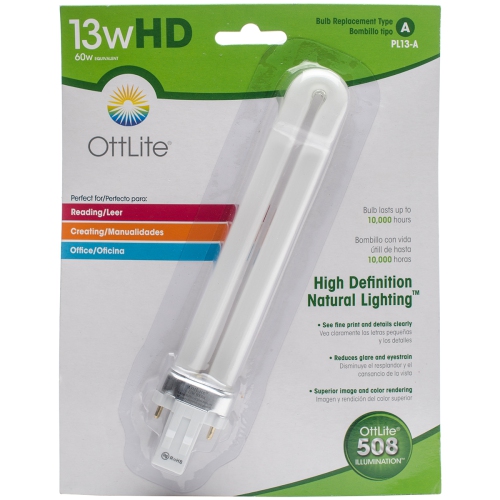 Your price for this item is $55
 -
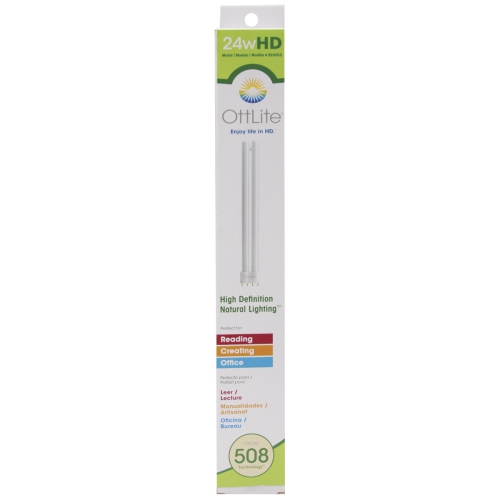 Your price for this item is $55
 -
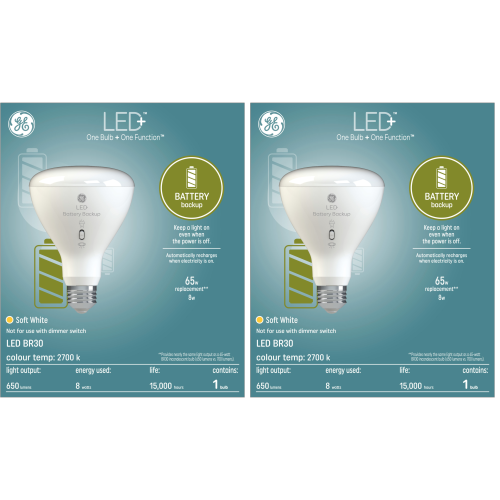 Your price for this item is $45.98
 -
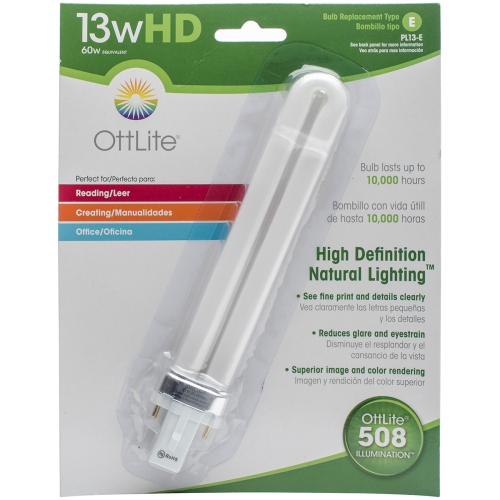 Your price for this item is $55
 -
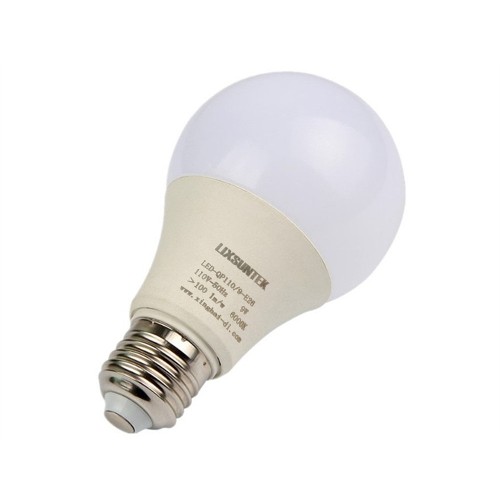 Your price for this item is $9.99
 -
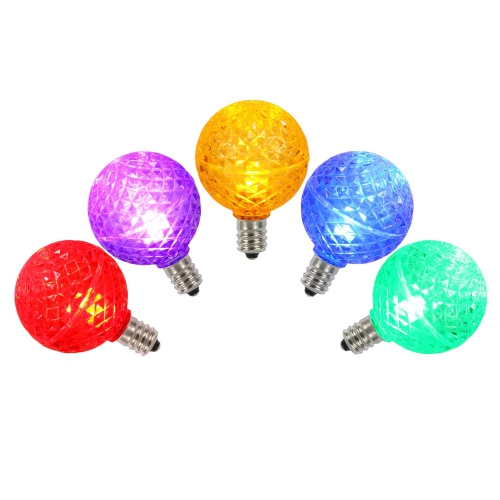 Your price for this item is $74.99
Discover more categories related to Warm Light Bulbs
Top Collections:
Pokemon Centers, Kindle Devices, Best Budget Office Chairs, Apple iPhones 16, Best Laptops for Writers, iPhone 15 Apple, Canon G7X Cameras, Refurbished Apple Laptops, Alarm Clock, Motorola Razr Phones
Some products may be subject to Environmental Handling Fees
(EHF) depending on your province.
Learn more about EHFs.