Warm LED Bulbs
The warm LED bulb is a type of light bulb that is designed to produce a soft, warm light. This type of bulb is often used in places where a bright, white light would be too harsh or too bright. It is also a great choice for areas where the lighting needs to be more subtle and subdued.
Sort
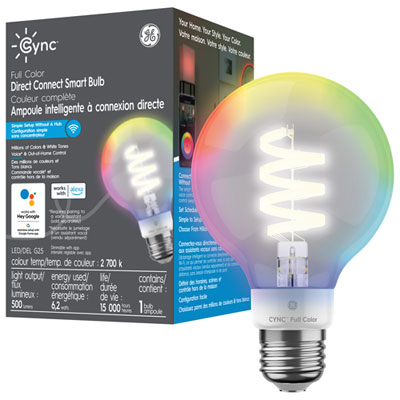
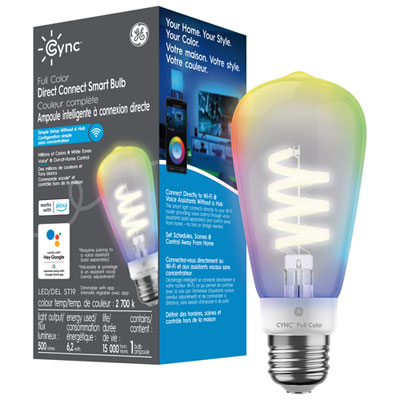
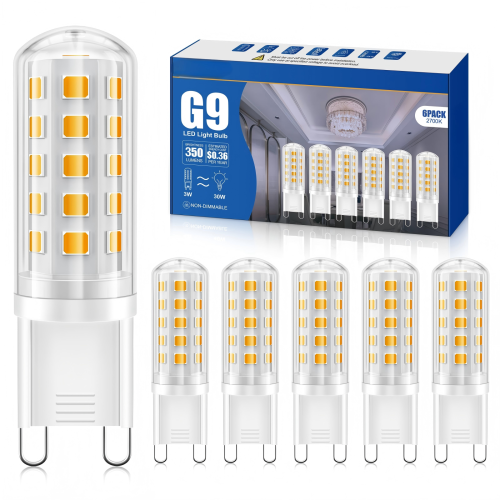
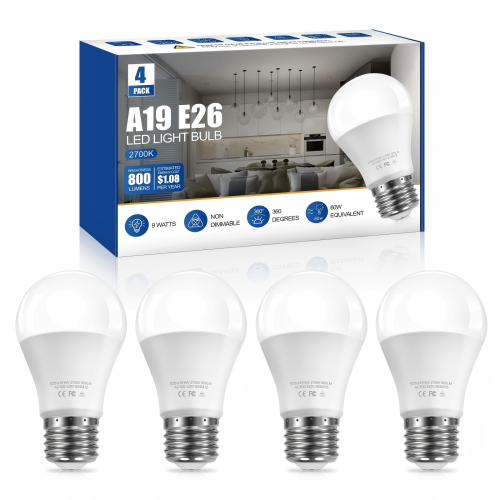
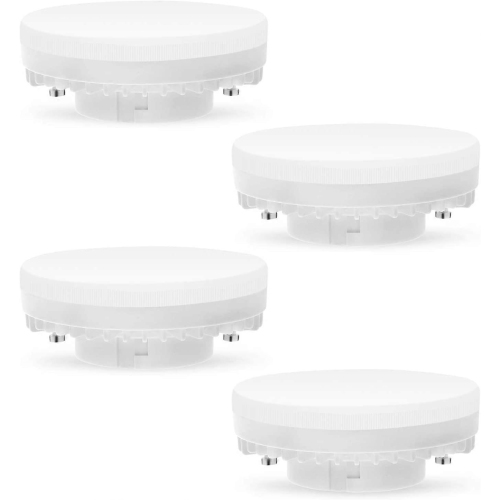
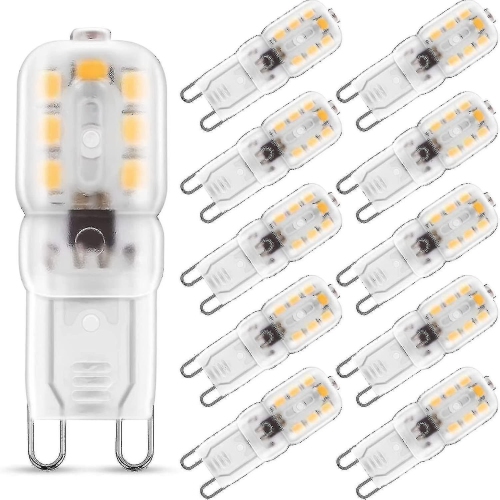
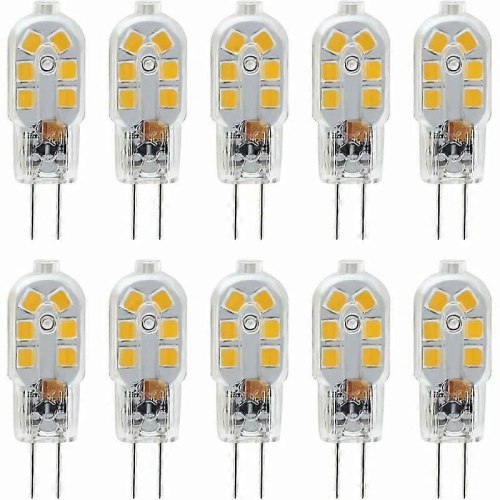
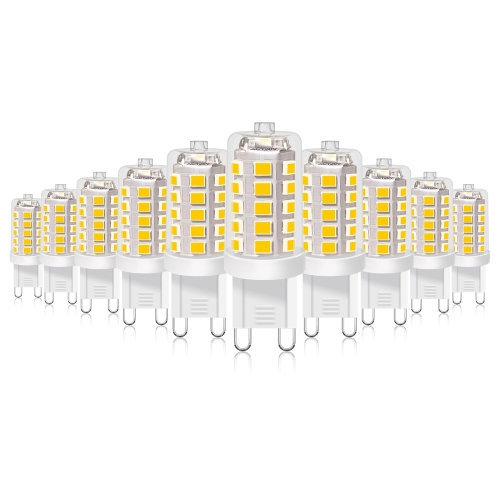
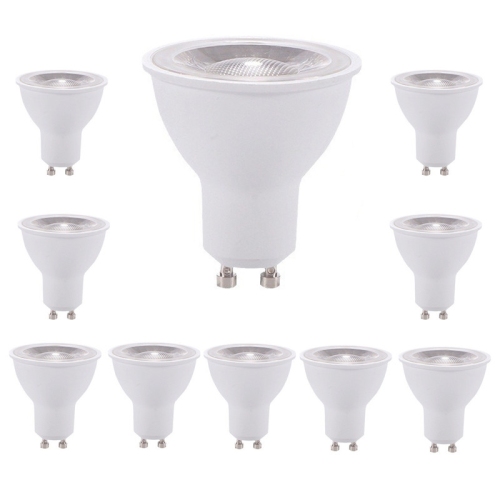
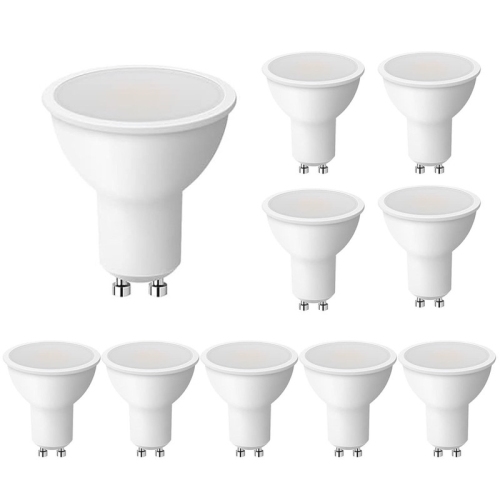
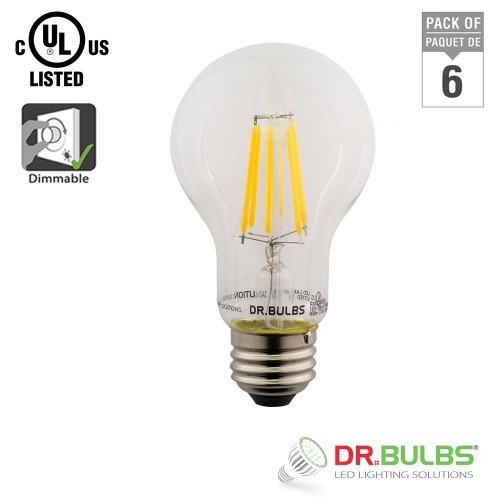
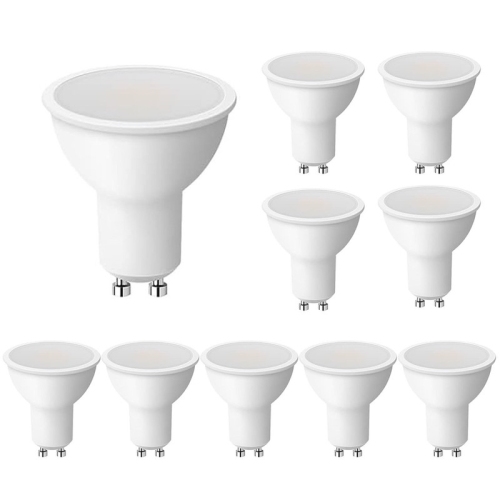

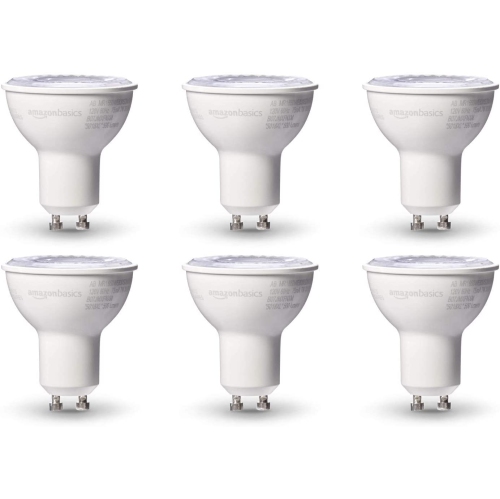
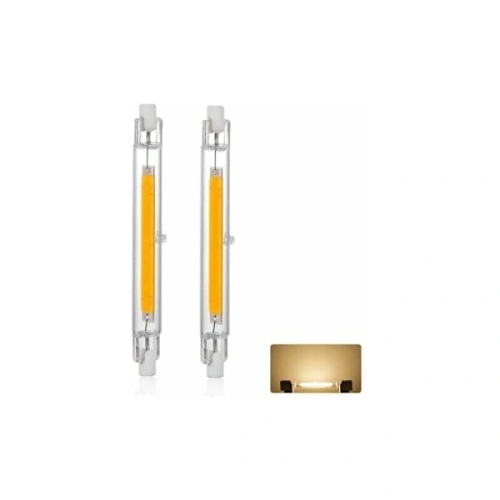
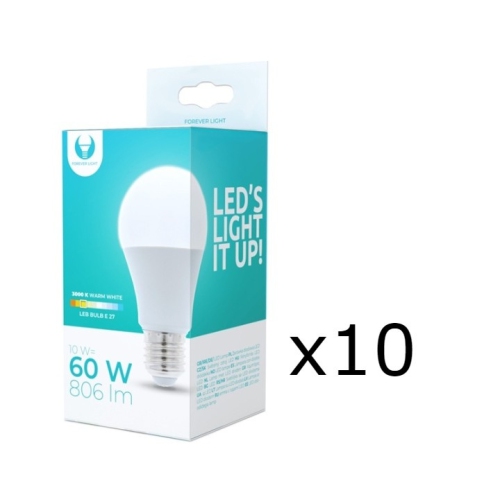
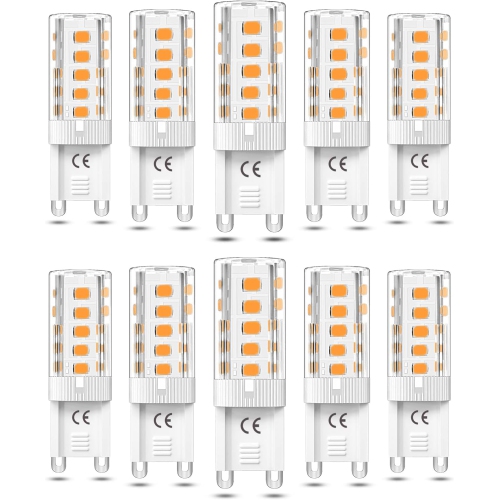
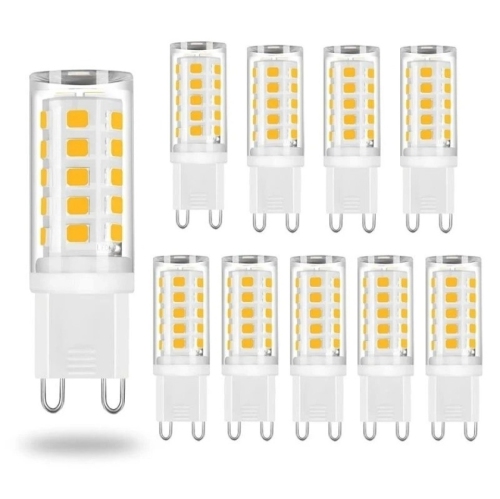
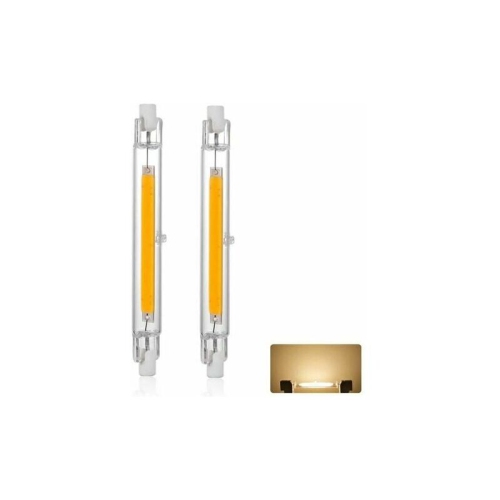
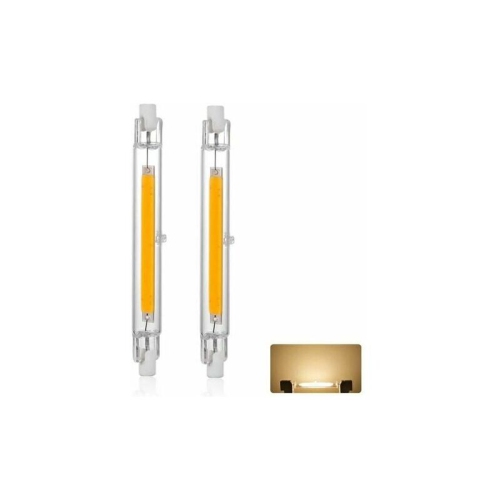
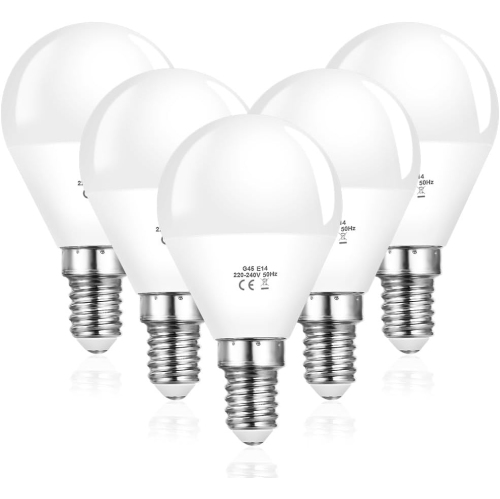
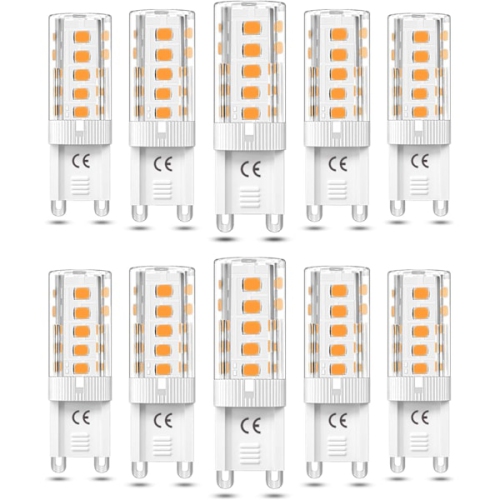
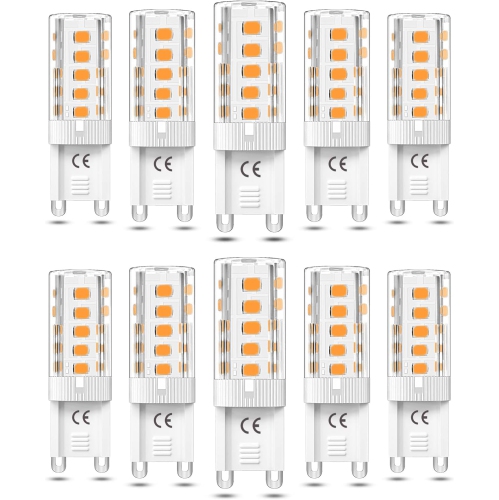
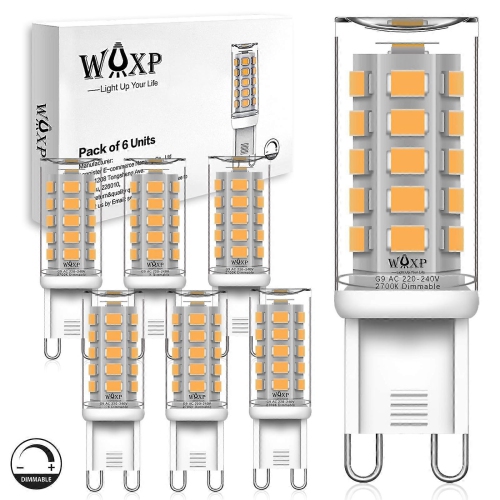
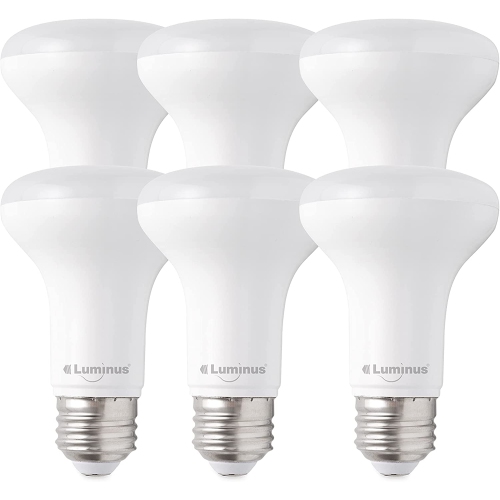
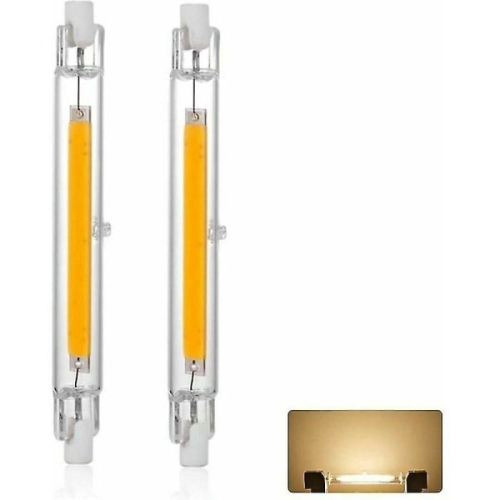
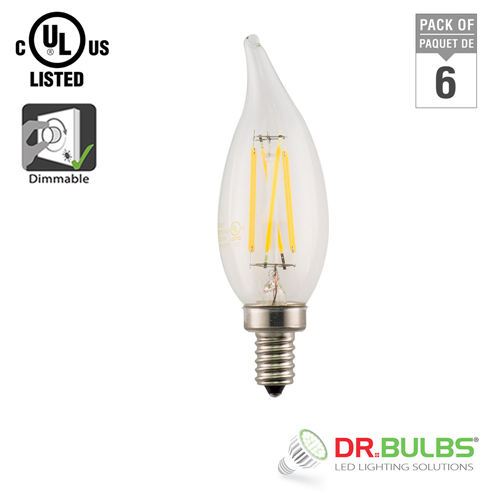
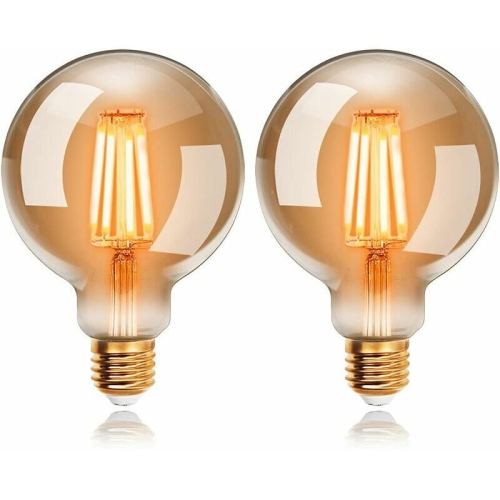
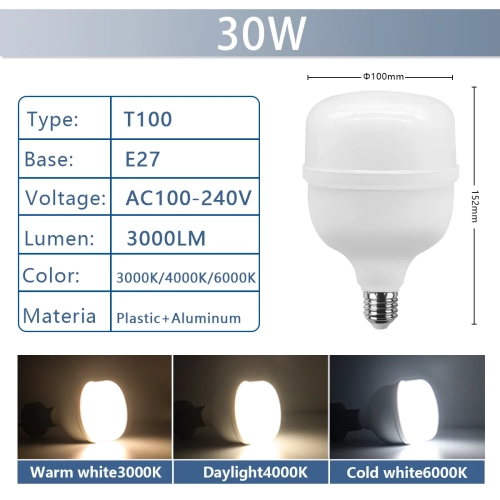
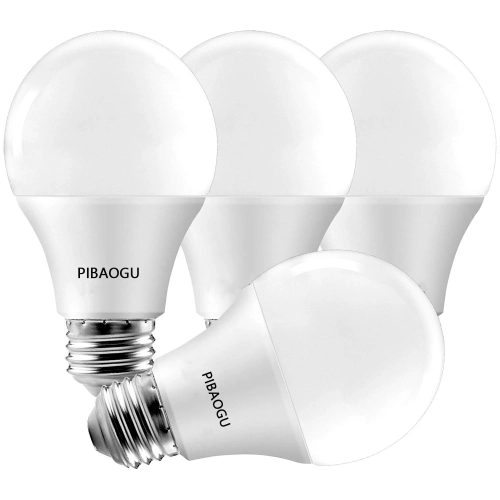
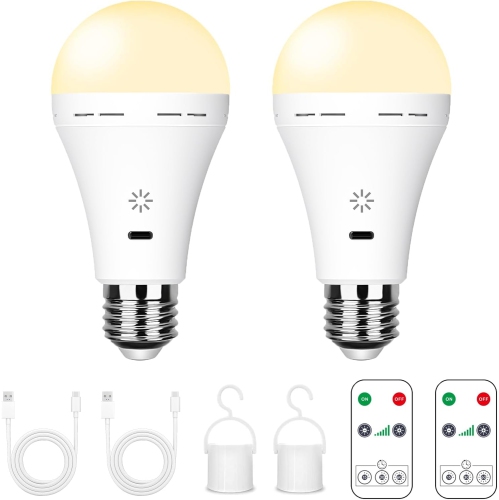
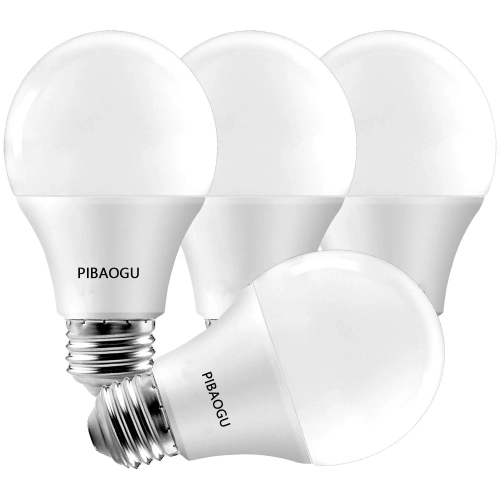
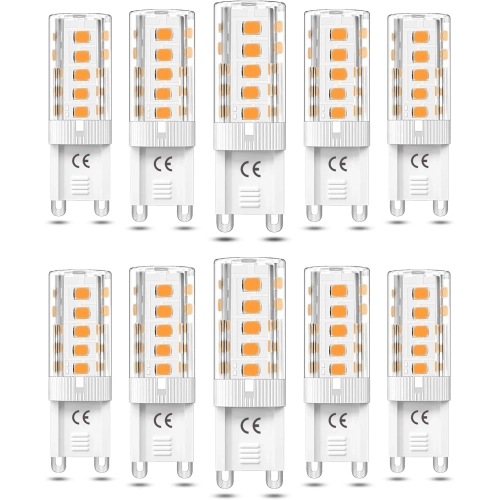
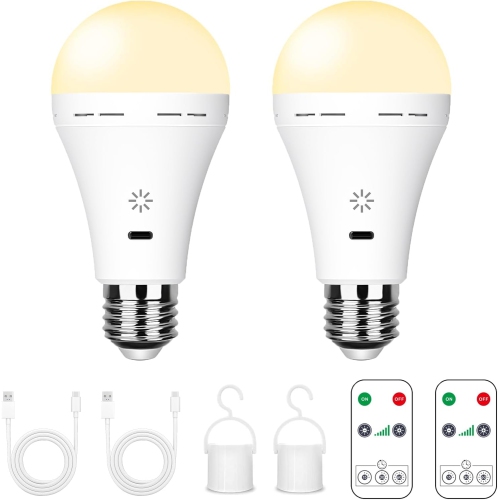
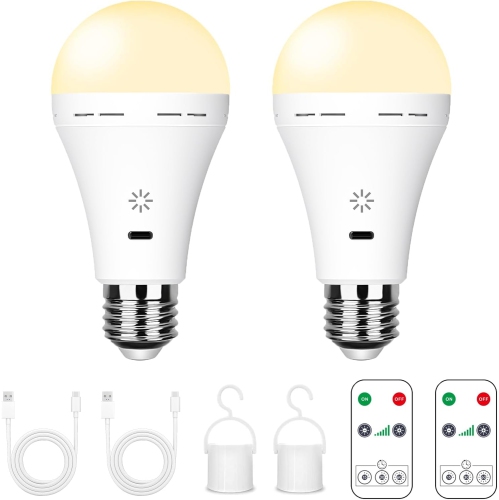

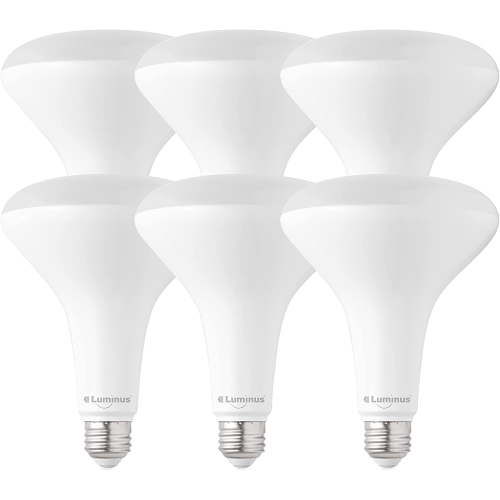
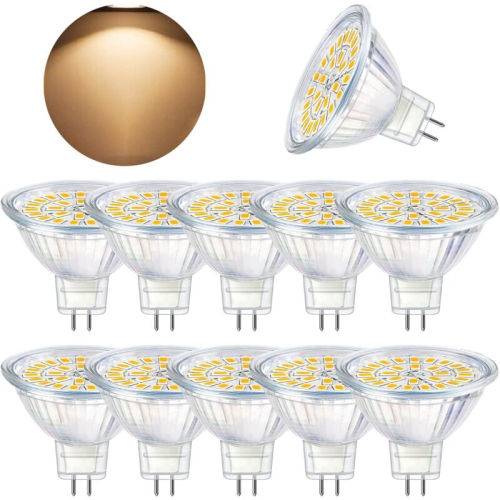
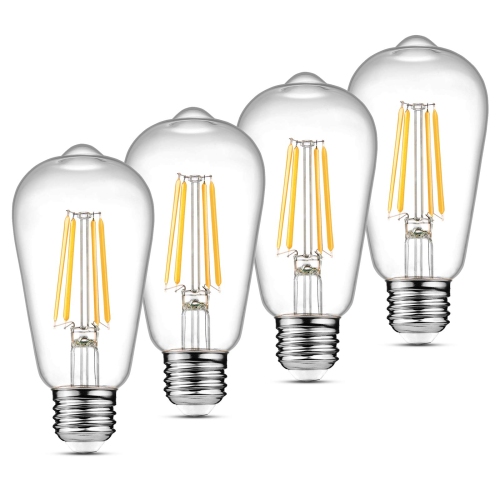
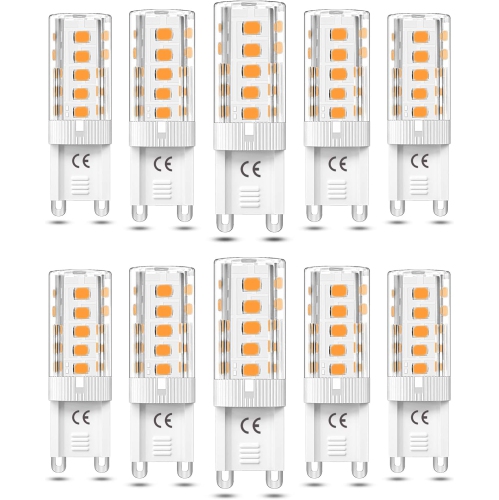
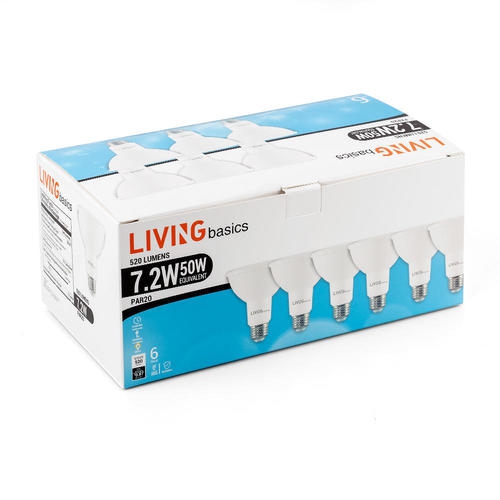
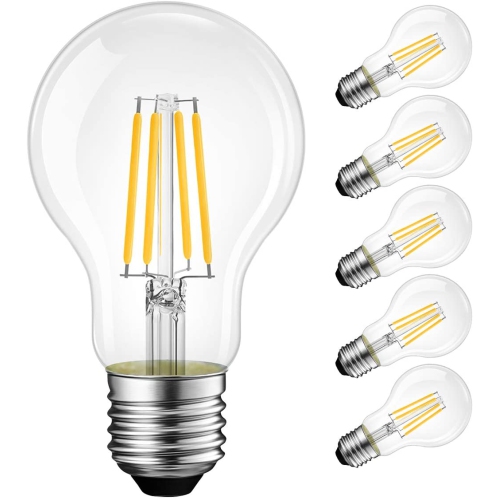

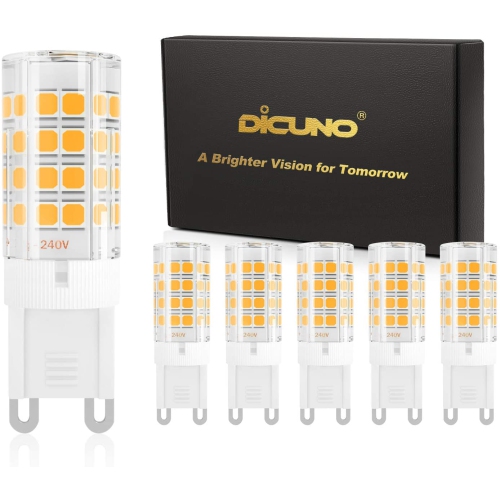
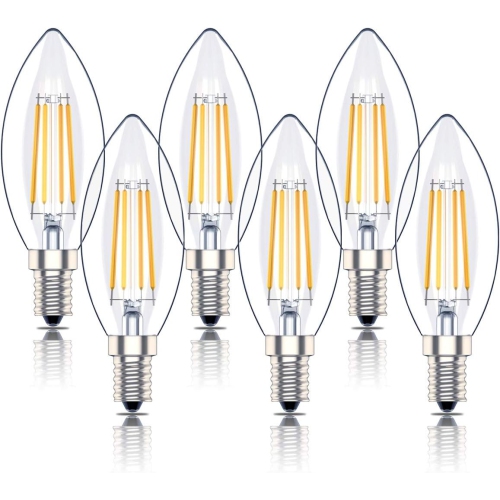
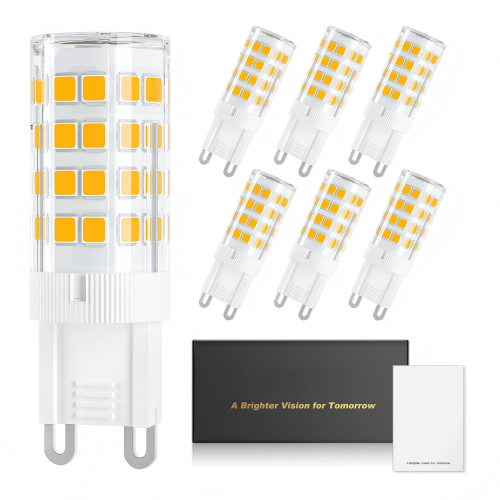
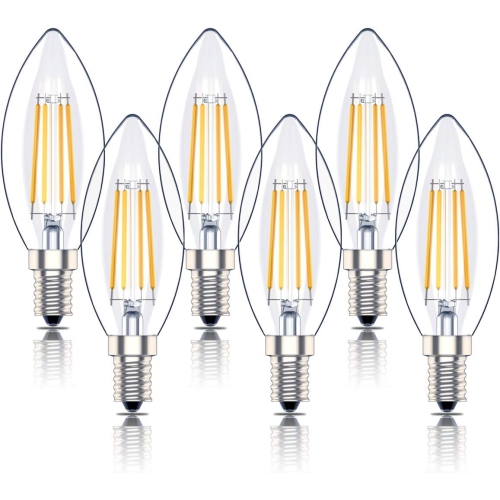


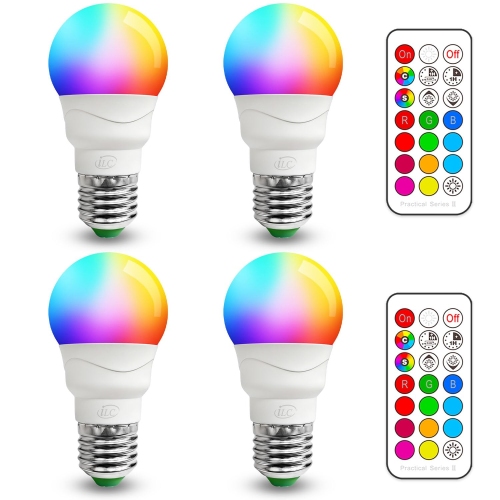
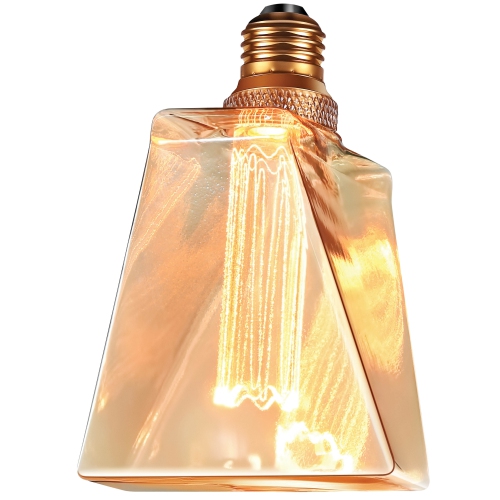
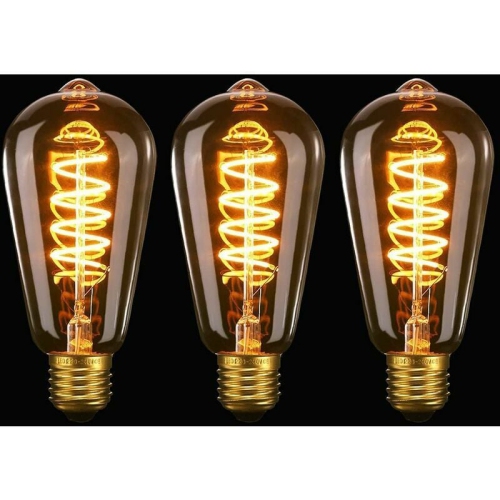
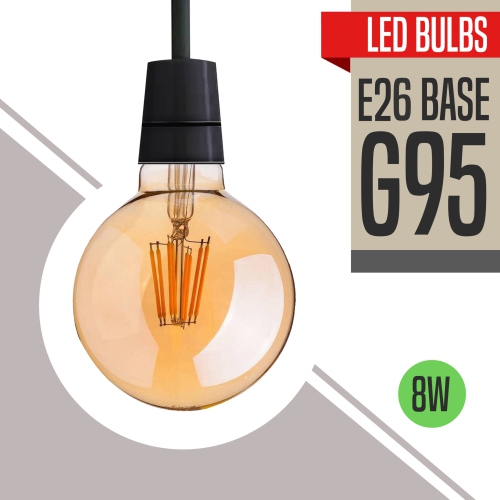
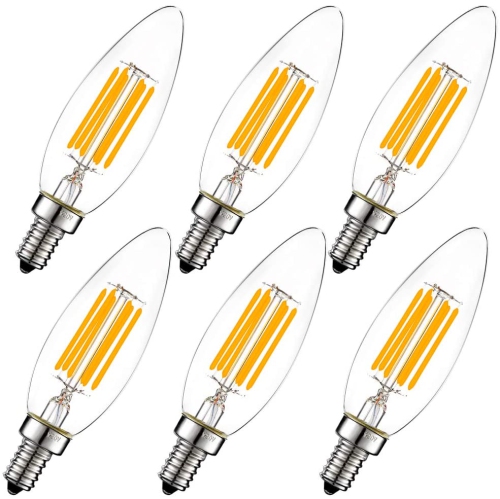
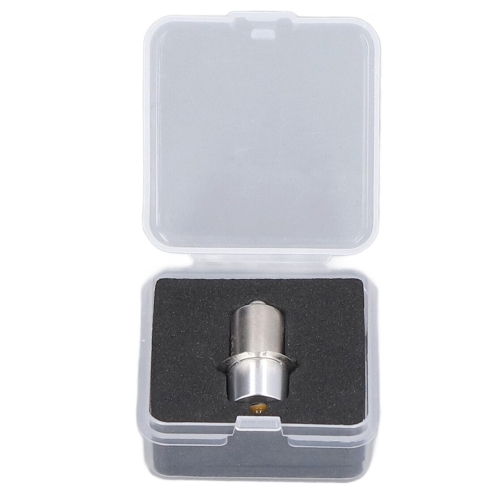
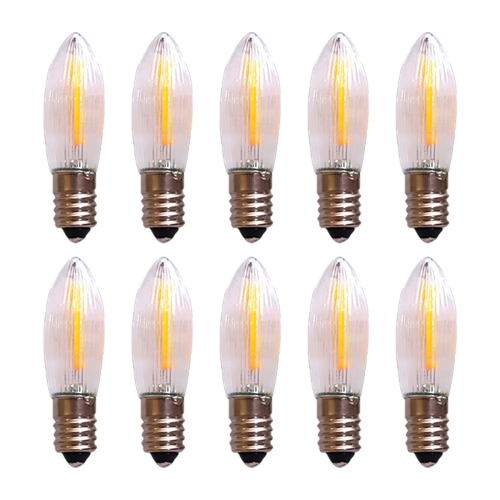
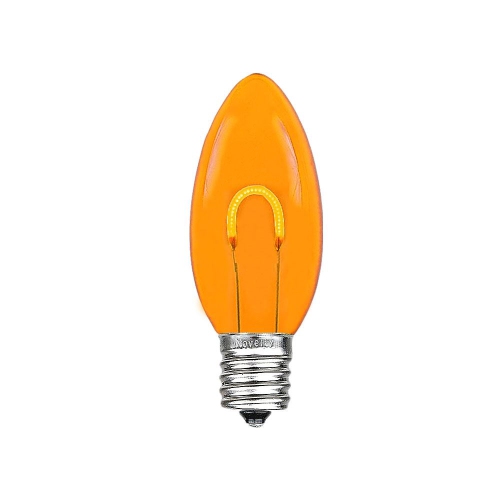
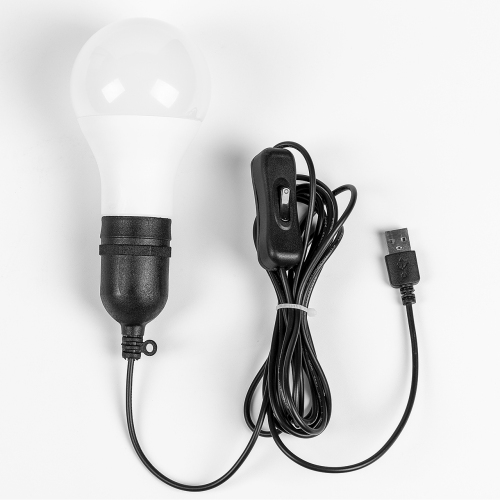
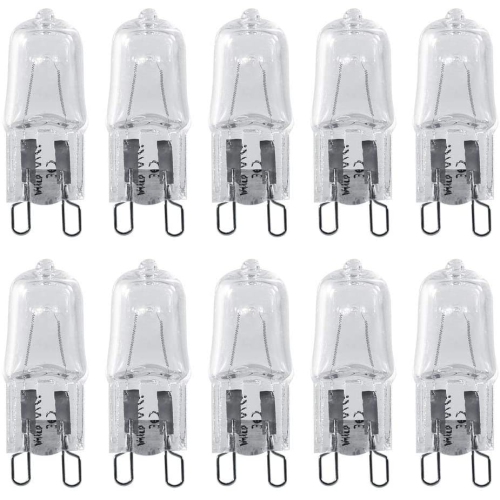
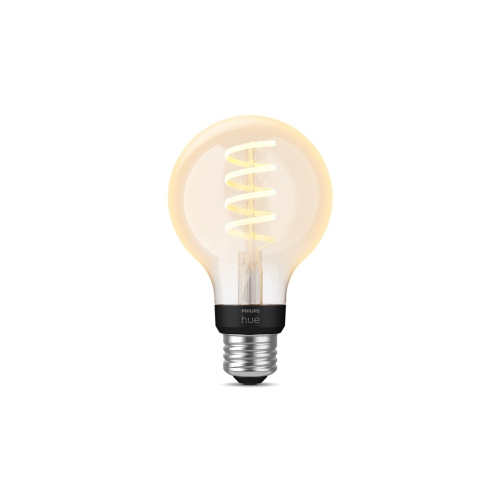
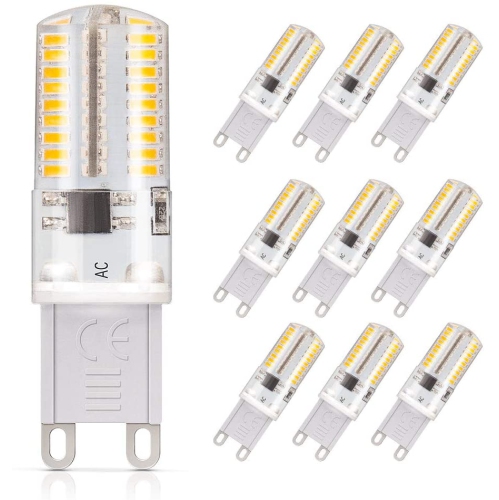








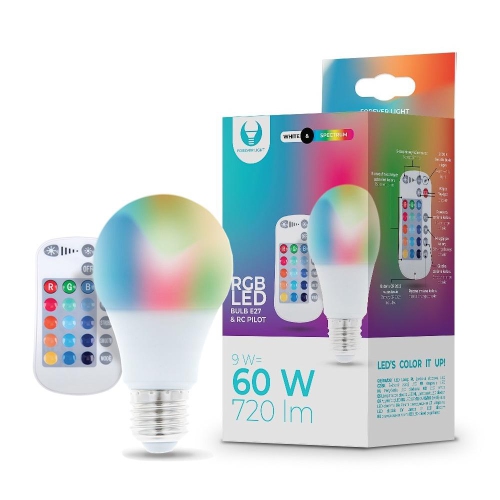
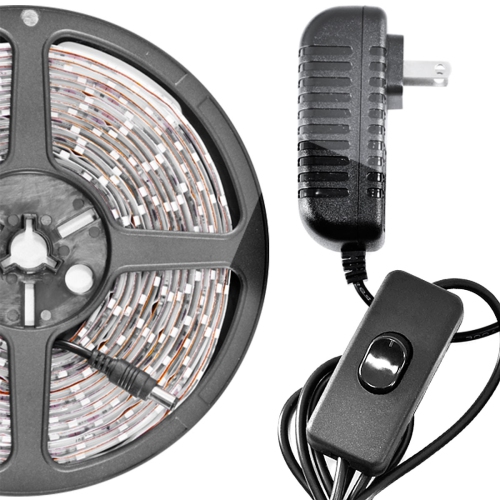

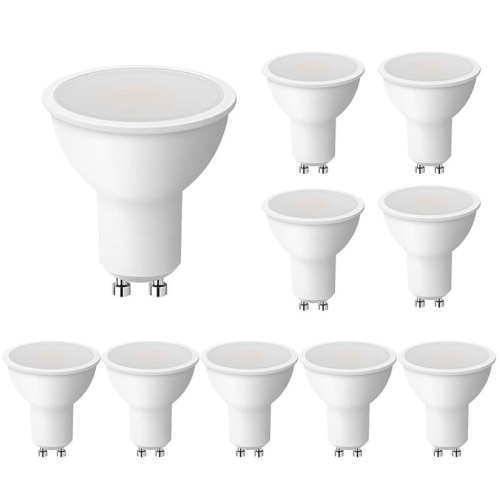
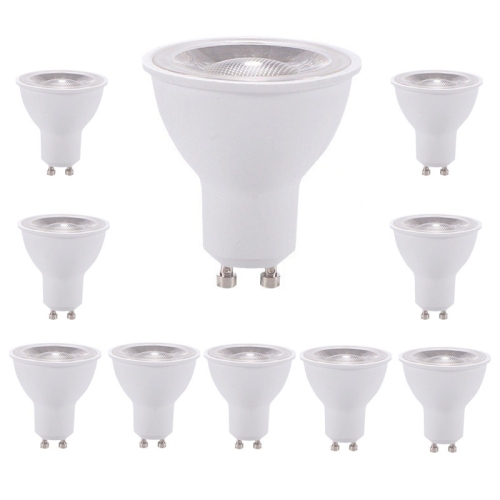
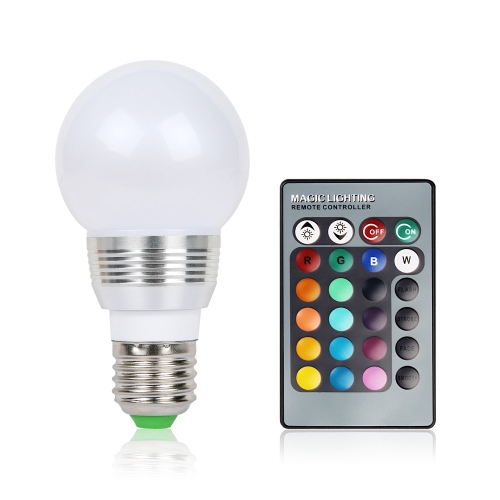
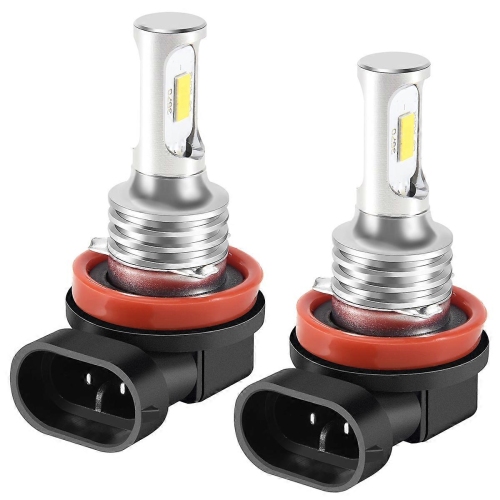
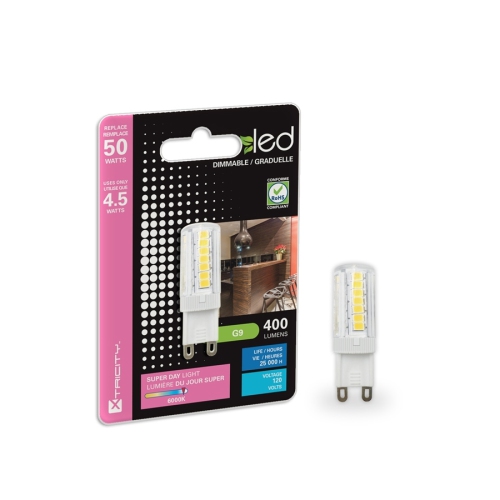
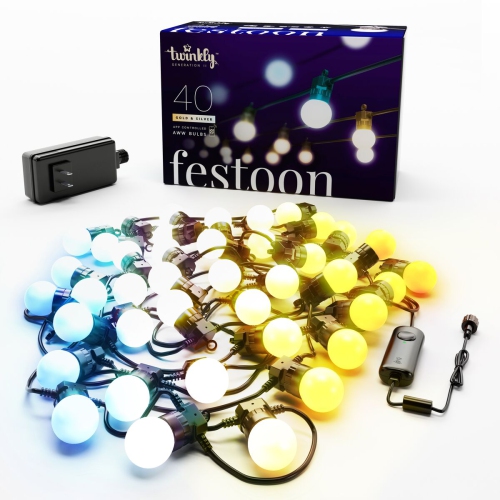
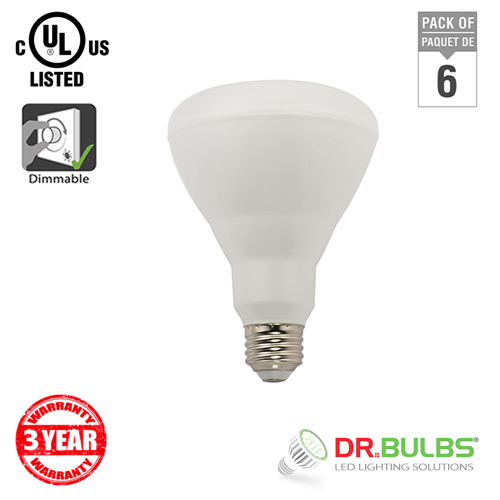
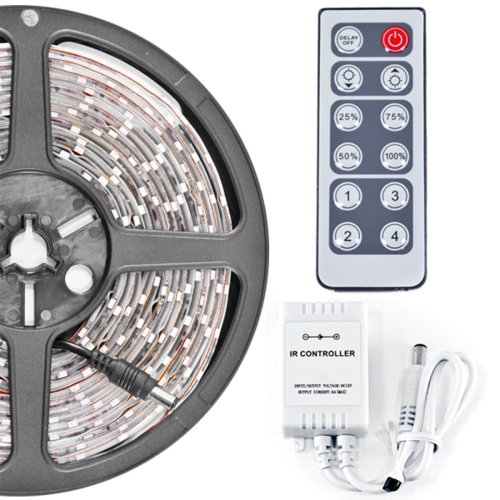
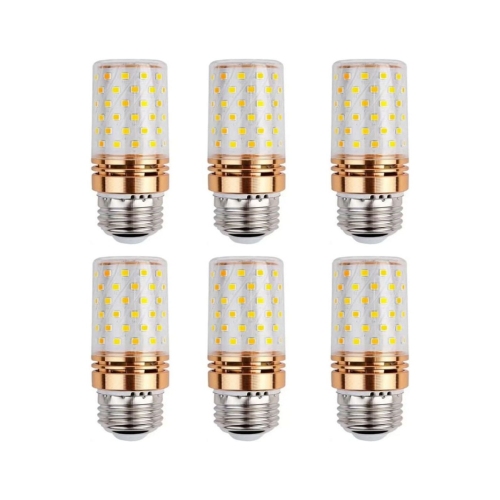
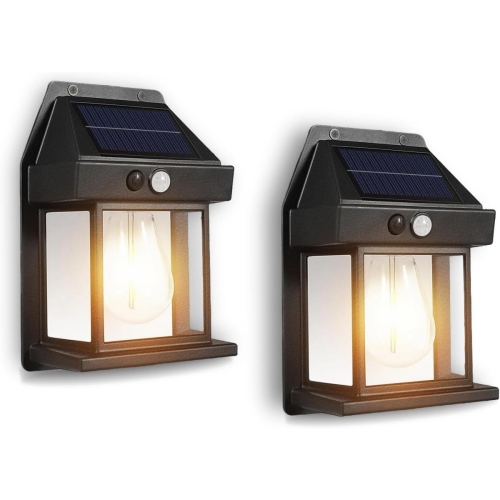
Why a warmer glow doesn’t mean a dimmer bulb
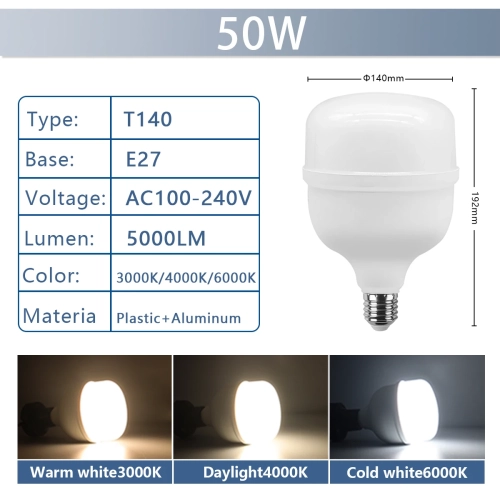
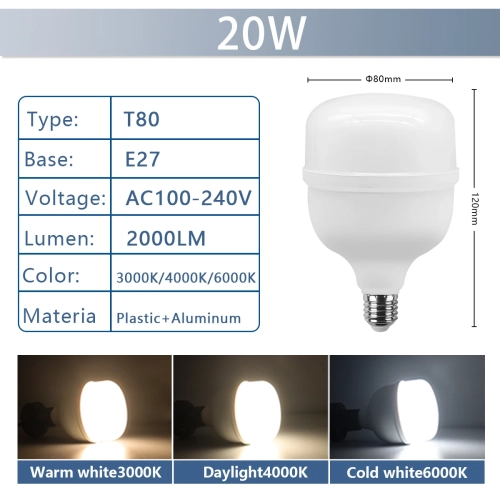
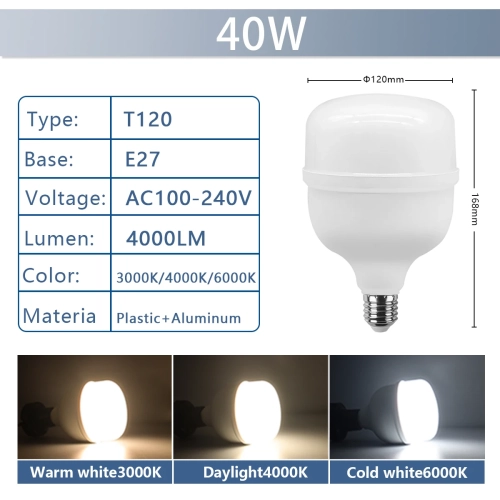
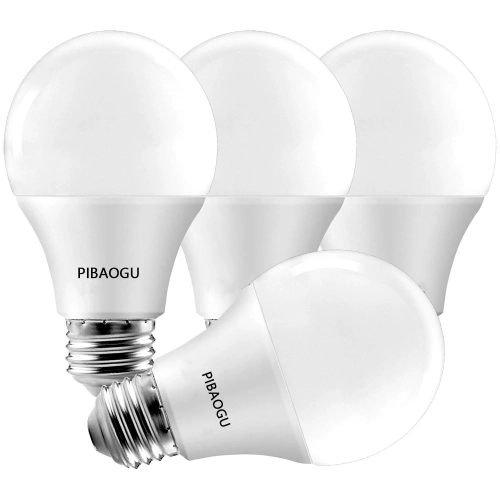
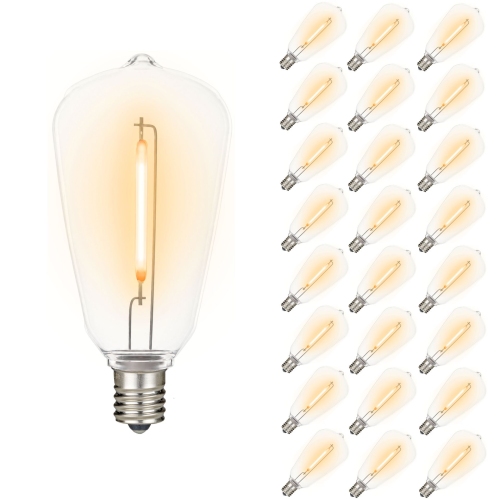
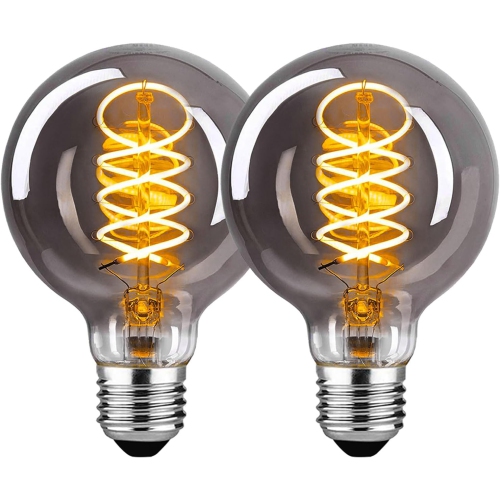
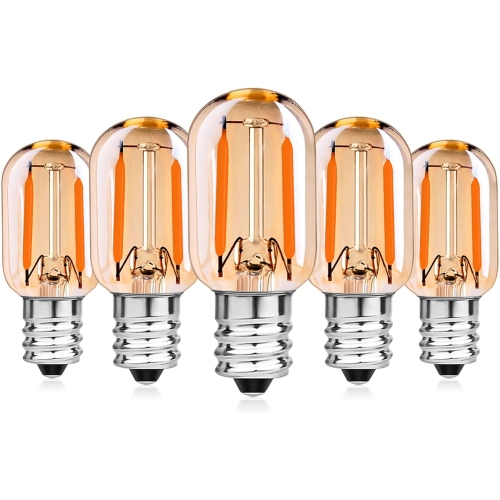
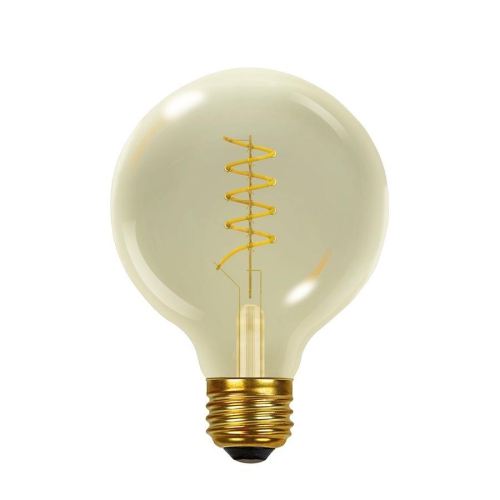
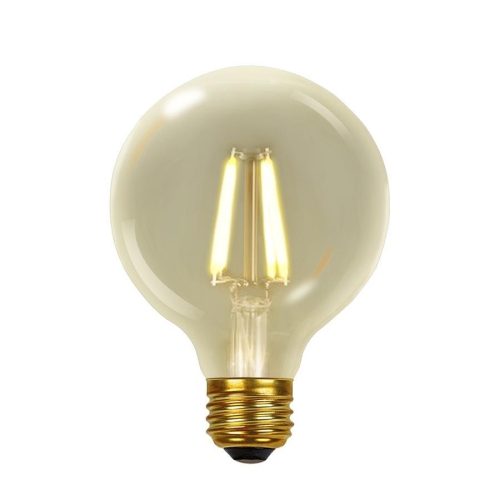
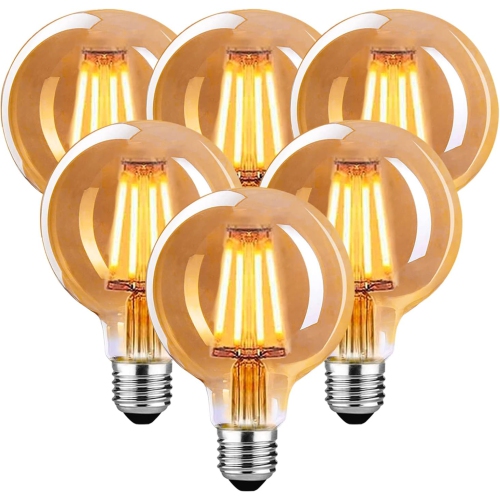
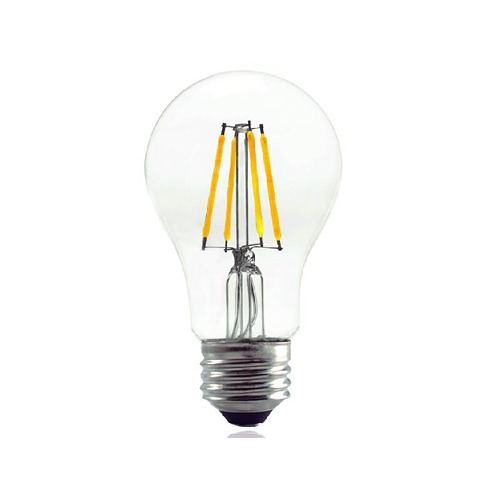
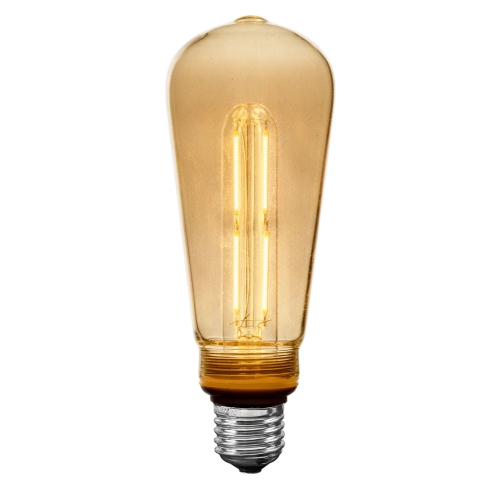
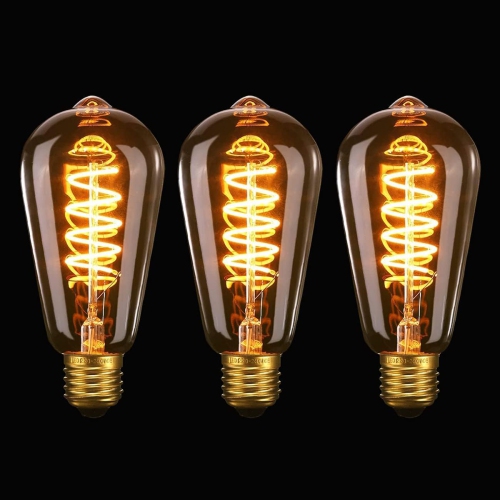
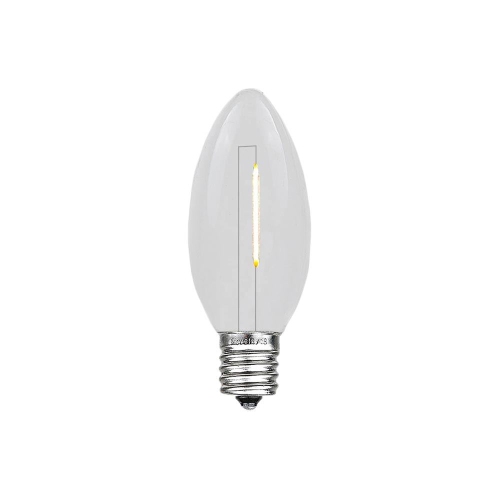
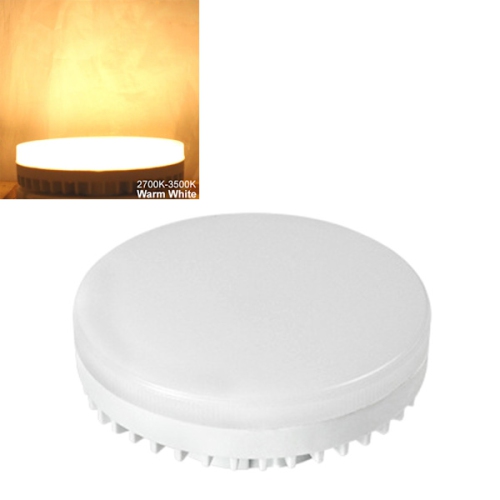
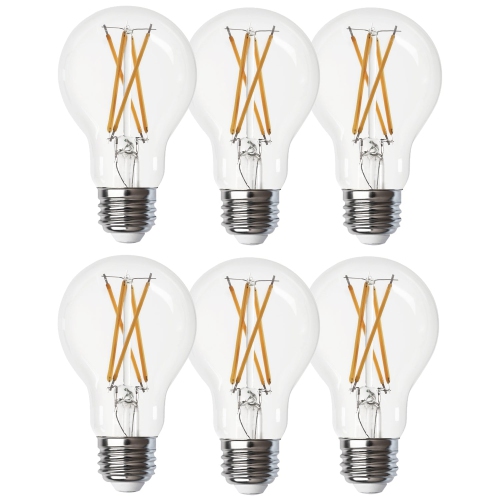
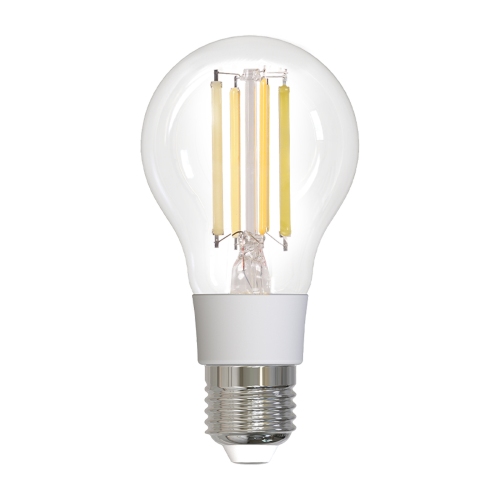
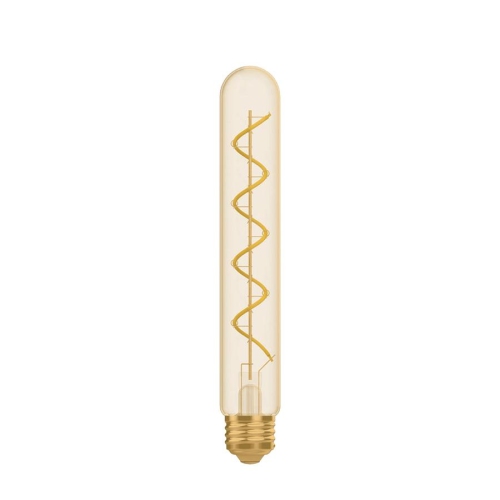
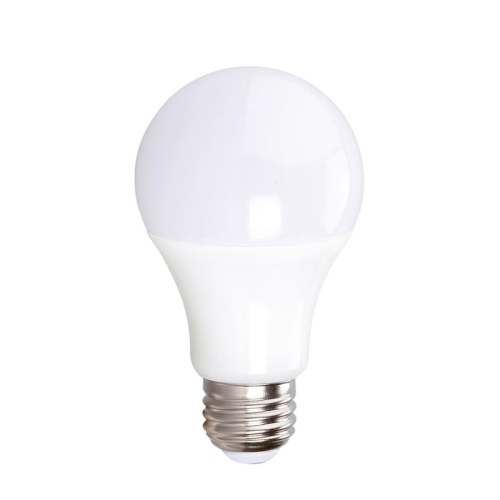
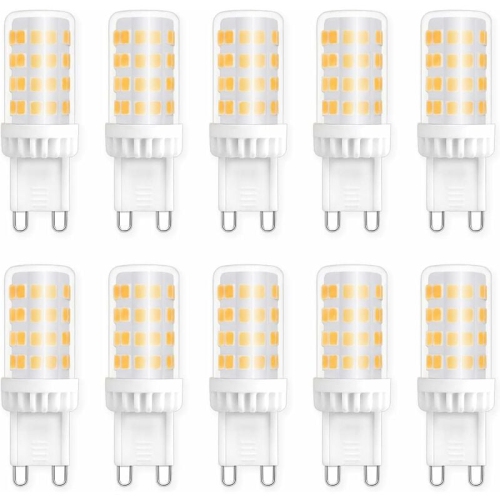
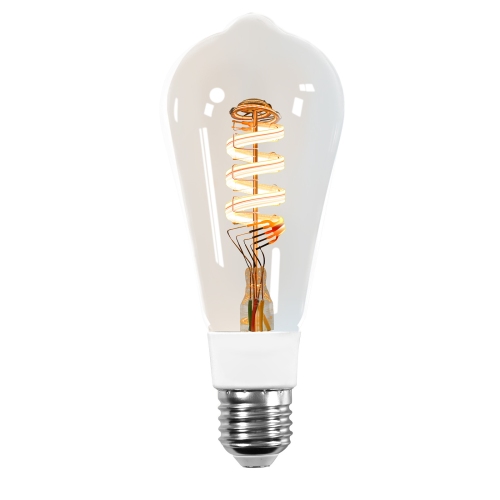
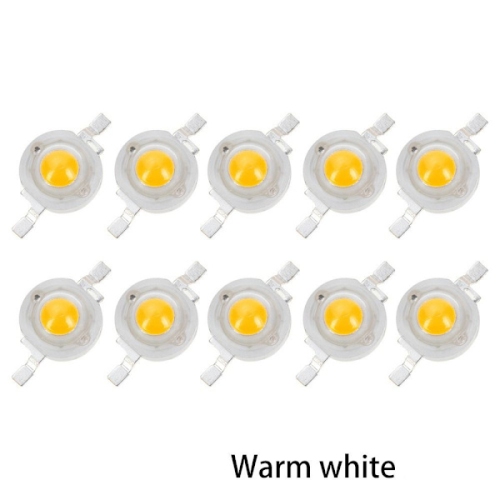
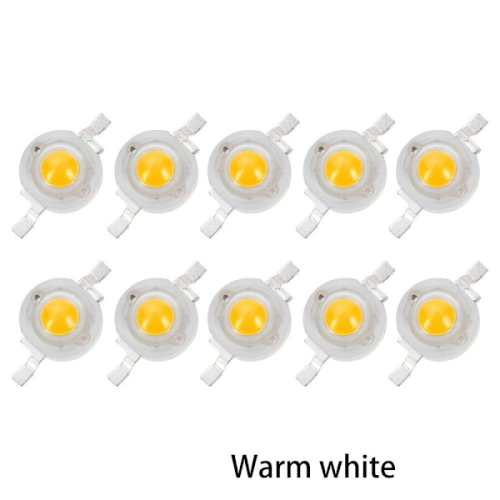
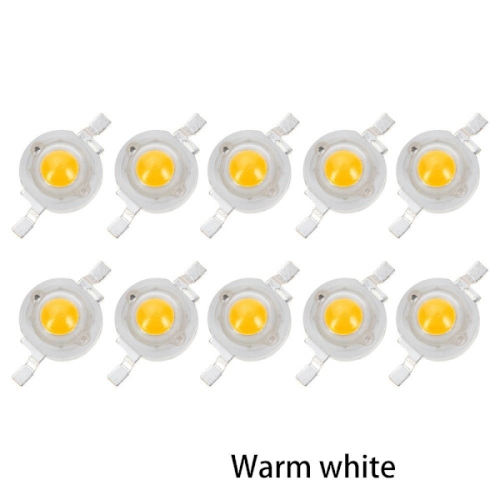
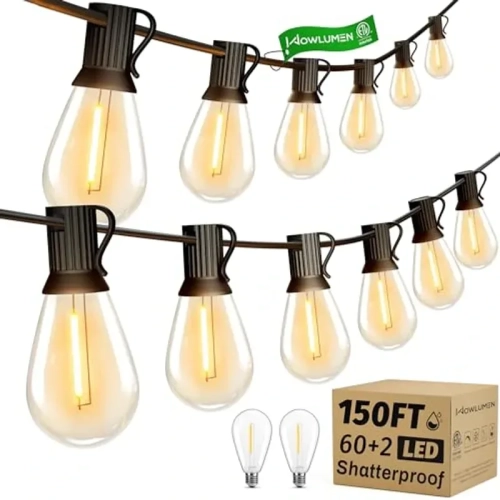
Warm LED bulbs produce a soft, yellow-white light that brings a familiar, inviting feel to living rooms, bedrooms, dining areas, and other everyday spaces. Their appearance is described by colour temperature, measured in kelvins: 2700K typically resembles the glow of a traditional incandescent bulb, while 3000K looks a little crisper without losing its warmth. Lower colour temperatures, such as 2200K, create a more amber-toned effect suited to decorative lighting and relaxed settings. These numbers describe the colour of the light, not its brightness or the heat the bulb gives off. Brightness is measured in lumens, so two bulbs labelled 2700K can illuminate a room quite differently. Around 450 lumens can provide a gentle accent in a small lamp, while approximately 800 lumens is a familiar starting point for general-purpose lighting in a table lamp or ceiling fixture. The right output also depends on the shade, the size of the space, and the number of light sources working together. A dark fabric shade absorbs more light than a pale, translucent one, and a single pendant over a large dining table creates a different effect from several bulbs spread across a ceiling fixture. Warm light pairs naturally with wood grain, cream upholstery, brass finishes, and richly coloured textiles, giving these surfaces depth without making the room feel stark. It can also soften the appearance of white walls and polished finishes. For spaces where accurate colour matters, such as a dressing area or a corner used for crafts, the colour rendering index, or CRI, adds useful context. A CRI of 90 or higher generally renders colours more faithfully than a lower rating, although colour temperature still influences the overall impression. Warm white lighting can support both relaxed seating areas and practical everyday activities when its brightness, placement, and light quality suit the space. A reading chair, for example, benefits from a shaded lamp that directs enough light onto the page rather than relying only on a distant ceiling fixture.
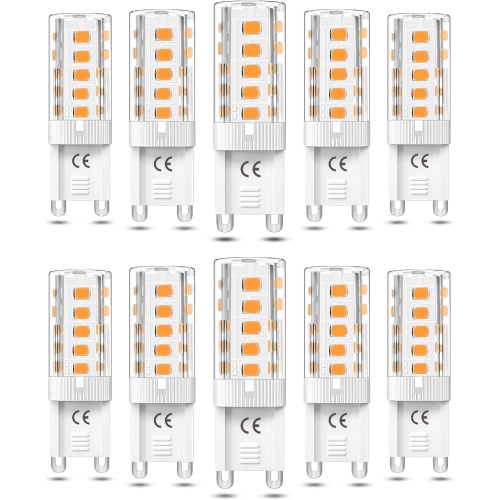
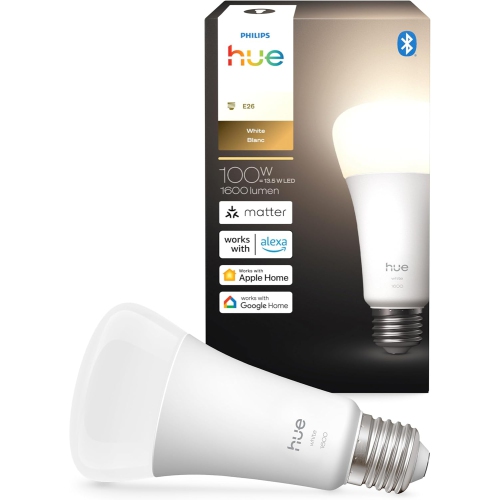
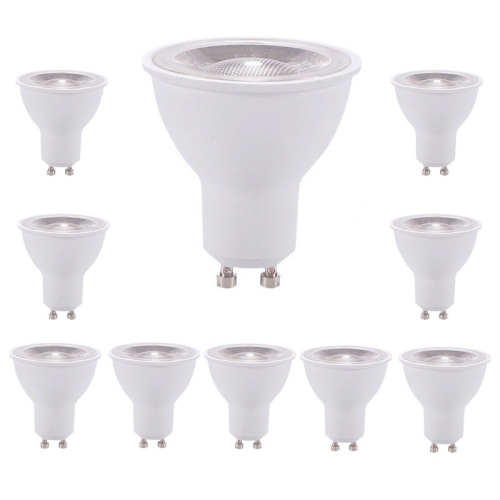
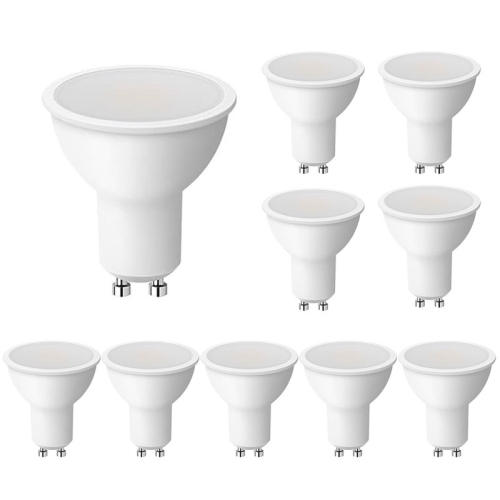
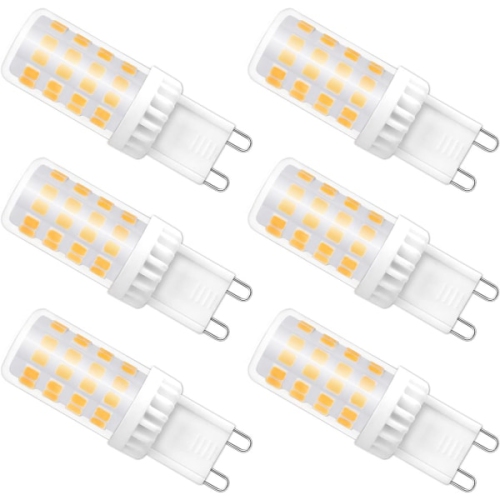
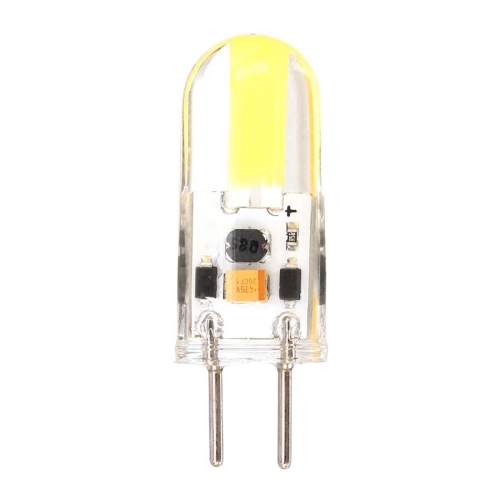
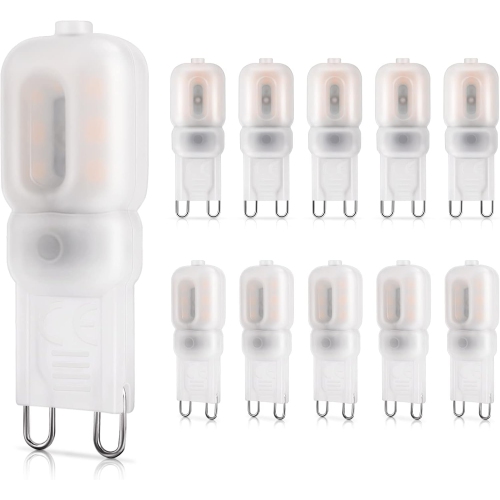
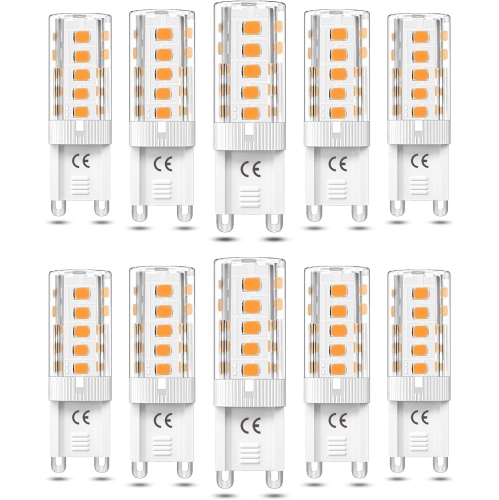
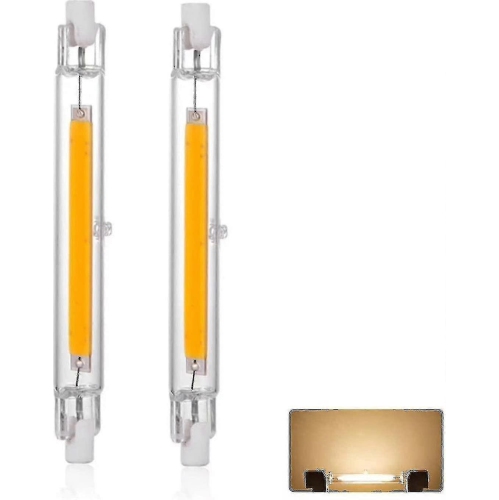
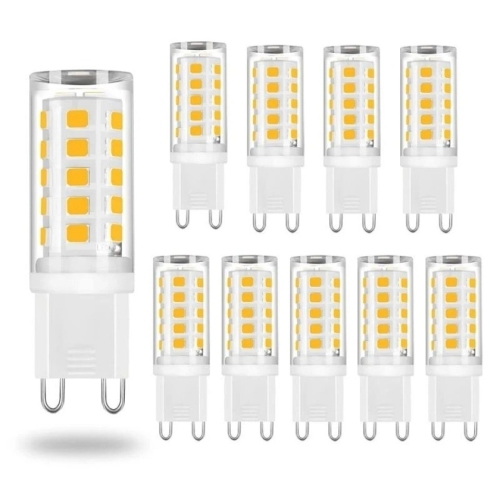
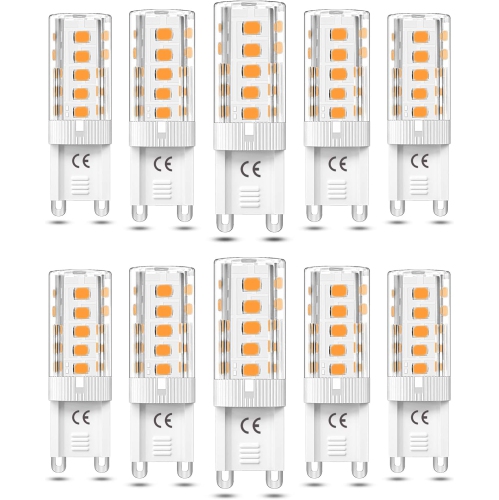
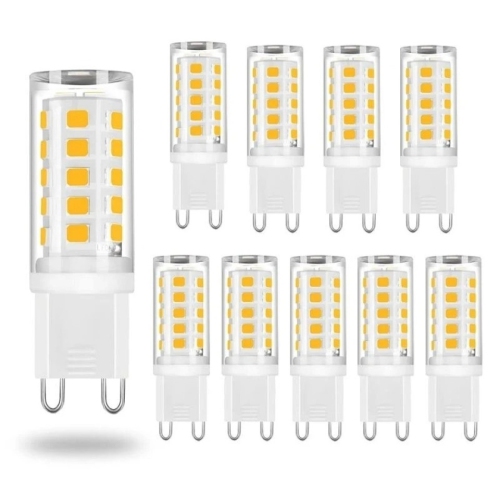
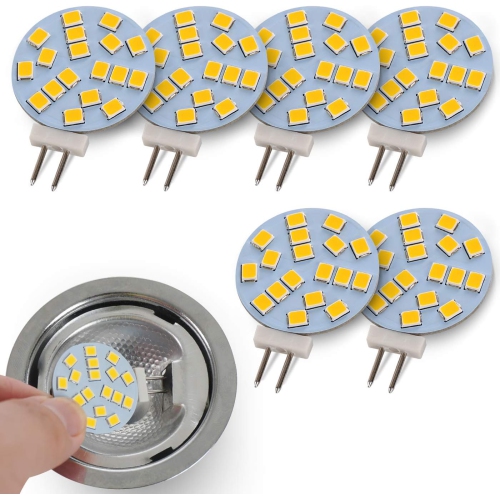
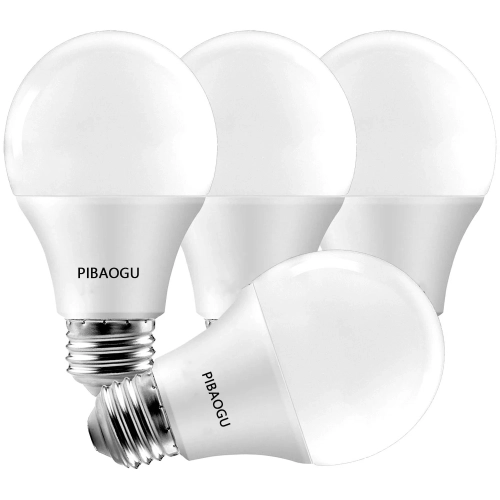
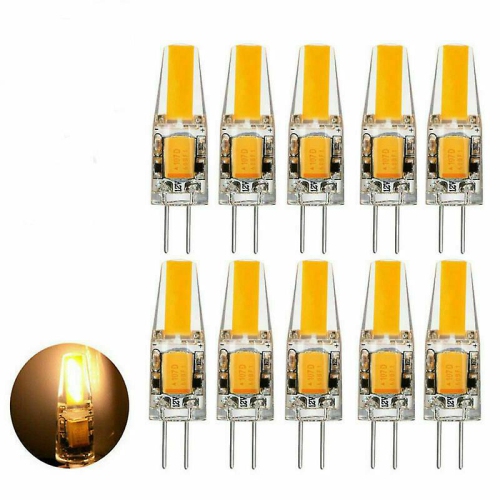
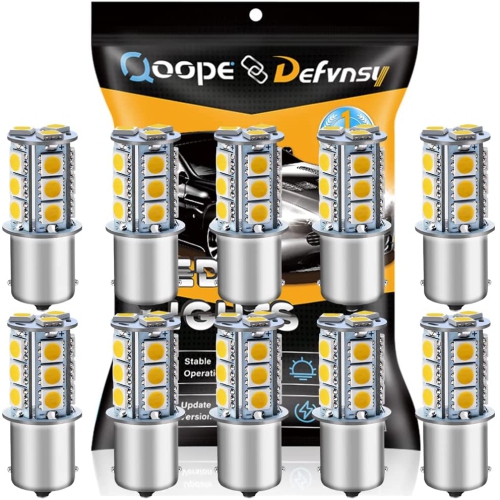
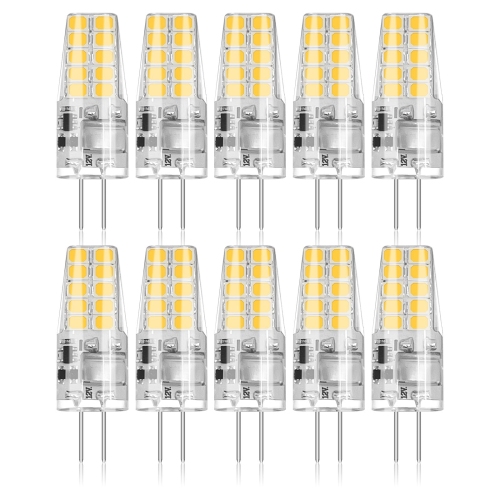
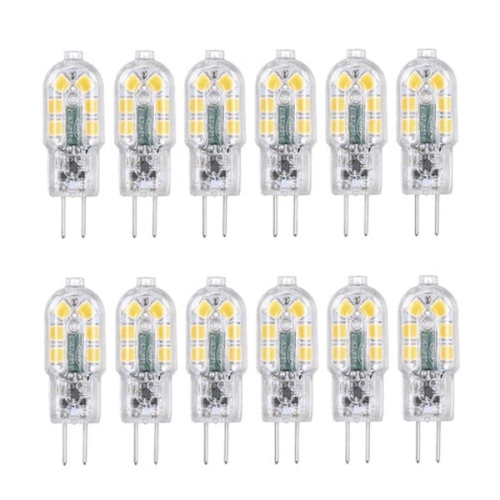
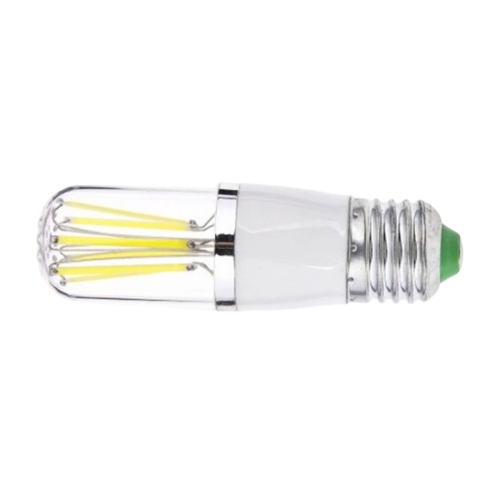
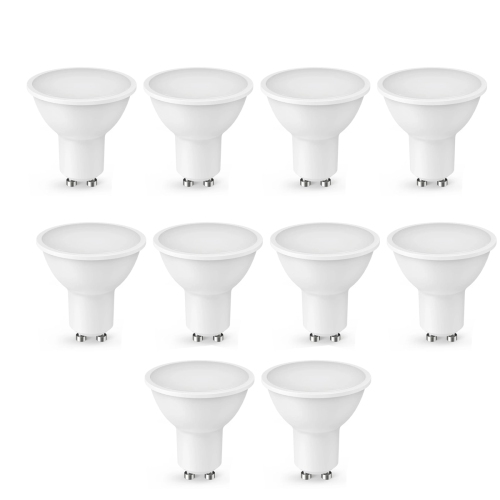
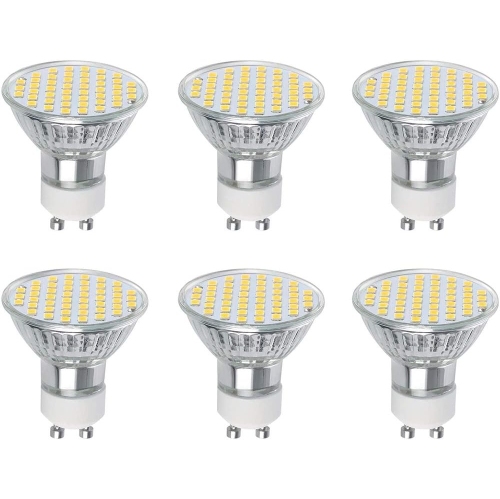
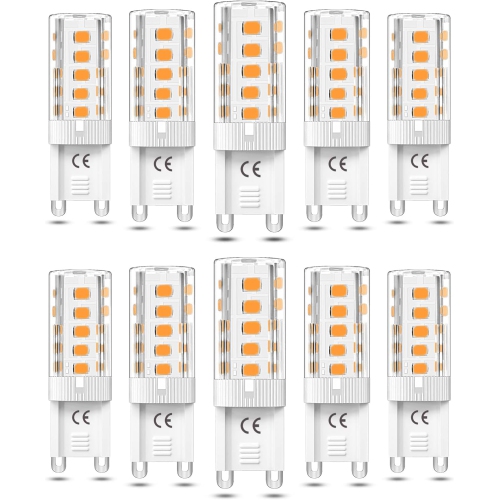
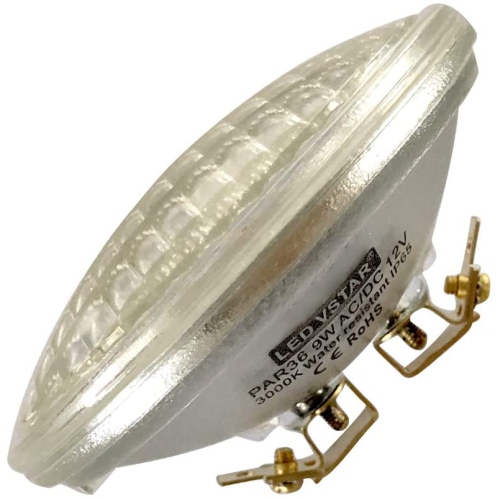
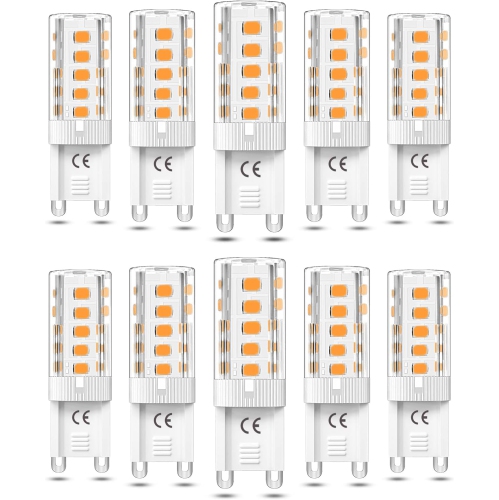
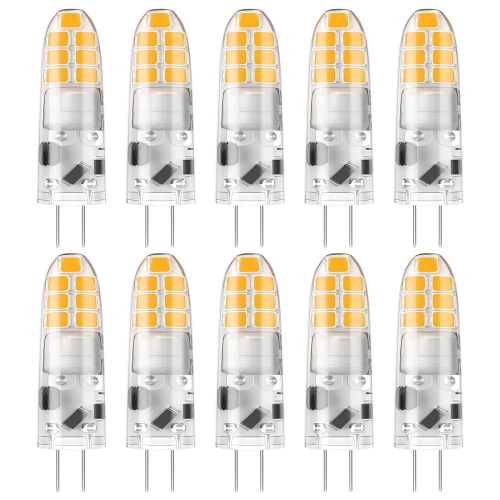
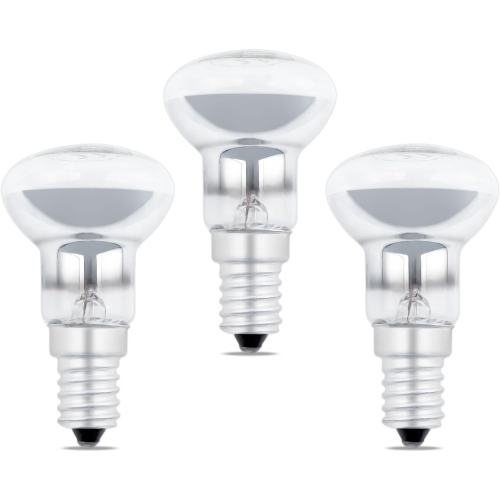
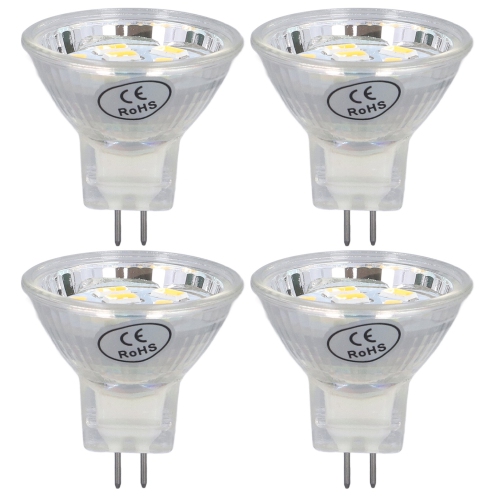
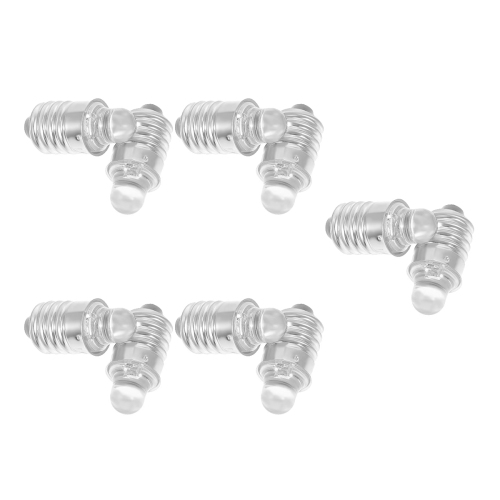
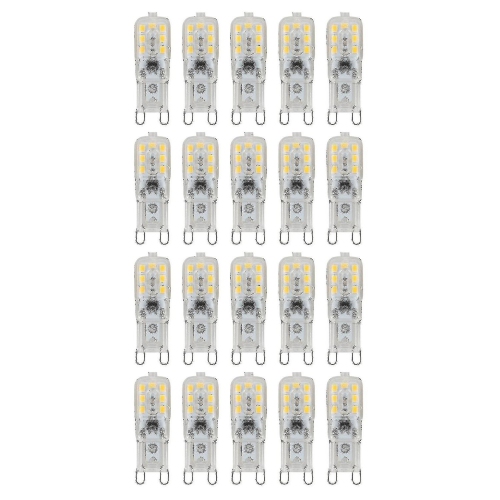
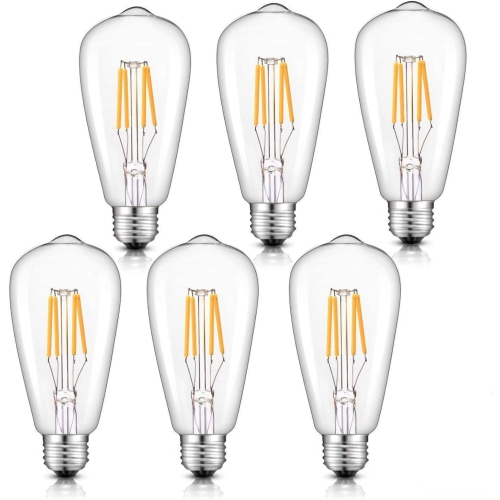
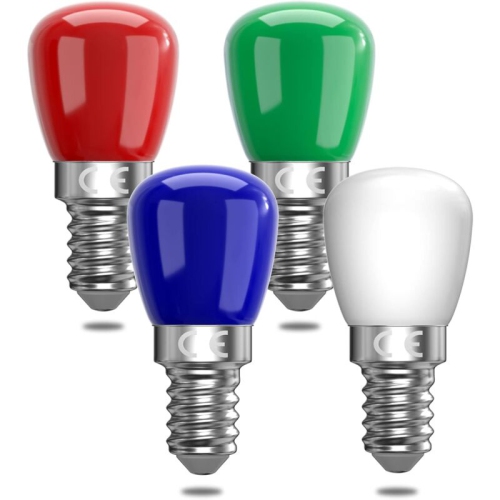
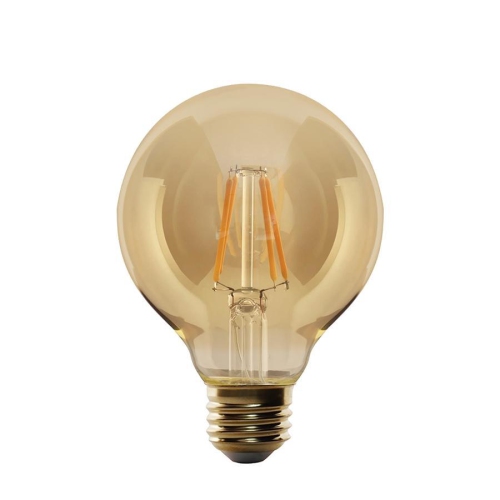
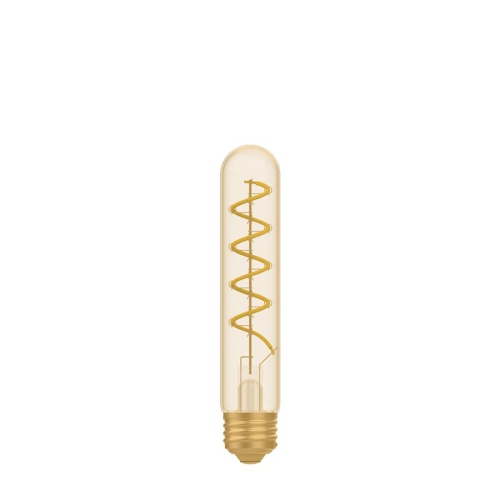
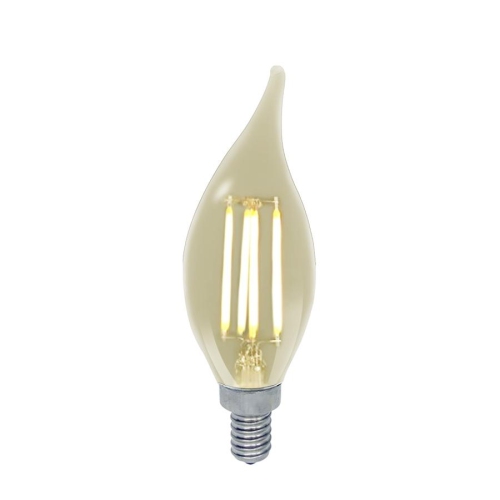
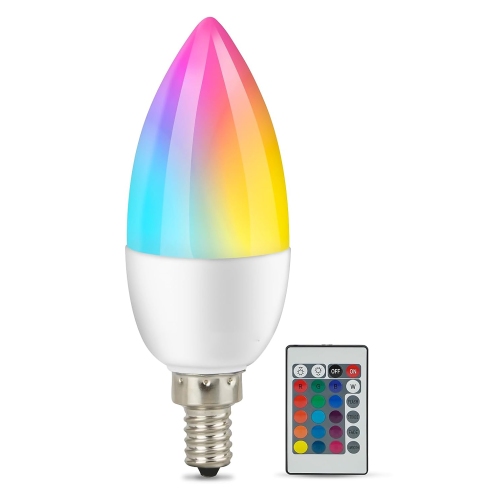
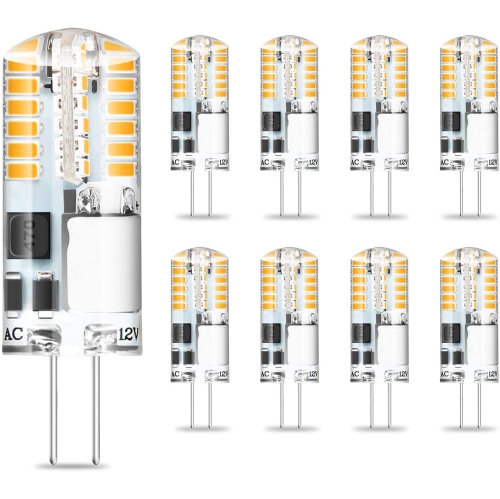
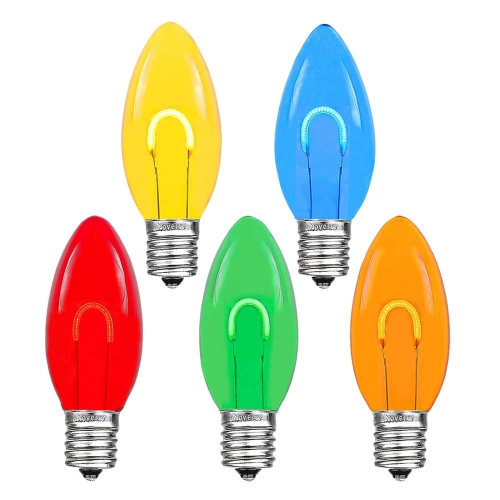
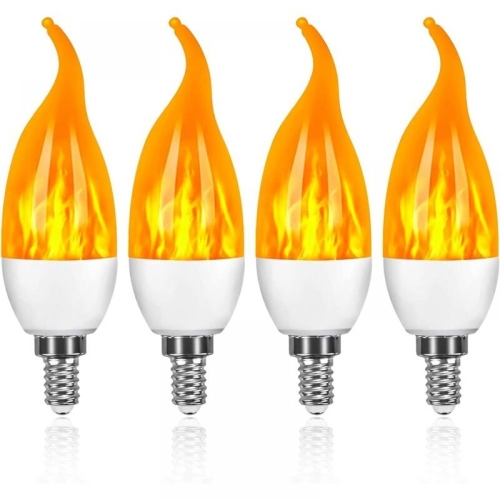
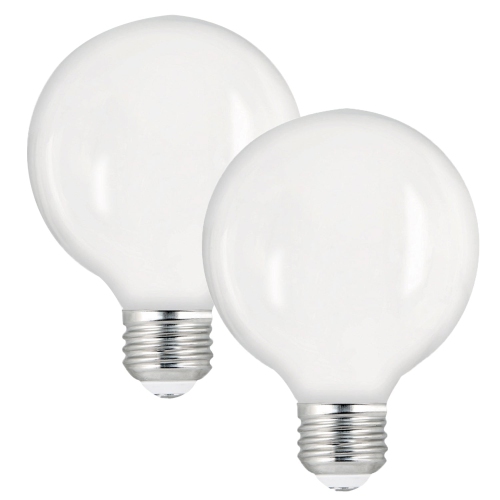
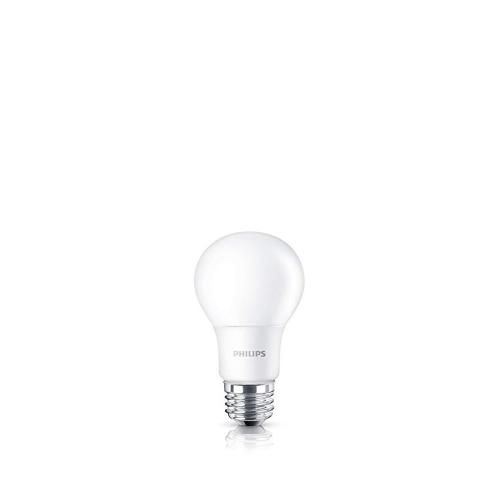
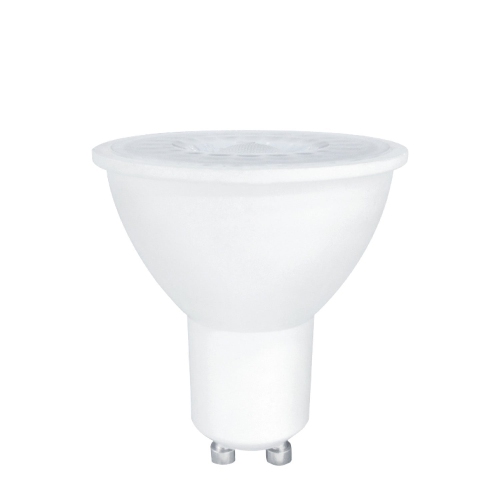
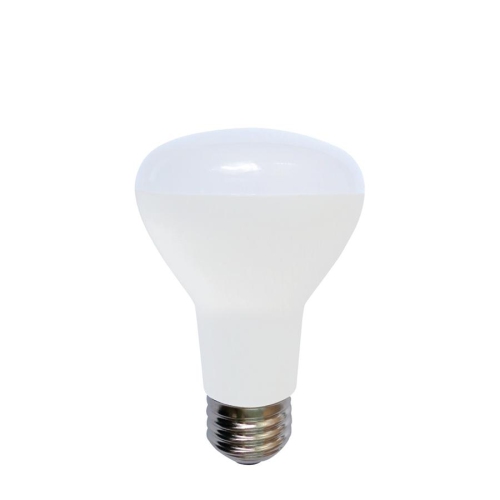
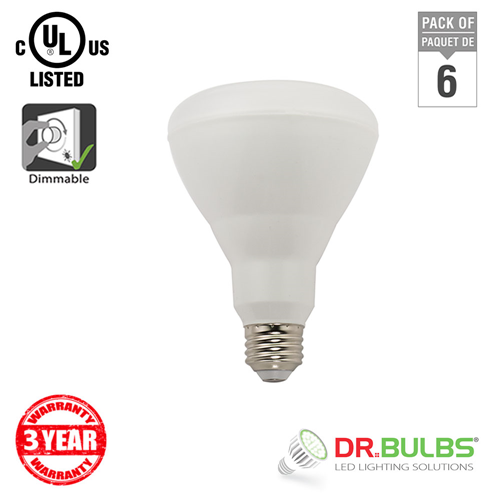
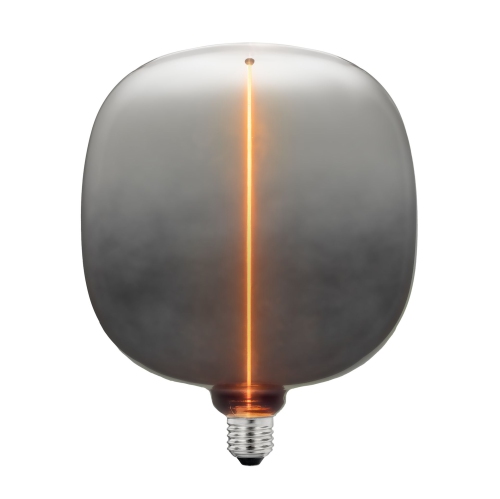
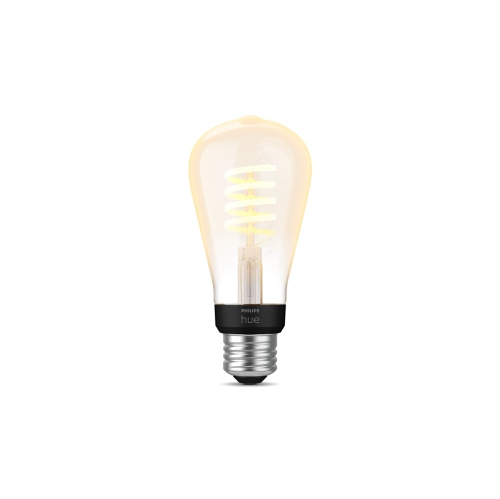
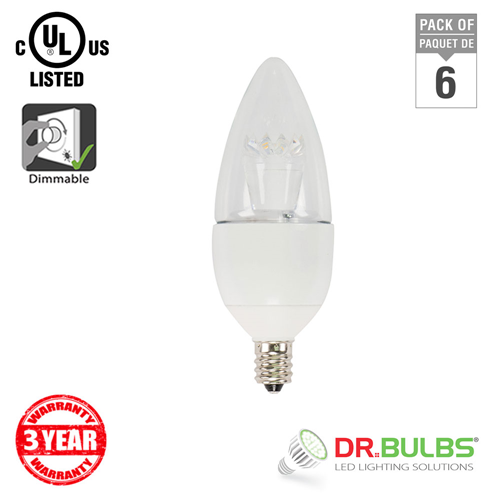
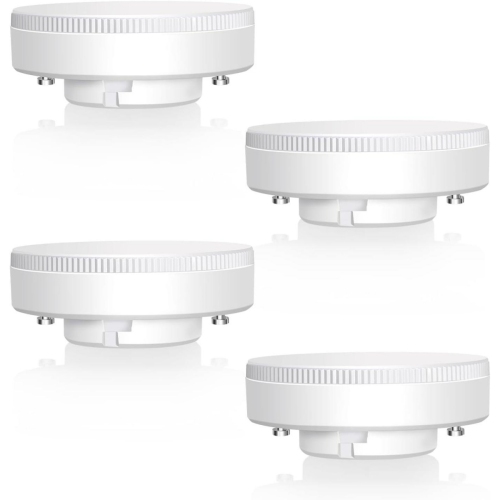
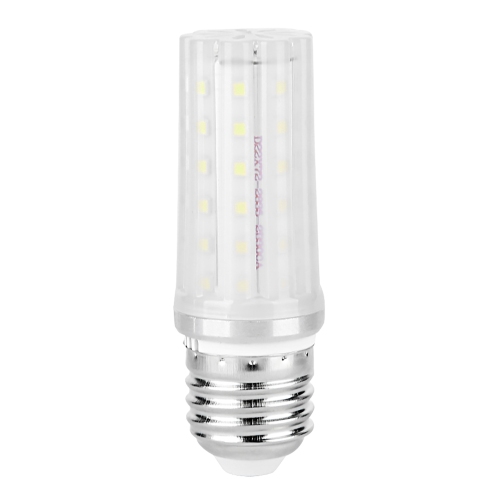
Bulb shape, base type, and physical dimensions are just as important as light colour. The familiar A19 shape suits many table lamps and household fixtures, but the shape designation does not confirm that the base will fit. E26 screw bases are common in household lighting, while smaller E12 bases often appear in chandeliers and decorative fixtures. Other fixtures use pin-style connections, so matching the existing socket and the fixture specifications prevents a frustrating mismatch. Overall length and width matter inside narrow shades, shallow ceiling fittings, and fixtures with glass covers. Decorative candle shapes can sit neatly within a chandelier, while reflector-style bulbs direct more light forwards in compatible recessed or track fixtures. Beam angle affects the result, too: a broad beam spreads light across a wider area, whereas a narrower beam concentrates it on a smaller surface or feature. Clear glass exposes the internal elements and creates a more defined, sparkling appearance in an open fixture. Frosted glass or a plastic diffuser softens the visible light source, which can feel more comfortable in a lamp positioned near eye level. The fixture itself also determines which ratings are necessary. A fully enclosed fitting needs an LED bulb specifically rated for enclosed use because trapped heat can affect performance and lifespan. Bathroom and outdoor fixtures require attention to damp- or wet-location ratings, even when the bulb sits behind a cover. Rated lifespan figures describe expected performance under specified conditions rather than a guaranteed replacement date; heat, daily operating hours, and electrical compatibility can all influence service life. For routine care, switch off the power and let the bulb cool before handling it, then follow the manufacturer's cleaning directions. A soft, dry cloth is generally suitable for removing surface dust without introducing moisture around the base. Staying within the fixture's electrical limits and using bulbs approved for its design helps maintain dependable operation, whether the light is used briefly in a hallway or for several hours beside a favourite armchair.
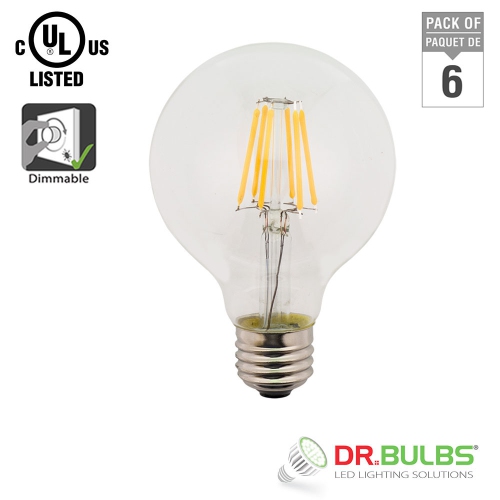
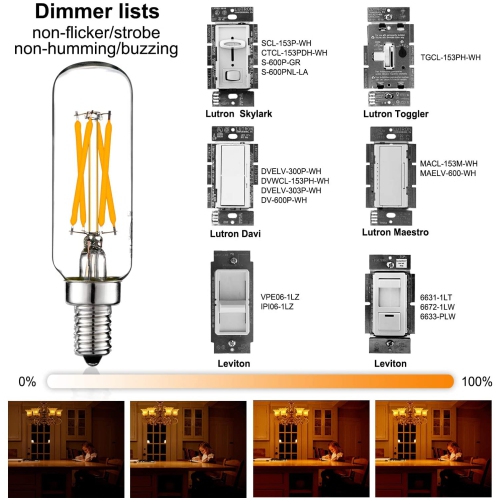
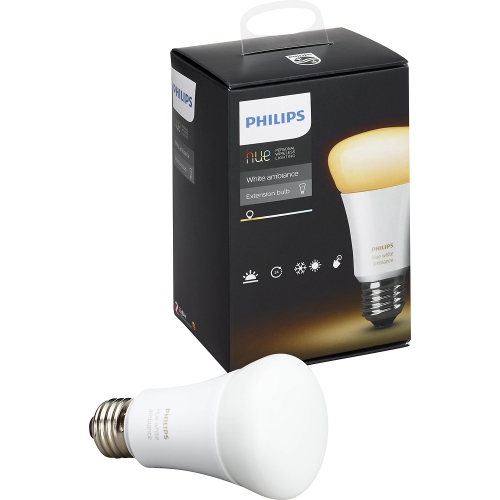
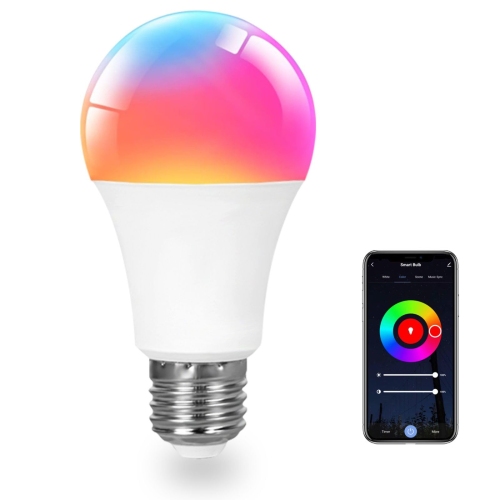
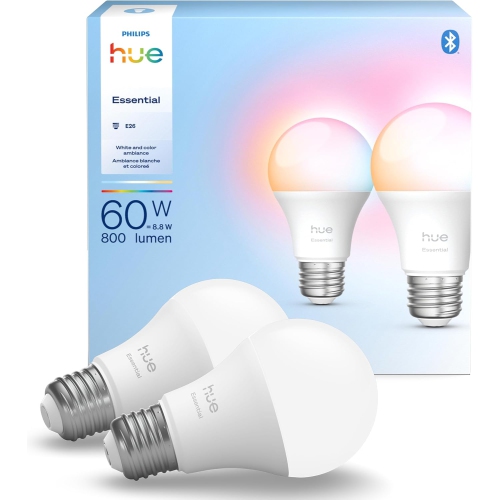
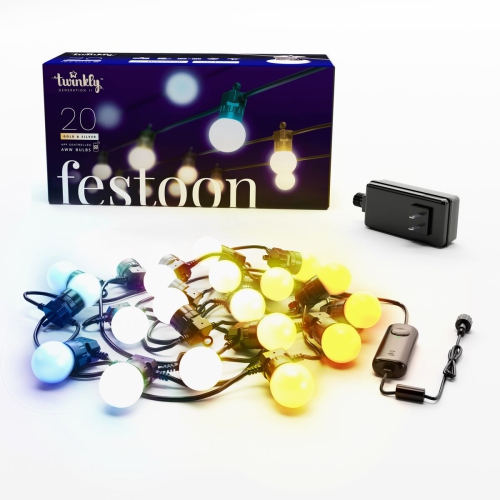
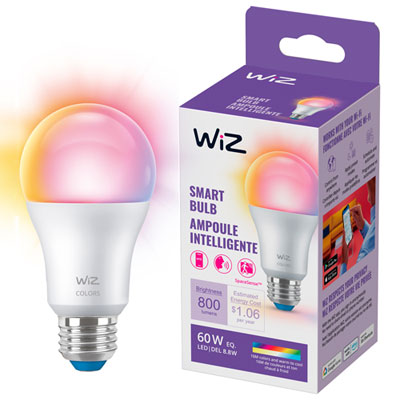
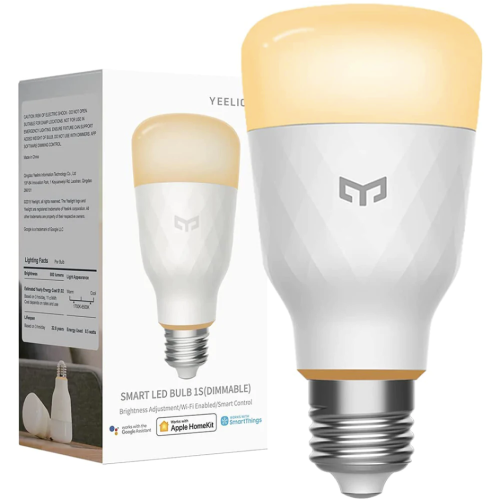
Lighting controls add another layer of flexibility to warm LED bulbs, particularly in rooms that serve more than one purpose. A dining area may need brighter illumination for homework or a board game, then a lower level for a meal. A bedroom can benefit from enough light to organize clothing as well as a gentler bedside glow. For these shared uses, Dimmable Warm White Bulbs allow brightness adjustments when paired with compatible controls. Dimmability must be stated in the bulb specifications; a standard non-dimmable LED bulb should not be used on a dimmer. Compatibility between the bulb and the dimmer also matters, since an unsuitable pairing can cause flickering, buzzing, or an uneven adjustment range. Conventional dimmable warm white bulbs generally retain a similar light colour as their brightness decreases. Dim-to-warm designs behave differently, shifting towards a deeper amber tone as they dim to create an effect closer to a traditional incandescent bulb. Smart warm LED bulbs may offer app-based brightness settings, schedules, or adjustable white tones, depending on their features. Some connect through Wi-Fi, while others require a compatible hub or another connection method. Their controls usually rely on power remaining on at the wall switch, and ordinary wall dimmers should only be used when explicitly supported. Across a room, matching the colour temperature of visible bulbs creates a cohesive appearance, especially in a multi-bulb chandelier or a row of pendants. Different light levels can still give each area a distinct role: brighter illumination near a desktop or kitchen countertop, softer light beside seating, and a small pool of light on a shelf. Renters can change the character of an existing lamp without replacing the fixture, while homeowners can coordinate several connected spaces through consistent light colour. The most comfortable result comes from treating warm light as part of the room's overall arrangement, with suitable brightness where activities happen and softer illumination where people settle in.
Top selling and popular products
-
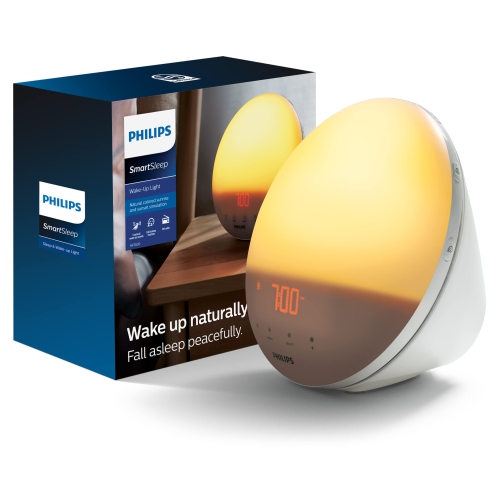 Your price for this item is $180
-
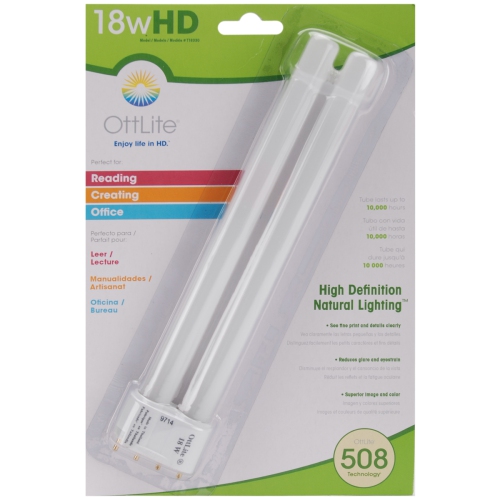 Your price for this item is $55
-
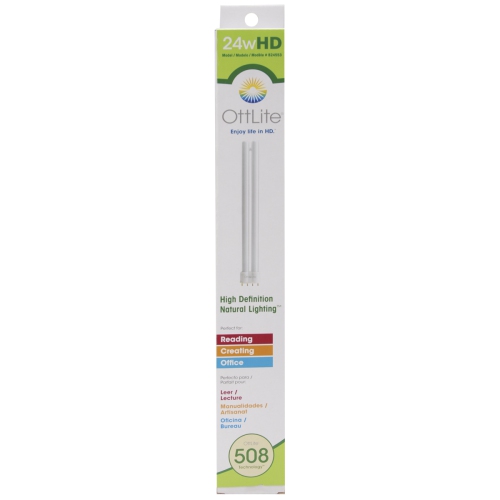 Your price for this item is $55
-
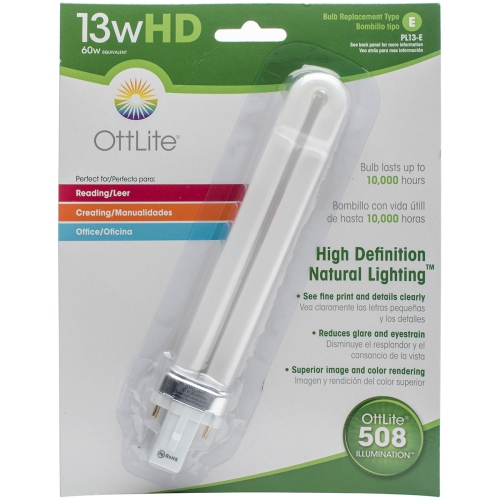 Your price for this item is $55
-
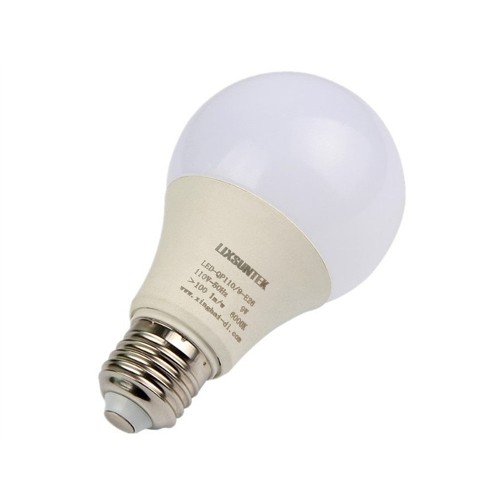 Your price for this item is $9.99
-
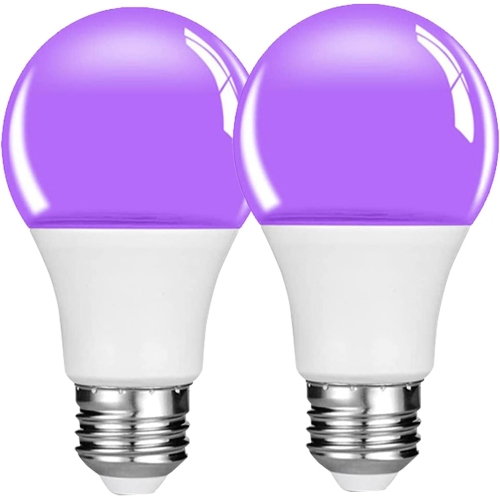 Your price for this item is $23.38
-
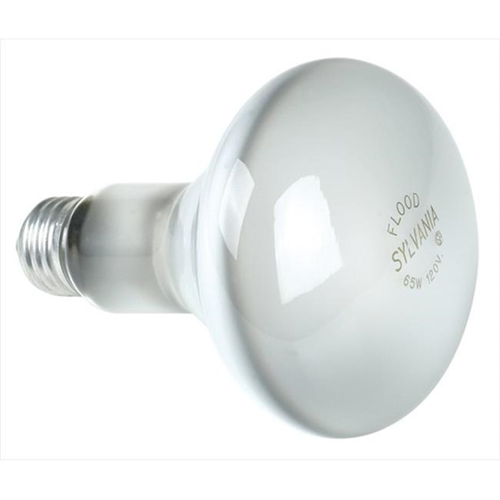 Your price for this item is $128.69
-
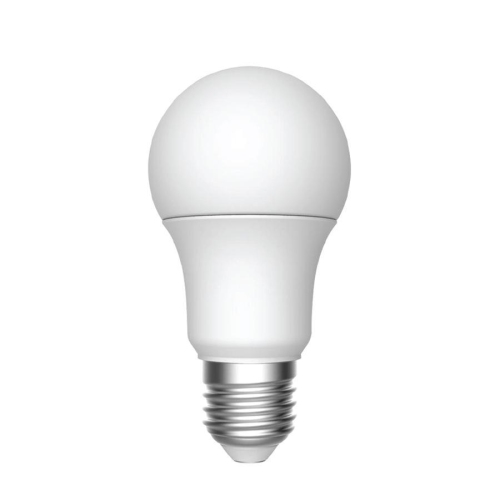 Your price for this item is $4.97
Discover more categories related to Warm LED Bulbs

Top Collections:
Best Black Friday Deals This Year, Best Black Friday Deals On Electronics, Kindle Devices, Best Black Friday Deals On Apple Products, Best Budget Office Chairs, Best Cameras for Sports Photography, Dyson Airwrap, Canon G7X Cameras, Best Laptops for Writers, Samsung Galaxy Phones
Some products may be subject to Environmental Handling Fees
(EHF) depending on your province.
Learn more about EHFs.