Warm White Light Bulbs
Looking to create a cozy and inviting atmosphere in your home? Look no further than warm white light bulbs. With their soft and soothing glow, warm white light bulbs are the perfect choice for creating a relaxing ambiance in almost any room. Whether you're unwinding after a long day or hosting a dinner party with friends, these light bulbs provide a warm and inviting glow that will make everyone feel right at home. Here are some great options available.
Sort
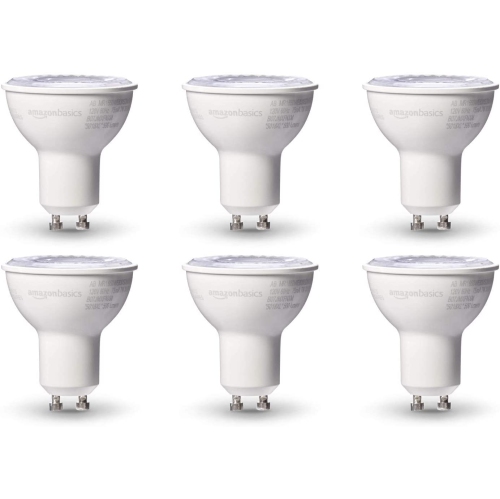
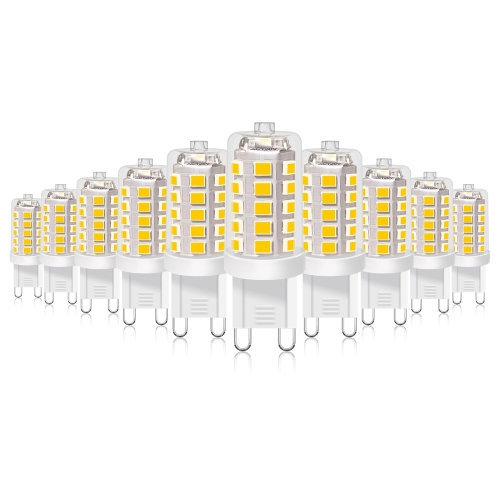
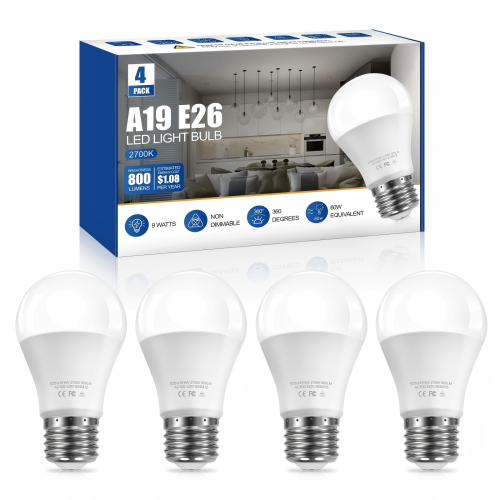
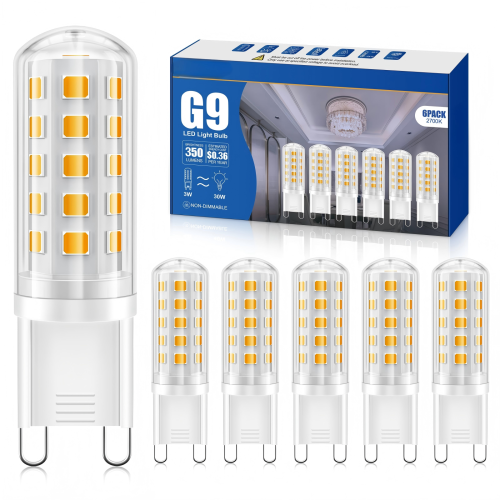
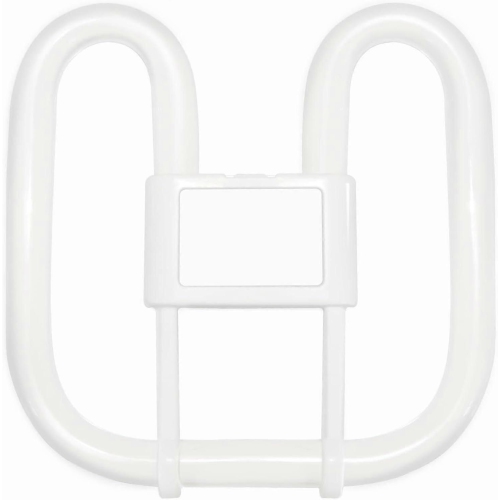
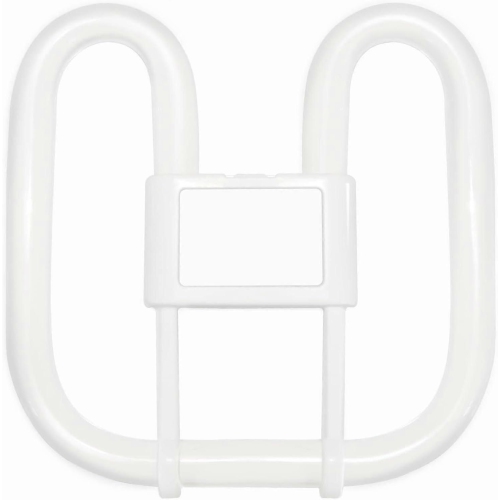
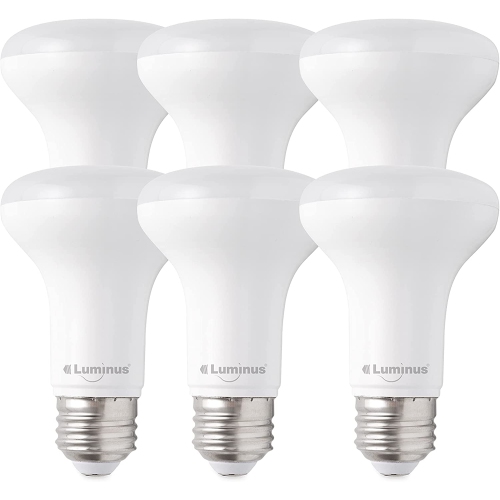
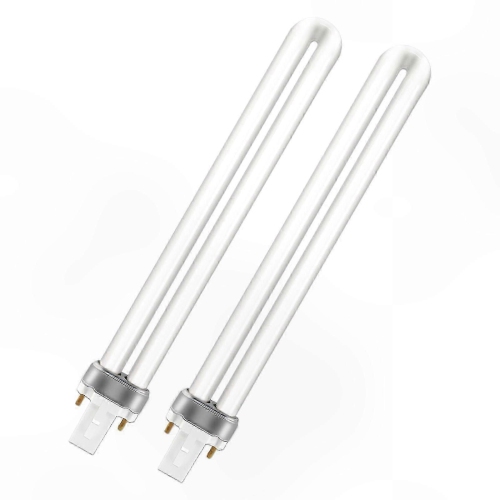
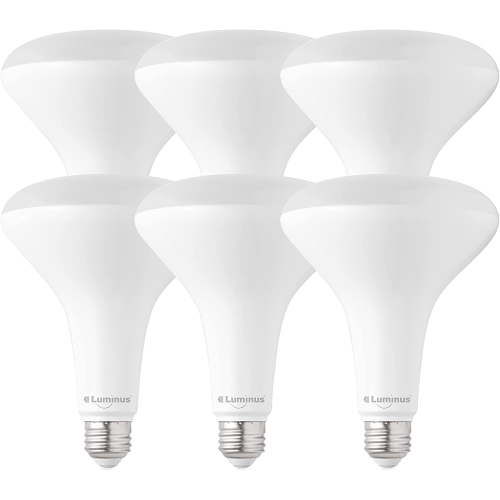

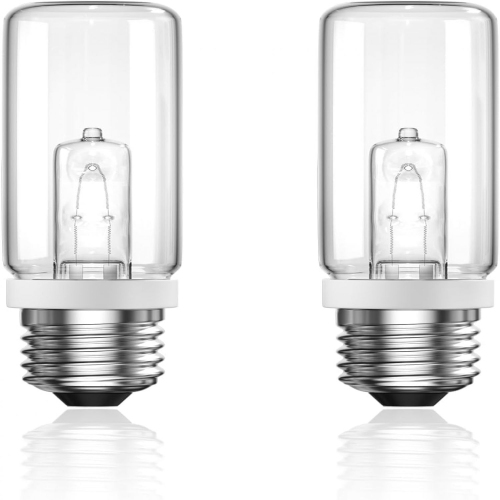
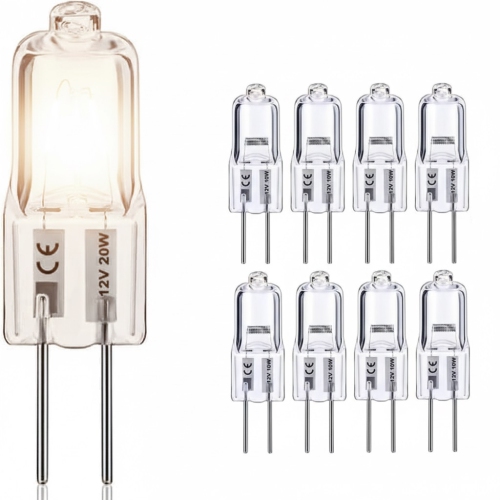
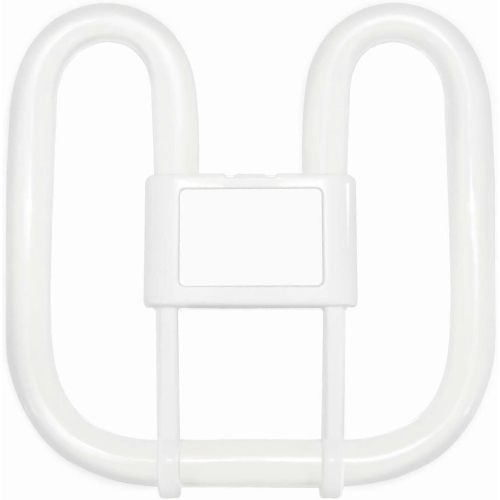
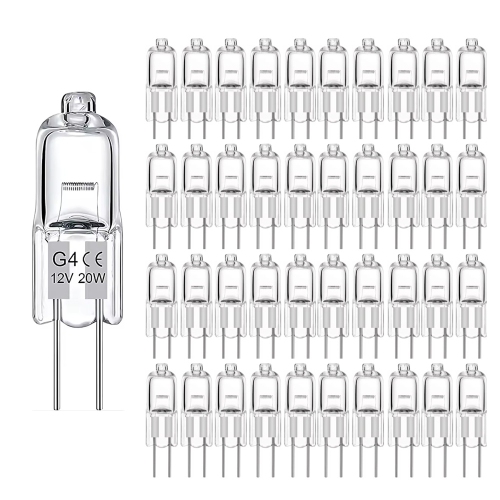
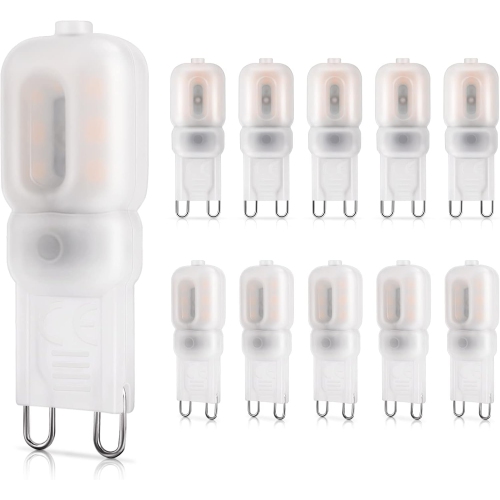
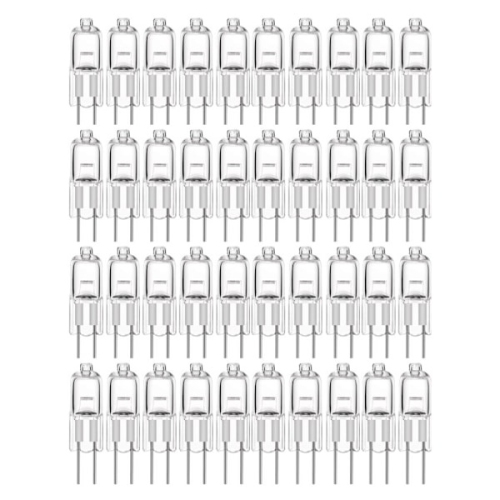
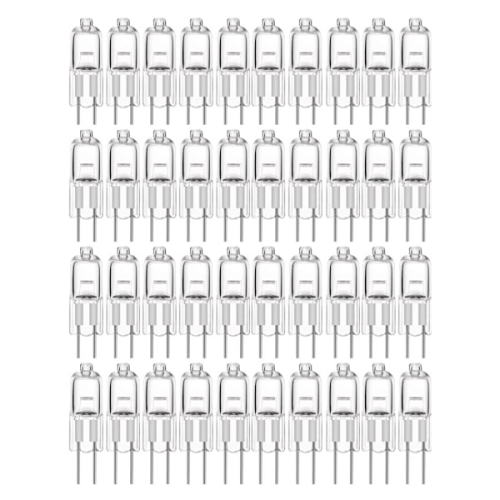
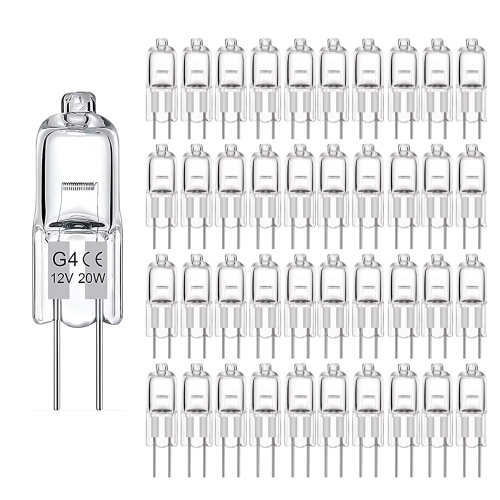
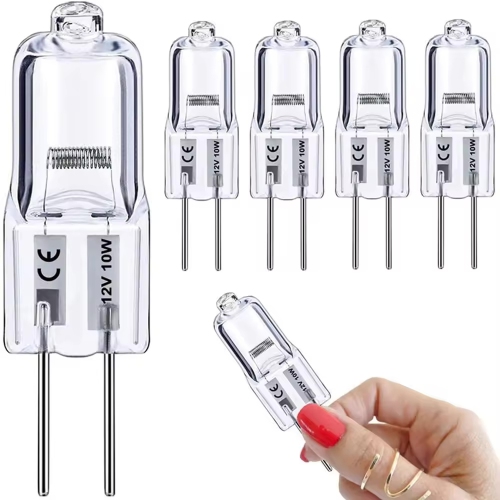
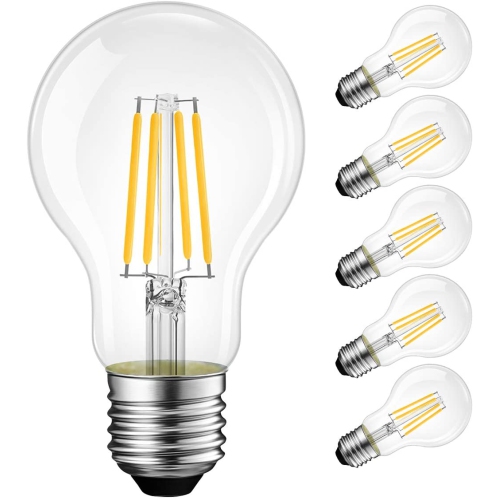
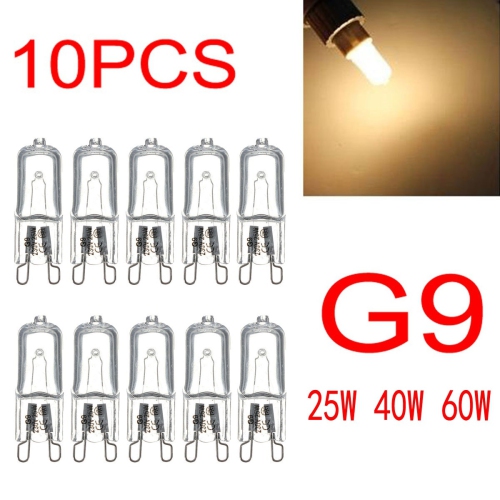
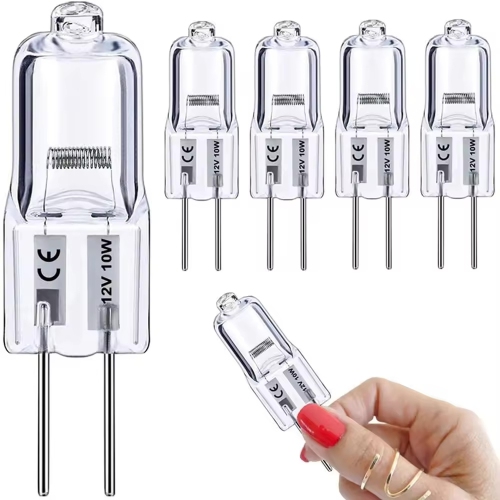
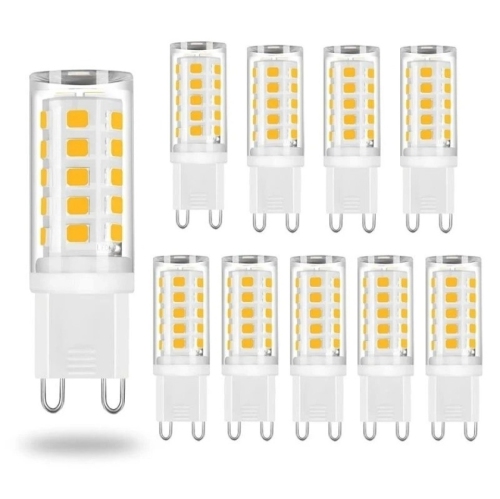
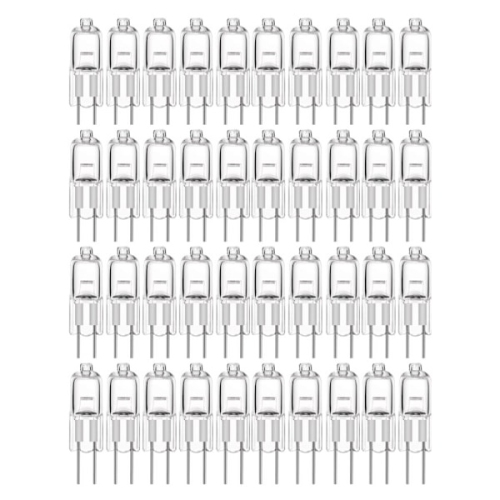
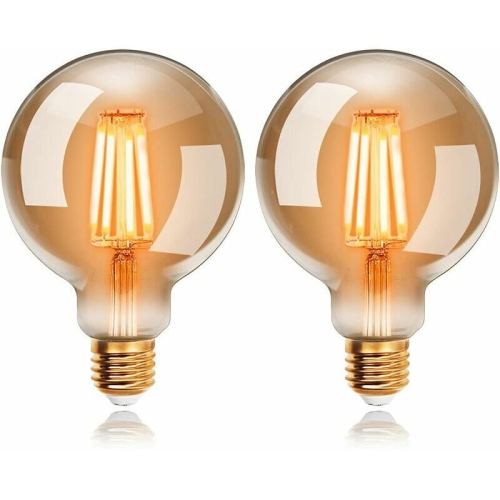
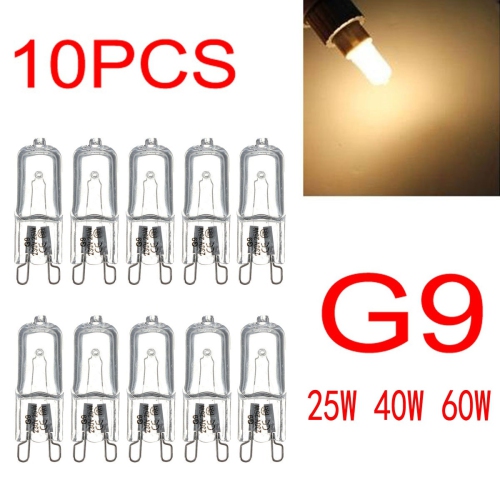
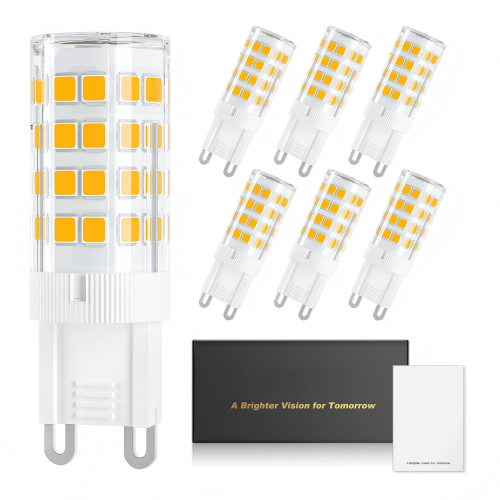
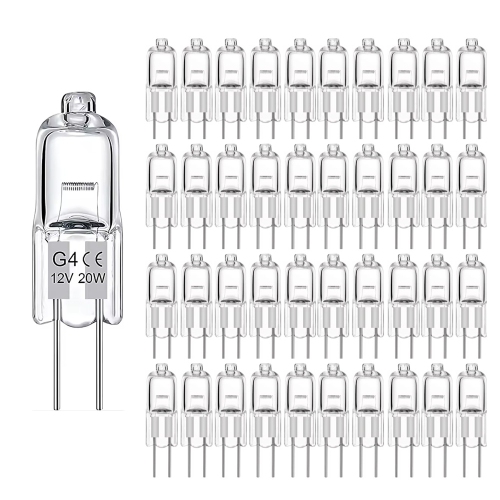
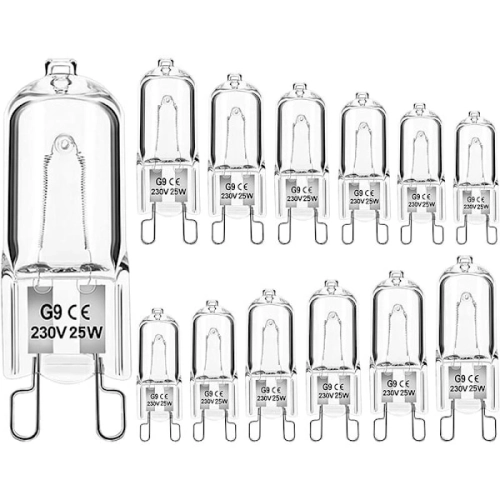
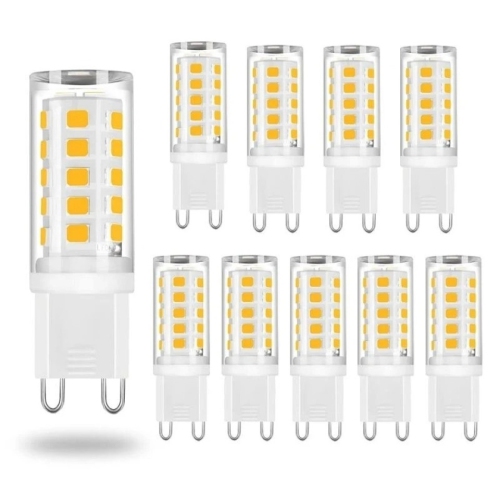
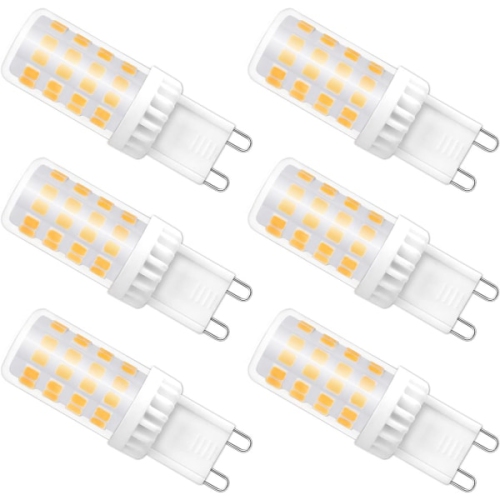
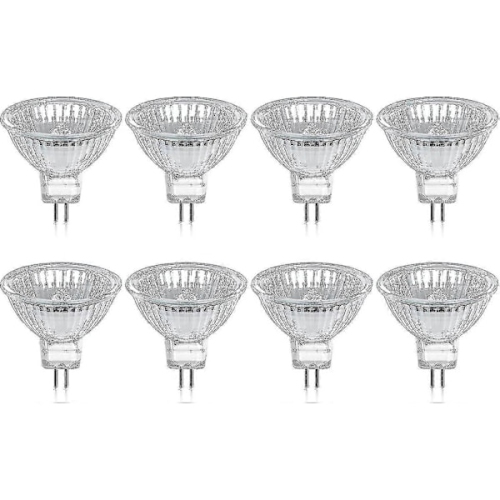
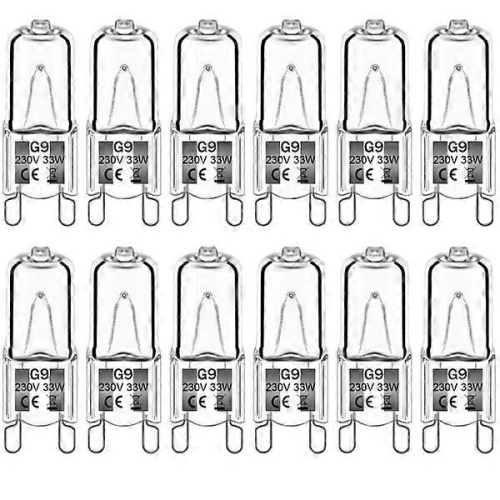
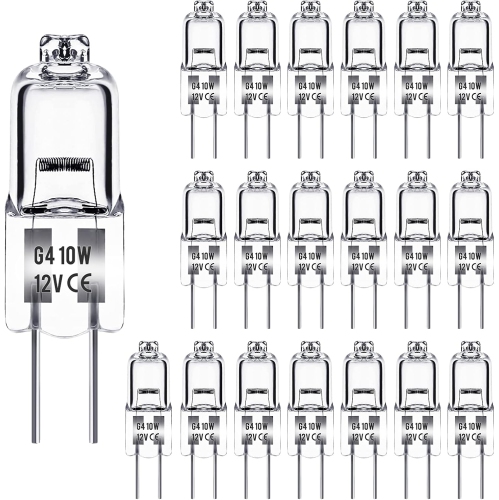
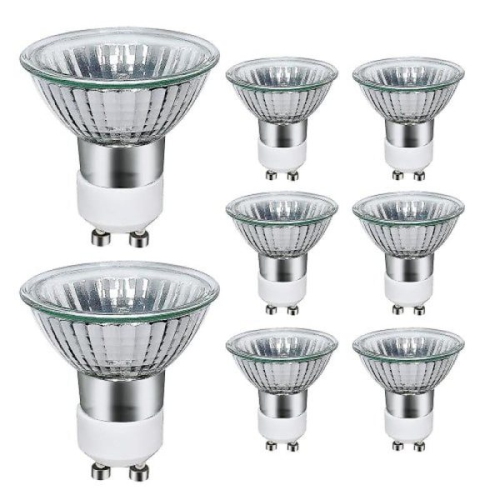
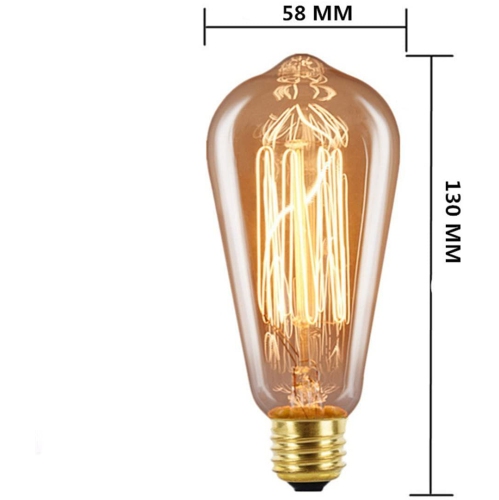
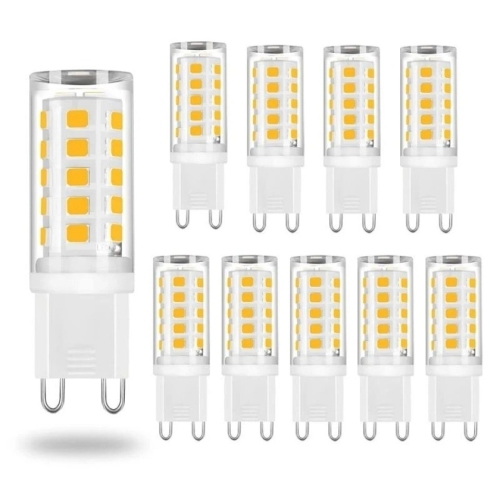
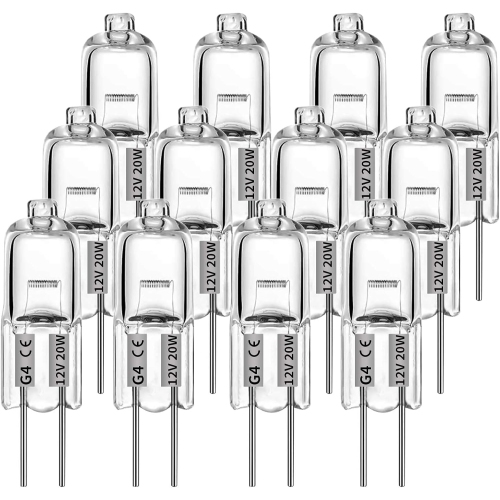
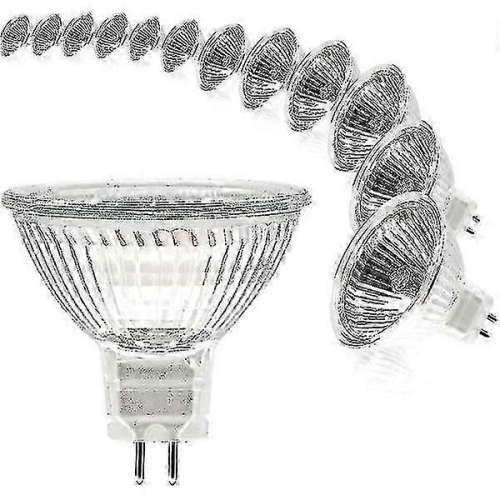

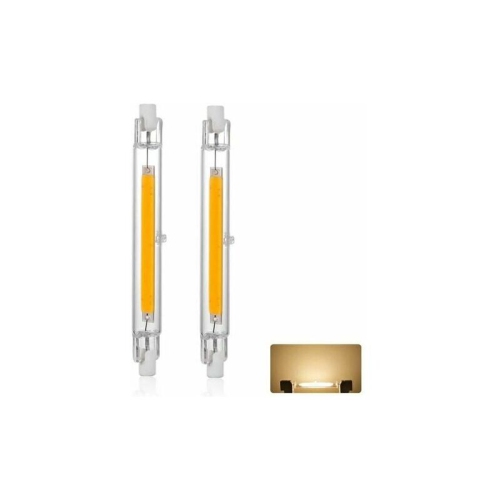
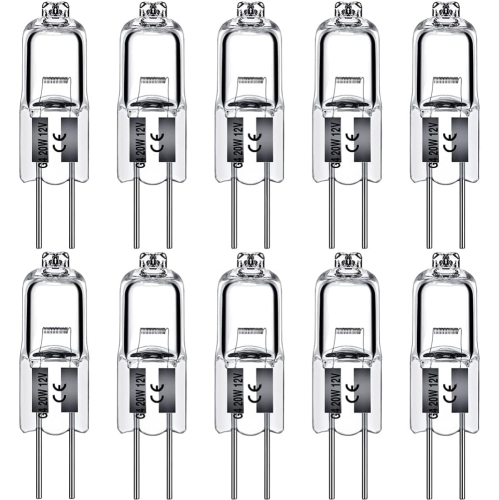
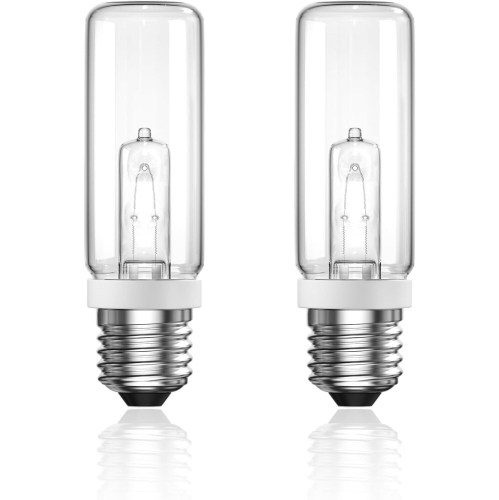
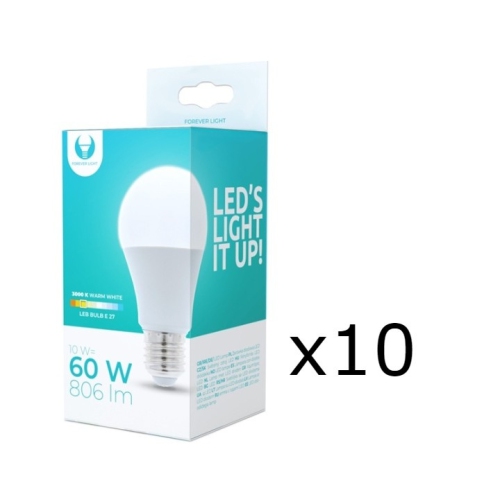
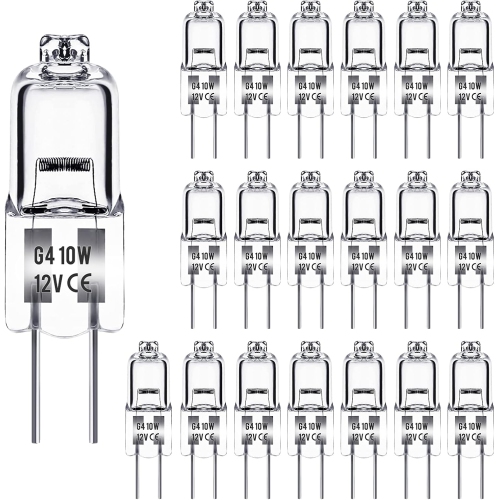
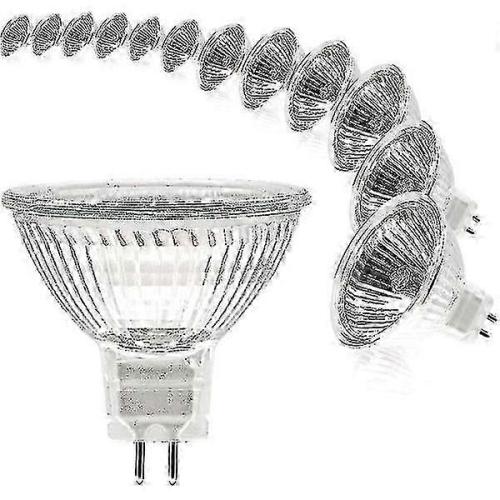
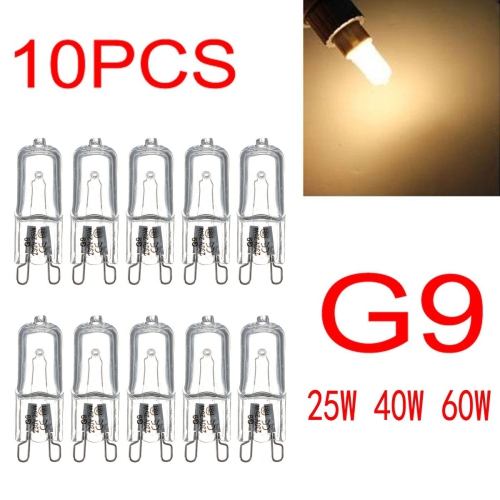
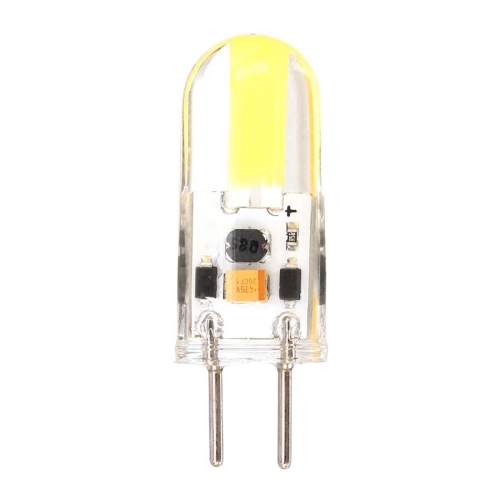
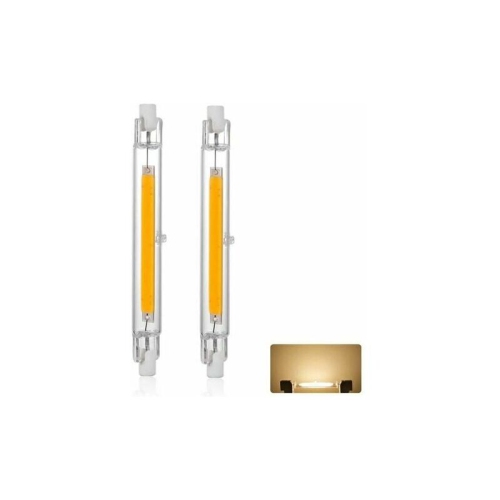
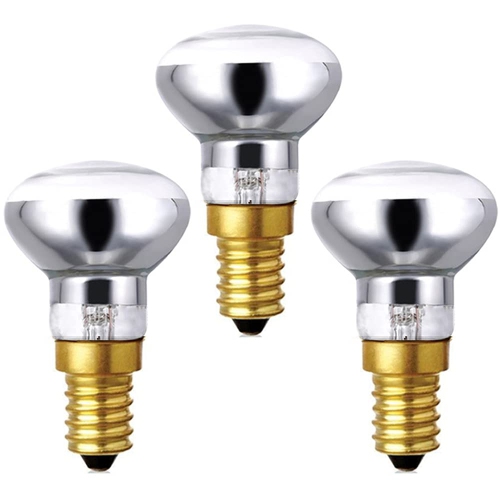
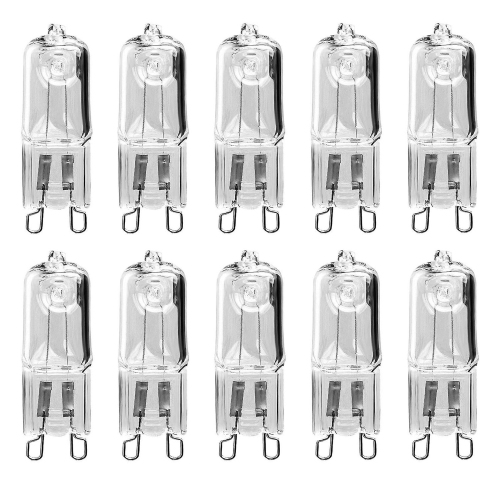
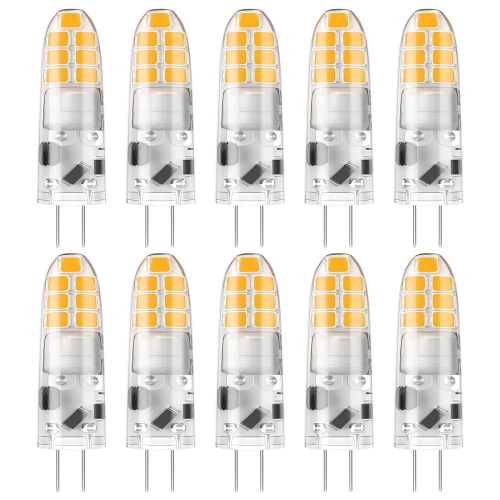
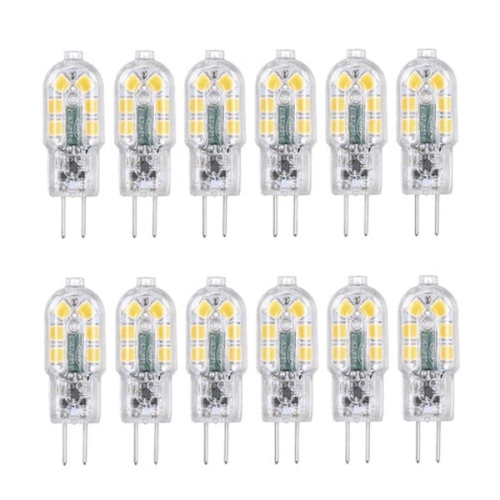
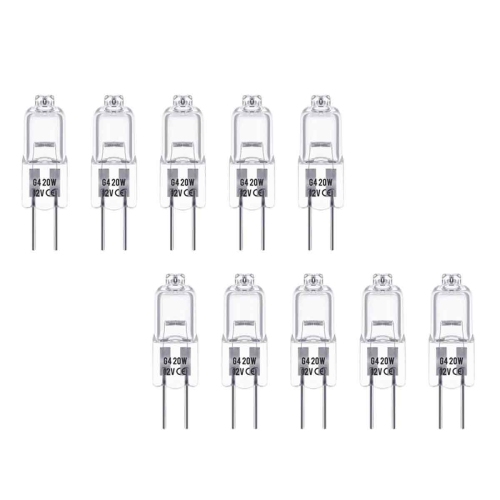
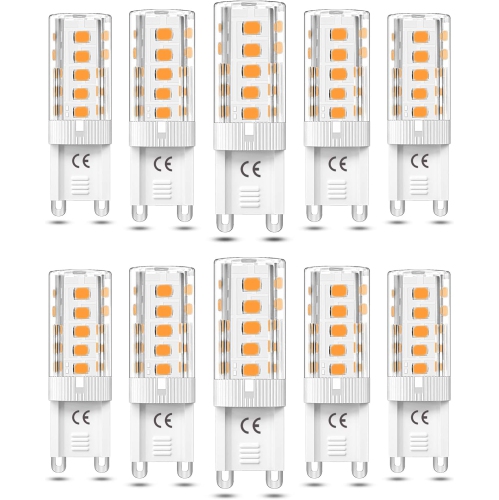
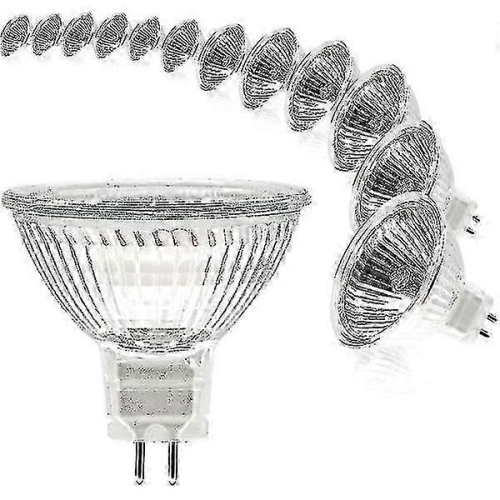
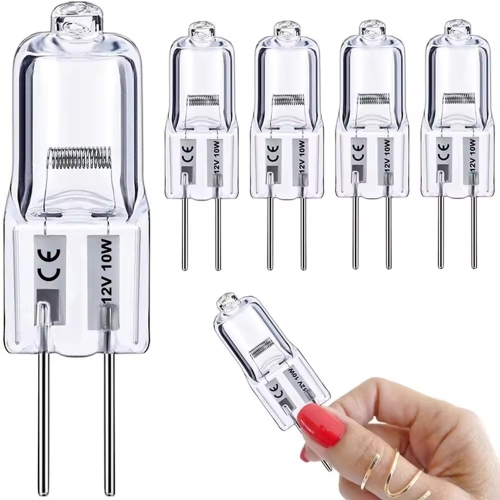
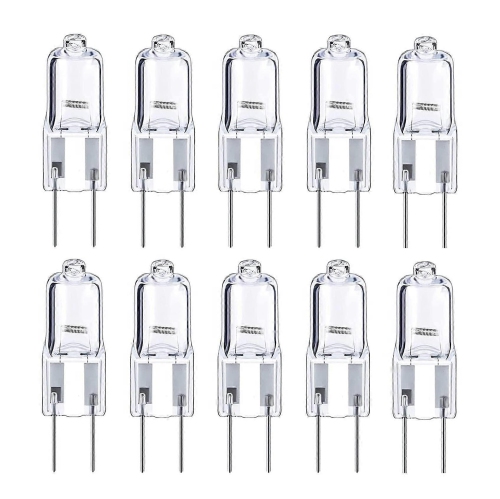
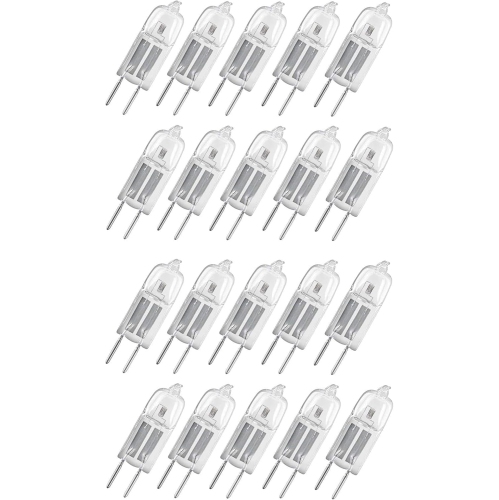
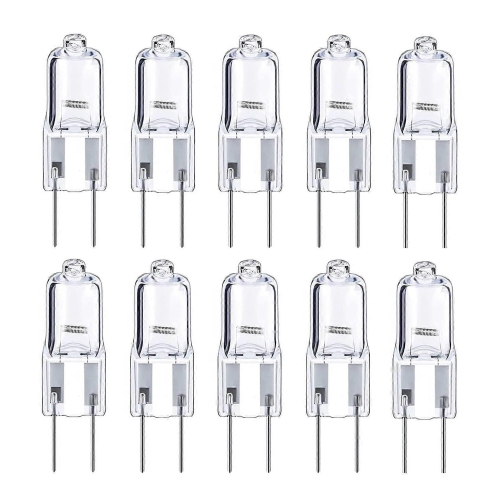
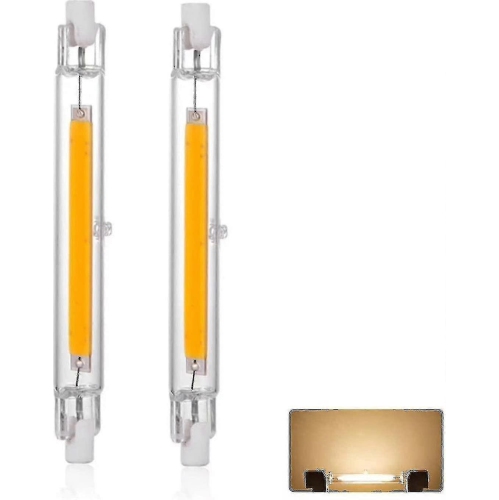
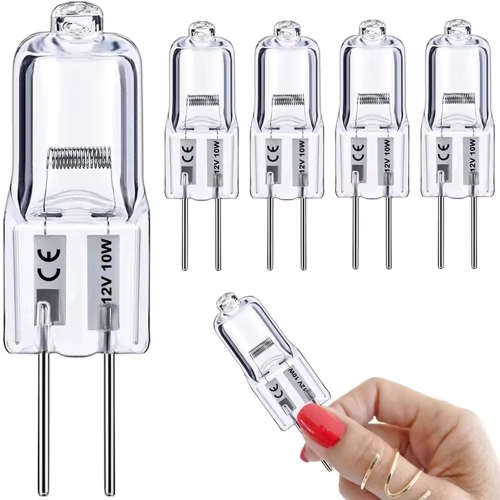
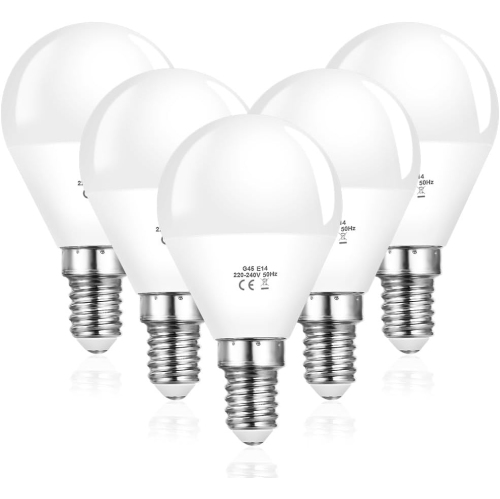
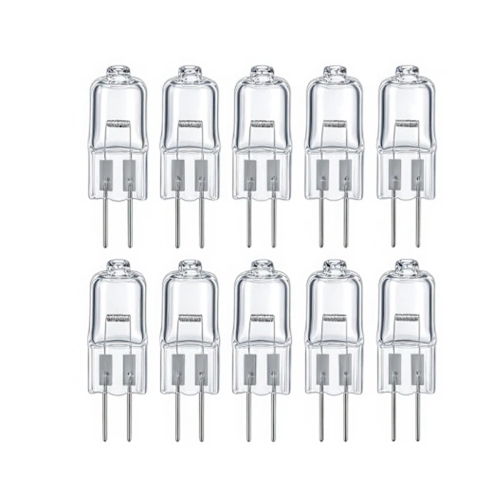
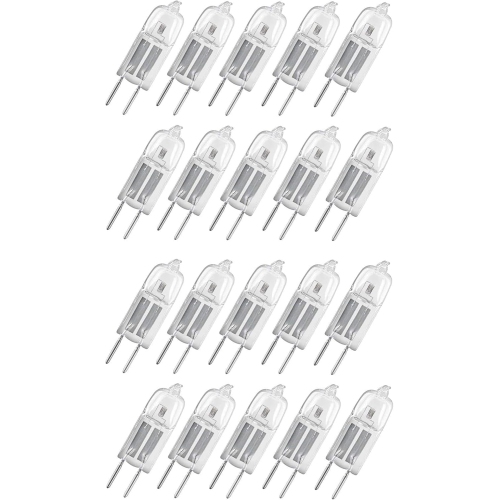
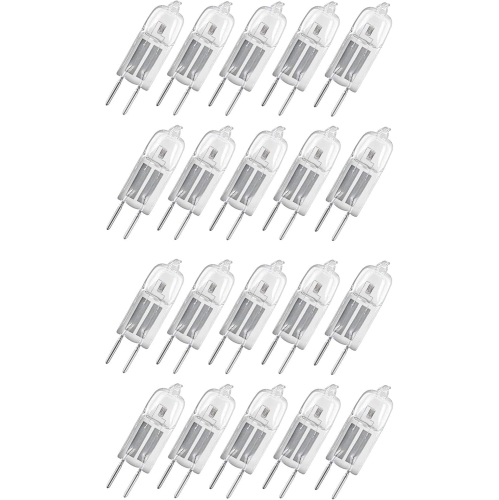

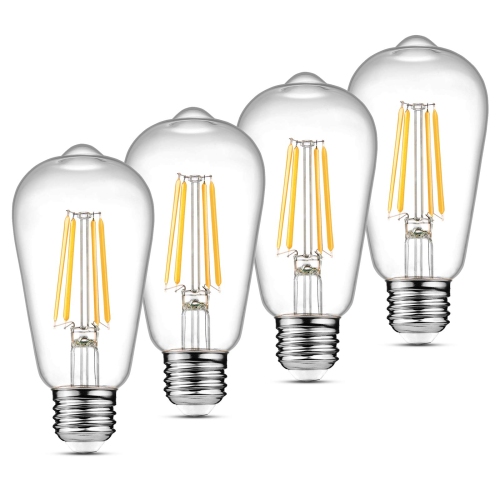
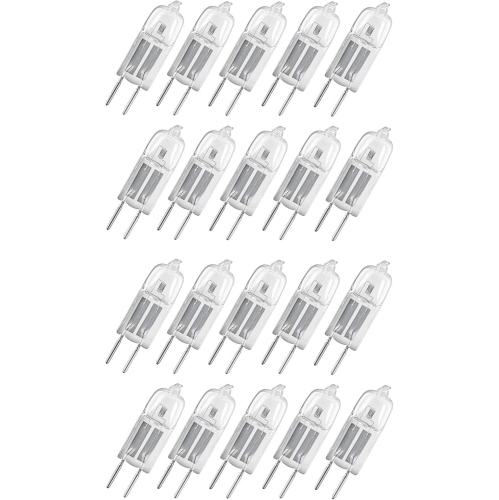
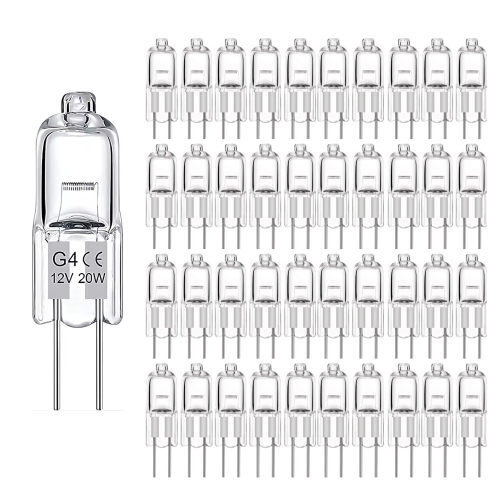
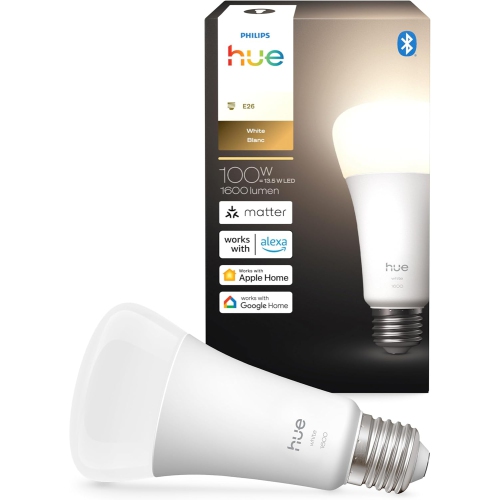
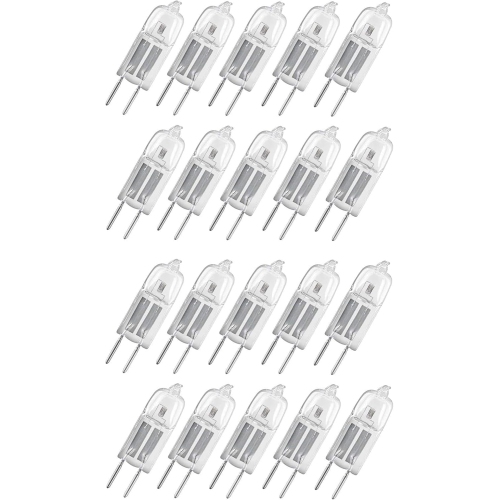
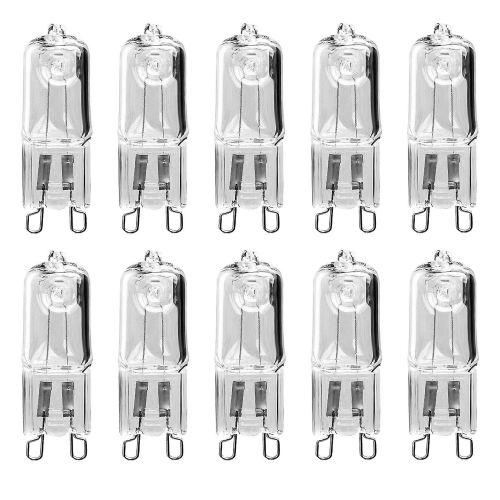
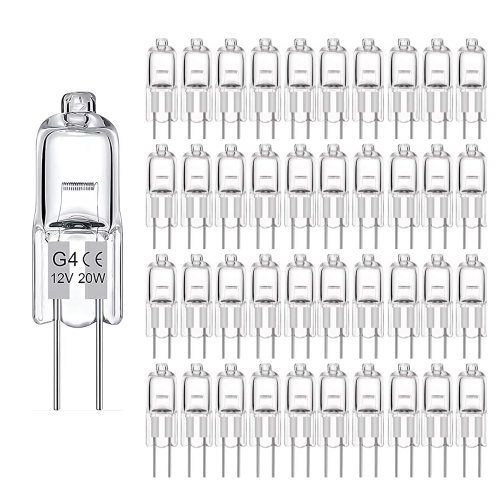
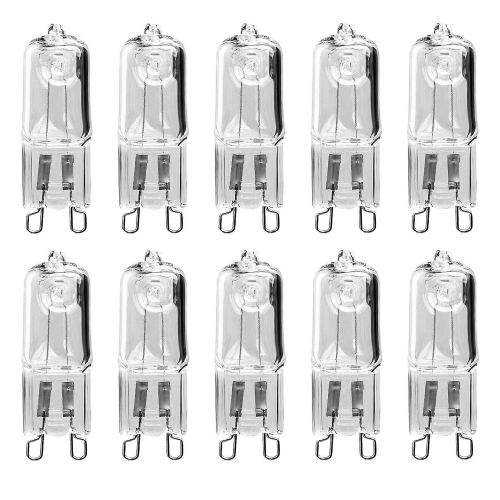
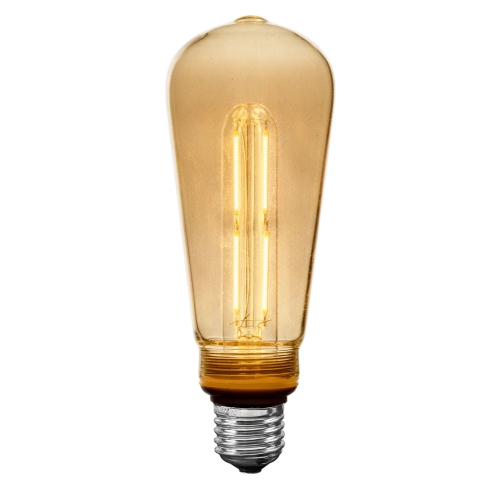
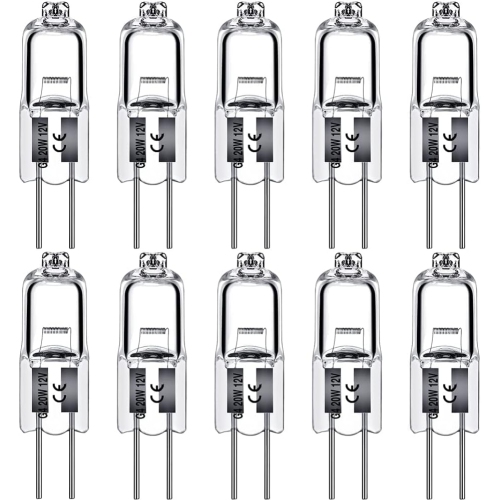
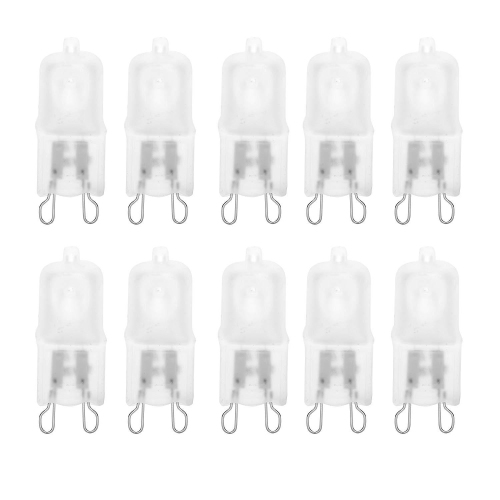
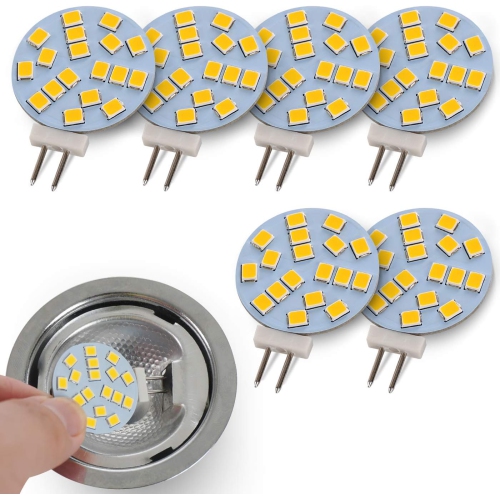

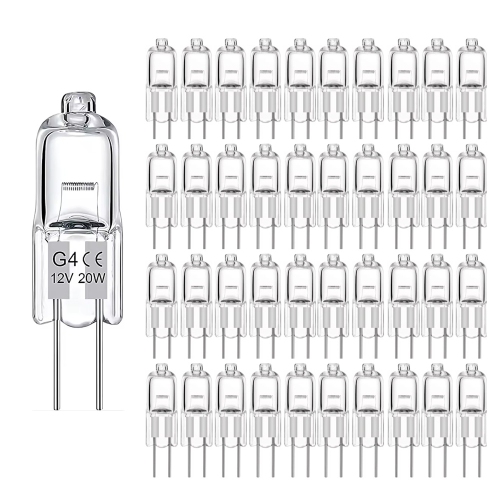
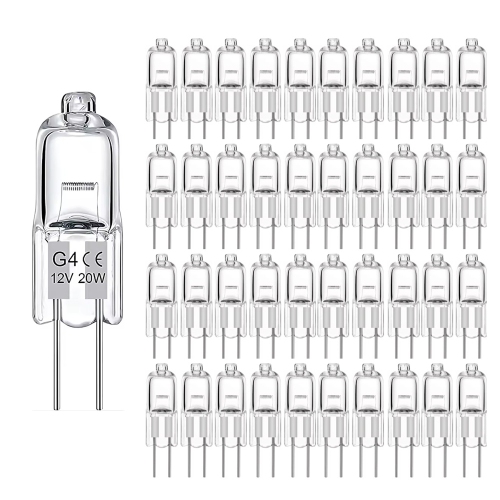
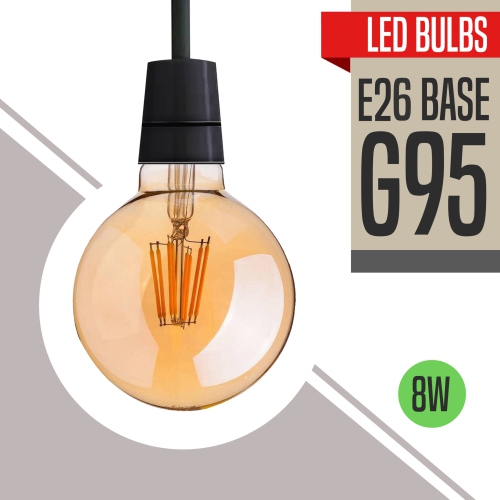
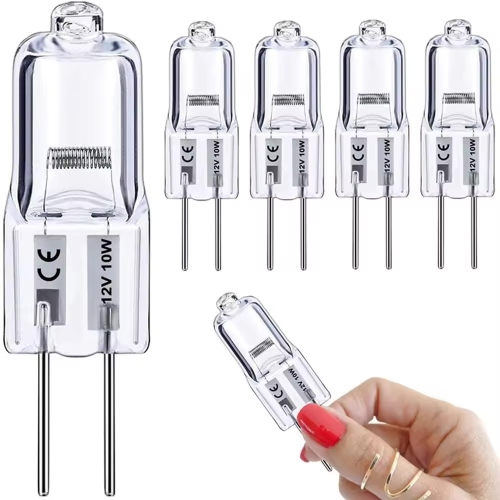
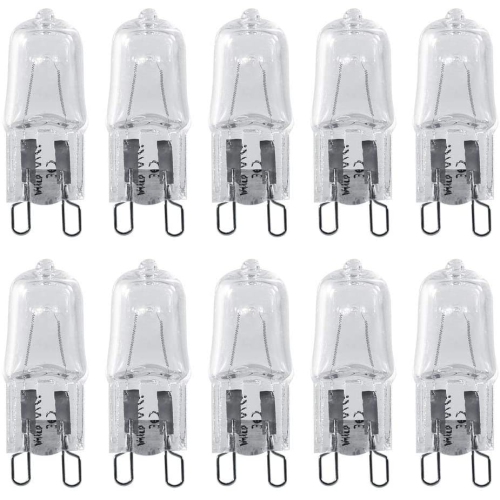
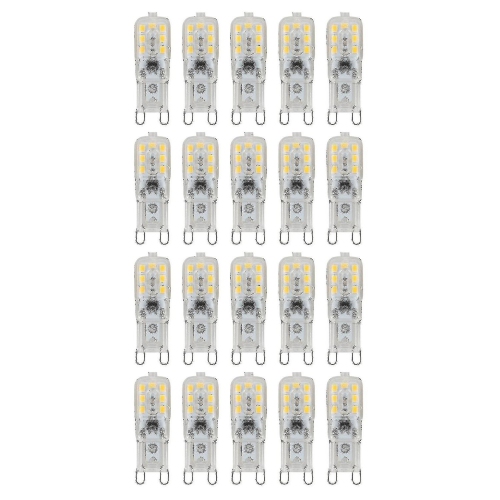
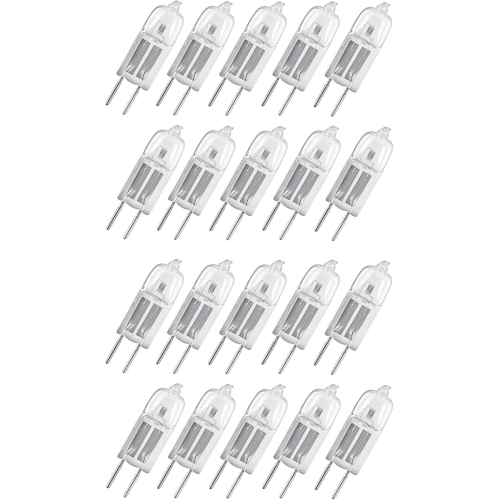
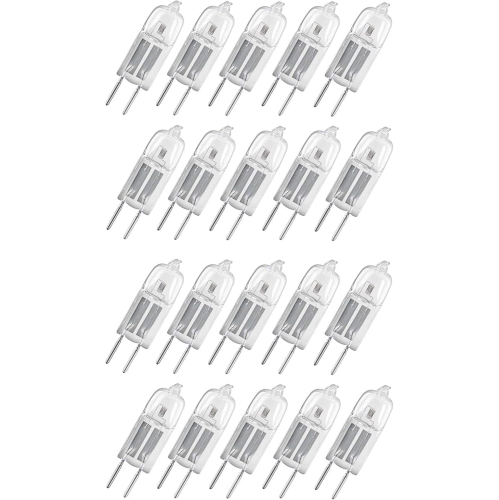
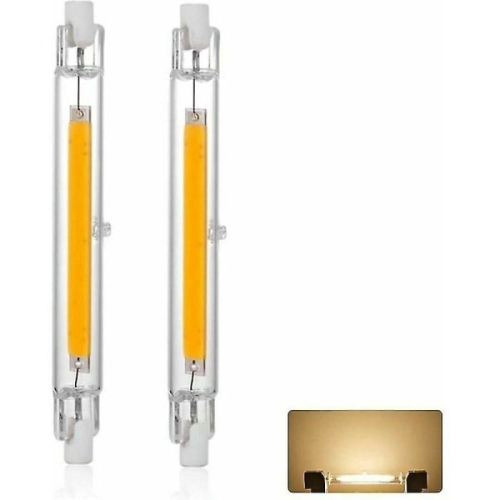
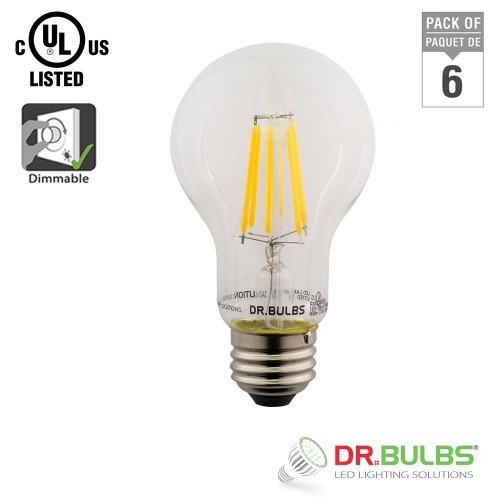
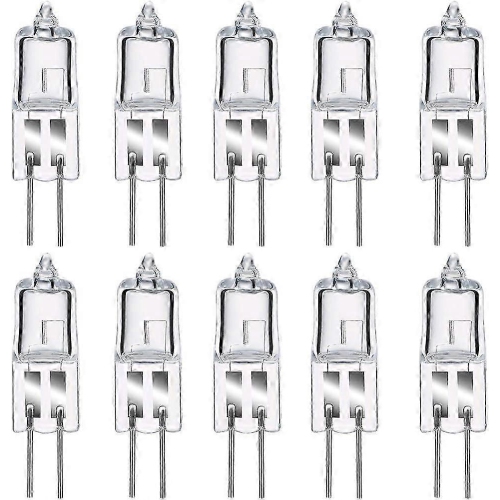
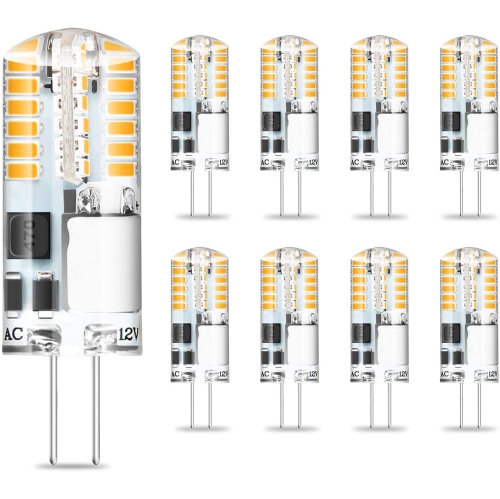
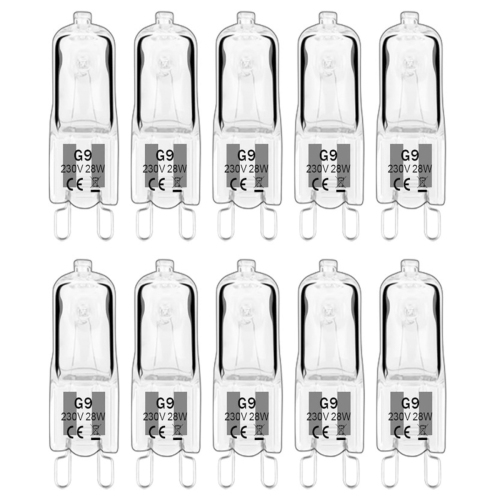
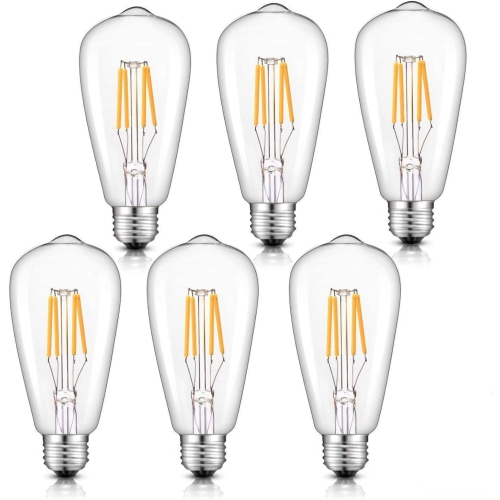
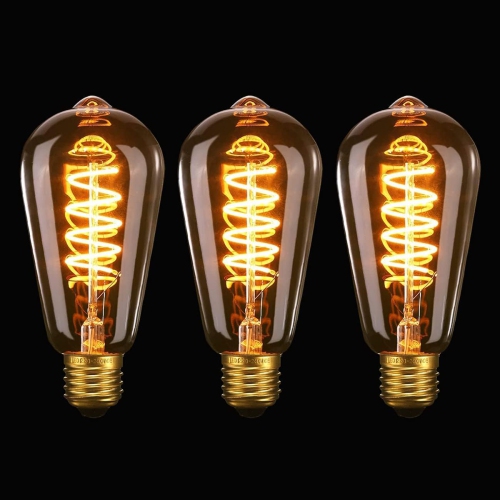
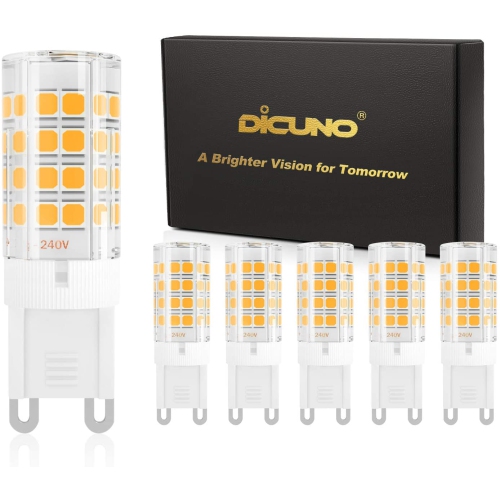
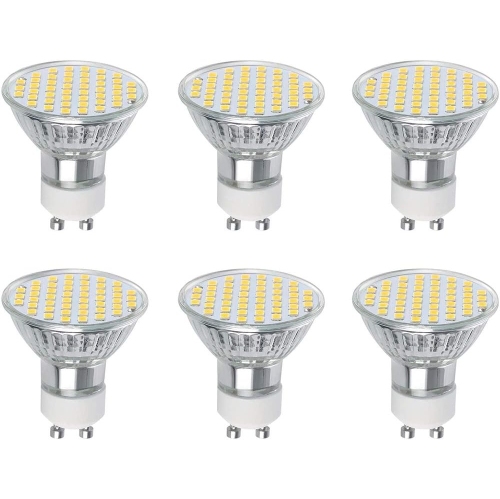
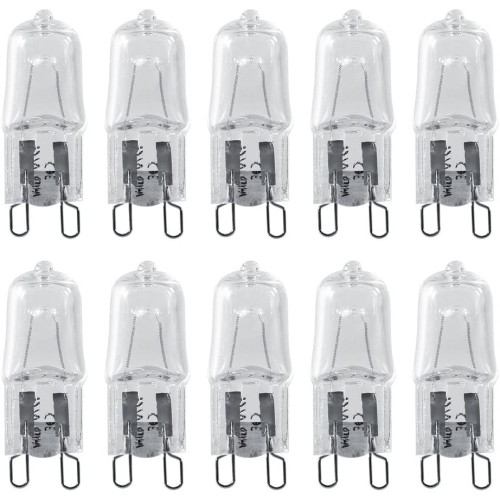
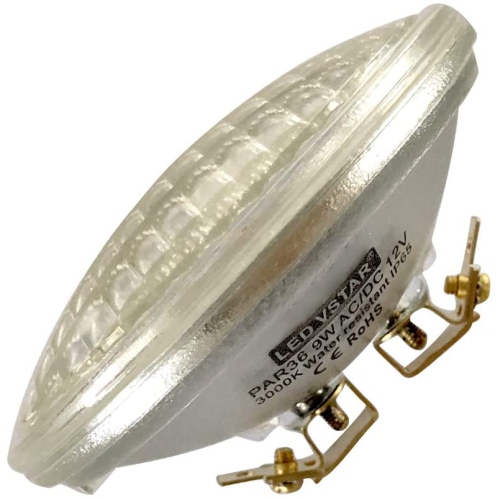
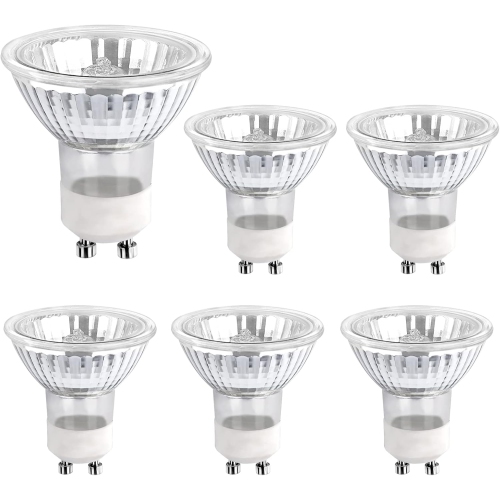
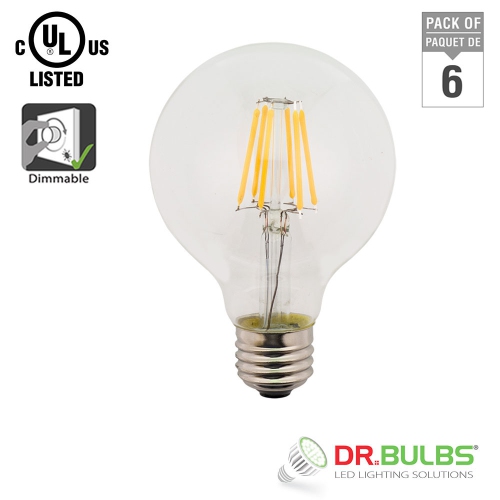
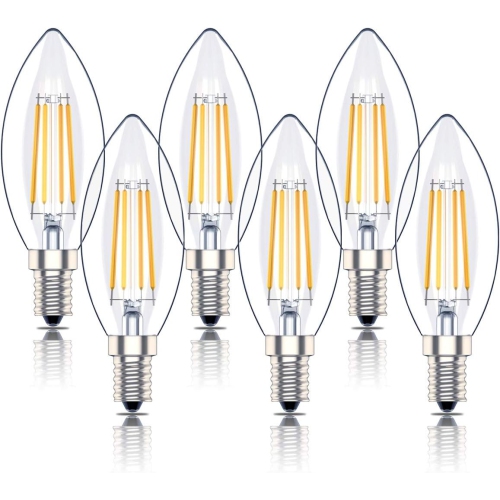
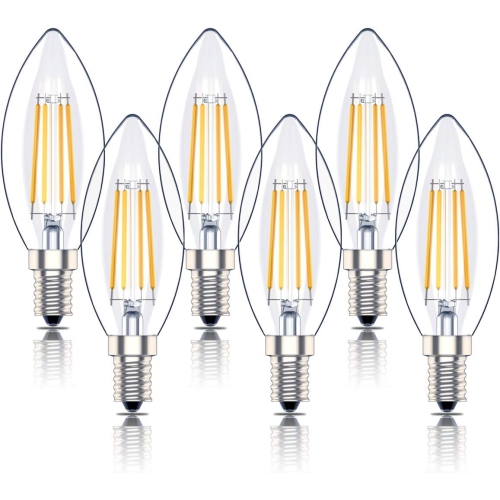
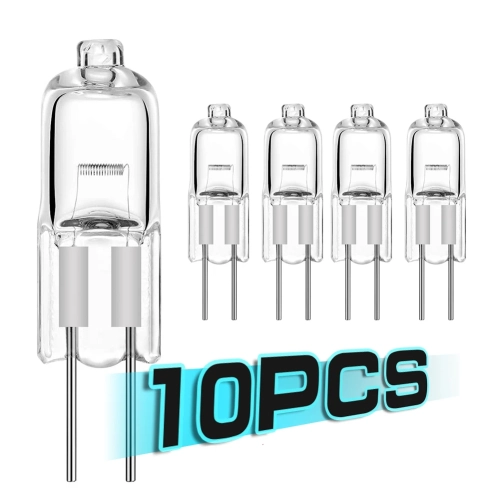
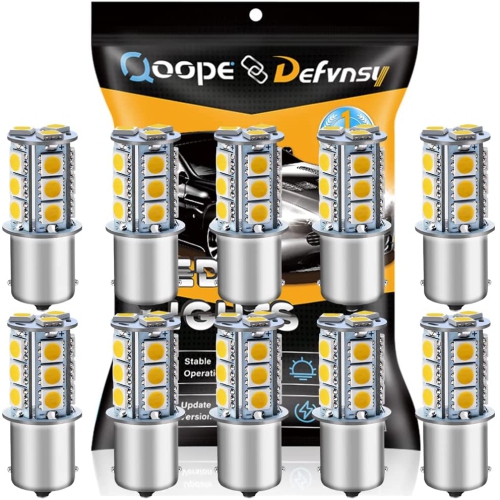
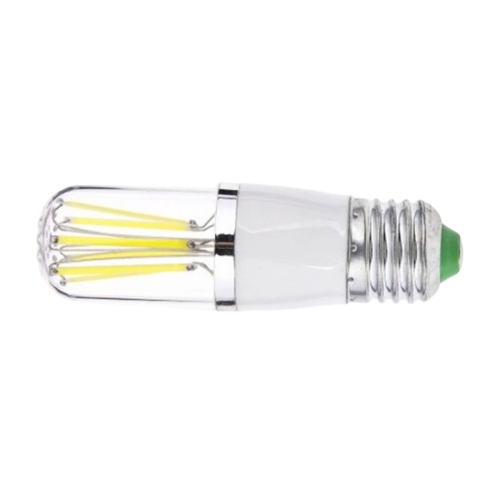
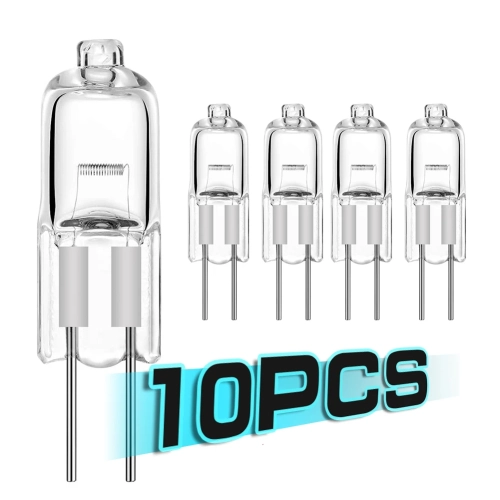
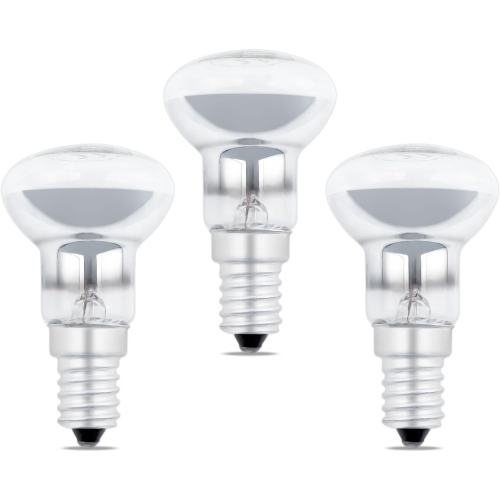
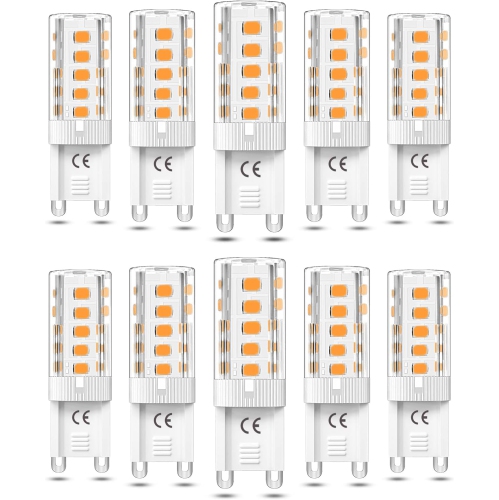
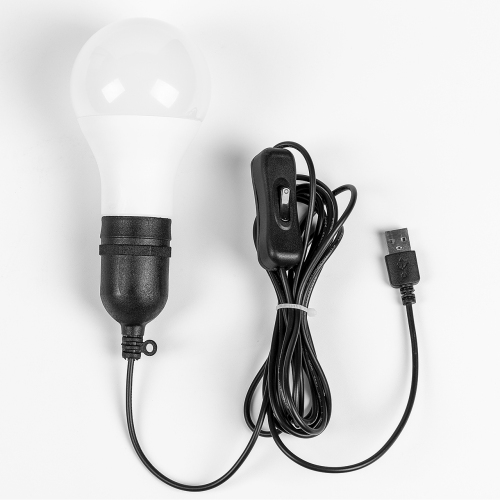
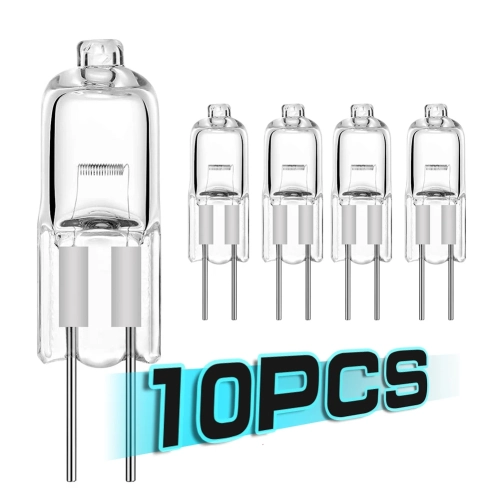

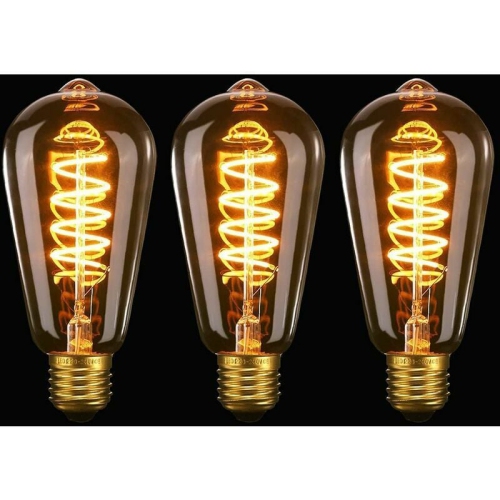
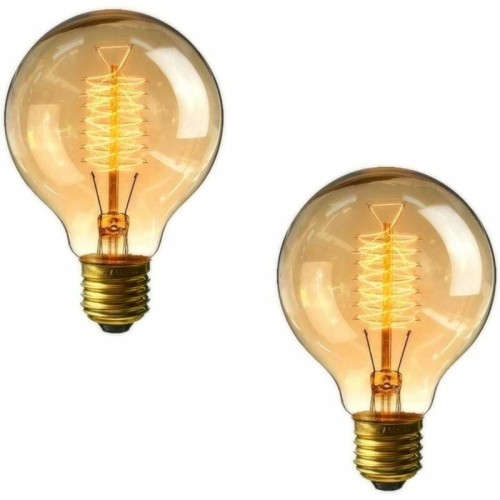
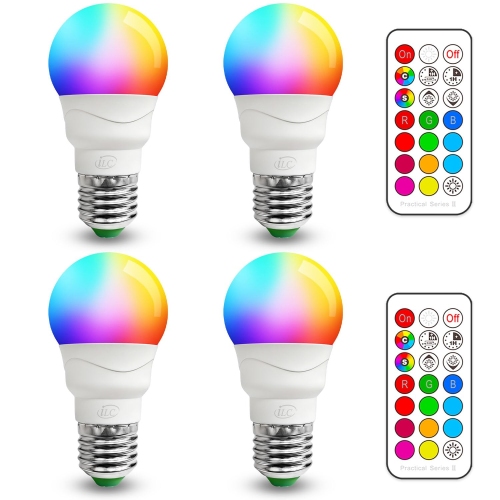
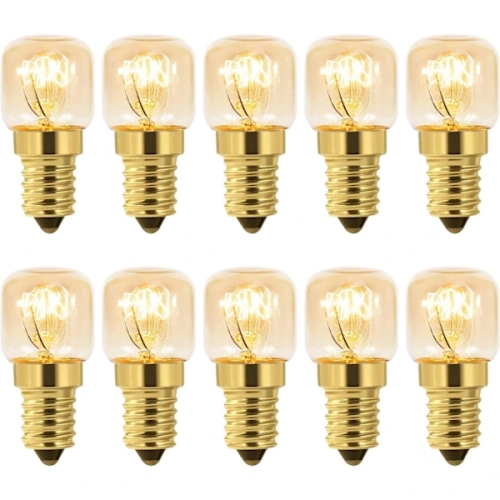
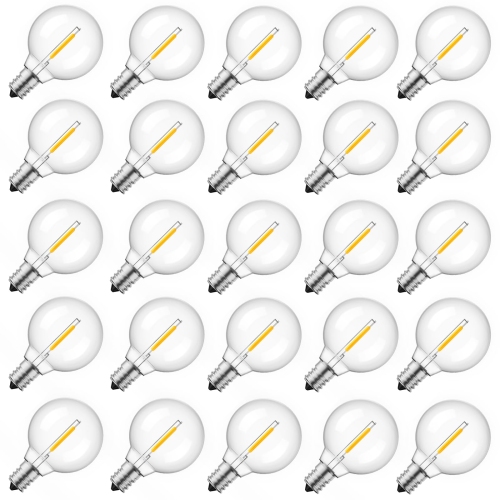
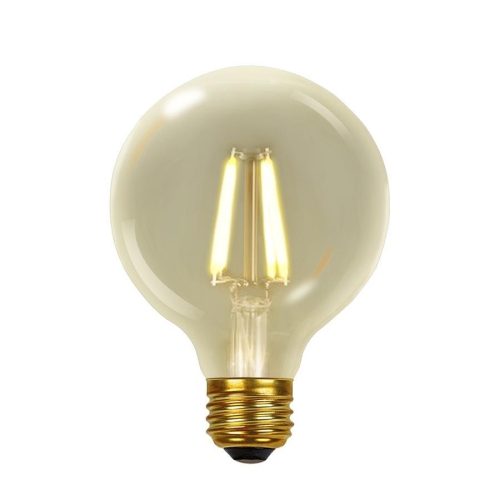
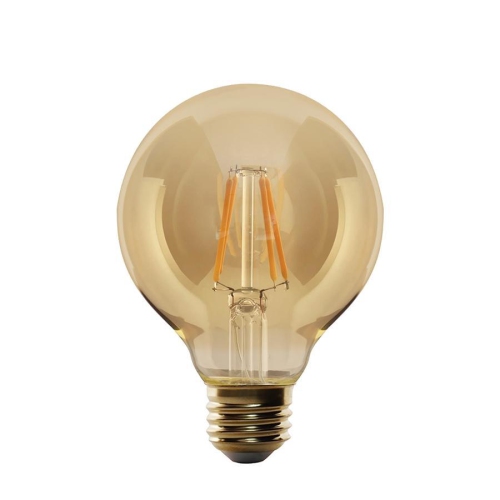

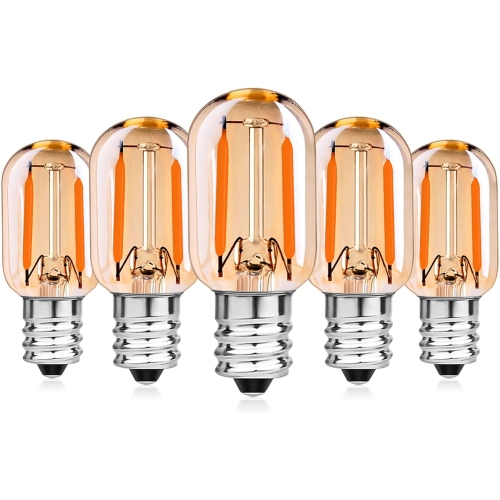
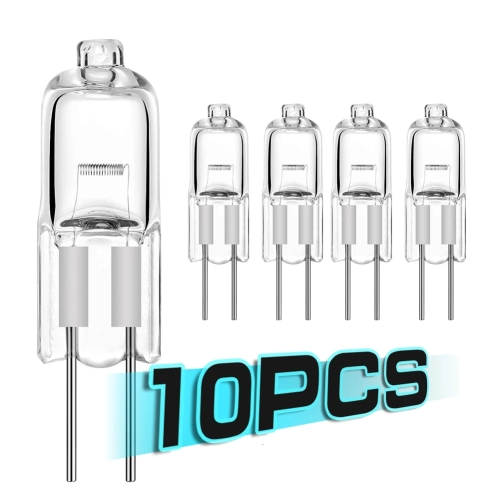
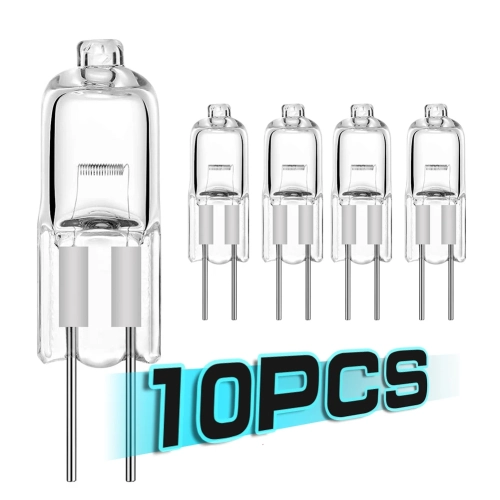
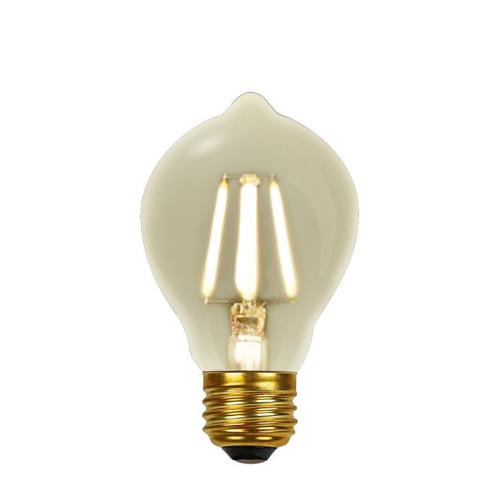
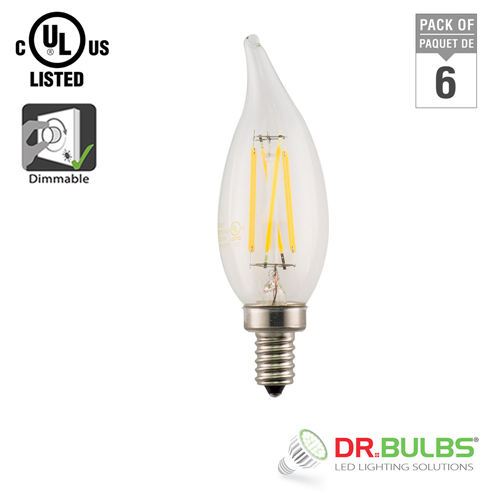
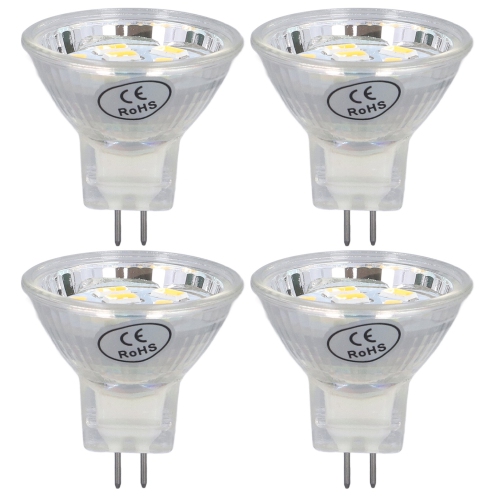
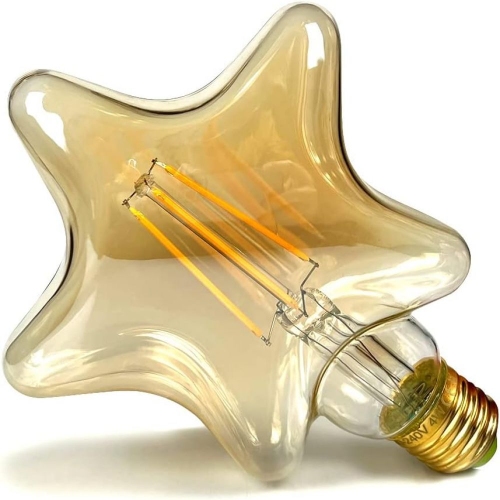
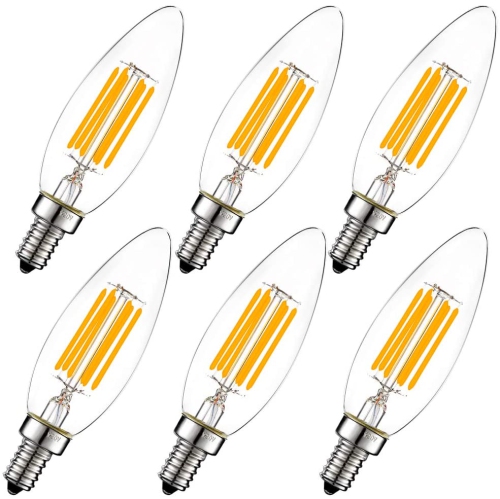
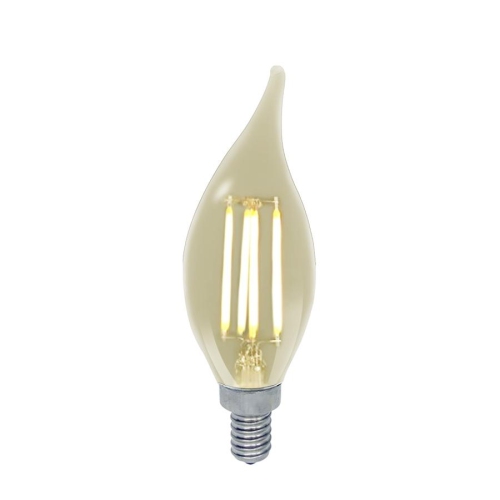
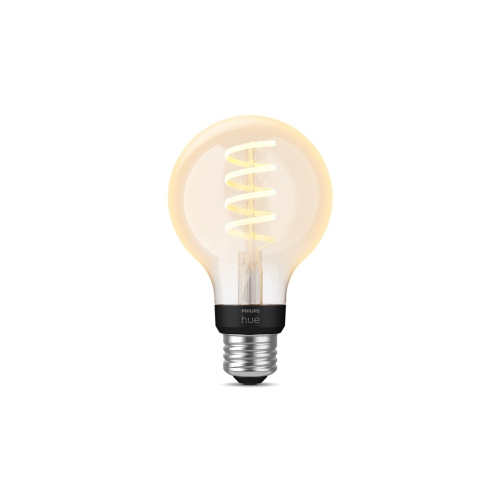
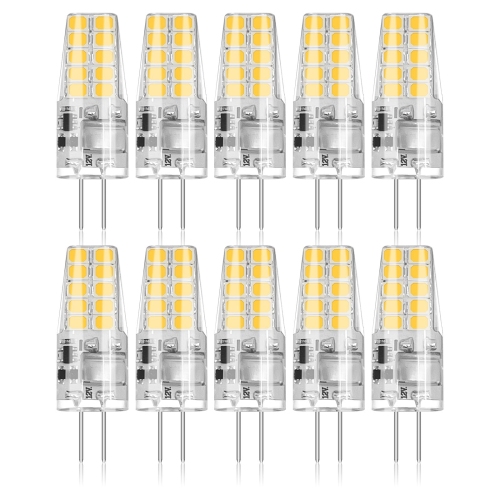
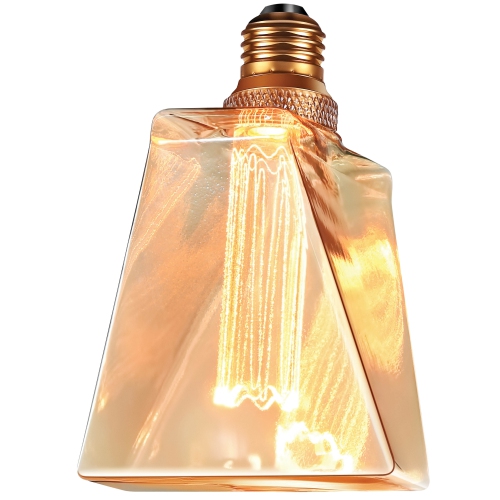
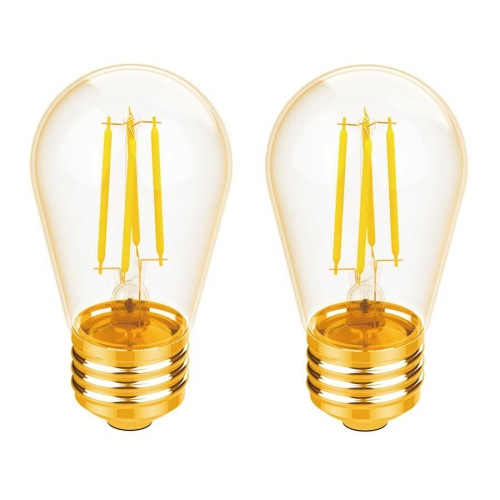
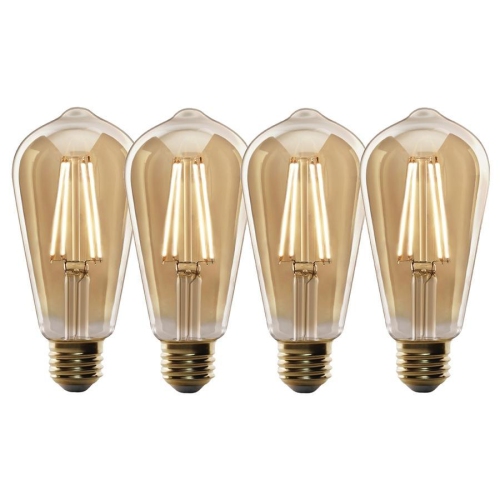
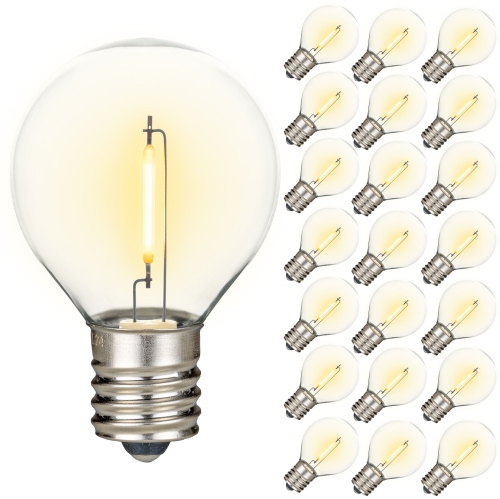
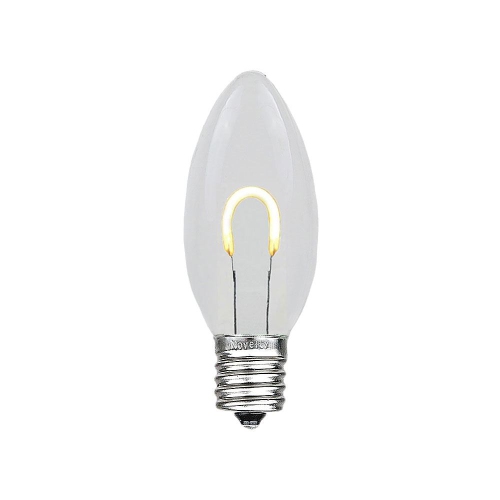
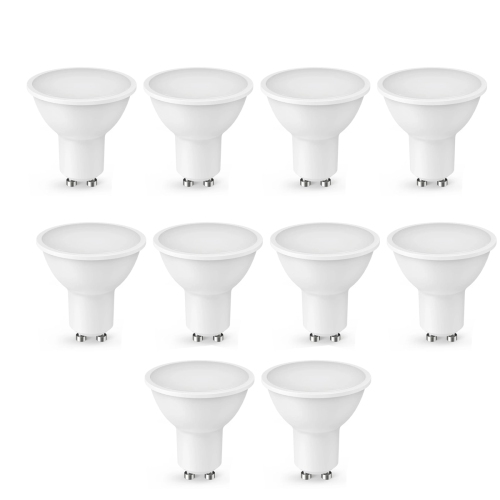
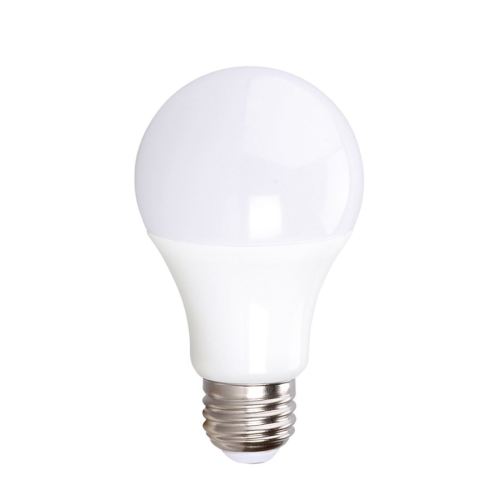
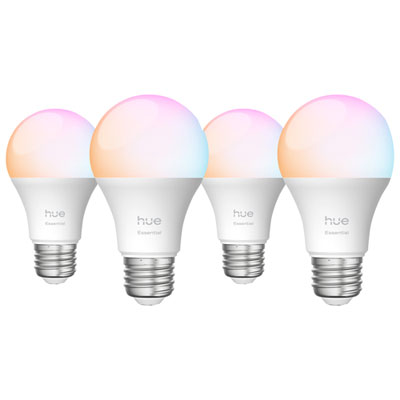
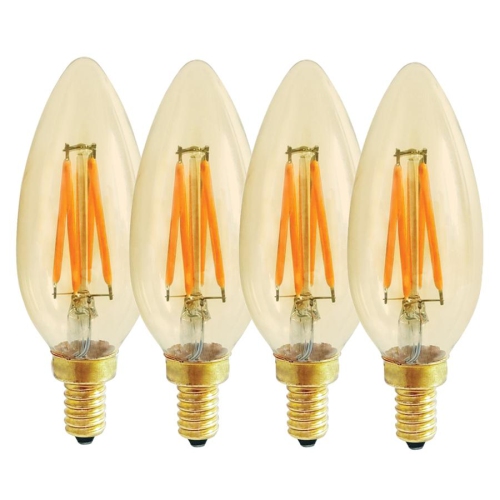
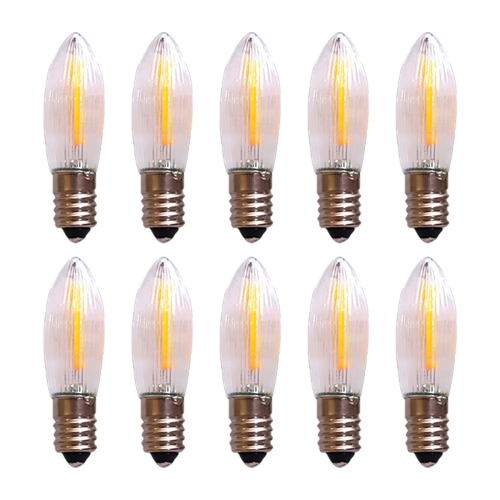
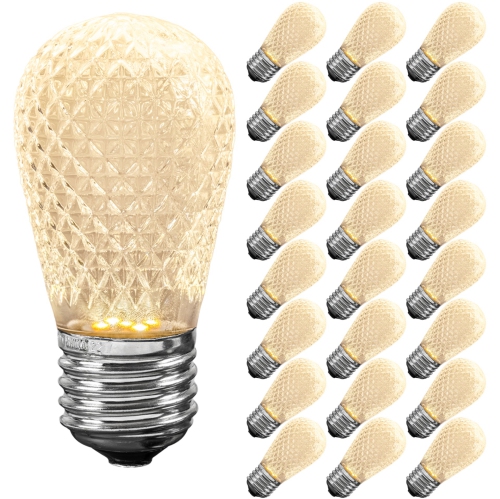
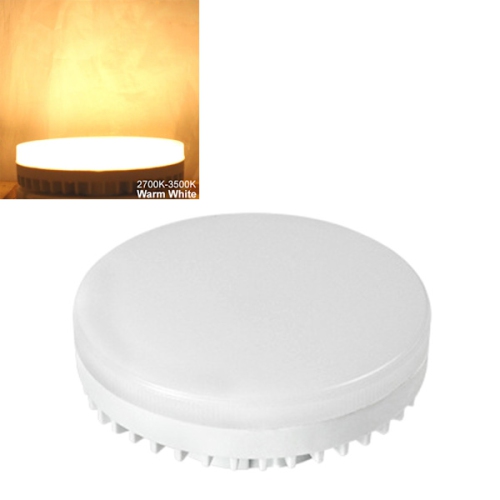
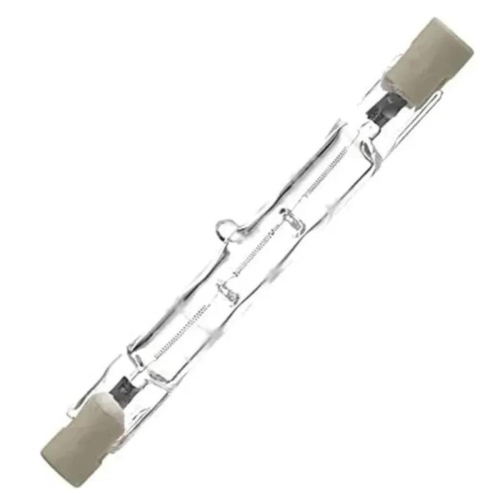

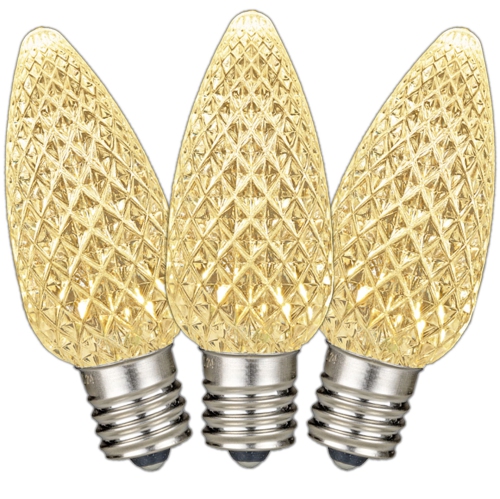
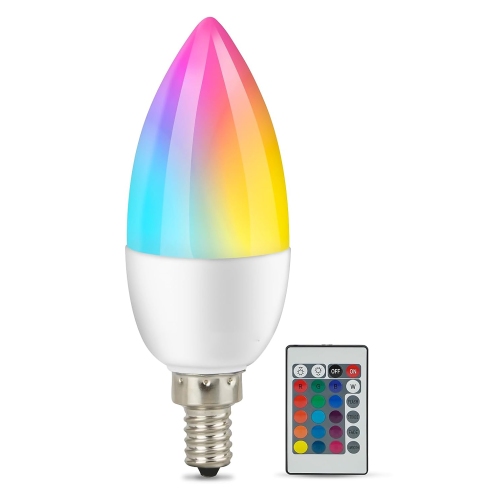
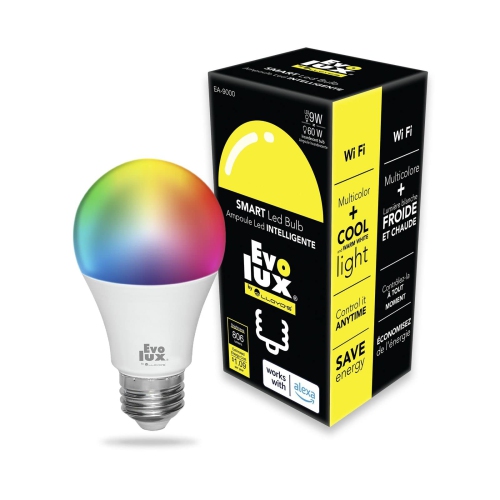
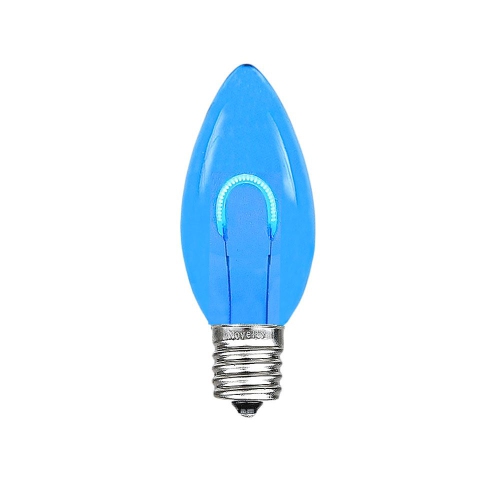
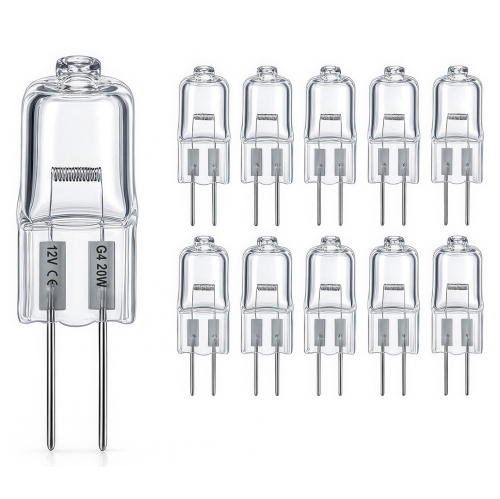
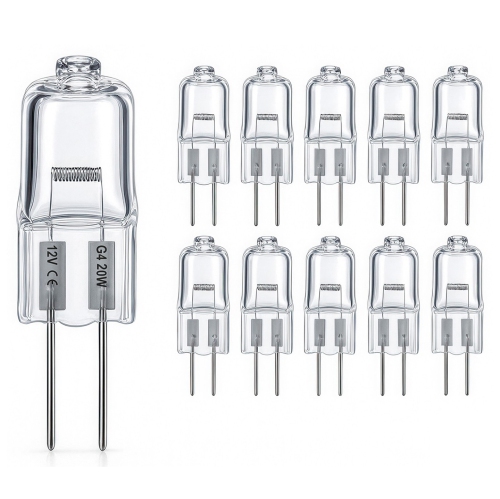
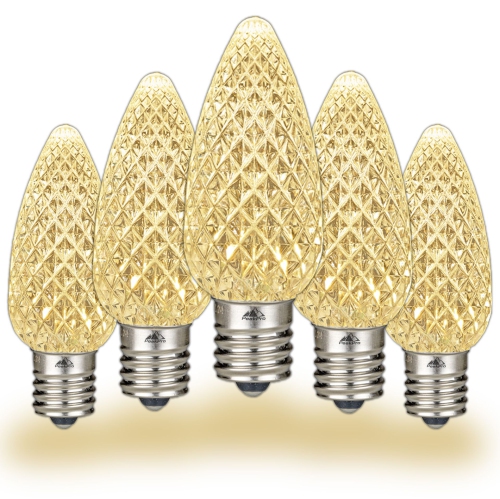
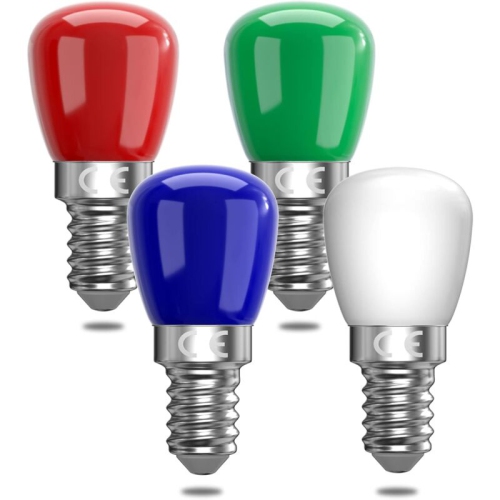
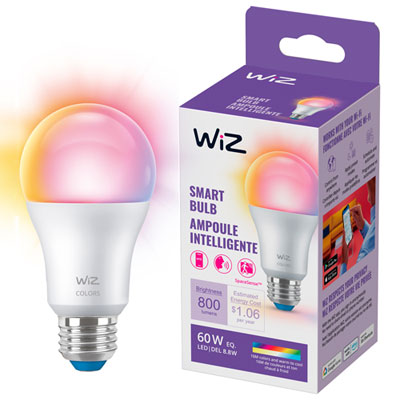
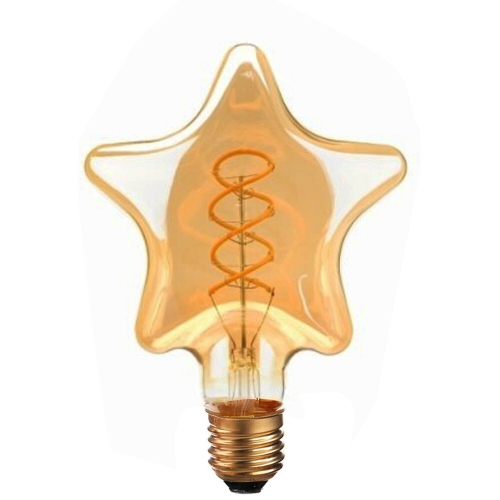
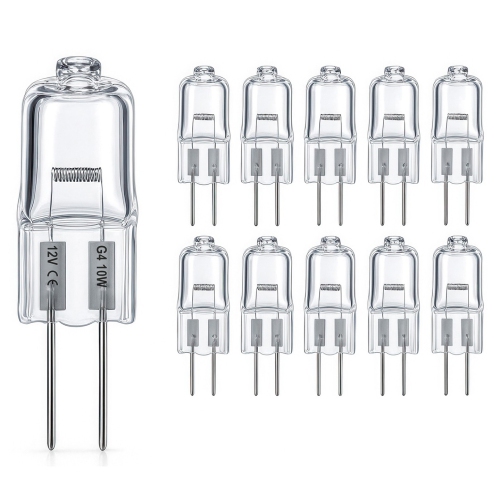
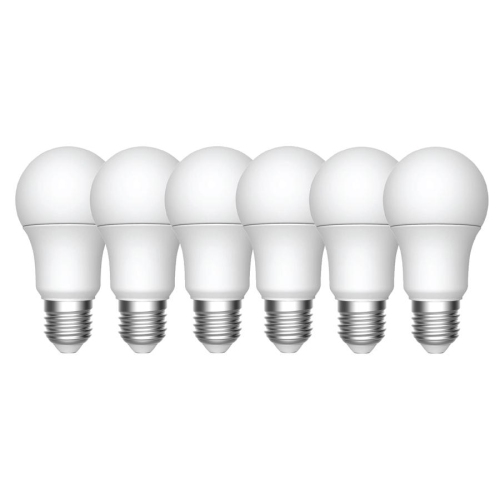
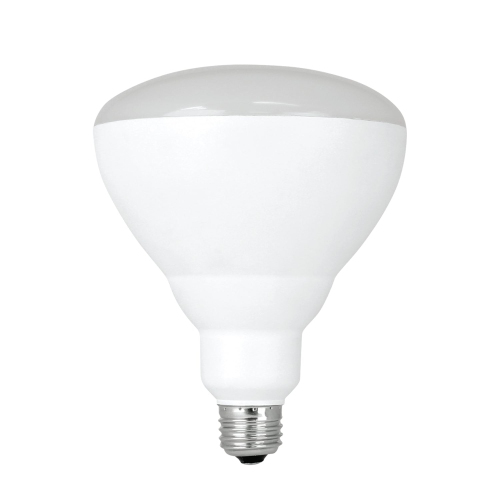

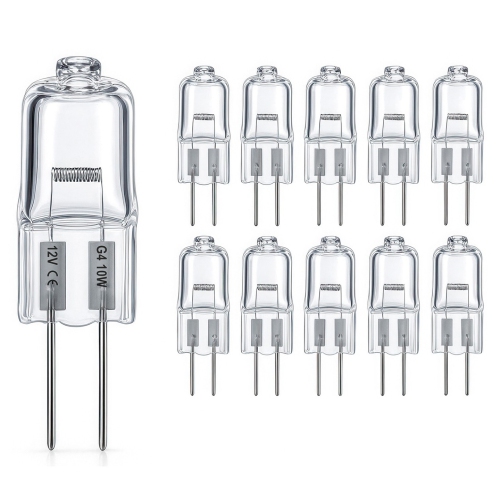
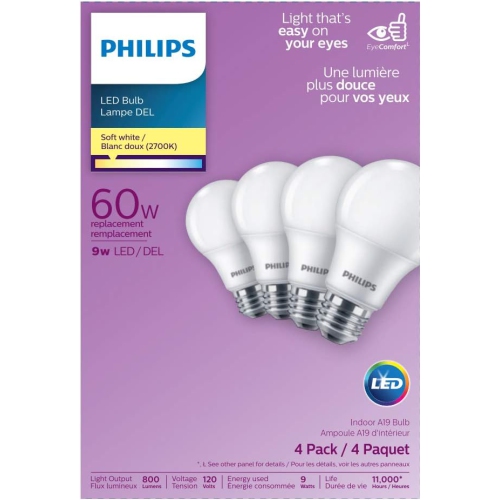

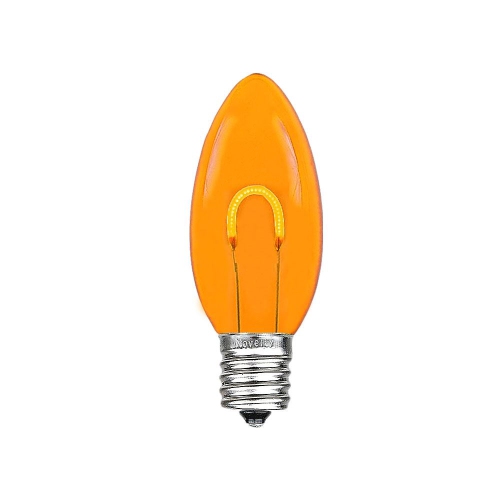

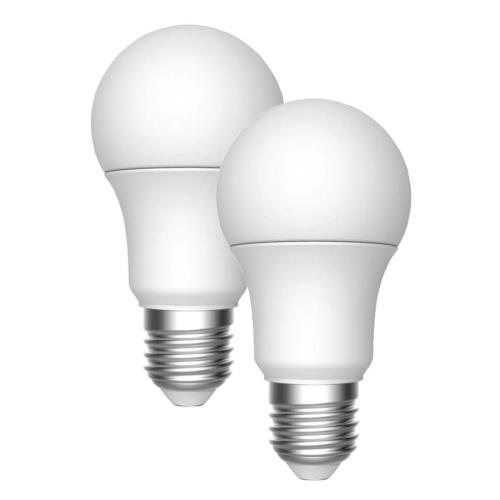
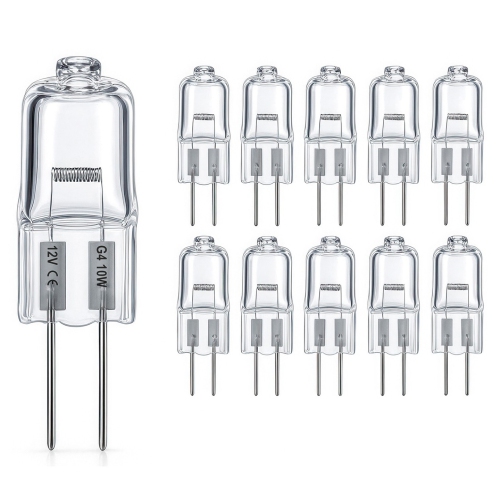

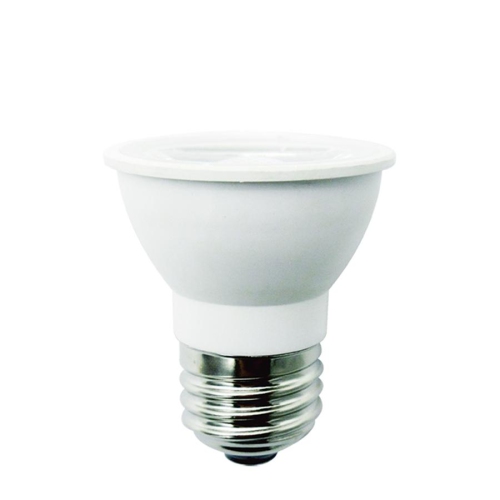
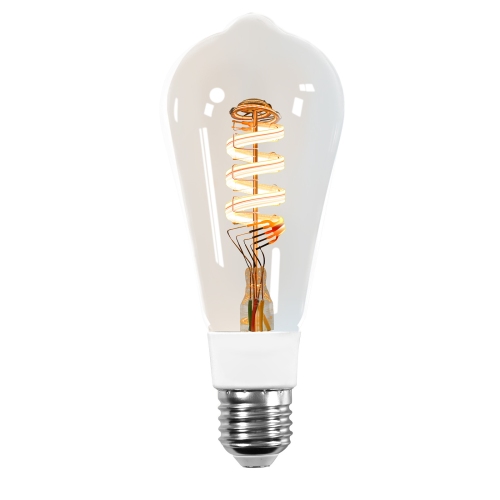

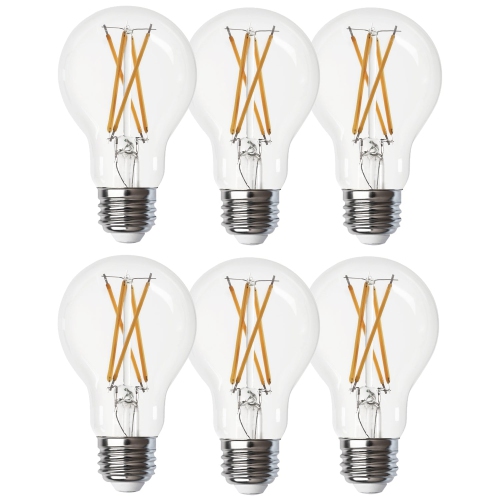
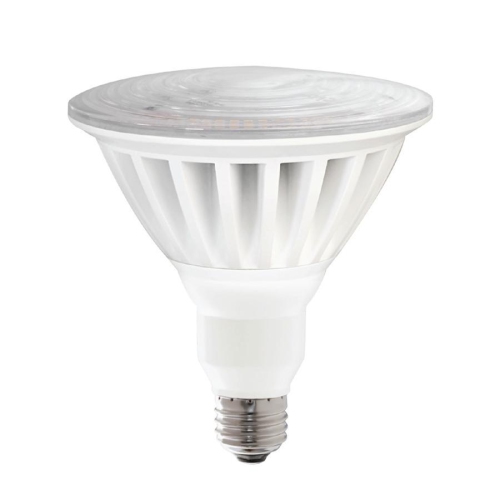
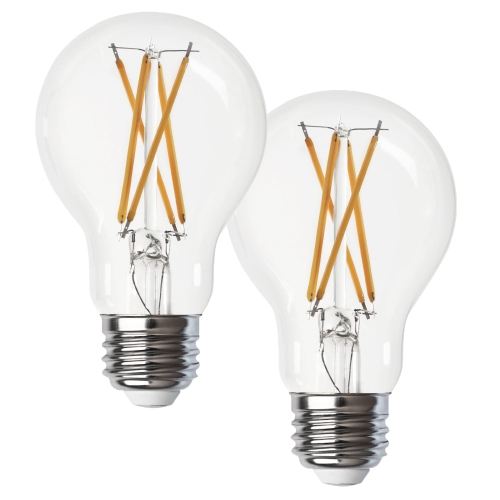
A warm glow doesn’t have to mean dim lighting
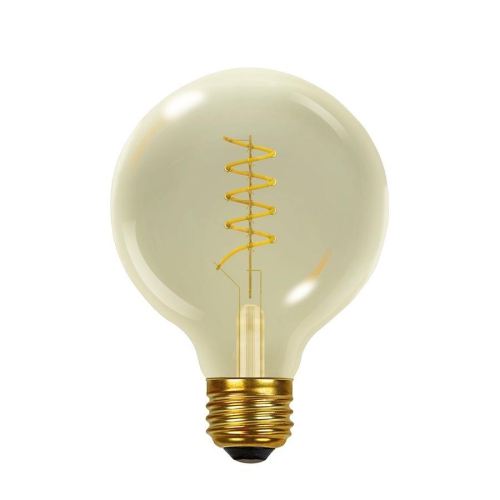
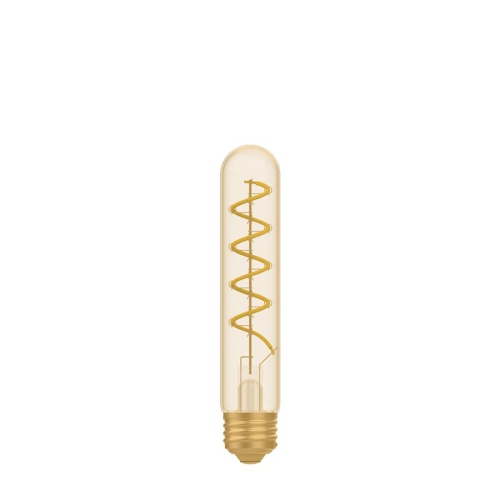
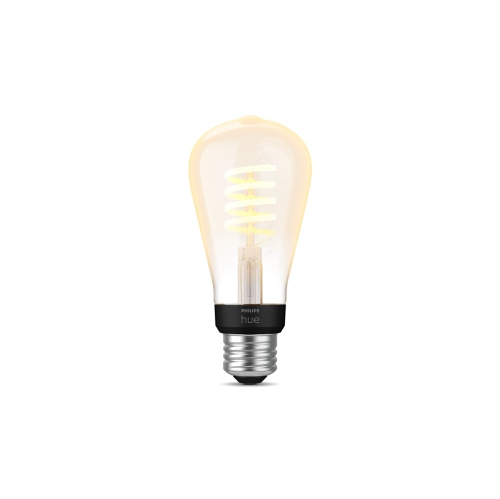
Warm white light bulbs typically have a colour temperature of 2,700K to 3,000K, producing a soft, yellowish-white glow suited to living rooms, bedrooms, dining areas, and other spaces where a relaxed atmosphere is welcome. Within that range, 2,700K generally appears more golden, while 3,000K offers a slightly crisper warm-white appearance. The Kelvin rating describes the colour of the light, not its brightness: a warm white bulb can provide anything from a gentle bedside glow to substantial illumination for a busy family room. Brightness is measured in lumens, so colour temperature and lumen output serve different purposes when comparing bulbs. A shaded floor lamp beside a reading chair needs enough light to make print comfortable to see, while a small accent lamp on a console may need much less output. Warm white lighting often complements wood furniture, cream upholstery, terracotta, and brass finishes, bringing out their warmer tones without the distinctly bluish appearance associated with higher colour temperatures. Its effect also depends on the room itself. White walls reflect more light than dark paint, and an amber glass shade can make an already warm bulb look more golden. Fabric shades soften and spread illumination, while clear glass leaves more of the bulb’s character visible. Colour rendering is another useful distinction, especially around artwork, clothing, or food. A higher colour rendering index, or CRI, generally helps colours appear more faithful under the light; ratings of 90 or above are often useful where colour accuracy matters. In an open-plan room, similar Kelvin ratings across neighbouring lamps and ceiling fixtures can create a more cohesive appearance, although shades and bulb construction may still cause small visual differences. Warm white light bulbs can provide both background and task lighting, with the overall result shaped by their brightness, placement, and how light moves through the fixture.
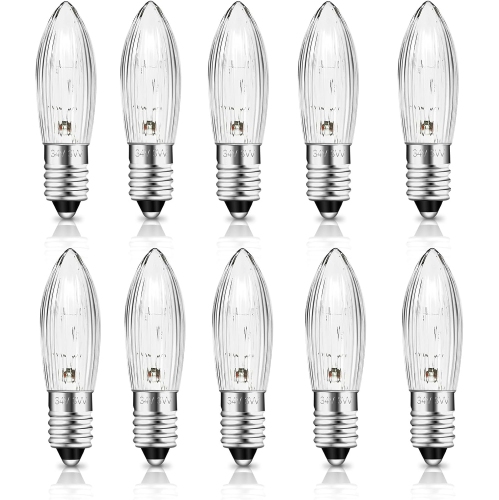
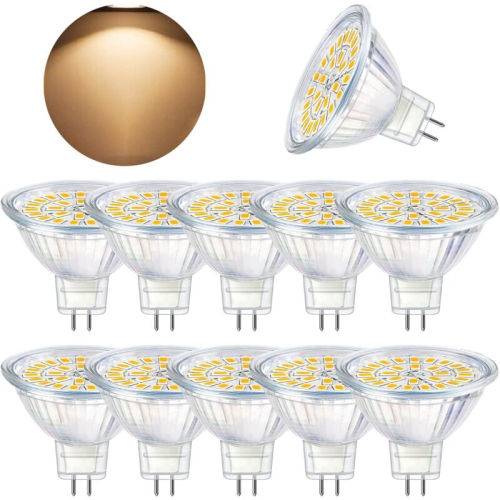
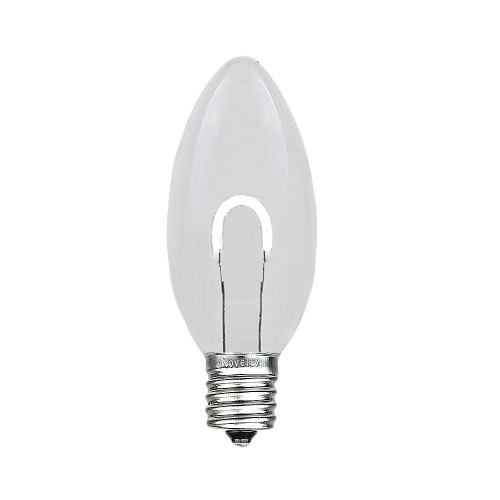
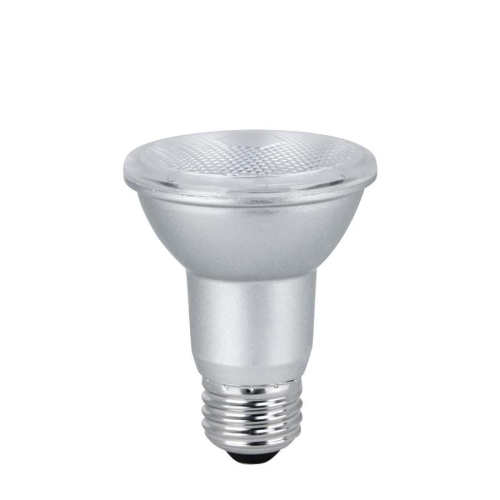
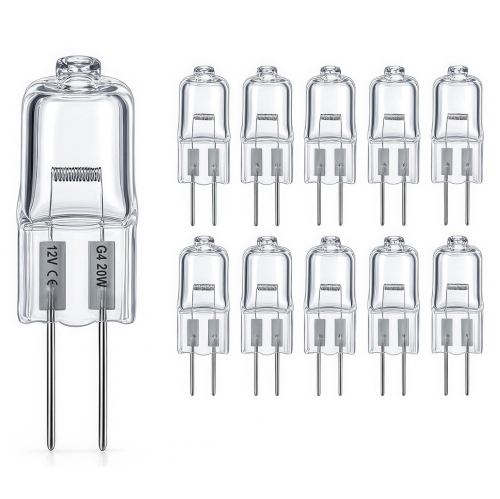
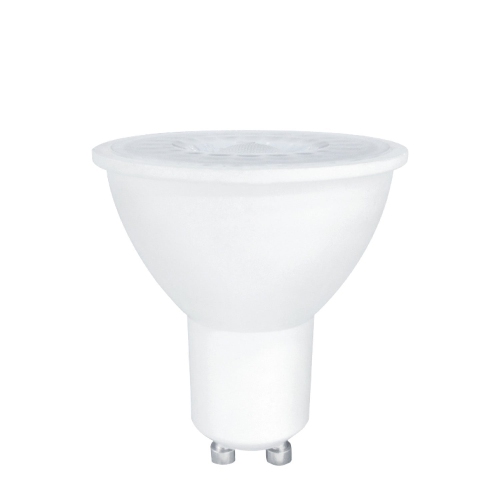
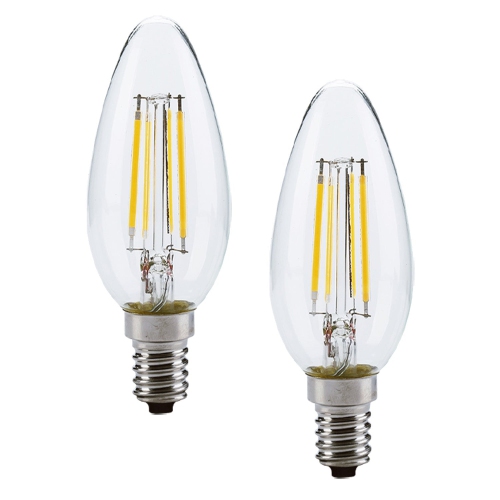
Physical fit matters just as much as light colour. Bulb bases, shapes, and dimensions need to suit the fixture, whether the light sits inside a compact bedside lamp, hangs above a dining table, or rests behind a recessed trim. Common base types include medium screw bases such as E26 and smaller candelabra bases such as E12, but a similar-looking bulb is not necessarily interchangeable. The base designation on the fixture or existing bulb provides a more reliable reference than appearance alone. Overall length and width also matter: a bulb may have the correct base yet extend beyond a shade, touch a cover, or prevent a globe from closing properly. Standard pear-shaped bulbs work with many everyday lamps, globe shapes can suit exposed sockets and vanity fixtures, and candle-shaped bulbs fit the proportions of many chandeliers and sconces. Reflector styles direct more of their output towards a particular area, making beam angle relevant for recessed lighting, artwork, and focused illumination over a counter. A narrow beam creates a concentrated pool of light, while a wider beam spreads it across a larger surface. Materials and finishes affect the appearance as well. Clear glass can reveal visible filaments and create distinct highlights through an open shade; frosted glass or a diffusing plastic cover helps soften the bright points within the bulb. LED designs may use glass or plastic outer covers alongside components that help manage heat, and handling requirements vary with the construction. Fixture suitability remains important regardless of the outer material. Enclosed fittings require bulbs rated for enclosed use, and locations exposed to moisture need the appropriate bulb and fixture ratings. Warm white describes light colour, not suitability for a bathroom, outdoor fitting, or other demanding location. The fixture’s electrical rating and maximum permitted wattage still apply, even when a bulb’s packaging also lists an incandescent-equivalent brightness.
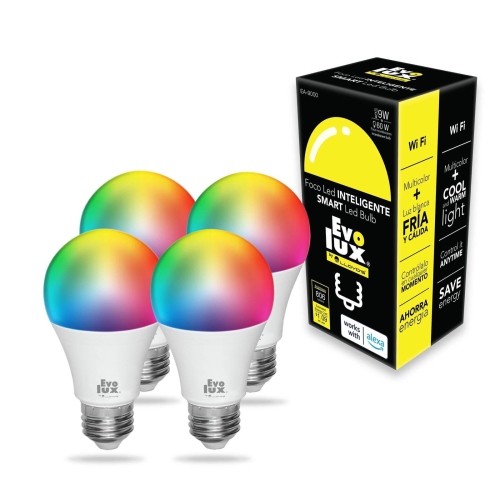
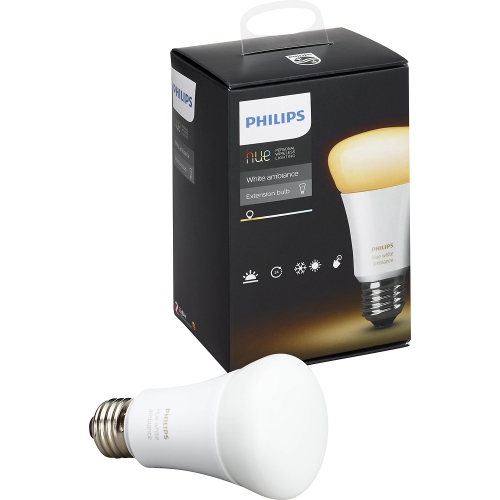
Dimming adds another layer of flexibility to warm white lighting, allowing the same room to support conversation, reading, and a quieter setting without changing the bulb. Warm White Dimmable Bulbs bring together a warm colour appearance and adjustable brightness, but reliable operation depends on compatibility between the bulbs, fixture, and dimming control. An LED bulb needs to be explicitly rated as dimmable when used with a conventional dimmer, and the dimmer must support that type of load. Incompatible combinations can produce flickering, buzzing, uneven adjustment, or a bulb that switches off before reaching the lowest setting. Even compatible bulbs have different dimming ranges, so performance at a very low level is a separate consideration from maximum brightness. Standard dimmable warm white bulbs generally retain a similar colour appearance as their output decreases, while dim-to-warm designs intentionally become more amber as they dim. Tunable white bulbs offer a different capability, allowing colour temperature to change across a stated range rather than remaining at a single warm-white setting. Smart lighting may also provide app controls, schedules, or voice control, with connection requirements varying between Wi-Fi, Bluetooth, and hub-based systems. These features can be useful for bedside lamps, shared living spaces, or lights that are awkward to reach, provided the controls suit the household’s routines. Durability depends on operating conditions as well as the bulb’s rated life. Excess heat, unsuitable enclosures, and incompatible controls can affect LED performance, while rated lifespan is an estimate rather than a promise of identical results in every fixture. Routine care is straightforward: disconnect power as appropriate, allow the bulb to cool, and remove dust gently with a dry, soft cloth without spraying cleaner onto the bulb or socket. Keeping the shade or cover clean also helps light pass through as intended. For fixtures with several visible bulbs, matching colour temperature, shape, finish, and brightness creates a more consistent result, particularly when all the lights can be seen together.
Top selling and popular products
-
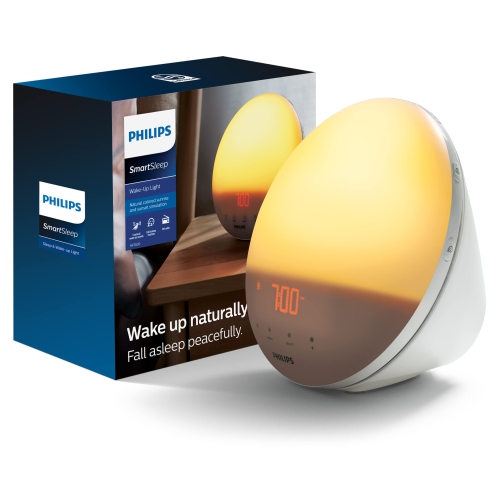 Your price for this item is $180
-
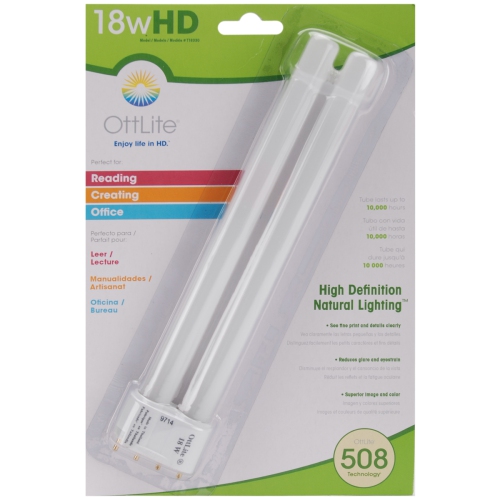 Your price for this item is $55
-
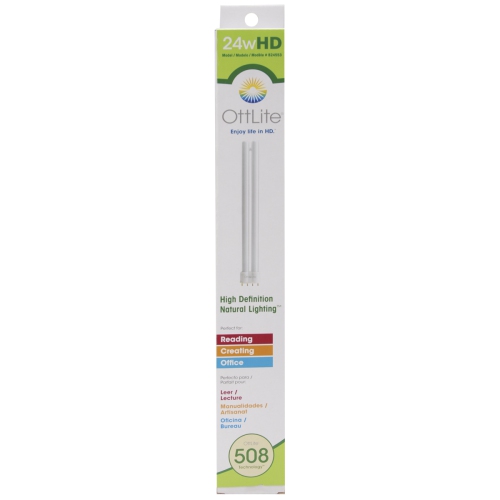 Your price for this item is $55
-
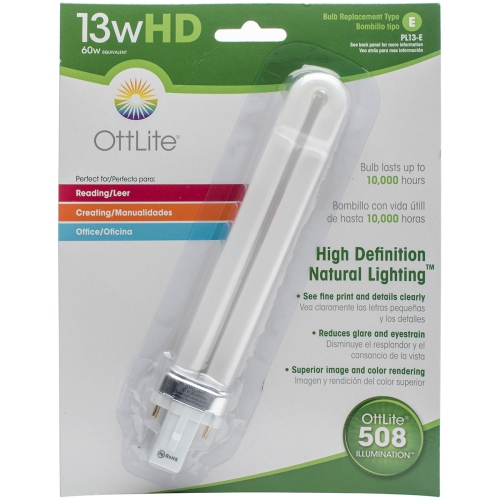 Your price for this item is $55
-
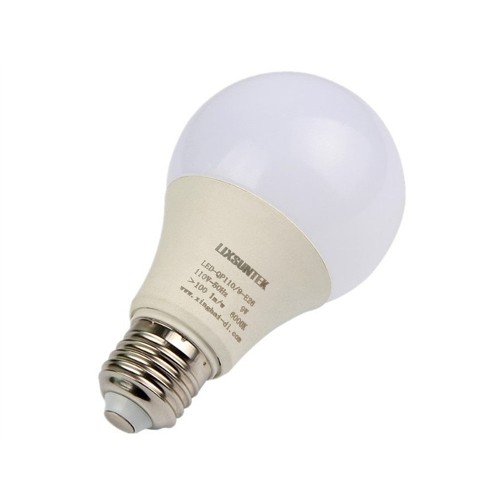 Your price for this item is $9.99
-
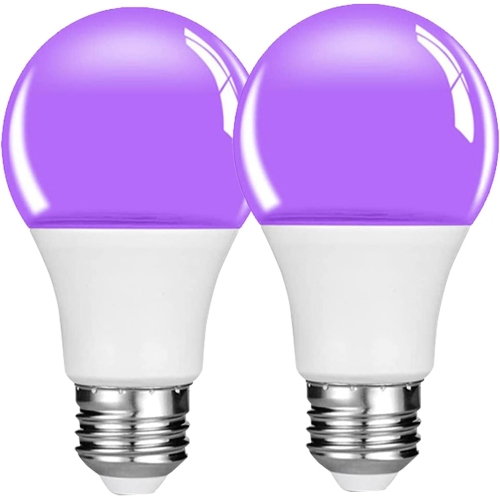 Your price for this item is $23.38
-
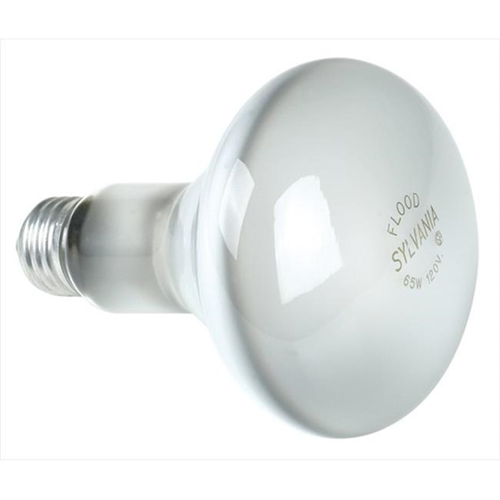 Your price for this item is $128.69
-
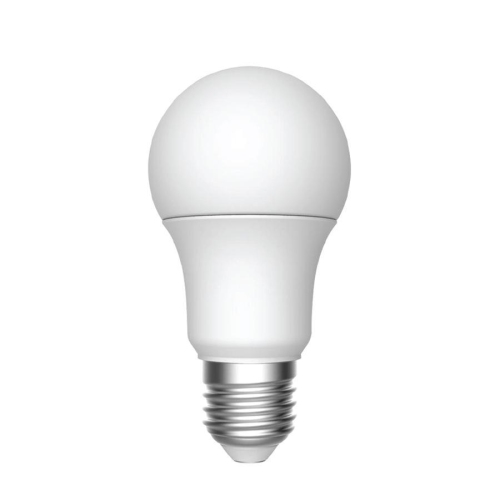 Your price for this item is $4.97
Discover more categories related to Warm White Light Bulbs
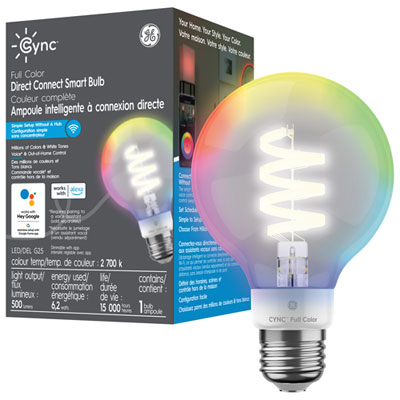

Top Collections:
Best Black Friday Deals This Year, Best Black Friday Deals On Electronics, Kindle Devices, Best Black Friday Deals On Apple Products, Best Budget Office Chairs, Best Cameras for Sports Photography, Dyson Airwrap, Canon G7X Cameras, Best Laptops for Writers, Samsung Galaxy Phones
Some products may be subject to Environmental Handling Fees
(EHF) depending on your province.
Learn more about EHFs.