Water Filled Umbrella Bases
Looking for a reliable and sturdy solution to keep your patio umbrella in place? Look no further than our collection of water-filled umbrella bases. These innovative bases are designed to provide excellent stability, ensuring that your umbrella stays securely anchored even on windy days. Whether you're enjoying a relaxing afternoon by the pool or hosting a lively outdoor gathering, our water-filled umbrella bases offer the perfect balance of functionality and style. Here are some great options available.
Sort




















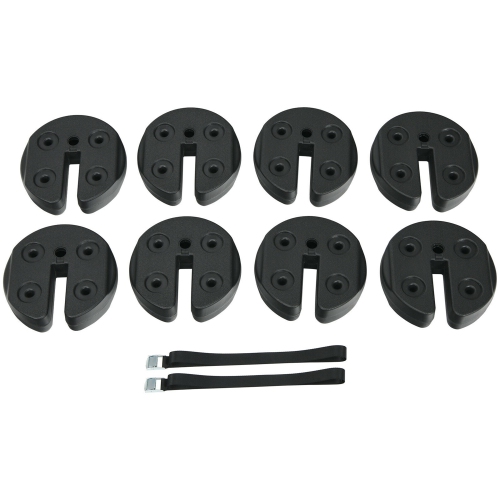

Why umbrella support depends on more than weight
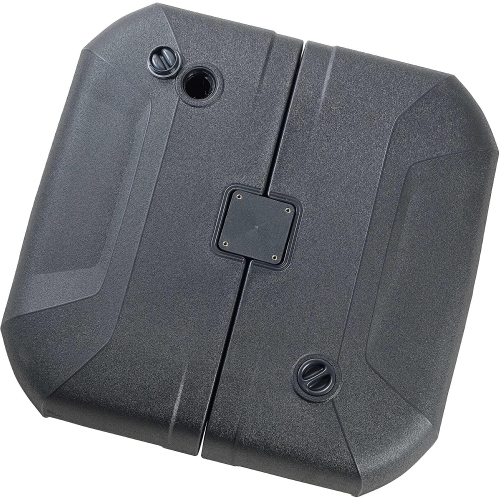
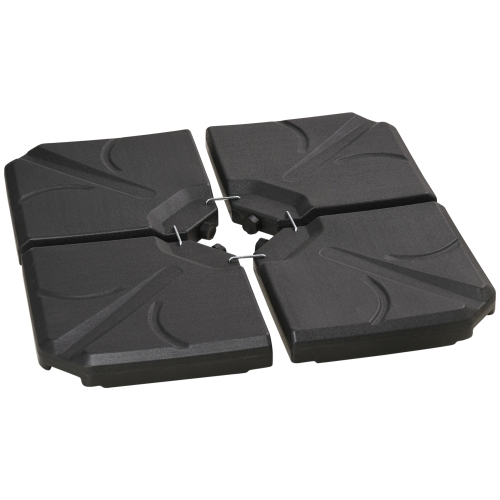
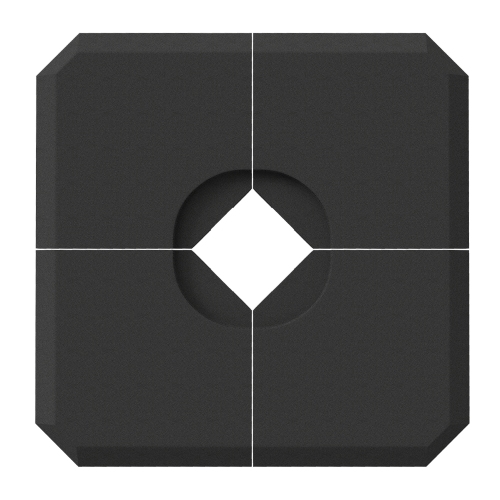
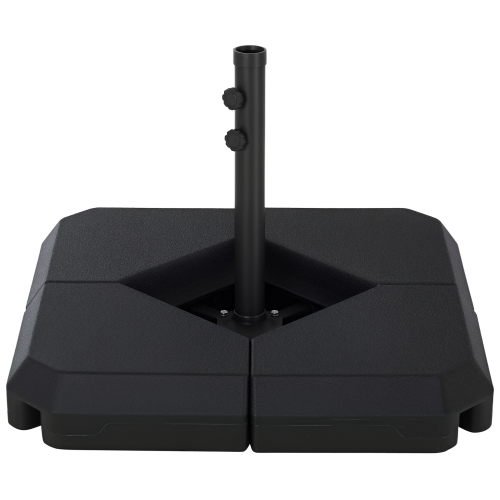
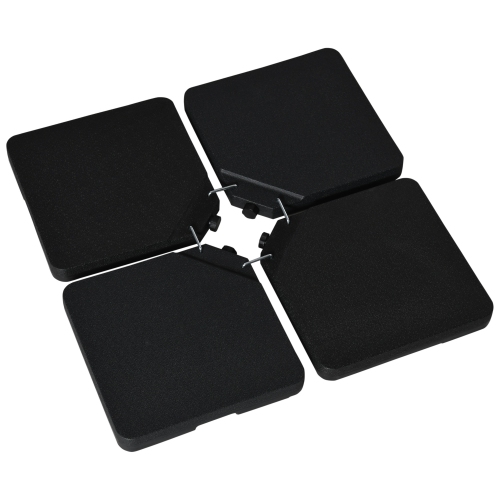
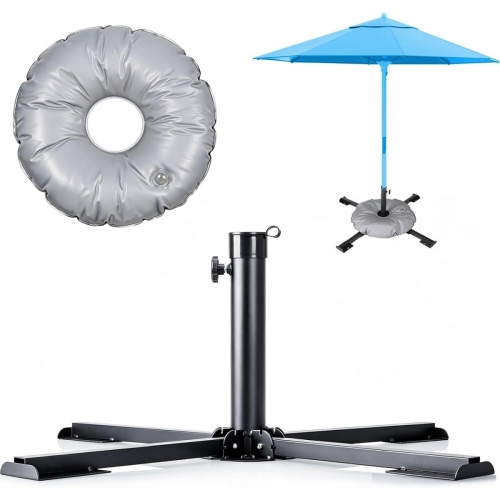
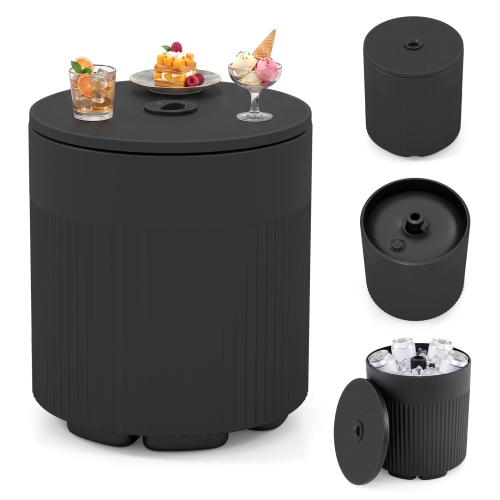
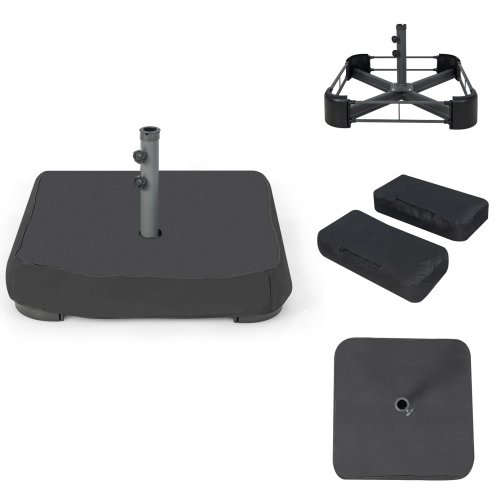
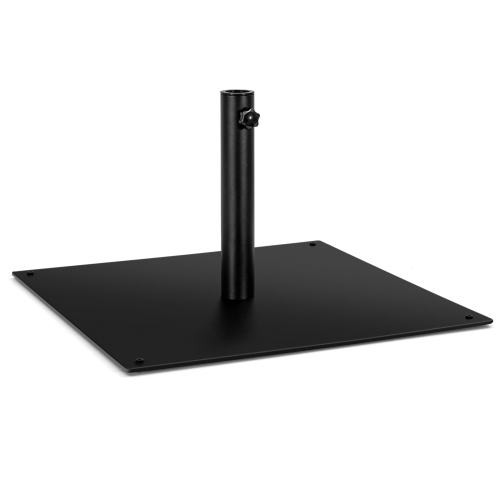
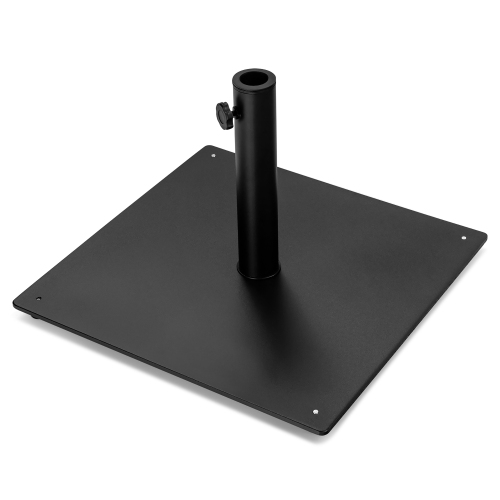
Water-filled umbrella bases provide adjustable ballast for patio umbrellas, using a hollow plastic or resin reservoir that becomes heavier when filled. The empty shell is relatively easy to move, while the added water helps support the umbrella in its intended position. This makes a fillable umbrella base a practical option for a dining area, balcony, poolside seating space, or patio where the layout may occasionally change. The base design needs to match the umbrella: a conventional centre-pole umbrella generally uses a single base with an upright pole holder, while a cantilever or offset umbrella may require several weighted sections fitted around a cross-shaped stand. These designs are not interchangeable unless the umbrella manufacturer specifies compatibility. Round and square reservoirs suit many centre-pole arrangements, and some half-round designs accommodate umbrellas positioned close to a wall or railing. Segmented cantilever weights spread ballast around the stand, leaving the umbrella’s own support structure to carry its offset arm and canopy. Water capacity is useful for understanding the weight a reservoir can add: each litre of water contributes approximately 1 kg, so 20 litres adds about 20 kg, plus the weight of the empty shell. The stated filled weight should identify the filling material, since a sand-filled capacity is not the same as a water-filled capacity. Some reservoirs accept only water; others permit sand or a combination of sand and water. Sand generally provides more weight within the same space, but it is less convenient to remove. A mixed fill is appropriate only where the manufacturer allows it. The required ballast depends on the umbrella’s canopy size, design, and installation, rather than the base’s appearance alone. A broad canopy extending over a lounge set places different demands on its support than a smaller umbrella passing through a dining table. Water-filled bases offer flexibility, but the umbrella’s specified minimum base weight remains the essential reference for a compatible setup.
Fit involves more than matching a round pole to a round opening. The pole holder must accommodate the umbrella’s actual diameter, including any sleeve or adapter required for a snug connection. A pole that sits loosely inside an oversized tube can wobble even when the reservoir is fully filled, while one that is too wide may not seat properly. Adjustable collars, removable sleeves, and tightening knobs can help secure compatible poles, but their presence does not make a base suitable for every umbrella. The usable depth of the holder also matters, particularly when a table’s lower stretcher or support frame limits how far the umbrella can extend. Under a patio table, a low-profile reservoir may leave more room for feet and chair movement, provided it still meets the umbrella’s weight requirements. For a freestanding umbrella beside a pair of loungers, the base needs enough floor space without projecting into a busy walkway. A broad, flat bottom works best on a firm, level surface; rocking paving stones, uneven decking, or a sloping position can compromise the setup. Cantilever bases require their own fit checks, including the dimensions of the crossbars, the shape of each weighted section, and any connectors that keep the sections in place. Handles and wheels can make repositioning easier, although a filled base may still be too heavy for comfortable lifting. Moving the setup generally means closing the canopy and following the manufacturer’s handling instructions, rather than pulling on the umbrella pole. No base makes an open umbrella safe in every wind condition, and sufficient ballast does not replace closing the canopy when it is unattended or when conditions exceed its operating limits. Where an umbrella and its support are being considered together, umbrellas with bases offer another way to look at the relationship between canopy size, pole construction, and the support supplied.
Materials and everyday care influence how well a water-filled umbrella base holds up to repeated use. Moulded plastic and resin shells keep the unfilled reservoir manageable and avoid the exposed metal surface of a solid metal base, although pole holders, screws, and other fittings may still contain metal. Wall thickness, reinforced seams, and a well-sealing cap matter because the shell must contain its filling material while supporting regular handling. Any stated resistance to sunlight or fading is worth considering for an exposed patio, but it should not be treated as a promise that the material cannot become brittle or discoloured over time. A textured finish can disguise small scuffs, while a smoother surface may be easier to wipe clean after splashes, dirt, or spilled drinks. Neutral colours and simple shapes tend to sit quietly beneath a dining table or alongside wicker-style seating without drawing attention away from the furniture. Practical details are just as important: an accessible fill opening makes a garden hose easier to position, and a separate drain opening can simplify emptying without tipping a heavy reservoir. Filling should follow the marked limit or stated capacity, with caps and seals kept free of grit so they close properly. Water-filled reservoirs generally need to be drained before freezing conditions, unless their instructions explicitly permit otherwise, because expanding ice can crack the shell or damage the closure. Sand is not an automatic solution for leaving a base outside indefinitely; storage suitability still depends on the complete assembly and the manufacturer’s directions. For storage, an emptied, cleaned, and dried base is easier to carry and less likely to retain standing water. Mild soap and a soft cloth are usually sufficient for routine surface cleaning, subject to the care instructions. Periodic checks for leaks, cracks, loose knobs, or worn adapters help keep the support functioning as intended. Whether furnishing a compact balcony or completing an outdoor dining space, the most useful base is one whose dimensions, filled weight, and maintenance needs suit both the umbrella and the way the space is used.
Top selling and popular products
-
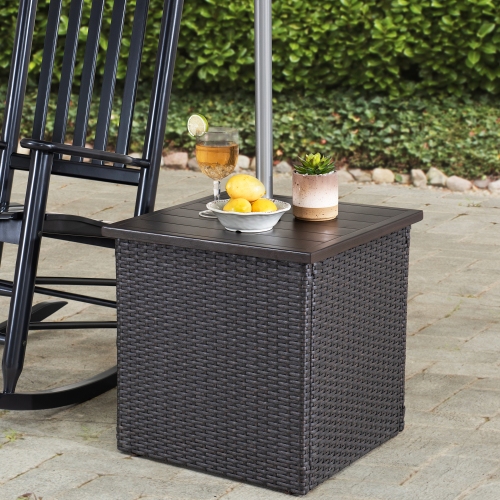 Your price for this item is $160.99
-
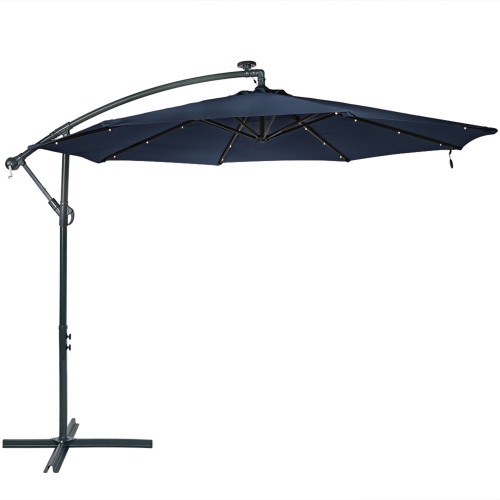 Your price for this item is $248.55
-
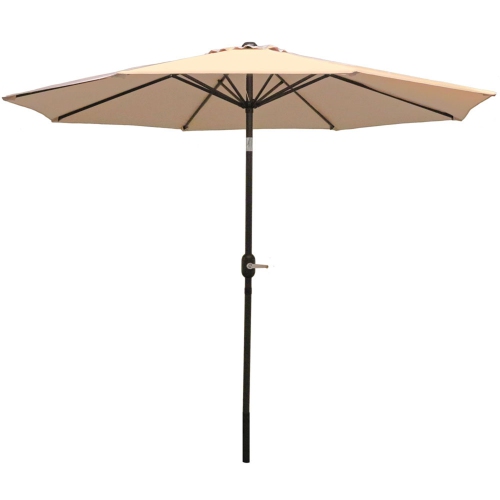 Your price for this item is $146.95
-
 Your price for this item is $146.95
-
 Your price for this item is $146.95
-
 Your price for this item is $146.95
-
 Your price for this item is $248.55
-
 Your price for this item is $143.75
Discover more categories related to Water Filled Umbrella Bases


Top Collections:
Pokemon Centers, Best Cameras for Sports Photography, Kindle Devices, Samsung Galaxy Phones, Canon G7X Cameras, Pokémon 30th Celebration Cards, Refurbished Apple Laptops, iPhone 15 Apple, Laptops for Students, Budget Smartphones
Some products may be subject to Environmental Handling Fees
(EHF) depending on your province.
Learn more about EHFs.