Umbrella Weights
Looking to keep your patio umbrella securely in place on those breezy summer days? Look no further than our collection of umbrella weights. These essential accessories are designed to provide stability and prevent your umbrella from tipping over, ensuring you can enjoy the shade without any worries. Whether you have a large or small umbrella, our range of weights offers a variety of options to suit your needs. From durable cement bases to stylish resin designs, we have the perfect solution to keep your outdoor oasis safe and secure. Say goodbye to unexpected gusts of wind and hello to a relaxing and worry-free outdoor experience with our selection of umbrella weights.
Sort


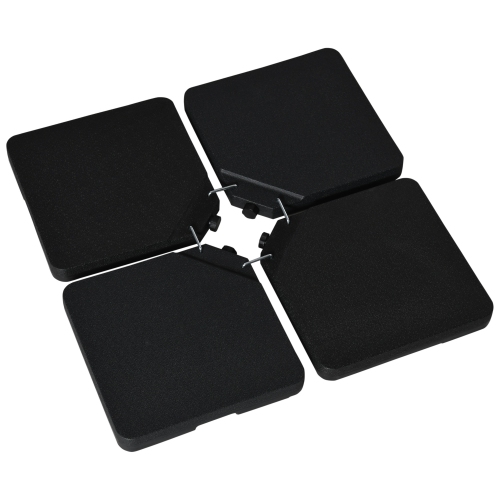

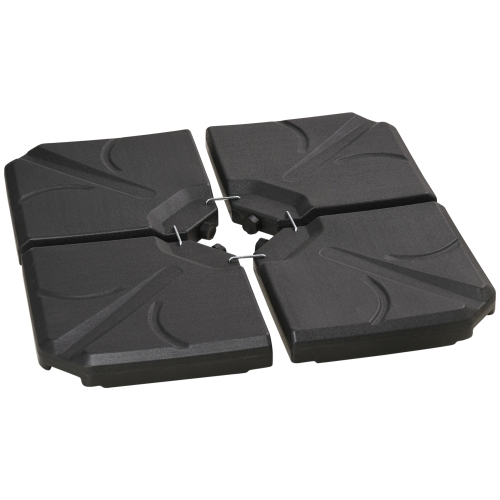


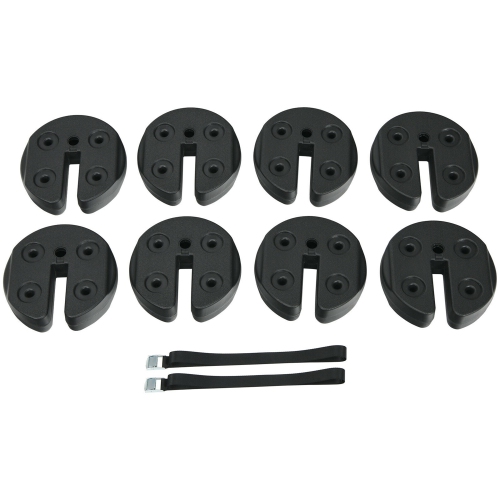

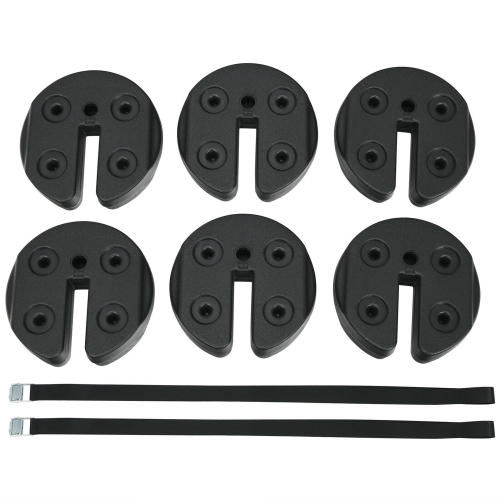


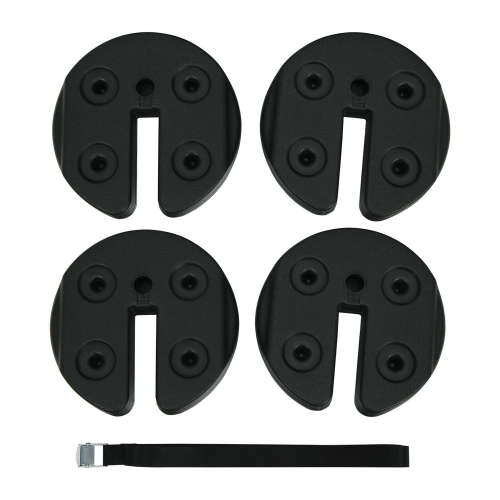
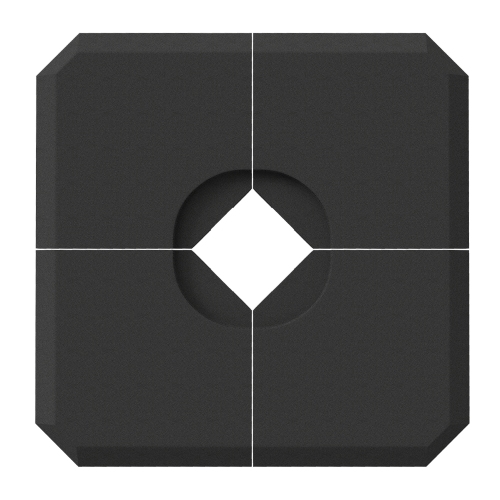

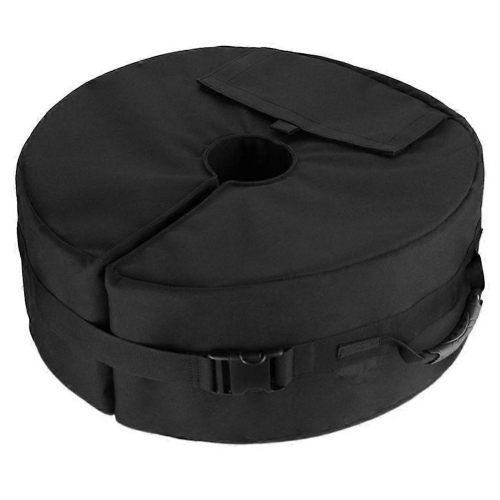


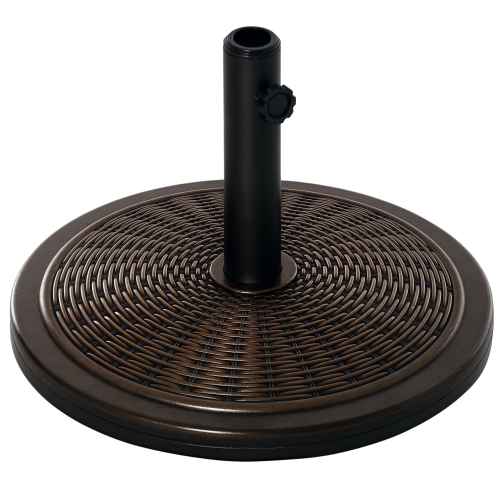
























Choosing the right support for your umbrella setup
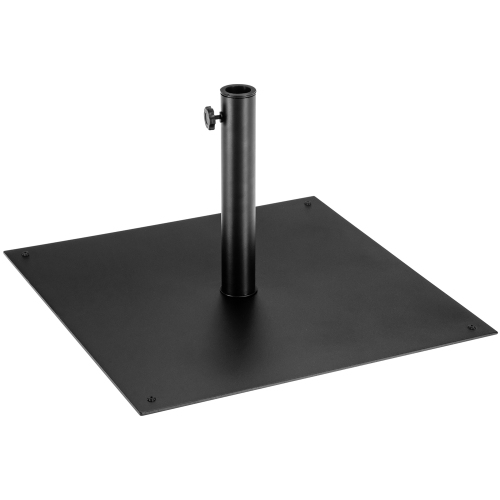
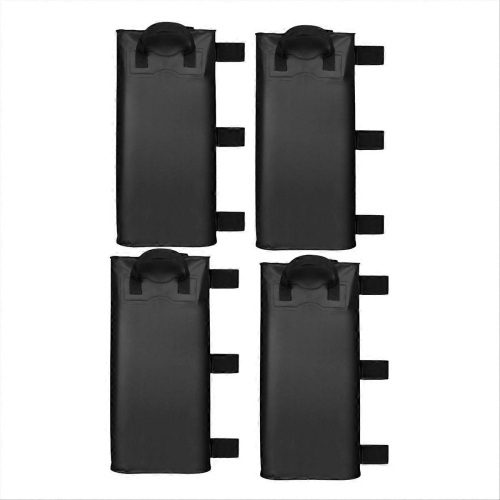
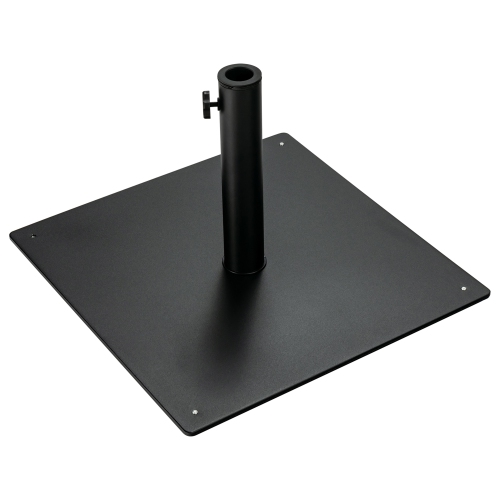
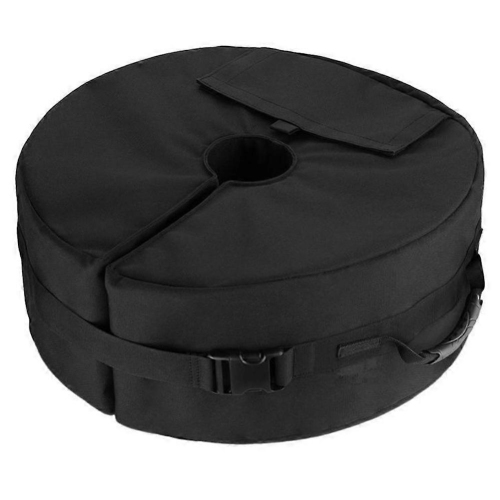
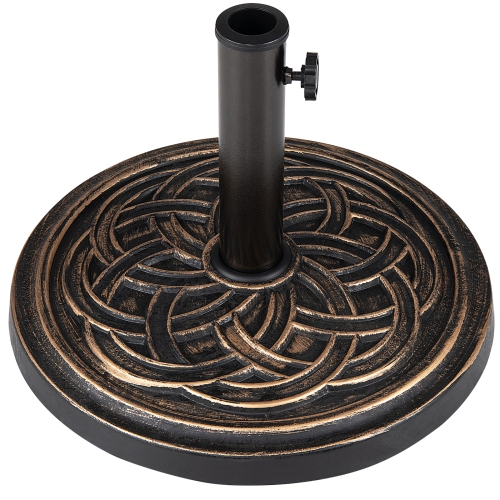
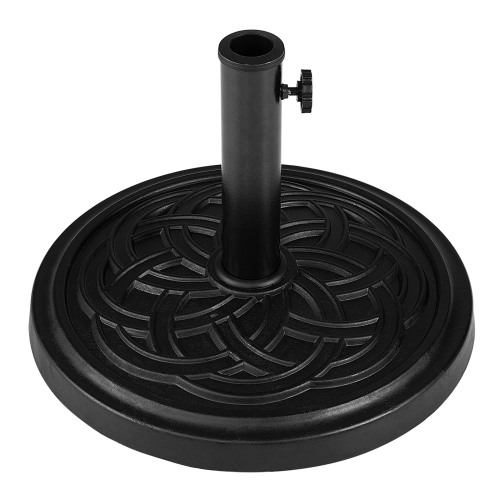
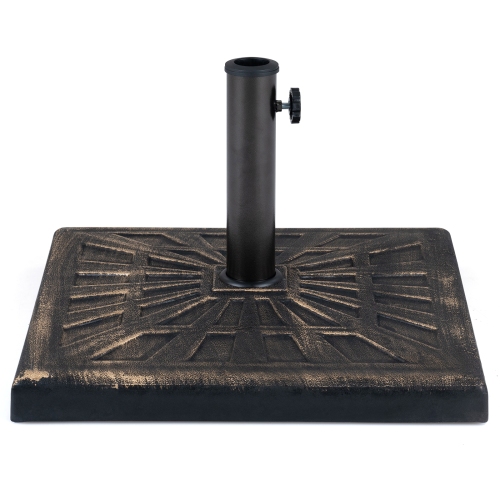
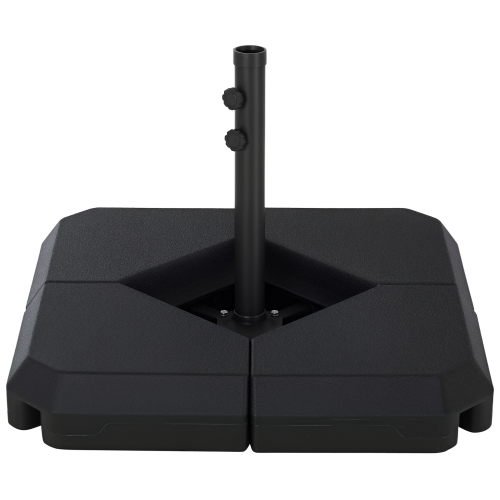
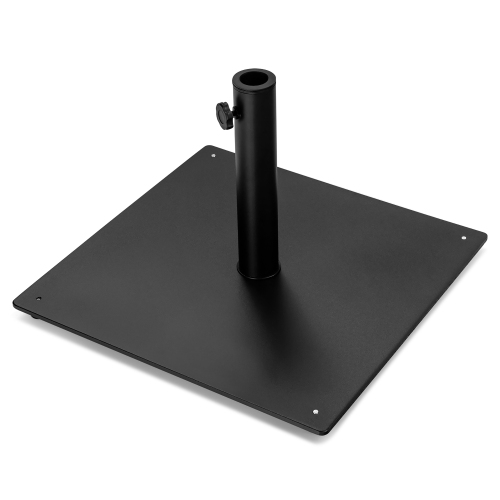
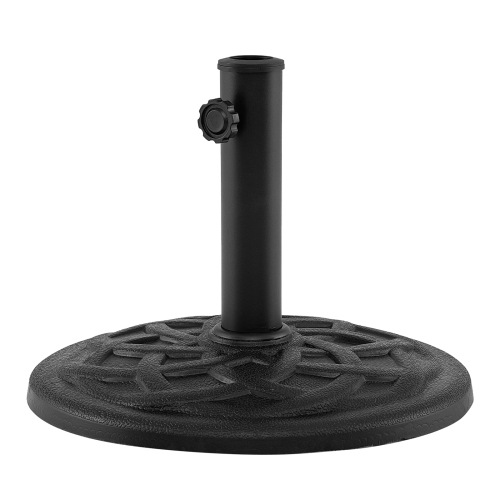
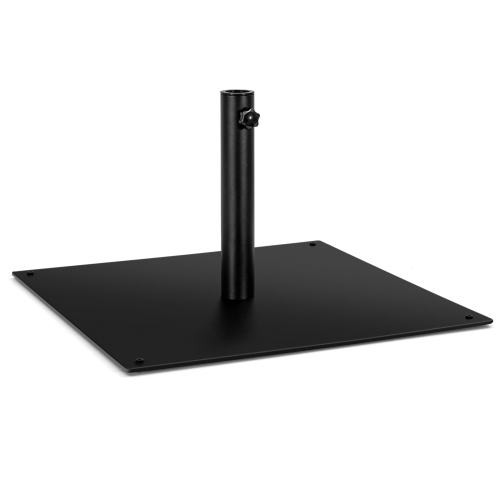
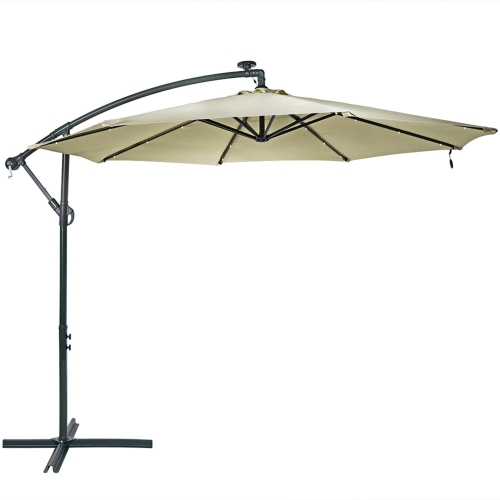
Umbrella weights provide the stability needed to keep a patio umbrella securely positioned on a deck, balcony, terrace, poolside area, or other outdoor space. They are especially important when an umbrella is used without a table, since the base must support the pole and resist the leverage created by the canopy. The right amount of weight depends on the umbrella’s size, style, placement, and exposure to moving air. A small table-supported umbrella may need approximately 30 to 50 lb of base weight because the table adds stability, while a freestanding market umbrella measuring about 6 to 7 ft may require roughly 25 to 35 lb. Larger freestanding umbrellas measuring 8 to 9 ft commonly call for 50 to 75 lb, and 10 to 11 ft models may need 75 to 100 lb or more. Offset and cantilever umbrellas place the canopy away from the centre of the base, creating additional torque, so they generally require much heavier support in the range of 150 to 220 lb or more, depending on the manufacturer’s specifications. These figures are useful starting points rather than universal rules. Always check the umbrella and base instructions before choosing a weight, and account for the surface beneath the umbrella as well as the amount of exposure to breezes. A wide, stable footprint can be just as important as the number on the scale: a heavy base with a narrow footprint may be less secure than a properly designed base that spreads its weight across a broader area. For related patio support options, browse the Umbrella Base selection and compare designs intended for your particular umbrella style.
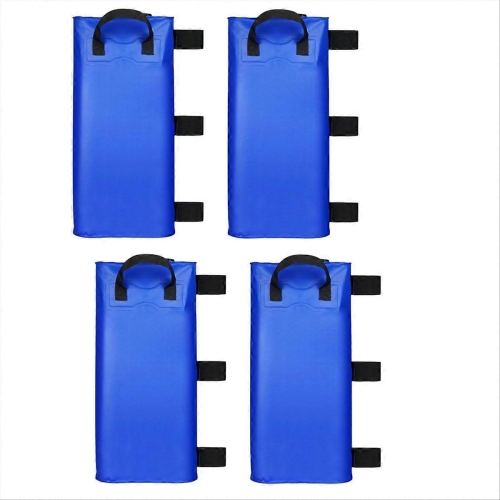
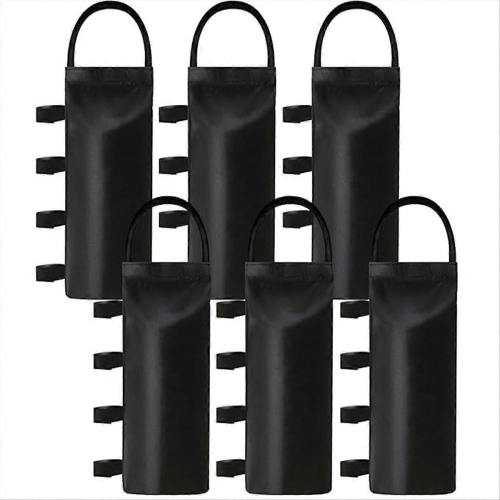
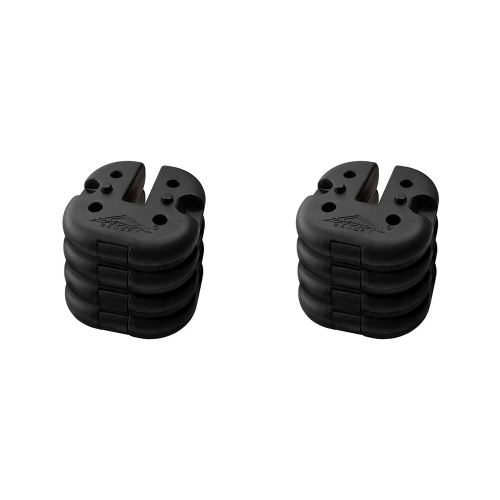
When selecting umbrella weights, start by identifying whether the umbrella will sit through a patio table, stand on its own, or use an offset frame. Measure the pole diameter and review the included fitting rings, brackets, or locking hardware to confirm compatibility. A base that is too large for the pole may allow unwanted movement, while one that is too small may not fit securely. It is also helpful to consider how often the umbrella will be moved. Fillable weight bags and modular plates can be practical for renters, apartment dwellers, and anyone who rearranges a patio for dining, entertaining, or storage. They are typically easier to carry when empty and can be filled with sand or water according to the instructions, although they should be sealed properly and checked periodically for leaks, shifting, or damage. Solid resin, concrete, cast iron, granite, and other dense materials offer a more permanent solution for a fixed seating area and can provide a neat, low-profile appearance beneath a table or around a freestanding pole. Look for handles, wheels, recessed grips, or separate sections if the base will need to be repositioned, since even a moderate weight can be awkward to lift across a deck. On balconies and elevated surfaces, verify the load limits and access restrictions before bringing a heavy base into place. A smooth, level surface is preferable, and placing the base fully on the ground rather than partly on a threshold, paver edge, or uneven board can improve stability. For tiled patios, wood decks, and composite surfaces, protective pads may help reduce scratching and improve contact without interfering with the base’s ability to sit flat.
Umbrella weights can be useful for homeowners setting up a shaded dining area, families creating a comfortable place for outdoor snacks, and hosts who want a patio to feel more inviting during gatherings. They can also make a thoughtful housewarming gift for someone with a new balcony, backyard, cottage, or covered entertaining area, particularly when chosen to suit an umbrella they already own. During the warmer part of the year, a properly supported canopy can help shade a table, lounge chair, children’s play area, or outdoor workstation; during cooler months, the same weight can remain part of the patio setup until the umbrella is folded and stored. Closing the canopy whenever it is unattended is an important precaution, especially when wind is forecast, and no umbrella weight should be treated as a guarantee of safe operation in severe weather. Freestanding and offset umbrellas can catch air much like a sail, so they should be lowered, secured, or stored when conditions become gusty. Before placing an umbrella into service, inspect the base, pole, connectors, and canopy for cracks, loosened hardware, corrosion, or signs of wear. Keep the weight centred, tighten fittings according to the instructions, and avoid adding improvised materials that could shift or damage the umbrella. If the umbrella is used through a table, make sure the table itself is stable and that its opening accommodates the pole without pressing against it. With the correct weight, a broad and level footprint, and sensible care between uses, an umbrella can stay comfortably positioned for everyday meals, reading, afternoon visits, and relaxed outdoor time across changing weather.
Top selling and popular products
-
 Your price for this item is $160.99
-
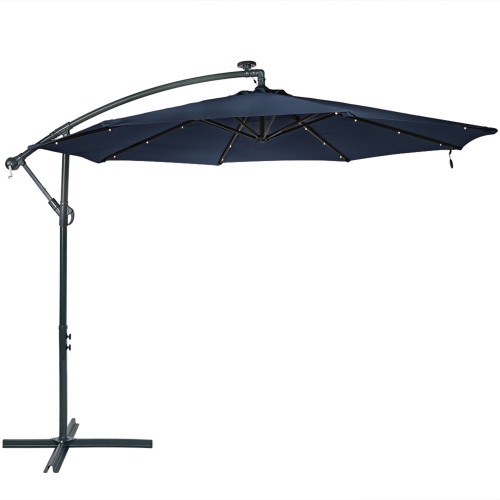 Your price for this item is $248.55
-
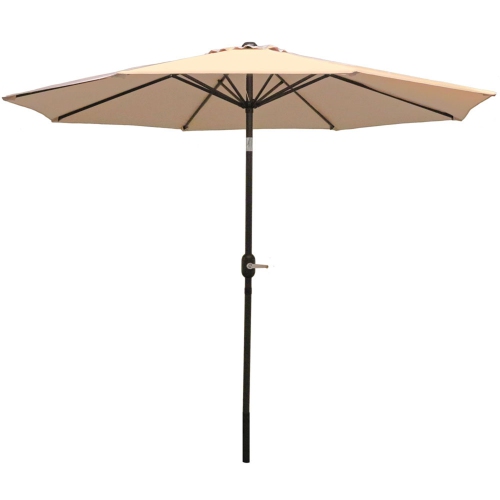 Your price for this item is $146.95
-
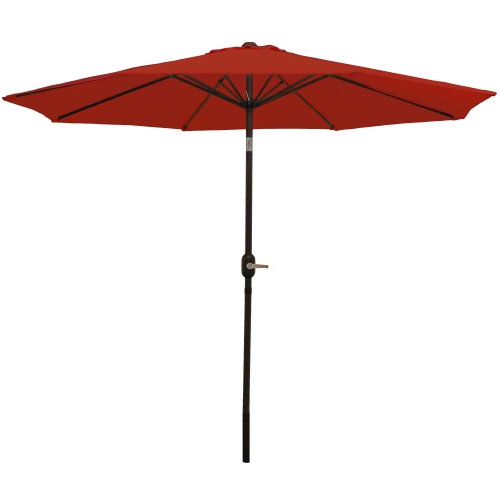 Your price for this item is $146.95
-
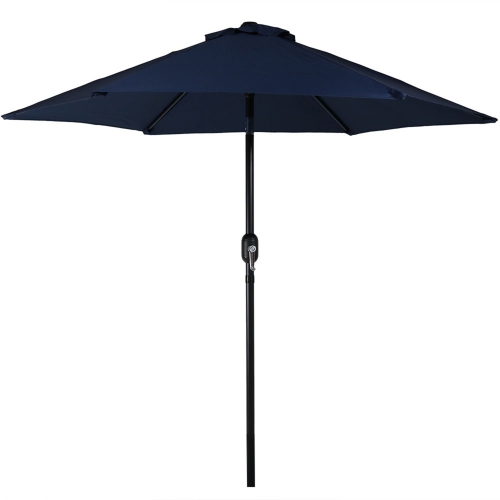 Your price for this item is $146.95
-
 Your price for this item is $146.95
-
 Your price for this item is $248.55
-
 Your price for this item is $143.75
Discover more categories related to Umbrella Weights

Top Collections:
Pokemon Centers, Best Cameras for Sports Photography, Kindle Devices, Samsung Galaxy Phones, Canon G7X Cameras, Pokémon 30th Celebration Cards, Refurbished Apple Laptops, iPhone 15 Apple, Laptops for Students, Budget Smartphones
Some products may be subject to Environmental Handling Fees
(EHF) depending on your province.
Learn more about EHFs.