Water Filtration Systems
Looking to enjoy clean and refreshing water right from the comfort of your own home? Look no further than our wide selection of the Best Water Filters For Home and water filtration systems. Whether you're concerned about the quality of your tap water or simply looking to enhance the taste, these innovative systems are designed to remove impurities, contaminants, and odors, providing you with a reliable source of pure water. With various options available, finding the perfect water filtration system for your needs has never been easier. Say goodbye to bottled water and make the switch to a more sustainable and cost-effective solution today!
Sort
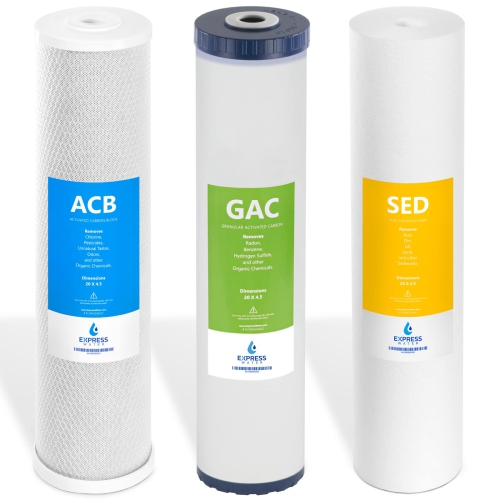
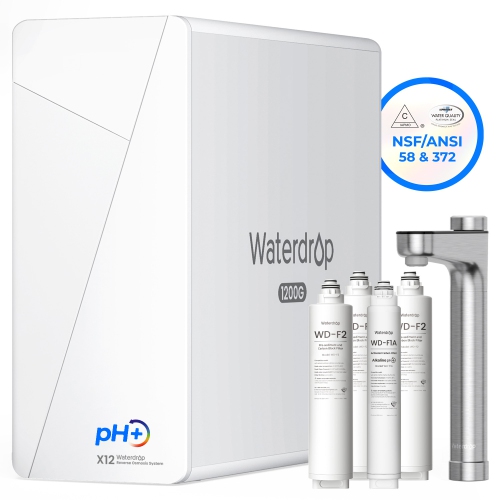
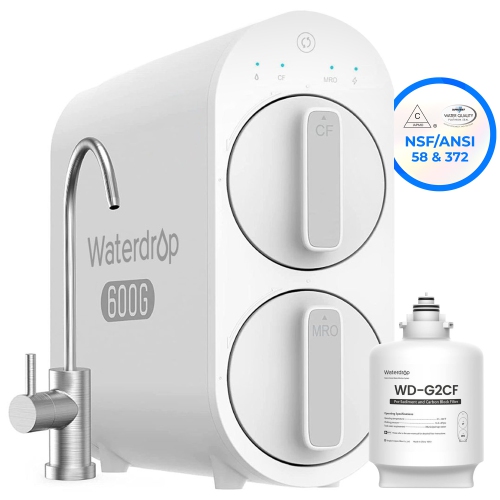
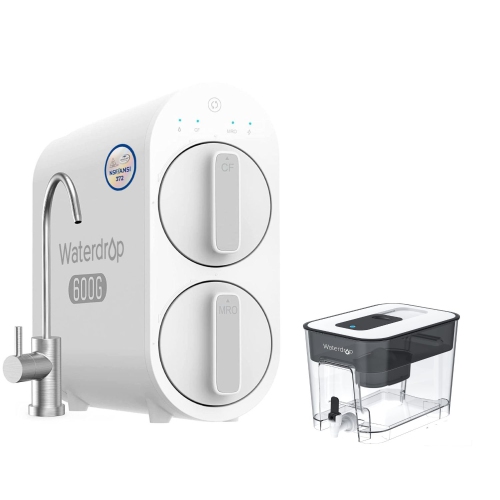
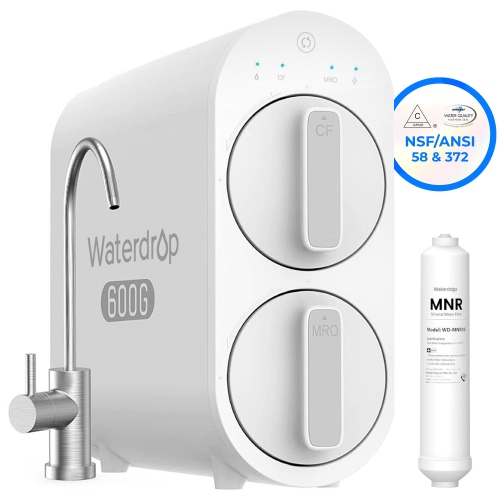
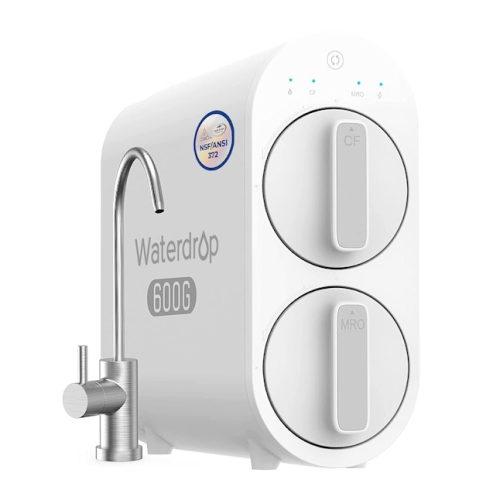
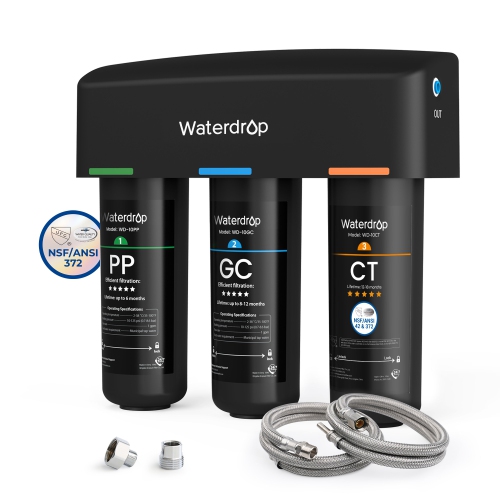
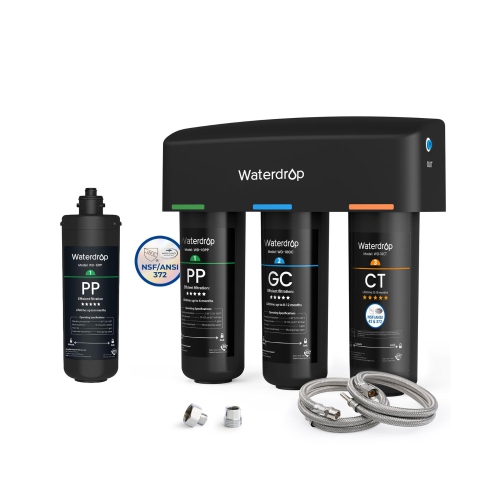
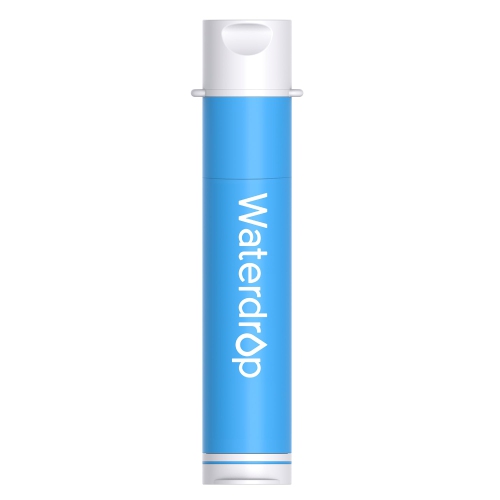
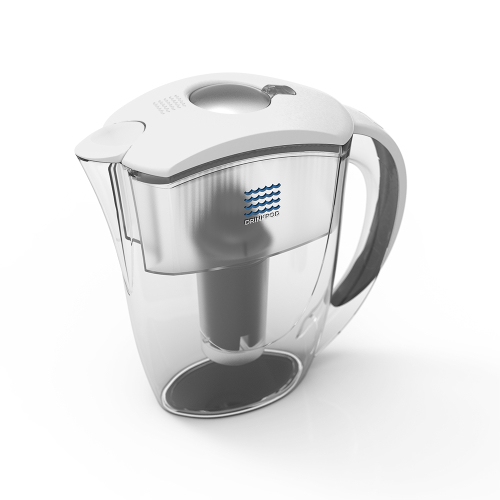
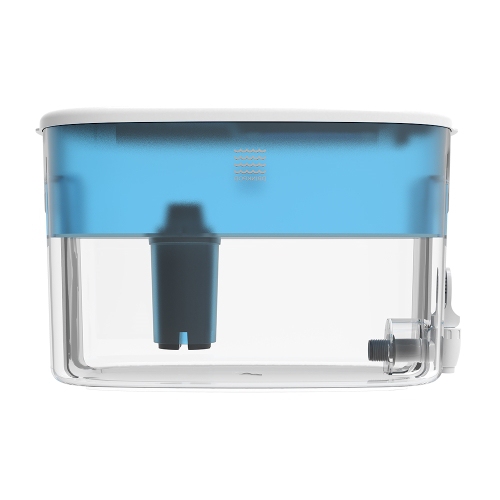
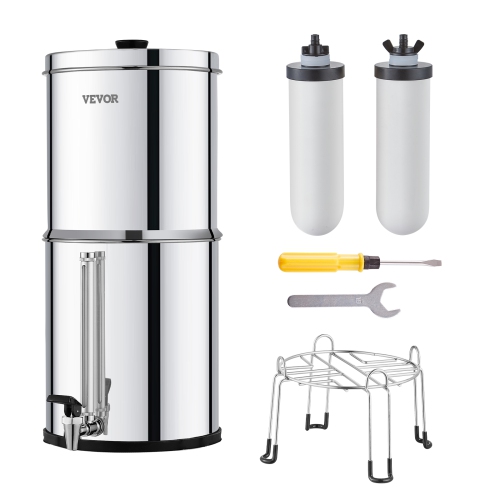

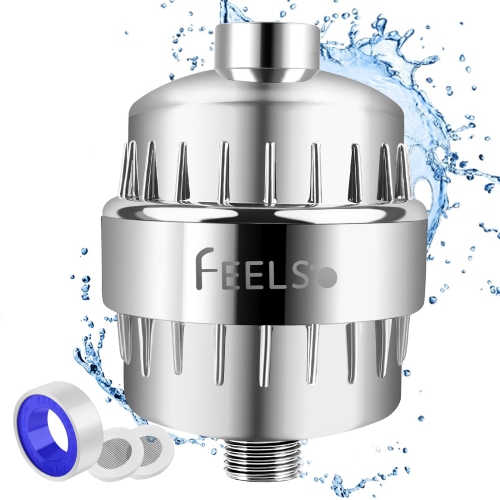
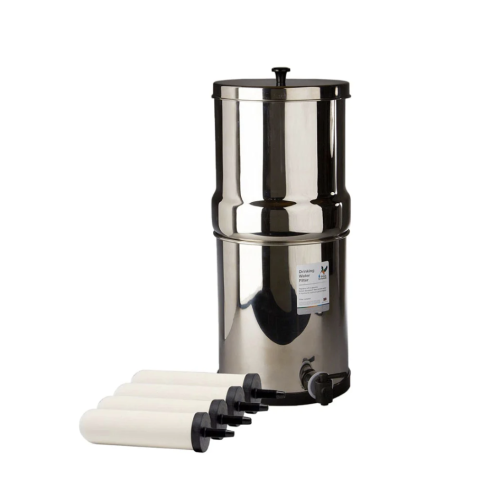
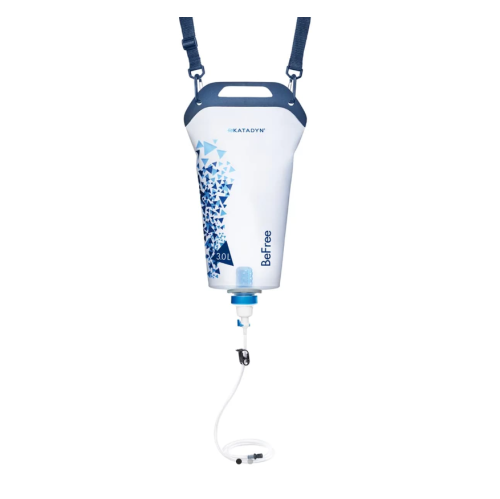
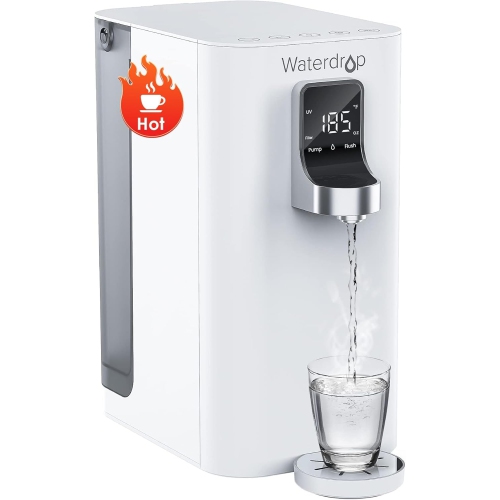

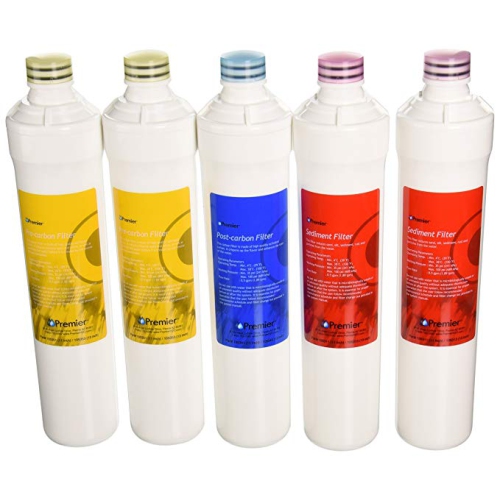
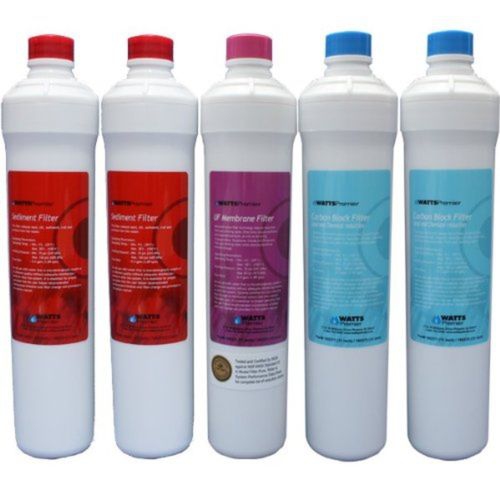
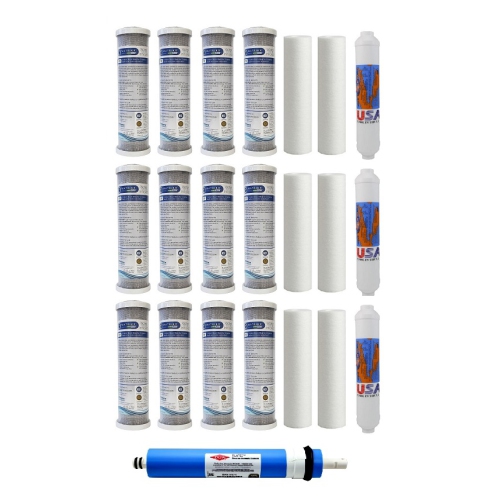
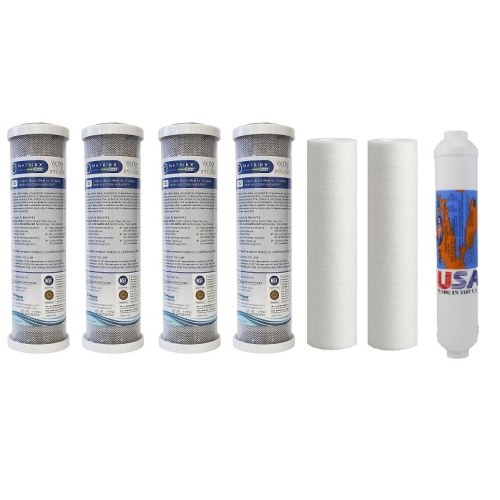
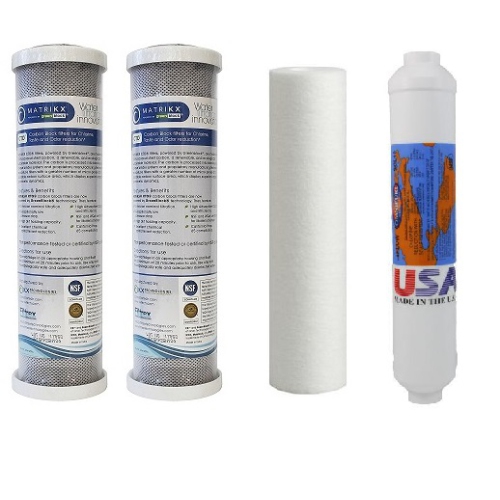
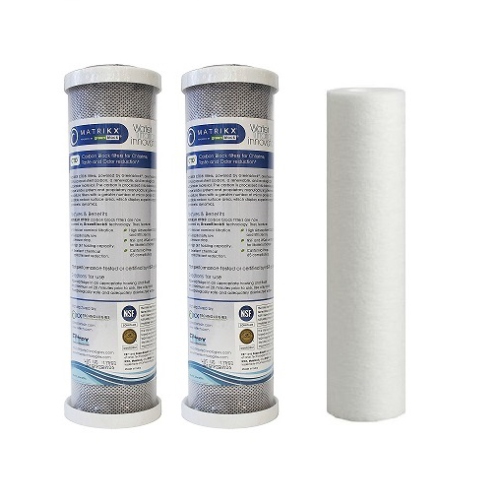
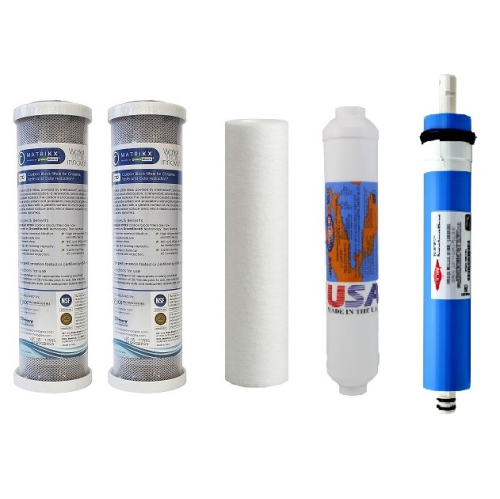
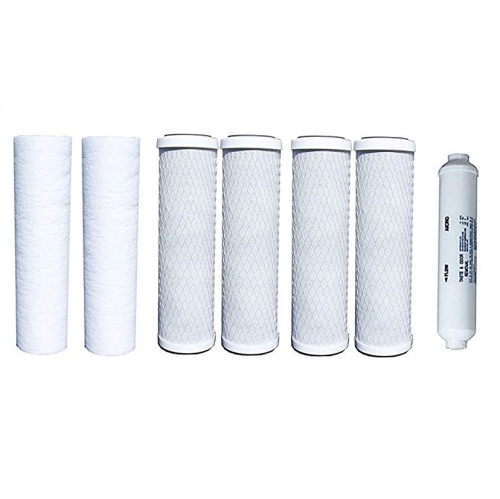
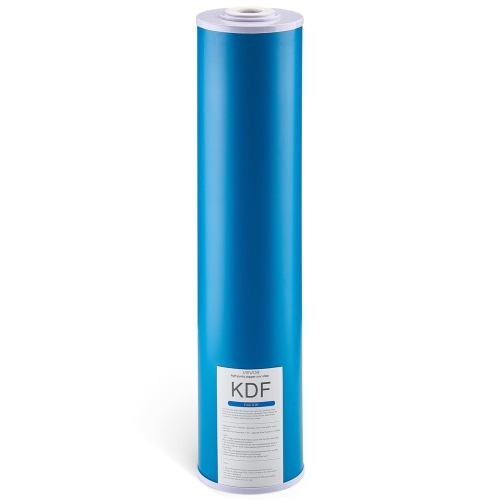
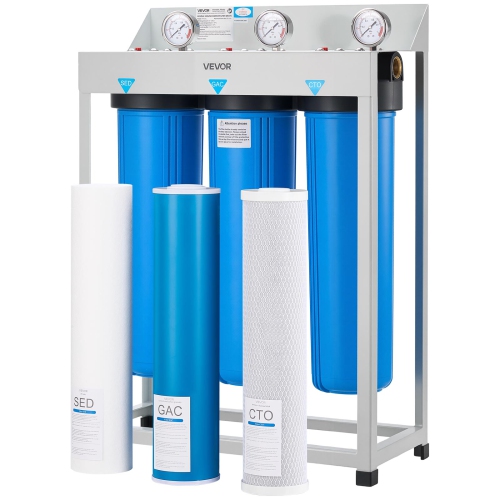
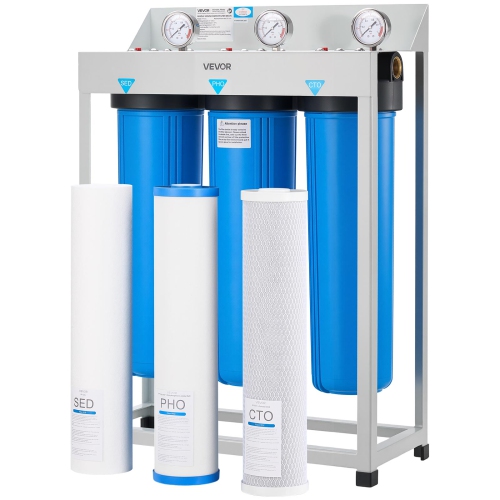
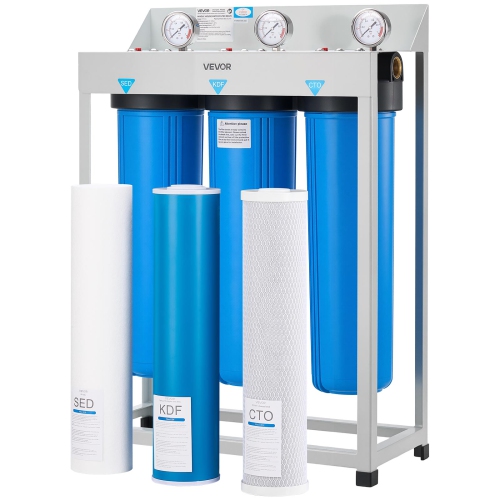
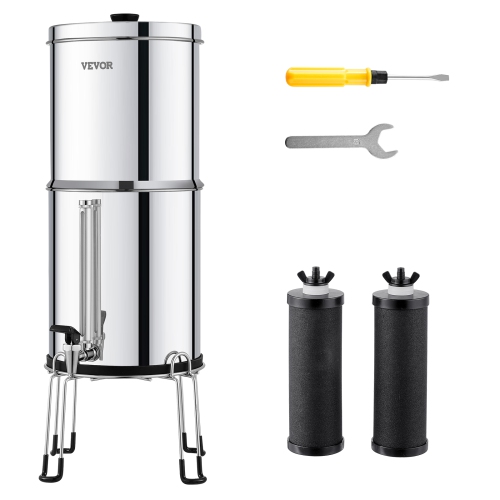
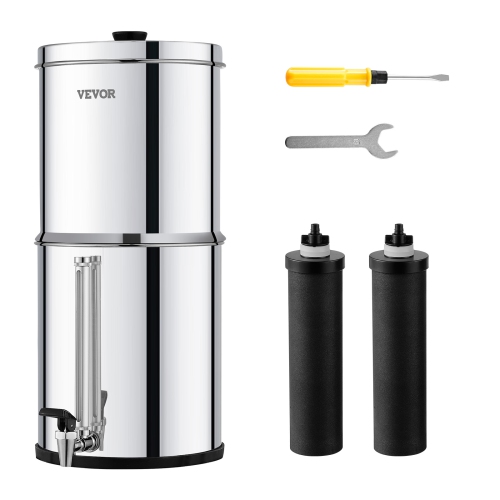
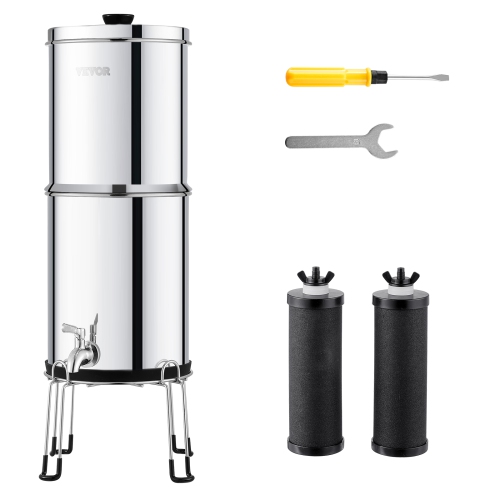
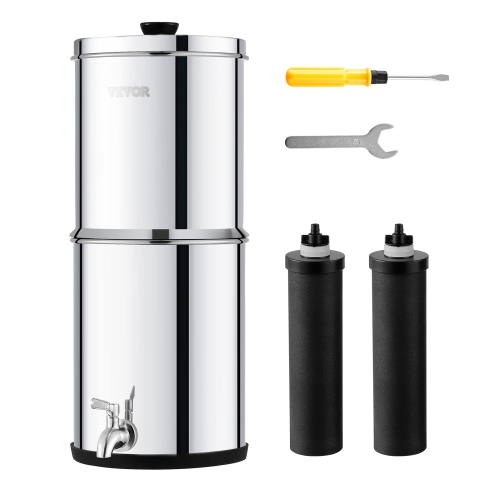
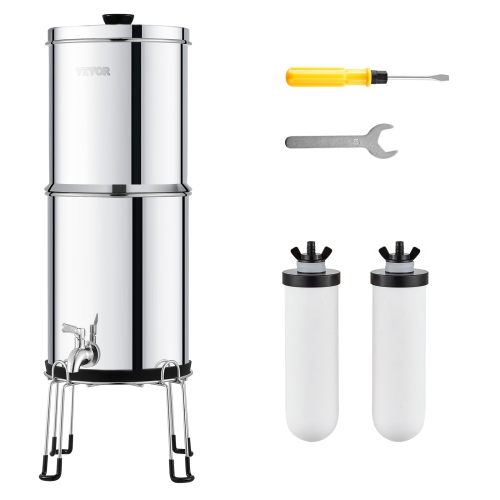

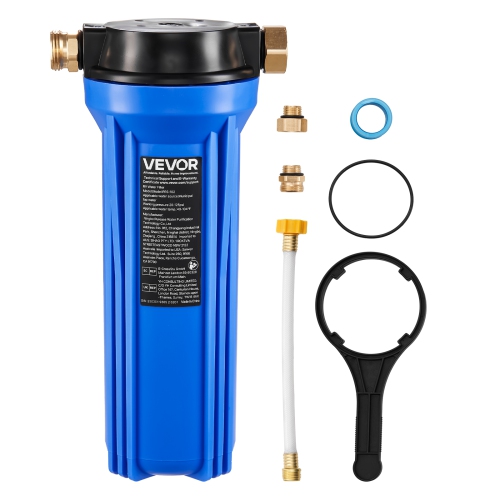
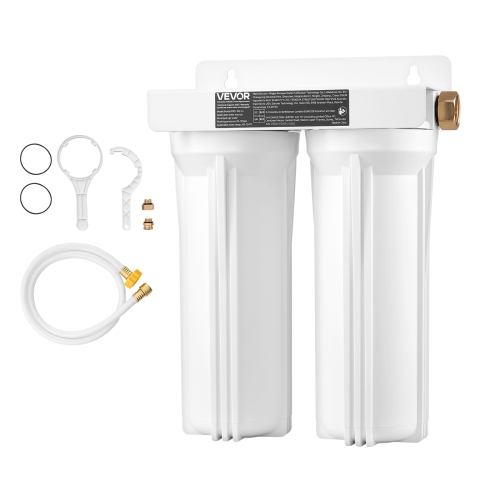
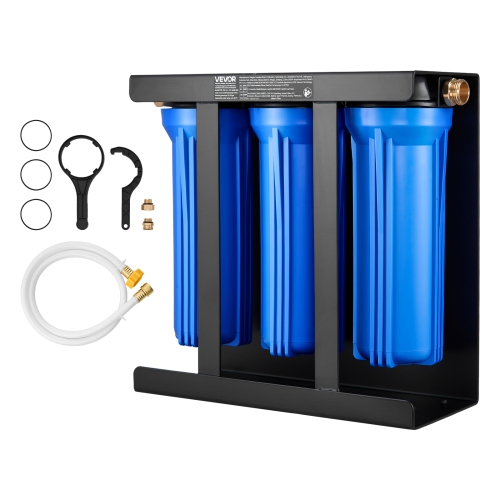
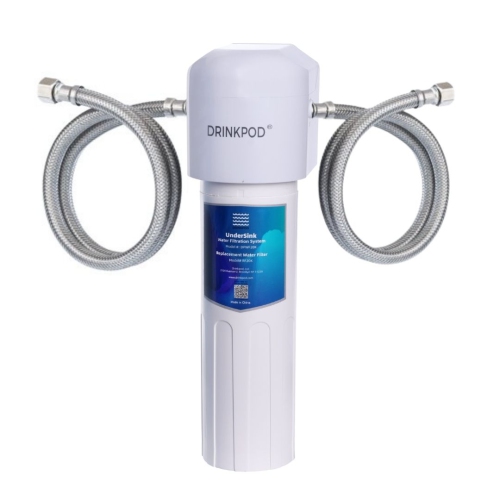
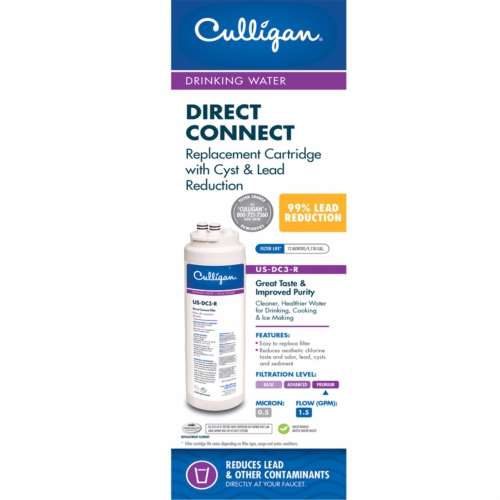
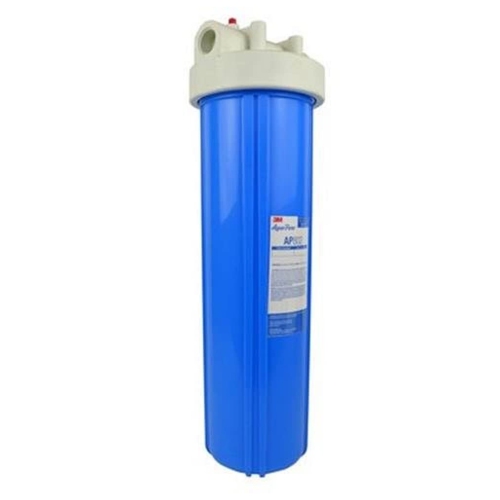
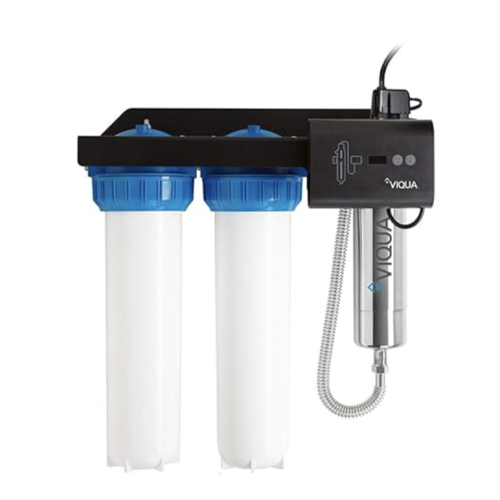

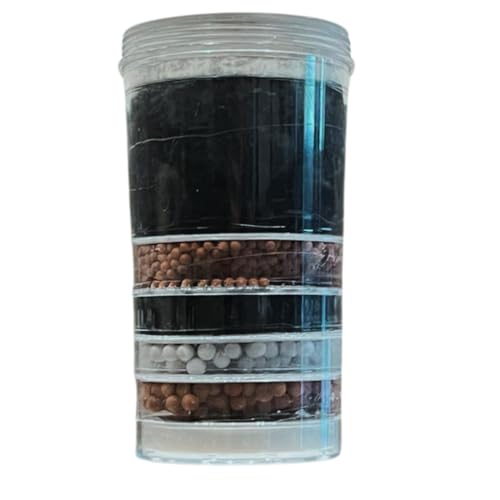
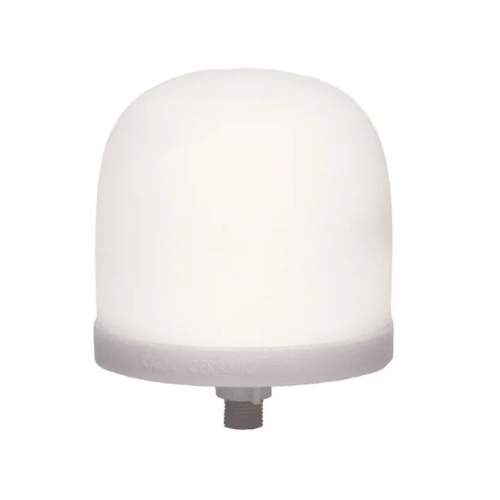
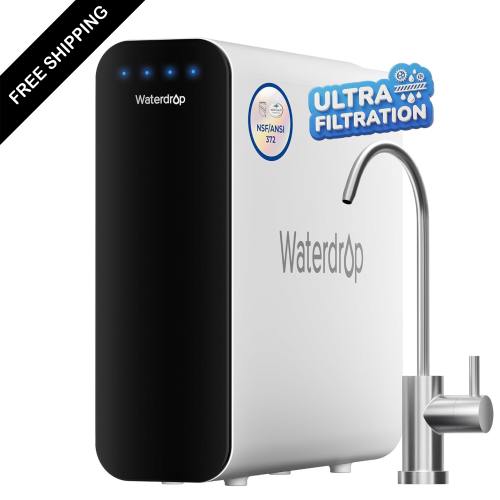
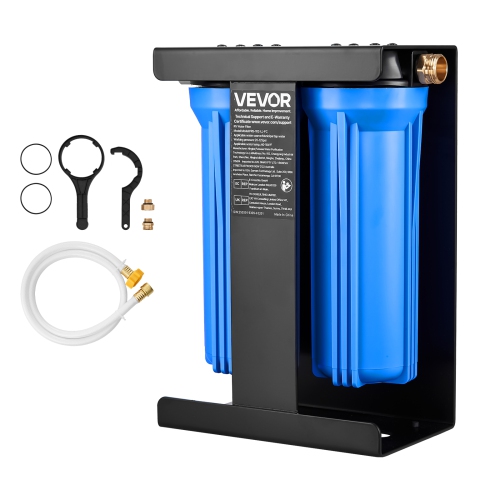

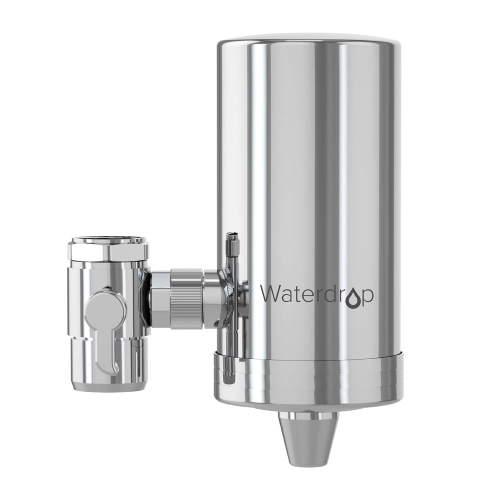
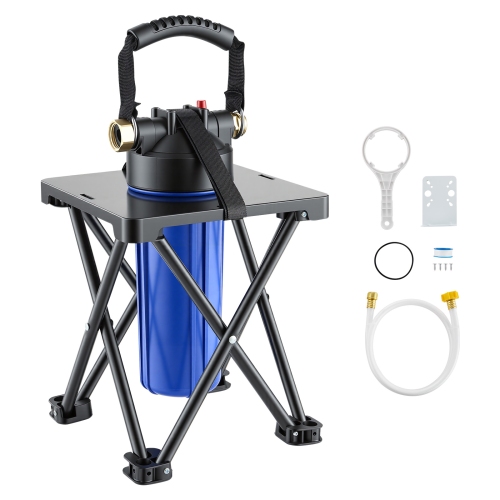
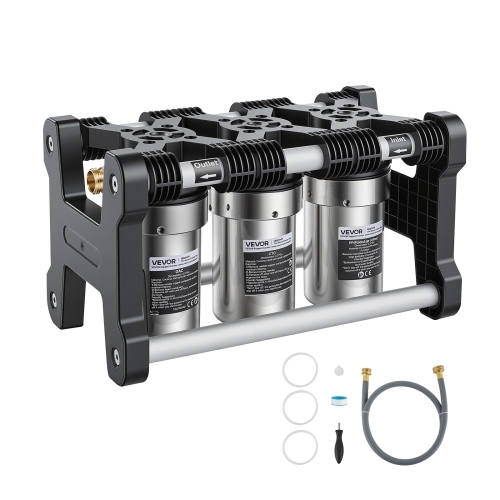
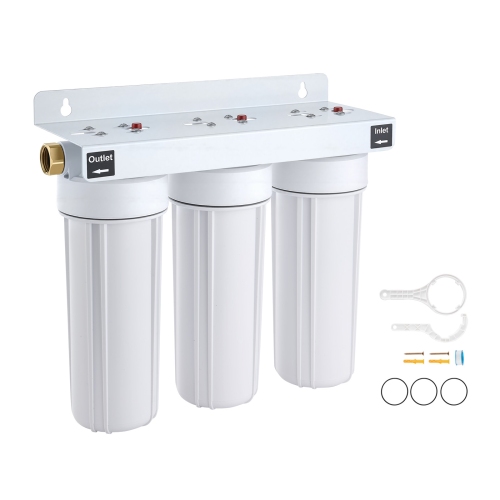
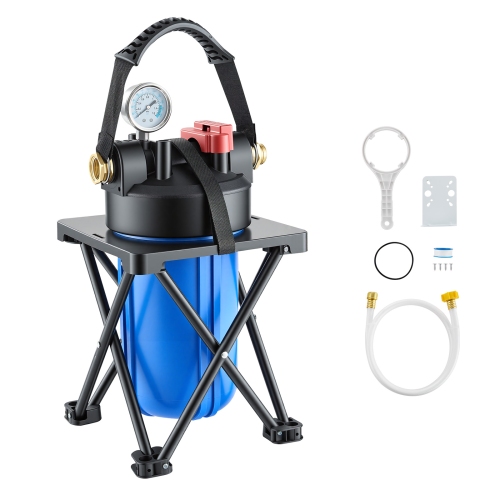
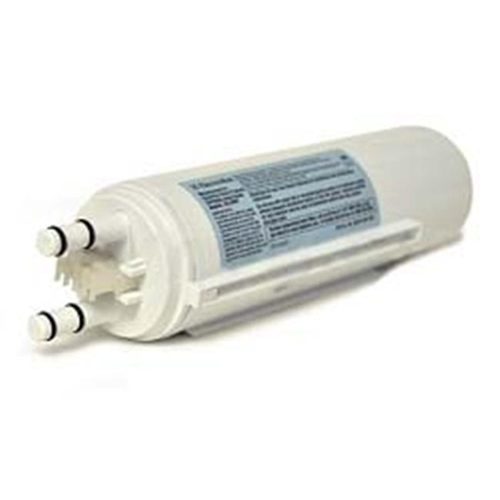
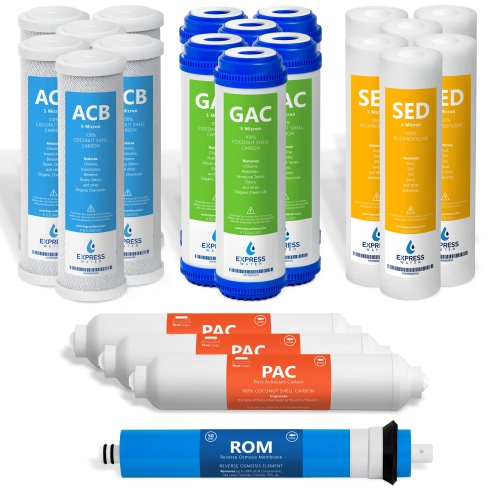
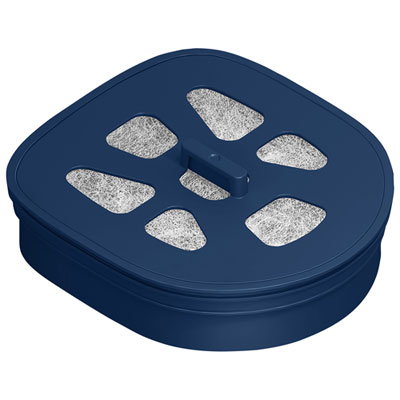
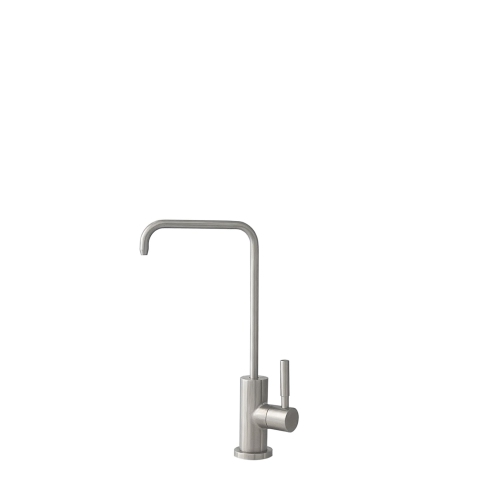
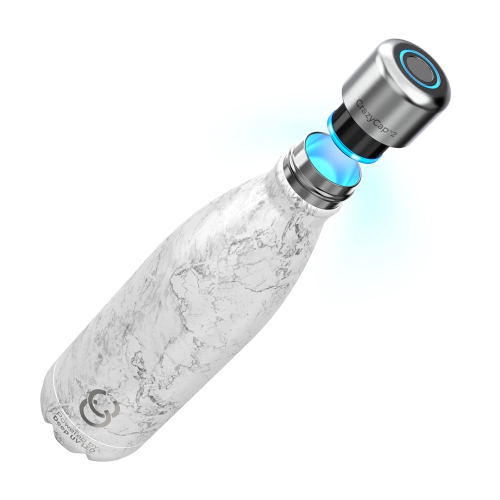
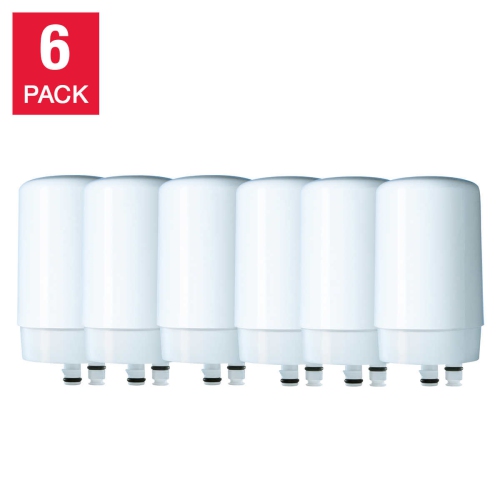
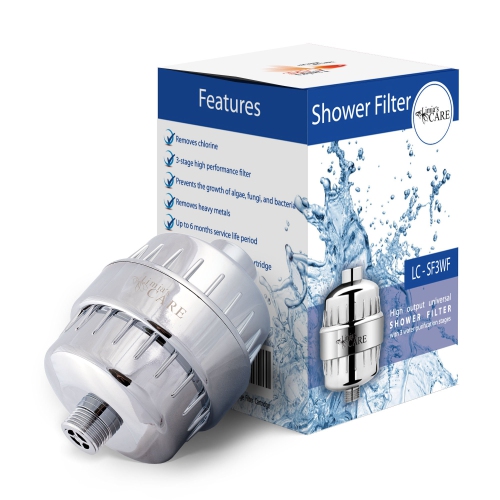
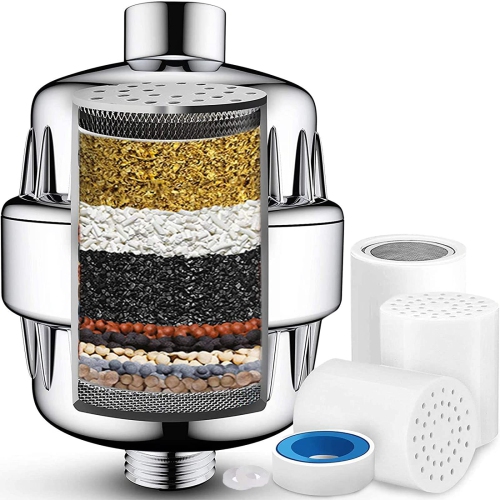
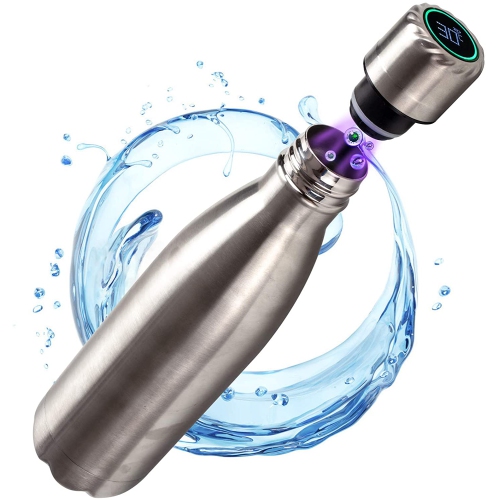
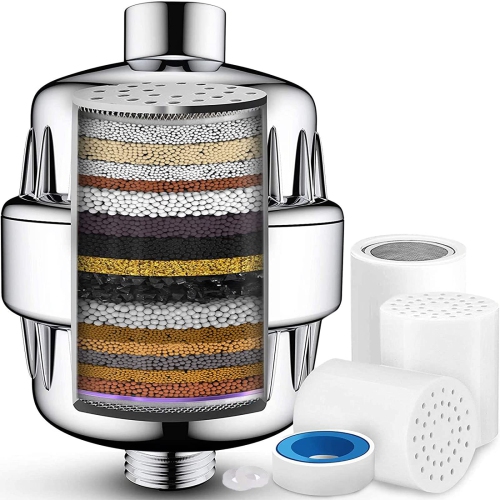
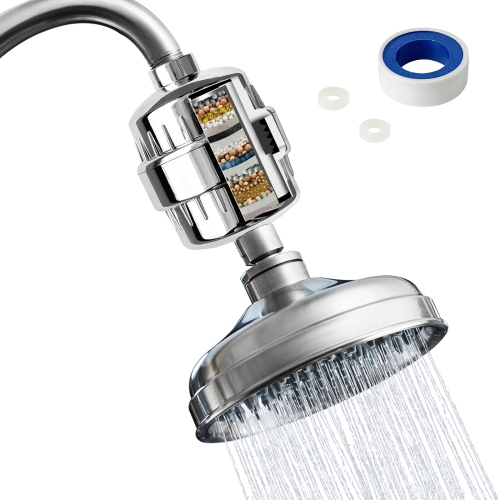
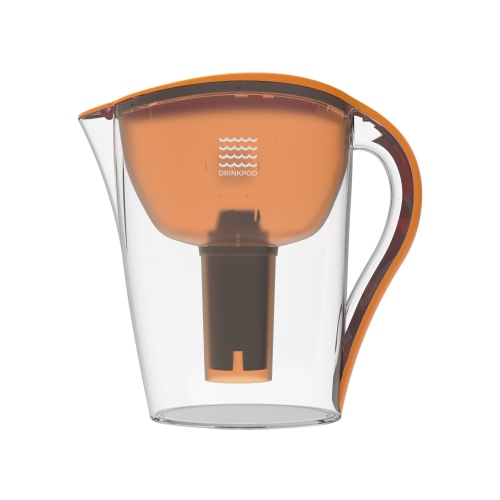
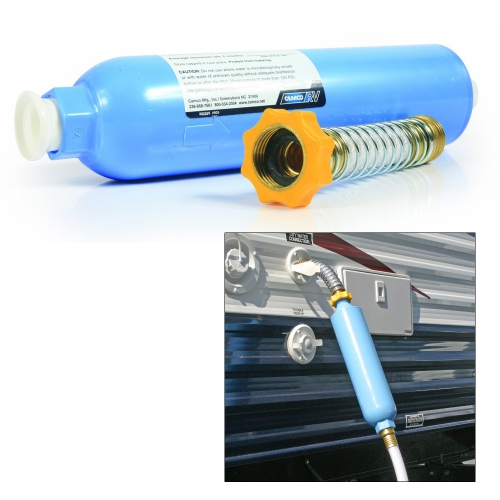
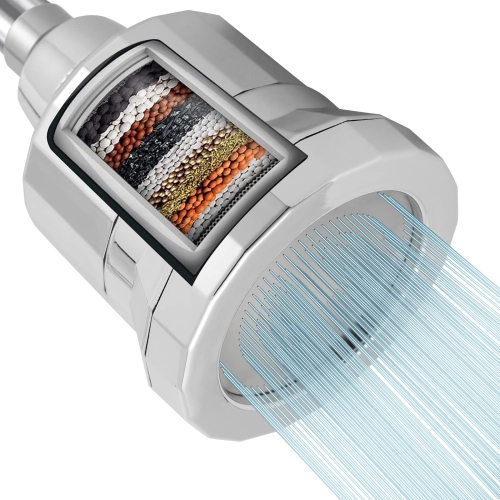
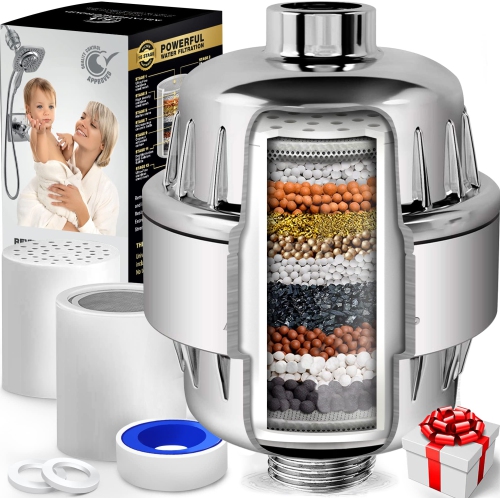
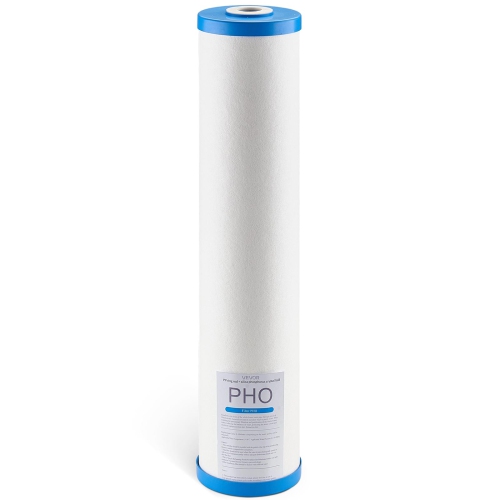
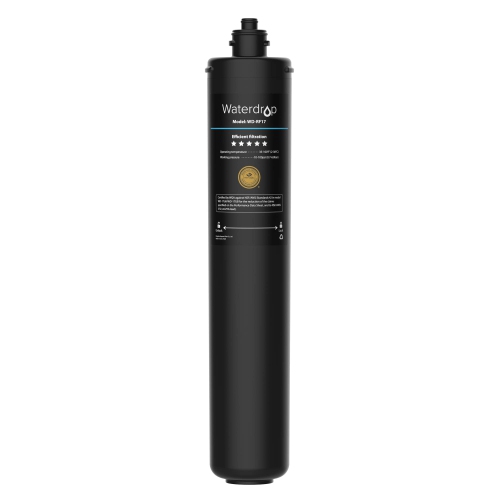
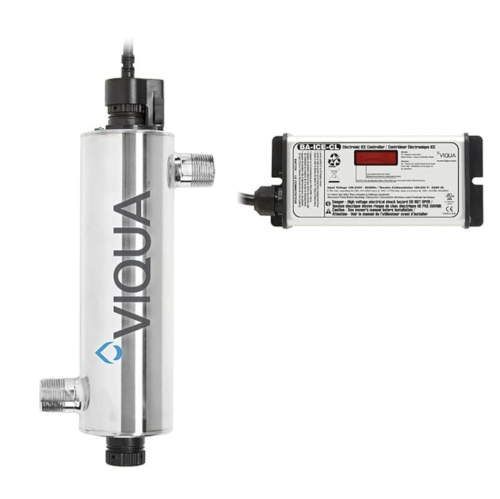

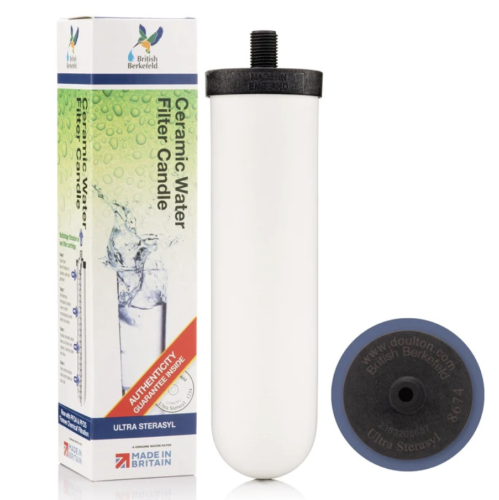
How single-tap and whole-home filtration meet different needs
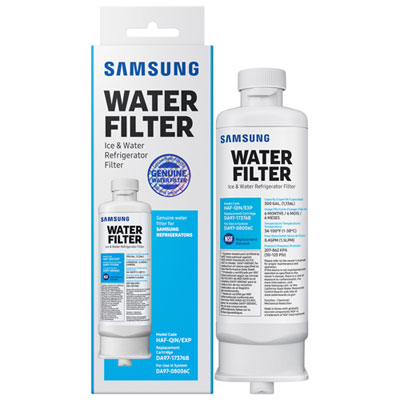
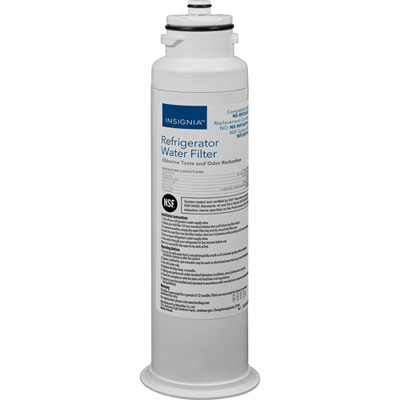
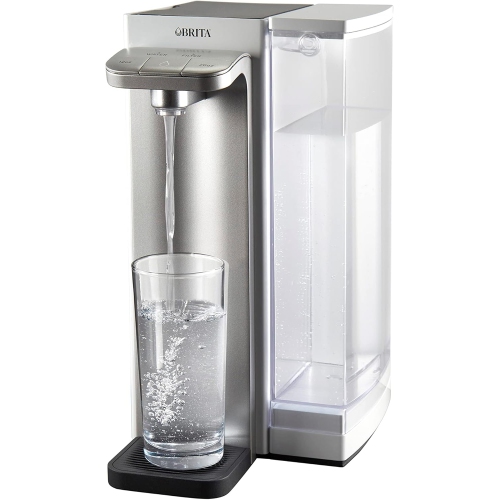
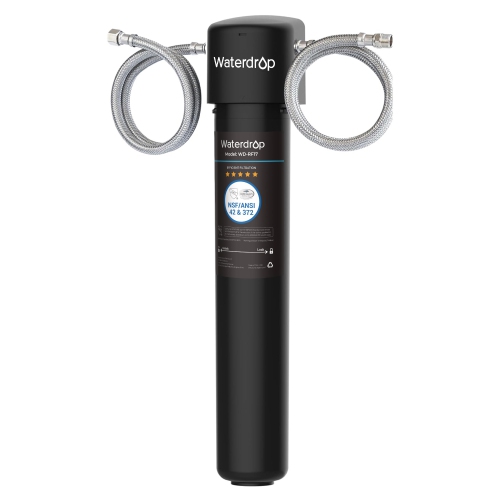
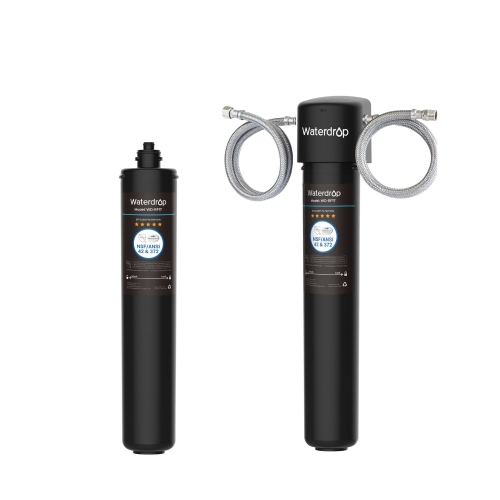
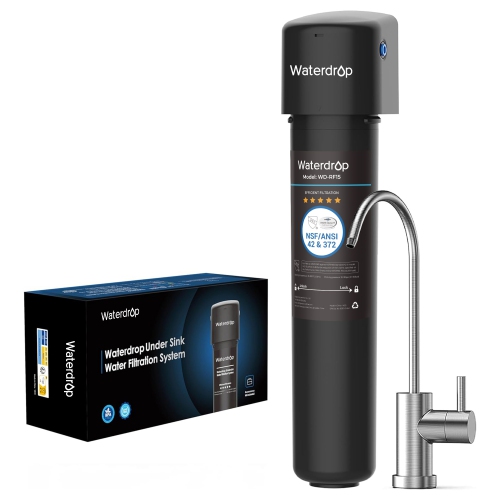
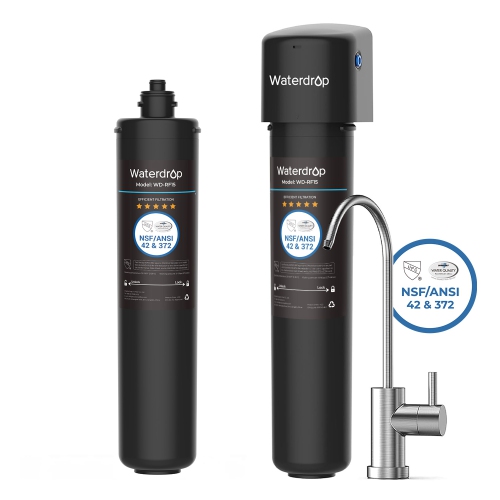
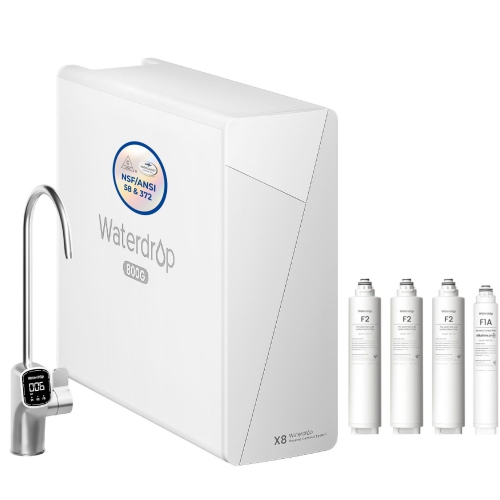
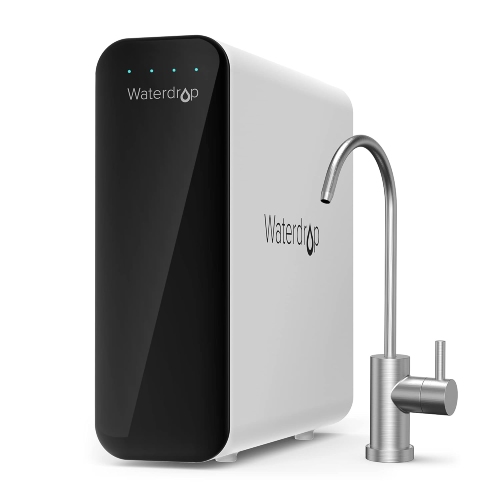
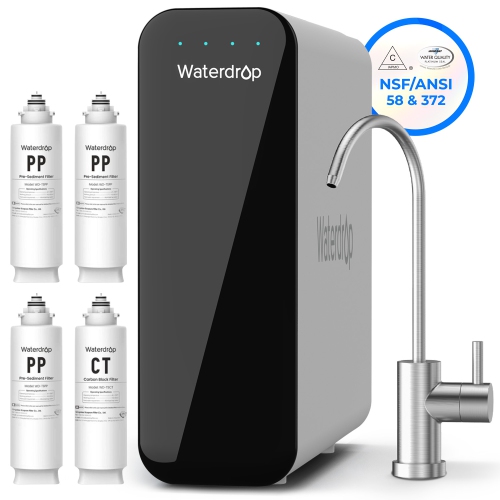
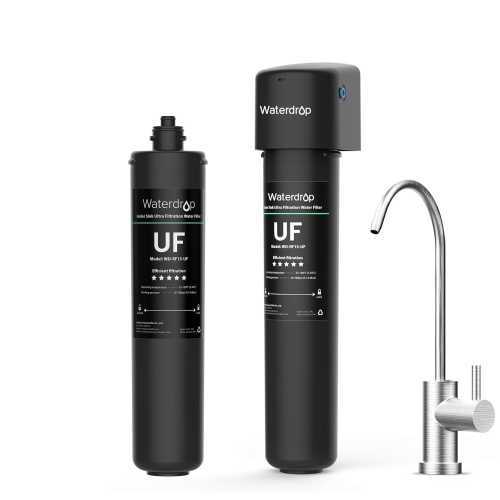
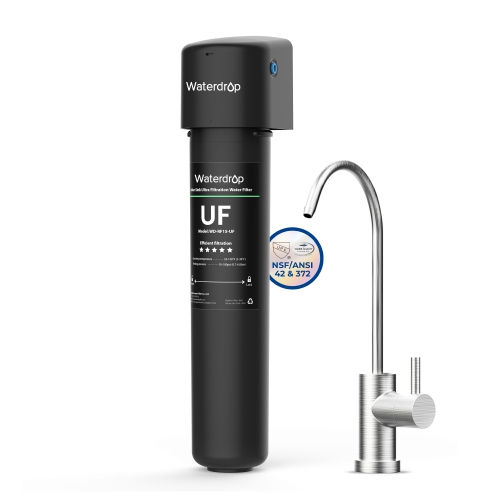
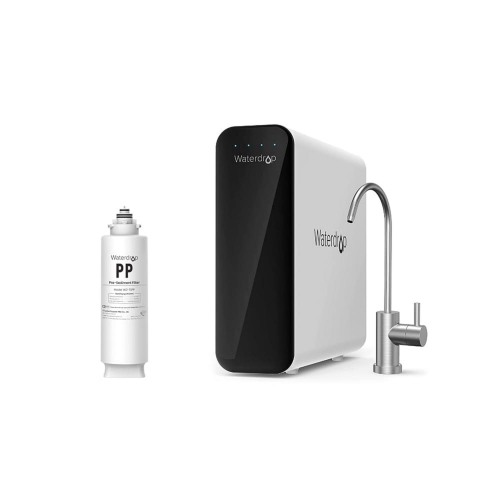
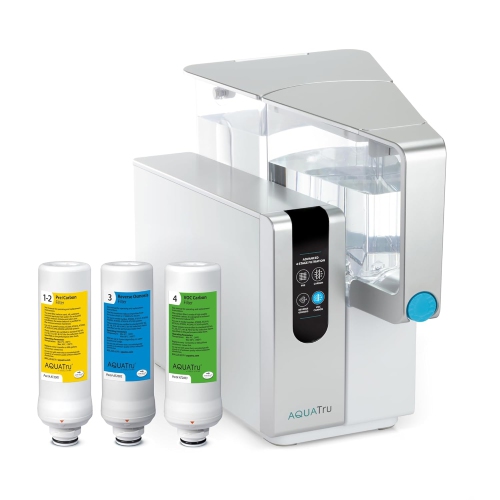
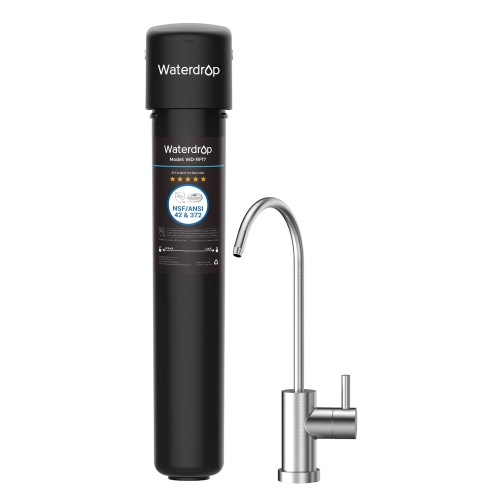
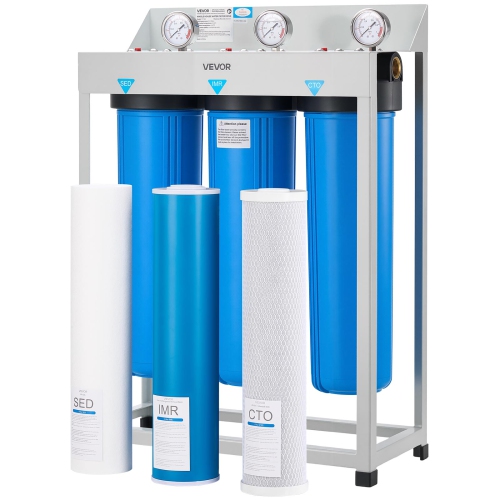
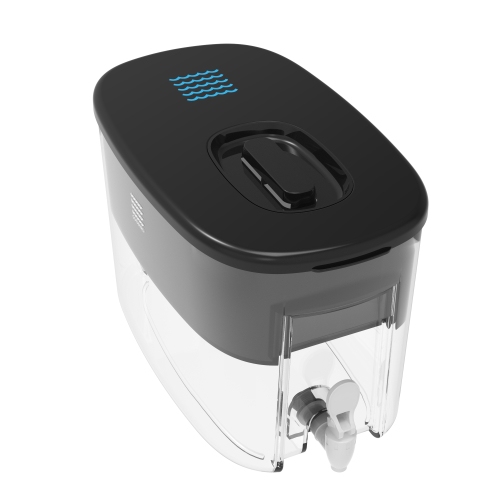
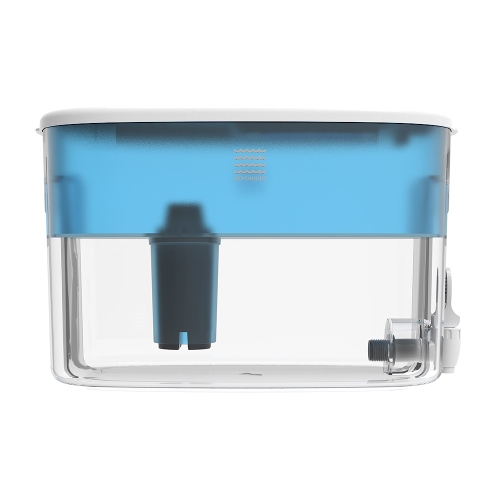
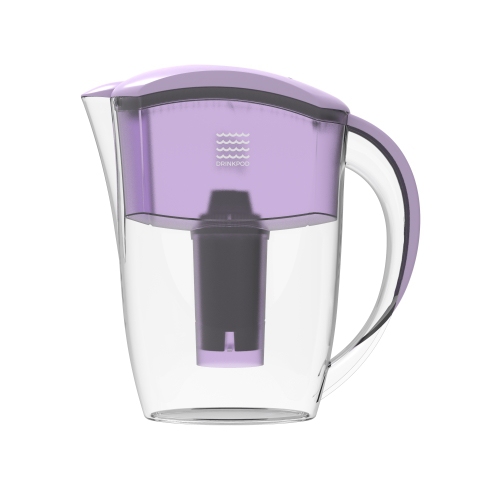
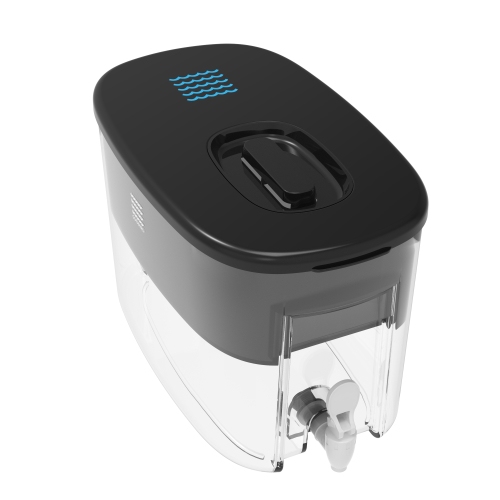
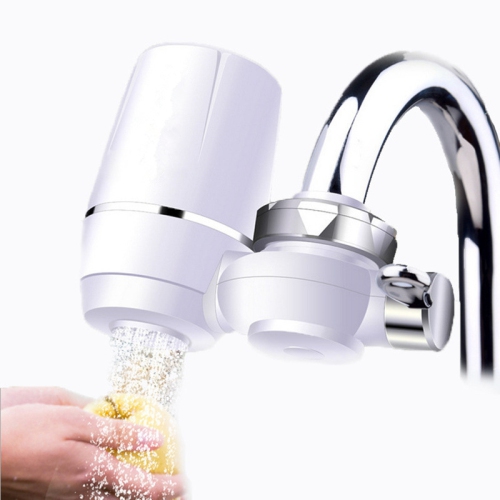
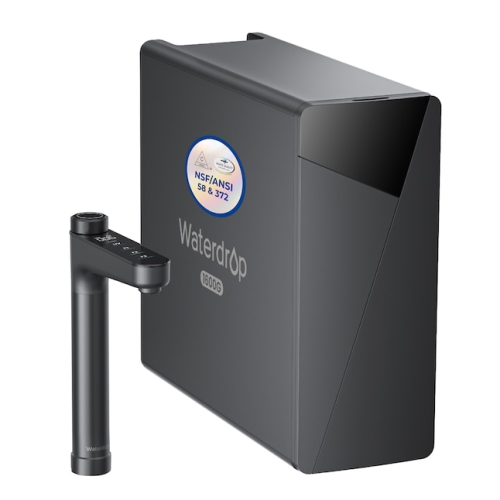
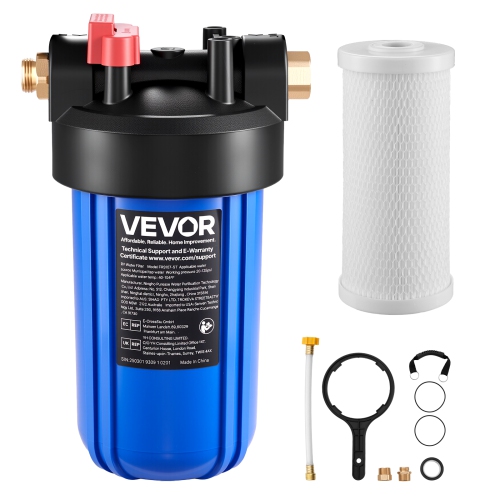
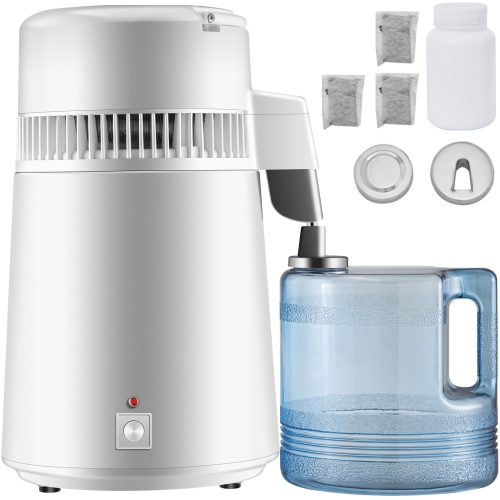
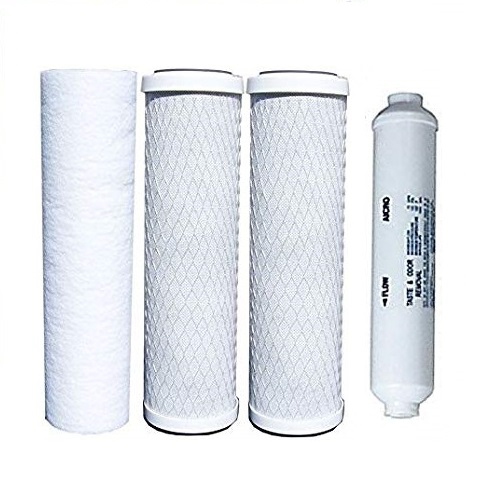
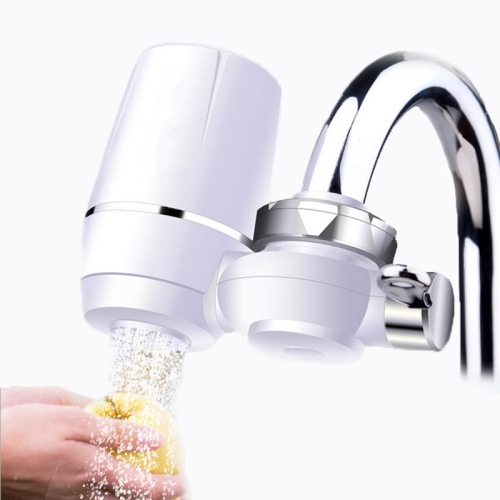
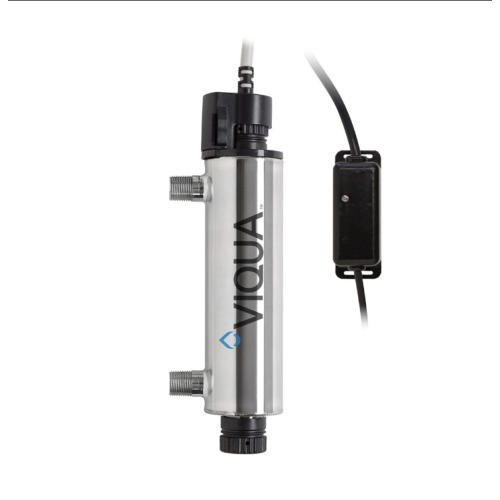
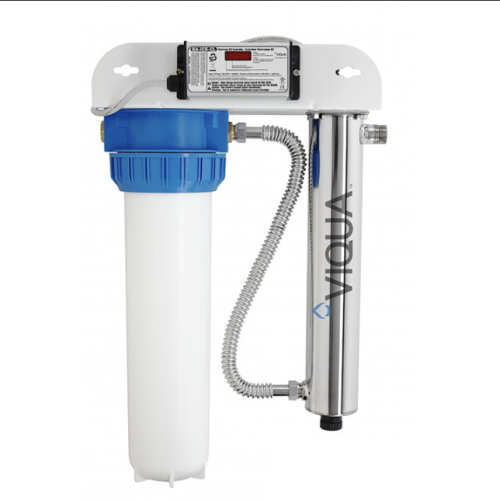
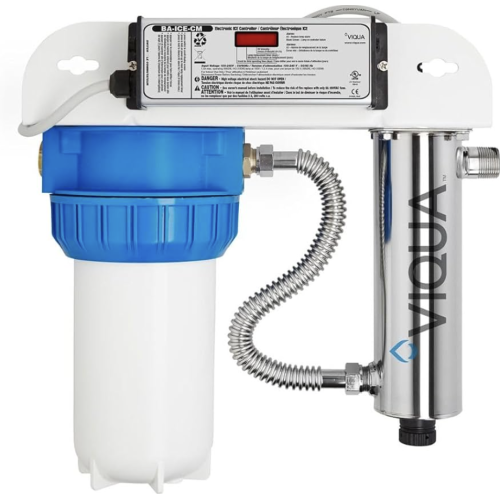
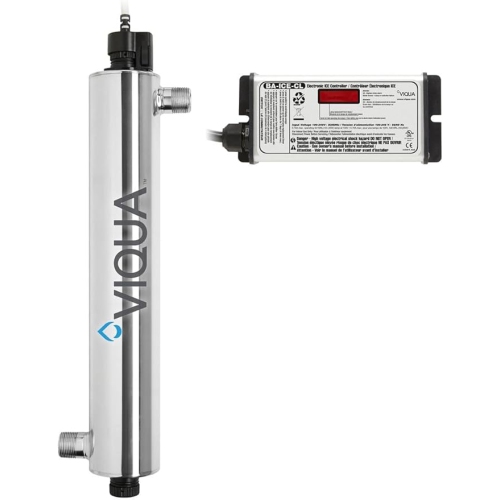
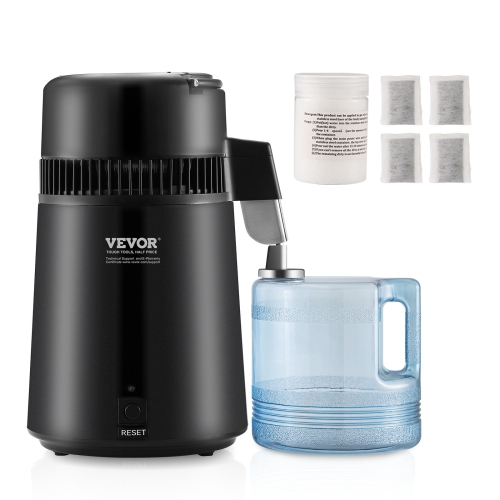
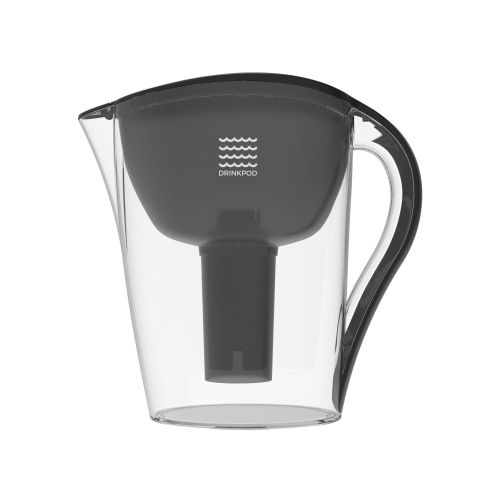
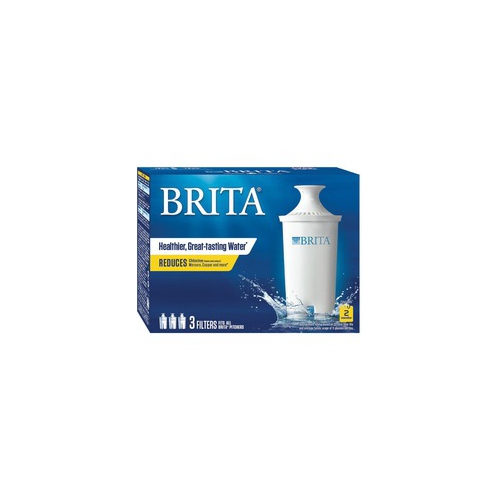
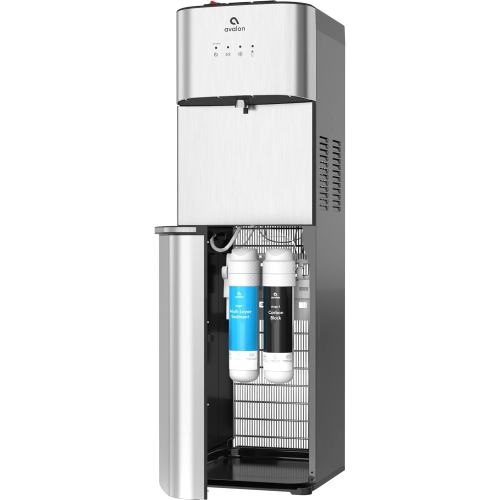
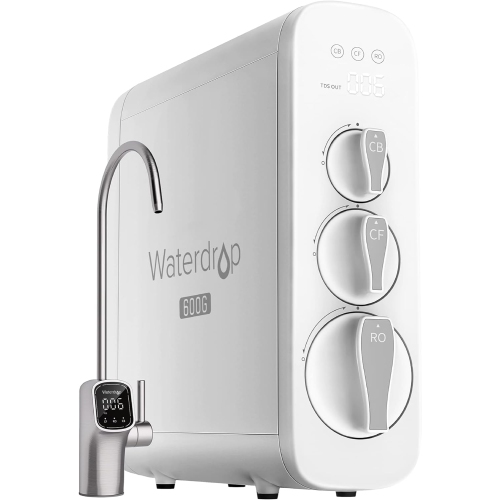
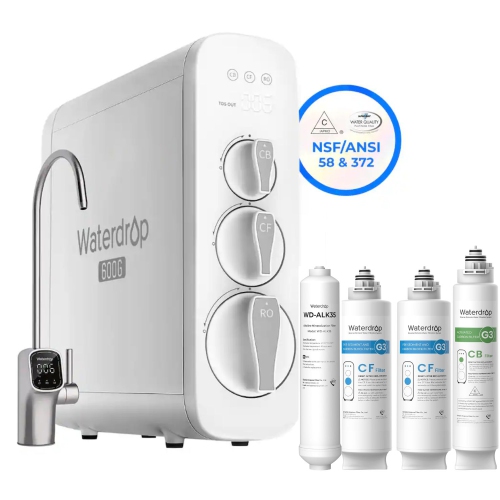
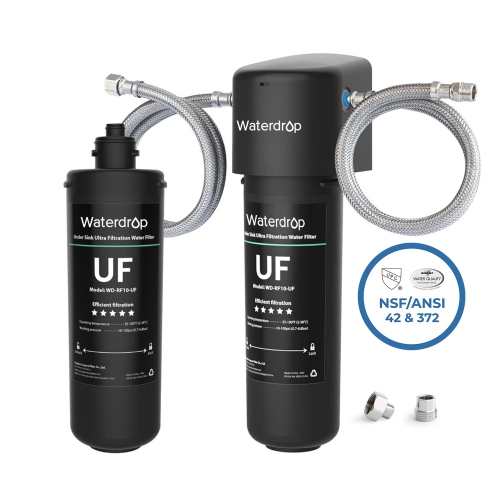
Water filtration systems treat water at a single tap or where it enters the home, with different designs suited to drinking, cooking, and broader household use. Point-of-use systems include water filter pitchers, faucet-mounted filters, countertop units, and under-sink systems that serve a dedicated drinking-water tap or an existing fixture. These formats suit everyday routines such as filling a reusable bottle before work, preparing a pot of soup, or topping up a coffee maker. Whole-house water filtration systems, also called point-of-entry systems, connect to the incoming water line to treat water before it reaches multiple fixtures. Their role differs from a kitchen drinking-water filter: they may address sediment or certain taste and odour concerns throughout the home, depending on the treatment media. Neither format is automatically better; the useful distinction is whether treatment is needed at one location or across the household. For an apartment kitchen, a pitcher or compact countertop filter may provide the right capacity without taking over the preparation area. A busy household filling several bottles each morning may find a plumbed-in system more convenient than repeated pitcher refills. Under-sink reverse osmosis systems combine multiple treatment stages with a membrane that can reduce certain dissolved substances, while keeping much of the equipment inside a cabinet. Some designs store treated water in a tank; tankless designs omit that storage tank but still need room for the filtration unit, tubing, and service access. Many tankless reverse osmosis systems also require an electrical connection. Countertop space, cupboard layout, and access to plumbing all influence which arrangement fits comfortably into daily life. For households that cannot make permanent plumbing changes, Water Filtration for Renters focuses on options suited to rental spaces. Permission requirements still depend on the property and installation method, particularly when a system connects to a supply line or requires a separate faucet.
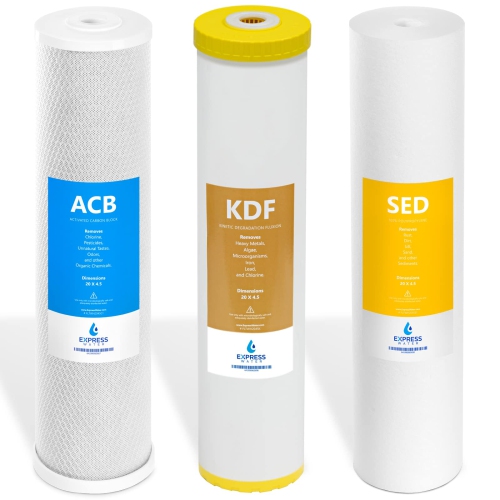
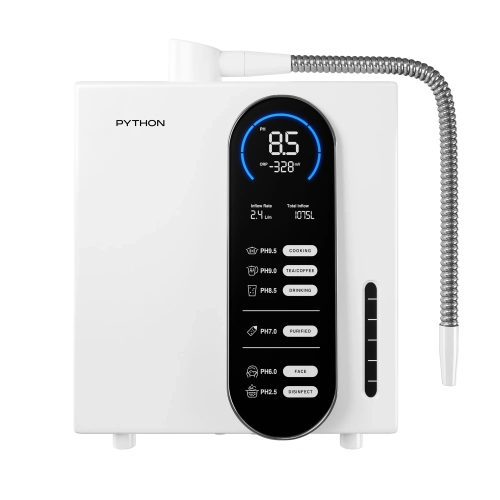
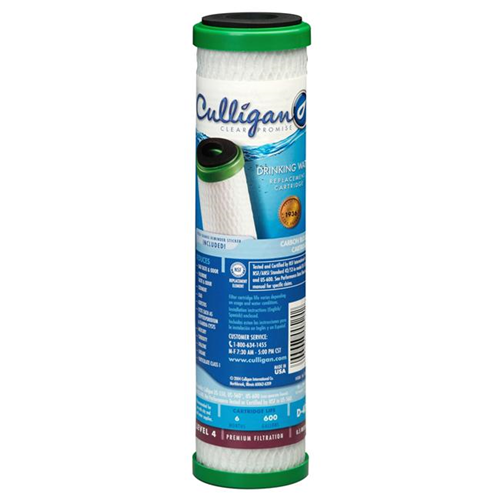
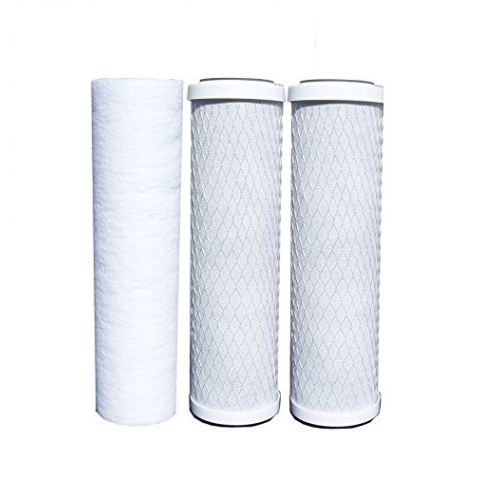
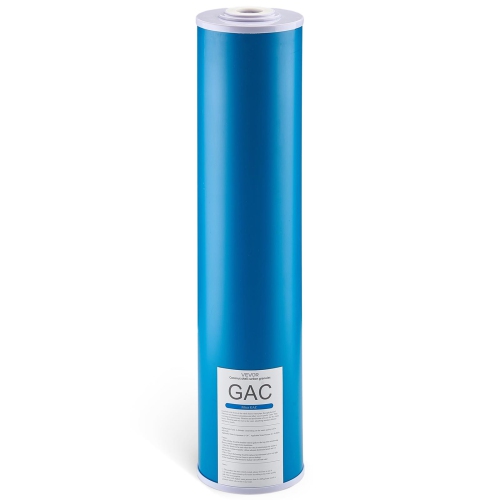
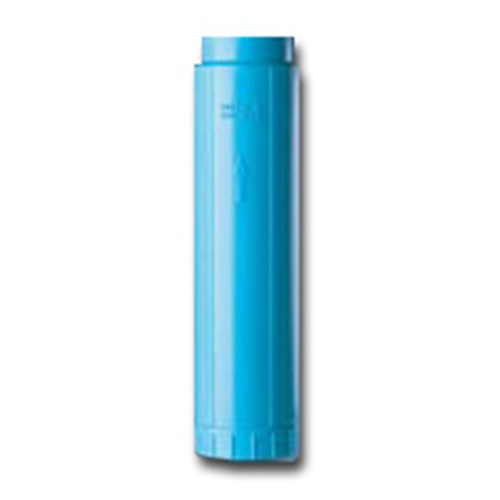
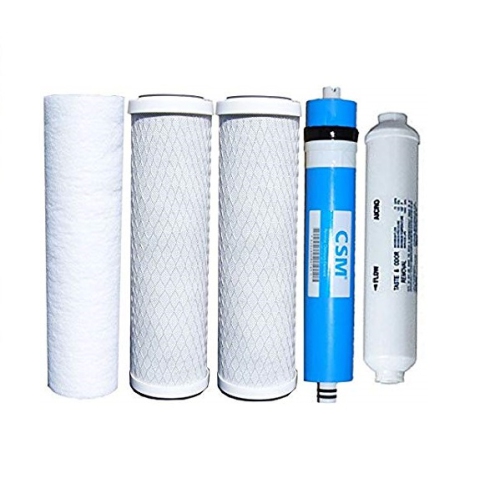
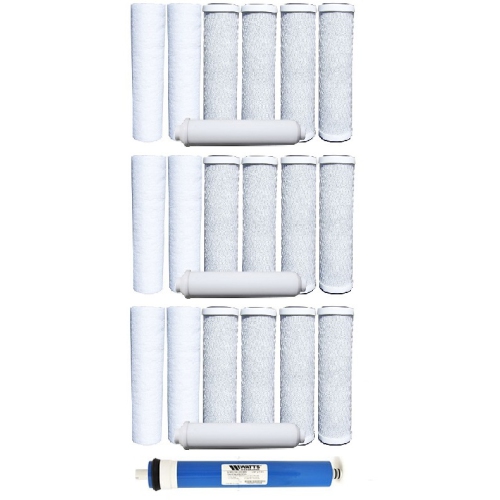
The treatment method matters as much as the size or placement of a water filtration system. Activated carbon is commonly used to reduce chlorine taste and odour, making it a practical choice when treated municipal water has a noticeable taste. Certain carbon filters are also certified to reduce specific contaminants, but those capabilities cannot be assumed from the presence of carbon alone. Sediment filters capture particles such as sand, silt, and rust according to their rated performance; they do not, by themselves, remove dissolved substances or disinfect water. Reverse osmosis uses a membrane to reduce a range of dissolved substances, with exact performance depending on the system and its verified reduction claims. It also sends a portion of the incoming water to a drain during treatment, so its water-use specifications and drainage requirements are relevant considerations. Ultraviolet treatment serves a different purpose: a properly specified and maintained UV system can inactivate certain microorganisms, but it does not remove sediment or dissolved chemicals and may need pretreatment to work effectively. Water softeners are another distinct category, designed primarily to reduce hardness caused by calcium and magnesium rather than act as a substitute for drinking-water filtration. These differences are especially important when comparing municipal water with private well water. A municipal water report can help identify local water characteristics, while a private well generally needs appropriate laboratory testing to establish treatment needs. Clear-looking water is not proof of safety, and no single filter should be assumed to address every possible concern. Certification provides a more useful basis for comparison than broad claims about purity. NSF/ANSI 42 covers aesthetic effects such as chlorine taste and odour, NSF/ANSI 53 addresses specified health-related contaminant reduction claims, and NSF/ANSI 58 applies to reverse osmosis drinking-water treatment systems. The specific certified claim matters, not just the standard number. A filter certified for chlorine taste reduction is not necessarily certified for lead reduction. During a boil-water advisory, ordinary household filtration is not a substitute for following local public health directions.
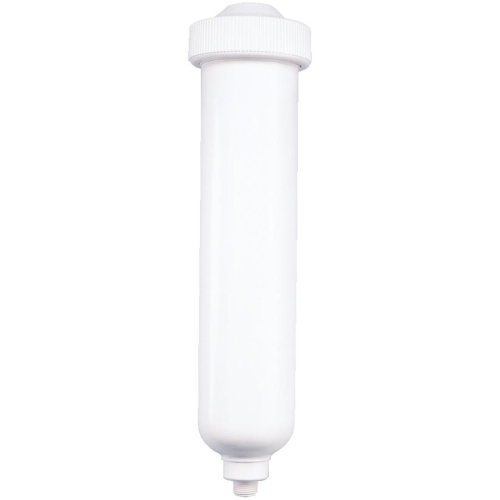
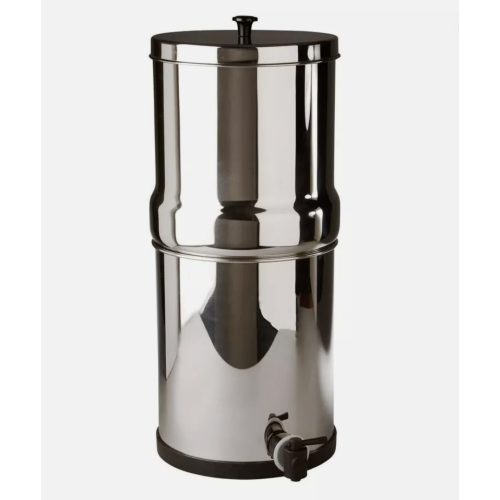
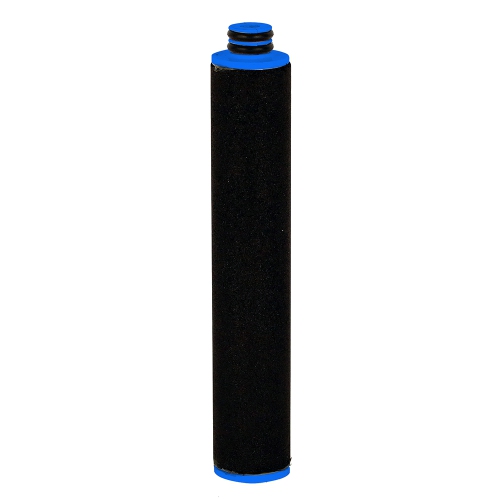
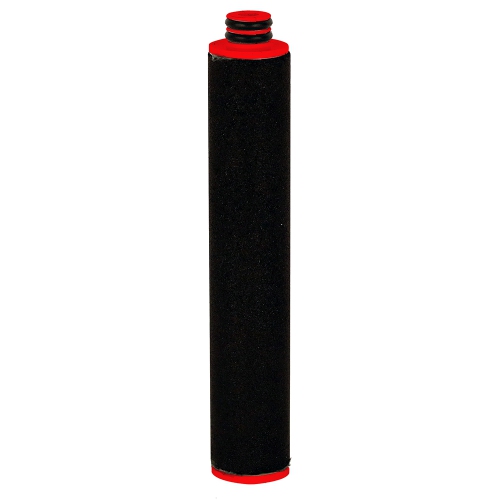
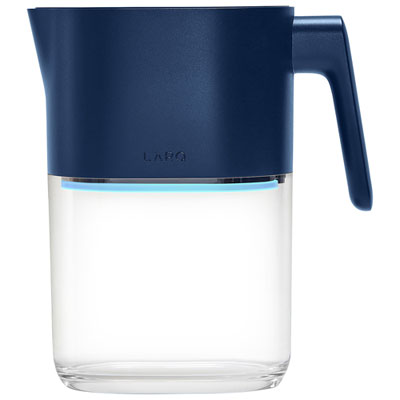
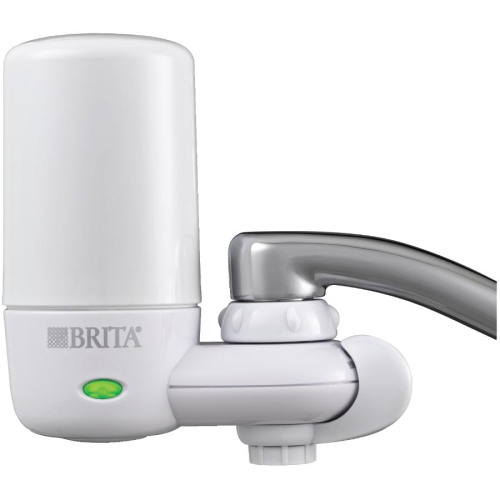
A well-matched water filtration system also needs to fit the physical space and the household’s maintenance routine. Faucet-mounted filters require a compatible tap and adapter; many pull-out, pull-down, or sensor-operated faucets are not suitable for standard attachments. Countertop units need a stable location with enough clearance for filling, dispensing, and changing filters, while pitchers should fit the intended shelf and remain manageable when full. Under-sink installations need space around existing drainpipes, shut-off valves, and waste bins, not simply enough room for the filter housing itself. A dedicated faucet may require an existing accessory opening or a new hole in the sink or worktop. For whole-house systems, pipe size, incoming pressure, and rated flow affect how the system performs when several fixtures are running together. Professional installation can be appropriate for modifications to the main water line or more involved plumbing connections. Materials and construction deserve attention wherever water is stored or carried: food-contact components, secure fittings, sturdy housings, and corrosion-resistant hardware help support dependable use. A stainless steel exterior may be easy to wipe clean, while transparent reservoirs make fill levels visible; neither feature alone establishes filtration performance. Day-to-day convenience often comes down to smaller details, including an accessible cartridge, a lid that opens easily beneath a cupboard, and a dispensing area tall enough for a favourite bottle. Filter life is usually stated by time, treated volume, or both, and actual replacement needs depend on water quality and use. A household preparing most meals at home may reach a cartridge’s rated capacity sooner than someone using filtered water mainly for an occasional drink. Replacement indicators can help track servicing, but they do not necessarily measure water quality directly. Routine care includes cleaning reservoirs and dispensing surfaces as directed, replacing cartridges on schedule, flushing new filters when required, and checking connections for leaks. Durable construction and straightforward maintenance make it easier to keep the system working as intended, whether it serves one person’s kitchen routine or a household’s daily drinking and cooking needs.
The treatment method matters as much as the size or placement of a water filtration system. Activated carbon is commonly used to reduce chlorine taste and odour, making it a practical choice when treated municipal water has a noticeable taste. Certain carbon filters are also certified to reduce specific contaminants, but those capabilities cannot be assumed from the presence of carbon alone. Sediment filters capture particles such as sand, silt, and rust according to their rated performance; they do not, by themselves, remove dissolved substances or disinfect water. Reverse osmosis uses a membrane to reduce a range of dissolved substances, with exact performance depending on the system and its verified reduction claims. It also sends a portion of the incoming water to a drain during treatment, so its water-use specifications and drainage requirements are relevant considerations. Ultraviolet treatment serves a different purpose: a properly specified and maintained UV system can inactivate certain microorganisms, but it does not remove sediment or dissolved chemicals and may need pretreatment to work effectively. Water softeners are another distinct category, designed primarily to reduce hardness caused by calcium and magnesium rather than act as a substitute for drinking-water filtration. These differences are especially important when comparing municipal water with private well water. A municipal water report can help identify local water characteristics, while a private well generally needs appropriate laboratory testing to establish treatment needs. Clear-looking water is not proof of safety, and no single filter should be assumed to address every possible concern. Certification provides a more useful basis for comparison than broad claims about purity. NSF/ANSI 42 covers aesthetic effects such as chlorine taste and odour, NSF/ANSI 53 addresses specified health-related contaminant reduction claims, and NSF/ANSI 58 applies to reverse osmosis drinking-water treatment systems. The specific certified claim matters, not just the standard number. A filter certified for chlorine taste reduction is not necessarily certified for lead reduction. During a boil-water advisory, ordinary household filtration is not a substitute for following local public health directions.
A well-matched water filtration system also needs to fit the physical space and the household’s maintenance routine. Faucet-mounted filters require a compatible tap and adapter; many pull-out, pull-down, or sensor-operated faucets are not suitable for standard attachments. Countertop units need a stable location with enough clearance for filling, dispensing, and changing filters, while pitchers should fit the intended shelf and remain manageable when full. Under-sink installations need space around existing drainpipes, shut-off valves, and waste bins, not simply enough room for the filter housing itself. A dedicated faucet may require an existing accessory opening or a new hole in the sink or worktop. For whole-house systems, pipe size, incoming pressure, and rated flow affect how the system performs when several fixtures are running together. Professional installation can be appropriate for modifications to the main water line or more involved plumbing connections. Materials and construction deserve attention wherever water is stored or carried: food-contact components, secure fittings, sturdy housings, and corrosion-resistant hardware help support dependable use. A stainless steel exterior may be easy to wipe clean, while transparent reservoirs make fill levels visible; neither feature alone establishes filtration performance. Day-to-day convenience often comes down to smaller details, including an accessible cartridge, a lid that opens easily beneath a cupboard, and a dispensing area tall enough for a favourite bottle. Filter life is usually stated by time, treated volume, or both, and actual replacement needs depend on water quality and use. A household preparing most meals at home may reach a cartridge’s rated capacity sooner than someone using filtered water mainly for an occasional drink. Replacement indicators can help track servicing, but they do not necessarily measure water quality directly. Routine care includes cleaning reservoirs and dispensing surfaces as directed, replacing cartridges on schedule, flushing new filters when required, and checking connections for leaks. Durable construction and straightforward maintenance make it easier to keep the system working as intended, whether it serves one person’s kitchen routine or a household’s daily drinking and cooking needs.
Top selling and popular products
-
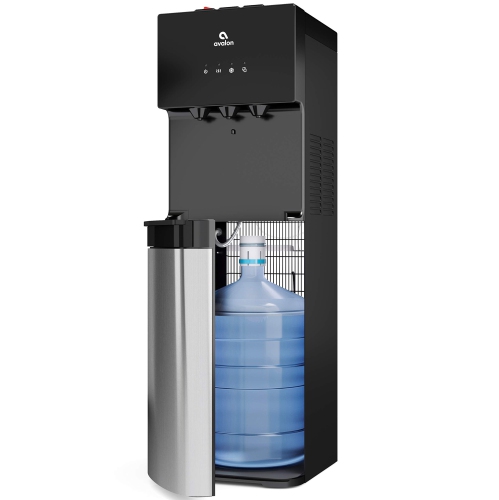 Your price for this item is $420
 -
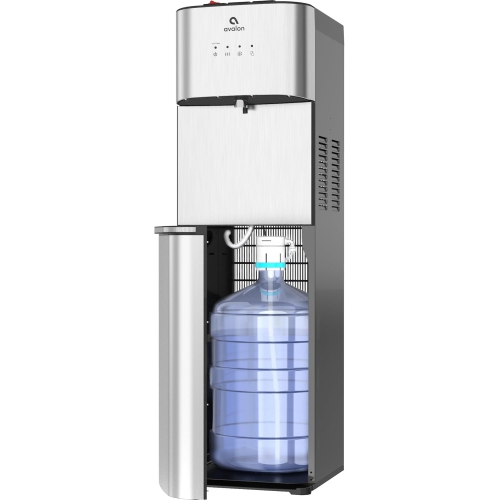 Your price for this item is $499.99
 -
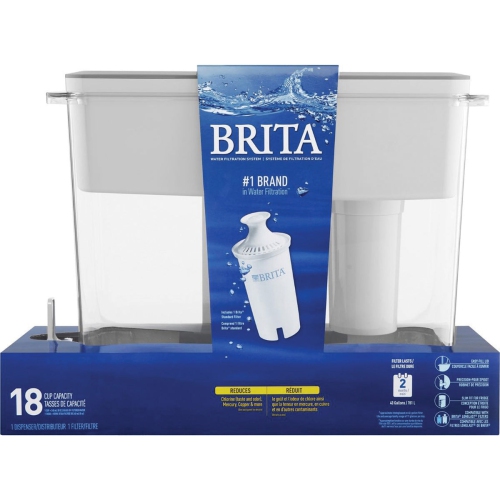 Your price for this item is $44.99
 -
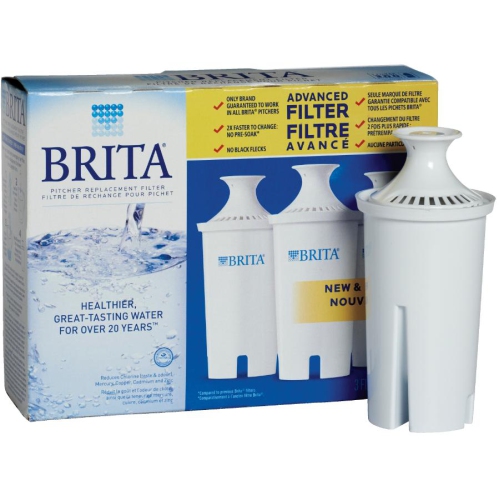 Your price for this item is $45
 -
 Your price for this item is $32.99
 -
 Your price for this item is $499.99
 -
 Your price for this item is $149.99
 -
 Your price for this item is $159
Discover more categories related to Water Filtration Systems

Top Collections:
Pokemon Centers, Kindle Devices, Best Budget Office Chairs, Apple iPhones 16, Best Laptops for Writers, iPhone 15 Apple, Canon G7X Cameras, Refurbished Apple Laptops, Alarm Clock, Motorola Razr Phones
Some products may be subject to Environmental Handling Fees
(EHF) depending on your province.
Learn more about EHFs.