Under Sink Water Filtration Systems
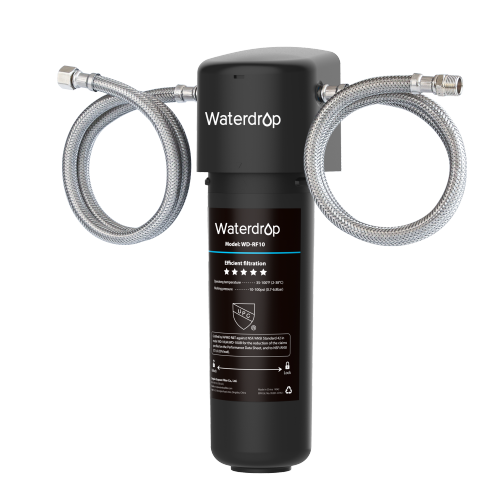
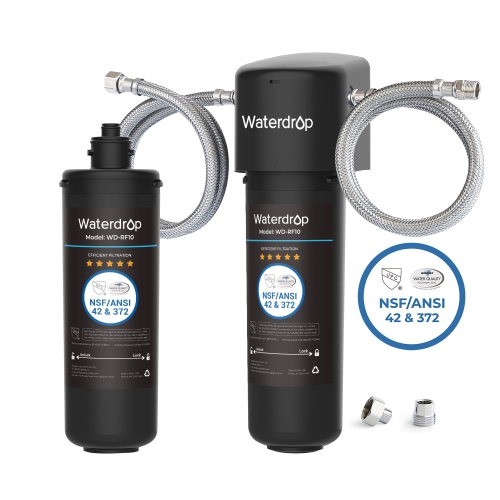
Under sink water filtration systems filter water at the point of use while keeping equipment tucked away beneath your kitchen sink. Compare systems by filtration needs, available cabinet space, and installation requirements, and check filter replacement schedules and costs to find an option that fits your household.
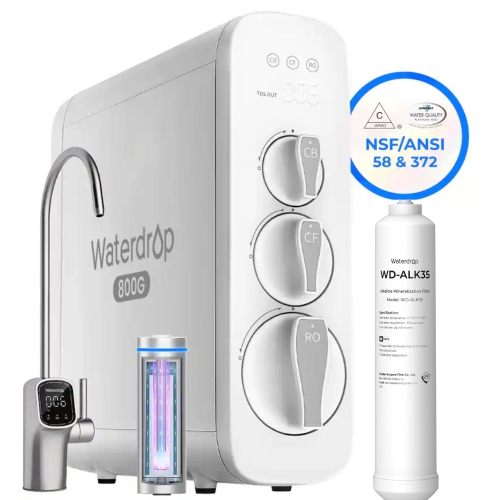
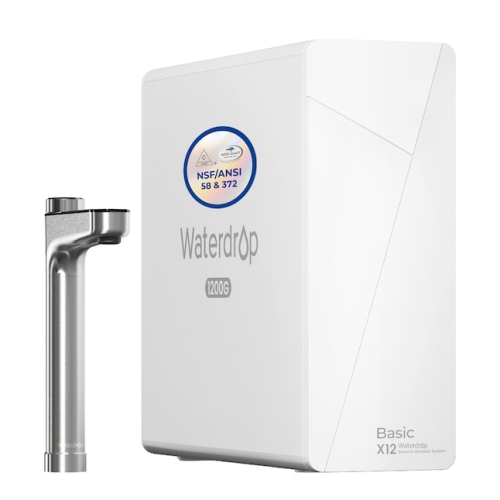
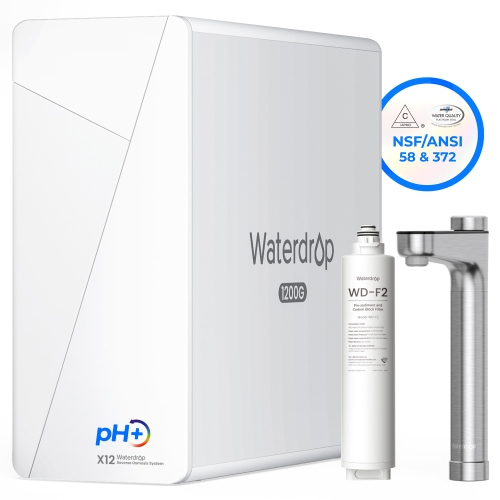
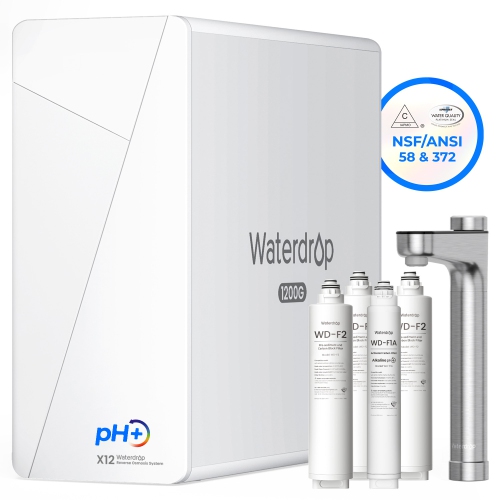
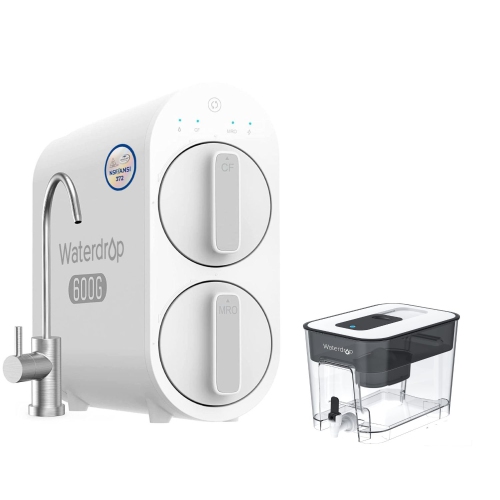
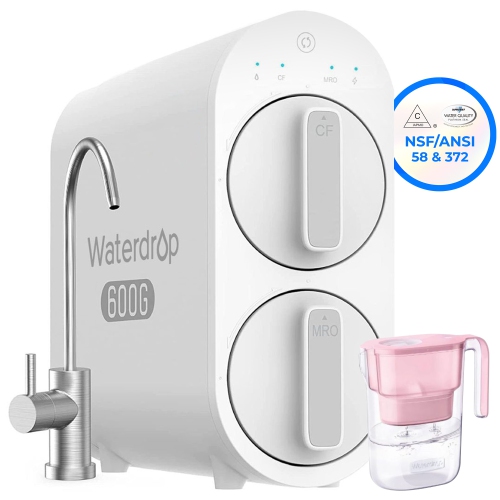
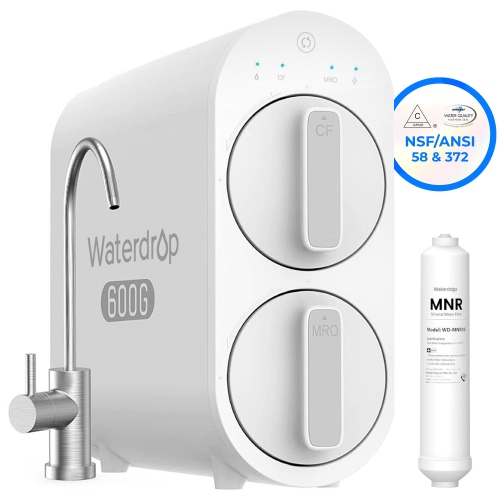
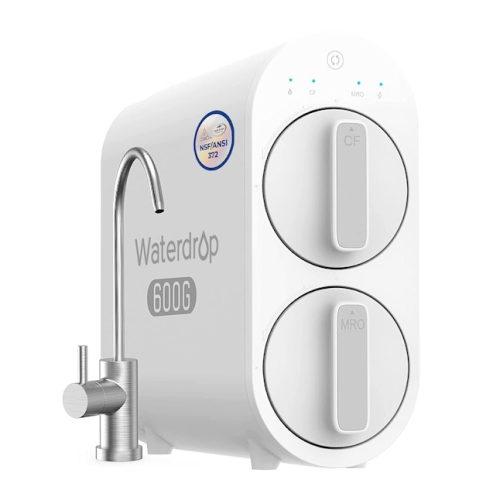









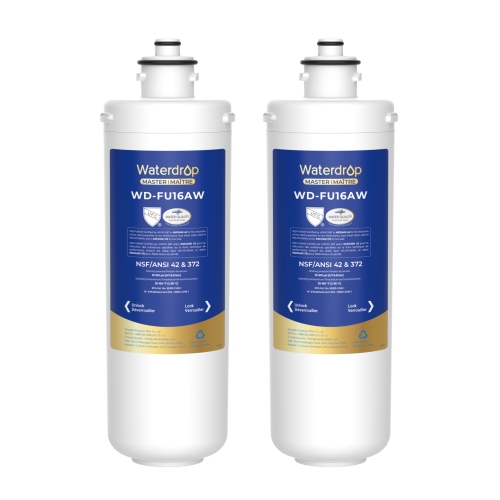
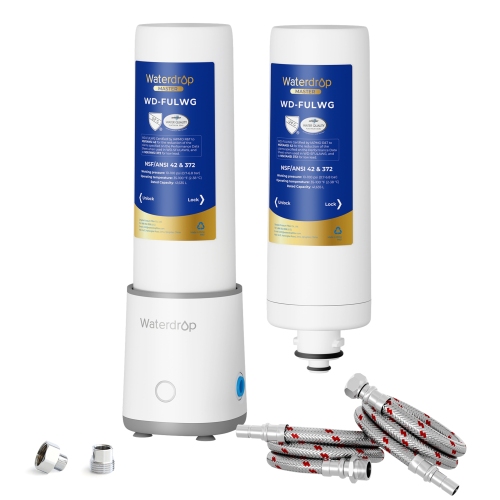
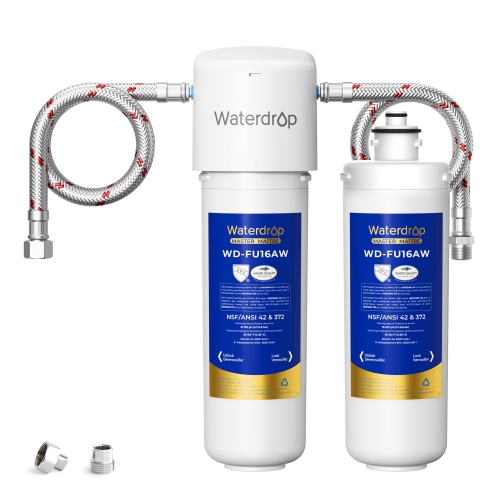
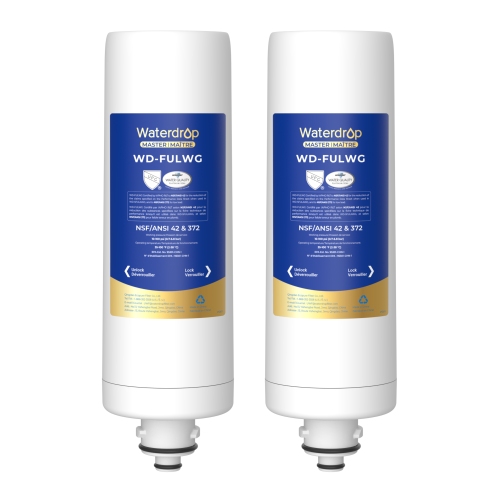
FAQ
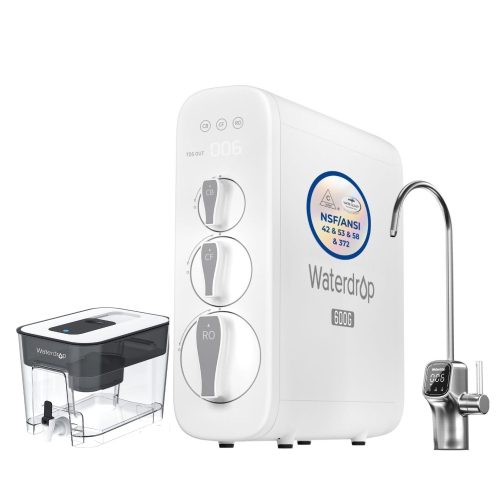
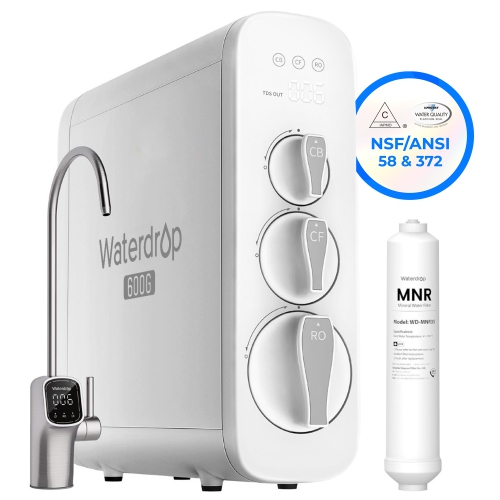
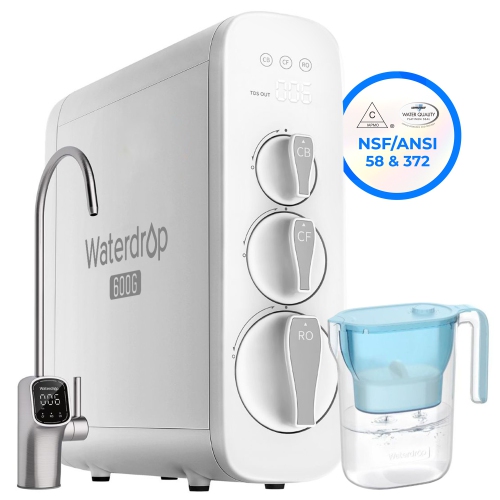
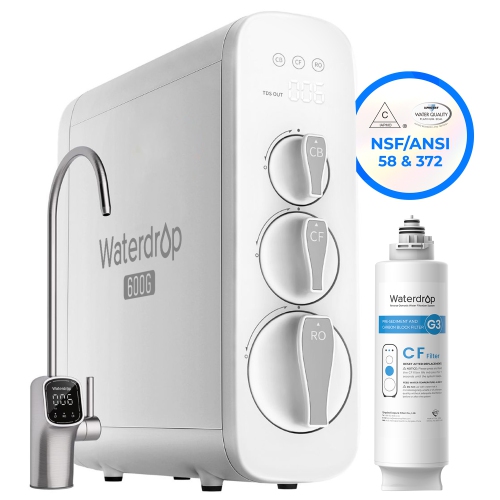
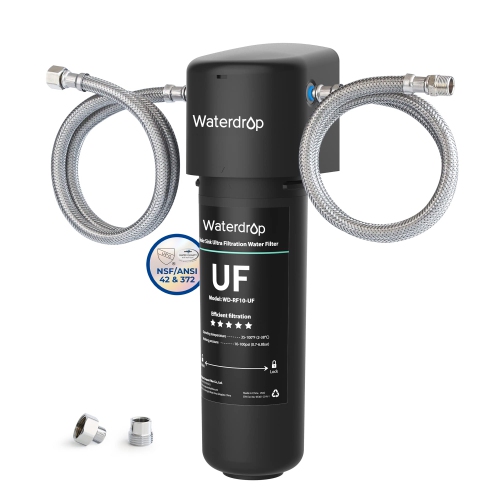
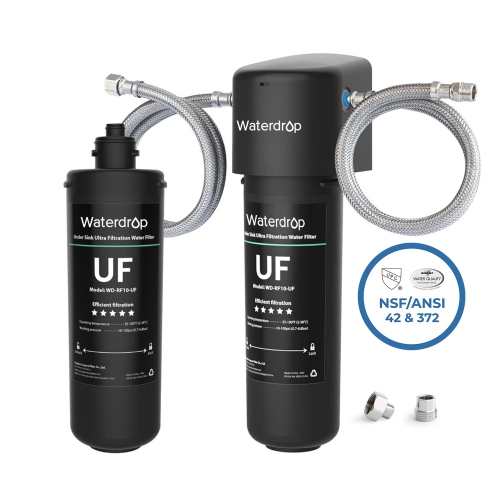
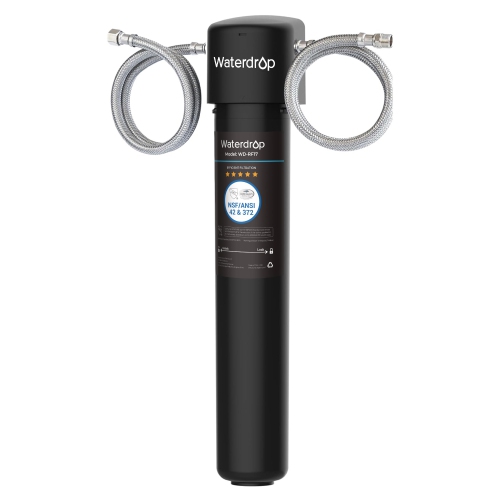
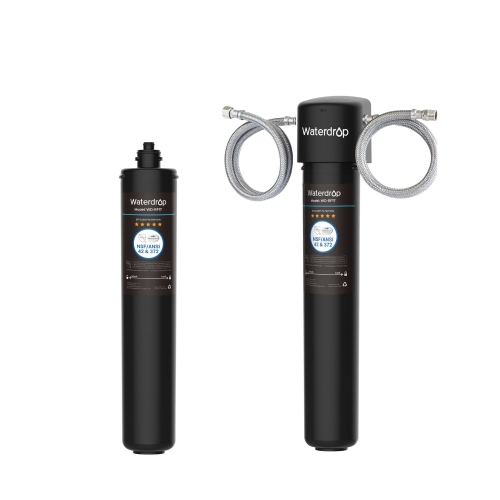
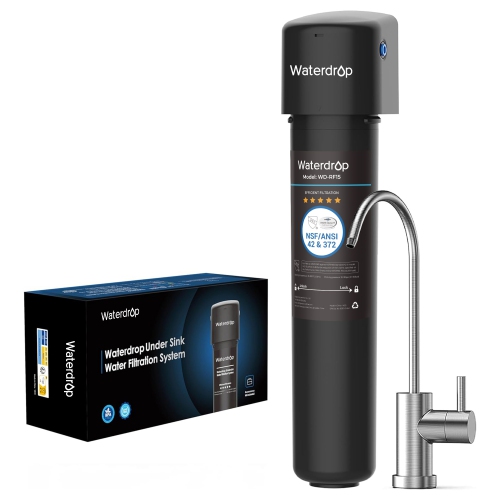
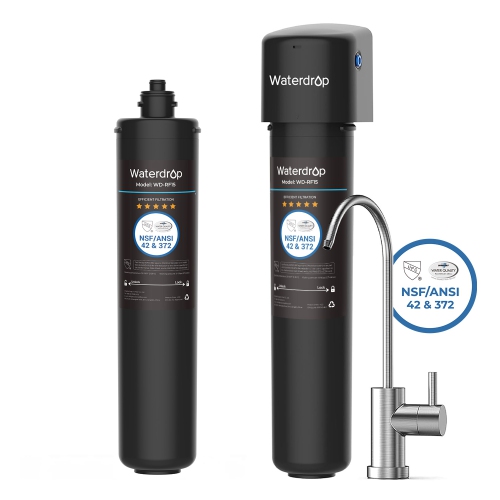
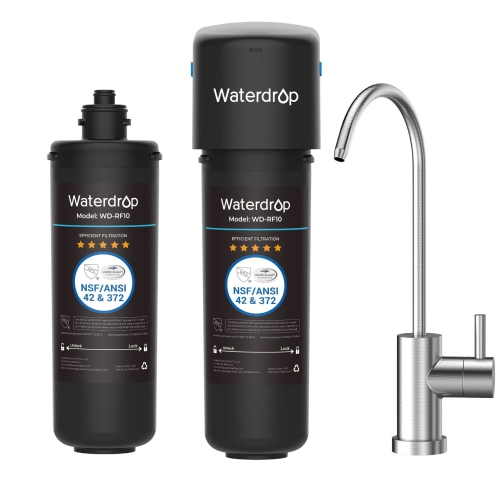
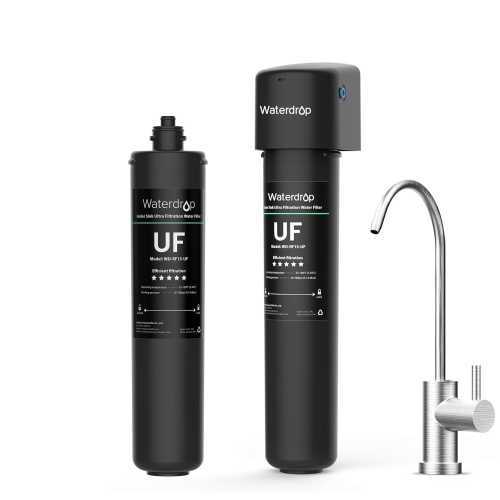
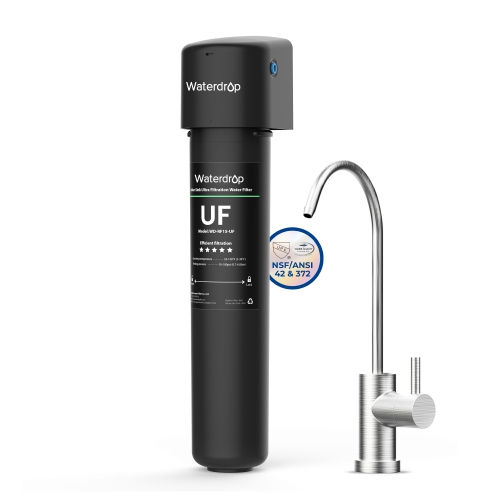
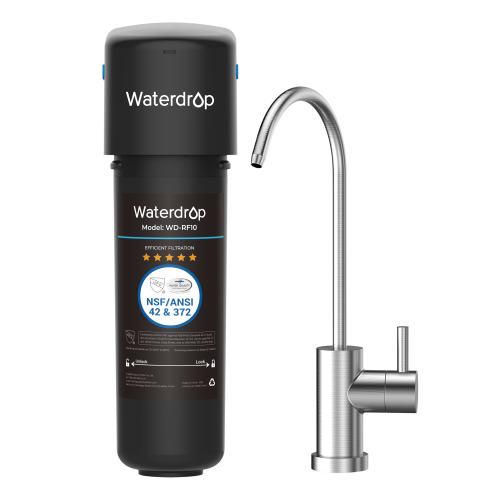
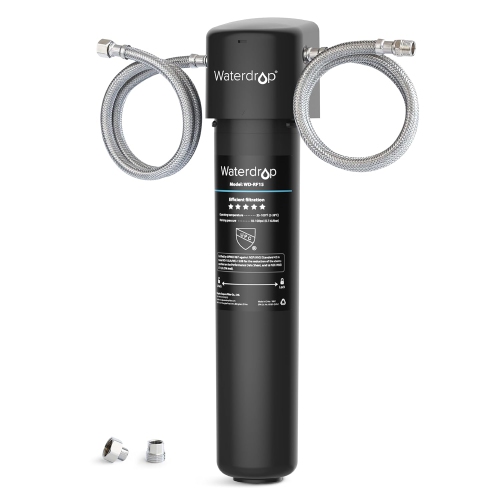
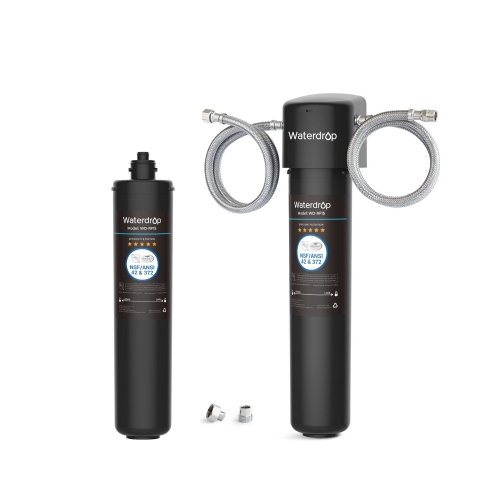
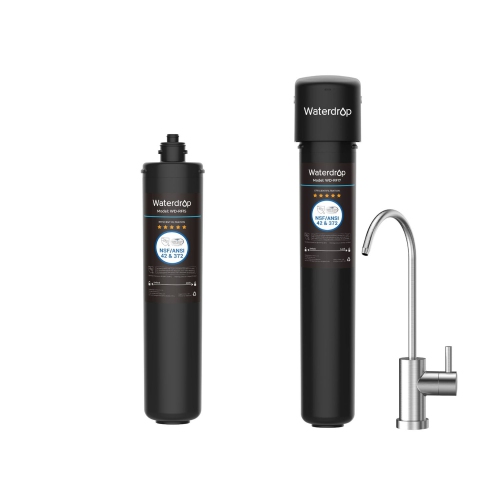
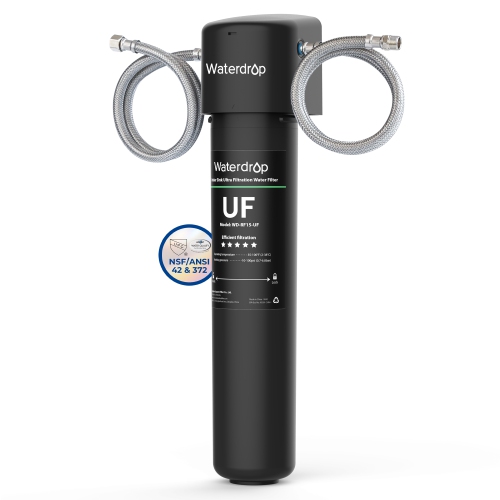
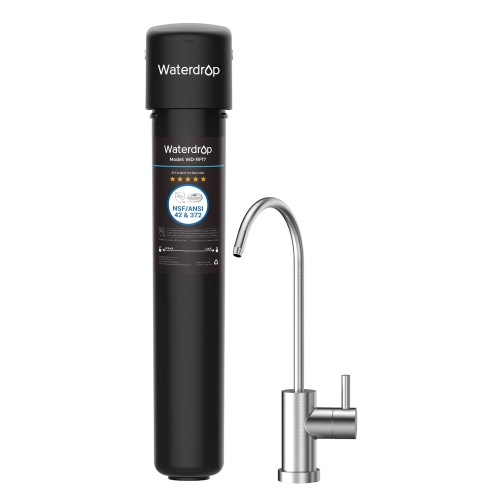
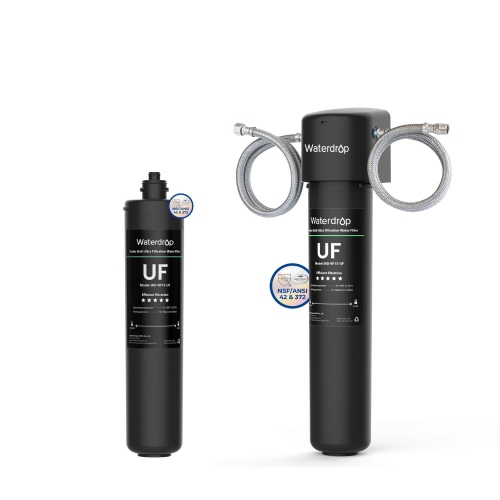
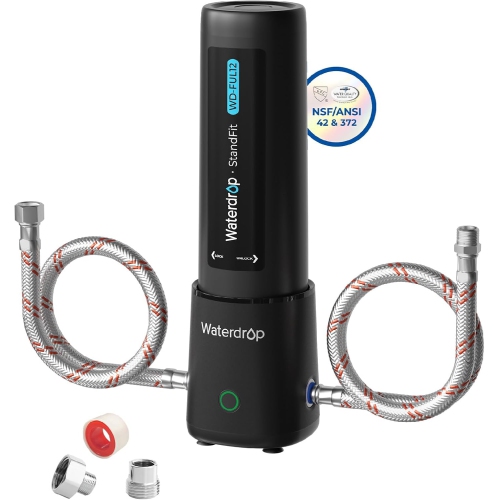
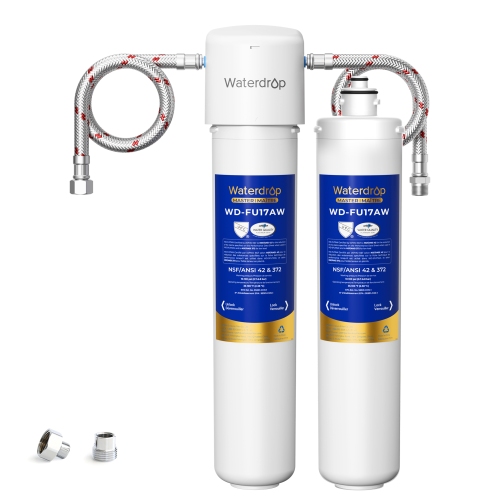
An under-sink water filtration system connects to the plumbing beneath a kitchen sink and supplies filtered water through an existing tap or a dedicated drinking-water faucet. Its main components stay inside the cabinet, keeping the countertop clear.
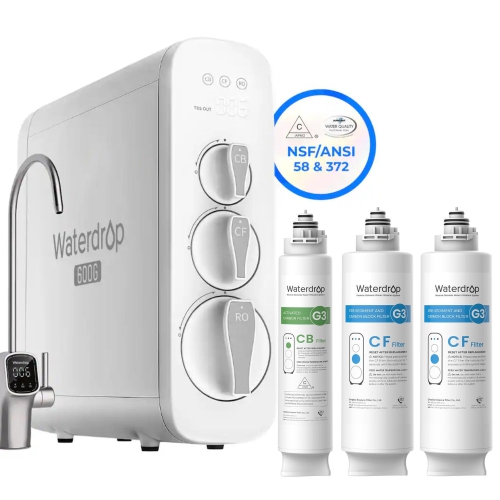
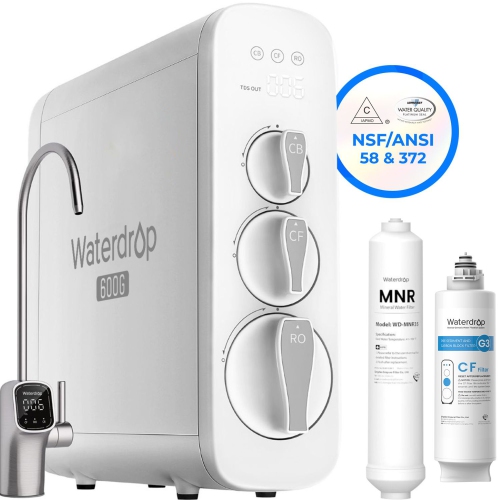
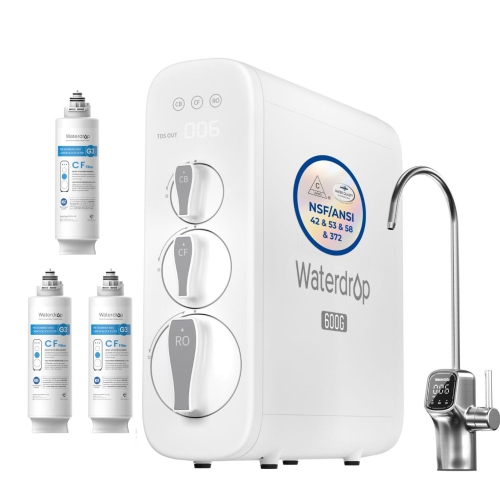
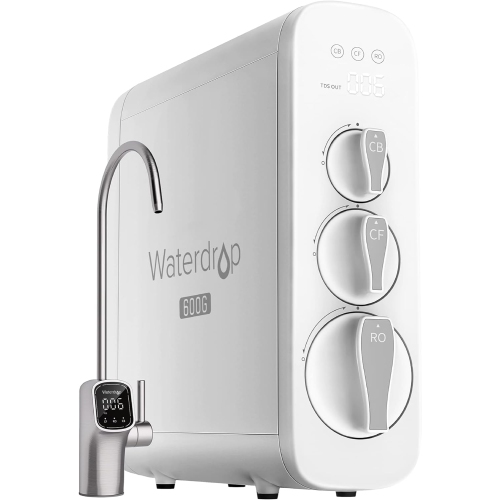
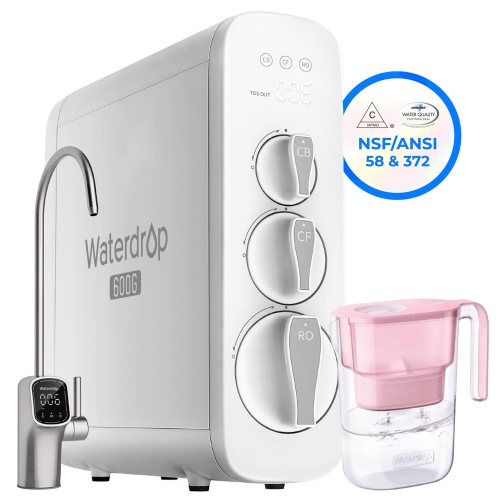
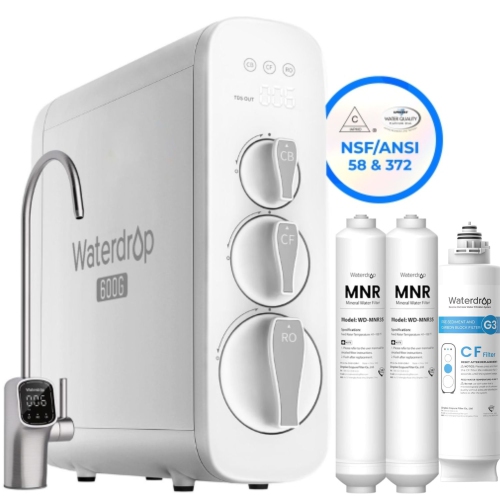
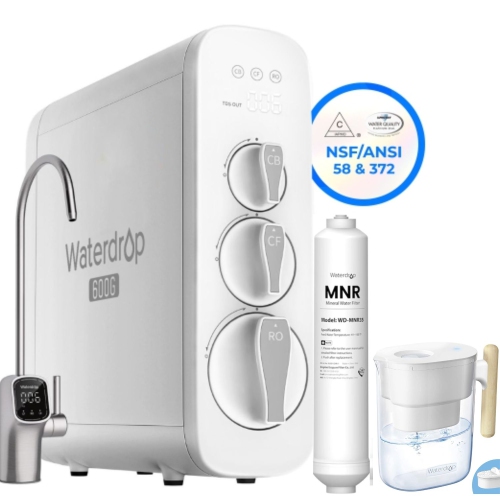
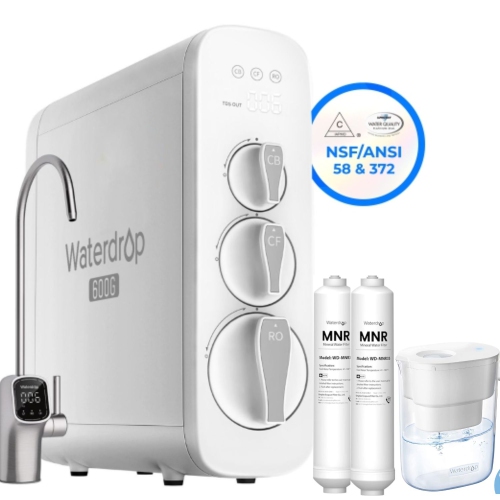
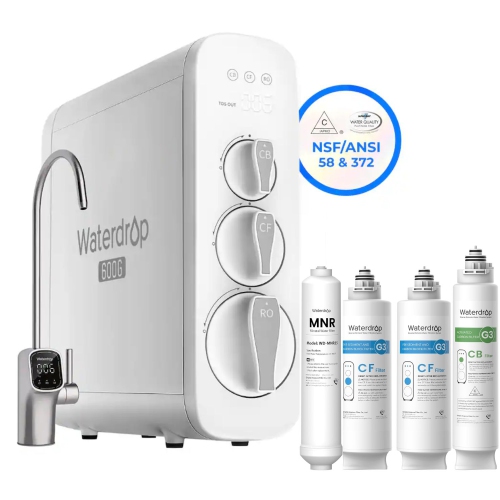
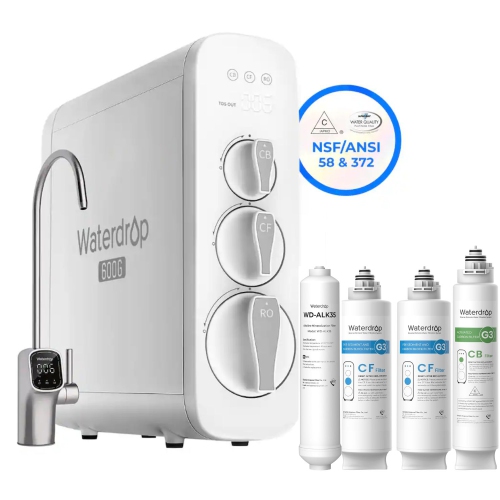
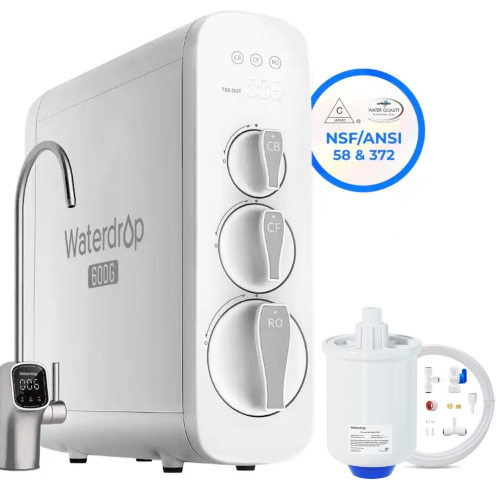
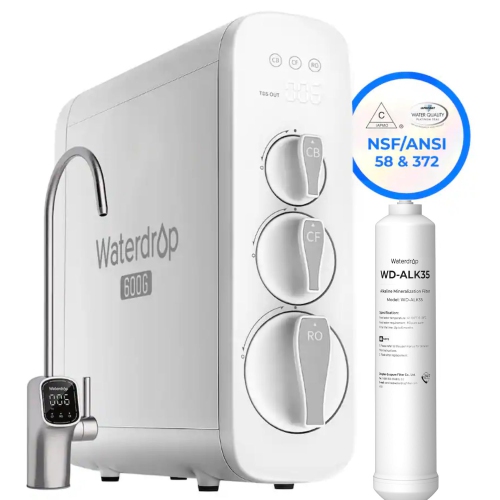
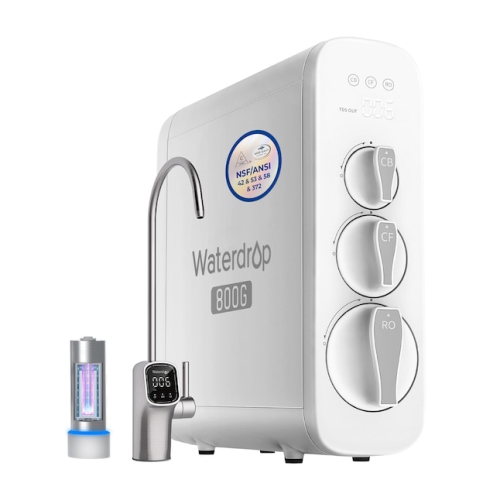
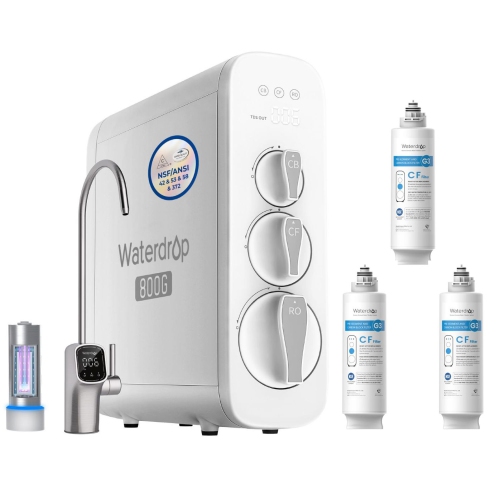
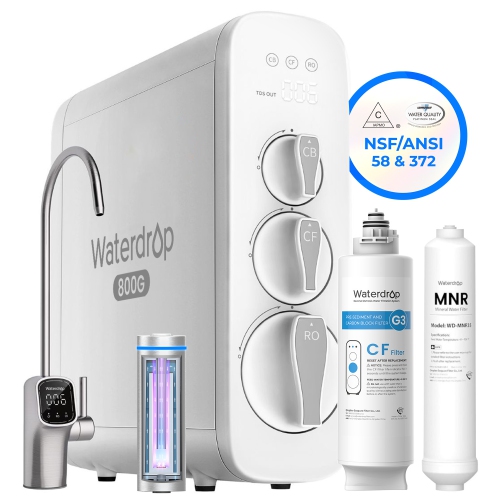
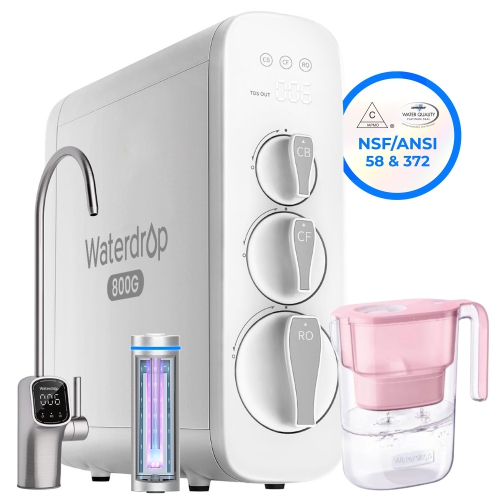
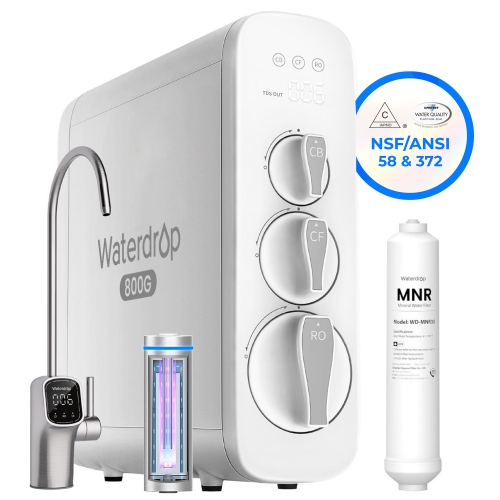
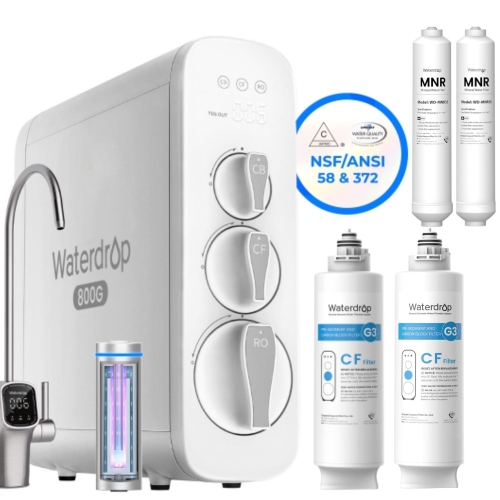
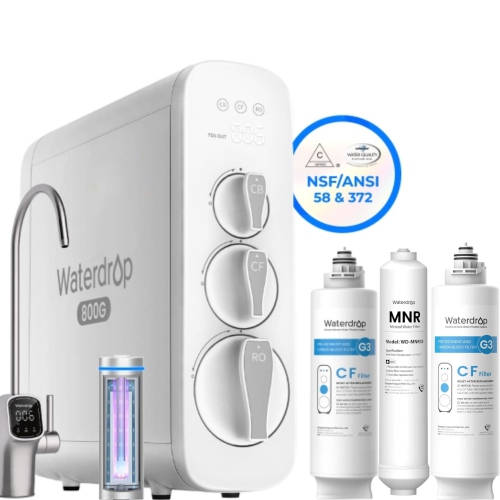
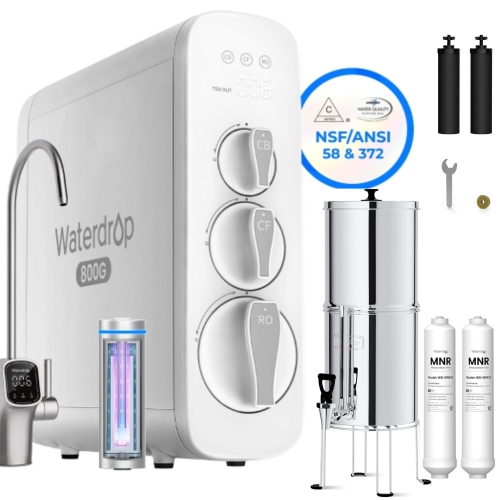
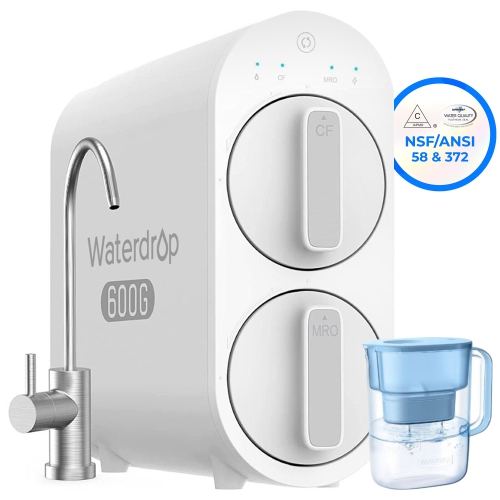
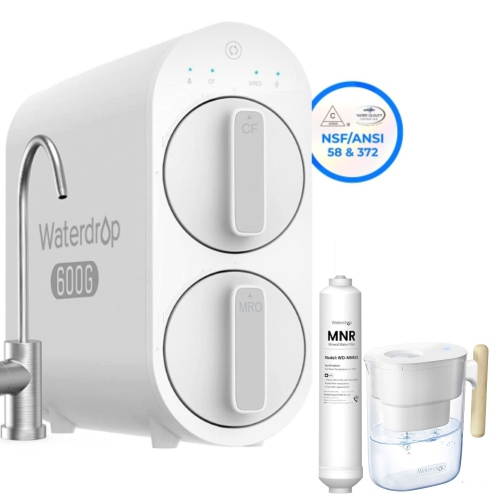
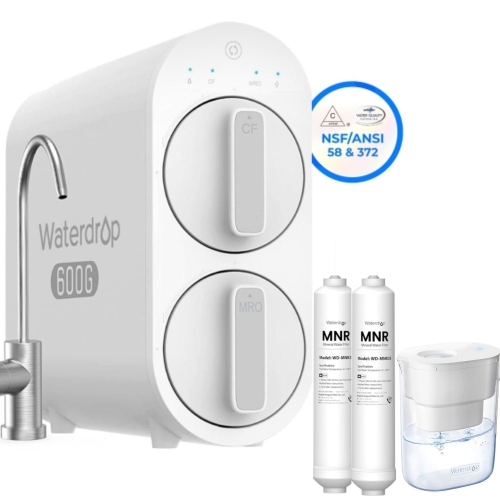
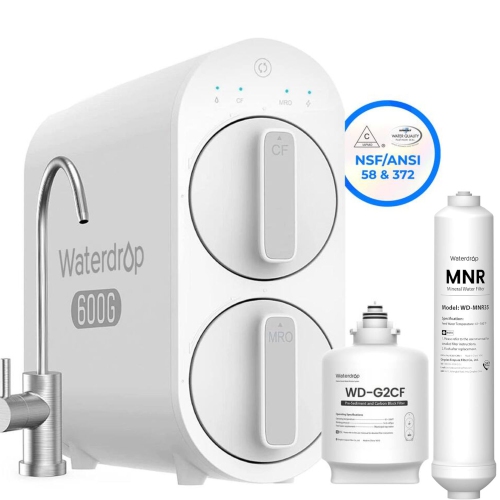
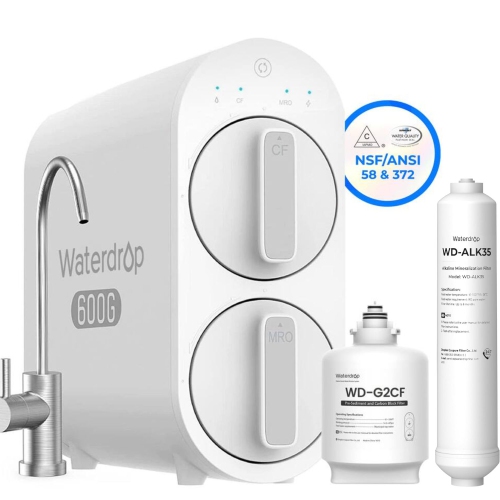
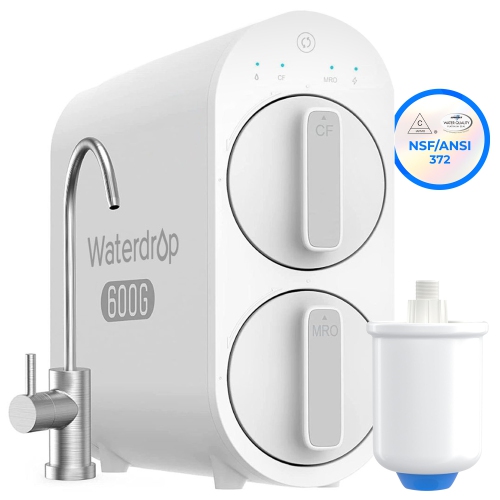
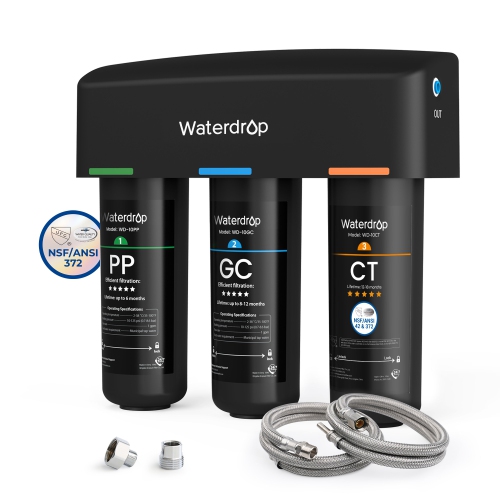
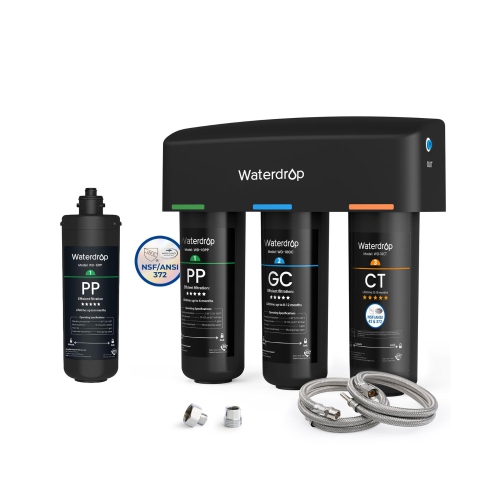
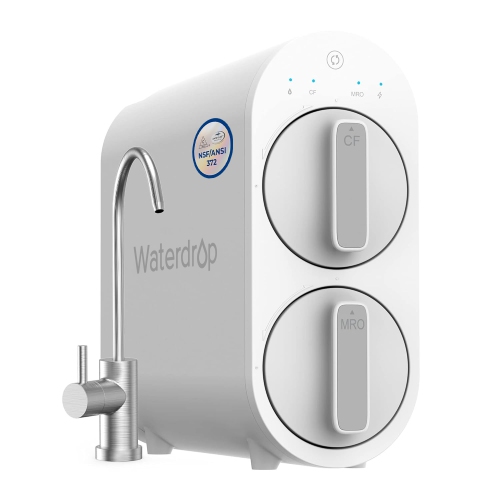
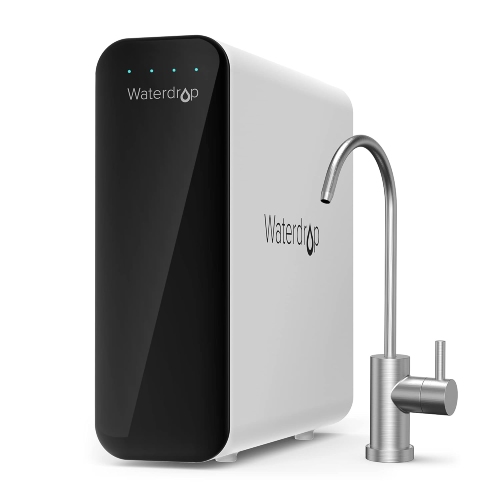
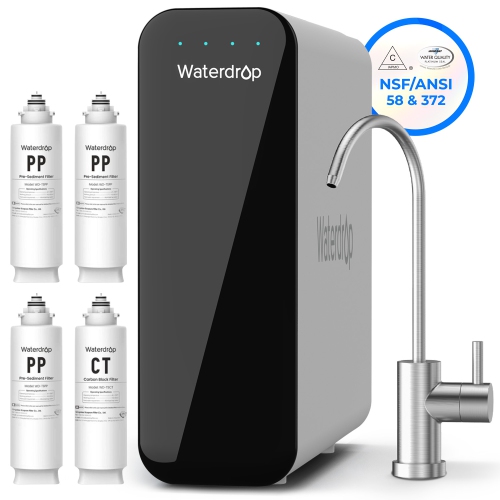
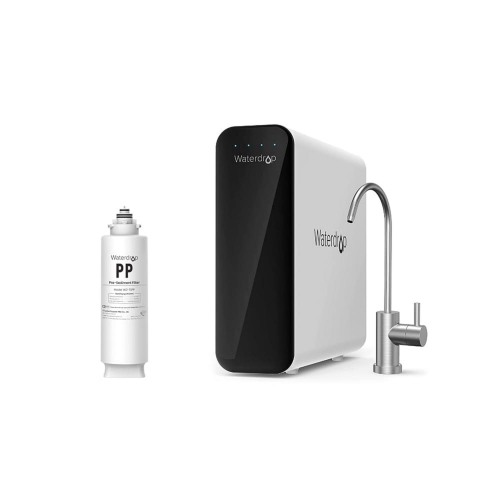
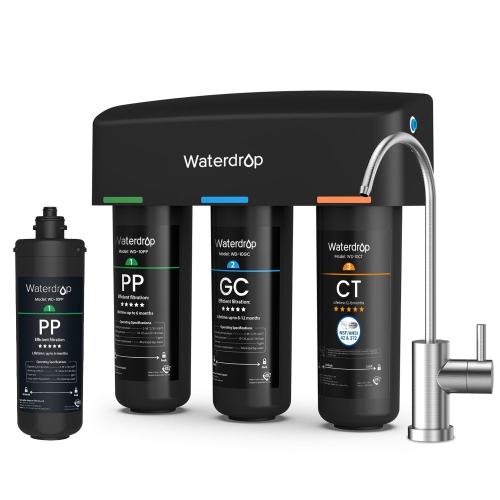
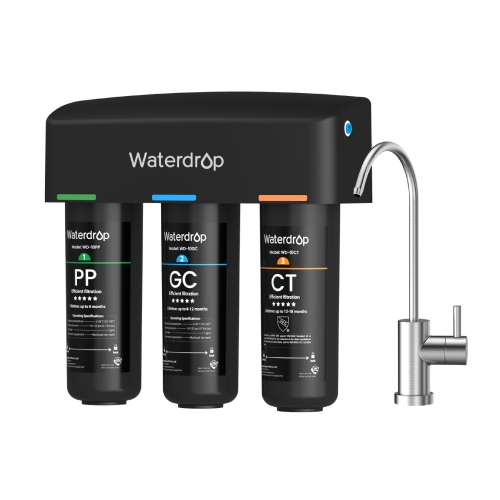
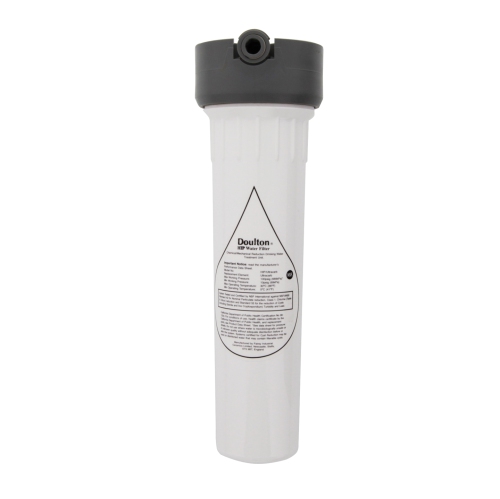
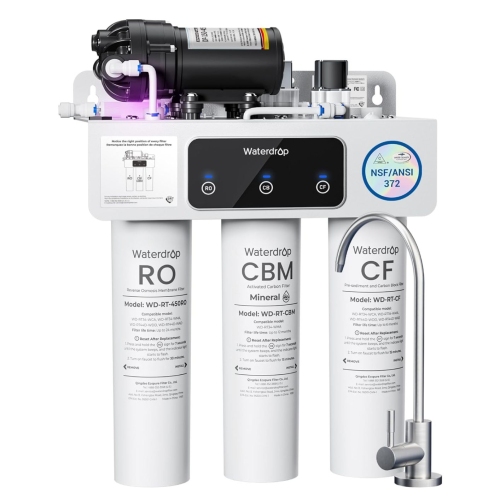
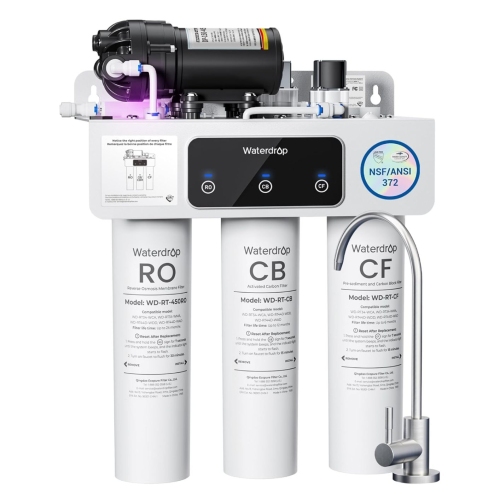
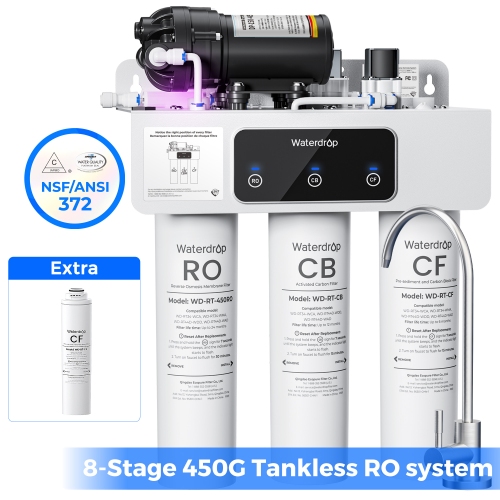
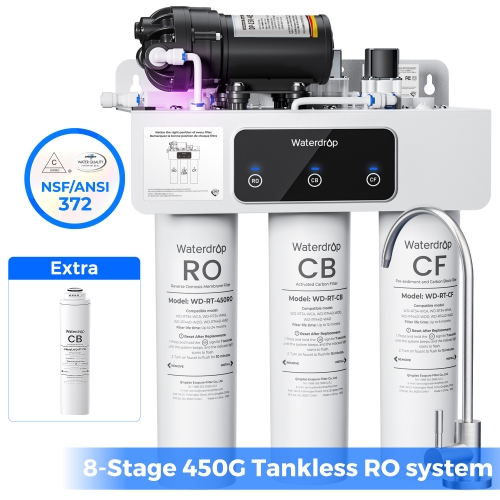
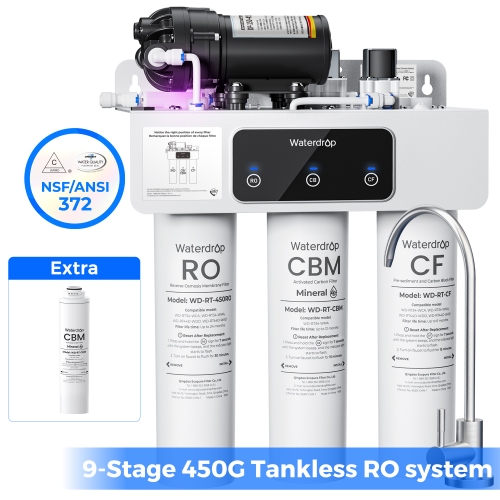
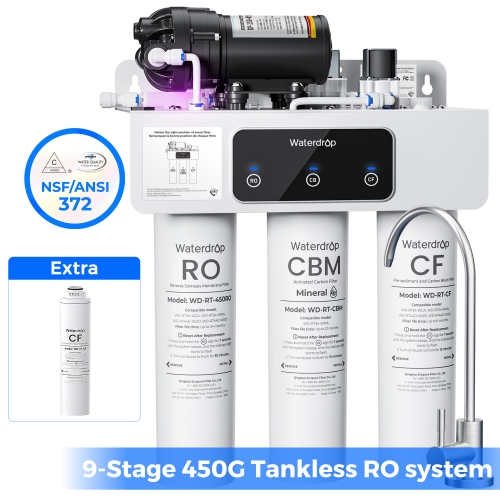
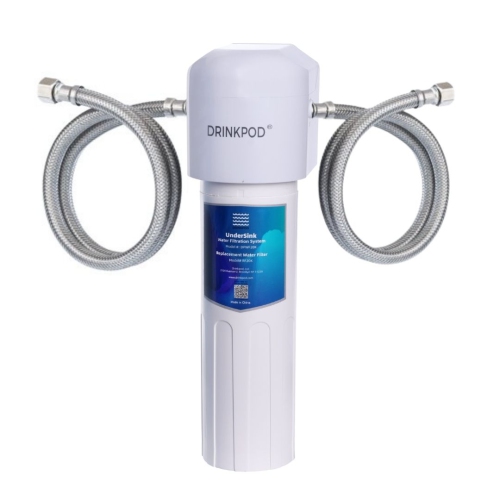
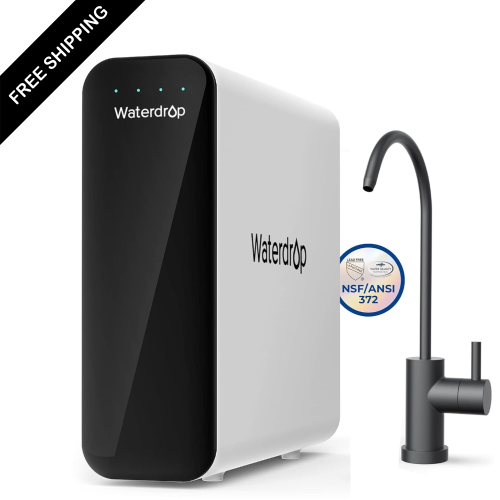
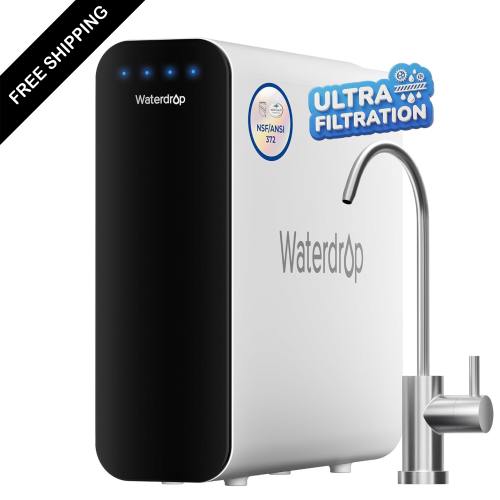
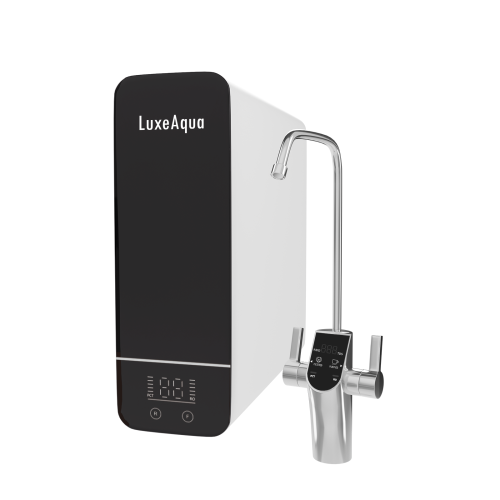
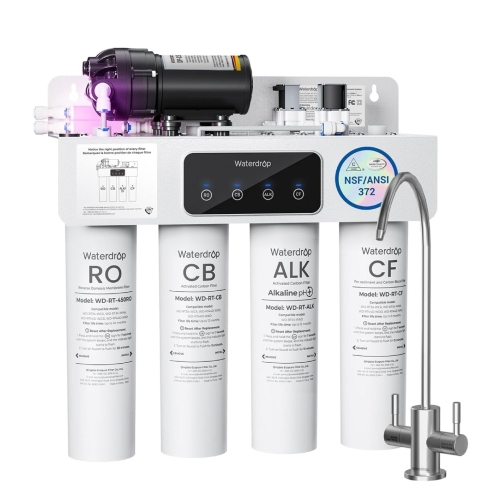
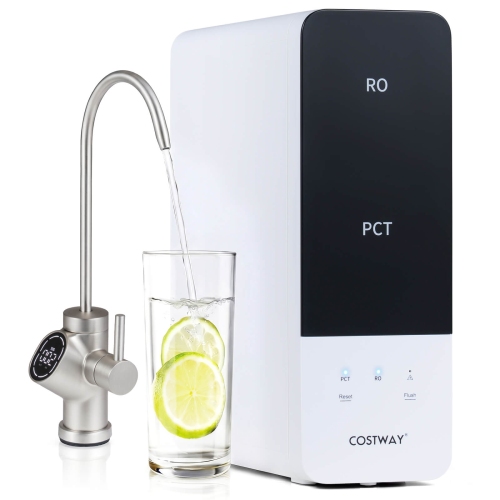
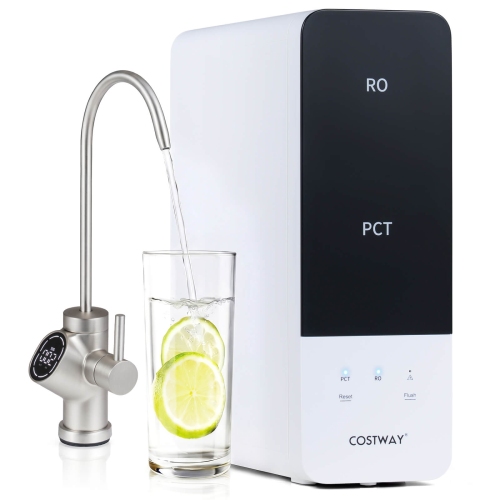
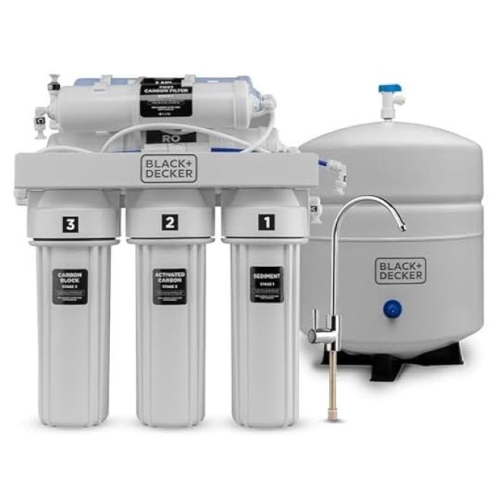
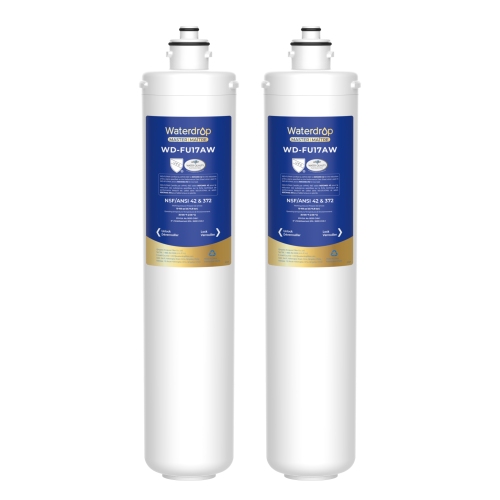
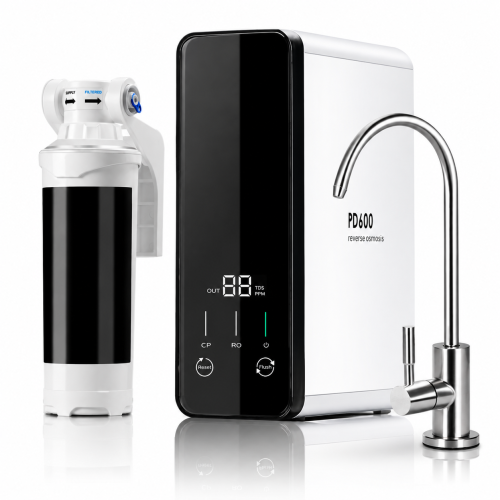
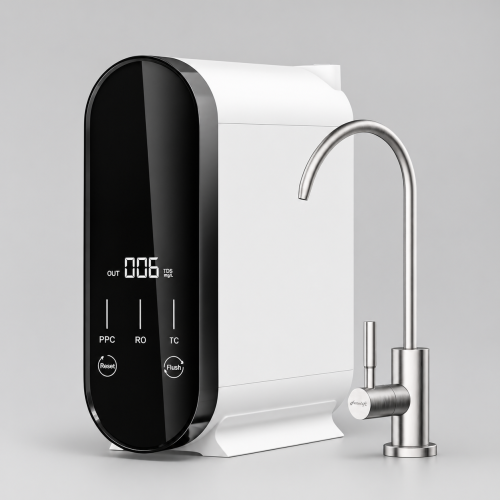
Common types include carbon filtration, ultrafiltration, and reverse osmosis systems. Designs range from single-cartridge units to multi-stage setups. Reverse osmosis systems use a membrane and may include a storage tank, while tankless versions are also available.
Some systems connect directly to an existing cold-water tap, while others use a dedicated drinking-water faucet. Certain setups can work with a compatible three-way kitchen faucet that has separate internal pathways for regular hot and cold water and filtered water. Check the system’s faucet requirements before choosing a configuration.
Many systems operate using household water pressure and do not need an electrical connection. Models with electric pumps, electronic displays, or other powered features may require an outlet. Power requirements depend on the system’s design.
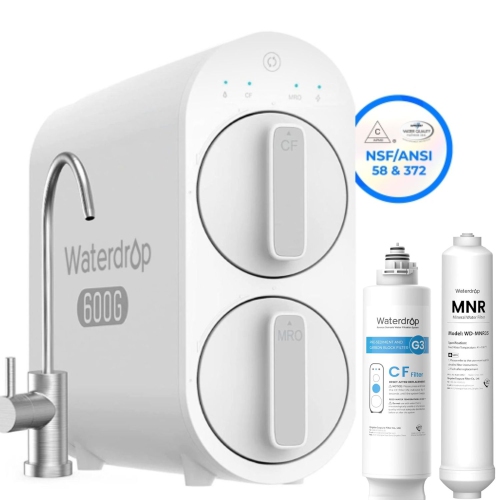
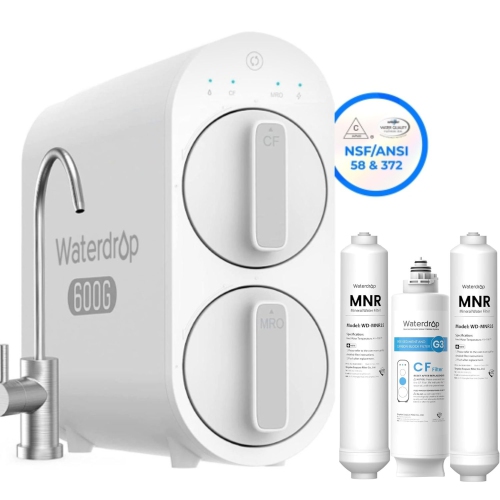
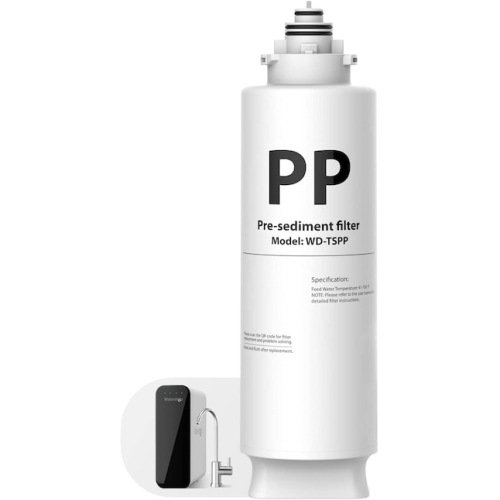
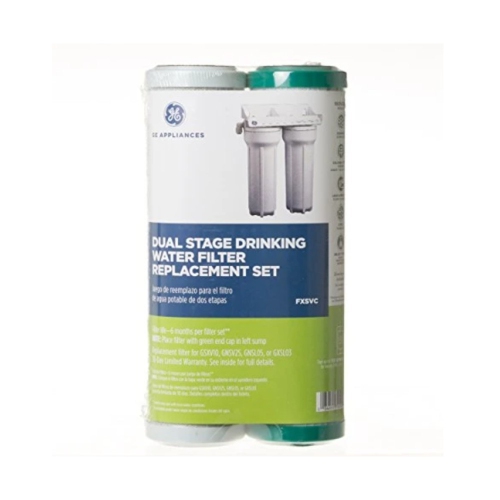
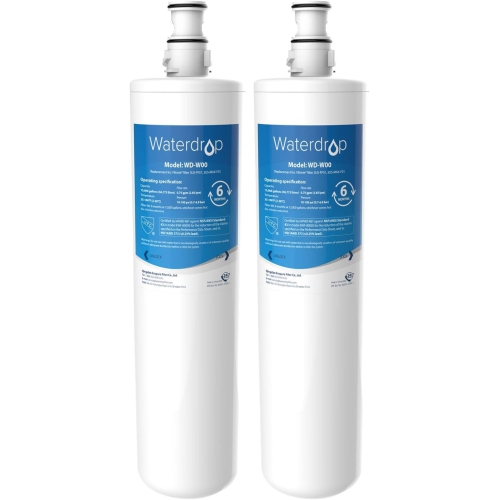
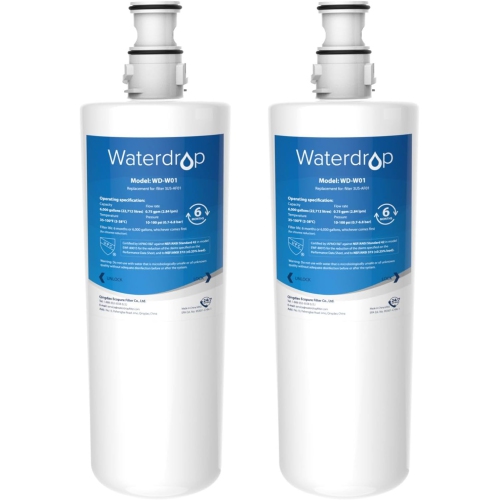
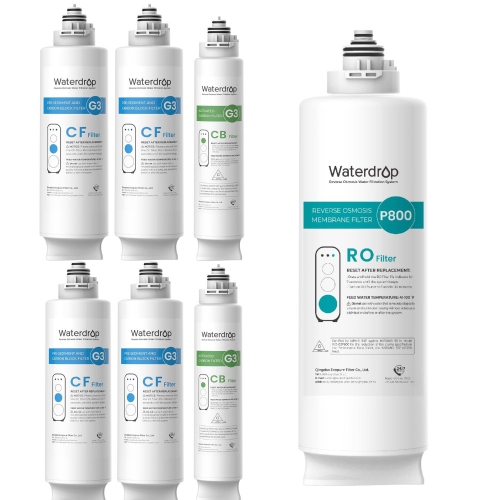
Routine maintenance typically includes replacing cartridges, checking connections for leaks, and cleaning filter housings as directed in the owner’s manual. Multi-stage systems may have different replacement schedules for each cartridge or membrane. Some models include indicator lights or app reminders to help track maintenance.
Top selling and popular products
Discover more categories related to Under Sink Water Filtration Systems
Some products may be subject to Environmental Handling Fees (EHF) depending on your province. Learn more about EHFs.