Water Resistant Patio Chair Cushions
Upgrade your outdoor seating area with Water Resistant Patio Chair Cushions designed to bring both comfort and style to your patio, deck, or backyard. These cushions are an easy way to refresh the look of your favorite chairs while providing a cozy spot for relaxing outdoors. Available in a variety of colors, patterns, and sizes, Water Resistant Patio Chair Cushions make it simple to personalize your space and enjoy more time outside with family and friends. Find the perfect cushions to match your décor and enhance your outdoor living experience.
Sort


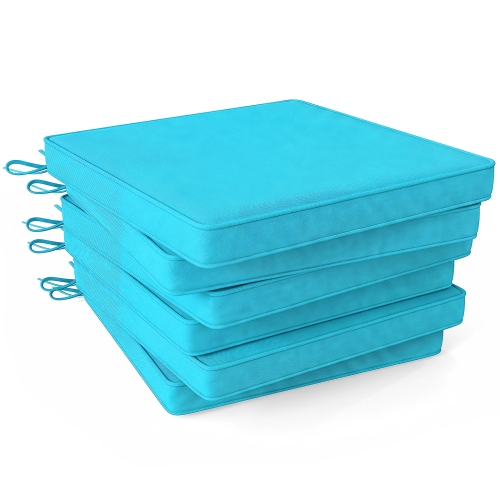


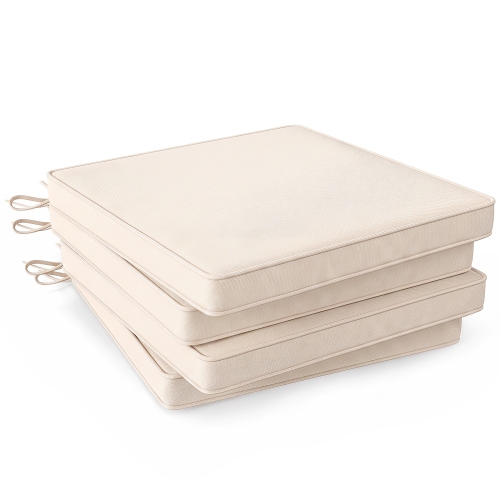
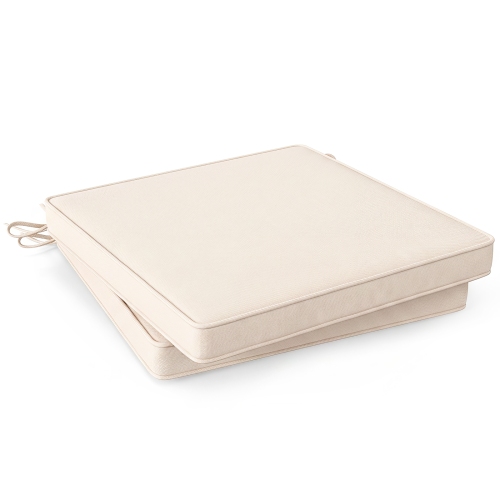
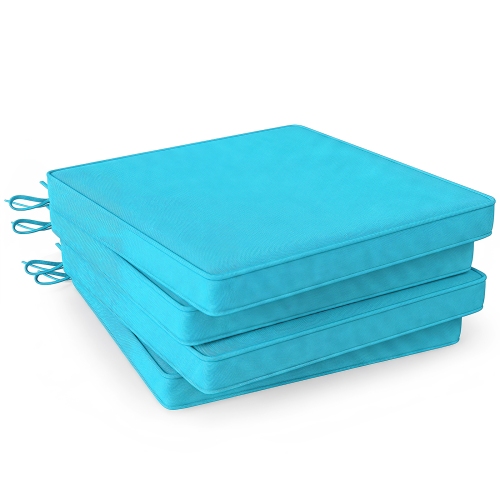
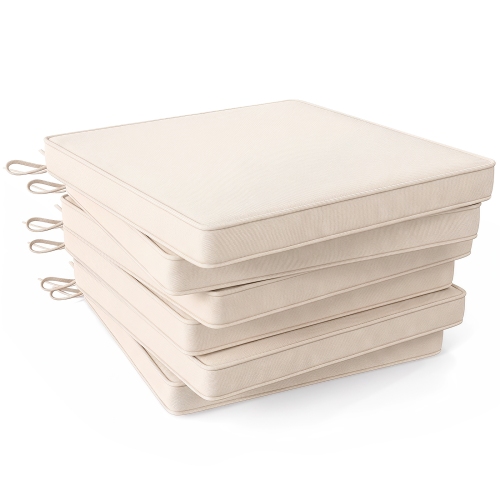
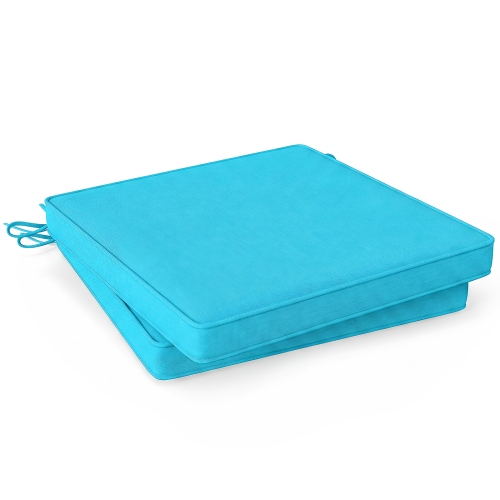
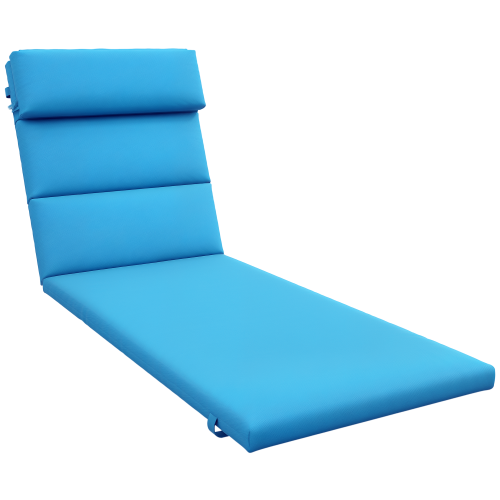
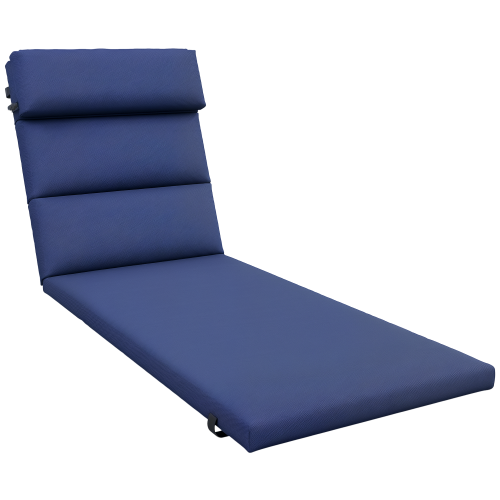
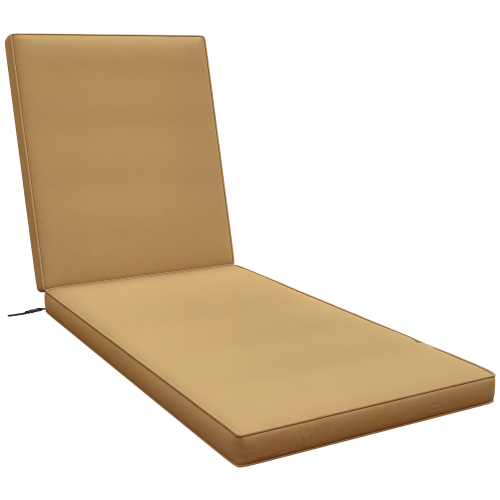
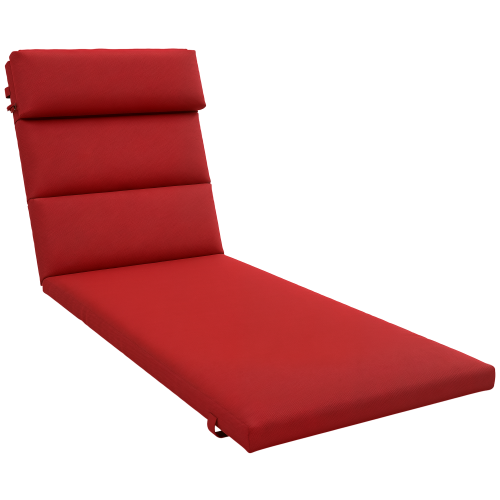
Water resistance is only part of outdoor comfort
Water-resistant patio chair cushions add a softer seating surface to outdoor dining chairs, lounge chairs, and conversation sets while helping manage light splashes and brief exposure to moisture. Their outer fabric typically slows water absorption, giving droplets a chance to bead on the surface rather than immediately soaking into the filling. That protection is useful when a drink spills at the patio table or a passing shower catches an uncovered chair, but water-resistant does not mean waterproof. Prolonged rain, standing water, and moisture entering through seams or zippers can still leave the interior wet. Performance depends on the complete construction, including the cover, seams, backing, and filling, rather than the fabric name alone. Polyester, olefin, and acrylic are common outdoor cushion materials, with different textures and performance characteristics depending on the weave and any treatments applied. A tightly woven cover may feel smooth and substantial, while a more textured fabric can bring the look of indoor upholstery to a balcony or deck. Where specified, solution-dyed fibres have colour incorporated before the fabric is woven, which can help support colour retention in sunlight. Water resistance and resistance to fading are separate qualities, so one should not be assumed from the other. The filling also changes how a cushion feels and handles moisture. Conventional foam provides structure and support but may hold water if it becomes saturated; quick-drying foam is designed to let water pass through more readily when paired with suitable cover materials. Fibre-filled cushions often have a softer, loftier feel and may need occasional reshaping. A mesh underside or drainage-friendly construction can help moisture escape, although drying time still depends on airflow, humidity, and how wet the cushion becomes. For a sheltered porch, occasional splashes may be the main concern. On an open deck, exposure to rain and direct sunlight makes the stated fabric performance and drying characteristics more important. Neither setting removes the need for suitable care and storage.
A good fit makes water-resistant patio chair cushions more comfortable and helps them stay where they belong. Seat width, depth, and shape matter as much as the overall dimensions printed on a cushion label. Some patio chairs taper towards the back, have rounded rear corners, or include curved arms that reduce the usable seating area. Measuring the seat at both the front and back helps account for those differences, while checking depth from the backrest to the front edge helps prevent an awkward overhang. An oversized cushion can bunch against the arms or extend beyond the frame; one that is too small may leave a hard rail exposed beneath the legs. Thickness deserves similar attention. A deeper cushion can soften a firm metal or wood seat, but it also raises the sitting position and reduces clearance beneath a dining table or armrests. When replacing seat and back cushions together, their combined depth affects how much room remains to sit comfortably. Back cushions should support the intended sitting position without pushing the body too far forward. Ties and straps can limit sliding when someone sits down or stands up, provided they line up with a secure part of the chair frame. They should not be treated as a guarantee that cushions will stay attached in strong wind. For dining chairs used through a long meal, a supportive filling that holds its shape may be more comfortable than a very soft pad that compresses quickly. Lounge seating may suit a thicker, more relaxed cushion, especially when the seat and back are designed to work together. Colour and pattern help connect separate pieces of outdoor furniture without requiring every surface to match. Solid neutrals sit easily alongside wood grain and woven furniture, while stripes or small-scale patterns add definition to a simple chair frame. Mid-tone colours and varied textures can make minor marks less noticeable, although every fabric still needs regular cleaning. Comfort is most convincing when the cushion looks proportionate to the chair and feels stable during everyday use.
Care has a direct effect on how well patio chair cushions retain their appearance and comfort. Loose dirt, pollen, and crumbs are easier to remove before they settle into the weave, so light brushing or vacuuming with a suitable upholstery attachment can be helpful when permitted by the care instructions. Spills are best blotted promptly rather than rubbed deeper into the fabric. Many covers allow spot cleaning with mild soap and water, but removable does not automatically mean machine washable. The care label determines whether a cover can go in the washing machine, whether the filling needs separate treatment, and which cleaning products are suitable. Harsh cleaners, bleach, and pressure washing can damage some fabrics or finishes unless expressly permitted. After cleaning or rain exposure, cushions need to dry completely, including the filling and underside, before being stacked or stored. Standing them on edge in a well-ventilated location, where the construction allows, can expose more of the surface to air. Leaving damp cushions piled together or enclosed in a storage box can trap moisture and encourage musty odours or mould. A furniture cover helps reduce exposure, but cushions should be dry before they are covered, and the cover should allow appropriate ventilation. For longer periods without use, a clean, dry storage space offers more dependable protection than leaving cushions exposed to repeated rain, snow, or freeze-thaw conditions. The distinction also matters when comparing Weatherproof Patio Chair Cushions: that description alone does not establish that a cushion can remain outdoors year-round without care. Manufacturer specifications remain the clearest reference for intended exposure and storage requirements. With the right dimensions, suitable filling, and manageable cleaning needs, water-resistant cushions can make a compact balcony chair more inviting or give a full patio dining set a coordinated finish. Their everyday value comes from combining comfortable support with practical moisture resistance, while fitting the way the outdoor seating is actually used.
Top selling and popular products
-
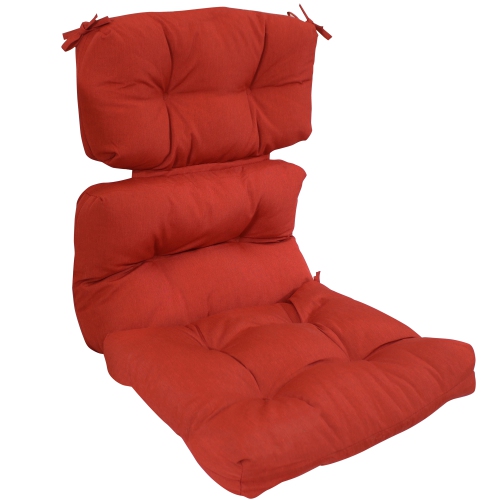 Your price for this item is $88.85
-
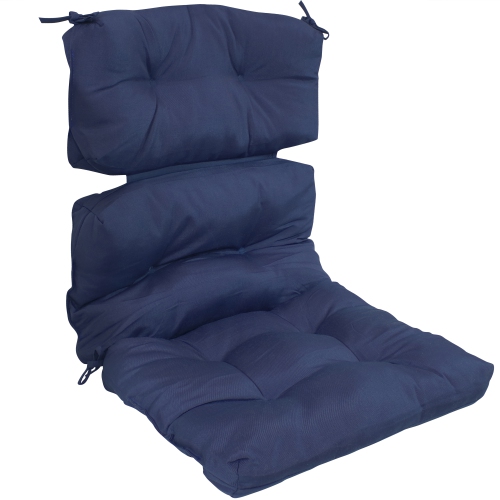 Your price for this item is $88.85
-
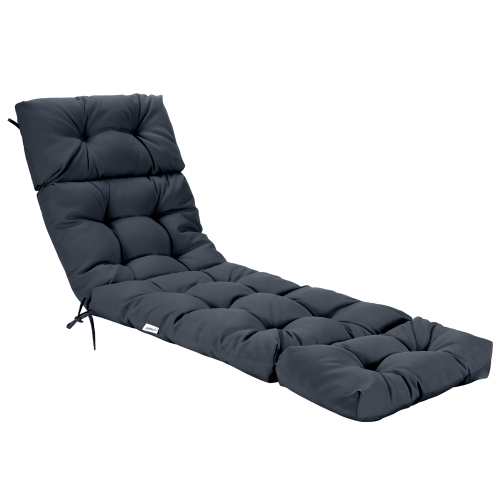 Your price for this item is $68.99
-
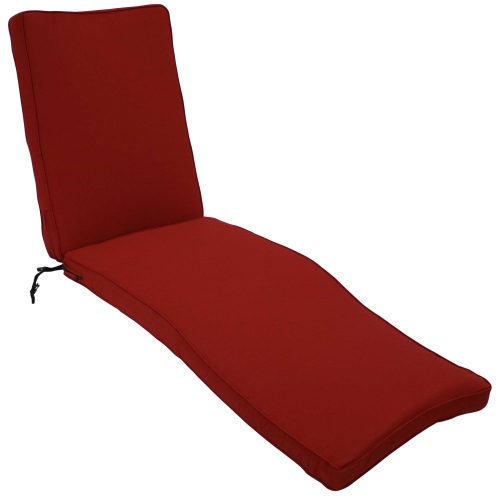 Your price for this item is $155.55
-
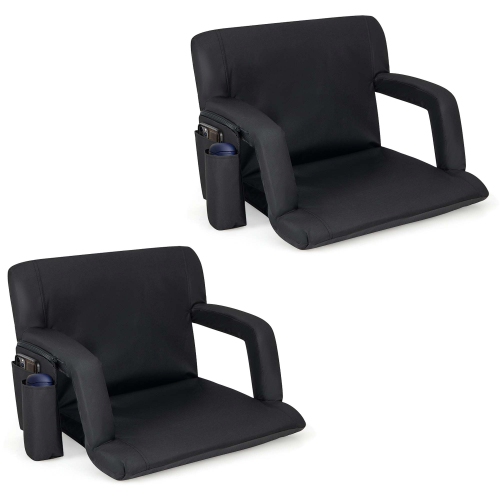 Your price for this item is $167.99
-
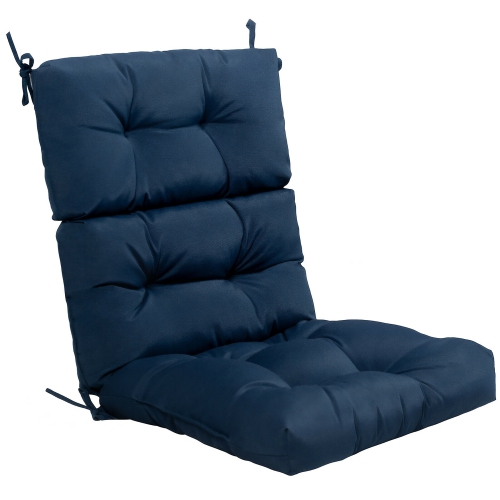 Your price for this item is $59.99
-
 Your price for this item is $154.35
-
 Your price for this item is $68.99
Discover more categories related to Water Resistant Patio Chair Cushions

Top Collections:
Pokemon Centers, Kindle Devices, Best Black Friday Deals This Year, Pokémon 30th Celebration Cards, Best Black Friday Deals On Electronics, Best Cameras for Sports Photography, Best Black Friday Deals On Apple Products, Canon G7X Cameras, iPhone 15 Apple, Candle Warmer Lights
Some products may be subject to Environmental Handling Fees
(EHF) depending on your province.
Learn more about EHFs.