Weather Resistant Chair Cushions
Enhance your outdoor seating experience with Weather Resistant Chair Cushions designed to add comfort and style to your patio, deck, or backyard. These versatile cushions are crafted to withstand the elements while providing a cozy place to relax and unwind. Available in a variety of colors, patterns, and sizes, Weather Resistant Chair Cushions make it easy to refresh your outdoor furniture and create an inviting space for gatherings or quiet moments outdoors. Explore options that blend durability with comfort, perfect for any outdoor setting.
Sort
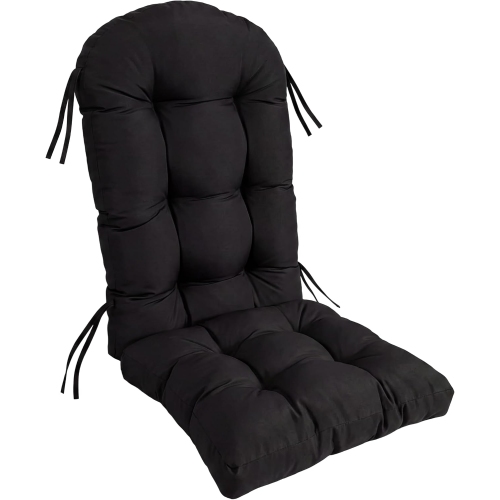
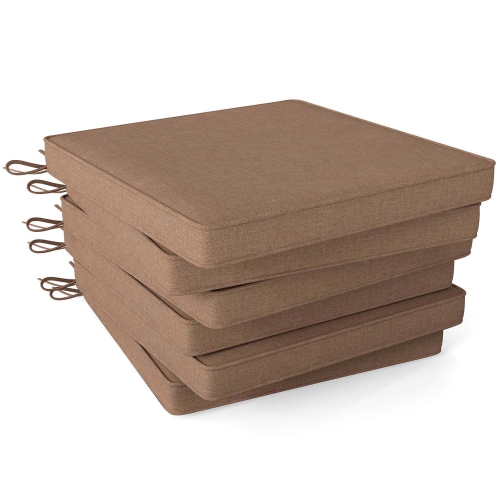
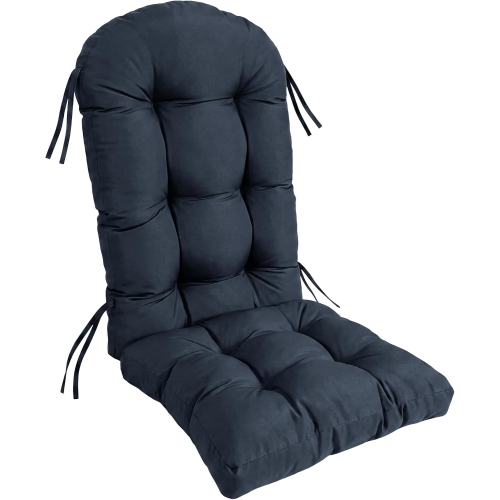
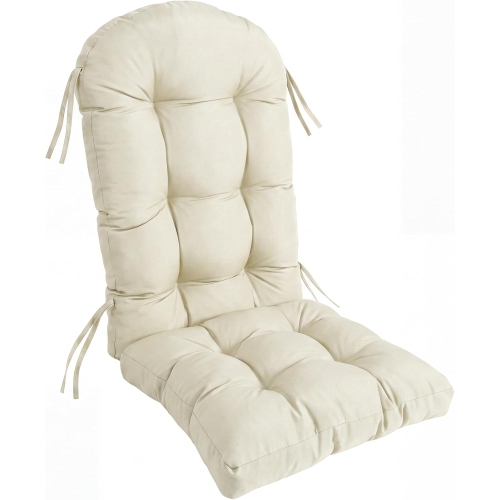
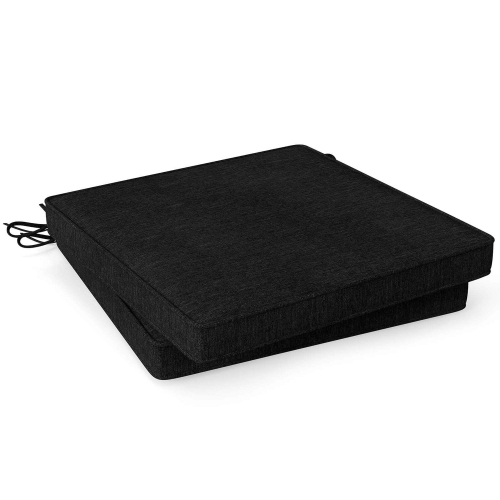
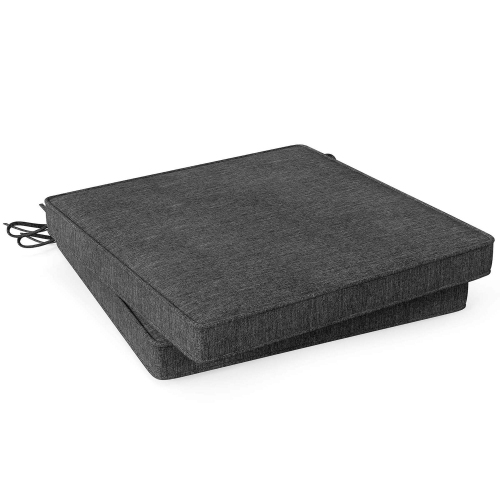
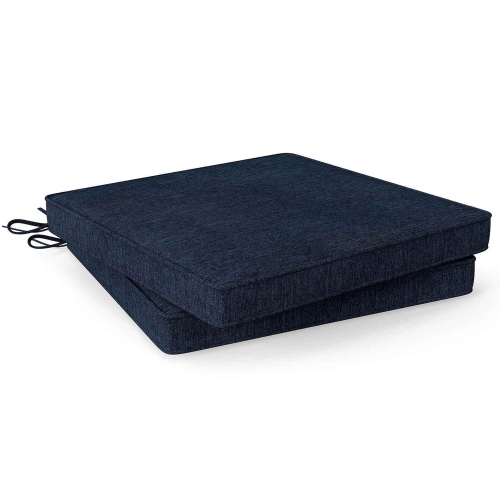
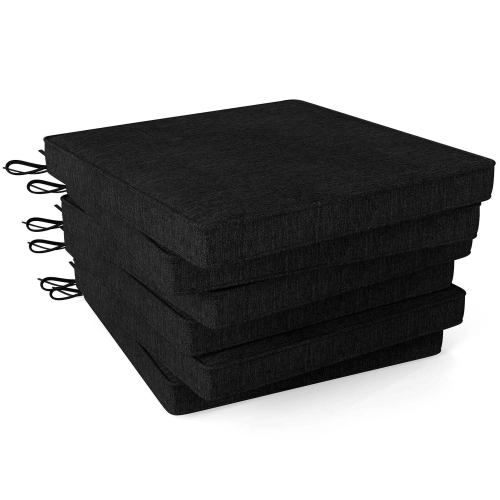
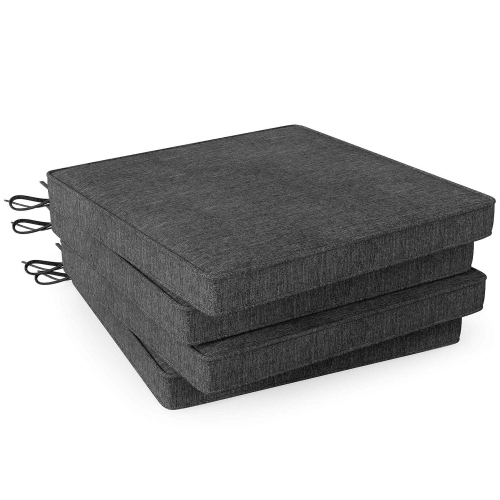
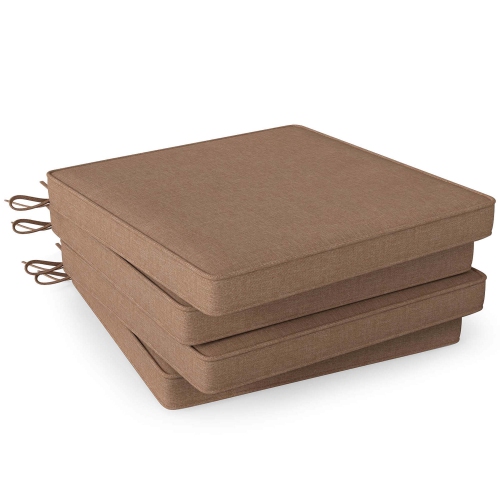
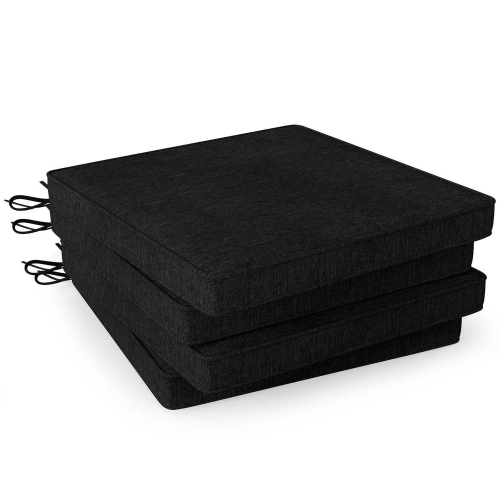
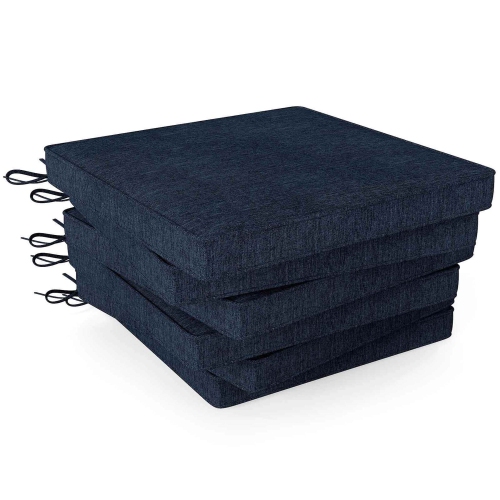
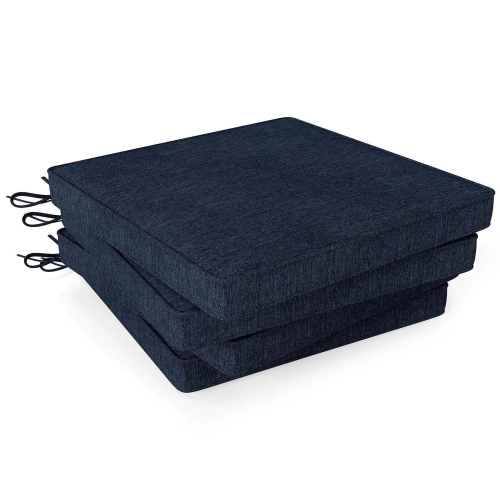

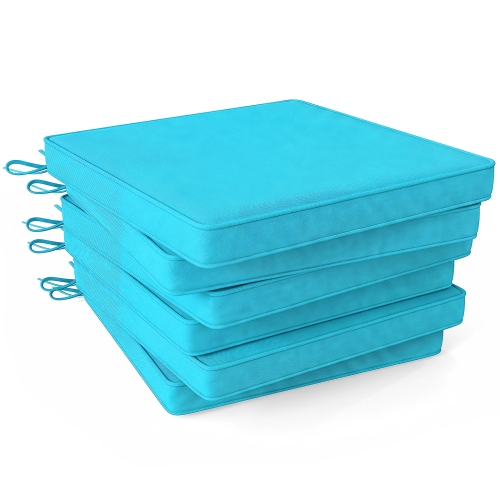
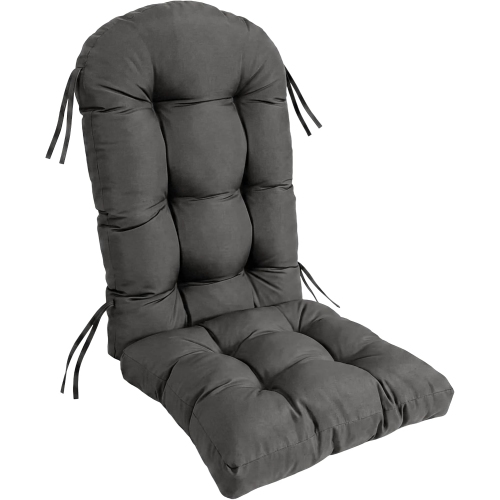
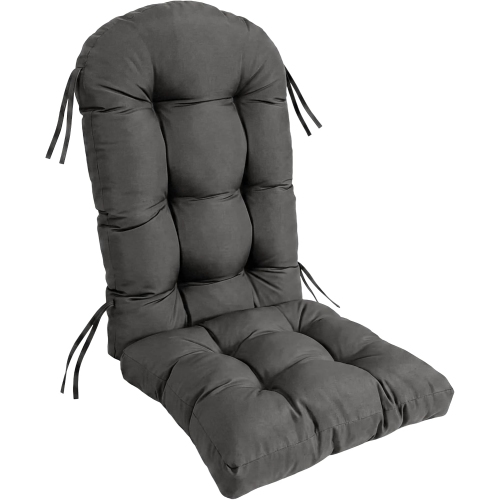
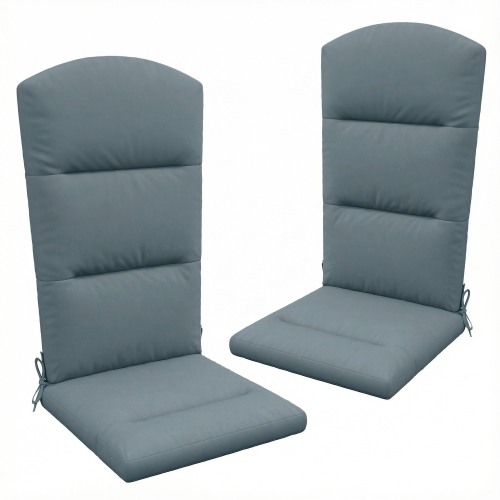
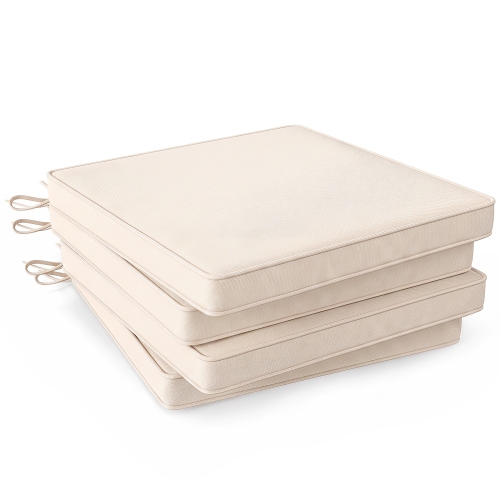
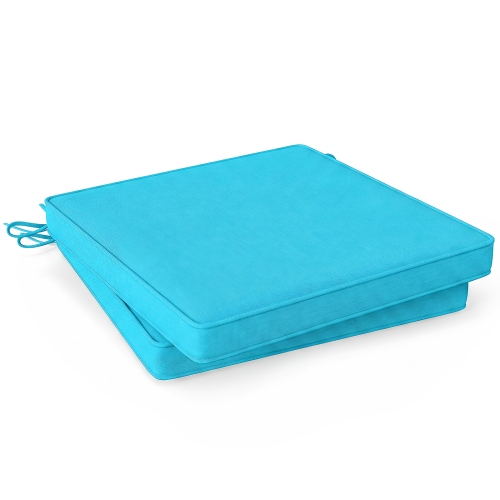
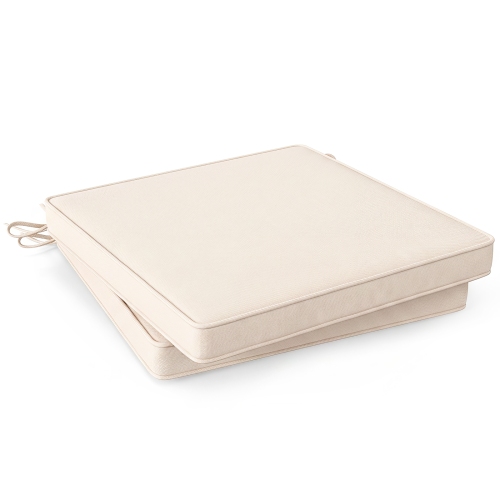
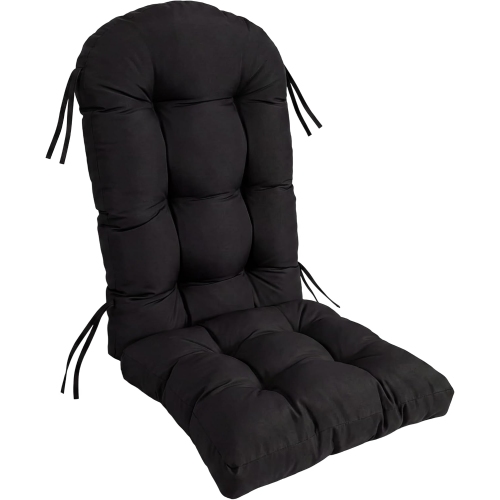
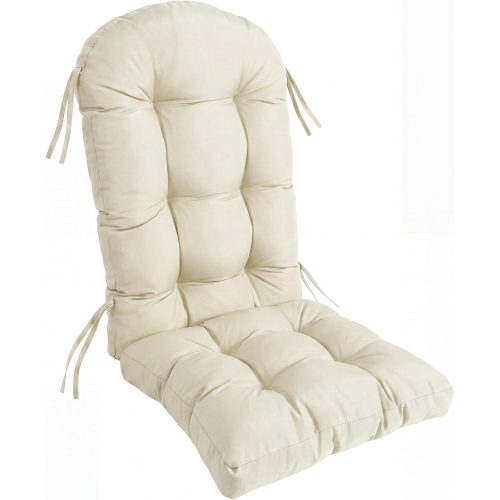
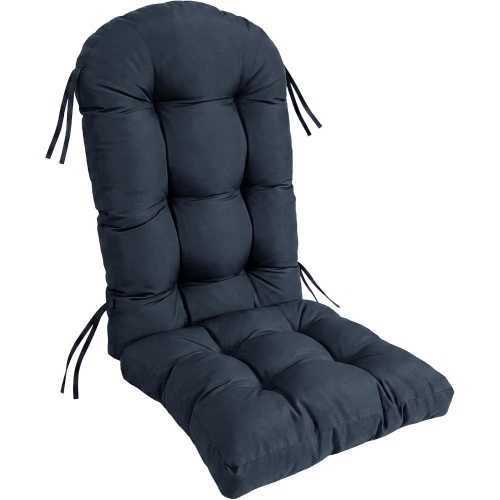
Comfortable outdoor seating takes more than water-repellent fabric
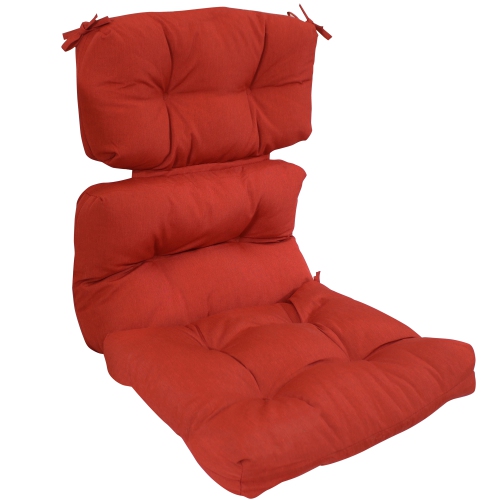
Weather-resistant chair cushions bring a softer, more comfortable feel to outdoor seating while helping the cushions withstand everyday exposure to moisture and sunlight. They suit patio dining chairs, balcony seats, porch armchairs, and other outdoor furniture where indoor upholstery would be impractical. Their performance comes from a combination of fabric, filling, construction, and care rather than a single protective feature. Water-repellent covers encourage light rain and splashes to bead on the surface, while fabrics designed for outdoor use can offer better resistance to fading and mildew than ordinary indoor textiles. Weather-resistant does not necessarily mean waterproof, however. Water can still enter through seams, zippers, or the underside, particularly during prolonged rain or when moisture pools on the seat. Weather-resistant designs and Weatherproof Patio Chair Cushions can share similar fabrics, so stated protection levels and construction details matter more than the category name alone. Polyester, acrylic, and olefin are common outdoor cushion fabrics, each with different textures and performance characteristics. Solution-dyed fabrics have colour incorporated into the fibres during production, which can support colour retention in sunny seating areas, although no fabric is completely immune to fading. A tightly woven cover may feel smooth and substantial, while a more textured weave can add visual depth to a simple chair frame. Inside, foam provides structure and support, while fibre filling generally creates a softer, more relaxed feel. Some cushions combine both to balance a defined shape with a comfortable surface. Quick-drying foam and drainage-friendly construction can be useful where an uncovered deck receives rain, but drying speed still depends on airflow, humidity, cushion thickness, and the cover material. For a chair beneath a porch roof, occasional wind-driven rain may be the main concern; an open patio seat needs more attention to both moisture exposure and drying.
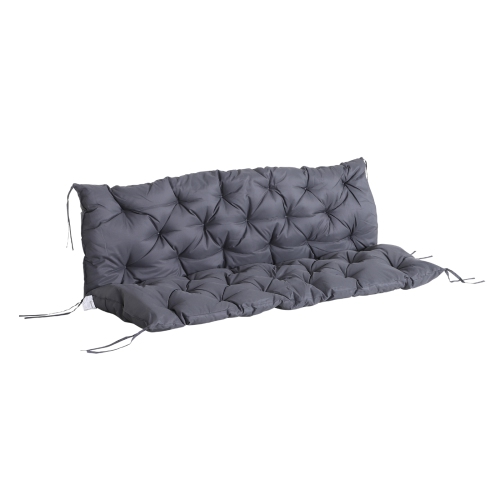
Fit makes a noticeable difference to how outdoor cushions look, feel, and stay in place. A cushion that extends far beyond the chair frame can shift or leave unsupported edges, while one that is too small may expose hard rails along the sides or front. Seat width and depth are useful starting points, but the chair’s shape matters just as much: a rounded wicker seat, a square metal dining chair, and a tapered wooden chair may need different cushion profiles even when their widest measurements are similar. Measuring the usable seating surface, rather than the outside of the arms, gives a clearer sense of the space the cushion needs to fill. Back cushions require their own measurements, including the height available beneath any decorative upper rail. Thickness also changes the seating position. A deep cushion can make a low lounge chair more inviting, yet the same thickness on a dining chair may bring knees too close to the tabletop or leave less room beneath the armrests. Firmer filling often suits meals, conversation, and working at an outdoor table, while a softer seat-and-back combination can feel more comfortable for reading or lingering over a cup of tea. Ties and straps help secure cushions to compatible frames, especially on chairs that are moved frequently or placed in breezy locations. Their position should line up with a suitable part of the chair rather than pull awkwardly across the seat. A textured or grip-style underside may reduce sliding, though it does not replace secure storage in strong winds. Colour and pattern can help connect the seating area to its surroundings without requiring every piece to match. Sand, charcoal, and muted blue work easily with many wood and metal finishes, while stripes or botanical patterns can add definition to a plain furniture set. Patterned or textured fabrics may make small marks less noticeable between cleanings, but they still need the same attention to spills and trapped moisture.
Care and storage have a direct effect on how well weather-resistant chair cushions hold their shape and appearance. Everyday debris such as crumbs, pollen, and leaves is easier to remove before it settles into seams or becomes damp. A soft brush or suitable vacuum attachment can lift loose particles, while many outdoor fabrics allow gentle spot cleaning with mild soap and water; the care label remains the best reference for the correct method. Removable covers are convenient, but a zipper does not automatically mean that a cover is machine washable, and heat from a dryer can affect some fabrics, coatings, or cushion components. Spilled drinks and food should be blotted promptly rather than rubbed deeper into the weave. After cleaning or rainfall, cushions need enough open air to dry throughout, not just across the surface. Standing a cushion on its edge, where its care instructions permit, can help water drain and expose more of it to moving air. Packing a cushion into a deck box while the filling is still damp can lead to musty odours and mildew, even when the outer fabric is described as mildew-resistant. Protective furniture covers can reduce direct exposure, but they should fit properly and allow ventilation rather than hold condensation against the upholstery. For extended periods without use, clean, fully dry cushions are best kept in a dry, sheltered storage area, particularly where snow, freezing rain, or repeated freeze-and-thaw conditions are expected. These practical details make weather-resistant cushions useful for households that enjoy outdoor meals, quiet balcony breaks, or relaxed visits on the porch without wanting delicate upholstery to manage. They can also make a thoughtful housewarming gift when the recipient’s chair dimensions, preferred firmness, and storage space are known. The most satisfying choice is one that suits the actual chair and how it is used, pairing comfortable support with a fabric and care routine that fit everyday life.
Top selling and popular products
-
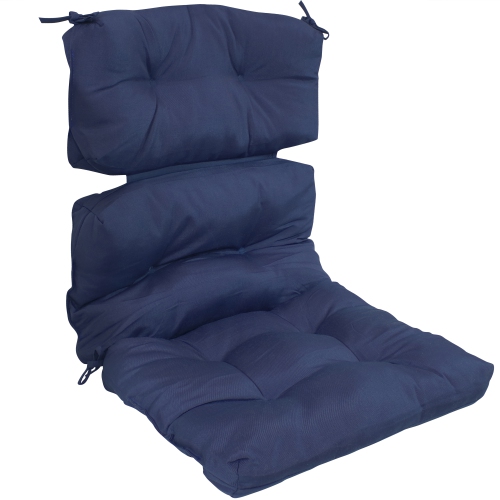 Your price for this item is $88.85
-
 Your price for this item is $88.85
-
 Your price for this item is $64.99
-
 Your price for this item is $167.99
-
 Your price for this item is $89.99
-
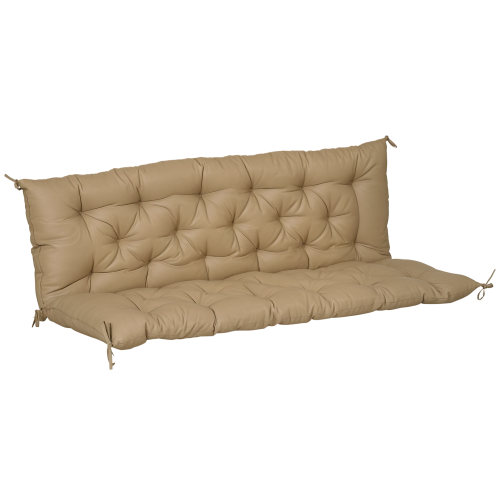 Your price for this item is $64.99
-
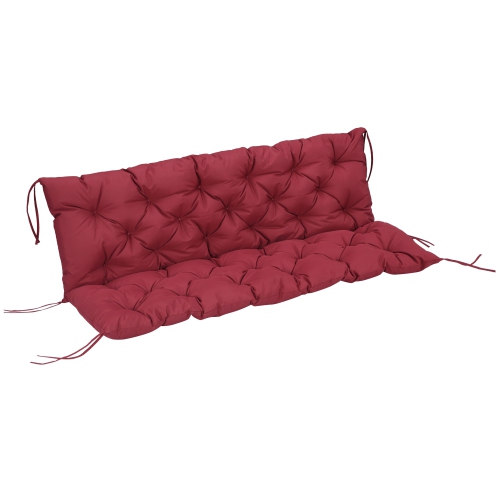 Your price for this item is $67.99
-
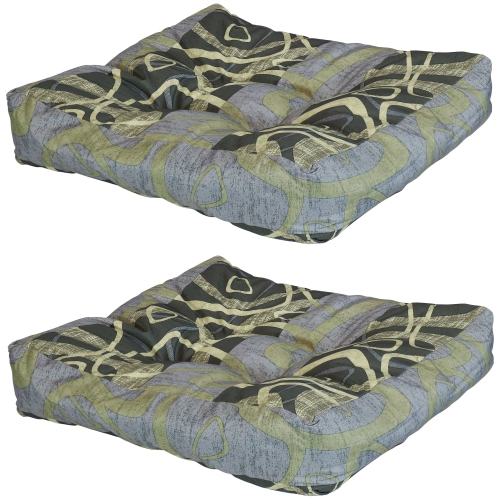 Your price for this item is $77.35
Discover more categories related to Weather Resistant Chair Cushions
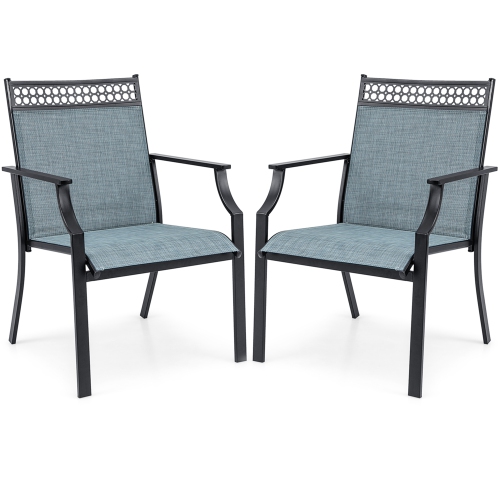
Top Collections:
Best Black Friday Deals This Year, Best Black Friday Deals On Electronics, Kindle Devices, Dyson Airwrap, Best Cameras for Sports Photography, Best Budget Office Chairs, Canon G7X Cameras, PS5 Pro Consoles, Best Black Friday Deals On Apple Products, XBOX One S Consoles
Some products may be subject to Environmental Handling Fees
(EHF) depending on your province.
Learn more about EHFs.