Water Sprayers
Looking to keep your garden lush and thriving this summer? Our selection of water sprayers is here to help you easily water your plants, flowers, and lawn with precision and efficiency. Whether you need a handheld sprayer for targeted watering or a larger capacity sprayer for covering larger areas, we have a variety of options to suit your gardening needs. From adjustable nozzles to ergonomic designs, these water sprayers are designed to make watering tasks a breeze, so you can spend more time enjoying your outdoor oasis.
Sort


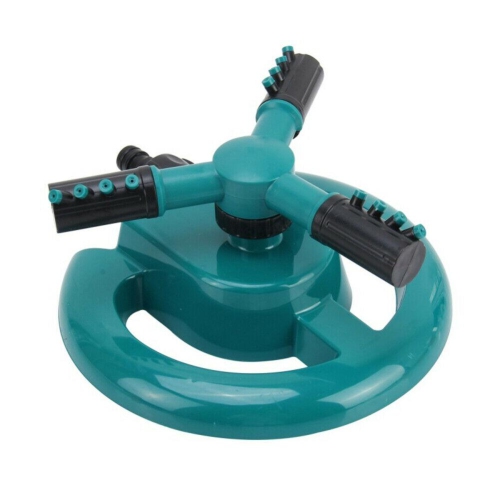
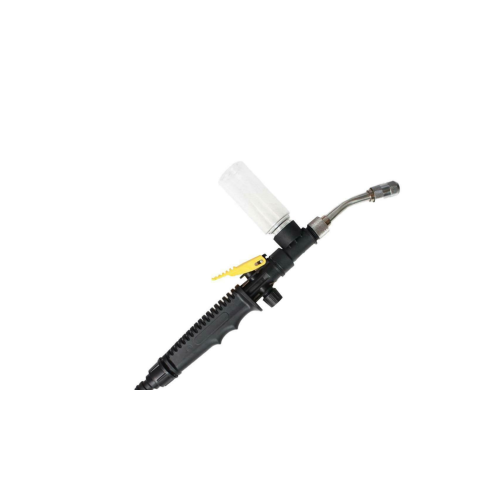
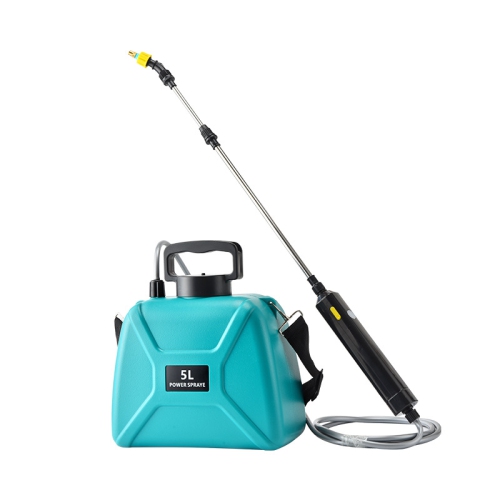
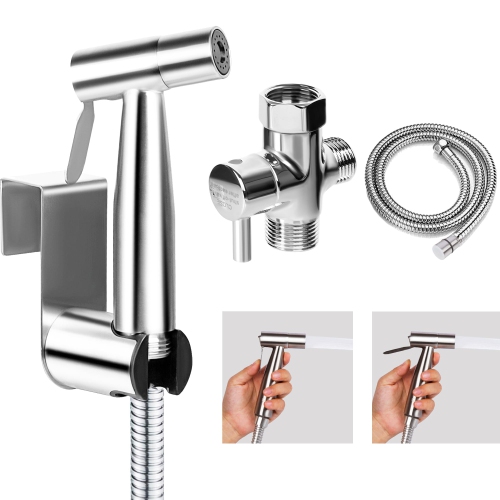
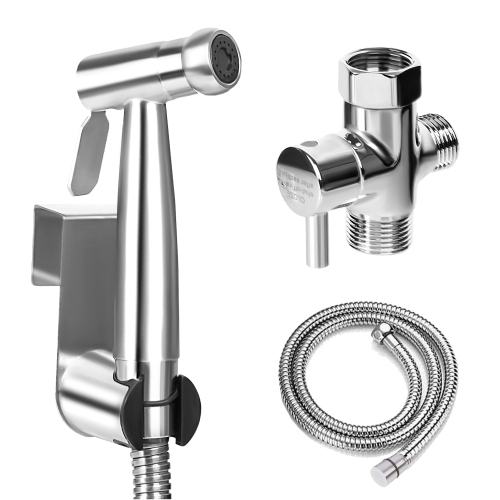
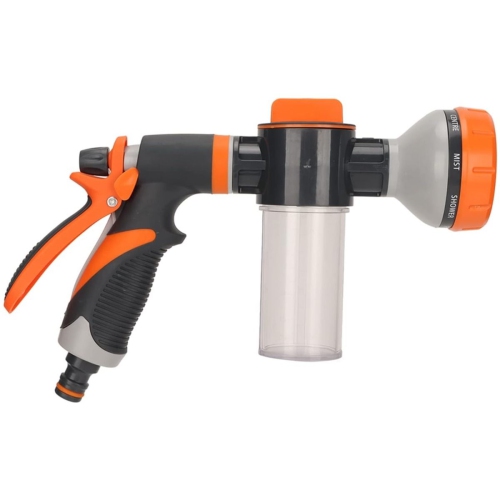
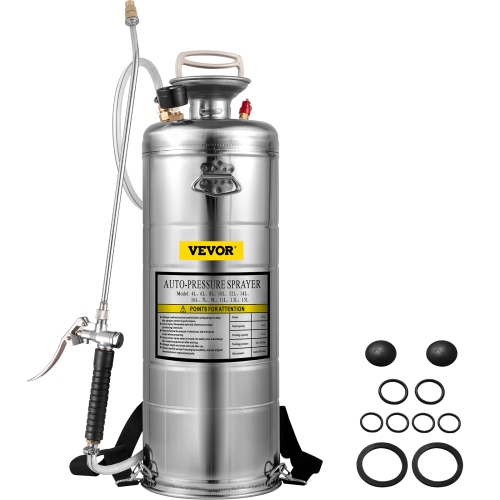
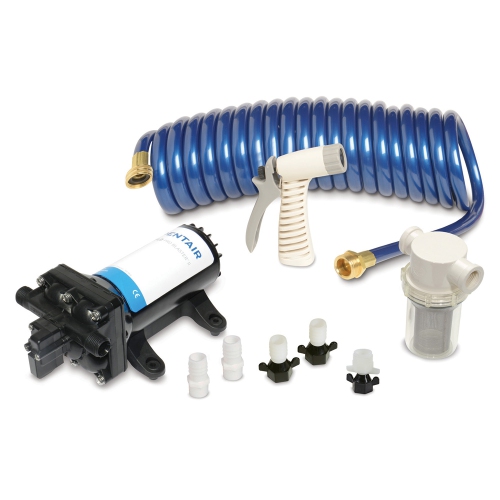
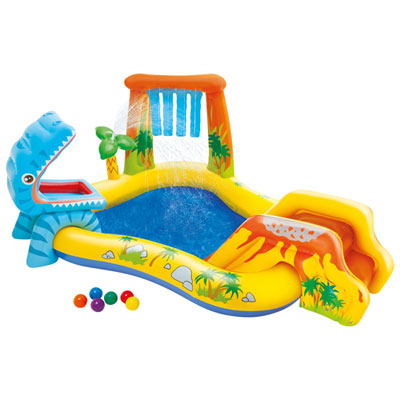

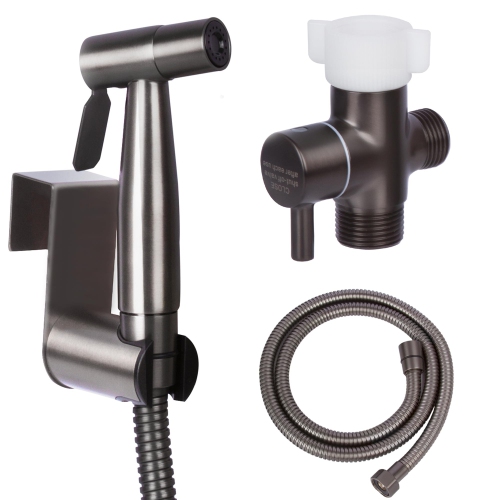
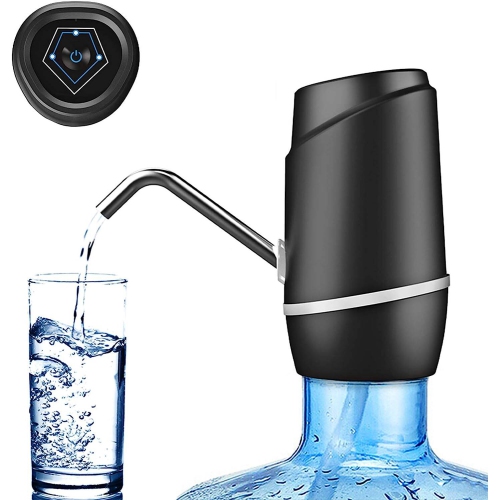
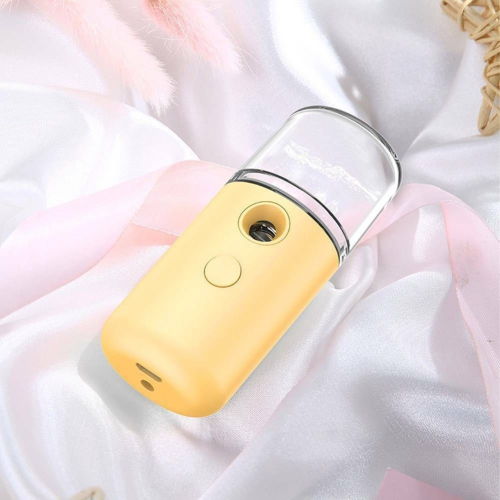
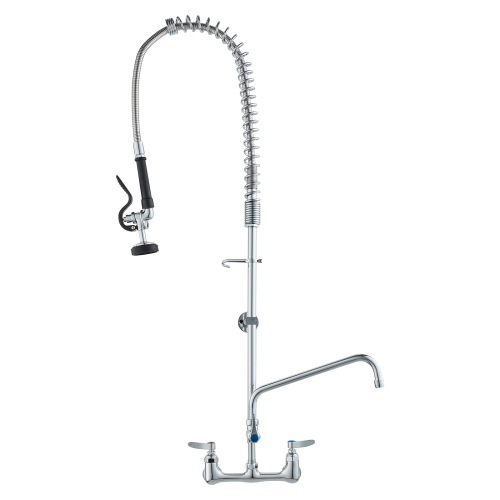
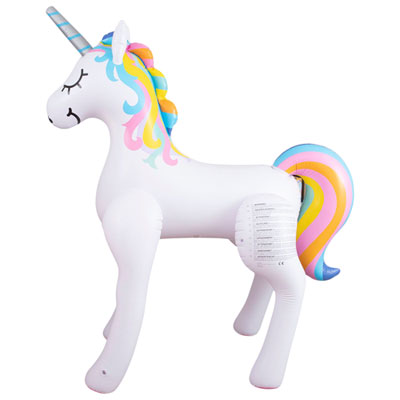
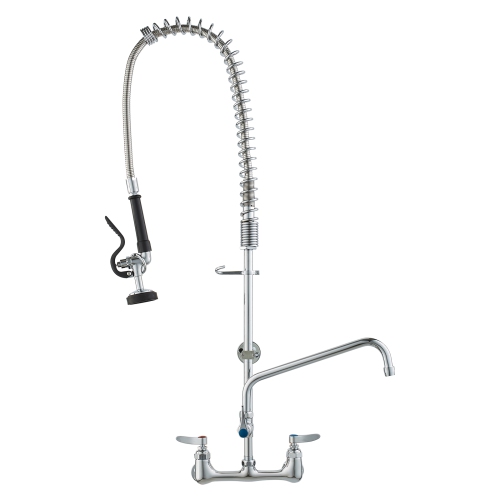
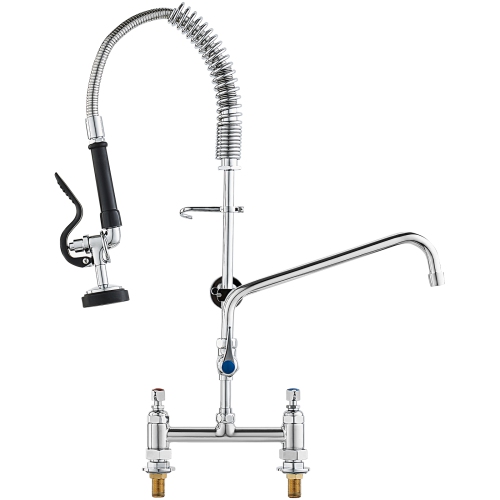

Why spray pattern and tank size matter for watering
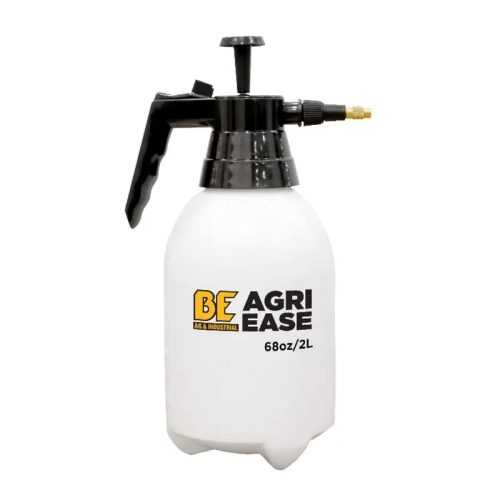
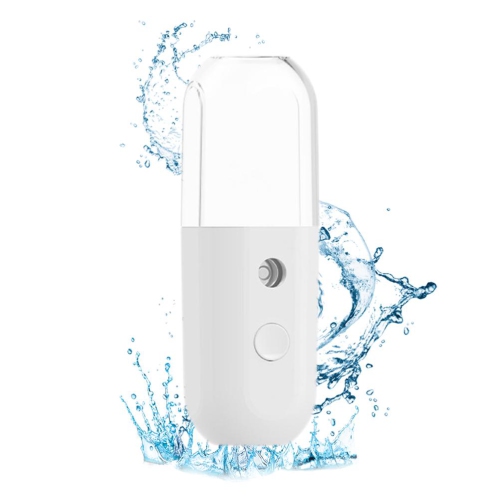
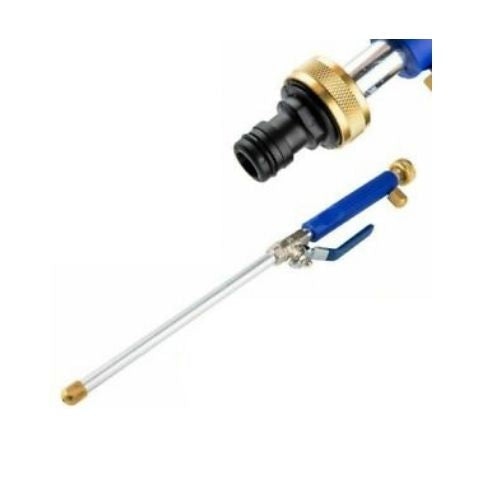
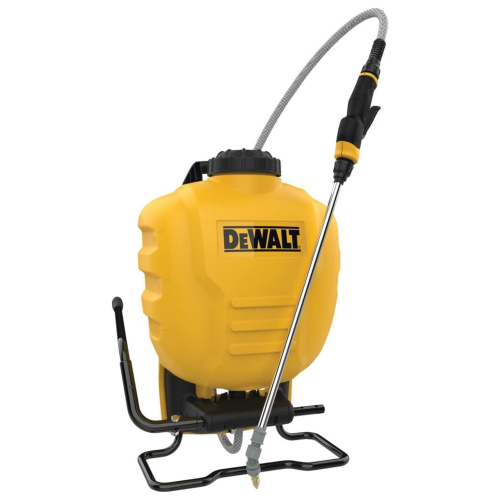
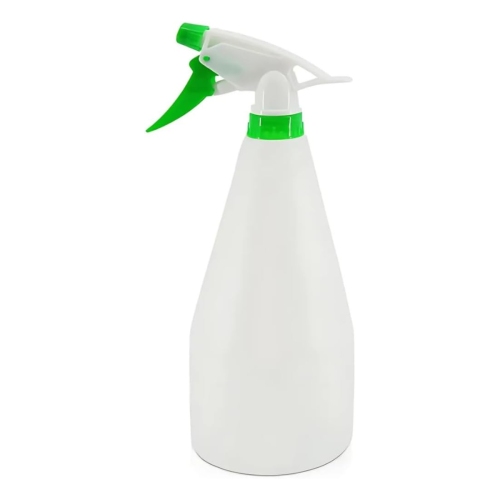
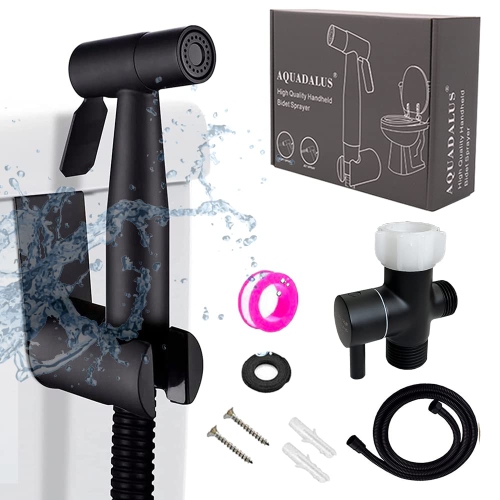
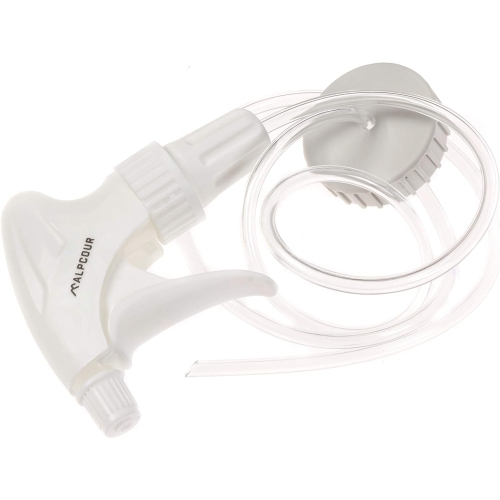
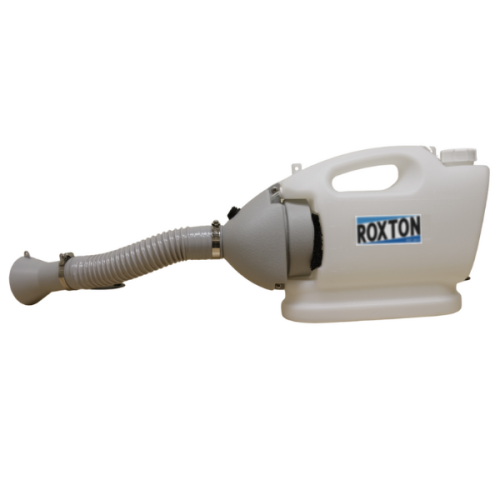
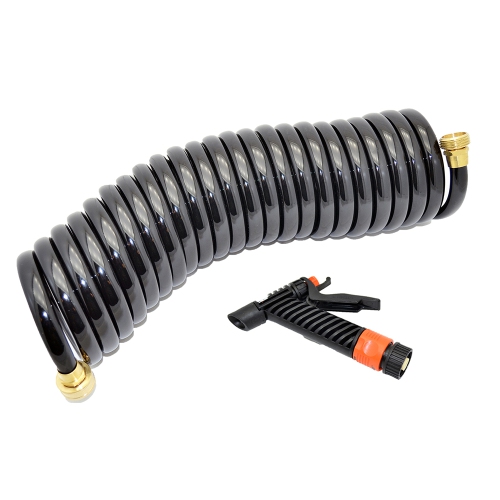
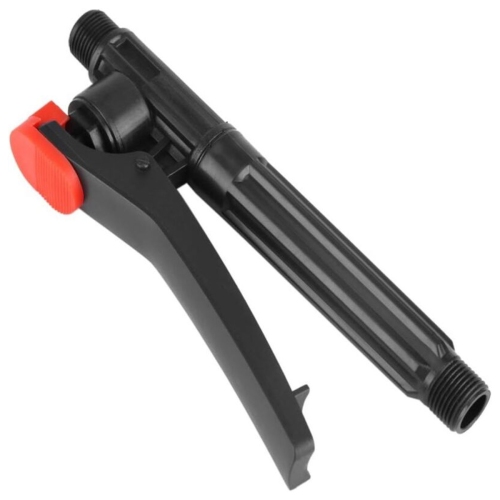
Water sprayers deliver water in a controlled pattern, from a fine mist for delicate surfaces to a directed stream for targeted watering and light rinsing. The main types include trigger spray bottles, manual pump sprayers, hose-end sprayers, and larger tanks carried by a handle, shoulder strap, or backpack harness. Each format suits a different scale of work. A compact trigger bottle is easy to keep beside a potting bench, while a pump tank allows repeated spraying without squeezing a trigger for every burst. A hose-end attachment draws from a connected water supply rather than a reservoir, making it practical for tasks within reach of a garden hose. For small jobs that call for close control, handheld sprayers offer a manageable format for moving between containers or directing water into a narrow space. Tank capacity affects both coverage and carrying weight: a larger reservoir means fewer interruptions to refill, but every litre of water adds approximately one kilogram before the weight of the sprayer itself. A modest reservoir can be more comfortable for watering a few planters, while a larger tank may suit a longer row of containers or several separate planting areas. Capacity alone does not determine how much ground a sprayer can cover, since nozzle setting, flow rate, and the amount of water each task needs also matter. Intended use is equally important. Wetting the surface of a seed tray takes a different spray pattern from rinsing loose soil off a gardening tool. Water sprayers can help gardeners, houseplant owners, and people maintaining patios or small growing spaces place water where it is needed without tipping a watering can into an awkward gap. For plant care, a gentle spray can moisten suitable seed-starting media without disturbing it, but misting leaves is not a substitute for watering the root zone. The most useful format is one that matches the task, the distance from a water source, and the amount of equipment the user is comfortable carrying.
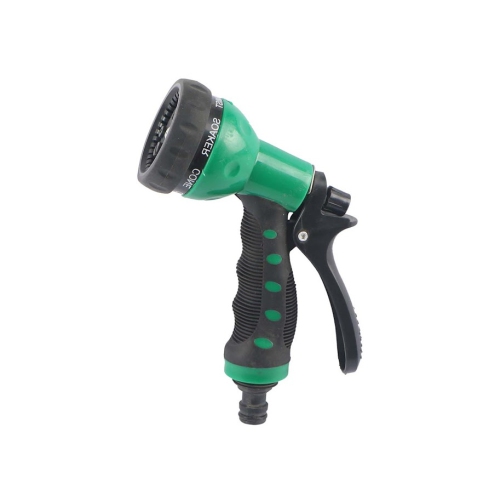
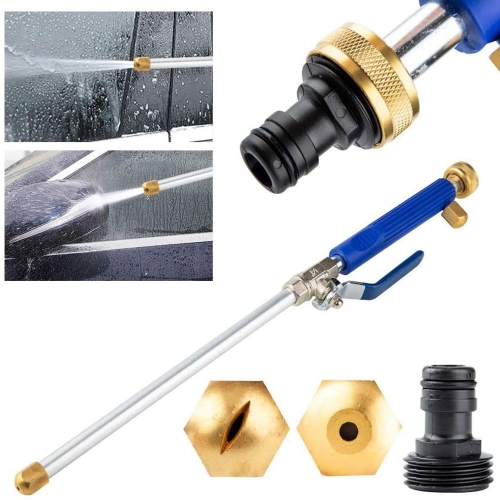
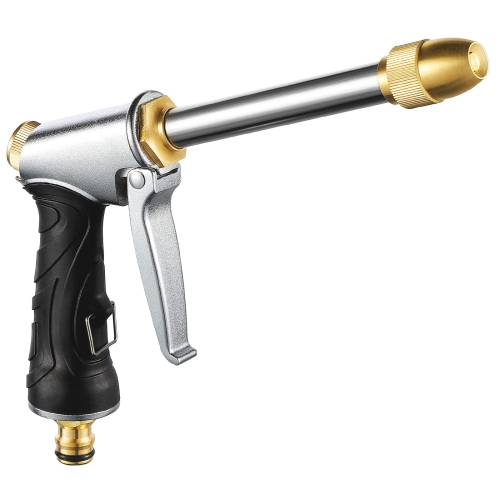
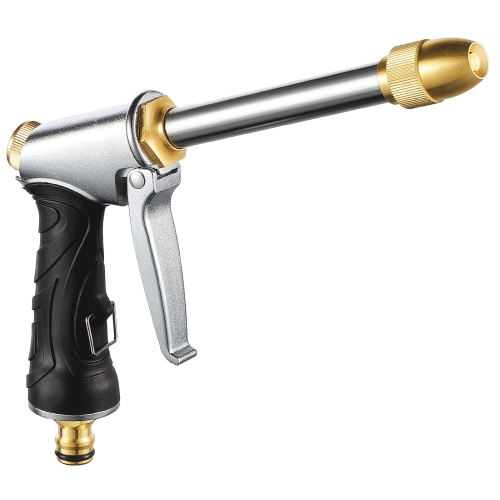
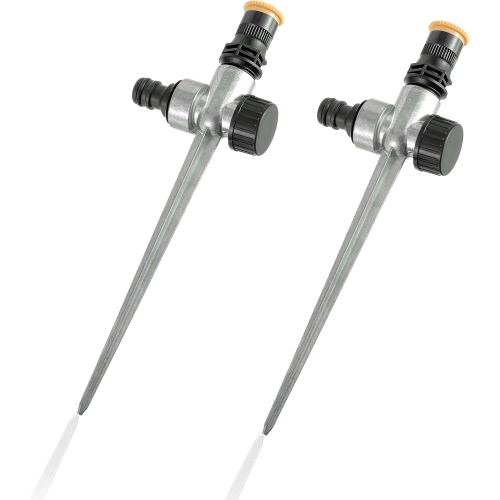
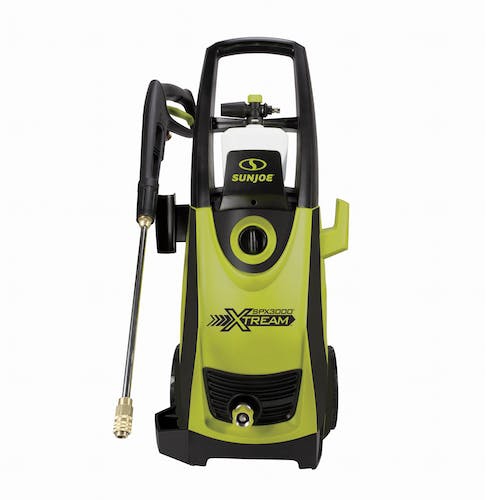
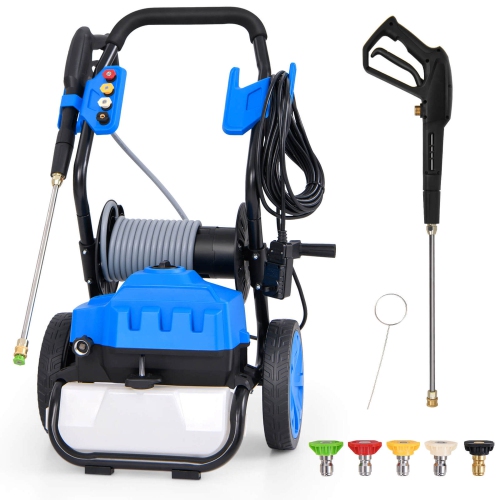
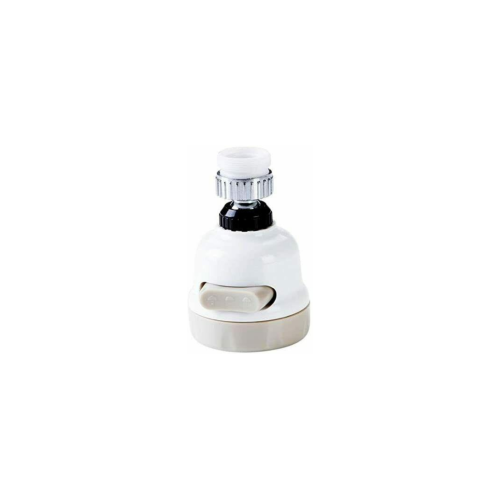
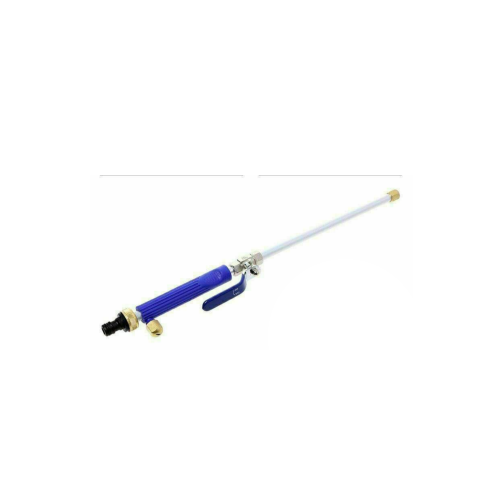
Nozzle design shapes how a water sprayer feels in everyday use. An adjustable tip may move between a narrow stream and a wider mist, while a multi-pattern head can provide distinct fan, shower, or cone settings. A broad, gentle pattern spreads water across a surface; a more concentrated stream helps reach a particular spot. Neither setting makes a manual sprayer equivalent to a pressure washer, and a forceful jet can displace soil or damage tender growth. Consistent flow is often more valuable than maximum force, especially when working along a tray of seedlings or watering around the base of closely spaced plants. On a manual pump sprayer, pressure gradually falls as water leaves the tank, so occasional pumping is part of normal operation. A comfortable pump handle, a trigger that moves smoothly, and a shut-off control within easy reach can make that rhythm less tiring. A trigger lock, where provided, can reduce sustained finger pressure during longer applications, though it should be disengaged before the sprayer is set down. A wand extends reach beneath foliage or towards ground-level containers, and an angled tip can help direct the spray without awkward wrist movements. Longer is not always better: a short wand may be easier to manoeuvre around a crowded balcony or potting shelf. Fit also includes the hose connection, seals, and any adapters needed for the water source. A secure connection matters more than an attachment that merely looks compatible, since mismatched threads or worn washers can lead to leaks. For carried tanks, handle clearance, strap adjustment, and the position of the reservoir against the body influence comfort. Someone working through several planters may appreciate a stable base that keeps the tank upright between tasks, while someone with limited grip strength may place greater value on low-effort controls and a lighter filled weight. A wide filling opening, clear capacity markings, and a translucent reservoir make it easier to judge water levels and refill without spills. These practical details often make a greater difference to daily use than a long list of spray patterns.
Materials and construction affect a water sprayer’s weight, durability, and care requirements. Plastic reservoirs are common because they are lightweight and do not rust, but the quality of the moulding, handle attachment, and threaded opening still matters. Metal wands and fittings can provide rigidity at frequently handled points, while plastic components can keep the overall weight down. No single material guarantees a longer service life; seals, washers, hose flexibility, and the way parts connect are just as important. A sprayer described for water use should not be assumed suitable for fertilizers, cleaning solutions, or other liquids. Compatibility depends on the complete assembly, including the tank, tubing, nozzle, and seals, and any added substance must be permitted by both the sprayer instructions and the substance’s label. Keeping a dedicated water-only sprayer clearly labelled helps prevent accidental mixing or the transfer of residues to plants and surfaces. Routine care is straightforward but worthwhile. Empty the reservoir after use, rinse it as directed, and allow the parts to drain and dry before storage. On pressurized designs, release pressure using the specified method before opening the tank or removing components. A blocked nozzle can cause an uneven pattern or reduced flow; cleaning it according to the manufacturer’s directions is preferable to forcing a sharp object through the opening, which may alter the spray. Filters, where fitted, help intercept debris but still need inspection and cleaning. Checking washers and seals when a leak first appears can prevent a small maintenance issue from becoming a frustrating mess around the handle or hose joint. Accessible replacement seals, nozzles, and wands can also make a sprayer easier to maintain over time. Store the equipment upright where possible, with the hose arranged without sharp bends and the trigger protected from accidental operation. For a gardening enthusiast or someone establishing a collection of houseplants, a water sprayer can be a thoughtful practical gift when its size and controls suit their routine. A compact, easy-to-fill design suits quick tasks, while a comfortable carrying system and steady spray are more useful for extended work. Matching those everyday details to the intended use makes the sprayer easier to handle, clean, and keep in service.
Nozzle design shapes how a water sprayer feels in everyday use. An adjustable tip may move between a narrow stream and a wider mist, while a multi-pattern head can provide distinct fan, shower, or cone settings. A broad, gentle pattern spreads water across a surface; a more concentrated stream helps reach a particular spot. Neither setting makes a manual sprayer equivalent to a pressure washer, and a forceful jet can displace soil or damage tender growth. Consistent flow is often more valuable than maximum force, especially when working along a tray of seedlings or watering around the base of closely spaced plants. On a manual pump sprayer, pressure gradually falls as water leaves the tank, so occasional pumping is part of normal operation. A comfortable pump handle, a trigger that moves smoothly, and a shut-off control within easy reach can make that rhythm less tiring. A trigger lock, where provided, can reduce sustained finger pressure during longer applications, though it should be disengaged before the sprayer is set down. A wand extends reach beneath foliage or towards ground-level containers, and an angled tip can help direct the spray without awkward wrist movements. Longer is not always better: a short wand may be easier to manoeuvre around a crowded balcony or potting shelf. Fit also includes the hose connection, seals, and any adapters needed for the water source. A secure connection matters more than an attachment that merely looks compatible, since mismatched threads or worn washers can lead to leaks. For carried tanks, handle clearance, strap adjustment, and the position of the reservoir against the body influence comfort. Someone working through several planters may appreciate a stable base that keeps the tank upright between tasks, while someone with limited grip strength may place greater value on low-effort controls and a lighter filled weight. A wide filling opening, clear capacity markings, and a translucent reservoir make it easier to judge water levels and refill without spills. These practical details often make a greater difference to daily use than a long list of spray patterns.
Materials and construction affect a water sprayer’s weight, durability, and care requirements. Plastic reservoirs are common because they are lightweight and do not rust, but the quality of the moulding, handle attachment, and threaded opening still matters. Metal wands and fittings can provide rigidity at frequently handled points, while plastic components can keep the overall weight down. No single material guarantees a longer service life; seals, washers, hose flexibility, and the way parts connect are just as important. A sprayer described for water use should not be assumed suitable for fertilizers, cleaning solutions, or other liquids. Compatibility depends on the complete assembly, including the tank, tubing, nozzle, and seals, and any added substance must be permitted by both the sprayer instructions and the substance’s label. Keeping a dedicated water-only sprayer clearly labelled helps prevent accidental mixing or the transfer of residues to plants and surfaces. Routine care is straightforward but worthwhile. Empty the reservoir after use, rinse it as directed, and allow the parts to drain and dry before storage. On pressurized designs, release pressure using the specified method before opening the tank or removing components. A blocked nozzle can cause an uneven pattern or reduced flow; cleaning it according to the manufacturer’s directions is preferable to forcing a sharp object through the opening, which may alter the spray. Filters, where fitted, help intercept debris but still need inspection and cleaning. Checking washers and seals when a leak first appears can prevent a small maintenance issue from becoming a frustrating mess around the handle or hose joint. Accessible replacement seals, nozzles, and wands can also make a sprayer easier to maintain over time. Store the equipment upright where possible, with the hose arranged without sharp bends and the trigger protected from accidental operation. For a gardening enthusiast or someone establishing a collection of houseplants, a water sprayer can be a thoughtful practical gift when its size and controls suit their routine. A compact, easy-to-fill design suits quick tasks, while a comfortable carrying system and steady spray are more useful for extended work. Matching those everyday details to the intended use makes the sprayer easier to handle, clean, and keep in service.
Top selling and popular products
-
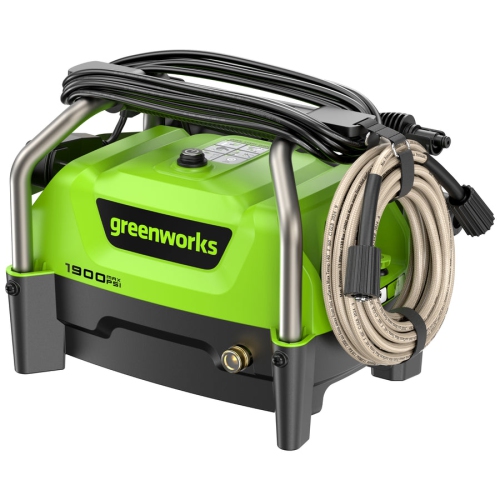 Your price for this item is $169.99
 -
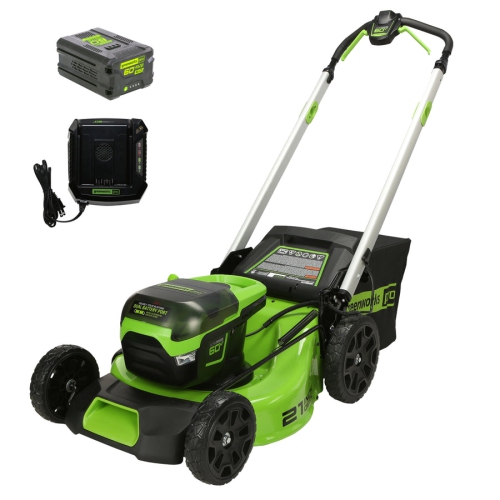 Your price for this item is $554.39
 -
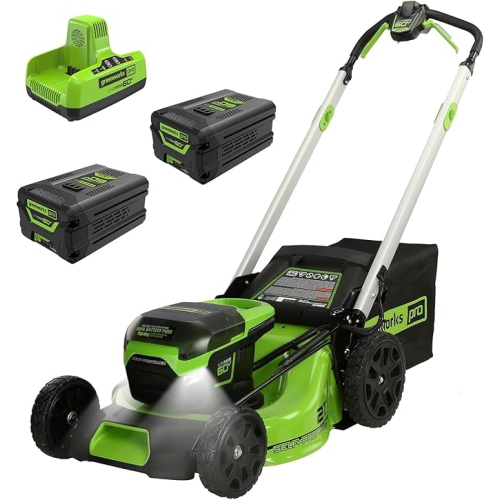 Your price for this item is $879.99
 -
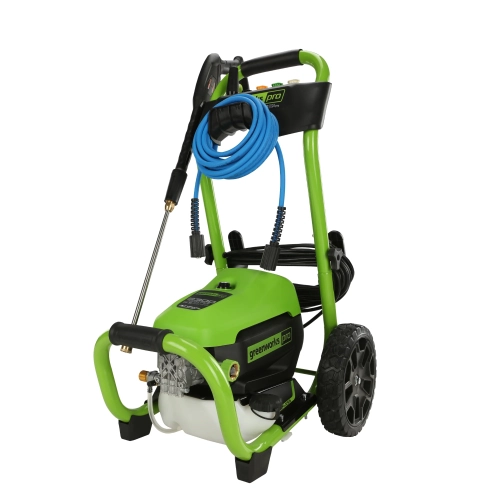 Your price for this item is $439.99
 -
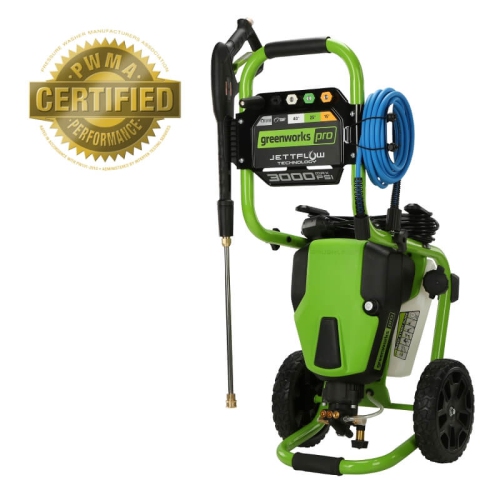 Your price for this item is $499
 -
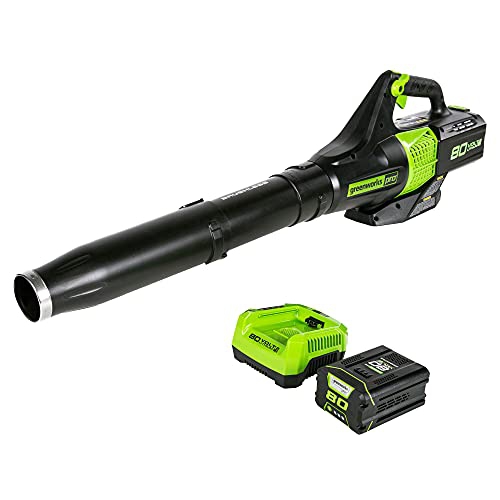 Your price for this item is $255
 -
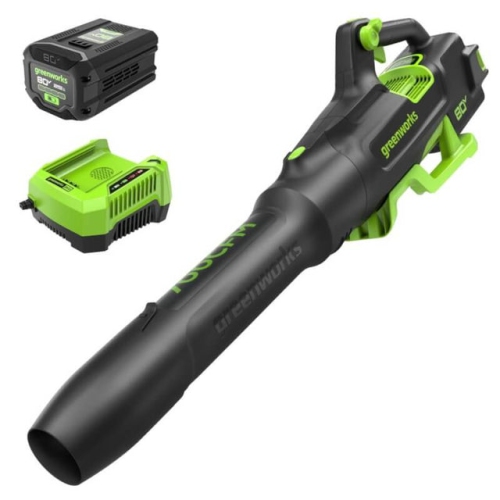 Your price for this item is $272
 -
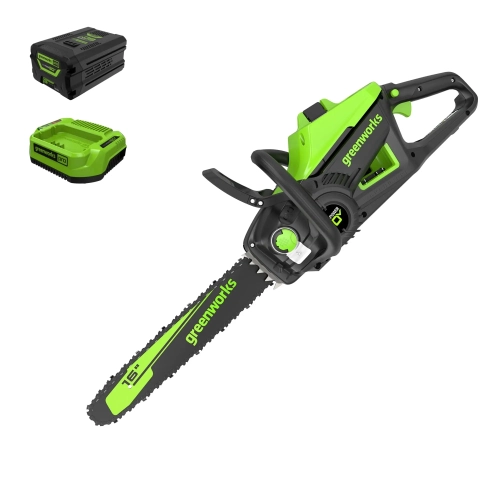 Your price for this item is $329.99
Discover more categories related to Water Sprayers
Top Collections:
Pokemon Centers, Kindle Devices, Best Budget Office Chairs, Apple iPhones 16, Best Laptops for Writers, iPhone 15 Apple, Canon G7X Cameras, Refurbished Apple Laptops, Alarm Clock, Motorola Razr Phones
Some products may be subject to Environmental Handling Fees
(EHF) depending on your province.
Learn more about EHFs.